Venomous vs. Poisonous
Venomous vs. Poisonous: Understanding Sea Creatures You Might Encounter
As much as we love diving into the deep blue, it’s important to understand the creatures we might encounter beneath the waves. The ocean is home to a dazzling array of marine life, some of which come with a bit of a sting—literally. But did you know there’s a key difference between venomous and poisonous sea creatures? Let’s dive into this fascinating topic and clear up the confusion with a splash of fun!

Venomous vs. Poisonous: What’s the Difference?
Before we get into specific sea creatures, let’s break down the difference between venomous and poisonous:
Venomous: A creature is considered venomous if it can inject venom into another animal through a specialized structure, like a fang or a stinger. Venom is a toxic substance that causes harm when it’s delivered through a bite, sting, or other means.
Poisonous: A creature is poisonous if its body contains toxins that are harmful when ingested or touched. Poison is a substance that can cause harm if it’s consumed, absorbed through the skin, or otherwise encountered.
So, while venomous creatures actively deliver toxins, poisonous creatures passively make toxins available for harm.
Venomous Sea Creatures: The Active Injectors
Let’s explore some of the ocean’s most intriguing venomous creatures:
1. Box Jellyfish
What’s the Buzz: The box jellyfish is one of the most venomous creatures in the ocean. Its tentacles are lined with stinging cells that release toxins upon contact. The venom can cause intense pain and, in severe cases, even be fatal.
Fun Fact: Despite their sting, box jellyfish are fascinating to observe—just make sure to admire them from a safe distance!

Box Jellyfish
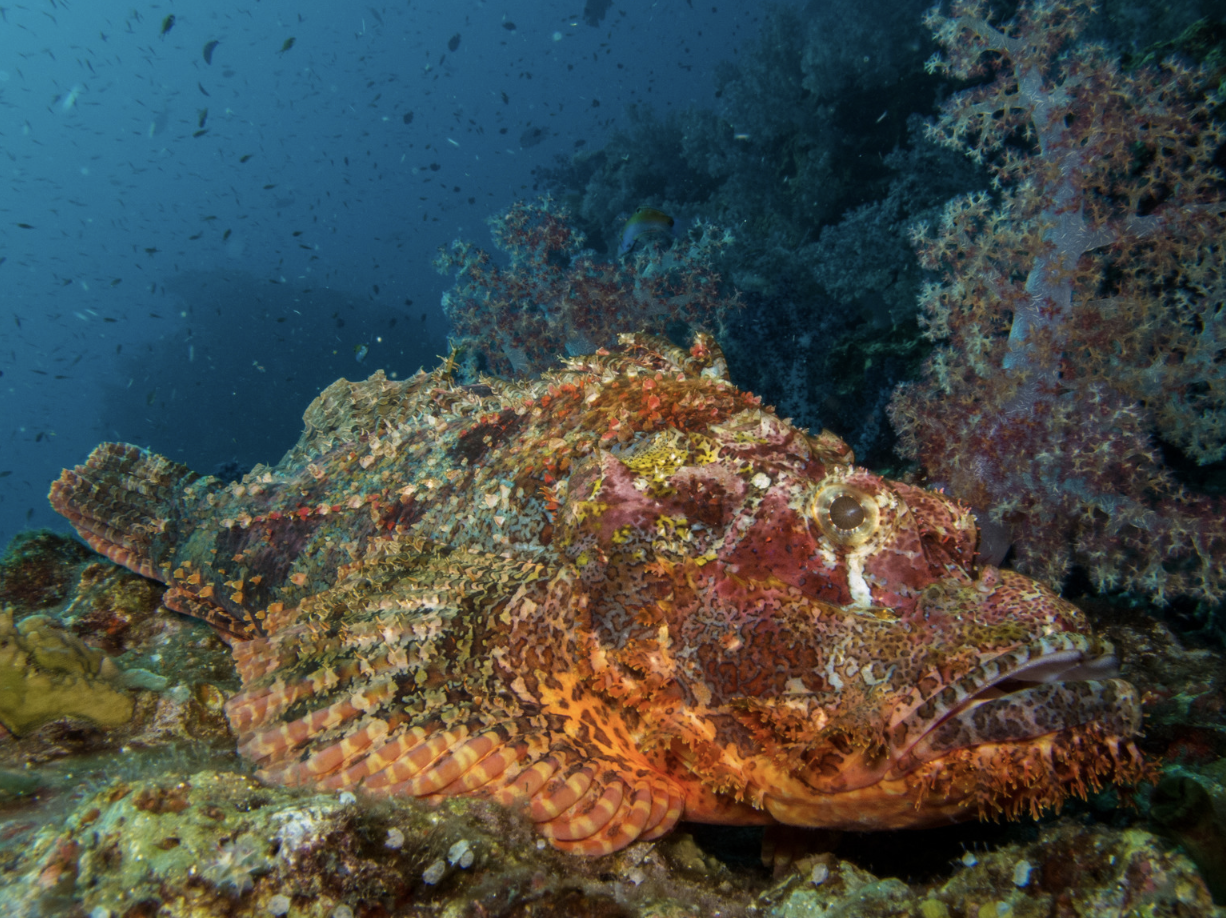
2. Stonefish
What’s the Buzz: The stonefish is a master of disguise, blending in with the ocean floor. It has spines on its back that can deliver a painful venom if stepped on. The venom can cause extreme pain, swelling, and even shock.
Fun Fact: Stonefish are slow movers, so watch your step in rocky or sandy areas!
Stonefish
3. Cone Snail
What’s the Buzz: Cone snails have a harpoon-like tooth that delivers venom through a needle-sharp sting. The venom can cause paralysis and is potentially deadly.
Fun Fact: Cone snails come in vibrant colors and patterns, making them a stunning but dangerous sight!

Cone Snail
4. Blue Ringed Octopus
What’s the Buzz: The blue ringed octopus is small but packs a powerful venom that can cause paralysis. Its vibrant blue rings serve as a warning to potential predators.
Fun Fact: The venom of a blue ringed octopus is potent enough to kill a human, so it’s best to admire them from a safe distance!

Blue Ringed Octopus
Poisonous Sea Creatures: The Passive Defenders
Now, let’s take a look at some of the ocean’s poisonous inhabitants:
1. Pufferfish
What’s the Buzz: Pufferfish are known for their ability to inflate and their potent toxin called tetrodotoxin. This poison can be deadly if ingested. However, pufferfish themselves are not dangerous if you don’t eat them.
Fun Fact: Some cultures consider pufferfish a delicacy, but it must be prepared by trained chefs to avoid poisoning!

Pufferfish
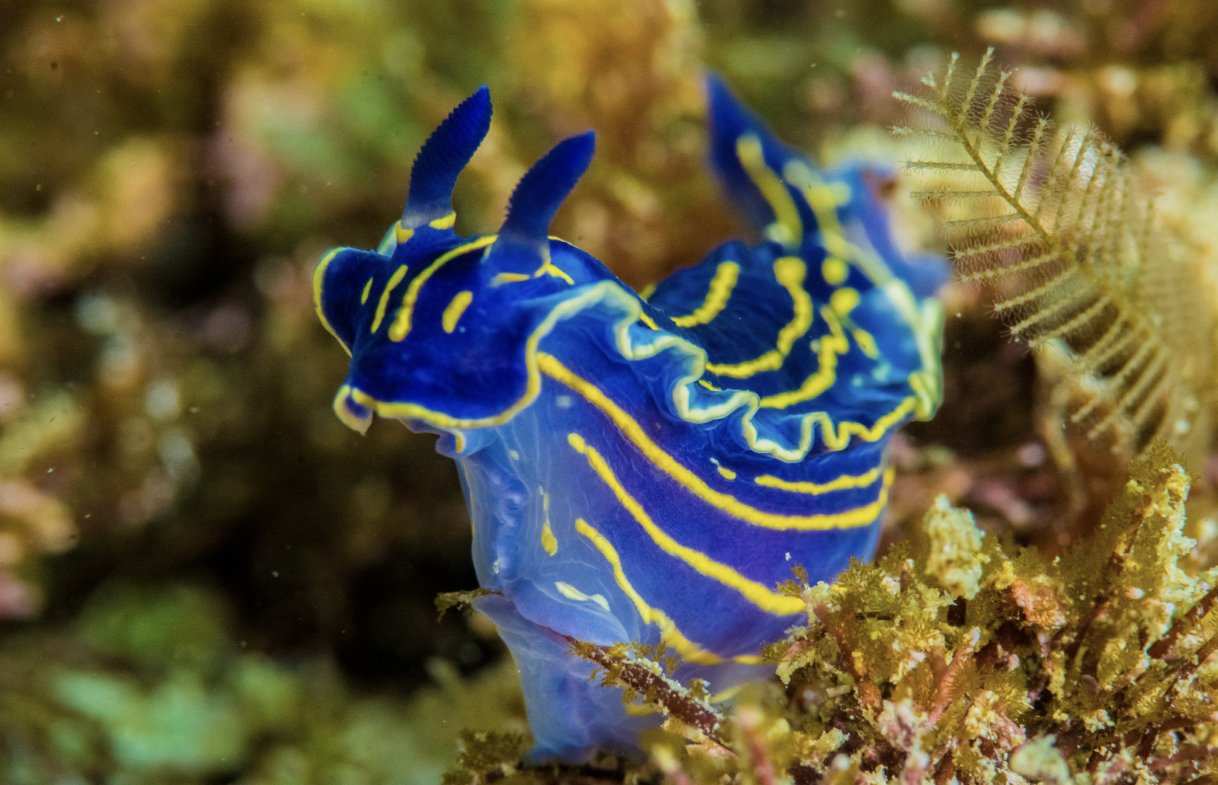
2. Sea Slug (Nudibranch)
What’s the Buzz: Many sea slugs, especially those with bright colors, contain toxins that can be harmful if ingested. Their vibrant colors often signal their toxicity to potential predators.
Fun Fact: Nudibranchs are like the ocean’s living art—beautiful but potentially dangerous!
Nudi
3. Lionfish
What’s the Buzz: The lionfish’s spines are venomous, but it’s also known for its ability to exude toxins through its spines if threatened. This makes it both venomous and poisonous, depending on the context.
Fun Fact: Lionfish are stunning to look at but can be quite aggressive when disturbed.

Lionfish
4. Sea Anemone
What’s the Buzz: Sea anemones have stinging cells called nematocysts that can deliver venom. While they are not poisonous, the venom can cause irritation and pain.
Fun Fact: Sea anemones often host clownfish, which have a special adaptation to avoid getting stung!

Anemone
Avoiding Touch and Handling: Why It’s Essential
When diving or snorkeling, it’s crucial to remember that touching or handling sea life can have serious consequences. Here’s why:
1. Protection for Marine Life: Many marine creatures, even those that aren’t venomous or poisonous, can be easily stressed or harmed by human contact. Touching can disrupt their natural behaviors and habitats.
2. Personal Safety: Some sea creatures, regardless of their venomous or poisonous status, can react defensively if they feel threatened. This can lead to painful stings, bites, or other injuries. It’s always best to keep a safe distance and avoid unnecessary contact.
3. Preservation of Ecosystems: Handling marine life can inadvertently spread diseases or damage delicate ecosystems. By not touching or disturbing sea creatures, you help preserve their natural environment for future generations.
4. Legal and Ethical Considerations: In many areas, there are laws and regulations designed to protect marine life from human interference. Always be aware of and respect local guidelines when interacting with the ocean.
Safety Tips: Enjoying the Ocean Responsibly
Observe From a Distance: Always keep a respectful distance from marine creatures, especially those known to be venomous or poisonous.
Wear Protective Gear: When diving or snorkeling, consider wearing protective clothing to minimize contact with potential stingers.
Be Informed: Knowing what types of creatures are in the area you’re diving or snorkeling can help you stay alert and avoid potential hazards.
Seek Medical Attention: If stung or bitten, seek medical attention immediately. Knowing how to treat envenomations or poisonings is crucial for a safe diving experience.
With that…
The ocean is a mesmerizing and diverse world full of incredible creatures, some of which come with a bit of a sting or a bite. Understanding the difference between venomous and poisonous sea creatures—and respecting the rule of not touching or handling marine life—helps you stay safe while appreciating the wonders of the underwater realm. So, next time you’re exploring the depths, remember to admire these fascinating creatures from a safe distance and keep the adventure going!
Happy diving, and may your underwater explorations be filled with wonder and safety!
Dive safe, explore passionately, and remember…