
Why Night Diving is Not So Spooky After All
Diving into the Dark: Why Night Diving is Not So Spooky After All
Hello, fellow ocean enthusiasts! As a seasoned scuba instructor, I often get asked about my experiences with night diving. “Isn’t it spooky?” people ask, with wide eyes. I’m here to tell you that night diving is one of the most exhilarating experiences you can have underwater, and it’s not as terrifying as it sounds!
The Magic of the Night Ocean
First off, let’s talk about the atmosphere. Picture this: you slip into your wetsuit, strap on your tank, and as you walk into the water, the world transforms. The usual daytime hustle and bustle of the reef fades away, replaced by a serene, almost otherworldly ambiance. The darkness can be intimidating, but trust me, it’s also magical. Bioluminescent organisms light up the water around you, like stars scattered in the ocean. It’s a show that only Mother Nature could produce!

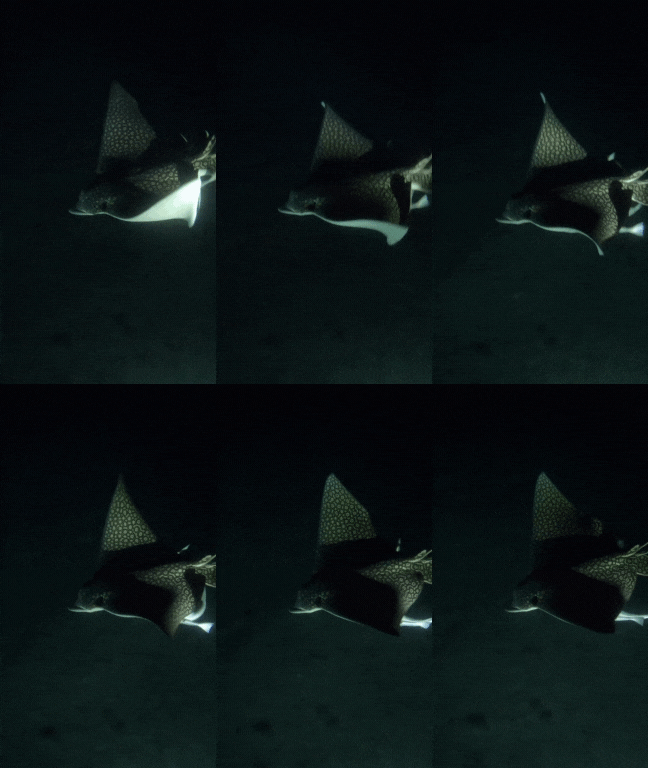
Night diving in the Galapagos
Visibility is Key
One of the most common misconceptions about night diving is that you can’t see anything. That’s simply not true! With a reliable dive light (or two), you’ll illuminate your surroundings and discover a vibrant nightlife that you might miss during the day. Creatures that are nocturnal come out to play, and you’ll be surprised by what you find. Think of it as a whole new world just waiting to be explored!
An Intimate Connection with Marine Life
At night, the ocean feels more intimate. You’ll often encounter critters like squids, octopuses, and even sea turtles that prefer the night scene. There’s something so special about hovering over a reef, spotlighting a curious creature who seems just as fascinated by you as you are by it. It’s a reminder that we’re all part of this underwater ecosystem, and the connection feels deeper when the sun goes down.
Safety in Numbers
For those who worry about the spookiness factor, here’s a reassuring tip: never dive alone! Night diving usually means you’ll be with a buddy or in a group, which adds to the safety and fun. We instructors always emphasize the buddy system, and at night, it becomes even more vital. There’s something comforting about sharing the experience with friends, each of you lighting up the darkness like a constellation in the water.
Embrace the Calm
Another great aspect of night diving is the stillness of the ocean. With fewer divers around, you can truly embrace the tranquility of the underwater world. There’s a kind of peace that comes over you as you glide through the dark, knowing that you’re experiencing something many people never will. It’s like meditating with fish!

Pre-Night Dive Prep: Gear Up for Success
Before you dive into the enchanting world of night diving, a little preparation can make all the difference in ensuring a safe and enjoyable experience. Here are my top tips for pre-night dive prep:
1. Scout the Site During the Day
If you can, do a daytime dive at the site first. Familiarizing yourself with the terrain, entry and exit points, and notable features will help ease any anxiety about navigating in the dark. You’ll also get to know which critters might be hiding in their daytime spots!
2. Check Your Gear Thoroughly
Night diving requires a bit more attention to detail when it comes to gear. Here’s a quick checklist:
Dive Light(s): Bring at least two reliable dive lights. Check that the batteries are fresh, and consider bringing backup batteries or a secondary light in case one fails.
Backup Light: A smaller, pocket-sized light can be invaluable for signaling or close-up inspections of marine life.
Dive Computer/Depth Gauge: Make sure your dive computer is fully charged and functioning. The darkness can make it harder to keep track of your depth and time.
Red Filters: If you have a red filter for your dive light, use it! Red light is less disruptive to nocturnal creatures, helping you see without scaring them away.
3. Plan Your Dive
Discuss your dive plan with your buddy or group before heading in. Establish key details like maximum depth, dive time, and the route you’ll take. Communication is vital, especially at night. Agree on hand signals or a signaling system with your dive light to keep each other informed throughout the dive.
4. Surface Marker Buoy (SMB)
Bring a Surface Marker Buoy to deploy at the end of your dive. This ensures that your boat or surface support knows exactly where you are, especially in low-visibility conditions.
5. Practice Good Light Discipline
Before you dive, discuss how to use your lights effectively. Avoid shining your light directly into your buddy’s eyes or at other divers. This not only helps keep everyone comfortable but also preserves your night vision.
6. Stay Calm and Centered
Take a moment to breathe and visualize your dive. Night diving can be intimidating, but keeping a calm mindset will enhance your experience. Remember, you’re diving into a world of wonder, not fear!

The Spook Factor is Just in Your Head
Lastly, let’s address the spooky factor directly. Sure, the darkness can be intimidating, but that fear often stems from the unknown. The more you dive at night, the more comfortable you become. With experience, you’ll find that the ocean isn’t as scary as it seems. Instead, it’s filled with wonders and beauty that unfold when the sun goes down.
Dive Into the Adventure
So, if you’re thinking about trying night diving, I wholeheartedly encourage you to take the plunge! Embrace the darkness, trust in your training, and allow yourself to be amazed by the wonders that await. Remember, the ocean is full of surprises—some of the best ones happen after hours!
Happy diving, and may your underwater adventures be as bright as your dive light!
Dive safe, explore passionately, and remember…