Curated for the Current: Stream2Sea
Curated for the Current Continues
The Brand That Challenges the Way We Think About Conservation
I first discovered Stream2Sea on a dive boat in the Florida Keys shortly after becoming a scuba instructor in early 2022.
There wasn't a sales pitch, a sponsored presentation, or a vendor booth. I was simply standing on the back deck waiting for the dive briefing when I noticed a bottle of sunscreen sitting nearby. Being the kind of person who reads labels and informational panels for fun, I picked it up and started reading.
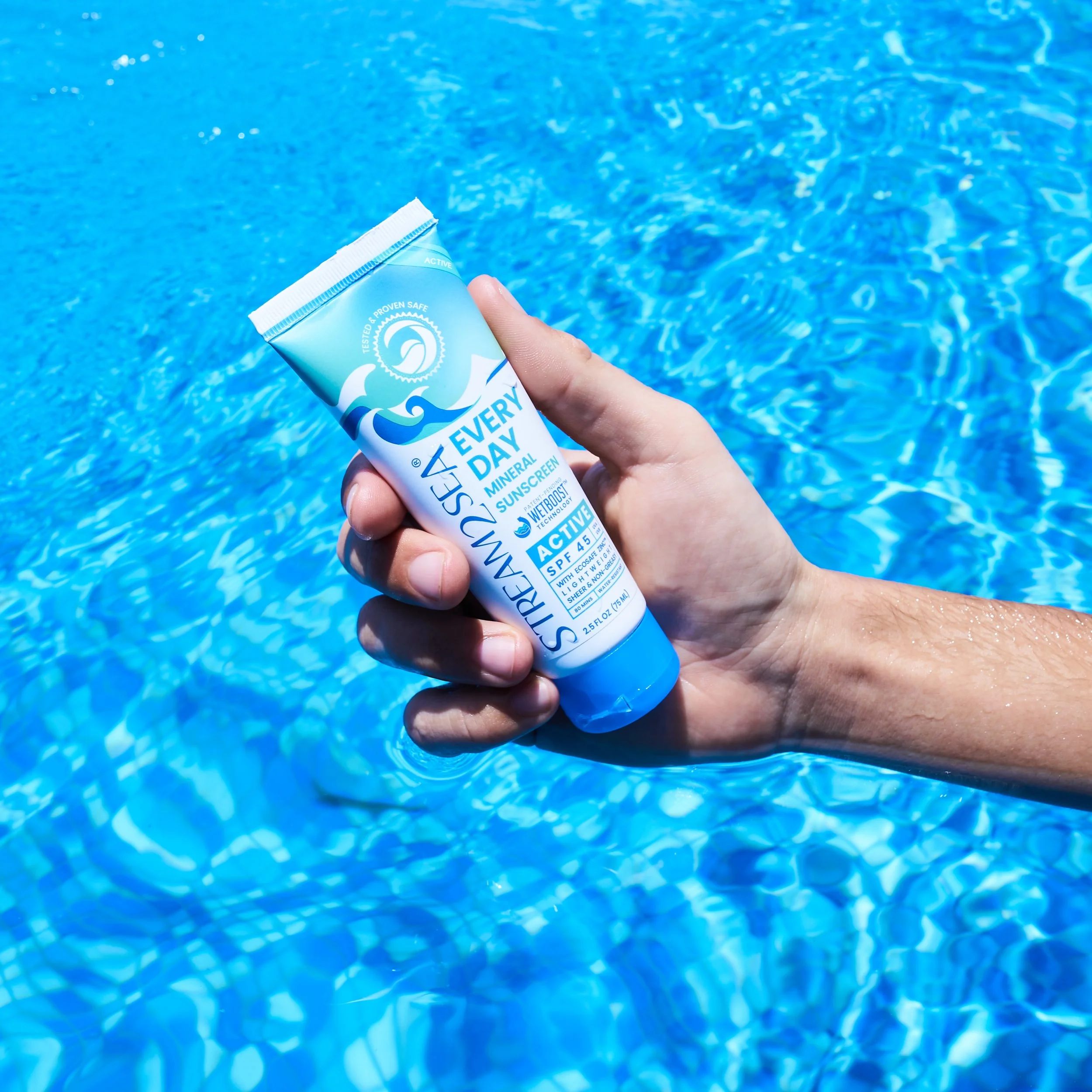
What caught my attention wasn't the SPF rating or the ingredient list. It was the fact that the company seemed obsessed with something I had never really considered before: what happens after a personal care product enters the water. The bottle talked about aquatic toxicity testing, biodegradability, coral reefs, and environmental impact. Instead of focusing solely on protecting my skin, it was asking questions about protecting the places I loved to dive.
I remember thinking, why isn't every company talking about this?
That single bottle introduced me to Stream2Sea. I bought one that day, and before long it was joined by another bottle, the defog, the leave-in conditioner, and eventually much of the Stream2Sea lineup. Somewhere along the way, I became a die-hard fan. Not because of flashy marketing or trendy packaging, but because the company made me think differently about the products I was using every day and the places those products ultimately ended up.
Years later, when I had the opportunity to speak with Stream2Sea Vice President Mike Malterre, I finally got the rest of the story. What I thought was a sunscreen company turned out to be something much bigger.
A Question Born Beneath the Surface
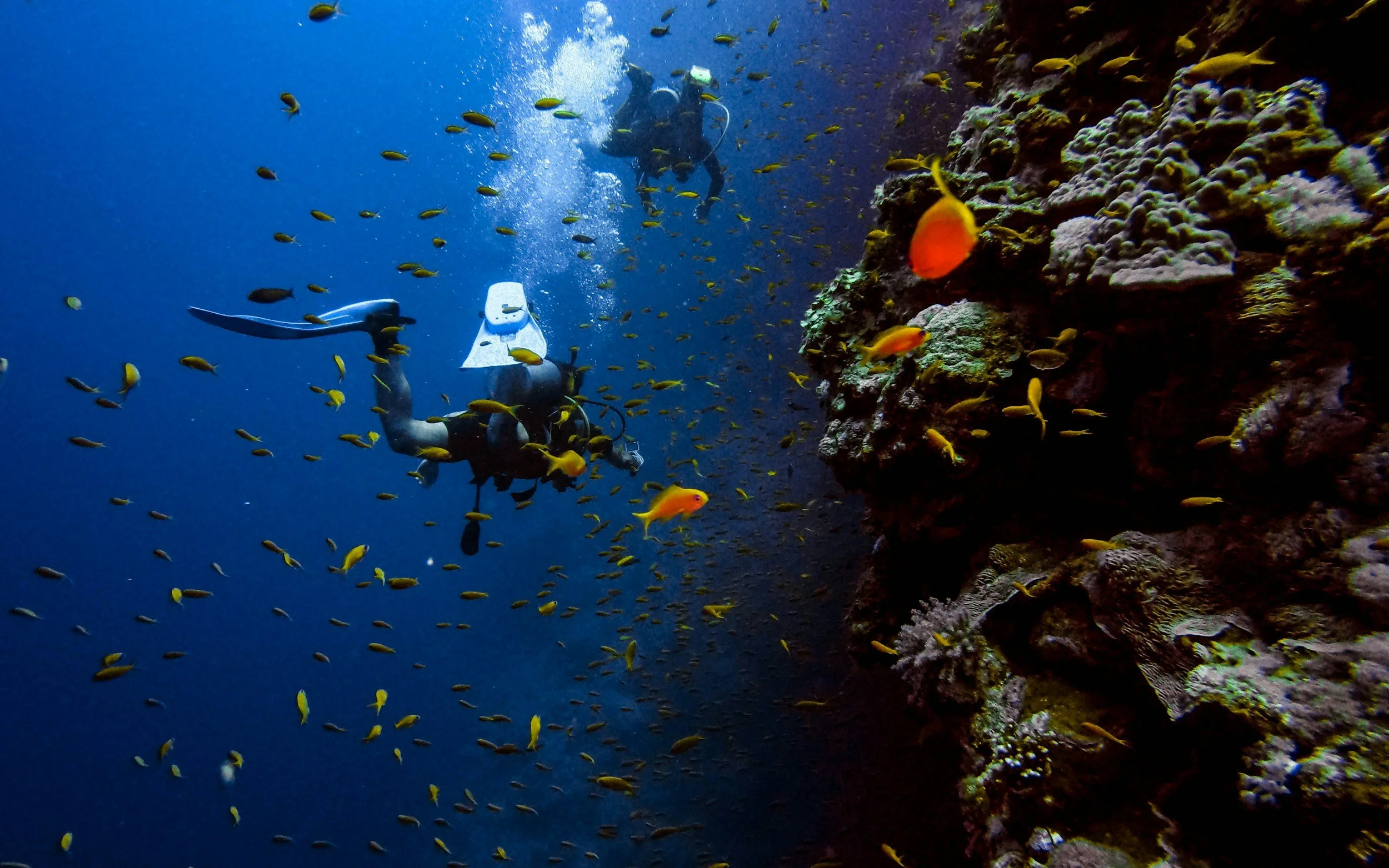
Long before Stream2Sea became a trusted name among divers, founder Autumn Blum was hanging on a safety stop in Palau. Like many of us, she was surrounded by crystal-clear water, healthy reefs, and fellow divers enjoying one of the most spectacular destinations on the planet. Unlike most of us, however, Autumn wasn't just a diver. She was also a cosmetic chemist.

As she watched sunscreen, lotions, and personal care products visibly washing from swimmers into the surrounding water, she couldn't stop wondering where those chemicals were going. The ocean looked pristine, but what was happening beneath the surface? What happened when those ingredients entered coral reefs, mangroves, estuaries, rivers, and lakes? More importantly, was anyone actually studying the answer?
The more she investigated, the more concerning the picture became. The beauty industry was heavily focused on testing products for human safety, but very few companies were asking how those same products affected aquatic ecosystems. The assumption seemed to be that once a product washed away, it simply disappeared.
That realization became the foundation of Stream2Sea. Not a sunscreen company. Not a skincare company. A company built around a deceptively simple question: What happens next?
A Conversation That Felt Different
When I connected with Mike, I expected to learn more about the company behind products I had been using for years. What I didn't expect was how refreshing it would be to talk with someone who viewed conservation through such a similar lens.
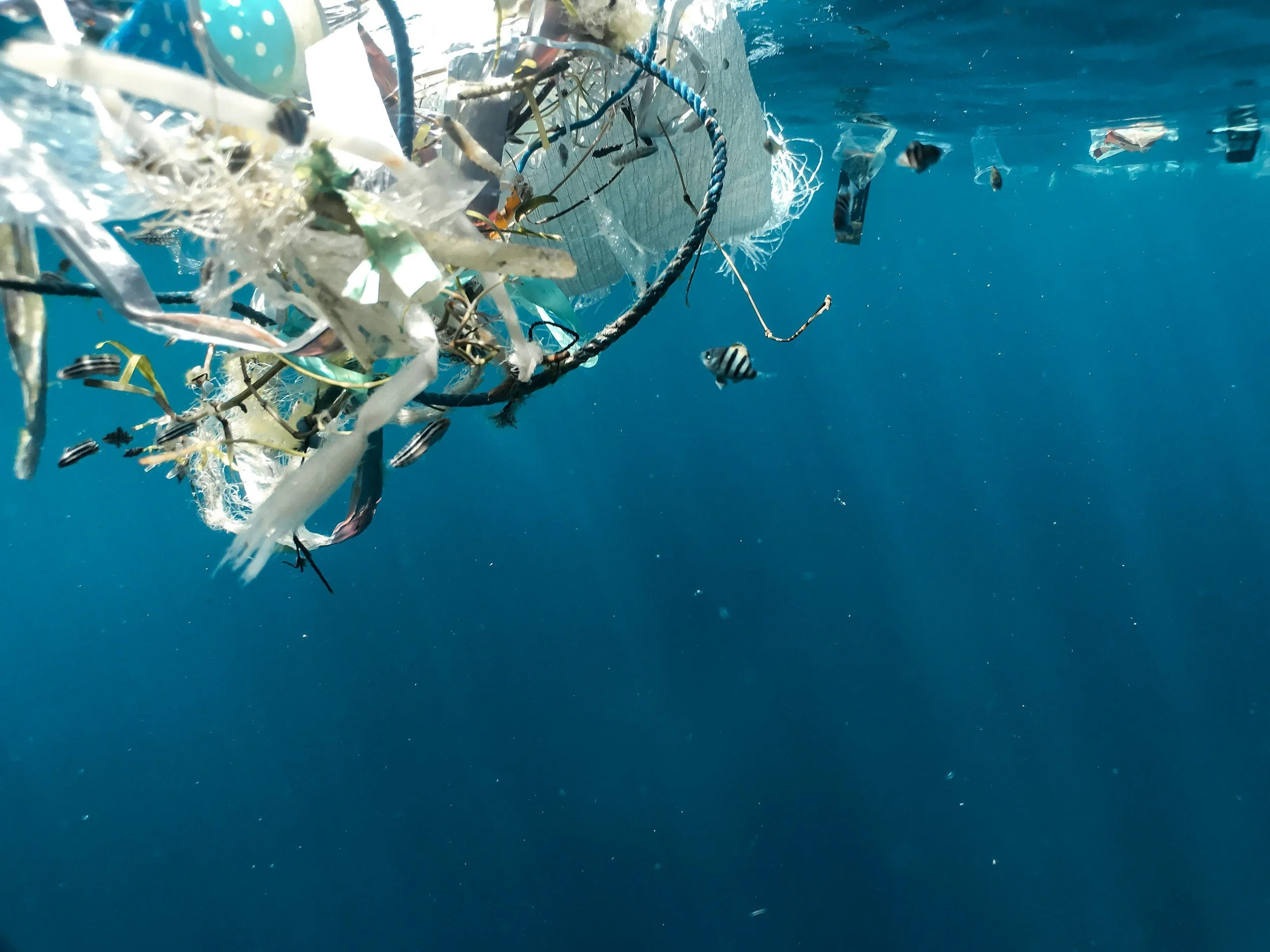
As divers, we often focus on visible threats to the ocean. We talk about coral bleaching, plastic pollution, shark finning, abandoned fishing gear, and habitat destruction. Those conversations are important, and they deserve attention. What Mike challenged me to think about was an entirely different category of impact: the products we use every day and the consequences they may have long after they've washed off our skin.
The deeper our conversation went, the more fascinating it became. We discussed coral larvae, salmon runs, endocrine disruptors, waterways, greenwashing, personal responsibility, and the unintended consequences of products most people never think twice about. It was one of those conversations that starts with sunscreen and somehow ends with a discussion about ecosystems, human health, and the future of our oceans.
What struck me most wasn't any single statistic. It was the mindset. Stream2Sea isn't asking what they can legally claim on a label. They're asking what the science actually tells us, even when the answer is uncomfortable.
The Defog Story That Stopped Me In My Tracks
Of everything Mike shared, the story that stuck with me most wasn't about sunscreen.
It was about baby shampoo.
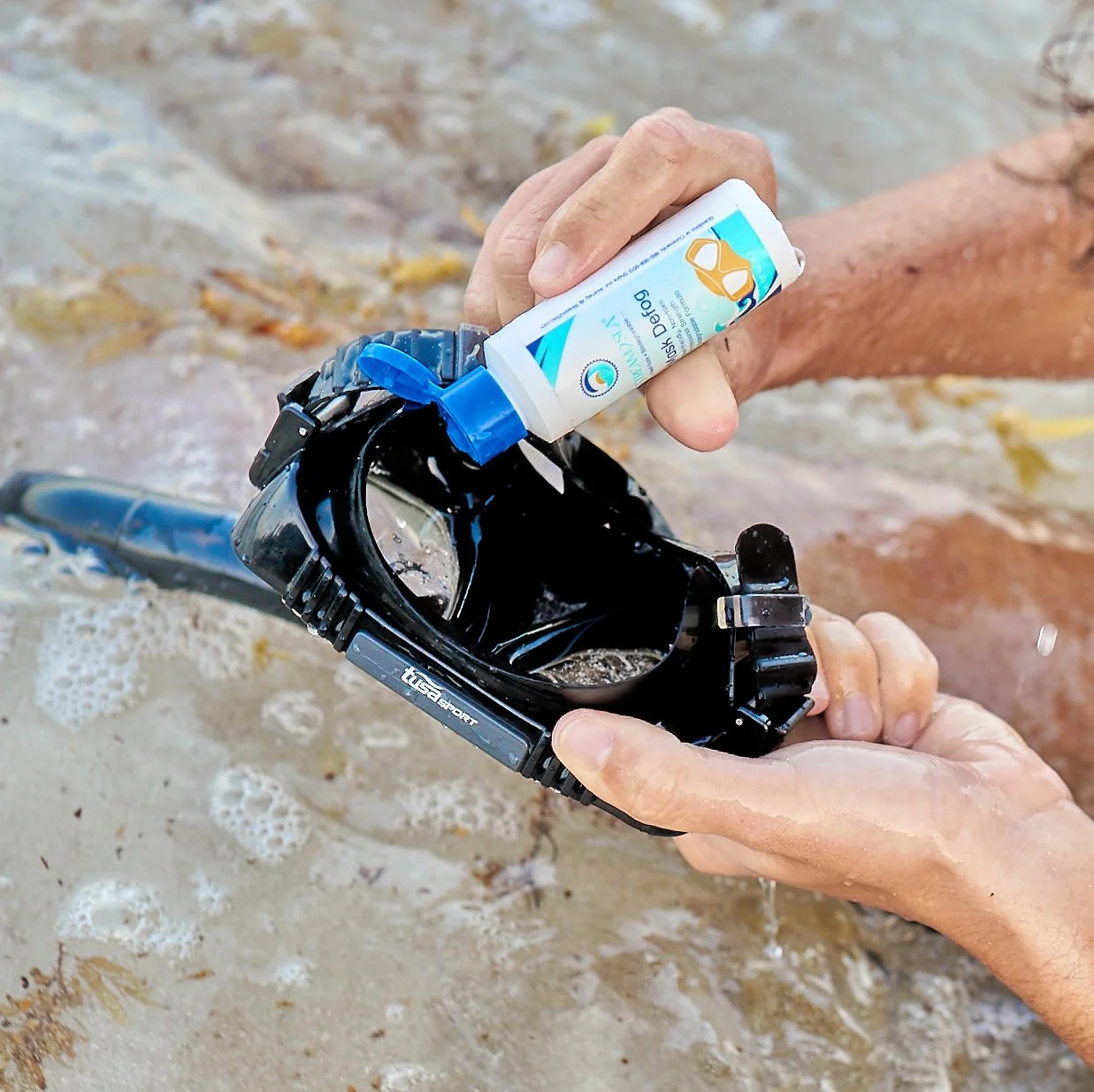
Like many divers, I grew up hearing that baby shampoo was the perfect mask defog. It was inexpensive, easy to find, and widely accepted as harmless. Most of us never questioned it. After all, if it's gentle enough for a baby, surely it's harmless for the environment.
According to Mike, that's exactly the type of assumption Stream2Sea likes to investigate. Testing conducted on common surfactants, the compounds responsible for breaking down oils and grease, revealed impacts on aquatic life that were far more significant than most people realize. What was marketed as gentle for people wasn't necessarily gentle for aquatic ecosystems.
That story hit me harder than any discussion about sunscreen because it exposed a blind spot I didn't even realize I had. I had spent years carefully selecting reef-conscious sunscreens while never once questioning what I was squirting into my mask before every dive. It made me wonder how many other products I was using simply because they were common practice rather than because they were actually the best choice.
The Problem With "Reef Safe"
Today, the phrase "reef safe" is everywhere. Walk through a dive shop, pharmacy, airport gift shop, or beachside convenience store and you'll find countless products proudly displaying those words.
The challenge is that there is no universally accepted scientific definition of what reef safe actually means.
Mike spoke candidly about the amount of greenwashing that exists throughout the personal care industry. Many products remove one or two ingredients that have received public attention and then market themselves as environmentally friendly. Others replace those ingredients with alternatives that have undergone little or no meaningful aquatic testing. In some cases, potentially problematic compounds are hidden within inactive ingredient lists that consumers rarely read.
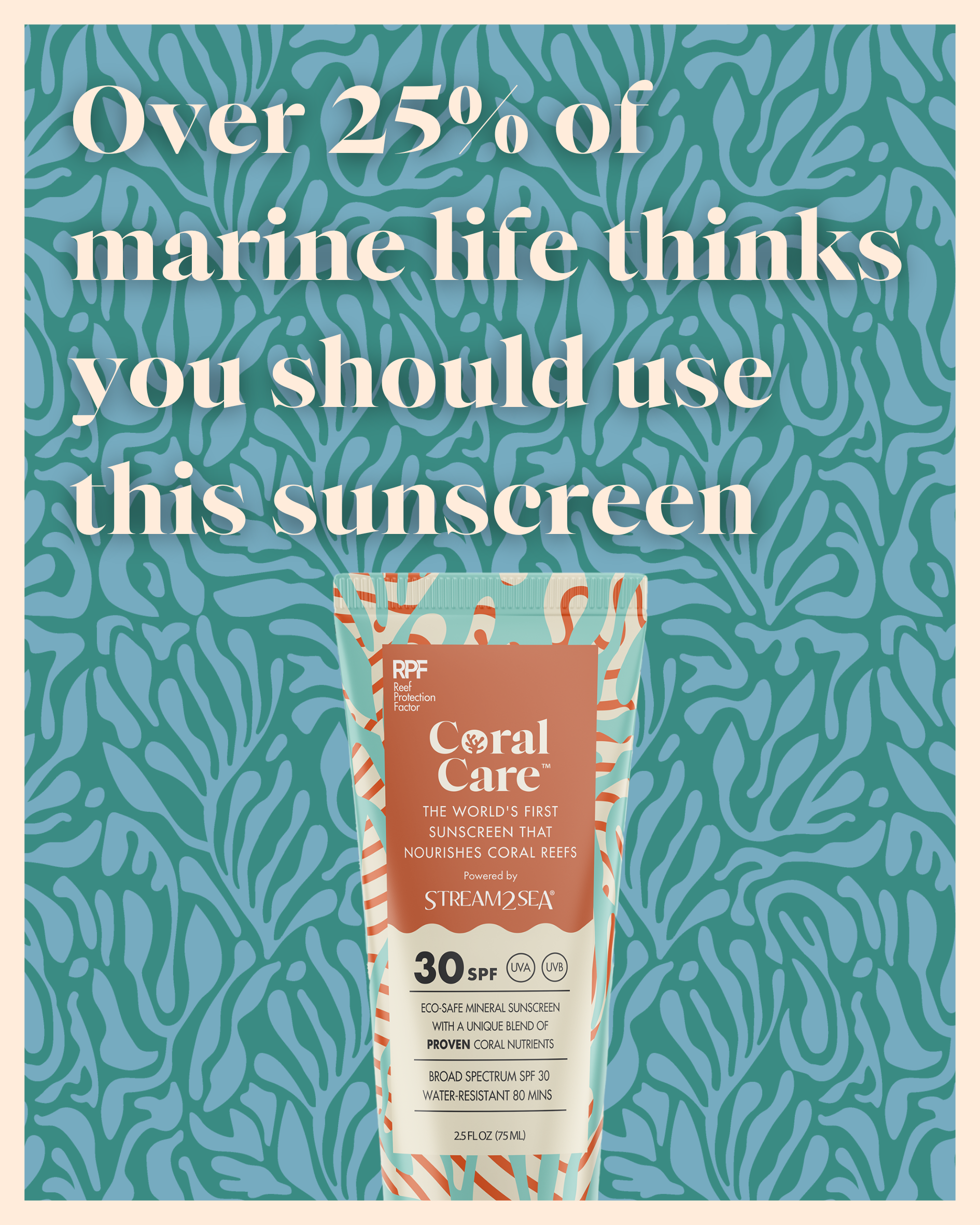
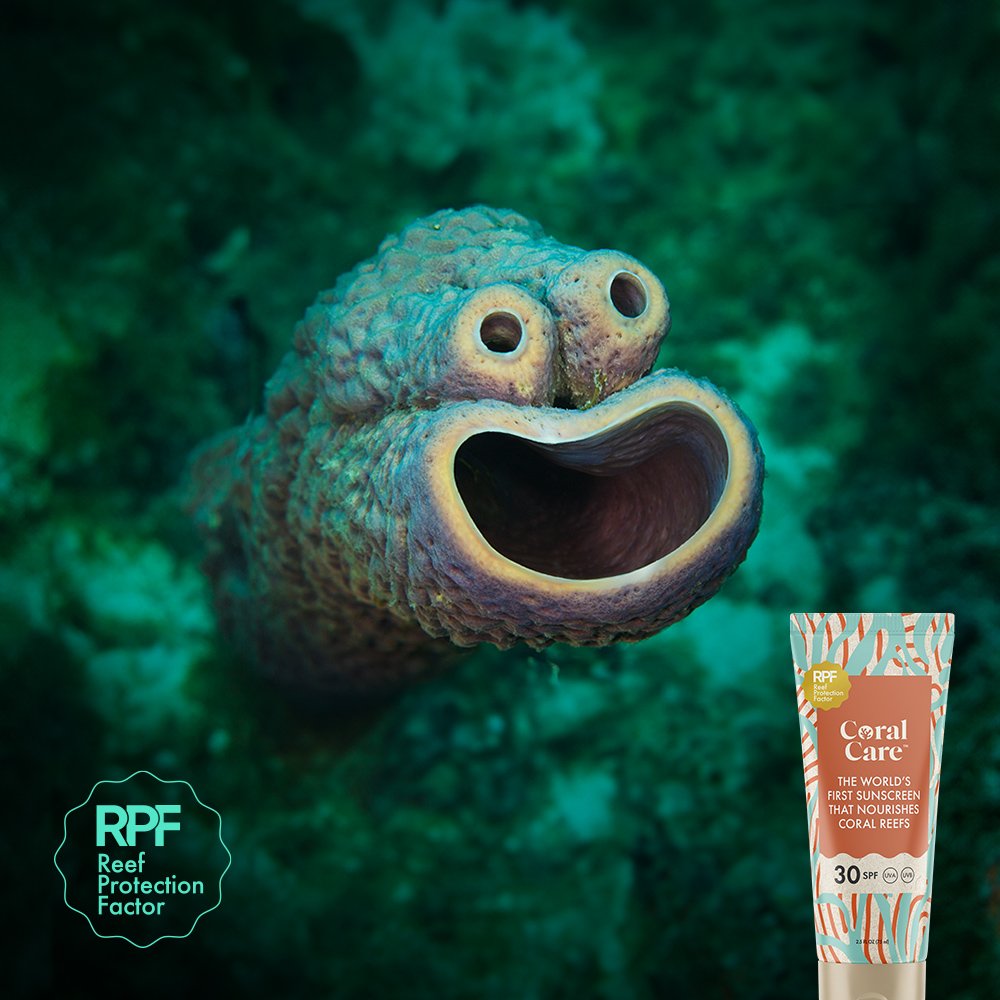
That is why Stream2Sea intentionally uses the phrase Reef Safer™ rather than reef safe. It's a subtle distinction, but an important one. The company recognizes that nothing we introduce into the environment is completely impact-free. The goal isn't perfection. The goal is reducing harm, improving formulations, and making decisions based on science rather than marketing.
In a world where environmental claims are often treated as branding opportunities, that level of honesty feels refreshing.
A Science Company Disguised as a Personal Care Company
The deeper we got into the conversation, the more I realized Stream2Sea isn't really a sunscreen company.
It's a science company.
The company works alongside marine biologists, toxicologists, universities, and independent laboratories to better understand how products interact with aquatic environments. Their testing extends beyond coral reefs and includes freshwater organisms, saltwater organisms, biodegradability studies, and broader environmental assessments.
One statistic Mike shared completely stopped me in my tracks. Research has shown coral larvae can be negatively impacted by oxybenzone concentrations as low as 62 parts per trillion. To put that into perspective, we're talking about incredibly small amounts of a chemical creating measurable biological effects. Yet before Hawaiʻi implemented restrictions on certain sunscreen chemicals, concentrations measured at Hanauma Bay were dramatically higher than those thresholds.
Think about that for a moment.
One of the most iconic marine protected areas in the world was experiencing concentrations significantly above levels shown to affect developing coral. Suddenly the conversation shifts from abstract environmental concerns to very real consequences in places many of us have visited ourselves.
The ocean is vast, but it is not infinite. At some point, the cumulative impact of millions of daily decisions begins to matter.
Beyond Coral Reefs
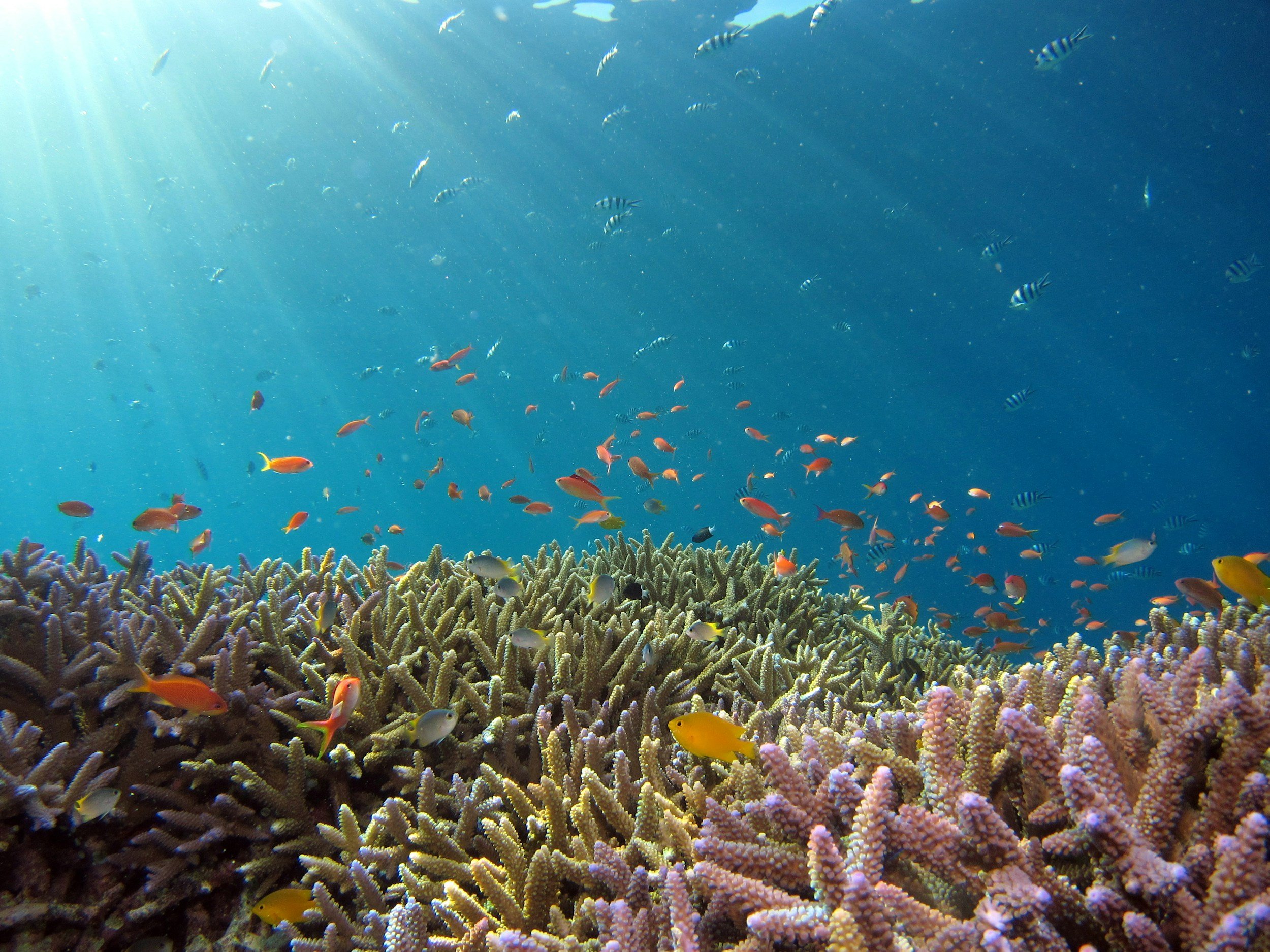
One of the things I appreciated about my conversation with Mike was that it wasn't limited to coral reefs. As divers, we naturally focus on the ocean, but Mike repeatedly brought the discussion back to a broader idea: healthy oceans are connected to healthy rivers, lakes, estuaries, and watersheds. What enters one part of the system rarely stays there.
He shared the example of the Cowichan River in British Columbia, where stakeholders have spent years working to better understand the factors impacting salmon populations and watershed health. While there is no single cause behind complex environmental challenges, the conversation highlighted an important reality: everything we introduce into our waterways eventually goes somewhere. Whether it's agricultural runoff, industrial contaminants, or personal care products, these impacts don't simply disappear once they leave our sight.

The same principle applies in the ocean. Mike pointed to places like Hanauma Bay, where researchers documented sunscreen chemicals in concentrations far higher than those shown to affect coral larvae in laboratory studies. While the environments couldn't be more different—a salmon river in British Columbia and a coral reef in Hawaiʻi—the underlying lesson is the same. The choices we make every day have consequences beyond ourselves, and protecting our oceans often starts far upstream.

A Company Built Around Solving Problems
One thing I admire about Stream2Sea is that they don't appear to start with products. They start with problems.
How do we create a sunscreen that performs exceptionally well while reducing harm to aquatic ecosystems? How do we create a better mask defog? How do we produce skincare without relying on shark-derived ingredients? How do we support healthy skin microbiomes while maintaining high performance?
Every product seems to begin with a question.
Their EcoSafe Zinc technology was developed to address concerns associated with how zinc behaves in aquatic environments. Their Everyday Sunscreen incorporates Wet Boost technology that actually becomes stronger in water. Their Shark-Free Certified Squalane became the first Shark Ally certified shark-free squalane product. Even their skincare products incorporate prebiotic ingredients designed to support skin health rather than simply masking symptoms.
Whether you agree with every scientific conclusion or not, it's difficult not to respect a company willing to invest this much time and energy into asking better questions.
Why I Keep Coming Back
I've spent a lot of time talking about the science, the testing, and the mission behind Stream2Sea, but there is another reason this company continues to earn a permanent place in my dive bag.
The products simply work.
I've tried virtually everything they make, and honestly, there isn't a single product I don't like. Living in Hawaiʻi, sunscreen isn't optional. It's part of my daily routine whether I'm diving, teaching, hiking, photographing marine life, or simply walking the dogs. Stream2Sea's sunscreens are the only ones I consistently reach for because they perform well, feel great on my skin, and align with my values as both a diver and conservationist.
Their Shark-Free Certified Squalane has become one of my favorite skincare products. After long days spent in the sun, wind, and saltwater, my skin absolutely glows when I use it. The After Sun Gel is another must-have and has rescued me from more than one overly ambitious day outdoors.
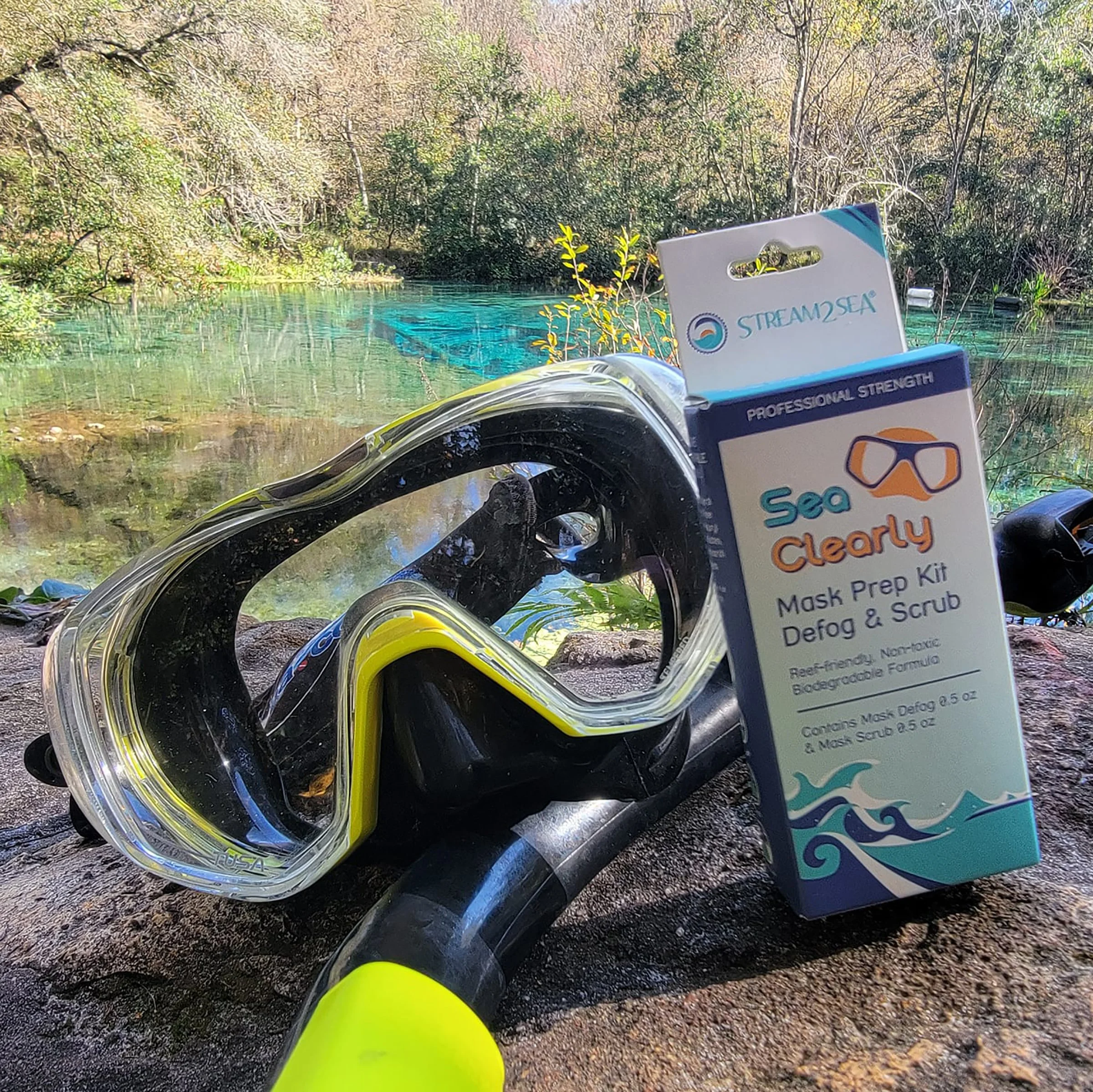
Then there's the defog, which is now the only defog I use. As an instructor, I spend an absurd amount of time underwater, and I've tried countless products over the years. Stream2Sea's simply works.
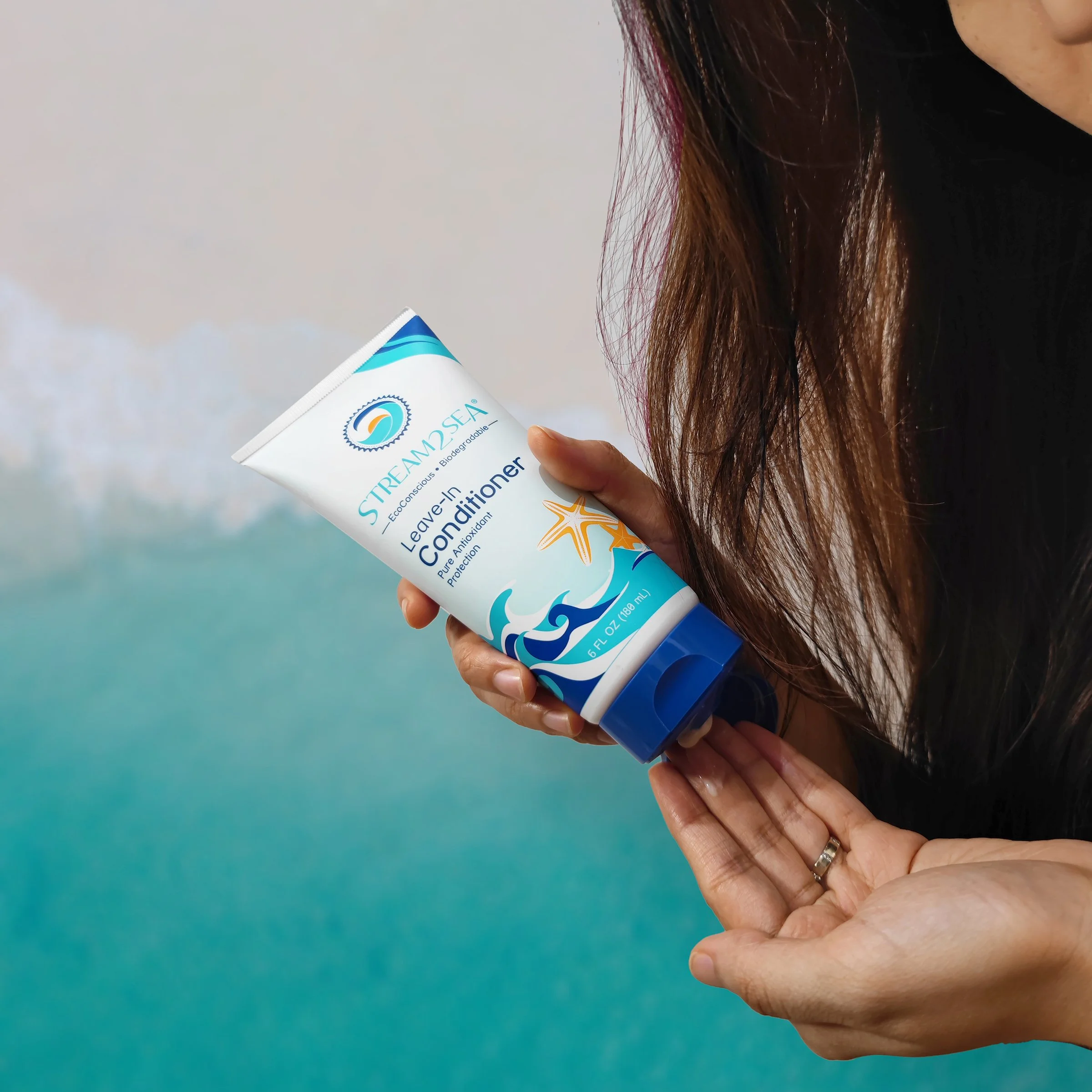
And finally, the Leave-In Conditioner. Anyone who has seen me after a dive day knows my hair has a mind of its own. Saltwater, wind, boats, tropical humidity, and constant travel are not exactly a recipe for manageable hair. Yet somehow this leave-in conditioner manages to keep my completely untamable dive hair relatively civilized.
The science is impressive. The mission is inspiring. The conservation work is meaningful. The products perform exactly as promised.
Honestly, what isn't there to love?
The Current We Create
As divers, we spend thousands of dollars traveling to places like Palau, Fiji, Raja Ampat, Indonesia, the Galápagos, and the Maldives because we love healthy oceans. We care about coral reefs, sharks, turtles, and the future of our planet.
Yet conservation isn't just about the choices we make underwater.
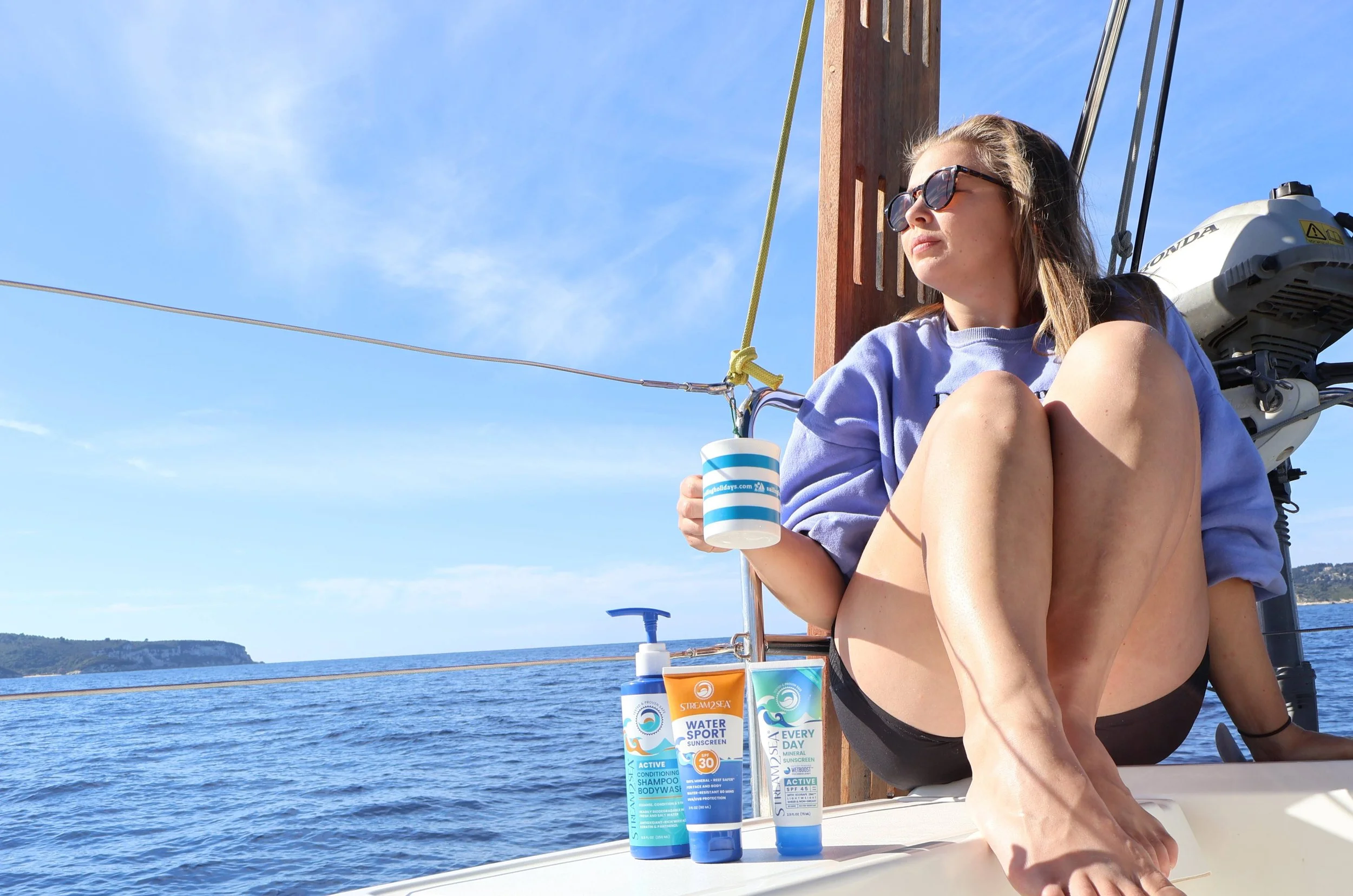
It's about the choices we make before we ever enter the water. The sunscreen we apply. The shampoo we use. The products we wash down our drains. The items we pack in our travel bags. The purchases we make every single day.
Stream2Sea reminded me that conservation starts long before the giant stride. It starts in our homes, our bathrooms, and our daily routines. It starts with asking the same question that inspired an entire company.
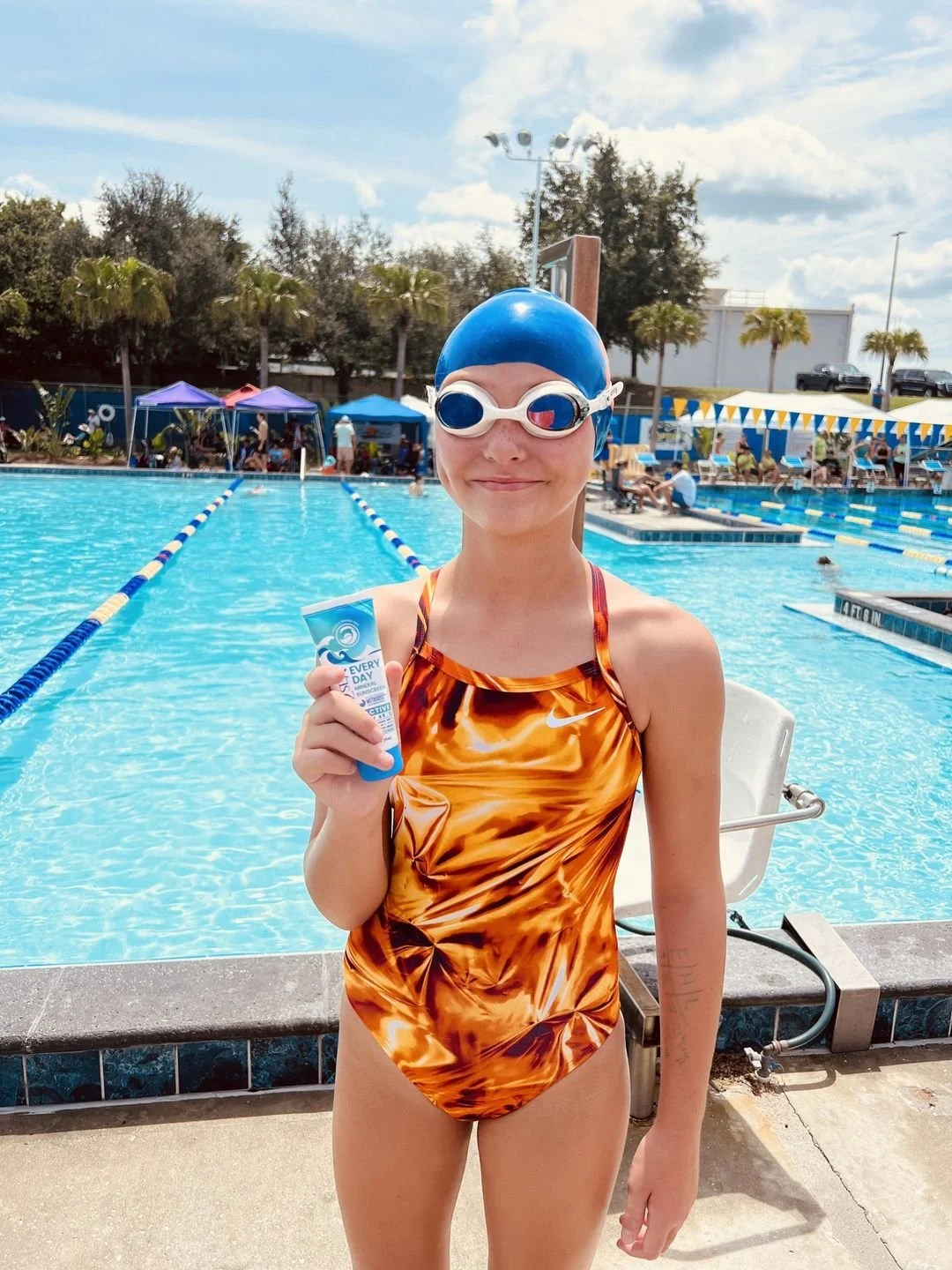
What happens next?
Perhaps that's why I've remained such a loyal customer since that day on a dive boat in the Florida Keys. Stream2Sea didn't just sell me a better sunscreen.
They changed the way I think about conservation.
If you've traveled with me, you've probably already seen a bottle (or five) of Stream2Sea in my dive bag. Their reef-safe mask defog has become so essential that I literally buy it in bulk, and the shampoo, conditioner, and aloe are products I never leave home without.
If you're thinking about trying Stream2Sea, I've got you covered. Use code SEAIRA_DIVES to save 10% on your order. Thanks for supporting the brands that help us take better care of the places we love to dive.
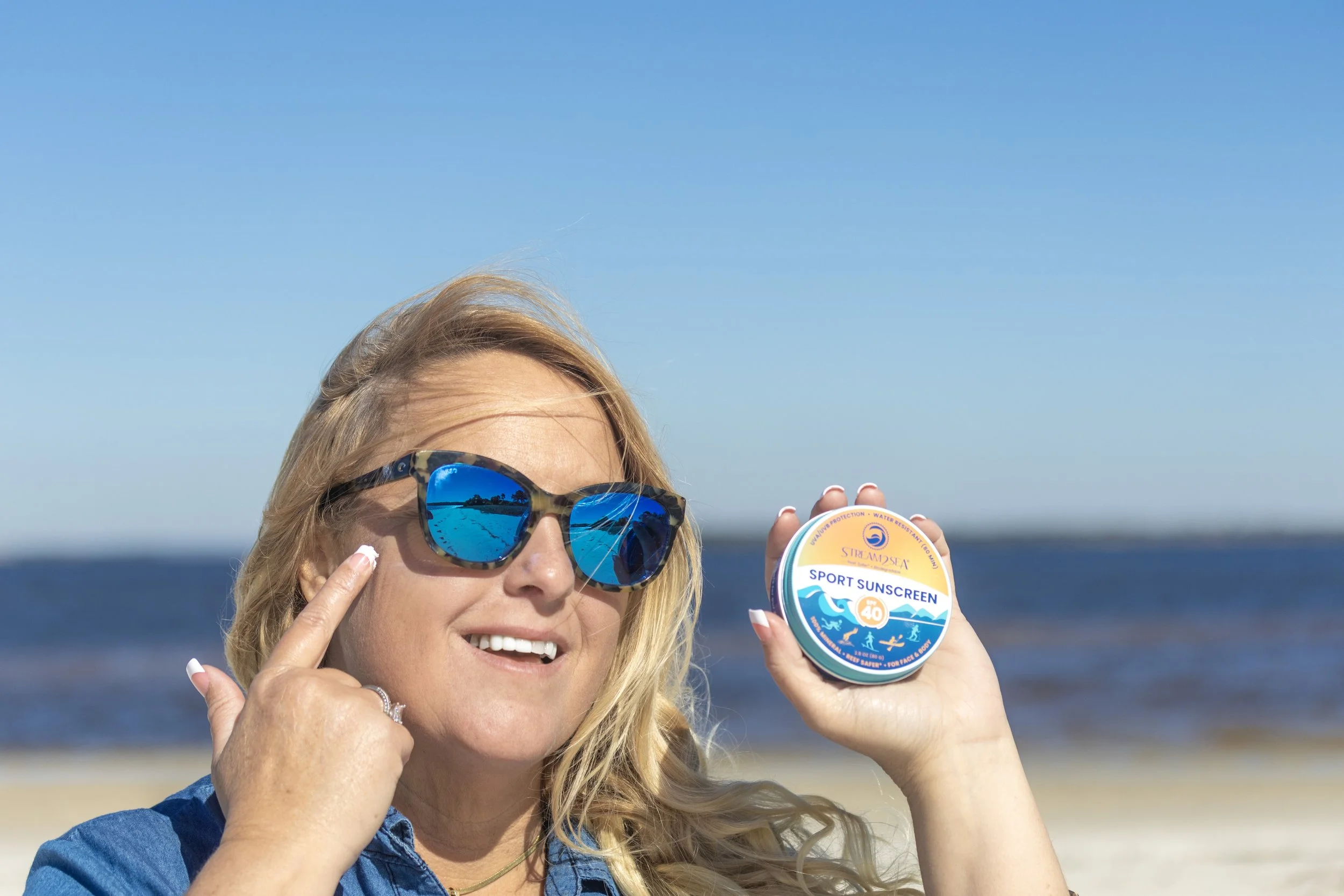
Dive safe, explore passionately, and remember…