You’ve Been Looking at Fish… But You Haven’t Been Seeing Them
Let’s Dive Into Fish Identification
There’s a point in your diving where things start to shift and it usually doesn’t come from going deeper or chasing bigger dive sites.
For me, it happened on a very normal dive. Same reef I’d been to before, same conditions, nothing that should have stood out. But instead of just cruising through the dive, I slowed down and actually paid attention to what was happening around me.
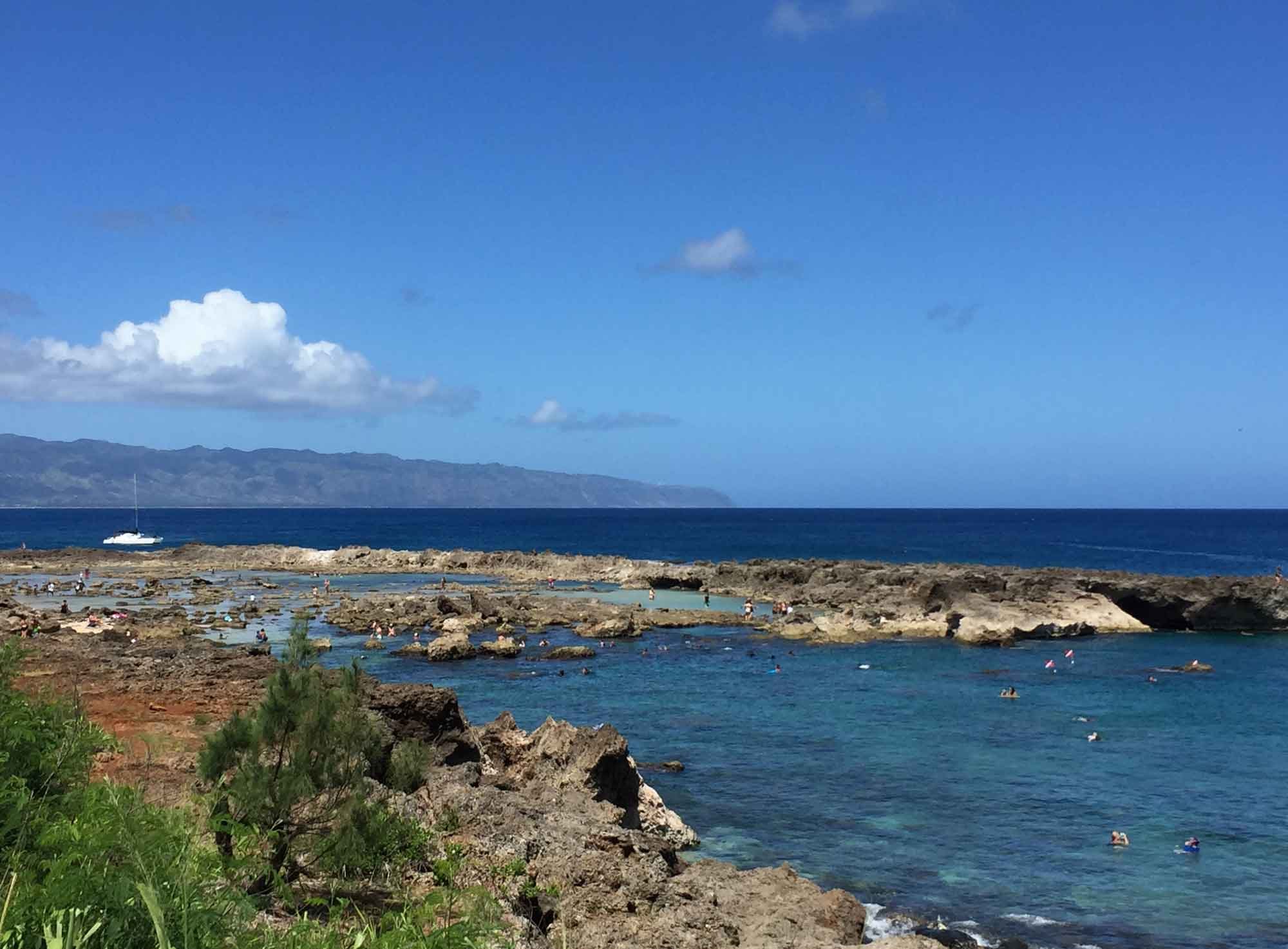
Shark’s Cove, my favorite dive shore dive site in the world
This happened at my favorite shore dive site in the world, Shark’s Cove. I stopped in the Blue Room and just hovered there for a while beside a Moorish idol, watching the fish instead of searching for the next thing. The light filtering through, the movement of the fish, the way the whole space seemed alive when I finally slowed down enough to notice it all.
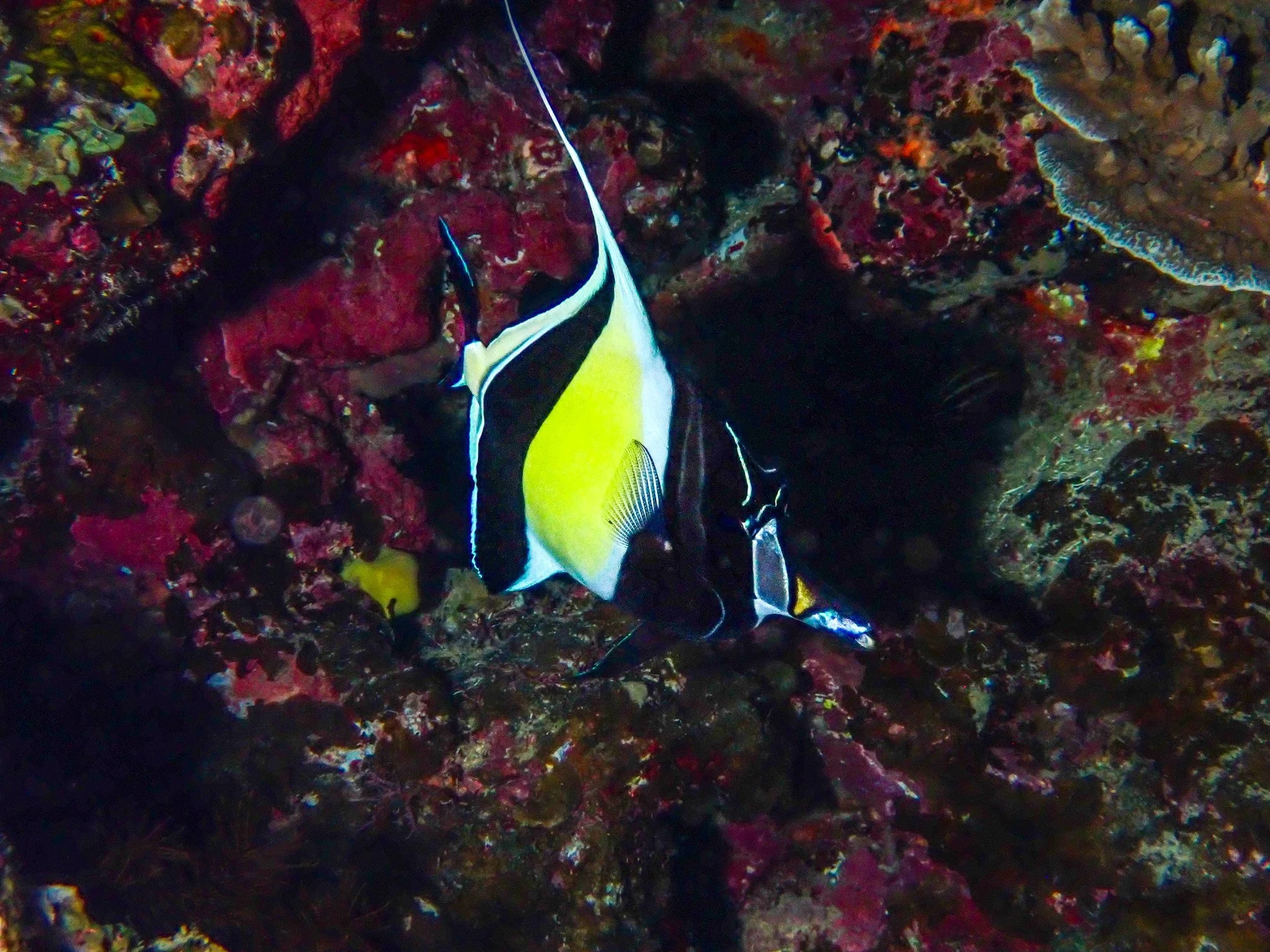
A Moorish Idol
Something about that moment hit me hard. Not because it was rare or dramatic, but because it reminded me how easy it is to move too fast through places that deserve more of our attention.
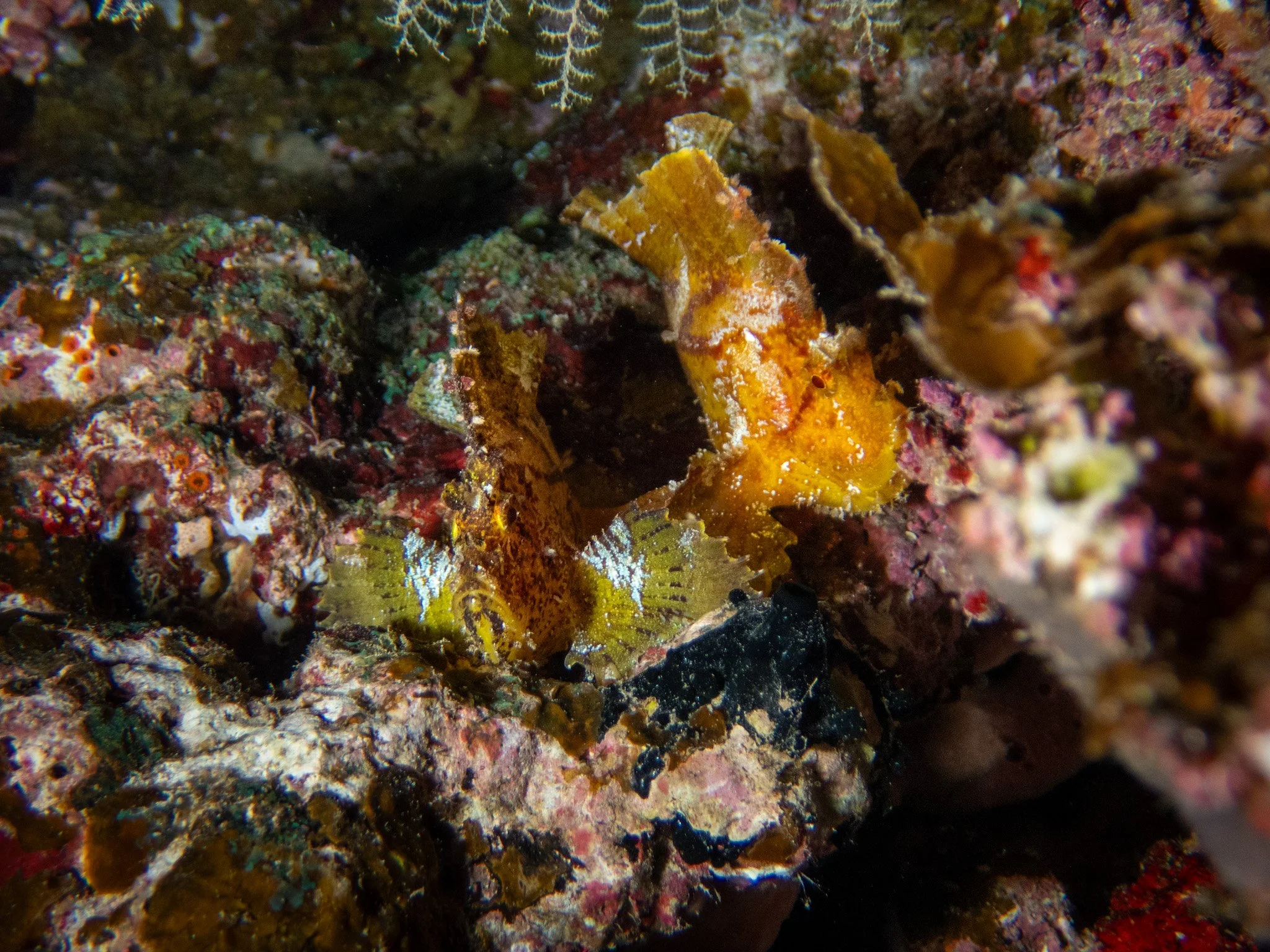
Two leafy scorpionfish in Fiji
I started noticing patterns I had never paid attention to before. A parrotfish methodically feeding along the reef. A school of fish moving together with clear coordination instead of randomness. Small fish holding specific positions on the reef while others moved constantly through the water column. Even a well-camouflaged fish that I would have completely missed on any previous dive.
That was the moment I realized something important:
I hadn’t changed dive sites, I had changed how I was diving.
And that shift came directly from learning Fish Identification.
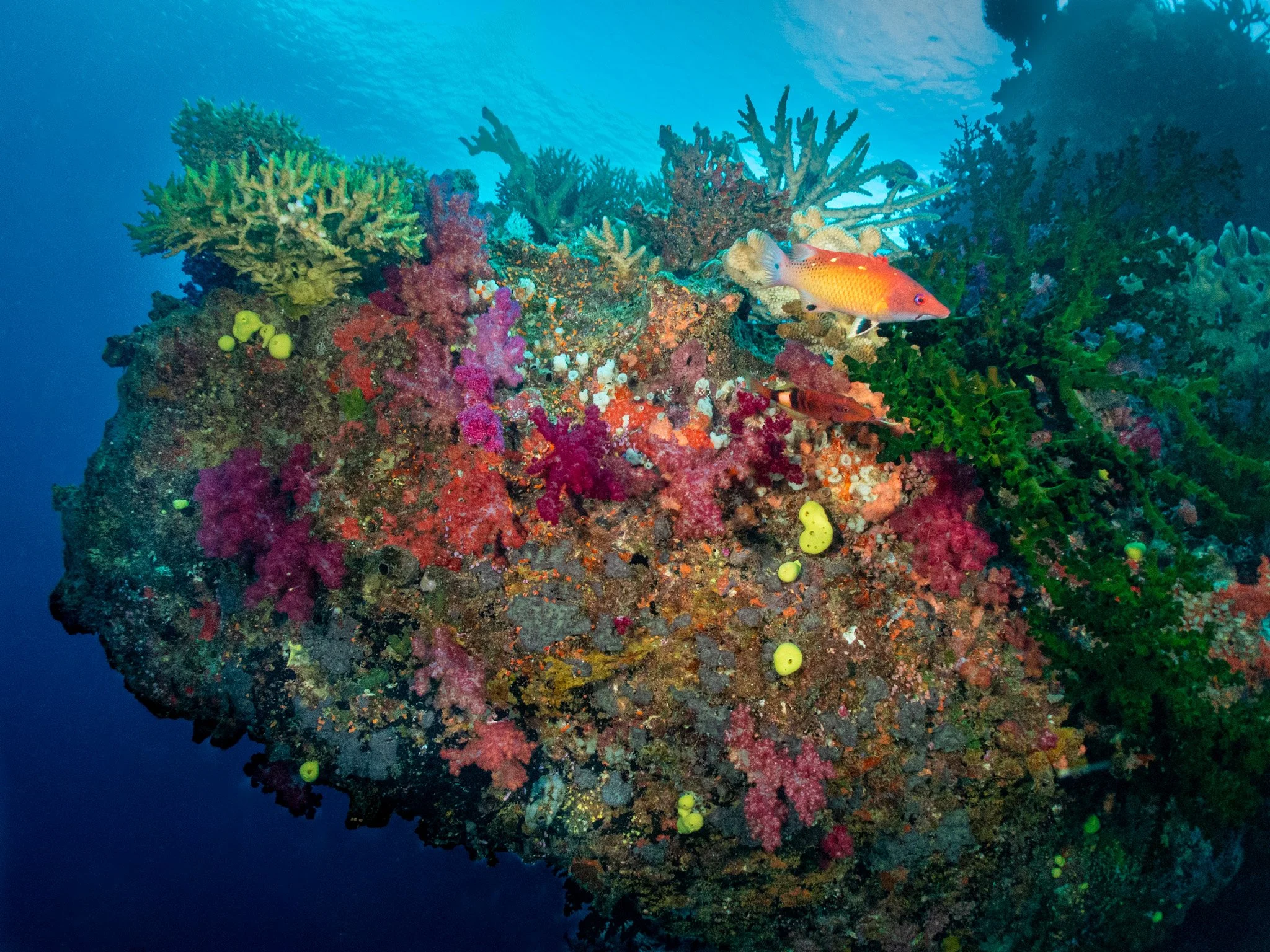
The Purple Wall Dive Site, Fiji. Can you spot the Goatfish?
Before Fish ID, I Was Just Visiting the Reef
Like a lot of divers early on, I could tell a reef was full of life, but I did not really have the knowledge to understand what I was looking at yet. I noticed the color, movement, and overall beauty of the dive, but once I surfaced, most of it blended together in my memory.
My post-dive conversations usually sounded something like, “There were so many fish over there,” or, “Did you see that yellow one?” Sometimes it was just, “That fish was huge.” Honestly, that is completely normal in the beginning. Most divers start by recognizing the reef as beautiful long before they understand what they are actually seeing underwater.
One thing I did not realize at the time is that I was experiencing the reef visually, but not really engaging with it yet on a deeper level. I could see marine life, but I did not understand why certain fish stayed near specific coral structures, how species interacted with one another, or how to consistently recognize them from one dive to the next.
That started changing once I began learning fish identification.
Suddenly the reef stopped feeling random. I started recognizing butterflyfish, wrasses, gobies, blennies, anthias, hawkfish, triggerfish, and angelfish instead of just seeing “a bunch of fish.” I began noticing cleaning stations, territorial behavior, camouflage, symbiotic relationships, and how current affected where marine life gathered.
The coolest part is that the ocean started feeling more familiar instead of overwhelming. Instead of simply swimming through a reef, I was actually interacting with it in a more meaningful way.
That is exactly what the Fish Identification specialty is designed to change.
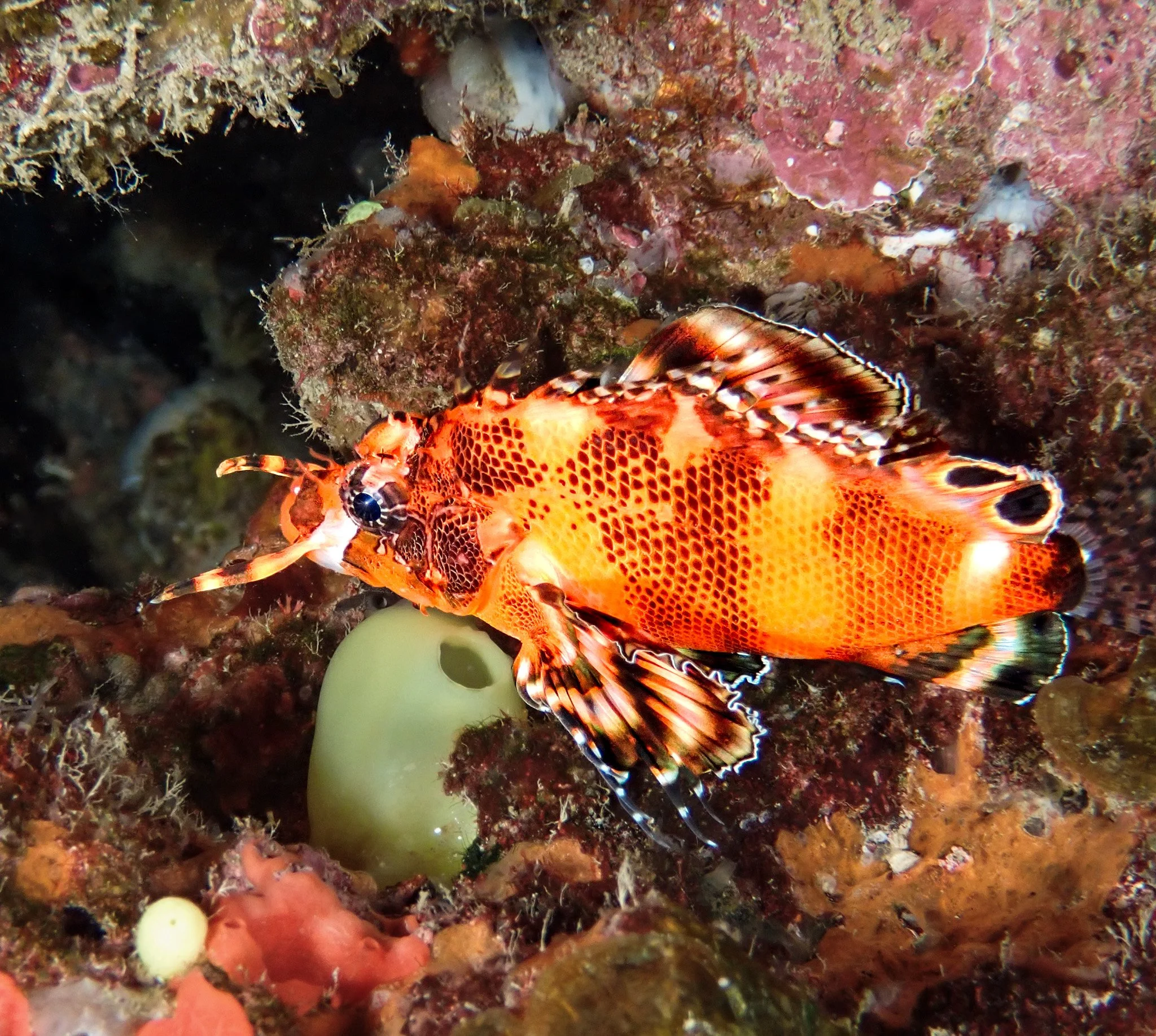
Twinspot Lionfish in Fiji
What You Actually Learn in Fish Identification
One of the biggest misconceptions about the Fish Identification specialty is that it is a memorization-heavy course where you are expected to suddenly know the name of every fish on the reef.
Honestly, it is not like that at all.
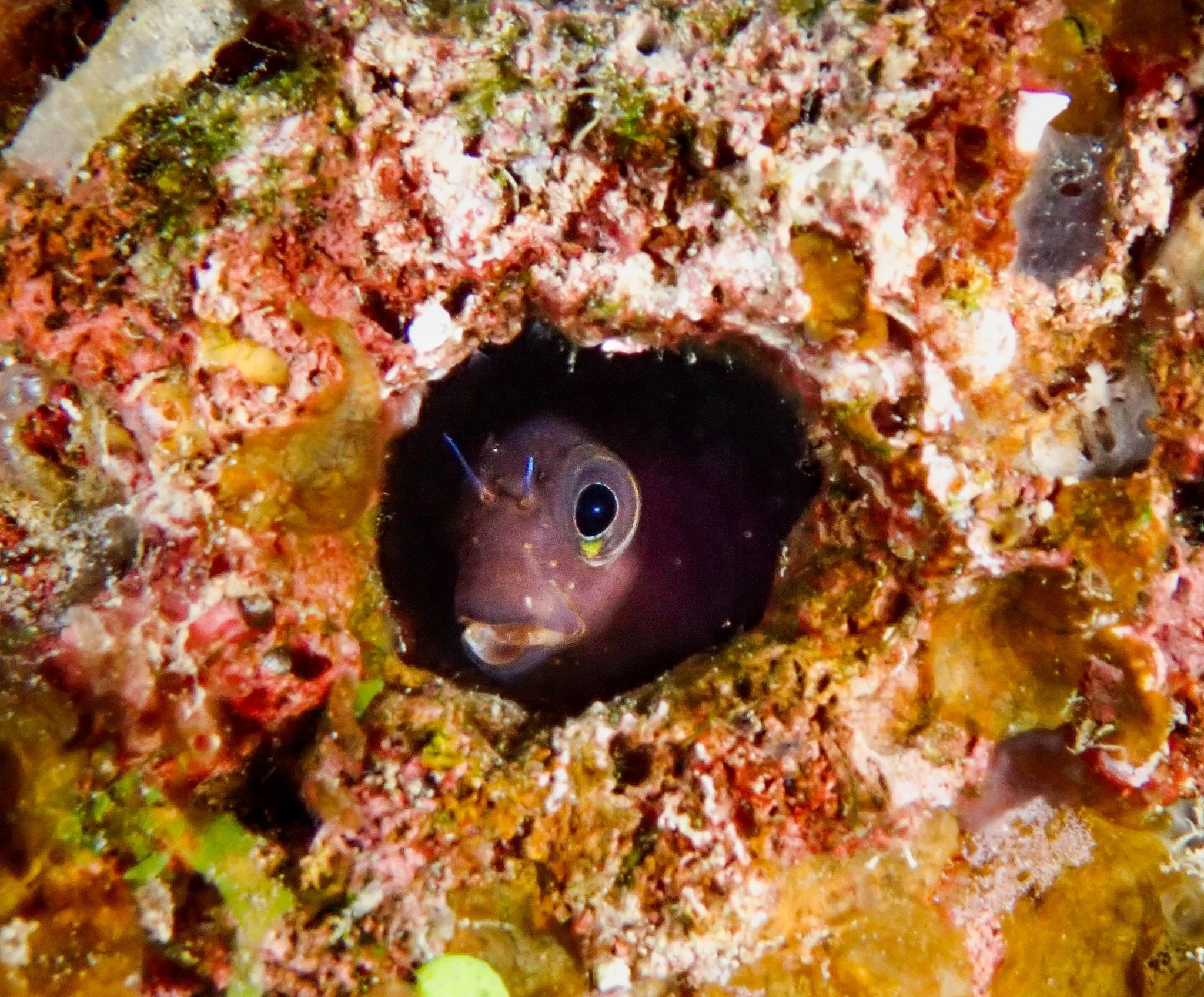
A Blenny
The course is really about learning how to observe marine life differently and giving you a system for identifying what you are seeing underwater. Instead of trying to memorize thousands of species individually, you start by recognizing broader fish families based on body shape, movement, behavior, habitat, coloration, and anatomy.
Once you begin understanding those patterns, the reef suddenly becomes much easier to interpret. You start recognizing why butterflyfish look and behave differently from wrasses, how gobies interact with the reef compared to triggerfish, or why certain species are almost always found near specific coral structures or cleaning stations.
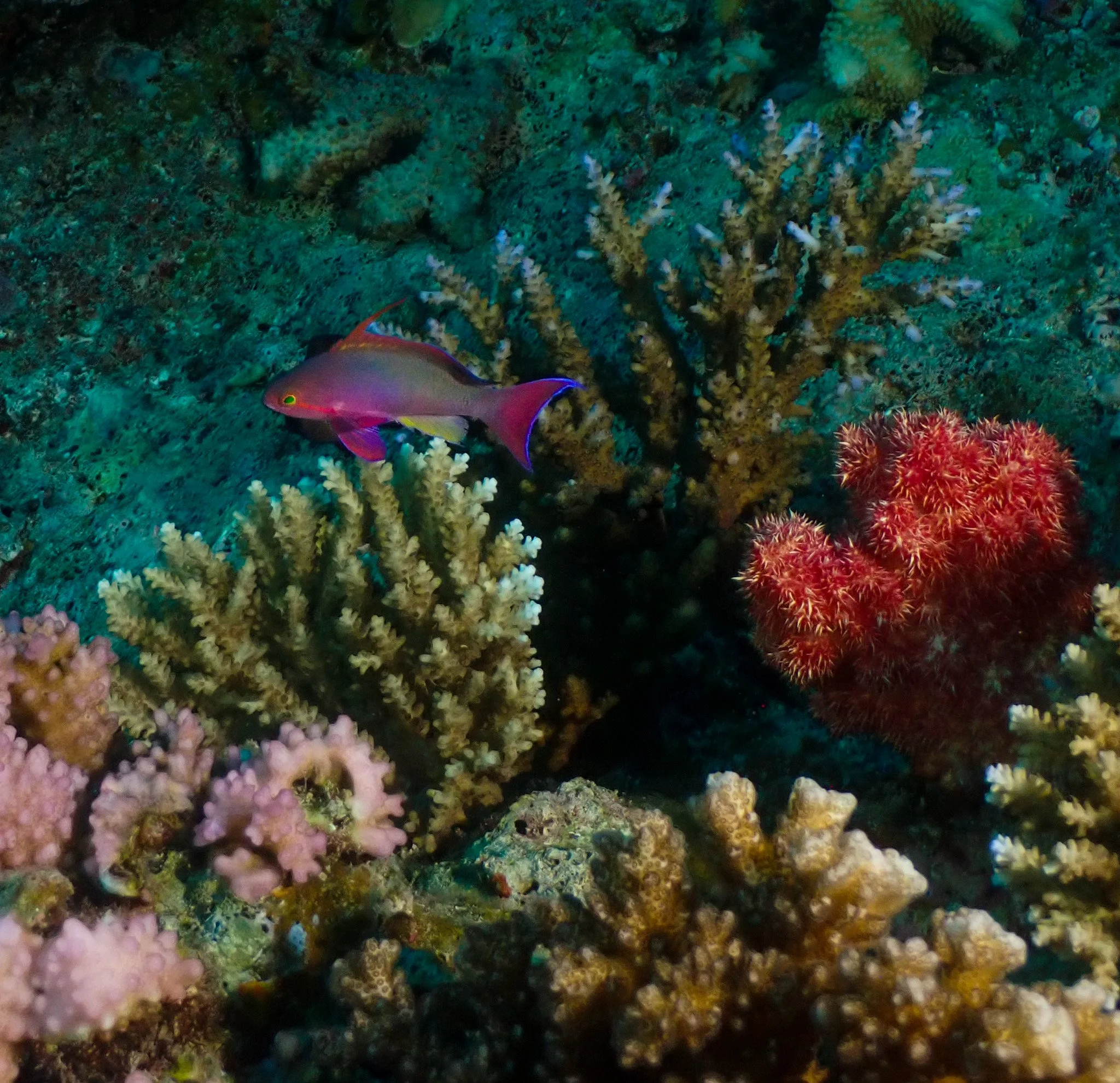
A Male Anthias
One thing I really like about Fish ID is that it changes how you dive almost immediately. Divers tend to slow down more, observe behavior more carefully, and pay closer attention to the details happening around them instead of just swimming from point A to point B.
The goal is not perfection. The goal is building familiarity with the underwater world so the reef starts feeling recognizable rather than random.
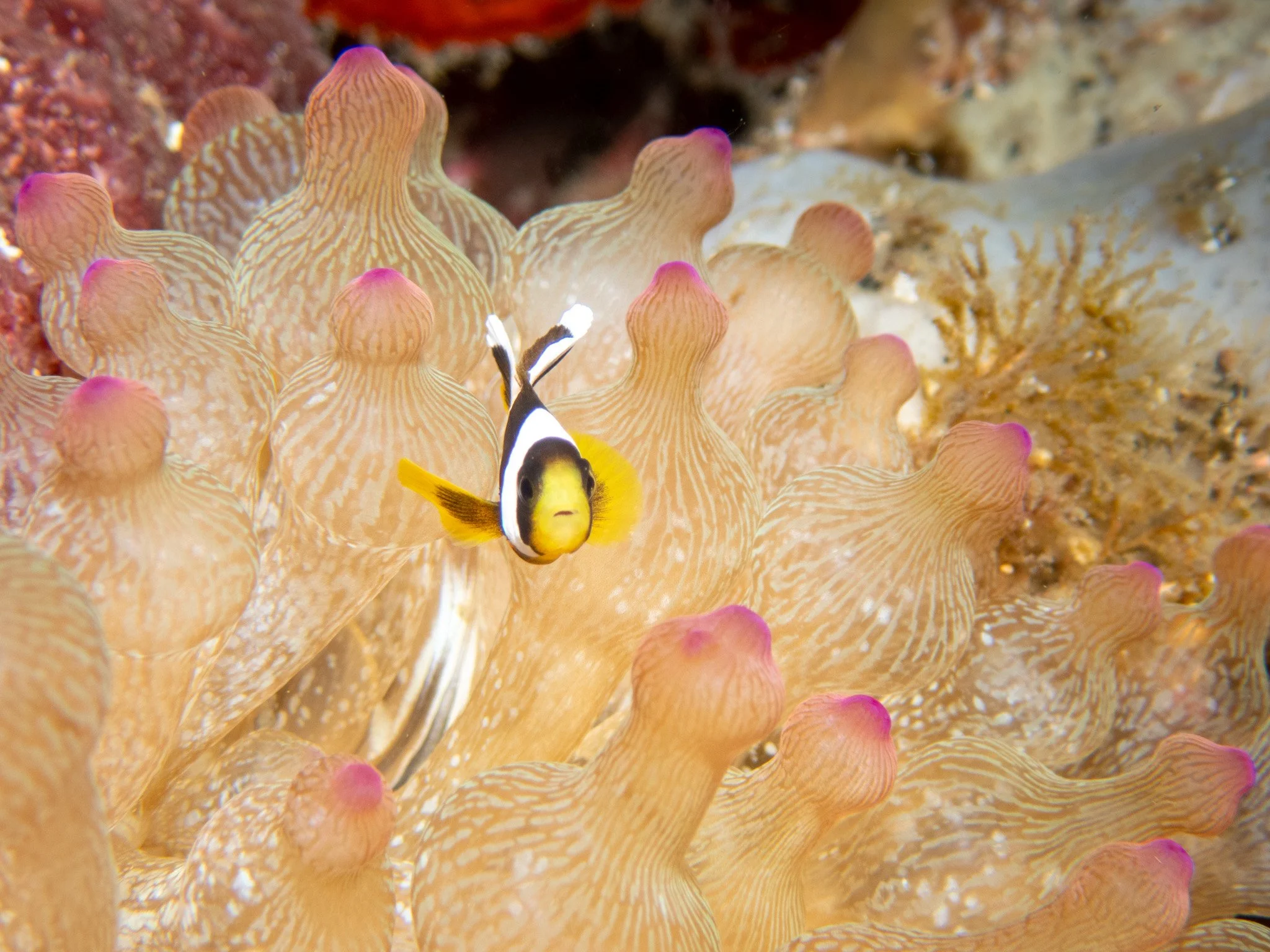
A Clownfish in Lembeh, Indonesia
Understanding Fish Families First
One of the most useful parts of the Fish Identification specialty is that it teaches you to recognize patterns before memorization ever becomes important.
The course starts by helping you identify major fish families based on shared physical characteristics and behavior. Instead of immediately trying to memorize individual species names, you learn how to break down what you are seeing underwater in a more logical way.
You begin noticing differences between groups like parrotfish and wrasses, angelfish and butterflyfish, or groupers and snappers. At first glance, a lot of reef fish can look overwhelming or similar, but once you understand the broader family characteristics, things start becoming much easier to interpret.
Divers learn to look at:
body shape and proportions
fin placement and movement
mouth position and feeding adaptations
swimming style
coloration patterns
behavior
habitat preferences
Mouth position alone can tell you a surprising amount about how a fish feeds and interacts with the reef. Swimming behavior also becomes incredibly helpful once you start paying attention to it. Some fish hover carefully around coral heads while others move constantly through the water column or dart quickly into crevices when approached.
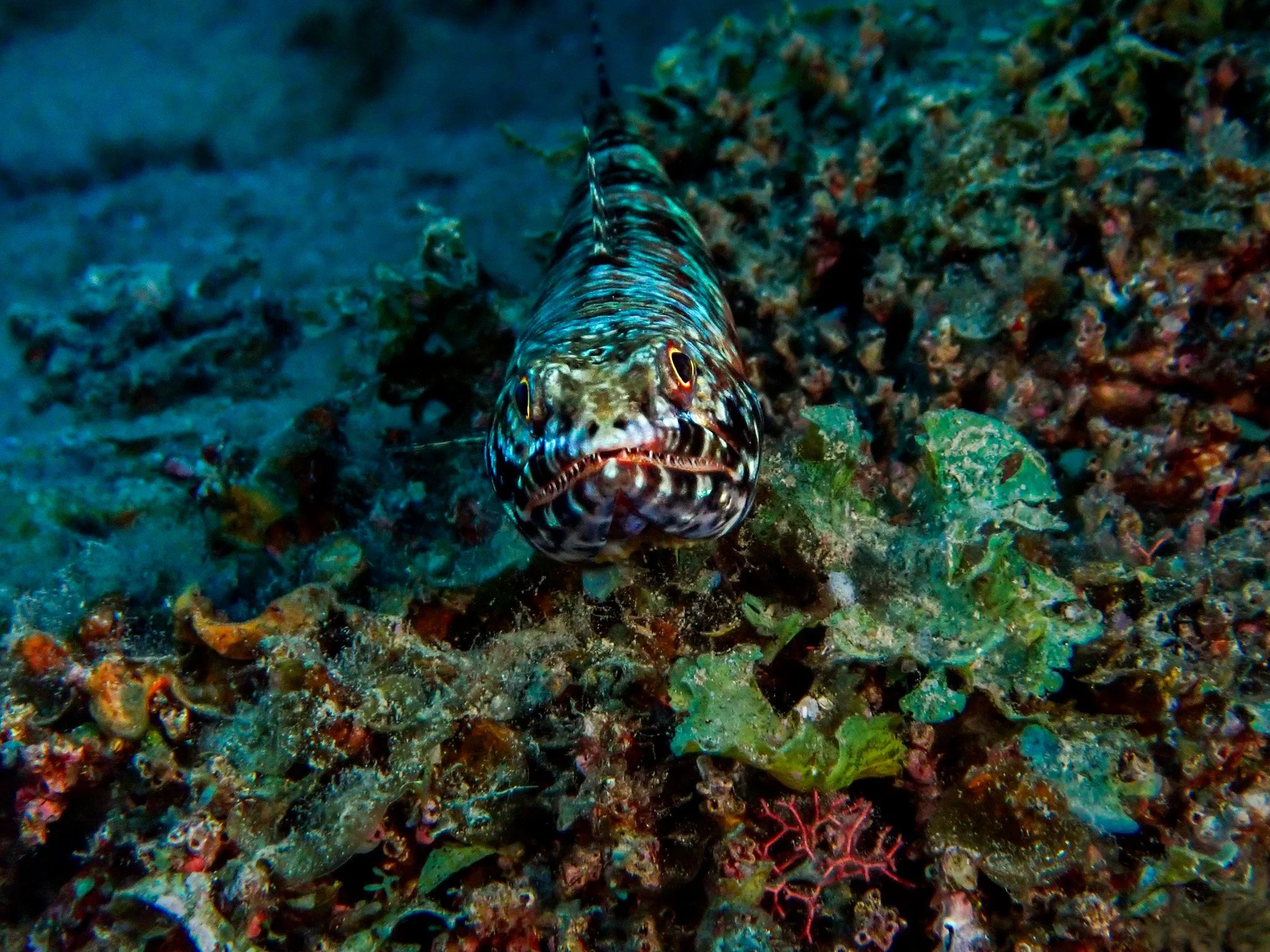
A well camouflaged Lizardfish
This systems-based approach is what makes Fish Identification feel practical instead of overwhelming. Rather than trying to memorize hundreds of individual species immediately, you first learn how to categorize marine life into recognizable groups. Once you identify the fish family, you have already narrowed down the possibilities significantly.
And honestly, once that starts clicking, diving becomes so much more engaging.
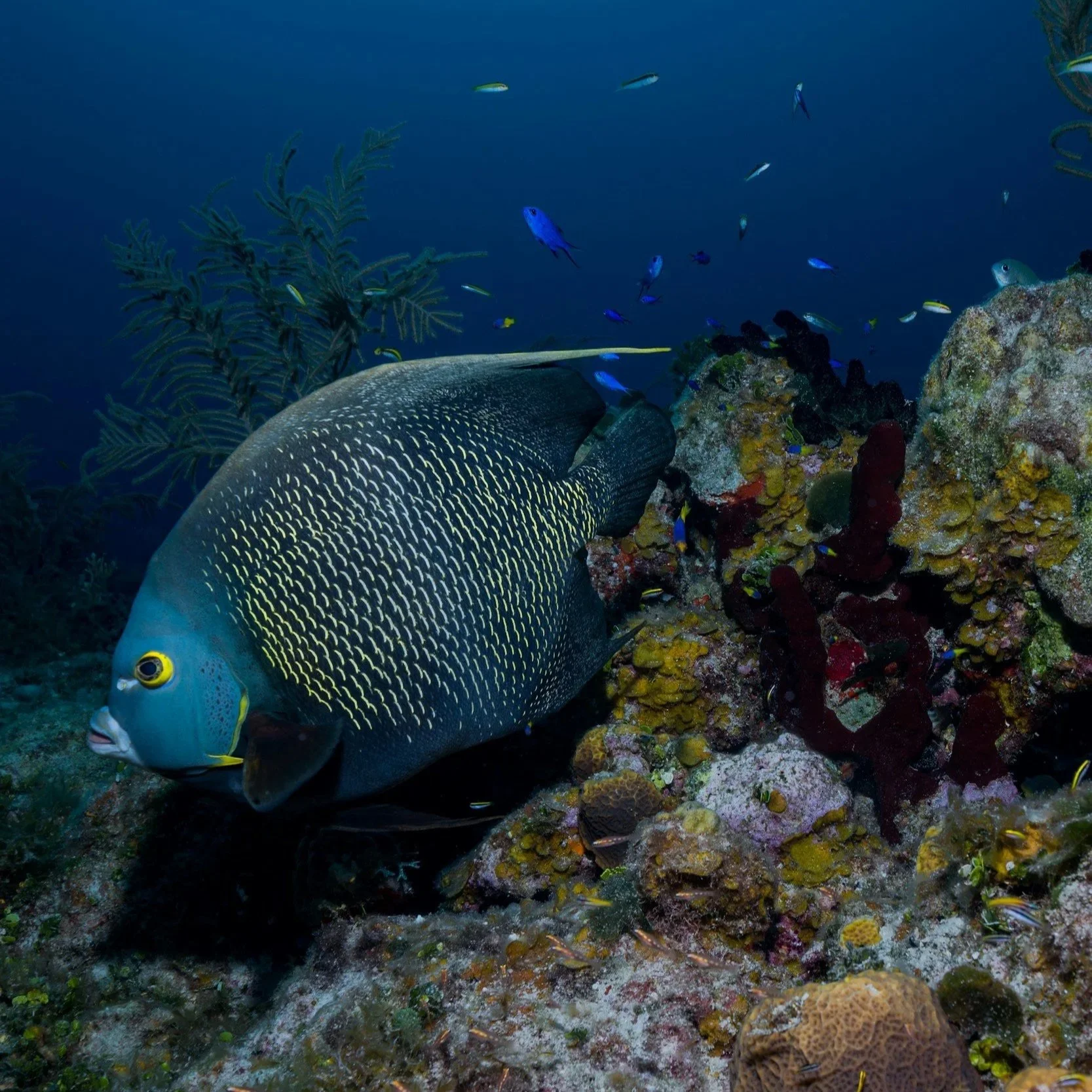
A French Angelfish
Narrowing Down to Species
Once you begin recognizing fish families, the next step is refining your observations to narrow things down to individual species.
At this point, you start paying closer attention to details like color patterns, markings, tail shapes, fin coloration, body proportions, habitat preferences, and behavior. You also begin noticing where fish position themselves on the reef, whether they stay solitary or travel in groups, how they move through the water, and how they interact with other marine life around them.
One thing I really enjoy about this part of Fish ID is that identification starts becoming much more logical instead of feeling like random guessing. You begin piecing together multiple clues at the same time rather than relying on memorization alone.
A fish’s behavior can often be just as important as its appearance. Some species stay close to coral heads, others hover in the water column, and some spend most of their time tucked into crevices or cleaning stations. Once you start connecting those patterns consistently, marine life becomes much easier to recognize from dive to dive.
And honestly, even when you do not land on the exact species every single time, you are still building something incredibly valuable: a repeatable system for observing and understanding the underwater world more thoughtfully.
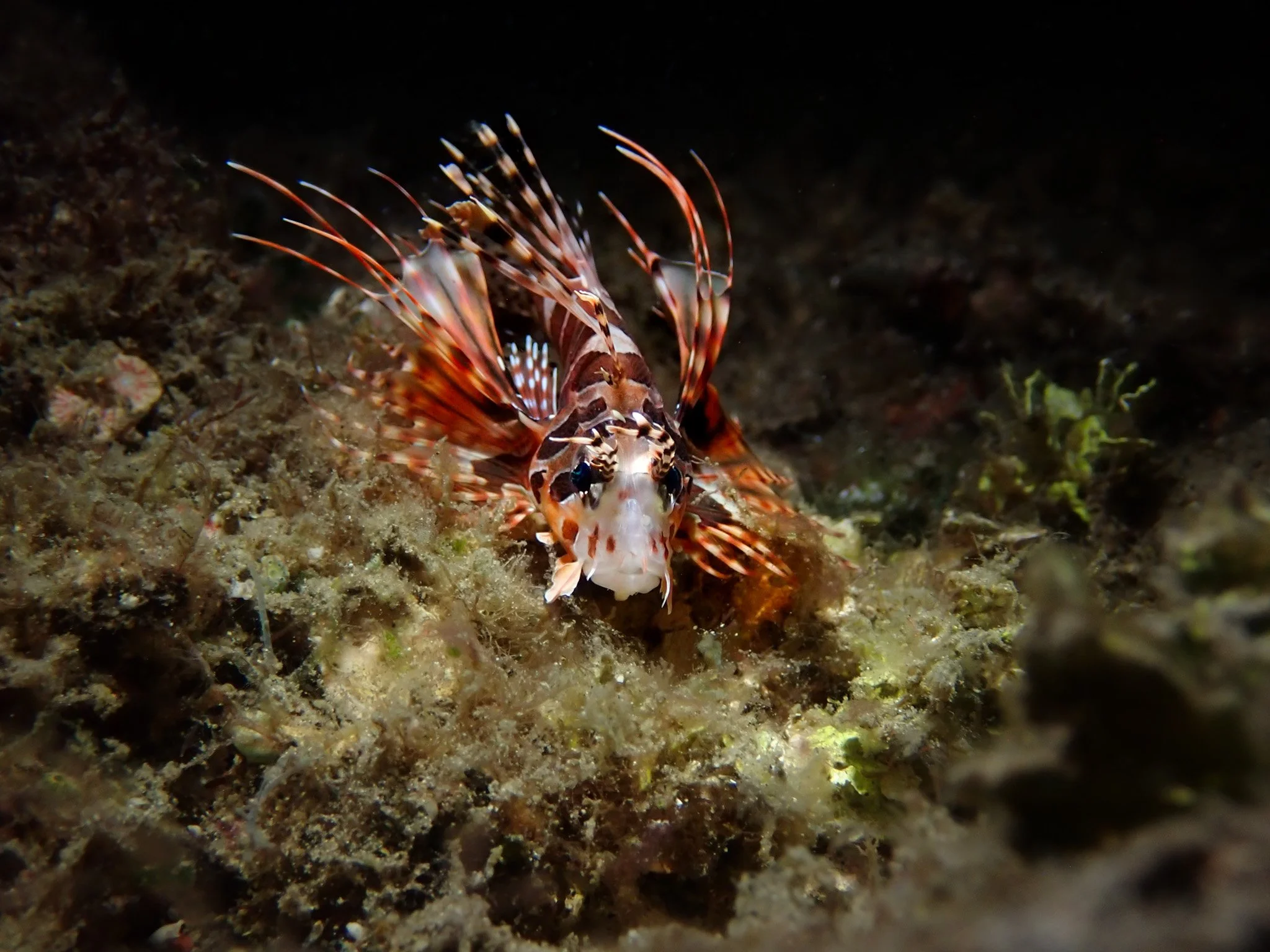
A Lionfish in Indonesia
What the Course Looks Like
The Fish Identification specialty is typically structured around a classroom or knowledge development session followed by two open water dives where you apply what you learned directly on the reef.
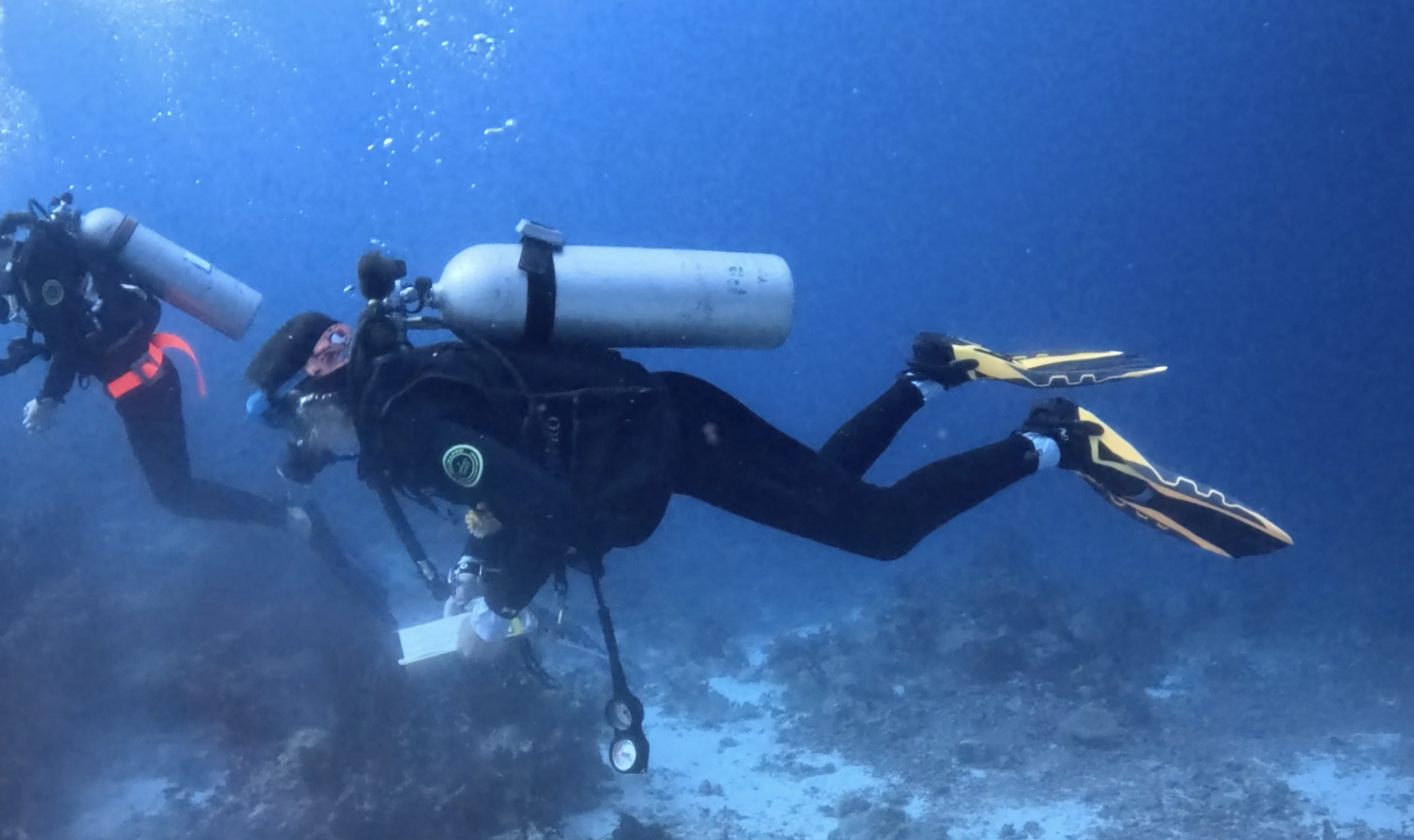
My FishID student counting fish species on a training dive
The classroom portion is where everything starts clicking conceptually. Instead of simply memorizing fish names, divers learn the framework behind identifying marine life in a way that feels practical and repeatable underwater.
During the knowledge development portion, you typically work through:
major fish family characteristics
identification strategies and observation techniques
fish anatomy and behavior
how habitat influences marine life distribution
how to effectively use fish identification books and reference materials
how to approach species you do not immediately recognize
One thing I really like about this specialty is that the classroom sessions tend to feel much more discussion-based and interactive than people expect. Divers usually start sharing observations from previous dives, asking questions about species they have seen before, and realizing how much more there is happening on a reef than they initially noticed.
The goal is not to memorize every fish in the ocean overnight. The goal is building confidence in your ability to observe marine life more intentionally and start recognizing patterns underwater in a more meaningful way.
By the time divers enter the water for the training dives, most people are already looking at the reef completely differently.
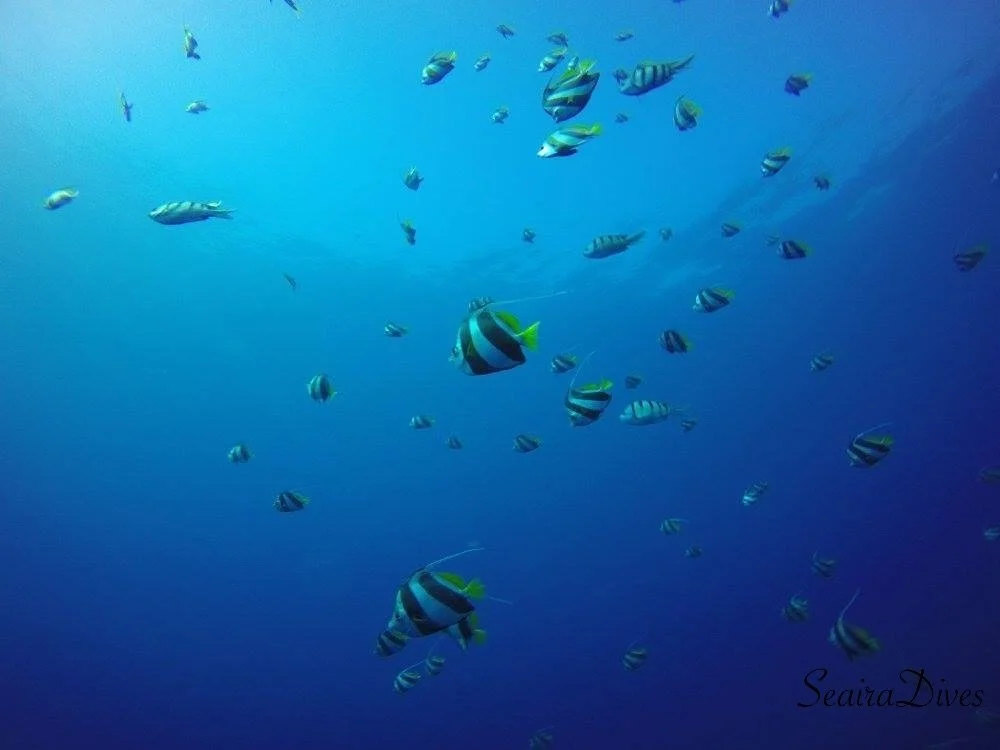
Schooling Bannerfish in Hawaii
Training Dives
The two dives are where everything comes together.
During these dives, you’ll:
Actively identify fish families throughout the dive
Attempt species-level identification when possible
Use a slate to record observations
Focus on behavior, habitat, and distinguishing features
Debrief after the dive to compare findings
These dives tend to feel very different from a typical fun dive.
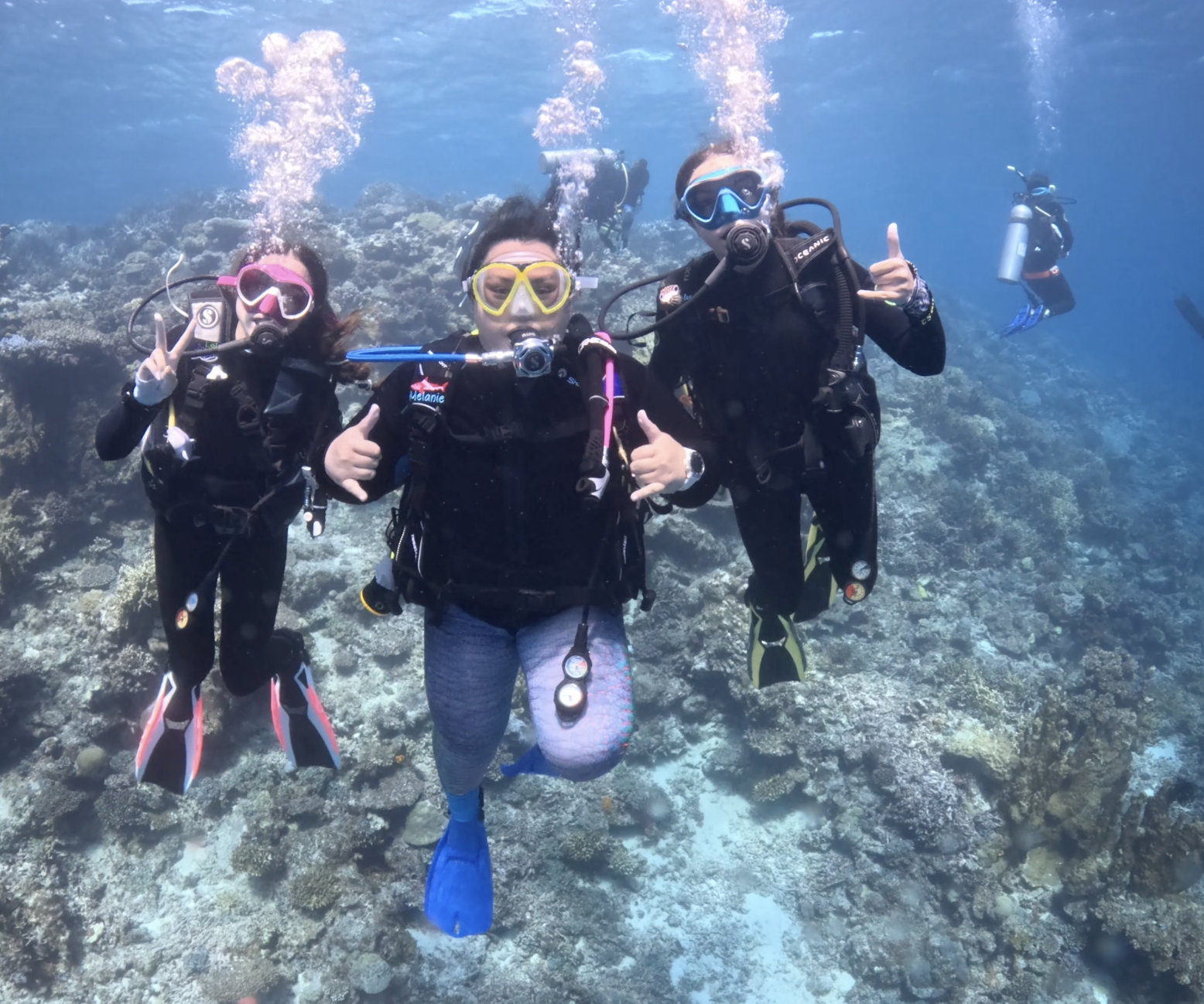
FishID Students!
You naturally slow down, spend more time hovering, and become more deliberate in how you move through the water.
As a result, most divers notice immediate improvements in:
Buoyancy control
Air consumption
Overall awareness
Not because those skills are being directly taught, but because the course encourages a more controlled, observant style of diving.
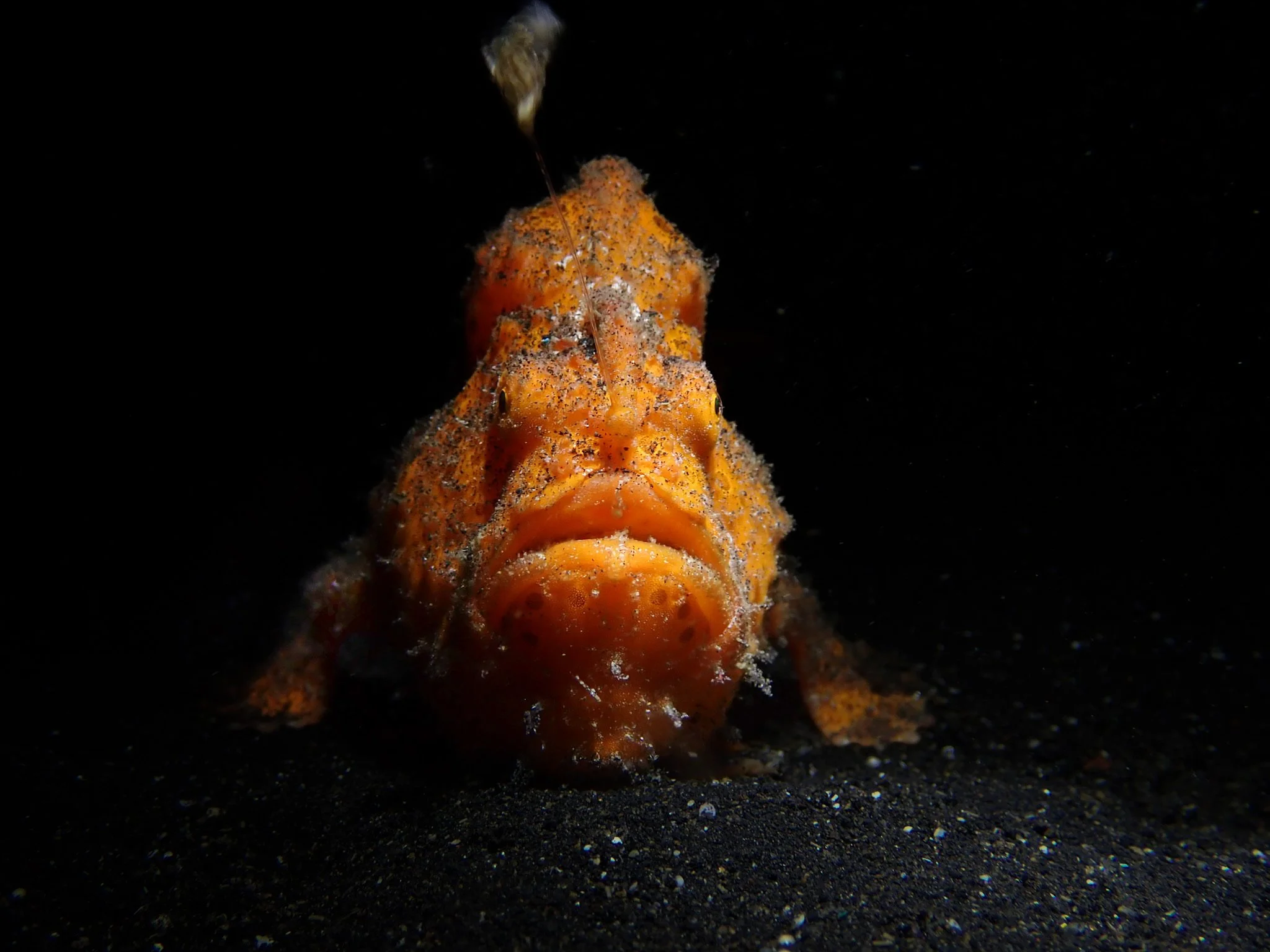
A Painted frogfish
How This Changes You as a Diver
Fish Identification is one of those specialties that quietly changes the way you experience every dive afterward.
Once you start recognizing marine life consistently, the reef stops feeling random. You begin noticing patterns, relationships, behaviors, and interactions that were always happening around you but previously blended into the background.
Divers naturally start slowing down more and paying closer attention to details. You begin recognizing cleaning stations, territorial behavior, camouflage, feeding patterns, and symbiotic relationships between species. Certain fish start appearing in predictable habitats, and over time you begin anticipating where specific marine life is likely to be found before you even spot it.
One of the coolest changes is that dives become more interactive mentally. Instead of passively swimming through the reef, you are actively interpreting what you are seeing underwater in real time.
The ocean also starts feeling more familiar and connected. Reefs that once looked overwhelming suddenly become full of recognizable species, behaviors, and patterns. Every dive feels less like simply observing nature and more like understanding it a little better.
Honestly, Fish ID made me slow down and appreciate the underwater world in a completely different way.

Gray Angelfish
The Seaira Dives “Fishinar” Experience
One of the ways we take Fish Identification a step further at Seaira Dives is through what we call a Fishinar.
Before many of our dive trips, we host a virtual session focused specifically on the marine life of that destination so divers arrive already familiar with what they are likely to encounter underwater. Rather than jumping into the ocean feeling completely overwhelmed on the first dive, our divers begin the trip with a foundation that makes the reef feel far more approachable from day one.
During the Fishinar, we typically cover:
the dominant fish families and marine life in the region
iconic species and endemic animals
common reef behaviors and interactions
habitat preferences
standout critters to watch for
underwater photography and observation tips
One thing I love about the Fishinar format is watching how much more engaged divers become underwater afterward. Divers suddenly start recognizing anthias clouds, cleaning stations, nudibranchs, hawkfish, gobies, wrasses, and coral relationships instead of simply seeing “a lot of fish.”
Divers also tend to slow down more and interact with the reef more intentionally afterward. Rather than racing through the dive hoping to stumble across something exciting, people begin noticing details, patterns, and behaviors that had always been there but previously went unnoticed.
By the time our groups hit the water on the first day of the trip, people usually feel more confident, more observant, and significantly more connected to the marine environment around them.
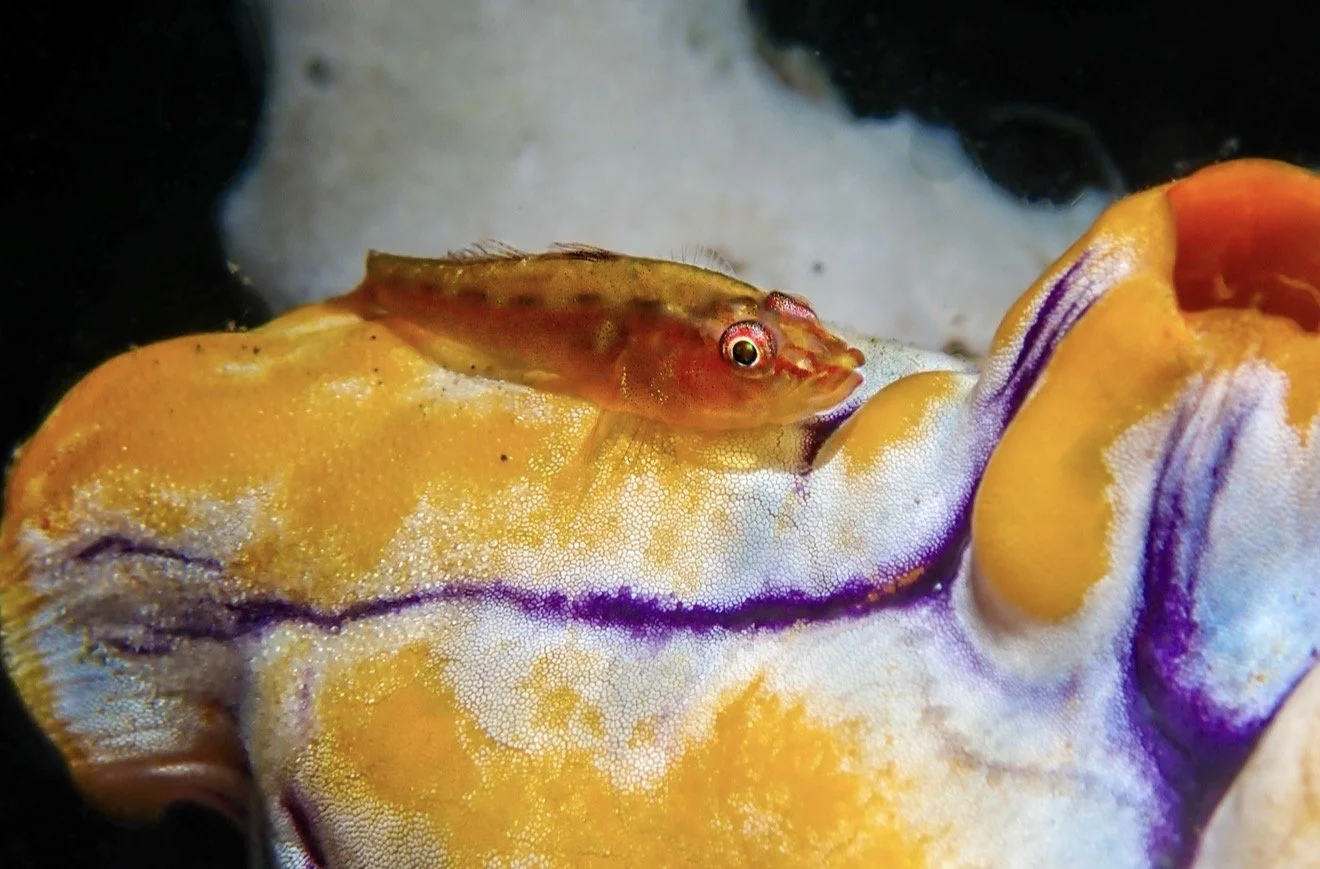
A Goby
Taking It Further with REEF Conservation
At Seaira Dives, we are proud to be a REEF Conservation Partner through the Reef Environmental Education Foundation (REEF), and honestly, this is where Fish Identification starts becoming even more meaningful.
Once divers learn how to identify marine life consistently, they also gain the ability to contribute valuable real-world data that supports marine science and conservation efforts. Fish Identification stops being just a fun specialty course and starts becoming a way to actively engage with ocean conservation.
REEF allows divers to participate in community science by conducting fish surveys and submitting species observations directly into a global marine life database used by scientists, researchers, educators, and conservation organizations. Divers help document species distribution, monitor reef health, track invasive species, and identify long-term population and environmental trends over time.
One thing I really love about REEF is that participation feels approachable. Divers do not need to be marine biologists to contribute meaningful information. Strong observation skills, consistent identification, and time spent underwater can genuinely help support ongoing research and conservation work.
Fish Identification also changes the way divers interact with the reef during surveys. Divers naturally slow down more, observe behavior more carefully, and become significantly more aware of biodiversity and ecosystem health underwater.
For me personally, REEF bridges the gap between simply enjoying the ocean and actively helping protect it. Diving becomes more than recreation alone. Every survey becomes an opportunity to contribute something useful back to the marine environment we all care about so deeply.
If you take the Fish Identification specialty, I strongly encourage you to start submitting REEF surveys afterward. Adding that extra layer of purpose to your diving honestly makes the underwater world feel even more connected and meaningful.
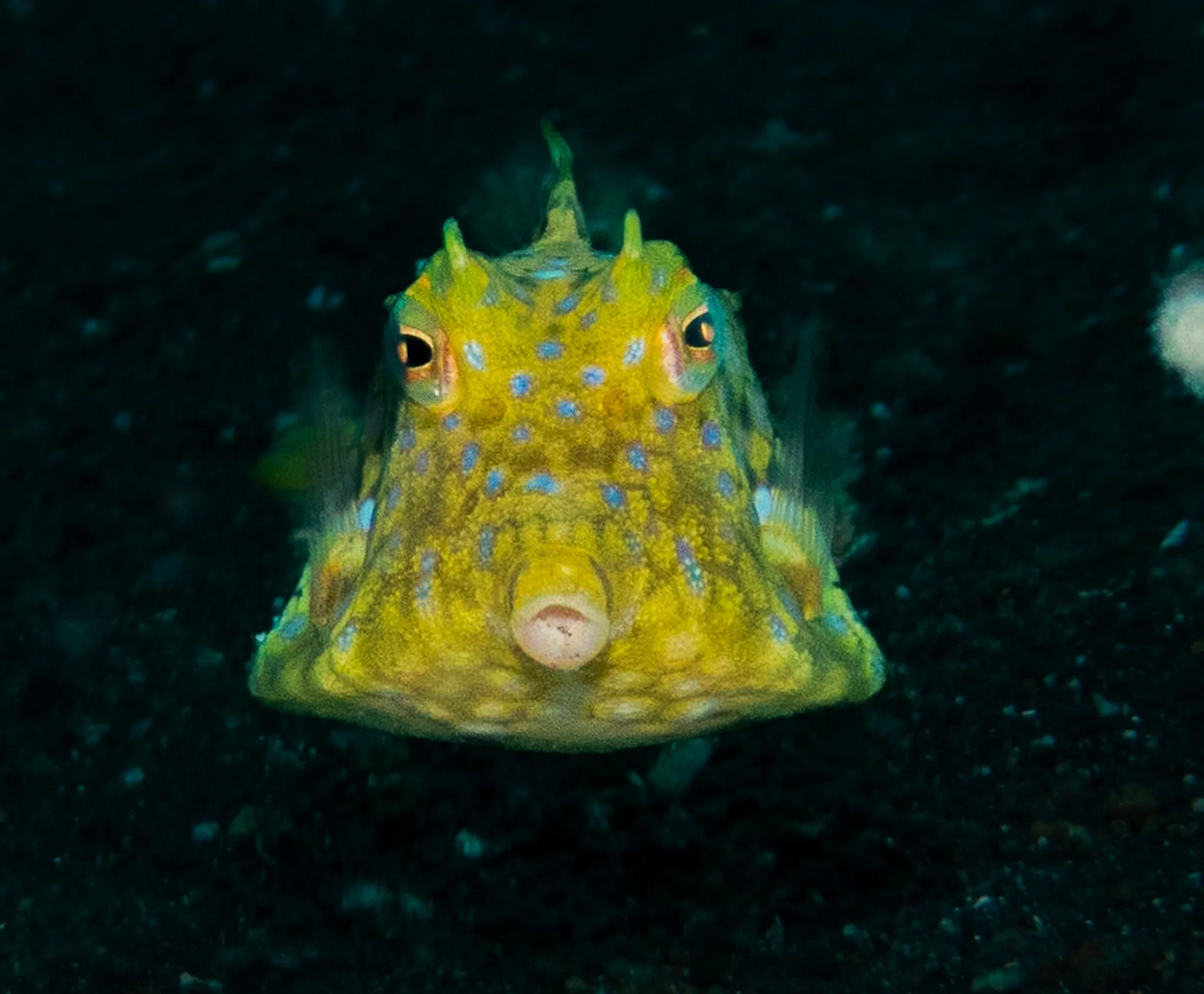
A Thornback Cowfish
Why Every Dive Professional Should Teach Fish ID
For dive professionals, Fish Identification is honestly one of the most underrated specialties you can add to your teaching toolkit.
A lot of divers today are looking for more than just certification cards and skill progression. Divers want connection, understanding, and experiences that help them engage with the underwater world on a deeper level. Fish Identification gives instructors a really approachable way to deliver exactly that.
Teaching Fish ID naturally enhances guided dives and training dives because instructors are able to point out behavior, explain species interactions, identify marine life, and help divers slow down and actually interpret what they are seeing underwater. Even simple dives become more engaging when divers begin recognizing cleaning stations, camouflage, territorial behavior, symbiotic relationships, and reef biodiversity in real time.
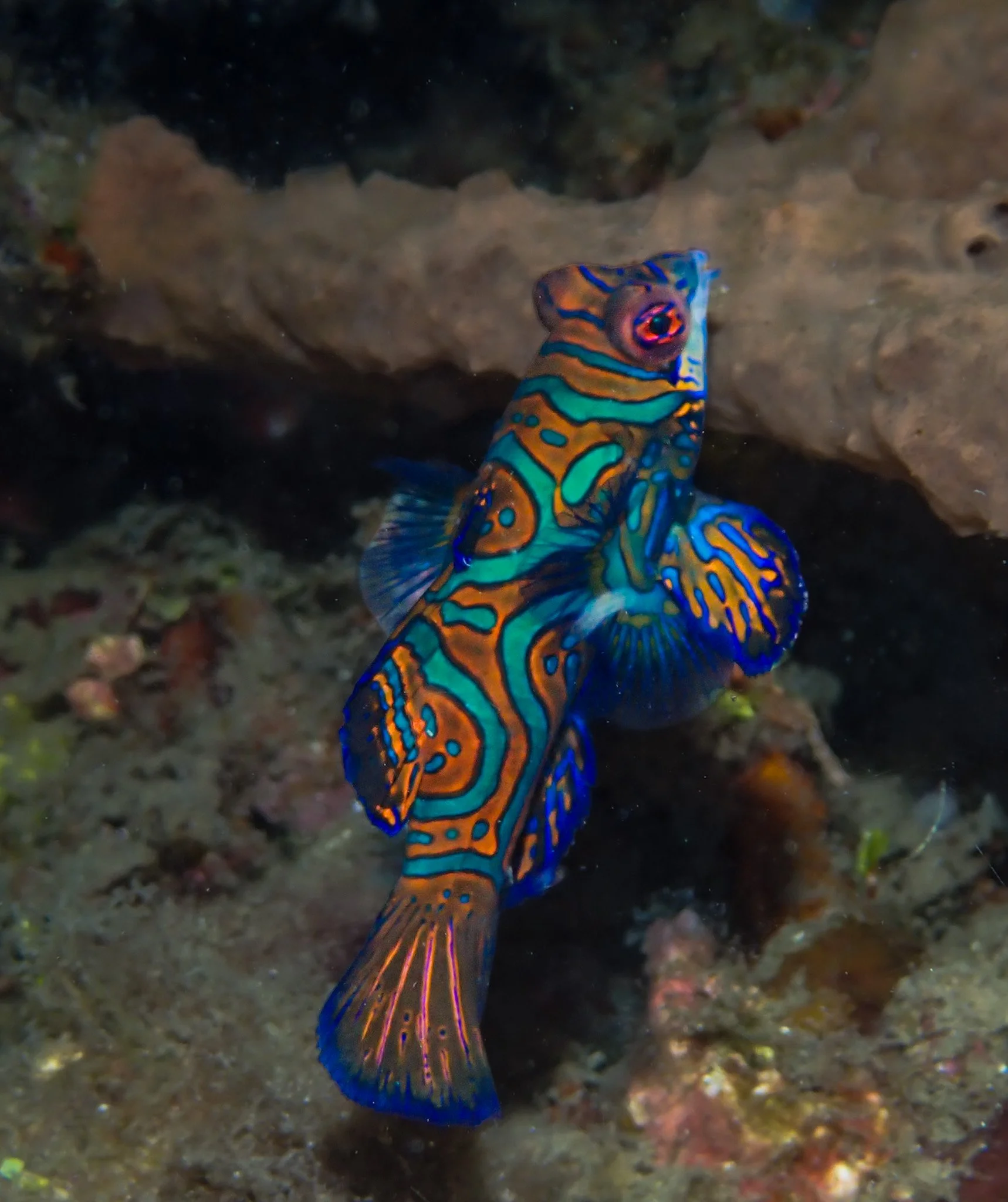
A Mandarinfish
One thing I really love about Fish Identification is how easily the specialty integrates into other courses and dive experiences. Fish ID pairs especially well with:
Advanced Open Water
Peak Performance Buoyancy
Underwater Photography
Underwater Naturalist
conservation-focused diving
destination dive travel
Photographers become more intentional once they understand marine life behavior and habitat preferences. Buoyancy divers naturally slow down and observe more carefully. Guided dives become more interactive and educational instead of simply following a guide underwater.
Fish Identification also helps instructors build stronger relationships with students because conversations become much richer both underwater and on the surface afterward. Divers get genuinely excited when they begin recognizing species consistently or finally understand behaviors they had previously overlooked.
From a business standpoint, Fish ID is also incredibly accessible. The specialty has a relatively low equipment barrier, works well in a huge variety of environments, and adds meaningful educational value without requiring overly complicated logistics.
Most importantly, the more divers understand the reef, the more likely they are to care about protecting it.
That part matters a lot to me.
If you are a dive professional interested in adding Fish Identification to your courses or learning how I integrate Fishinars and REEF Conservation into Seaira Dives trips and training—
👉 Reach out anytime.
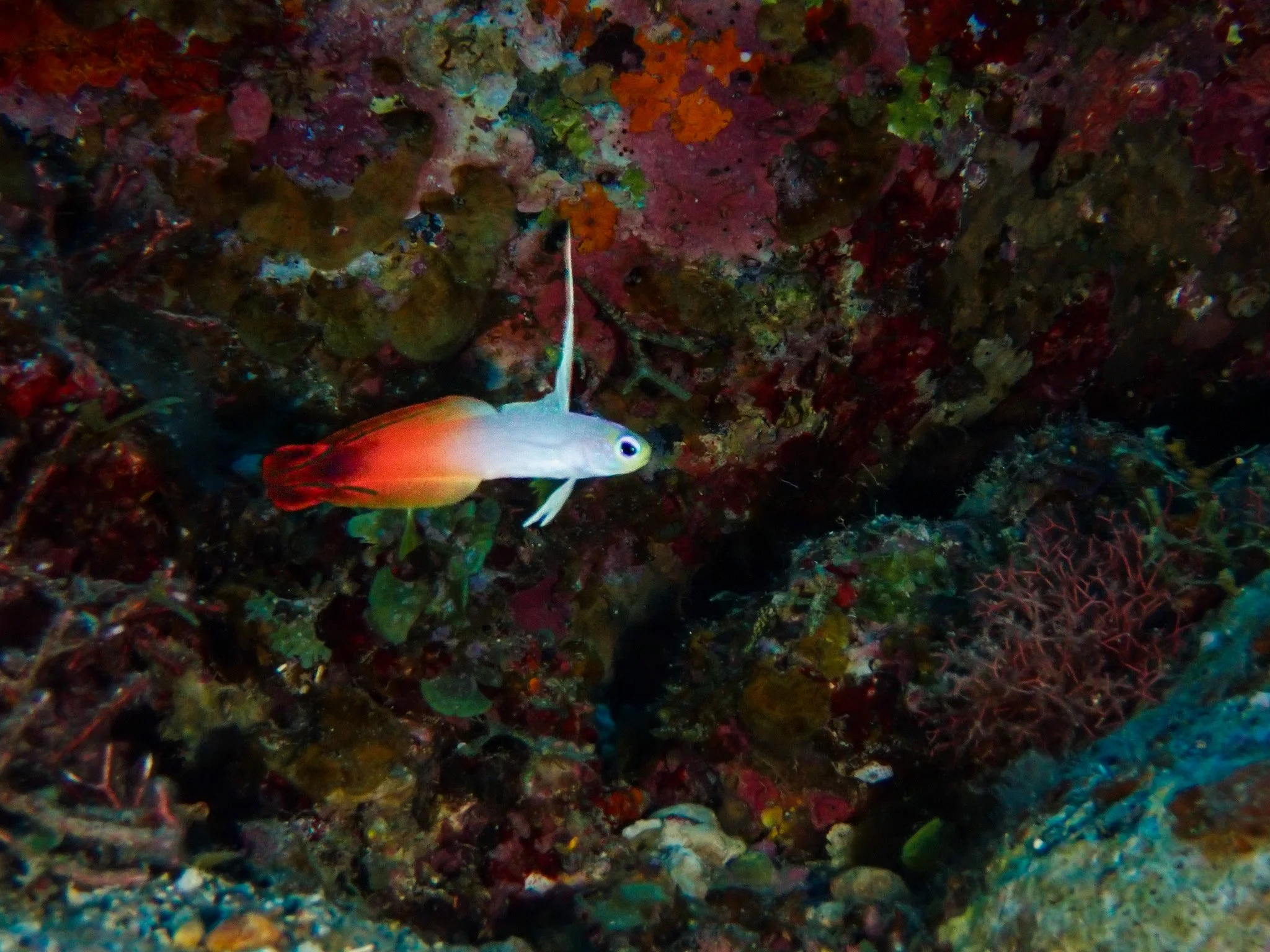
A Fire Dartfish
Why It Pairs Perfectly with Underwater Naturalist
Fish Identification and Underwater Naturalist complement each other incredibly well and honestly create one of the strongest specialty combinations recreational divers can take.
Fish Identification teaches divers how to recognize fish families, identify species, observe behavior, and start understanding the patterns happening on the reef. Divers begin learning how marine life moves, feeds, hides, interacts, and occupies different habitats underwater.
Underwater Naturalist expands that understanding much further by focusing on the broader marine ecosystem as a whole. Divers begin exploring habitat relationships, symbiotic interactions, reef ecology, animal adaptations, environmental pressures, and how different forms of marine life all connect together underwater.
One course helps you identify what you are seeing. The other helps you understand why it matters.
Together, the specialties completely change how divers experience the underwater world. Reefs stop feeling like random collections of fish and coral and start feeling like interconnected ecosystems full of relationships, behaviors, competition, adaptation, and balance.
One thing I love about teaching these specialties together is watching divers become significantly more observant underwater. Divers naturally slow down, notice more detail, ask deeper questions, and engage with the reef in a much more intentional way.
Photographers benefit enormously from this combination too. Understanding behavior and habitat often leads to better wildlife encounters, more thoughtful compositions, and stronger marine life photography overall.
Most importantly, these specialties tend to create divers who care more deeply about ocean conservation. Once divers understand how interconnected reef ecosystems really are, protecting those environments starts feeling much more personal.
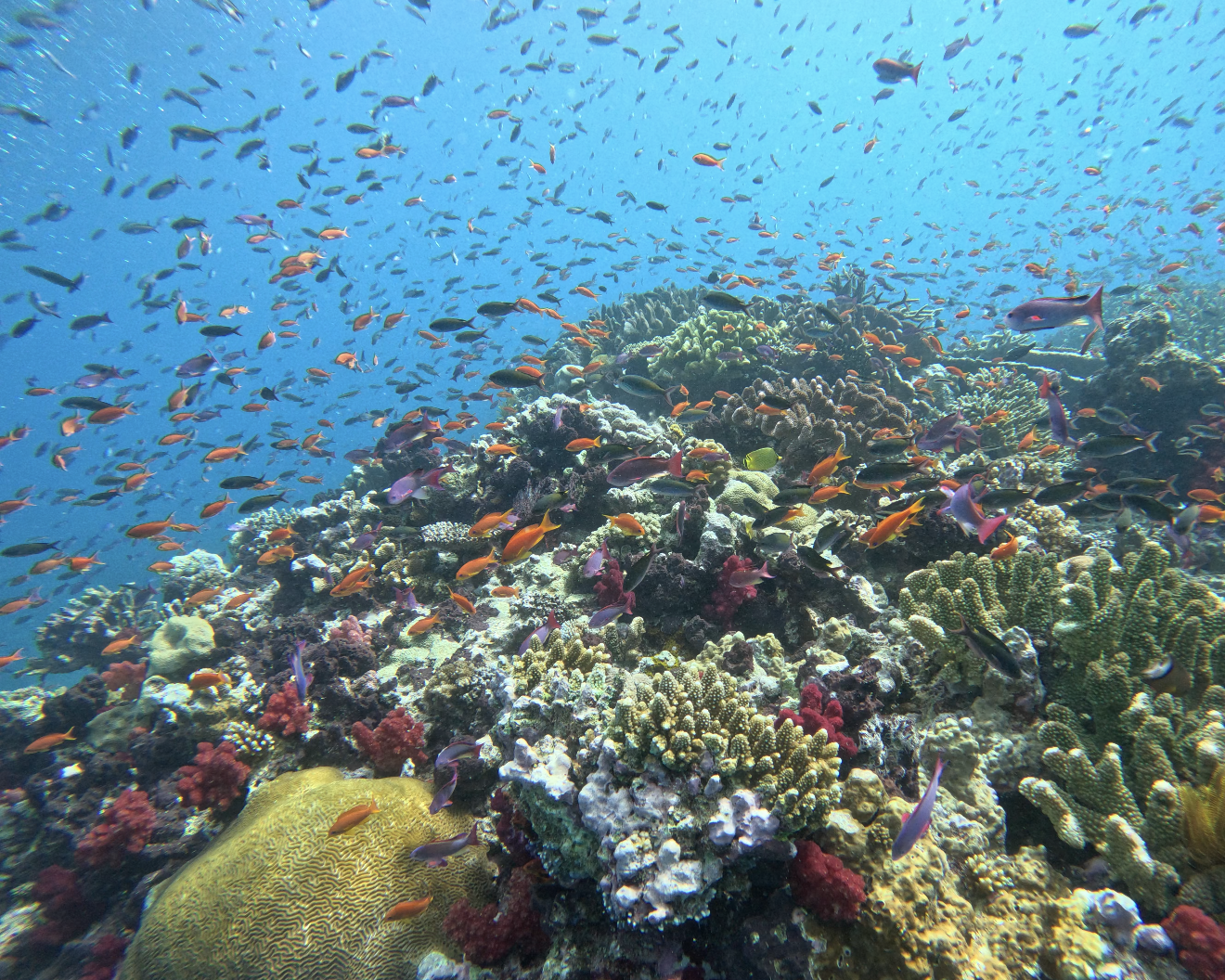
A healthy reef bustling with life
Final Thought
Better dives do not always require a new destination, bigger marine life, or more advanced certifications.
Sometimes better diving simply comes from learning how to slow down and observe the underwater world more intentionally.
Fish Identification gives divers the tools to recognize patterns, understand behavior, notice relationships, and engage with the reef in a much deeper way. Reefs that once felt overwhelming or random start becoming familiar, connected, and full of recognizable life.
One thing I love most about Fish ID is that the specialty changes every dive afterward, no matter where you are in the world. Local shore dives become more interesting. Easy reef dives become more engaging. Even familiar sites start revealing details you previously swam right past.
And honestly, once you start seeing the ocean this way, it becomes very difficult to unsee it.
Dive safe, explore passionately, and remember…