
Dive Safe, Dive Smart: The Ultimate Guide to Scuba Gear Care & Servicing
Your scuba gear is more than just equipment—it’s your lifeline underwater. Whether you're logging your first few dives or you're a seasoned underwater explorer, keeping your gear in top condition is essential for safety, performance, and peace of mind. In this guide, we’ll dive into everything you need to know about proper gear servicing, how to rent safely when you’re traveling, and the best practices to extend the life of your equipment. After all, taking care of your gear means more confident dives, better adventures, and fewer surprises when you hit the water.
Safety Through Rigorous Maintenance
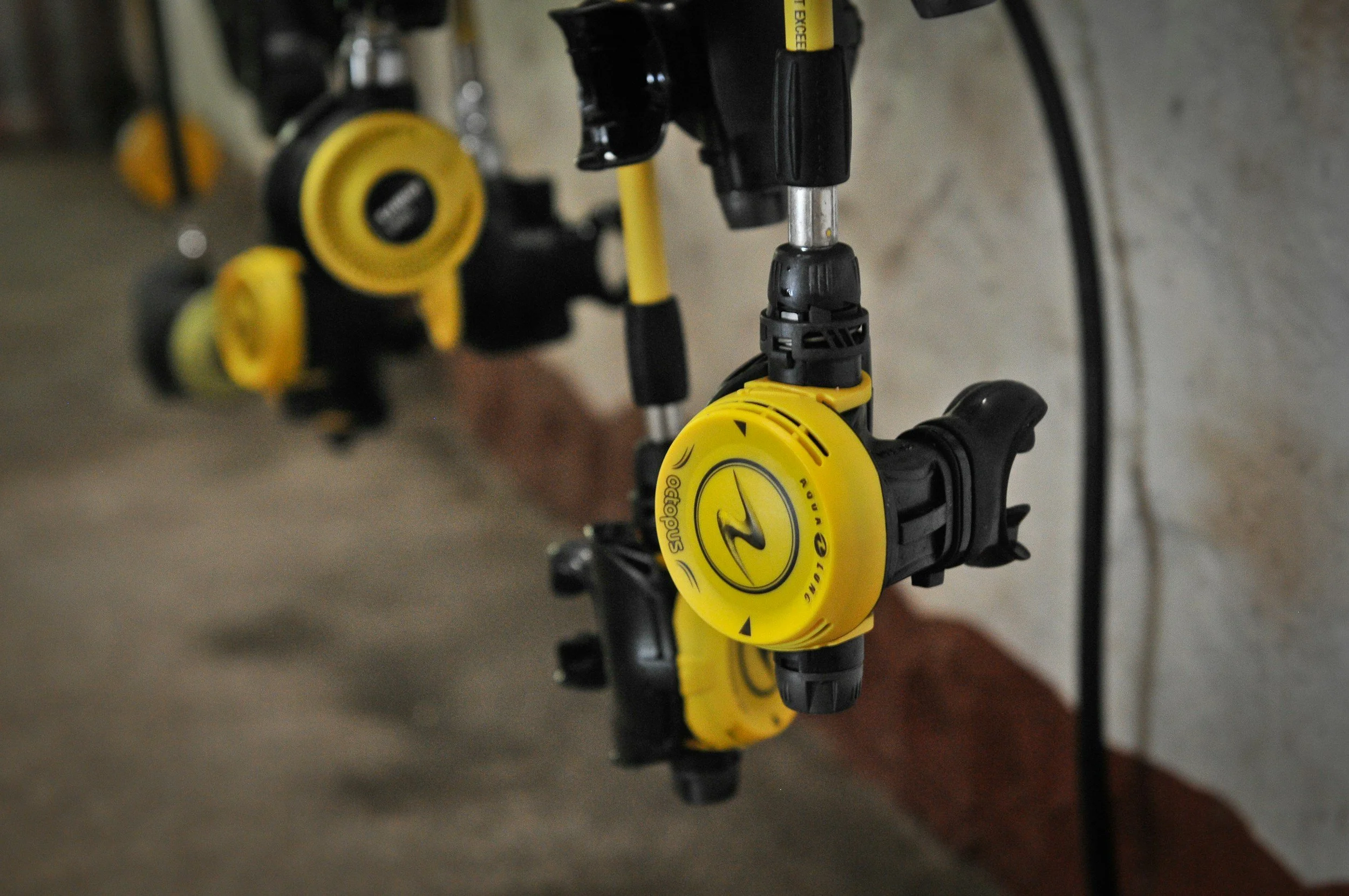
Safety is our utmost priority in scuba diving, and it begins with meticulously maintained gear. As an instructor, I prioritize the regular servicing of all rental equipment to uphold the highest safety standards. Each piece of gear, including regulators, BCDs, tanks, and dive computers, undergoes thorough inspections by certified technicians. Manufacturers like Aqualung recommend annual servicing for regulators and buoyancy compensators to ensure optimal performance and safety underwater. This commitment ensures that every diver, regardless of experience level, can trust their equipment without hesitation.
Compliance with Manufacturer Standards
Manufacturers establish specific servicing intervals to ensure gear operates at its best and lasts longer. I strictly adhere to these standards for all rental equipment under my supervision. By following manufacturer guidelines, such as those recommended for regulators and BCDs, I not only maintain warranty coverage but also guarantee peak efficiency for each piece of gear. This dedication underscores my commitment to providing reliable equipment for every dive experience.
Enhancing Diver Confidence and Comfort
Confidence underwater is essential for a fulfilling diving experience. Regular servicing not only enhances gear reliability but also boosts diver confidence. Knowing that their equipment has been professionally inspected and maintained allows divers to fully immerse themselves in the wonders of the ocean, whether exploring vibrant coral reefs or investigating historical wrecks. Comfort and peace of mind are paramount, and well-serviced gear ensures both.
Maximizing Equipment Longevity
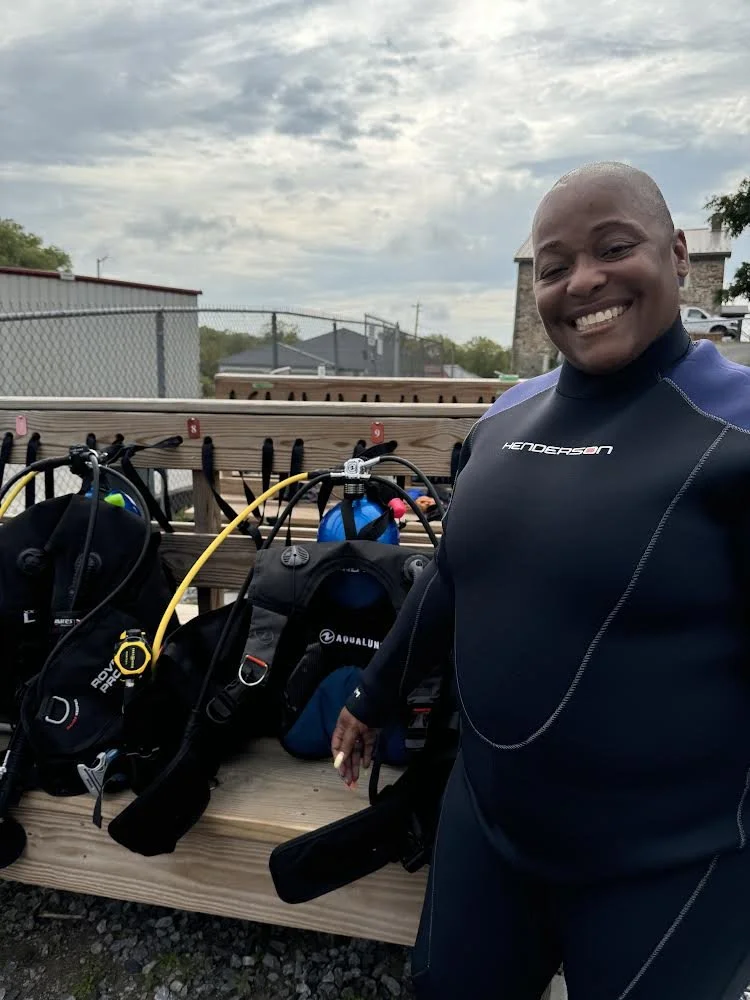
Scuba gear represents a significant investment, and proper maintenance is key to maximizing its lifespan. Through regular servicing, I prevent premature wear and tear, corrosion, and mechanical failures that could compromise equipment durability. This proactive approach not only protects our rental inventory but also ensures divers enjoy years of safe and reliable equipment use.
Renting and Using Scuba Tanks Safely
When renting scuba tanks, it's essential to ensure they meet safety standards for diving:
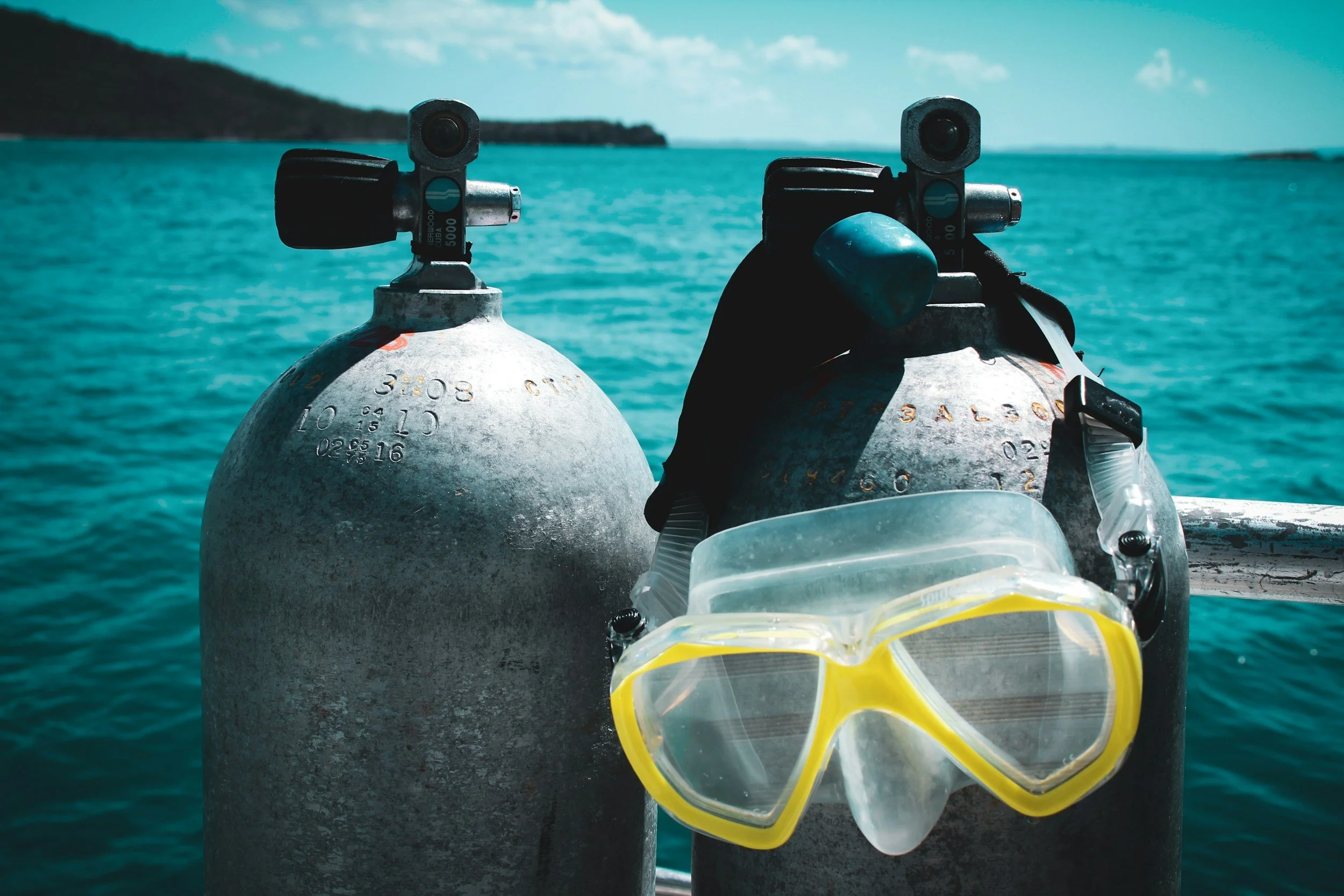
Check for Hydrostatic Testing: Tanks must undergo hydrostatic testing every five years to ensure they can safely contain the high pressure of compressed air used for diving. Look for a current hydrostatic test date stamped on the tank.
Inspect Visual Inspection Date: Tanks also require visual inspections annually or biennially, depending on local regulations. A visual inspection checks for internal and external corrosion, cracks, and general integrity.
Verify Fill Pressure: Ensure the tank is filled to the appropriate pressure recommended by the manufacturer and in compliance with diving standards.
Storage and Transport: Tanks should be stored and transported in an upright position to prevent damage to the valve and to ensure safety.
🌊 Post-Dive Gear Care: Keep Your Equipment Dive-Ready! 🌊
Taking care of your scuba gear after each dive isn’t just about looking after your investment—it’s essential for keeping everything in tip-top shape and ready for your next adventure. Proper rinsing and maintenance help prevent corrosion, extend gear life, and ensure you're always dive-ready. Here’s how to treat your gear to some post-dive TLC:
🌀 Regulators
After your dive, give your regulator a nice soak in a bucket of fresh water (with the dust cap securely in place!).
Gently press the purge button to flush out that pesky saltwater.
Rotate the first stage down so the water can reach and rinse the ports.
Important: Don’t use your tank’s air to blast water off the dust cover! That high-pressure air can push saltwater into sensitive spots and cause damage over time. Instead, dry it off gently with a towel or let it air dry.
🎈 BCDs (Buoyancy Control Devices)
Inflate your BCD fully to open all compartments, then rinse the outside thoroughly.
Manually inflate your BCD with air to fill the bladder with fresh water.
Hold it upside down and give it a "hug" while pressing the dump button to let the water out.
Swish the water around, drain it, and repeat if necessary.
Make sure to pay special attention to the inflator button, dump valves, and pockets—salt and sand can sneak in and cause problems!
🧜♂️ Wetsuits & Dive Skins
Give your wetsuit a good rinse inside and out to get rid of salt, sand, and any tiny ocean critters that might have hitched a ride!
Turn it inside out to make sure it gets a thorough clean.
Hang it to dry on a wide hanger (no plastic hangers, please!) away from direct sunlight to keep the material in great condition.
📟 Dive Computers & Electronics
Wipe down your dive computer and any electronics with a soft, damp cloth to remove any salt or debris.
Make sure all buttons, seals, and charging ports are dry before storing them away safely.
⚡ Extra Tip!
After each dive, make sure to rinse all your gear (even your mask and snorkel) with fresh water to keep things fresh and salt-free. And don’t forget about storage—always keep your gear in a cool, dry place away from sunlight, and let it dry completely before packing it away.

🧳 Storing Your Gear: Keep It Safe and Ready for the Next Dive 🧳
Proper storage is key to extending the life of your scuba gear and ensuring it stays in top condition for every dive. Follow these easy steps to keep your equipment safe and ready for your next adventure:
💧 Ensure Dryness
Before storing your gear, make sure everything is completely dry—especially sensitive items like regulators and electronics. This helps prevent mold, mildew, and corrosion. Take a few extra minutes to let everything air dry thoroughly before putting it away.
🌬️ Cool, Dry Location
Store your gear in a cool, dry place away from direct sunlight, heat sources, or extreme temperatures. Prolonged exposure to sunlight or heat can cause wear and tear on materials.
Tip: Hang your BCD and wetsuit on padded hangers to preserve their shape and avoid any creases or damage to the fabric.
🔒 Protective Cases
For sensitive gear like regulators and electronics, always use protective cases or storage bags to keep them safe from potential damage during storage. A good case will protect them from dust, dirt, and any unintentional bumps or drops.
By following these simple storage tips, you’ll help your gear last longer, stay in top condition, and be ready to hit the water whenever you are! 🌊
Responsible Diving Starts with Taking Care of Your Gear
Taking care of your scuba gear isn’t just about keeping it in good condition—it’s about diving responsibly. Proper servicing, maintenance, and storage help ensure your equipment performs when you need it most, while also supporting your safety and the health of our oceans.
Whether you're a beginner or a seasoned diver, these practices are key to ensuring every dive is as smooth and enjoyable as possible. By keeping our gear in top shape, we’re not just protecting ourselves, but also contributing to the long-term sustainability of our beloved underwater world.
Let’s dive smart, respect our gear, and continue exploring the depths with confidence and care. 🌊
Dive safe, explore passionately, and remember…