Dive Into Calm
How to Handle Scuba Anxiety Like a Pro
If you've ever experienced a touch of nervousness before a dive, rest assured, you're not alone. Pre-dive anxiety is a common experience, even for the most experienced divers. But don't worry! As your dedicated scuba instructor, I'm here to offer some guidance on how to stay calm and confident, with a touch of humor and a nod to one of the most iconic scenes in cinema history. Ready to dive in? Let's begin!

Channeling Your Inner “Happy Place”
Remember that classic scene from Happy Gilmore where Chubbs Peterson gives Happy the ultimate advice on how to handle stress? “Just go to your happy place.”
Well, guess what? That advice works underwater too! Here’s how you can create your own “Happy Place” in the deep blue sea:
1. Breathe Like a Zen Master
Before you even step into the water, take a few moments to practice deep breathing. Think of it as your pre-dive warm-up. Inhale slowly through your nose, filling up your lungs like you’re blowing up a balloon. Then exhale gently through your mouth. Imagine each breath as a wave washing away your worries. It’s your first step to feeling zen and dive-ready.
2. Visualize Your Own Happy Place
Close your eyes and picture your favorite serene spot—maybe a beach, a cozy cabin, or a hammock swaying in the breeze. Imagine yourself there, feeling completely at ease. Now, take that peaceful vibe and bring it with you as you gear up. Picture the underwater world as an extension of your happy place—full of wonder, beauty, and calm.
3. Know Your Gear Like the Back of Your Hand
Nothing beats anxiety like being prepared. Familiarize yourself with your gear—your mask, fins, and regulator should feel like old friends. Practice setting up your equipment and do thorough pre-dive checks. Confidence in your setup will naturally make you feel calmer and more in control.
4. Have a Buddy Who’s Got Your Back
One of the best ways to ease anxiety is diving with a buddy who has good habits and is supportive. Chat with your dive buddy before the dive—share your excitement, your concerns, and your dive plan. A good buddy relationship boosts your confidence and ensures a safer, more enjoyable dive.
Pro Tip: Dive with buddies who model the kind of diver you want to be. Skills and habits are contagious. Practicing good buoyancy, awareness, and communication with a solid dive partner will sharpen your skills too.
5. Start Small and Build Up
If deep dives or challenging sites feel overwhelming, start with easier, shallower dives and gradually push your limits. Each dive you complete is a small victory and a stepping stone toward bigger adventures. Celebrate your progress!
6. Focus on the Underwater Wonderland
Once underwater, shift your focus outward. Watch the colorful fish, the delicate coral, the shafts of light dancing through the blue. Let yourself get lost in the magic of it all. This is your moment. Let your happy place completely surround you.
7. Remember, It’s Okay to Take a Break
If you feel overwhelmed, it’s perfectly fine to pause. Signal your buddy, take a few deep breaths, float at the surface, or simply hang neutrally buoyant for a minute. Taking a short break can reset your mind and body and help you get back to enjoying your dive.
Practice Makes Permanent, Not Perfect
You’ve probably heard "practice makes perfect," but when it comes to scuba diving, the real truth is: practice makes permanent.
Whatever habits you repeat underwater—good or bad—will eventually become automatic. That's why it's crucial to dive with buddies who have solid, safe habits and to always stay mindful of your own skills.
Focus on practicing:
Smooth, relaxed breathing
Gentle buoyancy adjustments
Clear, calm communication
Proper trim and positioning
Slow, deliberate movements
By practicing good habits consistently, you’ll hardwire them into your muscle memory, making every dive smoother, safer, and more enjoyable.
Continuing Your Scuba Education
Every dive teaches you something new, but structured learning accelerates your growth as a diver. Think of continuing education as upgrading your underwater “superpowers.” Here’s how you can keep getting better:
Peak Performance Buoyancy (PPB)
Dial in your buoyancy control to move effortlessly underwater. This course will help you improve your air consumption, protect the environment, and look like a total pro while diving.
Advanced Open Water Diver
Expand your skills and confidence through five adventure dives, like deep diving, navigation, night diving, or wreck diving. Advanced Open Water is about trying new experiences and pushing your limits in a safe, supported way.
Rescue Diver
Often called the most rewarding dive course, Rescue Diver teaches you to manage stress, respond to emergencies, and look out for other divers. It’s a serious confidence booster and deepens your understanding of dive safety.
Specialty Courses
Fine-tune your interests and open new dive opportunities:
Enriched Air (Nitrox) — Maximize your dive time and come up feeling better and more energized.
Wreck Diver — Explore shipwrecks and sunken planes safely.
Underwater Navigation — Learn to find your way with ease.
Night Diver — Discover a whole new world after dark.
Deep Diver — Safely explore deeper dive sites beyond 60 feet.
Embracing the Normalcy of Dive Anxiety
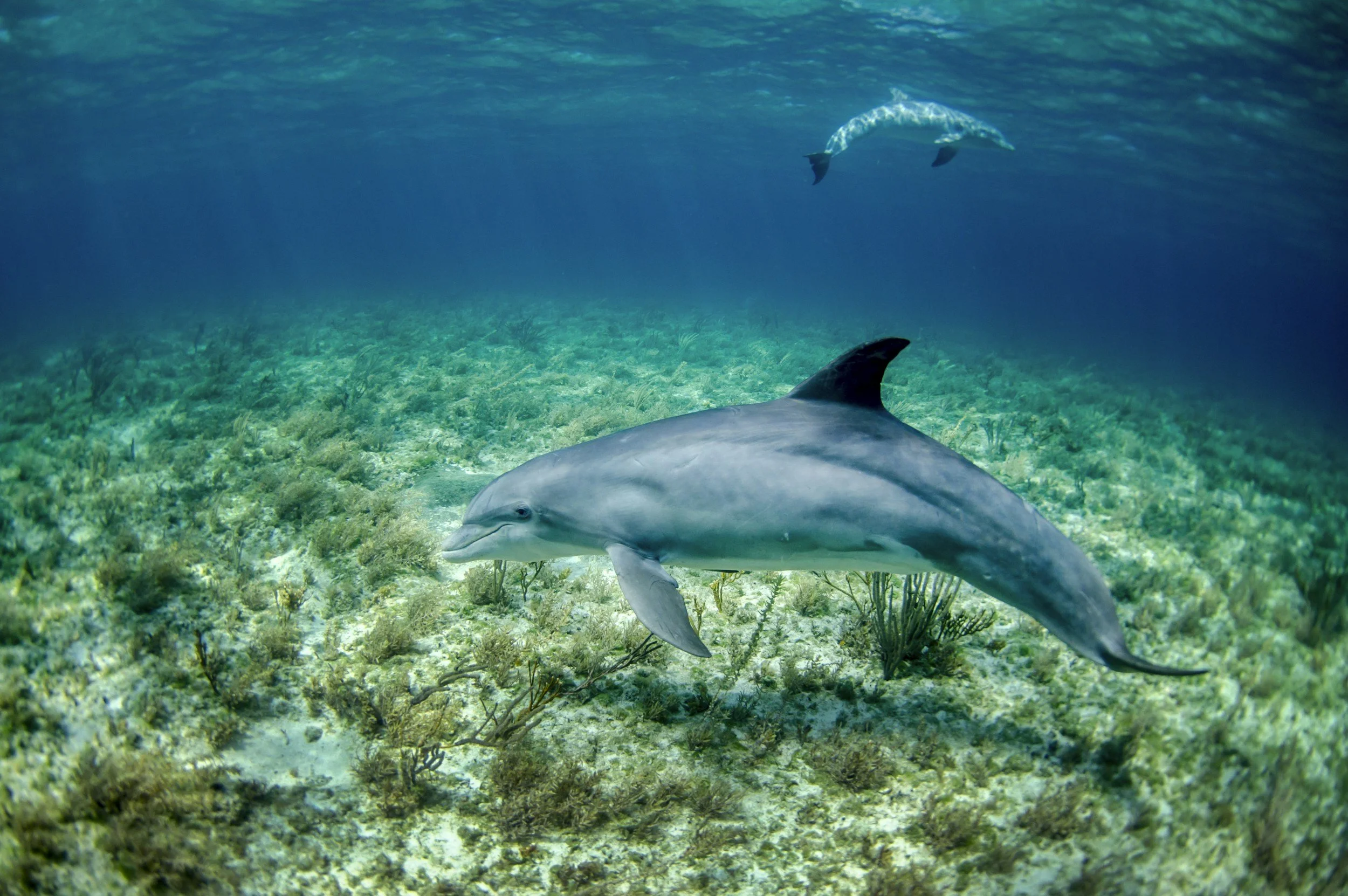
Feeling anxious before a dive is completely normal. Whether you're a beginner or a seasoned diver, it’s common to experience a flutter of nerves before plunging into the depths. The important thing to remember is that you're not alone in this.
1. It's All Part of the Experience
Anxiety is part of the learning curve in diving. It’s your mind’s way of preparing you for the adventure ahead. With each dive, you’ll build more confidence and learn to manage those nerves effectively. Remember, even the most experienced divers have felt nervous at some point!
2. Support from Your Instructor or Dive Guide
A good instructor or dive guide is your greatest ally in overcoming dive anxiety. We’re here not just to teach you how to dive, but also to ensure that you feel safe and comfortable throughout the process. If you’re feeling anxious, don’t hesitate to speak up. A supportive instructor will take the time to address your concerns, offer encouragement, and adjust the dive plan if necessary to help you feel more at ease.
3. Building a Supportive Environment
Diving schools and guides are dedicated to creating a positive and supportive environment. We understand that everyone has different comfort levels, and part of our job is to help you navigate these feelings. Whether it’s through a reassuring chat, a gentle reminder of your training, or simply offering a calming presence, we’re here to ensure you have the best experience possible.
It’s Okay to Skip a Dive
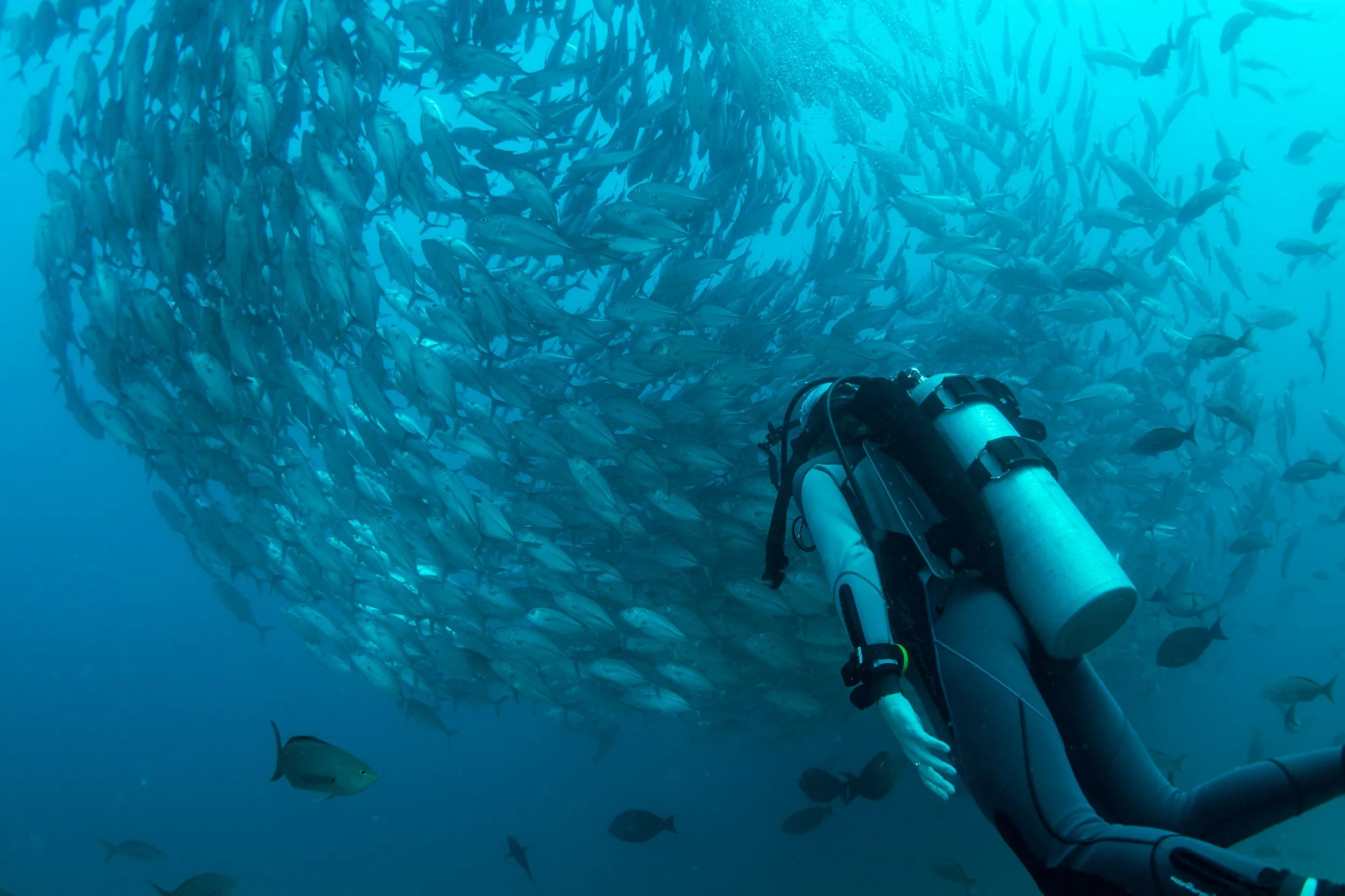
Sometimes, despite all the preparation and support, you might still feel too anxious to dive. And that’s perfectly okay. If you’re not able to relax and feel ready to dive, it’s absolutely fine to skip the dive and take the time you need to feel comfortable. Your safety and well-being are the top priorities.
Diving is supposed to be a fun and enjoyable experience, so don’t push yourself if you’re not feeling up to it. There will always be another opportunity to dive, and sometimes the best choice is to take a step back and try again when you’re feeling more at ease.
And with that…
Anxiety underwater is a common and natural part of diving, but with the right mindset and support, you can turn those nerves into excitement and adventure. Channel your inner Happy Gilmore, find your “happy place,” and remember that every dive is an opportunity to explore, learn, and grow.
So, gear up, breathe deep, and embrace your next dive with confidence. And remember, if today’s not the day, it’s okay to skip a dive and come back when you’re ready. The ocean is waiting, and with the support of your dive team, it’s going to be an amazing experience!
Happy diving, and may your underwater journeys be as delightful as a stroll through your favorite happy place!
Dive safe, explore passionately, and remember…