
Kota Kinabalu, Malaysia
Diving, Culture, and First Impressions of Borneo
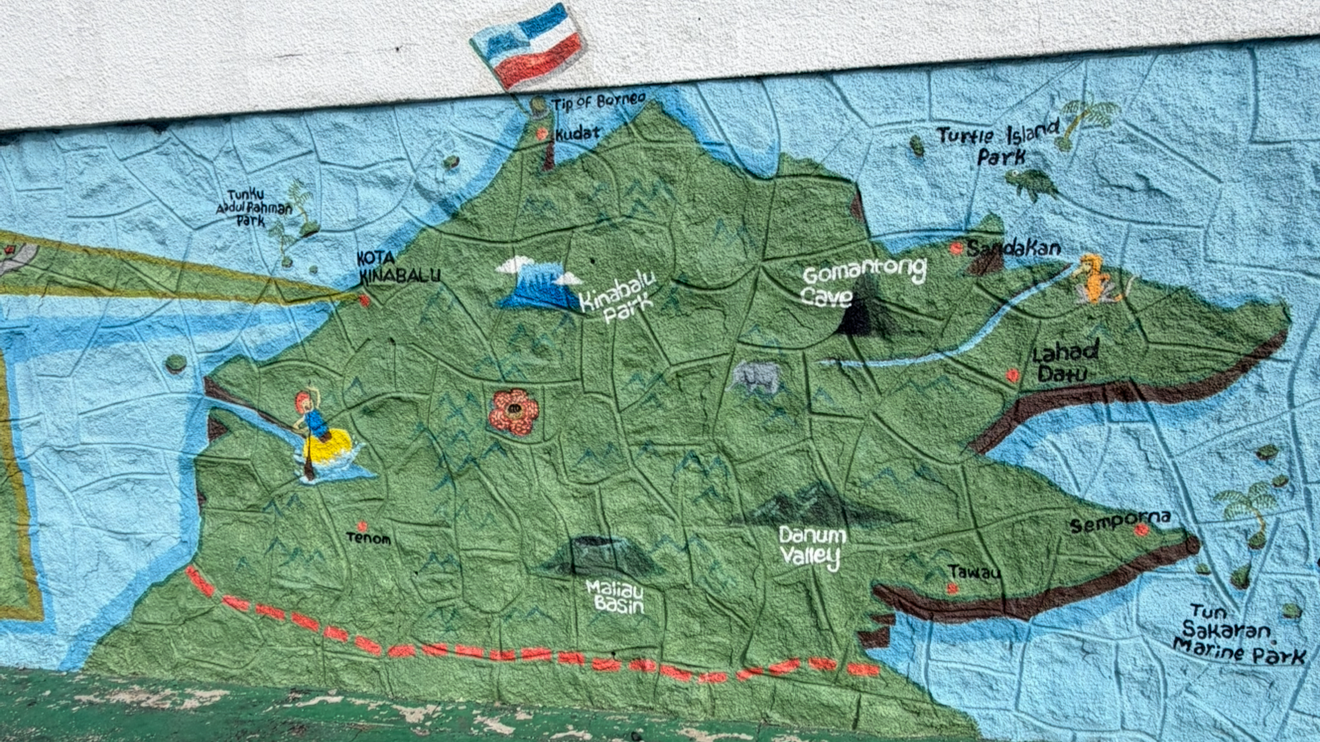
I knew I needed to arrive early for CDTC (Course Director Training Course), but I didn’t expect those five days in Kota Kinabalu to feel so restorative, colorful, and alive. I landed in Sabah thinking I was simply building in adjustment time; instead, I found myself completely captivated by Borneo—its culture, its food, its coastline, and its warmth.
This is how the first chapter of my CDTC journey truly began.
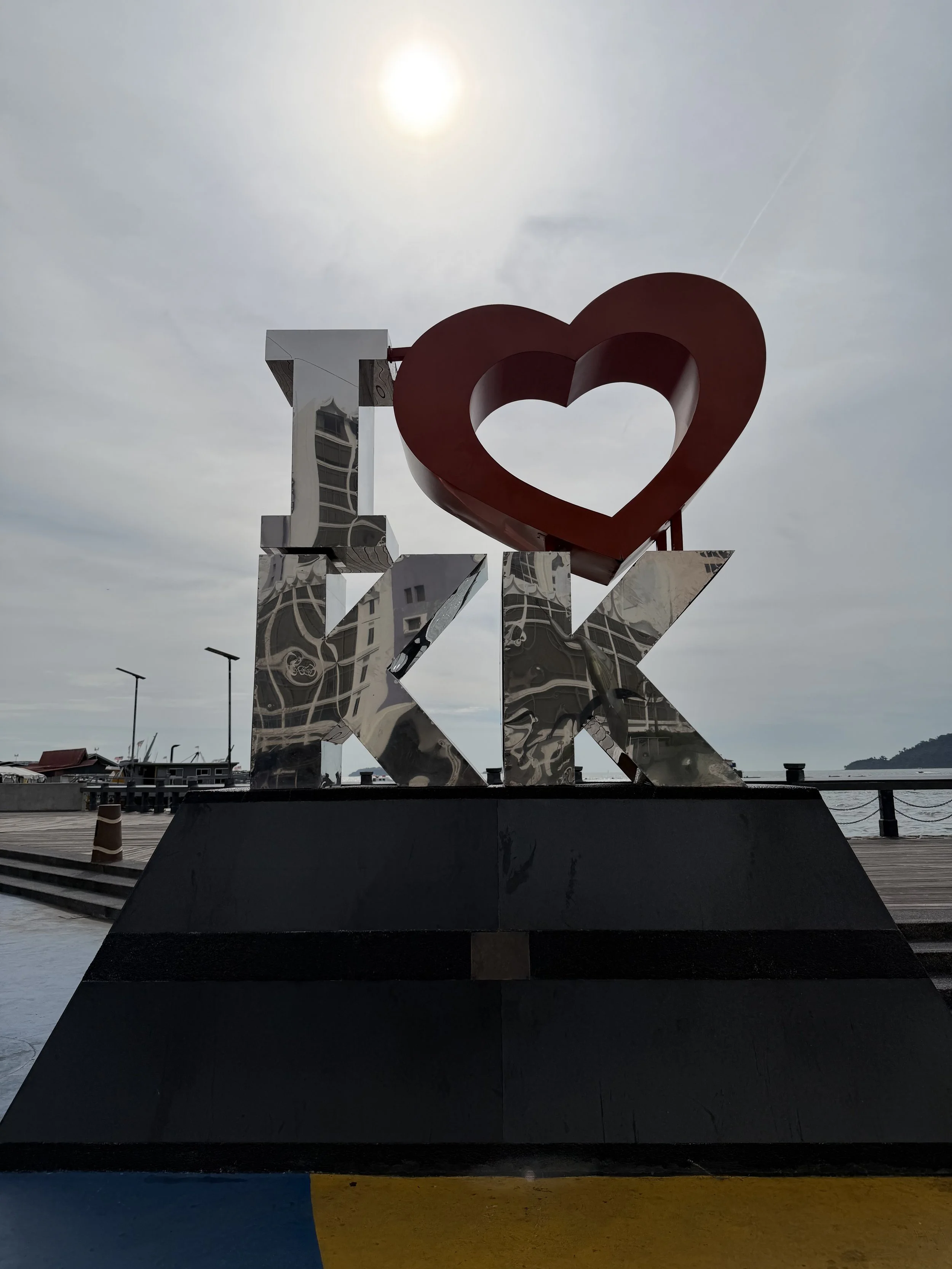
The Journey Begins
My alarm went off at 3:30 a.m.
There is nothing glamorous about a 3:30 wake-up, but early flights are almost always worth it. Less traffic. Fewer delays. A quieter airport. I did my usual routine — coffee, one last bag check, quick mental checklist — and headed out while it was still completely dark.
On March 1, I left Maryland for what would be a long but smooth travel sequence: BWI to Minneapolis, Minneapolis to Incheon, Incheon to Singapore, and finally into Kota Kinabalu.
When you’re committing to 40+ hours of travel, it becomes less about excitement and more about rhythm. Hydrate. Move when you can. Rest strategically. Eat intentionally. Adjust your mindset before you even leave the ground.
It was one of those travel days where you settle in and commit to the process.
Starting at BWI
I arrived at Baltimore/Washington International Thurgood Marshall Airport and immediately appreciated having Delta status. The standard check-in line was long, but Sky Priority meant I was through quickly. Those loyalty perks really do add up, especially on early morning departures.
BWI is honestly one of my favorite airports. It’s manageable, efficient, and not overwhelming. My only real complaint is the lounge situation. I stopped into The Club BWI. It’s fine, but BWI could definitely use stronger lounge options. Still, overall, it’s one of the easier East Coast airports to move through.
Minneapolis Connection
I connected through Minneapolis–Saint Paul International Airport and visited the Delta lounge between the G and F gates. It’s decent, but I still think the one near C is better.
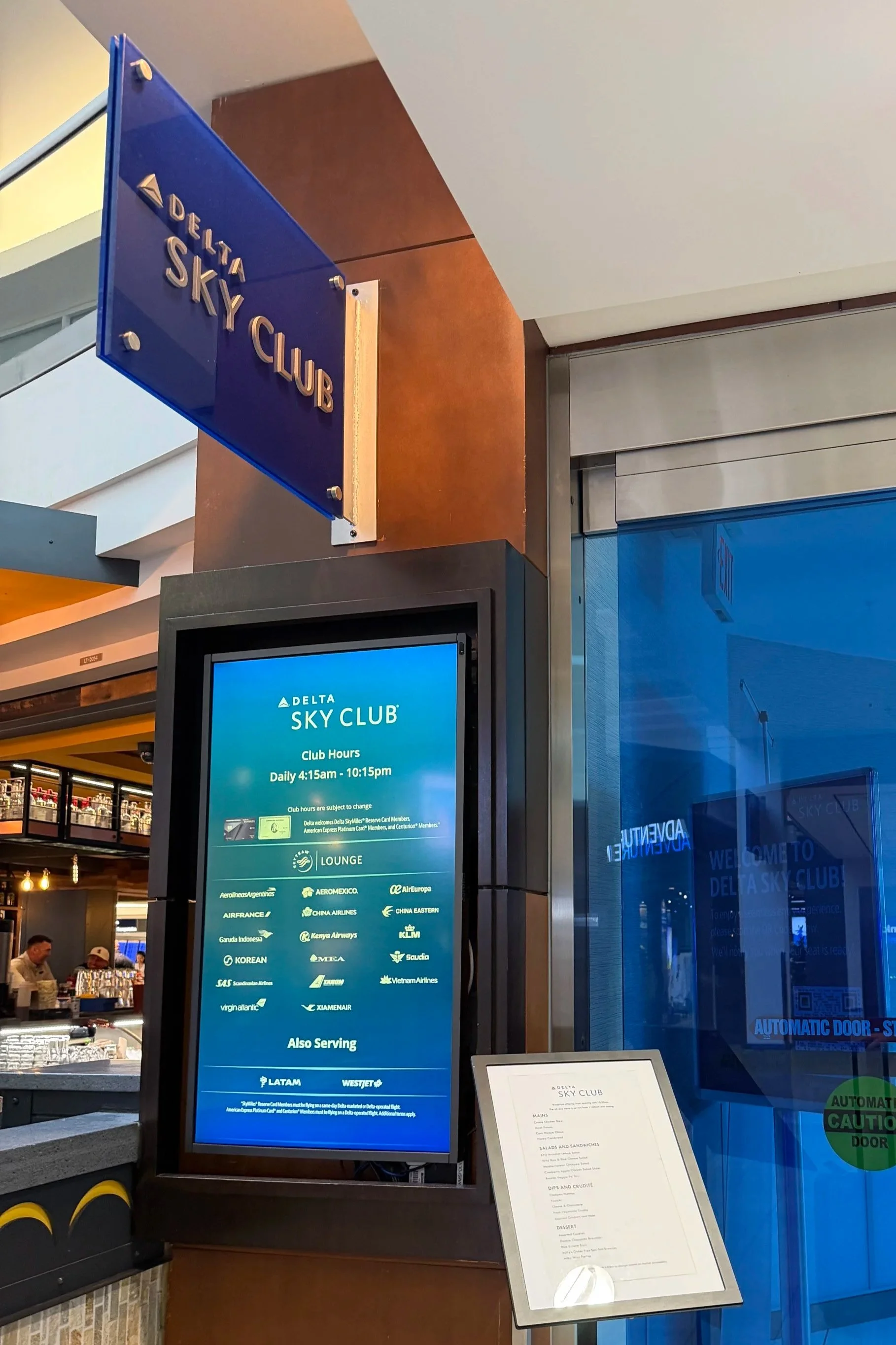
What stood out was how crowded it was. Delta lounges in general feel much busier than they used to. It’s something I’ve noticed more and more lately.
I’ve been very loyal to Delta Air Lines, and overall I still prefer flying with them. That said, Delta Premium has changed a bit. The amenity kits used to feel more thoughtful. This one was simpler than I remember. Not terrible, just not what it used to be.
Seat comfort was also noticeably different. I’m 5’4” and 125 pounds, and once the passenger in front of me reclined their seat for most of the 14-hour flight, I felt surprisingly crammed. I can’t imagine how some of my taller friends would have felt. For the price point of Premium seats, I expected a bit more breathing room.
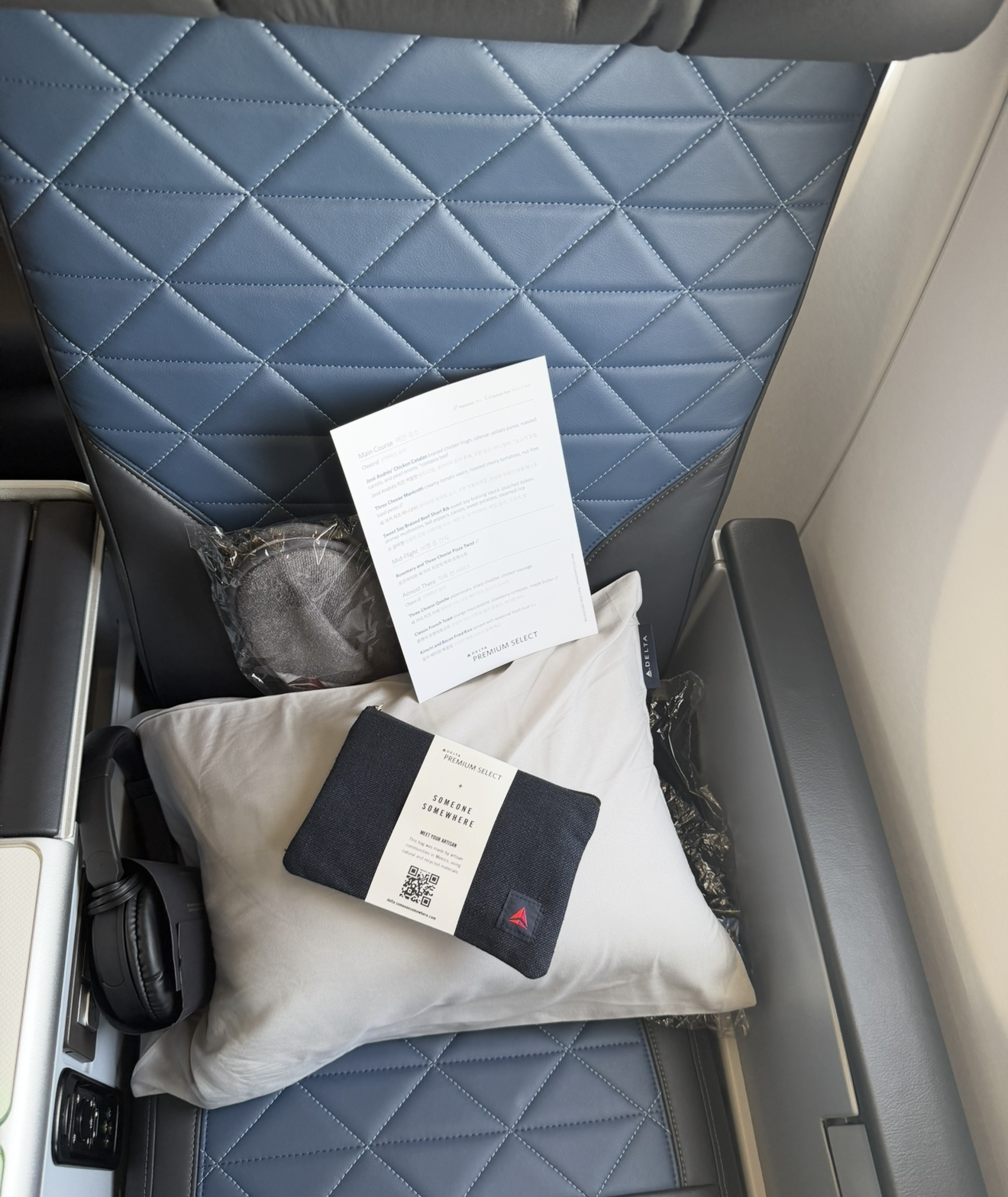
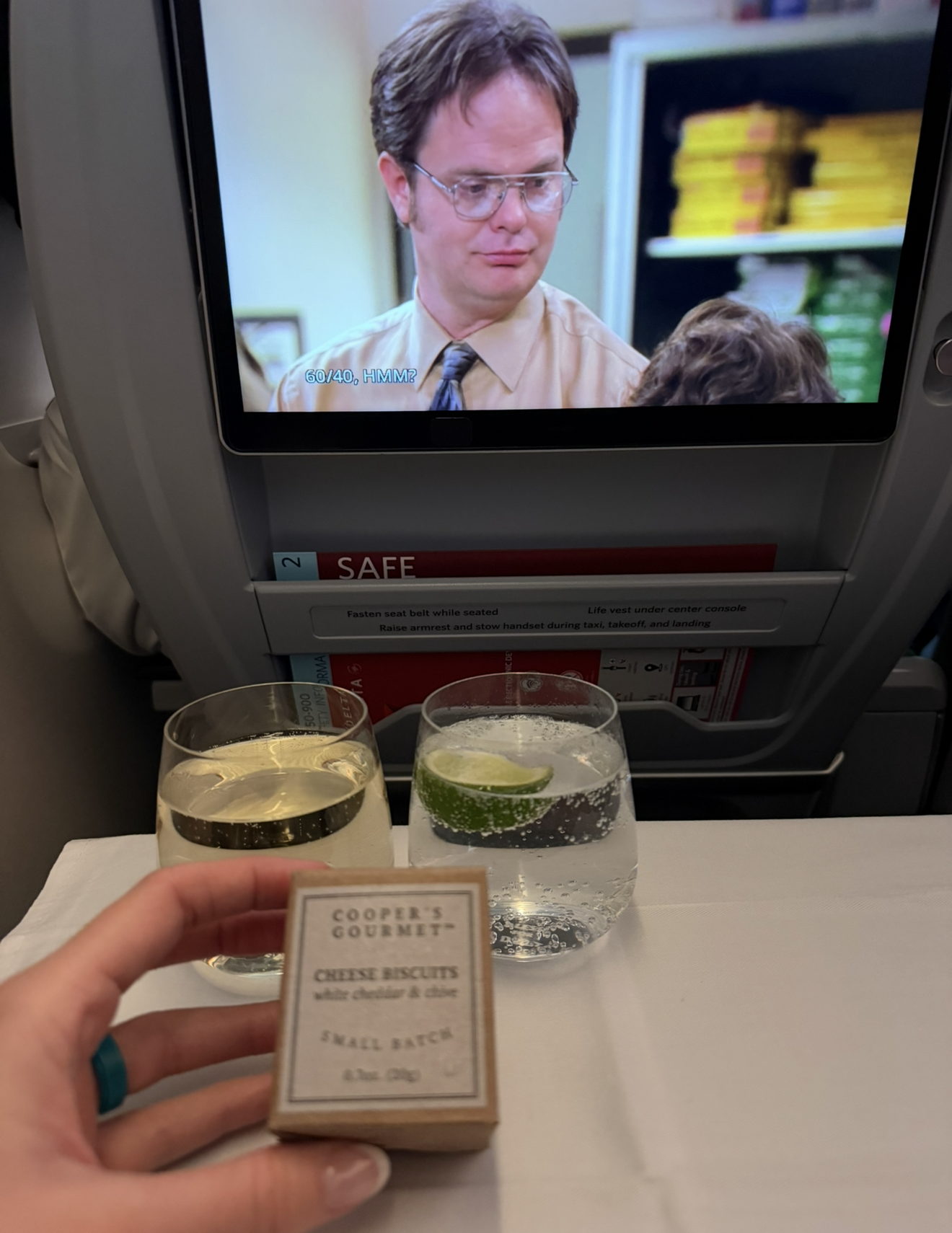
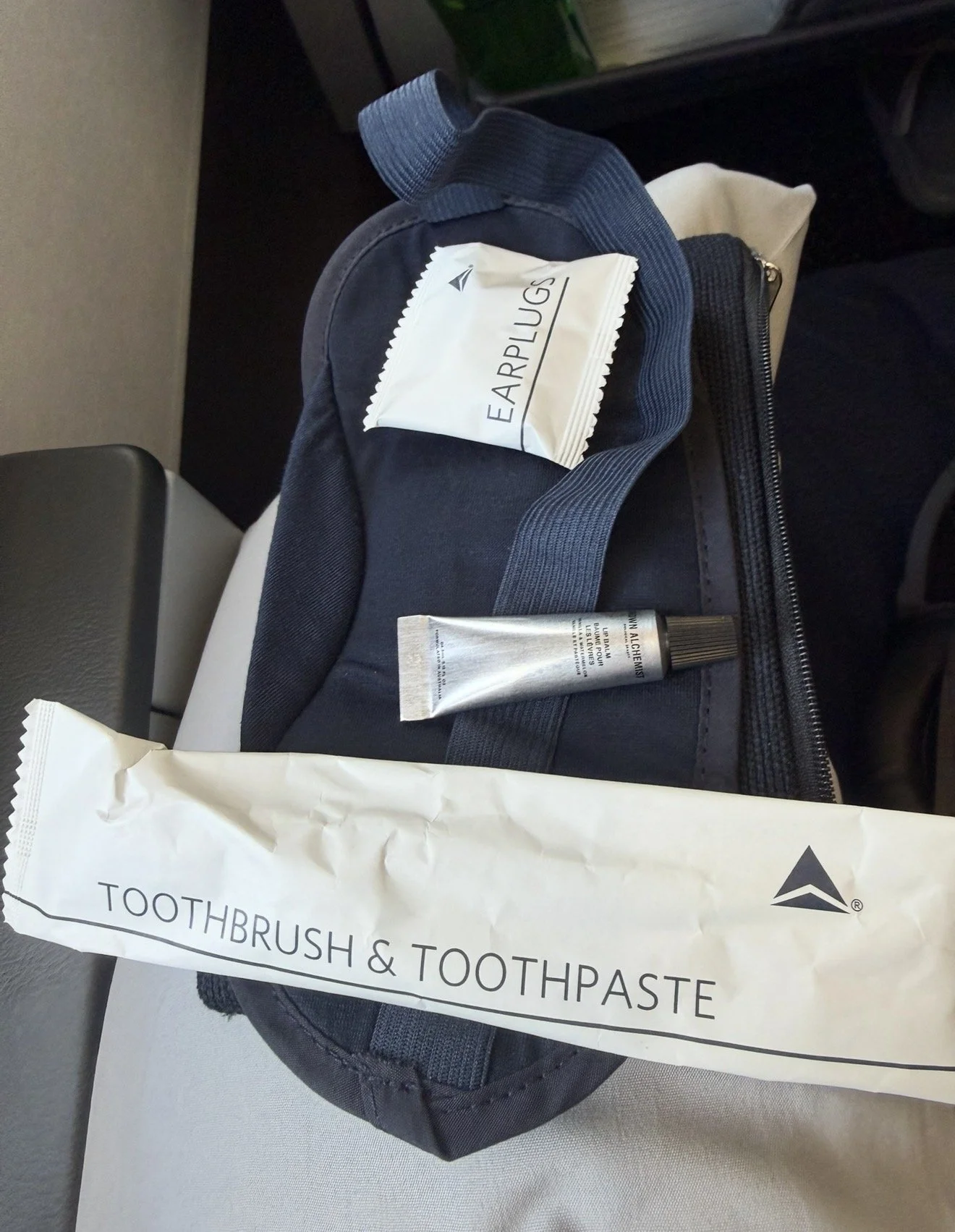
There were also no bathrooms directly in our section, so we had to walk back a ways to reach the first lavatory. Not a huge issue, but on a long-haul flight, convenience matters.
The food, however, has been really good on both the BWI to Minneapolis and Minneapolis to Incheon legs. On a long travel day, a solid meal does make a difference.
Incheon Stopover
Once in Seoul, I stopped into the Korean Air Prestige Lounge at Incheon International Airport before my connection. This time I had access to the Prestige Lounge, and I’ll give credit where it’s due. It was excellent.
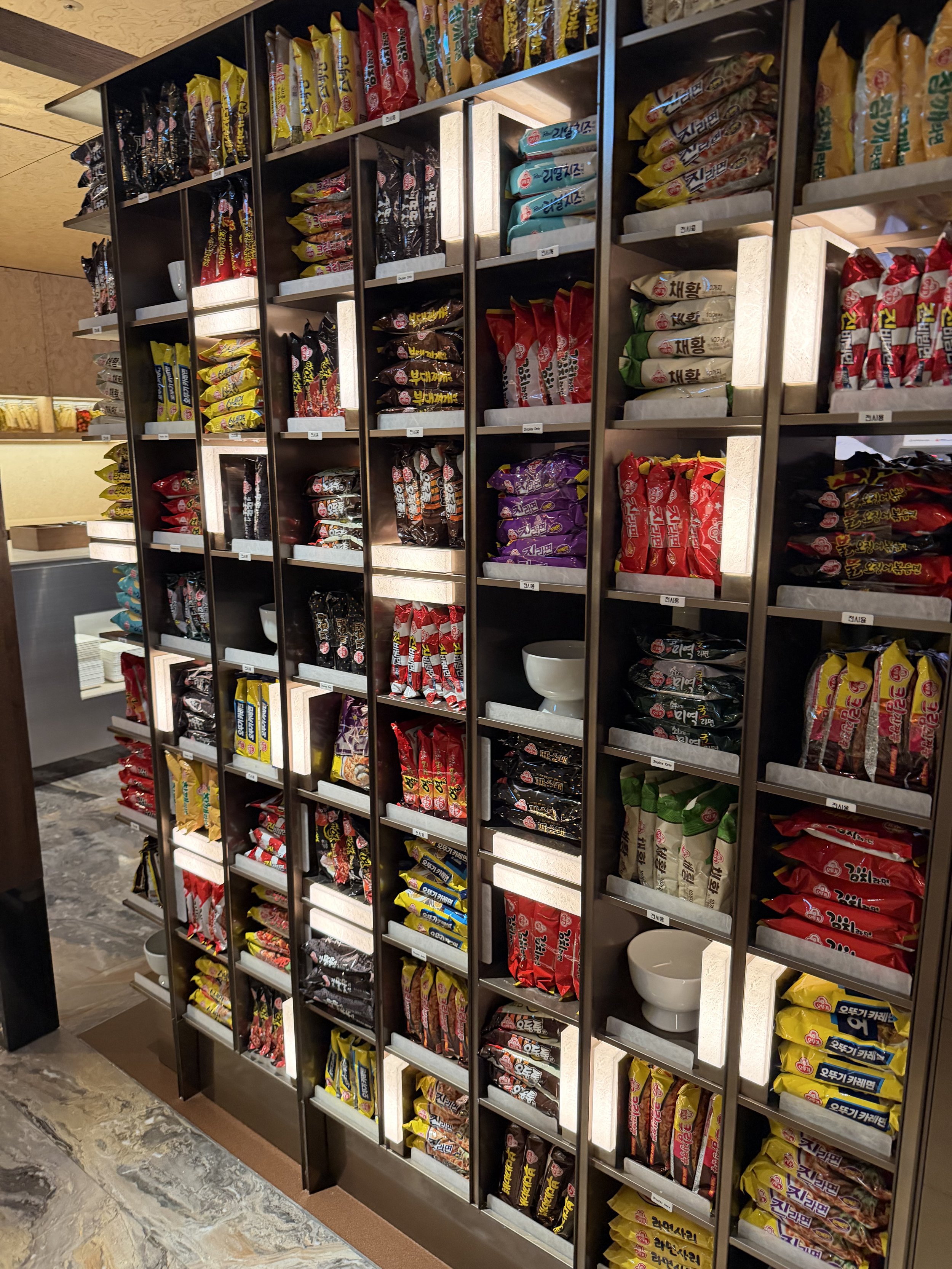
The showers were clean and spacious, the Korean food selection was genuinely impressive, and it felt like a proper reset space before a long connection. And what really caught me off guard? There is a full arcade inside the lounge. Like actual arcade games. Not something you expect in an airline lounge, but honestly, kind of iconic.
It was packed, like most lounges seem to be lately, but overall this part of the experience was strong.
Incheon to Singapore: My Korean Air Take
Here’s my honest take.
Korean Air is not my favorite airline. The service is excellent. The flight attendants are professional, kind, and attentive. No complaints there.
But the seats are some of the hardest and least comfortable I’ve experienced on an international route.
I could not get comfortable. No matter how I adjusted, it felt like sitting on a firm bench for hours. And when you’re trying to manage sleep across time zones, seat comfort really matters. Add in a bright, very active meal service — lights on full, carts moving, noise throughout the cabin — and it just wasn’t a restful flight. No one did anything wrong. It’s just not an environment that makes sleep easy.
I had requested a vegetarian meal in advance, and it wasn’t available. Again. It’s a small thing, but when you plan ahead, it’s disappointing when it falls through.
It wasn’t a bad flight. It just wasn’t comfortable.
Eight Hours at Changi: The Reality
We landed at Singapore Changi Airport, where I had an eight-hour layover before my Scoot flight to Kota Kinabalu. Changi is often ranked as one of the best airports in the world. Architecturally, it’s impressive. But this arrival was not seamless.
We landed at Terminal 4 and had to bus to Terminal 1. Anyone who travels with me knows buses between terminals are my least favorite way to transfer. We ended up on two buses, and it took much longer than expected to get from T4 to T1.
Once in Terminal 1, security was easy and efficient. I also exchanged money there and was pleasantly surprised. No commission. No outrageous fees. Just a straightforward rate. After traveling through airports where exchange counters can feel predatory, that was genuinely appreciated.
Then came the lounge shuffle.
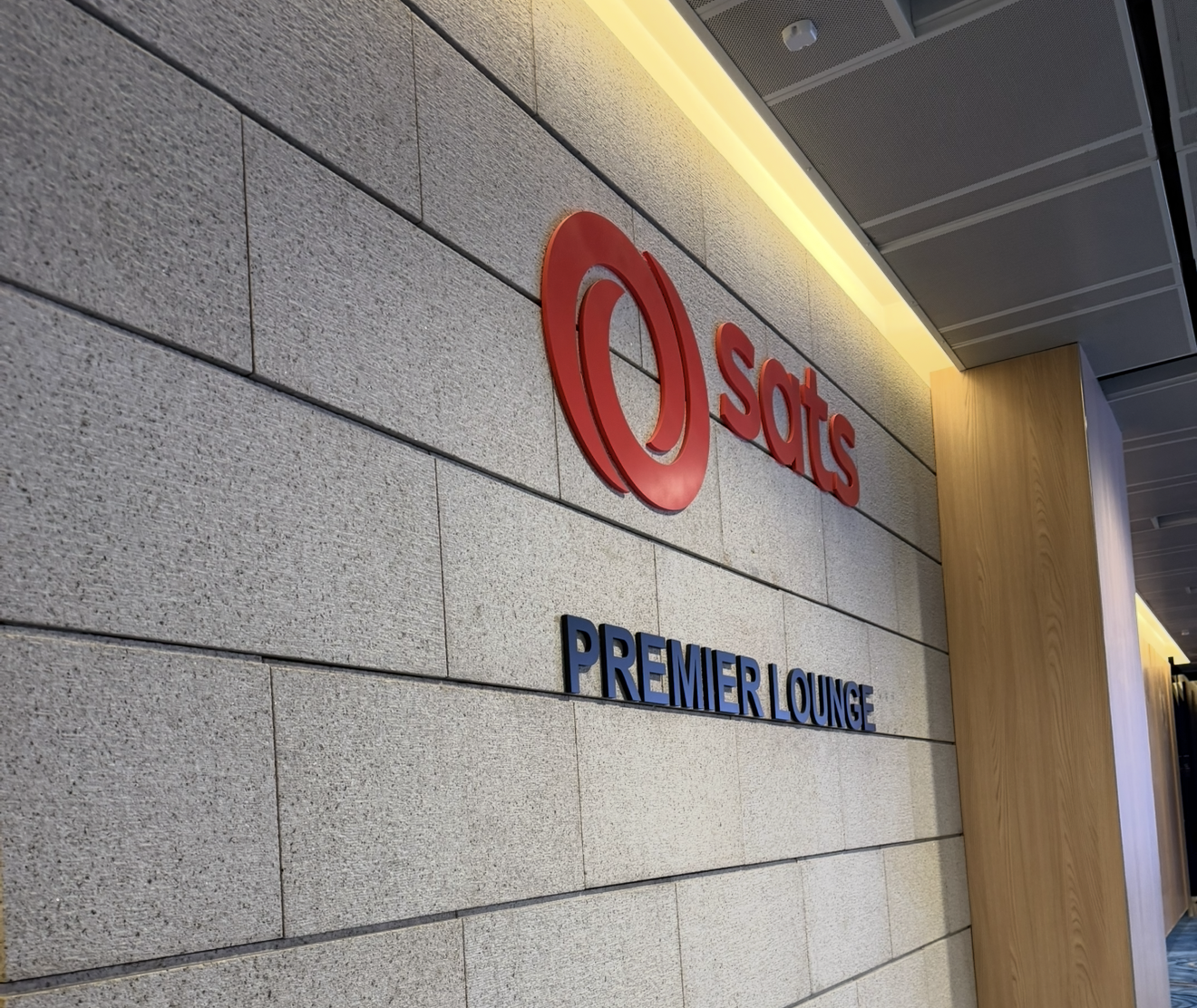
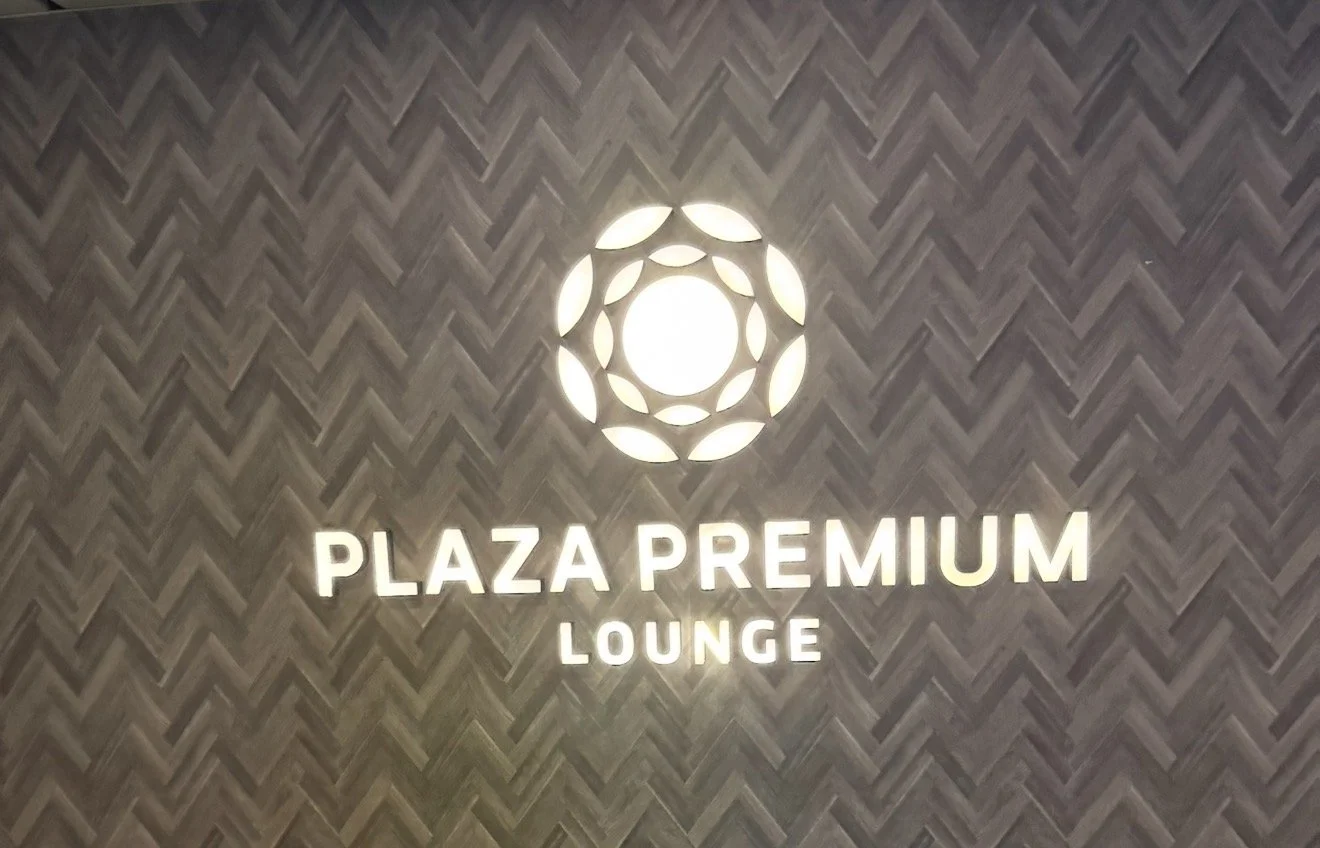
I first went to the SATS Premier Lounge, only to find out they were closing in an hour for a three-hour break. So I pivoted to the Plaza Premium Lounge.
I’ve had Priority Pass for nearly a decade, and this was honestly one of the more chaotic lounge experiences I’ve had. The layout felt disorganized, seating was scattered, and while the small food selection was actually good, showers and bar access were not included with Priority Pass. On a long-haul travel day, that’s frustrating. Showers especially feel like a core amenity, not an upgrade.
It didn’t ruin anything, let’s not be dramatic. It just didn’t live up to the reputation.
I still used the time well. I walked, stretched, hydrated, reorganized my bag, and reset before the final leg.
Travel isn’t always polished, even in airports that top global rankings.
Scoot: Simple, Efficient, Easy
My final leg into Kota Kinabalu was on Scoot, and honestly, it was refreshingly straightforward.
The Scoot app was incredibly easy to use. Everything from check-in to boarding pass access was seamless and intuitive. When you’re operating on little sleep and crossing time zones, a clean, functional app makes a big difference.
I dropped my bags around 1 a.m., and the agent-free bag drop process was smooth and clearly marked. No confusion, no long lines, no unnecessary back-and-forth. Just scan, tag, and go. At that hour, that level of efficiency is deeply appreciated.
Scoot isn’t luxury. It’s not trying to be. But it was organized, clear, and on time — and sometimes that’s exactly what you want for a short regional hop.
From there, I boarded and headed into Kota Kinabalu, officially shifting from global transit mode into CDTC mode.
Arriving in Kota Kinabalu
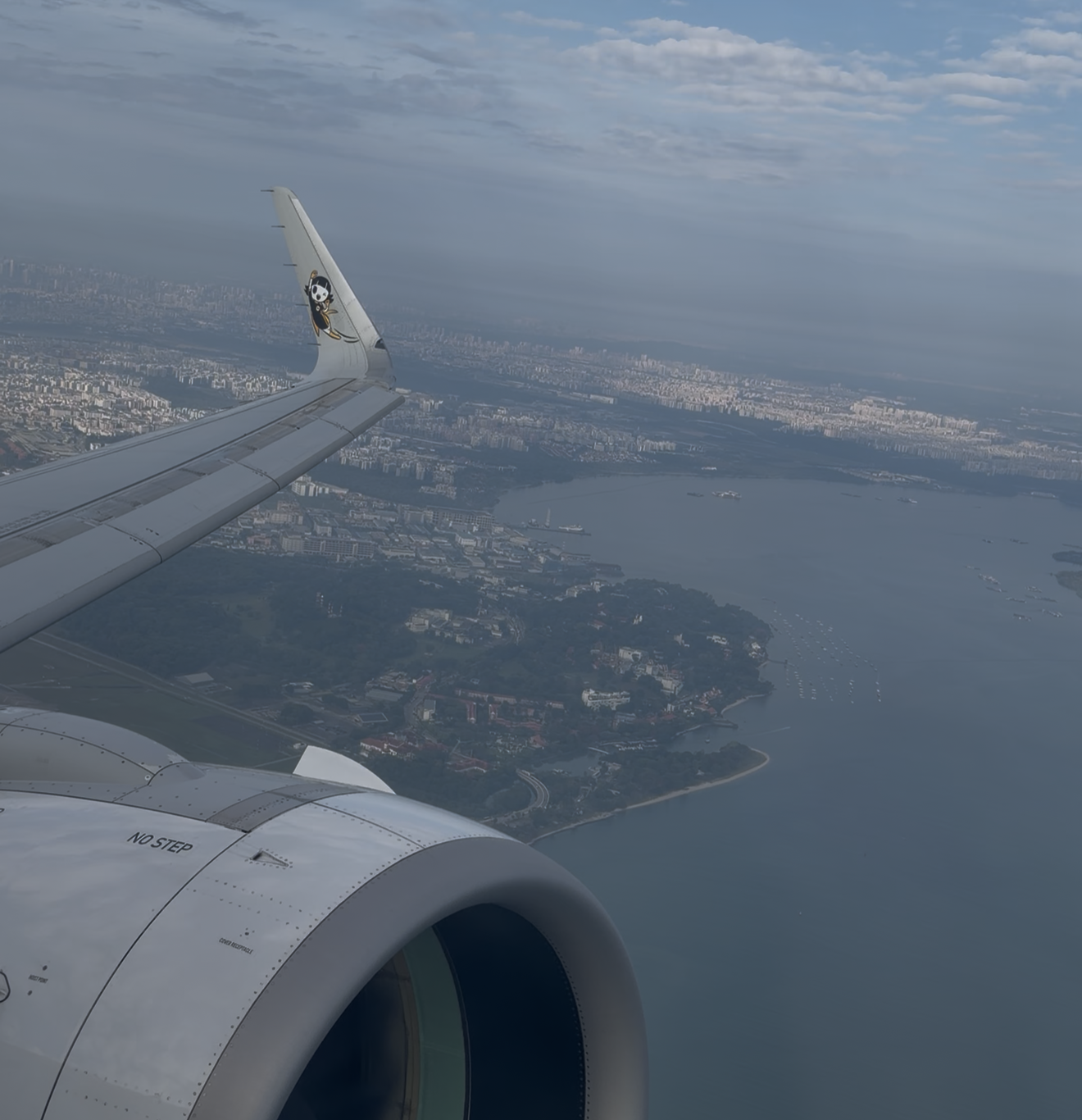
The moment I walked out of the airport, warm tropical air hit me. Kota Kinabalu, or “KK,” sits along the South China Sea with lush mountains behind it—this gorgeous blend of water and jungle. Even before diving, the place feels deeply connected to nature.
I checked into Le Méridien Kota Kinabalu, booked with Marriott points, and it immediately felt like the right choice. Oceanfront views, an incredible breakfast spread, and the night markets right across the street. It became my base for grounding, hydrating, resting, and easing into the local rhythm.
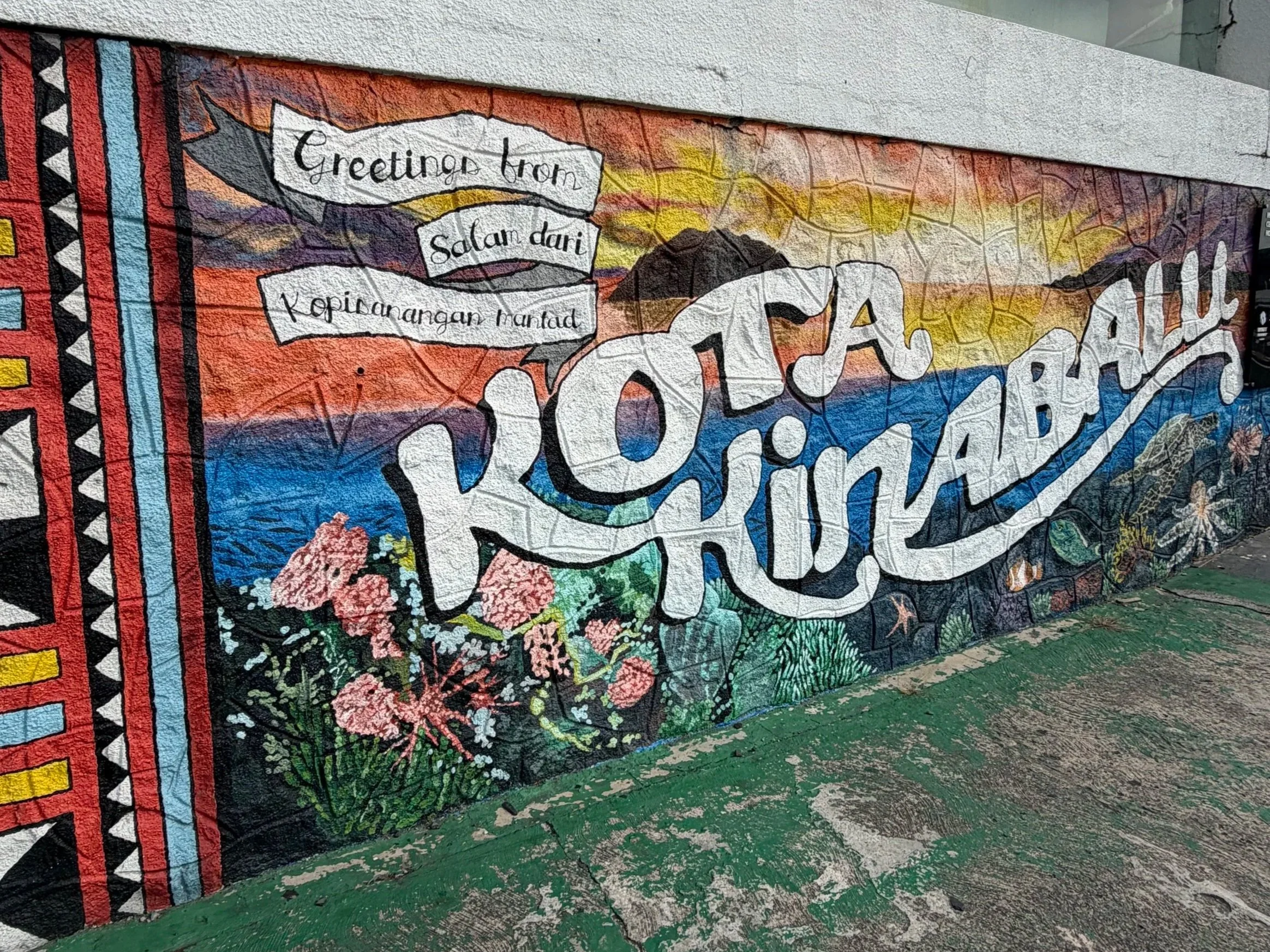
Understanding Sabah’s Cultural Landscape
Sabah’s identity is shaped by its location on Borneo—the third largest island in the world, shared by Malaysia, Indonesia, and Brunei. Kota Kinabalu reflects generations of ocean-based trade, migration, and cultural blending. You can hear it in the languages spoken in the markets and see it in the mix of temples, mosques, and churches.
Throughout the city, I heard Bahasa Malaysia, Sabah Malay, English, Hakka, Cantonese, and Indigenous languages like Kadazan-Dusun. Most people are multilingual, and the cultural atmosphere is welcoming and warm. KK is relaxed but still modest. Respectful attire is appreciated, especially when visiting mosques. People move at a slower pace, and that calm rhythm became exactly what I needed to reset before CDTC.
The Sunsets in Kota Kinabalu
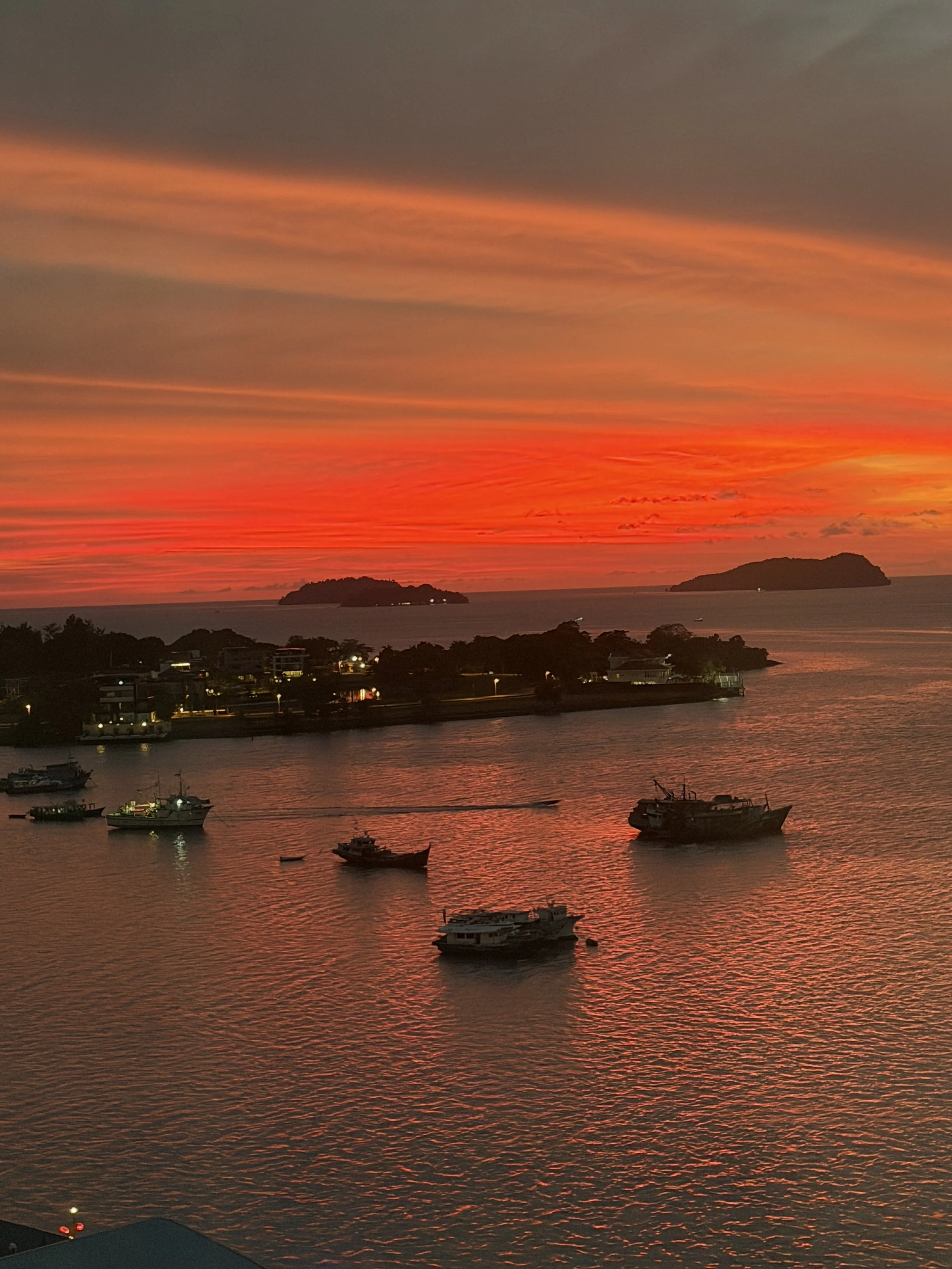
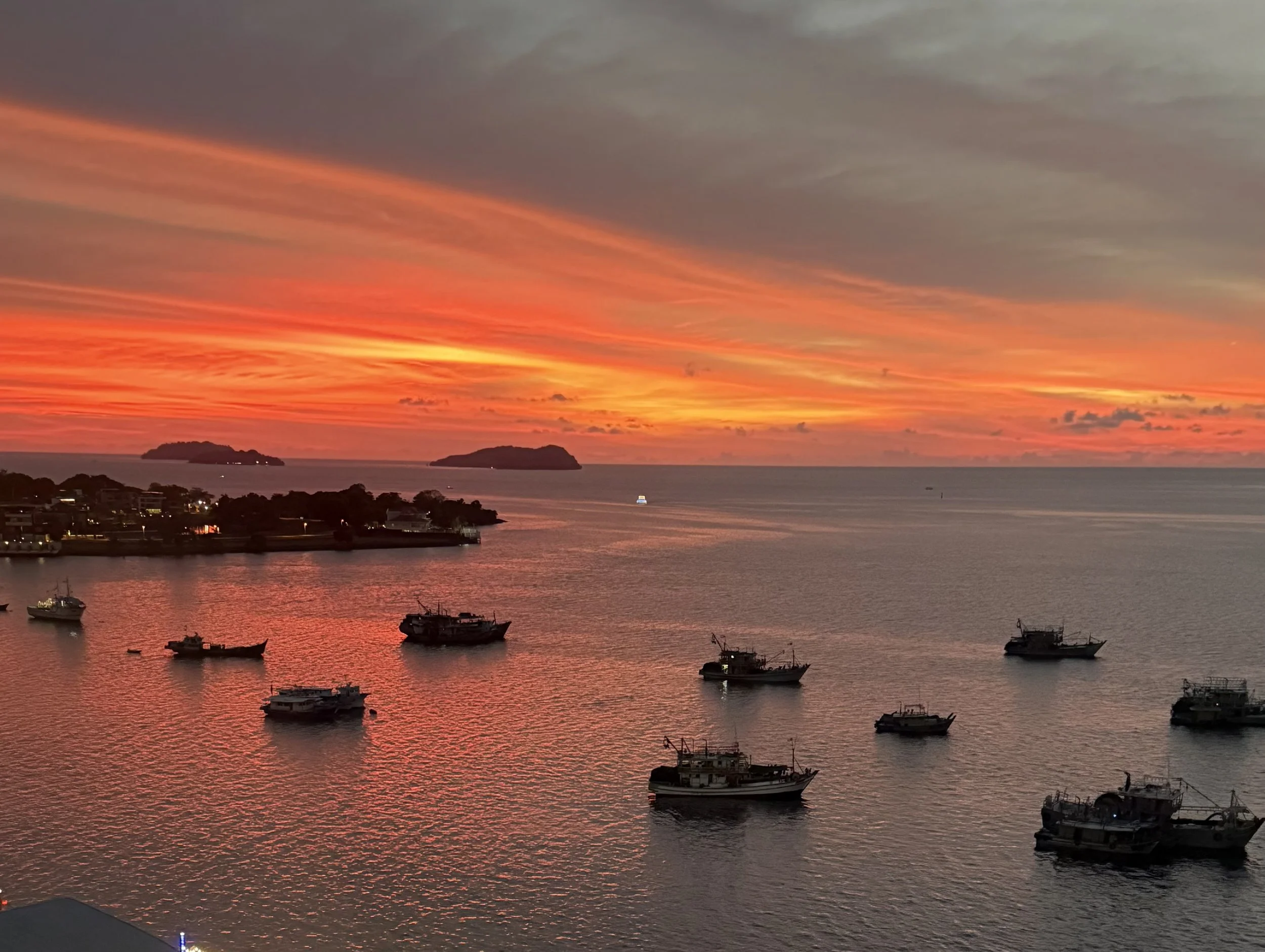
Sunsets in Kota Kinabalu are on another level. Every evening the sky turns into this unbelievable show over the South China Sea, with layers of orange, pink, deep purple, and sometimes even electric red stretching across the horizon. The clouds catch the light in a way that makes the entire sky look painted. From Tanjung Aru Beach, you can watch the sun slowly sink into the ocean while boats drift across the water and the whole coastline seems to pause for a moment. It’s the kind of sunset that makes people stop mid-conversation, pull out their phones, and just stare for a minute. Even after several evenings here, I still found myself thinking the same thing every time the sky lit up: wow.
Food in Kota Kinabalu — A Coastal Blend of Flavor and Freshness
The food in Sabah is unforgettable. Every meal feels like a blend of Malay, Chinese, Indian, and Indigenous flavors. I fell in love with Sabah-style laksa—rich, coconut-based, spicy, and aromatic. Roti canai became my morning staple, and the seafood night market across from my hotel became a nightly temptation. You pick the fish or prawns you want, and they grill it right in front of you.
Fruit in Sabah is next-level: mangoes dripping with sweetness, mangosteen tasting like candy, rambutan and dragonfruit everywhere. I stuck to bottled water, which the hotel provided daily, and had no issues with ice or restaurant food.
Weather in March — Warm, Humid, and Predictable
March in Kota Kinabalu sits firmly in the transition toward the drier season, but it still has that lush, tropical feel Sabah is known for.
Average March temperatures:
Daytime highs around 88–90°F (31–32°C)
Nighttime lows around 74–76°F (23–24°C)
Rainfall:
March averages 5–6 inches (125–150 mm) of rain
Usually in brief afternoon or evening showers
It’s warm and humid, but not oppressive. The mix of sunshine, cloud cover, and short bursts of rain keeps everything green and hydrated. You can easily explore in the morning, expect a passing shower in the afternoon, and enjoy a breezy, golden sunset in the evening.
Travel Facts: Kota Kinabalu, Sabah, Malaysia
Currency
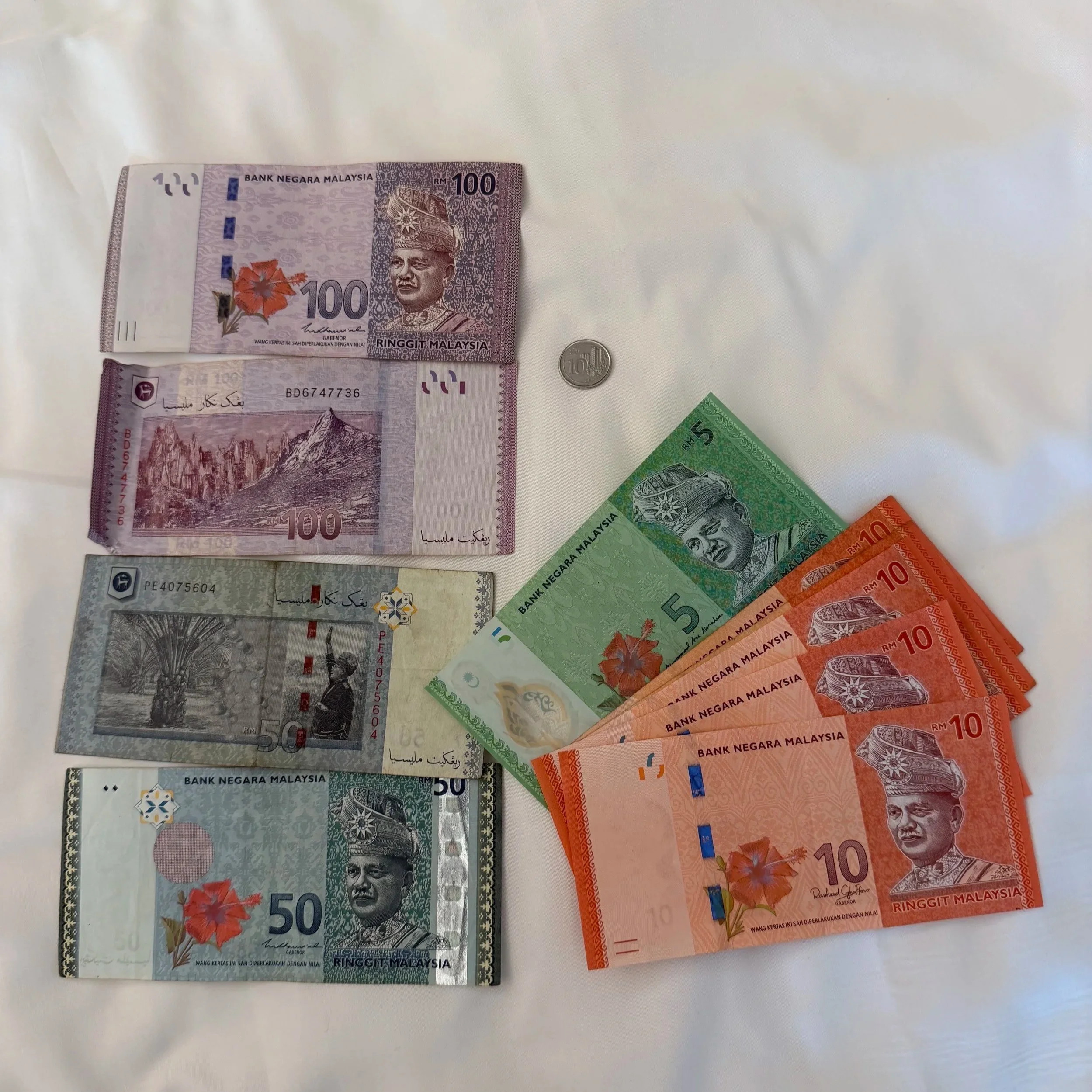
The local currency is the Malaysian Ringgit (MYR).
During my trip, the exchange rate was roughly 4.5 to 4.7 Malaysian Ringgit for 1 US Dollar, though rates fluctuate. Overall, Malaysia is a very affordable destination for travelers coming from the United States, especially when it comes to food, transportation, and local markets.
Cash is still widely used throughout Kota Kinabalu. Night markets, street food stalls, taxis, and small vendors almost always prefer cash. While hotels, shopping malls, and larger restaurants accept credit cards, it is still helpful to carry some ringgit with you throughout the day.
ATMs are easy to find in shopping centers and around the city center. Currency exchange counters are also available at the airport and inside malls, and the exchange rates are generally fair compared to many international destinations.
A small practical tip is to carry smaller bills when visiting markets or food stalls. Vendors often do not have change for larger notes, especially earlier in the evening.
Electrical Outlets and Charging
Malaysia uses Type G electrical outlets, the same plug style used in the United Kingdom, and runs on 240 volts.
Travelers coming from the United States will need a plug adapter in order to charge electronics.
One small item that made travel much easier for me was bringing a compact power strip. When you travel with electronics such as a laptop, phone, camera batteries, dive computer, or GoPro, you quickly run out of outlets. Many hotel rooms only have one or two easily accessible plugs.
The power strip allowed me to charge multiple devices at once without constantly swapping chargers. It is a simple item to pack but makes a big difference, especially for travelers carrying camera gear or multiple devices.
Settling In and Packing Essentials
Packing for Kota Kinabalu is really all about lightweight, breathable clothing. The climate is warm and humid year round, so fabrics that breathe make a big difference when you’re walking around the city, exploring markets, or spending time along the waterfront in the evening.
I packed several sundresses, which ended up being perfect for the weather. They’re easy, comfortable, and work well whether you’re wandering the waterfront, heading to dinner, or just relaxing at the resort. Loose dresses, linen pants, and breathable tops are ideal here.
One thing I was very glad I did was bring comfortable slip-on walking shoes for exploring the city. Kota Kinabalu is very walkable, especially around the waterfront and markets, and supportive shoes make a huge difference when you’re out for a few hours. I purposely did not wear flip flops for city walking. They’re great for the pool or beach, but if you’re exploring, proper walking shoes are much more comfortable.
Since I’m here for the PADI Course Director Training Course, I also packed a bit of business casual clothing. A few polos and lightweight blazers worked well for the professional setting of the program while still being comfortable in the tropical heat.
And of course, with a lot of diving coming up, I brought several of my Waterlust sun suits. They’re perfect for tropical diving because they provide sun protection, reduce the need for sunscreen in the water, and make long dive days much more comfortable. They also dry quickly, which is always helpful when you’re diving multiple days in a row.
One item I almost didn’t pack but ended up using a lot was a light sweater. Airports, airplanes, and some indoor spaces are heavily air conditioned, so having an extra layer made long travel days much more comfortable.
A few small items also ended up being really useful during the trip. I brought reef safe sunscreen, electrolyte packets to stay hydrated in the heat, bug spray for evenings outdoors, and a lightweight rain jacket in case of tropical showers.
Those little comfort items may seem minor when you’re packing, but they really do make exploring a new place much more enjoyable. When you’re comfortable in the climate, you can spend less time worrying about the heat and more time enjoying the adventure.
Internet and SIM Cards
WiFi is widely available throughout Kota Kinabalu. Most hotels, cafés, and restaurants offer free internet, and connections are generally reliable in the city center.
If you want consistent mobile data while navigating the city, arranging transportation, or looking up restaurants, purchasing a local SIM card at the airport is very easy. Several providers offer tourist packages with generous data allowances that last one to two weeks.
That said, I personally use Verizon and have an international travel feature included in my plan. My phone worked well throughout Malaysia without needing to swap SIM cards, which made things much easier after arriving late at night and heading straight to the hotel.
Both options work well. A local SIM card is usually cheaper, while an international plan offers convenience if you prefer not to change your phone setup.
Getting Around the City
Kota Kinabalu is a relatively small and easy city to navigate.
The most convenient transportation option is Grab, Southeast Asia’s equivalent of Uber. Grab is inexpensive, widely used, and very reliable throughout the city. Most rides within downtown are short and affordable.
The downtown waterfront area is also very walkable. Many hotels, markets, restaurants, and cafés are located within a short walking distance of each other, making it easy to explore without needing transportation.
Using Grab for longer distances and walking around the central waterfront area proved to be the simplest combination during my stay.
Markets and Food
One of the highlights of Kota Kinabalu is how vibrant the local markets are.
The Filipino Market is one of the most well known night markets in the city. In the evening the entire area fills with stalls selling grilled seafood, fresh fruit juices, snacks, and local dishes. The energy is lively and colorful, with smoke from grills, bright lights, and vendors calling out to customers.
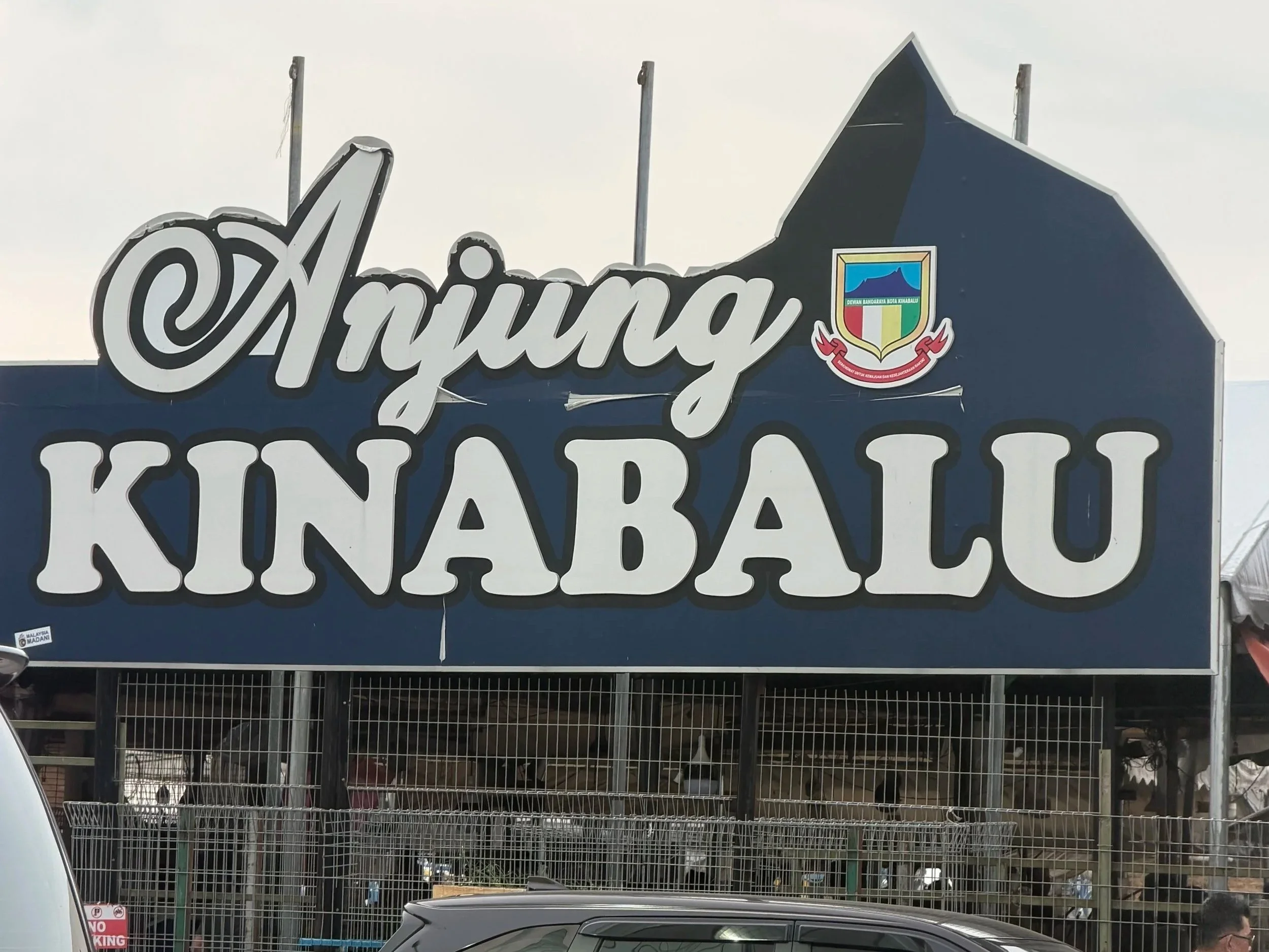
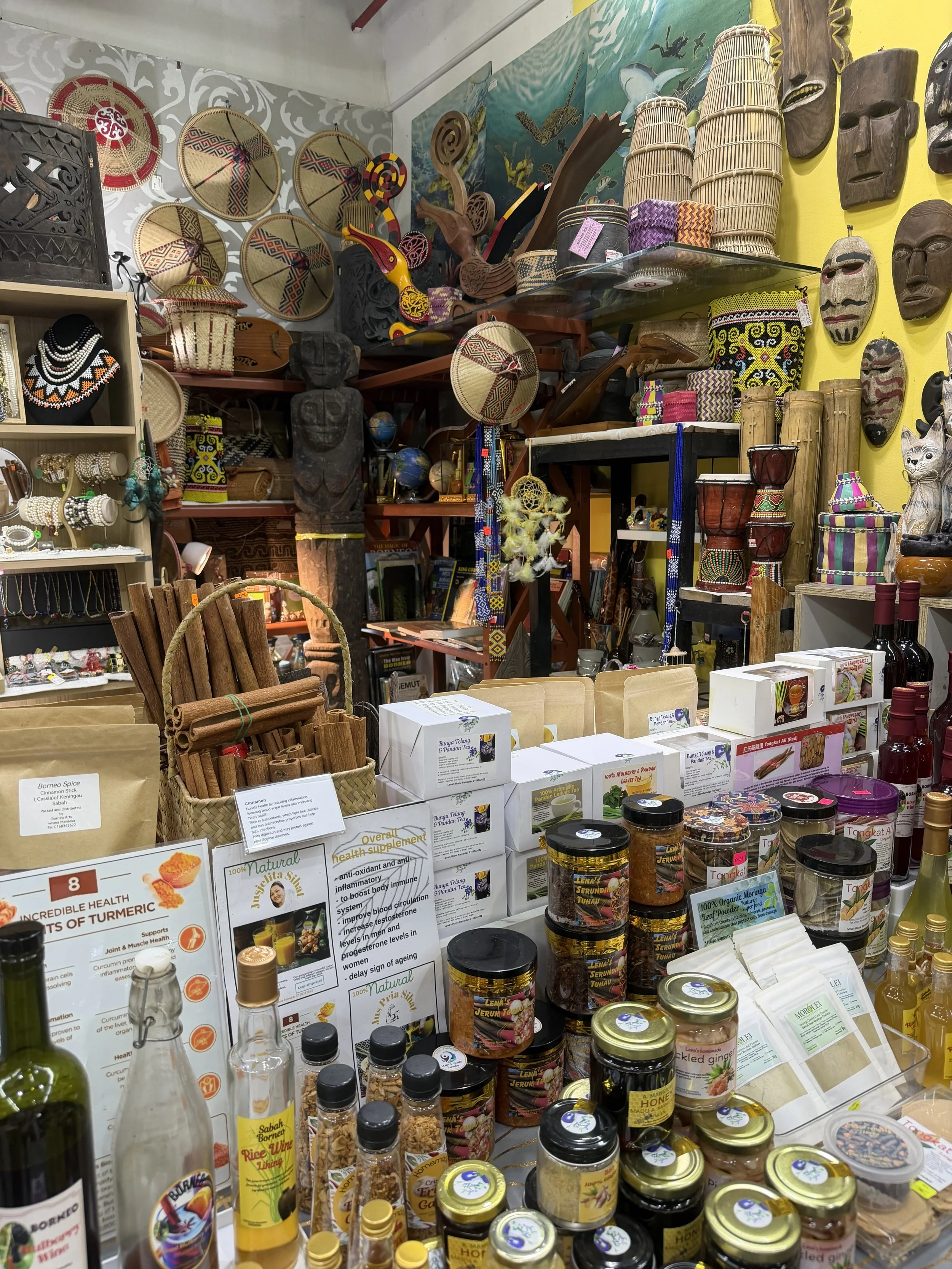
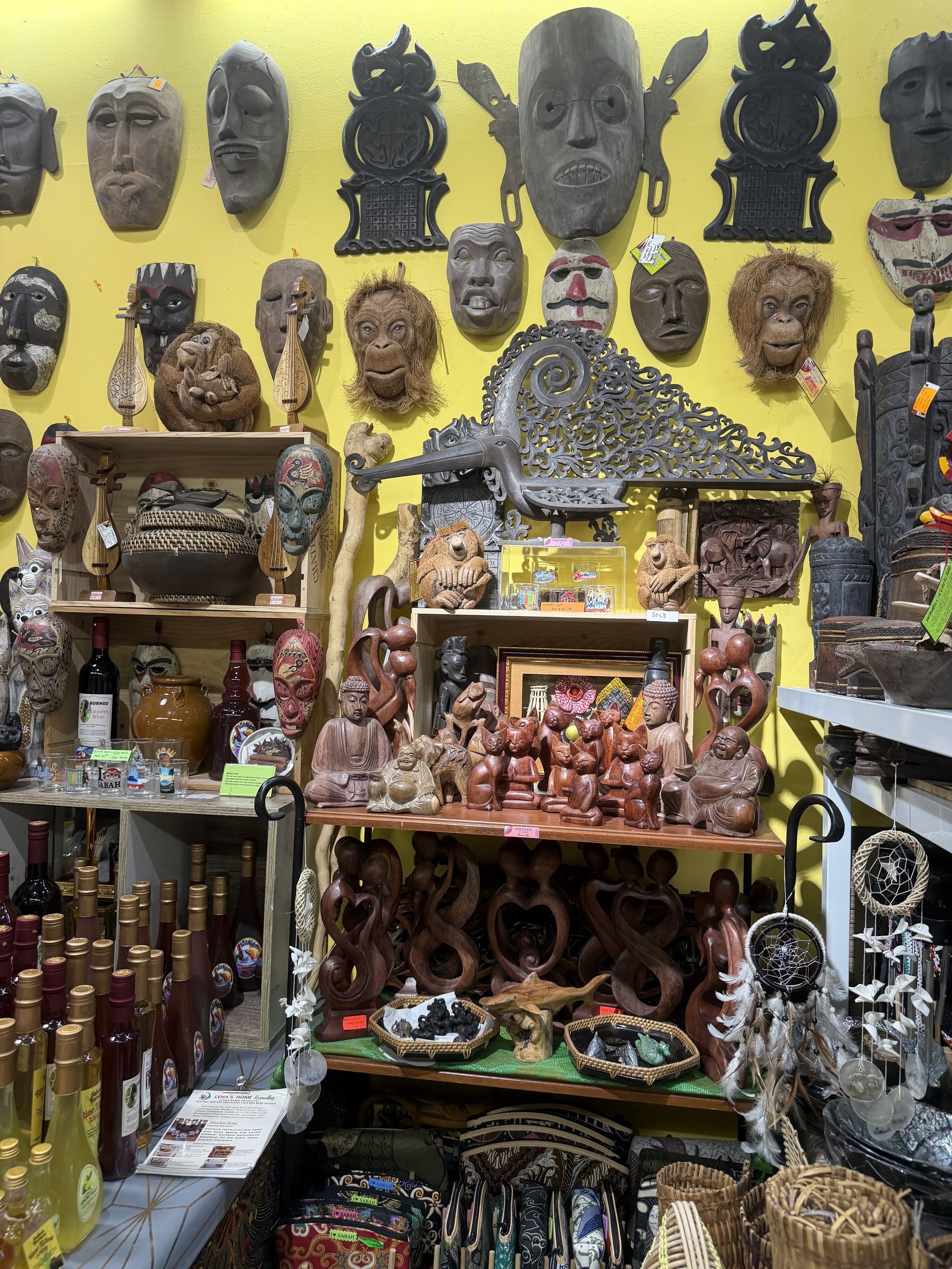
Right next to it is the Handicraft Market, where vendors sell woven bags, pearls, textiles, and handmade souvenirs. Even if you are not shopping, it is a fun place to wander and see the variety of local crafts.
The markets are busiest in the evening and are one of the best places to experience the everyday rhythm of the city.
Tipping
Tipping is not a major part of the culture in Malaysia, but it is appreciated for good service.
Many restaurants and hotels include a service charge of around ten percent on the bill, so additional tipping is not expected. However, leaving a small amount for excellent service is always a kind gesture.
For example, leaving a few ringgit for hotel housekeeping or rounding up the fare for a driver is common. Think of tipping in Malaysia as a small sign of appreciation rather than a requirement.
Useful Phrases
English is widely spoken in Kota Kinabalu, especially in hotels, markets, and restaurants. Communication is generally very easy for international travelers.
However, learning a few basic phrases in Bahasa Malaysia is always appreciated and often brings a smile.
Hello can be said as Hello or Hai.
Thank you is Terima kasih.
You’re welcome is Sama sama.
Yes is Ya.
No is Tidak.
If you are shopping at markets, Berapa means “how much.”
If you enjoy a meal, Sedap means “delicious.”
Even using just a couple of these phrases is a nice way to connect with locals while traveling.
Exploring Kota Kinabalu Before CDTC
Arriving early gave me the freedom to settle in without pressure. No rushing. No schedule yet. Just space to acclimate.
I was there during Ramadan, which added a meaningful cultural layer to the experience. The rhythm of the city felt softer during the day and more vibrant in the evenings. Locals were incredibly welcoming, and when I greeted people with “Ramadan Kareem,” the smiles were immediate. At sunset, the energy shifted as families gathered for iftar, and markets came alive with sweet drinks, soups, and traditional treats prepared for breaking the fast.
I wandered the waterfront promenade and explored the Filipino Night Market, where smoke from grilled seafood drifted through the air and vendors offered fresh juices and local snacks. Gaya Street’s Friday (although Sunday is the best day) Market was packed with textiles, handicrafts, woven bags, and small souvenirs that reflect the diversity of Sabah’s local communities.
Sabah is home to dozens of indigenous tribes, including the Kadazan-Dusun, Bajau, and Murut peoples. You can see their cultural influence in everything from traditional beadwork and woven textiles to the architecture and food. Even walking through the markets, you feel that this isn’t just a coastal city — it’s a cultural crossroads.
Kota Kinabalu itself is easy to explore. Beyond diving, you can island-hop in Tunku Abdul Rahman Marine Park, hike Mount Kinabalu if you’re feeling ambitious, visit Mari Mari Cultural Village to learn more about local tribal traditions, or simply enjoy the waterfront cafés and seafood restaurants as the sun drops into the South China Sea.
Arriving early reminded me that when I travel for professional development, I’m still traveling. And the cultural immersion matters just as much as the course.
Diving in Sabah
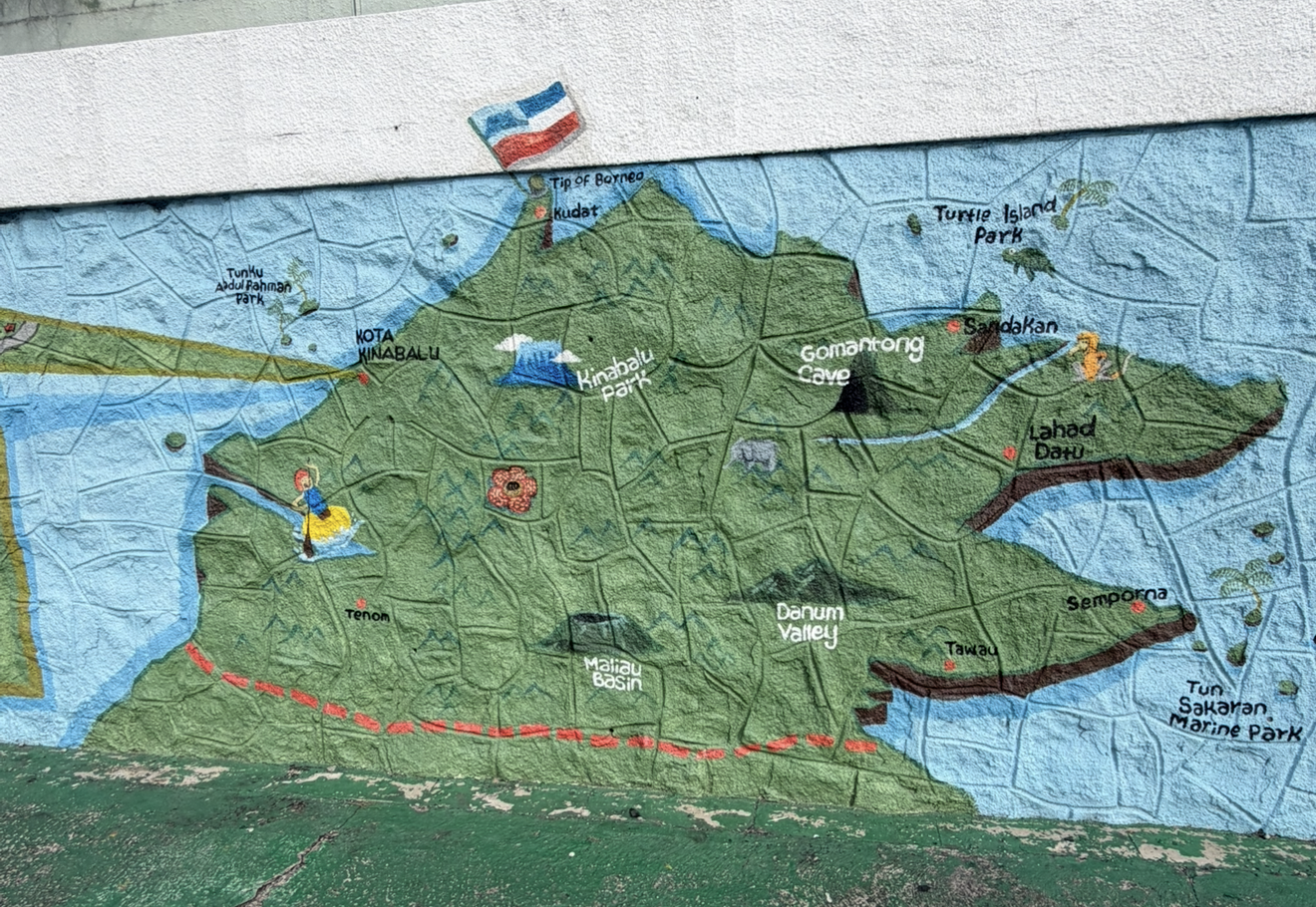
Sabah, on the northern tip of Malaysian Borneo, is one of Southeast Asia’s most diverse diving regions. While many divers immediately think of world-famous sites like Sipadan Island, the area around Kota Kinabalu offers excellent warm-water reef diving that is easy to access and perfect for easing back underwater after long travel days.
Just offshore from the city sits Tunku Abdul Rahman Marine Park, a protected cluster of five islands surrounded by coral reefs, sandy slopes, and small bommies. Boat rides from the marina are short, usually around 5 to 30 minutes, which means you spend less time commuting and more time in the water.
The diving here is relaxed tropical reef diving. Conditions are generally calm, currents are typically mild, and the sites are accessible for a wide range of experience levels. It’s the kind of diving that works well for newly certified divers, underwater photographers, and experienced divers who simply want to enjoy healthy reefs without strong current or technical depth.
Best Time to Dive
Diving in Sabah is possible year-round, but the best conditions are typically found between March and October. During these months the seas tend to be calmer and visibility is often at its best.
Visibility around the islands near Kota Kinabalu generally ranges from about 10 to 20 meters, depending on weather and tides. Some days are clearer than others, but overall conditions are reliable for enjoyable reef diving.
The northeast monsoon season, which typically runs from November through February, can bring heavier rain and choppier seas. Diving is still possible during this period, but conditions may be less predictable.
Water Temperatures
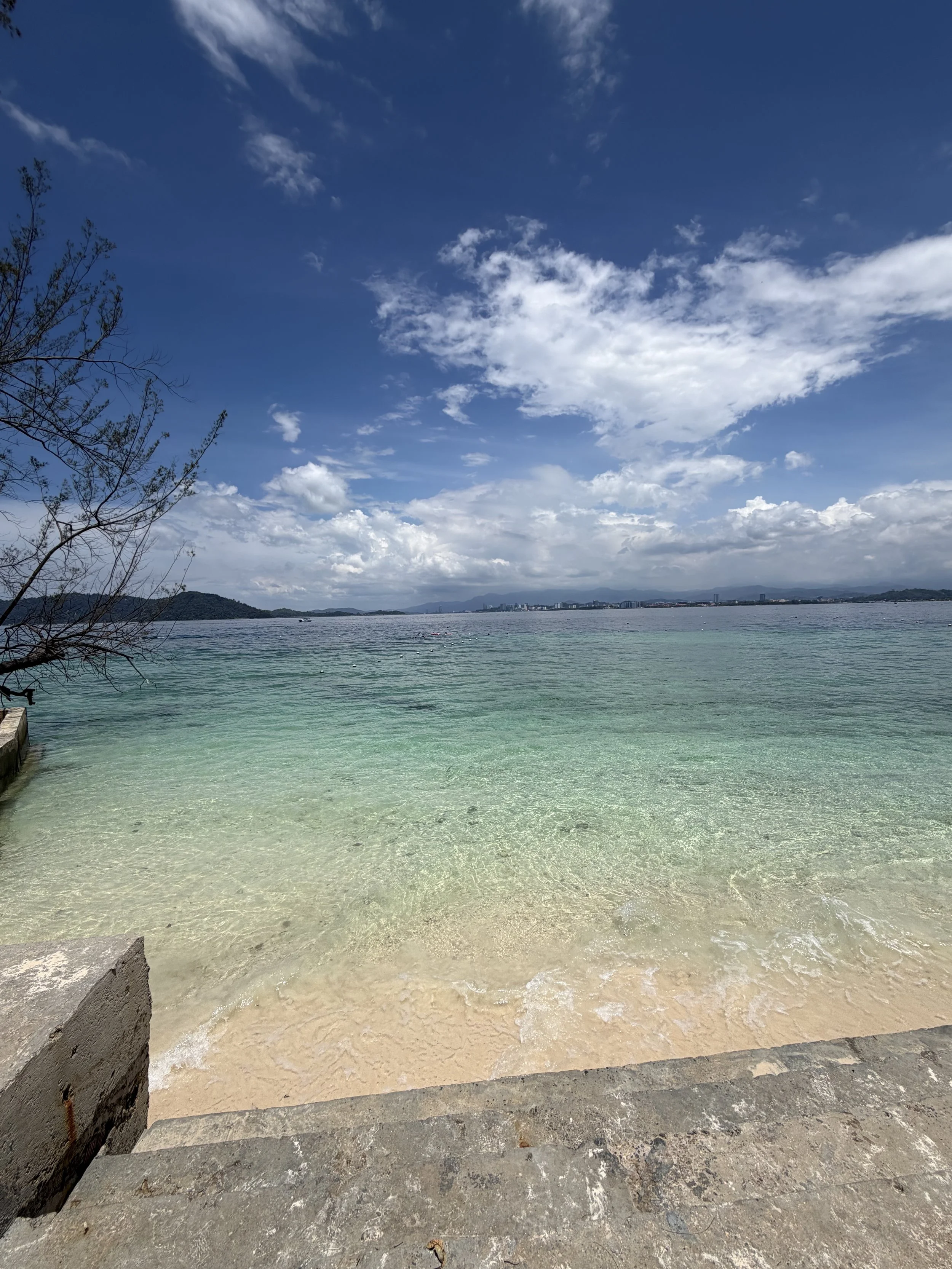
Water temperatures in this region are very comfortable throughout the year, typically ranging from 76–86°F.
Most divers are comfortable in a 3mm wetsuit or even just a dive skin, though some people prefer a thin wetsuit for sun protection or longer dive days.
Because the water is so warm, Sabah is a great destination for divers who prefer tropical conditions and minimal exposure protection.
Marine Life You Can Expect to See
The reefs of Tunku Abdul Rahman Marine Park are full of life, especially if you enjoy smaller critters and reef ecosystems.
Common sightings include:
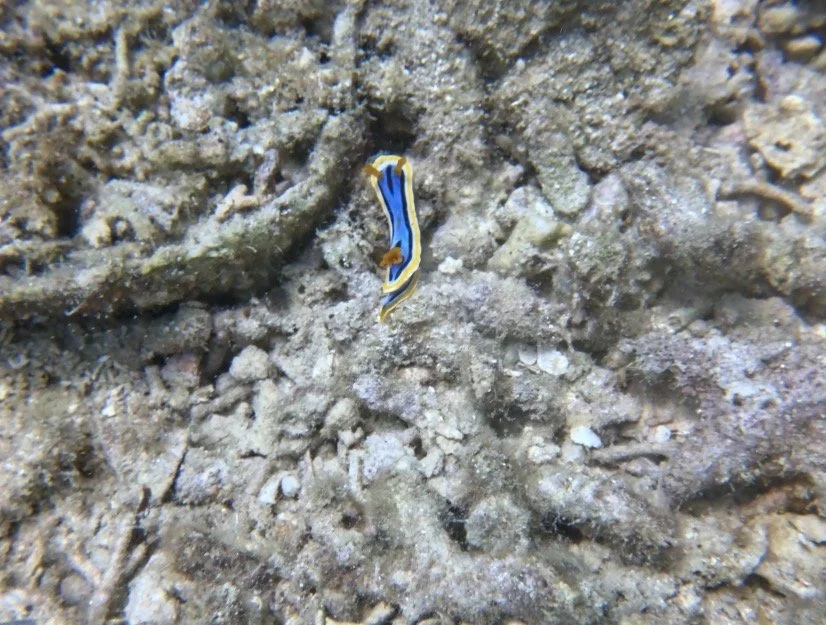
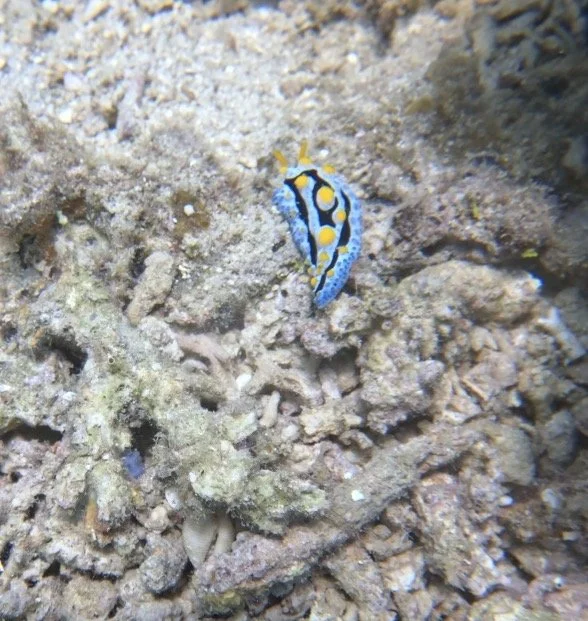
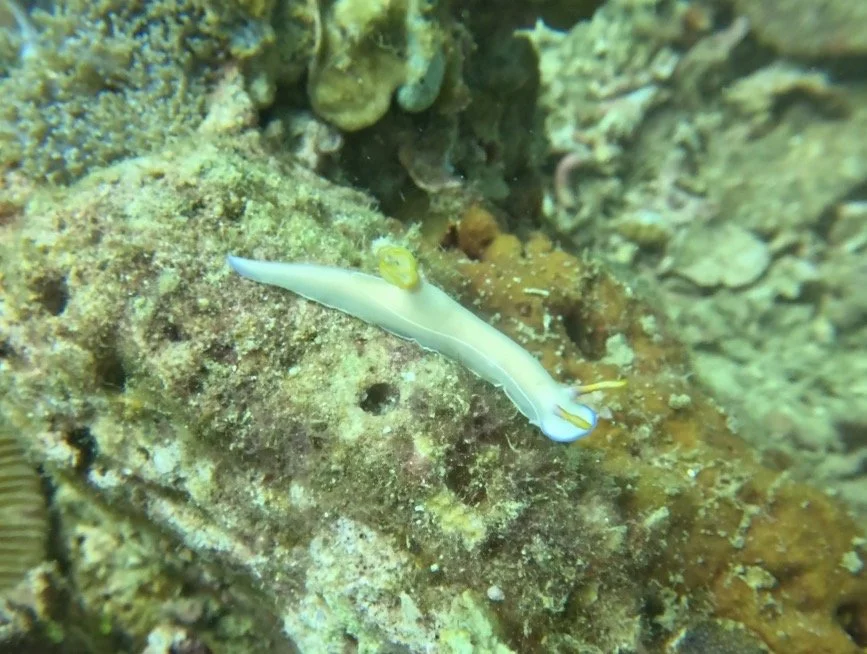
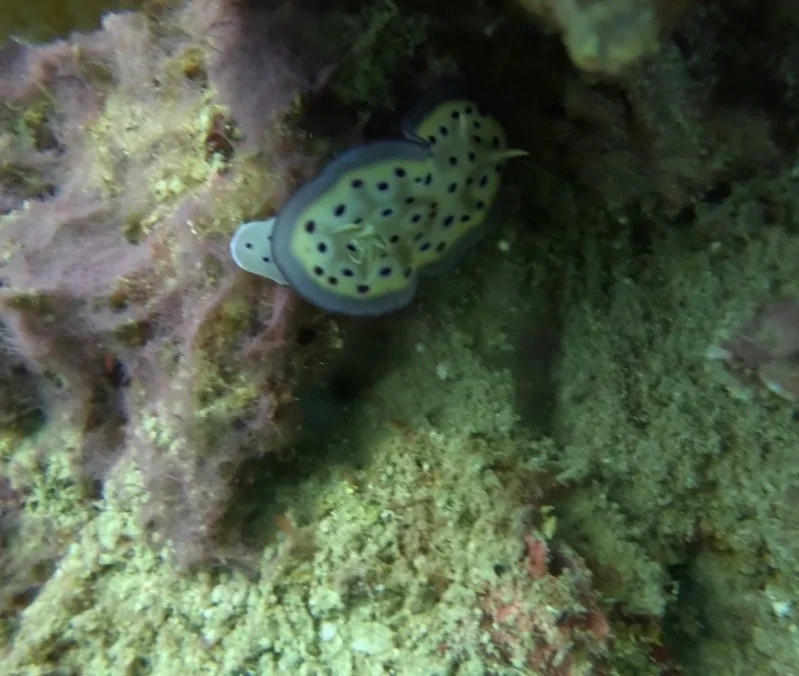
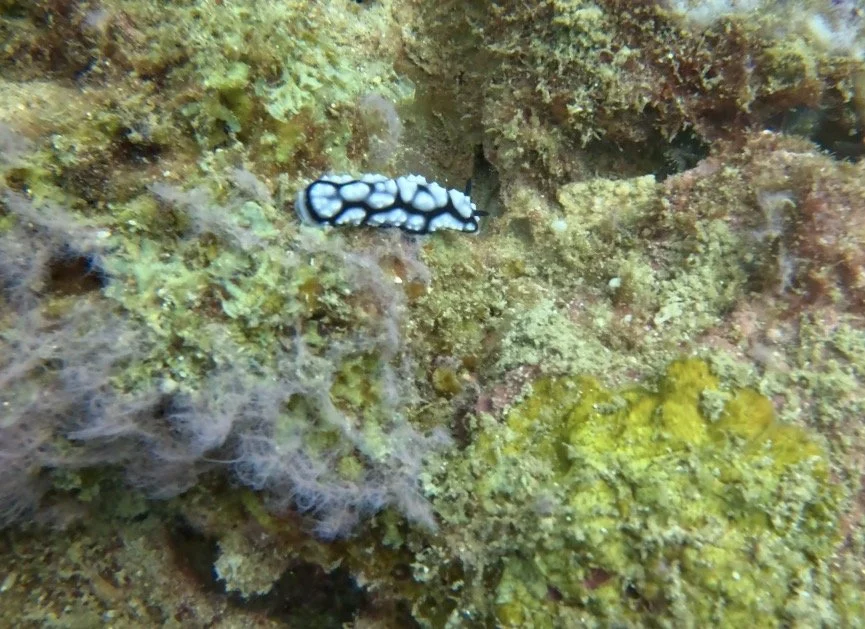
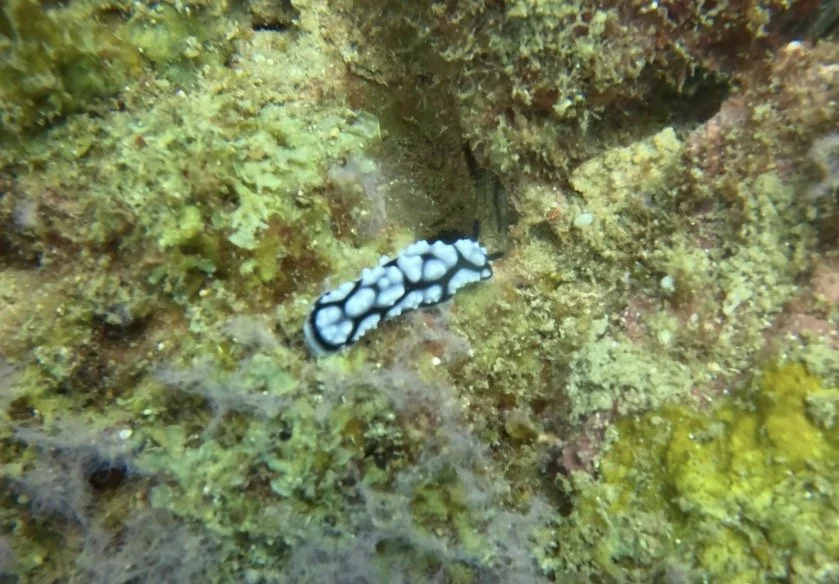
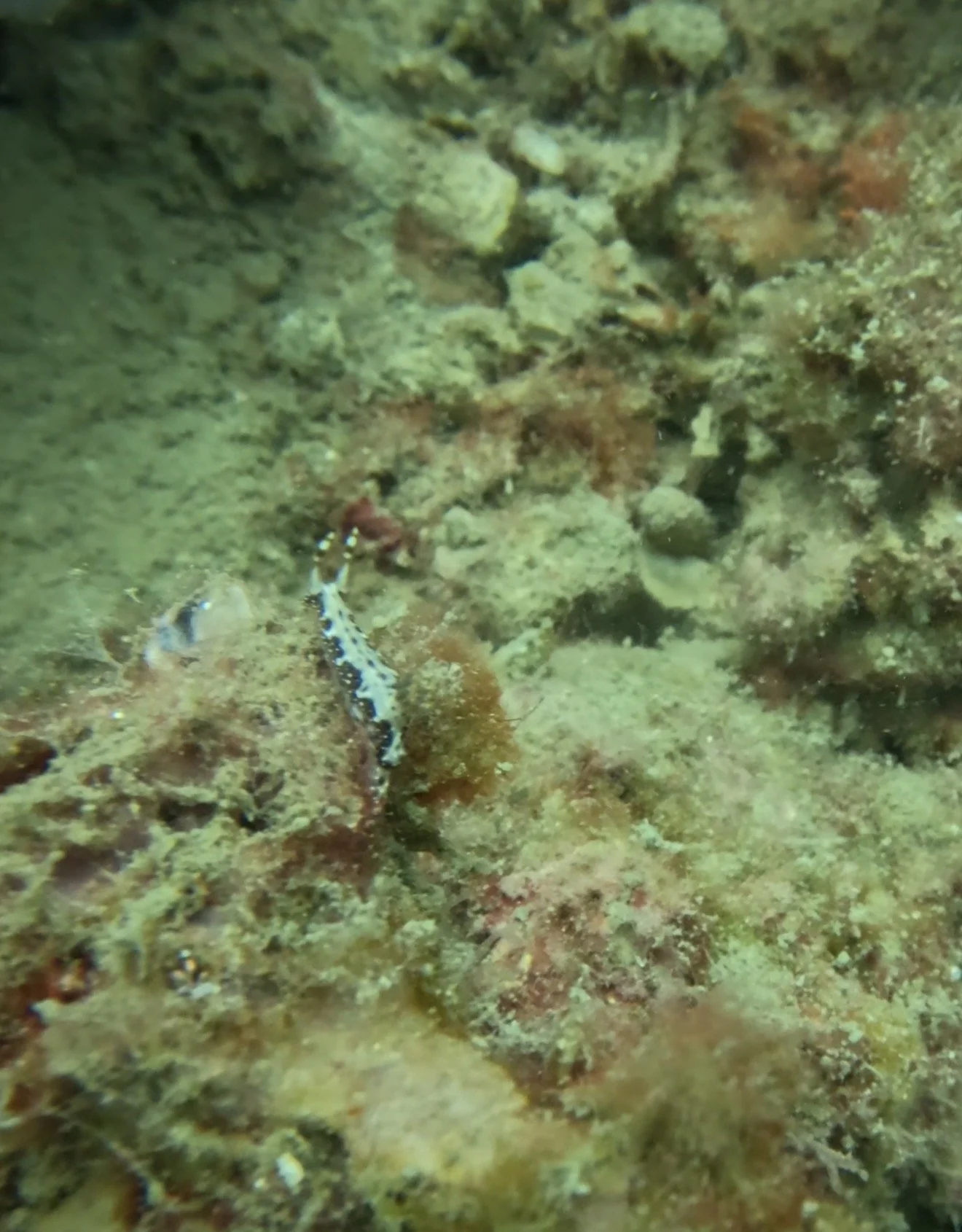
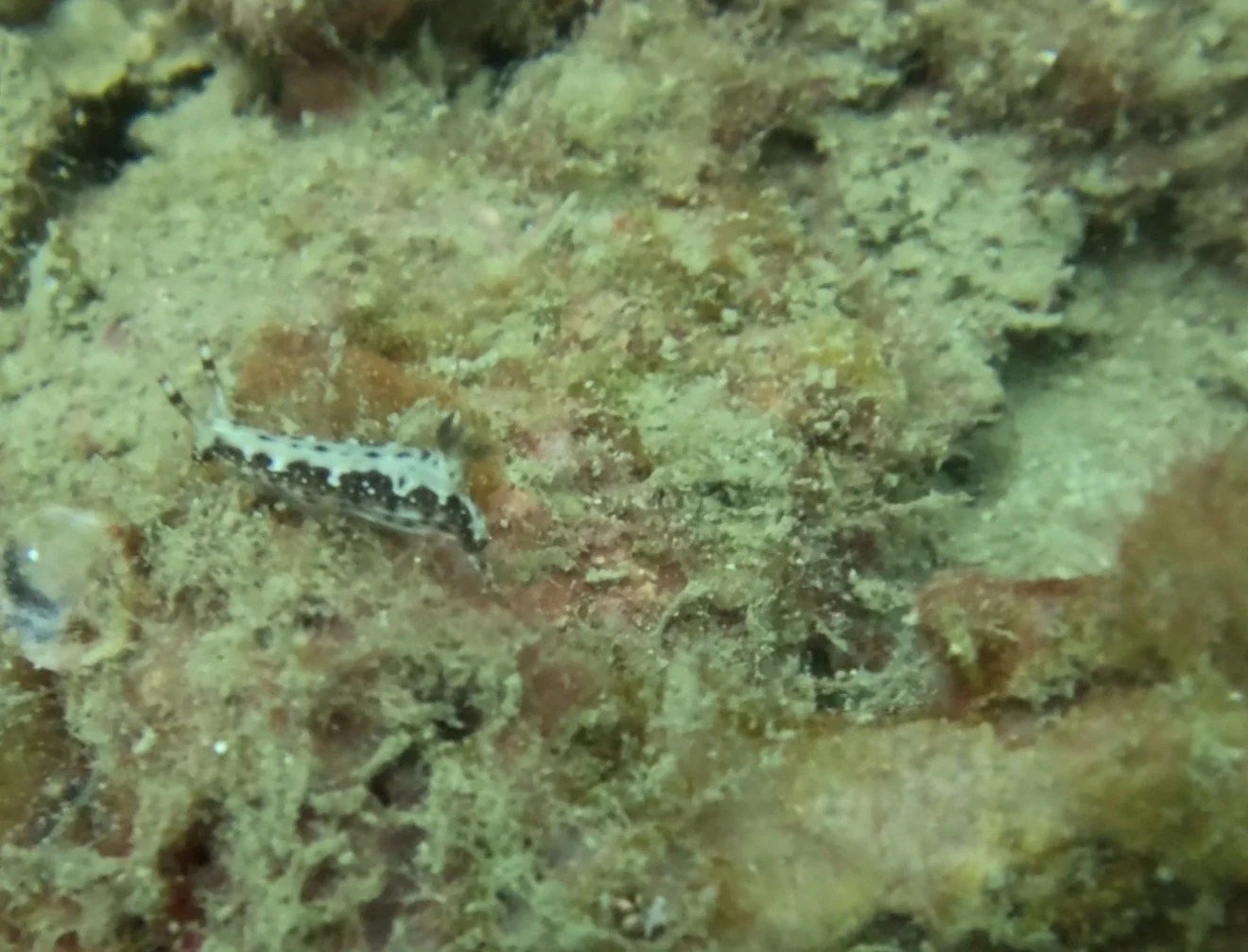
• Nudibranchs and other macro life tucked into coral heads
• Schools of reef fish weaving through coral bommies
• Blue-spotted stingrays resting quietly in the sand
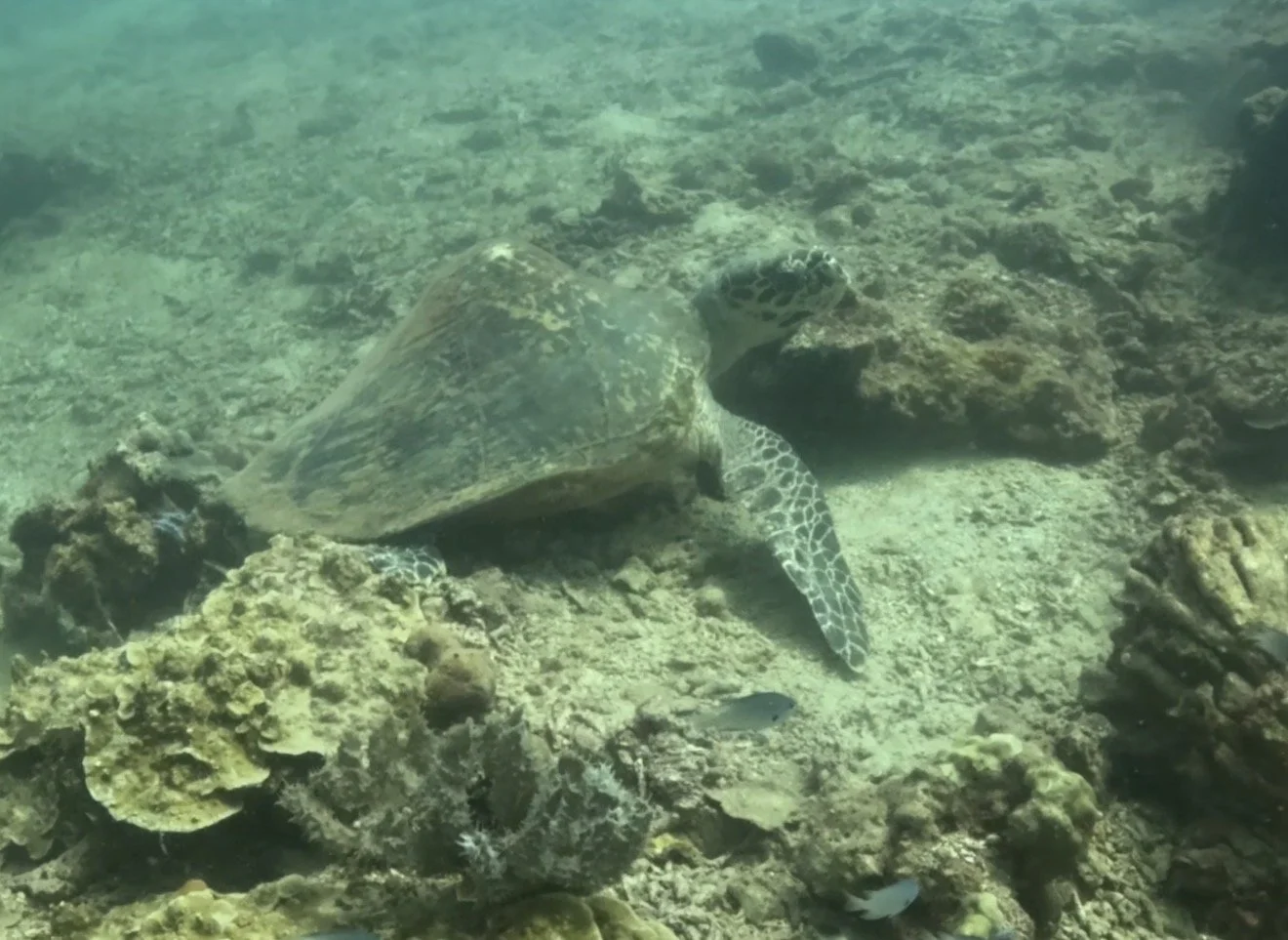
• Green and hawksbill turtles cruising through the reef
• Parrotfish, butterflyfish, and angelfish moving through the coral
• Occasional cuttlefish or reef squid hovering in the water column
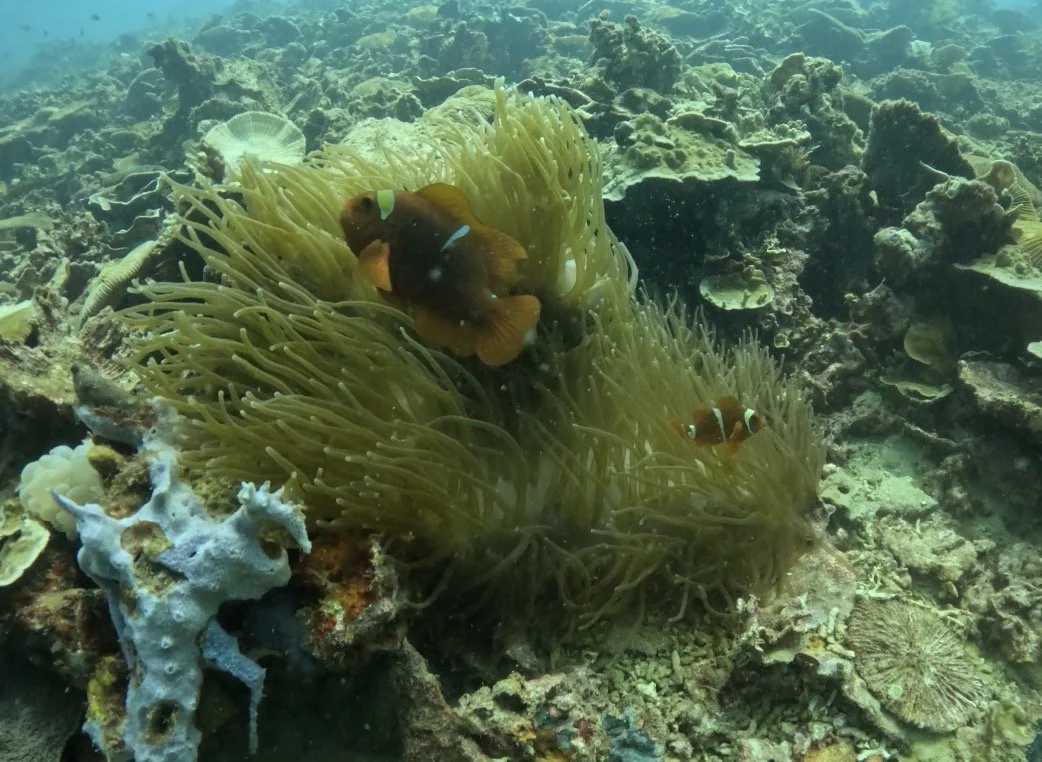
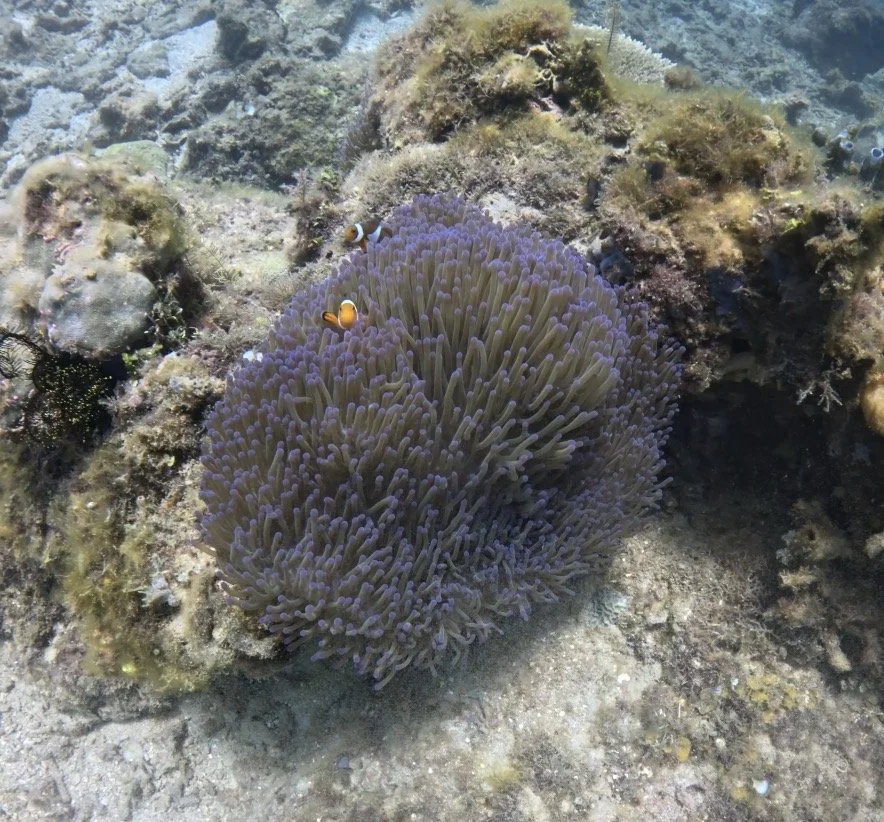
• And so many species of clownfish. I saw at least six different kinds, each tucked into their own anemone like tiny little neighborhoods across the reef.
The coral reefs themselves are healthy and colorful, with a mix of hard and soft corals providing habitat for a wide range of species.
This area is less about chasing big pelagics and more about enjoying vibrant reef life and slower exploration. For many divers, that slower pace is exactly what makes it special.
Diving with Borneo Divers
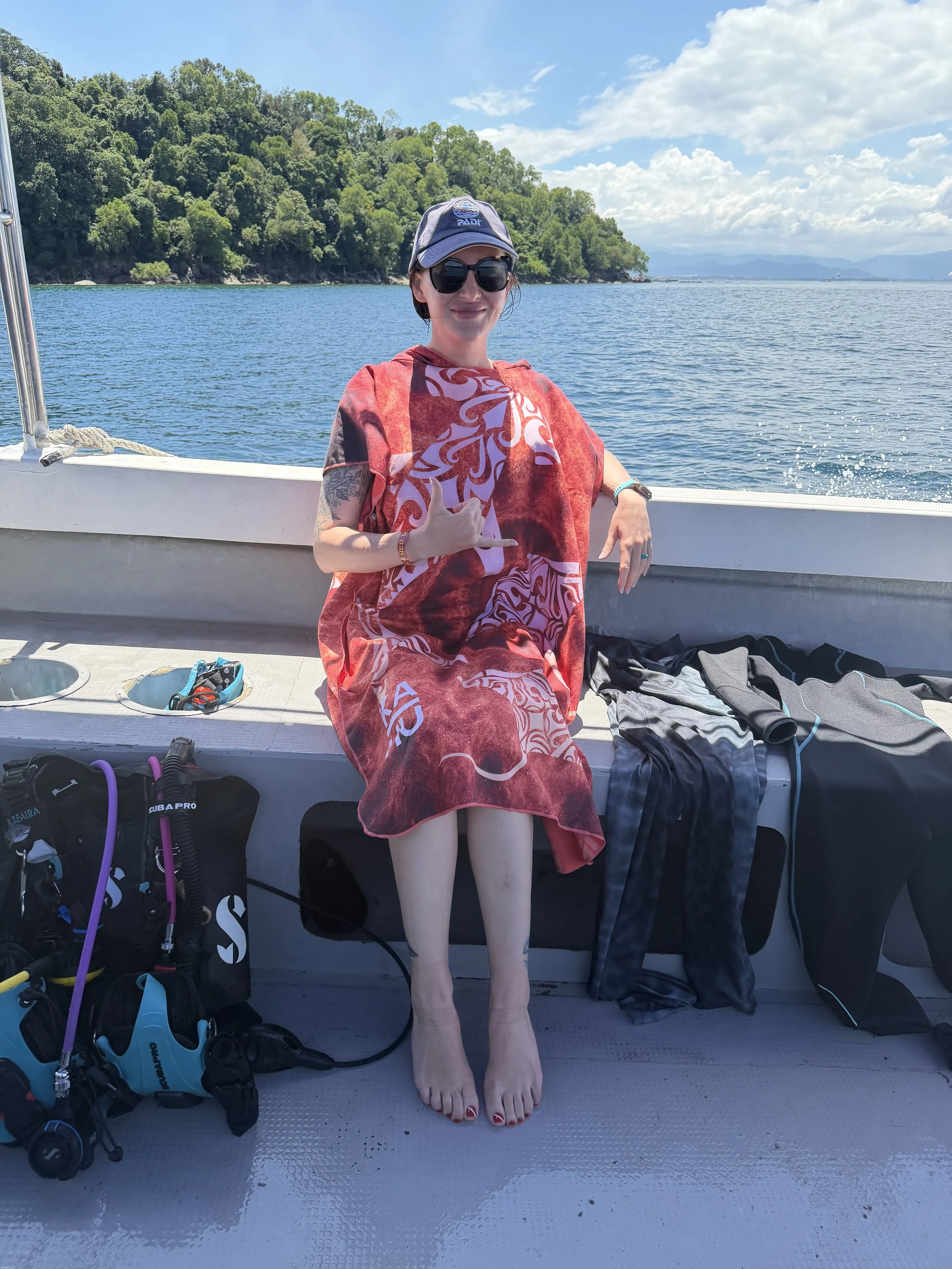
I spent two full days fun diving with Borneo Divers Training Institute, and it was exactly what I needed before CDTC began.
From the very beginning, communication was easy. Coordinating dates ahead of time, confirming logistics, and asking questions was straightforward and responsive. That kind of clear communication always sets the tone for a good dive operation.
We departed directly from Star Marina, located right at the Shangri-La Tanjung Aru resort, and headed out toward the islands of Tunku Abdul Rahman Marine Park.
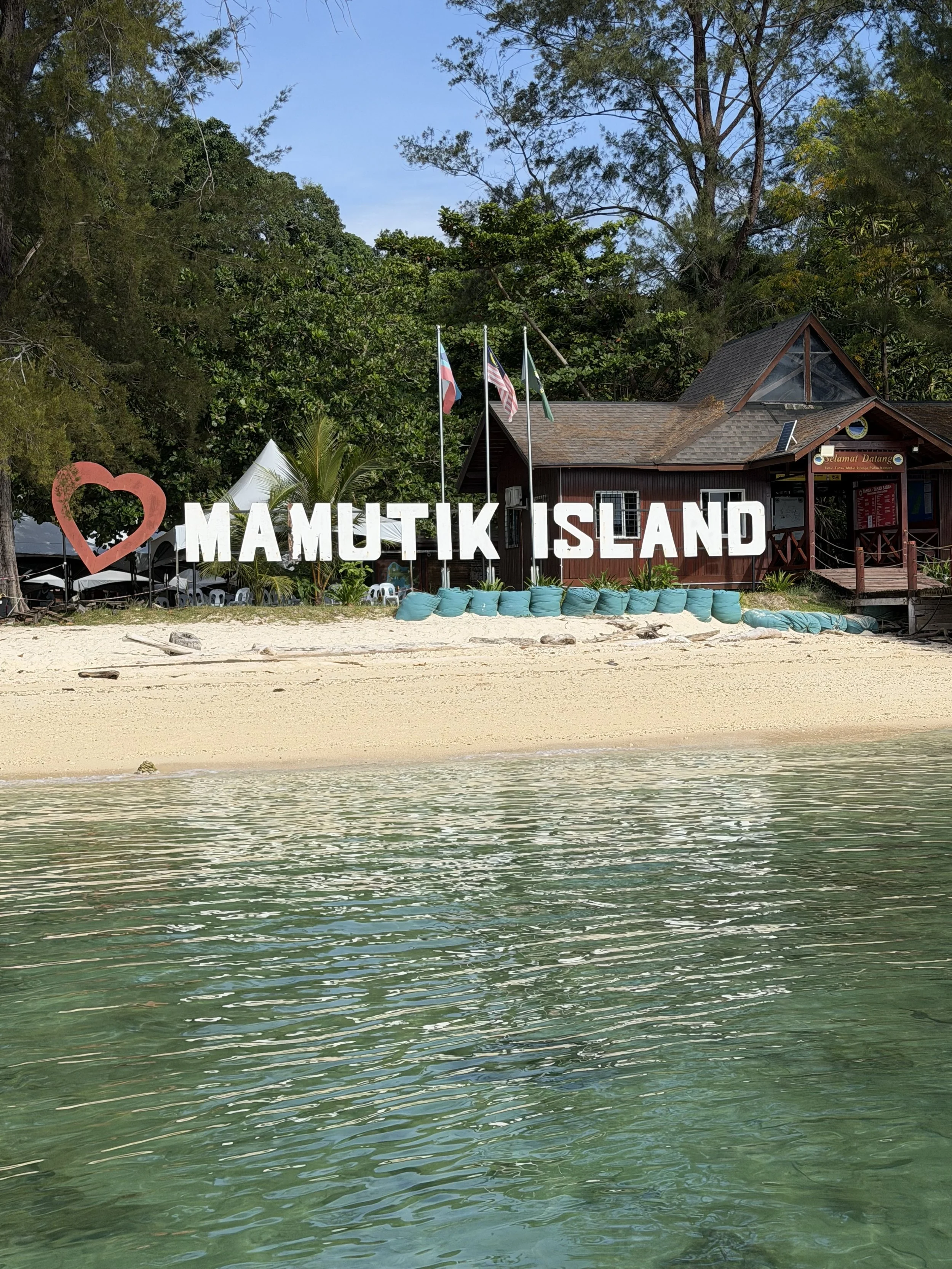
Our first stop was Mamutik Island, one of the small tropical islands that sit just offshore from Kota Kinabalu. The water there is that beautiful tropical turquoise you picture when you think of island diving, and the boat ride out is quick and scenic.
Once we arrived, we hopped back onto the dive boat and headed out for the first two dives of the day. The water was warm, visibility was solid, and the reefs were full of life. Nudibranchs tucked into coral heads, schools of reef fish weaving through bommies, blue-spotted stingrays resting quietly in the sand, and the occasional turtle cruising by like it owned the entire reef.
It wasn’t adrenaline diving. It was relaxed, vibrant tropical diving. The kind of diving that reminds you why you fell in love with the ocean in the first place.
After the first two dives, we returned to Mamutik Island for lunch. The dive operation had arranged a buffet lunch on the island, which was a really nice break between dives. While we were eating, two resident monitor lizards casually wandered through the area like they owned the place. It was one of those unexpected wildlife moments that makes a dive day even more memorable.
After lunch, we geared back up and headed out for a third dive, rounding out a full and incredibly fun day in the water.
After more than forty hours of travel to get to Sabah, being back underwater felt like finally exhaling. Being out on the boat, diving warm tropical reefs, and spending the day around other divers was exactly the reset I needed before the intensity of the PADI Course Director Training Course began.
Le Méridien Kota Kinabalu
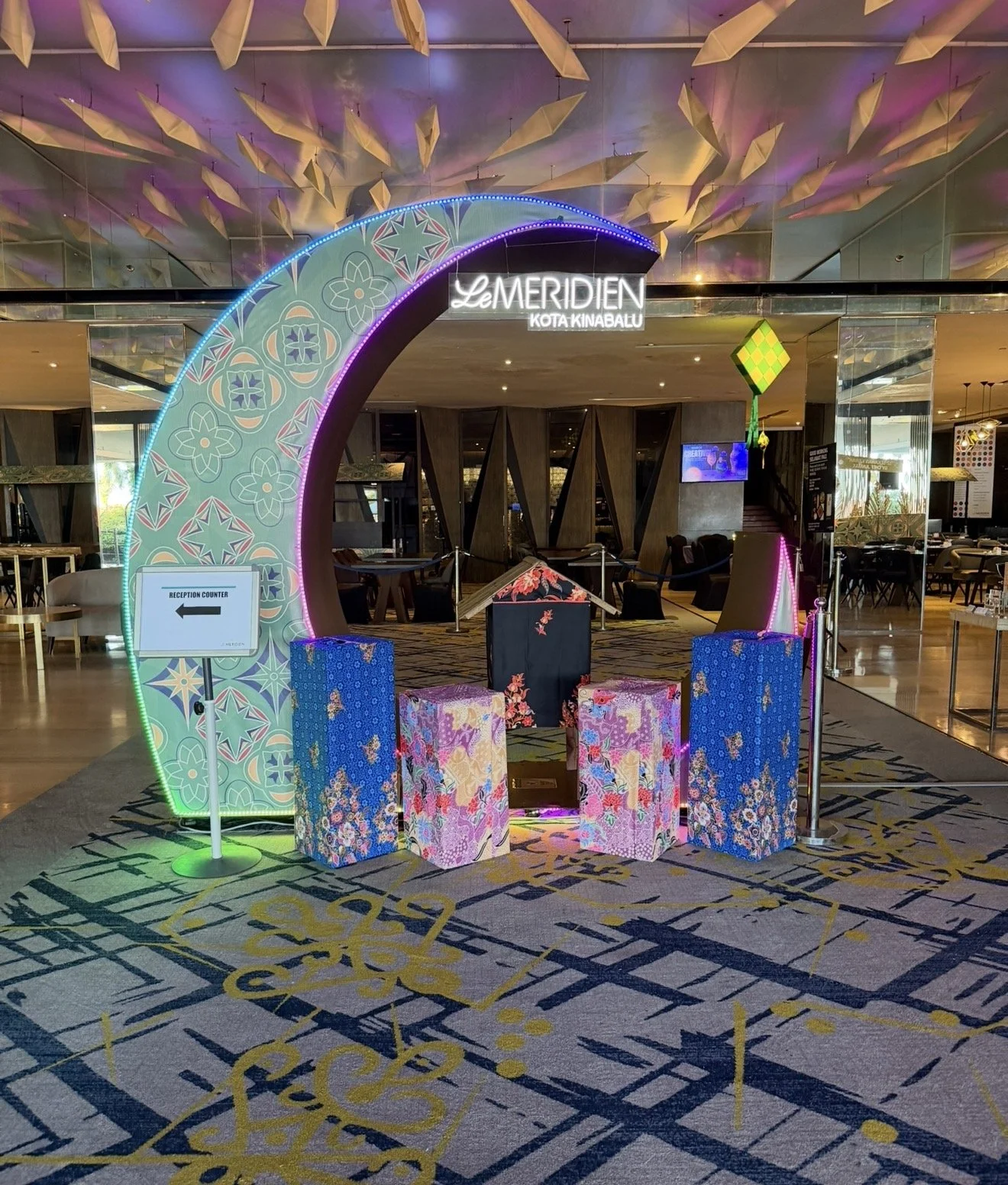
I spent my first four nights in Kota Kinabalu at Le Méridien, located right on the waterfront in downtown Kota Kinabalu, directly across from the night market and within walking distance of restaurants, shops, and the marina.
The hotel is about 15 minutes from Kota Kinabalu International Airport, which makes it a very convenient place to land after long international travel.
After more than 40 hours of flights and layovers, I was completely exhausted the first night and didn’t have the energy to explore. Instead, I ordered a vegetarian Malaysian dish from room service and called it a night. It was surprisingly good—fresh, flavorful, and packed with spice. So far I am absolutely loving Malaysian food. Bring on all the spicy sauces, please.
Location
The location is one of the hotel’s biggest strengths. It sits directly across from the Filipino Night Market and the handicraft market, making it incredibly easy to wander the stalls in the evening. Restaurants, cafés, and the waterfront promenade are all just steps away.
Nearby highlights include:
Kota Kinabalu Waterfront restaurants
Filipino Night Market
Handicraft market
Jesselton Point ferry terminal (for island trips)
Coffee shops and local food stalls
One thing to note: despite being on the waterfront, there isn’t a beach nearby. If you’re looking for that tropical beach experience, you’ll want to take a boat out to the islands in Tunku Abdul Rahman Marine Park.
Loyalty Programs and Status
Now for a candid reflection.
My husband holds Titanium Elite status with Marriott Bonvoy, and historically when he books my stays I’ve consistently been afforded points and elite recognition at other Marriott properties even when checking in solo. At this property those benefits were not initially extended.
While I understand that technically policy ties benefits to the member being physically present at check-in, many properties recognize loyalty more flexibly.
Ultimately, I transferred the reservation into my own account. I hold Gold status, and once the reservation was under my profile I was upgraded to a sea-view room and granted club access.
Club Lounge
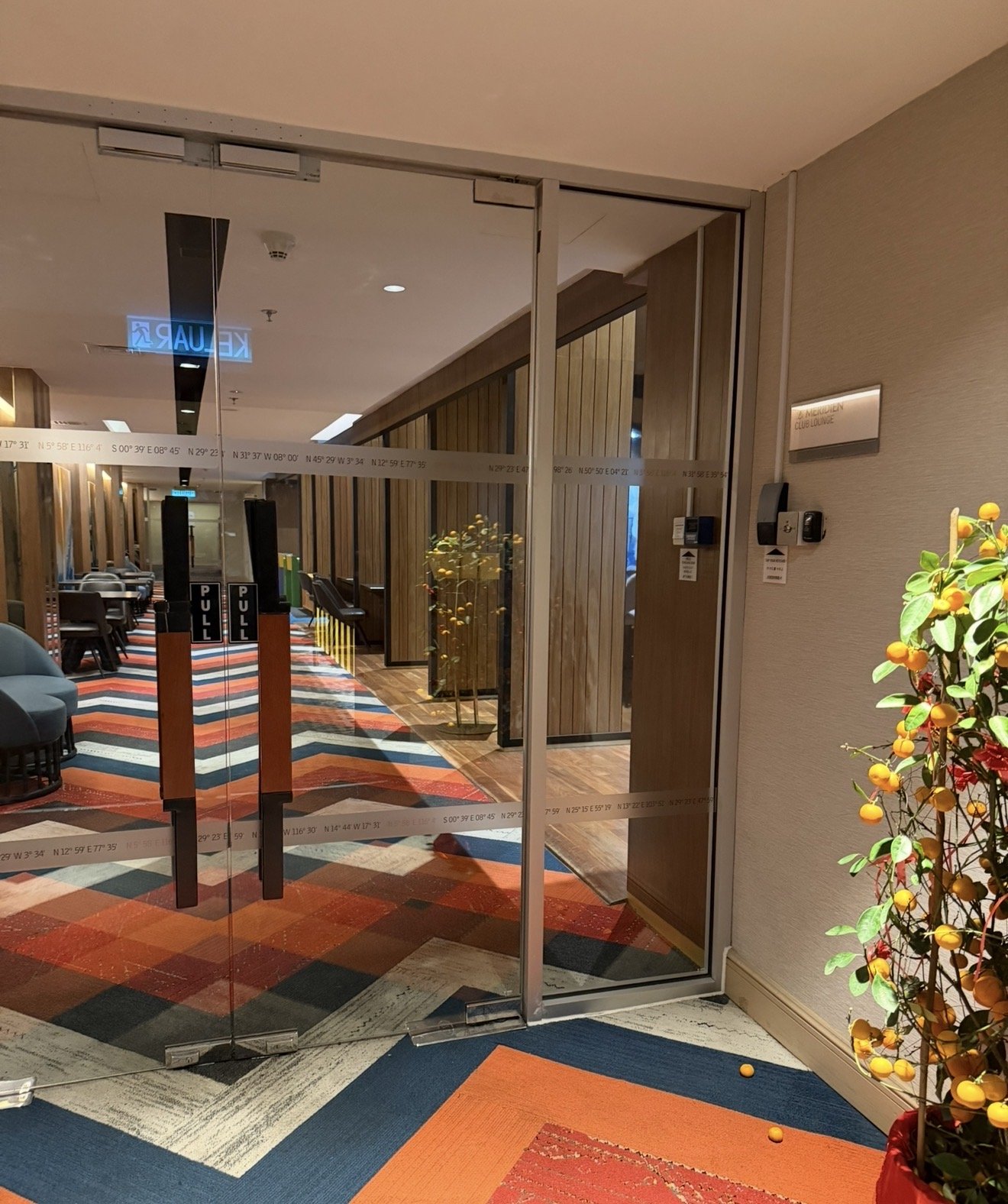
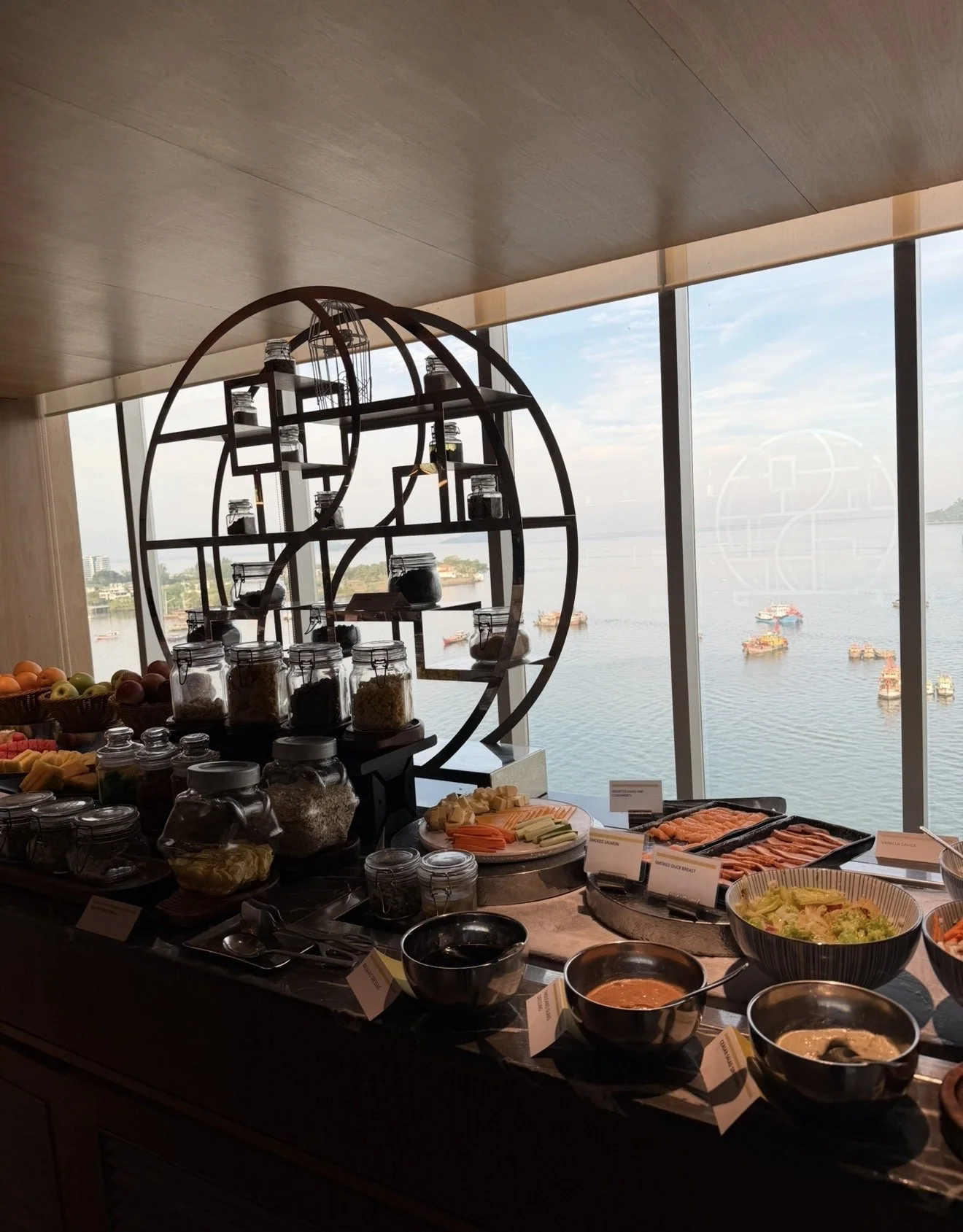
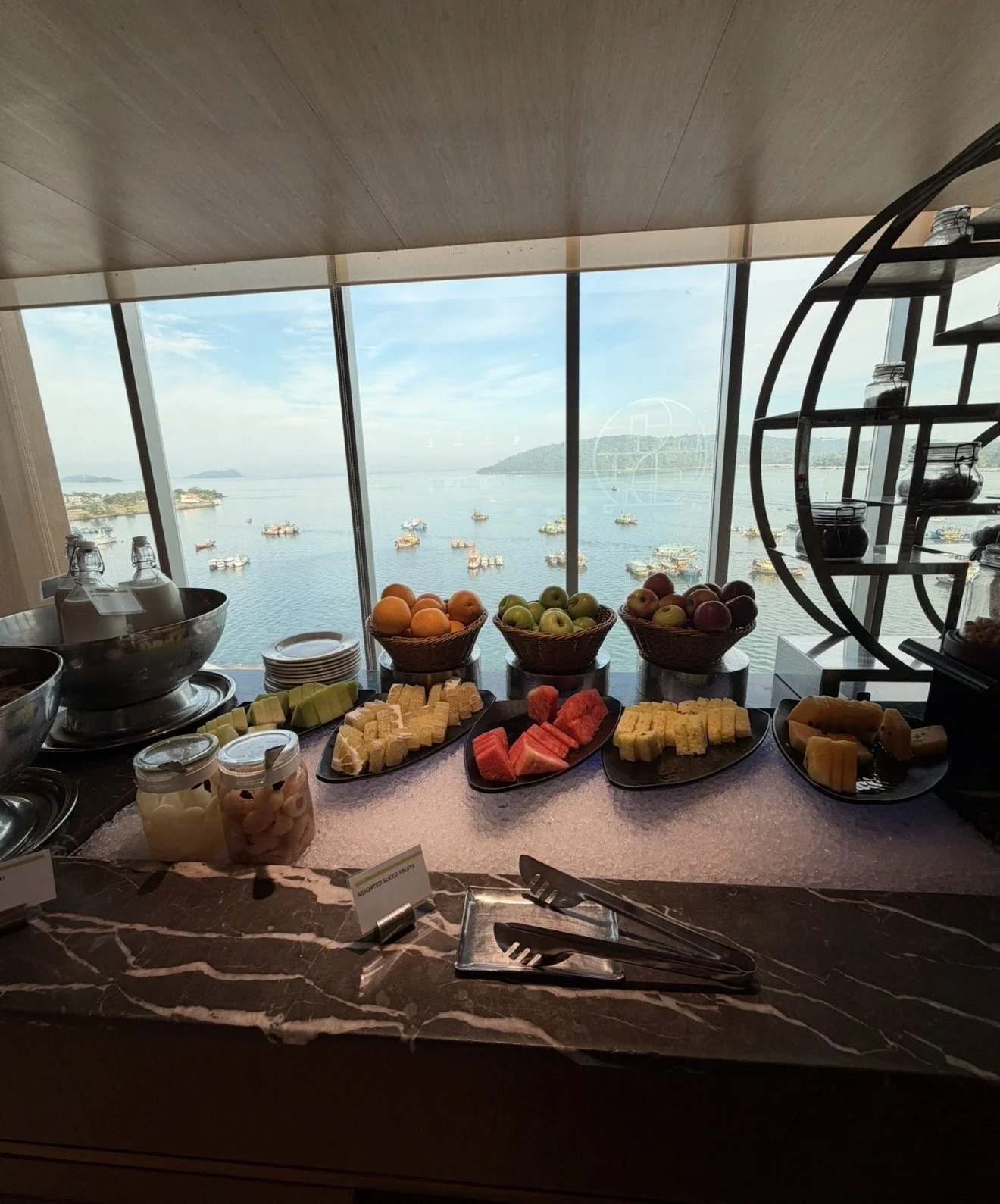
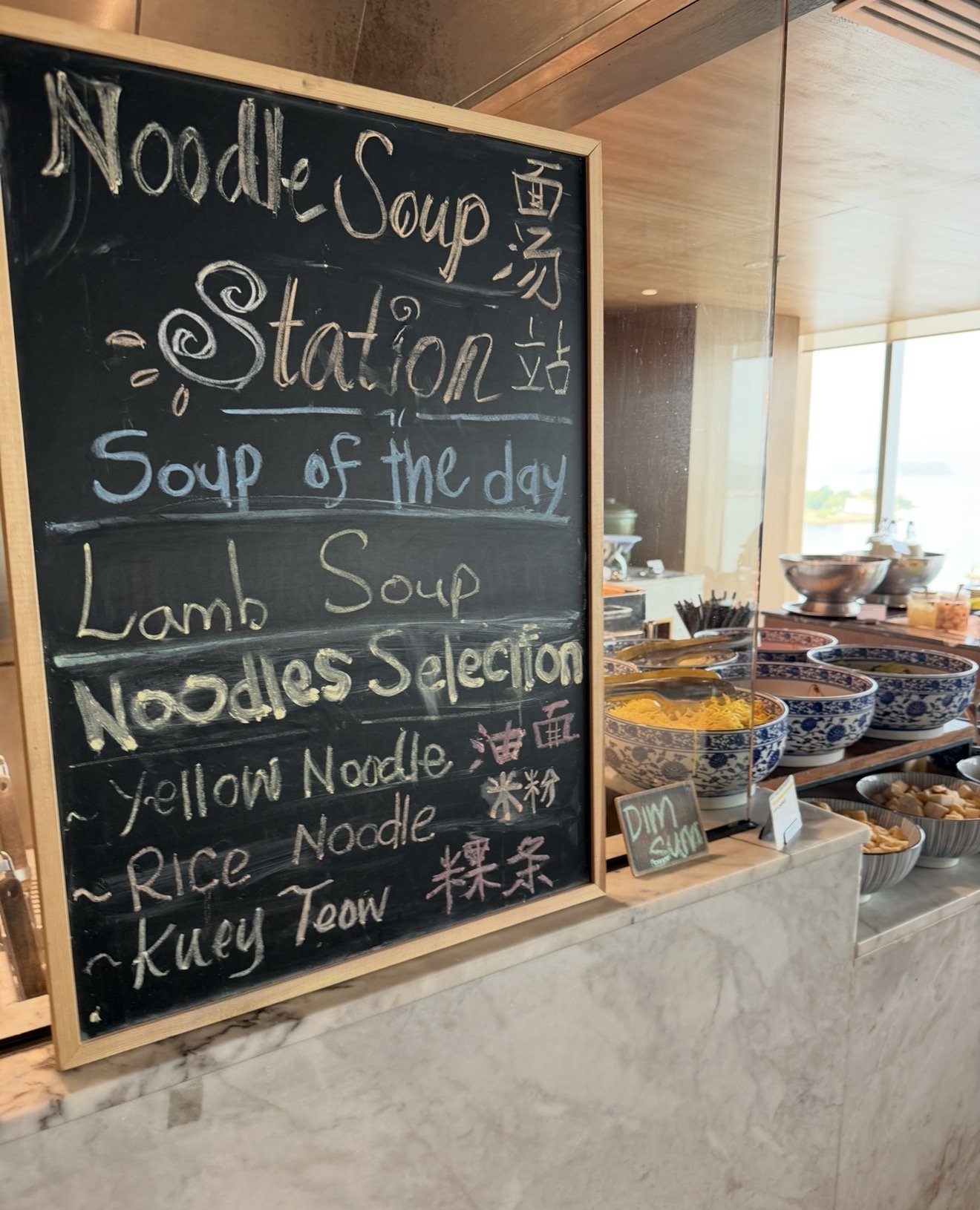
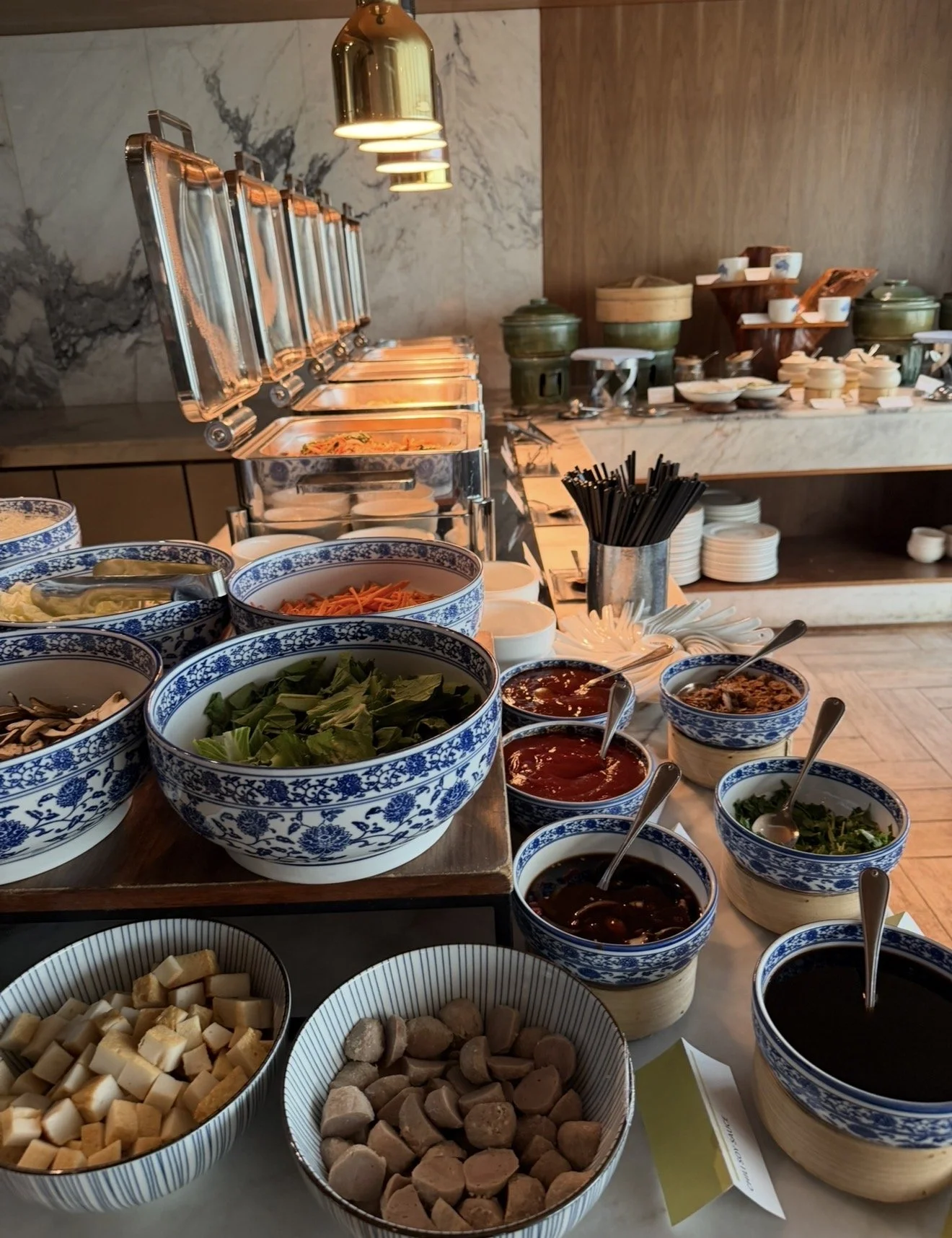
The club breakfast was an absolute showstopper.
Each morning featured a large spread of tropical fruit, pastries, hot dishes, juices, and strong coffee with views overlooking the South China Sea. It quickly became one of the highlights of the stay and a great way to start the day before heading out to dive.
The dinner though…glad it was free.
Facilities
Unfortunately, during my stay both the pool and gym were under renovation, which was a real disappointment. Those are usually two amenities I rely on when adjusting to a new time zone after long travel days.
I did, however, take advantage of the spa, which ended up being a nice way to decompress after diving and exploring the city.
Overall Impression
If I’m being completely honest, this stay didn’t fully live up to expectations.
This is now the second Le Méridien property in a row where I’ve noticed cleanliness and overall upkeep falling short of what I would expect from the brand. Nothing was terrible, but it also wasn’t particularly impressive. When you stay within a global brand known for design-forward hotels and polished experiences, you expect a certain level of consistency. In this case, the property felt a bit tired and the attention to detail just wasn’t quite there.
A Broader Reflection on Loyalty Programs
This experience also made me reflect more broadly on travel loyalty programs. Across the industry—whether hotels or airlines—benefits feel more restrictive, lounges more crowded, and consistency less reliable than they once were. I’ve noticed it with Hyatt and American Airlines as well.
The quality isn’t terrible. It just feels diminished compared to what these programs used to represent.
Final Thoughts
That said, the location of Le Méridien Kota Kinabalu truly is excellent if you want to be in the center of the city. Being able to walk to the markets, restaurants, and waterfront makes it a lively and convenient base for exploring.
As with many travel decisions, it comes down to what matters most to you—location, brand loyalty, or consistency of elite recognition.
Shangri-La Tanjung Aru, Kota Kinabalu
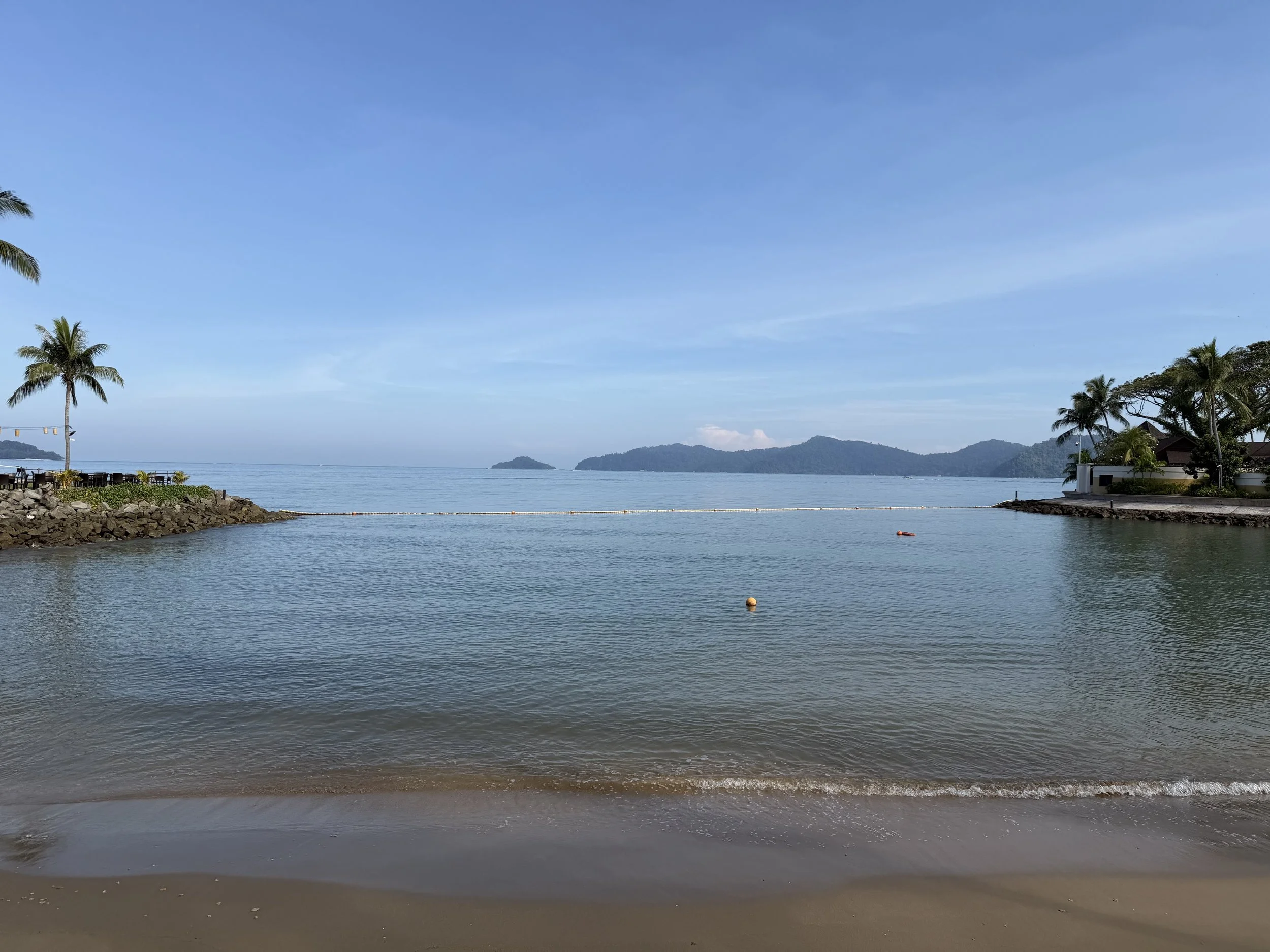
Two days before the Course Director Training Course began, I moved from the city to the Shangri-La Tanjung Aru Resort, located in a quieter resort area about ten minutes from the airport and roughly fifteen minutes from downtown Kota Kinabalu.
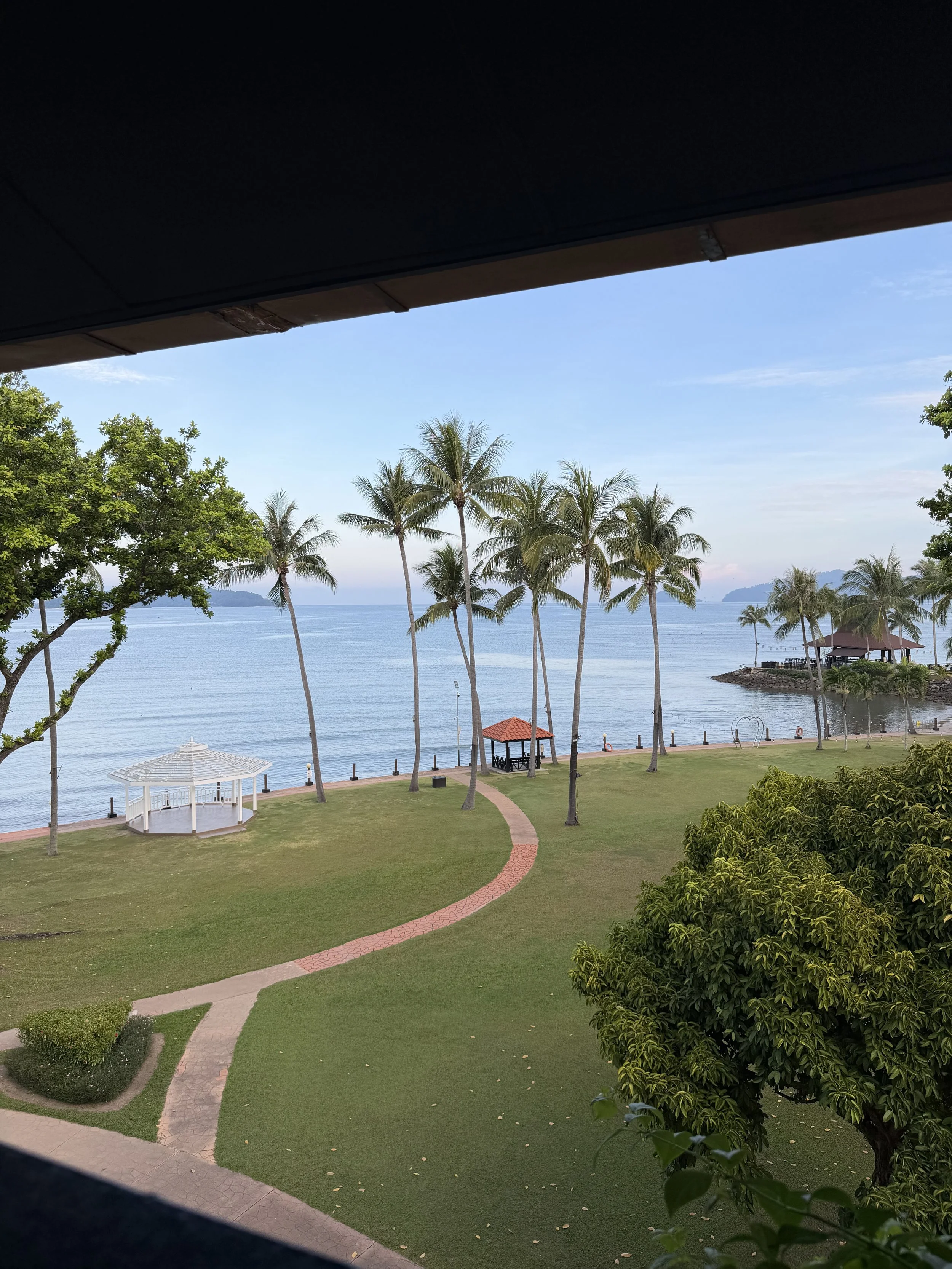
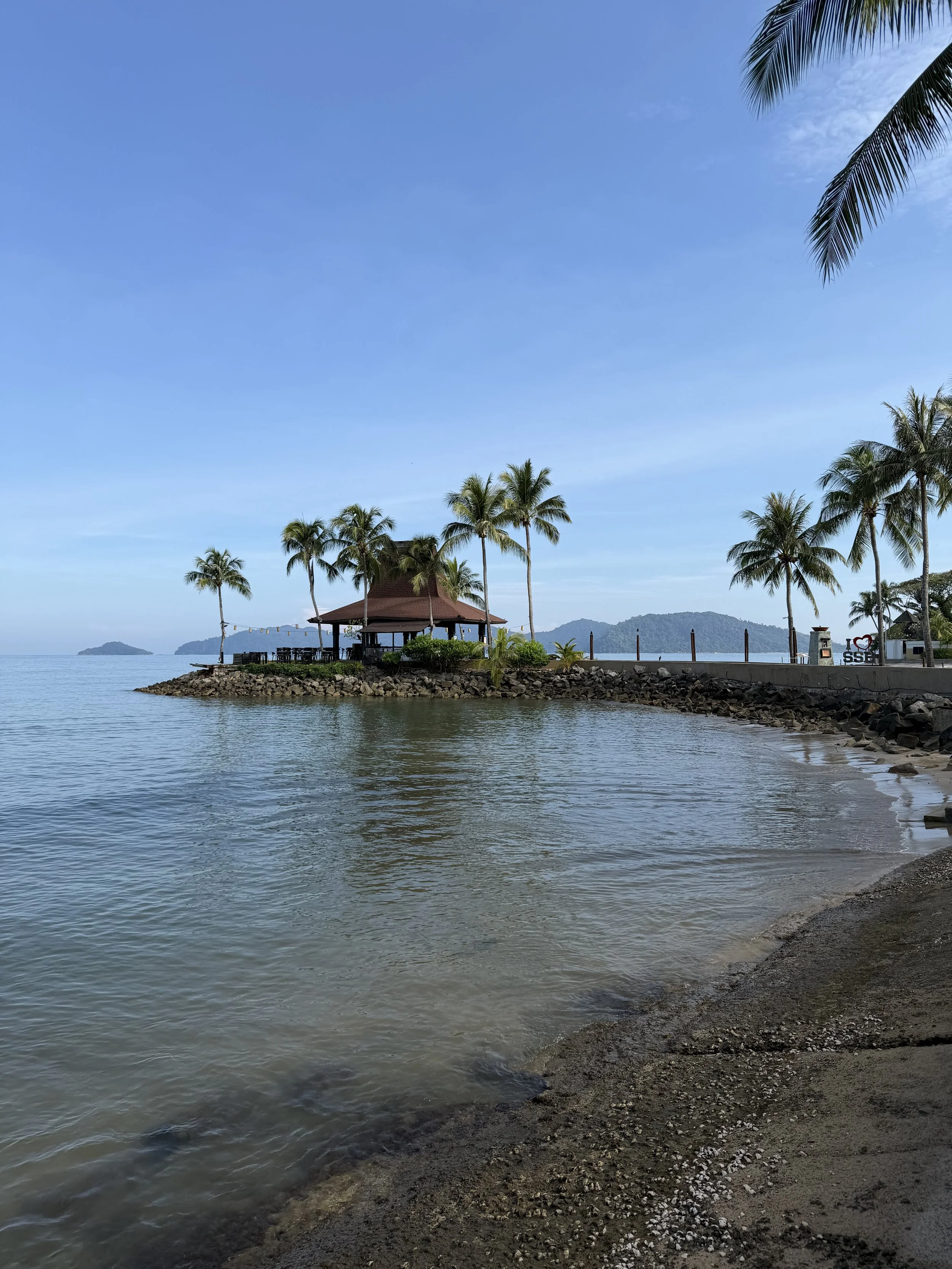
The shift from city hotel to resort was immediate. Instead of busy streets and waterfront markets, the property opens into lush tropical grounds, palm-lined walkways, ocean breezes, and sweeping views of the South China Sea. It felt like stepping into a completely different pace — exactly what I needed before beginning the intensity of CDTC.
Communication with the hotel was incredibly easy from the start. The staff were responsive and helpful, and they coordinated everything smoothly ahead of my arrival. They even placed me directly into the same room I would be staying in for the duration of the Course Director Training Course, which made settling in so much easier. When my room was ready, they sent me a WhatsApp message, which made the check-in process seamless after a long journey.
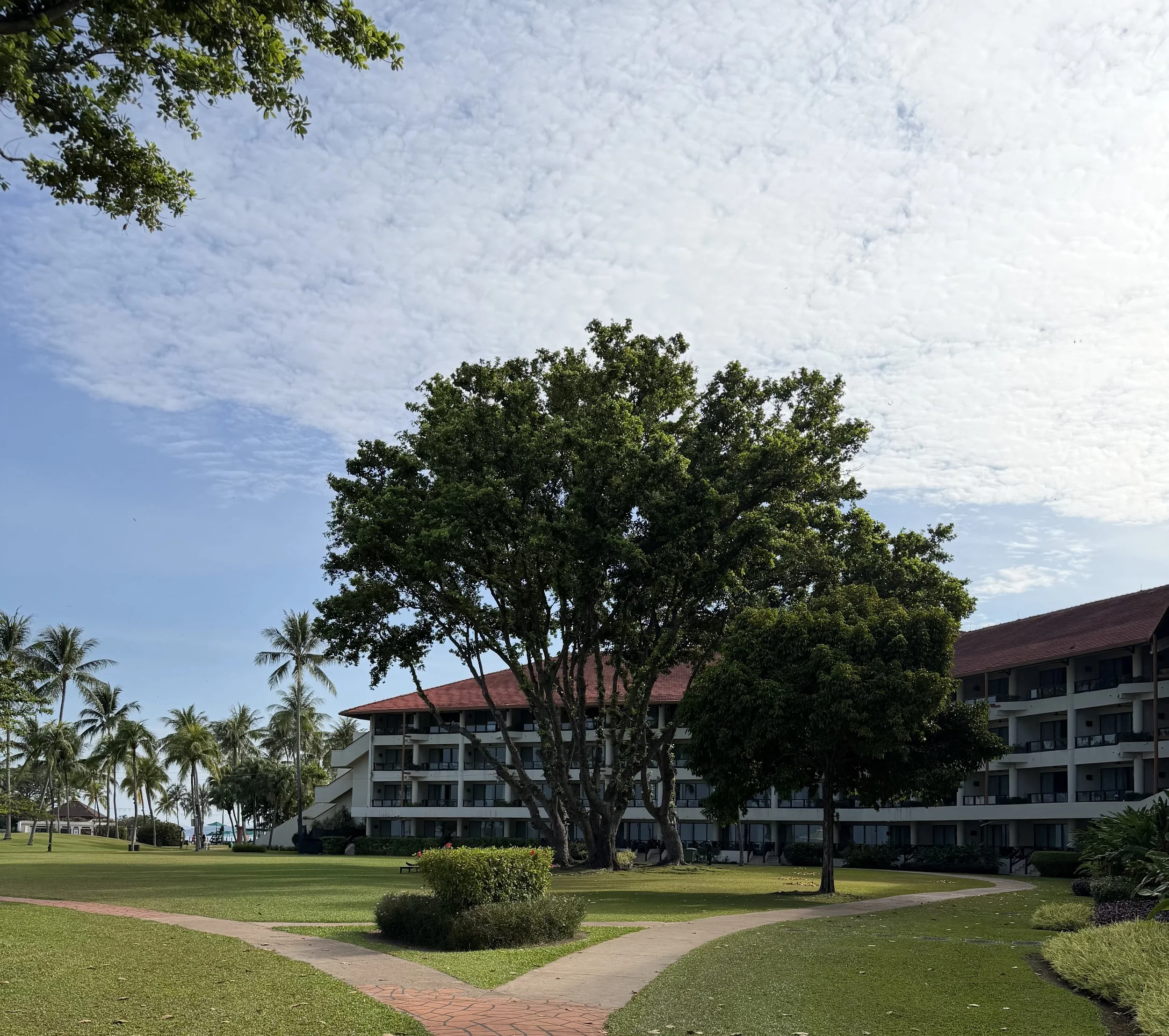
Walking into the resort immediately set the tone for the stay. As I entered the open-air lobby, a gentleman was playing live music, and the combination of the music, ocean breeze, and warm lighting created an incredibly welcoming atmosphere. It instantly felt like a place where you could slow down and breathe after a long travel day.
The resort is one of the most well-known luxury properties in Kota Kinabalu, with a 4.6-star rating and a reputation for having some of the most spectacular sunsets in all of Sabah. Every evening the sky lights up in dramatic shades of orange, pink, and deep violet over Tanjung Aru Beach, and the entire resort seems to pause to watch.
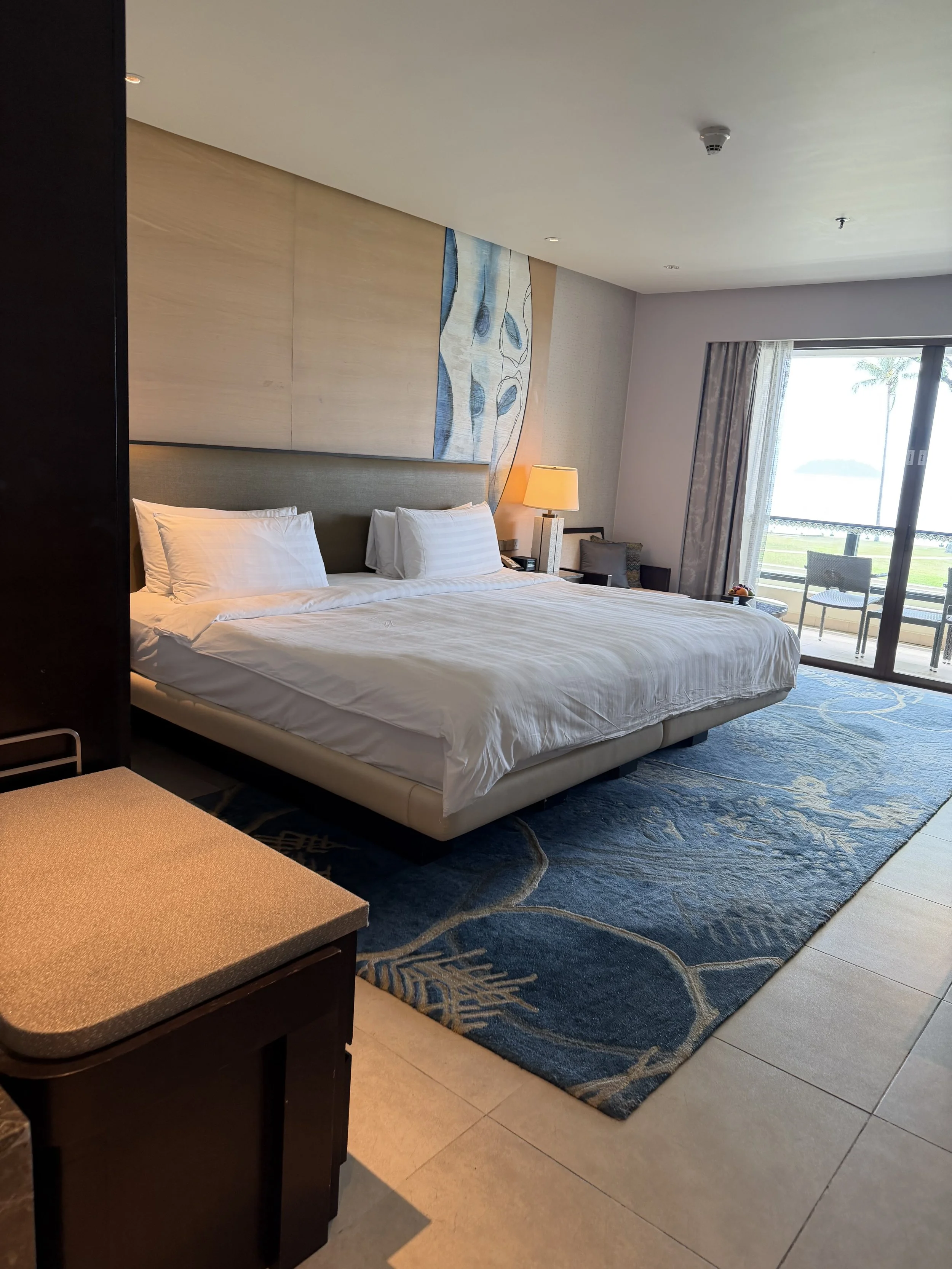
My room was incredible. The bed was genuinely the largest I have ever slept in, and after nearly forty hours of travel it felt like absolute heaven. The room was spotless, quiet, and thoughtfully designed, with a Nespresso machine, comfortable seating area, and sliding doors that opened onto a private balcony overlooking the ocean. Waking up to the sound of waves and watching the morning light over the South China Sea quickly became one of my favorite parts of the day.
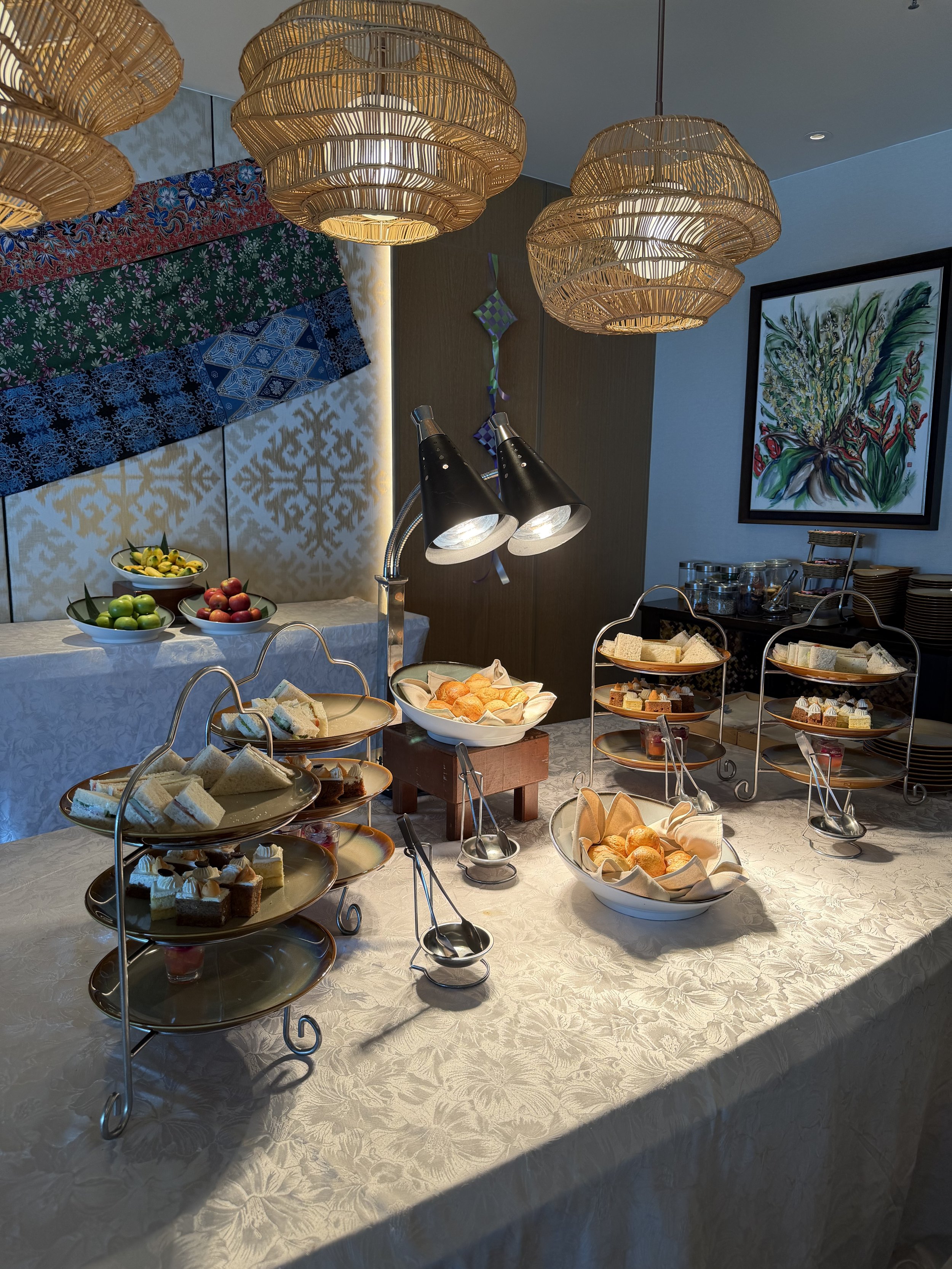
Somehow I was also granted Horizon Lounge access, which turned out to be a wonderful surprise. The lounge offered breakfast, afternoon tea, evening dinner service, and sunset cocktails, all in a relaxed space with panoramic ocean views. It quickly became one of my favorite spots in the resort to sit, relax, and mentally prepare for the days ahead.
The resort itself feels like a destination. There are multiple pools, including a large pool complex that winds through the property, along with a private beach area perfect for sunset walks. In the evenings the atmosphere becomes lively but still relaxed, with live music at several of the resort’s restaurants and bars and guests gathering along the waterfront to watch the sunset.
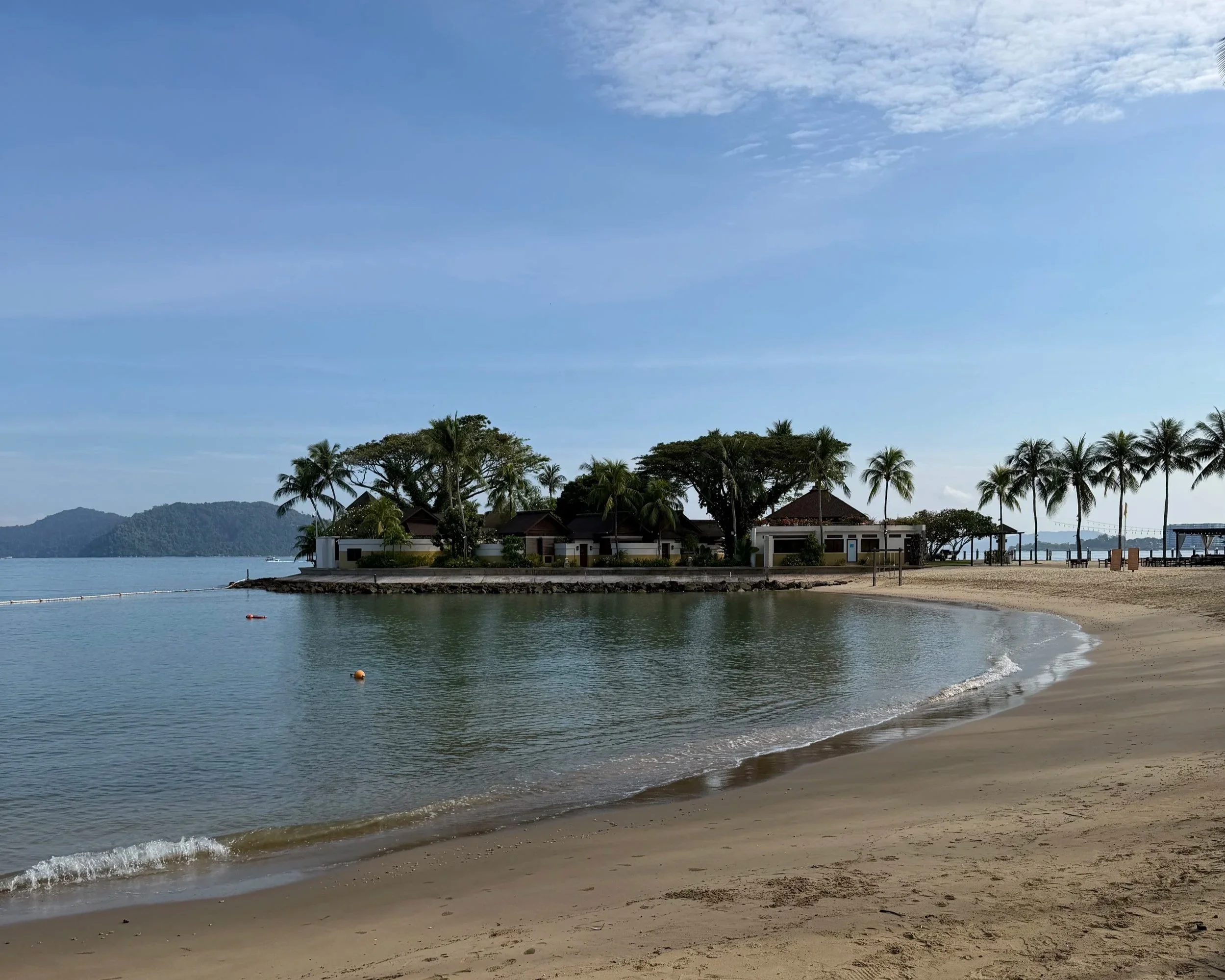
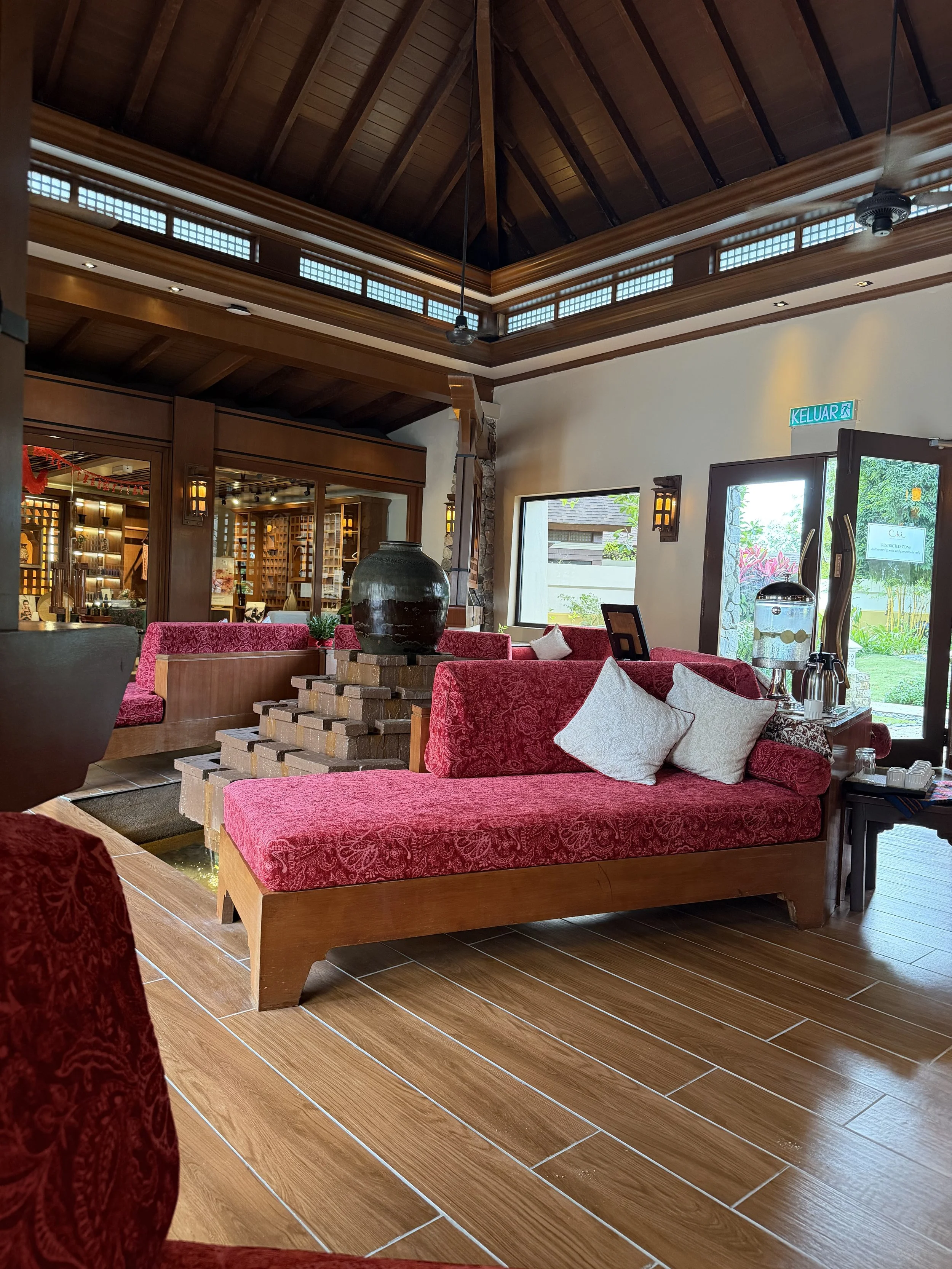
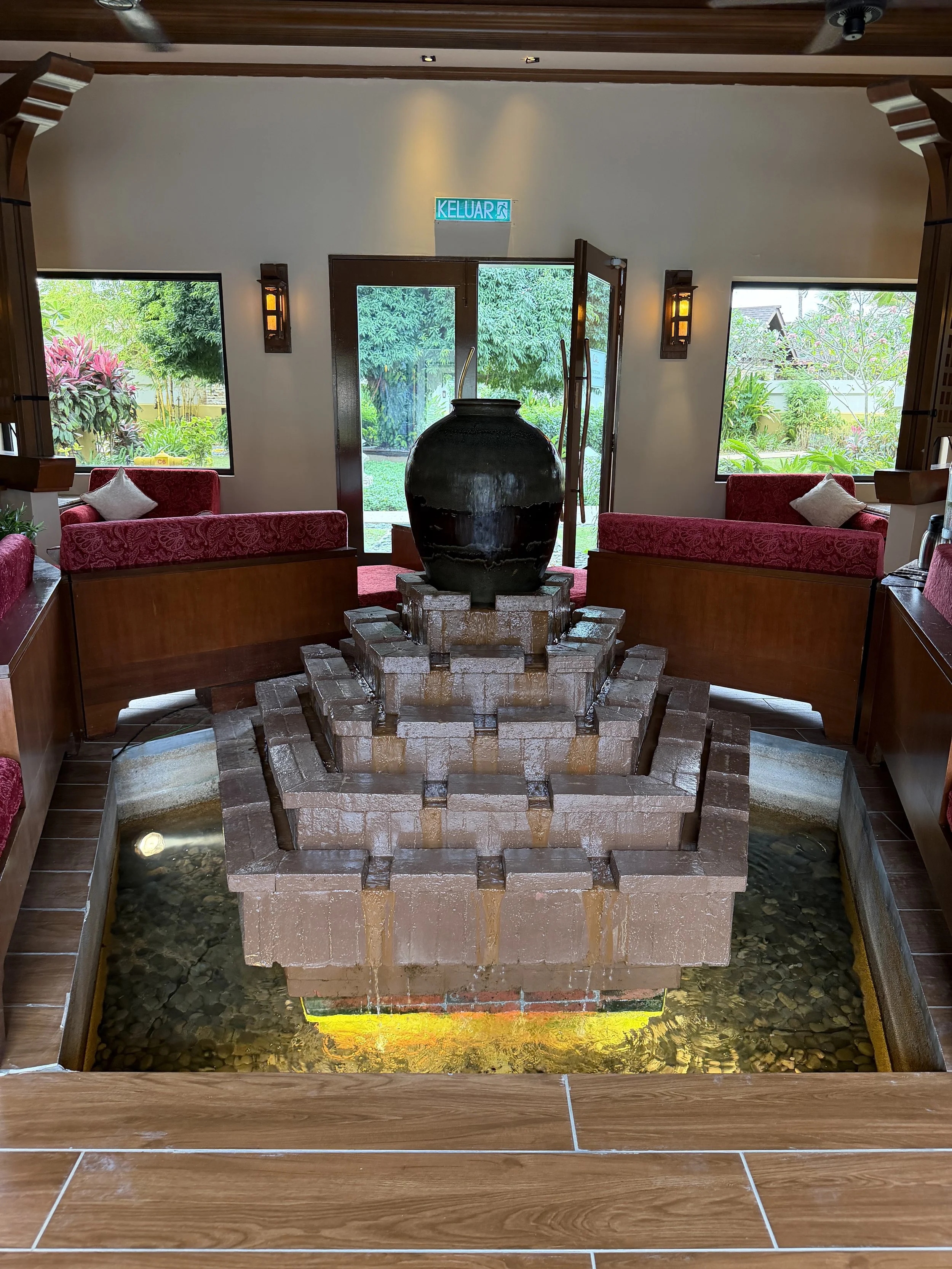
One of the highlights of my stay was the Chi, The Spa, where I booked a two-hour treatment that was absolutely incredible. After such a long journey to Malaysia, it was exactly what my body needed. The spa is serene and beautifully designed, with treatment rooms tucked into peaceful garden spaces that feel completely removed from the outside world.
The resort also offers a wide range of restaurants and dining options, making it easy to spend an entire day without leaving the property. Between the dining venues, spa, beach, pools, and evening entertainment, everything you might need is right there.
But what truly stood out throughout the stay was the staff. Every interaction was warm, helpful, and genuinely welcoming. From the front desk to the lounge team to the spa staff, everyone was wonderful and made the entire experience feel effortless.
Because everything is on-site, it’s an easy place to settle in and focus — which makes it a perfect setting for a program like the PADI Course Director Training Course.
And honestly, well done to the PADI staff who chose this property for CDTC. It’s the kind of place that allows you to arrive, decompress from travel, and fully immerse yourself in the experience.
If Le Méridien Kota Kinabalu is ideal for exploring the city, Shangri-La Tanjung Aru is ideal for slowing down and enjoying a full resort environment while preparing for the weeks of training ahead. 🌅🌴
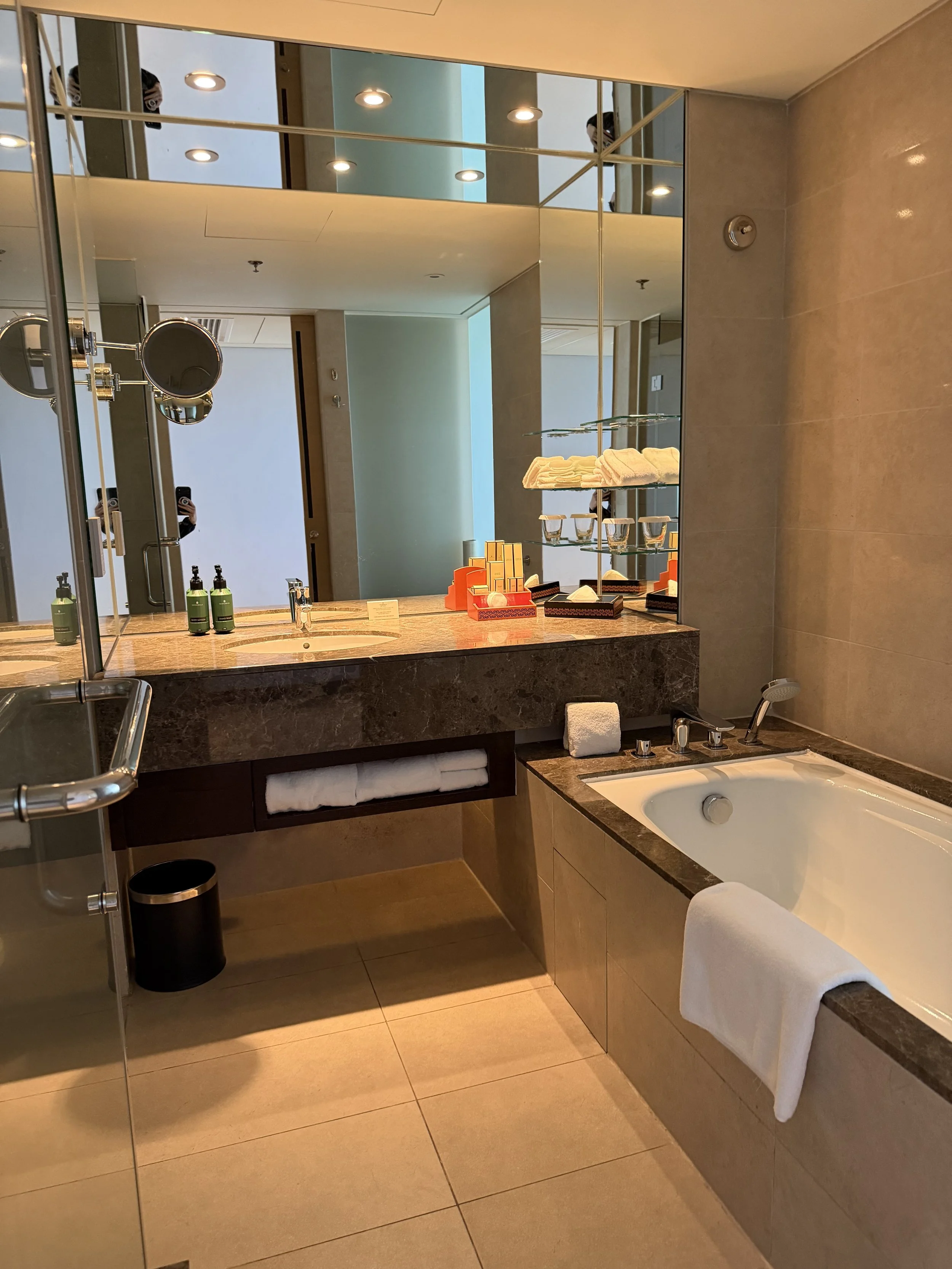
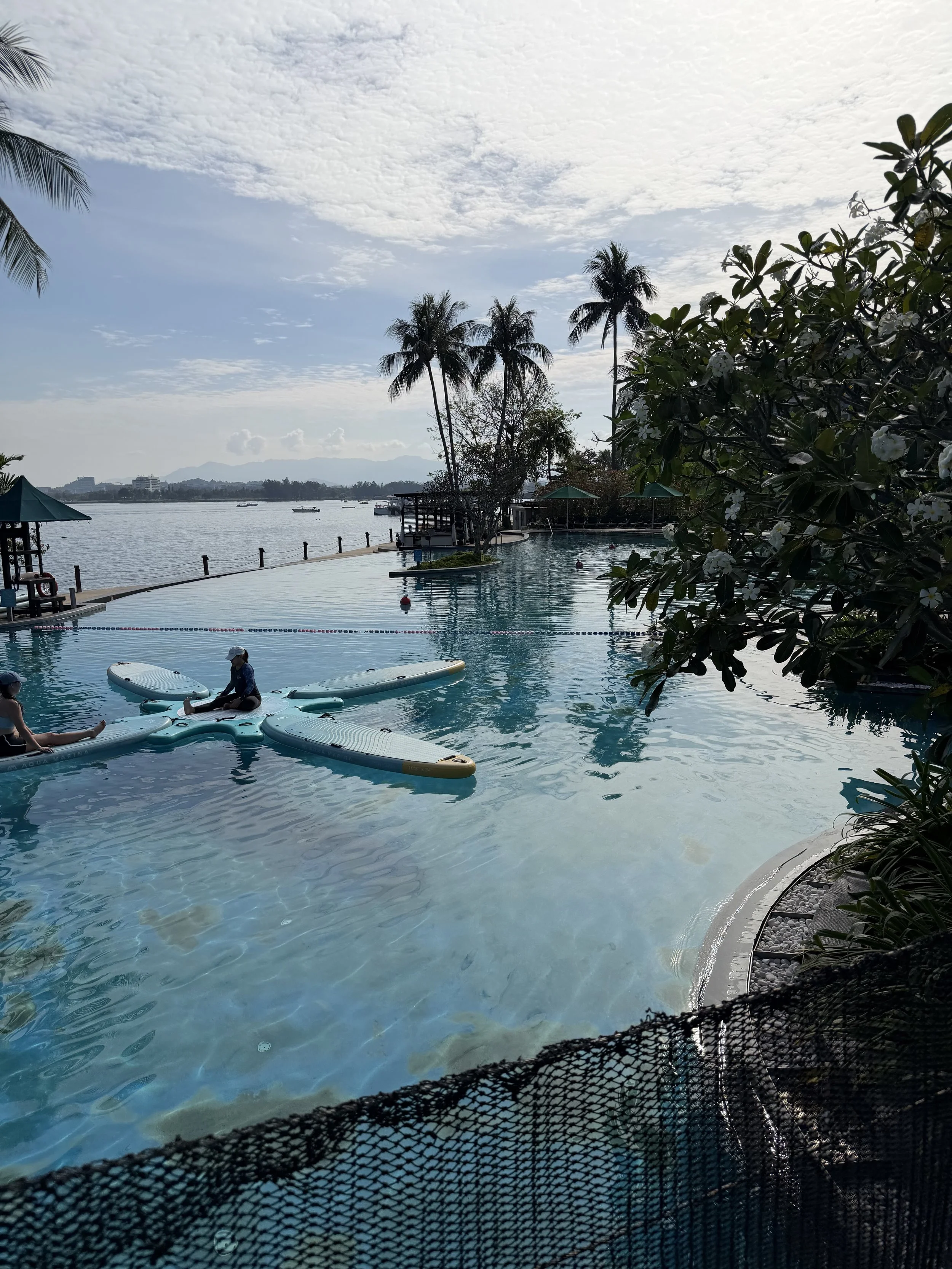
The Pools
The pool complex at Shangri-La Tanjung Aru is one of the standout features of the resort. The pools wind through the property with views of the ocean, creating multiple areas to relax throughout the day.
The infinity pool overlooking the South China Sea is particularly stunning at sunset, when the sky lights up and reflects across the water. There are also family pools and even waterslides, but the property is large enough that it never feels crowded.
Between training sessions and study time for CDTC, the pool areas were the perfect place to decompress for a bit and enjoy the tropical setting.
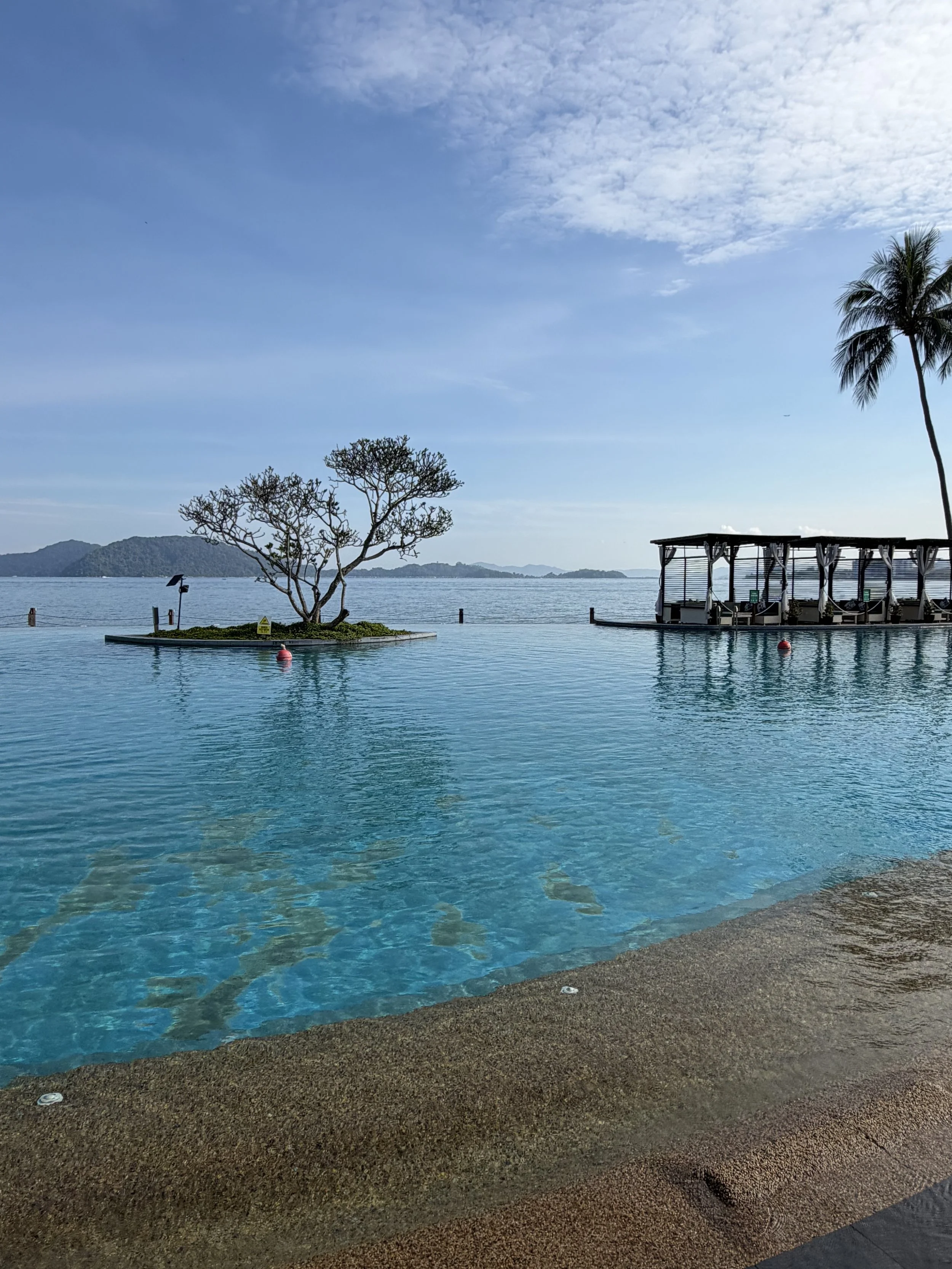
The Restaurants and Evening Atmosphere
The resort has multiple restaurants and bars, which makes it easy to stay on property without feeling limited on dining options.
Evenings at the resort have a great energy. As the sun sets over the ocean, guests gather around the restaurants and waterfront areas while live music plays in the background, creating a relaxed but lively atmosphere.
Whether you’re grabbing a casual drink, watching the sunset, or sitting down for dinner, the whole resort comes alive in a really enjoyable way.
Horizon Lounge
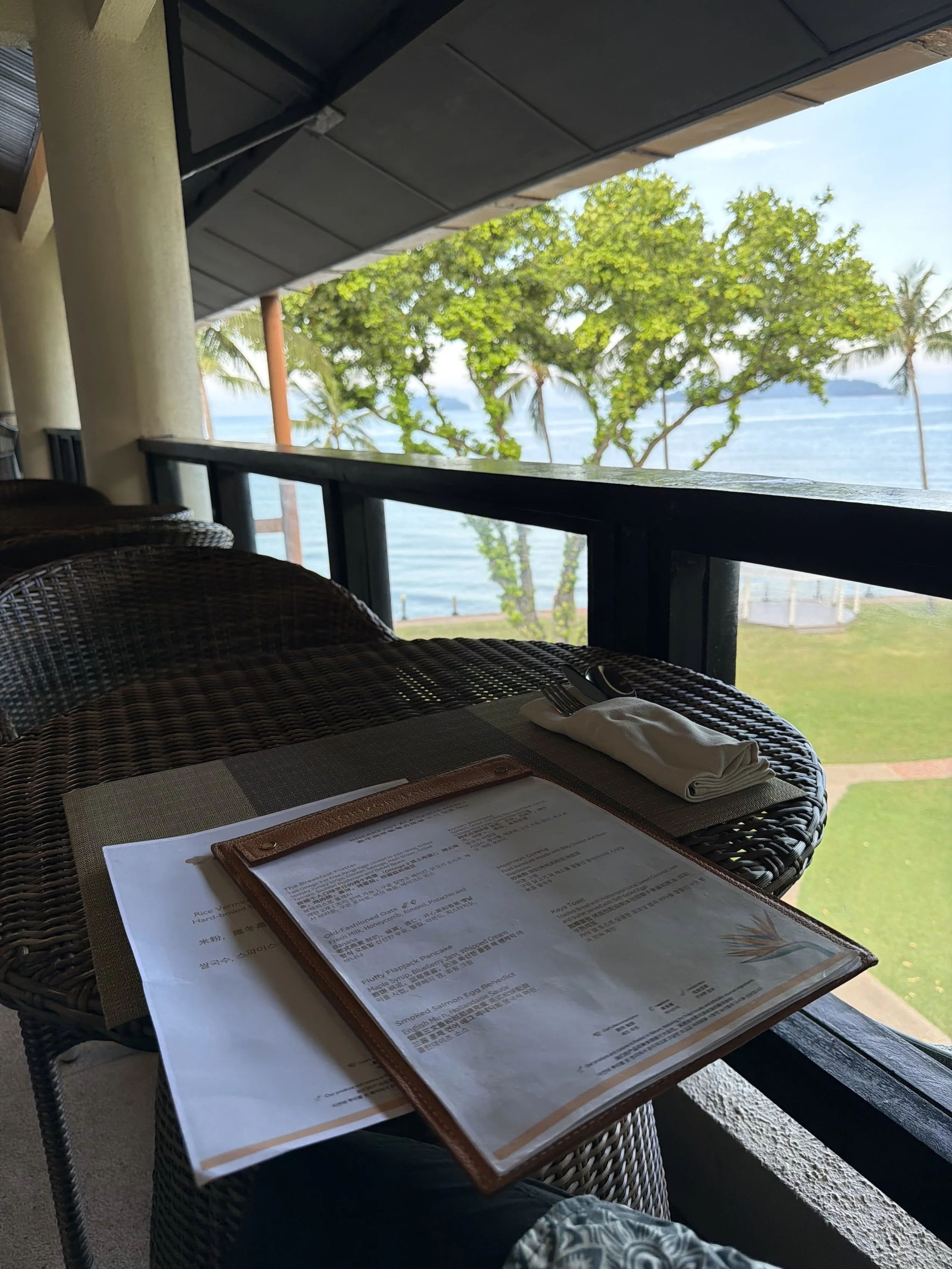
Somehow I was also granted Horizon Lounge access, which ended up being one of the highlights of the stay.
The lounge includes breakfast, afternoon tea, evening dinner service, and sunset cocktails, all served in a calm, elevated space overlooking the ocean. It’s a quiet place to relax, read, or get a bit of work done while enjoying incredible views.
During CDTC preparation, this became one of my favorite spots in the resort to sit with a coffee and mentally prepare for the days ahead.
Chi, The Spa
One of the most memorable parts of my stay was visiting Chi, The Spa, where I booked a two-hour treatment that was absolutely incredible.
After nearly forty hours of travel to Malaysia, it was exactly what my body needed. The spa is designed like a peaceful retreat within the resort, with treatment rooms surrounded by quiet gardens and water features.
The entire experience felt restorative and calm, making it the perfect reset before beginning the intensity of the Course Director Training Course.
Service and Overall Experience
Throughout my stay, what stood out most was the staff. Every interaction was warm, helpful, and genuinely welcoming. From the front desk to the Horizon Lounge team to the spa staff, everyone was wonderful and made the entire experience feel effortless.
Because everything is on-site, it’s an easy place to settle in and focus — which makes it an ideal location for a program like the PADI Course Director Training Course.
And honestly, well done to the PADI staff who chose this property for CDTC. It’s the kind of place that allows you to arrive, decompress from travel, and fully immerse yourself in the experience.
If Le Méridien Kota Kinabalu is ideal for exploring the city, Shangri-La Tanjung Aru is ideal for slowing down and enjoying a full resort environment while preparing for the weeks of training ahead. 🌅🌴
Coming Up Next — PART II: The CDTC Experience
This first chapter of my time in Sabah was about grounding myself—adjusting my body clock, reconnecting with warm-water diving, and easing into the cultural flow of Malaysian Borneo.
Dive safe, explore passionately, and remember…