Scuba for Veterans 🪖
Scuba diving offers veterans a unique opportunity to step away from the stresses of daily life and experience the healing power of the ocean. For many, it’s not just an exciting new adventure—it’s a way to reconnect with themselves, find peace, and build lasting bonds with fellow veterans. Beneath the surface, in the quiet of the underwater world, veterans often discover a renewed sense of purpose and freedom that helps them navigate life after service. Whether you're looking for a thrilling challenge or a calm escape, scuba diving can offer a transformative experience that brings healing, camaraderie, and adventure in equal measure.
Army Veteran Turned Scuba Instructor
Hi, I’m Ciara, a fellow Army veteran who has transitioned into a career as a scuba instructor. After dedicating years to service, I discovered that scuba diving became much more than just a hobby—it transformed into a vital source of therapy for me. The underwater world offers a unique sanctuary where I can escape the stresses of everyday life, recharge my spirit, and forge a profound connection with nature. Each dive allows me to experience tranquility and freedom that I cherish deeply.
I was able to pursue my passion for diving and become a certified instructor by utilizing my Vocational Rehabilitation and Employment (VR&E) benefits. This support not only helped me gain the necessary skills and certifications but also opened doors to a fulfilling career where I can share my love for diving with others.

Here I am in my element, teaching a scuba class
Now, as a scuba instructor, I’m passionate about sharing this transformative journey with fellow veterans. I believe in the healing power of the ocean and how it can provide a sense of belonging and purpose.
In addition to my work as an instructor, I specialize in adaptive techniques. I pursued this training to ensure I’m well-equipped to support veterans with both visible and invisible disabilities. My goal is to create an inclusive and empowering environment where everyone can experience the joys of diving, regardless of their challenges. I’m dedicated to helping veterans rediscover their strengths and find solace beneath the waves.

Diving a wreck off the coast of Oahu
Why Scuba Diving is the BEST for Veterans
Escape to Serenity
Picture this: you swap the clamor of daily life for the tranquil depths of the ocean. As you descend into the water, the rhythmic sound of your breathing becomes a soothing mantra, and the weightlessness envelops you like a gentle embrace. Scuba diving offers a unique form of therapy that transcends traditional methods; it’s meditation with a breathtaking backdrop of colorful fish and vibrant coral reefs. Research has shown that being underwater can reduce cortisol levels (the stress hormone) and promote relaxation. A study published in the International Journal of Sports Medicine highlights how the underwater environment fosters a calm state, making it a perfect sanctuary for veterans seeking solace from the pressures of civilian life (Hughes & Plummer, 2005).
Community Camaraderie
Dive buddies are more than just companions on an adventure—they become your new squad. Whether you’re sharing stories over a meal or navigating the mysteries of a sunken ship, the bond formed in the water is unparalleled. For veterans, diving fosters a powerful sense of belonging and understanding, as you share experiences and challenges unique to military life. A study in the Journal of Traumatic Stress emphasizes the importance of social connections for recovery from PTSD, indicating that the friendships you forge in diving create a support network that can be immensely healing (Schnurr & Lunney, 2008). You'll find that swapping sea tales often leads to laughter, support, and a renewed sense of purpose.

Therapeutic Dive Benefits
If you’re grappling with post-service stress, diving could be your lifeline. Research shows that scuba diving can significantly reduce anxiety and enhance mental well-being. The act of diving demands focus and presence, drawing your attention away from intrusive thoughts and worries. An article in the International Journal of Environmental Research and Public Health found that engaging in aquatic activities is associated with improved mental health outcomes, including decreased anxiety and depression levels (Bourne & Tait, 2019). The buoyancy you experience underwater is incredibly liberating—it feels like floating on a cloud, surrounded by the beauty of marine life. This unique blend of physical activity and mental clarity not only promotes relaxation but also helps cultivate resilience and strength in the face of life’s challenges.
Adventure Awaits
Remember the adrenaline rush from your military days? Scuba diving rekindles that thrill in an exhilarating new way. Each dive presents a fresh opportunity to master new skills, from navigation to underwater photography, while exploring breathtaking reefs teeming with life. You can even get involved in marine conservation efforts, contributing to the protection of fragile ecosystems and making a difference in the world. Every dive is a challenge, a chance to push your limits, and an adventure waiting to unfold. Engaging in these activities not only stimulates your sense of adventure but also builds self-confidence and self-efficacy, crucial for personal growth and healing. A study published in the Journal of Adventure Education and Outdoor Learning highlights how adventurous activities can enhance self-efficacy, further aiding in the recovery process (Brown & Kelly, 2017).

Getting ready to dive in Jamaica
How Diving Has Helped Pedro

Pedro Diving in Tenerife 🇮🇨
“As an Iraq veteran with a Purple Heart, having served as a Cavalry Scout with the 3rd Infantry Division deployed in 2008, I have found diving to be incredibly therapeutic. The peacefulness of being underwater provides a stark contrast to the chaos of combat, offering a serene escape that helps me manage my PTSD. Floating in the water alleviates my chronic back pain, allowing me to stay active despite my disabilities. Additionally, diving has helped me transition from military life by providing a sense of community and camaraderie with fellow divers, mirroring the brotherhood I cherished in the military.”
- Pedro Maldonado
US Army Veteran
Dawn’s Perspective on Scuba Diving
"I love the challenge and relaxation of scuba diving. Yes, I know those sound like contradictory ideas, but diving is both challenging and relaxing. There is a mental challenge that you must tackle each time you decide to dive. Your brain reminds you, "HEY!! WE DO NOT HAVE GILLS!!" And you must relay on your training, knowledge of your equipment, and, to have an enjoyable dive, you must relax. When I push past the mental challenge and relax there is this perfect moment of all worries fading away. That moment when you first hit the water, the sound and sight of water all around you and bubbles is my favorite; it is zen."
- Dawn P
US Army Veteran

Dawn after completing the Advanced Open Water Course
Kyle’s Thoughts on Scuba Diving
"As a combat veteran, we all have "a lot" going on in our heads. Scuba diving has provided an ultra quiet, relaxing, and peaceful place to leave the world behind. All my worries get forgotten about while exploring the underwater world."
- Kyle Stankevitz
US Army Veteran
Utilizing GI Bill and VR&E Benefits for Scuba Training
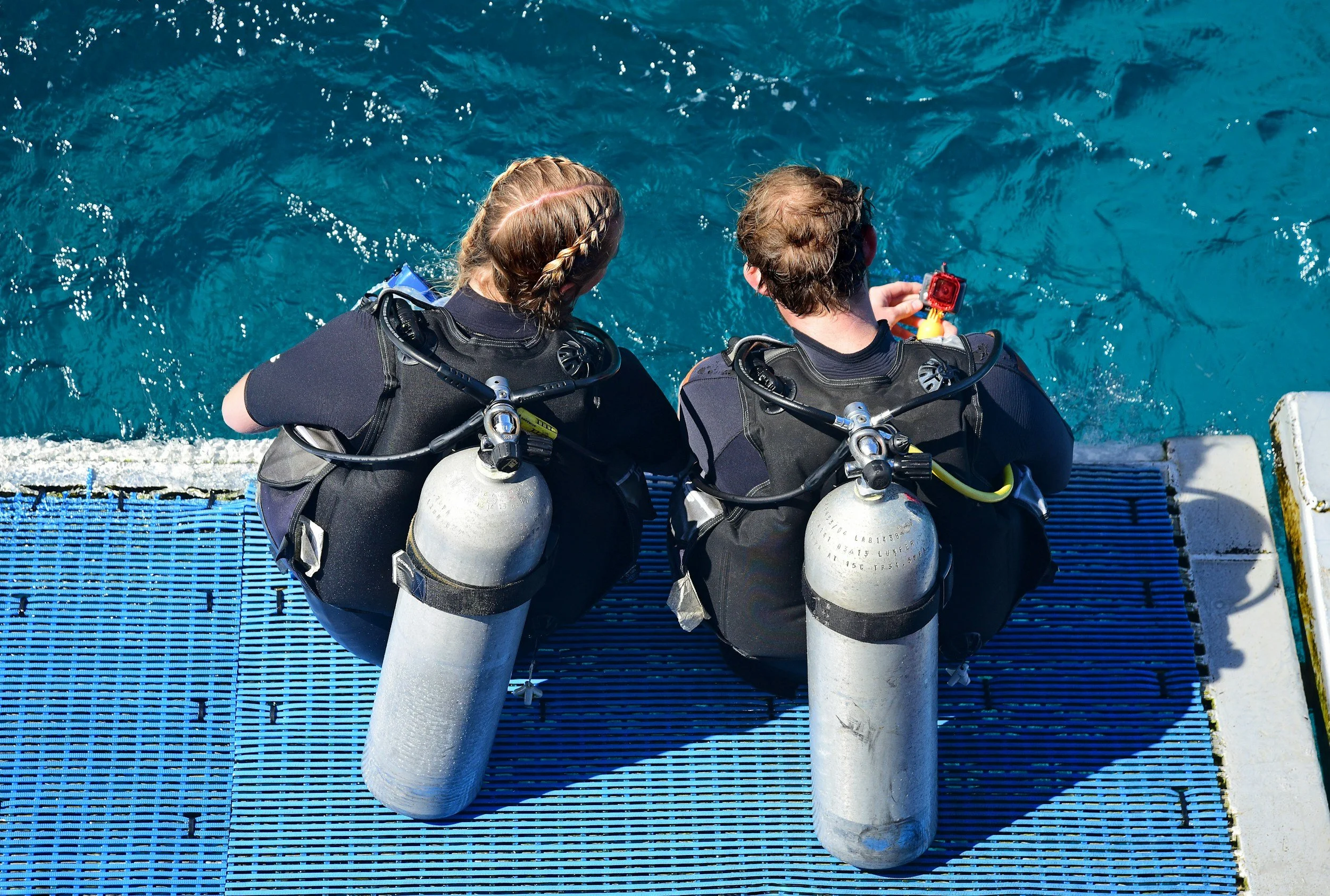
Veterans can take advantage of their GI Bill or Vocational Rehabilitation and Employment (VR&E) benefits to pursue a rewarding career as a scuba professional. The GI Bill offers funding for various educational programs, including scuba diving certifications and instructor courses, allowing veterans to gain essential skills while also covering tuition and equipment costs. Meanwhile, the VR&E program can assist veterans with service-connected disabilities by providing resources for training and education in scuba diving, which can lead to career opportunities in areas such as dive instruction, marine conservation, or dive shop management.
To use these benefits, veterans should start by researching accredited scuba training programs that are eligible for GI Bill funding. Many diving schools and training facilities offer programs that comply with VA standards, including certifications for dive instructors and marine conservation courses. Once they have identified a program, veterans should contact the Department of Veterans Affairs (VA) to discuss their eligibility for the GI Bill or VR&E benefits. The VA's Education Call Center (1-888-442-4551) can provide information on available benefits and guide veterans through the application process.
After that, it’s essential to reach out directly to the scuba training providers to inquire about their eligibility for GI Bill funding or VR&E support. Most reputable dive schools will have staff familiar with VA benefits who can assist with the necessary paperwork. For the GI Bill, veterans will need to complete the VA Form 22-1990 to apply for education benefits and ensure the training program is approved by the VA. For VR&E, veterans can contact their local VR&E office to get started with an assessment and create a personalized plan that includes scuba training.
Additionally, veterans may benefit from contacting a Veterans Service Organization (VSO) for personalized guidance and support in navigating the application process. VSOs can help veterans understand their options and ensure they meet all requirements for funding. By leveraging these benefits, veterans not only gain valuable certifications but also open doors to a fulfilling career in an industry that promotes physical fitness, teamwork, and a deep appreciation for the underwater environment. This transition can be incredibly beneficial, helping veterans to connect with a supportive community while embarking on a new and exciting path.

Dive In and Discover
Scuba diving is not just a recreational activity; it’s a transformative experience that offers countless benefits for veterans. The underwater world provides a unique escape from the stresses of daily life, allowing individuals to connect deeply with nature and find peace in the serene depths of the ocean. The sense of community among divers fosters lasting friendships, creating a support network that can be incredibly healing. Additionally, the physical demands of diving promote fitness and resilience, while the focus required during dives helps clear the mind and enhance mental well-being. For many veterans, scuba diving becomes a pathway to rediscovering purpose, joy, and camaraderie, making it one of the most rewarding activities for those who have served. Embracing this journey not only enriches their lives but also empowers them to face challenges with renewed strength and confidence.
Dive safe, explore passionately, and remember…
Adventure is Out There!
References:
Hughes, J. M., & Plummer, N. T. (2005). The Effects of Scuba Diving on Physiological and Psychological Health. International Journal of Sports Medicine.
Schnurr, P. P., & Lunney, C. A. (2008). The Role of Social Support in PTSD Recovery. Journal of Traumatic Stress.
Bourne, L., & Tait, R. (2019). The Psychological Benefits of Aquatic Exercise. International Journal of Environmental Research and Public Health, 16(4), 586.
Brown, T. E., & Kelly, K. (2017). Adventure Therapy: Theory, Practice, and Research. Journal of Adventure Education and Outdoor Learning.