To Buy or Not to Buy
To Buy or Not to Buy: The Debate on Owning Your Own Scuba Gear
Ah, the age-old question that every recreational scuba diver faces: Should I invest in my own scuba gear? It's a decision that can make a significant impact on your diving experience, both financially and practically. Let's dive into both sides of the debate to help you navigate this deep-sea dilemma.
Check out my gear recommendations: CLICK HERE
The Case For Buying Your Own Gear
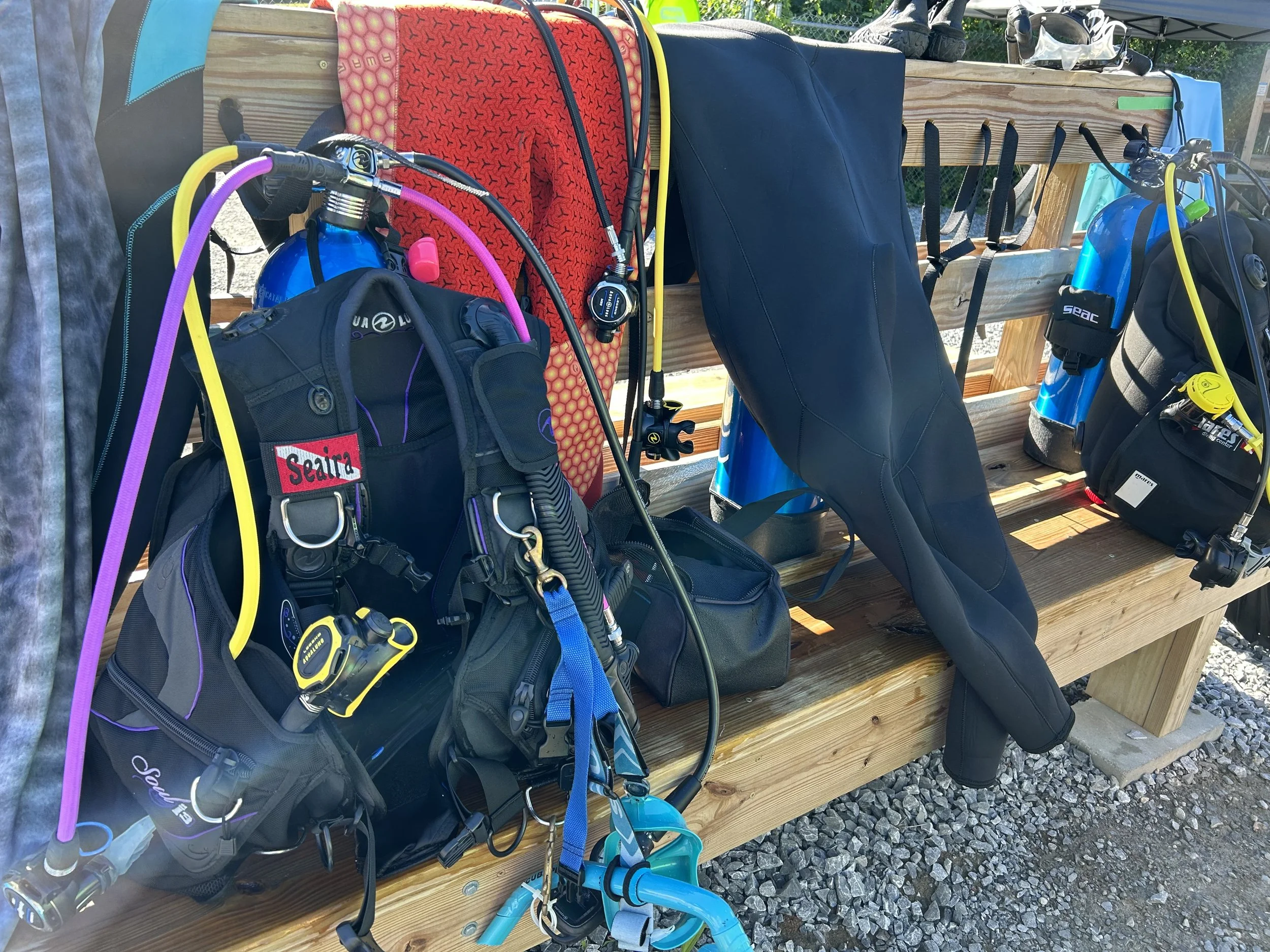
Comfort and Familiarity: One of the biggest advantages of owning your gear is the comfort and familiarity it brings. When you have your own mask, fins, and regulator, you know exactly how they fit and perform. This can enhance your confidence underwater and reduce distractions during your dives.
Customization: Owning your gear allows you to customize it to your preferences. From choosing the perfect mask that fits your face shape to adjusting your regulator settings for optimal breathing comfort, having gear that's tailored to you can greatly improve your overall diving experience.
Convenience: No more scrambling to find rental gear that fits just right or worrying about the availability and condition of rental equipment at dive shops. Having your gear ready to go means less time spent on logistics and more time enjoying the underwater world.
Hygiene: Let's face it—rental gear has been worn by countless others before you. Owning your equipment ensures that it's clean and well-maintained according to your standards, which can be particularly important for those with allergies or sensitivities.
Cost Savings in the Long Run: While the upfront cost of buying gear can be substantial, frequent divers may find that owning their equipment pays off over time. Instead of paying rental fees for each dive, you can spread out the cost of ownership and potentially save money in the long run.
The Case Against Buying Your Own Gear
Initial Cost: Buying scuba gear isn't cheap. From masks to regulators to buoyancy control devices (BCDs), the upfront cost can be a significant investment. For occasional divers or beginners, renting gear may be a more cost-effective option.
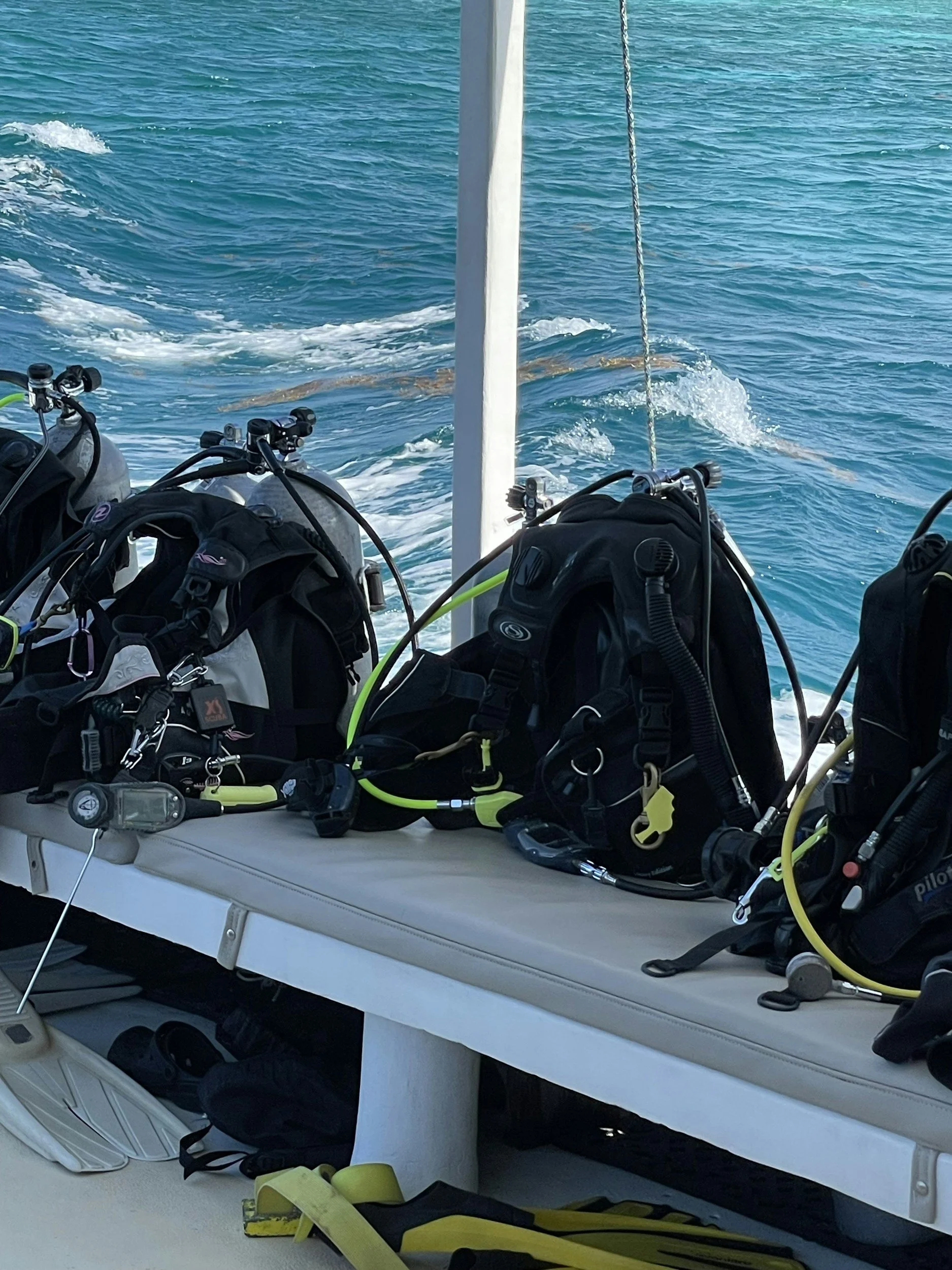
Maintenance and Storage: Owning gear comes with responsibilities—regular maintenance and proper storage are essential to ensure your equipment remains in top condition. This can add to the overall cost and require additional time and effort.
Travel Considerations: If you travel frequently for diving, lugging your gear around can be cumbersome and may incur additional baggage fees. Renting gear at your destination can be more convenient and cost-effective in these situations.
Equipment Upgrades: Technology in scuba gear evolves over time. Owning your gear means you may need to invest in upgrades periodically to keep up with advancements, adding to the overall cost of ownership.
Variety and Exploration: Renting gear gives you the flexibility to try different brands and types of equipment before committing to a purchase. This can be beneficial as you explore your diving preferences and discover what works best for you.

Finding Your Dive Style
Ultimately, the decision to buy your own scuba gear boils down to your diving frequency, preferences, and budget. If you dive regularly and value comfort, customization, and convenience, owning your gear may be a wise investment. On the other hand, if you dive infrequently or prefer to explore different gear options, renting might be more practical.
Consider renting gear initially if you're a beginner or occasional diver. This allows you to gain experience and discover your diving preferences before making a substantial investment in equipment.
There's no one-size-fits-all answer to whether recreational scuba divers should buy their own gear. It's a personal decision influenced by factors such as budget, diving frequency, travel habits, and comfort preferences. Whether you choose to own your gear or rent, what matters most is enjoying your underwater adventures safely and responsibly.
Dive safe, explore passionately, and remember…