
How to Pick a Scuba Regulator (Without Losing Your Mind or Your Bubbles)
Breathing underwater should feel natural and comfortable, not like you are sipping air through a cocktail straw (save that for a gin and tonic). One of the biggest gear decisions a diver makes is choosing a regulator because this is the piece of equipment responsible for delivering breathable gas underwater. A good regulator should fade into the background during a dive. A regulator that feels uncomfortable, poorly tuned, or hard to breathe from becomes something you think about constantly.
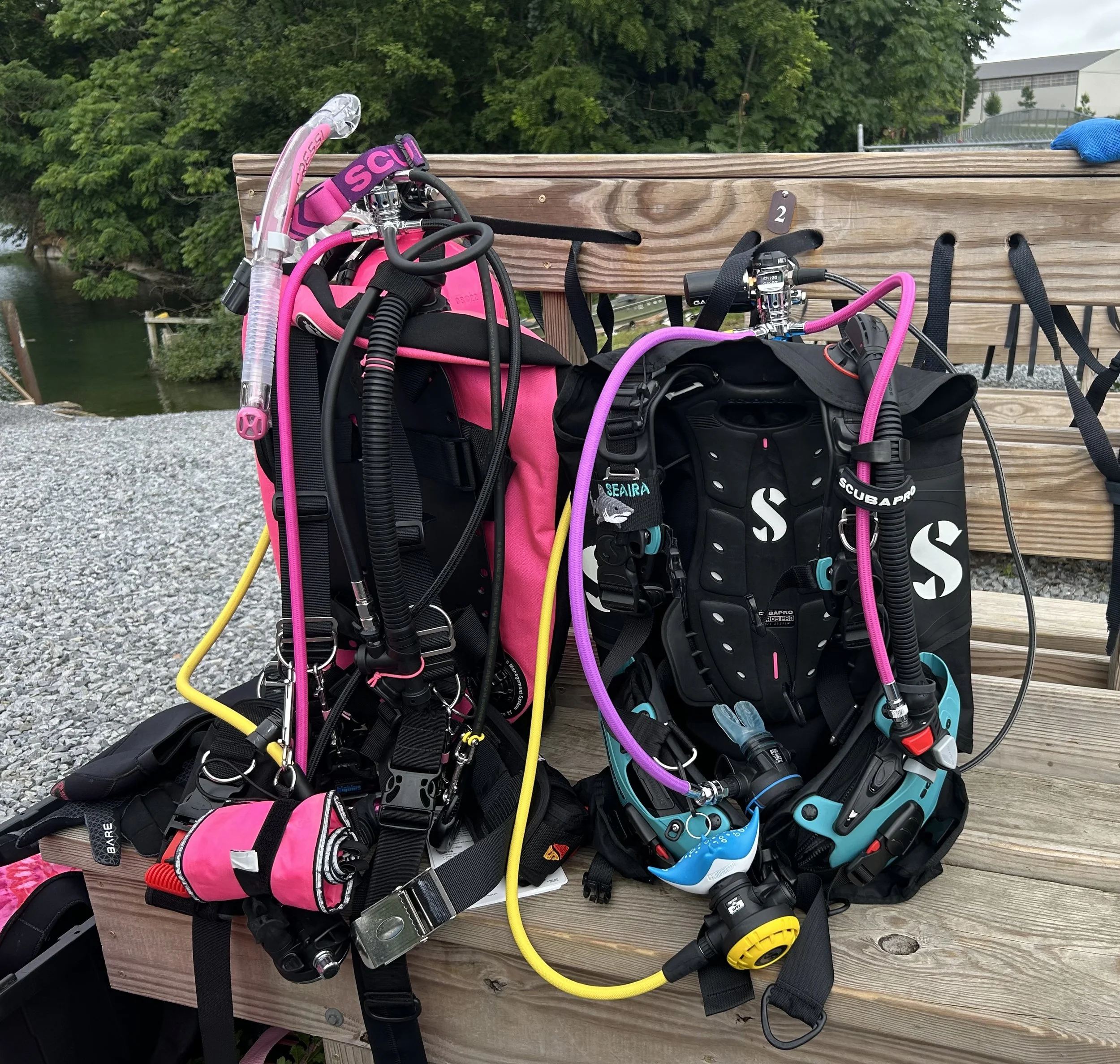
Shopping for regulators can feel overwhelming at first. First stage, second stage, DIN, yoke, balanced, unbalanced, environmentally sealed, breathing resistance, service intervals…suddenly buying dive gear feels way more complicated than expected. Most divers do not need the most expensive regulator on the market. They do need something reliable, comfortable, serviceable, and appropriate for the type of diving they actually plan to do.
A regulator is life support equipment. I can still hear my mentor, Course Director Ron Willis, repeating that throughout an IDC I staffed with him, and he was absolutely right. Every single breath underwater depends on this system working properly. Comfort matters, performance matters, and maintenance matters. Choosing the right regulator can genuinely change how relaxed and confident you feel underwater.
What Does a Regulator Actually Do?
A scuba regulator takes the high-pressure gas stored in your cylinder and reduces it to a breathable pressure that can be delivered comfortably as you inhale. While regulators can look complicated at first glance, the basic concept is surprisingly straightforward.
The first stage attaches to the cylinder valve and reduces tank pressure to an intermediate pressure. That gas then travels through a low-pressure hose to the second stage. The second stage further reduces the pressure to match the surrounding water pressure (ambient pressure) and delivers gas only when you inhale. This two-stage process allows divers to breathe comfortably underwater at a wide range of depths.
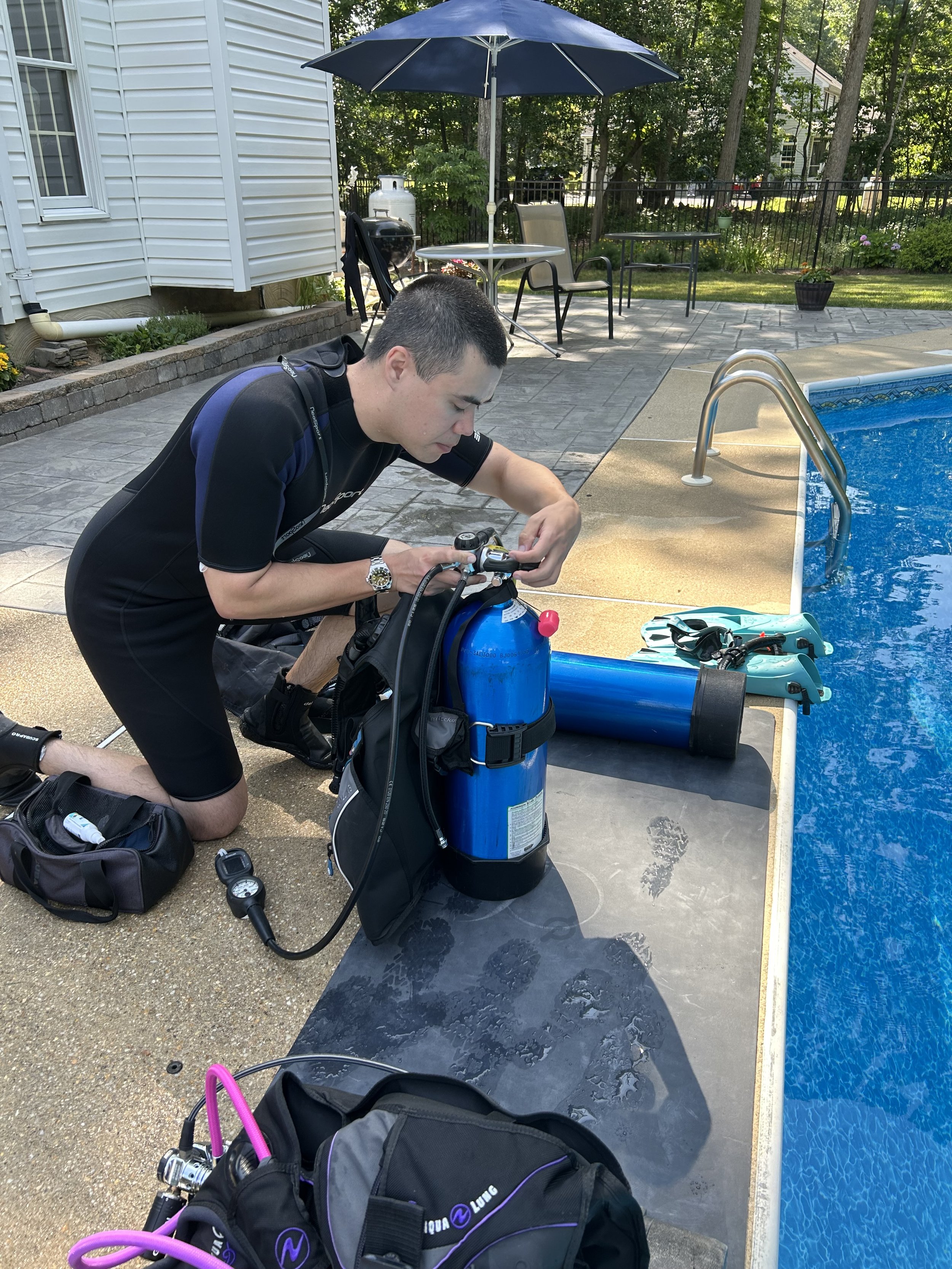
A complete regulator setup typically includes a primary second stage, an alternate second stage (often called an octopus), low-pressure hoses, and a means of monitoring cylinder pressure. Many divers use a traditional submersible pressure gauge (SPG), while others use a wireless transmitter paired with a dive computer. The alternate second stage is designed for air-sharing emergencies and should always be easily accessible. Every component plays an important role because a regulator system is life-support equipment, not simply comfort gear.
Modern scuba regulators are demand valves, meaning they deliver gas only when the diver inhales. Earlier continuous-flow systems supplied gas constantly, making them far less efficient. The development of demand regulators was one of the most important innovations in scuba diving and helped make the sport more practical, comfortable, and accessible.
Understanding how a regulator works doesn't mean you need to become a technician. Knowing the basic components and what they do will help you make a more informed purchasing decision and better understand the equipment you rely on for every dive.

First Stage Types: Piston vs Diaphragm
Most scuba regulator first stages use either a piston or diaphragm design. Both systems have been used successfully for decades and can provide excellent performance when properly maintained. The difference lies in how the regulator responds to changes in pressure and how the internal components interact with the surrounding environment. Neither design is inherently safer or better than the other.
Piston first stages use a piston that moves in response to pressure changes, allowing gas to flow from the cylinder and be reduced to intermediate pressure. Piston regulators are often praised for their simplicity, durability, and excellent airflow performance. Many designs have relatively few moving parts, which contributes to their reputation for reliability. Some piston first stages are environmentally sealed, while others allow water to come into contact with certain internal components.
Diaphragm first stages use a flexible diaphragm and internal mechanism to regulate gas flow while helping isolate critical components from the surrounding water. Many diaphragm regulators are environmentally sealed, which can provide additional protection from salt, silt, sand, and other contaminants. Environmentally sealed first stages are especially popular among divers who frequently dive in cold water or challenging conditions because they can help reduce the risk of contamination and freezing.
For most recreational divers, either design can be an excellent choice. A high-quality piston regulator and a high-quality diaphragm regulator will both provide reliable performance when serviced according to the manufacturer's recommendations. Dive environment, local servicing availability, long-term support, and personal preference are often far more important considerations than whether a regulator uses a piston or diaphragm first stage.
Rather than focusing on which design is "best," focus on choosing a regulator that fits the type of diving you plan to do, can be serviced locally, and comes from a reputable manufacturer with a strong track record of reliability.

Balanced vs Unbalanced Regulators
One of the most common terms you'll encounter when researching regulators is balanced versus unbalanced. This refers to how the regulator manages changes in cylinder pressure as your tank empties throughout a dive.
A balanced first stage is designed so that changes in cylinder pressure have minimal effect on regulator performance. As a result, breathing effort remains more consistent from the beginning of the dive to the end, even as tank pressure decreases. Many divers appreciate the predictable breathing characteristics of balanced regulators, particularly during deeper dives, higher breathing rates, or more demanding diving conditions.
An unbalanced first stage can still be safe, reliable, and perfectly suitable for recreational diving. These regulators are often less expensive and are commonly found in entry-level packages and rental fleets. As cylinder pressure decreases, breathing effort may increase slightly, although many recreational divers may never notice a significant difference during a typical dive.
From a purely practical standpoint, I generally recommend a balanced first stage for divers purchasing their own regulator. The cost difference between balanced and unbalanced models is often smaller than many people expect, and a regulator is not a piece of equipment most divers replace frequently. A quality balanced regulator can comfortably support everything from tropical reef diving to more advanced adventures as your experience grows.
That does not mean an unbalanced regulator is unsafe or inadequate. Thousands of divers use unbalanced regulators every day without issue. A well-maintained regulator from a reputable manufacturer will always be more important than whether it is balanced or unbalanced.
For me, regulator shopping is about buying equipment that supports your future diving goals. If your budget allows, I believe a balanced regulator is often worth the investment because it provides consistent performance across a wider range of diving conditions and leaves more room for your diving to evolve over time.

DIN vs Yoke
Another decision you'll encounter when shopping for a regulator is whether to choose a yoke or DIN connection. Both systems are widely used throughout the diving industry and both can provide years of reliable service when properly maintained.
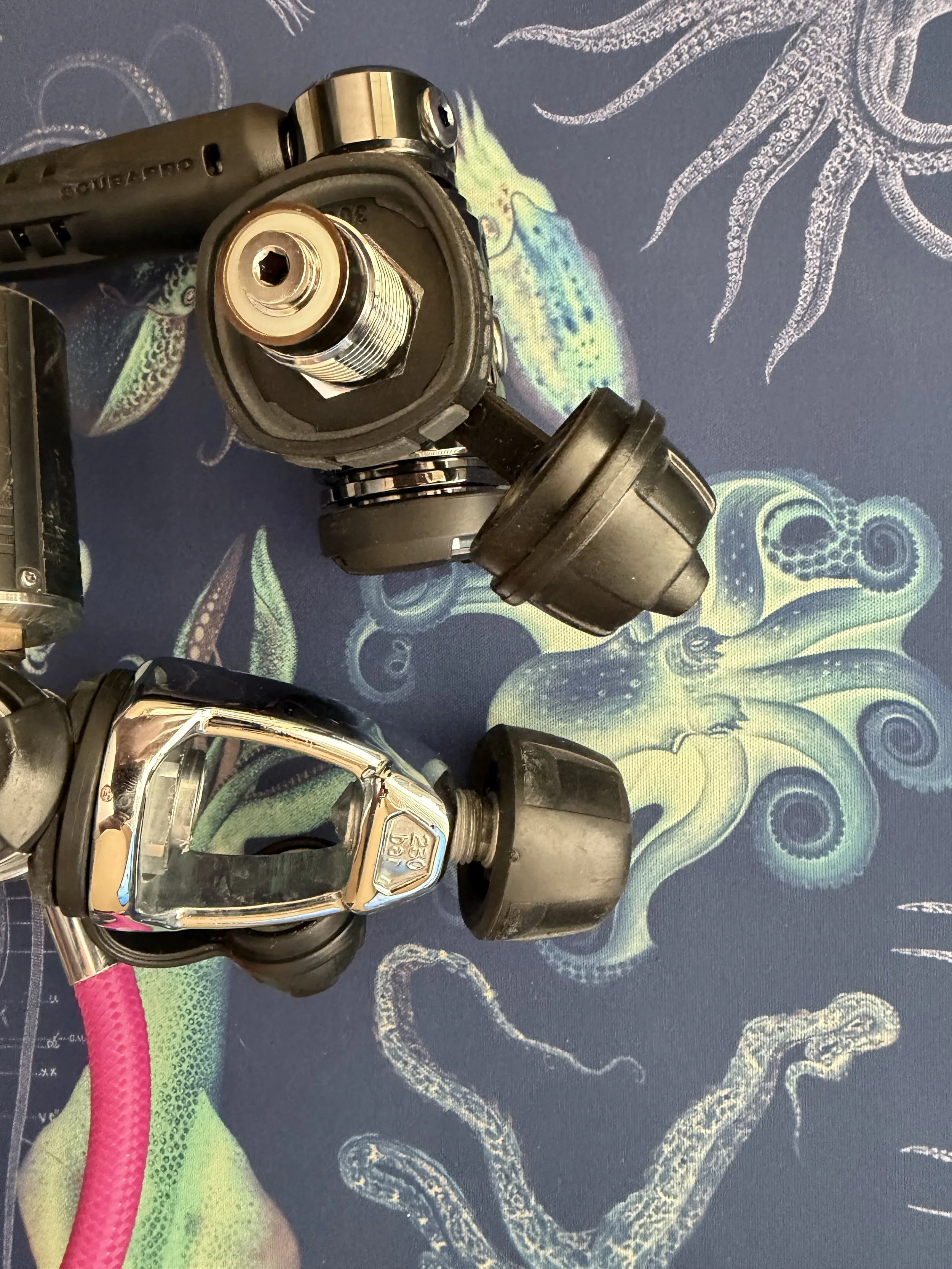
Yoke regulators clamp over the tank valve and are commonly found in recreational diving, resort destinations, and rental fleets throughout North America, the Caribbean, and many tropical dive locations. DIN regulators screw directly into the tank valve, creating a secure connection with the O-ring protected inside the valve assembly. DIN is commonly preferred for technical diving, cold-water diving, and higher-pressure cylinders.
One of the advantages of DIN is flexibility. Many DIN regulators can be used on a yoke-style tank valve with a simple DIN-to-yoke adapter. A yoke regulator, on the other hand, cannot be connected directly to a DIN-only valve without changing the first-stage connection. For divers who travel frequently or anticipate expanding into more advanced diving, this versatility is often appealing.
DIN connections are also less likely to experience an accidental O-ring extrusion because the O-ring is captured and protected within the valve connection. With a yoke system, the O-ring remains exposed between the regulator and valve. While O-ring failures are relatively uncommon when equipment is assembled correctly and properly maintained, the DIN design offers additional protection.
From my own experience, I would not let concerns about tank availability drive this decision. I've traveled to dive destinations around the world and have yet to encounter an operation that could not provide either a yoke adapter for a DIN regulator or access to a DIN valve when requested. Most professional dive operations are accustomed to accommodating both systems.
For most recreational divers, either option can work extremely well. If you primarily dive locally or on tropical vacations, a yoke regulator may serve you perfectly for years. If you travel internationally, plan to dive in a variety of environments, or think technical training may be in your future, a DIN regulator offers additional flexibility. The best choice is the one that fits your diving today while supporting where you hope your diving will take you tomorrow.
Port Configuration and Hose Routing
Port configuration matters more than many new divers realize. First stages have high-pressure ports for devices such as a submersible pressure gauge (SPG) or wireless transmitter, and low-pressure ports for second stages, alternate air sources, BCD inflators, dry suit inflators, and other accessories. The number and placement of those ports can have a significant impact on hose routing, future upgrades, and overall comfort in the water.
This becomes especially important if you use a wireless transmitter, dry suit, long hose configuration, sidemount setup, or other specialized equipment. Even recreational divers benefit from clean hose routing because streamlined equipment creates less drag, reduces snag hazards, and helps keep critical equipment where it is expected to be in an emergency.
Many modern divers use air-integrated dive computers to monitor cylinder pressure. Air integration can be an excellent tool, and I use an air-integrated computer myself. That said, I still dive with a traditional SPG. Redundancy matters, and I have personally experienced dive computer failures. Having an independent pressure gauge provides a backup source of information and allows me to verify my gas supply regardless of what my computer is doing.
Personally, I would never purchase a first stage with only a single high-pressure port. Even though I use air integration, I want the option to run both a transmitter and an SPG at the same time. The additional flexibility is worth it, and it gives me options as my equipment needs evolve. When comparing regulators, I always recommend paying attention to the number of high-pressure and low-pressure ports, not just how the regulator breathes.
Before purchasing a regulator, think about how it will be configured on your actual equipment. Ask your local dive shop to assemble the setup and show you how the hoses route on your BCD or wing. A regulator that looks great on paper may not provide the cleanest routing for your specific configuration. Comfort, streamlining, and ease of use become much more important once the gear is on your body underwater.
For most divers, the goal is simple: a regulator that breathes well, routes cleanly, and supports the type of diving you plan to do now and in the future.

Breathing Comfort Matters
Breathing comfort is one of the most important parts of choosing a regulator. Some second stages breathe incredibly smoothly with very little noticeable effort. Others may feel stiffer or less natural depending on design, tuning, condition, and maintenance. Comfort underwater affects relaxation, and relaxation affects the entire dive.
Some second stages include adjustment knobs or Venturi controls. These features can help fine-tune breathing effort and reduce unwanted free flows, especially during entries or when the regulator is not in your mouth. Venturi switches generally help direct airflow inside the second stage to either maximize breathing performance or reduce free-flow risk depending on the setting.
A regulator should not make breathing feel stressful. If every inhale feels like work, you are going to think about breathing more than the dive itself. New divers especially benefit from a regulator that feels smooth and predictable. Comfortable breathing builds confidence underwater.

Do Not Ignore the Mouthpiece
I always dive with a custom molded mouthpiece on my regulators. A lot of divers do not realize how much jaw fatigue they are dealing with until they switch to one. A custom mouthpiece can reduce how hard you bite down on the second stage and make long dives much more comfortable. Small comfort upgrades can make a huge difference, especially on repetitive dive days.
Jaw fatigue can affect the entire dive experience. A mouthpiece that is too bulky, too stiff, or poorly shaped can make your jaw ache after one dive. That discomfort becomes even more noticeable during long dives, cold-water dives, or underwater photography dives where you may stay underwater for extended periods. Comfort matters because relaxed divers usually breathe and move better underwater.
Many custom mouthpieces mold to the diver’s bite using warm water before installation. Once shaped properly, they help reduce clenching and allow the regulator to sit more naturally in the mouth. It is a small upgrade that genuinely improves comfort for a lot of divers.

Cold Water and Environmental Sealing
Cold water changes regulator demands significantly. As gas expands through the regulator, internal components cool rapidly, which can increase freezing risk in cold conditions. Regulators designed for cold water are built and tested to reduce that risk. Environmentally sealed first stages also help keep salt, silt, sediment, and contaminants away from internal components.
Cold-water divers should be careful about buying warm-water-only gear. A regulator that is perfectly fine for tropical reef diving may not be the best choice for cold quarries, drysuit diving, deep wrecks, or silty environments. Dive conditions should always drive gear choices. Saving a little money upfront is not worth buying the wrong regulator for the environment.
Warm-water divers may not need a fully sealed cold-water regulator. That does not mean sealed regulators are bad for warm water. Many divers still like them because they are robust and help keep contaminants out. The question is whether the added cost and features match your actual diving.

Travel Regulators and Flying With Dive Gear
Travel regulators are becoming more popular for divers who fly often because weight adds up very quickly with scuba gear. Many travel-focused regulators use lighter materials, compact first stages, and braided hoses to reduce bulk without sacrificing performance. Lightweight regulators can make a huge difference when you are trying to stay under airline baggage limits, especially on international dive trips where camera gear and exposure protection already take up a lot of space.
A lot of travel regulators are still perfectly capable full-performance regulators. Lightweight does not automatically mean lower quality. Many divers use compact travel regulators as their primary setup for years without issue. The biggest thing is making sure the regulator still matches the kind of diving you plan to do. Some ultra-light travel regulators are designed primarily for warm-water recreational diving rather than cold-water or more demanding environments.
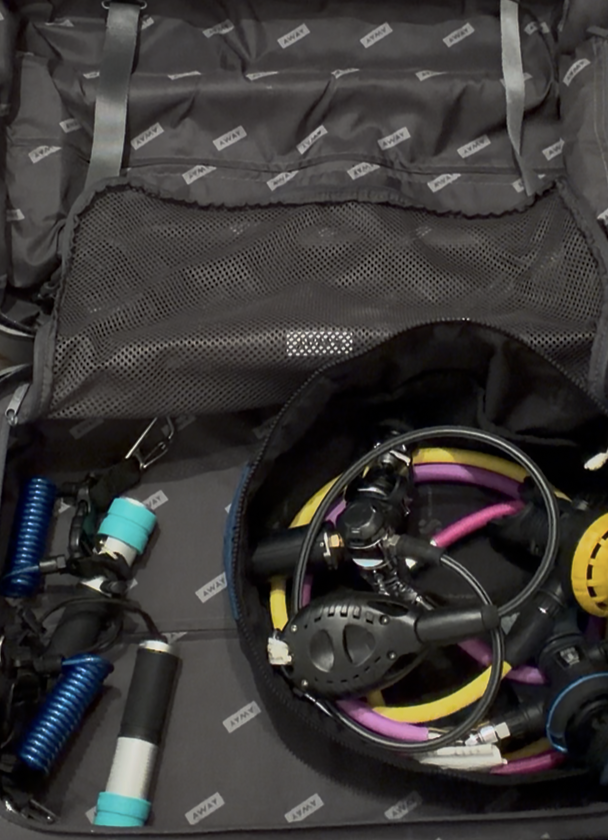
I personally always travel with my regulator in my carry-on bag. Luggage gets delayed, bags get lost, and regulators are one of the last pieces of equipment I want separated from me during travel. Exposure suits and fins are annoying to replace temporarily. Regulators are life-support equipment that I know, trust, and maintain personally.
Airport security absolutely may look at your bag when traveling with regulators. Mine gets pulled fairly often because regulators, hoses, metal fittings, transmitters, and camera gear can look pretty chaotic on an X-ray machine. Security agents are usually just trying to figure out what everything is. I have personally never had an actual issue traveling with regulators in my carry-on.
Packing regulators properly matters too. I like keeping mine in a padded regulator bag or wrapped carefully so hoses are not sharply bent or crushed during travel. Dust caps should stay secured and dry, and second stages should not be crammed tightly into bags where mouthpieces or purge covers can get damaged. Good regulators are durable, but they still deserve some protection while traveling.
One thing newer divers sometimes forget is that travel also affects servicing timelines. Divers who travel heavily may put far more dives on regulators than they realize within a single year. Keeping track of service intervals matters, especially if your regulator sees a lot of saltwater, repetitive diving, or frequent flights throughout the year.
Regulator Servicing Matters
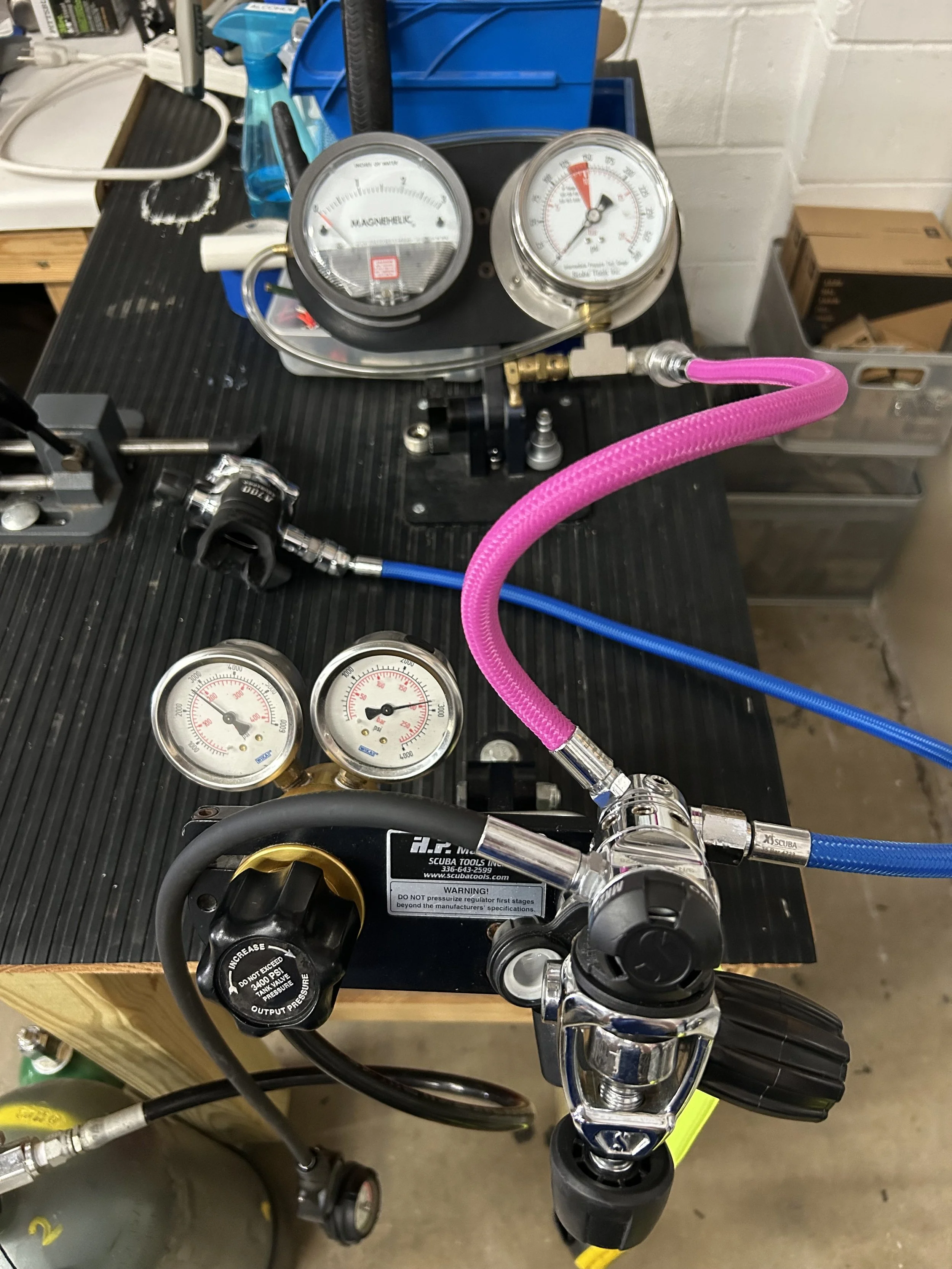
A regulator is not buy-it-and-forget-it equipment. Regulators contain seats, O-rings, filters, springs, and moving parts that wear over time. Most manufacturers recommend servicing regulators annually or after a certain number of dives depending on usage and environmental conditions. Divers should always follow the recommendations for their specific regulator model.
Service intervals can vary by manufacturer. Some companies recommend annual inspections with full servicing every two years, while others may recommend annual overhauls or servicing after a specific number of dives. Rental regulators diving daily in saltwater obviously experience different wear than a personal regulator used a few weekends each year.
Local service access matters a lot. The best regulator in the world becomes inconvenient if nobody near you can service it. Before buying, ask your local dive shop which brands they service and whether parts are easy to get. Some brands also offer parts-for-life programs when divers follow required service schedules.
Skipping regulator servicing is not worth the risk. Regulators can still appear to function normally while internal parts are wearing down. Regular servicing helps catch issues before they become real problems underwater.
How to Care for Your Regulator
Good regulator care starts before the dive. Keep the dust cap dry before placing it on the first stage. Avoid letting sand, salt, or water enter the first stage inlet. Check hoses for cracking, bubbling, rust around fittings, or obvious wear before diving.
After diving, rinse your regulator thoroughly with fresh water while keeping the dust cap secured. Do not press the purge button while rinsing unless the regulator is pressurized because that can allow water into the second stage hose. Let the regulator dry fully before storage. Store it loosely coiled instead of sharply bending hoses.
Travel care matters too. Regulators should be packed where they will not be crushed, kinked, or contaminated. I personally prefer keeping regulators in carry-on when possible because they are expensive and essential. A lost swimsuit is annoying. A lost regulator before a dive trip is a much bigger problem.
Choosing Based on How You Dive
Warm-water recreational divers usually prioritize comfort, reliability, travel weight, and easy servicing. A simple dependable regulator may be more than enough for reef diving and vacation travel. Lightweight designs can be especially helpful when flying with gear. No diver needs to buy technical-level equipment just because someone online said it was the best.
Cold-water divers should look for regulators rated for cold conditions and suited for the environment they dive most. Environmental sealing, proven cold-water performance, and local service support matter here. Deeper or more demanding dives benefit from smooth, consistent breathing performance. Balanced sealed regulators often make sense in this category.
Technical divers usually care about redundancy, hose routing, durability, serviceability, and predictable performance under stress. Their regulator setups often look different because their dives have different demands. Recreational divers do not need to copy technical configurations unless they are actually training and diving that way. Buy for the diving you do, while also considering the diving you realistically plan to grow into.

What I Would Ask Before Buying
Before buying a regulator, I would ask where you plan to dive most often. Warm tropical reefs, cold quarries, deep wrecks, and technical dives all place different demands on equipment. I would also ask whether your local shop can service the brand. Servicing access should be part of the decision from the beginning.
I would ask whether you prefer DIN or yoke based on your local tanks and travel plans. I would check whether the regulator is environmentally sealed if cold water or silty conditions are part of your future. I would look at hose routing, port layout, mouthpiece comfort, and breathing adjustments. Price matters, but the cheapest regulator is not always the best value if it does not fit your diving.
The most expensive regulator is not automatically the right choice either. Some divers buy more regulator than they need. Other divers buy something too basic for the environments they plan to enter. The sweet spot is a regulator that supports your actual diving safely and comfortably.
Final Thoughts
A regulator is one of the most personal pieces of scuba gear a diver owns. Every breath underwater depends on it doing its job properly. The right regulator should match your diving environment, breathe comfortably, be easy to service, and give you confidence underwater. The goal is not to buy the flashiest setup.
Good regulators make diving feel easier. They should not distract you, exhaust your jaw, or make every breath feel like work. When your regulator quietly does its job in the background, you can focus on the reef, your buddy, your buoyancy, and the dive itself.
If you are looking for regulator recommendations, custom mouthpieces, and other scuba gear I personally like, check out my Amazon shop. I keep my favorite dive gear finds there to make the research process a little less overwhelming.

Dive safe, explore passionately, and remember…