Drift Diving 101
How to Dive in Current with Confidence
My first drift dive was in Kauai more than 13 years ago, and I couldn't wait to get in the water.
Before the dive, our guide gave one of the best dive briefings I'd experienced. She walked us through exactly how the dive would work, where the current would take us, how the boat would follow our bubbles, and what to expect once we descended. By the end of the briefing, I felt completely confident. I trusted my skills, trusted our guide, and had a feeling this was going to be a lot of fun.
I was right.
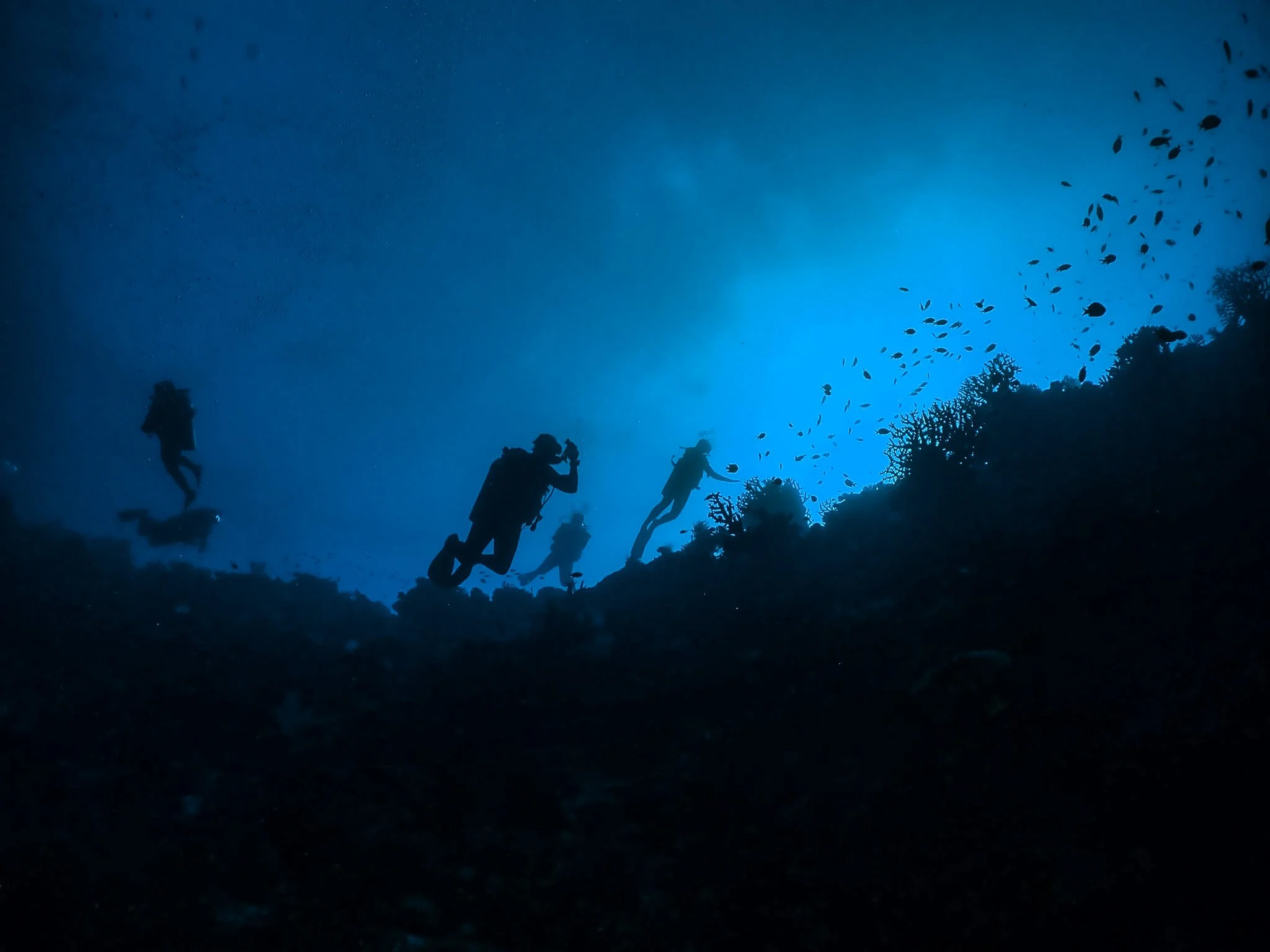
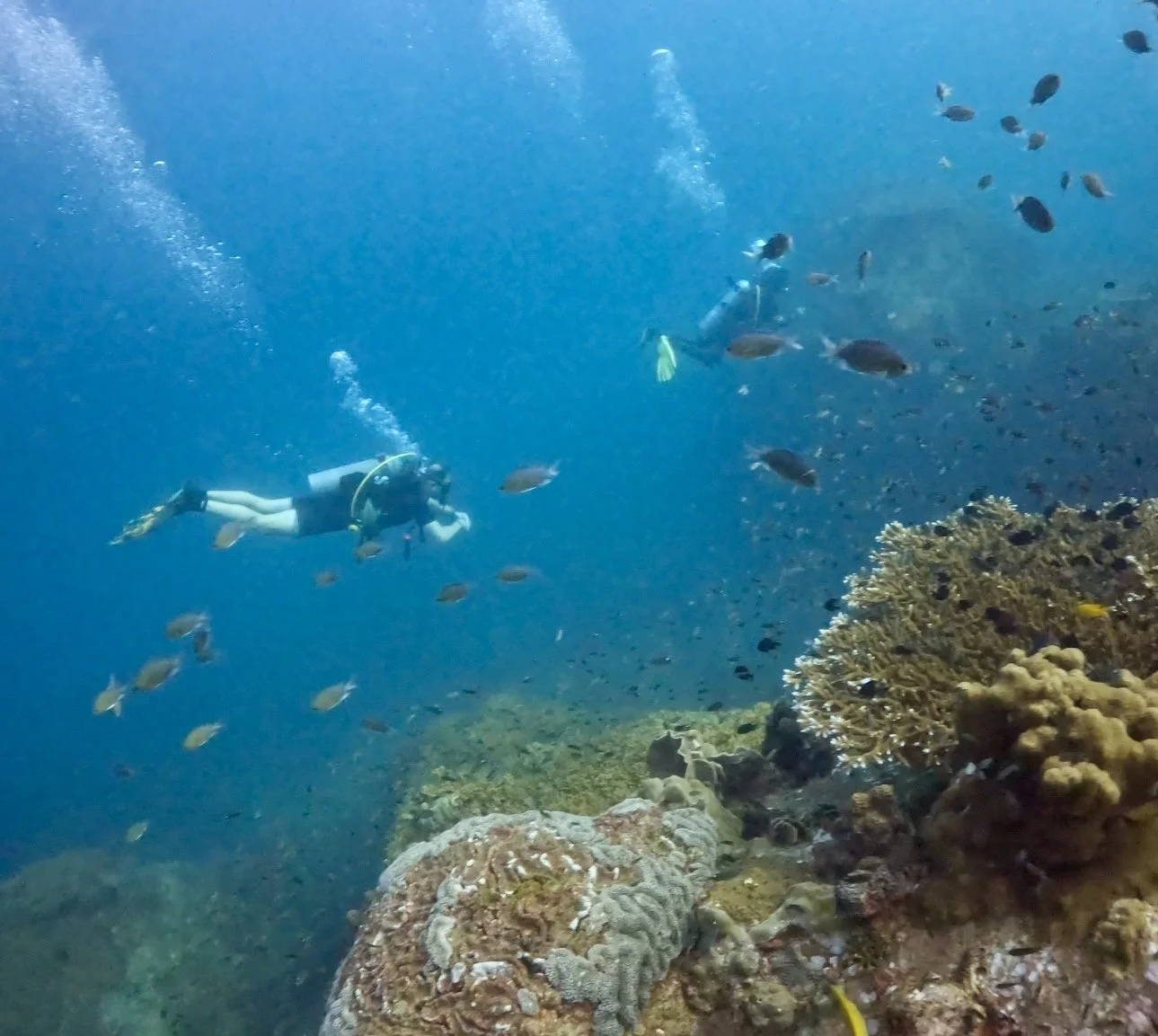
The moment I descended, I realized drift diving wasn't about fighting the ocean. It was about learning how to move with it. I adjusted my buoyancy, relaxed, and let the current carry me along the reef. Hawaiian reef fish moved effortlessly through the water, lava formations passed beneath me, and every so often I'd catch sight of a honu cruising along like the current wasn't even there.
More than a decade later, drift diving is still one of my favorite types of diving. I've drifted over the colorful reefs of Cozumel, cruised past the Great White Wall in Fiji, and flown through the channels of the Maldives surrounded by incredible marine life. Every destination has taught me something new, but they've all reinforced the same lesson: current isn't automatically something to fear. Once you learn how to read it, plan for it, and work with it, it can become one of the most exciting parts of diving.
Hawaiʻi is a perfect example. Around Kauaʻi, conditions can change dramatically depending on the site, season, swell, tides, and current. Some dives are calm and relaxed; others can turn into true drift dives where good buoyancy, situational awareness, and following the dive plan really matter.
Some of the most unforgettable diving happens where the water is moving. Learning to dive confidently in current opened the door to experiences I never would have wanted to miss, and my hope is that by the end of this guide, you'll feel a little more excited the next time your dive guide says, "We've got some current today."
What Is Drift Diving?
One of the biggest misconceptions about drift diving is that you're constantly swimming against the current.
In reality, it's often the exact opposite.
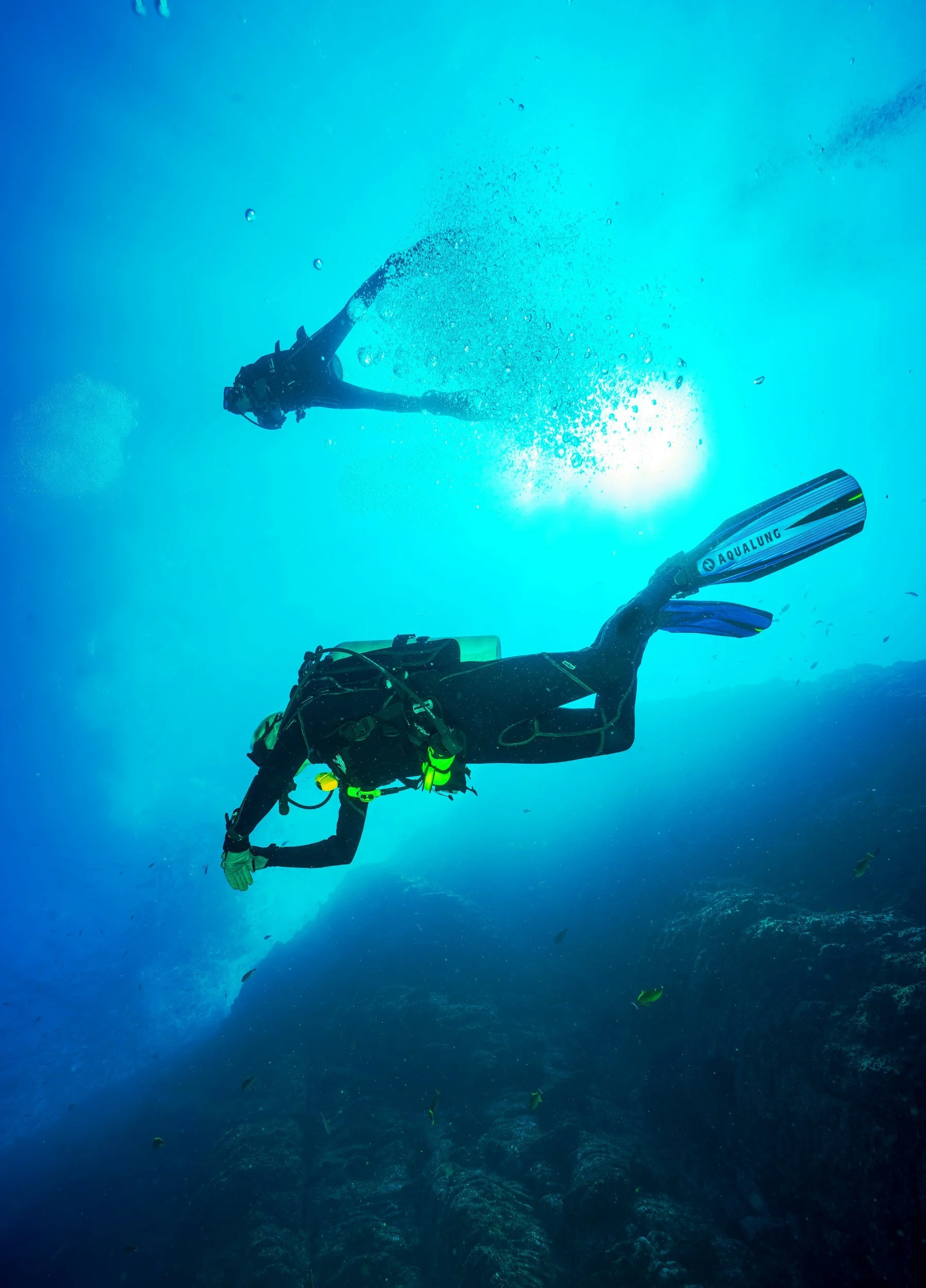
A drift dive is exactly what it sounds like. Instead of swimming from one point to another, you allow the natural movement of the water to carry you along the reef. Think of it like floating down a scenic river. Rather than spending the dive kicking from one attraction to the next, you relax, maintain good buoyancy, and let the reef come to you.
Some drift dives have only a gentle current that's barely noticeable. Others move much faster and make you feel like you're flying over the reef. Every dive is a little different, which is one of the reasons I love them so much.
When everything comes together, drift diving almost feels effortless.
Why Do Currents Exist?
Before we talk about diving in current, it helps to understand what a current actually is.
At its simplest, an ocean current is the movement of seawater from one place to another. Some currents are large and persistent, moving water across entire ocean basins, while others are local and may change in strength or direction throughout the day. The ocean is constantly in motion, and currents are a normal part of that system.
There isn't one single cause of ocean currents. Wind, tides, and differences in water density caused by temperature and salinity are major drivers of ocean circulation. On larger scales, Earth's rotation influences the direction of moving water through the Coriolis effect. Local features such as coastlines, channels, and seafloor topography can also redirect or concentrate moving water, sometimes producing much stronger currents.
For divers, tidal currents can be especially important. Tides are driven primarily by the gravitational interactions of the Moon, Sun, and Earth. The resulting tidal cycle involves both changes in water level and horizontal movement of water.
An incoming tidal current, generally moving toward shore or into a bay or estuary, is called a flood current. An outgoing tidal current, generally moving toward the sea, is called an ebb current. Between flood and ebb, the tidal current may become very weak before changing direction. This period is called slack water.
One important distinction for divers is that slack water does not necessarily occur at exactly the same time as high or low tide. Tide predictions tell us about changes in water level, while tidal-current predictions tell us about the expected speed and direction of tidal water movement. The timing and relationship between the two vary by location.
That means a tide table alone does not necessarily tell you when the current will be weakest at a particular dive site. When current matters to a dive plan, local tidal-current predictions, site knowledge, weather conditions, and guidance from experienced local operators are much more useful than simply looking for the time of high or low tide.
The Underwater Landscape Changes Everything
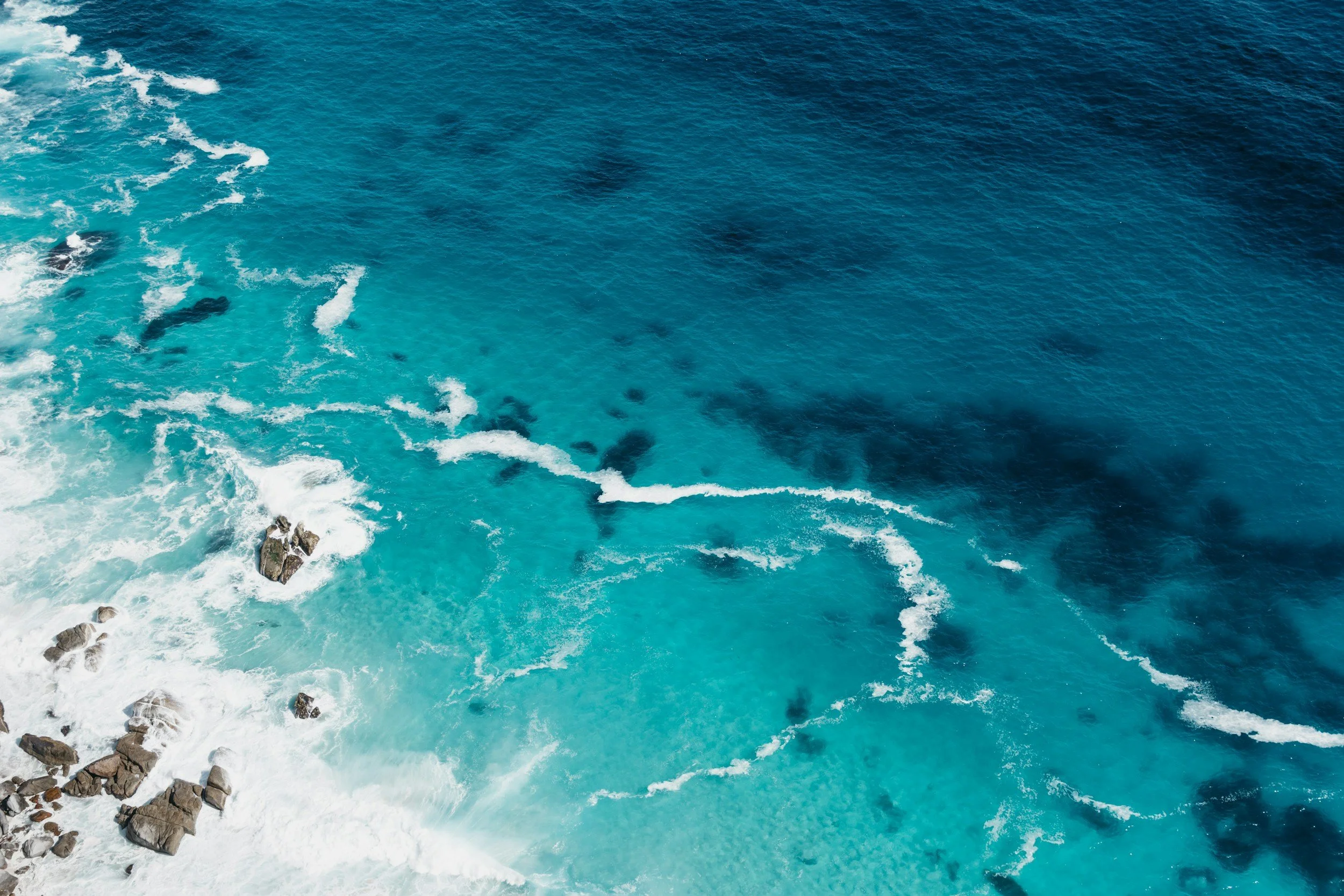
Once water is moving, the shape of the underwater environment can dramatically change how that current behaves.
Think about water flowing toward an island, reef or pinnacle. The structure may not have created the current, but the water now has to move around it. Funnel that water through a narrow channel and the current can accelerate. A wall or reef can redirect the flow, while the protected side of the same structure may have much calmer water.
That's why you can be perfectly comfortable on one part of a dive site, swim around a corner and suddenly think, well, hello current.
Currents aren't always horizontal either. Divers can encounter downwellings, where water is deflected downward, and upwellings, where deeper water rises toward the surface. These conditions behave very differently from a nice, steady drift and require appropriate training, planning and awareness.
Current Isn't Good or Bad
One of the most important things I tell students is that current itself isn't inherently good or bad, but not every current is appropriate for every diver or every dive.
Current is another environmental condition we need to understand, just like visibility, water temperature or waves. It can also be incredibly important to the ecosystems we love diving. Moving water transports nutrients, oxygen and heat, and areas influenced by currents can support incredibly productive marine environments.
The goal isn't to become strong enough to overpower the ocean. Fighting current can quickly increase your workload, gas consumption and fatigue. Good current diving is about understanding the conditions, knowing your limits, listening to the local dive briefing and learning how to work with the water instead of against it.
Once you understand why the water is moving and how the underwater landscape changes that movement, current becomes a whole lot less mysterious.
You stop thinking, How do I fight this?
And start thinking, How do I dive with it?
Why Marine Life Loves Current
Have you ever noticed that some of the world's most famous dive sites also happen to have current?
That's not a coincidence.
Current brings life.
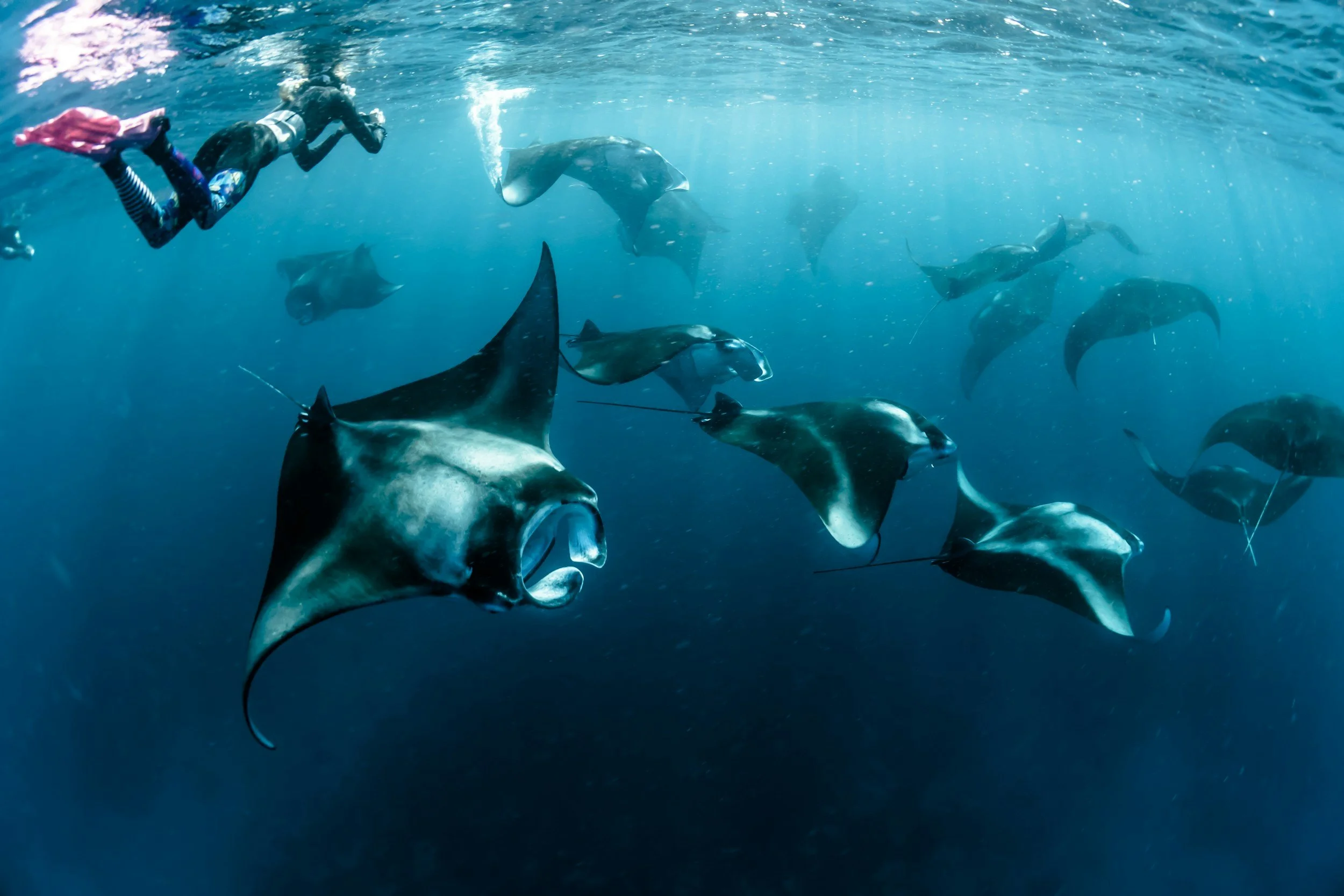
Moving water carries plankton, nutrients, and oxygen across the reef. Soft corals extend their polyps to capture food drifting by. Schools of fish gather where feeding is easiest. Larger predators know exactly where to find those schools of fish, and before long the entire reef becomes incredibly active.
Some of the most spectacular dives I've ever done had noticeable current.
Palau's famous Blue Corner is known for its incredible shark encounters because current concentrates marine life along the reef. Komodo's channels are famous for manta rays, reef sharks, turtles, and enormous schools of fish that thrive in moving water. Cozumel's reefs remain healthy and vibrant thanks in large part to the steady current that constantly refreshes them.

One thing I've learned over the years is that when an experienced dive guide smiles and says there's a little current today, it's usually a good sign.
There's a good chance you're about to have an incredible dive.
Buoyancy Is Your Best Friend
If there's one skill that will make you a better drift diver, it's buoyancy.
When your buoyancy is dialed in, drift diving becomes remarkably easy. Instead of constantly kicking to stay off the reef or making large adjustments with your BCD, you simply hover in the water column while the current carries you along. Small corrections become all you need.
One thing I see newer divers do all the time is respond to current by kicking harder.
Usually, that just makes things worse.
Faster finning increases your breathing rate, burns through your gas more quickly, and often throws off your trim. Instead, slow down. Relax your body. Focus on long, controlled breaths and allow your breathing to make small adjustments to your position in the water.
Another habit that makes a huge difference is maintaining a good horizontal trim position. A streamlined diver creates less drag than someone swimming upright, making it much easier to move efficiently through the water.
As an instructor, I've found that divers who spend time improving their buoyancy become more comfortable in current almost immediately. Once you're no longer thinking about staying at the right depth, you're free to enjoy everything happening around you.
Learning to Read the Ocean
One of the things I enjoy most about drift diving is that it teaches you to pay attention.
Long before you giant stride into the water, the ocean is already giving you clues about what to expect.
Watch the surface while the boat is getting into position. Notice which direction it's drifting. Pay attention to ripples, waves, or areas where the water suddenly changes texture. Those small observations can tell you a lot about what's happening below the surface.
Once you're underwater, keep looking around.
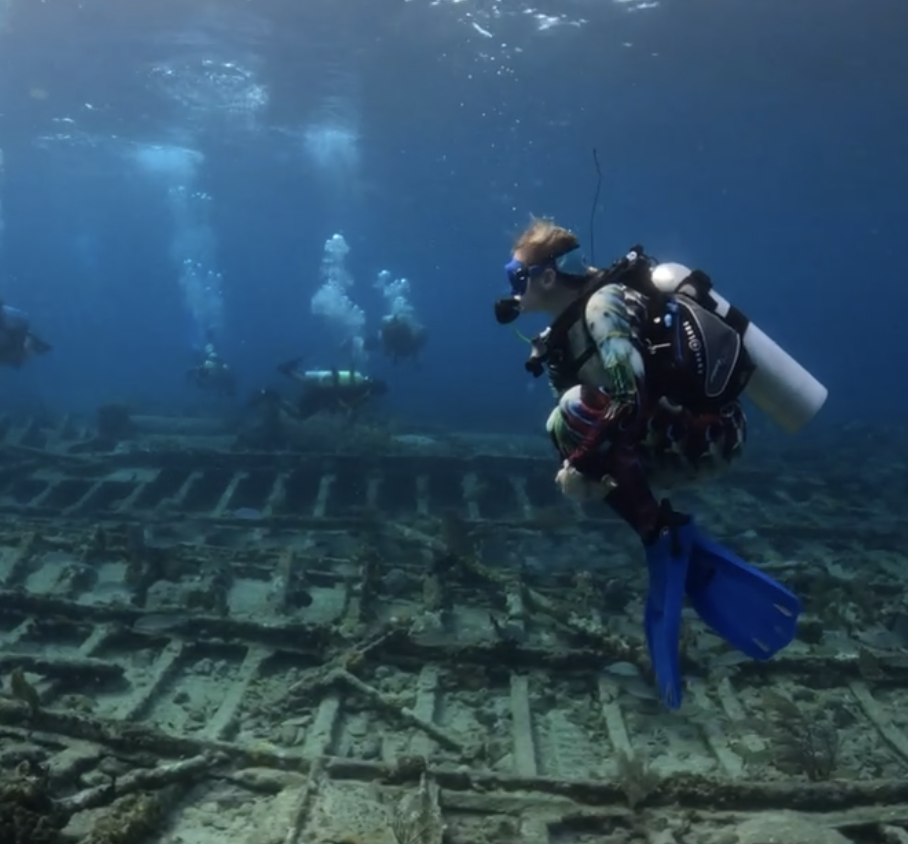
Soft corals usually lean into the current. Schools of fish often face the flow while barely moving at all. Even your bubbles provide useful information, showing you how the water is moving as they rise toward the surface.
One of the best pieces of advice I ever received was to stop trying to predict the ocean and start observing it instead.
The more dives you do in current, the more those little clues begin to stand out. Before long, you'll find yourself reading the water almost without thinking about it.
Work With the Ocean, Not Against It
One of the biggest lessons drift diving has taught me is simple: the ocean almost always wins.
Trying to overpower a current rarely works. More often, it leaves you tired, breathing harder, using more gas, and so focused on fighting the water that you miss the dive happening around you.
The better approach is to learn how to work with the water.
Pay attention to what the current is doing and how the reef affects it. Coral heads, rocks, and other reef structures can create areas of reduced flow on their downstream side, giving you a place to slow down or get a break from stronger current. Just remember that protecting the reef comes first. Maintain good buoyancy, give coral and marine life plenty of space, and never grab onto the reef to hold yourself in place.
And sometimes, you don't need to do anything at all.
Stop kicking. Relax your body. Settle into your buoyancy and look around.
That's when drift diving really starts to click.
Instead of spending the dive trying to get somewhere, you get to watch the reef come to you. You notice the fish holding effortlessly in the current, the way the reef changes as you move past it, and just how much ground you can cover without working for every foot of it.
That's exactly what happened to me in Kauai all those years ago.
I had gone into that first drift dive a little unsure of what diving in current was going to feel like. I climbed back onto the boat with a huge smile on my face and only one thought:
I hope we get to do that again tomorrow.
Diving Smarter, Not Harder
One of the biggest lessons drift diving teaches you is that success has very little to do with strength.
When I first started drift diving, I assumed experienced divers were simply stronger swimmers than everyone else. The more drift dives I completed, the more I realized that wasn't true at all. The divers who looked the most comfortable weren't kicking the hardest. They were the ones who understood what the water was doing and adjusted their diving accordingly.
Sometimes that means slowing your fin kicks. Sometimes it means changing your position in the water column. Other times, it means simply relaxing and letting the current carry you where it wants to go.
The ocean is always moving, and learning to work with that movement instead of against it makes every drift dive more enjoyable.
Finning Smarter
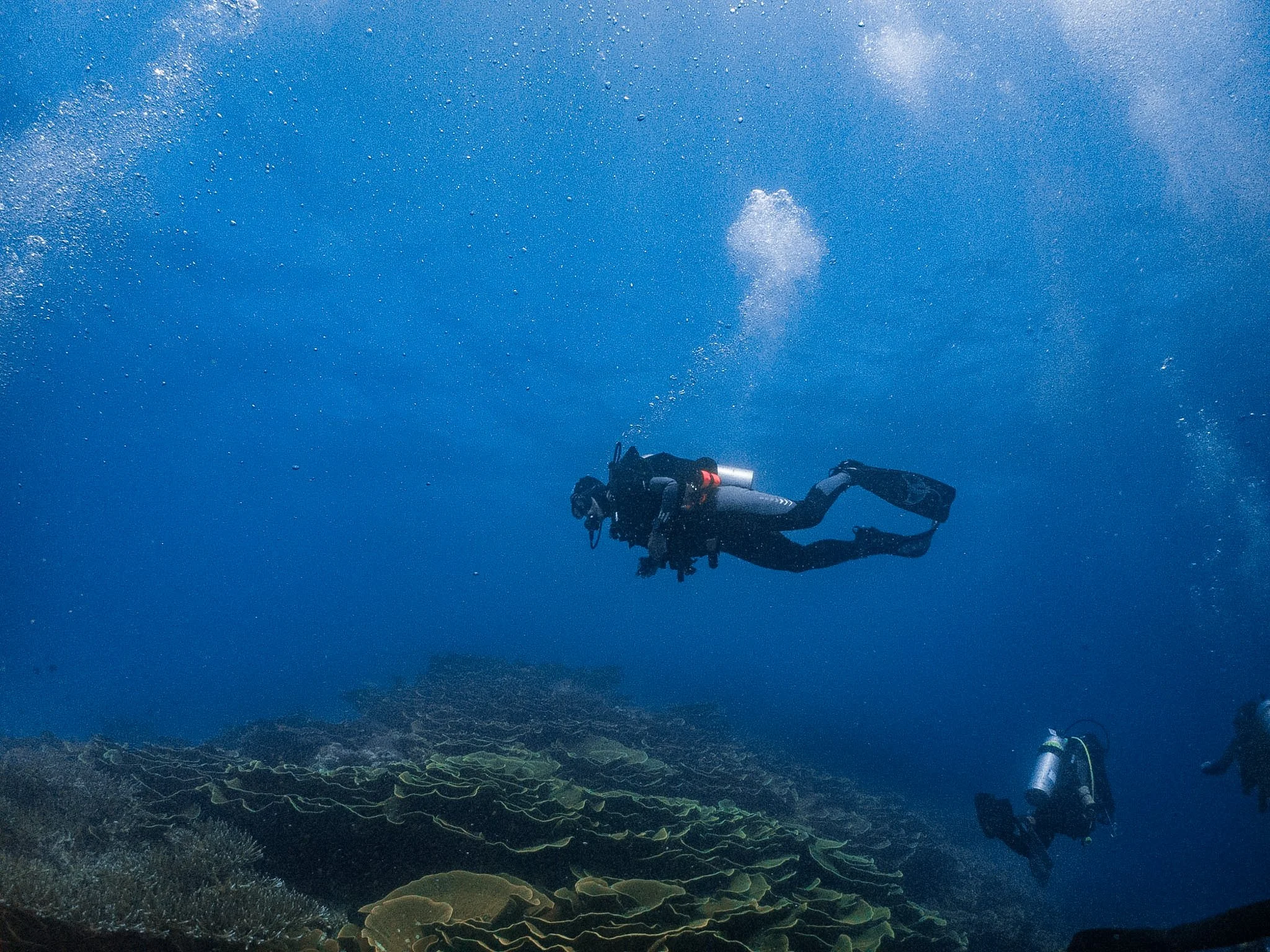
One of the easiest ways to become more comfortable in current is to think about how you're finning.
Many divers instinctively kick harder the moment they feel current. Usually, that just burns through your air without accomplishing much. Instead, focus on slow, controlled fin kicks that keep you streamlined and moving efficiently through the water.
If you're trying to keep pace with your group, resist the temptation to sprint. A relaxed, steady kick is almost always more effective than short bursts of speed. If you're constantly breathing hard, that's usually a sign to slow down, relax, and reassess what the current is doing rather than trying to overpower it.
Some of my favorite drift dives have included long stretches where I barely kicked at all. Good buoyancy, a streamlined position, and the natural movement of the water did most of the work for me.
Stay Streamlined
Current has a way of finding anything that creates drag.
Before every drift dive, I take a quick look at my gear. Is my alternate air source clipped in? Are my gauges secure? Is my camera tucked in close? Little things that don't seem important on a calm dive can become surprisingly noticeable once the water starts moving.
Your body position matters just as much.
A horizontal trim position presents much less surface area to the current than swimming upright. Think about an airplane wing gliding through the air. The more streamlined you are, the less energy you'll use throughout the dive.
This is one of those skills that pays dividends on every dive, not just drift dives.
Let the Reef Work for You
Current rarely flows at exactly the same speed everywhere.
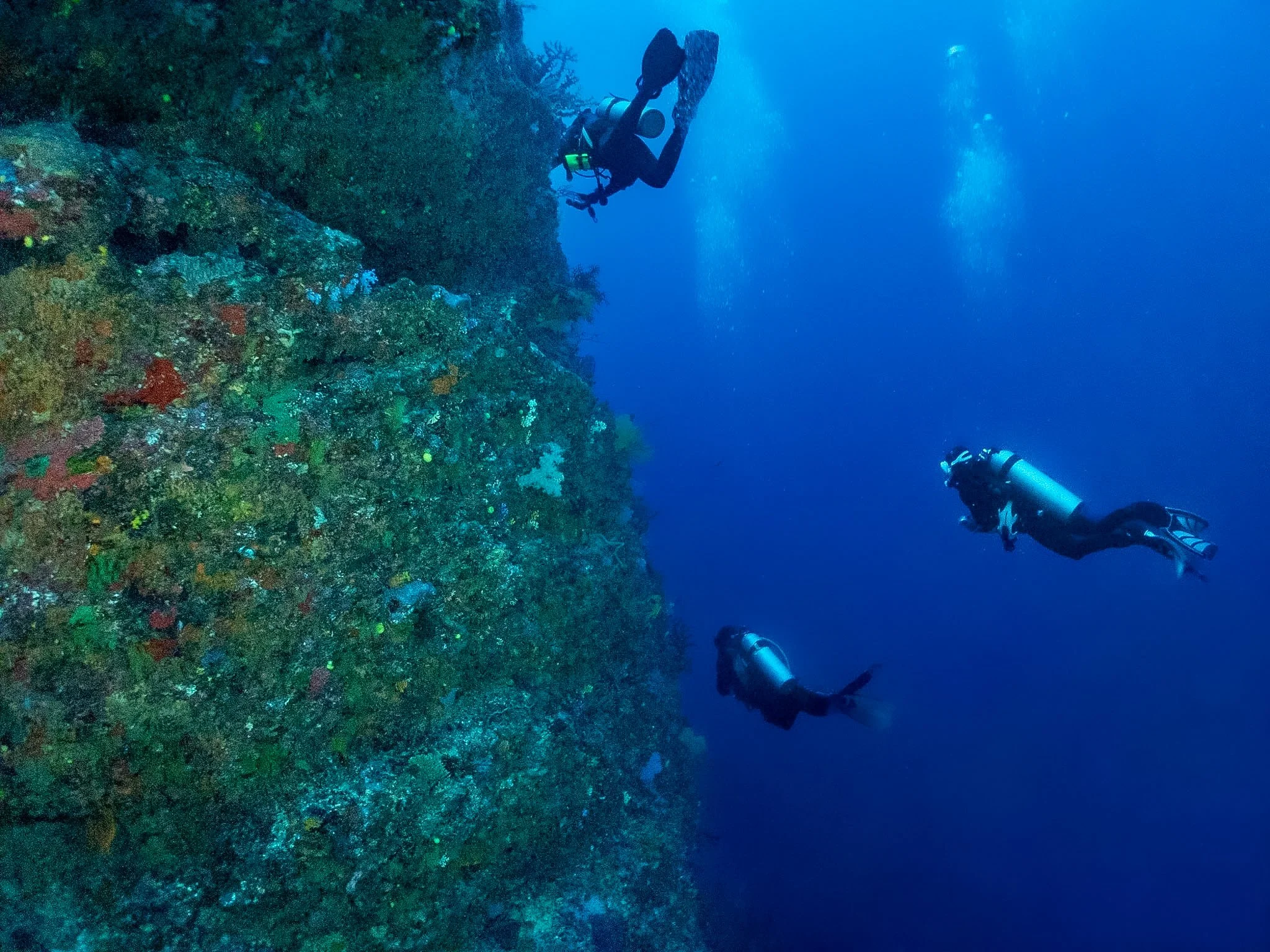
As water moves around coral bommies, lava formations, pinnacles, and walls, it naturally creates calmer pockets known as eddies. Sometimes moving just a few feet behind a rock or large coral formation can dramatically reduce the strength of the current.
Learning to recognize these areas is one of the skills that comes with experience.
Your dive guide will often use these protected areas to pause the group, point out marine life, or regroup before continuing the dive. Once you start noticing how the reef changes the movement of the water, you'll find yourself becoming much more comfortable in current.
One thing that's important to remember is that using the reef for shelter never means touching it.
Excellent buoyancy allows you to hover comfortably near the reef while protecting the incredible marine life that makes these dive sites so special.
Entries and Descents
One of the biggest differences between a drift dive and a typical reef dive is how quickly everything happens once you enter the water.
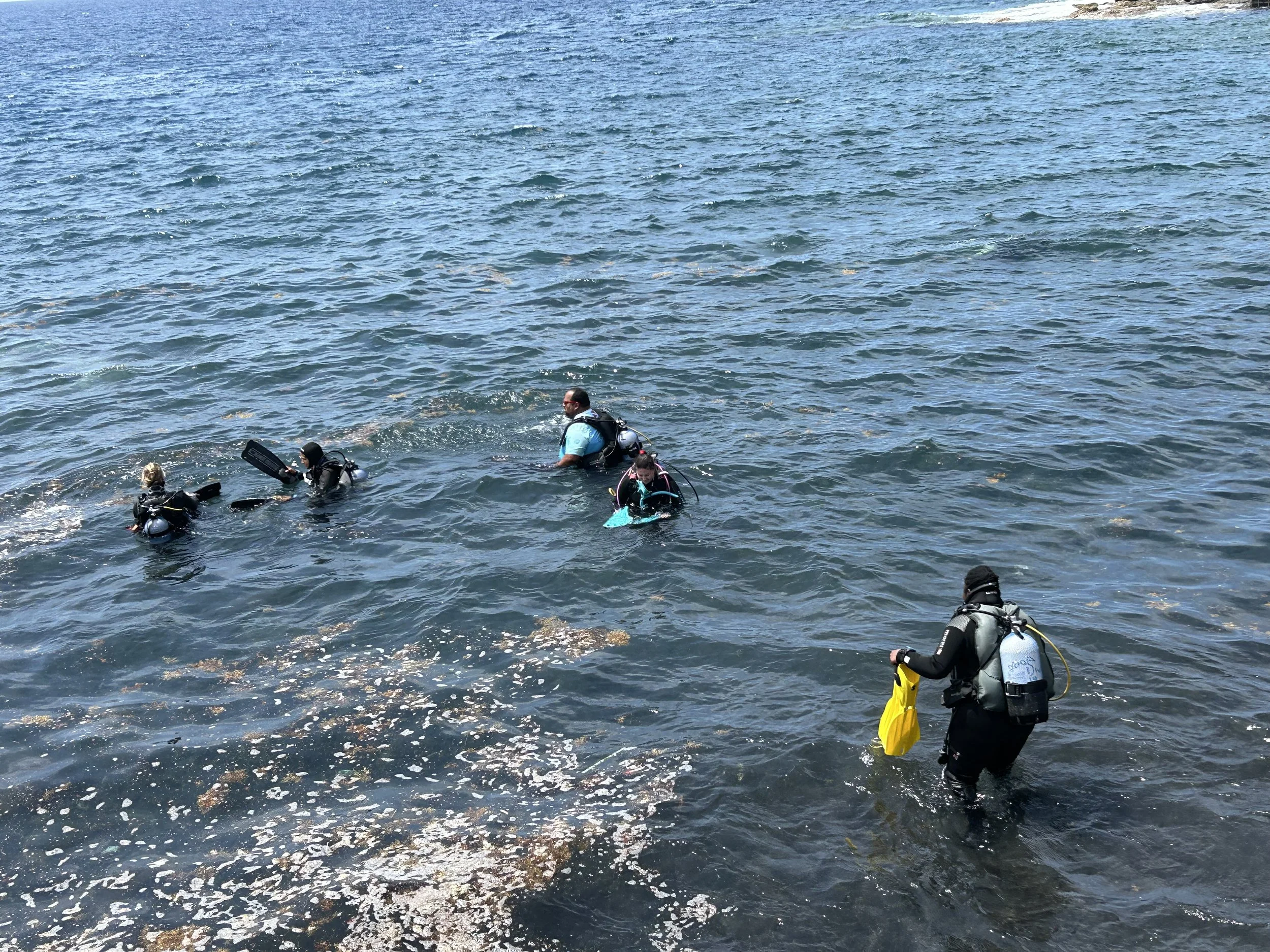
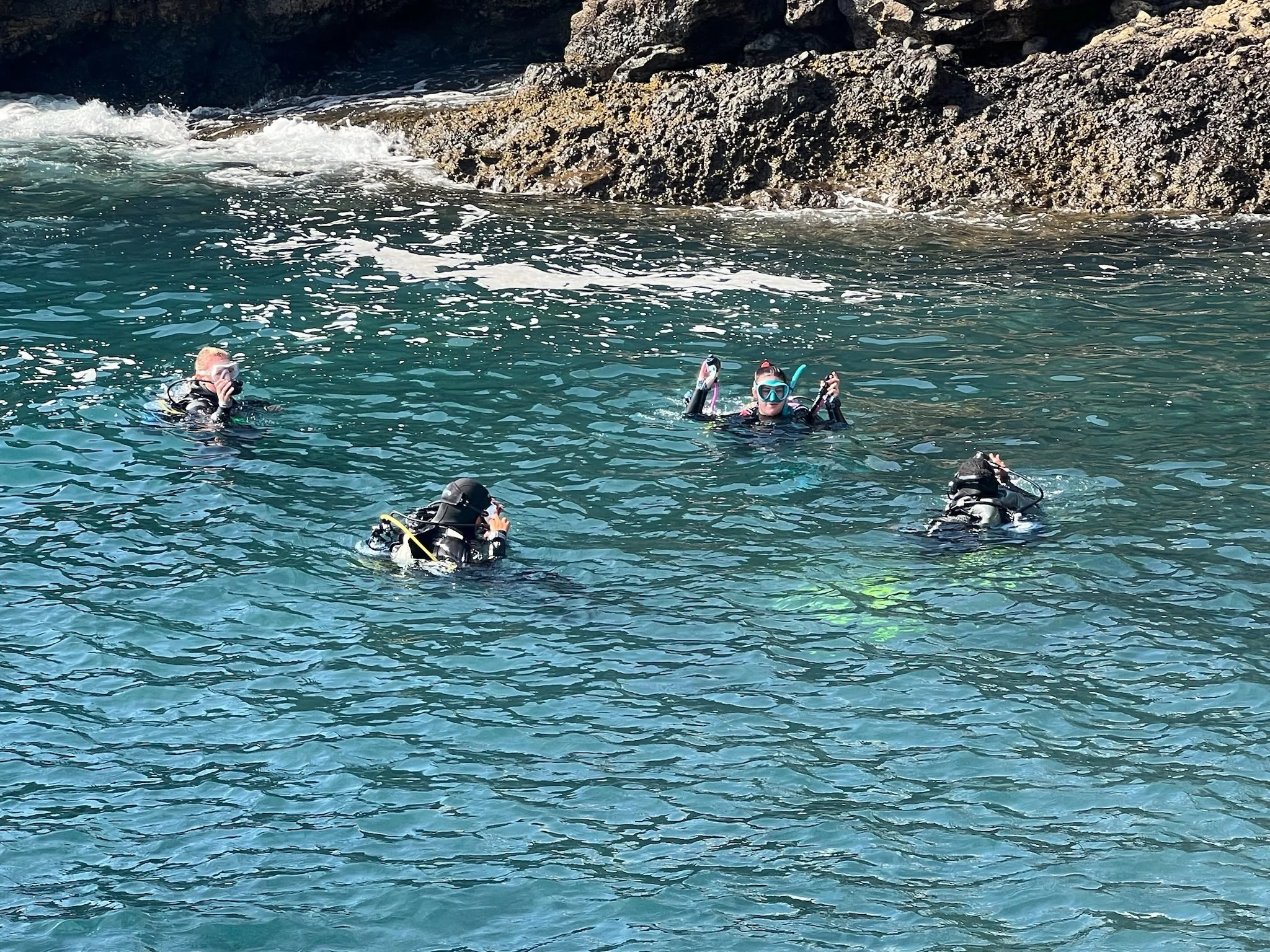
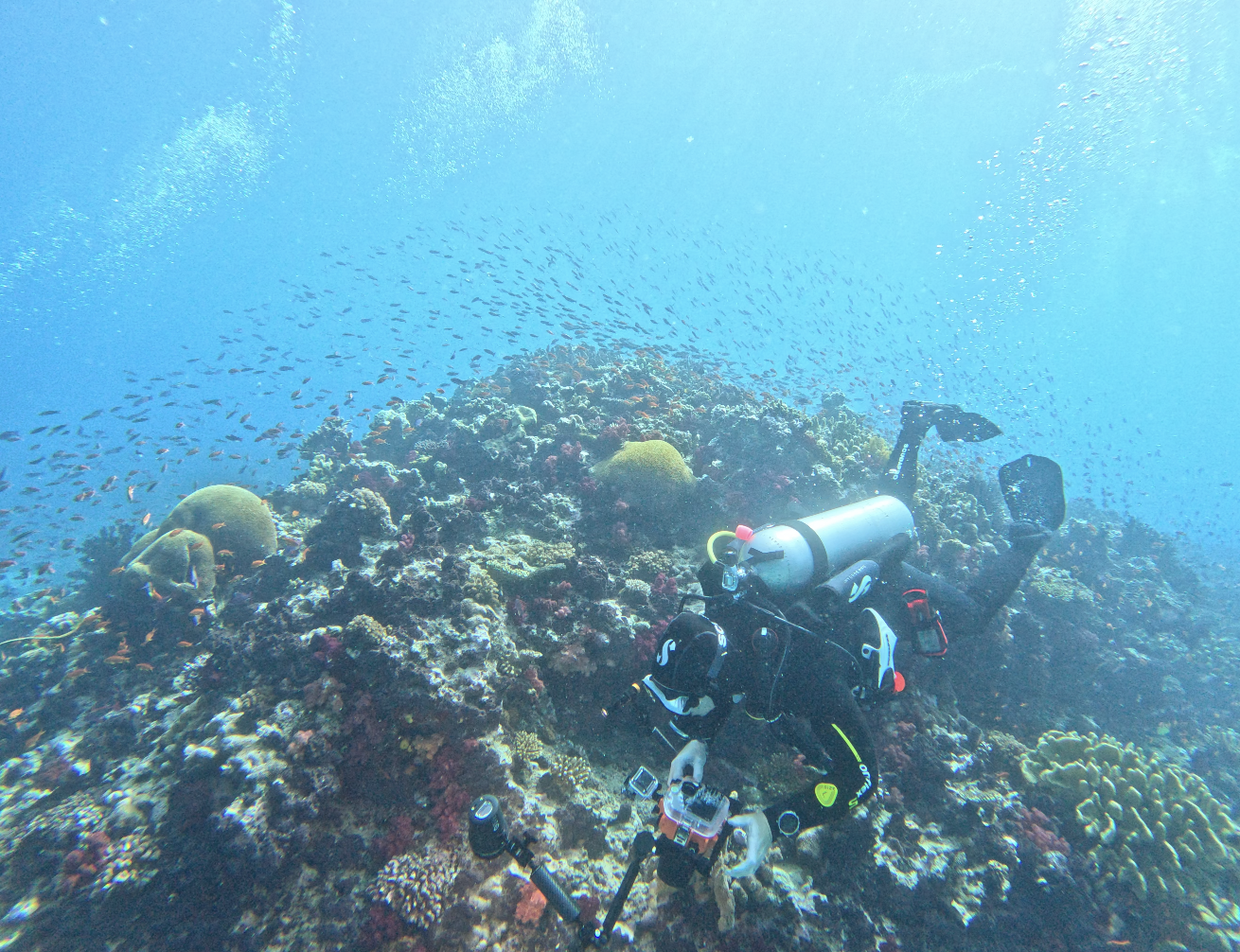
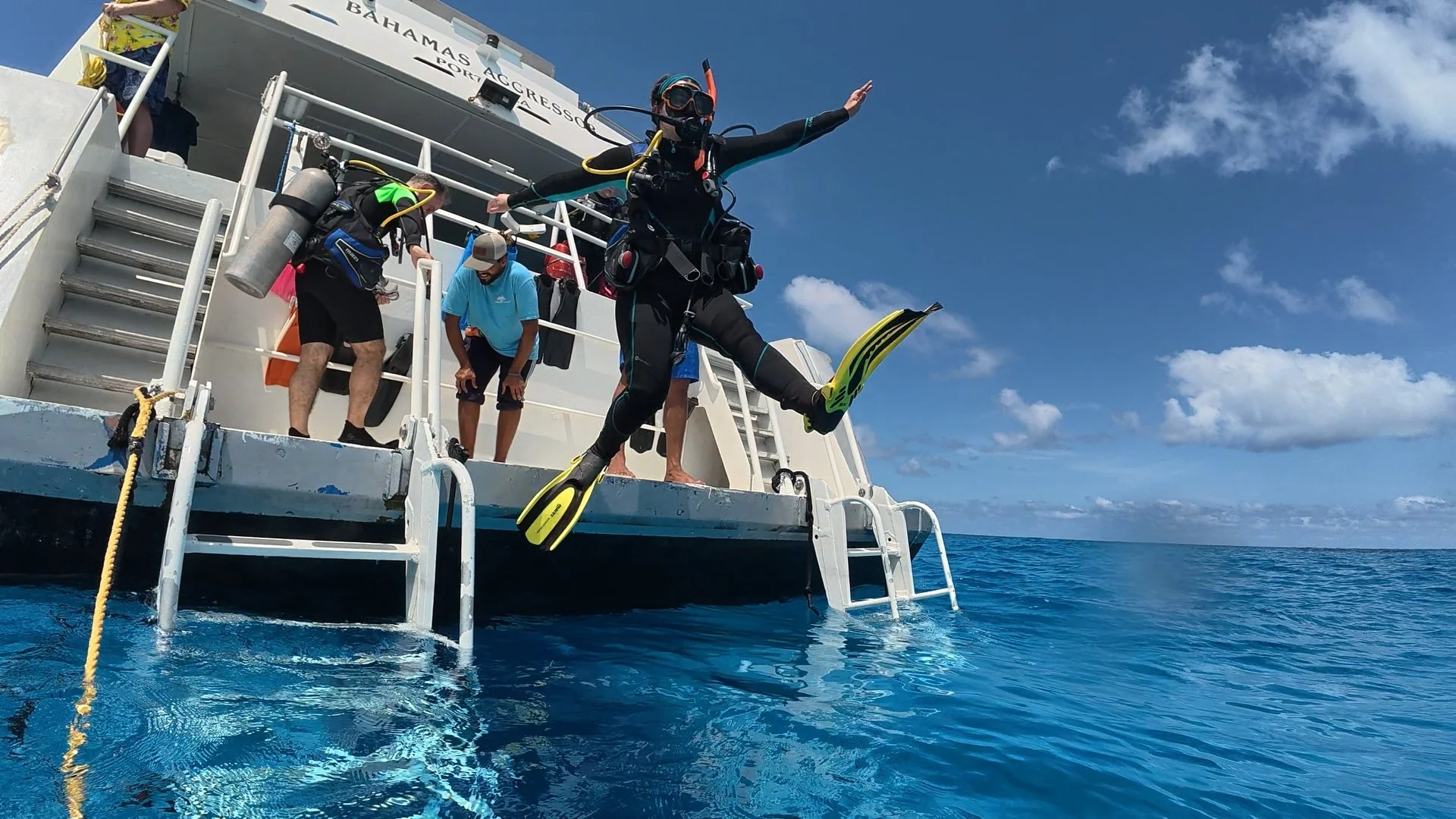
Depending on the conditions, your group may perform what's called a negative entry. Rather than floating on the surface getting organized, everyone descends together immediately after entering the water. This keeps the group together before the current has a chance to separate anyone.
That means preparation starts on the boat.
Have your mask on, regulator in your mouth, computer activated, and buddy check complete before you giant stride into the water. Once you enter, your focus should be on making a controlled descent with your group.
Thinking back to my first drift dive in Kauai, I realize just how important that briefing was. Our guide explained every step before we ever left the boat, so when it came time to enter the water, everyone knew exactly what to do.
A great briefing builds confidence long before you descend.
Stay Close to Your Buddy
Current has a funny way of making small distances become large ones very quickly.
That's why buddy awareness becomes even more important during drift dives.
Instead of checking on your buddy every few minutes, make it a habit to glance over every few seconds. Stay close enough that you can communicate easily, and if someone begins drifting farther away, gently adjust your position before the gap grows.
Before every drift dive, take a minute to review the plan together. Discuss hand signals, talk through what you'll do if you become separated, and make sure you're both comfortable with the procedures your guide reviewed during the briefing.
Those conversations only take a few minutes, but they make everyone much more relaxed once you're underwater.
Reef Hooks
If you've watched videos from places like Palau or Komodo, you've probably seen divers hanging effortlessly in the current while dozens of sharks cruise by.
They're usually using reef hooks.
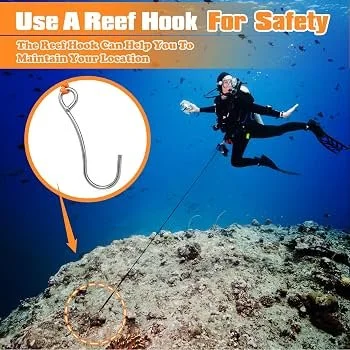
A reef hook is a specialized tool that allows divers to hold their position in areas of strong current without constantly finning. When used correctly, it lets divers relax, conserve energy, and enjoy incredible wildlife encounters while minimizing disturbance to the surrounding environment.
That said, reef hooks are not needed for most drift dives.
In fact, many drift dives are meant to be exactly that, a drift. The current carries you along the reef, and there's no reason to stop or hook in. I've completed countless drift dives around the world without ever using a reef hook.
When reef hooks are appropriate, they should only be used under the direction of your dive guide. Your guide knows the site, understands where hooks can be used safely, and will determine whether conditions actually warrant their use. They're not something to clip into the reef just because the current feels strong.
Using a reef hook also comes with responsibility. They should only be secured to dead rock or other approved substrate, never living coral or fragile marine life. Before deploying one, make sure you have excellent buoyancy and complete control of your position in the water. A poorly placed reef hook can damage the reef or create a hazard for both you and the divers around you.
The first time I used a reef hook was in Palau, where the current was significantly stronger than anything I had experienced before. Our guide carefully explained when to deploy it, where to place it, and how to remove it safely. Once I was securely in position, I could simply enjoy the show as gray reef sharks, jacks, and barracuda cruised effortlessly through the current.
Like any piece of dive equipment, a reef hook is most effective when it's used thoughtfully, responsibly, and only when conditions truly call for it.
Drift Diving Is a Team Effort
One of the reasons a well-run drift dive can feel so effortless is because everyone has a role to play, both underwater and on the surface.
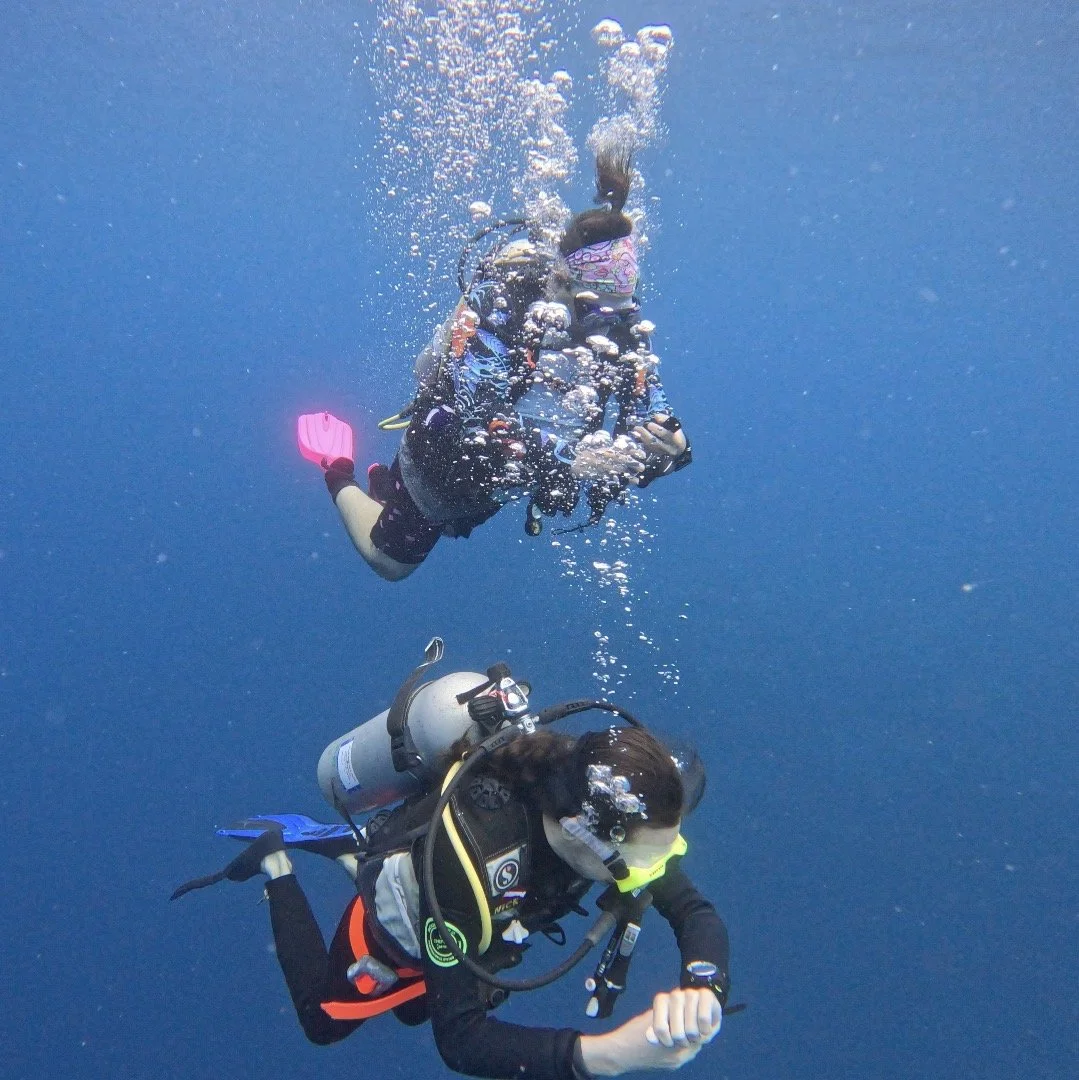
Your dive guide knows the site, the expected current, and the dive plan. Underwater, the group stays together, communicates, and follows the agreed route and procedures. Meanwhile, the boat captain and crew are working above you, keeping track of the dive and watching for signs of the group below.
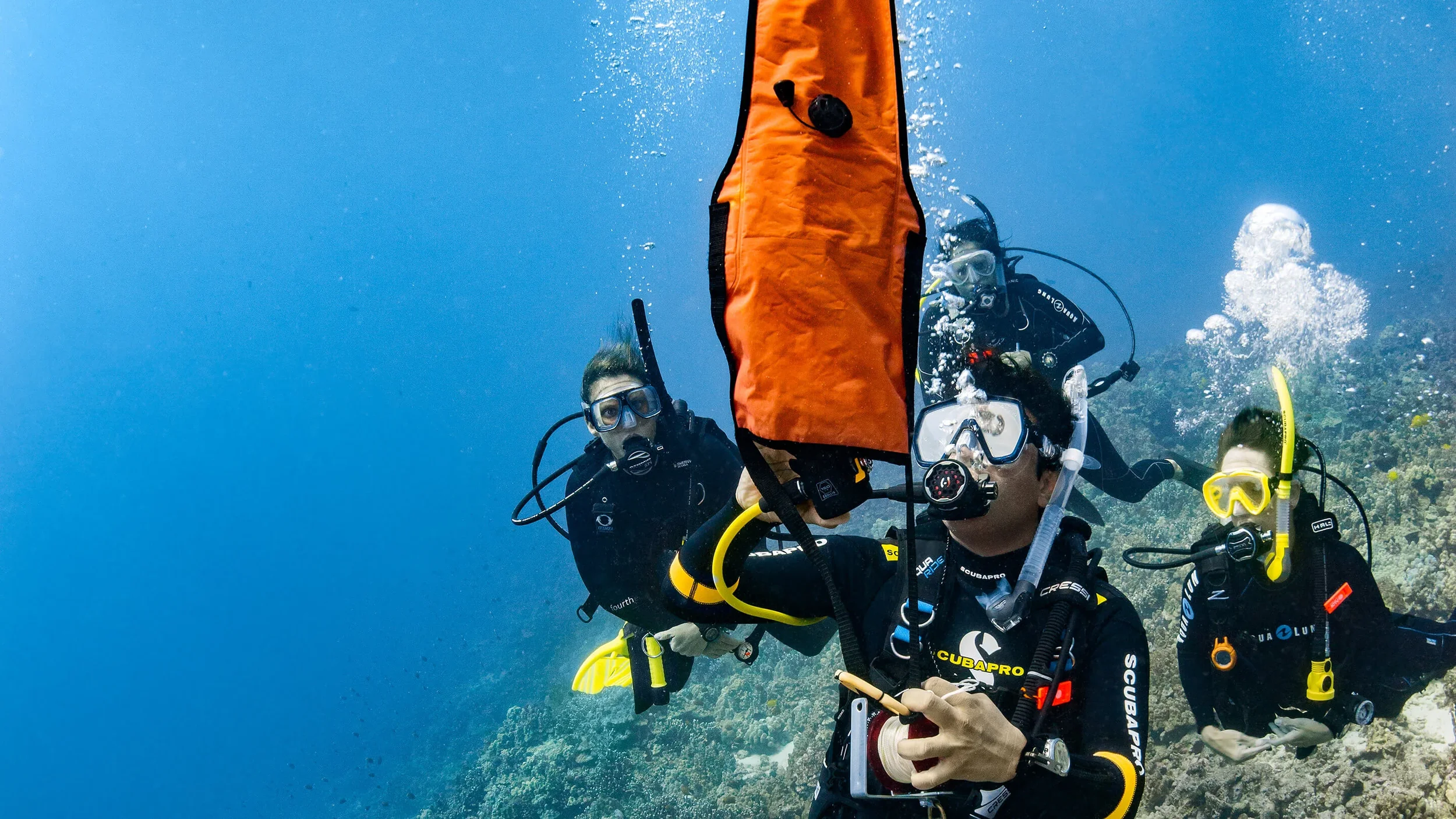
Depending on the site and operator, the crew may track the divers by watching their bubbles as they move with the current. As the dive comes to an end, the guide may deploy a delayed surface marker buoy (DSMB), giving the captain and crew a clear visual reference for the group's position and helping them prepare for pickup.
That surface support is a huge part of what makes boat-based drift diving work. The boat isn't necessarily waiting at the exact place where you entered the water. Instead, the crew can follow the dive's progress and position the boat for recovery based on the procedures established during the briefing.
Divers have a responsibility, too. Stay with your buddy and group, follow the dive plan, pay attention to your guide, and know the procedures for separation and surfacing. Before you ever enter the water, you should understand how your particular dive operation plans to track and recover divers.
When everyone does their part, drift diving can be remarkably smooth.
Safety Always Comes First
One of the reasons I enjoy drift diving so much is because it's a perfect example of how good preparation leads to relaxed diving.
Long before anyone enters the water, your dive guide and boat captain have already been evaluating the conditions. They've looked at the tides, the wind, the current, the entry point, and the pickup location. The dive briefing brings all of those pieces together, giving everyone a clear understanding of the plan before the dive even begins.
One thing I've learned over the years is that the dive briefing matters just as much as the dive itself.
Even if you've completed dozens of drift dives, every site is different. Listen carefully to your guide's instructions, understand the route, know how the boat pickup will work, and don't be afraid to ask questions. The more you understand before entering the water, the more you'll be able to relax once you descend.
If something doesn't make sense, ask. There are no silly questions during a dive briefing, and a good dive guide would much rather answer a question on the boat than solve a problem underwater.
Why Every Drift Diver Should Carry a DSMB
If there's one piece of equipment I encourage every diver to own, it's a delayed surface marker buoy, or DSMB.
A DSMB is one of the simplest and most valuable pieces of safety equipment you'll ever carry. Once deployed, it alerts the boat crew to your location and makes you significantly easier to spot when you surface, especially if the current has carried you farther than expected.
Knowing how to deploy a DSMB confidently is just as important as owning one. The first time you practice shouldn't be during a challenging drift dive. Like every other diving skill, deploying a DSMB becomes easier with repetition.
That's one of the reasons I love teaching the PADI DSMB Diver Specialty. During the course, we practice deploying a DSMB in different situations, troubleshoot common mistakes, and build the confidence to use one without adding unnecessary stress to the dive. Whether you're drift diving, diving from a boat, or surfacing away from your exit point, it's a skill you'll use throughout your diving career.
Common Mistakes I See Divers Make
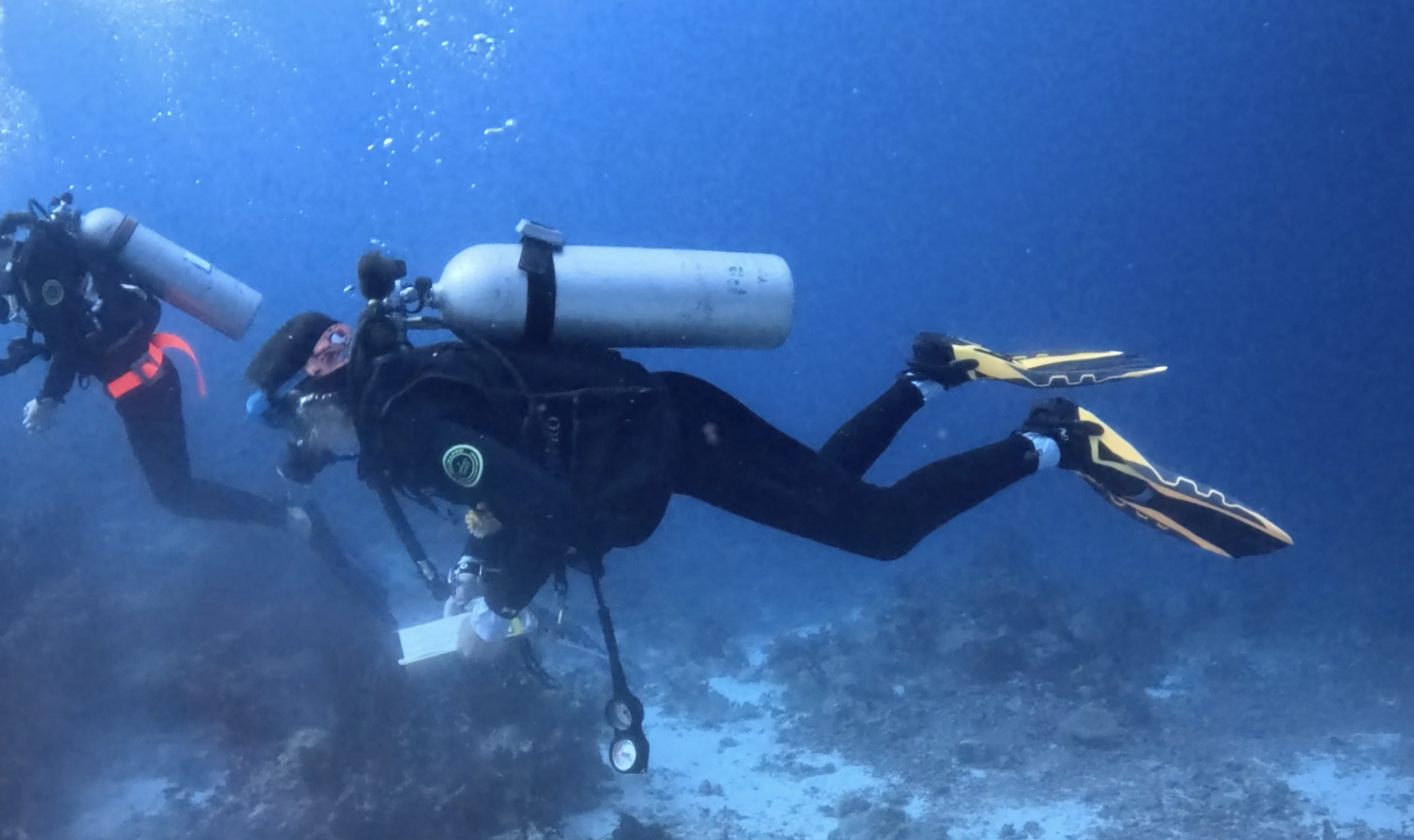
After teaching hundreds of divers, I've noticed a few common mistakes that tend to show up during drift dives.
The biggest one is simply trying too hard.
Many divers immediately start kicking harder the moment they feel current. Usually, that just leads to faster breathing, increased air consumption, and unnecessary fatigue. More often than not, the better solution is to slow down, improve your trim, and let the current do the work.
Another mistake is becoming so focused on the reef that you lose track of your buddy or the rest of the group. Drift dives often cover a lot of distance, and even small gaps can grow quickly if nobody is paying attention.
I also encourage divers to avoid task loading. If you're carrying a camera, remember that your first priorities are always buoyancy, your buddy, and your awareness. The photograph can wait. Safe diving always comes first.
Finally, remember that the fundamentals never change. Continue monitoring your depth, check your air regularly, perform a slow ascent, complete your safety stop whenever conditions allow, and follow the plan your guide discussed during the briefing.
Some of My Favorite Drift Dives
Drift diving has taken me to some incredible places over the years, and every destination has taught me something different.
Kauai will always hold a special place in my heart because it was my introduction to drift diving. The healthy reefs, crystal clear water, and steady current completely changed the way I thought about diving in moving water.
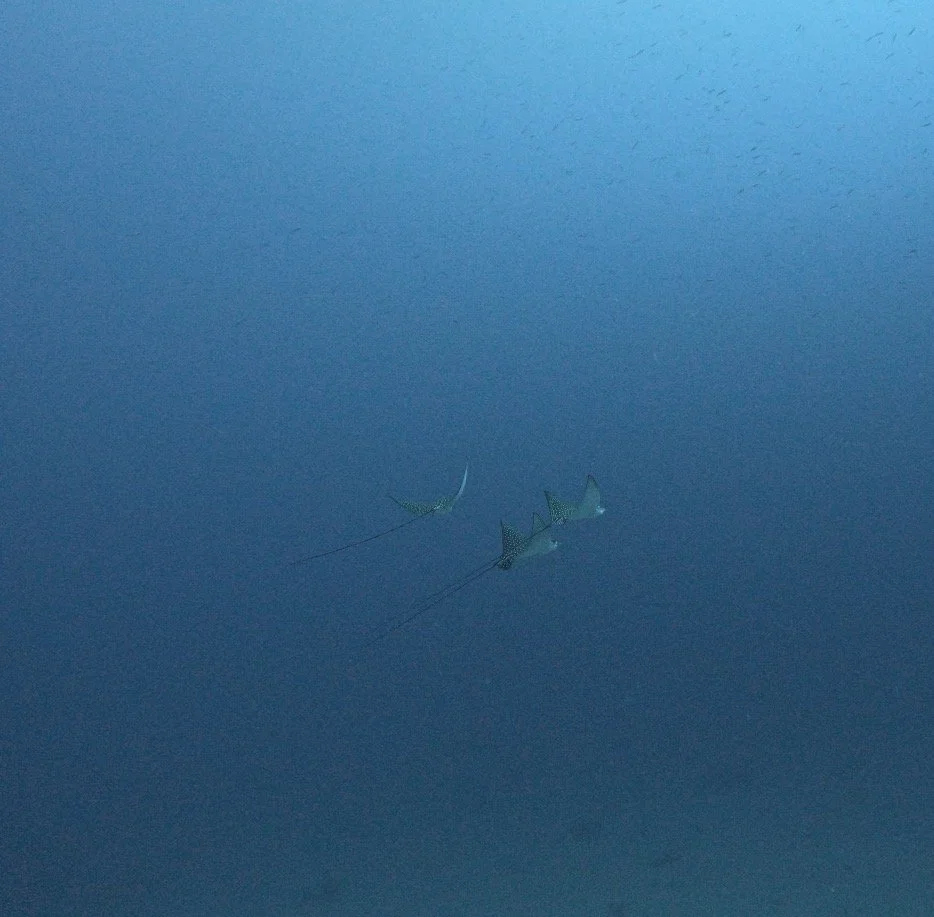
The Maldives showed me what truly strong current feels like. Some of those channel dives demanded focus, good buoyancy, and trusting the plan. Watching sharks, eagle rays, and schools of fish effortlessly navigating the current gave me an even greater appreciation for how marine life has adapted to these dynamic environments. Those dives challenged me as a diver and left me wanting more.
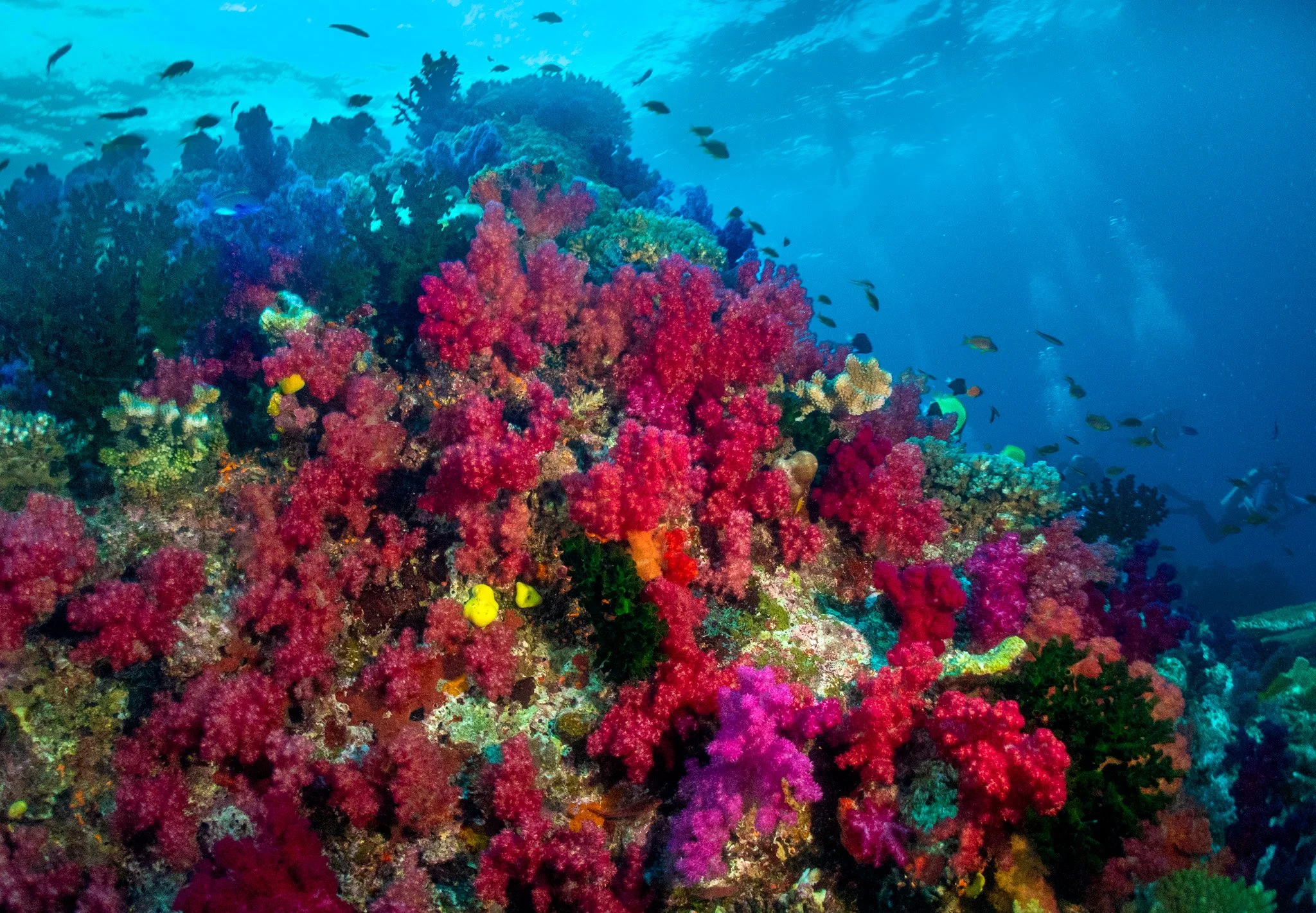
Fiji reminded me that current doesn't always have to be fast to be exciting. The nutrient rich waters around Rainbow Reef support spectacular soft corals and an incredible diversity of marine life. Drifting past walls covered in vibrant coral while clouds of reef fish surrounded us was an unforgettable experience and another reminder that healthy reefs often go hand in hand with moving water.
Next July, I'll finally be checking another dream destination off my list when I head to Komodo. Its legendary currents, thriving reefs, and incredible manta ray encounters have been on my bucket list for years, and I have a feeling it's going to teach me a whole new appreciation for drift diving.
One of the things I love most about drift diving is that every destination feels different. The current changes, the reef changes, and the marine life changes, but the feeling of flying effortlessly through the ocean never gets old.
Build Your Confidence Through Training
Like every skill in diving, confidence comes from education, practice, and experience.
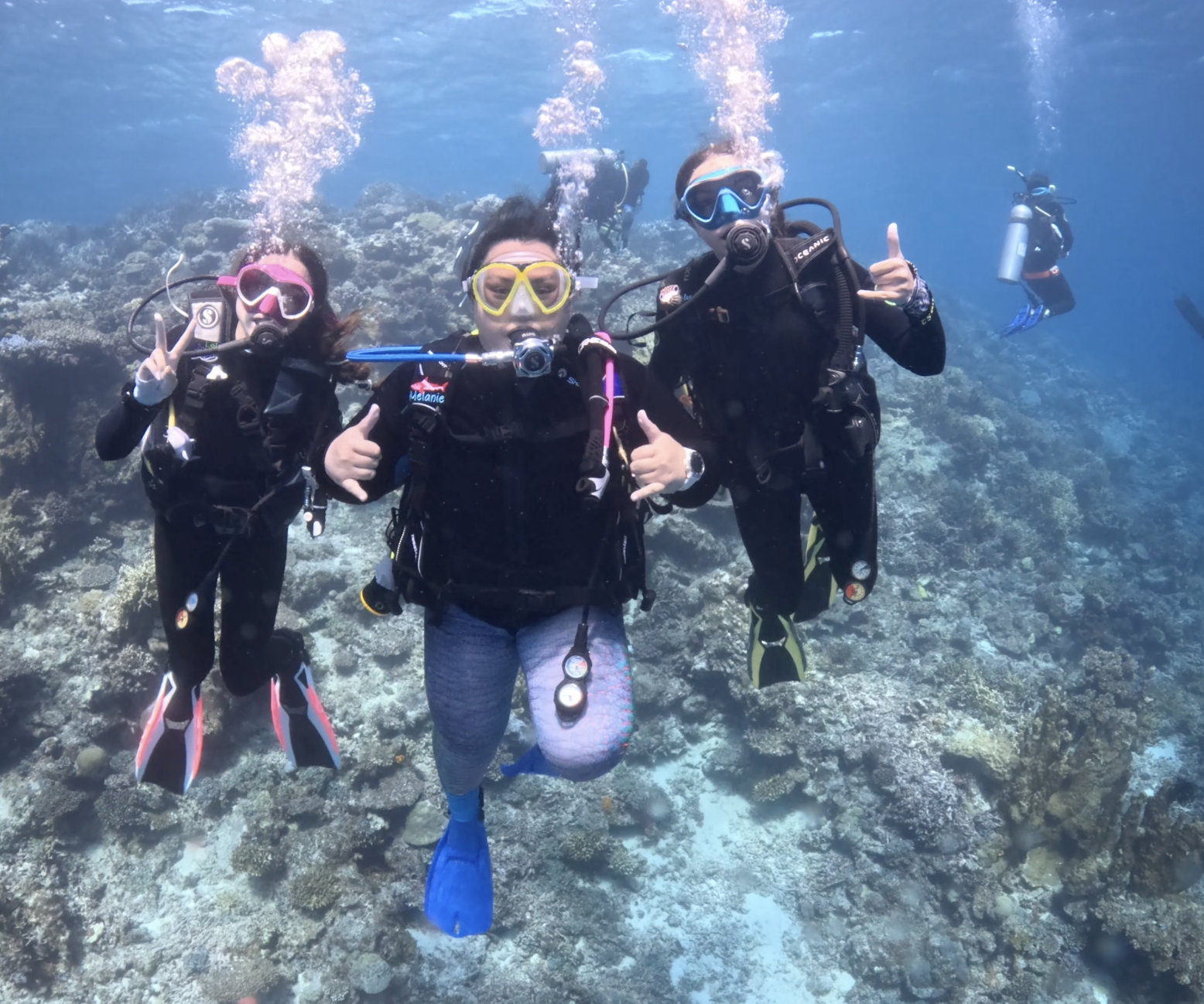
If you've completed a few drift dives and want to become more comfortable in moving water, I highly recommend the PADI Drift Diver Specialty. During the course, you'll learn how to better understand currents, improve your buoyancy and trim, communicate effectively with your buddy, make efficient entries and exits, and develop the confidence to enjoy current instead of worrying about it.
One of my favorite parts about teaching this specialty is watching students realize that current isn't something to fear. By the end of the course, many of them are actually hoping the forecast includes a little current because they finally understand how much fun drift diving can be.
Pairing that training with the PADI DSMB Diver Specialty gives divers another valuable layer of confidence. Learning to deploy a DSMB smoothly and efficiently is one of those skills you'll use for the rest of your diving career, whether you're drift diving in Cozumel, exploring the Maldives, or diving closer to home.
And With That…
When I think back to that first drift dive in Kauai, I don't remember exactly how fast the current was or every turn we made along the reef.
What I remember is how effortless it felt.
I remember relaxing, trusting my buoyancy, and realizing that the ocean wasn't something I needed to fight. Once I stopped trying to control the current and started working with it, everything became easier.
That's still the biggest lesson drift diving has taught me.
The ocean is always moving. We can't change that.
What we can change is how we respond to it.
Approach drift diving with curiosity instead of hesitation. Listen to the briefing, trust your training, stay close to your buddy, and focus on the fundamentals that make every dive enjoyable. Before long, you'll discover what so many experienced divers already know.
Some of the best dives in the world happen where the water is moving.
The next time your dive guide smiles and says, "We've got a little current today," I hope your first thought is the same as mine.
"This is going to be fun."
Frequently Asked Questions
Are drift dives physically demanding?
Many people are surprised to learn they're often less physically demanding than a traditional reef dive. Good buoyancy, a streamlined position, and working with the current instead of against it can actually reduce the amount of energy you use underwater.
Should I always carry a DSMB?
Absolutely. Whether you're drift diving, diving from a boat, or surfacing away from your entry point, a DSMB is one of the most valuable pieces of safety equipment you can own.
Do I need a reef hook?
Usually not. Most drift dives don't require one. When reef hooks are appropriate, your dive guide will explain if they're needed, where they can be used safely, and how to deploy them responsibly without damaging the reef.
How can I become more comfortable diving in current?
The best way is through experience and quality instruction. Continue practicing your buoyancy, dive with experienced guides, and consider taking the PADI Drift Diver Specialty and PADI DSMB Diver Specialty. Those courses will give you the knowledge and confidence to enjoy one of the most exciting types of diving.
The more time you spend diving in current, the more you'll realize something that took me only one dive to discover in Kauai all those years ago.
Current isn't something to fear.
It's something to enjoy.
Dive safe, explore passionately, and remember…