
What Makes a Good Dive Buddy?
Diving introduces you to people very quickly. One boat ride, one shore entry, or one rough surface swim can tell you a lot about somebody’s personality. The ocean has a way of exposing impatience, ego, calmness, kindness, and confidence all at once. Some dive buddies immediately make you feel safer the second you enter the water beside them. Others can turn a perfectly easy dive into a stressful experience before the descent even begins.
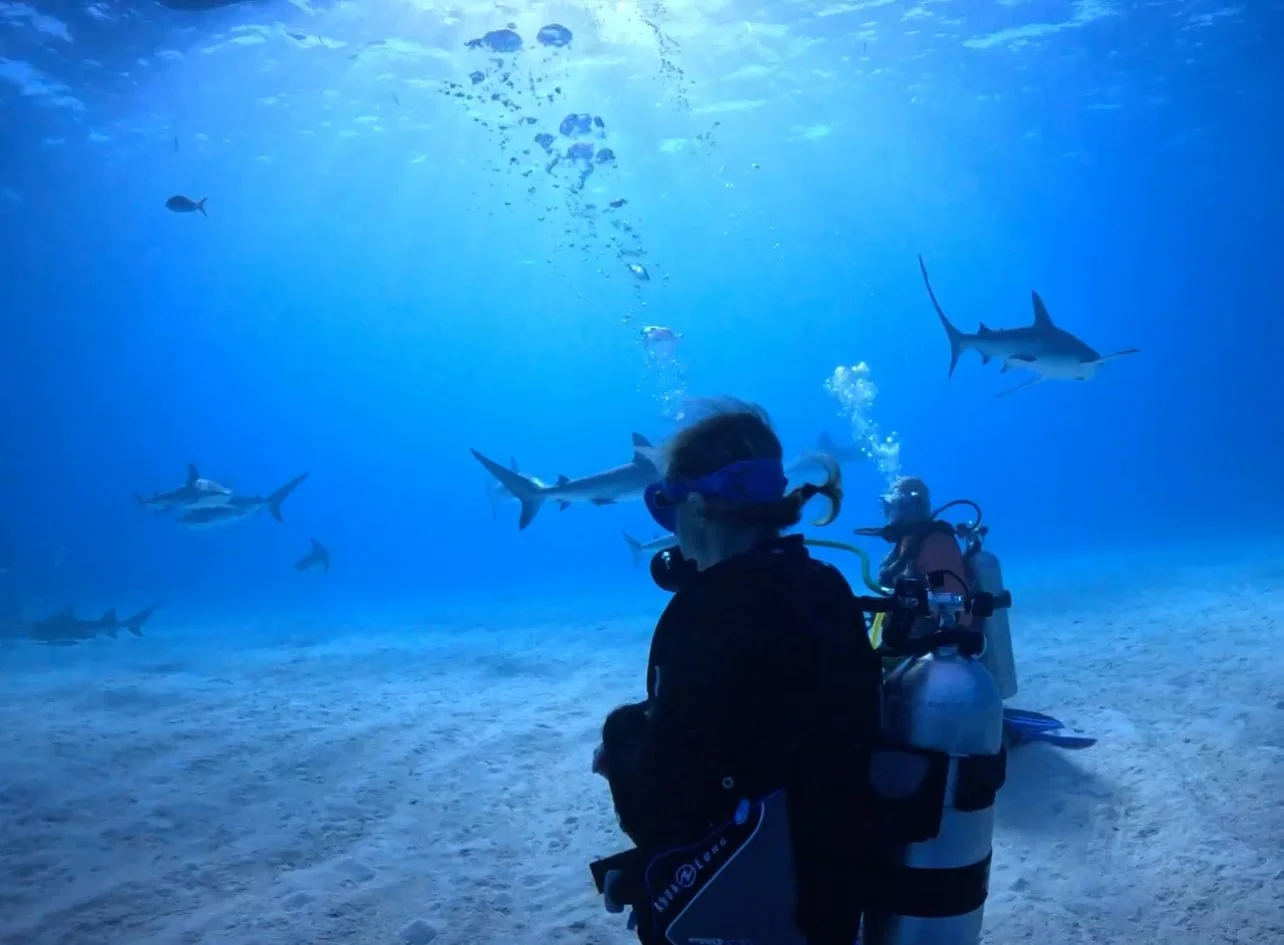
The longer I teach, the more I realize that a good dive buddy has very little to do with certifications or number of logged dives. Some of the best dive buddies I have ever had were newer divers who stayed calm, communicated well, and genuinely cared about the team. Some of the worst were experienced divers who treated every dive like something to conquer instead of something to experience together. Technical skill absolutely matters in diving, but mindset matters just as much. A diver who pays attention to the people around them will almost always be somebody others want to dive with again.

Diving Is Not a Competition
One of the fastest ways to ruin diving is turning it into a contest. Nobody cares who used the least air, who swam the fastest, who went the deepest, or who owns the most expensive gear setup on the boat. Diving should never feel like you constantly have to prove yourself to the person beside you. Pressure underwater creates mistakes very quickly. Ego creates even more.
Negative dive buddies can destroy confidence surprisingly fast. Divers remember the person who rolled their eyes when they needed extra time to equalize. Divers remember the buddy who swam ahead without checking behind them. Divers remember the person who made them feel embarrassed for calling a dive when they felt uncomfortable. Those moments stick with people far longer than most divers realize.
I have also seen bad buddy dynamics ruin friendships completely. Constant criticism, showing off, impatience, and dismissive behavior slowly take the fun out of diving. Nobody enjoys feeling judged every time they enter the water. Some divers eventually stop diving altogether after enough negative experiences with the wrong people. A good dive buddy should make somebody more excited to dive again, not less.

Swallow Your Pride
One of the most underrated dive skills is accepting help gracefully. Pride has absolutely no place underwater. Good divers miss things sometimes, and experienced divers still make mistakes. Everybody has moments where they become task loaded, distracted, stressed, or overwhelmed.
If your buddy notices something and asks if you need help, let them help you. Maybe your tank valve is not fully open. Maybe your fin strap is loose or your SPG is dragging behind you. Maybe your breathing suddenly changed and your buddy recognized it before you did. A buddy checking on you is not an insult to your ability as a diver. A good buddy would rather speak up early than ignore something important.
Defensiveness underwater creates dangerous hesitation later. Divers should never feel afraid to point out a potential issue because somebody might get offended. Strong buddy teams communicate openly without ego getting involved. Mutual trust matters far more underwater than protecting pride. Good dive buddies understand that everybody is responsible for watching out for each other.
The Buddy Check Actually Matters
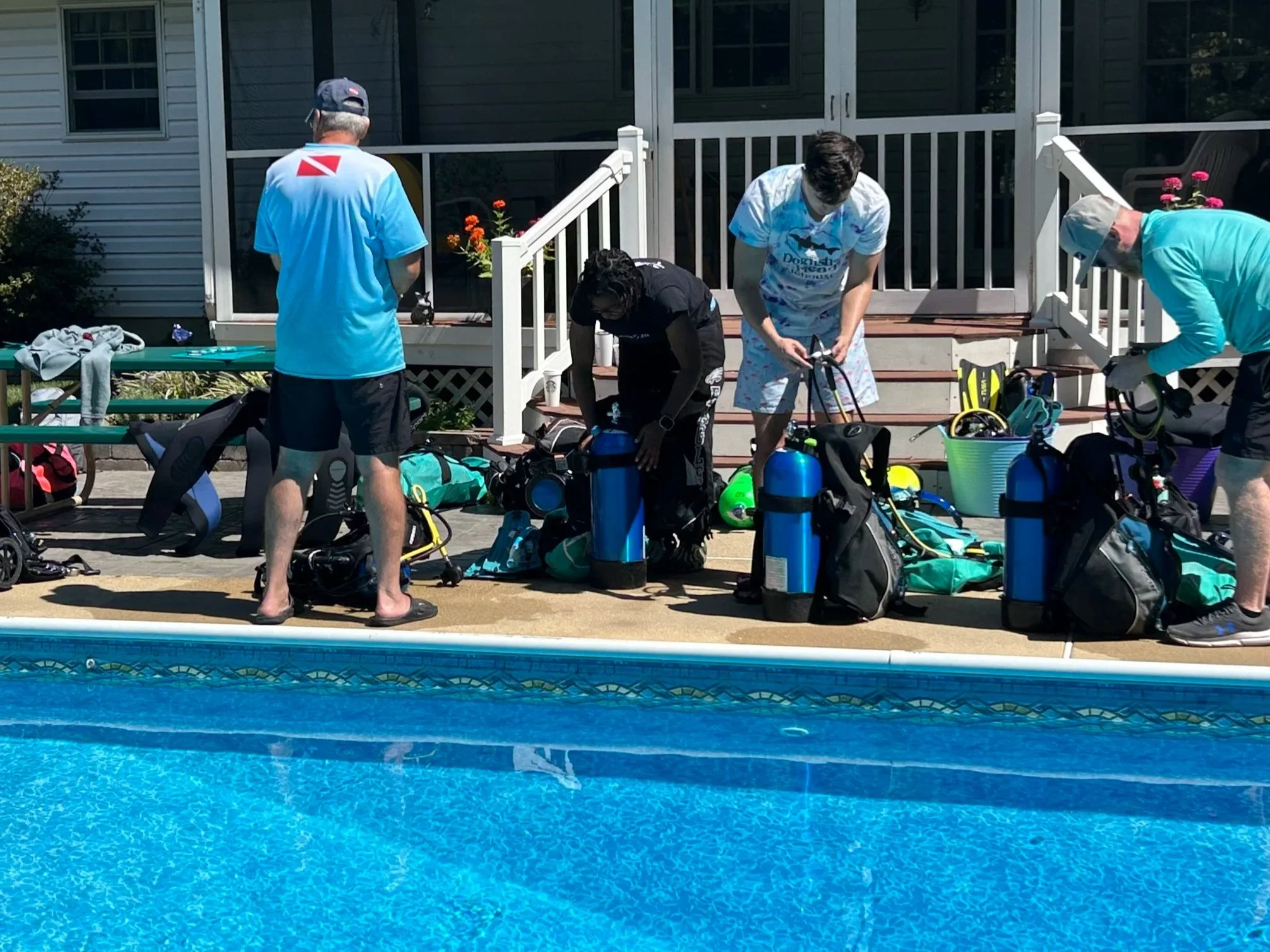
Buddy checks are one of the easiest things divers skip once they become comfortable. Familiarity creates complacency very quickly, especially among friends who dive together often or divers using the same setup repeatedly. People assume their air is fully on. People assume their releases are secure. People assume they already checked everything earlier on the boat.
Assumptions underwater can become problems very quickly. A disconnected inflator hose, partially closed valve, unsecured weight pocket, or missing alternate air source might seem minor on the surface. Small mistakes become much harder to solve calmly at depth, especially in current, low visibility, or stressful conditions. Buddy checks exist because even experienced divers overlook things sometimes.
Most divers learn the acronym BWRAF during Open Water training. B stands for BCD, W for weights, R for releases, A for air, and F for final okay. I still jokingly teach people to remember it as “Burgers With Relish And Fries” because honestly, divers never forget that version. Funny little memory tricks stick for a reason.
A proper buddy check should never feel rushed or performative. Good dive buddies actively pay attention during the process instead of mechanically repeating steps from memory. Air should be turned on fully and breathed from while watching the gauge. Releases, weights, inflators, and alternate air sources should all be physically confirmed together. Taking two extra minutes on the surface is infinitely better than troubleshooting preventable problems underwater.
Buddy checks also build trust before the dive even starts. Knowing somebody genuinely took the time to make sure you were ready changes the entire dynamic underwater. Divers who care during the small moments are usually the same people who stay calm during the big ones. Attention to detail says a lot about the kind of diver somebody becomes when conditions stop being easy.

Know Your Buddy’s Gear
One of the most overlooked parts of diving with a new buddy is learning their gear setup before entering the water. Every diver configures equipment slightly differently, especially once people move beyond basic recreational setups. Alternate air sources may be clipped in different locations, weight systems vary between BCDs, and some divers carry additional equipment like pony bottles, long hose configurations, or full face masks. Small differences matter a lot once you are underwater.
Good dive buddies take a few minutes to actually understand each other’s setup before the dive begins. Knowing where somebody stores their alternate air source, how their releases work, or where they keep cutting devices can save valuable time during a stressful situation. Emergencies underwater are not the moment to start guessing how somebody’s equipment functions. Familiarity creates faster and calmer responses when seconds matter.
This becomes even more important when diving with specialized equipment. Full face masks, sidemount systems, dry suits, DPVs, or camera-heavy setups all change how a diver moves and responds underwater. Divers should understand any unique considerations before the descent instead of figuring things out during the dive. A strong buddy team adapts to each other instead of assuming every diver is configured exactly the same way.
Knowing your buddy’s gear also builds trust. Taking interest in somebody’s setup shows that you genuinely care about being prepared for the dive together. Strong buddy teams do not just dive next to each other. They actively work together before, during, and after the dive to make the experience safer and more enjoyable for everyone involved.
Awareness Changes Everything
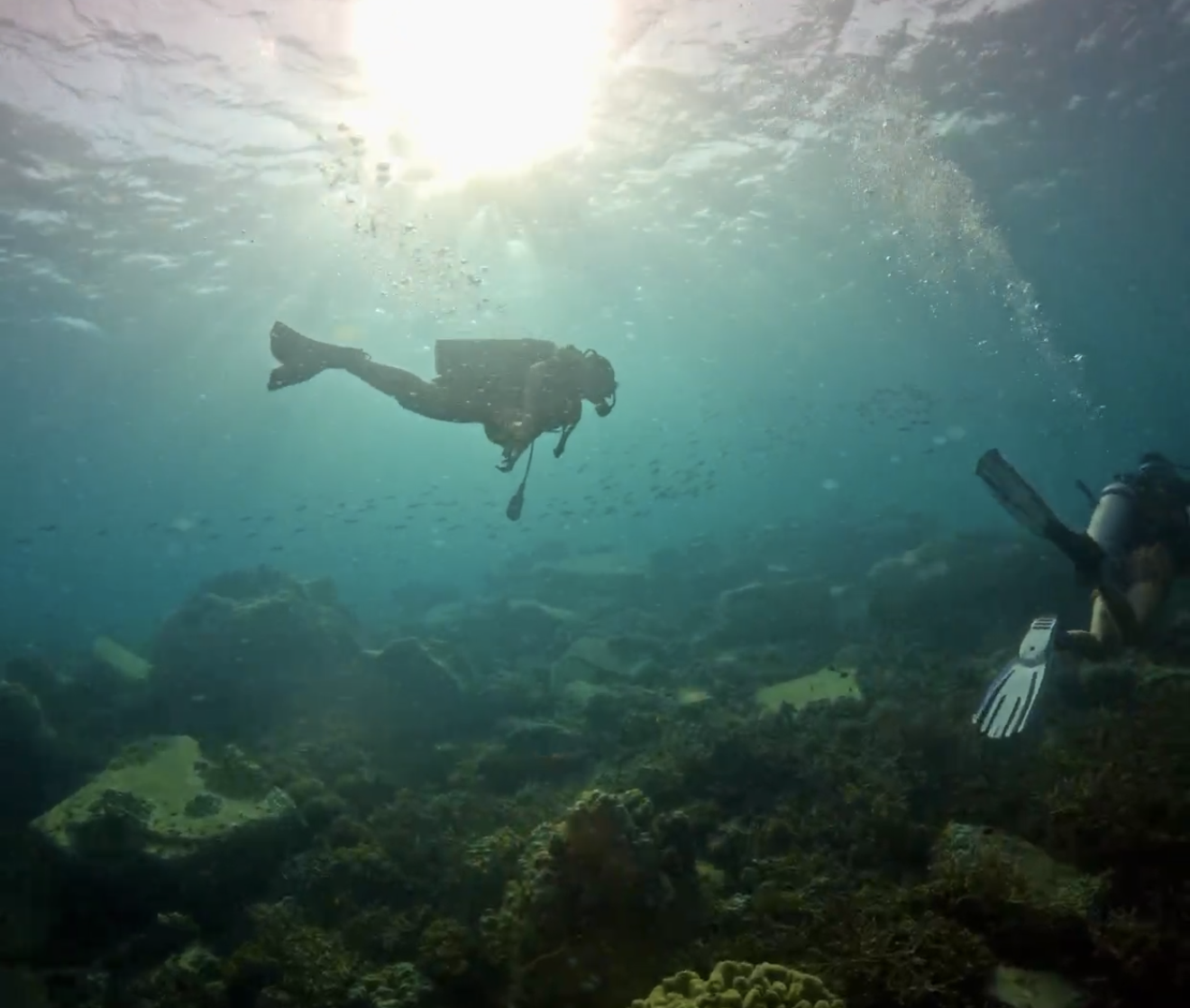
One of the biggest differences between average divers and truly good dive buddies is awareness. Good dive buddies stay mentally engaged throughout the dive instead of disappearing into their own world. Cameras, sharks, turtles, and cool critters should never become more important than the person you entered the water with. Losing awareness of your buddy is one of the fastest ways to create unnecessary stress underwater.
Awareness underwater is often subtle. A buddy swimming slightly differently, breathing harder than normal, drifting farther away, or slowing down unexpectedly can tell you a lot before a real problem develops. Some of the best divers I know seem to notice everything around them without making it obvious. Calm, observant divers often prevent problems before anybody else even recognizes something is wrong.
Situational awareness also includes understanding the environment around you. Current changes, surge, visibility shifts, boat traffic, entanglement hazards, and depth all affect the safety of the dive. Good dive buddies pay attention to more than just marine life and photography opportunities. Safe divers constantly evaluate both their buddy and the environment together.
Calm Divers Make Better Dive Buddies
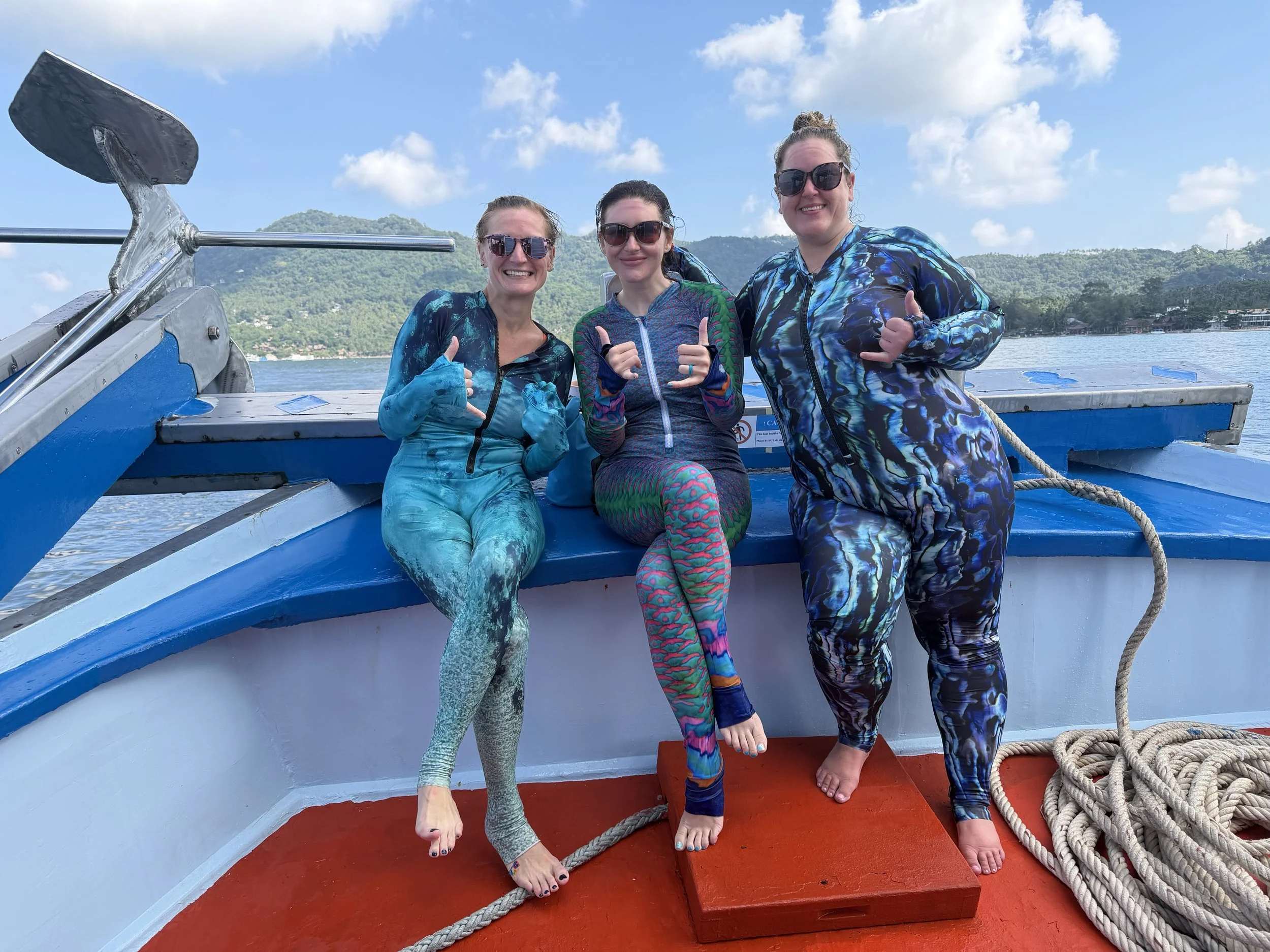
Calmness is contagious underwater. Panic is too. Divers who remain calm during unexpected situations help stabilize the entire dive team around them. A buddy who responds calmly to a problem creates space to solve it properly instead of escalating stress.
One of the strongest signs of an experienced diver is emotional control underwater. Equipment issues happen. Seasickness happens. Visibility disappears, currents increase, and dive plans change unexpectedly sometimes. Good dive buddies focus on solving problems instead of assigning blame or becoming frustrated. Staying calm allows divers to think clearly and communicate effectively when it matters most.
The best dive buddies are rarely the loudest people on the boat. Most are observant, consistent, patient, and incredibly dependable underwater. They check on their buddy often without making a show of it. They know when to slow down, when to call a dive, and when somebody simply needs reassurance instead of criticism. Confidence underwater should make people feel safer around you, not pressured.
Diving Builds Lifelong Friendships
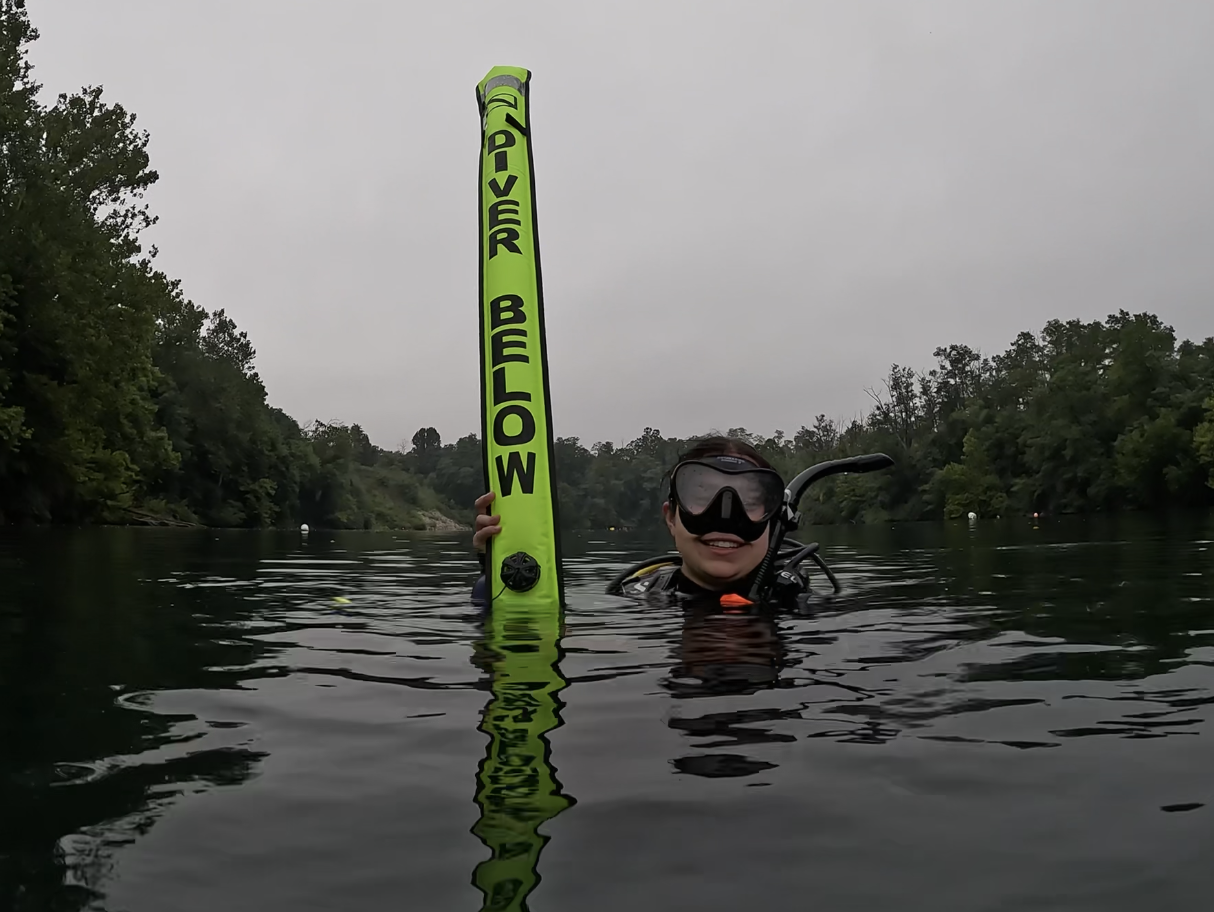
Some of the strongest friendships in my life were built through diving. Long surface intervals, late night gear rinses, difficult shore entries, and shared excitement over tiny marine life all become part of the experience. Diving creates trust differently than most hobbies because people rely on each other in a very real way underwater. Strong buddy teams often become strong friendships outside the water too.
The ocean can be unpredictable no matter how experienced somebody becomes. Conditions change quickly, visibility disappears, and even great divers have difficult days sometimes. A good dive buddy does not need to be perfect. They just need to care about the team more than their ego.
At the end of the day, most divers will forget exact depths, dive times, or even some of the marine life they saw years ago. People rarely forget how somebody made them feel underwater. Divers remember the buddy who stayed calm when they were anxious, helped them through difficult conditions, or celebrated their excitement over something small. Those moments shape confidence, friendships, and sometimes an entire relationship with diving itself.
A truly good dive buddy makes the ocean feel safer, calmer, and more enjoyable for everybody around them. Those are the divers people trust. Those are the divers people invite back. Those are usually the divers who end up building lifelong friendships through the underwater world.

Dive safe, explore passionately, and remember…