Sleep, Dive, Eat, Repeat: Preparing for Your First Liveaboard
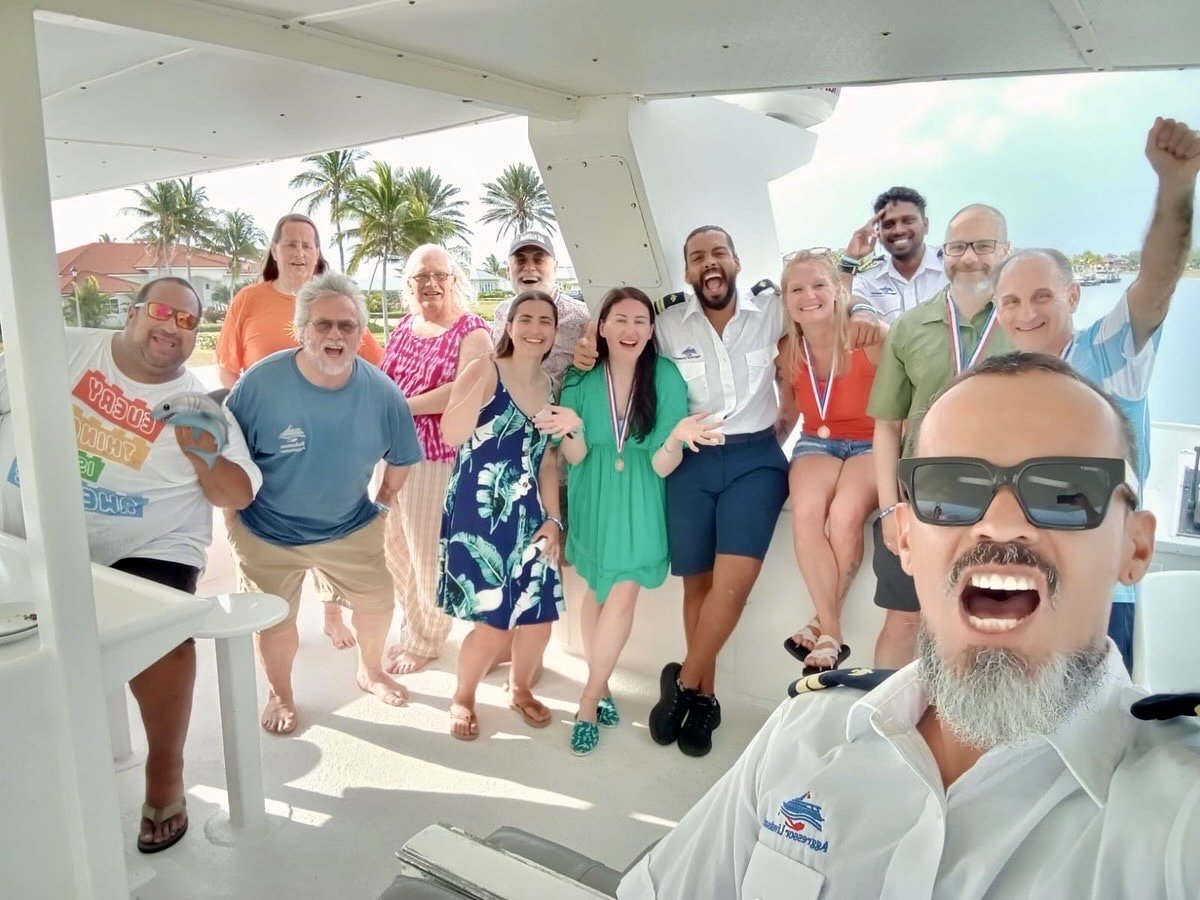
Nothing quite prepares you for life on a liveaboard. Days quickly blur into a rhythm of early morning briefings, giant strides into blue water, salty towels hanging from the upper deck, and trying to remember whether you actually charged your camera batteries or just stared at the blinking charger light half asleep hoping for the best. Somewhere between the sunrise dives, endless snacks, salty hair, and post-dive laughter, many divers completely fall in love with liveaboard diving.
While my first liveaboard did not necessarily feel overwhelming, I definitely wish I had an experienced diver to ask random questions beforehand. Most people stepping onto their first liveaboard are trying to figure out things like what to pack, how much clothing they actually need, whether seasickness will ruin the trip, how repetitive diving feels on the body, and what daily life onboard is really like. A lot of the small details that make liveaboards easier and more enjoyable honestly just come from experience.
That is part of why I wanted to write this guide. A little preparation goes a long way toward helping your first liveaboard feel smooth, comfortable, and exciting instead of stressful. Honestly, once many divers experience their first liveaboard, it quickly becomes their preferred way to dive travel. There is a reason liveaboards almost have a cult-like following within the dive community. Something about waking up, diving all day, eating great food, and falling asleep surrounded by the ocean just gets into your soul a little bit.
Sleep, Dive, Eat, Repeat
Life onboard quickly settles into a surprisingly simple routine. Wake up. Dive. Eat. Nap. Dive again. Snack. Dive again. Eat again. Try to stay awake long enough to charge electronics before repeating the process the next day. After a few days onboard, normal life on land honestly starts to feel very far away.
Most liveaboards offer anywhere from three to five dives daily depending on location, weather, and conditions. Early morning dives are incredibly common, and some of the best marine life encounters happen before breakfast while the ocean still feels calm and quiet. Night dives often become some of the most memorable dives of the trip because the reef transforms completely after dark.
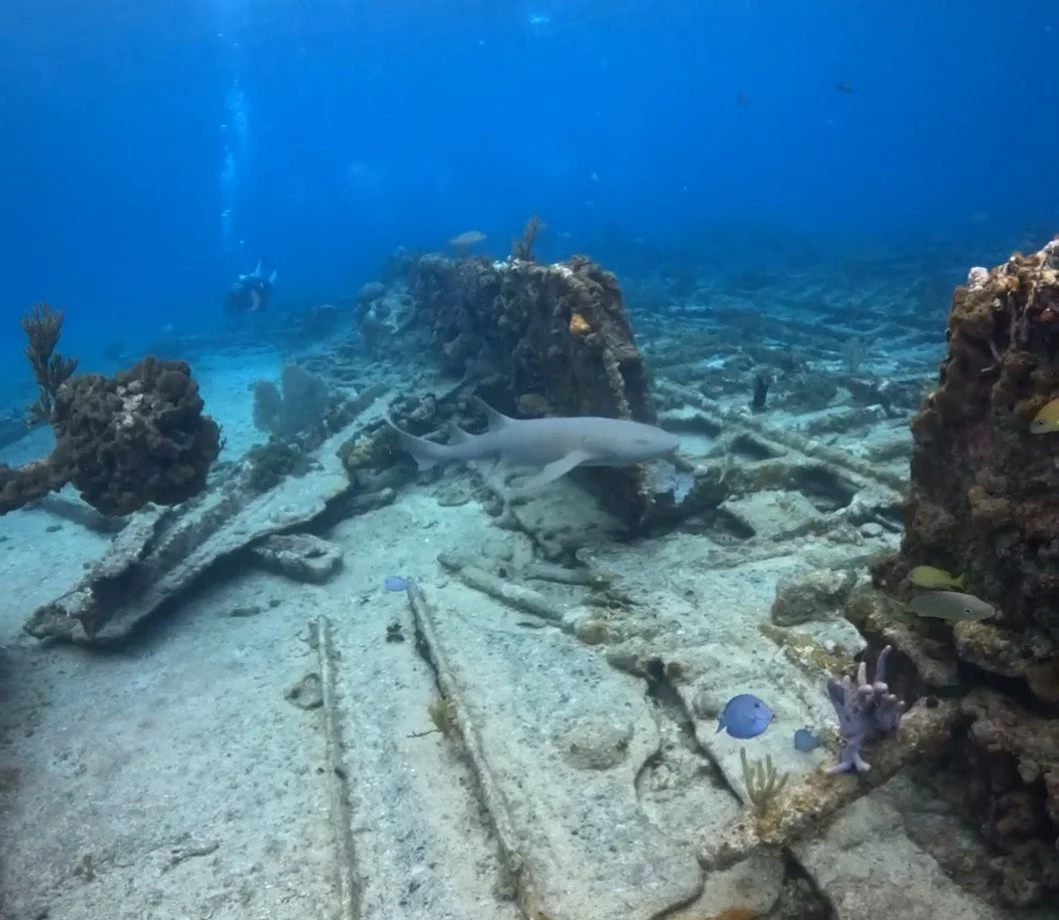
Repetitive diving adds up quickly throughout the week. Hydration becomes incredibly important, especially in tropical destinations where sun exposure and saltwater slowly wear you down without you realizing it. Sleep matters far more than people expect, and listening to your body matters even more. Missing a dive occasionally does not make you less of a diver, and sometimes choosing rest over dive number five is genuinely the smartest decision you can make.
Enriched air certification can also be incredibly valuable on liveaboards because repetitive dive profiles often push no-decompression limits throughout the week. Divers still need to carefully monitor depth and oxygen exposure, but nitrox often helps maximize bottom time and reduce fatigue during heavy dive schedules. Many liveaboards either recommend or strongly encourage enriched air certification before arrival.
The excitement of being somewhere incredible like the Bahamas, the Galápagos, Palau, or the Maldives can make it tempting to do every single dive offered. Long-term enjoyment and safety always matter more than trying to prove something. The ocean will still be there if you skip a dive to nap, hydrate, or simply watch the sunset from the upper deck.
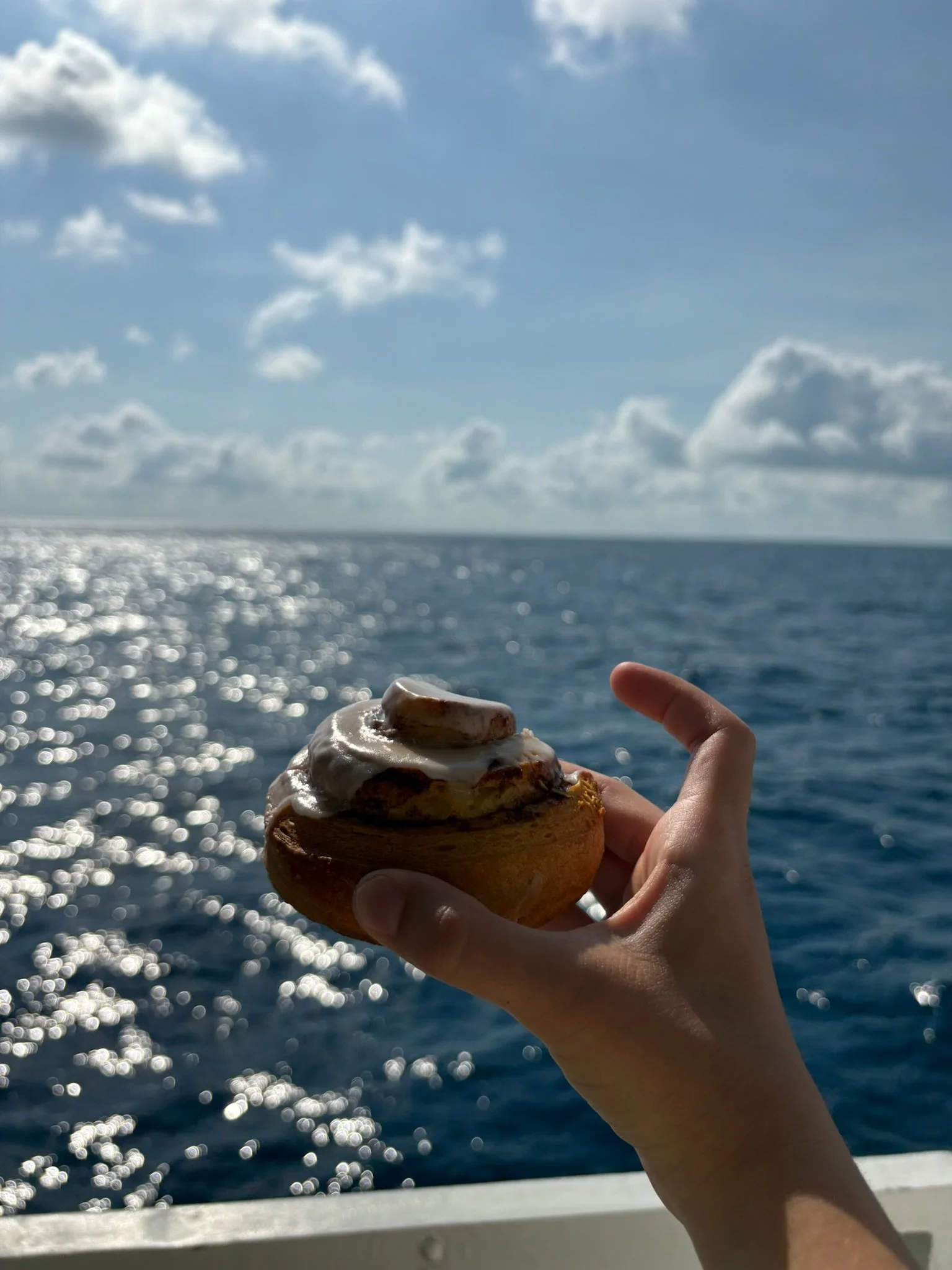
The First Morning Dive Hits Different
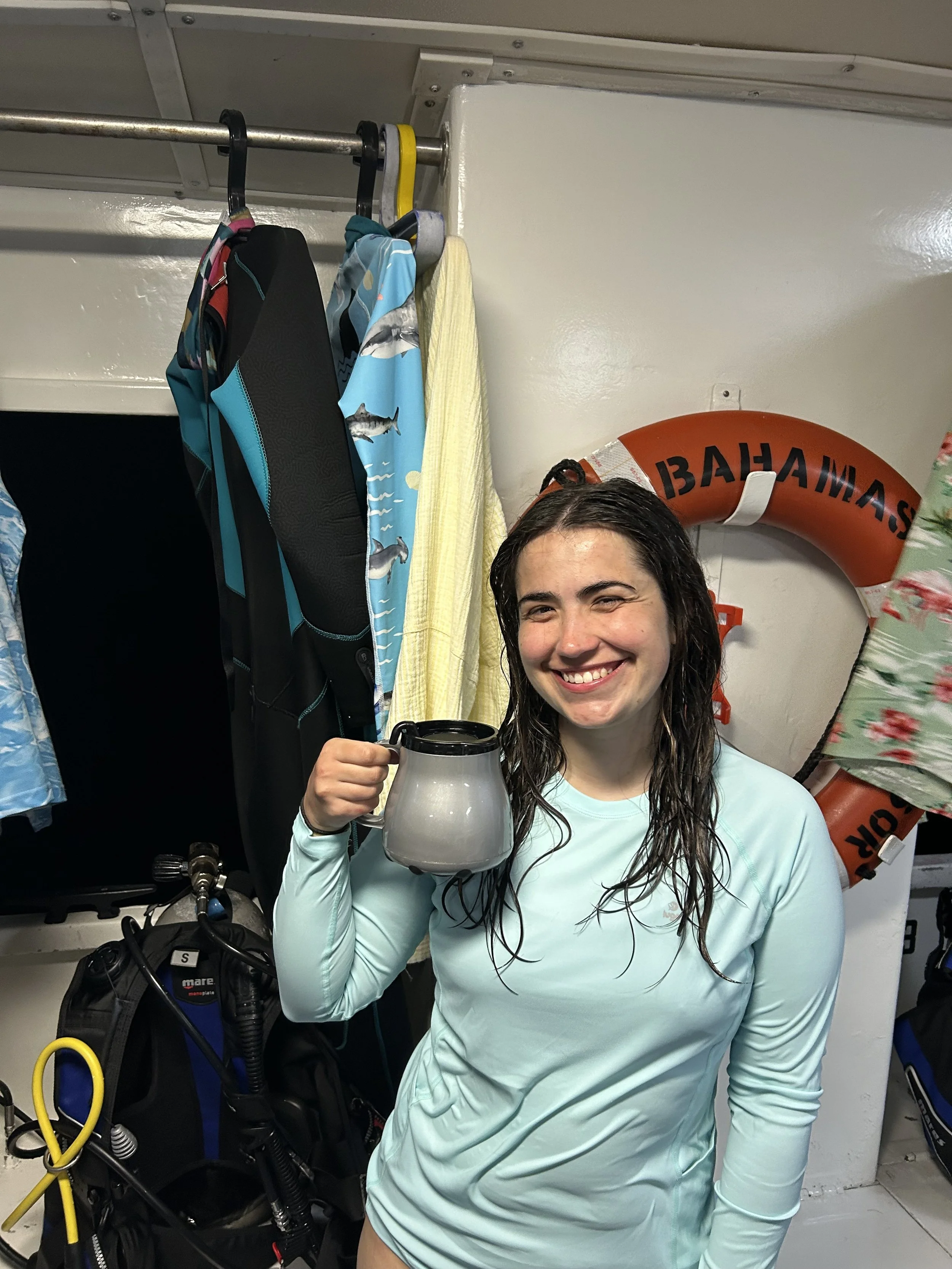
There is something surreal about rolling out of bed before sunrise, pulling on a slightly damp wetsuit while half awake, and walking onto the dive deck with coffee in hand while the ocean is still dark and quiet. Most of the boat usually moves around in near silence besides tanks clanking together and the occasional exhausted diver trying to remember where they left their mask or dive computer.
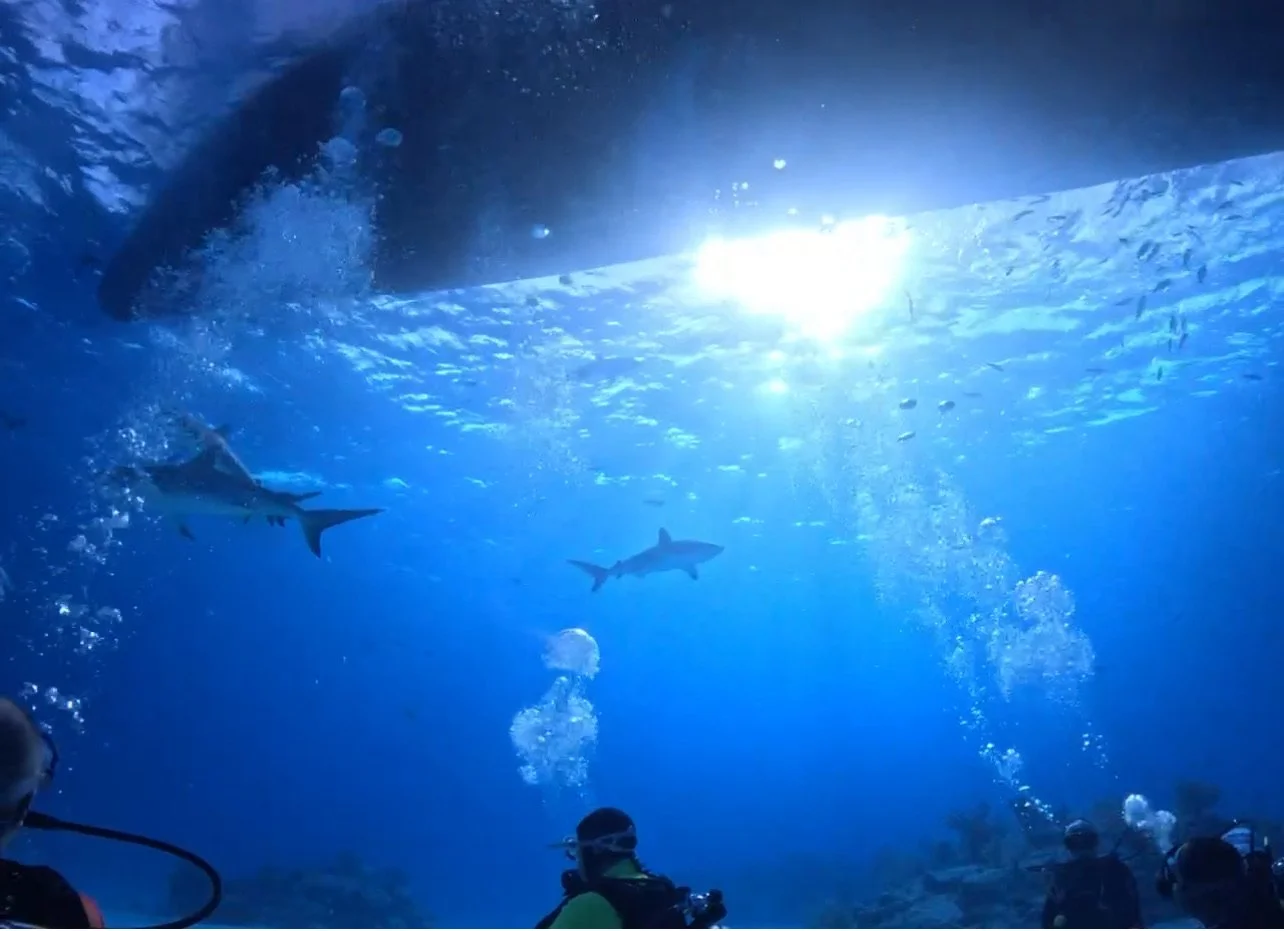
Then suddenly the horizon starts glowing orange while the boat rocks gently beneath your feet. Flying fish skim across the surface while everyone quietly finishes gearing up. A few moments later, you giant stride into calm blue water while the sun rises over the ocean, and somehow being awake that early no longer feels unreasonable at all.
Morning dives honestly become addictive on liveaboards. The ocean feels peaceful, marine life is often incredibly active, and there is something special about starting your day underwater before most people on land have even had breakfast.
Pack Smarter, Not Heavier
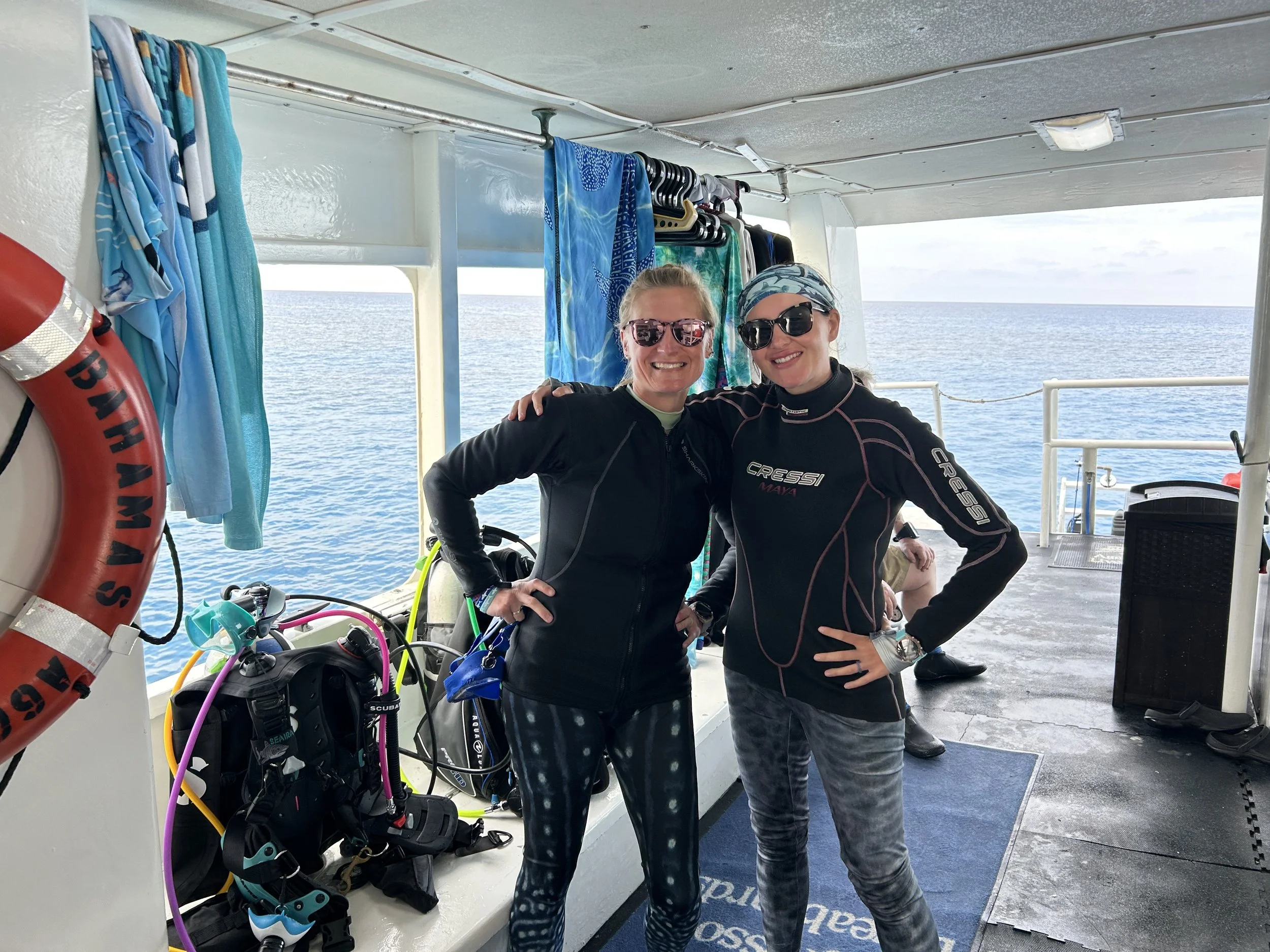
Overpacking for your first liveaboard almost feels like a rite of passage. Most divers arrive imagining glamorous vacation outfits only to realize everyone onboard rotates between swimsuits, dive gear, pajamas, and the same salt-stained hoodie for most of the trip. After several days of repetitive diving, comfort quickly becomes more important than fashion.
Be sure to stop by my Amazon shop for recommendations!
Cabin space is usually limited, and organization becomes your best friend very quickly. Packing cubes help tremendously once wetsuits, towels, charging cords, toiletries, and camera gear all start competing for the same tiny amount of space. Soft-sided luggage also tends to work much better than hard-shell suitcases because it is easier to store onboard.
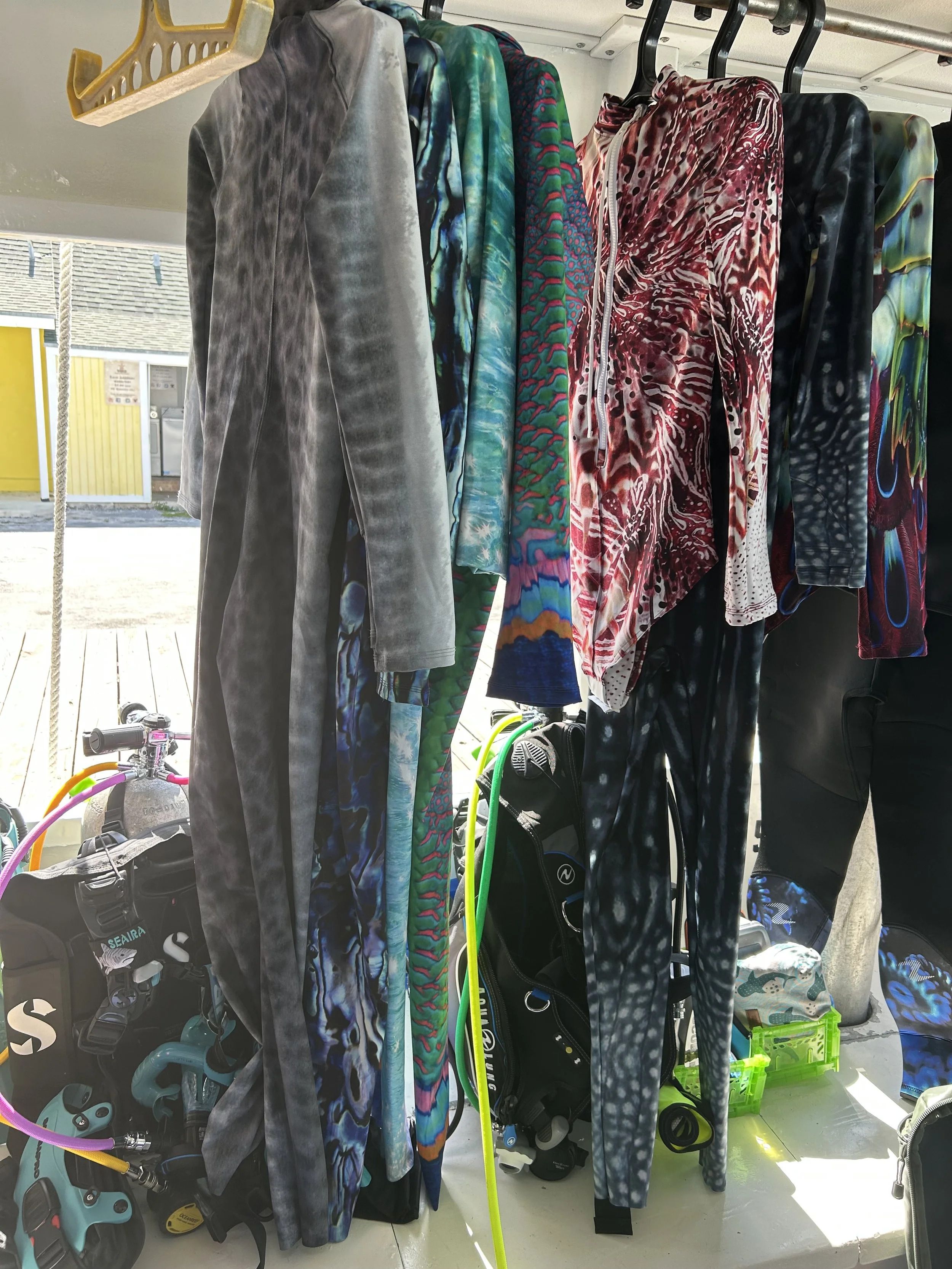
A few items become absolute MVPs onboard:
Stream2Sea Reef-safe sunscreen (use my code Seaira_Dives to save 10%)
KOOK Solar Moisturizer (Use code SEAIRA20 to save 20%)
Stream2Sea Defog (use my code Seaira_Dives to save 10%)
Dry bags
Extra swimsuits
Hydration packets
Comfortable sandals
Ear drops (use my code Seaira_Dives to save 10%)
Collapsable bins for organizing torches, camera essentials, etc
Seasickness medication
Lightweight hoodie or sweatpants
Save-a-dive kit (see my Amazon recommendations)
KAHU Poncho (Use code SEAIRA_DIVES to save 10%)
Hair Mask (Use code SEAIRA20 to save 20%)
All things Waterlust
The clips honestly deserve their own spotlight. Divers quickly turn the upper deck into a floating laundry room covered in rash guards, wetsuits, swimsuits, and towels drying between dives. Small clips or clothespins help keep your clothing secured so it does not blow away during windy crossings or overnight travel. Nothing humbles you faster than watching your favorite rash guard disappear into the ocean at sunrise while you helplessly stare at it floating away.
Comfortable clothing also becomes elite-level liveaboard fashion after repetitive diving all day. Lightweight sweatpants, oversized t-shirts, hoodies, and cozy clothes become surprisingly important once the sun goes down and the wind picks up on the upper deck. Even tropical destinations can feel chilly after multiple dives and long surface intervals in wet gear.
I’ve slowly built out my own dive travel setup through years of trial and error, and honestly, the small things make the biggest difference. Good organizers, compact travel gear, dry bags, charging systems, and little comfort items end up being the things you appreciate most by day three of a trip. I linked many of my favorite dive travel essentials in my Amazon storefront for anyone preparing for their first liveaboard adventure.
Check Entry Requirements Before You Travel
Before any international dive trip, make sure to check the official U.S. Department of State website for the most up-to-date country entry requirements and travel information. Visa rules, passport validity requirements, vaccination recommendations, customs regulations, and entry forms can all change unexpectedly depending on the destination. Many countries require your passport to remain valid for at least six months beyond your travel dates, and some destinations may also require proof of onward travel or specific health documentation before arrival. Checking official government resources ahead of time helps avoid unnecessary stress at the airport and gives you a much clearer idea of what to expect before your trip begins.
Check Out My Full Dive Trip Packing Guide
Packing for a liveaboard honestly deserves its own dedicated guide because dive travel always ends up being a balance between bringing what you need and trying not to haul half your house across the world. Small details like luggage organization, airline weight limits, protecting camera gear, and figuring out what is actually worth packing can make a huge difference once you are traveling internationally with dive equipment.
I also put together a separate blog entirely focused on packing for dive trips with more detailed recommendations for gear, travel essentials, clothing, camera organization, carry-on items, and things I personally never leave home without anymore. If you are currently deep in the “what do I actually pack for this trip?” phase, definitely check that one out as well before departure.
Things You’ll Be Glad You Packed
Some items do not seem important until you are already onboard wishing you had them. A small extension cord or compact power strip becomes incredibly useful once multiple people are competing for charging outlets between dives. Backup charging cables also somehow become worth their weight in gold by the middle of the trip.
Electrolyte packets can make a huge difference after repetitive diving in the sun all day. Extra memory cards and backup batteries are lifesavers for photographers, especially during trips where marine life sightings are nonstop. Ziplock bags also end up surprisingly useful for organizing wet items, protecting electronics, or separating damp gear from dry clothing inside your luggage.
A backup swimsuit is another thing people underestimate. Pulling on a cold wet swimsuit repeatedly throughout the week gets old very quickly. Small comforts matter more than people expect during repetitive diving trips.
Build a Small Save-a-Dive Kit Before You Leave
A small save-a-dive kit can honestly become one of the most valuable things you pack for a liveaboard. Boats may have basic tools and spare parts onboard, but having your own compact kit can save a tremendous amount of stress when small gear issues pop up between dives. Tiny problems feel much bigger when you are hours away from shore and about to giant stride into a world-class dive site you have dreamed about for years.
A good save-a-dive kit does not need to be huge or overly complicated. Most divers benefit from packing a few extra mask straps, fin straps, zip ties, mouthpieces, extra batteries for dive computers or lights, silicone grease, o-rings, clips, double-enders, bolt snaps, bungee, and a small multitool if flying regulations allow it in checked luggage. Electrical tape, charging cables, and a backup phone charging brick also become surprisingly useful more often than people expect.
Dive travel has a funny way of testing gear in the most inconvenient moments possible. Something always seems to loosen, disappear, crack, or stop charging right before an amazing dive. Having a few backup items tucked away in your luggage can mean the difference between a quick fix and missing an entire dive while trying to troubleshoot equipment problems onboard.
Over the years, I slowly built out my own compact travel save-a-dive setup through a lot of trial and error during dive trips. Small, lightweight, mobile setups work best because they are easy to throw into luggage without adding much bulk or weight. Check out the Save-a-Dive Kit section of my Amazon shop if you want ideas for building your own compact travel setup before your trip.
Surface Intervals Become Their Own Experience
Surface intervals on liveaboards honestly become part of the experience instead of simply downtime between dives. Divers slowly shuffle toward coffee and snacks while reviewing photos from the previous dive and talking excitedly about what they just saw underwater. Somebody is usually editing photos. Somebody else is napping in the shade wrapped in a towel while the boat rocks gently back and forth.
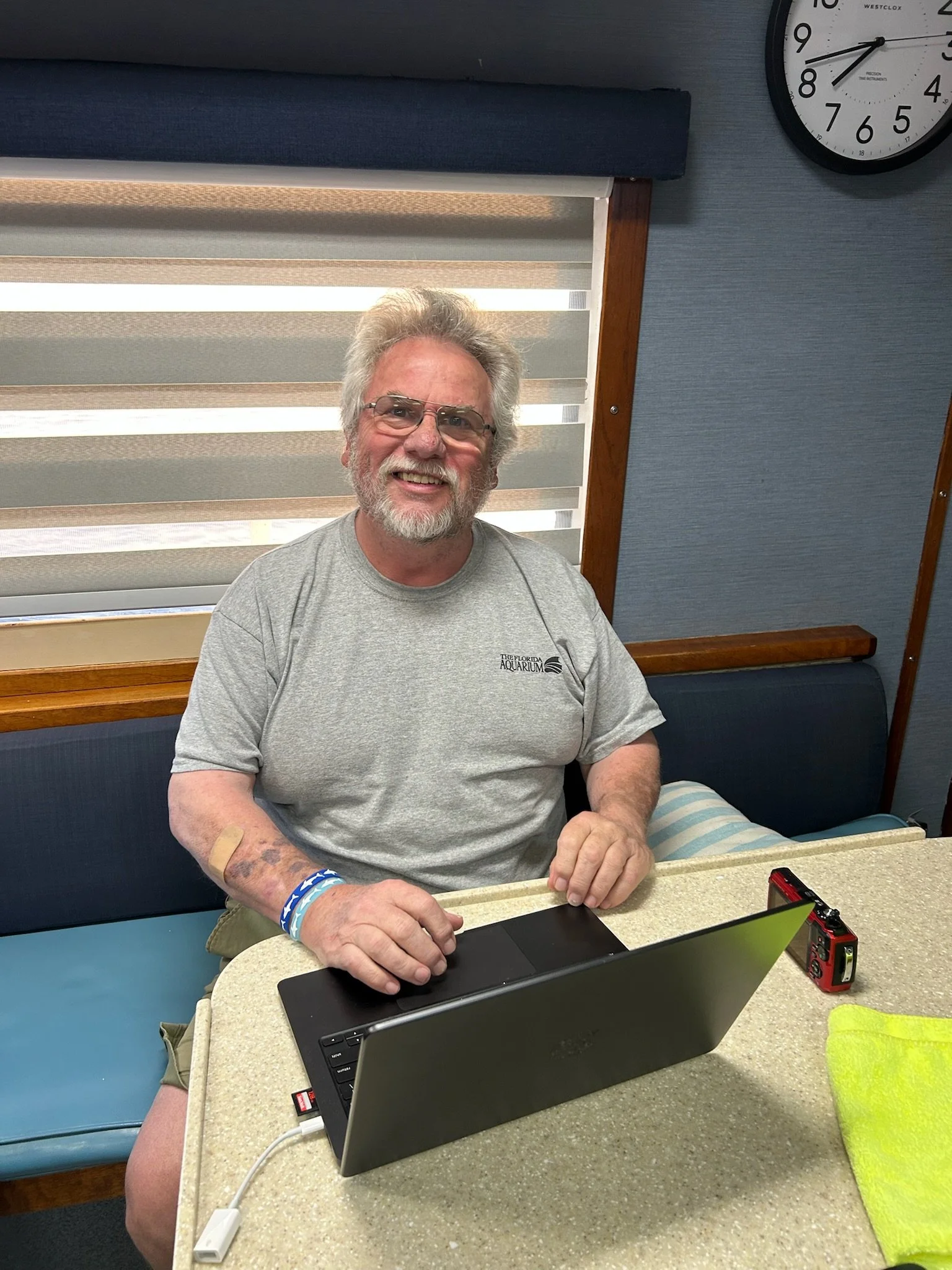
Most people bring books with good intentions and then barely touch them because they are either underwater, eating, talking about diving, or completely exhausted. Conversations onboard somehow bounce between serious marine life discussions, camera settings, and debates about what snack mysteriously tastes best after diving all day.
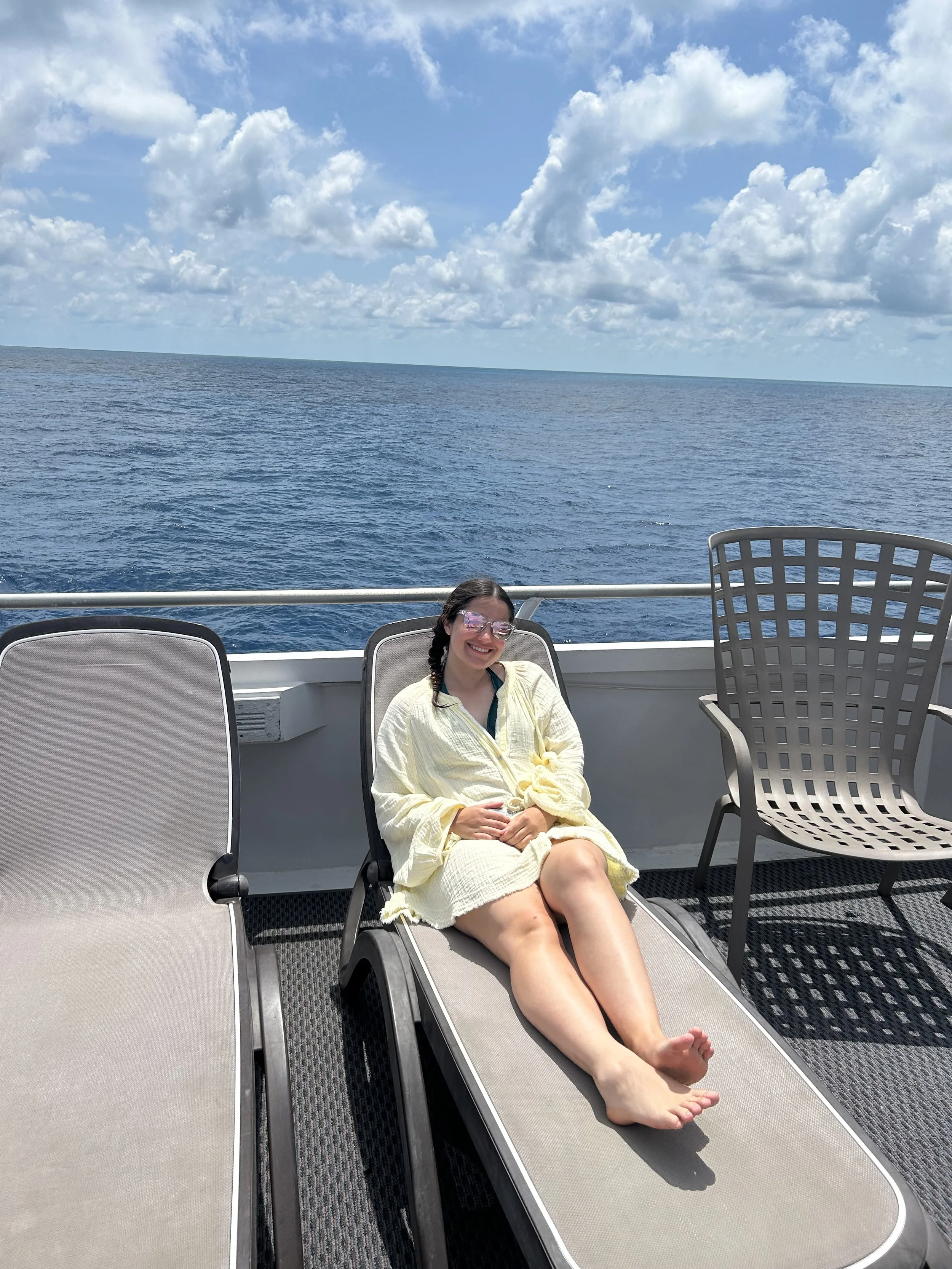
Some of my favorite liveaboard memories honestly happened during surface intervals instead of underwater. Watching flying fish skim across the surface, spotting dolphins from the upper deck, laughing with new friends over post-dive cookies, or simply staring out at endless blue water becomes part of the magic of the trip.
Bring Something Fun for Surface Intervals
Most liveaboards naturally become social pretty quickly, especially after a few days of diving together. Surface intervals and evenings onboard are honestly a great time to relax, laugh, and hang out with other divers once everyone is cleaned up and fed after the last dive of the day.
Card games are perfect for liveaboards because they are lightweight, easy to travel with, and fun even when everyone is slightly exhausted from repetitive diving. Uno tends to become weirdly competitive very fast onboard. Simple games like Taco Cat Goat Cheese Pizza, travel-sized Cards Against Humanity, or a basic deck of cards also work really well if your group enjoys casual games.
Some of the best entertainment honestly requires zero equipment at all. Two Truths and a Lie, marine life trivia, “best dive/worst dive,” or trying to identify the weirdest thing someone saw underwater that day can become hilarious after several dives and a little sleep deprivation. Liveaboards have a funny way of turning complete strangers into friends surprisingly quickly, and those little moments between dives often become some of the best memories from the trip.
Seasickness Does Not Mean You’re a Bad Diver
Even extremely experienced divers get seasick sometimes. Current, swell, weather, crossing conditions, dehydration, exhaustion, and even staring through a camera viewfinder can all contribute to motion sickness onboard. One of the biggest mistakes first-time liveaboard guests make is waiting until they already feel sick before trying to manage it.
If you know you are prone to seasickness, start medication beforehand based on your doctor’s recommendations and stay proactive throughout the trip. Hydration helps tremendously. Fresh air helps. Looking at the horizon helps. Sometimes crackers, ginger chews, and electrolyte packets become your best friends for a few days.
Most importantly, do not feel embarrassed if seasickness hits you during the trip. Dive crews see it constantly, and nobody onboard is judging you. Some of the most experienced divers I know still occasionally spend rough crossings curled up on a bench clutching electrolyte packets and hoping for calmer water.
Things That Will Probably Happen on Your First Liveaboard
You will probably forget where you left your dive computer at least once daily. Somebody onboard will almost certainly flood a camera housing at some point during the trip. Your wetsuit may never fully dry the entire week no matter how carefully you hang it.
You will likely become emotionally attached to post-dive snacks somewhere around day three. The entire boat will collectively sprint toward the dive deck anytime someone casually says “Manta!” or “Whale shark!” from the upper deck. By the middle of the trip, hearing tanks clanking together before sunrise somehow starts feeling normal.
At least one person onboard will accidentally wear their swimsuit backwards at some point from exhaustion. Somebody will absolutely forget to charge a battery overnight. Everyone onboard will quietly pretend they are not wearing the exact same comfy outfit for the third night in a row.
Honestly, that is part of the magic.
Tiny Cabins and Controlled Chaos
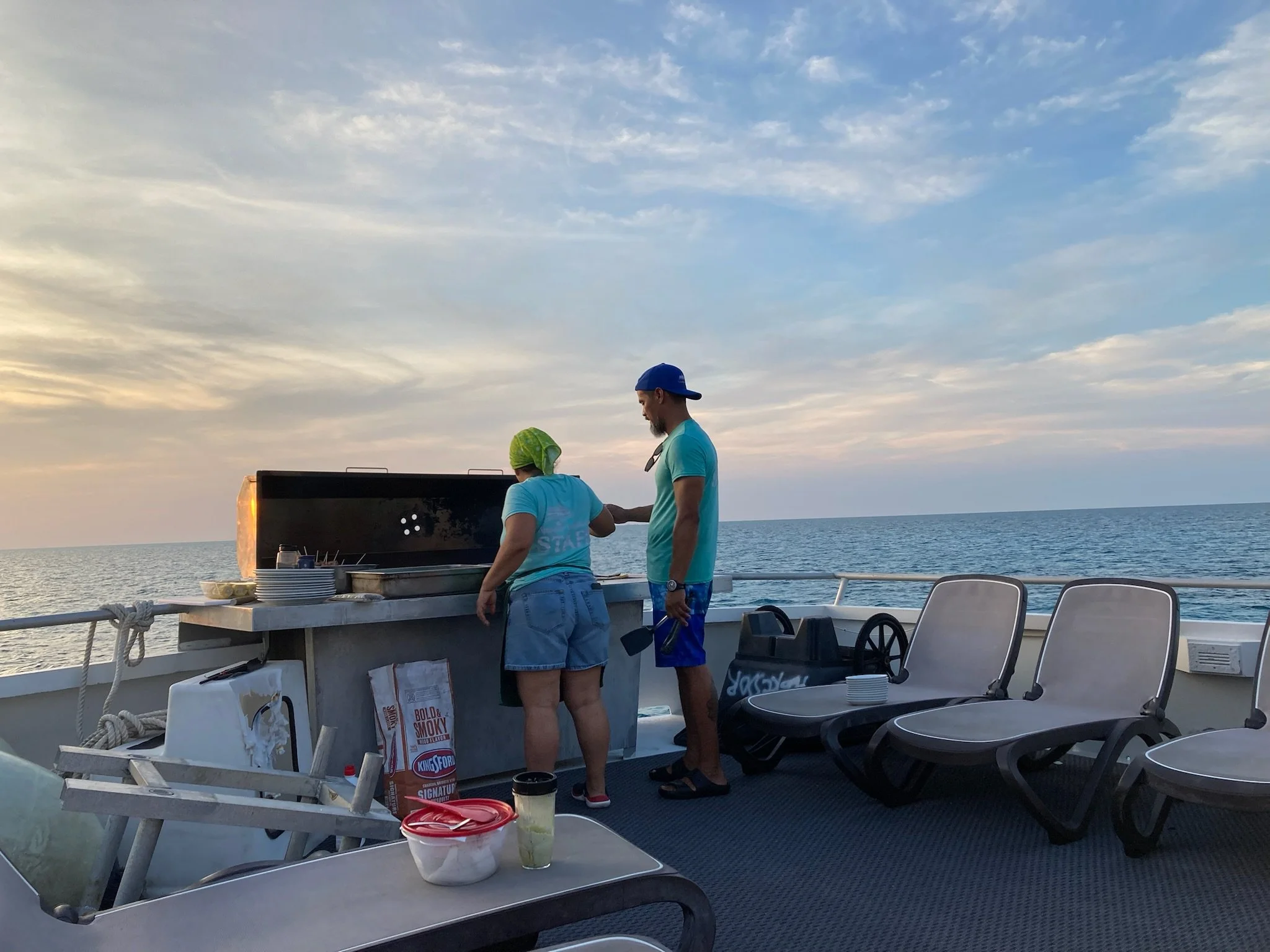
Liveaboard cabins are functional, not massive luxury suites. Eventually every available hook, railing, and corner somehow ends up covered in drying dive gear. Wetsuits migrate around the cabin. Charging cables multiply overnight. Towels never seem fully dry no matter how carefully you hang them.
The chaos eventually becomes part of the charm. After a few days onboard, everyone quietly accepts that life now revolves around wetsuits, charging stations, snacks between dives, and trying to remember where they placed their dive computer five minutes ago. Nobody onboard looks perfectly put together by the middle of the trip, and honestly, that is part of the fun.
Respecting shared spaces goes a very long way onboard. Keeping gear organized, avoiding spreading wet gear everywhere, and being mindful of roommates makes the experience significantly smoother for everyone. Packing light honestly becomes more valuable than packing fancy.
“Nobody looks glamorous by day four of a liveaboard, and honestly, that is part of the magic.”
Boat Etiquette Nobody Talks About
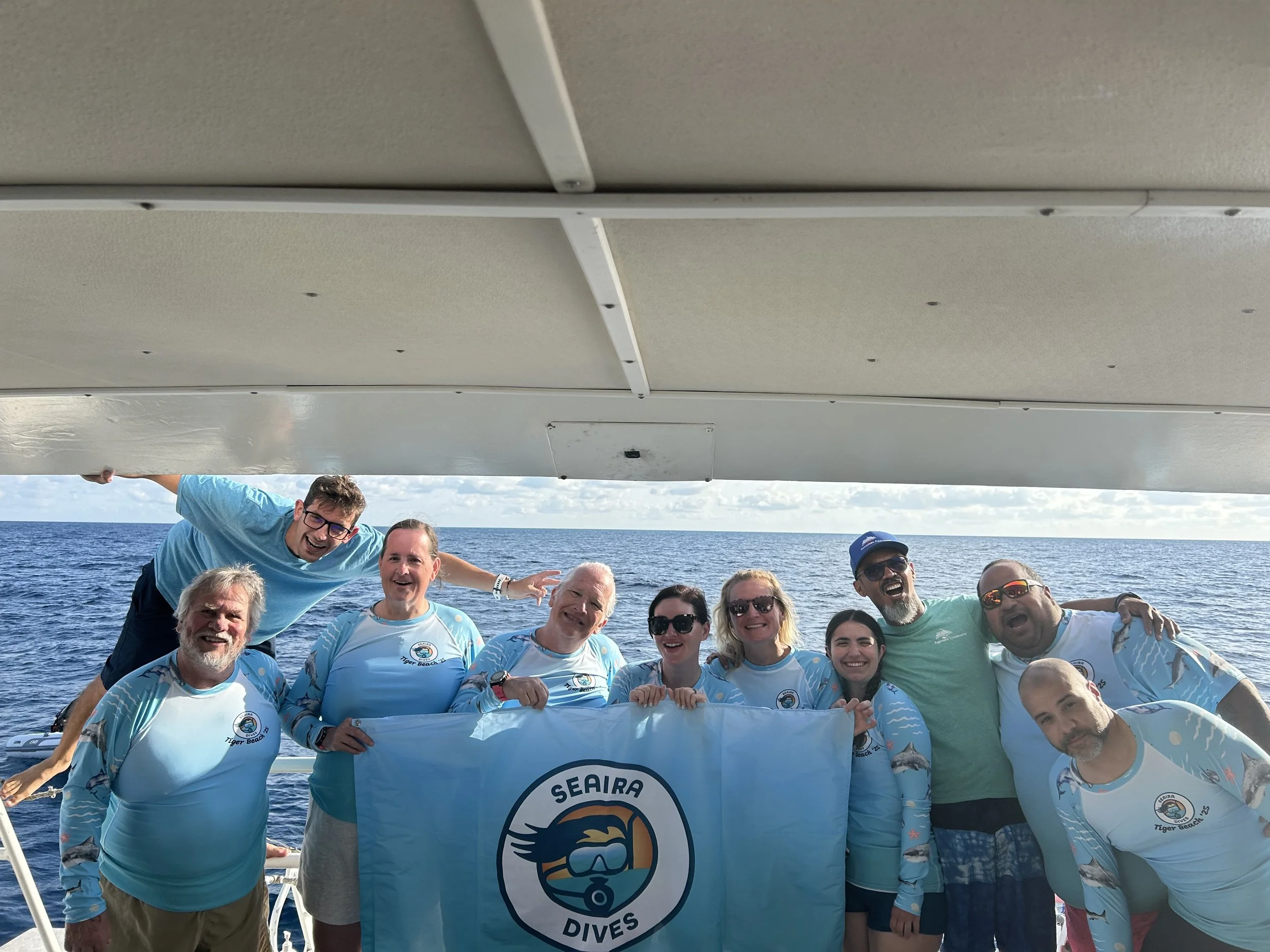
Every liveaboard has its own vibe, but a few small courtesies make a huge difference onboard. Being on time for dive briefings and respecting the flow of the boat helps things run smoothly for both guests and crew. Liveaboards operate on tight schedules, especially when tides, currents, and crossing times matter.
Shared camera tables and rinse tanks can become surprisingly serious business onboard photography-heavy trips. Giving people space, avoiding monopolizing rinse bins, and being aware of where your gear is sitting goes a long way toward keeping everyone happy. Headphones also become greatly appreciated in shared spaces after several long days at sea.
Most importantly, respect the crew. Crew members work incredibly hard behind the scenes to keep trips running smoothly. Tank fills, navigation, meals, housekeeping, skiff support, safety operations, and helping divers all happen simultaneously every single day. A little kindness and appreciation matters far more than people realize.
Helping newer divers also creates a much better atmosphere throughout the trip. Some people onboard may have hundreds or thousands of dives while others are stepping onto their very first liveaboard feeling nervous and overwhelmed. Patience and encouragement help create the kind of community that makes dive travel so special.
Cameras Change Everything
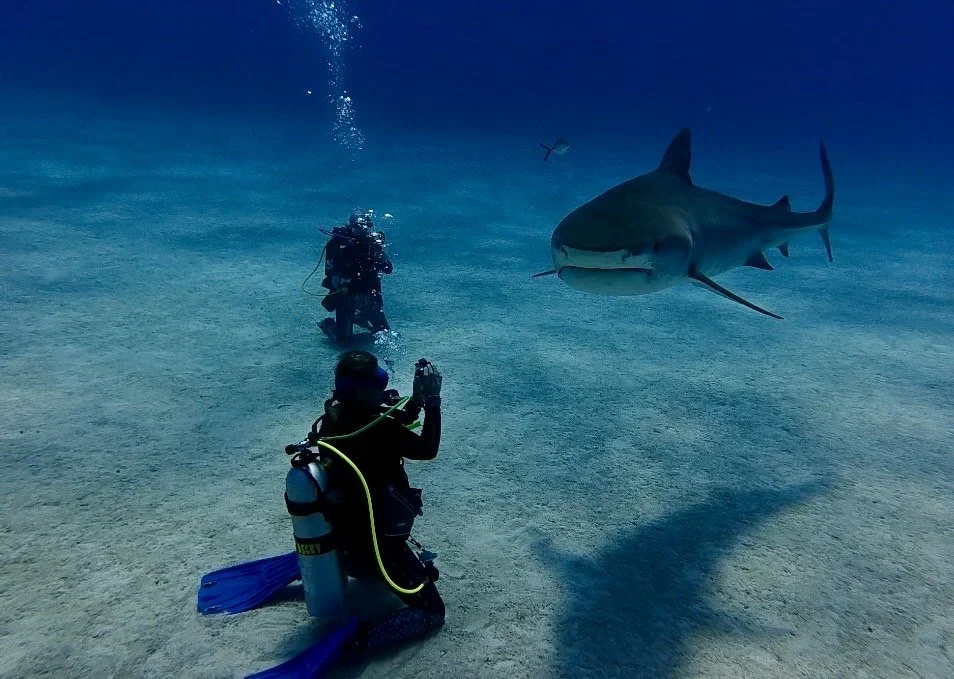
Underwater photography completely changed the way I dive. Macro photography especially taught me to slow down underwater and appreciate details I previously would have swum right past. Tiny subjects suddenly become just as exciting as large pelagics once you start learning how much life exists hidden in the reef.
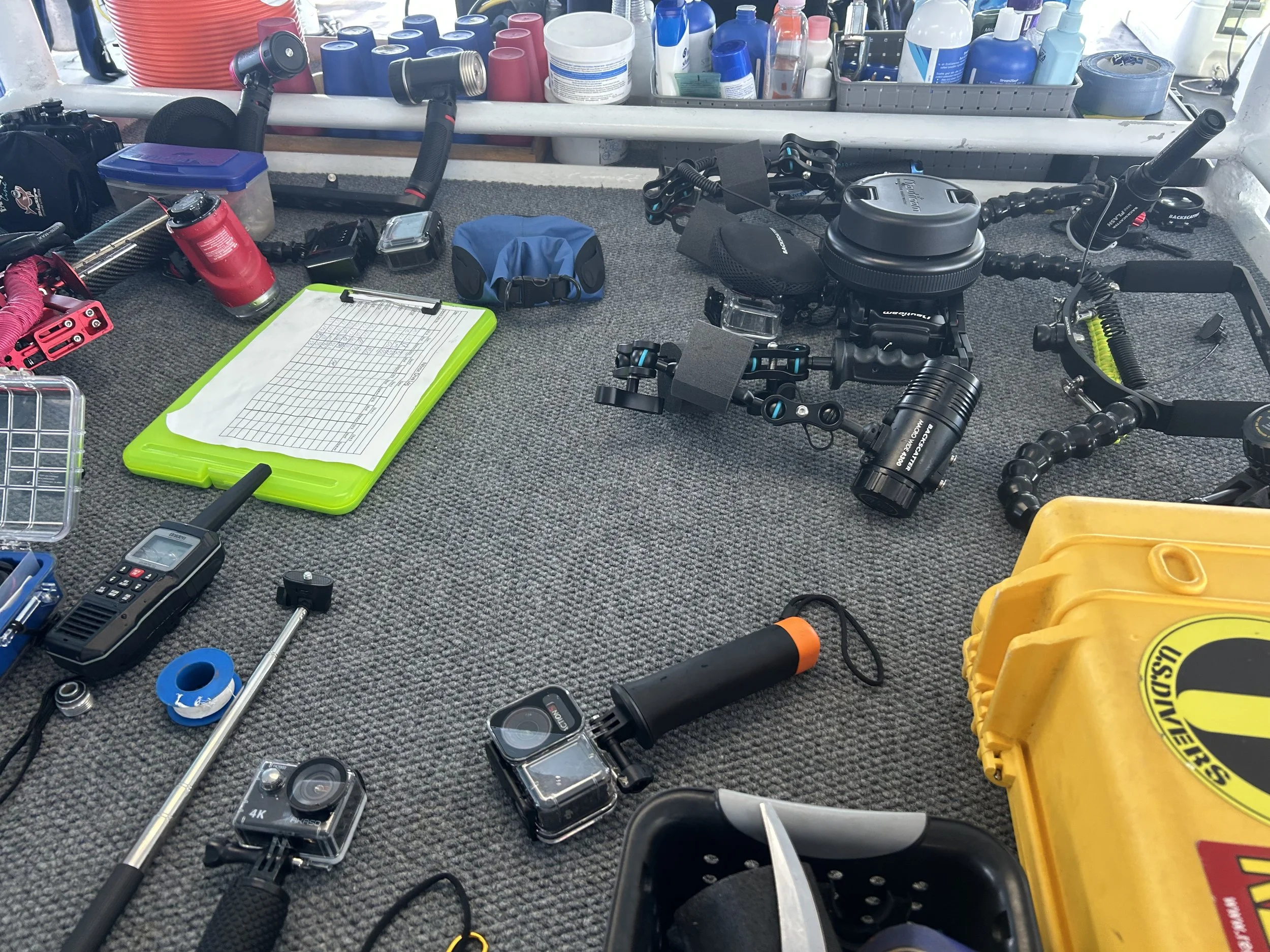
Liveaboards are incredible for photographers because repetitive diving allows time to refine techniques, revisit subjects, and learn from others onboard. They are also a constant cycle of charging batteries, managing memory cards, checking o-rings, and trying not to flood expensive equipment. Somebody onboard inevitably forgets to charge something important at least once during the trip.
Recent macro trips completely shifted the way I approach diving. Tiny creatures like pygmy seahorses, nudibranchs, frogfish, wonderpus, and octopus suddenly became just as exciting to me as sharks or mantas. Photography creates a different type of patience underwater that honestly made me appreciate diving even more.
Photography also changes the pace of diving in a really beautiful way. Divers start slowing down, paying attention to small details, and appreciating behaviors they may have previously rushed past. A tiny nudibranch or shy pygmy seahorse can suddenly become the highlight of an entire dive.
Dive Insurance Actually Matters
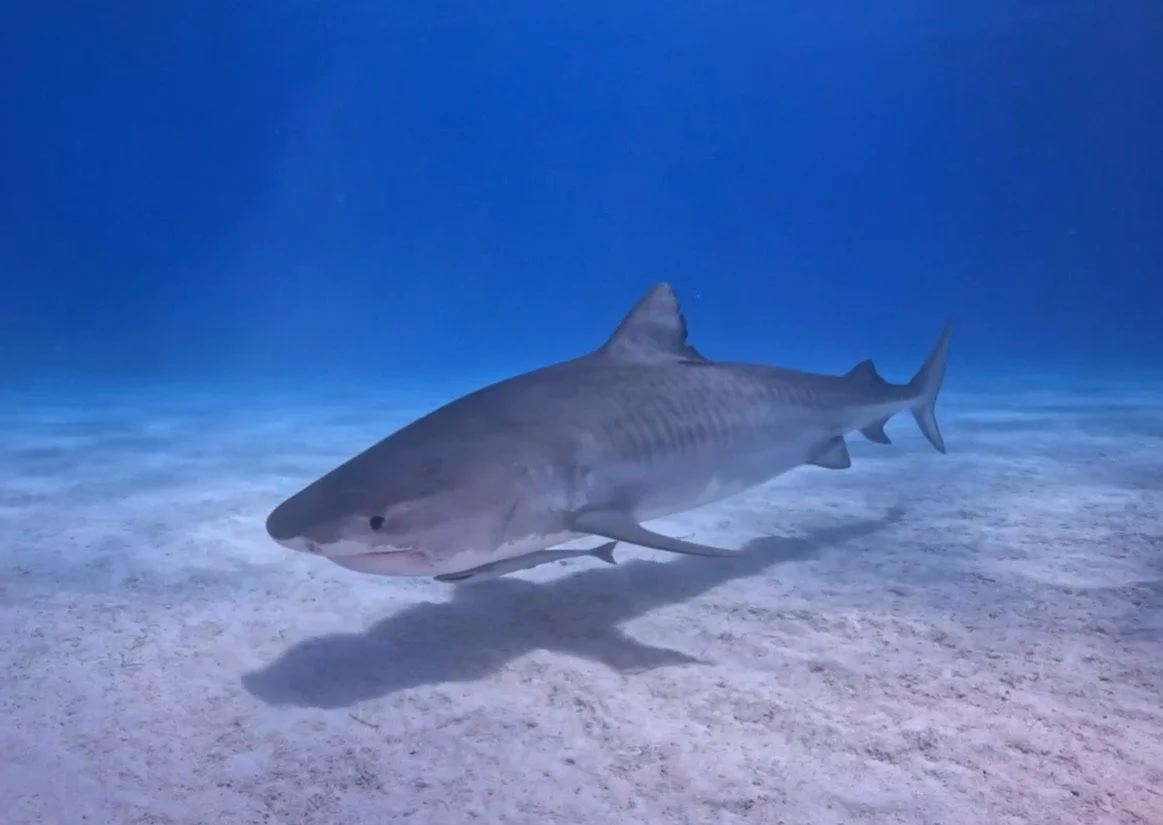
Dive insurance and travel insurance are two things many divers overlook until something goes wrong. Flight delays, lost luggage, chamber access, medical evacuations, and unexpected travel interruptions unfortunately do happen sometimes during dive travel. Having proper coverage can make a stressful situation significantly easier to manage.
DAN insurance is honestly one of those things I strongly recommend divers look into before major dive travel, especially for remote destinations and liveaboards. Hopefully you never need it, but when something unexpected happens, having good coverage becomes incredibly important very quickly.
We recommend Divers Alert Network (DAN) Trip Insurance: CLICK HERE
You can also become a DAN member and sign up for specific dive coverage CLICK HERE
Why Divers Keep Coming Back
Something about liveaboards strips life down to the simplest possible routine in the best way. Sleep. Dive. Eat. Repeat. Nobody cares what your job is onboard. Nobody cares what car you drive or whether your hair looks good after three straight days of saltwater and humidity.
Your entire world becomes the ocean, good food, exhaustion, laughter, and trying to decide whether the next dive might somehow be even better than the last one. Life on land starts to feel strangely distant after a few days. Sunrise briefings, giant strides, salty towels drying in the wind, and conversations about octopus sightings over dinner somehow become your normal routine.
Then suddenly the trip ends, and people you met only a week ago already feel like dive buddies you have known for years. Liveaboards somehow turn complete strangers into friends faster than almost any other kind of travel experience I have ever had.
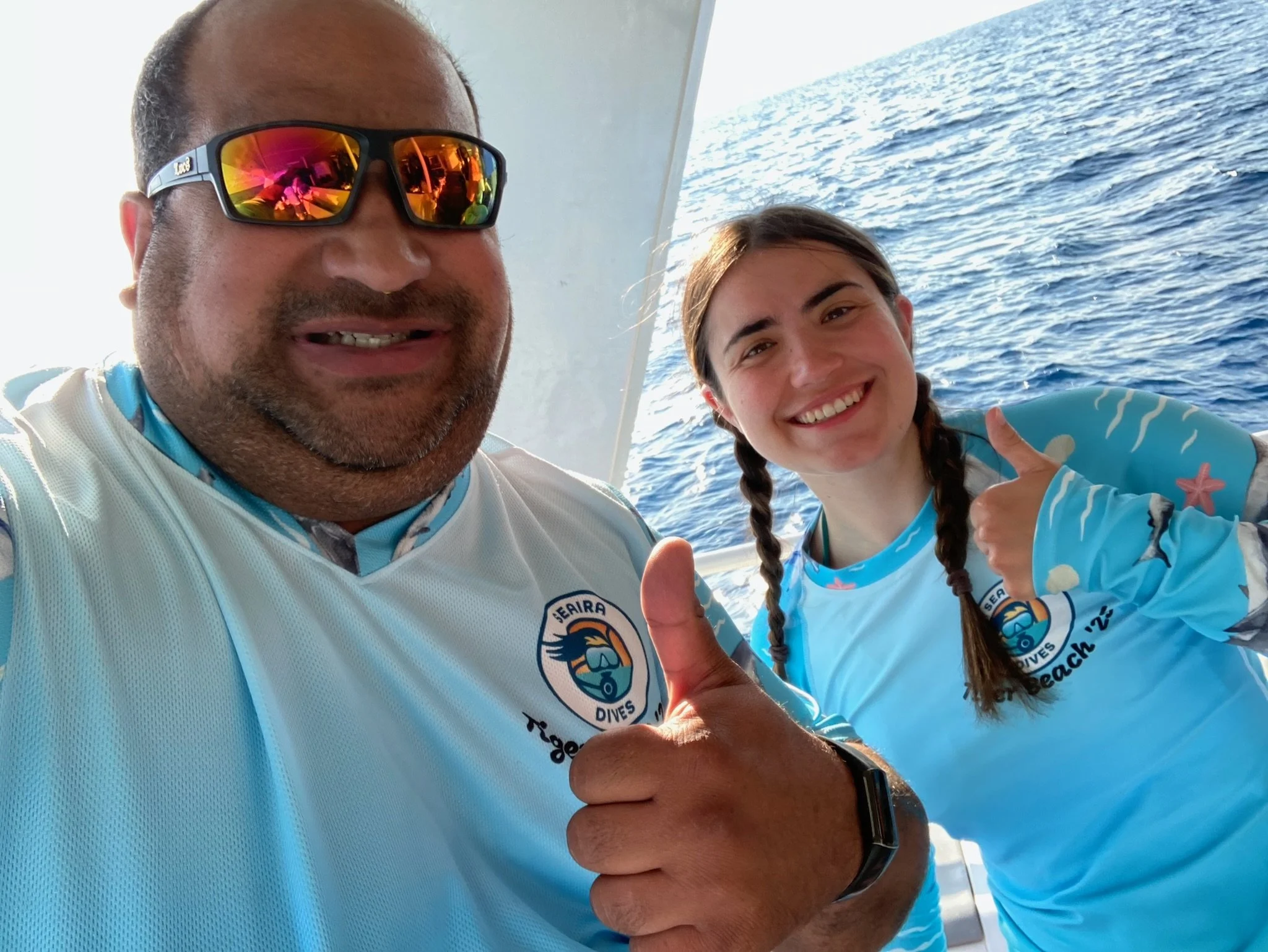
The Ocean Does Not Care About Your Checklist
Conditions change constantly underwater. Visibility shifts. Currents pick up. Marine life disappears. Weather reroutes itineraries. The dive site you were most excited about sometimes ends up being completely different than expected. Learning to stay flexible is one of the best things you can do before stepping onto a liveaboard.
Then sometimes the ocean surprises you in the best possible way. A whale shark suddenly appears during a safety stop. A tiny nudibranch somehow becomes the highlight of the trip. An unexpected sunset on the upper deck becomes one of your favorite memories from the entire experience.
The ocean does not owe us perfect conditions or bucket-list sightings. Learning to appreciate the experience as a whole instead of chasing a perfect checklist usually leads to the best memories. Some of my favorite moments underwater happened completely unexpectedly.
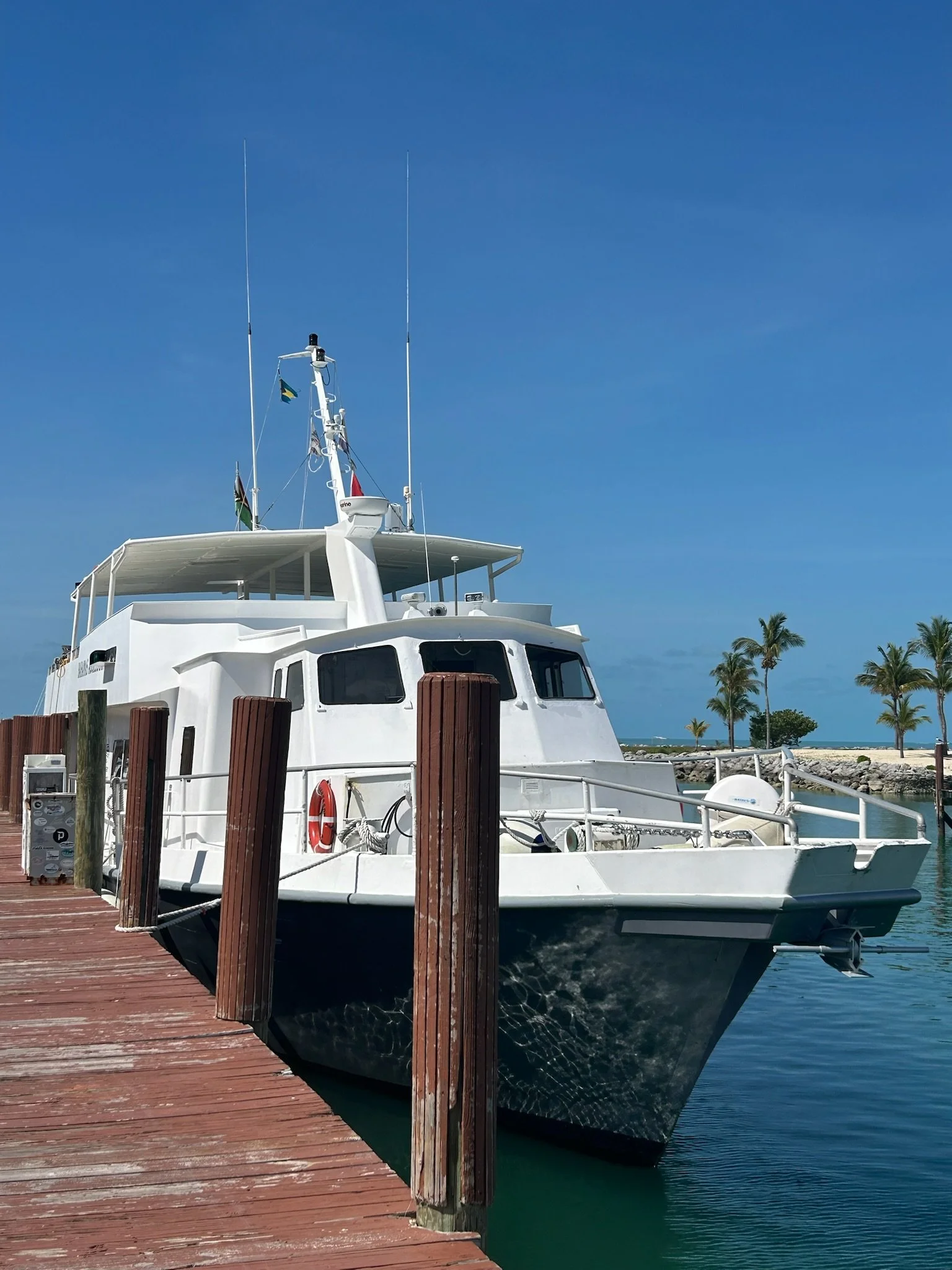
Eventually You’ll Understand the Obsession
At some point during the trip, life on land starts to feel strangely far away. Your world becomes sunrise dives, tank clanking before coffee, salty towels drying in the wind, post-dive snacks that somehow taste better than any meal back home, and conversations about sharks, octopus, nudibranchs, or mantas over dinner with people who completely understand why those moments matter so much.
Liveaboards have a funny way of simplifying life in the best possible way. Nobody cares what your job title is onboard. Nobody cares what car you drive or whether your hair has been brushed in three days. Everyone is tired, salty, slightly sunburned, wearing the same comfy clothes repeatedly, and completely happy about it.
Then suddenly the trip ends. Gear gets rinsed one final time, wetsuits finally dry out, and somehow the people who were strangers a week earlier already feel like longtime dive buddies. Most divers step off their first liveaboard exhausted, covered in salt, low on sleep, and immediately trying to figure out how to book another one.
There is a reason liveaboards have such a loyal following in the dive community. Somewhere between the giant strides, endless blue water, laughter on the upper deck, and unforgettable dives, they stop feeling like vacations and start feeling like a version of life you wish lasted just a little bit longer.
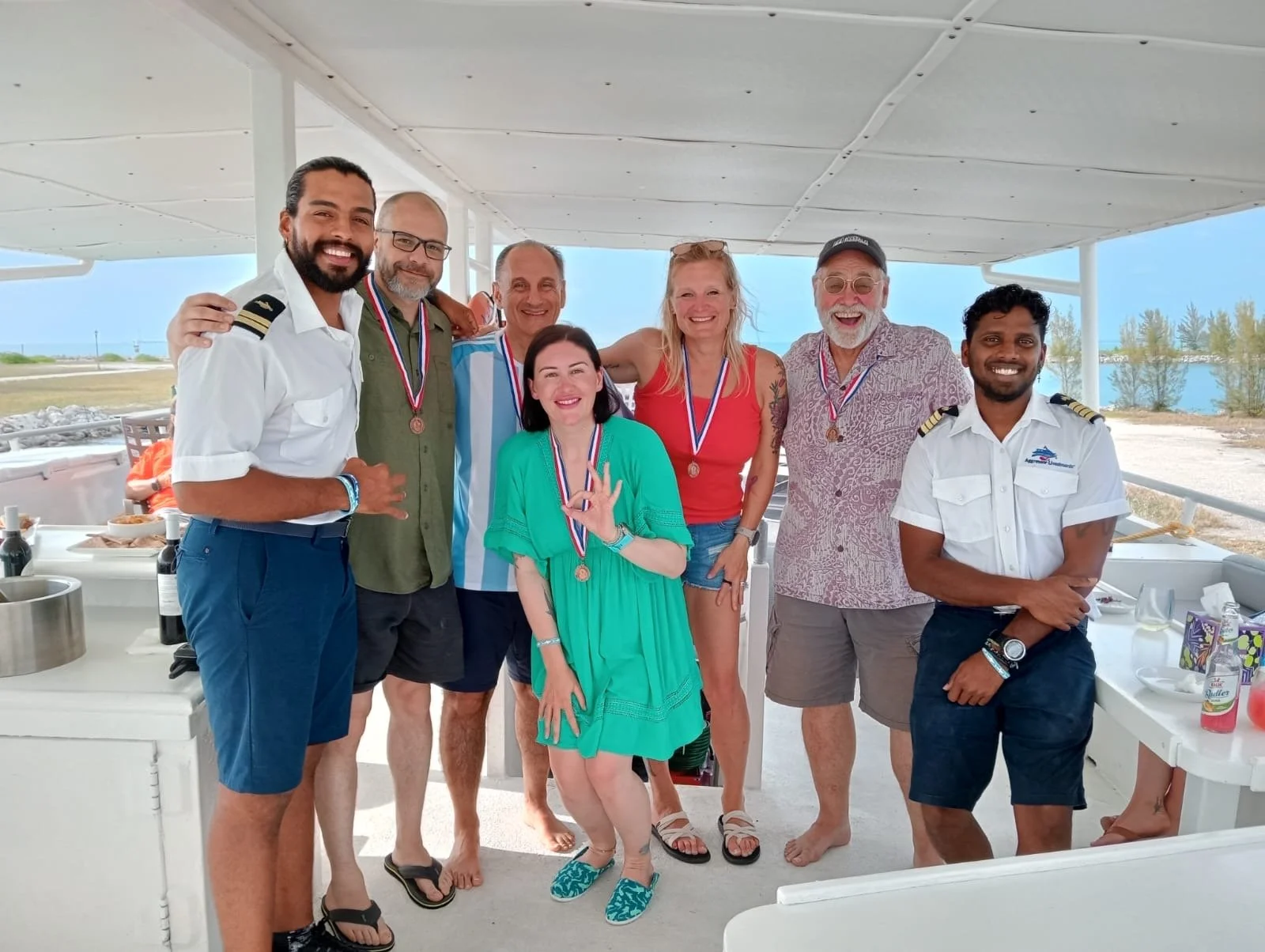
Dive safe, explore passionately, and remember…