Why Every Dive Pro Should Take the Adaptive Techniques Specialty
And why every diver should consider becoming an Adaptive Support Diver
As a scuba instructor, I’ve had the privilege of guiding people through some of the most transformative experiences of their lives. There’s nothing quite like watching a student take their first breath underwater—and the joy that comes with helping someone overcome fear, build confidence, and discover a whole new world.
But the most powerful moments I’ve witnessed in this role haven’t come from perfect buoyancy or textbook navigation—they’ve come from inclusivity.
That’s why the PADI Adaptive Techniques Specialty has been one of the most meaningful additions to my professional journey—and why I’m proud to offer both this course and the Adaptive Support Diver Specialty to my students and fellow pros.

What Is the Adaptive Techniques Specialty?
The Adaptive Techniques Specialty is a continuing education course for PADI Divemasters and Instructors who want to grow as inclusive educators. It teaches you how to recognize student challenges, adapt your approach, and support divers with physical or cognitive differences—without ever compromising safety or standards.
This course is not about lowering expectations. It’s about customizing support, building trust, and expanding access to the underwater world.
As a certified Adaptive Techniques Specialty Instructor, I offer this course to dive pros who want to lead with both skill and heart.
Prerequisites & Course Format
To enroll in the Adaptive Techniques Specialty, you must be:
A certified PADI Divemaster, Assistant Instructor, or Open Water Scuba Instructor
At least 18 years old
In good standing with PADI
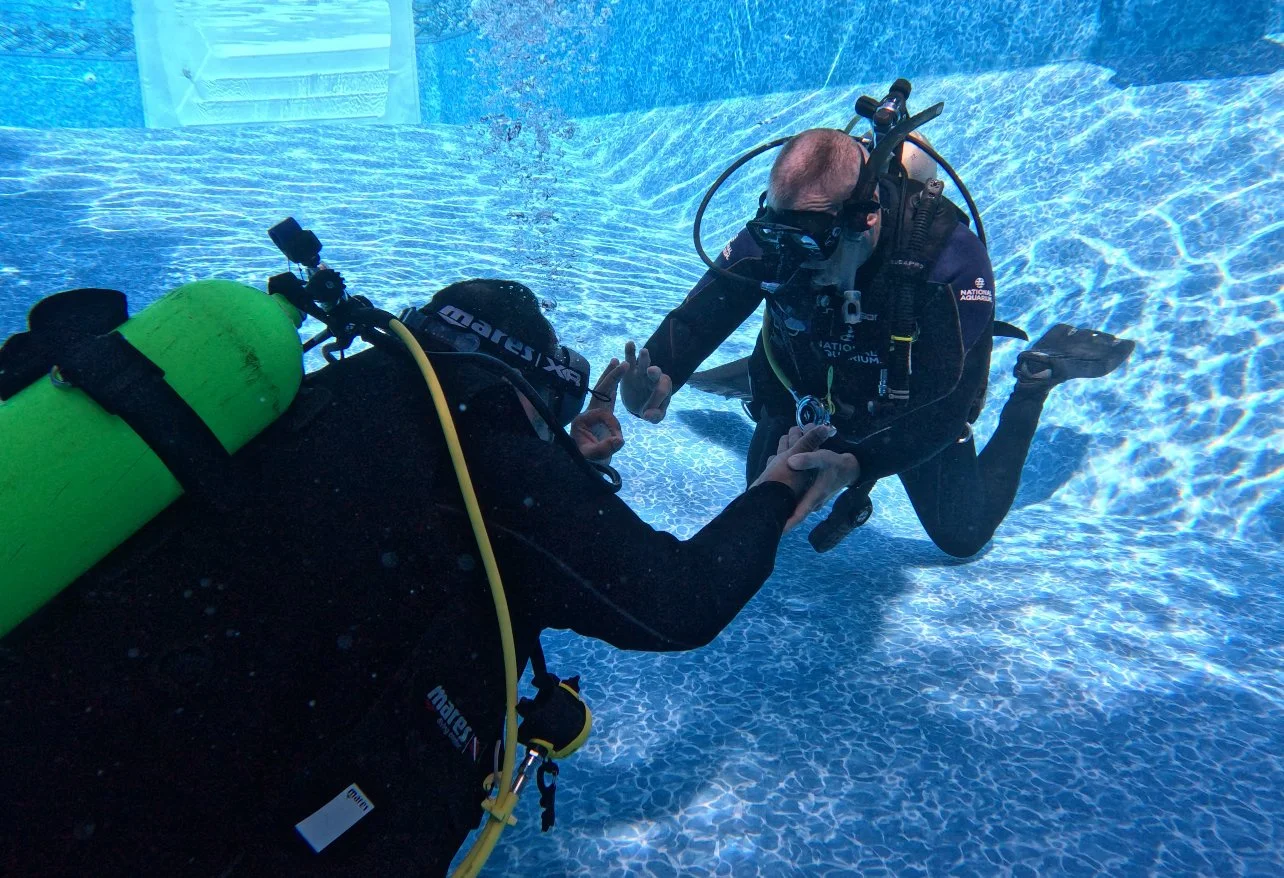
The course typically takes two full days and includes:
Knowledge development, which may be completed in-person or as independent study
Confined water workshops where you'll simulate and adapt skills
Open water teaching scenarios where you apply techniques in realistic situations
You’ll work through hands-on scenarios, both as an instructor and in role-playing exercises that build empathy and confidence. It’s practical, eye-opening, and incredibly rewarding.
What You’ll Learn as a Dive Pro
How to assess a diver’s individual strengths, challenges, and needs
How to adapt teaching methods while remaining within PADI standards
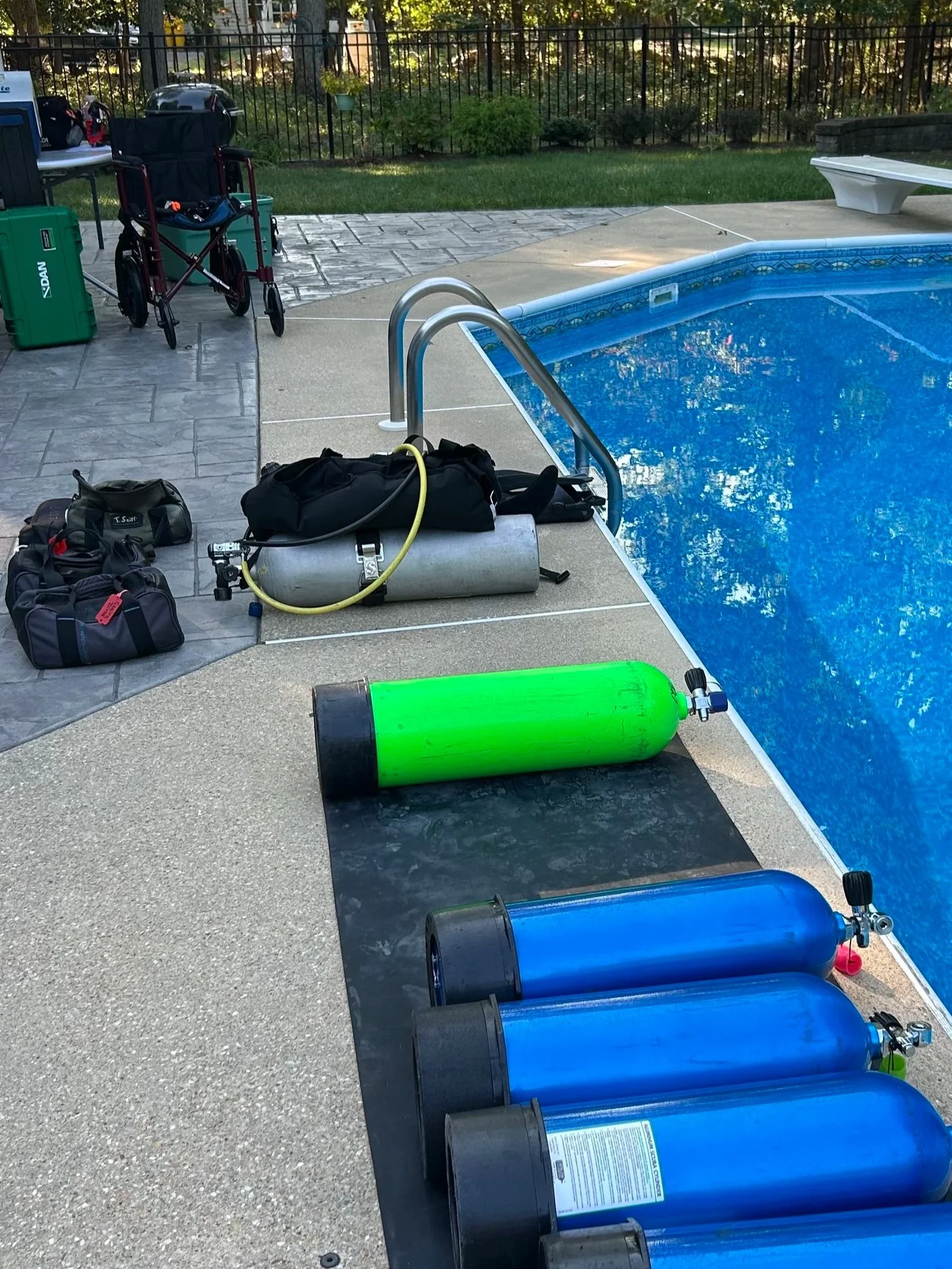
Techniques for modifying entries, exits, gear configuration, and skill performance
Communication strategies for working with students who have cognitive, sensory, or physical challenges
The difference between the Adaptive Techniques Specialty (for pros) and the Adaptive Support Diver Specialty (for all divers)
How to build inclusive learning environments that empower every diver
You’ll leave with a stronger teaching toolkit and the mindset to make diving more accessible for everyone.
The Adaptive Support Diver Specialty: For Every Diver
While the Adaptive Techniques course is designed for dive pros, the Adaptive Support Diver Specialty is for any certified diver who wants to be a more helpful and supportive buddy—especially when diving with someone who may need extra assistance.
This course is ideal for:
Dive buddies, spouses, or family members
Divers assisting on group travel or team dives
Anyone who wants to improve their awareness and confidence while supporting others underwater
As an instructor for this course as well, I’ve seen how it empowers recreational divers to become stronger teammates, both in and out of the water.
Prerequisites & Time Commitment for Support Divers
To enroll, you must be:
A certified PADI Open Water Diver (or higher)
At least 12 years old
The Adaptive Support Diver course is typically completed in one day, and includes:
A classroom or virtual knowledge development session
Confined water scenarios that simulate adaptive diving needs
Optional open water dives (depending on location and class structure)
What You’ll Learn as an Adaptive Support Diver
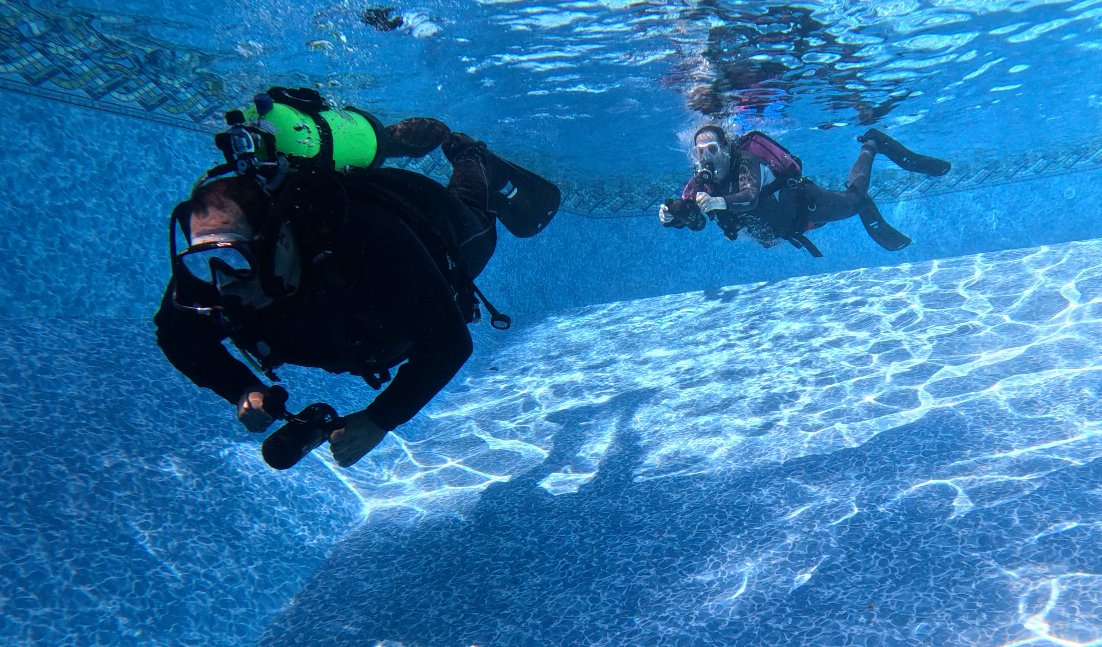
How to be a safe, attentive, and proactive dive buddy
Techniques for assisting during gear setup, entries, and exits
Communication strategies to support a range of diver needs
How to recognize signs of stress and respond appropriately
How to create a positive, inclusive buddy dynamic
This course doesn’t just make you a better buddy—it makes you a more confident, compassionate diver overall.
Why These Courses Matter
Scuba is transformational—but only if it’s accessible. The gear, pace, and format of traditional dive training can unintentionally exclude people. These two courses—one for dive pros, one for all divers—help shift that culture.
Taking the Adaptive Techniques Specialty helped me become a better educator, leader, and advocate. Teaching the Adaptive Support Diver course helps create a more thoughtful and inclusive dive community.
Both courses are about more than skills. They’re about access, respect, and belonging.
Expanding Your Skills: DPV and Full Face Mask
Once you’ve taken the first steps with Adaptive Support Diver or Adaptive Techniques, consider building your toolkit with courses like Diver Propulsion Vehicle (DPV) and Full Face Mask diving. These specialties aren’t just “fun extras”—they can be game changers for adaptive divers and their buddies.
DPV (Diver Propulsion Vehicle): For divers with limited leg mobility or those who tire quickly, a DPV reduces the effort required to cover distance underwater. It makes dives more accessible by conserving energy and opening up new sites that might otherwise be out of reach. For buddies and pros, DPV training teaches you how to manage speed, positioning, and safety while keeping inclusivity at the center of the dive plan.
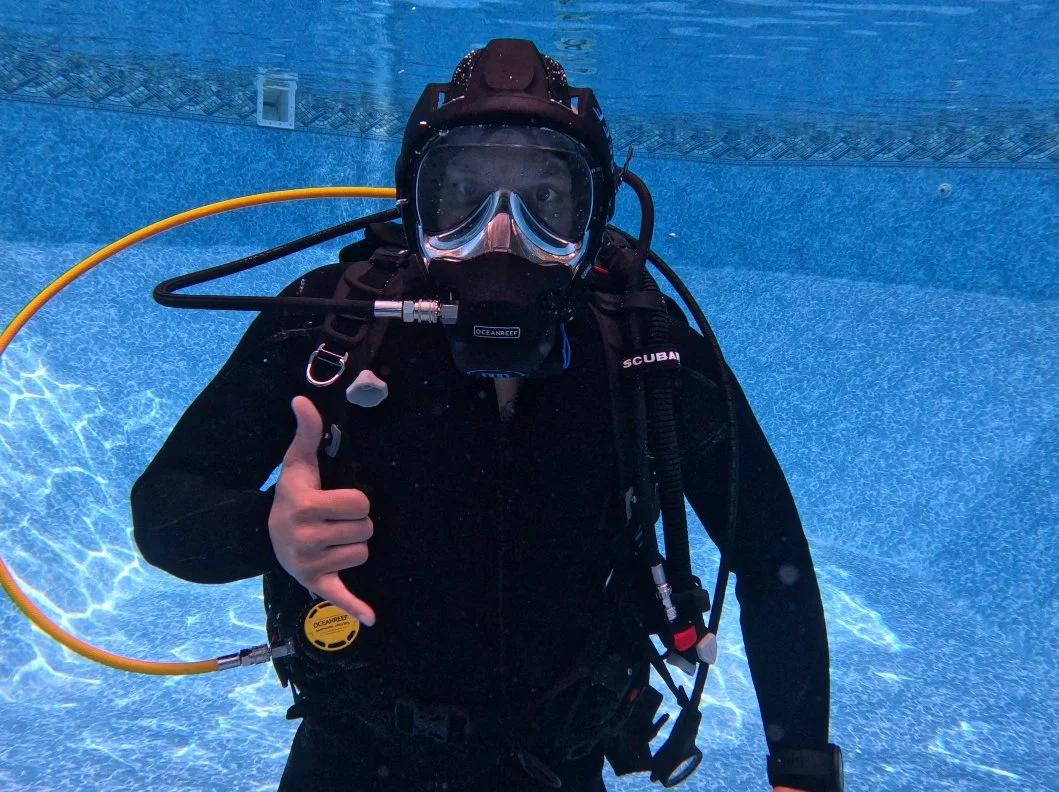
Full Face Mask: Clear communication is critical when diving with adaptive needs. Full face masks allow divers to breathe naturally through nose and mouth and, when paired with communication systems, create new options for real-time support and reassurance underwater. They can also reduce jaw fatigue, a small but meaningful comfort for many divers.
Both specialties strengthen your ability to dive inclusively. Whether you’re supporting a buddy or leading students, these tools expand what’s possible and reinforce the message that scuba is for everyone.
Final Thoughts
If you’re a Divemaster or Instructor, the Adaptive Techniques Specialty will elevate how you teach, lead, and support students of all backgrounds and abilities.
If you’re a certified diver, the Adaptive Support Diver Specialty will help you become a more inclusive, responsive, and confident buddy—something every dive team needs more of.
As a certified instructor for both of these courses, I would be honored to guide you through the journey.
Scuba is for everyone. Let’s make sure our dive culture reflects that.
Dive safe, explore passionately, and remember…