Dive into the PADI Rescue Diver Course
PADI Rescue Diver: The Most Important Course You'll Ever Take
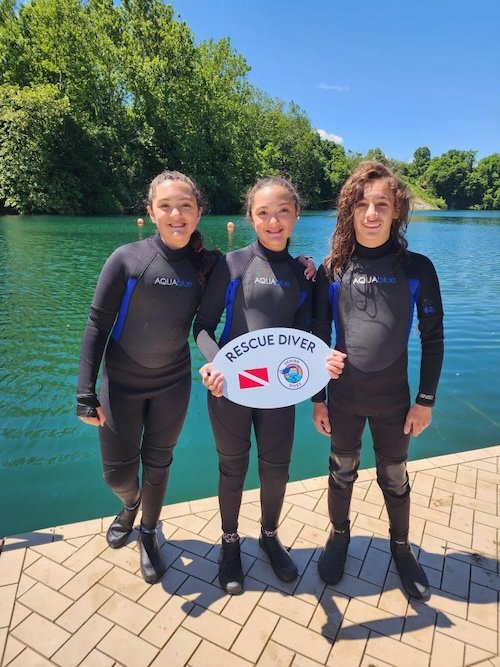
Ask almost any PADI Divemaster or Instructor what their favorite recreational scuba course is, and chances are you'll hear the same answer over and over again: Rescue Diver.
Open Water introduces you to scuba diving. Advanced Open Water builds confidence and experience. Rescue Diver changes the way you think. Many divers assume Rescue Diver is all about dramatic emergency scenarios and pulling an unconscious diver to the surface. While you'll absolutely learn those skills, they aren't what makes this course so valuable. Looking back on my own diving journey, no recreational certification has had a bigger impact on the kind of diver I've become.
My Rescue Diver course took place on Oahu's North Shore, and while we spent the weekend working through realistic rescue scenarios, one of the moments I remember most wasn't actually one of the planned exercises. Somewhere during one of our training dives, my buddy managed to lose my mask. Thankfully, our instructor stayed calm, organized the group, and immediately began an underwater search using the search patterns we had been learning throughout the course. Before long, my mask was back where it belonged, and what could have been a frustrating situation turned into one of the most memorable lessons of the entire weekend. Looking back now, that missing mask perfectly captures what Rescue Diver is really about. Unexpected things happen underwater. Most of them aren't dramatic, and thankfully, most of them aren't life-threatening. More often than not, they're simply problems that need to be recognized early, communicated clearly, and solved calmly before they have a chance to become something much bigger.
Rescue Diver Isn't About Being a Hero
One of the biggest lessons I took away from the Rescue Diver course was realizing that every diving emergency starts somewhere, and more often than not it begins as a small, manageable problem. A diver gets cold. Someone becomes anxious because the current is stronger than expected. A buddy starts breathing harder than normal or begins struggling with buoyancy. Equipment doesn't fit quite right. Communication starts to break down. None of those situations are emergencies on their own, yet every one of them has the potential to become one if nobody notices.
That's why I believe the best Rescue Divers aren't the ones making dramatic rescues.
They're the ones who recognize a problem early enough that the rescue never becomes necessary.
Preventing an emergency will always be better than responding to one, and that's the mindset this course develops. Every scenario throughout the weekend teaches you to slow down, assess the situation, communicate with your team, and think through a problem before reacting. Those lessons don't just apply to rescue scenarios—they make you a better diver every time you get in the water.
Learning to Think Like a Rescue Diver
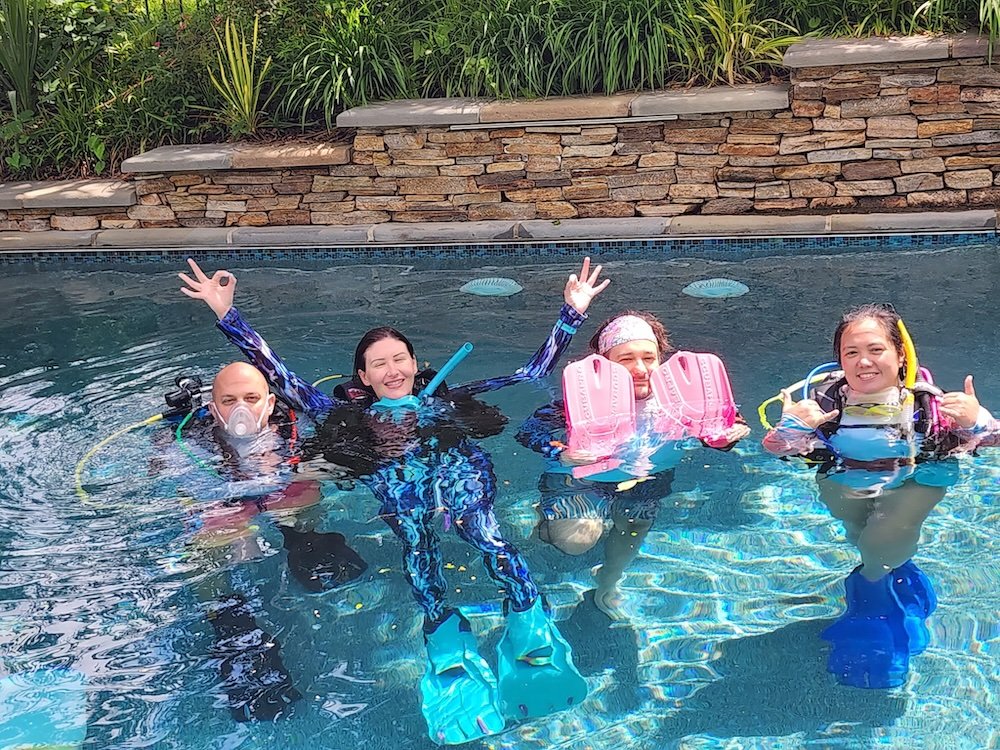
Open Water naturally teaches you to focus on yourself. Every new diver is thinking about buoyancy, air consumption, depth, and staying close to their buddy. Advanced Open Water builds confidence until many of those skills begin to feel second nature. Rescue Diver shifts your awareness even further by encouraging you to look beyond yourself and start paying attention to everyone around you.
A buddy who's swimming a little harder than usual. Someone who's unusually quiet during the briefing. A diver who's becoming frustrated because the conditions aren't what they expected. Learning to recognize those subtle changes before they develop into larger problems is one of the most valuable skills you'll ever gain as a diver.
One of my favorite sayings is, "Practice doesn't make perfect. Practice makes permanent."
That idea couldn't be more true in Rescue Diver.
Every scenario reinforces habits that you'll carry with you on every future dive. Calm communication, teamwork, situational awareness, and thoughtful decision-making don't become second nature by accident. They become permanent because you've practiced them correctly over and over again with an instructor there to guide you.
Hopefully, you'll never need many of those skills during a real emergency. Should that day ever come, though, you'll be incredibly thankful those responses have become second nature.
Why This Is My Favorite Course to Teach
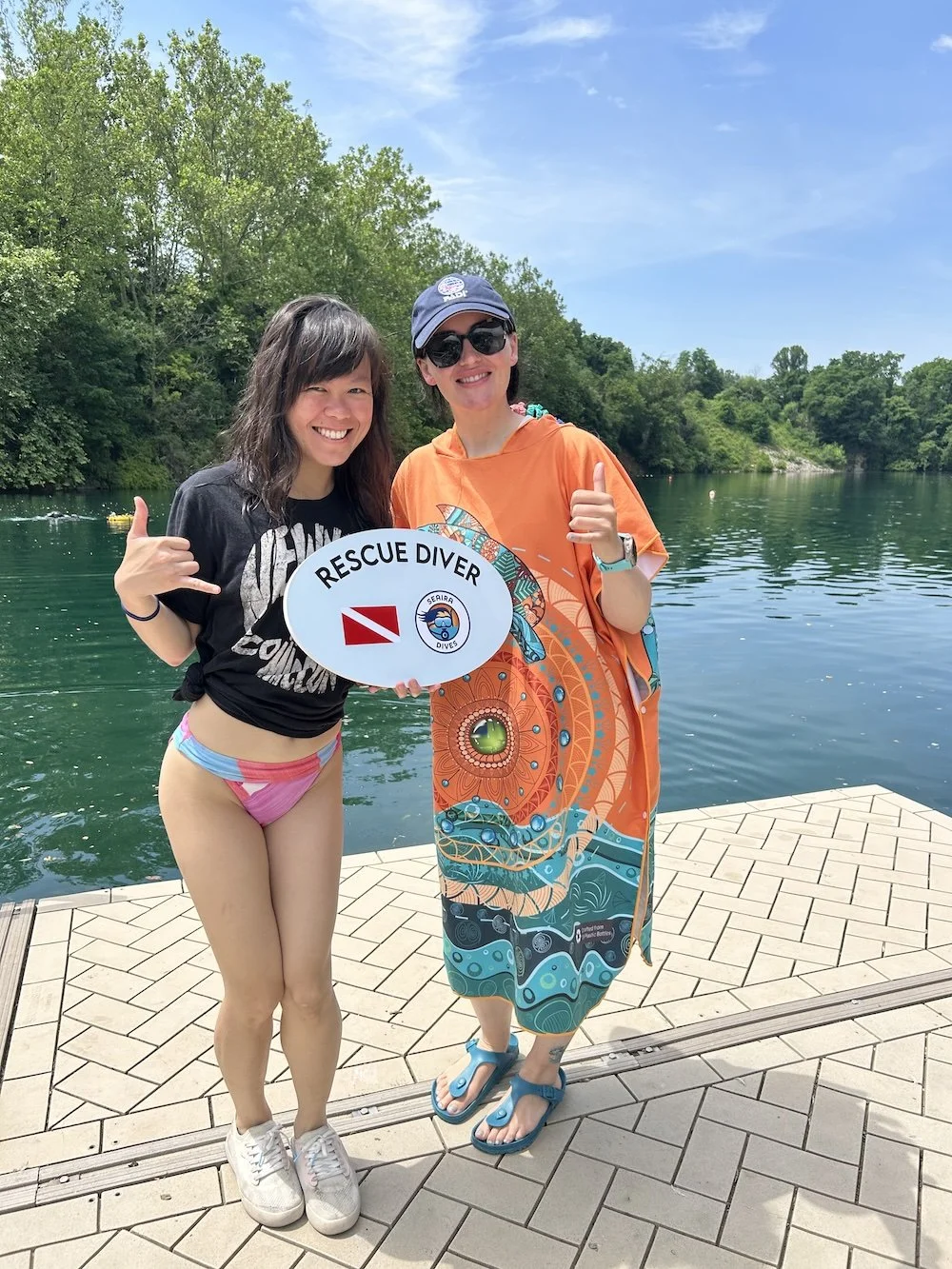
No recreational scuba course transforms students quite like Rescue Diver.
Watching students arrive on the first morning feeling a little nervous and leave a few days later calmly organizing a rescue, communicating confidently with their team, and solving problems under pressure is one of the most rewarding parts of being an instructor.
Rescue Diver also has a reputation for being one of the most enjoyable courses in recreational scuba diving, and I completely agree. Every class is different because every group approaches the scenarios in their own way. Some moments are serious, others are surprisingly funny, and there's almost always someone who gets a little too committed to playing the role of a stressed diver. Those moments of laughter are part of what makes the course so memorable.
Beneath all of that fun is an incredible amount of growth. Students leave with stronger communication skills, greater confidence, and a completely different perspective on what it means to be a good dive buddy. More than any other recreational course, Rescue Diver teaches that scuba diving isn't just about taking care of yourself.
This course is about taking care of each other.
What to Expect During the Rescue Diver Course
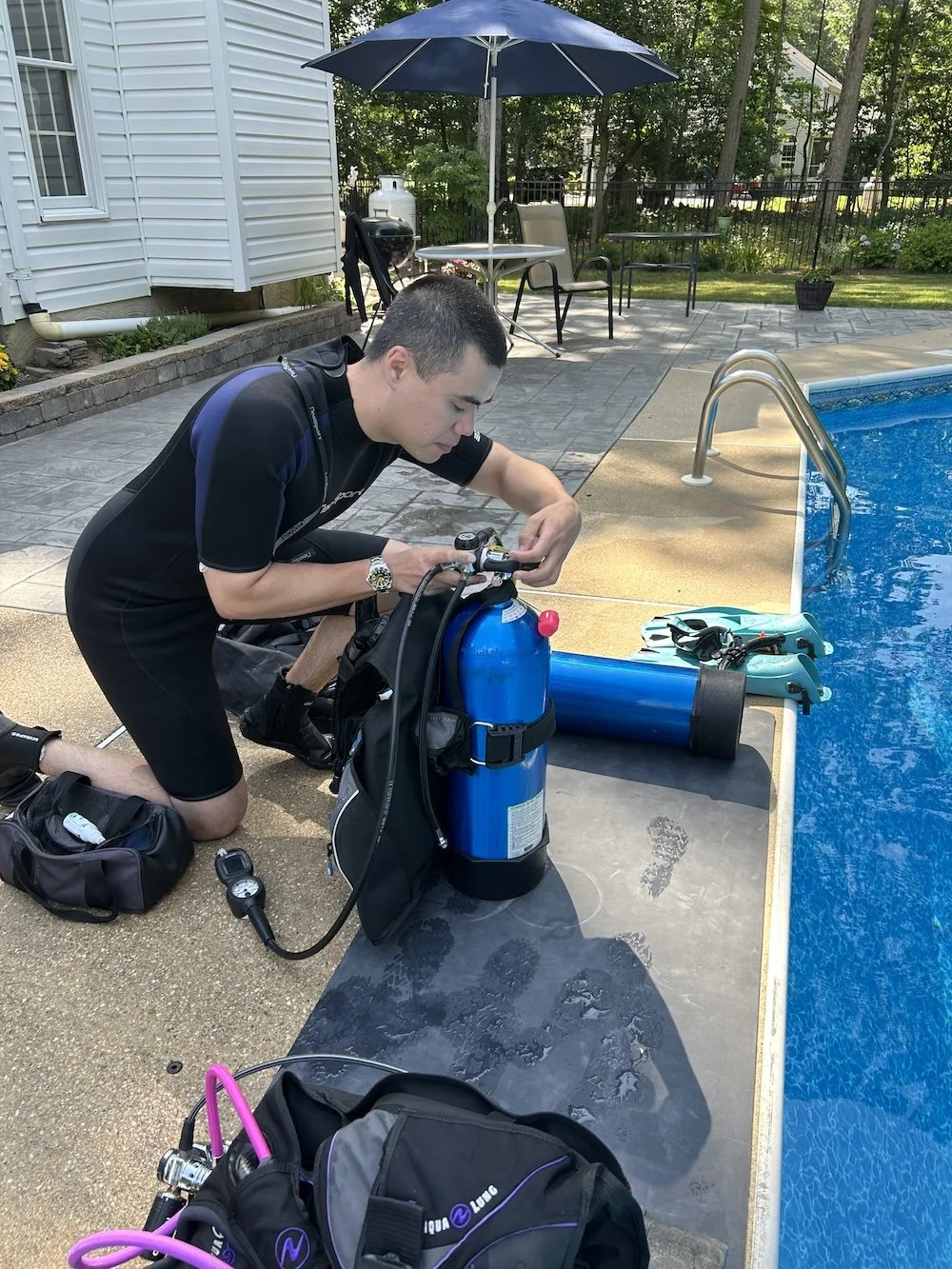
One of the reasons I enjoy teaching the Rescue Diver course so much is because every part of the training has a purpose. Every exercise, every discussion, and every scenario is designed to help you become a calmer, more capable diver. Rather than learning skills simply to earn another certification card, you'll spend the weekend developing habits that will stay with you every time you enter the water.
Knowledge development begins before we ever meet for the course through PADI eLearning. The academics introduce concepts like diver stress, accident management, emergency management, self-rescue, recognizing problems before they escalate, and responding appropriately when they do. Completing the eLearning ahead of time means we can spend less time in a classroom and more time applying those concepts where they matter most: in the water.
Rescue Diver isn't about memorizing information for an exam. Good judgment is the key takeaway.
The course is about learning how to assess a situation, communicate effectively, work as a team, and make thoughtful decisions under pressure. Students are often surprised by how realistic the training feels because every scenario encourages you to stop, think, and solve the problem in front of you rather than simply checking off a list of skills.
Emergency First Response: A Rescue Diver Prerequisite
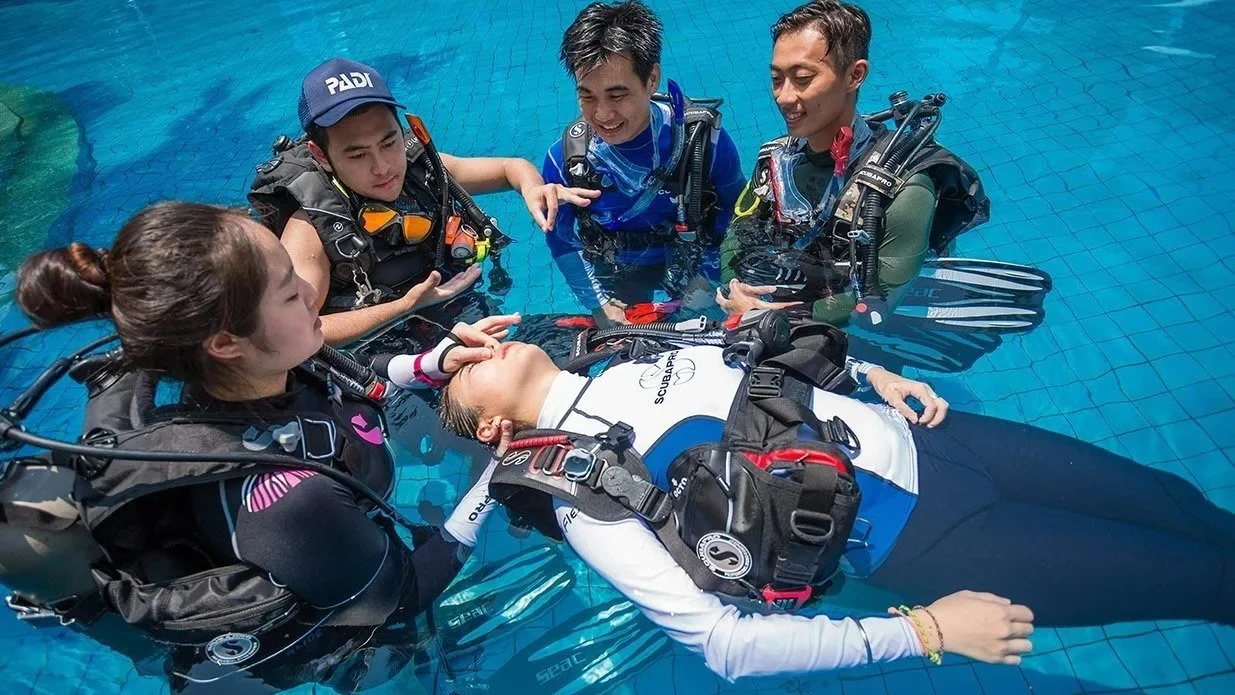
Current CPR and First Aid training is required before you can earn your PADI Rescue Diver certification. Most divers complete the PADI Emergency First Response (EFR) course alongside Rescue Diver, although qualifying CPR and First Aid training from another organization completed within the previous 24 months also satisfies the prerequisite.
Emergency First Response is one of those courses that I genuinely believe everyone should take, regardless of whether they scuba dive.
Medical emergencies don't just happen underwater. They can happen at home, at work, while traveling, or while spending time with family and friends. Knowing how to recognize an emergency, begin CPR, provide first aid, and confidently care for someone until emergency medical services arrive is an incredibly valuable life skill.
As a PADI Emergency First Response Instructor Trainer, I teach the EFR course regularly and often pair it with Rescue Diver. Both courses complement each other naturally, allowing students to build confidence with emergency care on land before applying that same calm, methodical approach to rescue scenarios in the water.
Emergency Oxygen Provider is another specialty that I highly recommend taking alongside Rescue Diver. Emergency oxygen is one of the primary first aid responses for many suspected diving injuries while waiting for emergency medical services, and knowing how to safely administer oxygen is another skill that fits perfectly with your Rescue Diver training. Hopefully you'll never need to use those skills, but having the knowledge and confidence to step in when someone needs help is something every diver can benefit from.

Learning Through Realistic Scenarios
Rescue Diver is easily one of the most hands-on courses you'll ever take.
Throughout the weekend you'll work through a variety of realistic rescue scenarios that challenge you to think critically, communicate effectively, and work together as a team. You'll practice recognizing diver stress, assisting tired divers, responding to panicked divers, managing unresponsive divers at the surface and underwater, and coordinating rescues in a calm and organized manner.
One of the things I love most about these scenarios is that they rarely unfold exactly the way you expect.
During my own Rescue Diver course, my buddy somehow managed to lose my mask right in the middle of one of our rescue scenarios. For a brief moment, our carefully planned rescue scenario turned into an unexpected "find Ciara's mask" scenario. Rather than getting flustered, our instructor calmly assessed the situation, organized the group, and worked through the problem one step at a time. Before long, my mask was back where it belonged, and the training continued.
Looking back, that unexpected detour ended up being one of the best lessons of the entire course because the scenario suddenly became real. Plans changed, something unexpected happened, and our instructor demonstrated exactly what Rescue Diver is all about. Calm communication, teamwork, and thoughtful problem-solving solved the problem far more effectively than rushing or panicking ever could have.
Every Rescue Diver class has moments like that. Planned scenarios have a funny way of turning into something completely different, and those moments often become the biggest learning opportunities of the weekend. Students quickly realize the goal isn't to perform every exercise perfectly. The goal is learning how to adapt, communicate, and make good decisions when the unexpected happens.
Building Confidence That Lasts
Confidence is one of the biggest things students gain from the Rescue Diver course.
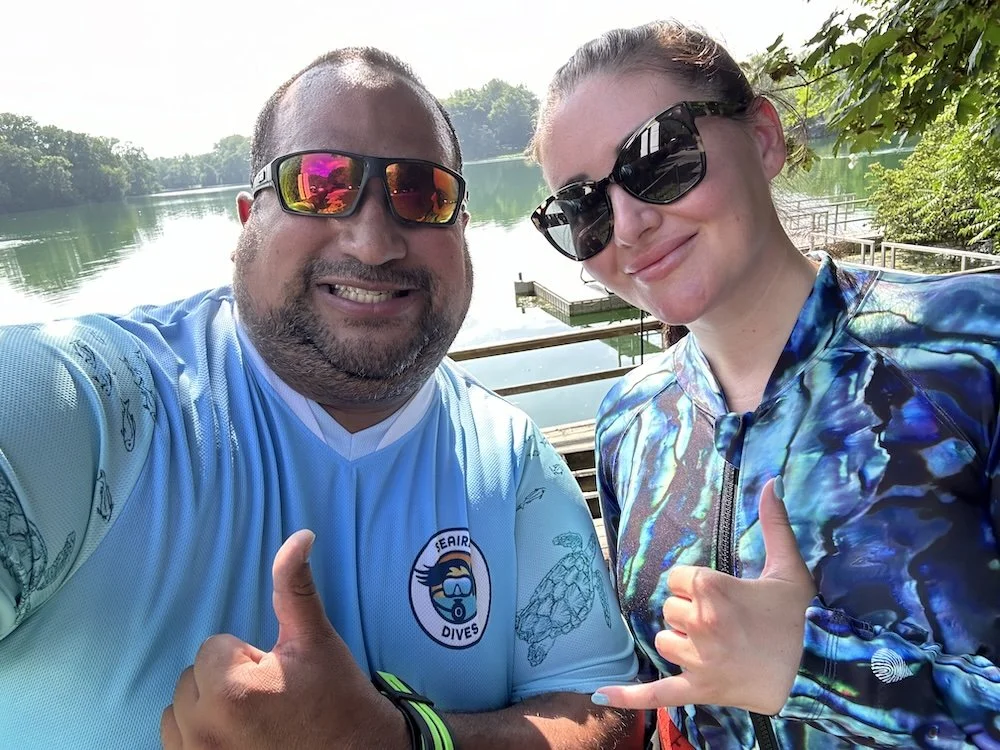
Working through realistic rescue scenarios alongside other divers builds confidence in a way that simply reading about emergency management never can. Every exercise reinforces communication, teamwork, situational awareness, and decision-making while helping students develop the ability to stay calm under pressure.
Those lessons don't end when the course is over.
Every dive afterward becomes a little different because your awareness has changed. Attention naturally shifts beyond your own gauges and buoyancy toward the people diving around you. Better communication, stronger teamwork, and greater awareness become part of every dive, whether you're exploring a local reef or joining a liveaboard halfway around the world.
Rescue Diver doesn't just prepare you to respond when something goes wrong.
Rescue Diver helps you become the kind of diver who recognizes problems early, helps prevent emergencies, and makes every dive safer for everyone in the water.
More Than a Certification
One of my favorite parts of leading dive trips is reconnecting with former students months or even years after they completed their Rescue Diver course. Many of them don't even realize how much they've changed as divers until they're in a situation where those skills naturally take over. They're the first person to notice that a buddy is getting cold or working a little harder than everyone else. They instinctively slow the group down when something doesn't feel quite right, help another diver back onto the boat without being asked, or quietly solve a small problem before anyone else even realizes there was one. Those moments are rarely dramatic, but they're exactly what Rescue Diver is designed to create.
Looking back, that's the biggest lesson this course taught me. Rescue Diver isn't really about responding to emergencies. Rescue Diver is about preventing them whenever possible. Learning to recognize stress, communicate effectively, and think a few steps ahead changes the way you approach every dive. Rather than focusing only on yourself, you begin paying attention to the people around you, the conditions you're diving in, and the little details that can make the difference between a smooth dive and a stressful one. That awareness has stayed with me throughout my entire diving career, whether I'm teaching new divers in Hawaii, leading a liveaboard in Fiji, or exploring a reef halfway around the world.
Continuing Your Diving Journey
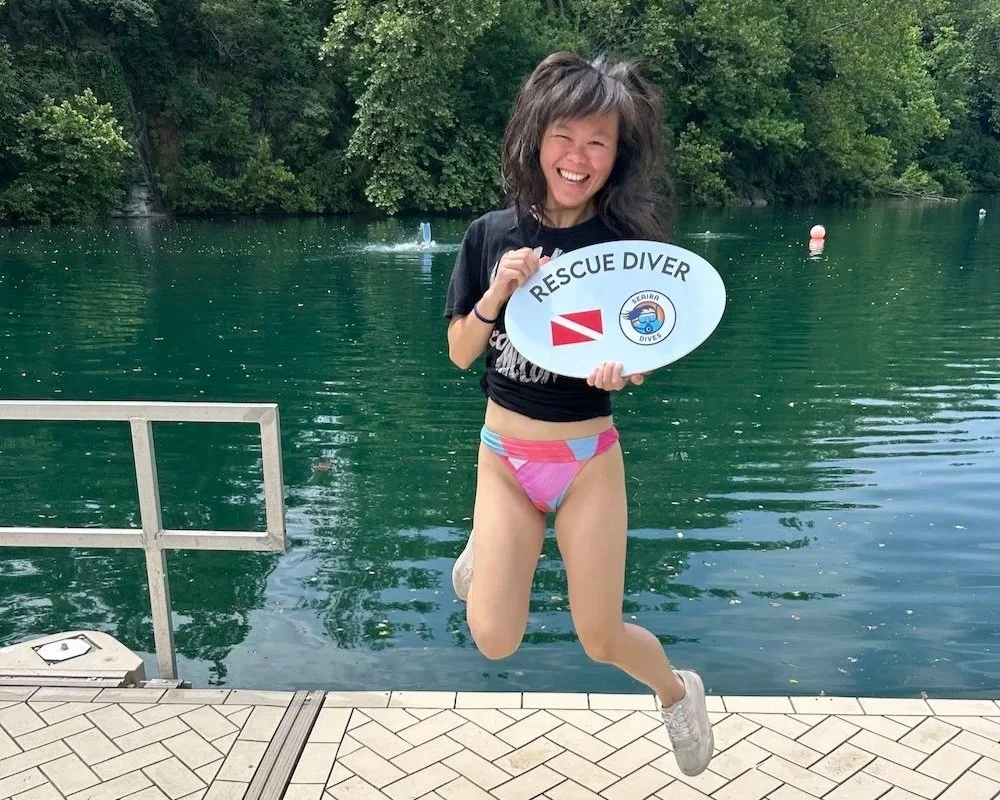
For many divers, Rescue Diver becomes the next step toward professional training. The certification is a prerequisite for the PADI Divemaster course, and it's easy to understand why. Before you can lead other divers, it's important to understand how to recognize problems, communicate effectively, and respond when someone needs help.
Plenty of divers choose to stop after Rescue Diver, and that's perfectly okay too. The value of this course has never been about unlocking the next certification. The value comes from becoming a more capable, confident, and aware diver every time you enter the water. Every dive buddy benefits from those skills, regardless of whether you have twenty dives or two thousand.
Is Rescue Diver Right for You?
Every diver hopes they'll never need to perform a rescue.
Every diver benefits from knowing how.
Rescue Diver isn't about becoming a hero or expecting the worst every time you enter the water. It's about becoming more aware, more confident, and more prepared. The course changes the way you think, helping you recognize problems before they become emergencies and giving you the skills to respond calmly if they do.
No matter where your diving takes you, those lessons will stay with you long after the certification card arrives. Better communication, stronger teamwork, greater situational awareness, and increased confidence make every dive safer and more enjoyable—for you and for everyone diving beside you.
If you're wondering whether Rescue Diver is worth it, my answer is simple.
Absolutely.
Few certifications will have a greater impact on the kind of diver you become.
Dive safe, explore passionately, and remember…