
Understanding Breathing and Buoyancy in Scuba Diving
Greetings, fellow divers!
Welcome to a crucial lesson in the often-overlooked connection between your lungs and your BCD. While your BCD provides broad buoyancy control, your breath is the key to fine-tuning it. Mastering this balance allows you to hover effortlessly, conserve air, and move with precision. In this post, we’ll explore how breath control isn't just helpful—it's essential to becoming a truly skilled diver.
The Dual Role of Your Lungs: Buoyancy Control and Breathing Techniques in Scuba Diving
In the world of scuba diving, your lungs play a critical role in buoyancy control, often referred to as your “second BCD.” Unlike traditional buoyancy control devices that require adjustment via air input and release, your lungs provide a natural and dynamic mechanism for regulating your buoyancy. When you inhale, your lung volume increases, causing you to rise toward the surface. Conversely, exhaling decreases your lung volume, allowing you to descend gracefully. This natural buoyancy adjustment is vital for maintaining precise control in the water column, reducing reliance on your BCD and enhancing your overall diving experience.

The Art of Breathing: A Core Element of Buoyancy Control
Achieving neutral buoyancy is the goal of every diver. It’s that perfect state where you can hover effortlessly, neither ascending nor descending, akin to floating in space. Proper breathing techniques are fundamental to achieving and maintaining this buoyant balance. By mastering slow, deep, and controlled breaths, divers can fine-tune their buoyancy with minimal dependence on the BCD, making adjustments to their position in the water with a level of precision that greatly enhances comfort and energy efficiency.
The practice of controlled breathing serves as a dynamic tool in fine-tuning buoyancy control. It allows divers to make subtle adjustments to their body position, creating a smoother, more graceful dive. The interplay between your breathing and buoyancy directly impacts your safety, comfort, and efficiency while underwater.

Breathing for Safety and Comfort
Beyond buoyancy, the impact of your breathing extends to several critical aspects of diving. Shallow, rapid breaths can trigger an increased heart rate and higher oxygen consumption, potentially leading to discomfort, anxiety, and fatigue. In contrast, deep and steady breathing helps you maintain a calm, relaxed state, which promotes better oxygenation, energy conservation, and overall comfort. As you descend into deeper waters or face challenging conditions, your breath becomes a powerful tool in managing stress and staying composed.
The Symbiosis of Buoyancy and Breathing: A Dance of Precision
Visualize your descent as a continuous process of adjusting to the surrounding pressure. As your depth changes, so must your breathing. By maintaining a steady, controlled rhythm, your lungs act as natural buoyancy regulators, allowing you to fine-tune your position in the water. This nuanced control allows you to conserve energy and manage air consumption, ultimately leading to longer, more comfortable dives. Mastery of your breathing techniques allows you to navigate underwater environments with precision and minimal effort.

Mastering Your Second BCD: Breathing Techniques for Buoyancy Control
To fully harness the power of your "second BCD" – your lungs – it’s essential to incorporate mindfulness into your breathing practices. Pay close attention to how each breath influences your buoyancy, stability, and comfort while diving. Developing this awareness will allow you to fine-tune your movements underwater, enhancing your control and confidence.
Practicing specific buoyancy control exercises can further elevate your skills. For instance, try hovering in place and making buoyancy adjustments exclusively through your breathing – this can help you hone your awareness of how small changes in your lung volume can affect your position in the water. This practice not only builds confidence but also improves your ability to move effortlessly through different underwater environments.
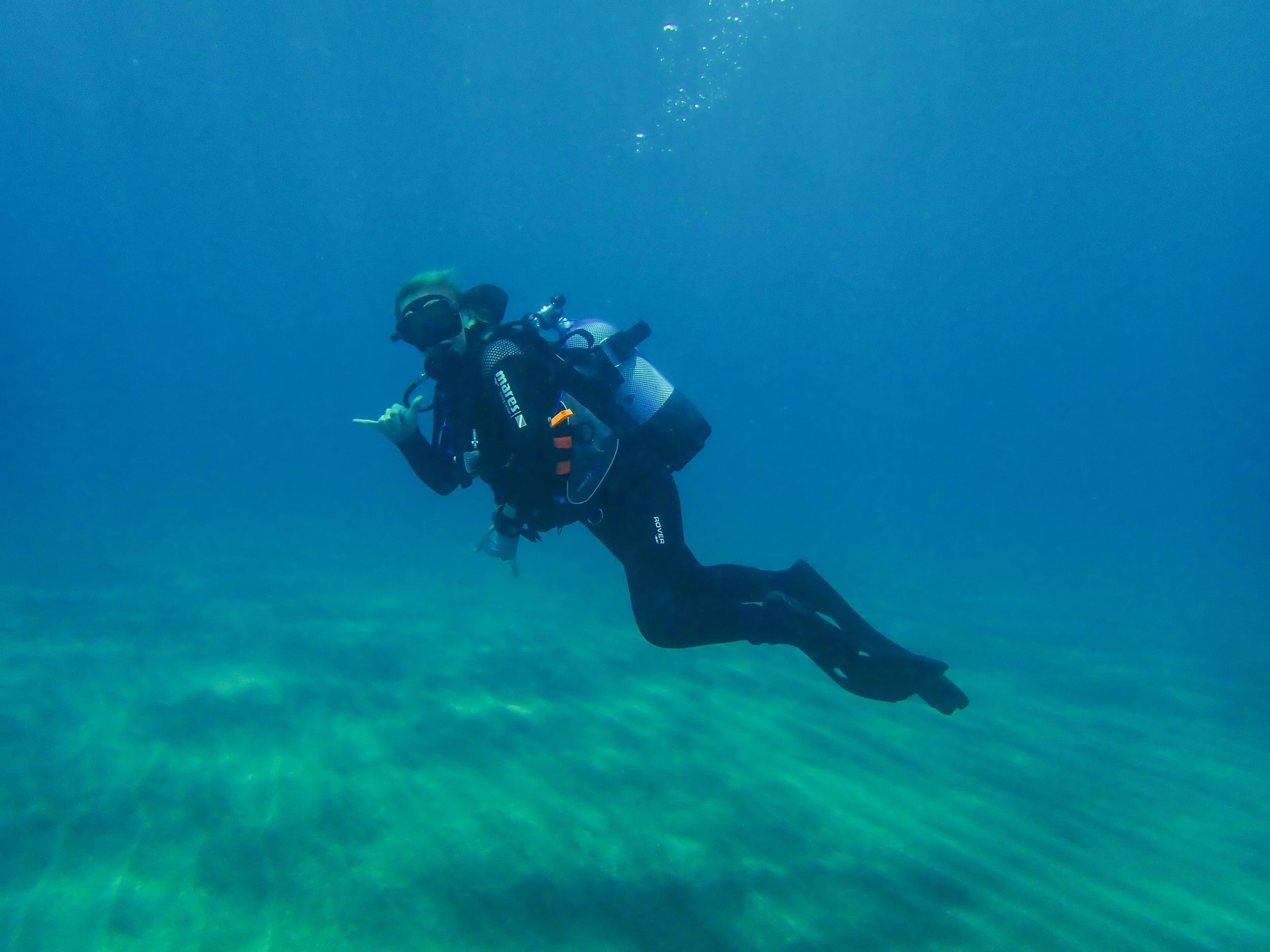
Why Peak Performance Buoyancy Matters
To truly refine your buoyancy control, consider enrolling in the Peak Performance Buoyancy course. This specialized course focuses on advanced techniques designed to optimize your ability to achieve and maintain neutral buoyancy. Here’s why the course is invaluable:
Precision Control: Peak Performance Buoyancy teaches advanced methods of controlling your buoyancy through breathing adjustments and fine-tuning body positioning. This precision allows divers to glide through the water effortlessly, minimizing air consumption and reducing the impact on the delicate marine ecosystems.
Energy Conservation and Comfort: Mastering buoyancy not only conserves energy but also prolongs your air supply. With proper buoyancy, you will experience greater comfort, reduce physical strain, and enjoy longer dive times, making each dive a more pleasant and fulfilling experience.
Enhanced Confidence Underwater: A strong grasp of buoyancy control instills confidence in your diving ability. Whether you're navigating challenging dive sites, exploring intricate reef systems, or simply observing marine life, you’ll feel more assured in your ability to maintain control and execute smooth, deliberate movements.
Environmental Awareness: Peak Performance Buoyancy also emphasizes techniques that minimize your impact on the environment. By learning to fine-tune your buoyancy, you’ll avoid disturbing fragile ecosystems like coral reefs, while diving with a greater sense of responsibility.

Embracing the Journey of Breathing and Buoyancy Mastery
Mastering breathing techniques and buoyancy control is a continuous journey of improvement. By developing an intuitive understanding of how each breath impacts your position in the water, you create a deeper connection with the underwater world. It’s about building trust in your body, listening to its signals, and becoming more attuned to the aquatic environment. By treating your lungs as your "second BCD," you unlock a world of tranquility, energy conservation, and precision in your dives.
As you progress in your diving journey, always keep in mind that the key to success lies in your ability to control your breath and harness it to maintain your buoyancy. With practice and patience, you’ll be able to navigate the underwater world with grace, confidence, and a deep respect for the environment that surrounds you.
May your dives be buoyant, your breathing steady, and your underwater adventures filled with awe and wonder.
Dive safe, explore passionately, and remember…