
How to Treat a Brand New Scuba Mask
If you've ever jumped in the water with a brand new mask and instantly felt like you were diving through a foggy ghost story—welcome to the club. But here’s the thing: it doesn’t have to be that way. A fresh-off-the-shelf scuba mask needs a little love before it’s ready for your next underwater adventure.
Whether you just picked up your first mask (yay, go you!) or you’ve been diving a while and finally upgraded to that frameless beauty you've been eyeing, here's how to treat your mask so it performs the way it should—crystal clear, all dive long.
First: Why Is My Mask Fogging?
Brand new scuba masks come from the factory with a thin layer of silicone residue on the lenses. This residue loves to cling to moisture and causes your mask to fog like crazy. If you don’t remove it, no amount of spit, commercial defog, or seaweed sorcery will save you.
Step 1: Clean the Lenses — Properly
You’ve got options here:
🪥 The Toothpaste Trick
Grab a non-whitening, non-gel toothpaste—something old school like Colgate or Crest in the white tube. Whitening toothpaste can damage your lenses, especially if your mask has any special coatings.
Here’s how to do it:
Apply a small dab of toothpaste to the inside of both lenses.
Rub it in gently with your fingers or a soft cloth. (No steel wool, please.)
Let it sit for 10–15 minutes.
Rinse thoroughly with warm water.
Repeat this process 2–3 times before your first dive for the best results.
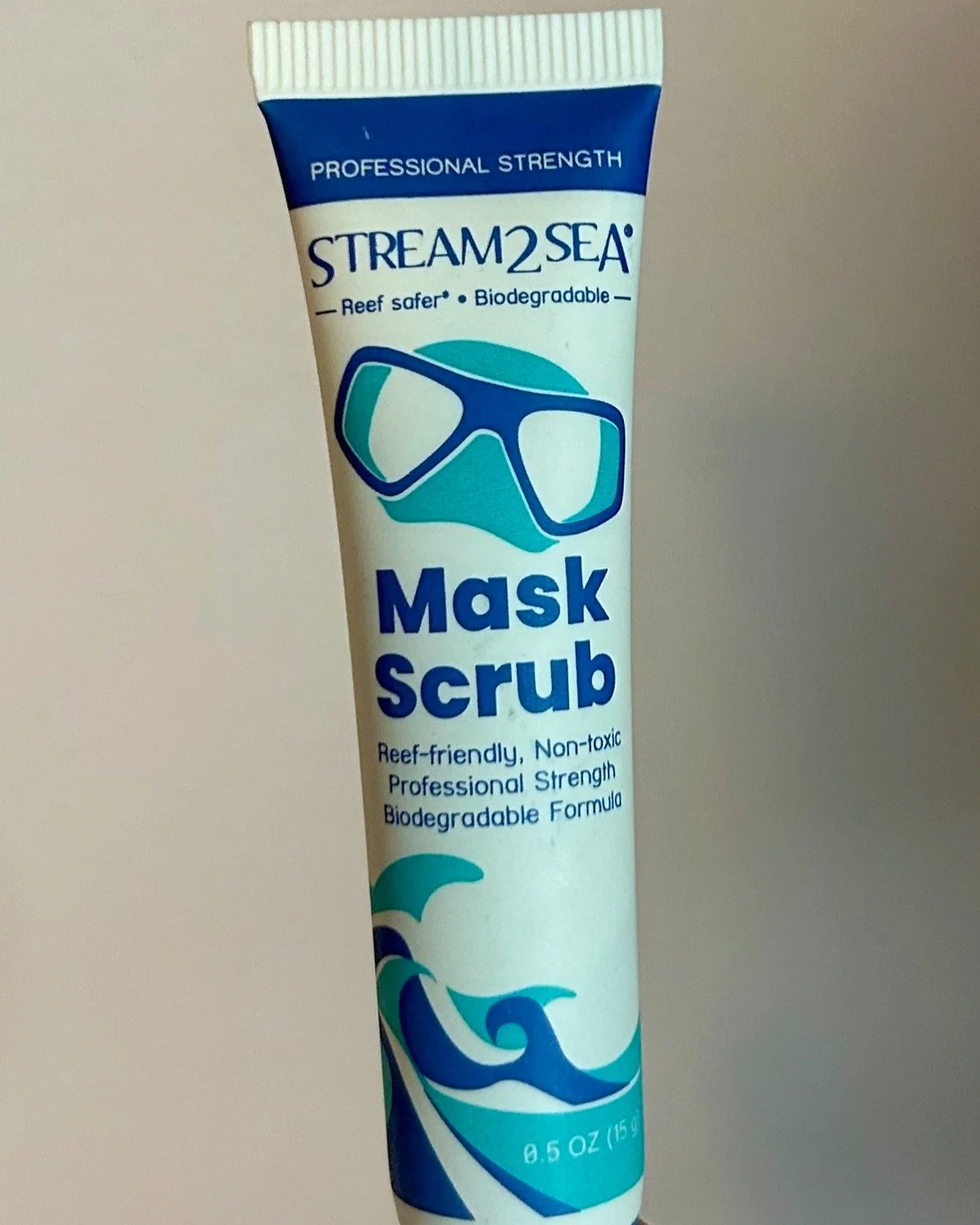
🌱 Stream2Sea Mask Scrub (My Favorite)
Want an eco-conscious, dive-pro-approved option that’s actually designed for this? The Stream2Sea Mask Defog & Scrub is a game changer. It’s reef-safe, gentle on your lenses, and works like a charm on that stubborn silicone residue.
Use my code for a discount: Seaira_dives
Click here to view the product
Bonus: It smells way better than toothpaste, and you’re supporting a company committed to protecting our oceans—win-win.
To use:
Apply a small amount of scrub to the inside of each lens.
Rub it in with your fingers for a minute or so.
Rinse thoroughly.
Repeat if needed.
Step 2: Use a Good Defog Before Every Dive
Once you’ve pre-treated your mask, don’t skip the defog step! Even a perfectly cleaned mask can fog up if you jump in without a proper defog solution.
Here are a few popular options:
🌿 Stream2Sea Defog – My personal favorite! It’s reef-safe, eco-conscious, and works like a charm. Plus, it doubles as a mask scrub if you're traveling light.
💧 Sea Drops – A classic liquid defog that’s easy to use and super effective.
🍼 Diluted Baby Shampoo – A budget-friendly option that many divers swear by. Just make sure it’s the gentle, no-tears formula.
😙 Spit – The old-school method. Quick, free, and surprisingly effective if you're in a pinch. (Just don’t forget to rinse lightly.)
How to apply:
Add a drop of defog to the dry lens.
Rub it around evenly.
Rinse lightly—don’t wash it all off.
Put your mask on your face before you get in the water (this keeps it warm and fog-free).

Step 3: Store It With Care
When you’re not diving, rinse your mask in fresh water, dry it gently, and store it in a protective case away from sun and heat. You can store it in the original plastic box it came in or you can purchase a protective case. Keep it happy, and it’ll keep your underwater view clear for years.

This is the case I use to store my personal mask
Optional but Popular: The Flame Trick 🔥
Some divers swear by using a lighter to burn off the silicone residue. Personally, I recommend sticking with mask scrub or toothpaste, but if you go this route:
Make sure your lenses are tempered glass (not plastic).
Avoid the skirt and keep the flame moving.
Proceed at your own risk—mask meltdowns are not a vibe.
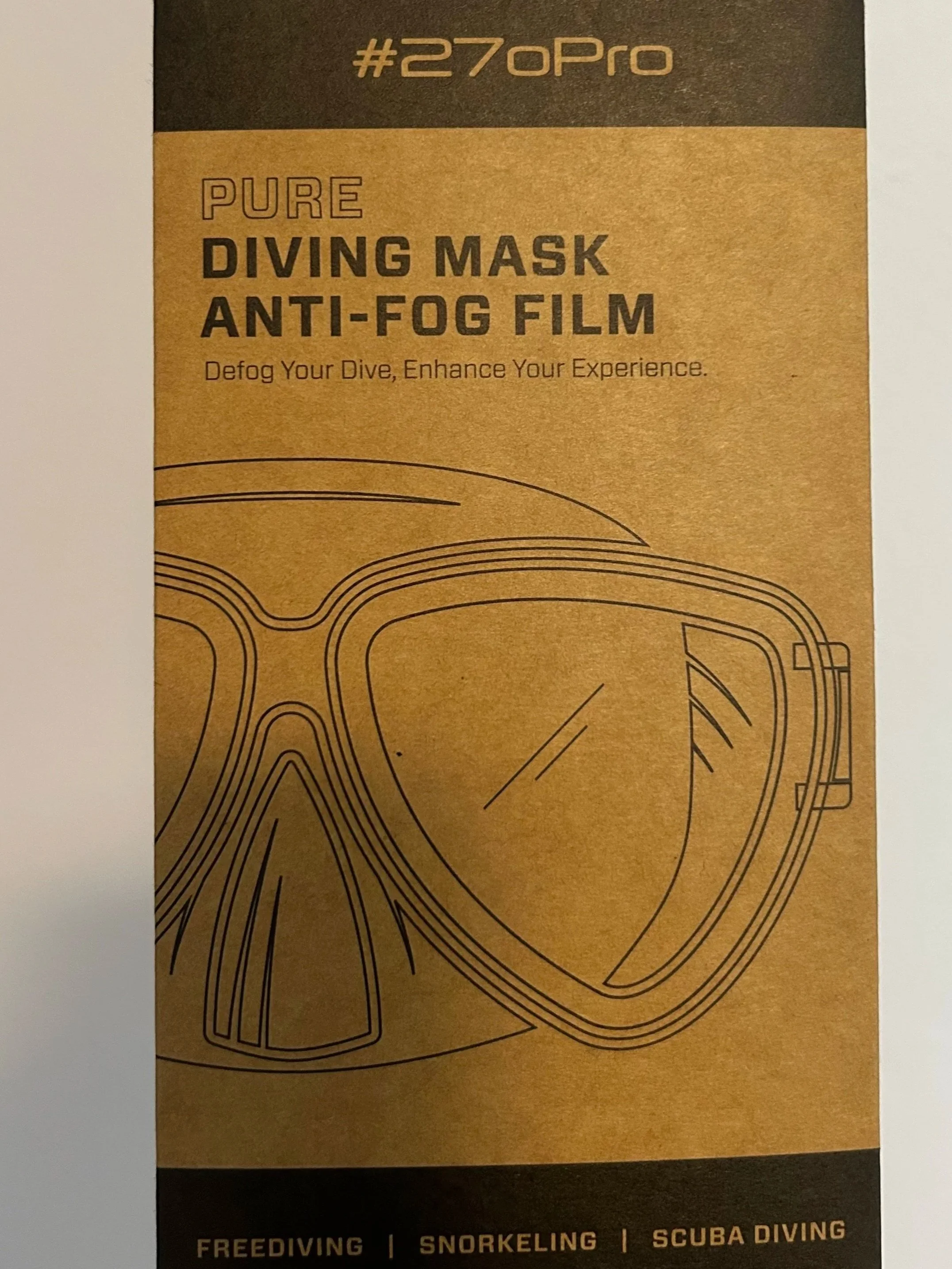
Anti-Fog Films — Worth It?
Some divers absolutely swear by anti-fog film inserts—those little transparent sheets that stick to the inside of your mask lenses to prevent fogging. They can be super effective once they’re on correctly, but I’ll be honest: they can also be a bit of a pain to apply.
You need to clean your mask thoroughly, align them just right (which can be tricky with curved lenses), and avoid any air bubbles or dust particles getting trapped underneath. If you're detail-oriented and patient, it might be worth a shot. Once in place, they can reduce or even eliminate the need for defog drops.
That said, I personally prefer a good mask scrub and a quality defog product for a more reliable, low-maintenance solution—but if you’ve got a pair of steady hands and like gear tweaks, it could be a great option for you!
Final Thoughts:
A good mask is one of the most important pieces of dive gear you’ll own. It’s your window to the underwater world—and trust me, you want that window clean. Take a few extra minutes to prep it right, and you’ll be gliding past coral and critters with clear vision and zero frustration.
Got a mask fog horror story or a favorite defog trick? I’d love to hear it—drop a comment or share it next time we’re swapping dive tales on the surface.
Dive safe, explore passionately, and remember…