
How to Prepare for Your First Big Dive Trip
Your first big dive trip feels exciting right up until the reality of packing starts setting in. Suddenly you are staring at regulators, wetsuits, chargers, fins, batteries, passports, medications, and a suitcase that already feels overweight before you even zip it closed. Most divers eventually realize dive travel is an entirely separate skill set from diving itself. Good preparation makes the difference between a smooth trip and spending half your vacation stressed out.
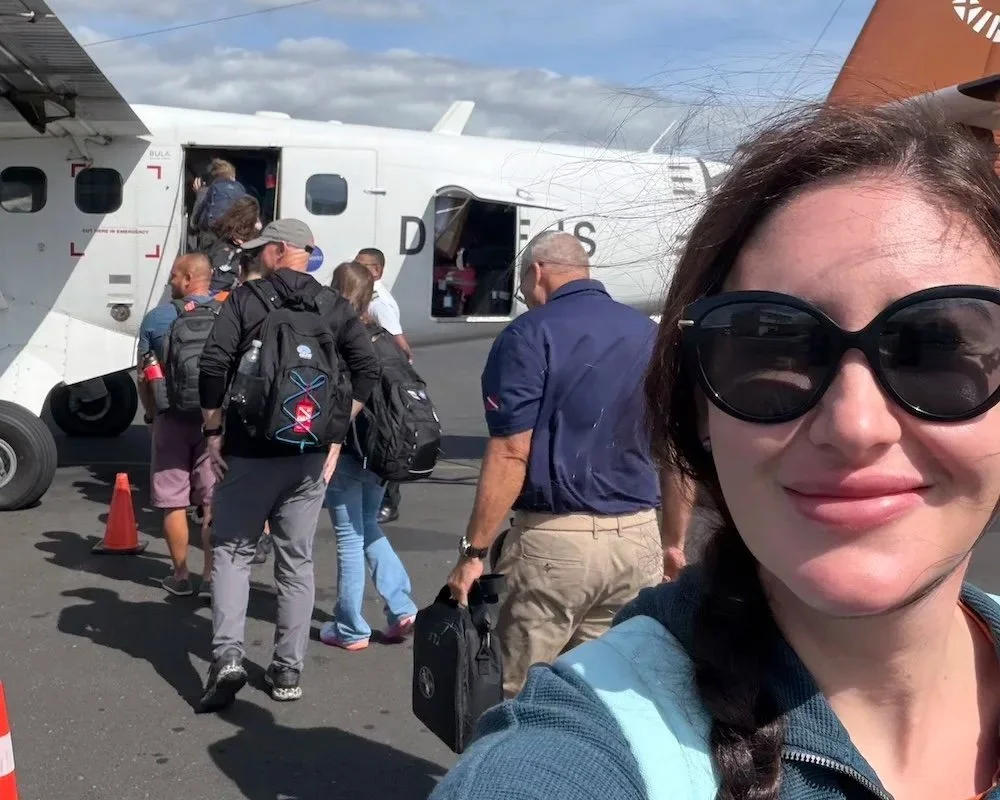
Big dive trips can absolutely feel overwhelming the first time around. International flights, liveaboards, baggage restrictions, repetitive diving, and remote destinations all come with challenges most local diving does not prepare you for. The good news is that almost all of those stressors become manageable with a little planning. Dive travel gets easier every single trip once you figure out what actually matters.
One thing I always tell divers is this: the goal is not perfection. The goal is showing up prepared enough that small problems do not completely derail your experience. Something will probably go slightly wrong at some point during travel. Flights get delayed, bags get inspected, chargers get forgotten, and weather changes. Prepared divers adapt much more easily when those things happen.
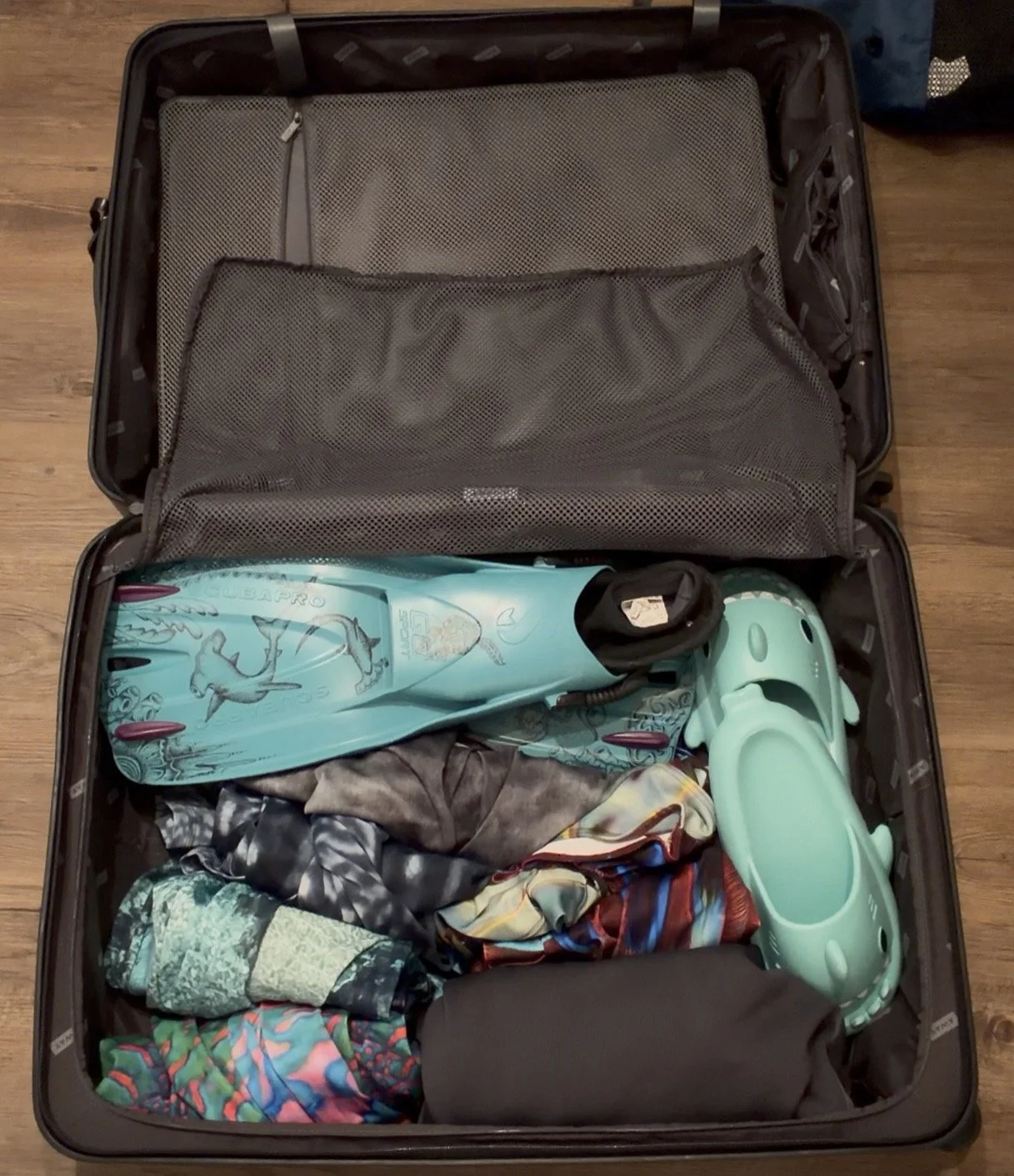
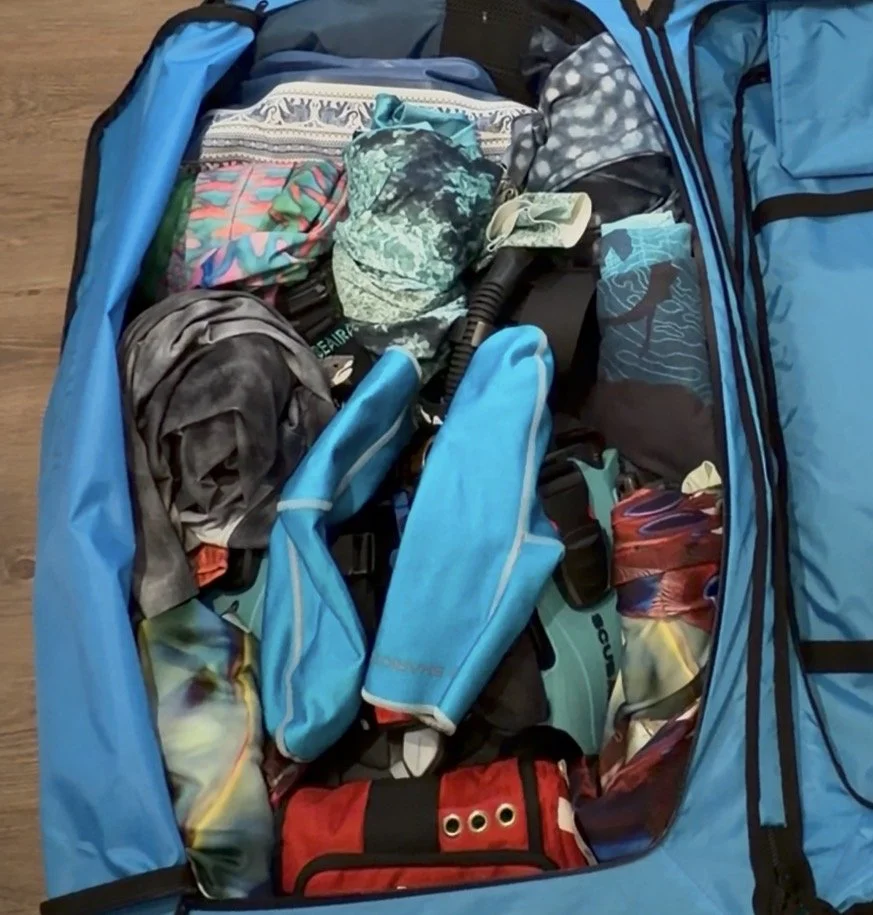
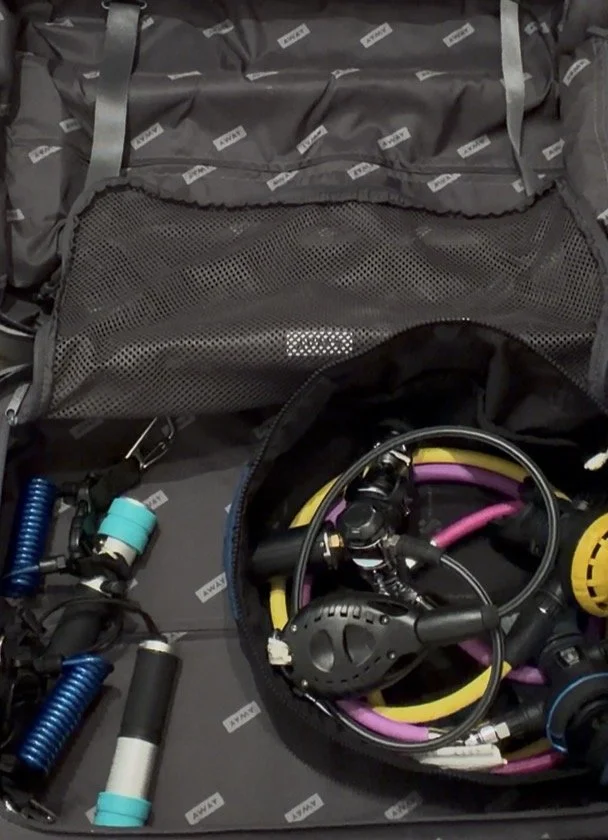
I also already have a much more in-depth packing guide on the Seaira Dives blog that breaks down exactly how I personally pack for international dive travel, liveaboards, and long-haul flights. If you are currently staring at a pile of scuba gear on your floor wondering how all of this is supposed to fit into luggage, definitely review my previous packing blog before your trip:
Get DAN Membership and DAN Trip Insurance
I recommend DAN membership and DAN trip insurance to basically every diver traveling internationally. Honestly, just get it. Dive accidents are rare, but medical evacuations, chamber treatments, and travel interruptions can become unbelievably expensive very quickly. DAN exists for a reason.
A lot of divers assume their normal health insurance automatically covers dive-related injuries internationally. That is not always true. Even when some coverage exists, medical evacuation from remote islands or dive destinations can still cost an enormous amount out of pocket. Dive travel already costs enough without gambling on whether insurance will cooperate during an emergency.
DAN membership and DAN trip insurance are also not just about worst-case scenarios. Trip interruption, lost luggage, delayed baggage, and medical situations unrelated to diving can all happen during travel too. Good insurance turns major problems into manageable inconveniences instead of financial disasters.
I genuinely do not understand why some divers spend thousands of dollars on international dive travel and then skip insurance to save a relatively small amount of money. The peace of mind alone is worth it for me.

Check Your Passport and Travel Documents Early
A few years ago, one of my dive trip guests called me in an absolute panic just 72 hours before we were scheduled to leave. He had been packing, pulled out his passport, and realized it was set to expire in just three months.
He was convinced the trip was over.
Thankfully, it wasn't.
After a few deep breaths, I walked him through the U.S. Department of State's emergency passport process, helped him figure out what he needed, and he was able to secure a new passport in time for our departure. He made the trip, had an incredible week underwater, and we still laugh about the stress of those three days.
The moral of the story? Check your passport the day you book your trip, not the day you pack your suitcase.
Many countries require your passport to be valid for at least six months beyond your travel dates. Even if your destination doesn't, your airline may refuse boarding if you don't meet the country's entry requirements. Spending 30 seconds checking your expiration date months in advance can save you from one of the most stressful travel situations imaginable.
While you're at it, create backups of everything important. I always recommend emailing yourself copies of your passport, dive insurance policy, flight confirmations, hotel reservations, and any other essential travel documents. Save screenshots on your phone so you can access them even without an internet connection, and consider carrying printed copies of your itinerary, flights, hotel information, and dive reservations. Technology is wonderful until your phone battery dies, your device is lost, or you simply don't have service.
One piece of advice I always give travelers is this: don't rely on having WiFi when you need it most. Before you leave home, download everything you'll need for your journey. Airline boarding passes, hotel confirmations, dive reservations, offline maps, and important travel documents should all be available without an internet connection.
At the same time, avoid using public WiFi whenever possible, especially for anything involving sensitive information like banking, email, or travel documents. If you absolutely need to connect, avoid logging into financial accounts and consider using a trusted VPN for an extra layer of security.
Another item that's becoming increasingly important is checking whether your destination requires any digital arrival forms, visas, health declarations, or customs documents before you travel. More and more countries are moving to digital immigration systems. Singapore, for example, requires most travelers to complete the SG Arrival Card online before arrival. Some countries only allow these forms to be submitted within a certain time window before your trip, so don't assume you can fill everything out months in advance. Once you've completed any required forms, save the confirmation on your phone and take a screenshot or print a copy so you have it readily available if you're asked to present it.

Divers have one more document to think about: certification cards. Fortunately, this one is easy. Download the PADI App before your trip and make sure your eCards are available on your phone. Showing up at a dive center without your certification card doesn't have to derail your first day of diving when your certifications are already in your pocket. I still like carrying my physical certification cards as a backup, but having digital access has saved more than a few divers over the years.
One final tip that people often forget is to notify your bank and credit card companies before traveling internationally. Modern fraud protection is fantastic until your card gets frozen because your bank suddenly sees charges from Indonesia, Palau, or the Solomon Islands. The last thing you want after a long travel day is to be standing at a hotel reception desk or airport café with a declined credit card. Spending two minutes setting a travel notice before you leave can save you a major headache later.
International dive travel is one of the greatest adventures you'll ever have. A little preparation before you leave home means you can spend your trip focusing on colorful reefs, incredible marine life, and making lifelong memories instead of solving avoidable travel problems.
Never Travel Without Luggage Trackers
If there is one travel gadget I recommend to almost everyone, it's an Apple AirTag.
Before every trip, I hide an AirTag inside each of my checked suitcases. It is one of the simplest and best travel investments I've made, and it gives me so much peace of mind every time I fly.
Checked bags sometimes miss connections, get delayed, or end up in the wrong city. While the airline is trying to figure out where your luggage is, it is incredibly reassuring to open the Find My app and see exactly where your bag is. I've watched my luggage make it onto the plane, seen it arrive at my destination before I even reached baggage claim, and confirmed whether a delayed bag was still sitting at my departure airport or had already made it to my destination.
One of my favorite features is being able to share my AirTag locations with my husband through the Find My app. If I'm traveling halfway around the world and something goes wrong, we can both see where my luggage is. Having someone back home who can also keep an eye on my bags is surprisingly reassuring, especially if I'm dealing with flight changes or long travel days.
I always hide my AirTags inside my luggage instead of leaving them out in the open. They usually live in an interior pocket or tucked inside a packing cube where they're secure and unlikely to fall out.
Before every international trip, I make sure each AirTag is working properly. If I receive a low battery notification, I replace the battery before I leave. I also name each AirTag after the bag it's in, like "Large Dive Bag," "Camera Roller," or "Duffel." It makes it much easier to know exactly which bag you're looking at in the Find My app.
AirTags aren't just for checked luggage either. I also keep one in my camera backpack. Between my underwater housing, strobes, ports, lenses, and camera body, there is a lot of expensive equipment in that bag. Having another way to locate it gives me one less thing to worry about while traveling.
Hopefully you'll never need to track a lost suitcase. If you do, you'll be incredibly glad you spent a few dollars on an AirTag before your trip. For me, they've become just as essential as my passport.

Check Your Gear Before the Trip, Not the Night Before
One of the biggest mistakes I see divers make is assuming their gear is ready to travel simply because it worked on their last dive.
Regulators need servicing. Dive computer batteries eventually die. O-rings wear out. Inflator hoses develop leaks. Mask straps become brittle. The little things are easy to overlook at home, but they become much bigger problems when you're standing on a tiny island in the middle of the Pacific with no dive shop around the corner.
As soon as I book an international dive trip, I start working through my gear. The PADI App has a fantastic equipment checklist built in that covers virtually everything you'll need for a dive vacation. You can also create your own personalized checklist over time based on your gear setup. I actually recommend doing both. A checklist takes the guesswork out of packing and dramatically reduces the chance of leaving an essential piece of equipment at home.
A few weeks before departure, I assemble all of my dive equipment and give everything a thorough inspection. Inflate your BCD and let it sit overnight to make sure it isn't leaking. Connect your regulators to a cylinder and check for leaks, free flows, or sticky buttons. I never leave home without confirming that both my primary dive computer and backup computer are fully charged, functioning properly, and ready to dive. Your dive computer is one of your most important pieces of life-support equipment, and having a backup provides valuable redundancy if your primary computer fails during a trip.
I also make sure my DSMB and reel are packed and ready to go. They are essential pieces of safety equipment that I carry on every dive, especially when traveling to destinations known for drift diving or boat pickups.
Inspect your mask skirt and strap for cracks, check your fin straps or bungees for wear, and make sure your save-a-dive kit is fully stocked. If you're traveling with a camera, now is also the time to test strobes, housings, batteries, chargers, memory cards, vacuum systems, and spare O-rings. The goal is to discover any problems in your living room, not on the first morning of your dive trip.
Service schedules matter, too. If your regulators or BCD are due for maintenance, don't wait until the week before your trip. Parts can be backordered, service centers get busy, and unexpected issues occasionally pop up during inspection. I like having my annual service completed at least a month before I travel so I have plenty of time to get a few dives in afterward and confirm everything is working perfectly.
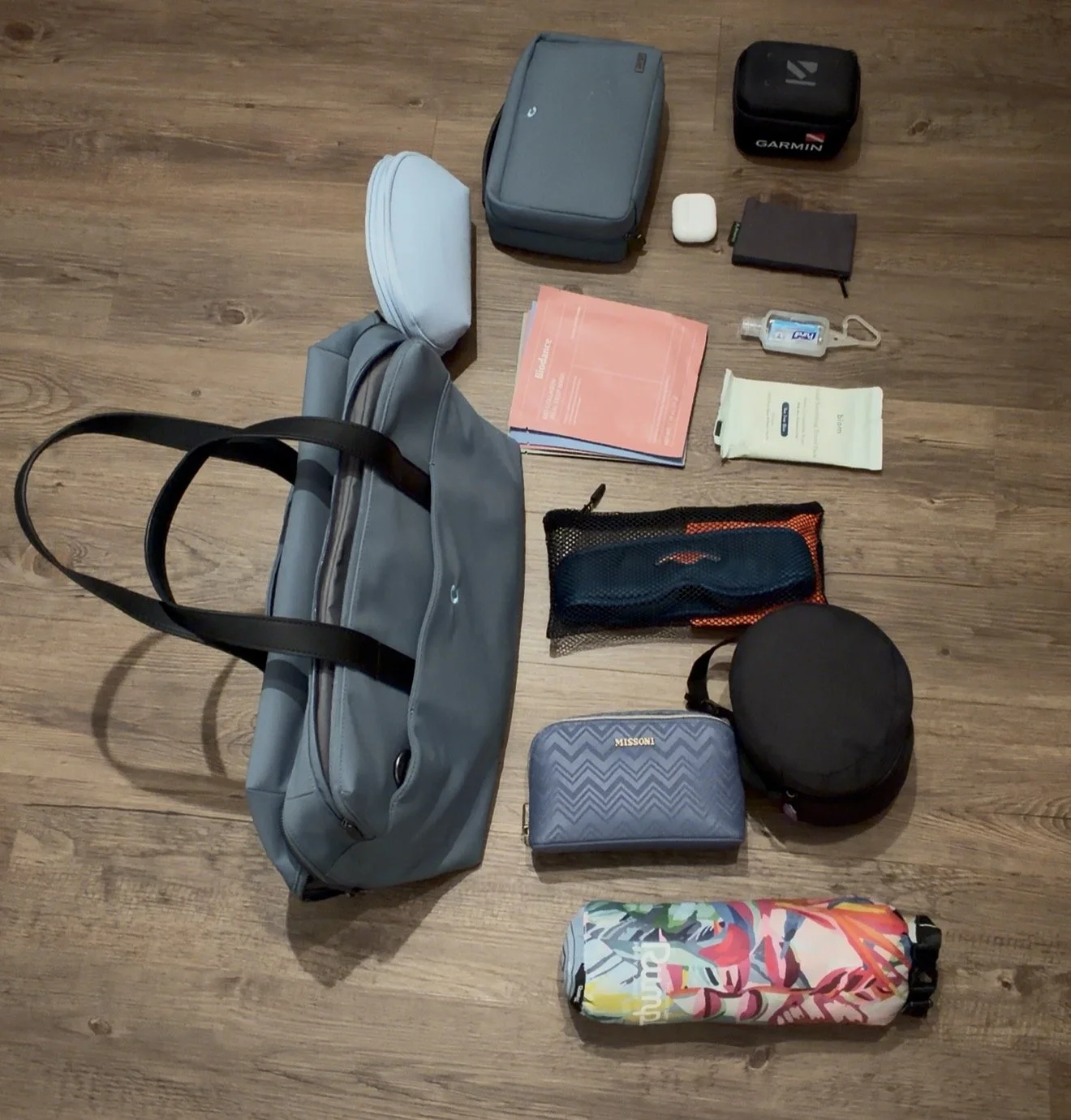
Packing is just as important as maintaining your equipment. Some items should always stay with you in your carry-on because replacing them at your destination may be difficult, expensive, or impossible.
I always carry on:
Passport and travel documents (I keep my Passport in an RFID blocking wallet)
Dive computer and backup dive computer
Regulators
Prescription mask (if applicable)
Camera equipment, housings, strobes, lenses, and batteries
Lithium-ion batteries (required by most airlines)
Certification cards (or access to your PADI eCards)
Dive log if you still keep a physical one
Medications
A change of clothes, small toiletries, and shower shoes (for thelounge showers) in case checked luggage is delayed
I typically check:
BCD (check that you have either your weight belt or you have your integrated weight pockets)!
Wetsuit, boots, hood, and gloves
Fins
Mask (unless it's prescription or particularly expensive)
Snorkel
DSMB and reel
Mesh gear bag
Save-a-dive kit and spare parts
Reef-safe sunscreen and toiletries that meet airline liquid requirements
If you're renting some equipment, adjust your checklist accordingly. The goal isn't necessarily to travel with everything—it's to know exactly what you're bringing and what will be waiting for you when you arrive.
A little preparation before you leave home means you'll spend your first day underwater looking for sharks, mantas, or pygmy seahorses instead of borrowing gear or trying to track down a replacement inflator hose on an island where the nearest dive shop is a boat ride away.
Build a Save-a-Dive Kit
If you travel enough, something is going to break.
Most of the time, it isn't a major equipment failure. It's a missing O ring, a torn mouthpiece, a broken fin strap, or a dead battery. Unfortunately, those little problems have a way of happening on remote islands where replacement parts aren't always easy to find.
That's why I never travel without a small save a dive kit. It takes up very little room in my luggage, but over the years it has saved my dives and helped plenty of other divers on my trips as well.
If I had to recommend one item, it would be a quality save a dive multi tool. I honestly use the Allen keys (hex keys) on mine more than anything else. Between tightening camera trays, adjusting strobe arms, securing accessories, making small gear adjustments, and helping other divers, I'm constantly reaching for it. It has become one of those pieces of gear I simply never leave home without.
Zip ties deserve an honorable mention too. They weigh almost nothing, cost next to nothing, and can temporarily solve an incredible number of problems. I've used them on broken clips, fin straps, dangling hoses, camera accessories, and plenty of other little gear mishaps over the years.
My save a dive kit always includes:
Save a dive multi tool
Assorted O rings
Silicone grease
Spare regulator mouthpiece
Spare mask strap
Spare fin straps or bungees
Zip ties in several sizes
Bolt snaps and split rings
Reef safe defog
Spare batteries for dive lights
Charging cables
Spare camera housing O rings (when I'm traveling with my camera)
The goal isn't to perform major repairs. It's to prevent a tiny, inexpensive part from costing you a dive you've traveled halfway around the world to experience.
Understand Airline Baggage Rules Before You Fly
If you've ever packed for a dive trip, you know the struggle.
You start with a regulator and BCD. Then you add your wetsuit, fins, mask, dive computers, DSMB, camera, housing, strobes, chargers, batteries, clothing, toiletries, and suddenly you're wondering how your suitcase weighs 60 pounds before you've packed a single T-shirt.
Dive gear is heavy. Camera gear is heavy. Airlines know it, but unfortunately, they don't usually make exceptions.
One of the biggest mistakes I see divers make is assuming every airline has the same baggage policies. They don't. Every airline has different rules for checked bags, carry-ons, personal items, weight limits, oversize luggage, sporting equipment, and excess baggage fees. Those rules can even change between flights on the same itinerary.
Things become even more complicated once you start island hopping.
Your international flight might allow two 50-pound checked bags, while the small domestic airline taking you to your final destination only allows one 33-pound bag. I've seen plenty of divers breeze through check-in for their international flight only to find themselves frantically reorganizing luggage on the floor of a tiny airport before boarding a regional aircraft.
Whenever I'm planning a trip, I look at every airline involved, not just the first one. That includes international carriers, domestic connections, and any small regional airlines. I check baggage allowances, carry-on dimensions, weight limits, fees, and restrictions long before departure so there are no surprises on travel day.
One of my favorite travel tips is to purchase checked baggage before you ever get to the airport if you know you'll need it. Most airlines charge significantly less when bags are added online in advance compared to paying at the check-in counter. Spending a few extra dollars during the booking process can save you quite a bit on departure day.
Another piece of advice: weigh your bags at home.
Seriously.
A simple luggage scale costs very little and quickly becomes one of the most valuable pieces of travel gear you'll own. I weigh every checked bag and every carry-on before I leave for the airport. If something is overweight, I'd much rather redistribute gear in my living room than while standing in a busy check-in line with dozens of people waiting behind me.
For photographers, this becomes even more important. Camera housings, ports, strobes, lenses, and lighting equipment add weight surprisingly fast. Since lithium-ion batteries generally need to travel in your carry-on, don't forget to account for that weight as well.
One thing I always tell my guests is to prioritize what cannot be replaced.
If your checked luggage is delayed for a day or two, having your regulators, dive computers, medications, prescription mask, camera equipment, passport, and travel documents with you can make the difference between missing dives and getting in the water. Clothing is relatively easy to replace. Life-support equipment and specialized camera gear often are not.
Finally, remember that baggage allowances aren't the only rules worth checking. Some airlines have stricter size limits for carry-on bags than others, especially on smaller regional aircraft. A carry-on that fits perfectly on your international flight may need to be gate checked on a smaller plane. Knowing those limits ahead of time allows you to pack strategically and avoid unpleasant surprises.
Travel days are stressful enough. Spending a little time researching baggage policies, weighing your bags, and planning where your gear goes means you'll arrive focused on the adventure ahead instead of worrying about overweight fees or whether your regulators are somewhere over the Pacific.
Carry Some Local Currency
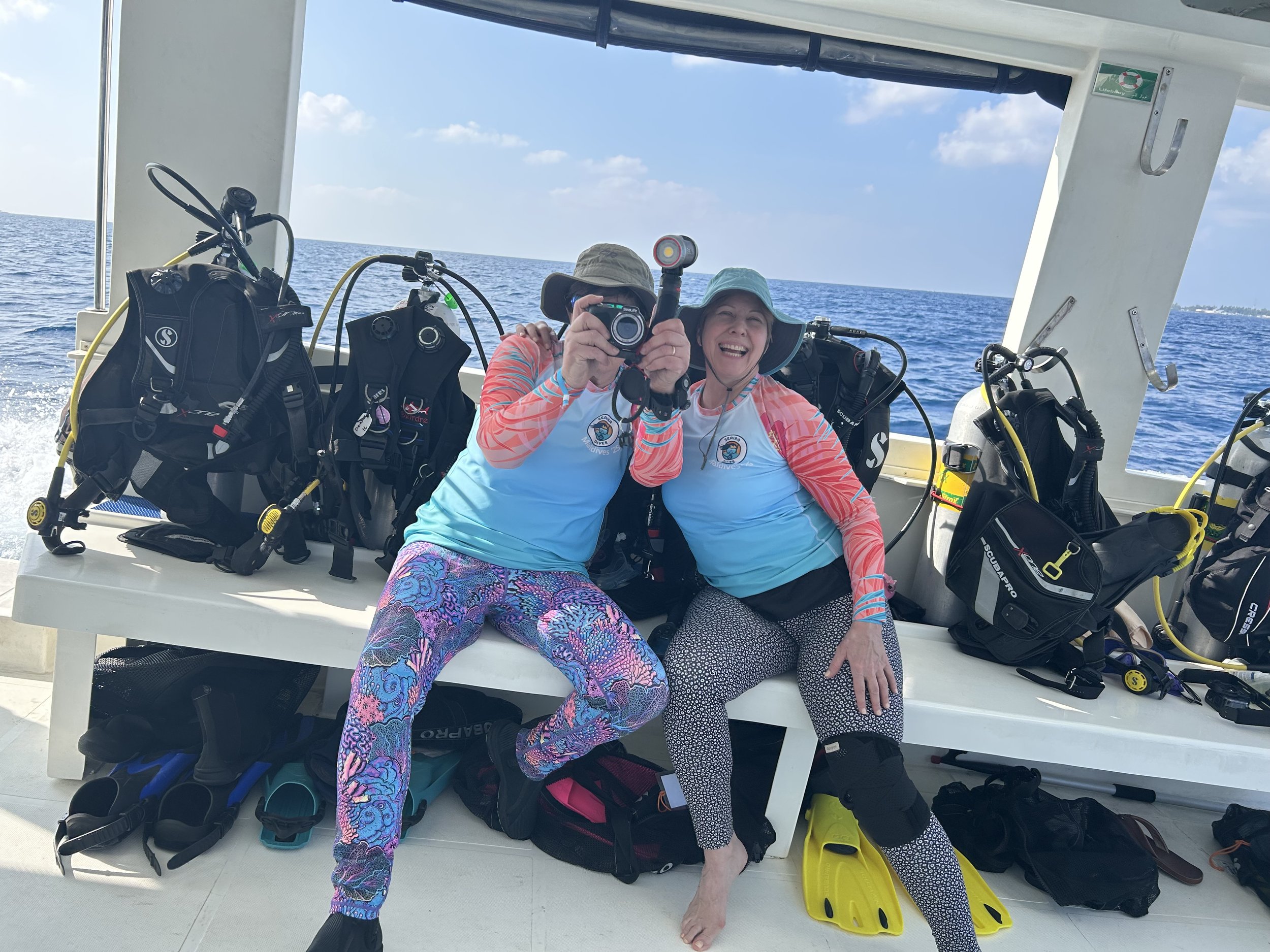
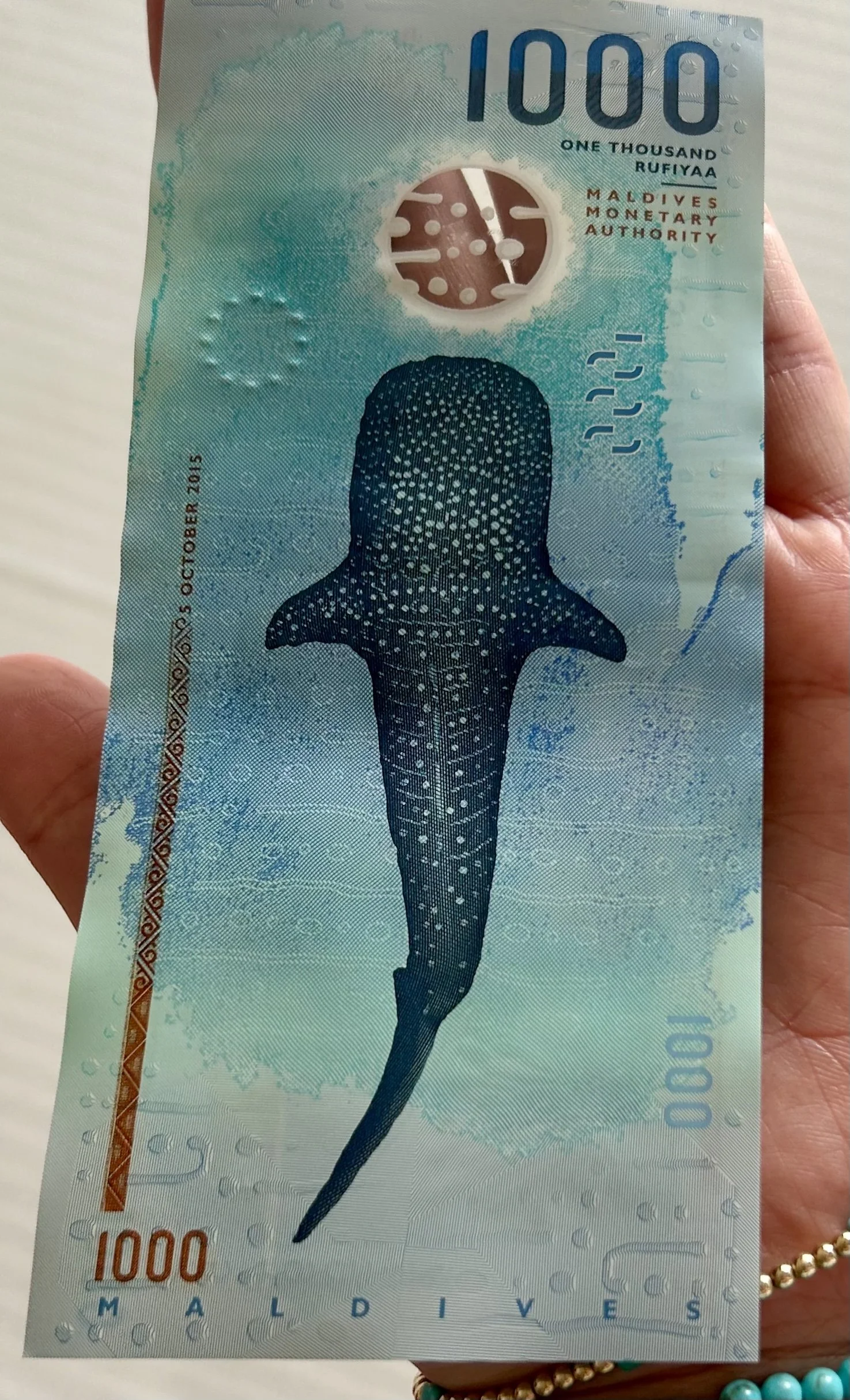
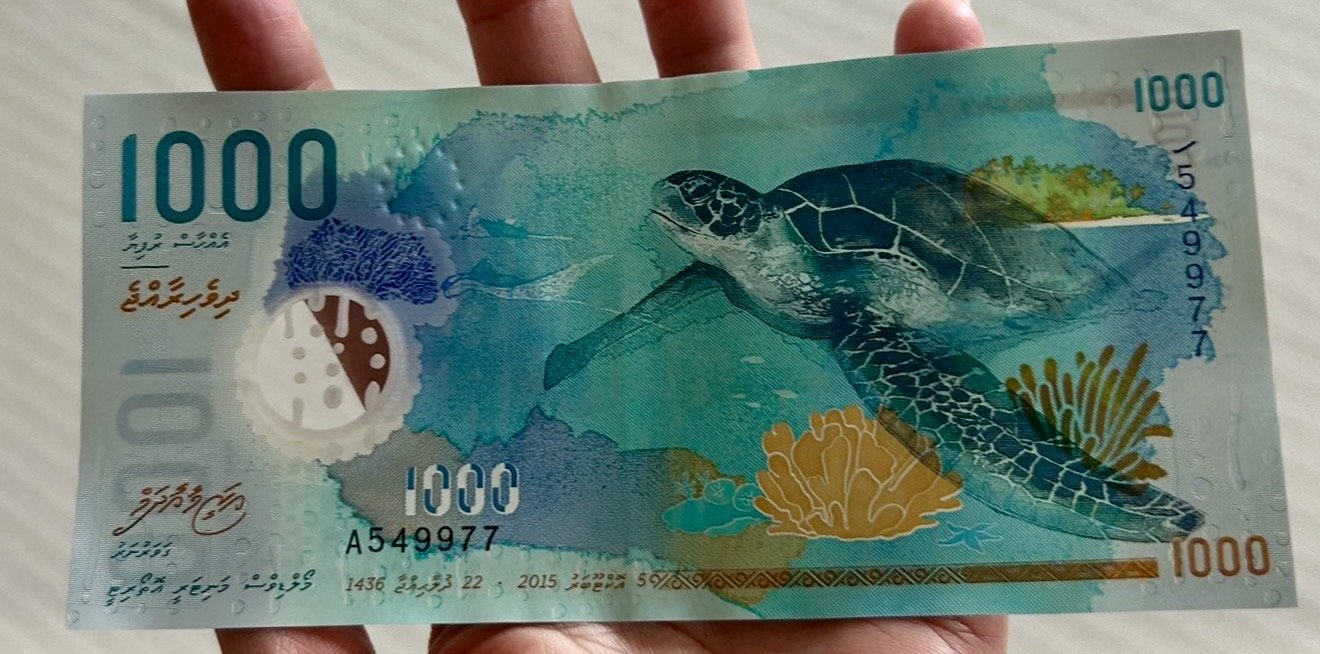
Credit cards are widely accepted in a lot of dive destinations now, but relying entirely on cards while traveling internationally is still not a great idea. Smaller shops, local markets, taxis, tips, rural areas, and even some dive operations may prefer or only accept local currency. Internet outages and card reader issues also happen more often on remote islands than people expect.
I always recommend arriving with at least some local cash already exchanged or withdrawing a reasonable amount from an ATM once you land. Having local currency immediately available makes airport transfers, snacks, tipping, and small purchases dramatically easier after long travel days. Nobody wants to land exhausted after twenty hours of travel and immediately start hunting for a working ATM.
Cash also becomes especially important in smaller island destinations and developing countries where infrastructure may not be as consistent as major cities. Some places operate primarily in cash even if resorts and larger businesses accept cards. Small denominations are useful too since drivers, market vendors, and smaller shops do not always have change for large bills.
One thing I always do is keep emergency cash separated in multiple locations while traveling. A little cash in your wallet, some secured elsewhere in your luggage, and backup cards stored separately can save you a massive headache if something gets lost or stolen. Travel days become a lot less stressful when you are not relying on one single payment method.

The Best Apps for Dive Travel
Dive travel honestly becomes much easier once you start using a few good apps consistently. Flights, baggage tracking, certification cards, itineraries, airport lounges, weather delays, and dive logging all become easier to manage when everything is organized in one place. Good travel apps reduce a surprising amount of stress during international trips.
The PADI app is one I recommend to basically every diver. Having your certification cards digitally available on your phone makes life significantly easier while traveling. The app also stores dive logs, eCards, training information, and course progress in one place. Showing up to a dive destination and realizing you forgot your certification card at home becomes a non-issue when everything lives digitally on your phone.
TripIt is another app I use constantly during travel. Forwarding confirmation emails into one place and having flights, hotels, transfers, and reservations automatically organized into a single itinerary genuinely makes travel days easier. Digging through old emails trying to find reservation numbers while standing in an airport line gets old very quickly.
Flighty has also become one of my favorite travel tools, especially for international trips with multiple connections. Flight delays, gate changes, aircraft changes, and incoming aircraft tracking update significantly faster than many airline apps. That level of detail becomes incredibly helpful during stressful travel days when every connection matters.
Priority Pass is completely worth it in my opinion if you travel frequently enough. Long layovers become dramatically more manageable when you can access lounges with food, drinks, showers, quieter seating, charging stations, and actual places to decompress between flights. Dive travel days are exhausting enough already. Anything that makes airports feel less chaotic becomes valuable.
I have an entire separate blog breaking down my favorite travel apps in much more detail, including the apps I personally use while traveling internationally for diving.
Hydration and Recovery Matter More Than Most Divers Realize
One of the most overlooked parts of dive travel has nothing to do with your equipment. It's taking care of yourself.
Long travel days, dry airplane cabins, tropical heat, saltwater, repetitive diving, and too little sleep can catch up with you surprisingly quickly. Many divers arrive at their destination already dehydrated before they even make their first dive.
Good hydration isn't just about feeling better. It can help reduce fatigue, headaches, muscle cramps, and leave you feeling more energized throughout the week. When you're diving three or four times a day, your body is working hard. Giving it what it needs to recover is just as important as maintaining your gear.
One thing I've learned over the years is that hydration starts before you feel thirsty. I make a conscious effort to drink water throughout my travel day, especially on flights. I also always pack sugar free electrolyte packets. They're lightweight, take up almost no room in my luggage, and are one of the first things I reach for after a long flight or a full day of diving in the sun.
Recovery goes beyond hydration, too. Sleep is one of the most underrated pieces of dive safety. Jet lag, early boat departures, long travel days, and repetitive diving can leave you feeling exhausted before the trip is even halfway over. I always try to get as much quality sleep as I can, especially during the first few days of a trip.
Over the years, I've found a few travel essentials that come with me on every dive adventure:
Sugar free electrolyte packets
A reusable water bottle
Compression socks for long flights
Noise cancelling headphones
A comfortable eye mask for sleeping on planes and overnight flights
Earplugs for noisy hotels or liveaboard cabins
A hydrating face mask for long flights
Lip balm
Moisturizer because airplane cabins are incredibly dry
Reef safe sunscreen and SPF lip balm
None of these items take up much room in my luggage, but together they make a noticeable difference. When you arrive feeling rested, hydrated, and ready to dive, you'll enjoy every underwater moment that much more.
Remember, the goal isn't just to survive the travel day. It's to arrive feeling your best so you can enjoy every dive from the moment you hit the water.

Bring More Medications Than You Think You Need
This is one of those things you hope you never need, but you'll be incredibly grateful for if you do.
If you take prescription medications, always pack enough for your entire trip plus a few extra days in case of unexpected travel delays. Keep all medications in your carry-on, never your checked luggage. If your suitcase decides to take its own vacation, you'll still have access to the medications you need.
I also recommend packing a small travel pharmacy and first aid kit. You may never touch most of it, but if you're diving on a remote island with limited pharmacy access, you'll be glad you brought it.
My travel kit usually includes:
Any prescription medications
Non drowsy motion sickness medication
Headache medicine
Pain reliever
Antihistamine
Swimmer's ear drops
Stomach medication or antacids
A small first aid kit with assorted bandages, blister pads, tweezers, and Neosporin
Seasickness medication deserves a special mention. Even divers who rarely get motion sick can be surprised by rough crossings, smaller boats, or multiple days on the water. Motion sickness medication is generally most effective when taken before you start feeling sick, not after you're already feeling miserable.
Everyone's medical needs are different, so talk with your doctor or healthcare provider before your trip about which medications are appropriate for you, especially if you're traveling internationally or taking prescription medications. They can also advise you on any destination specific recommendations based on where you're traveling.
Hopefully you'll never need anything in your travel pharmacy, but I've learned it's much better to have it and not need it than spend your vacation searching for a pharmacy while feeling miserable.
Electrical Adapters and Charging Chaos
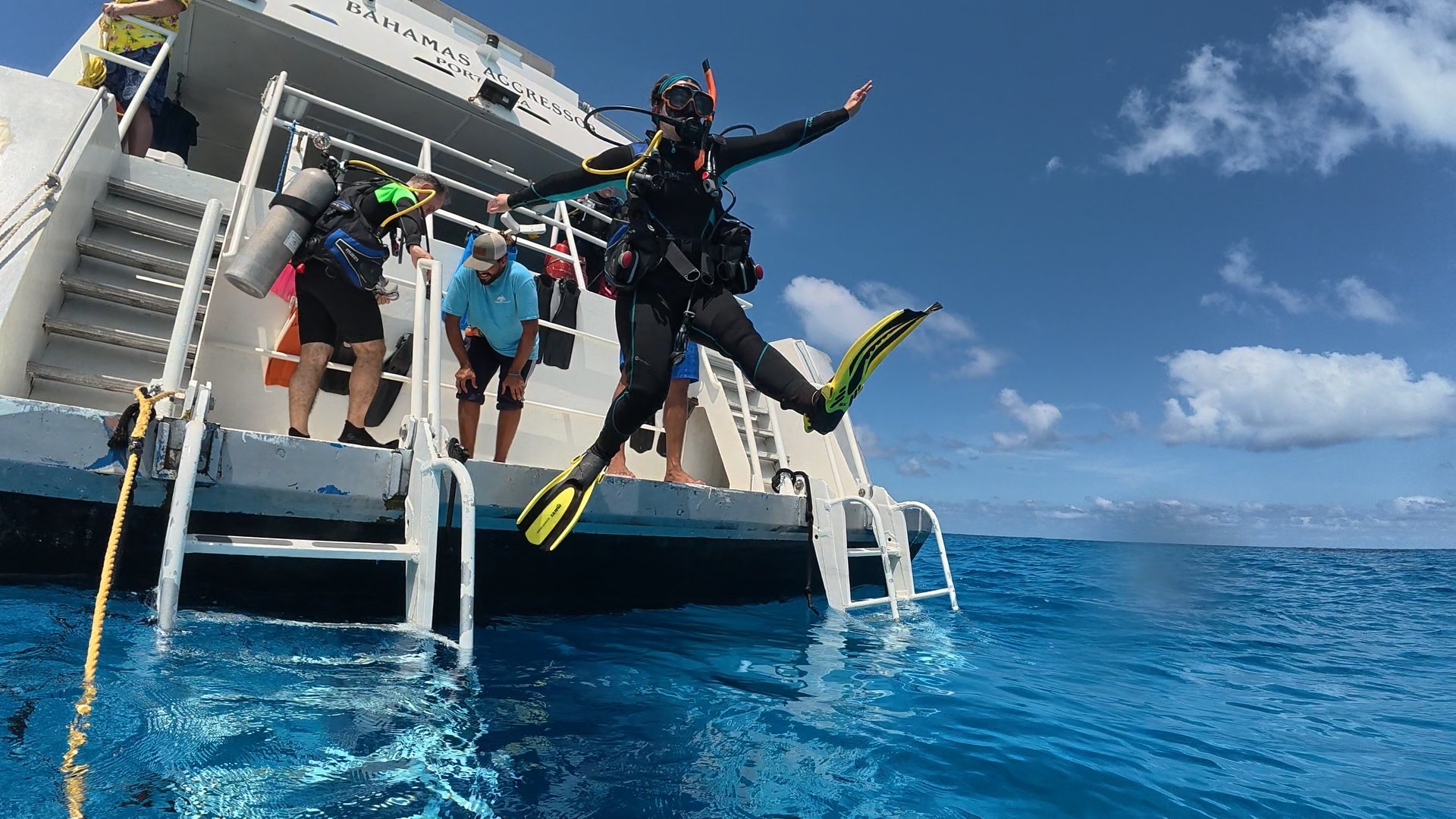
Dive travel turns everyone into a charging station manager. Cameras, strobes, dive computers, lights, phones, tablets, batteries, and power banks all suddenly need charging at the exact same time. International travel adds outlet adapters and voltage considerations into the mix too.
I always travel with multiple charging blocks, power strips, backup cables, and outlet adapters. Hotel rooms and liveaboards never seem to have enough outlets once several divers start charging gear simultaneously. One outlet somehow becomes ten devices immediately.
Labeling chargers honestly helps more than people expect too. Dive trips have a magical ability to create giant piles of identical black charging cables. Untangling whose charger belongs to who becomes annoying very quickly.
A small dry bag or electronics organizer also makes life significantly easier. Digging through wet clothing trying to find a charging cable at midnight gets old fast. Forgetting your dive computer charging cable specifically is also unbelievably annoying.
Respect Local Culture and Dive Crew
One thing I always encourage divers to remember is that we are guests in somebody else’s home when we travel internationally. Local crew members, captains, dive guides, kitchen staff, and resort teams work incredibly hard behind the scenes to make dive trips run smoothly. A little kindness and patience go a very long way.
Island time is also real in many destinations. Things may move slower than you are used to at home. Getting frustrated every time something does not operate on an ultra-rigid schedule usually just makes travel more stressful for everyone involved.
Learning a few local phrases, respecting cultural norms, tipping appropriately where expected, and treating crew with respect genuinely matters. Some of the best parts of dive travel come from the people you meet, not just the dives themselves.

Set Realistic Expectations
One of the best things divers can do before a big trip is manage expectations realistically. Every dive will not have perfect visibility. Every manta will not swim directly toward your camera. Weather changes. Currents happen. Marine life does whatever it wants.
Big dive trips become much more enjoyable once you stop treating every dive like a performance evaluation. Some dives will be incredible. Some dives will simply be good dives. Sometimes the best memories end up coming from random moments you never planned for in the first place.
Social media also creates wildly unrealistic expectations for dive travel sometimes. People post perfect conditions, rare marine life encounters, and flawless underwater photos. Nobody posts the missed naps, rough crossings, gear leaks, delayed flights, or hours spent troubleshooting strobes.
The divers who consistently enjoy dive travel the most tend to stay flexible. Adaptability matters more than perfection.
Respect Your Limits
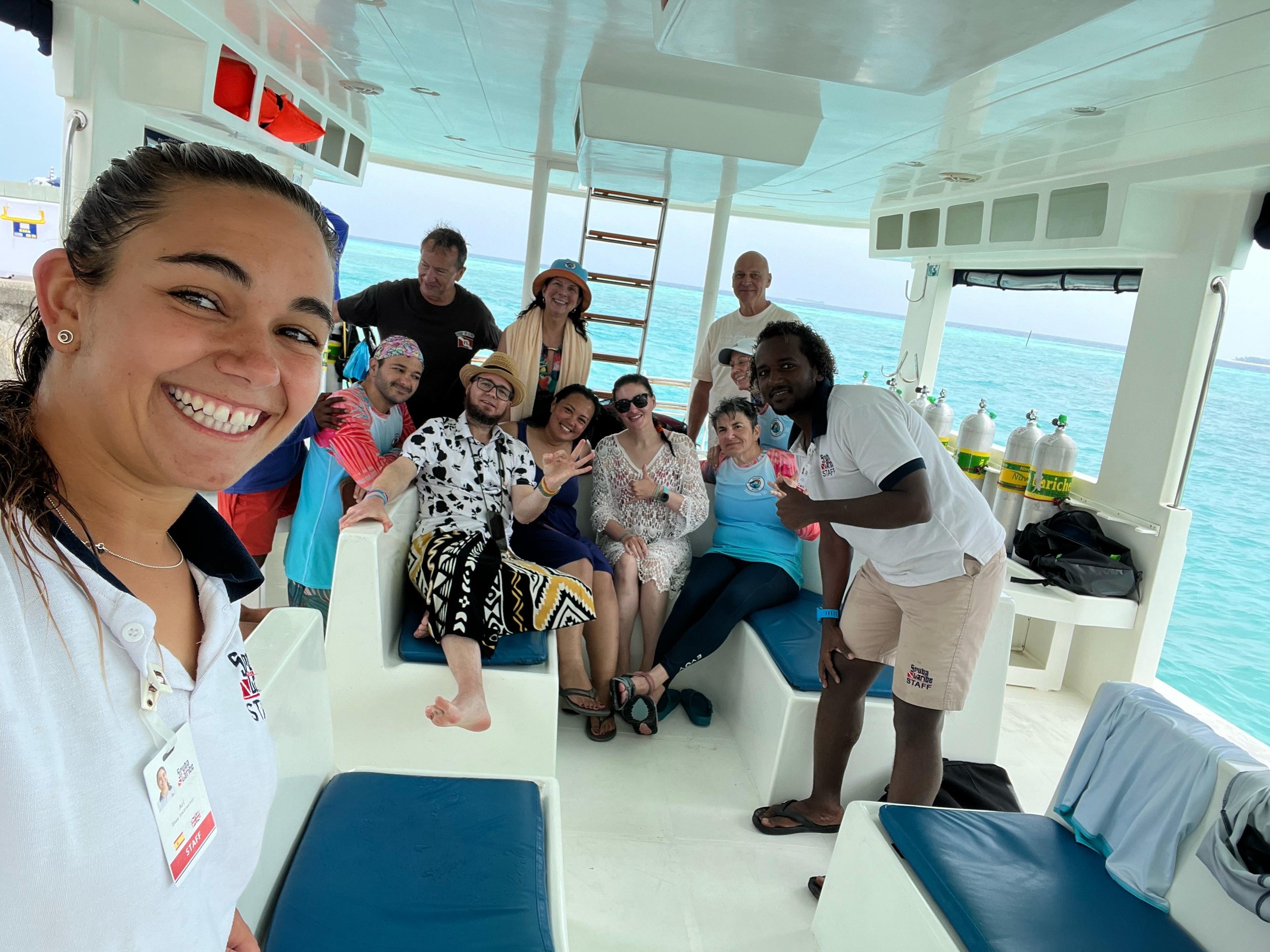
Big trips can create pressure to do every dive even when your body is telling you otherwise. Fatigue builds over repetitive diving schedules. Seasickness, dehydration, poor sleep, and long travel days all add up quickly. Missing one dive because you need rest is far smarter than pushing yourself into a bad situation.
This is especially important for newer divers. Deep dives, currents, rough entries, and repetitive diving can become overwhelming when combined with travel fatigue. Nobody wins awards for suffering through dives they are not physically or mentally prepared for.
Some of the best dive decisions I have ever seen were divers choosing to sit out a dive when something did not feel right. Smart divers listen to their bodies instead of letting ego make decisions for them.
Diving should feel challenging sometimes. Diving should not feel reckless.
And With That…
Your first big dive trip will probably teach you a lot. Something will go differently than expected. You will overpack certain things, forget something random, and learn what actually matters once you are living out of a dive bag for a week or two. That is completely normal.
Dive travel gets easier every trip because you slowly build systems that work for you. Packing becomes more intentional. Gear choices become smarter. Travel days become less stressful. Experience teaches you what deserves your energy and what really does not matter.
At the end of the day, nobody remembers whether their luggage weighed exactly 49 pounds or whether every single connection went perfectly. People remember floating in impossibly blue water, laughing with dive buddies who were strangers a week earlier, sunset conversations after long dive days, and the feeling of salt still drying on your skin while you replay the dive in your head.
The airport stress eventually fades. The ocean part stays with you.
Dive safe, explore passionately, and remember…