Diving While on Your Period: What You Need to Know
Diving is one of the most exhilarating activities you can experience, but for many women, the thought of diving during their period can raise a few questions and concerns. Can you dive while menstruating? What precautions should you take? Let’s dive into the topic and break down everything you need to know!

Can You Dive on Your Period?
The good news is that yes, you can dive while on your period! There’s no medical reason to avoid diving during this time, provided you feel comfortable and are using appropriate menstrual products. Many female divers successfully continue their underwater adventures without any issues.
Considerations Before You Dive
While diving on your period is perfectly safe, here are some important factors to keep in mind:
Comfort Is Key: Your comfort level is the most crucial aspect. Some women experience cramps, bloating, or mood swings during their period, which can affect how they feel underwater. If you’re feeling unwell, it might be a good idea to postpone your dive.
Choose the Right Protection: Selecting the right menstrual products is essential for a hassle-free dive. Options include:
Menstrual Cups: My personal recommendation for dive days is to use a menstrual cup, specifically the Flex Cup. It's comfortable, leak-proof, and can be worn for long periods, making it an ideal choice for diving. These are a fantastic option for divers. They create a seal and can be safely worn for up to 12 hours, allowing you to dive without worry.
Tampons: A popular choice, tampons can be comfortable and effective while diving. Just make sure to change them before your dive and bring extras for post-dive.
Menstrual Discs: Menstrual discs are another great option for divers. They sit comfortably higher inside the body and are designed to stay secure, even during long or active dive days. Many can also be worn for extended periods of time, making them especially convenient for boat days, multiple dives, and travel.
Dive Suit Considerations: If you're wearing a wetsuit or drysuit, be mindful of how the suit fits. Some women find their suits feel tighter during their period, so ensure you’re comfortable in your gear.

Recommendations for Comfort
Chat with Your Doctor:
If you experience menstrual cramps or other discomfort during your period, it's a good idea to consult with your doctor about what medications or supplements can help ease discomfort while diving. Your doctor can help guide you on any options that won’t interfere with your dive or affect your health.Hydration and Nutrition:
Staying hydrated is essential for any dive, but it’s especially important during your period. Dehydration can exacerbate symptoms like bloating and fatigue. Make sure to drink plenty of water throughout the day to stay hydrated and flush out excess sodium, which can reduce water retention and bloating. Consider having a light snack before your dive, such as a piece of fruit or a handful of nuts, to keep your energy levels stable and avoid low blood sugar during your dive.Natural Remedies for Bloating and Discomfort:
If you experience bloating or other period-related discomforts while diving, there are several natural remedies that can help alleviate these symptoms. For bloating, sipping on peppermint or ginger tea before your dive can soothe your digestive system and reduce bloating. Ginger, in particular, has been shown to help with nausea and improve digestion, which can be especially helpful during your period. Magnesium-rich foods, such as leafy greens or nuts, can also help reduce bloating and cramping. You can also practice gentle stretching or yoga poses to reduce tension in your body and improve circulation.Wear Comfortable Gear:
Choose a swimsuit or rash guard that you feel comfortable in while diving. Some women prefer looser-fitting clothes during their period, which can help them feel more at ease in their dive gear. It’s important to choose clothing that doesn’t add pressure to your abdomen, as this can contribute to discomfort. Make sure your wetsuit or dive gear doesn’t restrict your movement or feel tight, which can increase feelings of bloating or discomfort.Bring Extra Supplies:
Always pack extra menstrual supplies, regardless of your chosen protection method. Whether you're using tampons, pads, menstrual cups, it's crucial to be prepared for any situation while you're diving. If you're traveling, consider bringing more than you think you’ll need. It's better to be overprepared than to find yourself in a bind. Also, consider storing your supplies in a waterproof pouch to keep everything dry while you dive.Relaxation Techniques:
If you’re feeling anxious or uncomfortable about diving on your period, practicing relaxation techniques can be incredibly helpful. Deep breathing exercises or visualization techniques can help ease your mind before you enter the water. Focus on calm, steady breaths to relax your body and ease any anxiety you might have about diving. Stress and anxiety can increase menstrual discomfort, so staying calm and relaxed is key to improving your experience.
Myths and Misconceptions
There are a few myths surrounding diving on your period that are worth debunking:
Sharks and Menstruation: Busting the Myth
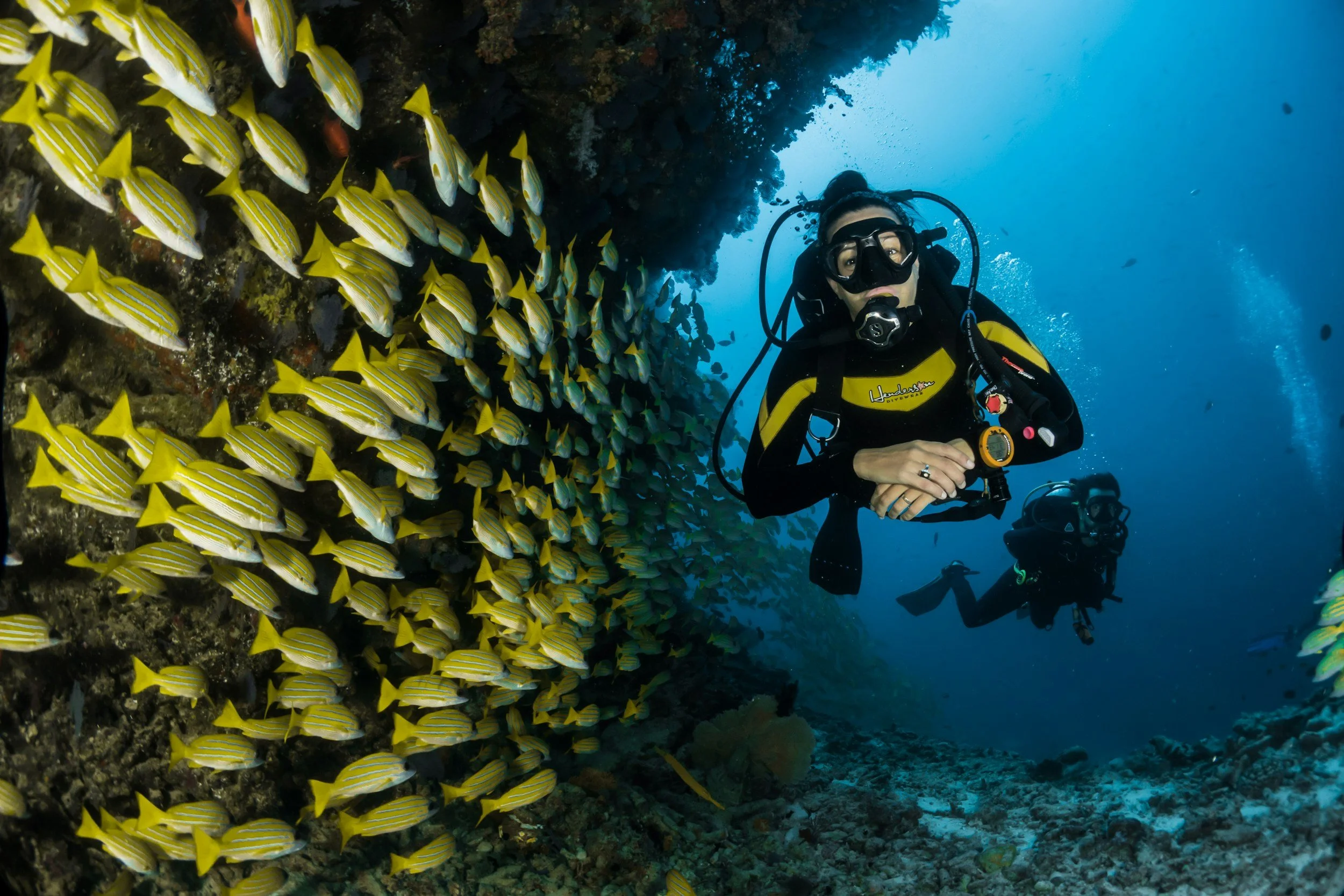
A common misconception among divers is the belief that menstruating women are at a higher risk of attracting sharks. This myth has been widely debunked by marine biologists and diving professionals. In reality, sharks are not particularly drawn to human blood, including menstrual blood.
Sharks have a highly developed sense of smell, which allows them to detect certain chemicals in the water, particularly those found in the blood of their natural prey, such as fish and marine mammals. While sharks can detect blood from great distances, they are primarily attracted to the scent of injured or stressed animals. Menstrual blood, however, does not differ significantly from other bodily fluids in terms of its potential to attract sharks. Moreover, the small amount of blood released during menstruation is negligible compared to the substantial amounts of blood that might be emitted from a wounded fish or mammal.
Numerous studies have confirmed that sharks are more likely to be attracted to the scent of injured or distressed prey rather than human blood. For example, research conducted by the Florida Museum of Natural History found that sharks are more responsive to the scent of fish and marine mammal blood than to human blood. The study also concluded that menstrual blood does not contain the compounds or quantity that would make it a target for sharks.
In addition, the National Oceanic and Atmospheric Administration (NOAA) has stated that while sharks are capable of detecting blood from considerable distances, they are more attracted to the scent of injured or distressed animals, not the blood of humans or menstruating women.
Therefore, divers need not worry about becoming a “shark magnet” due to menstruation. The likelihood of encountering a shark while diving is primarily influenced by environmental factors and the specific location of the dive site, not by whether a diver is menstruating.
Health Risks: Diving During Your Period
As long as you’re using proper menstrual protection—such as tampons or menstrual cups—and ensuring your gear is comfortable, you should be able to dive safely. It’s important to choose the method that works best for your body, and make sure you change or adjust supplies as necessary before or after the dive. Some divers also opt for additional layers, such as a rash guard, to add an extra layer of comfort and prevent any potential discomfort from dive gear.
Remember, just like with any other activity, it's essential to listen to your body. If you’re experiencing symptoms like severe cramps or fatigue, it’s okay to opt out of a dive until you’re feeling better. If you're well-prepared and in good health, there’s no reason why menstruation should interfere with your ability to enjoy the underwater world.

Tips for a Smooth Dive
Here are some additional tips for diving while on your period:
Plan Ahead: Before your dive trip, think about how to manage your period. Consider your flow and plan your dives accordingly.
Communicate with Your Dive Buddy: If you feel comfortable, let your dive buddy know. It can be helpful to have someone who understands your situation, and it could alleviate any stress or concerns.
Enjoy Yourself: Remember that your period shouldn’t stop you from enjoying your dive. Focus on the beauty of the underwater world and the amazing experiences that await you!
with that…
Diving while on your period is not only possible, but it can be a smooth and enjoyable experience with a little planning and preparation. By choosing the right menstrual products, understanding your body, and keeping comfort in mind, you can continue to explore the wonders of the ocean without hesitation.
So, dive in and enjoy the adventure—your period is just a small part of your diving journey! Happy diving!
Dive safe, explore passionately, and remember…