Beneath the Bridge: Diving Blue Heron Bridge
There are iconic dive sites… and then there is Blue Heron Bridge in West Palm Beach, Florida — a place so full of life, color, and unexpected encounters that every dive feels like stepping into a brand-new underwater universe. Whether you’re a seasoned diver, a macro photographer, or a brand-new open water student, Blue Heron Bridge (known affectionately as BHB) is a must-visit site that truly lives up to its legendary reputation.
A Shore Dive Unlike Anywhere Else
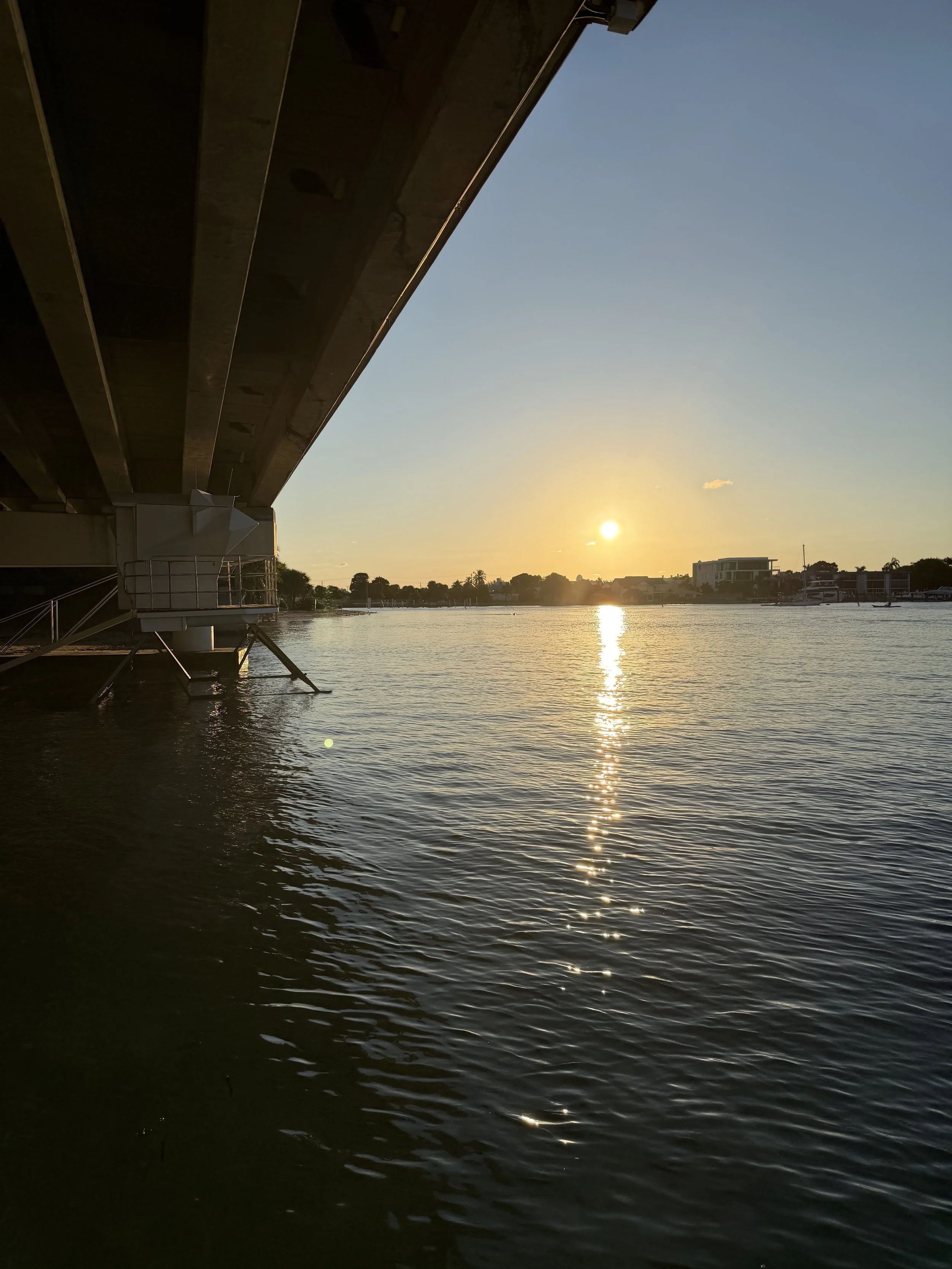
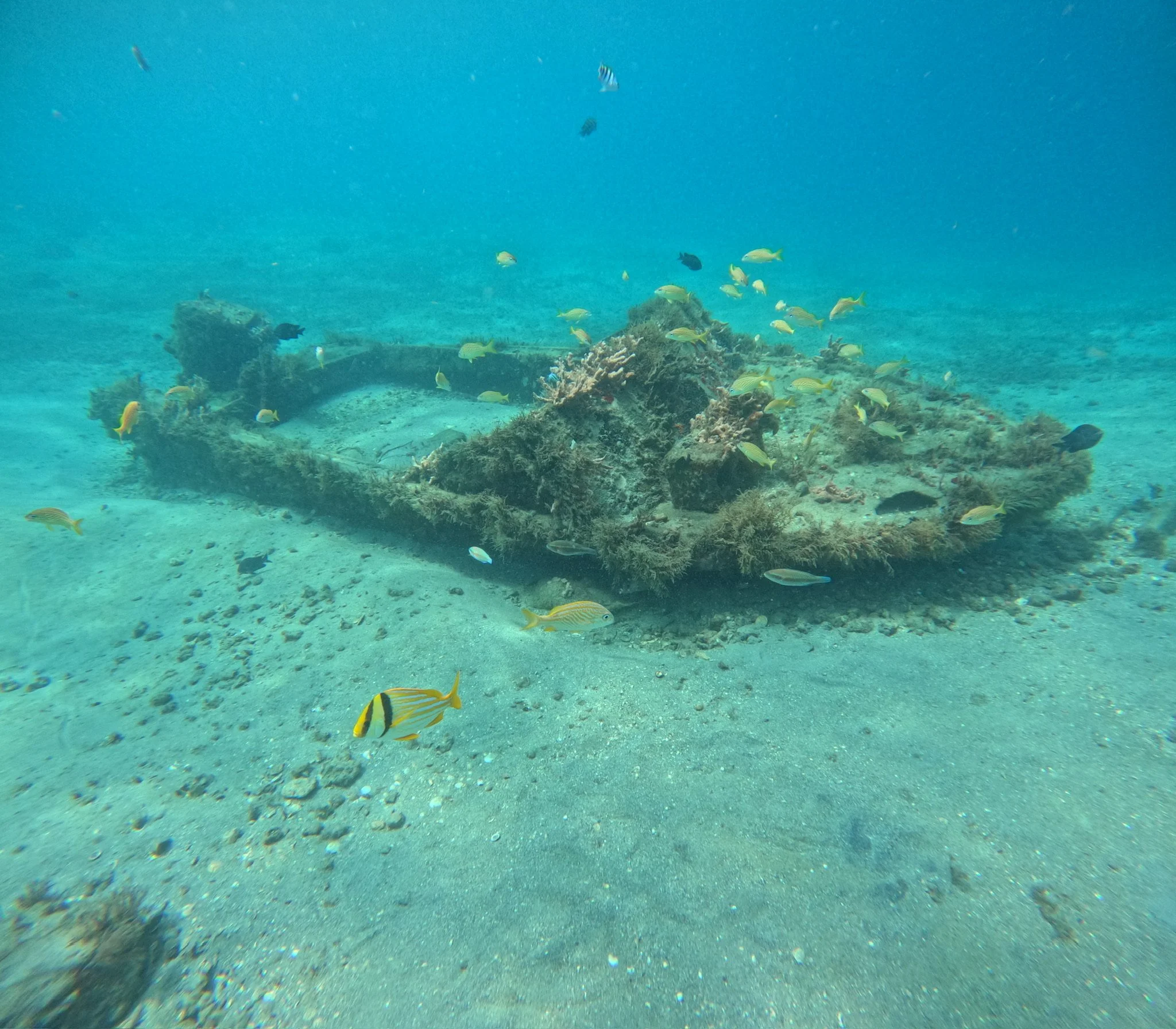
Blue Heron Bridge isn’t just “a good Florida dive” — it’s routinely ranked among the top shore dives on the planet. Set within the calm waters of Phil Foster Park, the dive offers an easy beach entry, shallow depths (15–20 feet), and protection from heavy surf, making it accessible to nearly every level of diver.
But don’t let the shallow profile fool you. This site is bursting with life.
BHB sits inside the Lake Worth Lagoon, a unique meeting point of ocean water, estuary flow, seagrass, and sandy bottom. Add in the bridge pilings, artificial structures, snorkel trail, and rubble piles, and you have a habitat that attracts everything from juvenile reef fish and frogfish to octopus, nudibranchs, seahorses, rays, batfish, and the famously elusive macro critters that put this site on the global map.
Every tide brings something new.
About the Dive Site (and Why It’s So Special)
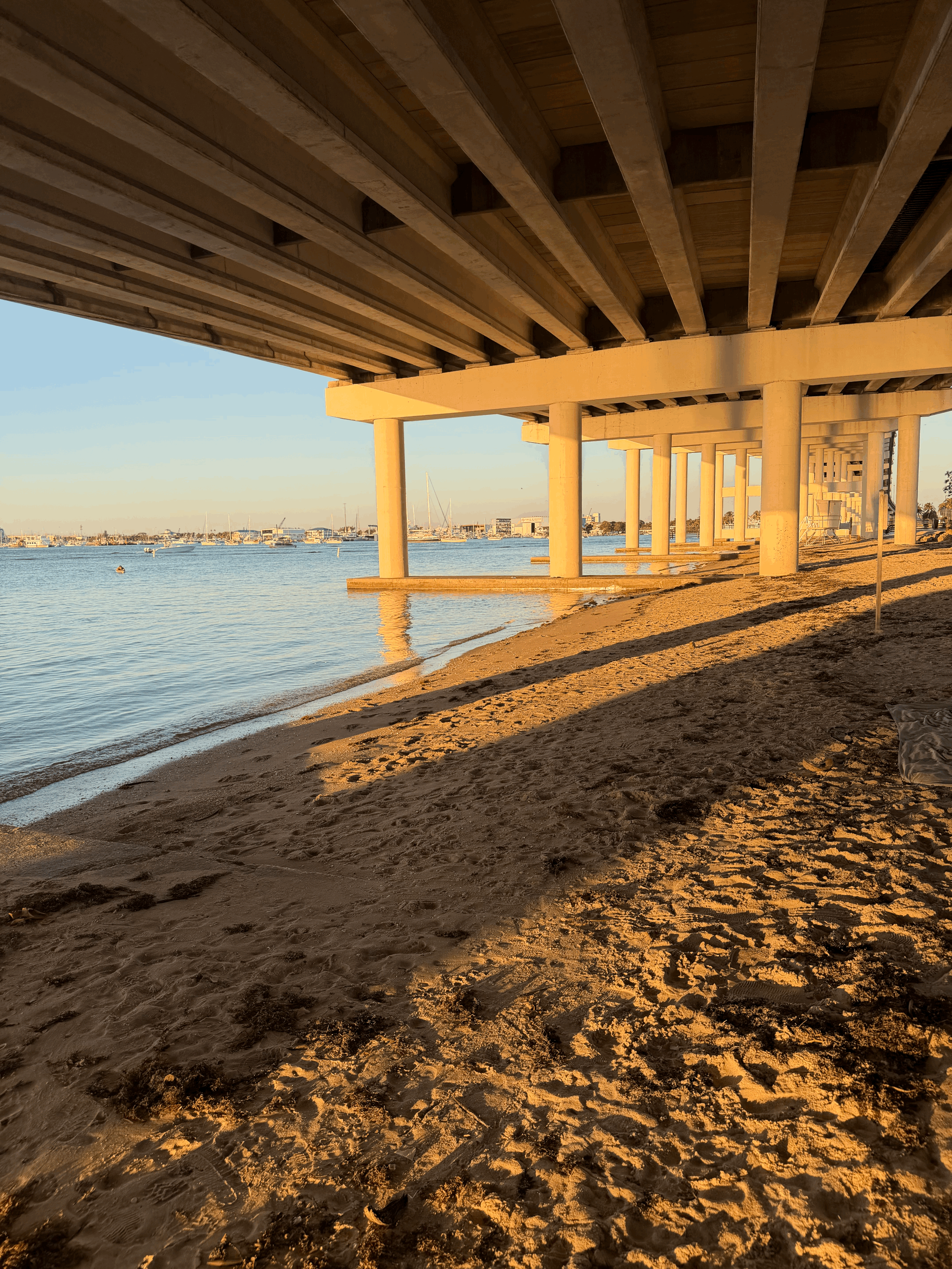
Nestled inside Phil Foster Park, BHB offers a blend of natural and artificial habitats that create an underwater treasure hunt for divers of all interests. You’ll find:
Seagrass beds full of juvenile fish
Sandy stretches perfect for spotting rays and jawfish
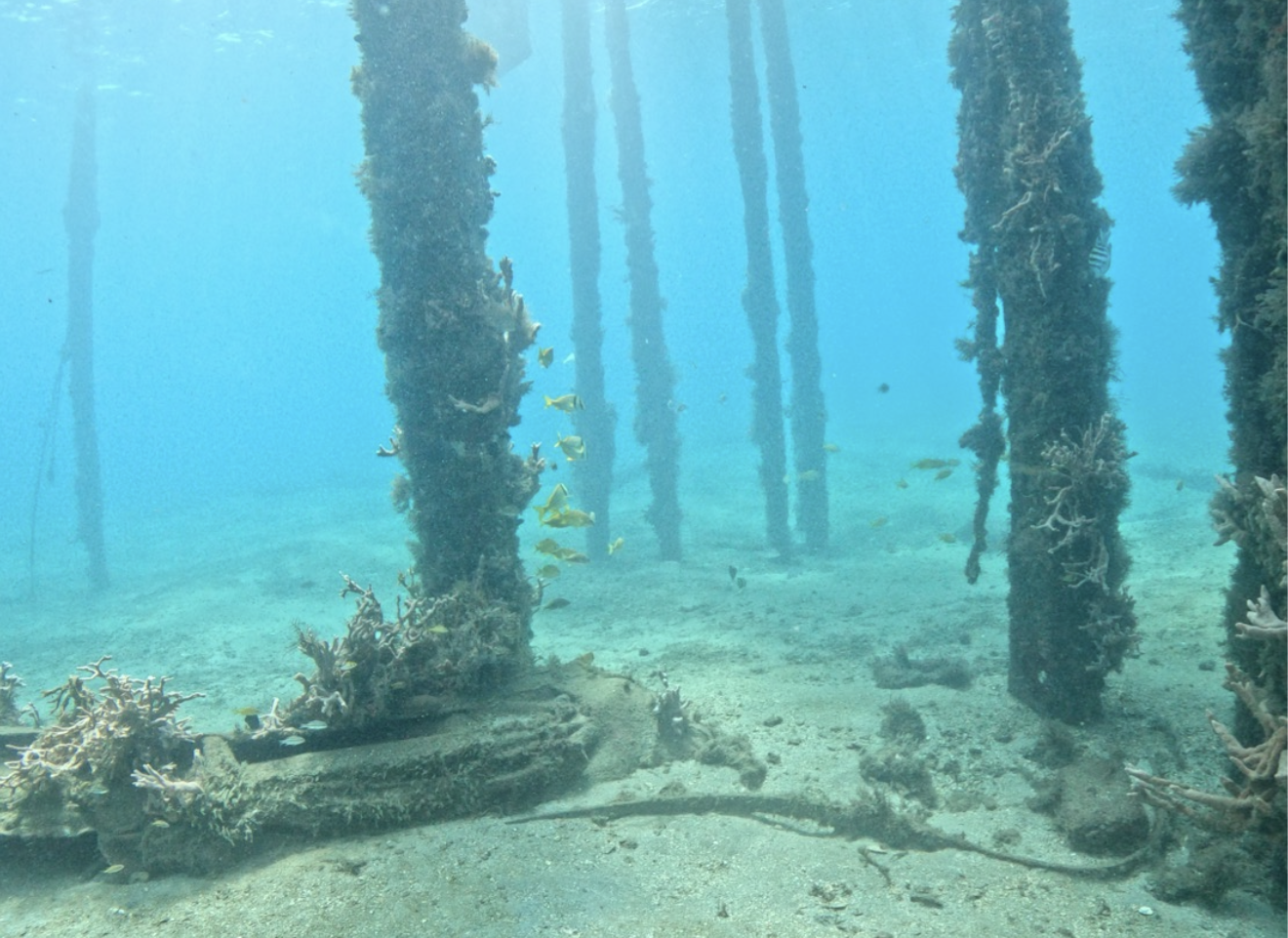
Bridge pilings covered in sponges and colorful growth
Artificial structures that attract octopus, eels, and the occasional turtle
The famous snorkel trail with statues, concrete shapes, and critter hideouts
Thanks to its shallow depth, you can easily enjoy 45+ minute dives on a single tank, making it a dream location for underwater photographers and instructors running skills, workshops, or pro-level training.
It’s this blend of accessibility, endless biodiversity, and “every dive is different” magic that makes Blue Heron Bridge so beloved in the dive community.
Logistics & Planning for Diving Blue Heron Bridge
A great dive here comes down to timing and preparation.
Tide Timing (This Is Key!)
BHB is a tide-dependent dive site. The best time to dive is:
➡️ High Slack Tide
This is when incoming ocean water peaks, visibility often improves dramatically (sometimes 40–60ft), and the currents calm enough for a relaxed, slow-moving dive.
Most divers plan to enter the water ~30 minutes before slack to enjoy the full calm window.
Parking & Facilities
Phil Foster Park is well-equipped and diver-friendly:
✔️ Free parking (but it fills quickly, especially weekends — arrive early)
✔️ Clean restrooms
✔️ Outdoor showers
✔️ Gear-friendly walkways
✔️ Clearly marked shore-entry points
✔️ Picnic areas for post-dive snacks or briefings
Because this is one of the most popular dive sites in the state, weekends can get busy — early arrival is your best friend.
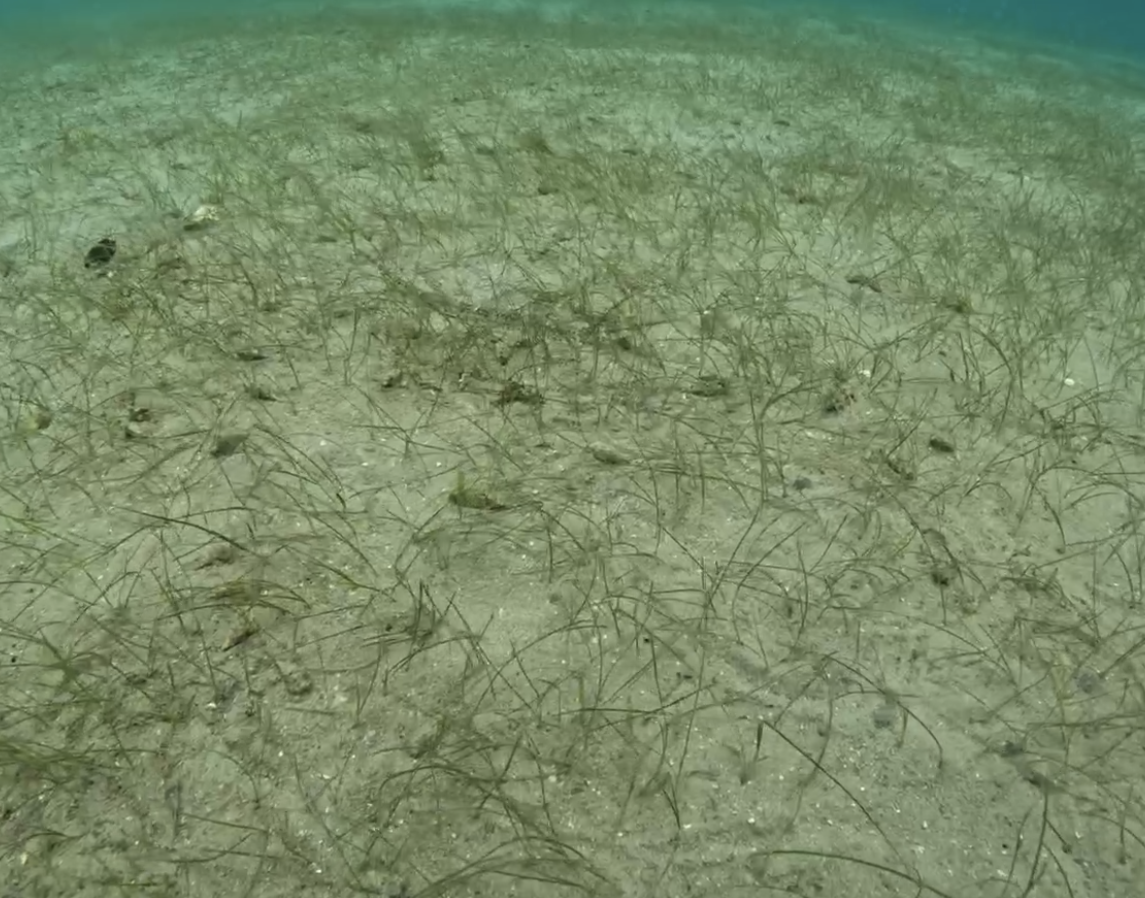
A little pipefish nestled in the grass
What to Bring & Plan For
A dive flag/float (required by law, check the flag specifications for Florida)
DSMB or SMB (required by law)
Tide charts for the day
Redundant lights if you plan to search for macro critters
A macro lens or focused light for photography (creatures hide in plain sight!)
Plenty of patience — slow diving reveals the most life
For photographers, Blue Heron Bridge is a dream site where tiny surprises appear under every piling and every patch of seagrass… if you know how to look.
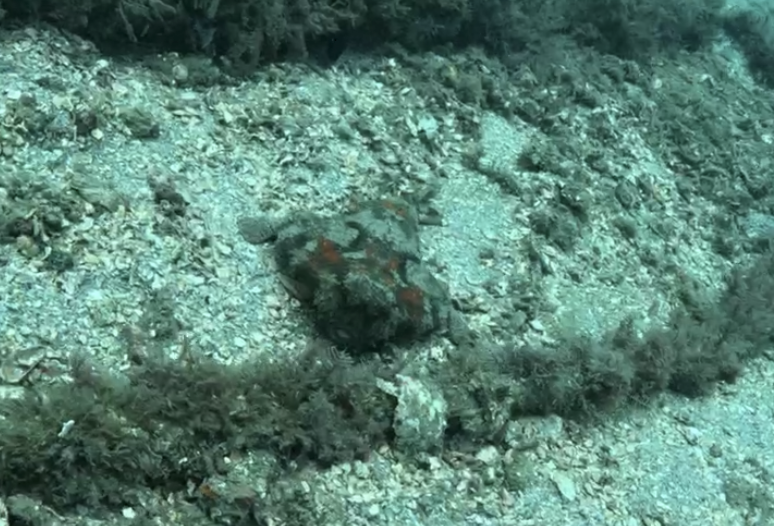
My first batfish!
Unique Critters You Can See at Blue Heron Bridge
One of the main reasons Blue Heron Bridge is world-famous is its extraordinary variety of marine life. The site attracts species you’d normally expect to find in far-off tropical destinations — and sometimes creatures so rare that international photographers fly in just to see them.
Here are some highlights commonly spotted at BHB:
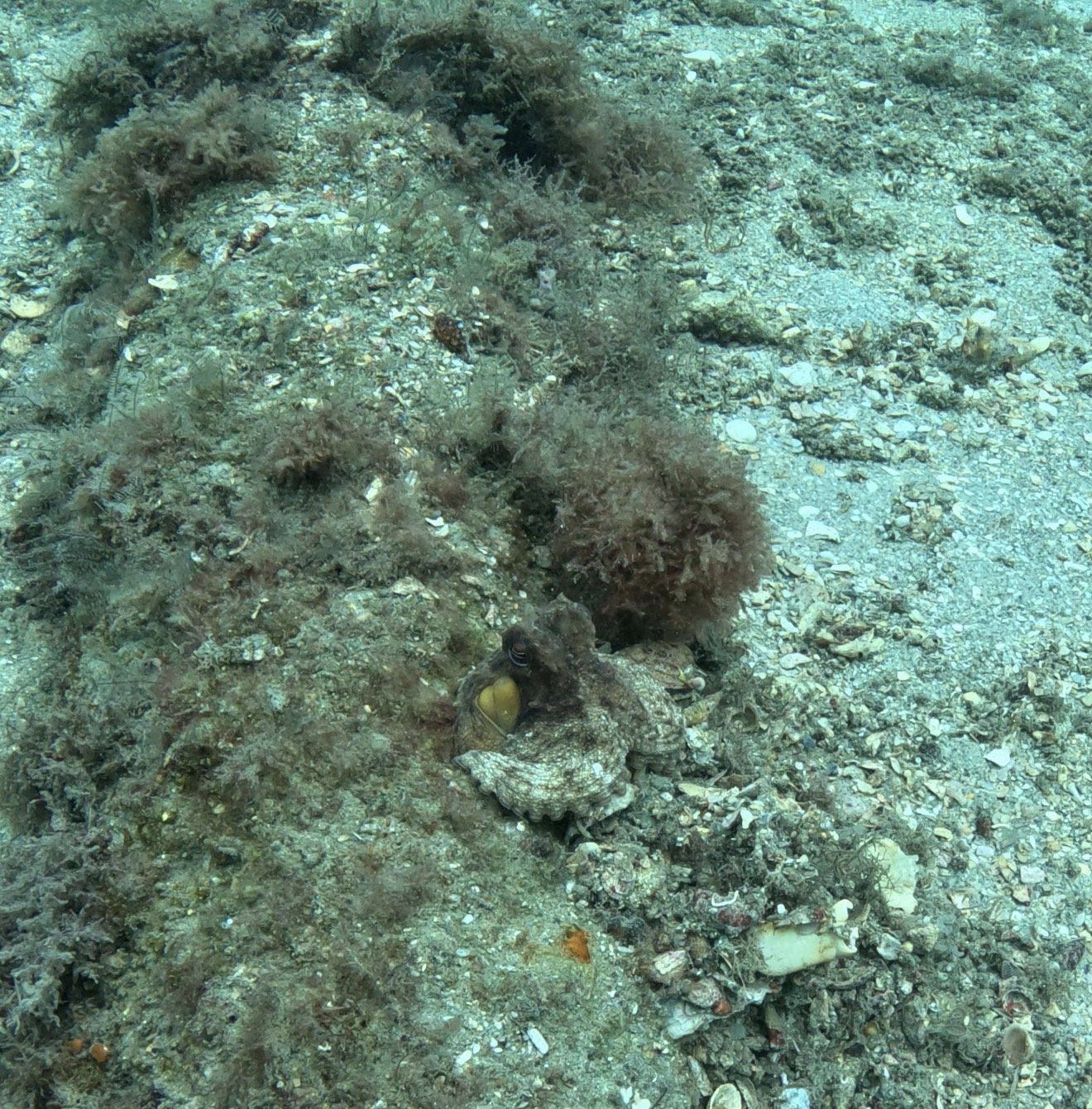
So many octopus!
Macro & Muck Diving Favorites
Seahorses (lined, longsnout, dwarf)
Frogfish (multiple species)
Batfish
Pipefish
Nudibranchs in astonishing variety
Juvenile trunkfish
Flying gurnards
Crabs of all kinds
Shrimps of all kinds
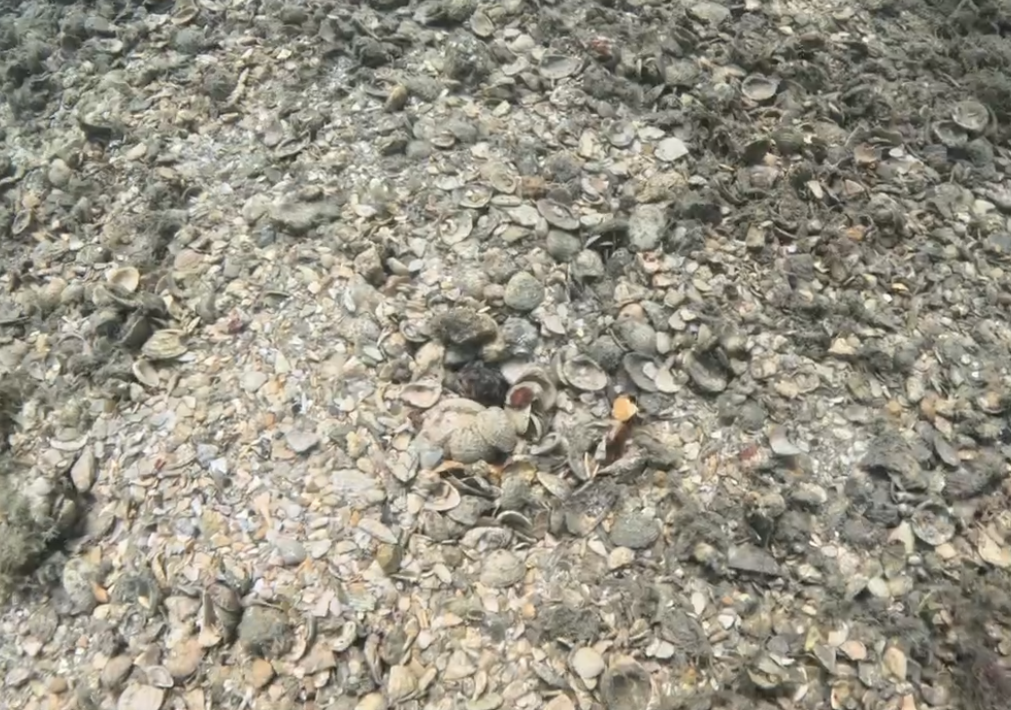
A dusky jawfish
Mid-Size Reef Species
Spotted moray eels
Southern stingrays
Yellow rays
Angelfish and butterflyfish
Schools of grunts and snappers
The Unexpected Showstoppers
Blue Heron Bridge is known for surprise visitors, including:
Eagle rays
Manatees
Octopuses
Squid
Sea robins
Nurse Sharks
With every new tide cycle, the cast of characters changes — which means every dive at BHB is truly one-of-a-kind. A Dive Site That Keeps You Coming Back
No matter how many times you dive Blue Heron Bridge, it never feels the same twice. One dive might fill your camera with seahorses and nudibranchs. The next might surprise you with stingrays, starfish, octopus, or even a passing turtle. Add in warm water, easy access, a beautifully maintained park, and a welcoming local community of divers, and you have a place that truly embodies why so many people fall in love with scuba.
For training, for photography, for adventure, or simply for the joy of exploring a living underwater garden — Blue Heron Bridge is one of Florida’s true gems.
If you haven’t experienced it yet, put it at the top of your dive list. And if you have… you already know why divers keep coming back again and again.
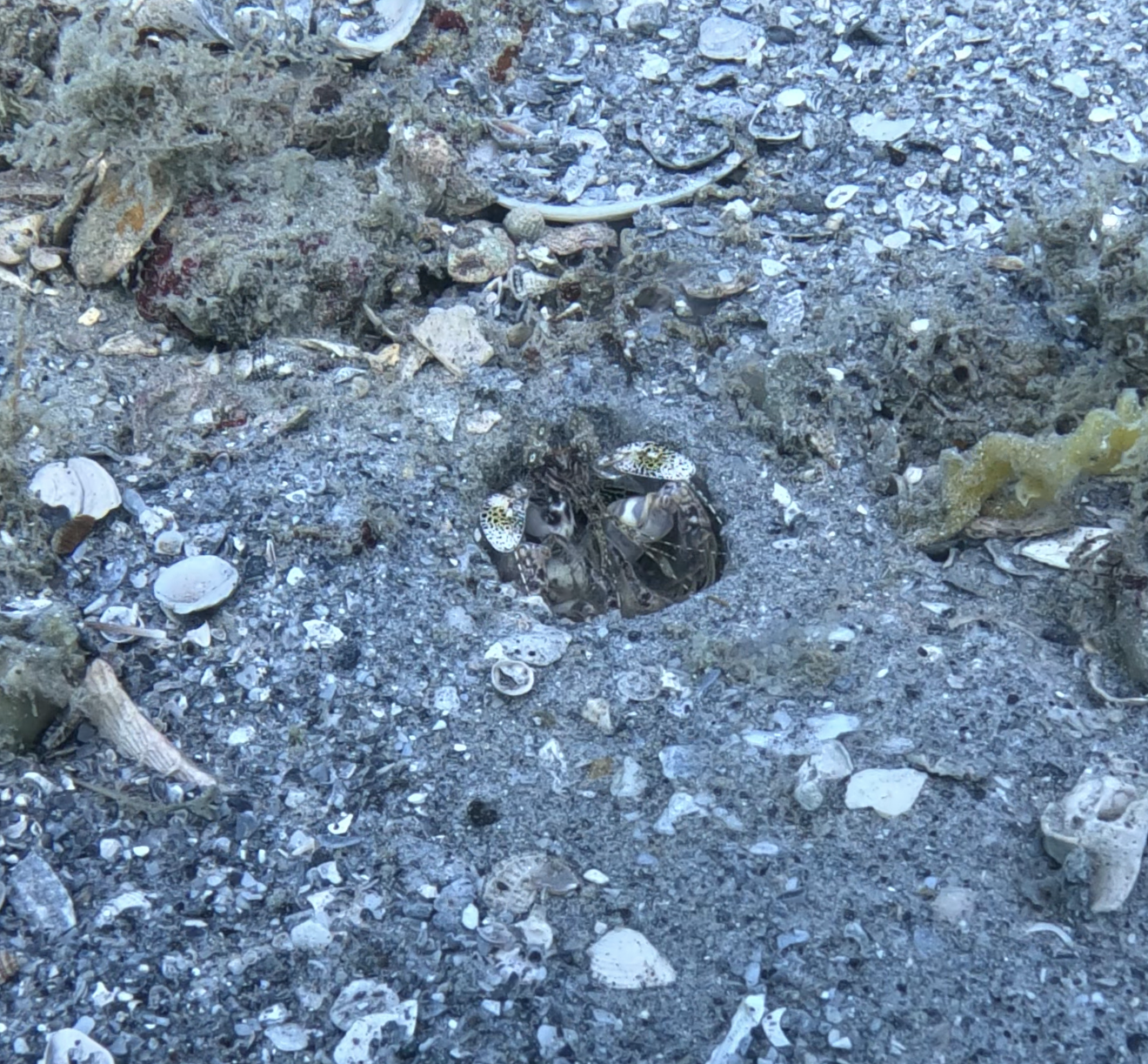
My first mantis shrimp
Dive safe, explore passionately, and remember…