My Favorite Dive Gear for Women: Comfort, Style, and Performance Underwater
UPDATED for 2026
I have been diving since my teen years and have tried quite a bit of gear over the years. When I first started, dive gear made specifically for women was hard to find and most options were labeled “unisex,” which usually meant they were designed for men and adjusted slightly for women. Fit was often uncomfortable, especially with wetsuits and BCDs, and it took a lot of trial and error to find gear that actually worked for my body.
Over time, as women’s dive gear has improved and more brands have invested in proper design, I’ve been able to refine what I use and what I trust. Everything in this post is gear I actually dive with, travel with, and teach in. This is not a list of what looks good in a catalog — it’s what has held up through real dives, real trips, and real wear and tear.
In this guide, I’ll walk through the pieces of gear that make the biggest difference for me, including exposure protection, fins, booties, masks, BCDs, hoods, gloves, drysuits, sunscreen, deep conditioner, ear drops, mask defog, regulators, and other dive-day essentials.
I’ve also put a lot of work into building my Amazon shop and ShopMy storefront with the same mindset: only sharing products I personally use and genuinely recommend. If it’s linked there, it’s because I’ve tested it in the water or on trips and trust it to do its job.
One thing I always tell my students is to try gear before you buy when possible. Everyone’s body is different, and comfort plays a huge role in how much you enjoy diving. These are simply the pieces that work best for me and my diving style.
Waterlust
Sunsuits & Skins – Exposure Protection with a Purpose
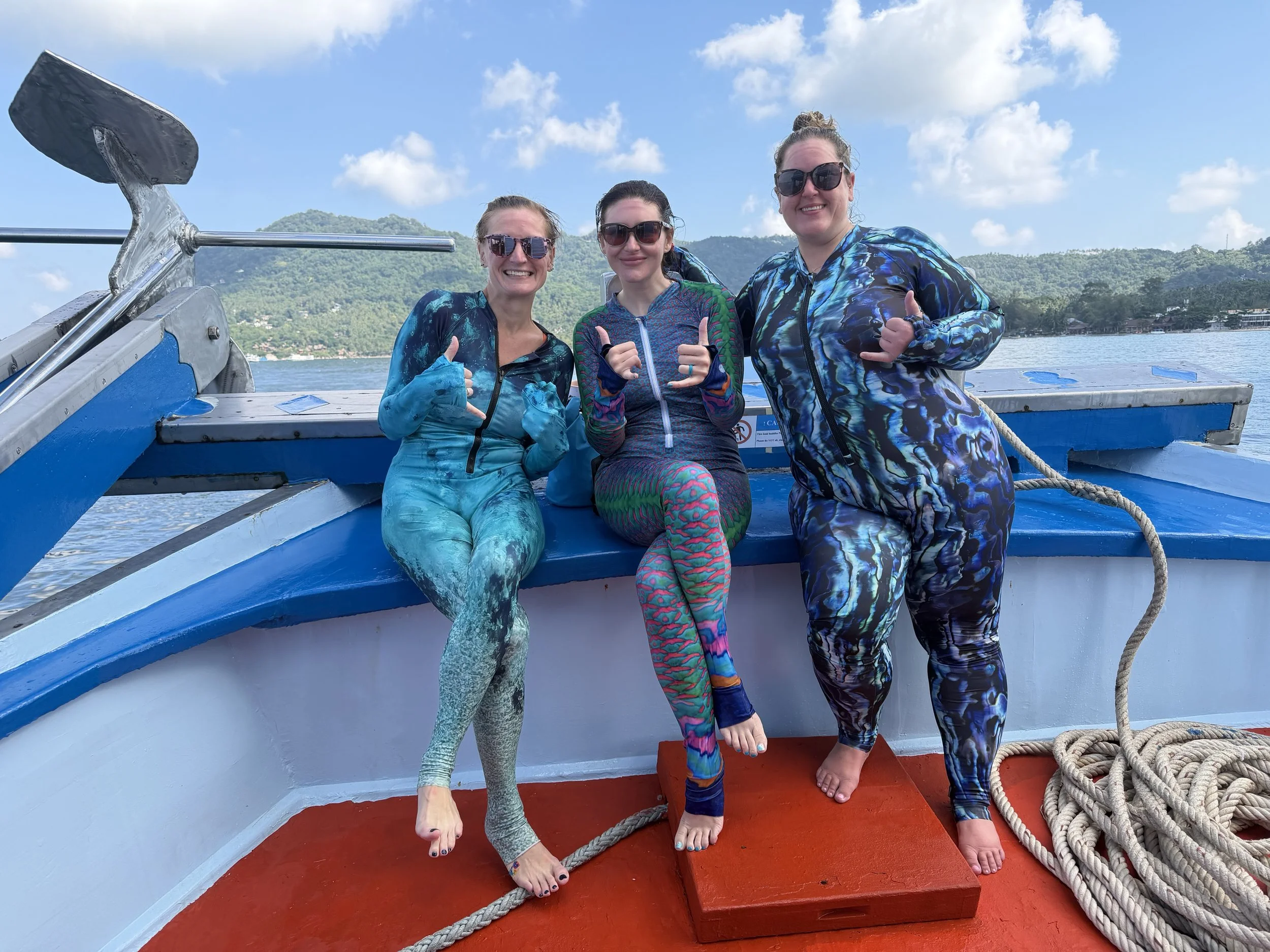
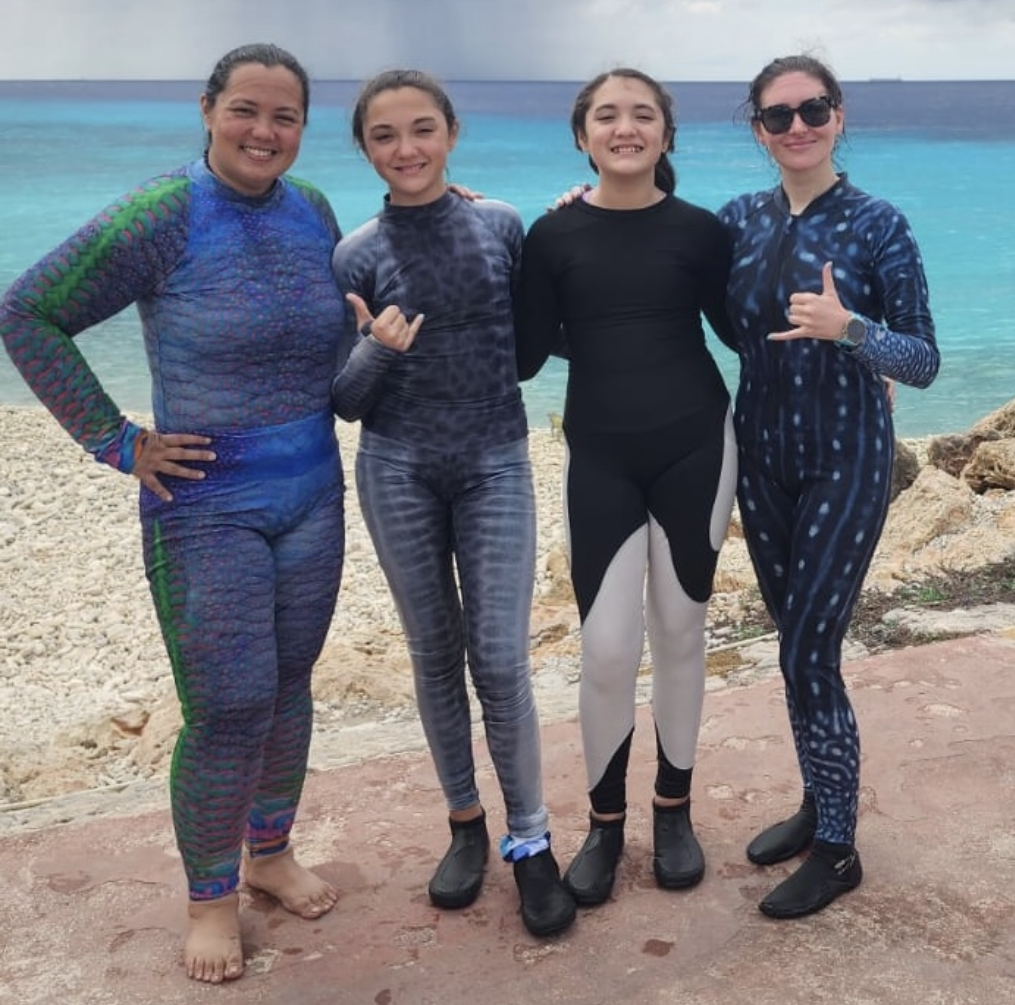
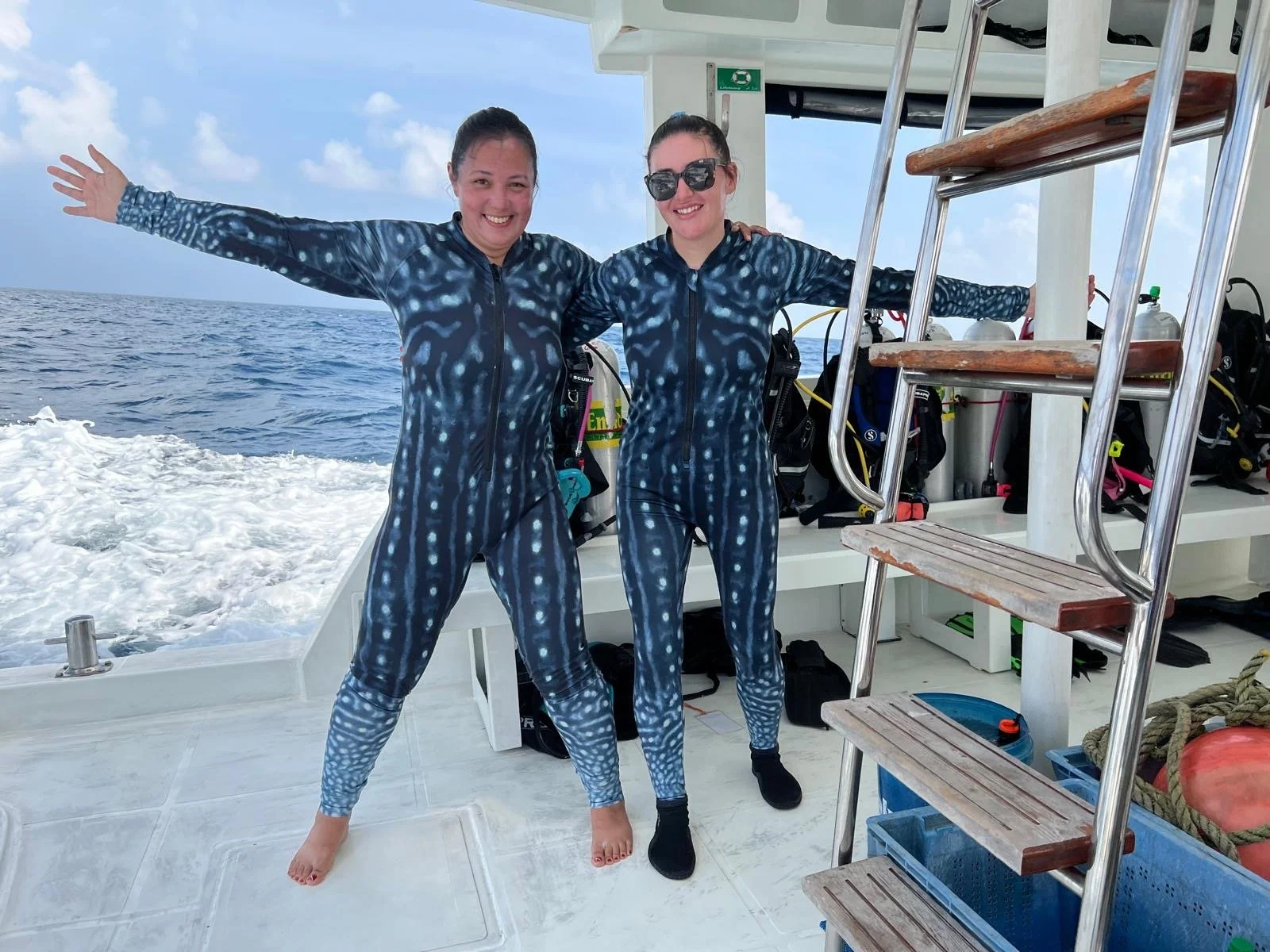
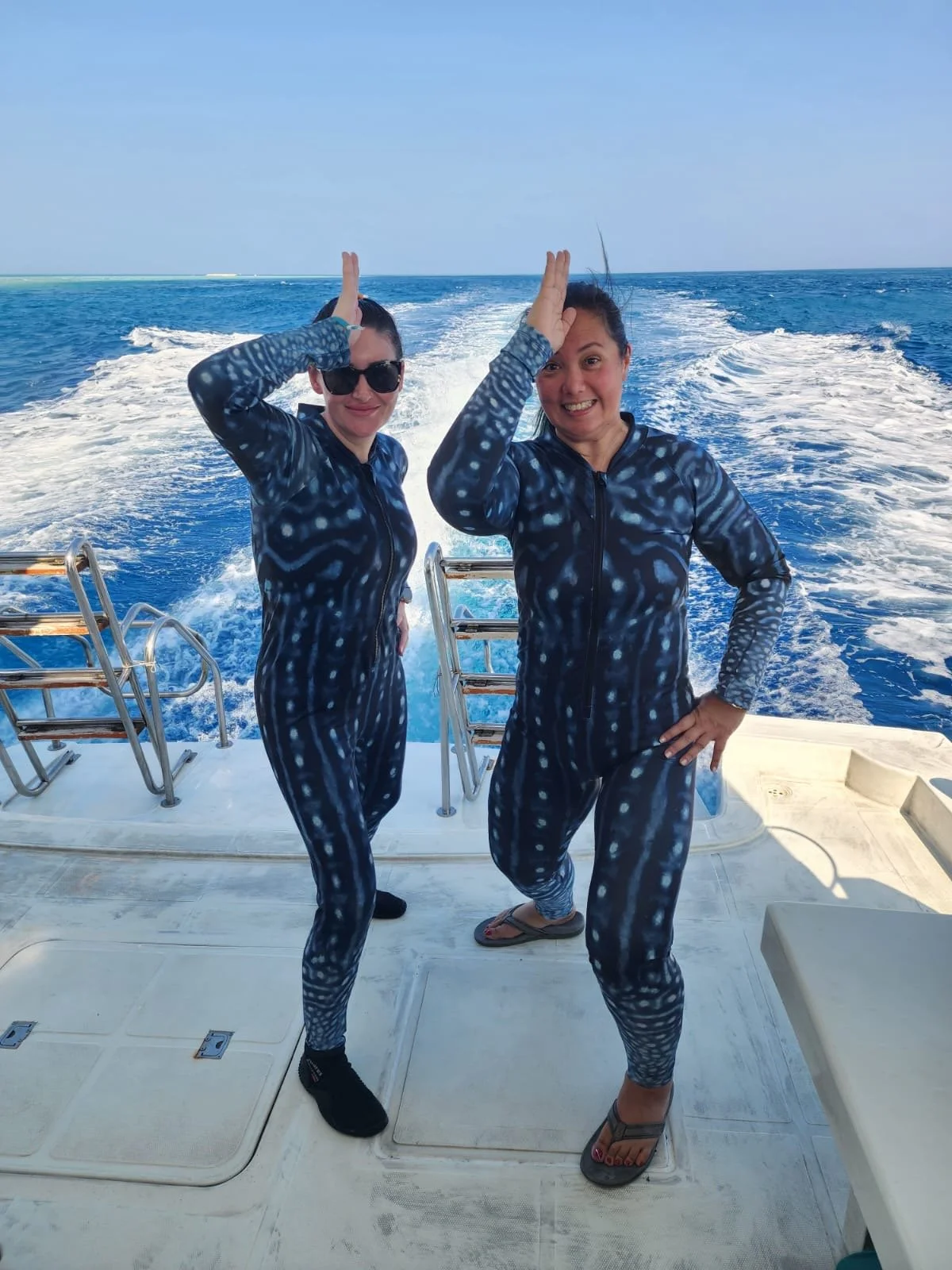
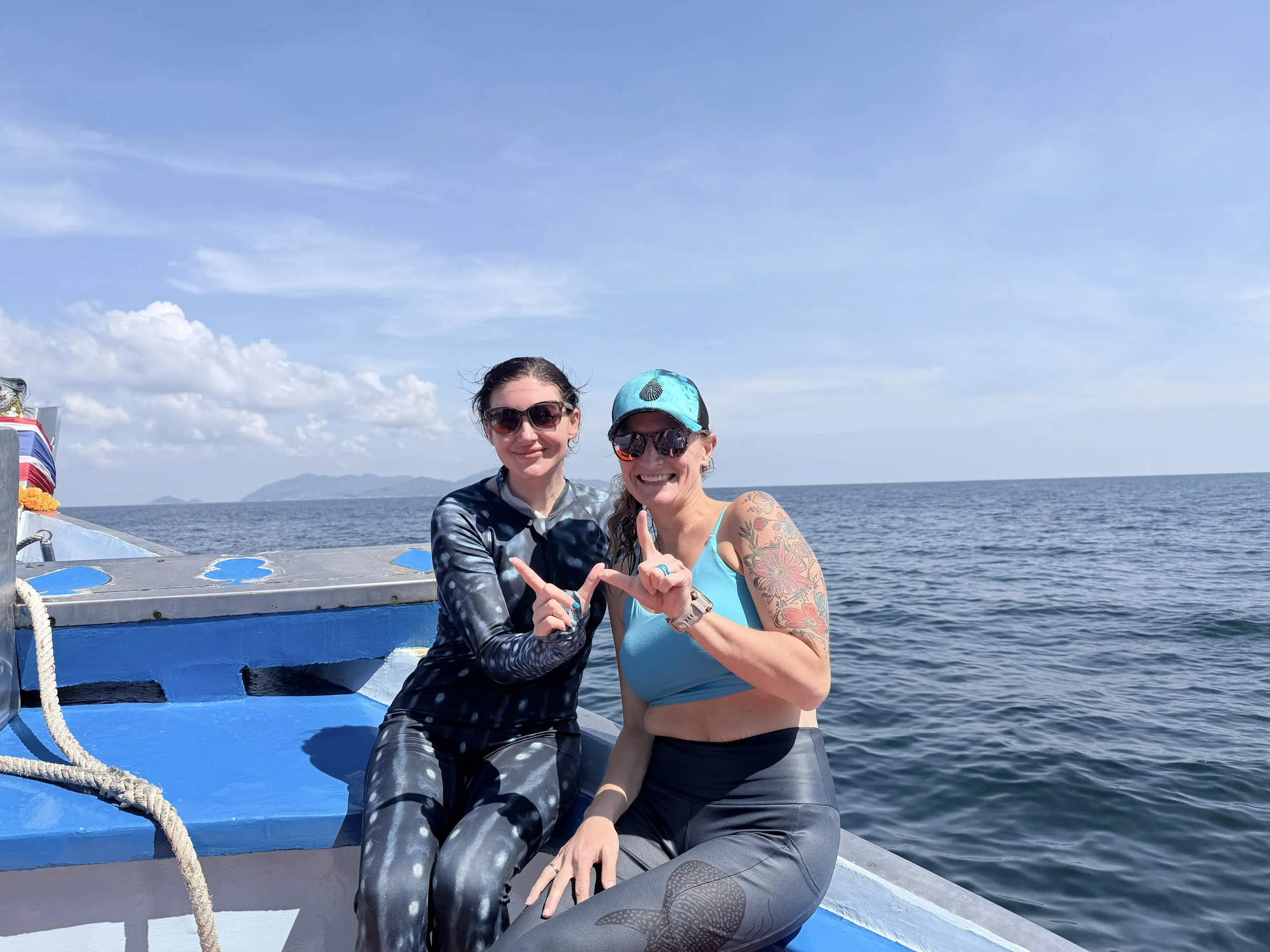
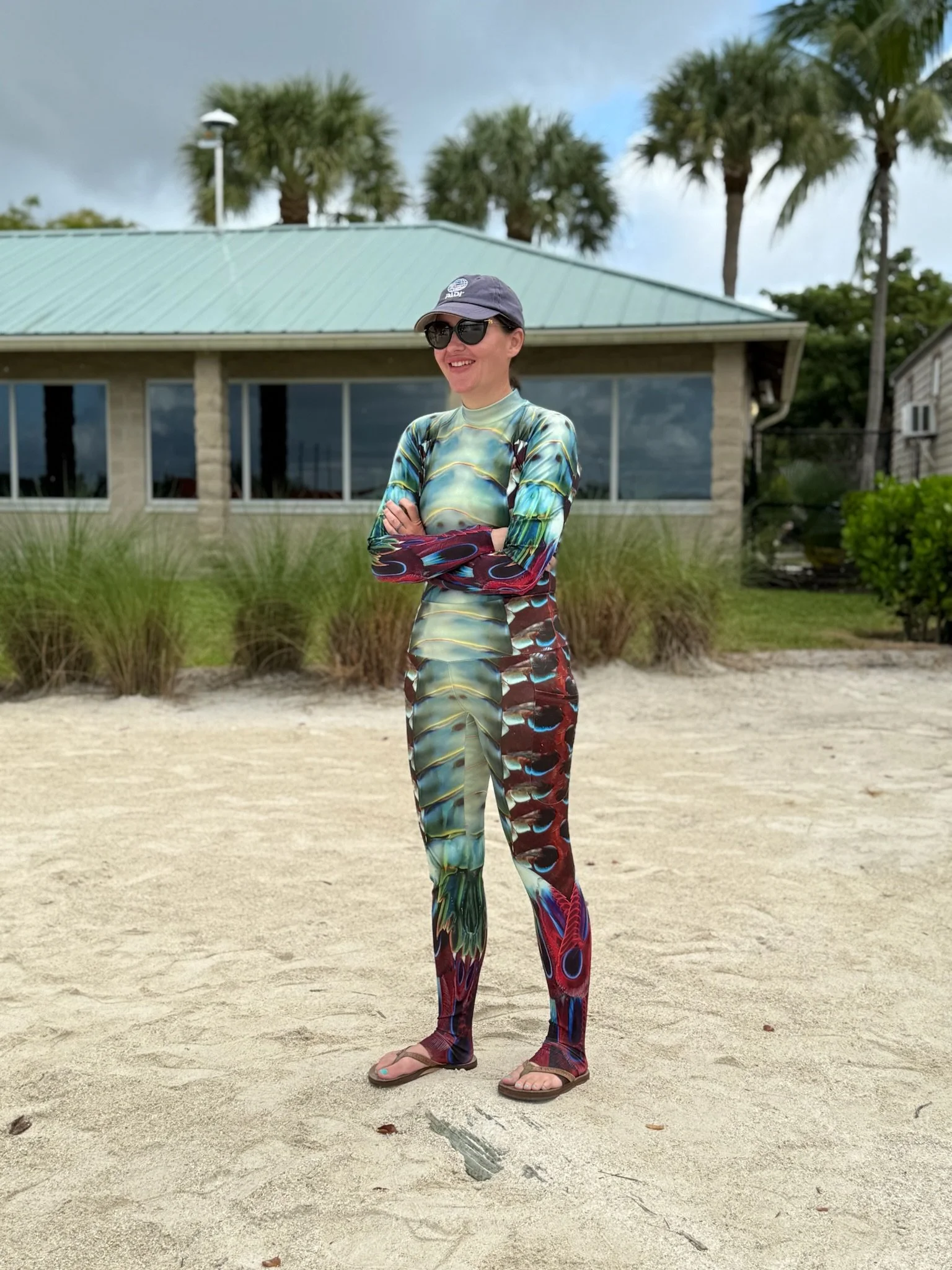
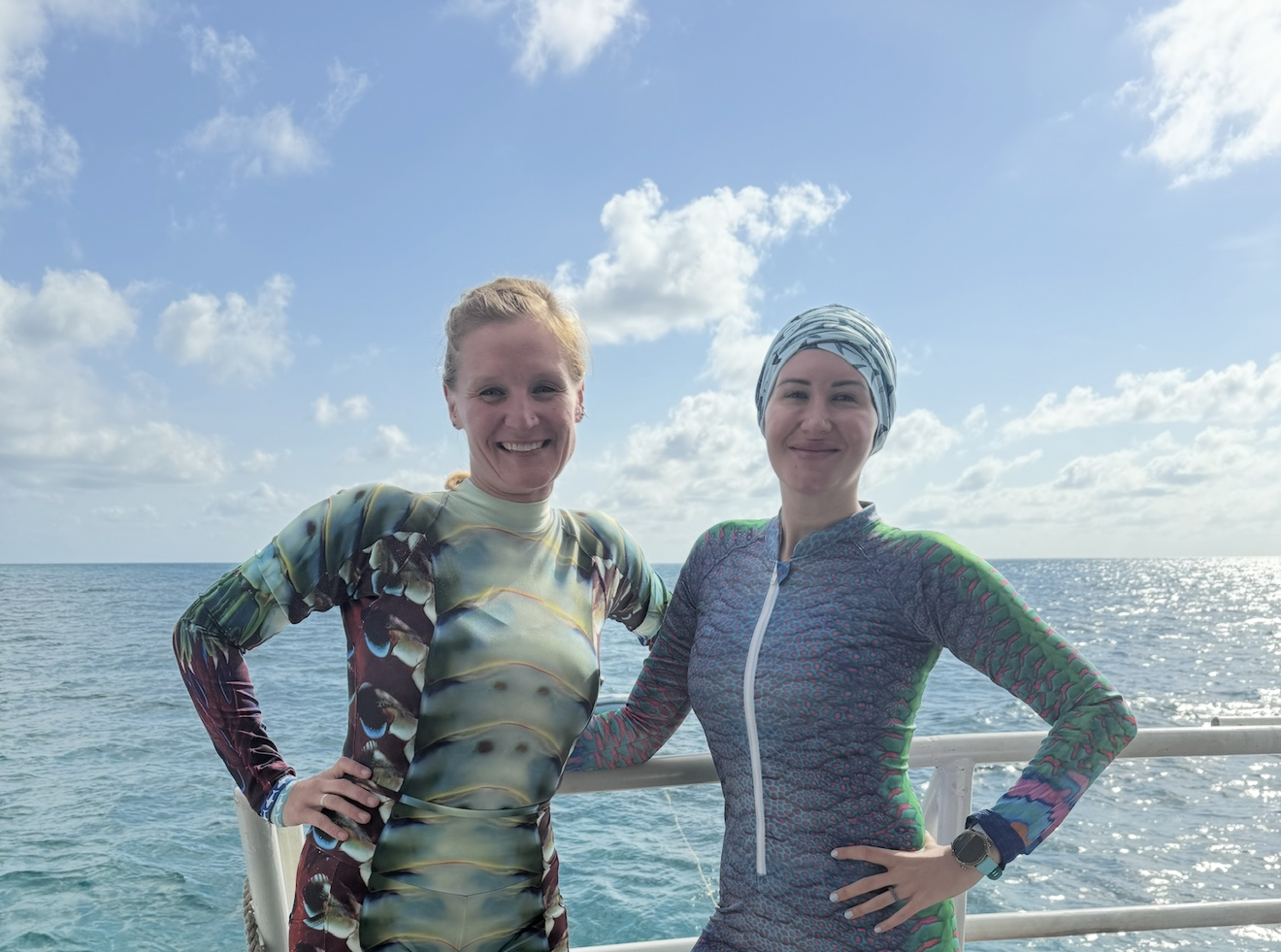
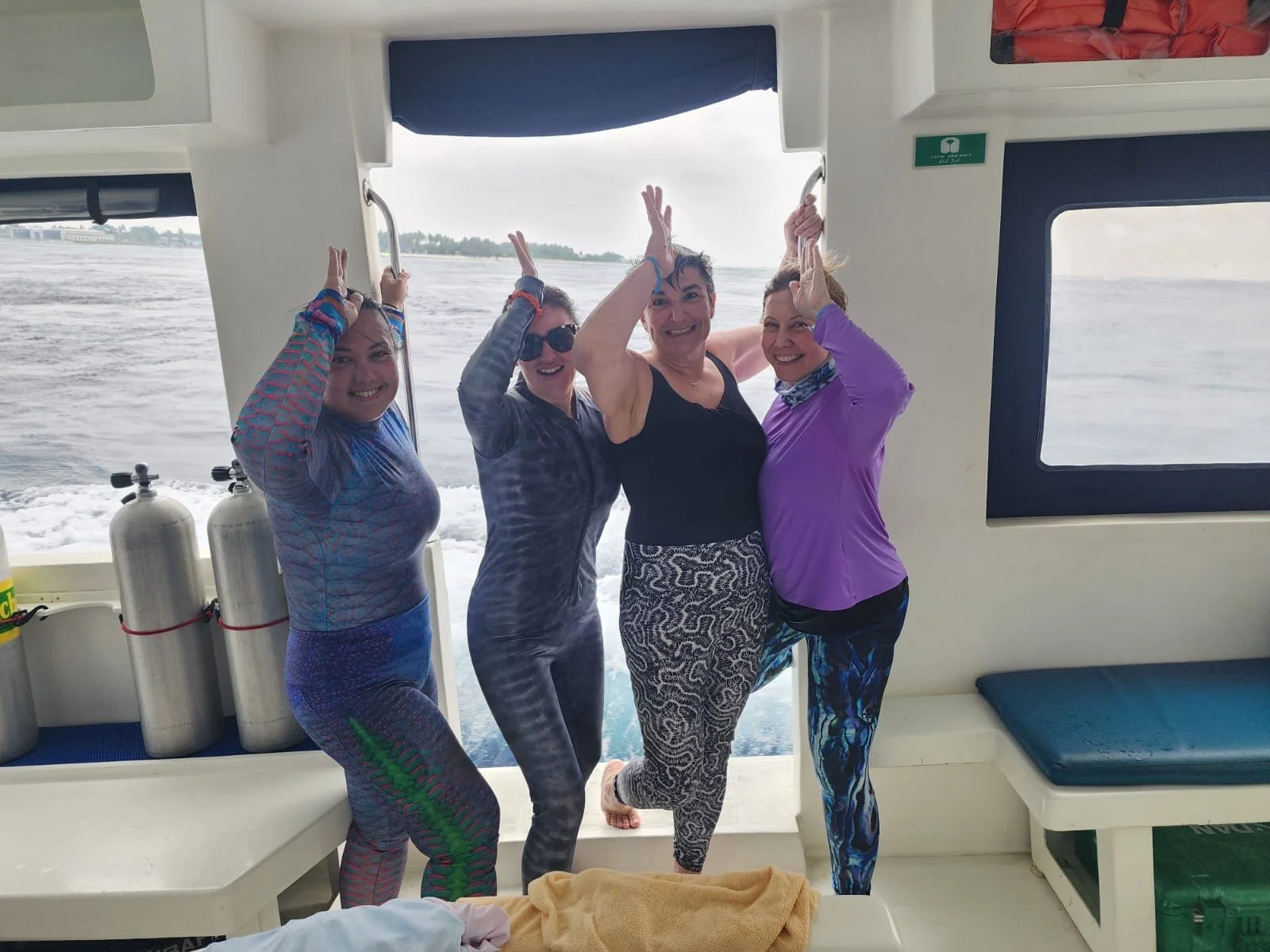
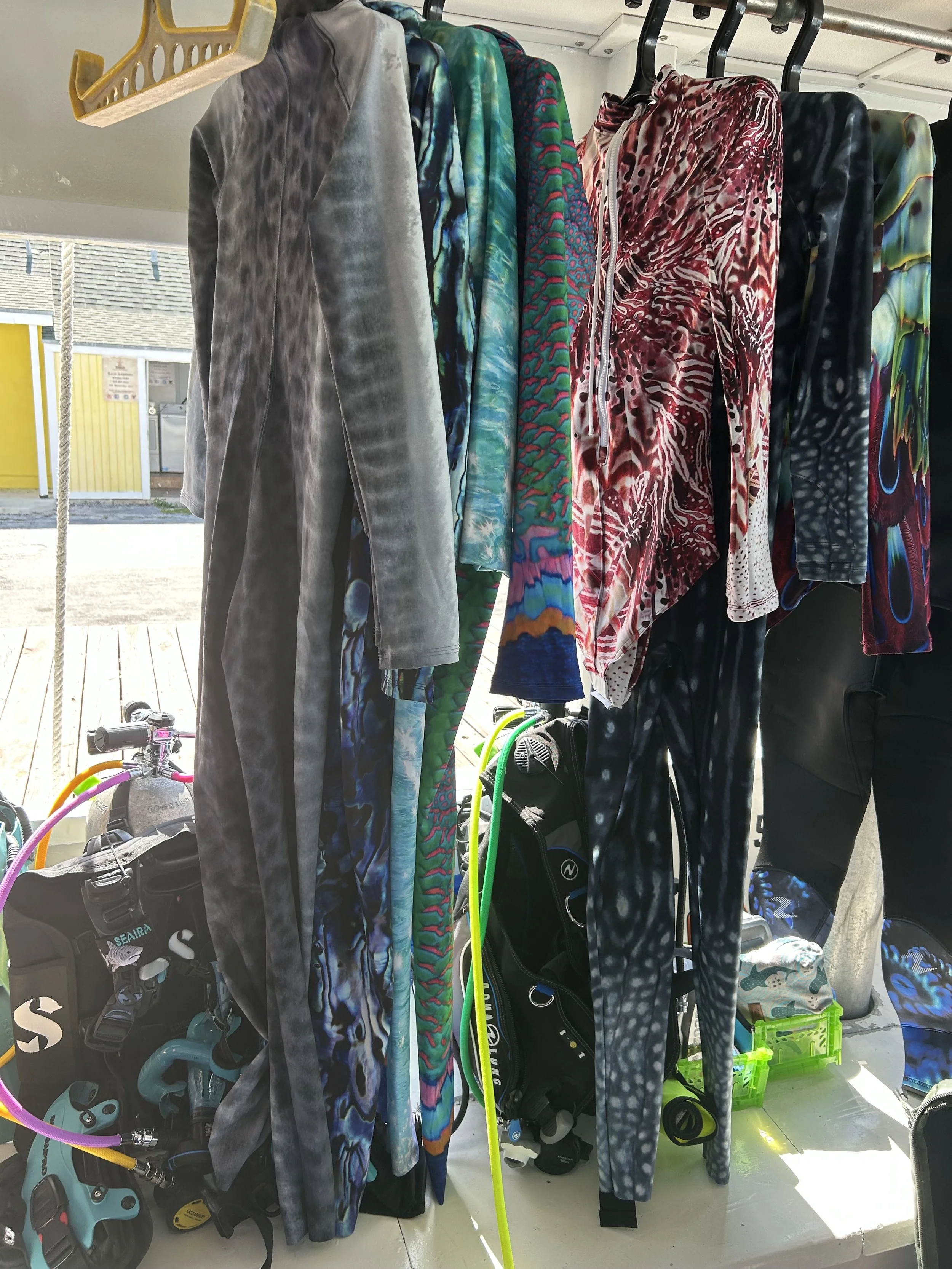
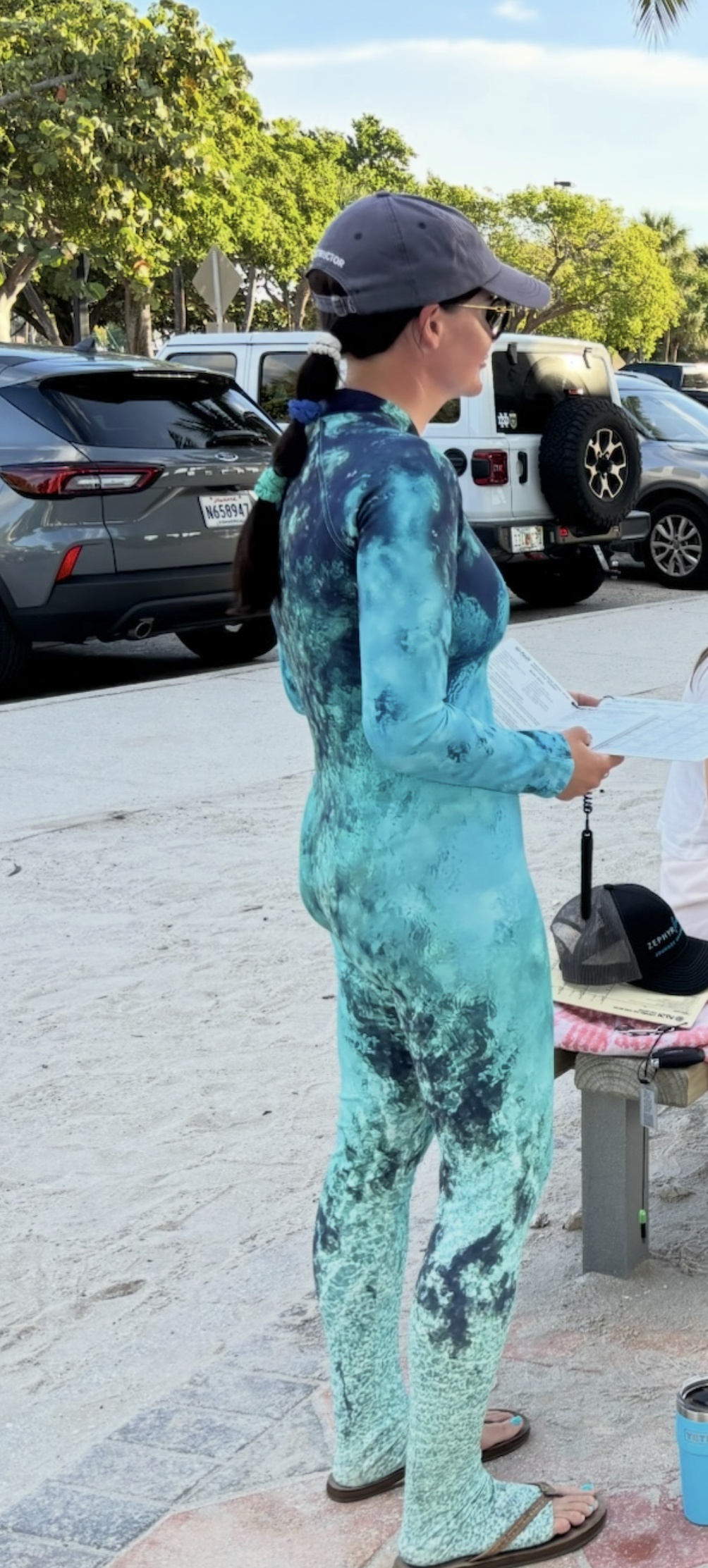
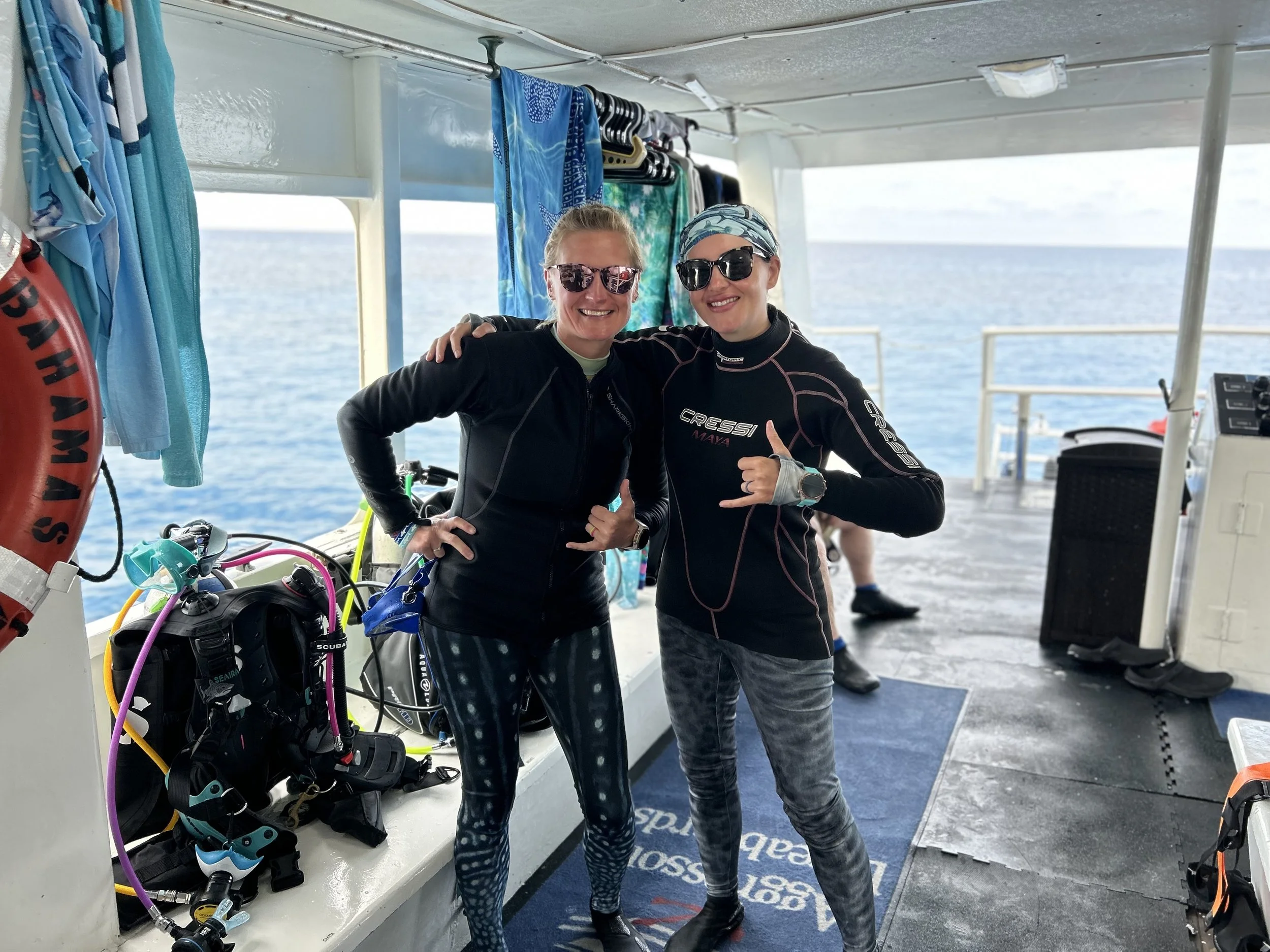
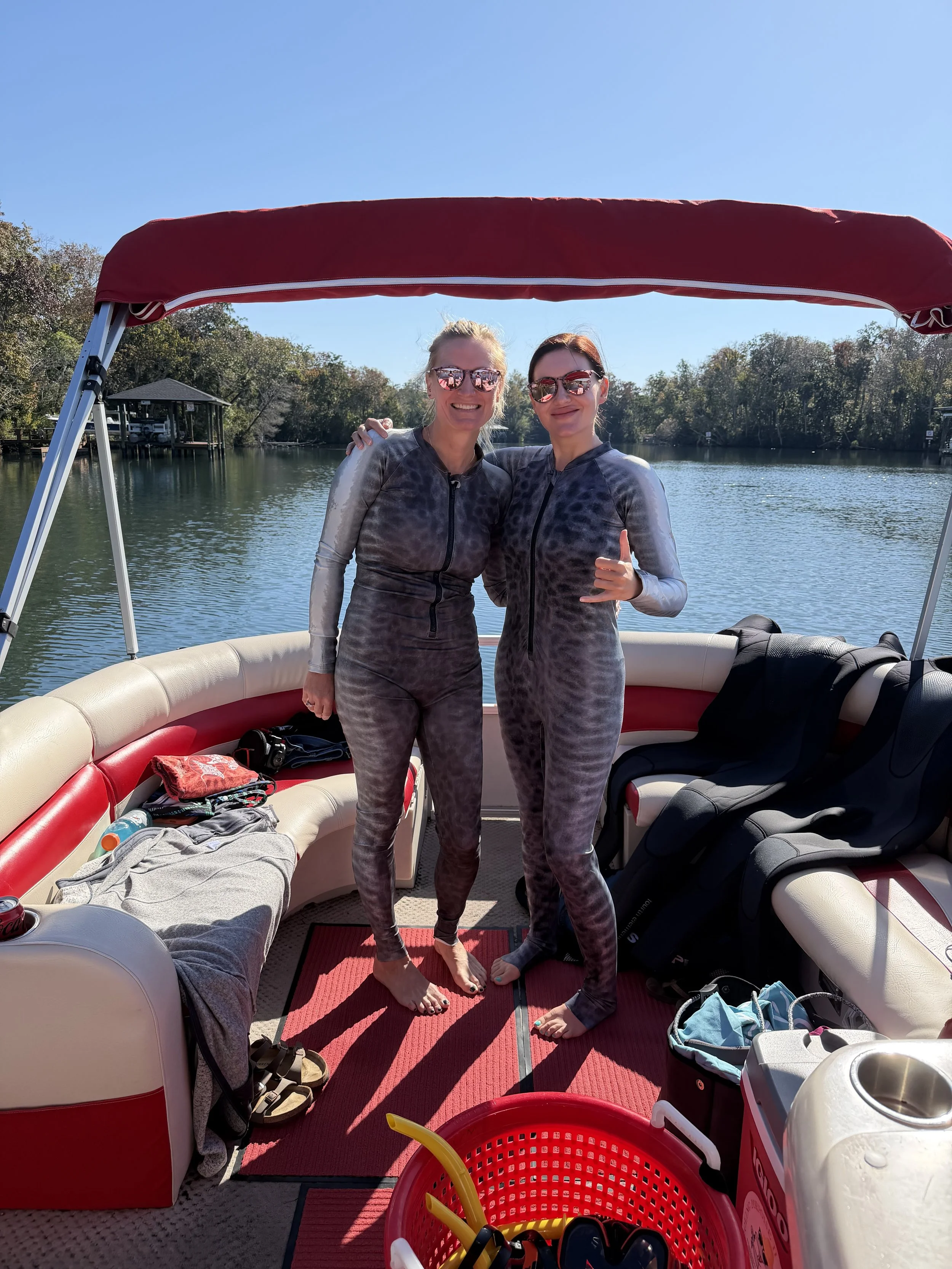
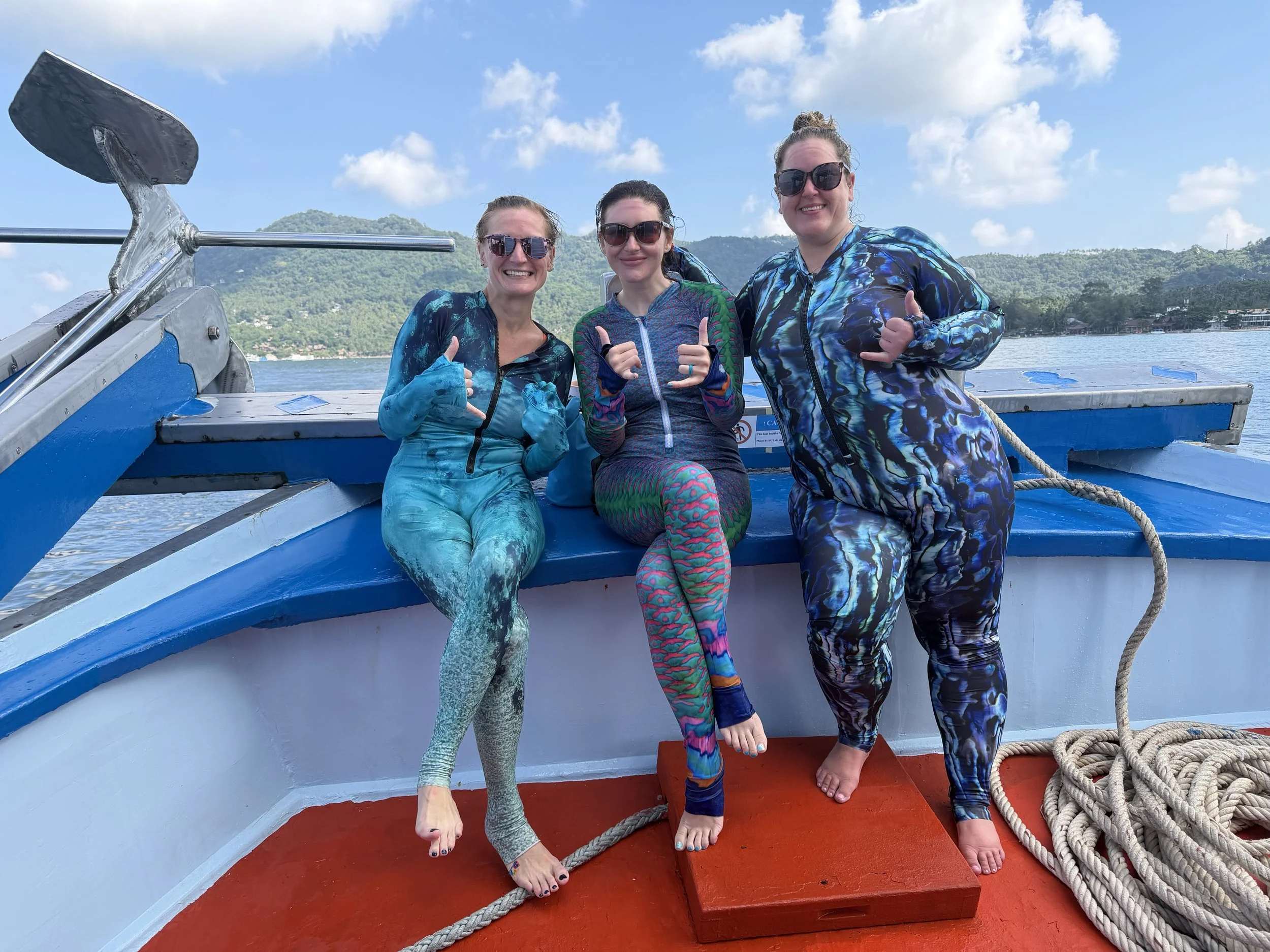
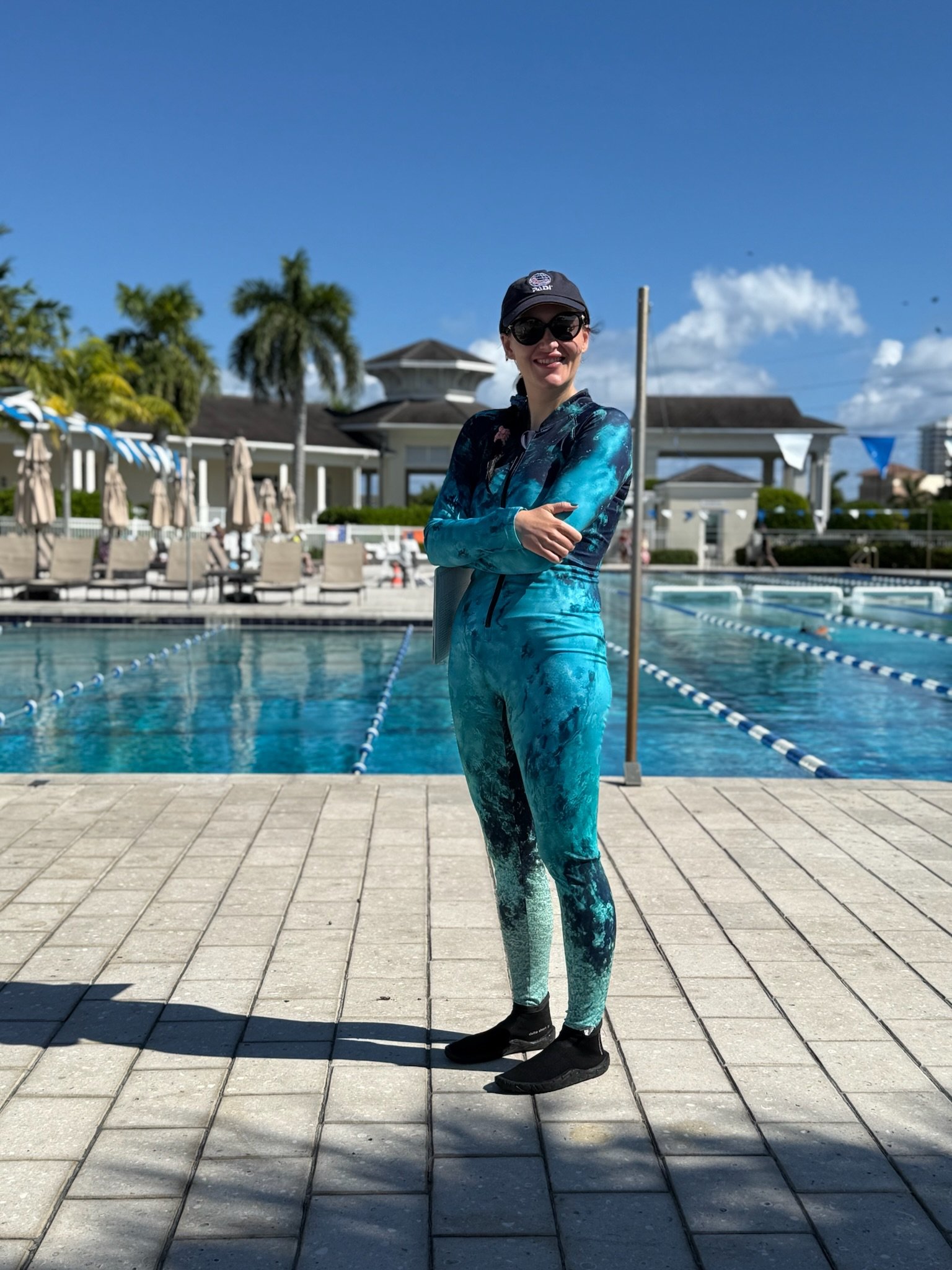
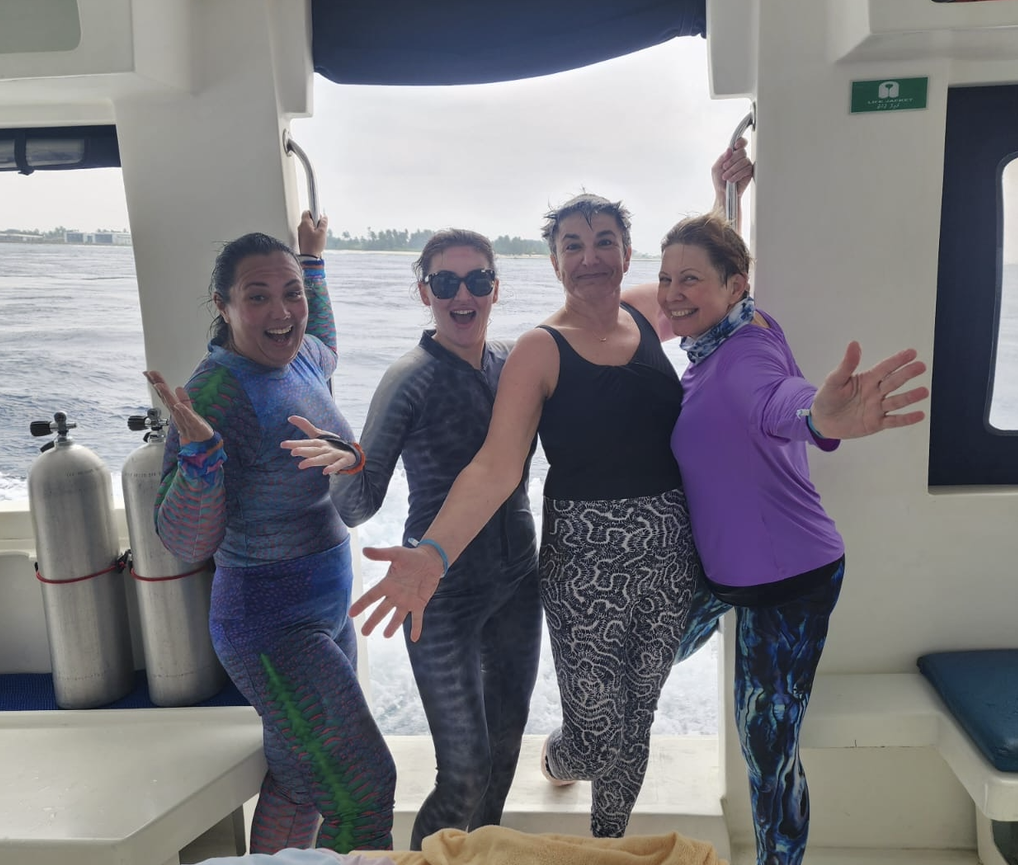
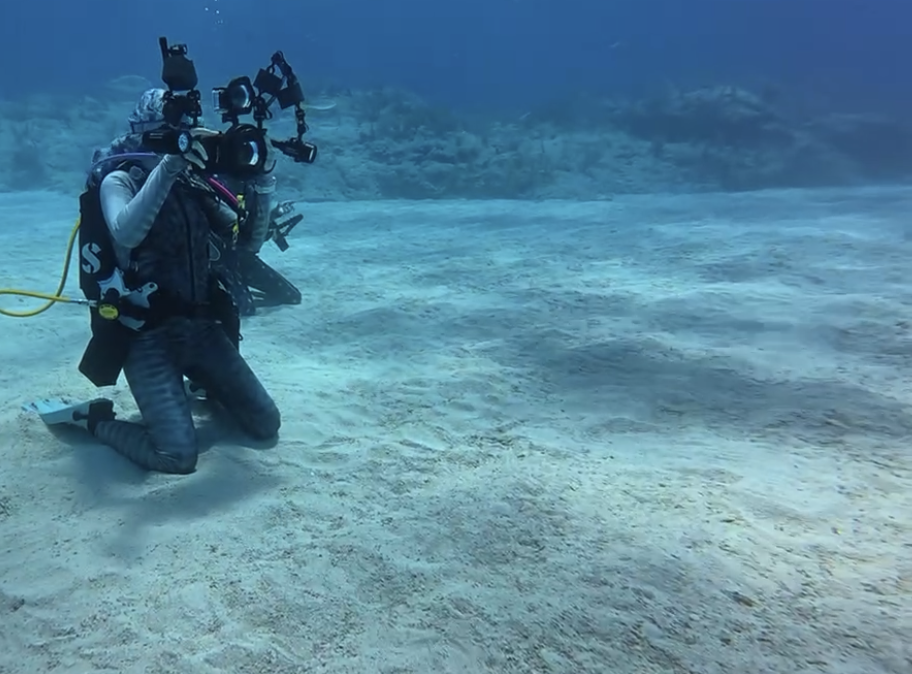
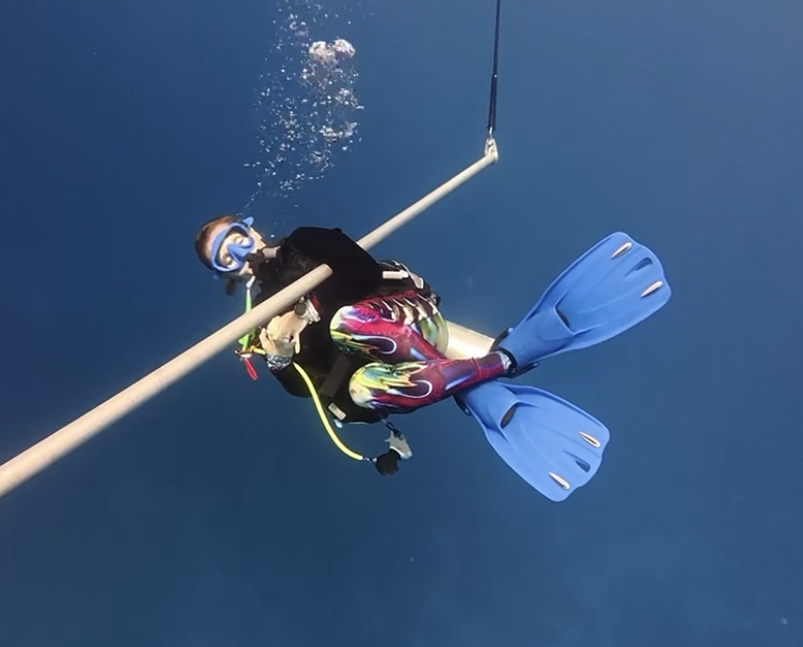
I wear Waterlust sunsuits and skins for sun protection, layering, and comfort under wetsuits — but what really makes me loyal to this brand is what they stand for.
Waterlust is a conservation-driven apparel company that designs each collection around real marine science. Every pattern is tied to a specific species or ecosystem and is based on real scientific data such as satellite tracking maps, migration routes, and biological samples. You are literally wearing science.
A portion of every sale is donated to support marine research, education, and conservation efforts connected to that species. Their partners include universities, nonprofit research programs, and conservation organizations working directly with sharks, turtles, manta rays, coral reefs, and other vulnerable marine life.
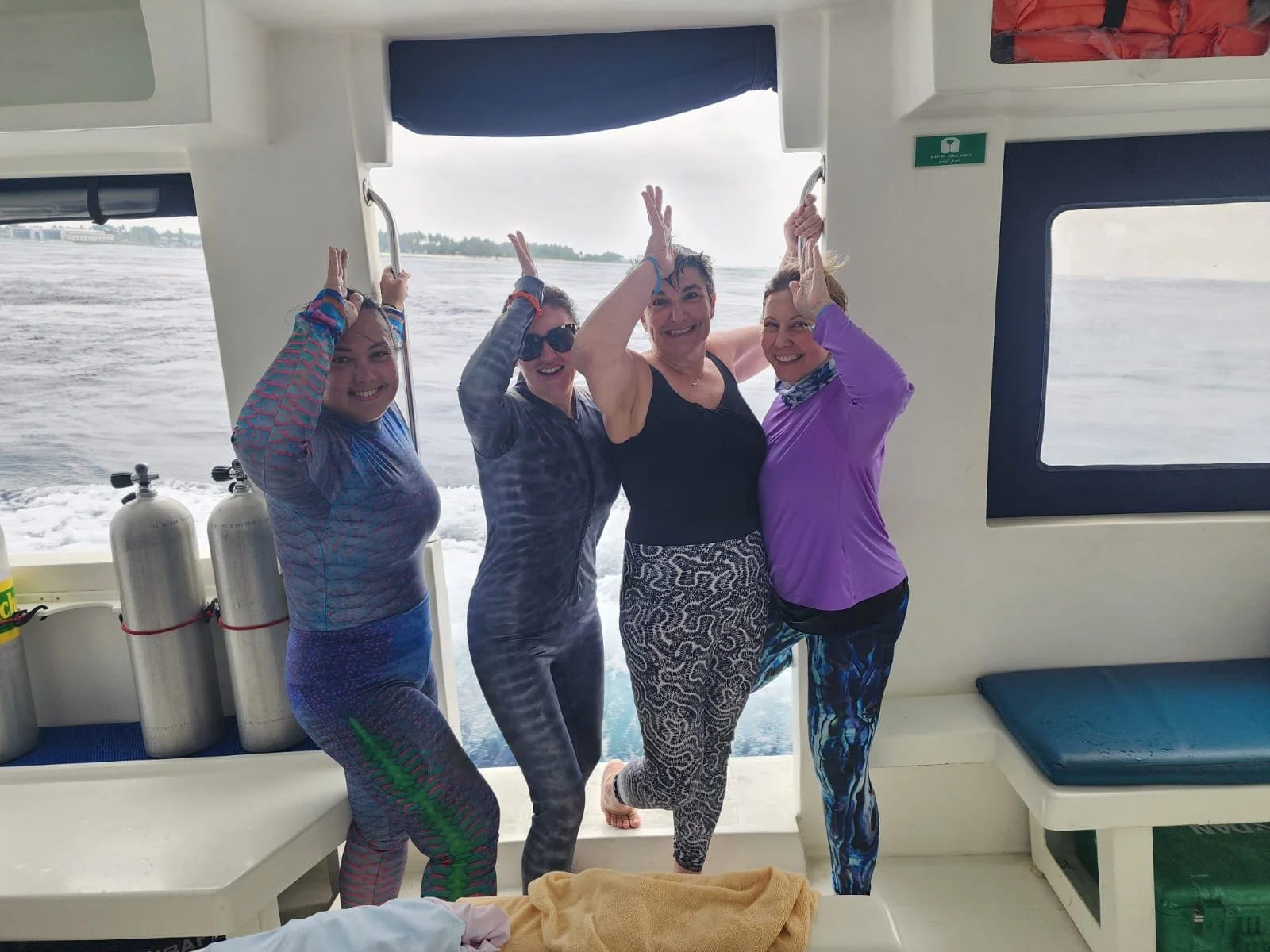
Beyond the mission, they also make a wide range of well-designed gear for both men and women. Their product line includes rash guards, long- and short-sleeve shirts, one-piece and two-piece sunsuits, swimsuits, leggings, hoodies, headbands, and casual wear. This makes it easy to build a full dive-and-travel wardrobe from one brand, whether you’re looking for something to dive in, wear between dives, or throw on for dinner after a long day on the boat.
Functionally, their sunsuits provide excellent UV protection and are comfortable enough to wear all day on boats or beaches. I also like them as a base layer under wetsuits because they reduce friction and make getting into a wetsuit much easier, especially when it’s humid or your skin is damp. They dry quickly, hold their shape, and don’t become heavy when wet, which is important when you’re moving between dives and surface intervals.
For me, Waterlust represents the overlap between diving, science, and conservation — which is exactly how I approach teaching and travel. It’s gear that performs well in the water while also supporting the environments we’re diving in.
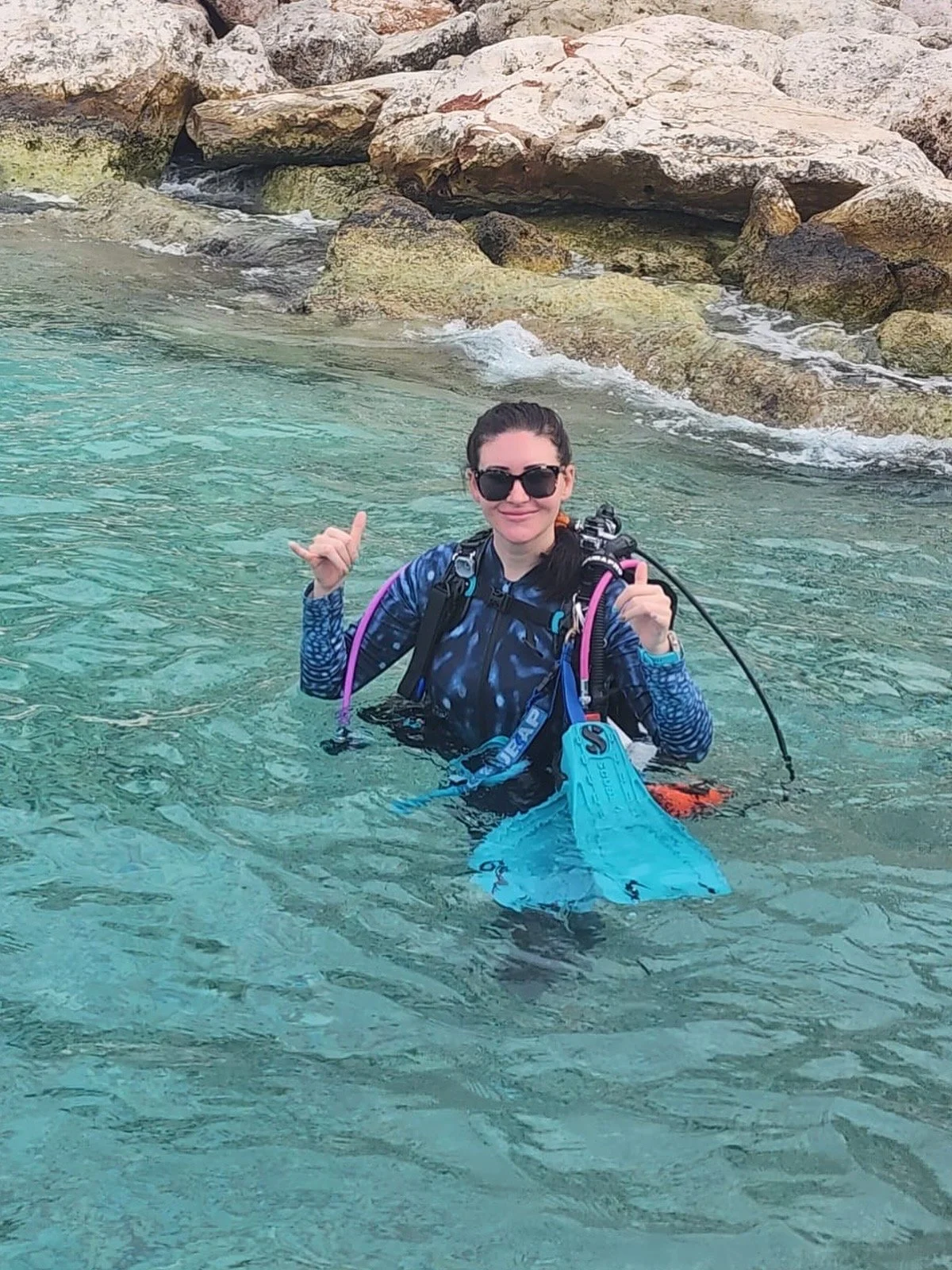

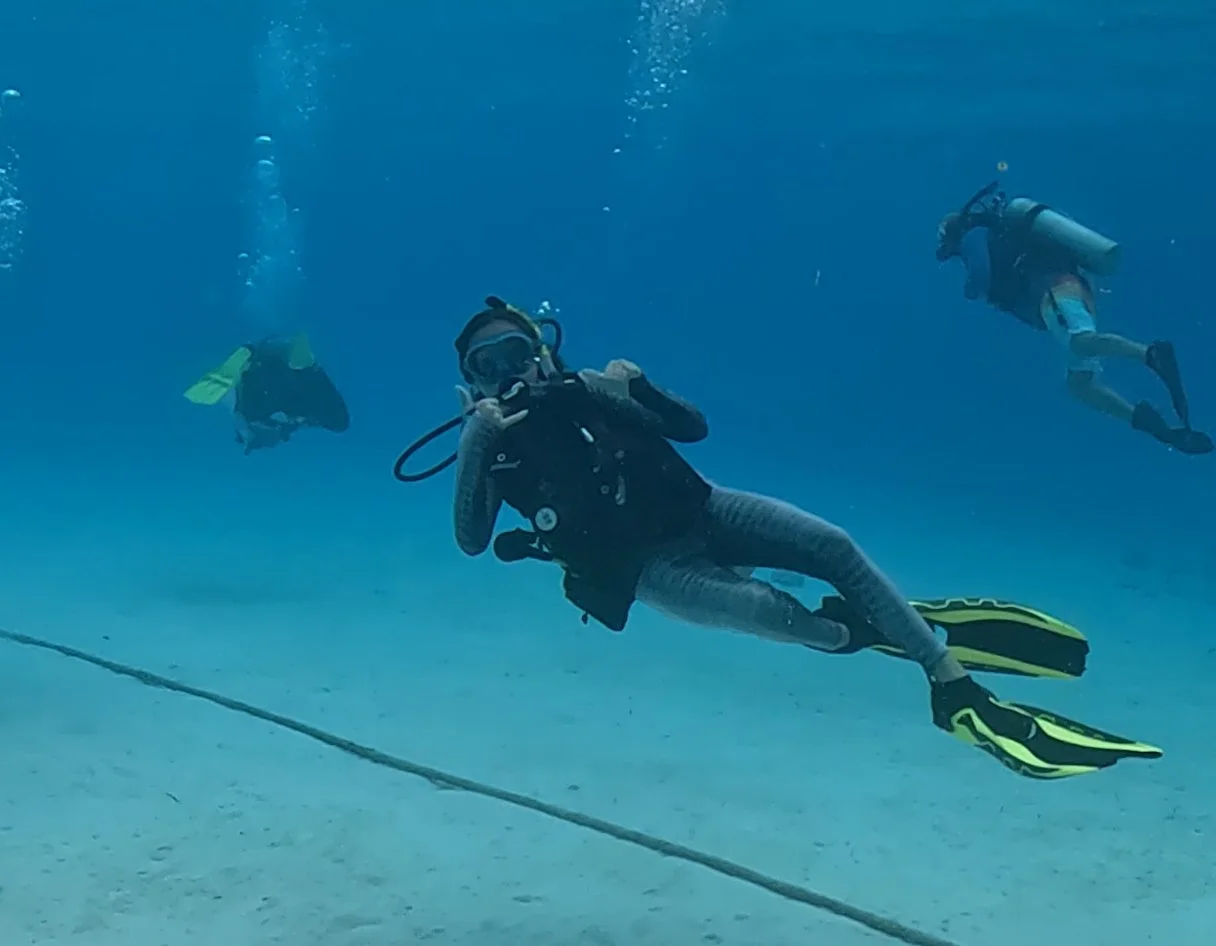
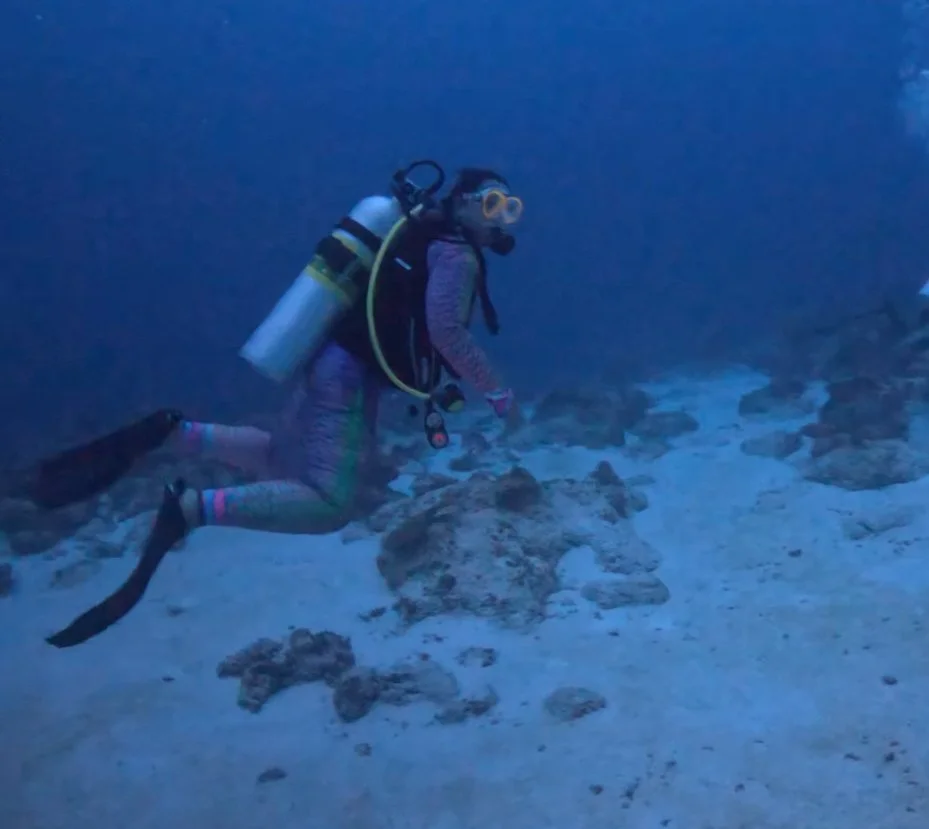
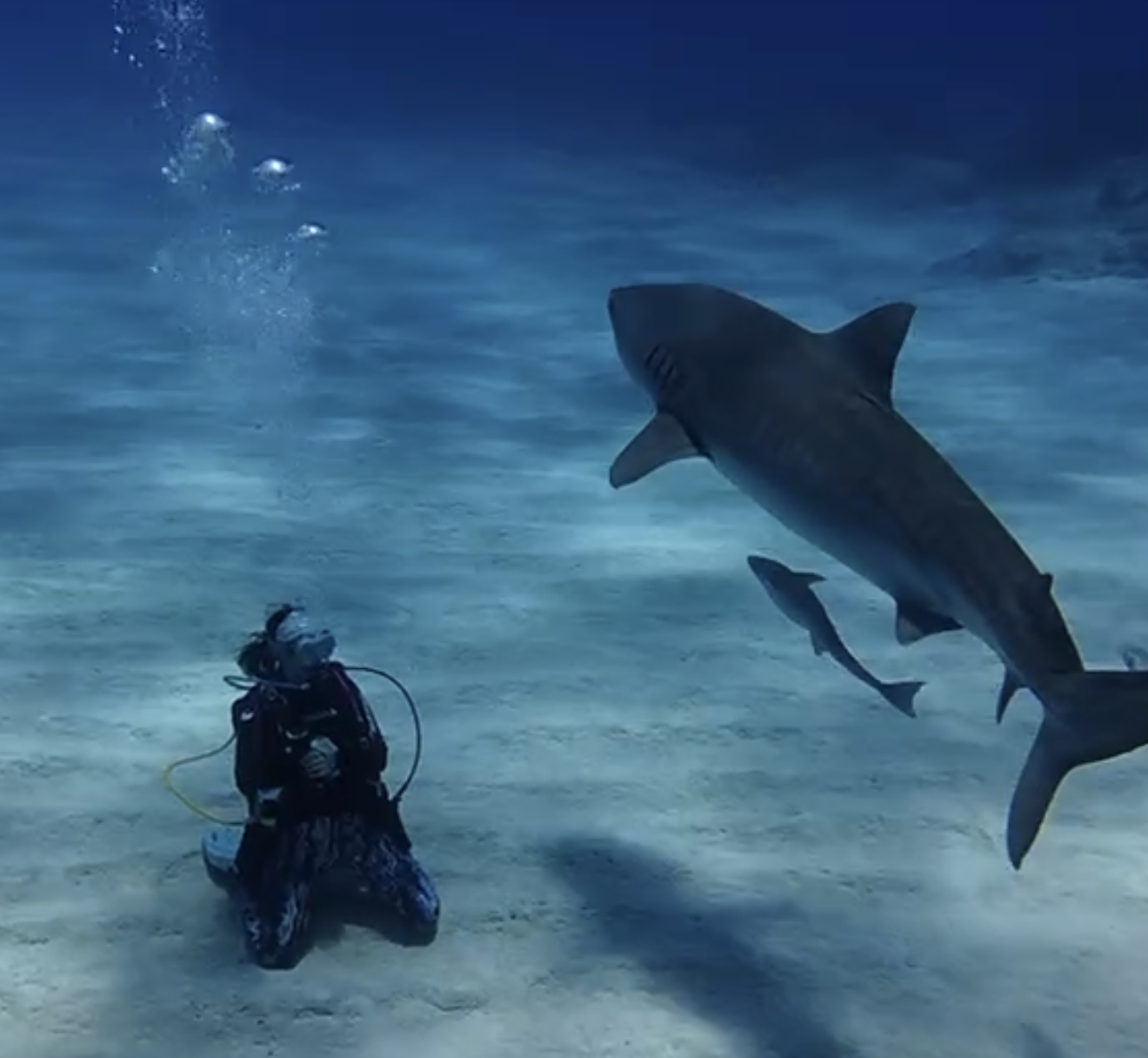
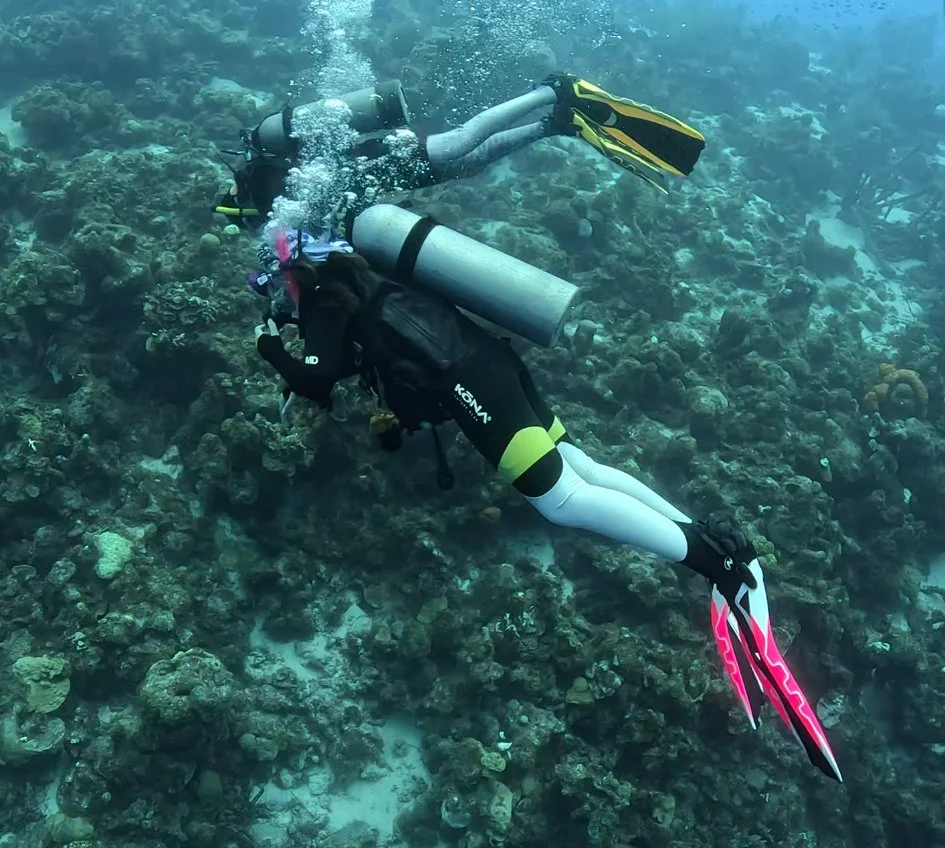
SCUBAPRO
Hydros Pro BCD
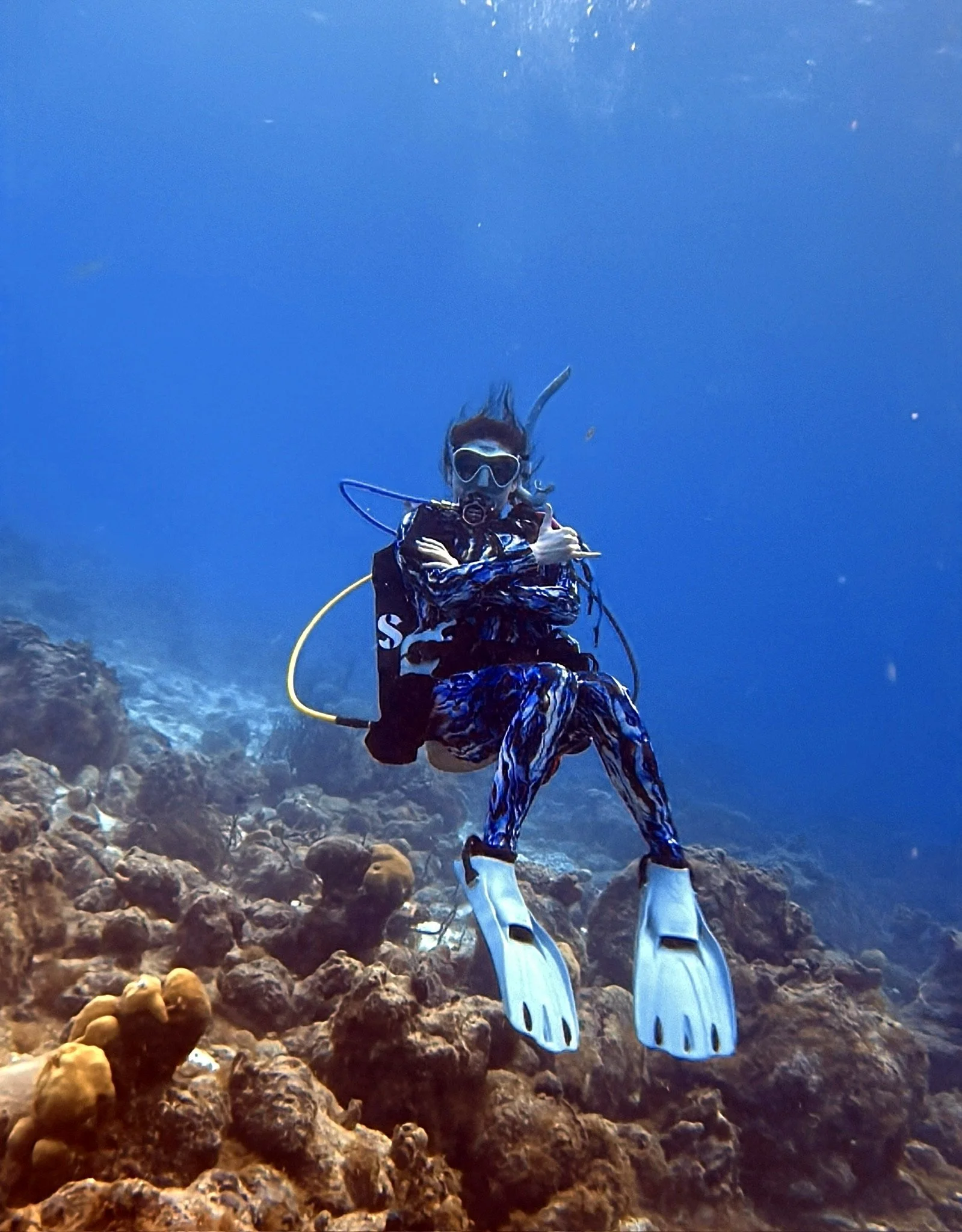
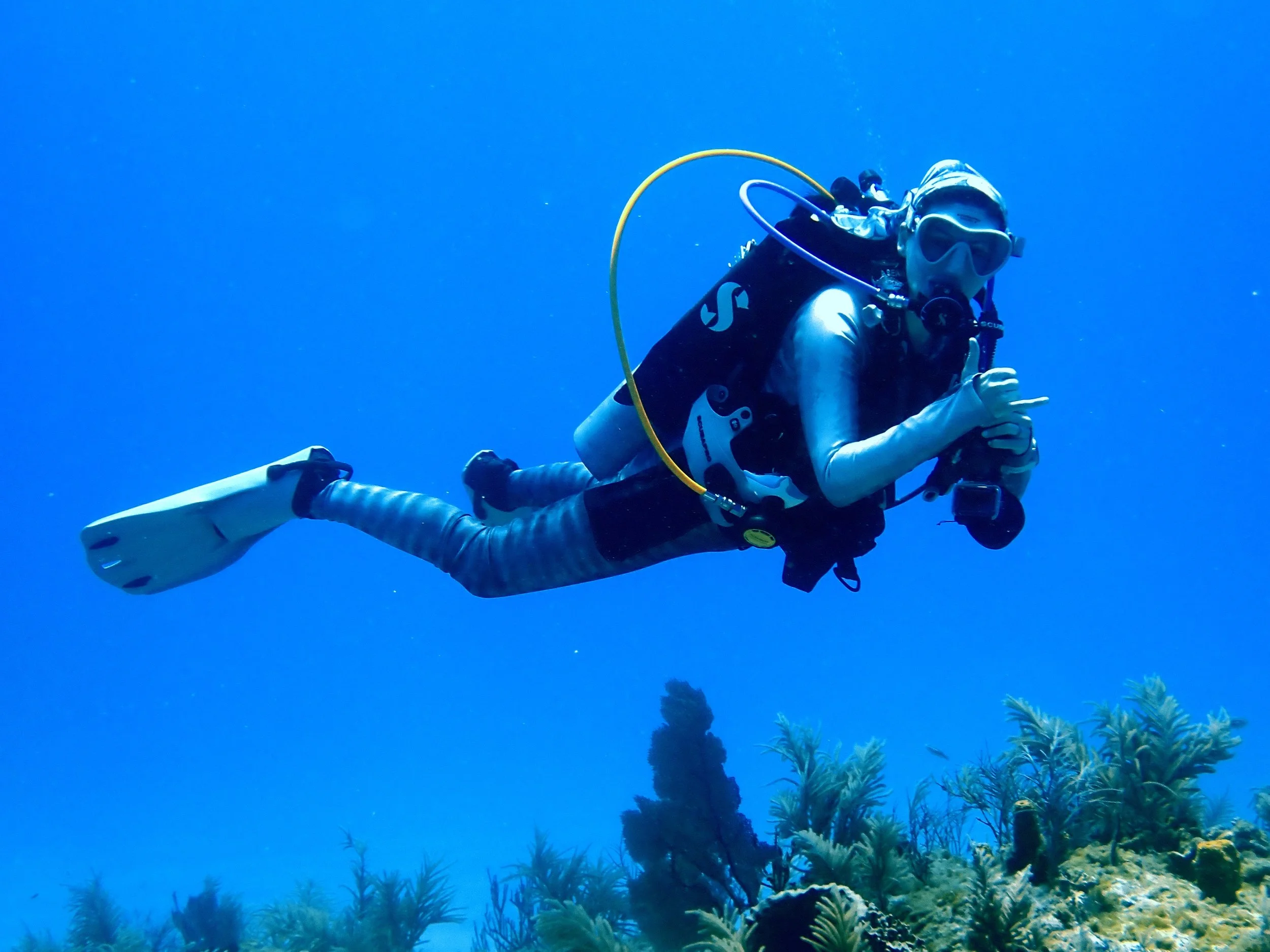
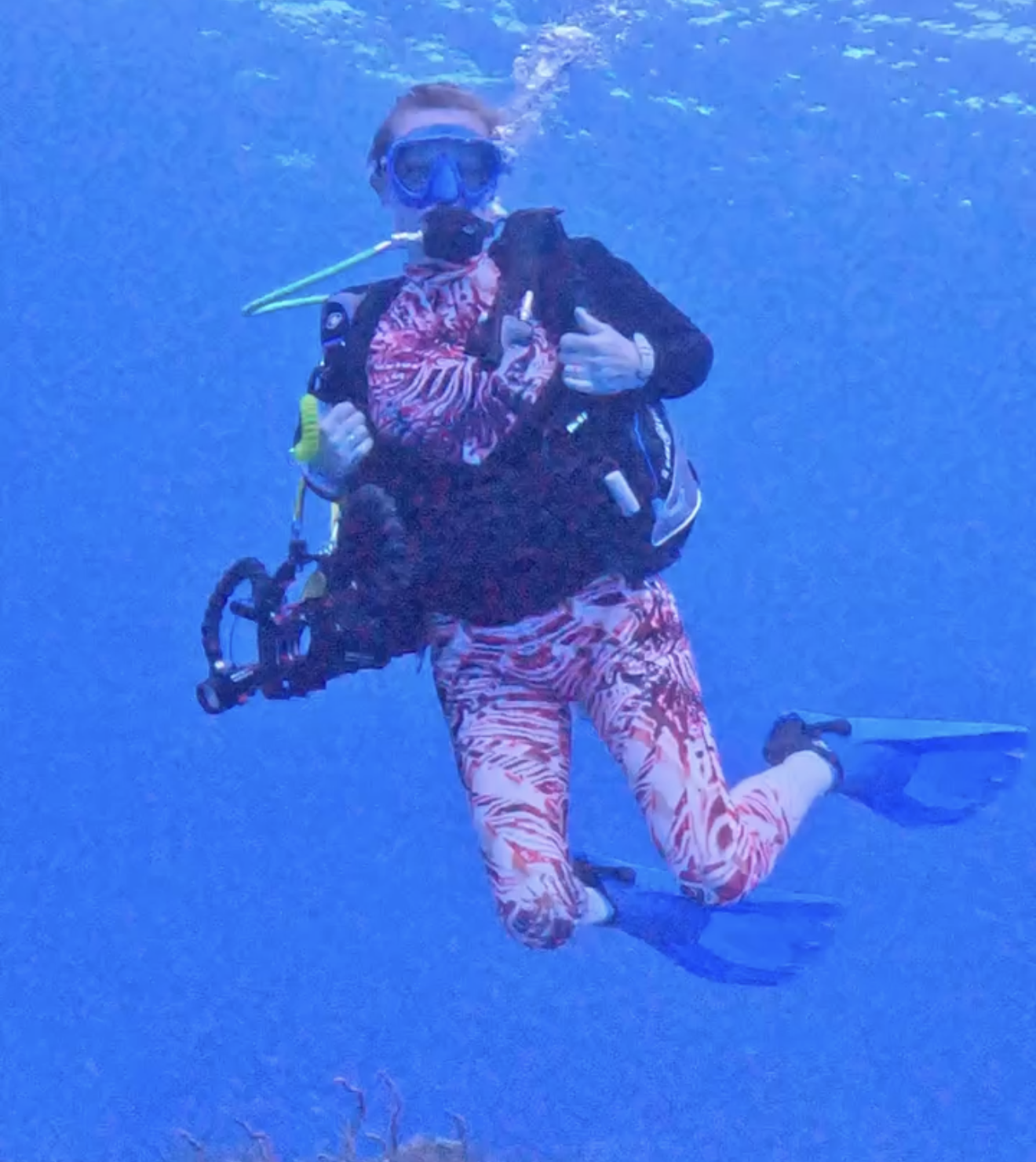
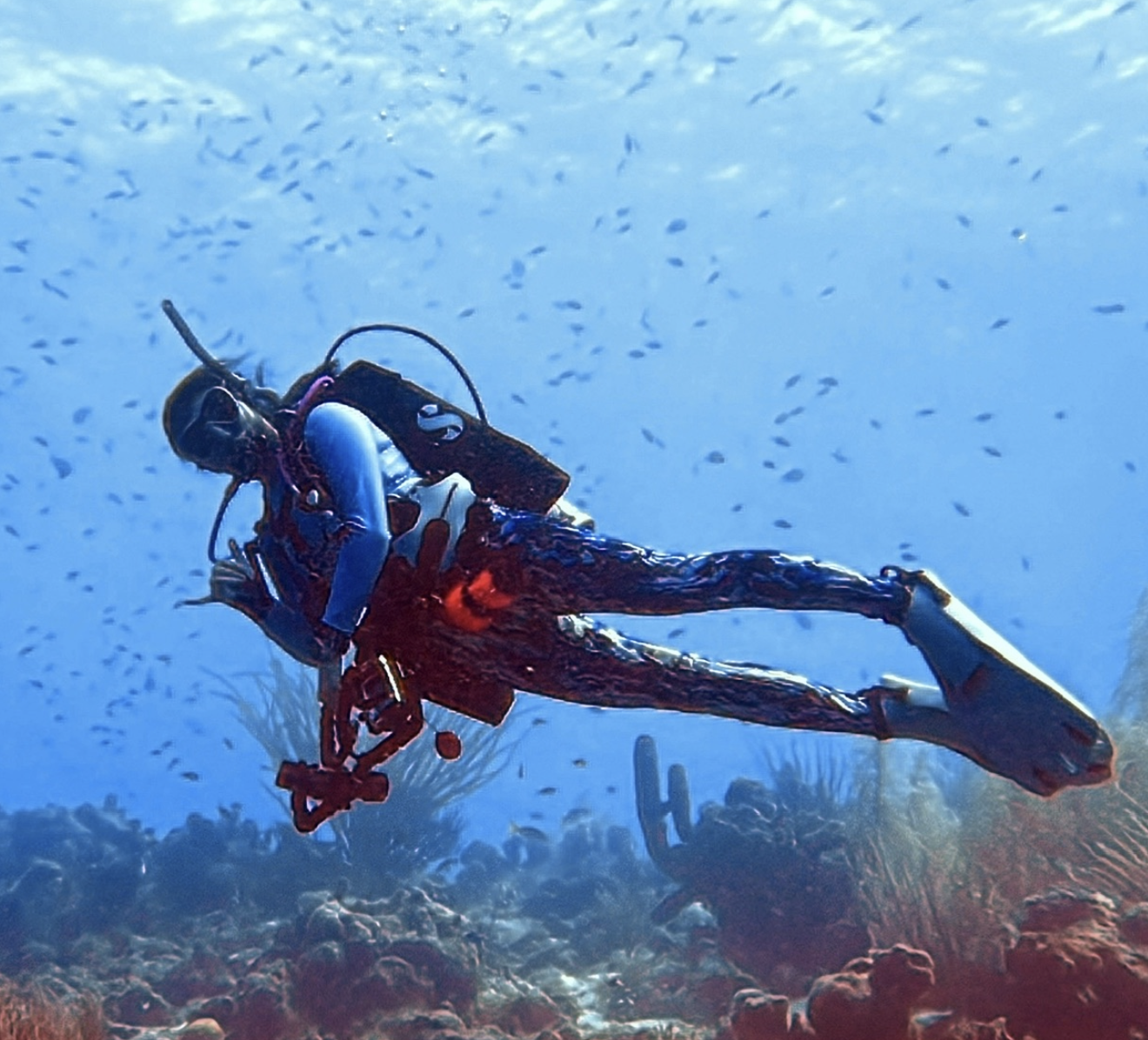
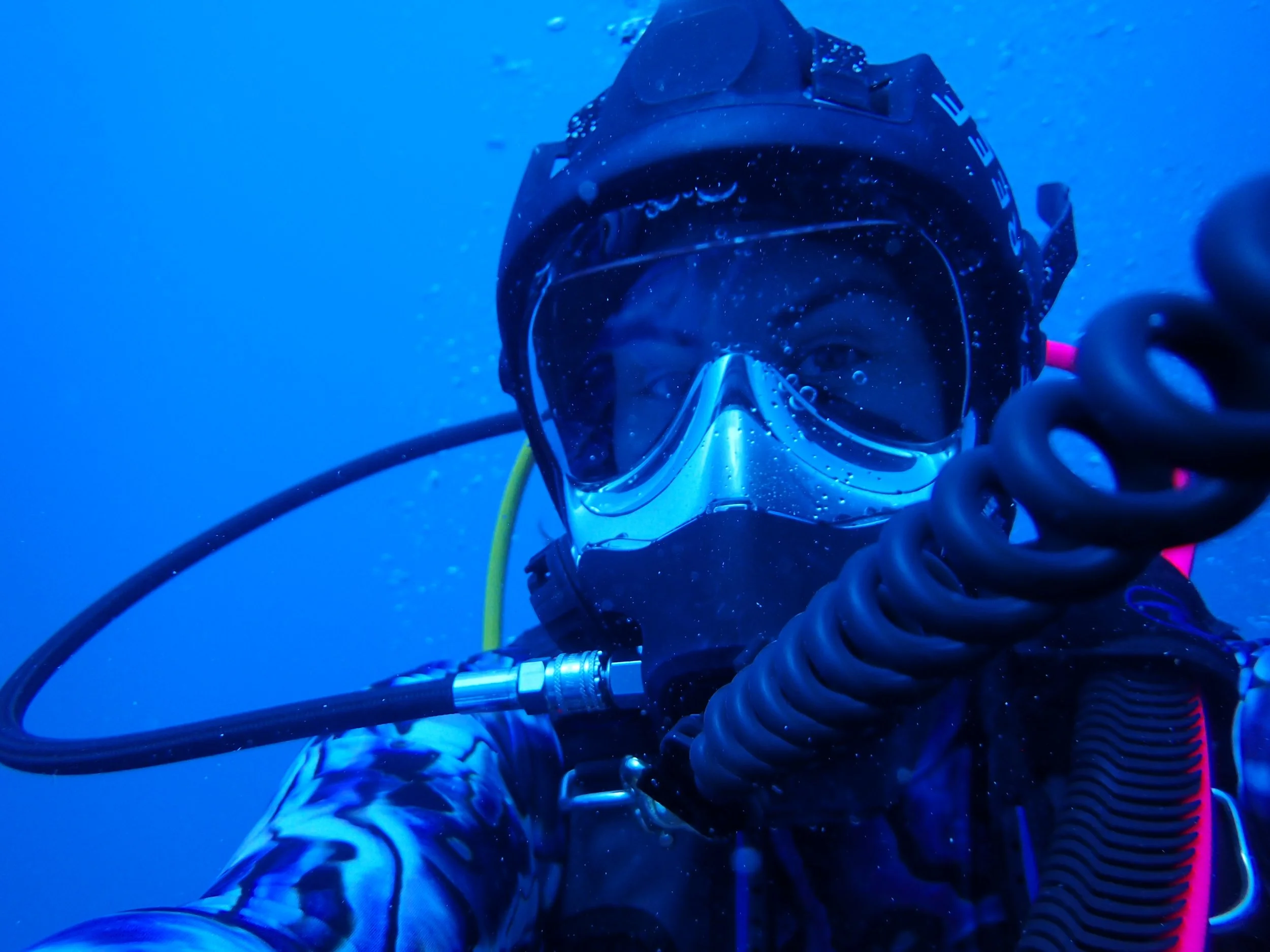
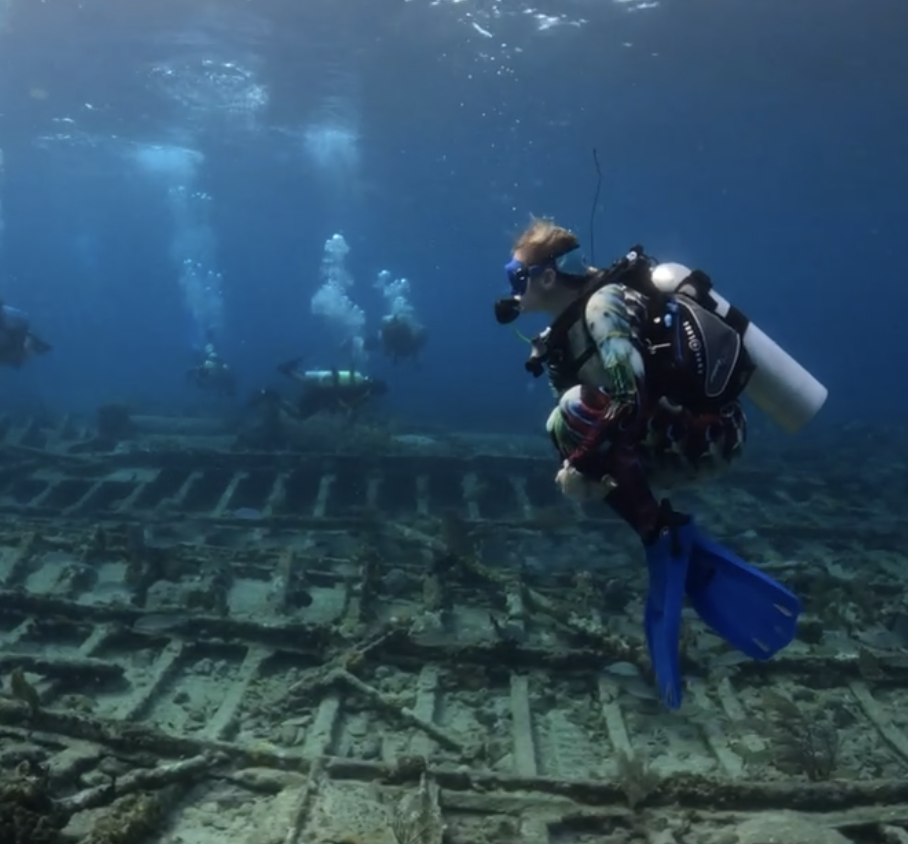
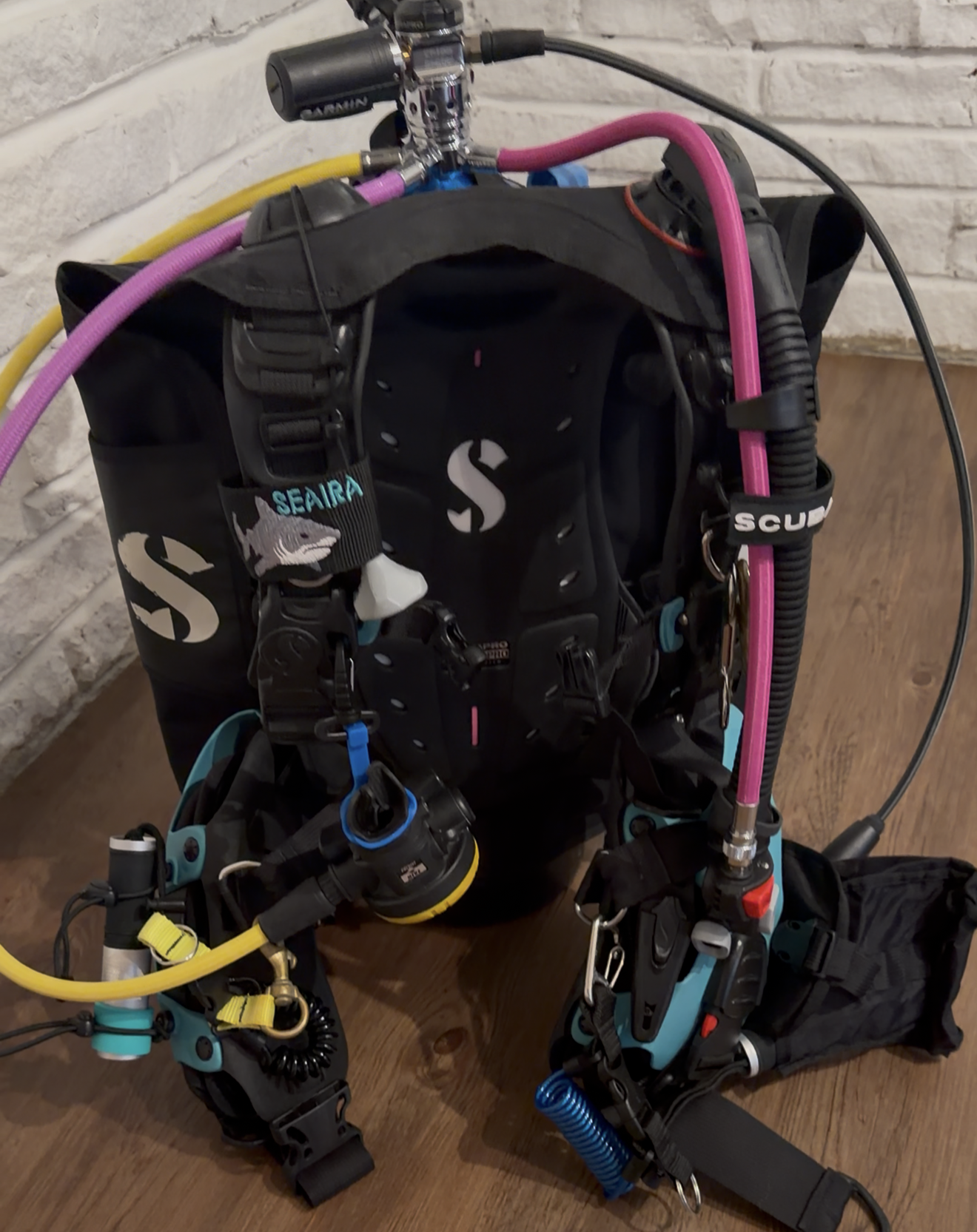
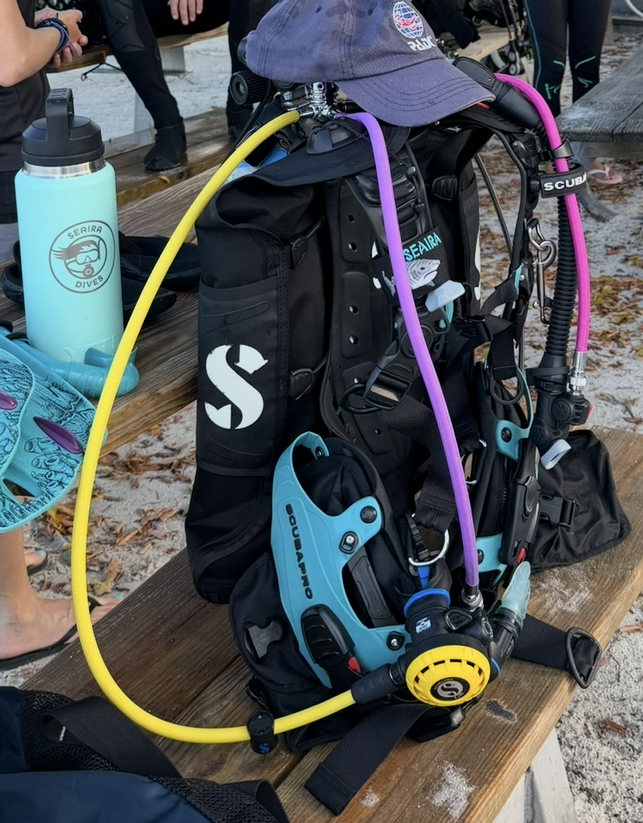
The SCUBAPRO Hydros Pro is my primary BCD. It’s a back-inflate design, meaning the air cell sits on the back instead of wrapping around the torso. This helps me maintain better trim in the water and move more freely, which I really notice when I’m teaching or guiding and need full range of motion.
One of the standout features for me is the material. It doesn’t absorb water, so it stays lighter when wet and dries very quickly between dives. That makes a big difference for travel and for repetitive dive days when you’re packing up gear again and again.
The Hydros Pro is also highly modular, which I really appreciate. I can configure pockets, D-rings, and accessories based on the type of diving I’m doing—whether that’s warm-water travel, local diving, or teaching. Being able to adjust the setup means I’m not locked into one configuration for every situation.
SCUBAPRO has made the Hydros Pro very travel-friendly. Both the older and newer versions come with a dedicated backpack that the BCD fits into, which makes transporting it much easier and keeps everything organized. I’m even able to fit my mask, snorkel, BCD weight pockets, and regulator inside the pack, which helps keep all my core dive gear in one place when traveling. One thing to note is that the backpack has minimal padding, so it’s not the most comfortable to wear for long distances — but it works really well for keeping your gear contained and protected in transit.
Between the trim, the fast-drying material, and the modular design, the Hydros Pro is a BCD that adapts well to different environments instead of feeling like a single-purpose piece of gear.
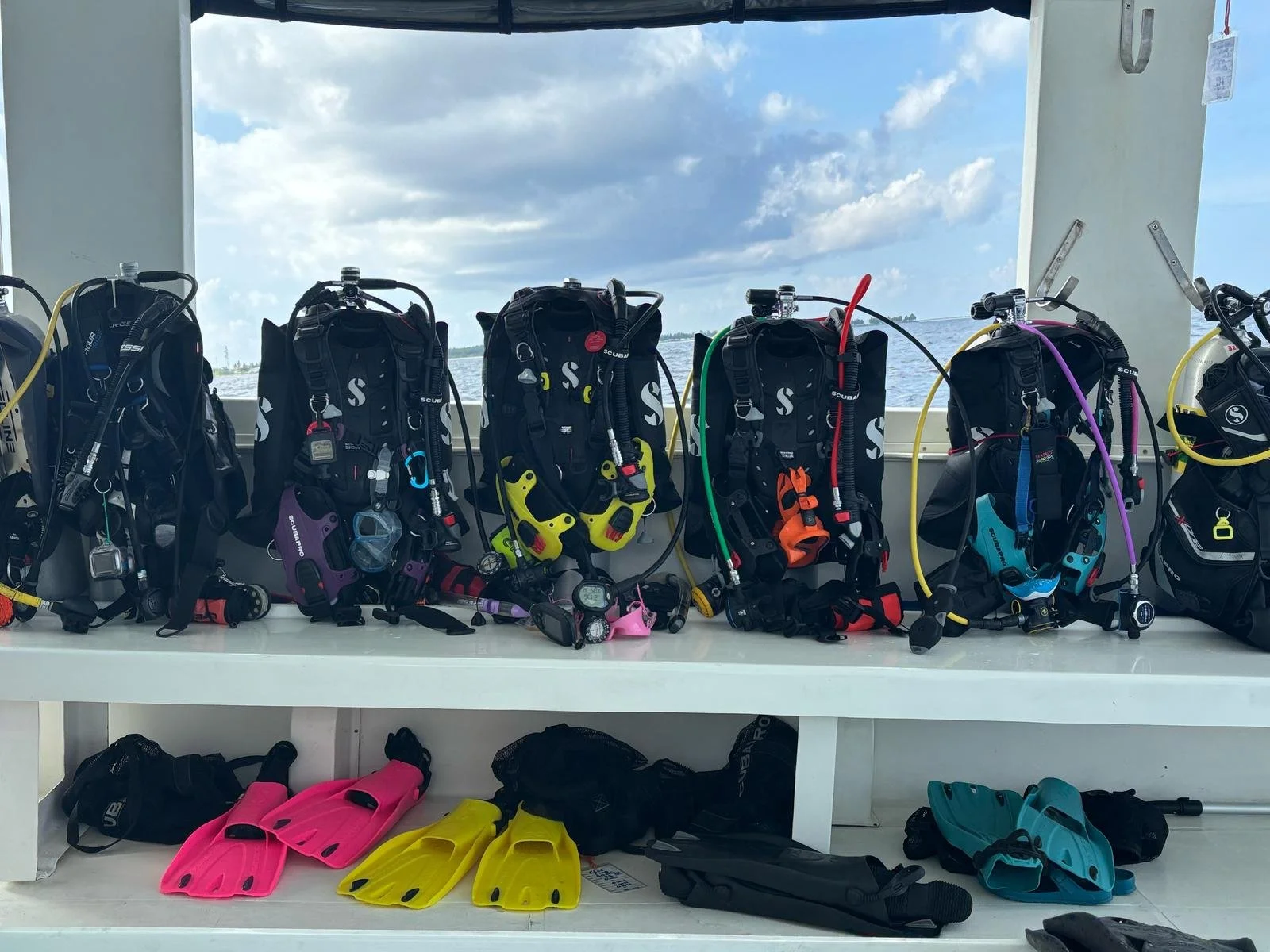
GoSport Fins
Fins play a huge role in my underwater mobility, and the SCUBAPRO GoSport fins have truly impressed me. They offer a perfect blend of power and efficiency. The design of the GoSport fins is lightweight yet strong, allowing me to make quick, powerful kicks with minimal effort. They’re incredibly responsive, and I love the energy-saving design that helps reduce leg fatigue, especially during long dives or when diving against currents.
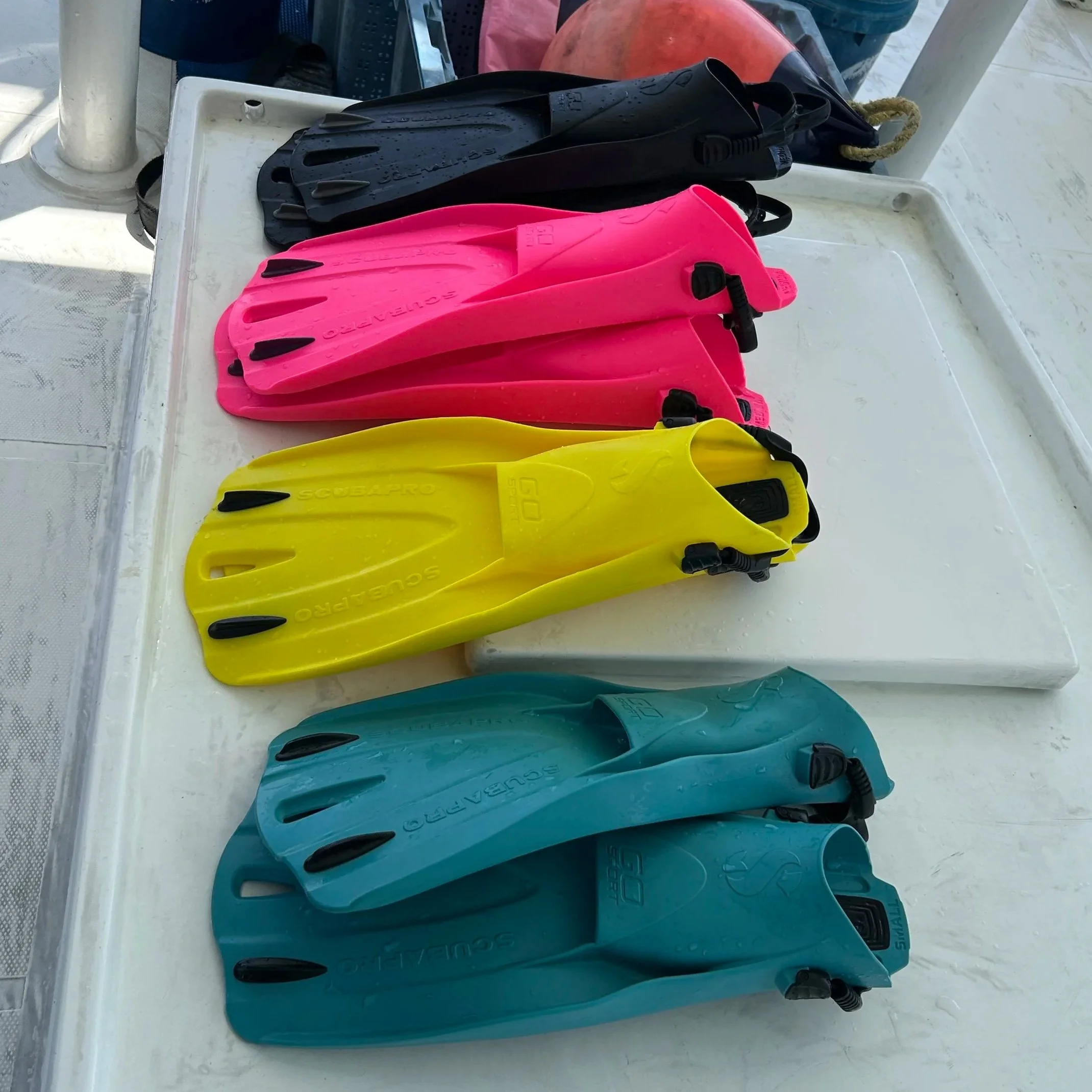
What I really like about the GoSport fins is that you can change out the skegs, which lets you customize the look of your fins. Being able to swap skeg colors is a fun way to make your gear feel more personal and easy to recognize on a busy dive boat, while still keeping the same reliable performance underwater.
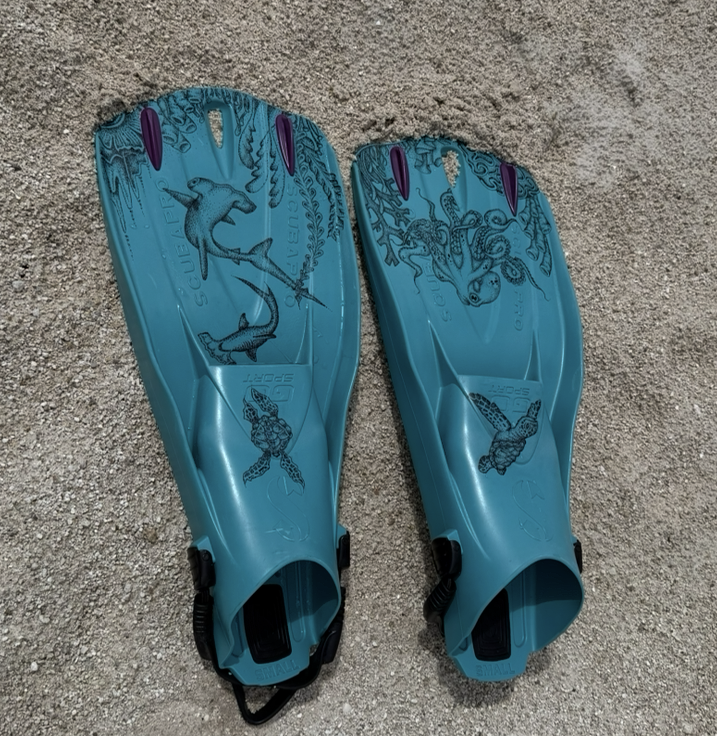
And if you’re into personalizing your gear, you can take it even further. If you’re up for it, you can actually send your fins to a wonderful artist in Colombia who custom designs them — her Instagram is @pimpmyfin. It’s a fun way to make your fins completely your own while still keeping the performance of a fin I already trust underwater.
For me, it’s the combination of performance and customization that makes the GoSport fins stand out.
Ghost & Trinidad Masks + Apnea Snorkel
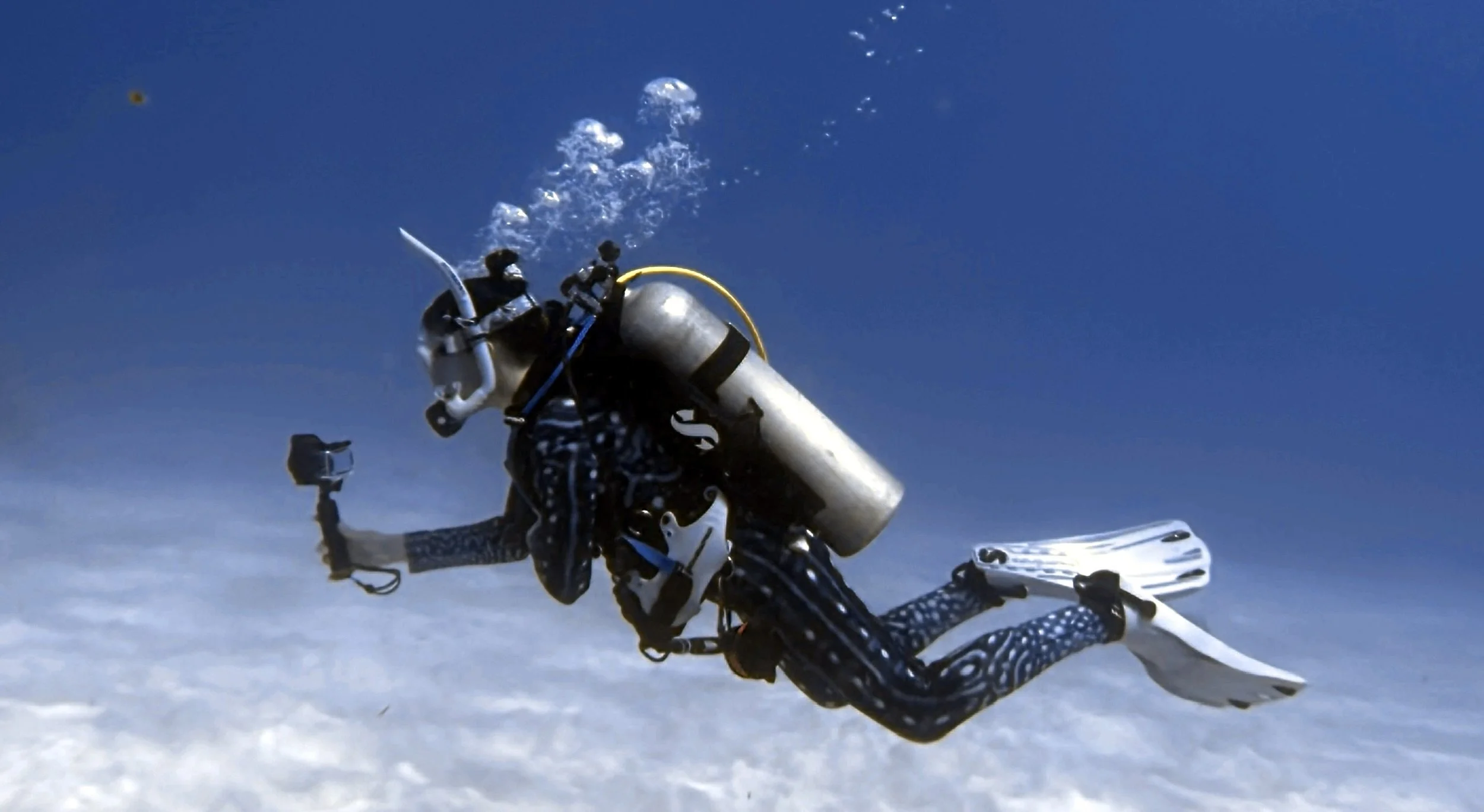
I rotate between the Trinidad and Ghost masks. Both seal well on my face and offer a wide field of view. The Trinidad is low-volume and very lightweight, which makes clearing easy. The Ghost has a slightly sleeker profile and feels very streamlined.
For snorkels, I prefer the Apnea snorkel because it is simple and unobtrusive. I avoid bulky purge valves and complex designs. It clears easily and stays out of the way when diving.
Also, I can’t forget the SCUBAPRO Comfort Strap — it’s compatible with and pairs perfectly with my two favorite masks
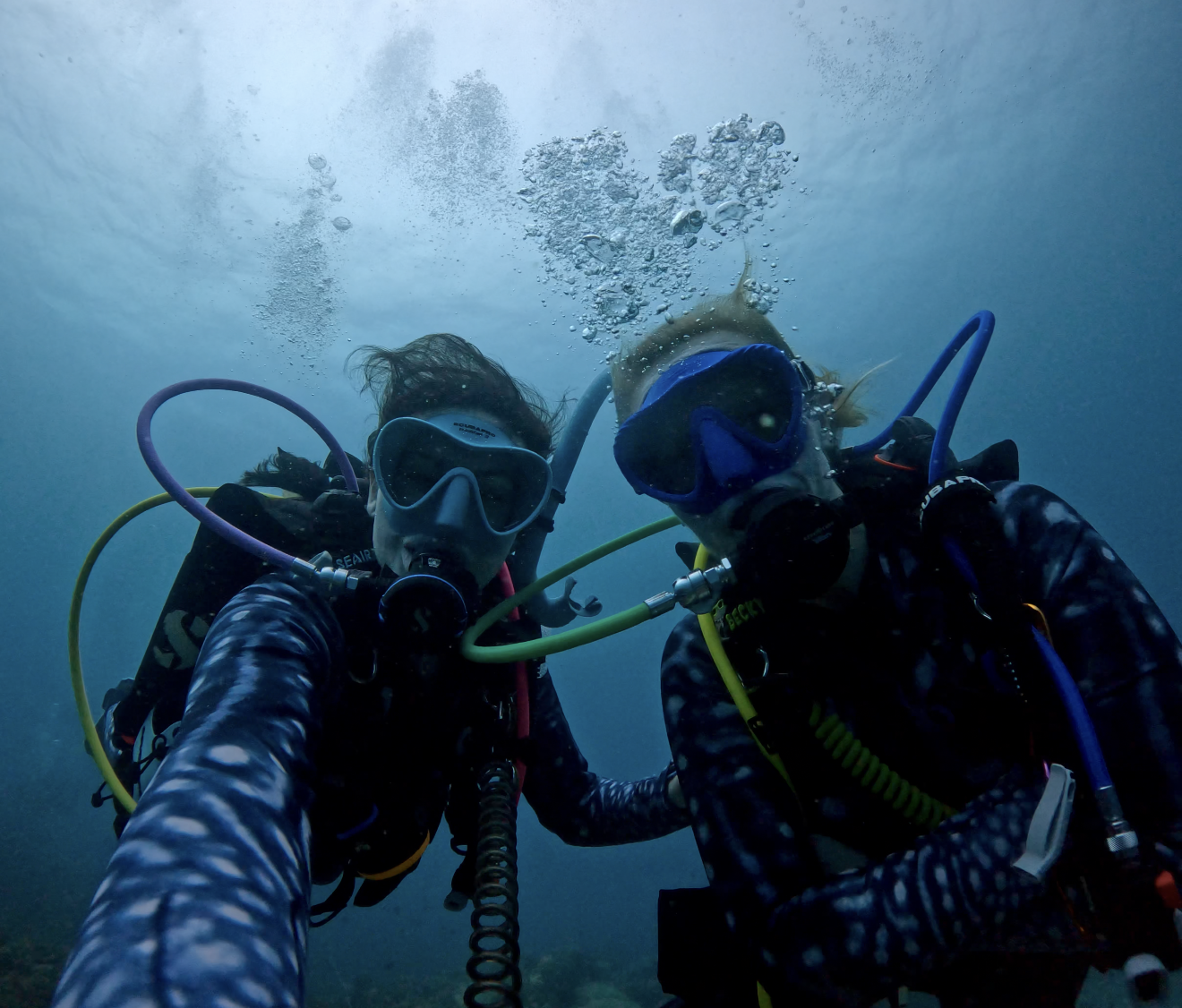
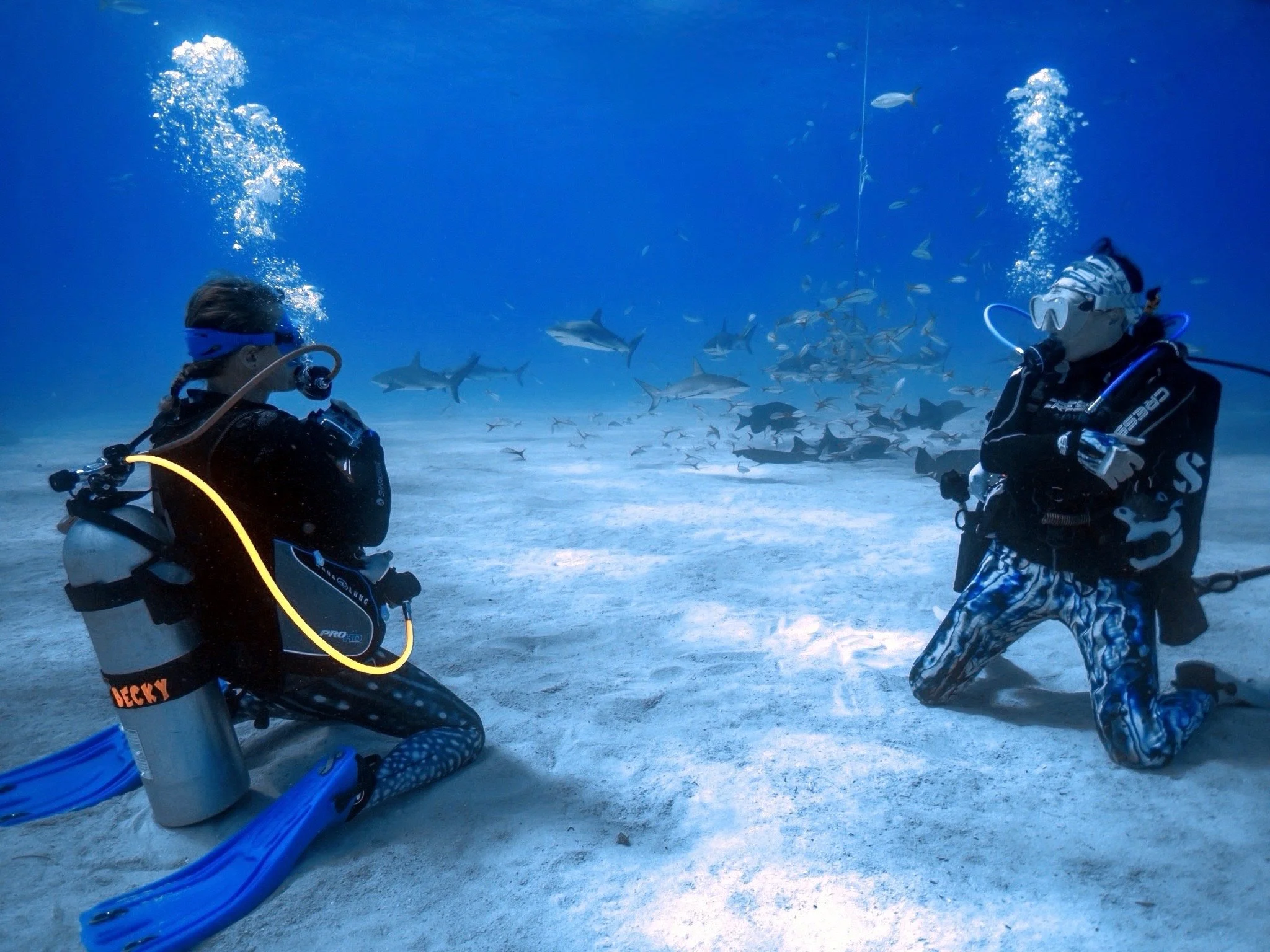
I’m wearing the Trinidad mask paired with the Apnea snorkel, while my buddy is diving in the Ghost mask.
Delta Dive Boots
The SCUBAPRO Delta dive boots are my go-to when I need something durable and supportive for real-world diving conditions. These boots are built to handle repeated use, which matters when you’re doing multiple dives a day or spending long hours in and out of the water.
One of the biggest advantages is the sole. It’s thick enough to protect your feet from sharp rocks, shells, and uneven terrain during shore entries, but still flexible enough that it doesn’t feel clunky in fins. The tread provides reliable traction on wet docks, ladders, and slippery rocks, which makes a noticeable difference when you’re carrying tanks or climbing out of the water.
In terms of warmth, they provide solid insulation for cooler water and repetitive dive days when your feet are exposed over and over again. They also hold their shape well over time instead of collapsing or stretching out, which helps maintain a consistent fit inside your fins.
I also really like that this boot comes in two useful styles: a 3mm short version for warmer water and travel, and a 5mm version with a taller ankle for cooler conditions and extra coverage. The taller ankle adds both warmth and protection, especially when wearing thicker wetsuits or drysuit socks. Having both options means I can choose the right boot depending on where and how I’m diving rather than trying to force one boot to work for every situation.
For divers who do a mix of boat diving, shore diving, and travel, this is one of the most versatile boots I’ve used.
Cutting Tool
I always dive with a cutting tool, and I actually carry two.
My primary cutter is the SCUBAPRO White Tip Stainless Steel Diving Knife, which I mount directly on my Hydros Pro. It’s compact, easy to reach, and effective for cutting fishing line, rope, or anything that could cause entanglement. I like having it mounted in a consistent spot so I always know where it is without thinking about it.
I also carry Sea Snips as a backup cutting tool. These are great for thinner line, netting, or webbing and are especially useful if a knife isn’t the best option for the situation. Having a second cutting tool gives me redundancy and flexibility, which is something I value for safety.
Pro tip: If you’re traveling and using the Hydros Pro backpack as a carry-on, take the knife out before you pack it. Even though it’s dive gear, it will still be flagged by airport security if it’s in your carry-on. I remove it and pack it in my checked bag to avoid any issues at the airport.
A cutting tool is one of those small pieces of gear you hope you never need — but if you do, you’ll be very glad it’s there.
Fourth Element
Fourth Element has become one of the brands I trust most for exposure protection, especially when I’m diving frequently or in cooler conditions. What I appreciate about their gear is that it is clearly designed by people who understand how divers actually move, layer, and spend time in the water. Their focus on fit, flexibility, and thermal efficiency shows up in real use, not just in product descriptions.
Their wetsuits, hoods, gloves, and drysuits are built for divers who are in the water often, not just for occasional vacation dives. Comfort matters when you’re doing multiple dives a day, teaching, or working in changing conditions, and that’s where their gear really stands out for me.
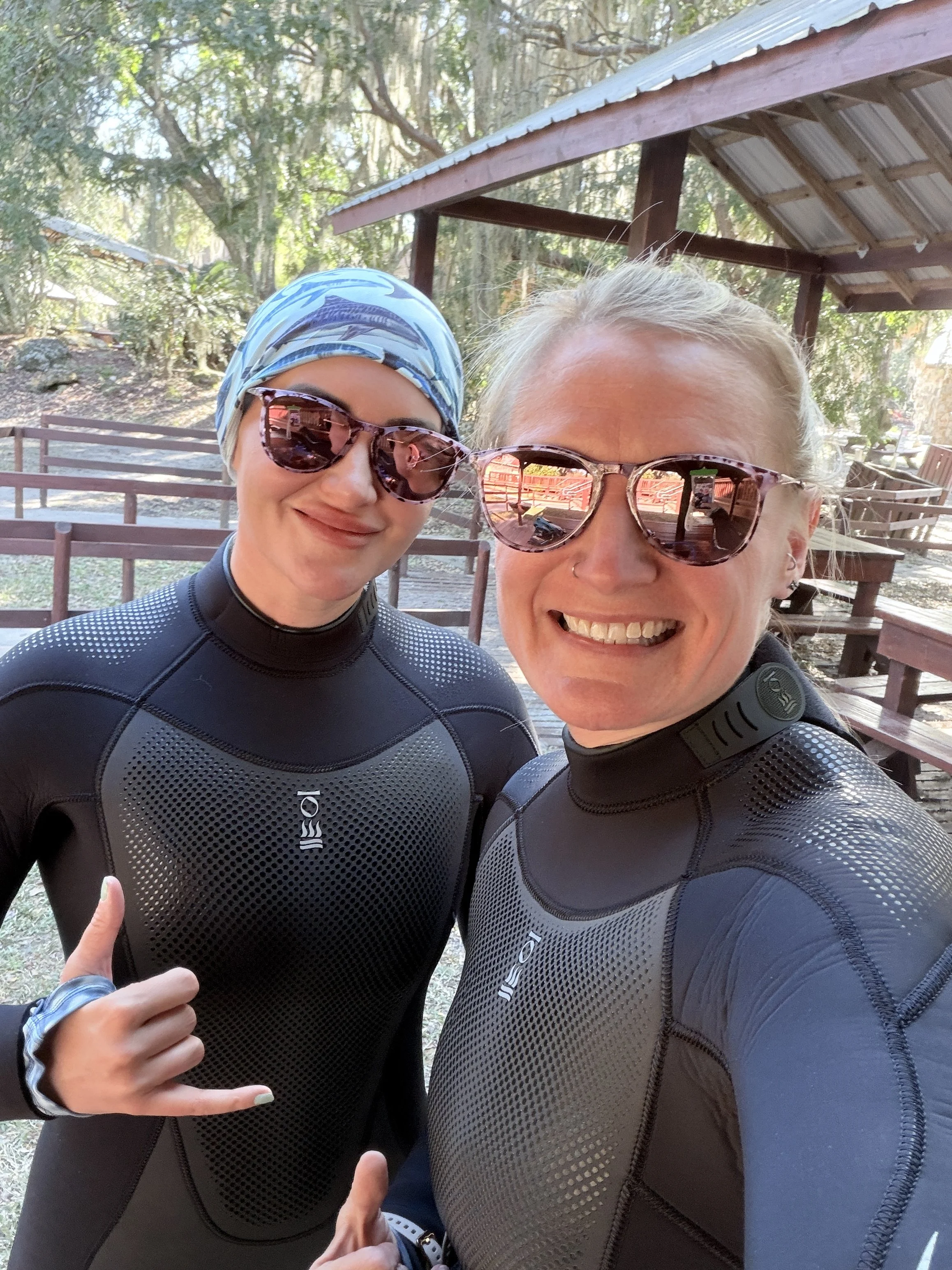
Xenos Wetsuit
The Fourth Element Xenos wetsuit stands out to me because of how it balances warmth, flexibility, and comfort. It moves with my body rather than fighting against it, which makes a noticeable difference when I’m swimming, demonstrating skills, or managing equipment underwater.
The neoprene is soft and stretchy without feeling thin, so it provides good insulation without that stiff, armored feeling some wetsuits have. This makes it easier to maintain proper trim and buoyancy without feeling restricted through the shoulders, hips, or knees. For longer dive days, that flexibility really matters.
Another thing I appreciate is how the suit fits through the torso and joints. It doesn’t bunch up or create pressure points, which helps reduce flushing and keeps me warmer over repetitive dives. It’s also easy to get on and off, even when damp, which is something you notice very quickly when you’re doing multiple dives in a day.
This is a suit I can comfortably wear for teaching, guiding, or fun diving without feeling like I’m constantly adjusting it or fighting the material.
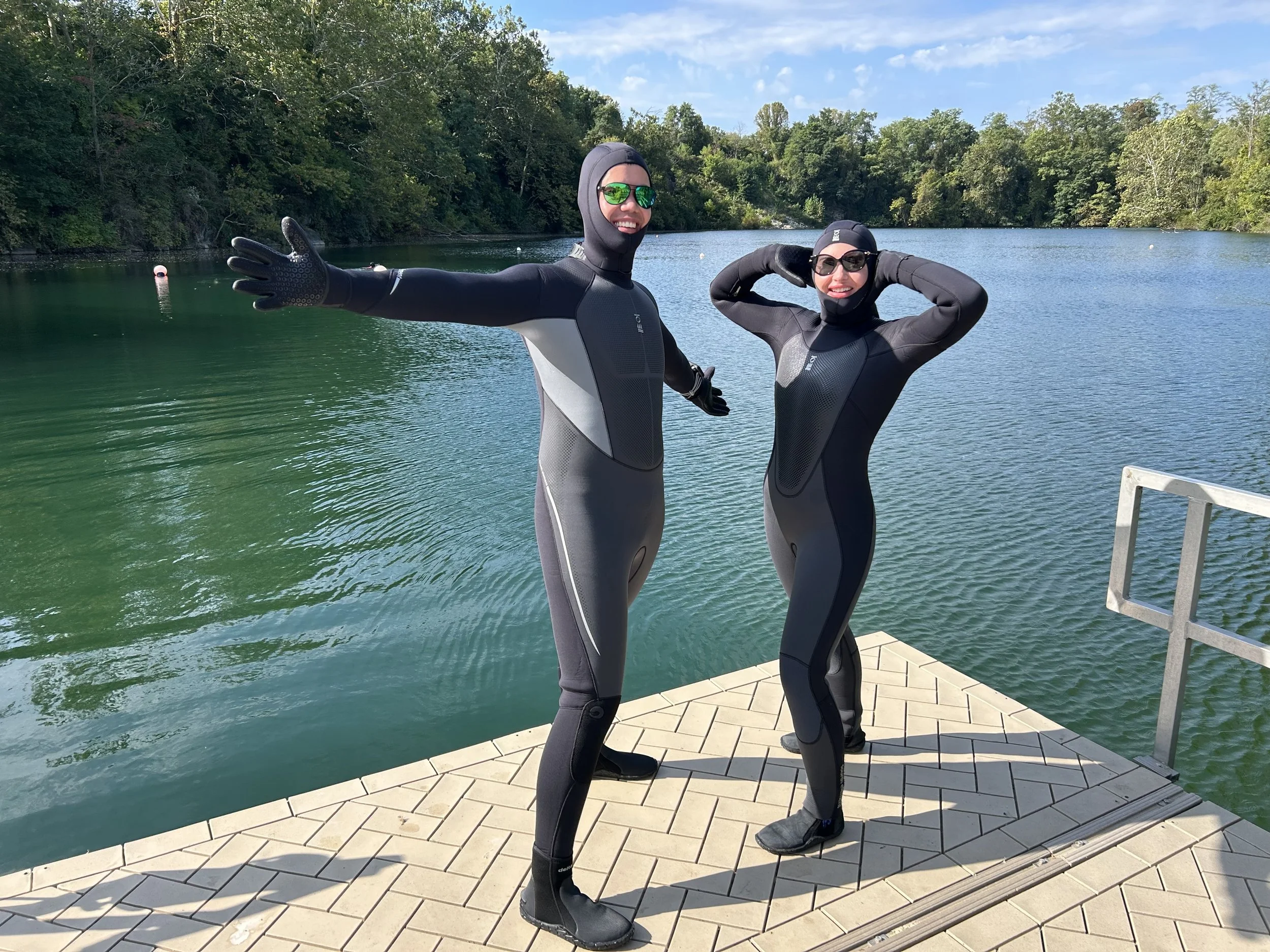
Hood
The Fourth Element 3mm hood adds a surprising amount of warmth for such a low-profile piece of gear. It seals well around the face and neck without feeling tight across the jaw or temples, which is something I’m very particular about. A hood that presses on your jaw or ears becomes uncomfortable fast, especially on long dive days.
What I notice most is how much it helps retain heat during repetitive dives. Even in water that isn’t truly “cold,” heat loss adds up over time, and the hood makes a real difference in keeping my core temperature more stable.
It also layers well with different wetsuits and exposure systems without feeling bulky. It’s easy to forget you’re wearing it, which is exactly what you want from a hood.
Gloves
I use both the 3mm and 5mm Fourth Element gloves when teaching, and they are the most comfortable dive gloves I’ve ever worn. The fit is natural and doesn’t feel awkward or oversized in the fingers, which makes it much easier to handle equipment, manage students’ gear, and operate clips and buckles.
The 3mm gloves are ideal for moderate conditions where I want warmth without sacrificing dexterity. The 5mm gloves come out when conditions are colder or when I know I’ll be in the water for extended periods. Even with the thicker glove, I still have good control of my hands, which is critical when teaching or assisting divers.
What stands out to me is that they insulate well without feeling clumsy. Many thick gloves keep you warm but make your hands feel like mittens. These manage to balance warmth and function, which is not easy to do.
Argonaut 3.0 Drysuit
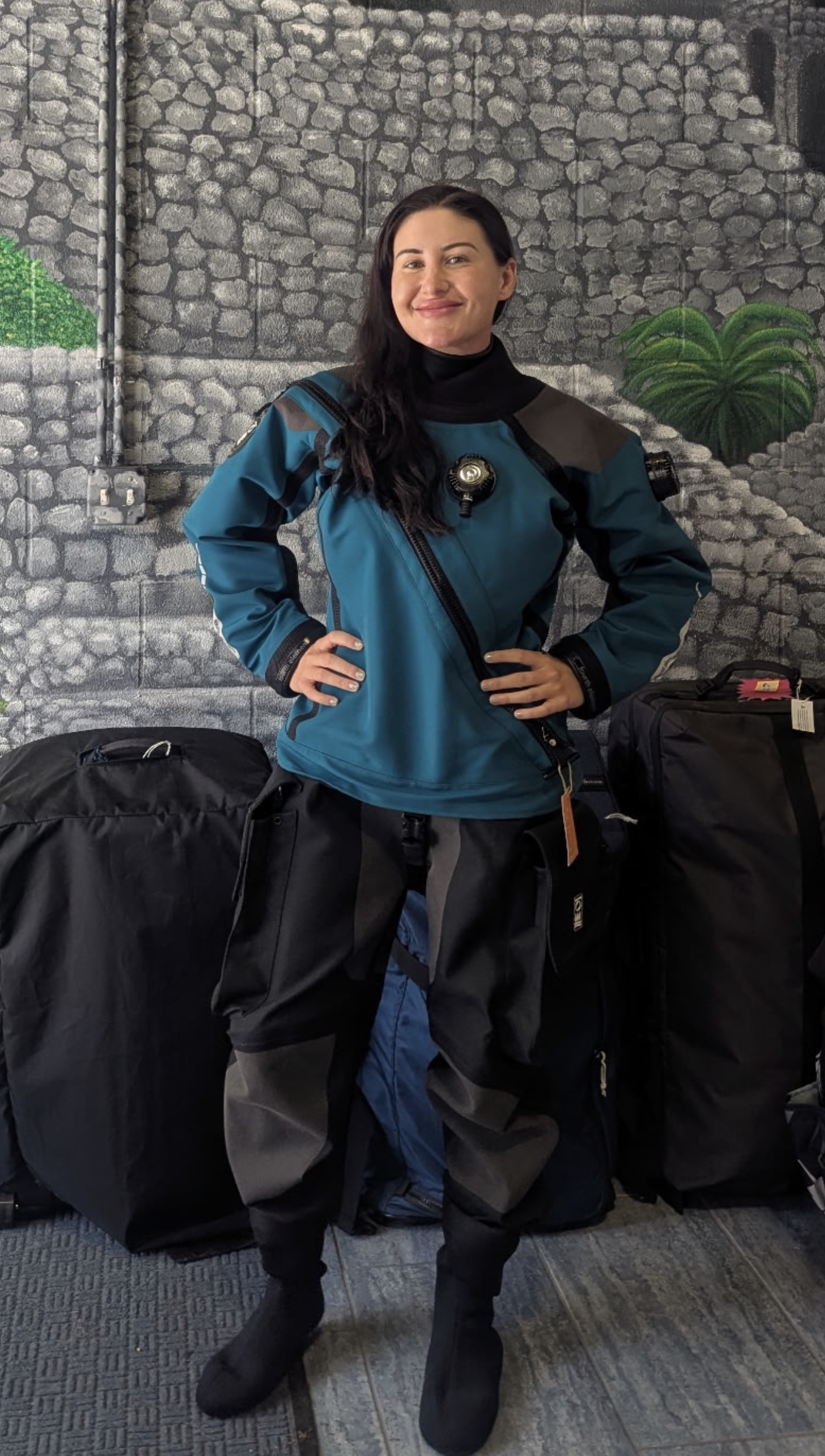
For cold-water diving, I use the Fourth Element Argonaut 3.0 drysuit. This suit is built for serious exposure protection and is clearly designed for divers who actually spend time in cold environments, not just for occasional use.
The construction is robust without feeling heavy or overly rigid. It provides reliable thermal protection when paired with proper undergarments, and the design supports natural movement rather than restricting it. That’s especially important when managing buoyancy, valves, or students in drysuit conditions.
The fit and design make it easier to maintain good trim and stability underwater, which becomes more critical in cold water where additional insulation and weighting are involved. It’s a suit I trust when conditions require full exposure protection and long bottom times.
What I appreciate most is that it feels purpose-built. It’s not just a waterproof shell; it’s part of a complete thermal system that allows me to stay warm, functional, and focused on the dive rather than on being cold.
Cressi
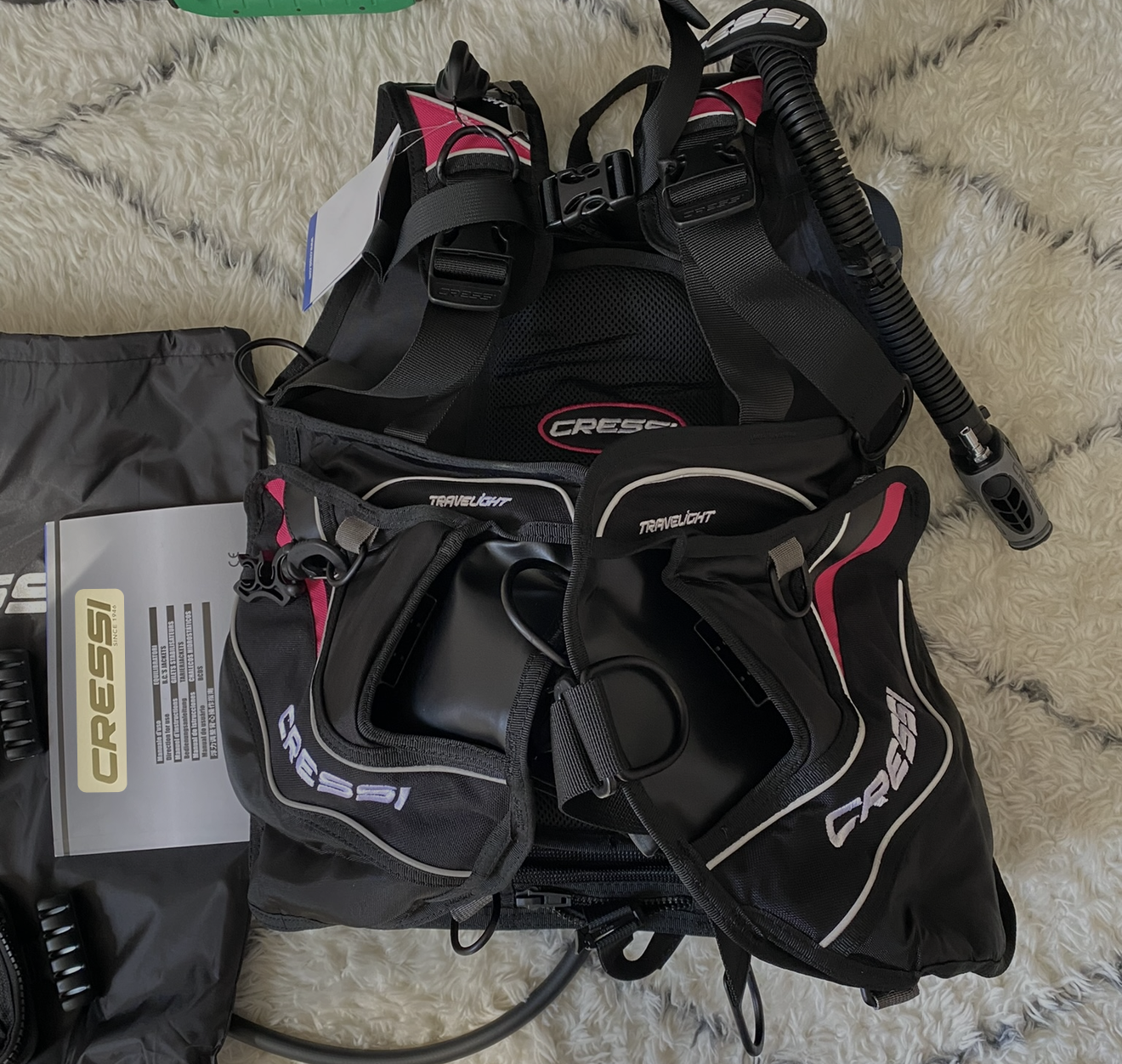
Travelight BCD
When weight matters, the Cressi Travelight BCD is what I reach for. It packs down small and is significantly lighter than most BCDs, which makes airline travel easier.
If you’re a diver who loves to travel, the Cressi Travelight BCD is a must-have. This BCD is designed with lightweight materials, making it the perfect choice for divers on the go. When I’m heading to new dive spots, I don’t want to lug around heavy equipment, and the Travelight makes packing a breeze. Despite being ultra-light, it still provides great buoyancy and comfort. The compact size and ease of storage mean I can easily pack it into my travel bag without taking up too much space, while still offering the support and fit I need. It’s perfect for divers who want to explore new places without the hassle of heavy gear.
Mares
2mm Boots
For those warmer water dives, I love the Mares 2mm dive boots. They are incredibly lightweight, offering excellent flexibility and comfort for easy movement. The 2mm thickness provides just the right amount of protection without feeling bulky, making them perfect for shallow-water dives or exploring coral reefs. The soft yet durable material allows for better feel and sensitivity in the water, which is great for any sensitive underwater activities.
Stream2Sea
Stream2Sea is a brand I trust because their entire product line is designed specifically for people who spend time in the ocean. Instead of just claiming to be “natural” or “eco,” they actually test their products for biodegradability and toxicity to marine life. That matters to me as a diver and instructor, because whatever I use on my skin and hair eventually ends up in the water.
Their products are made to work in harsh conditions — sun, salt, wind, and repeated exposure — while also minimizing harm to reefs and marine organisms. That balance between performance and environmental responsibility is why I continue to use them.
Use code Seaira_Dives for a discount.
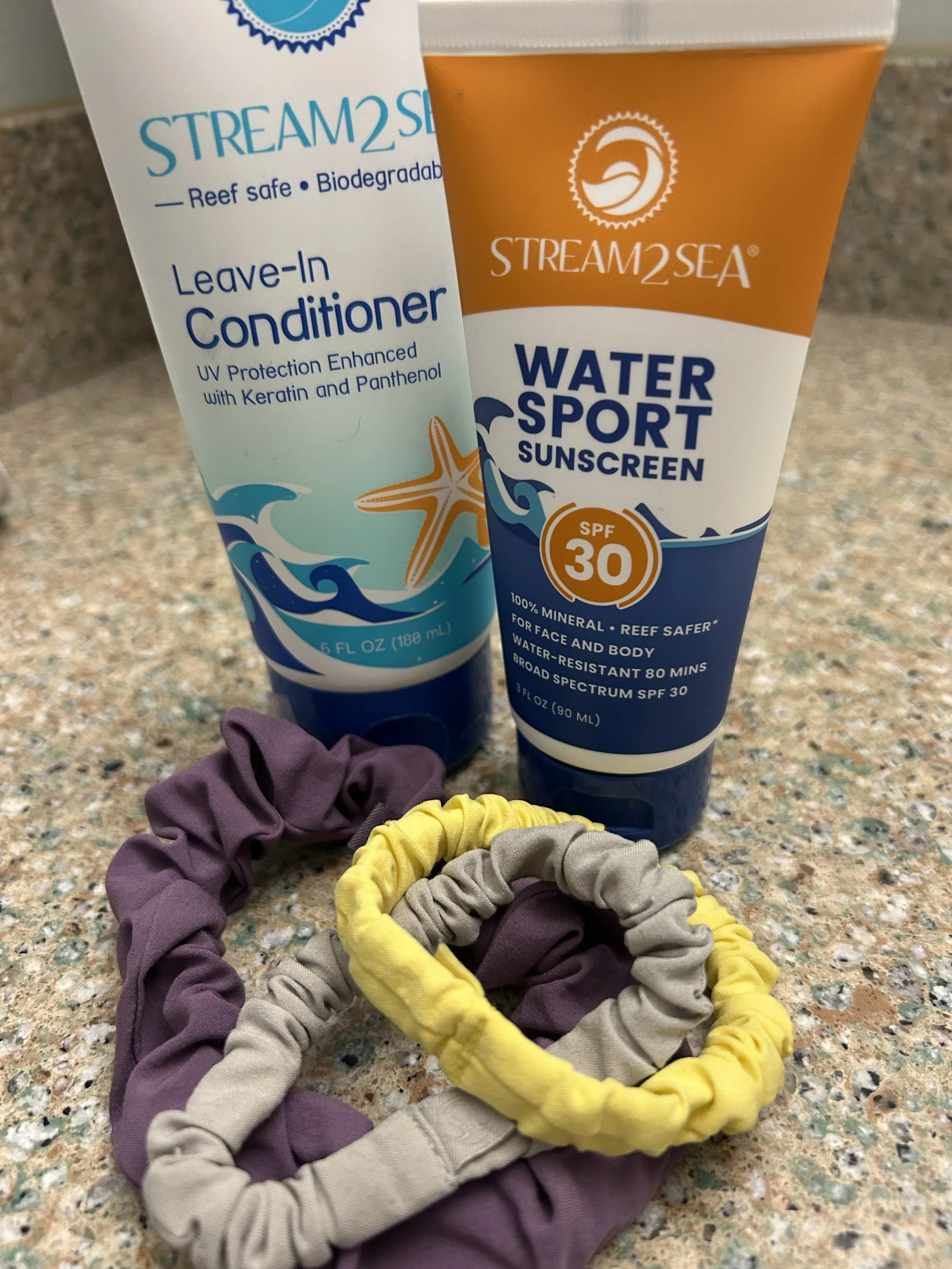
Deep Conditioner
Taking care of my hair is just as important as taking care of my gear, especially when I’m diving multiple days in a row. Saltwater, sun, and wind can dry hair out quickly, and once it becomes tangled and brittle, it’s harder to manage and more likely to break.
I use the Stream2Sea Deep Conditioner on my hair before diving, especially when it’s feeling dry. It creates a protective layer that helps reduce how much saltwater and sun strip moisture from my hair during the dive day. This makes a noticeable difference in how my hair feels after rinsing out at the end of the day.
It also helps with practicality. My hair is much easier to pull back into a ponytail or bun before a dive, and it tangles less during and after diving. That may sound small, but when you’re gearing up on a boat or a beach, anything that makes the process smoother matters.
What I like about this conditioner is that it works without feeling heavy or greasy, and it’s designed to be safer for the environment than traditional hair products. I can use it regularly without feeling like I’m contributing unnecessary chemicals to the ocean.
Coral Safe Sunscreen
Sun protection is important, but I’m very aware that sunscreen is one of the most common contaminants introduced into reef environments. That’s why I use Stream2Sea coral safe sunscreen.
It is biodegradable and formulated to be safer for reefs than conventional sunscreens. It provides solid sun protection without feeling thick or greasy, which is important on long dive days when you’re in and out of the water repeatedly.
I also like that it holds up well in real conditions — sweating, swimming, and boat spray — without immediately washing off. That means I don’t feel the need to constantly reapply every time I get out of the water, and it still does its job during surface intervals.
What sets Stream2Sea apart for me is that they test their formulas for environmental impact rather than just marketing them as “reef safe.” There is a big difference between a label and actual testing, and I appreciate that they put effort into proving their products are less harmful rather than just claiming it.
Ear Drops
Ear care is something I take seriously, especially on repetitive dive trips. When moisture stays trapped in the ear canal over multiple days, it increases the risk of irritation and infection, which can quickly put an end to a dive trip.
I use Stream2Sea ear drops after dive days to help dry out any remaining moisture and keep my ears healthy. It’s a simple habit, but it makes a noticeable difference, particularly when I’m diving day after day or spending long hours in the water teaching.
For instructors and frequent divers, this is one of those small preventative steps that really pays off. Keeping your ears healthy means fewer interruptions, fewer missed dives, and more time doing what you came to do in the first place — dive.
Mask Defog & Mask Scrub
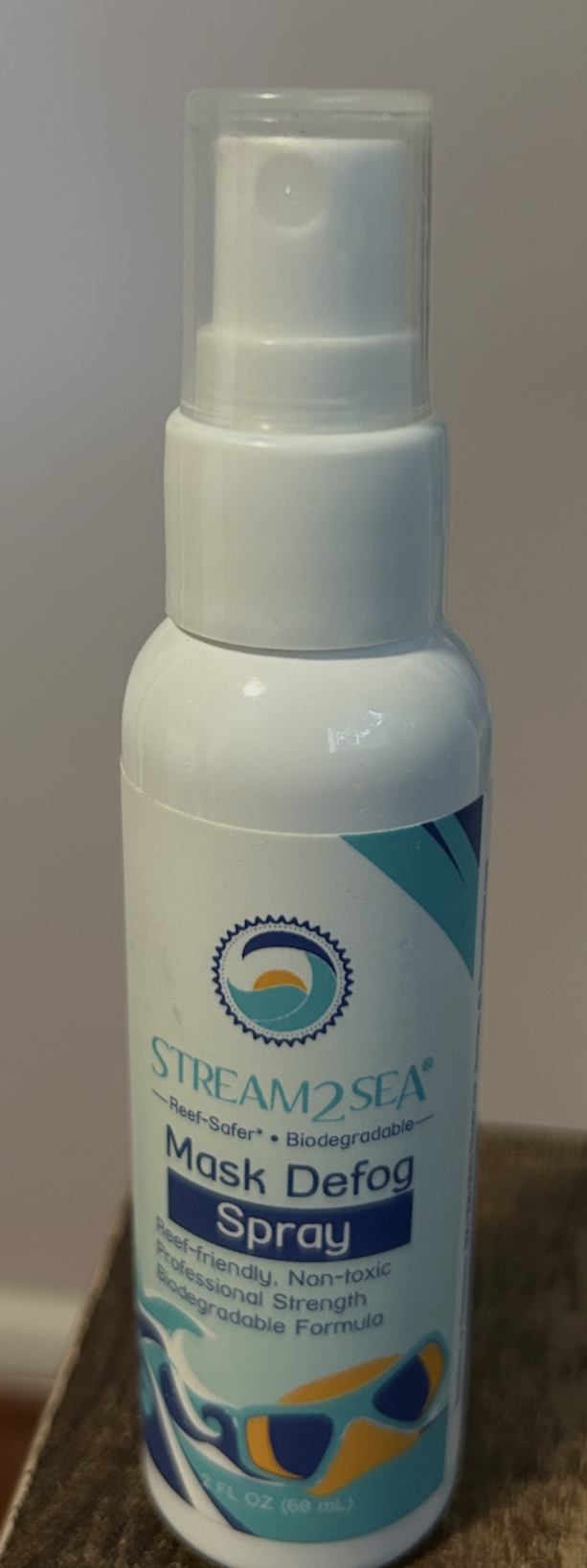
Mask defog is one of those items I never skip. A fogged mask is distracting, and constantly having to clear it pulls your attention away from what’s happening around you — which is the last thing you want underwater.
I have very sensitive eyes, especially since having PRK, and this is the only defog I’ve found that consistently works for me without irritating my eyes. That matters a lot when you’re diving frequently or teaching, because eye discomfort can quickly turn into a ruined dive day. The Stream2Sea Professional Defog keeps my mask clear while still being gentle enough that I don’t end up with burning or watery eyes.
Using defog before each dive helps keep my vision clear, which improves both safety and enjoyment. Clear vision means better situational awareness, easier communication with students, and a much more relaxed dive overall. It’s a small piece of gear, but it has a big impact on the quality of the dive.
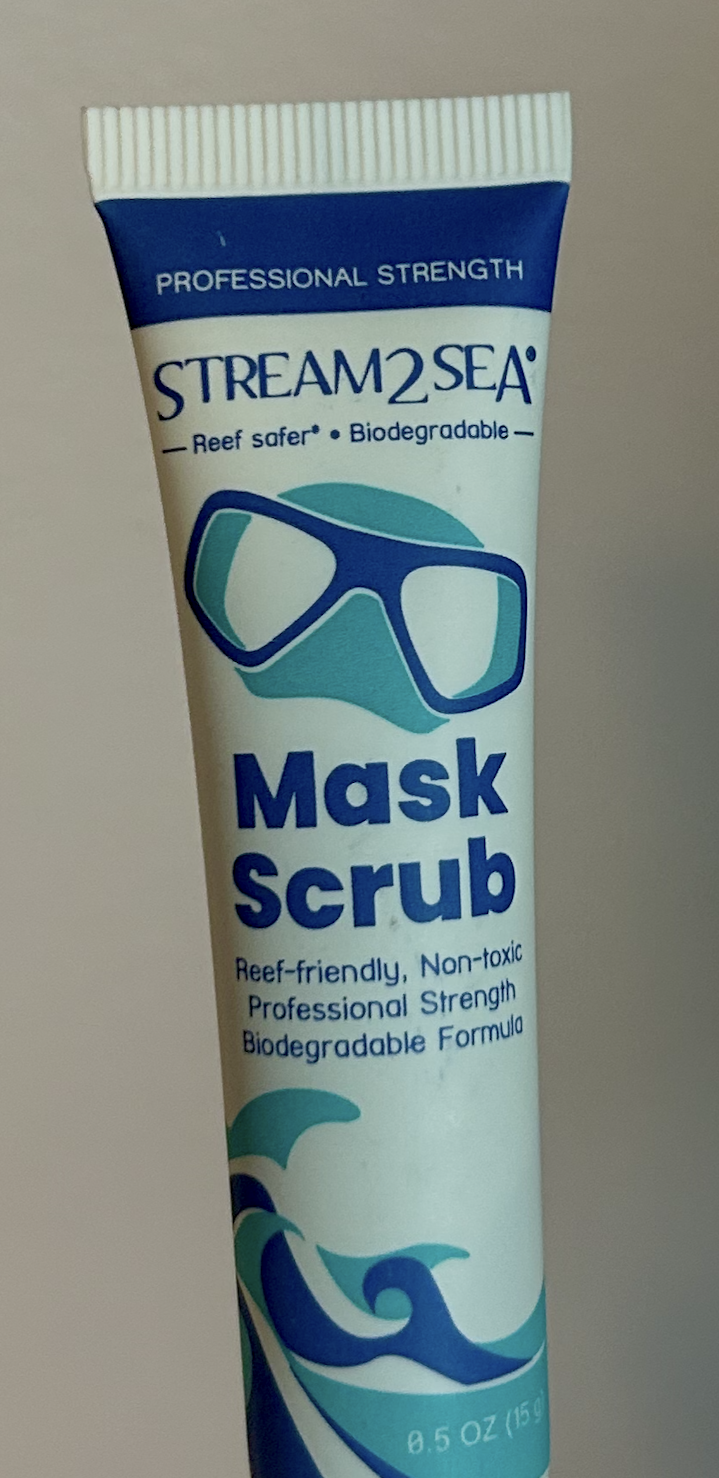
I also really like their mask scrub. It’s a great way to prep a new mask properly by removing residue from the lens so the defog can actually do its job. Between the scrub and the defog, it’s a simple system that keeps my mask performing the way it should.
Custom Mouthpieces: Perfect Fit and Comfort
A small but essential piece of dive gear that I can’t dive without is a custom mouthpiece. I’ve found that a custom mouthpiece significantly enhances comfort during my dives. Typically, these mouthpieces require a simple process: boil the mouthpiece, put it in your mouth, and let it mold to your teeth and gums for the perfect fit. This custom mold makes breathing and biting down much more comfortable, especially for longer dives. I love how easy it is to use and how much more comfortable it makes my experience. It’s one of those little things that really makes a difference when you’re underwater for extended periods of time.
Sharkskin
Chillproof Socks: Warmth and Comfort
For those cooler water dives, I’ve found that Sharkskin Chillproof Socks are an absolute game-changer. These socks are designed to provide insulation and keep your feet warm even in colder water. Made from a unique material that helps to trap heat while still allowing your feet to breathe, Sharkskin socks keep me comfortable and prevent that dreaded chill during dives. They’re perfect for when I need a little extra warmth, and I love how well they fit under my boots, providing extra protection without being bulky. Whether I’m diving in cooler waters or just need a little extra warmth between dives, Sharkskin socks are a must-have for my gear bag.
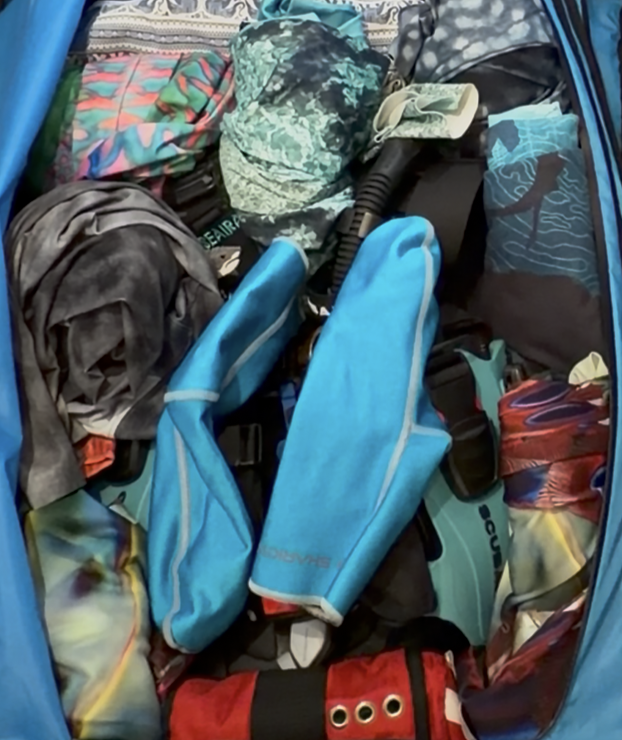
Packing my socks for my next diving adventure
Sharkskin Titanium 2 — Warmth Without the Bulk
I love SHARKSKIN’s Titanium 2 range because it provides impressive warmth without the bulk of neoprene. It’s been tested to offer thermal protection similar to a 5mm wetsuit and can be worn as primary exposure protection in water down to about 68°F (20°C), which makes it very versatile.
For warm-water diving, I especially like how easy it is to layer. I often wear it under my Waterlust sunsuit, which gives me sun protection on the outside and thermal protection underneath. This setup works well for repetitive dives or long days when you can start to feel chilled even in tropical water.
It’s more flexible than neoprene and doesn’t feel restrictive in the shoulders or hips, which helps when teaching or handling gear. It’s also neutrally buoyant, so I don’t need extra weight like I would with a thicker wetsuit.
Another big plus is how quickly it dries. It doesn’t stay heavy and soggy between dives, making it easier to pack and more comfortable to use day after day. For trips where a full wetsuit feels like too much but a thin layer isn’t enough, this has become one of my favorite warm-water layering pieces.
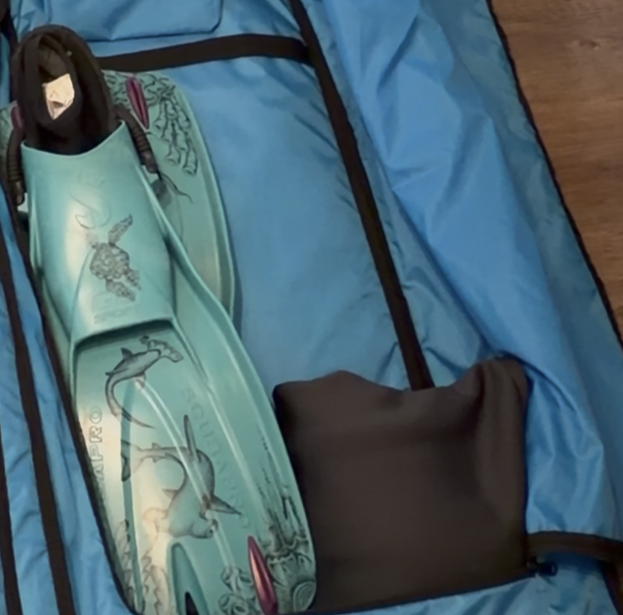
The SHARKSKIN Titanium packs compactly and offers an excellent alternative to packing a full wetsuit.
Bare
Evoke Wetsuit: Tailored for Women’s Comfort
When it comes to wetsuits, I absolutely love the Bare Evoke Wetsuit. This wetsuit is designed specifically for women, which makes a huge difference when it comes to fit and comfort. The Bare Evoke offers flexibility and warmth, but the most important factor is how well it’s tailored to a woman’s body shape. Many wetsuits on the market are "unisex," which means they often don’t take into account the unique curves and proportions of a woman’s body. A unisex suit may fit a man well, but it can leave women with discomfort and chafing. With the Bare Evoke, I get a more flattering fit, better insulation where I need it most, and less bulk. It truly feels like it was made for me—because it was!
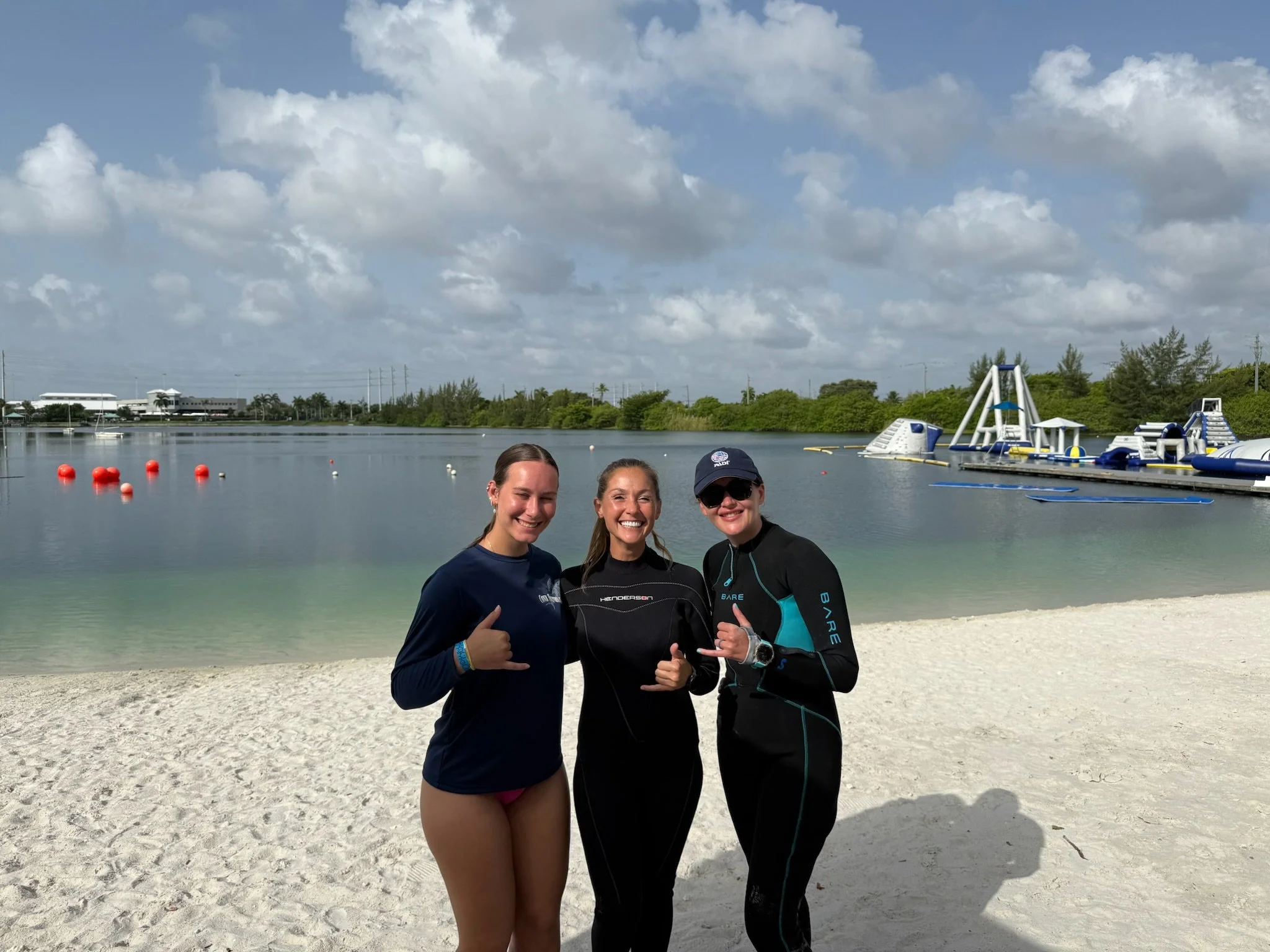
Garmin
Mk3i Dive Computer and Transmitter: Precision, Convenience, and Style
As a scuba instructor and seasoned diver, having the right dive computer is essential for safety and ease underwater. That’s why I swear by the Garmin Mk3i Dive Computer with its reliable transmitter. This dive computer not only tracks all my critical dive data but also connects seamlessly with my dive gear, providing real-time information directly to my wrist. It’s incredibly user-friendly, with a large, easy-to-read display that shows everything from depth and water temperature to dive time and remaining bottom time. I also appreciate that I can sync with my husband’s transmitter, allowing us to monitor each other’s air consumption!
What really sets the Garmin Mk3i apart for me is the transmitter, which lets me wirelessly monitor my tank pressure. This means I can dive with peace of mind, knowing I always have access to crucial information without fumbling for my SPG. After the dive, everything syncs to the Garmin Dive app, which I genuinely love using. The app automatically logs my dives and lets me review detailed profiles, including depth curves, dive time, water temperature, and surface intervals. I also enjoy being able to look back at trends over time and see stats from different trips, which makes logging dives both easy and interesting instead of a chore.
Whether I’m exploring shallow reefs or doing deeper dives, the Garmin Mk3i gives me the accuracy and convenience I need to stay safe and focused underwater.
I also love that I can easily change out the band on the watch to match my style or the mood of the day. With a variety of colors available, I can personalize the look of my dive computer without compromising functionality. It’s a small detail, but it adds a fun, customizable touch to a piece of gear I rely on during every dive.
GoPro Hero 13 and App
I’ve used GoPro cameras since their earliest models and currently dive with the Hero 13. One of the reasons I’ve stayed loyal to GoPro over the years is because they consistently balance size, durability, and image quality in a way that works well for diving. The camera is compact and lightweight, which means it doesn’t affect my trim or buoyancy, and it’s easy to mount on a tray or handle without becoming bulky.
Underwater, I like that the camera is simple to operate. The buttons are easy to use with wet hands or gloves, and the menu system is straightforward, so I’m not spending time underwater trying to adjust complicated settings. For diving, reliability matters more to me than having every advanced camera feature, and the Hero 13 has been dependable across many trips and conditions.
What really makes the system useful for me is how it works with the GoPro app and the Quik editing app. I use the GoPro app in two main ways. First, I use it to preview and control the camera when setting up shots. This is helpful when positioning the camera on a tray or mount and making sure the angle is right before getting in the water. It also makes it easy to start and stop recording without touching the camera itself, which helps keep things steady.
Second, I use the app to transfer footage directly to my phone. Being able to move clips straight from the camera to my phone while traveling means I don’t need to carry a laptop just to review or save footage. Once the clips are on my phone, I use the Quik app to trim videos, create short highlight clips, and build simple reels. It’s fast and doesn’t require advanced editing knowledge, which makes it practical when I’m on boats or between dives.
This workflow is important to me because it keeps filming from taking over the dive. I can capture meaningful moments — students’ first dives, interesting marine life, or memorable trip highlights — without turning every dive into a photography project. The camera stays simple, and the editing process stays quick.
For me, the GoPro Hero 13 is less about creating cinematic content and more about documenting real dives and sharing them easily with students and dive buddies. It lets me bring home memories and learning moments without distracting from what I’m actually there to do, which is dive.
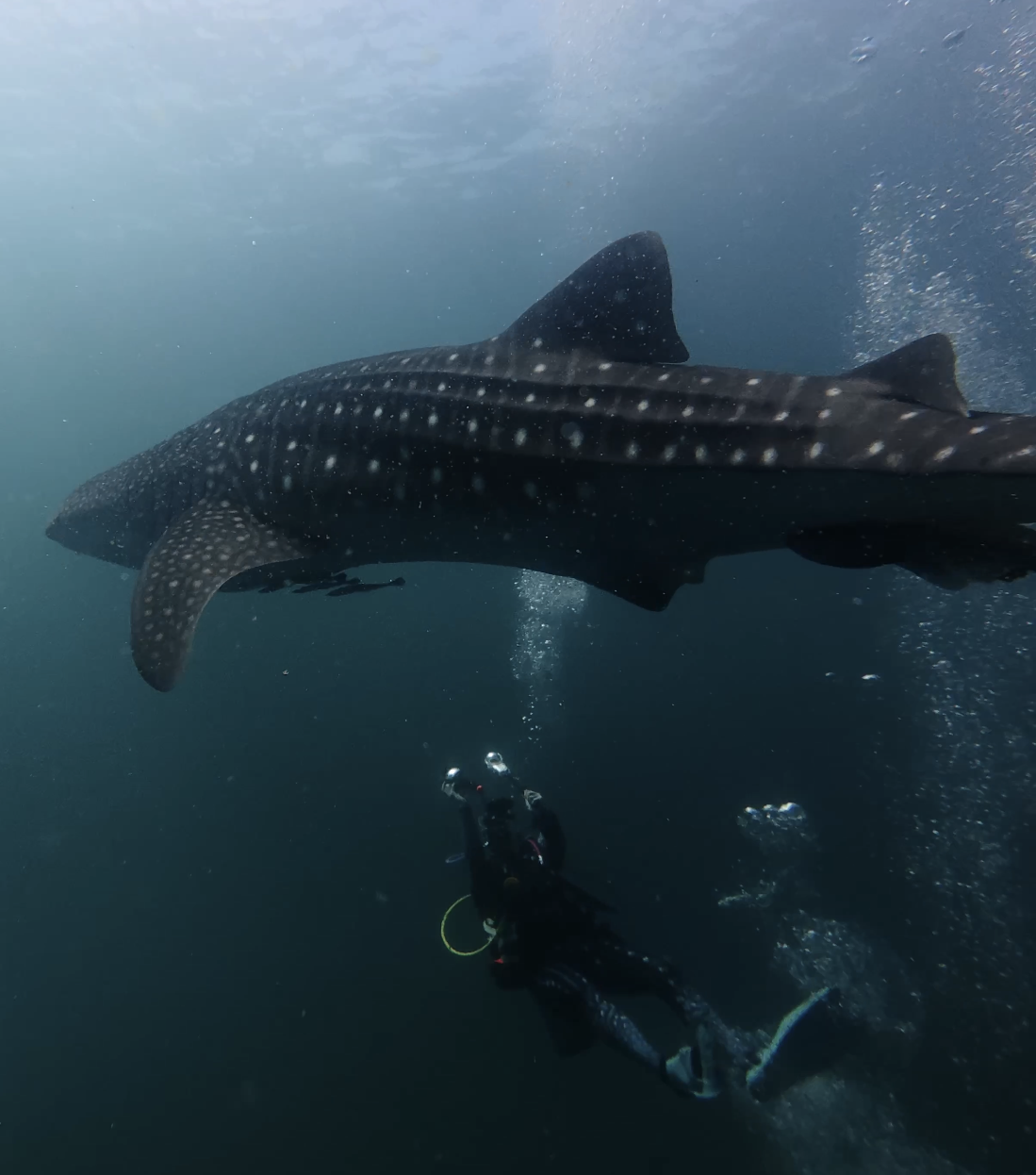
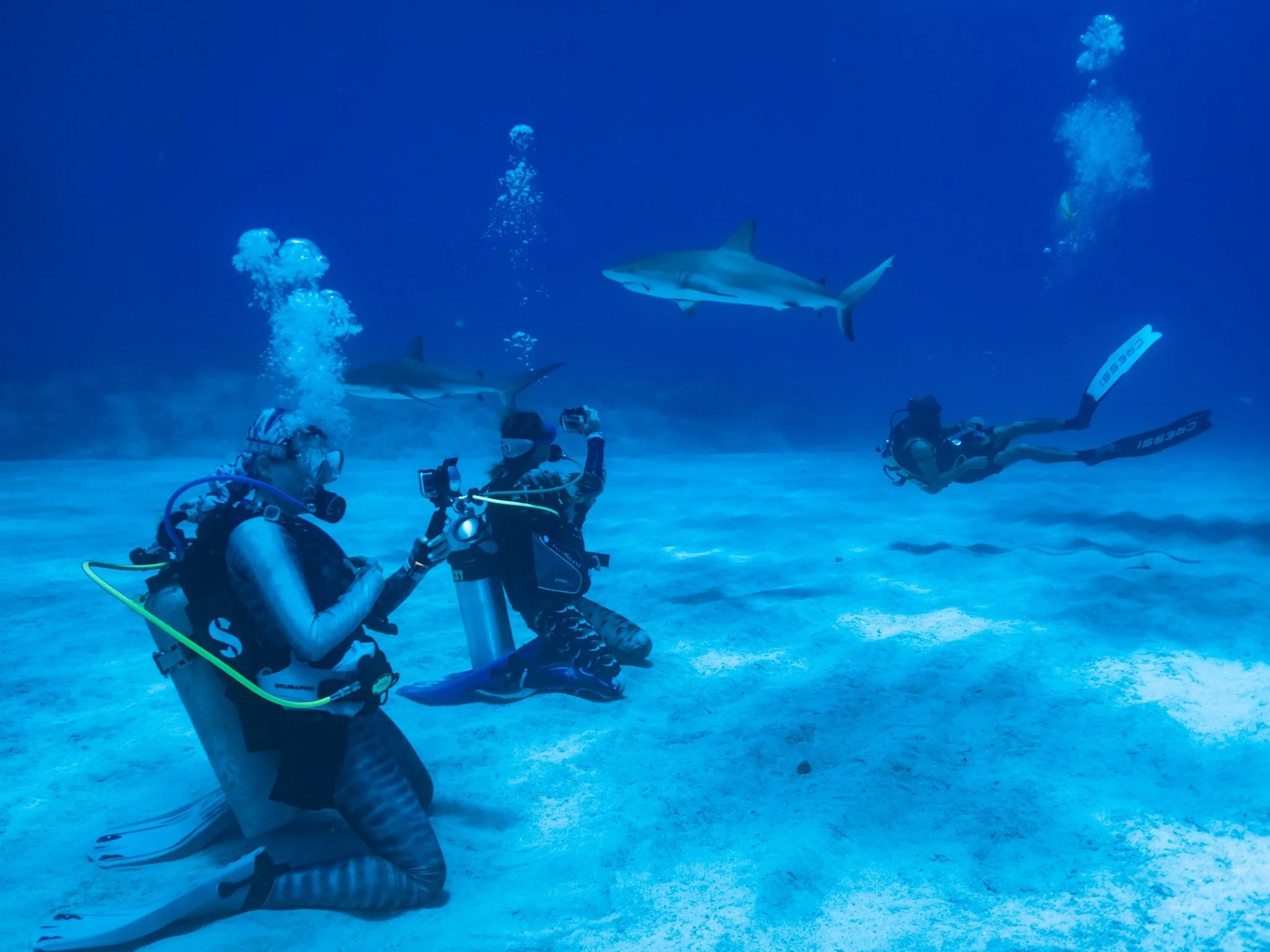
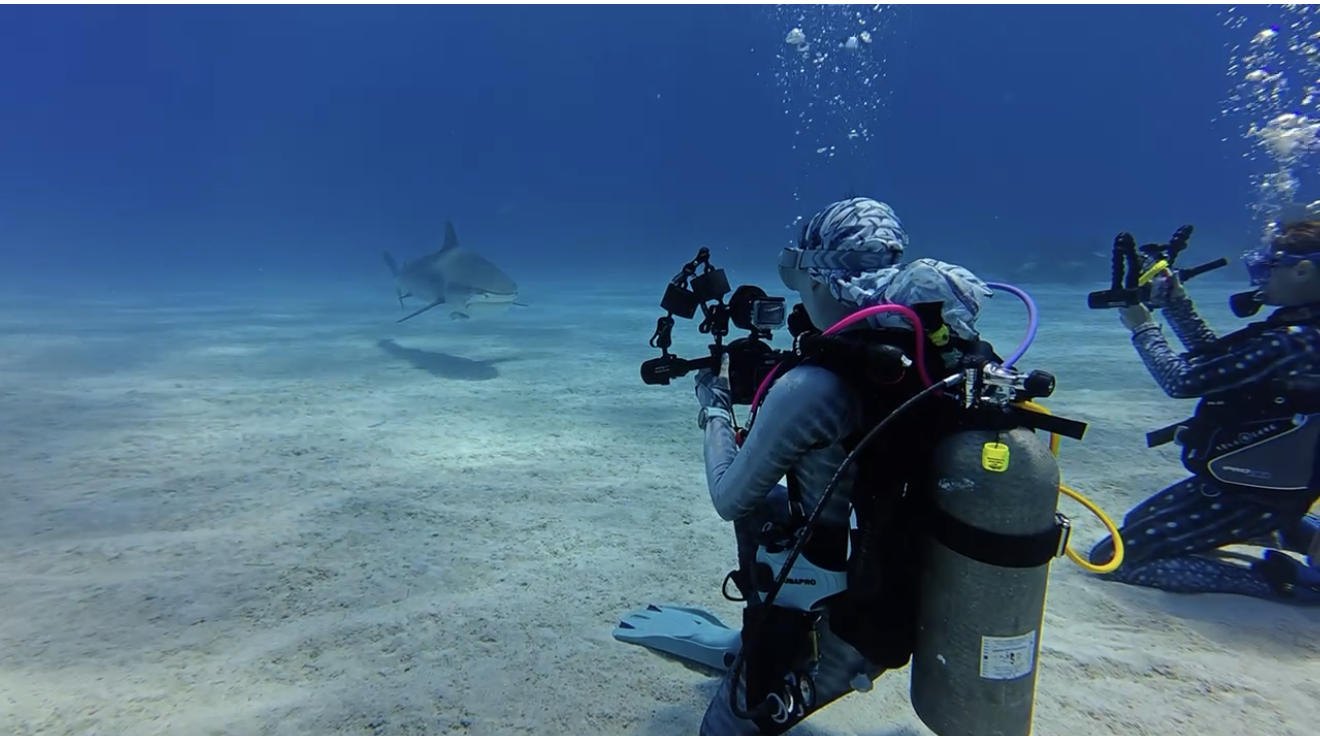
Capturing an unforgettable whale shark encounter in Thailand while diving in my Waterlust sunsuit with my GoPro.
Kahu
Poncho Towel
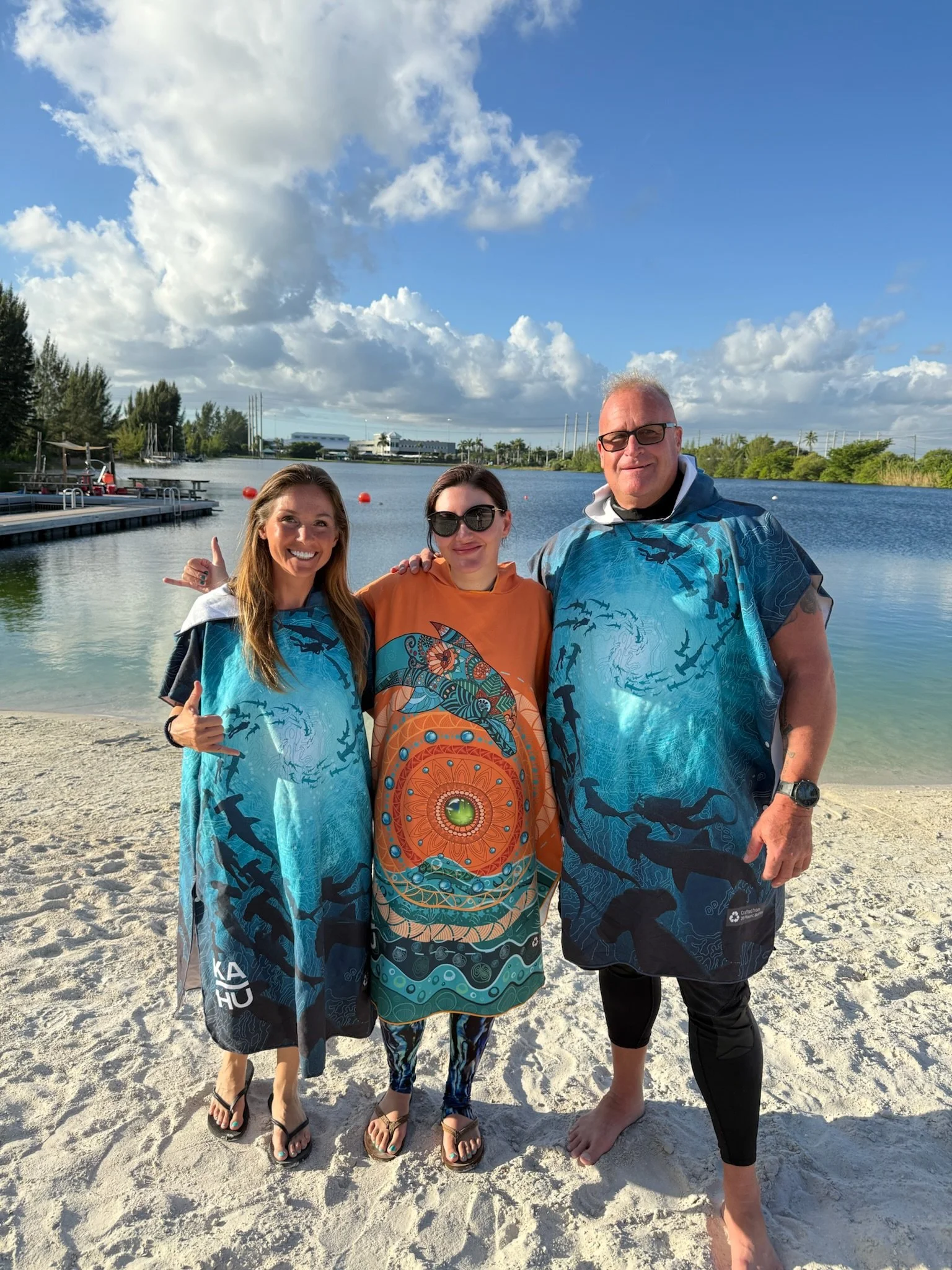
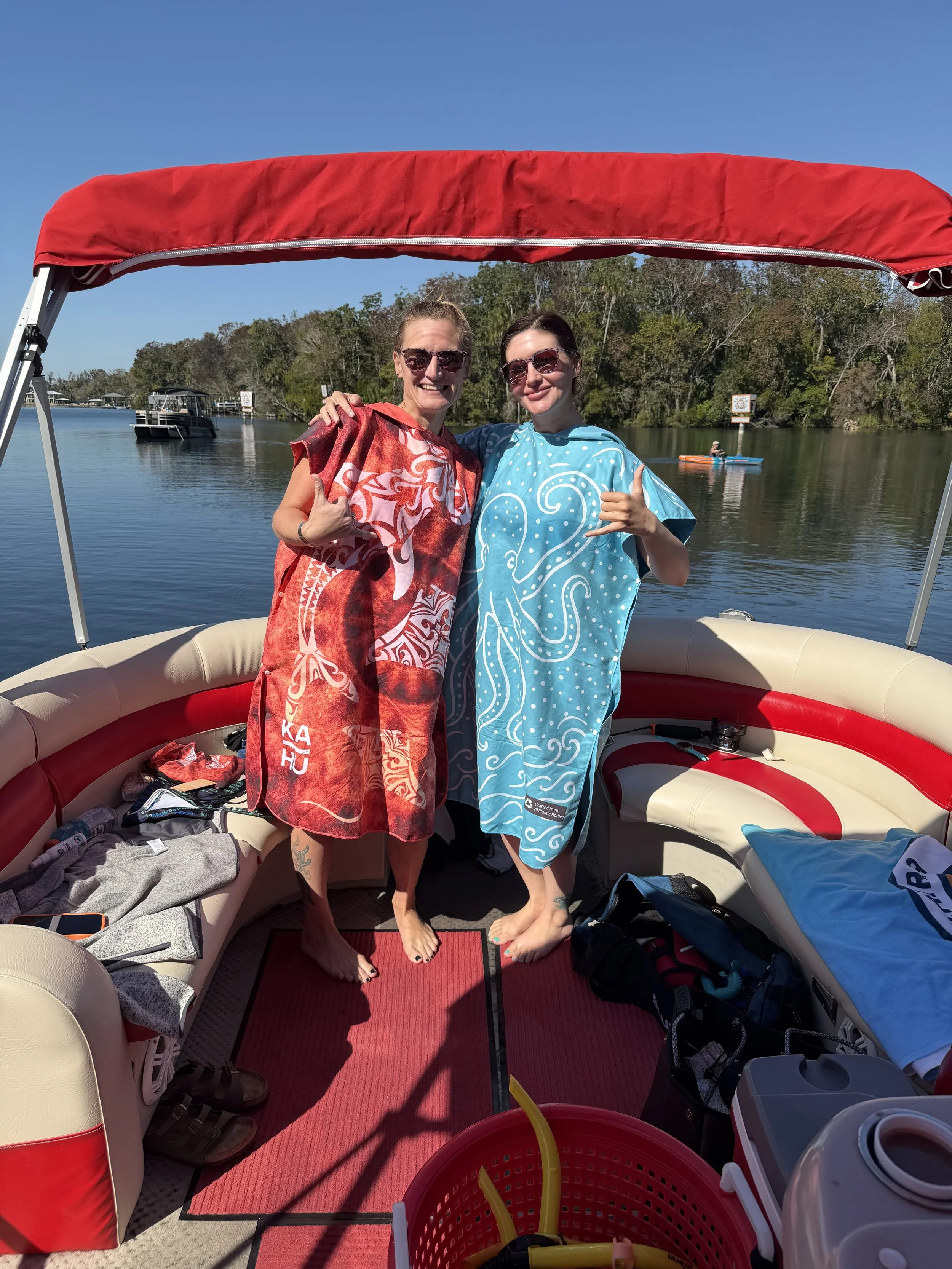
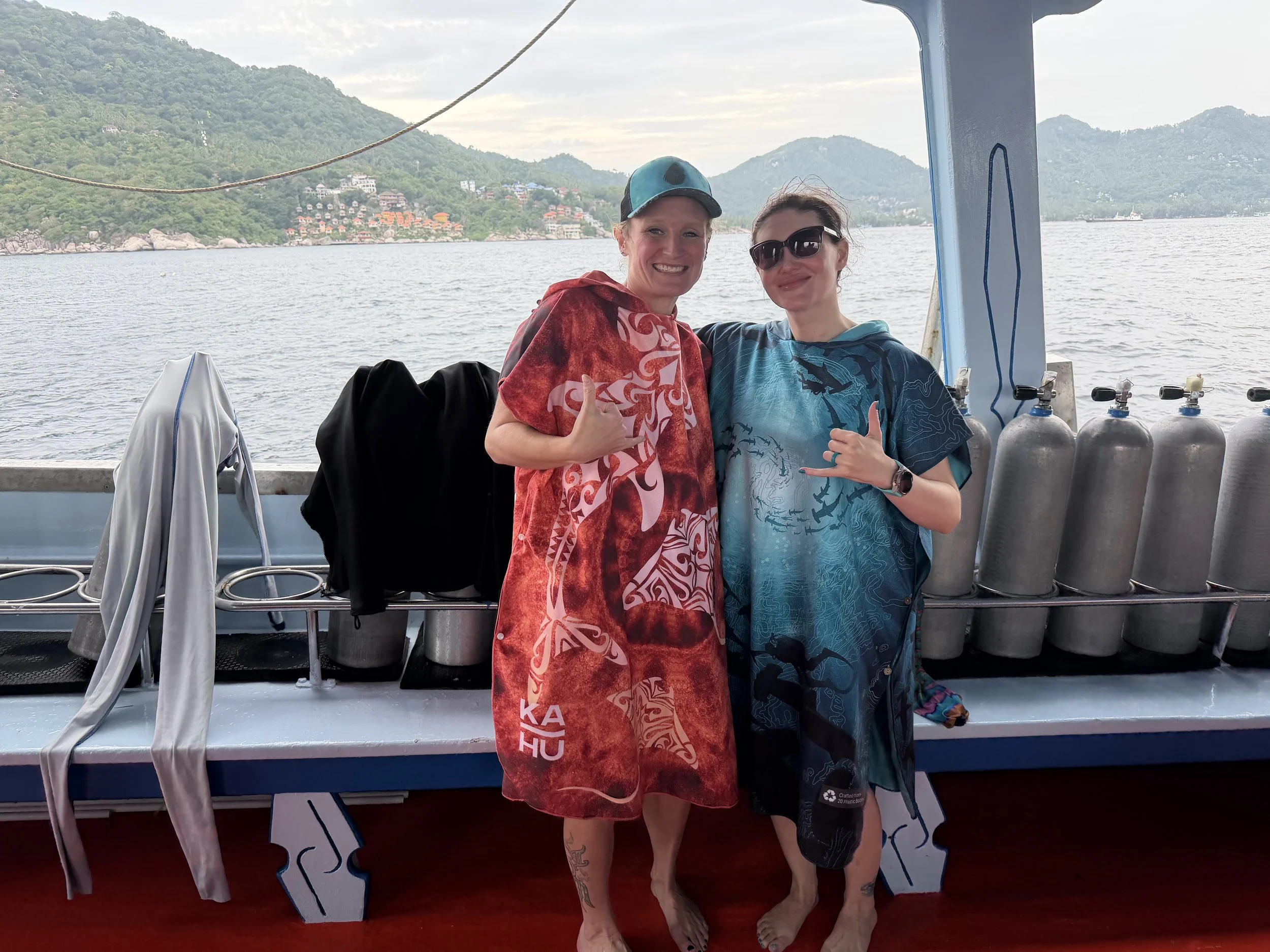
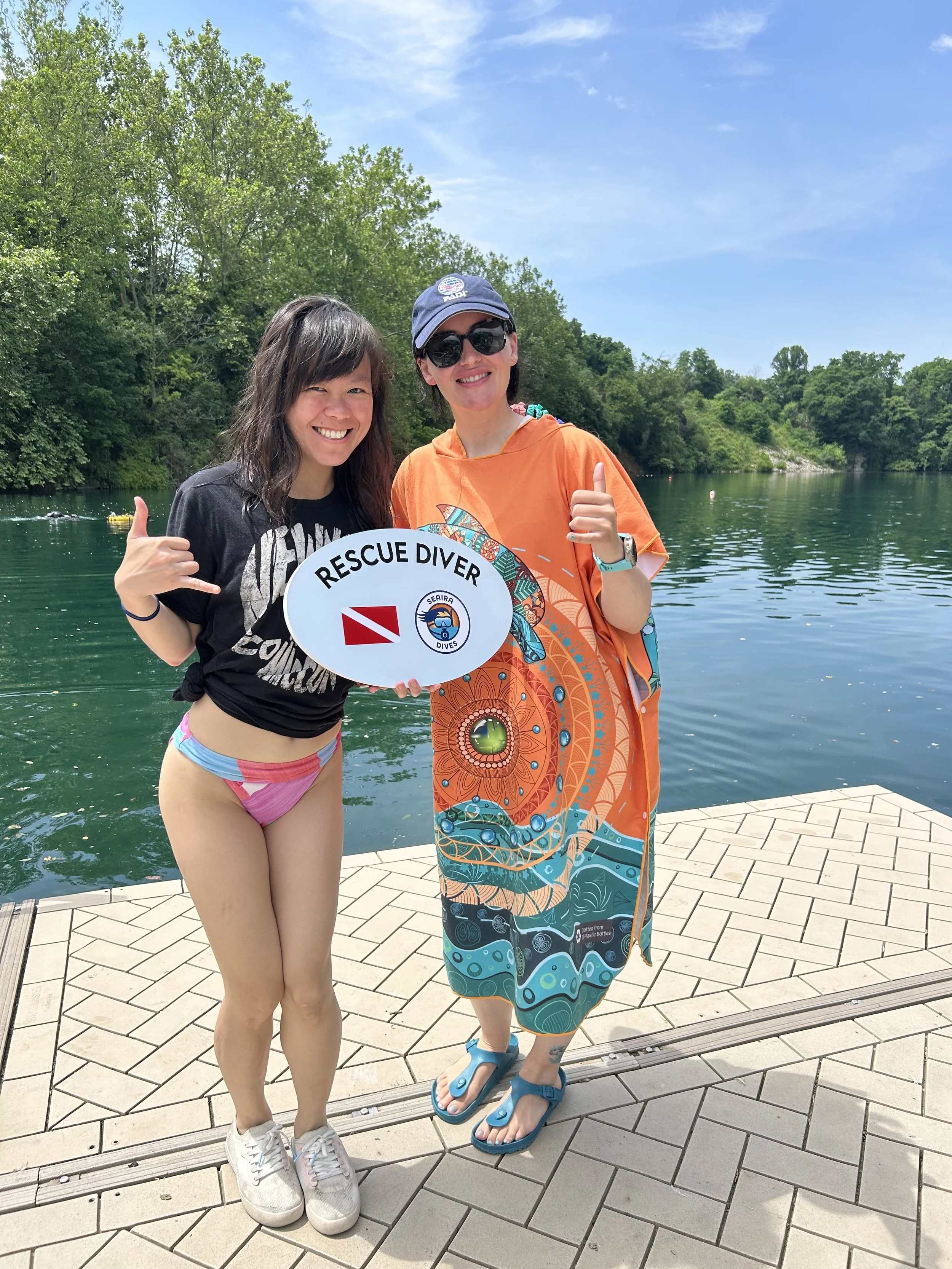
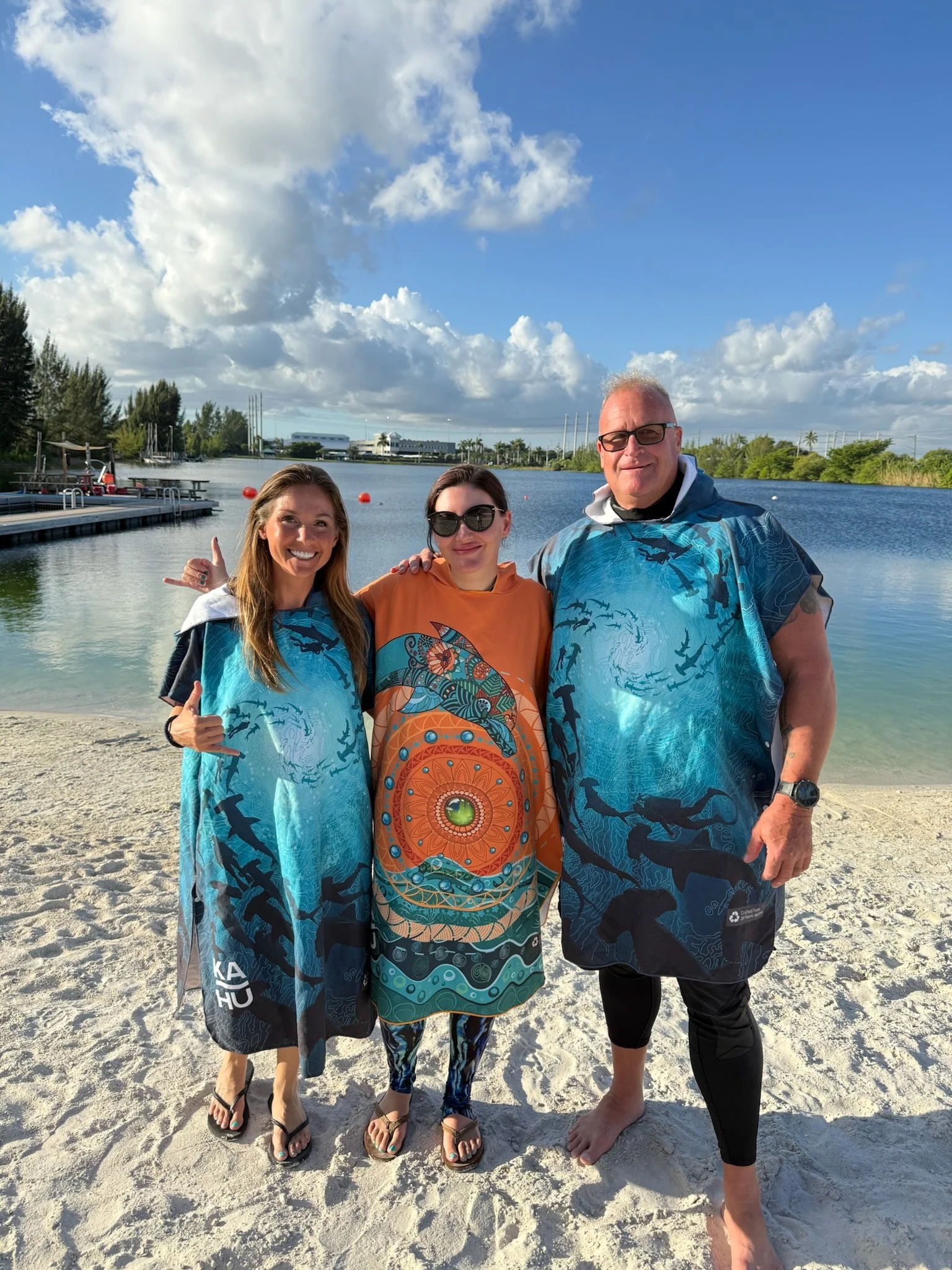
The Kahu poncho towel is one of those simple pieces of gear that ends up getting used constantly. It’s designed with divers in mind, but it’s also useful for a lot of other outdoor and travel situations.
It functions as both a towel and a changing cover, which makes it especially useful on boats and beaches. I usually throw it on right after a dive while I’m taking off my wetsuit and breaking down gear. It provides coverage for changing, keeps me warm during surface intervals, and works as an actual towel to dry off.
The material is lightweight and absorbent without feeling bulky. That’s important when packing for dive trips, because it doesn’t take up much space in a bag and doesn’t get heavy when wet. It also dries quickly between dives, which means I’m not putting on something cold or soaked for the next dive of the day.
It’s also warmer than a standard towel, which makes a difference on windy boats or cooler surface intervals, but still breathable enough to wear in warmer conditions without feeling overheated. The cut allows you to move around easily, which is helpful when carrying tanks, climbing ladders, or walking back to the dock.
While it’s designed with divers in mind, it’s very multi-use. It works just as well for snorkeling days, freediving, paddleboarding, swimming, camping, or even just hanging out at the beach. I’ve used it as a changing towel, a cover-up, and a quick layer after getting out of the water.
One interesting side note: the founder of Kahu was my Divemaster instructor, which is cool from a dive-industry perspective, but what matters most to me is that the product itself is genuinely useful and well thought out for people who spend a lot of time in and out of the water.
It’s one of those items you don’t think much about until you use it, and then it just stays in your kit because it makes dive days easier.
You can get 10% off with my code: seaira_dives

Gear Bags
Having the right bag makes a huge difference when you’re moving wet, sandy, salty gear day after day. I use two main bags depending on how much gear I’m carrying and how I’m traveling.
Stahlsac Bonaire Mesh Backpack
The Stahlsac Bonaire Mesh Backpack is my go-to when I need to carry everything. At 142 liters, it holds a full kit easily — BCD, fins, wetsuit, boots, mask, and accessories — without feeling like I’m trying to cram things in.
What I really like about this bag is the backpack-style carry. It distributes the weight better than a single-strap bag, which matters when you’re walking across docks, beaches, or resort grounds with a full load of gear. The mesh construction lets water drain and air flow through, so wet gear doesn’t sit in a sealed, smelly environment.
It’s also durable enough to handle repeated trips and rough use without feeling flimsy. For boat diving, shore diving, or resort setups where you’re moving your gear daily, this bag makes life a lot easier.
SCUBAPRO Sport 95 Mesh Dive Bag
The SCUBAPRO Sport 95 Mesh Dive Bag is my slightly smaller, more streamlined option. It still holds a full set of gear, but it’s easier to manage when I don’t need the giant capacity of the Bonaire.
I like the double duffel straps and adjustable shoulder strap because it gives me options for how I carry it depending on how heavy it is or how far I’m walking. The shape also works well for stacking on boats or fitting into vans and trucks without taking up unnecessary space.
Like the Bonaire, it’s mesh, so it drains well and allows gear to dry between dives. It’s a great choice for day boats, local diving, or trips where I want something a little more compact but still capable of carrying a full kit.
Regulators — Choosing What Works for You
Regulators don’t always get as much attention as wetsuits or BCDs, but they are the piece of gear you rely on for every single breath you take underwater — which arguably makes them the most important piece of equipment you own. Choosing the right regulator is about much more than brand name or price; it’s about reliability, serviceability, and how it performs in the conditions you actually dive in.
A regulator system isn’t just one piece of gear. It’s made up of several critical components working together: the first stage, which attaches to your tank and reduces high tank pressure to an intermediate pressure; the second stage, which you breathe from and delivers air on demand; your alternate air source (octo); your SPG (submersible pressure gauge); the low-pressure hose that feeds your BCD inflator (LPI); and the hoses that connect everything together. Each of these parts plays a role in how smoothly and safely your system functions.
I also always recommend choosing a first stage with at least two high-pressure ports — one for a wireless transmitter and one for an analog SPG. Even if you use a dive computer with air integration, having an SPG gives you redundancy and keeps you from relying on a single device for such critical information.
Because your regulator system is responsible for delivering air on every inhale and controlling your buoyancy through the LPI, it needs to be dependable, comfortable, and appropriate for the environment you’re diving in — whether that’s cold quarry water or warm tropical reefs. That’s why choosing and maintaining the right regulator setup is one of the most important gear decisions a diver can make.
Serviceability Where You Live and Dive
One of the most important factors when choosing a regulator is whether it can be serviced locally. All regulators require regular maintenance, and if your local dive shop cannot service your model or easily get parts for it, you may end up with long wait times, higher costs, or having to ship your gear out for routine service.
This is especially important where I dive. In Maryland and Pennsylvania, we spend a lot of time in cooler water, so I look for regulators that are designed for cold-water performance and that local technicians are trained to service with parts that are easy to source. A regulator is only as good as its ability to be maintained.
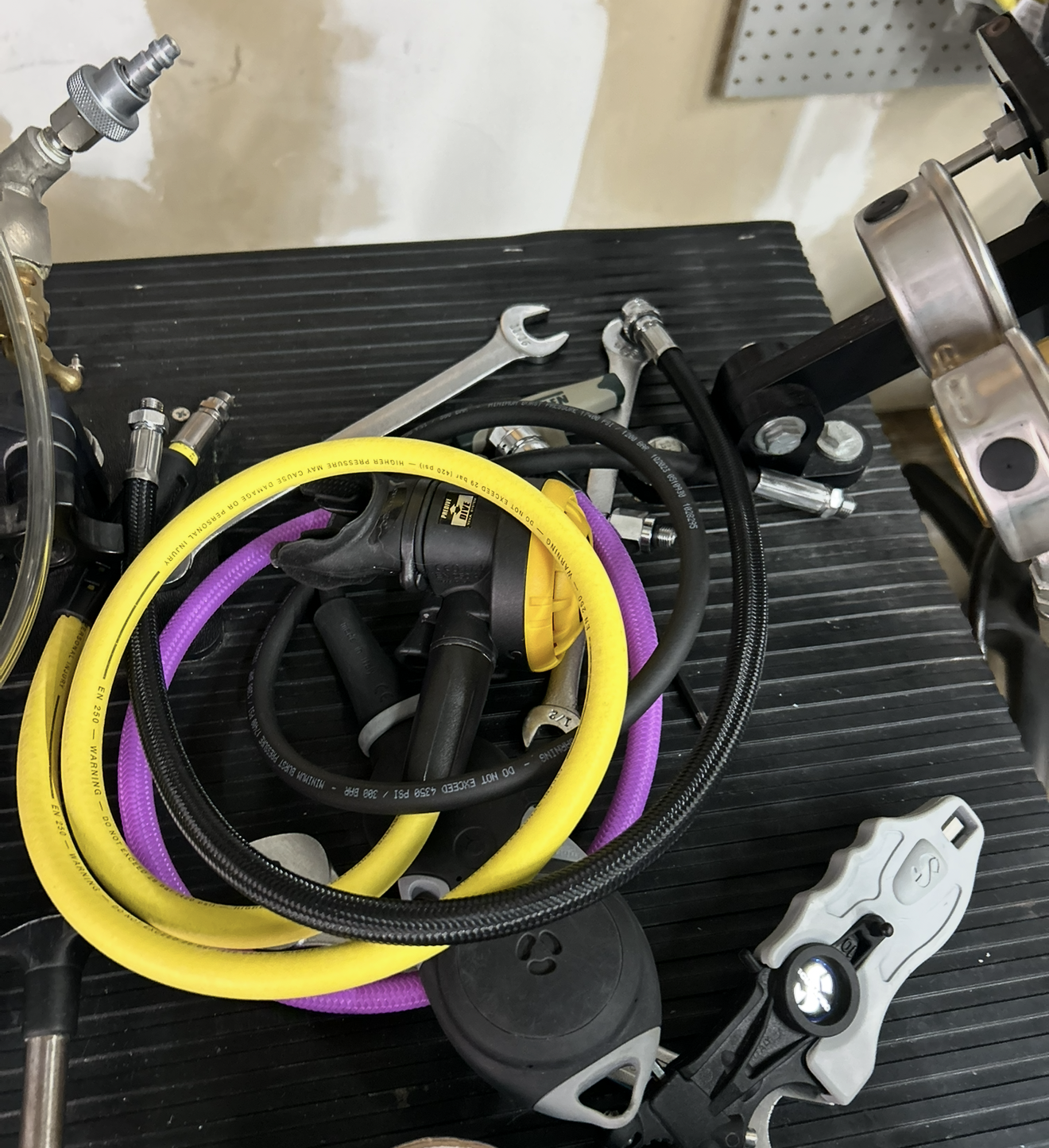
I always carry the T-2 Scuba Toolpack with me on dives so I have essential tools on hand if I need to make small adjustments or fixes.
Match the Regulator to Your Environment
Where and how you dive should influence what kind of regulator you choose.
For colder water, you want a regulator designed to handle lower temperatures and reduce the risk of free-flow. Features like environmental sealing and cold-water performance ratings become much more important when you’re diving quarries or early- and late-season East Coast sites.
For warmer water, ease of breathing and overall comfort become higher priorities, especially if you’re doing multiple dives a day. Smooth airflow and a comfortable second stage make a big difference over long dive days.
A regulator that performs beautifully in tropical water may not be the best choice for cold quarry diving, and vice versa. Your environment should drive your decision.
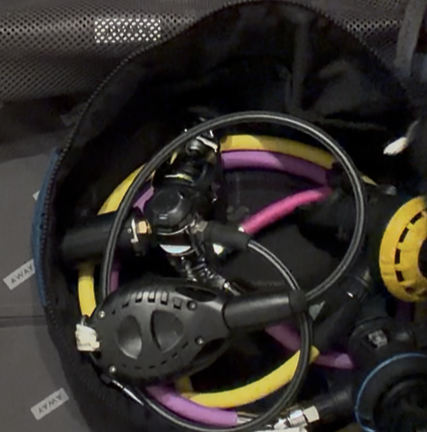
My reg set is easy to pack for travel
Comfort Matters More Than People Think
A regulator should feel natural in your mouth. Jaw fatigue is real, especially on longer dives or repetitive dive days, and this is where small upgrades make a big difference.
I always use a custom mouthpiece (see above recommendation) because it molds to your teeth and reduces how hard you have to bite down. It makes breathing feel more relaxed and helps prevent jaw soreness, especially if you tend to clench slightly while diving.
I also love using Miflex hoses on my regulator setup. They are lighter and more flexible than traditional rubber hoses, which makes them easier to pack and travel with. They also route more naturally around your body, which improves comfort and reduces tugging on the second stage while you’re diving. For both travel and everyday diving, this is one of my favorite simple upgrades.
Redundancy Still Matters
Even with a modern dive computer, I never dive without an analog SPG and depth gauge. Computers are incredible tools, but having an analog backup gives me an extra layer of awareness and redundancy underwater. It’s a habit that comes from years of diving and teaching — simple, reliable instruments still matter.
Knowing your gas pressure and depth from a non-electronic source can make a big difference if a battery dies or a screen fails, and it keeps you connected to your dive without relying on a single device.
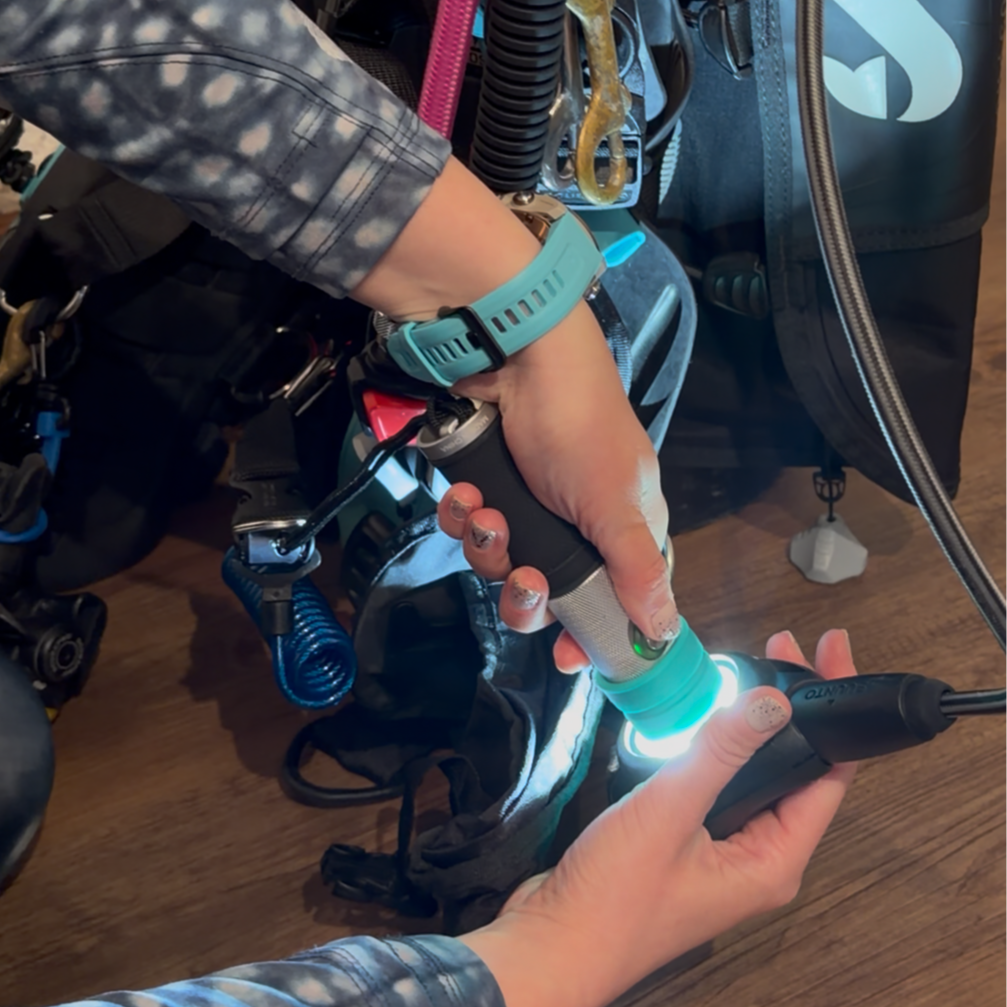
Charging my SPG for a night dive
Don’t Buy Blind
I strongly recommend not buying regulator setups blindly. What works for one diver or one environment may not be the right choice for another. Before buying, it’s worth:
Researching your local dive shop which brands and models they service regularly
Making sure parts will be available long-term
Considering where you plan to dive most often (cold water vs warm water)
Internet reviews can be helpful, but your local conditions and service options should matter just as much as what’s popular online.
How I Think About Regulators
When I choose a regulator system, I look for:
• Proven cold-water reliability
• Local service availability
• A comfortable second stage
• Miflex hoses for flexibility and travel
• A custom mouthpiece for reduced jaw fatigue
• An analog SPG and depth gauge for redundancy
I’ve shared my personal regulator and accessory recommendations in my Amazon shop so you can see exactly what I use and trust. They’re meant as guidance, not a replacement for trying gear in person or talking with your local dive shop.
The right regulator is the one that fits your diving environment, can be serviced where you live, and feels comfortable every time you put it in your mouth — because that’s the piece of gear you depend on most.
Why Women’s Gear Matters: The Importance of a Proper Fit
When it comes to scuba and dive gear, choosing equipment made specifically for women can make all the difference. While many “unisex” or “one-size-fits-all” products are designed with male body proportions in mind, they often don’t offer the best fit or comfort for women. Unisex gear can leave women dealing with excess material, restricted movement, or discomfort, especially when it comes to wetsuits, BCDs, and other essential items.
Currently, women make up around 37% of divers worldwide, and that number is steadily growing. Yet, for too long, the diving industry has focused on gear that primarily caters to male body shapes. Representation matters, especially in the gear we use. Women need equipment designed for their unique bodies—not just for better comfort, but also for improved performance and safety.
Women’s gear is thoughtfully designed to accommodate the natural curves, longer torsos, and narrower waistlines many women have. This results in better-fitting, more comfortable gear that allows for greater mobility, reduces chafing, and provides the support needed during dives. When your gear fits properly, it boosts your confidence, comfort, and safety—key components for enjoying a dive to the fullest.
Comfort while diving isn’t just a luxury; it’s essential. Gear designed specifically for women means we can dive with fewer distractions, feeling secure and supported, knowing that our equipment was made with us in mind. Investing in gear made for women isn’t just about comfort—it’s about better performance, better representation, and ultimately, a better dive experience.
Final Thoughts
When it comes to choosing dive gear, comfort, performance, and sustainability are at the top of my list. Each of these products not only meets these criteria but also enhances my overall diving experience. Whether it's the convenience of the Waterlust sunsuits, the comfort of the SCUBAPRO BCDs, the pre-dive hair care with Stream2Sea, the custom-fit mouthpiece for comfort, or the warmth of Sharkskin socks, I always feel prepared and comfortable during my dives.
I hope this blog gives you some great insights into my favorite dive gear for women. Every piece of equipment I use has been chosen for its quality, performance, and ability to make my dive experiences more enjoyable and efficient. If you’re a diver looking to upgrade your gear, these are all fantastic options to consider!
Dive safe, explore passionately, and remember…