How to Improve Air Consumption Without Turning Diving Into a Competition
Air consumption is one of the things almost every diver worries about at some point. New divers often feel embarrassed when they surface with less air than everyone else, while more experienced divers sometimes wear low air consumption like a badge of honor. Conversations on boats can quickly turn into people comparing PSI numbers instead of actually talking about the dive itself. Somewhere along the way, air consumption became something divers feel judged on.
The reality is far more nuanced than that. Air consumption varies wildly between divers for a lot of legitimate reasons. Body size, fitness, stress level, experience, current, depth, exposure protection, workload, and even simple excitement all affect how quickly somebody breathes underwater. A tall diver swimming hard in current will almost never consume air the same way as a smaller relaxed diver hovering over the reef taking photos.
Improving air consumption is absolutely a worthwhile goal. Divers should strive to become more efficient, relaxed, and aware underwater over time. Problems begin when people turn air consumption into a competition instead of treating it as part of safe dive planning. Divers who obsess over having the “best” air consumption sometimes create incredibly dangerous habits underwater.
Air Consumption Should Never Be a Competition
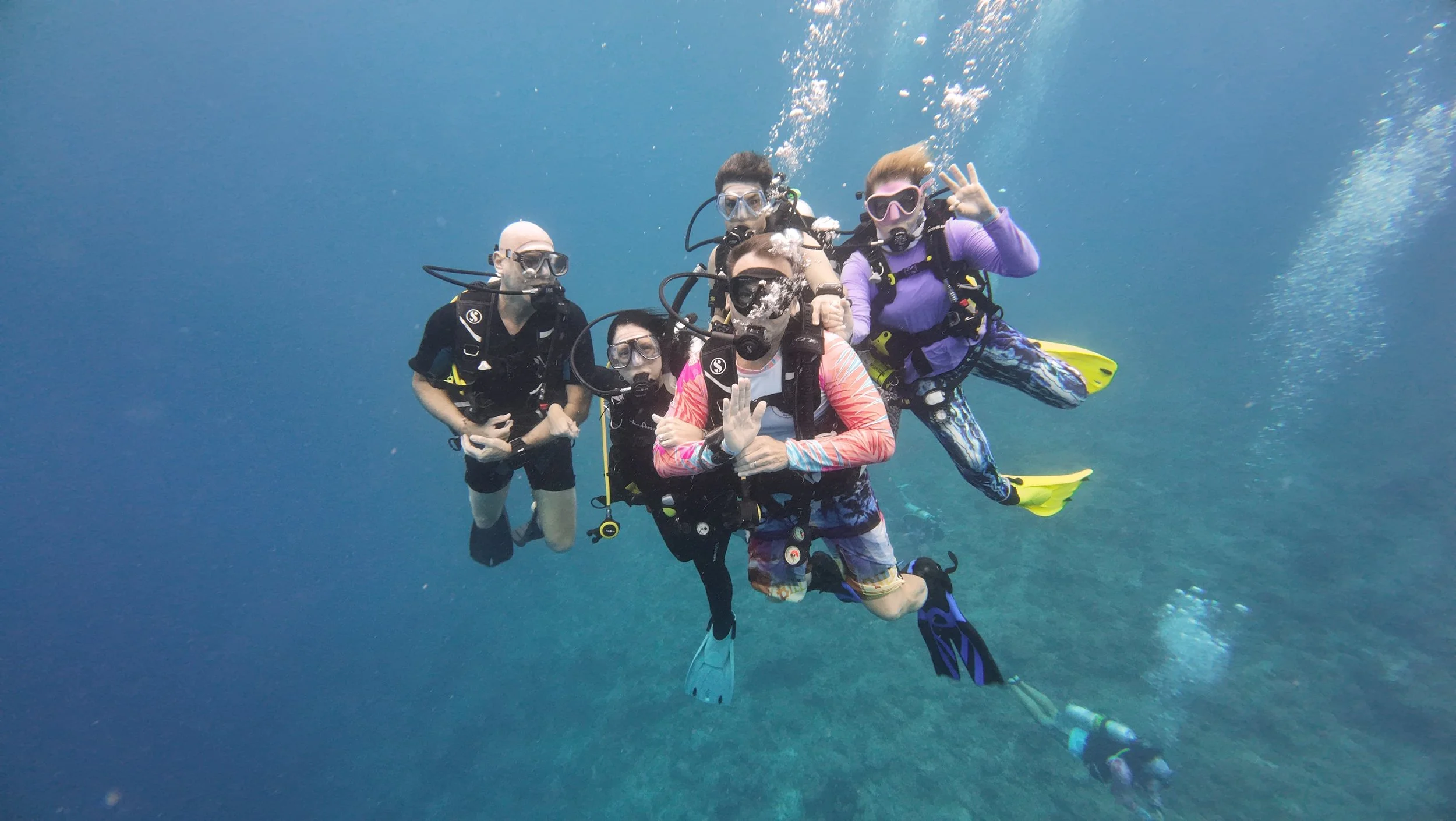
One of the most dangerous mentalities in diving is believing that using less air automatically makes somebody a better diver. Some divers intentionally skip breathing normally, underinflate their BCD, overwork themselves physically, or ignore stress signals because they want to surface with the most air left in the tank. None of those things make diving safer.
Holding breaths or intentionally limiting breathing underwater can become extremely dangerous very quickly. Divers need to breathe continuously and comfortably throughout the dive. Chasing impressive air numbers while ignoring proper breathing patterns completely misses the point of safe diving. Good air consumption comes naturally from relaxation and efficiency, not forcing the body into bad habits.
I have also seen divers pressure newer divers about their air consumption in ways that honestly damage confidence. Constant comments about “air hogs” or comparing tanks after every dive creates unnecessary embarrassment for people still developing comfort underwater. Negative buddy dynamics like that can make newer divers anxious before they even enter the water. Anxiety alone dramatically increases breathing rate and air consumption.
There is a sweet spot every diver should aim for. Divers should use air responsibly enough to safely complete the dive while still maintaining proper breathing, awareness, and comfort. Surfacing with a reasonable reserve while feeling calm and in control is the goal. Diving should never feel like a contest to see who can suffer through the least breathing.
Your Breathing Pattern Matters
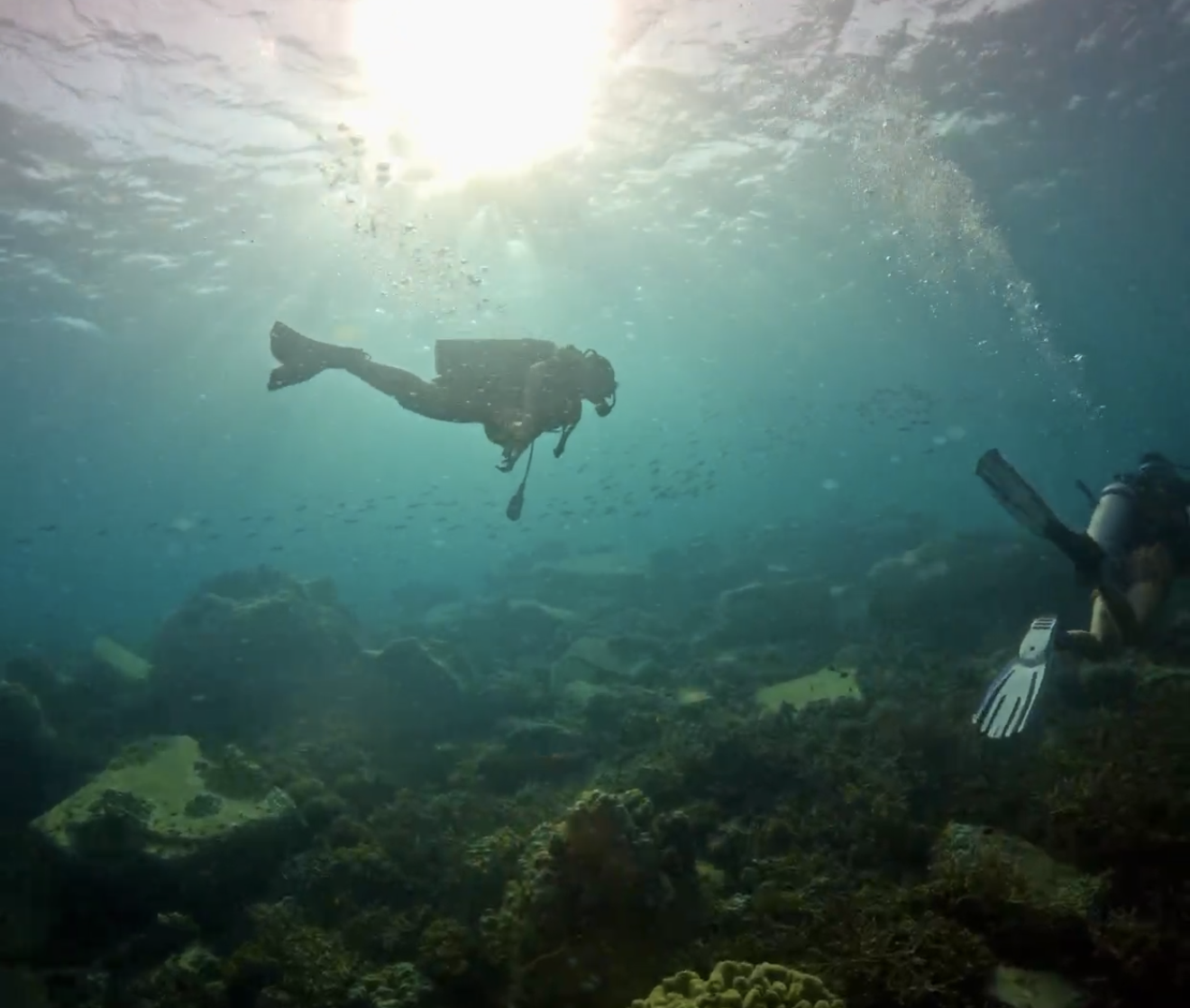
One of the biggest things that helped my own air consumption was learning how to slow my breathing down intentionally underwater. A lot of divers unconsciously take quick shallow breaths when they feel stressed, task loaded, or overstimulated. Fast breathing tends to increase anxiety even further, which then creates a cycle where breathing becomes less controlled and more inefficient. Underwater, that cycle burns through gas very quickly.
One breathing pattern I really like teaching is a slow four count inhale followed by a five count exhale. The slightly longer exhale helps signal to the nervous system that everything is okay and encourages the body to relax. Divers often do not realize how stressful mouth breathing can feel initially because humans are not naturally used to breathing entirely through a regulator. Longer controlled exhales help counter some of that stress response underwater.
Breathing rhythm matters more than people realize. Calm breathing slows heart rate, reduces unnecessary tension, and helps divers settle into the environment around them. Rapid shallow breathing often causes buoyancy instability as well because the lungs constantly expand and contract unpredictably. Slow steady breathing creates smoother buoyancy and calmer movement underwater.
The goal is never to force unnatural breathing patterns or hold breaths. Divers should still breathe continuously and comfortably at all times. Controlled breathing simply helps create a calmer physiological response underwater. Relaxed divers almost always have better air consumption than stressed divers.
Diving Is Mental Too
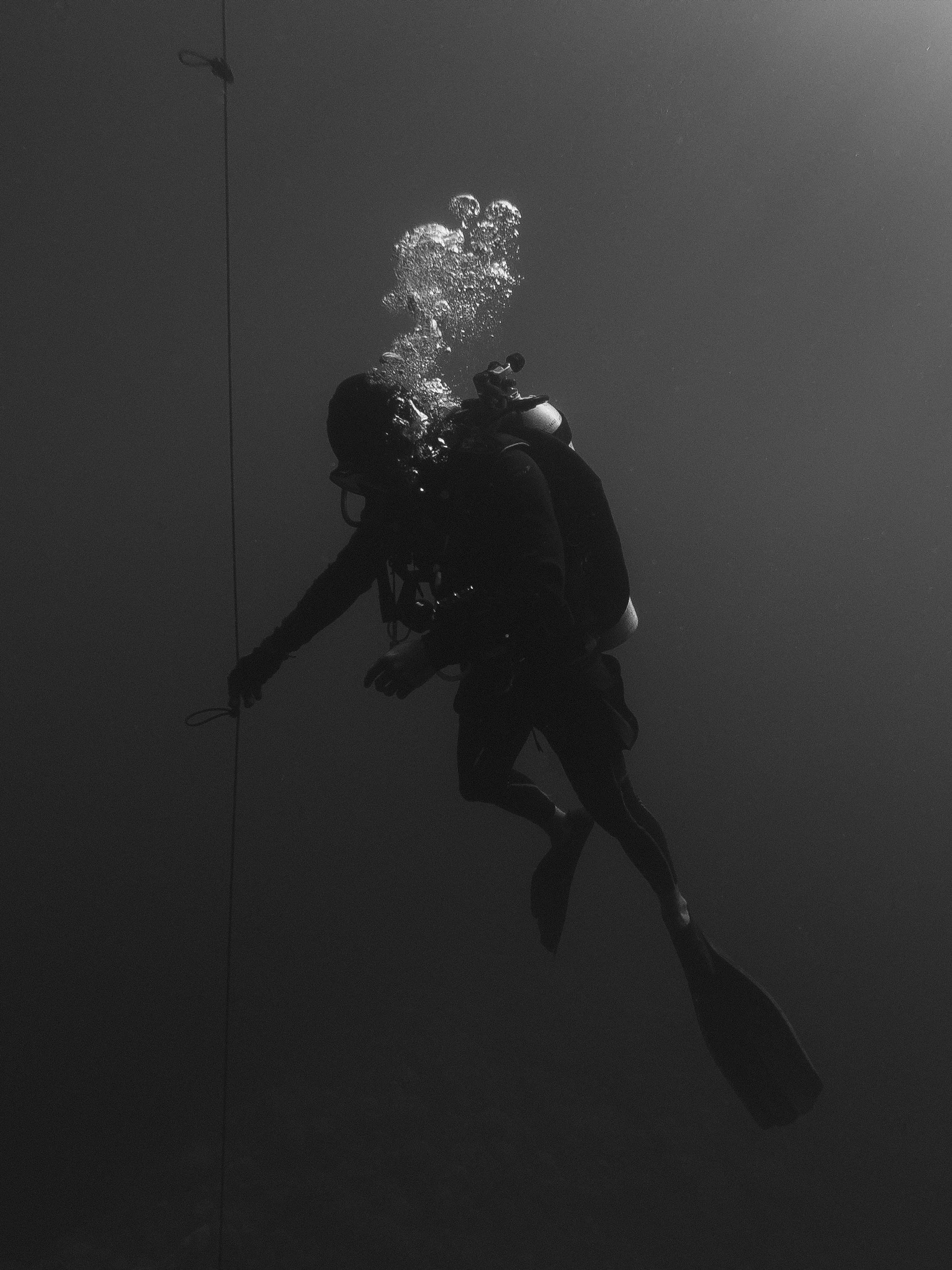
A huge part of diving is mental, and I do not think people talk about that enough. Stress, anxiety, anticipation, and overthinking can completely change how somebody breathes and moves underwater. I once had a conversation with a diver who was convinced a new wetsuit was going to drastically affect their buoyancy and air consumption before they had even entered the water.
Reality is that exposure protection does affect buoyancy, especially when changing thickness significantly. A 3mm wetsuit and a 7mm wetsuit are absolutely going to require different weighting. But a brand new 3mm wetsuit compared to another 3mm wetsuit is usually not going to create some massive change for the average recreational diver who only dives a few times a year. Over time, after hundreds of dives, wetsuits compress and lose buoyancy characteristics, but most of the dramatic “this suit is going to ruin my dive” concerns are often far more mental than physical.
The bigger issue is usually uncertainty. New gear, unfamiliar setups, different environments, or even hearing stories online can cause divers to start anticipating problems before the dive even begins. Once somebody becomes anxious, their breathing changes. They tense up, kick harder, struggle to relax, and suddenly their air consumption and buoyancy actually do become worse. Not because the wetsuit magically changed everything, but because stress changed how they were diving.
The easy solution is something divers should already be doing anyway: a proper buoyancy check anytime equipment, exposure protection, cylinders, or conditions change. A few minutes at the surface can eliminate a huge amount of uncertainty before descending.
Calm divers are usually more efficient divers. Confidence underwater should come from preparation, repetition, and good habits, not ego. Diving is incredibly physical, but the mental side of diving influences almost every skill we perform underwater.
Buoyancy and Trim Matter More Than People Realize
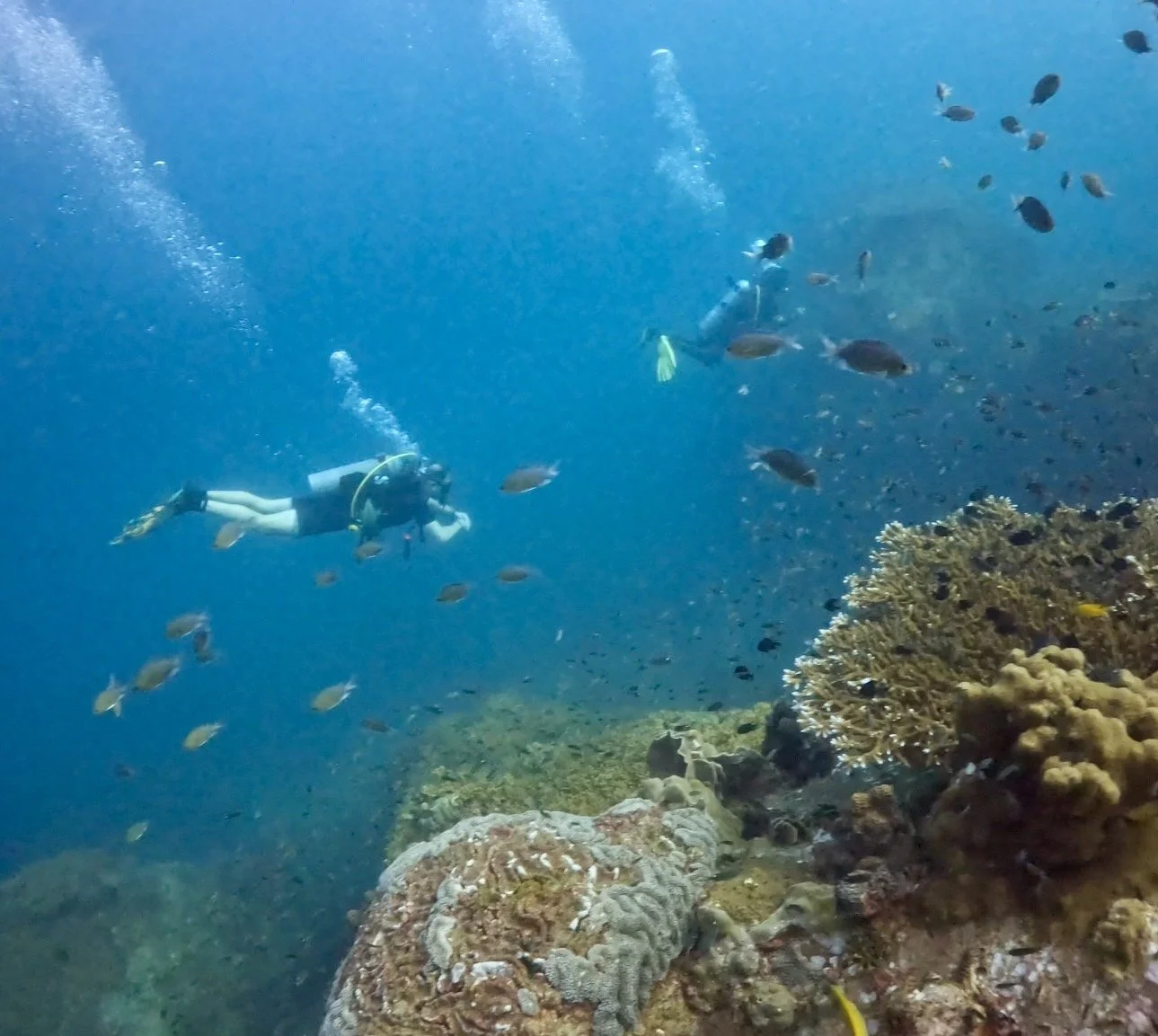
Poor buoyancy burns through air incredibly fast. Divers fighting to stay neutrally buoyant often kick far more than necessary while constantly adjusting their position underwater. Every unnecessary movement increases workload, which increases breathing rate and gas consumption. Efficient divers conserve energy because they move through the water more naturally.
Trim also plays a huge role in efficiency. Divers swimming vertically or dragging their legs through the water create significantly more resistance. Good horizontal trim allows divers to move more smoothly with less effort. Small improvements in body position can create major improvements in air consumption over time.
Weighting matters too. Overweighted divers usually need more air in their BCD, which creates additional drag and instability underwater. Excessive weight also forces divers to work harder physically throughout the dive. Proper weighting helps divers feel more balanced and relaxed while reducing unnecessary exertion.
This is one of the reasons buoyancy is such a foundational skill in scuba diving. Good buoyancy improves almost everything underwater. Divers become calmer, more environmentally aware, more efficient, and safer once buoyancy starts feeling natural.
Practice Correctly
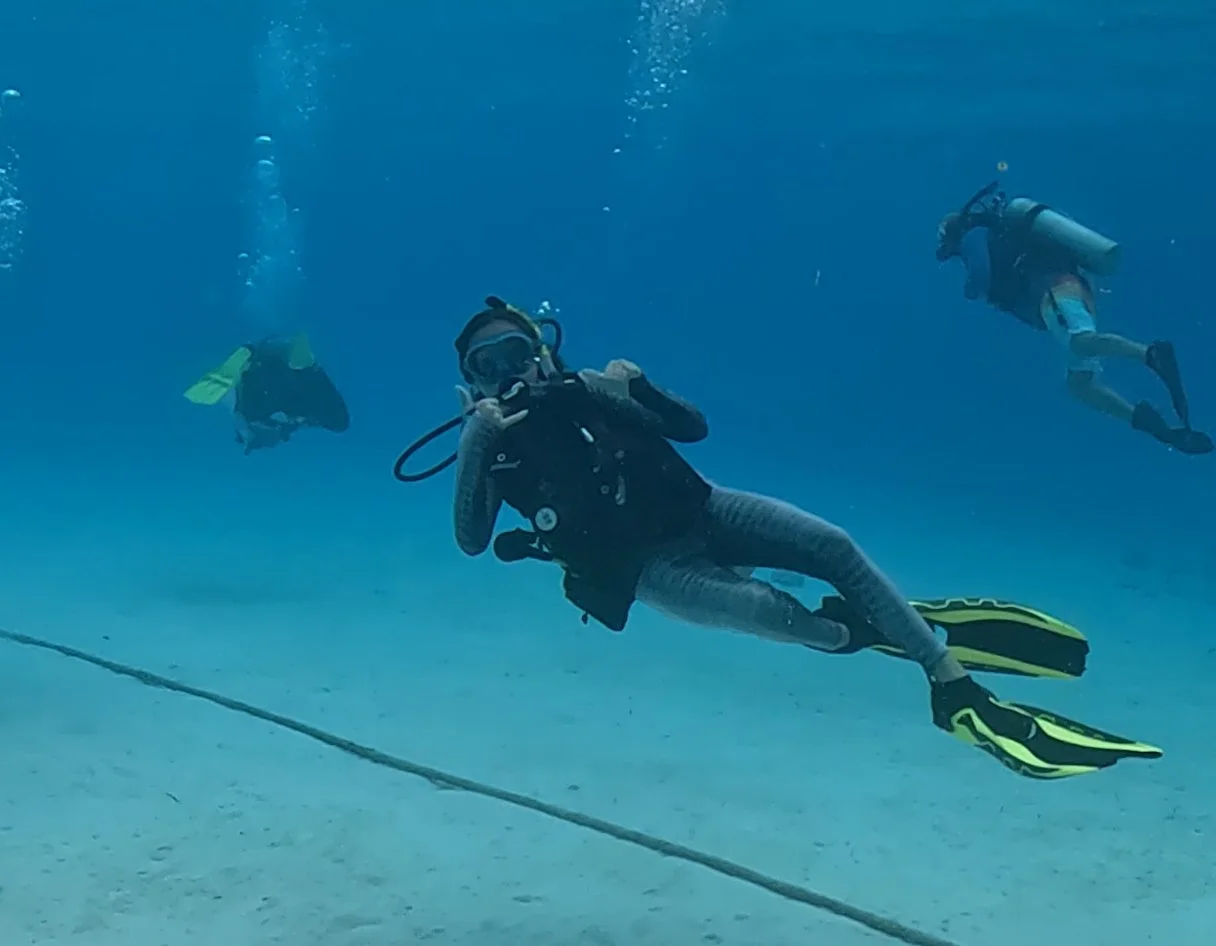
The more we dive, the better we should become underwater. Experience absolutely matters in scuba diving, but only when divers build good habits consistently over time. A phrase I use often with students is that practice does not make perfect. Practice makes permanent. Divers who repeatedly practice poor buoyancy, rushed breathing, bad trim, or inefficient movement eventually turn those habits into normal behavior underwater.
Intentional practice matters far more than simply logging dives. Divers improve fastest when they actively focus on specific skills instead of just accumulating numbers in a logbook. Working on buoyancy control, breathing rhythm, trim, awareness, and movement efficiency during every dive creates lasting improvement over time. Small corrections repeated consistently eventually become automatic.
This is also why continuing education and honest self-evaluation matter so much in diving. Even experienced divers benefit from refining skills and identifying habits that may have slowly developed over time. Nobody outgrows the fundamentals underwater. The strongest divers are usually the ones who continue practicing basic skills well long after certification cards are earned.
Your Environment Affects Air Consumption
Not every dive should produce identical air consumption numbers. Conditions matter enormously. Strong current, surge, cold water, limited visibility, heavy exposure protection, or difficult entries all increase physical workload underwater. Divers should never compare air consumption between completely different dives without considering those variables.
Depth also dramatically affects gas usage. Divers consume air much faster at deeper depths because of increased surrounding pressure. A diver may have excellent air consumption in shallow water and still move through gas quickly on a deep wreck dive. That is normal physics, not failure.
Photography can also impact air consumption in both directions. Some photographers dramatically improve their air usage because they slow down and hover calmly while observing marine life. Others burn through air quickly because large camera systems increase task loading and physical effort underwater. Awareness matters a lot once cameras enter the equation.
Even excitement changes breathing patterns. Divers encountering sharks, manta rays, dolphins, or whales often suddenly breathe much faster without realizing it. Adrenaline affects everybody differently underwater. Sometimes the coolest dives naturally lead to worse air consumption simply because people are excited.

Fitness Helps, But Experience Helps More
Physical fitness absolutely impacts air consumption underwater. Divers with good cardiovascular fitness often recover breathing control faster after exertion. Stronger fitness levels can also reduce fatigue during difficult dives or surface swims. Healthy divers generally feel more comfortable managing workload underwater overall.
Experience still tends to matter more than raw fitness alone. Experienced divers usually move more efficiently, remain calmer during stressful moments, and waste less energy underwater. Small habits developed over time create major differences in gas usage. Good divers often look relaxed underwater because many movements become automatic with practice.
Task loading also decreases significantly with experience. Newer divers may burn through air simply because they are mentally juggling too many things at once. Experienced divers generally process information more calmly and efficiently underwater. Comfort creates efficiency naturally over time.
Nobody should feel discouraged by high air consumption early in their diving journey. Almost every diver improves with time, confidence, and practice. Some people simply take longer than others to settle into comfort underwater. Diving is not a race.
Dive Your Own Dive Responsibly
One of the healthiest things divers can learn is how to stop comparing themselves to everybody else underwater. Somebody will always have lower air consumption, more dives logged, or fancier equipment. None of those things automatically make somebody safer or more enjoyable to dive with. Good divers focus on awareness, safety, communication, and comfort first.
A diver who surfaces calm, comfortable, and within safe gas reserves had a successful dive. Responsible air management matters far more than impressing people on the boat afterward. Divers should absolutely work toward becoming more efficient over time, but efficiency should never come at the expense of safety or enjoyment.
Good dive buddies also understand that everybody’s air consumption differs. Strong dive teams plan conservatively around the diver who consumes air fastest instead of pressuring somebody to “keep up.” Diving safely together matters far more than proving who breathes the least underwater.
At the end of the day, improving air consumption is really about becoming a calmer and more efficient diver overall. Better buoyancy, improved awareness, slower movement, comfort underwater, and controlled breathing all work together naturally over time. Divers who focus on those fundamentals usually see their air consumption improve without forcing it.
The goal is not to win some imaginary competition underwater. The goal is to stay relaxed, aware, and safe enough to fully enjoy the dive while responsibly managing your gas from start to finish.

Dive safe, explore passionately, and remember…