The Awkward Scuba Question: How Much Should You Actually Tip?
This is probably one of the questions I get asked most often in diving: How much am I supposed to tip?
The question usually comes quietly at the end of a dive day when everyone is trying to figure out whether they should tip the guide, the captain, the crew, the instructor, or all of the above. Add in different customs around the world and suddenly something that should be simple feels unnecessarily complicated.
Tipping in diving doesn't have one universal rule. Expectations change depending on where you're diving, the type of operation, and whether you're on a day boat, working with a private guide, or spending several days with an instructor. A lot of divers aren't sure what's expected, especially when they're new to the sport.
As someone who has worked as both a dive guide and instructor, I can also tell you that tips matter. Dive professionals should provide the same safe, professional service whether someone tips or not, but gratuities are a meaningful part of the income for many people working in this industry.
So let's make the awkward tipping question a little less awkward.
How Much Should You Tip Your Dive Guide?
For a guided dive in the United States, 15–20% of the cost of the diving is a reasonable starting point for good service. Some dive operations suggest a dollar amount per tank ($10-$20 per tank) or per dive instead, which can also work well when your total price includes rentals, park fees, transportation, or other expenses.
Outside the United States, the answer can look very different. Tipping customs vary considerably around the world, and American tipping standards shouldn't automatically be applied everywhere we travel. Some destinations commonly use smaller percentages, some have established daily amounts, and others have very different tipping cultures.
When you're unsure, ask the dive center. “What's customary for tipping the guides here?” is a completely normal question.
A good guide is also doing much more than swimming in front of you and pointing at fish. They're evaluating conditions, planning the dive, navigating, monitoring the group, keeping track of gas and time, adjusting the dive when conditions change, and watching for problems before they become bigger problems.
They're also hopefully finding the frogfish you would have swum right past.
Tip the Guide, Not the Shark
One thing I don't recommend is deciding how much to tip based on which animals you saw.
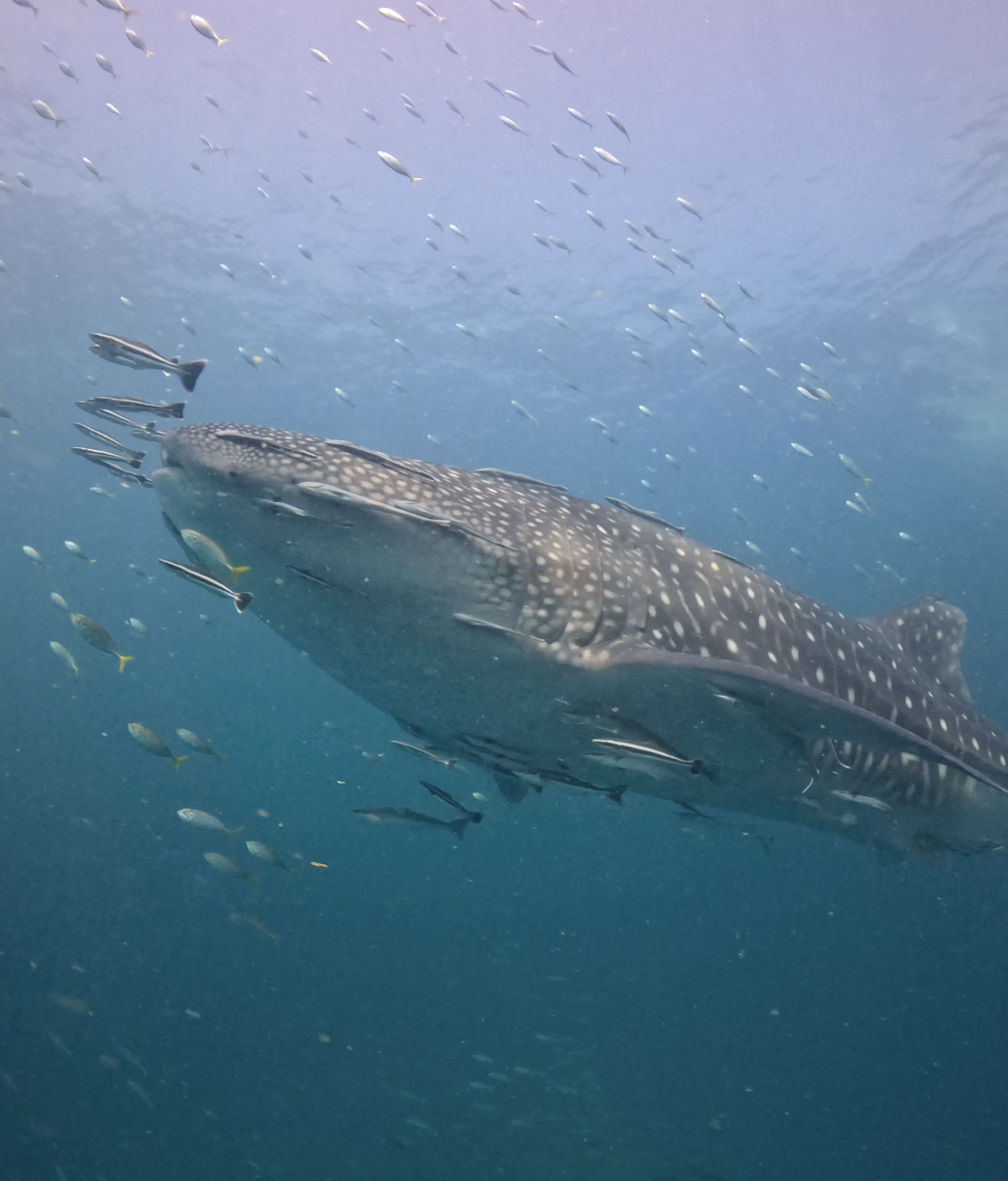
Your guide can't order a whale shark.
Wildlife is wildlife. A guide can know where an animal is commonly found, understand its behavior, and search every good hiding place on the reef, but nobody can guarantee that a manta, shark, octopus, or dolphin is going to show up for your dive.
Think about the quality of the guiding instead. Was the briefing good? Did you feel safe? Did the guide pay attention to the group? Did they know the site? Did they help you have a great dive with the conditions and marine life available that day?
A great dive isn't always the dive where the bucket-list animal shows up.
What About the Captain and Boat Crew?
This is where tipping gets confusing quickly because every dive operation handles gratuities differently.
Some boats pool tips between the captain, divemasters, instructors, and deck crew. Others separate the in-water guide from the boat crew. Some have one tip jar that gets divided among everyone working that day.
Ask whether tips are pooled before trying to divide everything yourself.
The people who make your dive happen aren't limited to whoever was underwater with you. Someone loaded the tanks, drove the boat, watched the weather, helped you back aboard, changed cylinders, filled tanks, managed gear, and got everything ready for the next dive.
A pooled tip can be the easiest way to recognize the whole team when that's how the operation is set up.
What About Your Scuba Instructor?
This is where I think many divers aren't sure what to do.
Yes, you can and should tip your scuba instructor.
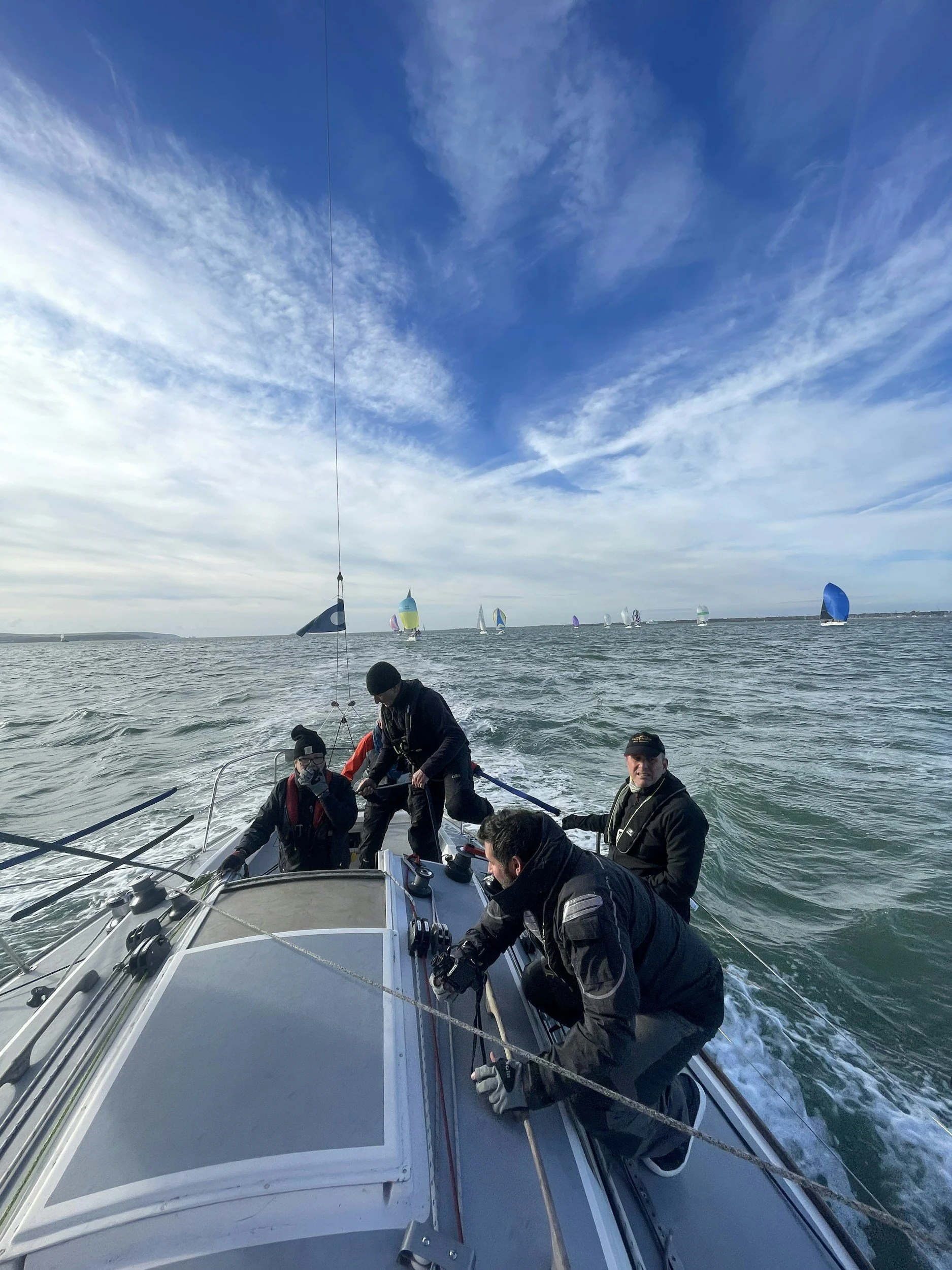
Teaching a certification course is very different from guiding a couple of dives. Your instructor may spend several days with you between logistics, academics, equipment setup, confined-water training, open-water dives, briefings, skill development, paperwork, site planning, and everything happening behind the scenes.
The biggest part of teaching, though, is figuring out what each student needs.
One person may clear their mask on the first try without thinking twice about it. Someone else may need more time, a different explanation, or several attempts before they feel comfortable. Buoyancy may click immediately for one student and take another student an entire dive to begin understanding.
A good instructor adjusts. The standards don't change, but the way we help someone reach them can.
That time and individual attention are a huge part of what you're receiving when you take a scuba course.
How Much Should You Tip Your Instructor?
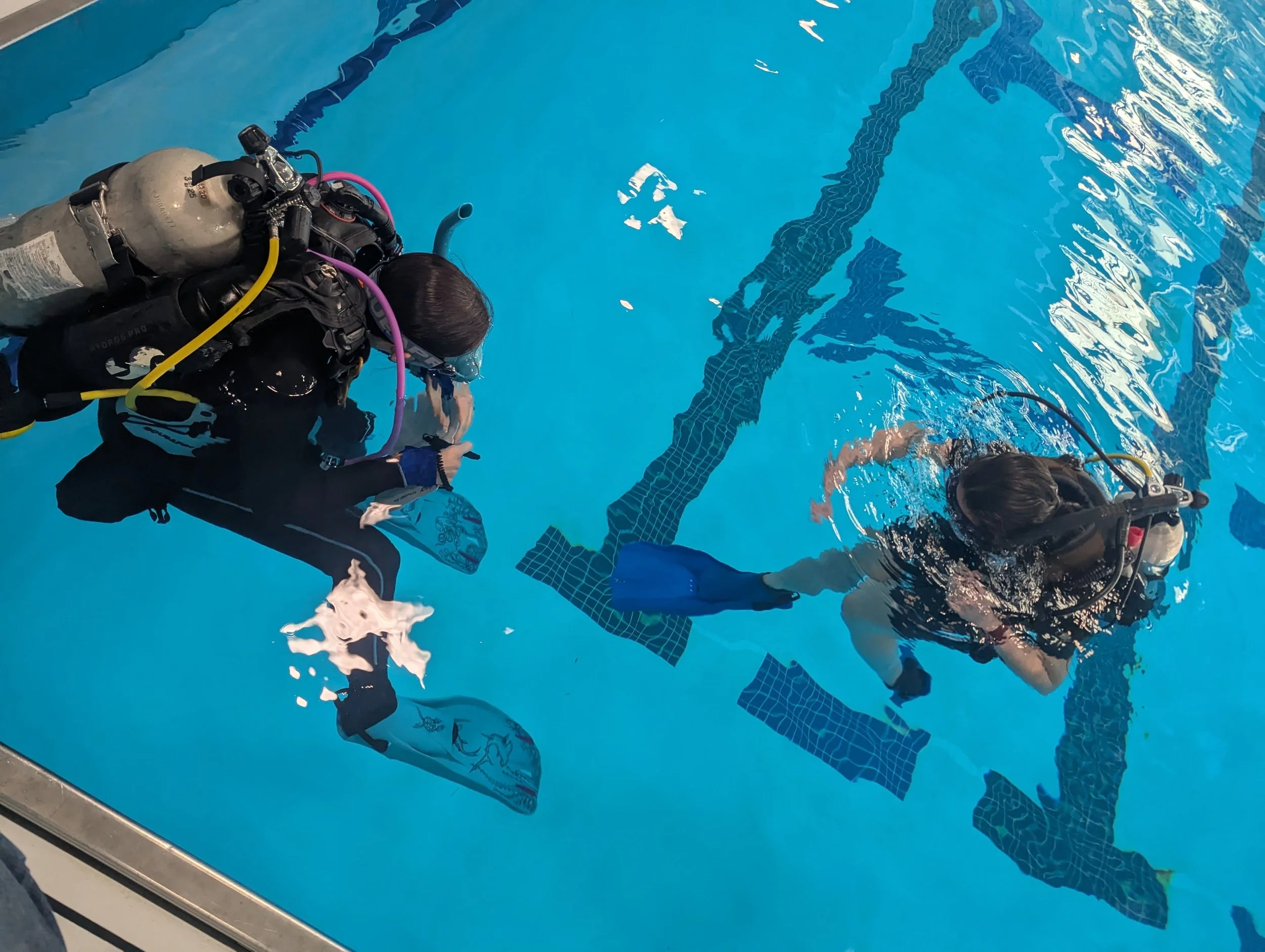
For scuba instruction in the United States, around 10–20% of the course price is a reasonable starting range for good instruction, but I wouldn't get overly focused on calculating the perfect percentage.
Courses vary tremendously. A Discover Scuba experience isn't the same as a multi-day Open Water course. A private course is different from a larger group course. Professional-level training can involve weeks of work rather than a couple of days.
Think about the experience you received. Did your instructor spend extra time helping you with something? Did they make you feel comfortable without lowering the standards? Did they explain a skill in three different ways until one finally made sense? Did you finish the course feeling safer and more confident underwater?
Those are the things I would consider.
For a multi-day course, tipping at the end generally makes more sense than trying to tip after every session.
“But I Already Paid for the Course”
Scuba courses can be expensive, so I understand why this question comes up.
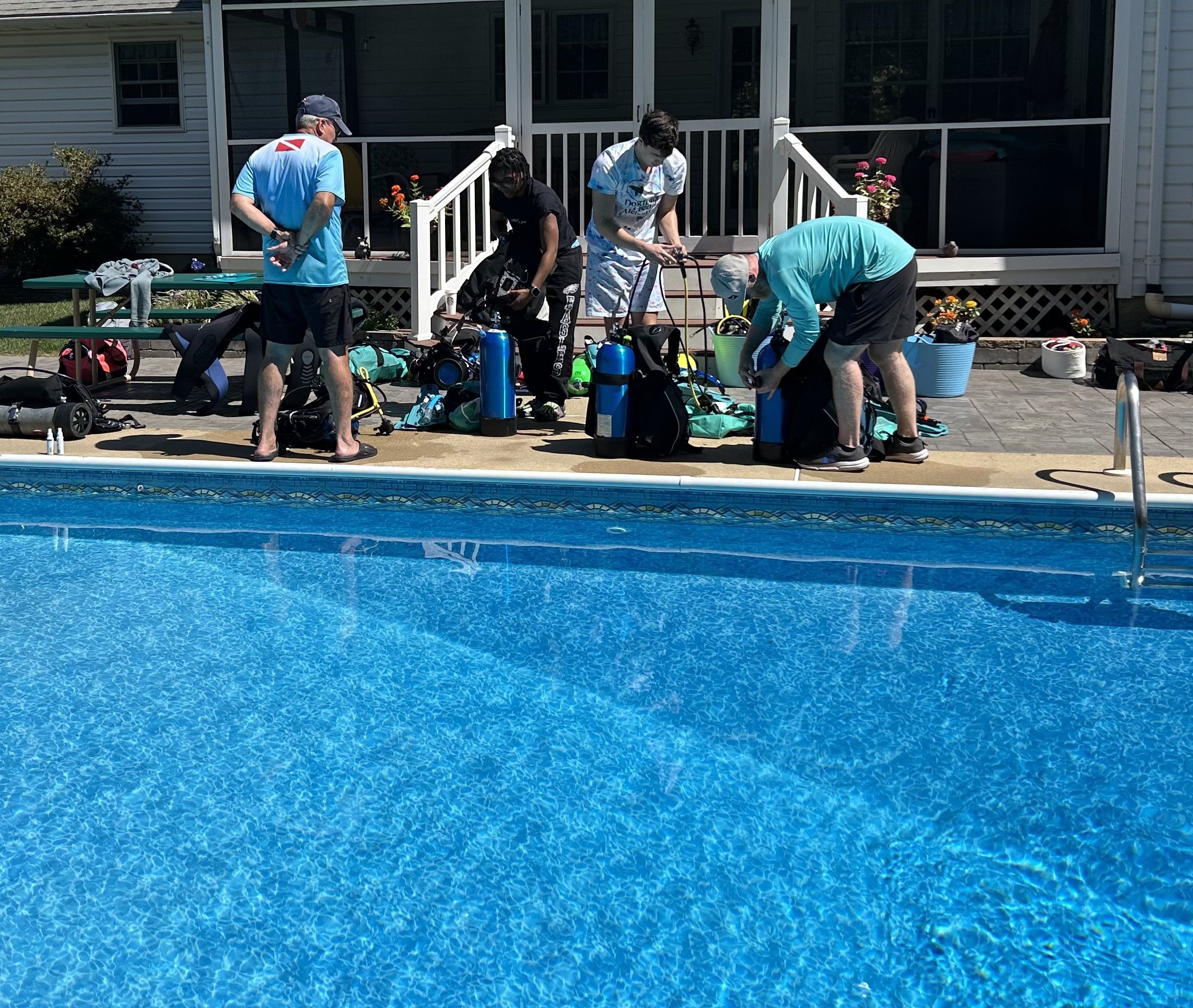
What a student pays for a course and what an instructor earns from teaching that course are two very different numbers. Course prices can include training materials, certification fees, tanks, boats, pool or facility use, rental equipment, insurance, shop overhead, and plenty of other costs.
Dive professionals are also compensated in very different ways. Some are paid hourly, some per dive, some per student or course, and others work under different arrangements depending on the operation and destination.
Tips can make up a meaningful part of a working dive professional's income.
That doesn't mean anyone should ever receive a different level of safety or instruction based on whether they're expected to tip. Professionalism comes first. A gratuity is recognition for the service someone provided, not payment for being kept safe.
A Tip Doesn't Buy a Certification
One point matters enough to say clearly: never tip an instructor because you expect to be certified.
Certification means you've met the performance requirements of the course. Money, vacation schedules, and gratuities don't change those requirements.
Sometimes good instruction means telling a student they need more time. Another pool session or another dive may not be what someone wants to hear, especially when they're on vacation, but signing a certification card means the instructor is saying that person has met the requirements of the course.
Tip the quality of the instruction, not the certification card.
Private Guides and Private Instruction
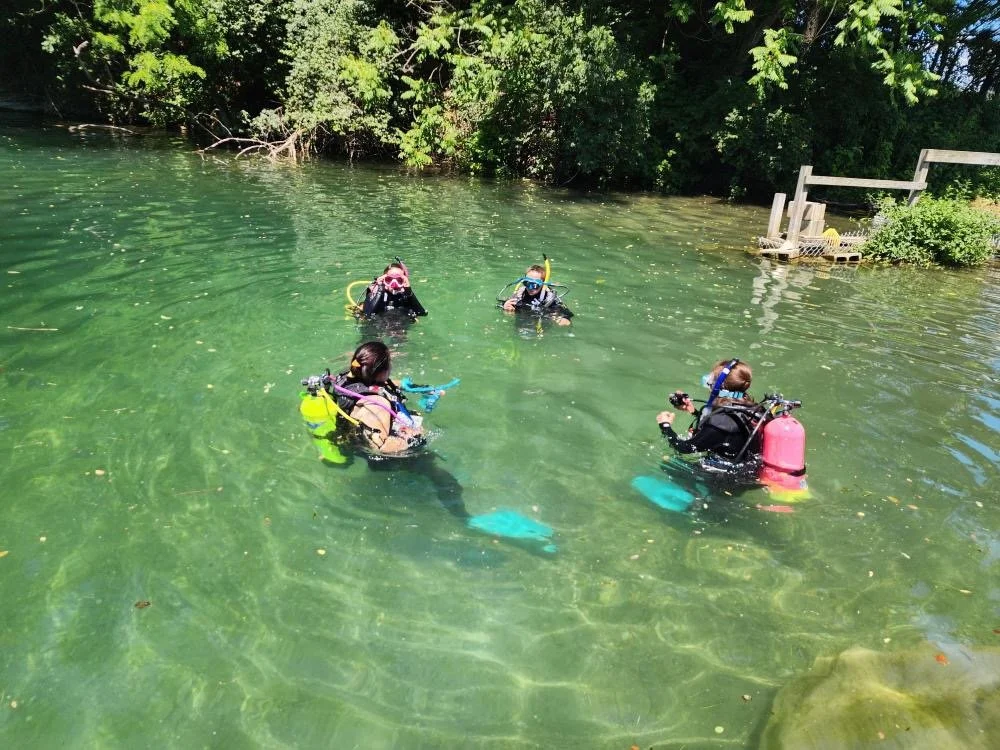
Private diving is a little different because one professional is dedicating their attention specifically to you or your small group.
A private guide may tailor the dive around your interests, experience, photography goals, or pace. Private instruction gives the instructor much more opportunity to adjust the course around one student's learning style and spend additional time where it's needed.
When someone has provided exceptional individual service or gone well beyond what you expected, a larger gratuity may feel appropriate. Local customs still matter, but recognizing that extra effort is always appreciated.
Cash or Card?
Cash is usually the easiest option, especially when traveling internationally, but plenty of dive operations can add gratuities to a credit-card transaction or use other payment methods.
Ask before the end of the trip. Finding out whether tips are pooled, which currency is preferred, and how gratuities are distributed can save a lot of last-minute scrambling.
International travel makes the currency question especially important. The easiest currency for you to carry isn't necessarily the easiest currency for the local crew to use or exchange.
What I Tell Divers Who Ask Me
My biggest advice is to budget for tips when you're budgeting for the diving, especially when traveling somewhere where tipping dive professionals is customary. Waiting until the last day can make a gratuity feel like an unexpected expense rather than part of the overall trip budget.
For guided diving in the United States, 15–20% is a reasonable starting point for good service. For scuba instruction, 10–20% of the course price is a useful starting range, adjusted for the type of course and experience you received. Internationally, ask what is customary at your destination rather than assuming the same percentages apply everywhere.
Don't stress about finding the perfect number either. Most dive professionals aren't standing there calculating whether you tipped exactly 17.6%.
We remember the divers who appreciated the work.
The guide who found your first frogfish, the instructor who stayed patient while you worked through a skill that scared you, the divemaster who remembered your weights the next morning, and the crew member who had your next tank ready before you even got your wetsuit back up are all part of the experience you're tipping for.
For many dive professionals, gratuities are a meaningful part of making a living doing a job we love.
A tip is a simple way of saying you noticed.
Dive safe, explore passionately, and remember…