
New Year, New Reefs: Why We're Heading to Raja Ampat!
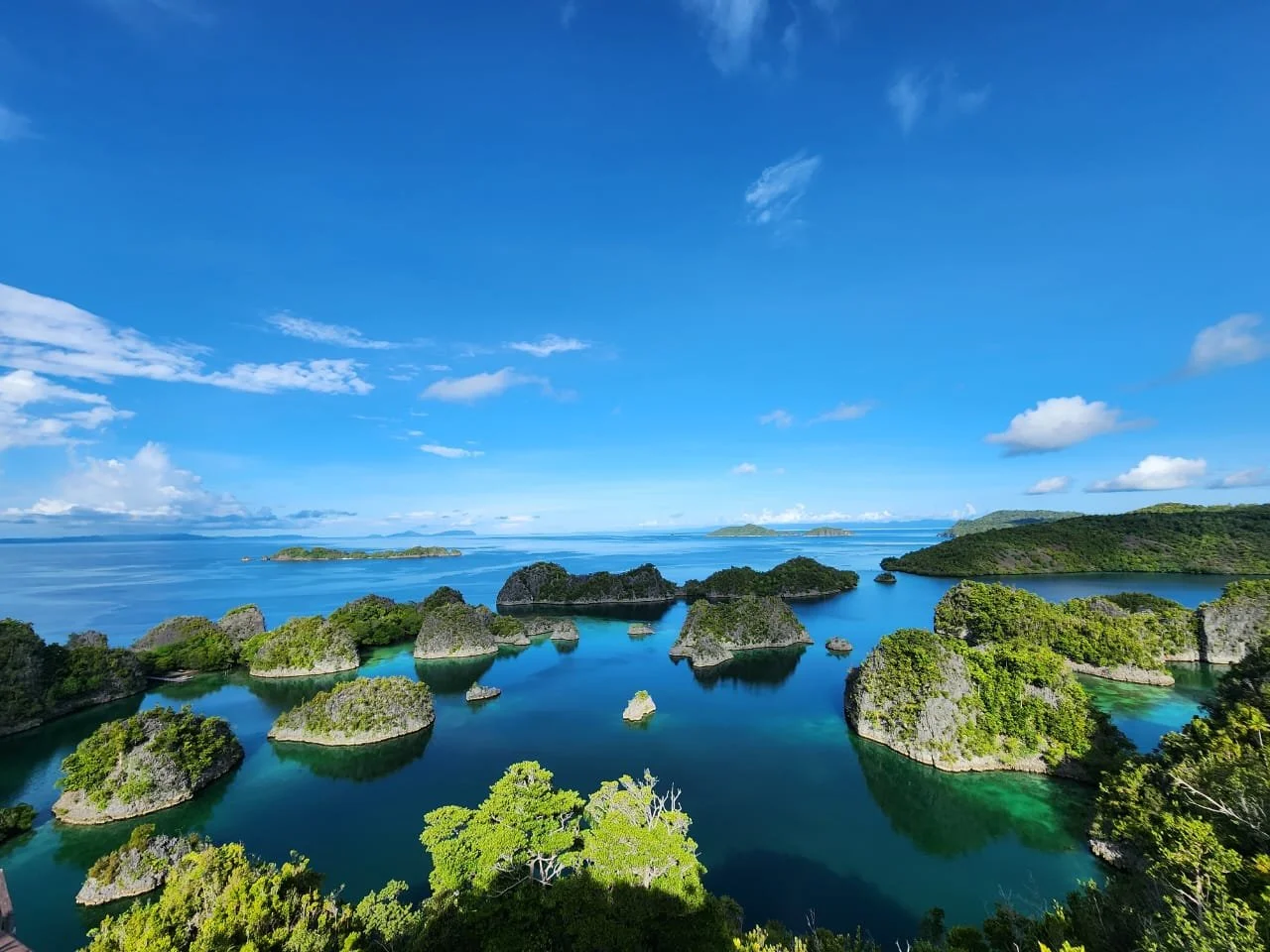
Of all the places we could be waking up on January 1, 2028, we're choosing a little island in Indonesia surrounded by manta rays, sharks that walk, ridiculously colorful coral reefs, and some of the greatest marine biodiversity on the planet. Throw in a beachfront jungle resort, birds of paradise, a hidden turquoise river, and unlimited house reef diving, and I think we've got ourselves a pretty spectacular way to welcome the New Year.
Celebrating New Year's somewhere around the world has become a bit of a Seaira Dives tradition. We've celebrated in Curaçao, welcomed the New Year with a jungle party in Thailand, and had some absolutely fantastic adventures together. This time, we're taking things to an entirely different level with eight nights in Raja Ampat, Indonesia, from December 28, 2027, through January 5, 2028.
I'm ridiculously excited about this trip. Raja Ampat combines so many of the things I love about traveling, from incredible wildlife and underwater photography to exploring remote destinations and sharing those experiences with a really fun group of people. The hardest part might be deciding how many extra memory cards to pack!
What's All the Fuss About Raja Ampat?
If you've spent any amount of time researching bucket list dive destinations, you've probably come across Raja Ampat. Located in Southwest Papua, Indonesia, Raja Ampat is an archipelago of roughly 1,500 islands and islets surrounding four principal islands: Waigeo, Batanta, Salawati, and Misool. The name Raja Ampat translates to "Four Kings," referring to these four islands.
Raja Ampat sits within the Coral Triangle, a region often referred to as the Amazon of the Seas due to its extraordinary marine biodiversity. More than 1,600 species of reef fish and hundreds of species of coral have been documented throughout Raja Ampat, with the region supporting approximately three quarters of the world's known coral species.
For a little perspective, consider how many destinations we visit specifically for one type of marine life. We travel to certain places for sharks, others for manta rays, and some specifically for macro photography. Raja Ampat is particularly exciting because of how much we can potentially experience within one trip. The diversity of marine habitats, combined with nutrient rich currents moving between the islands, supports an incredible abundance of life.
Anyone who has spent an entire surface interval debating whether to switch from a macro lens to a wide angle lens will understand why this destination is both incredibly exciting and slightly problematic.
Let's Talk About the Diving!
One of the things I'm most excited about is exploring the Dampier Strait, home to some of Raja Ampat's most famous dive sites. Cape Kri, Blue Magic, Sardine Reef, and Manta Sandy are just a few of the sites that have contributed to the region's reputation as an exceptional diving destination.
We're talking about enormous schools of barracuda, swirling schools of jacks and fusiliers, reef sharks, bumphead parrotfish, Napoleon wrasse, sea turtles, and coral gardens that look like someone turned the saturation up a little too high. The sheer amount of activity on these reefs is one of the things I'm particularly looking forward to experiencing.
Raja Ampat is also famous for several rather unusual marine animals, some of which I'm already mentally adding to our Raja Ampat Critter Bingo cards.
Manta Rays, Wobbegongs, and Sharks That Walk
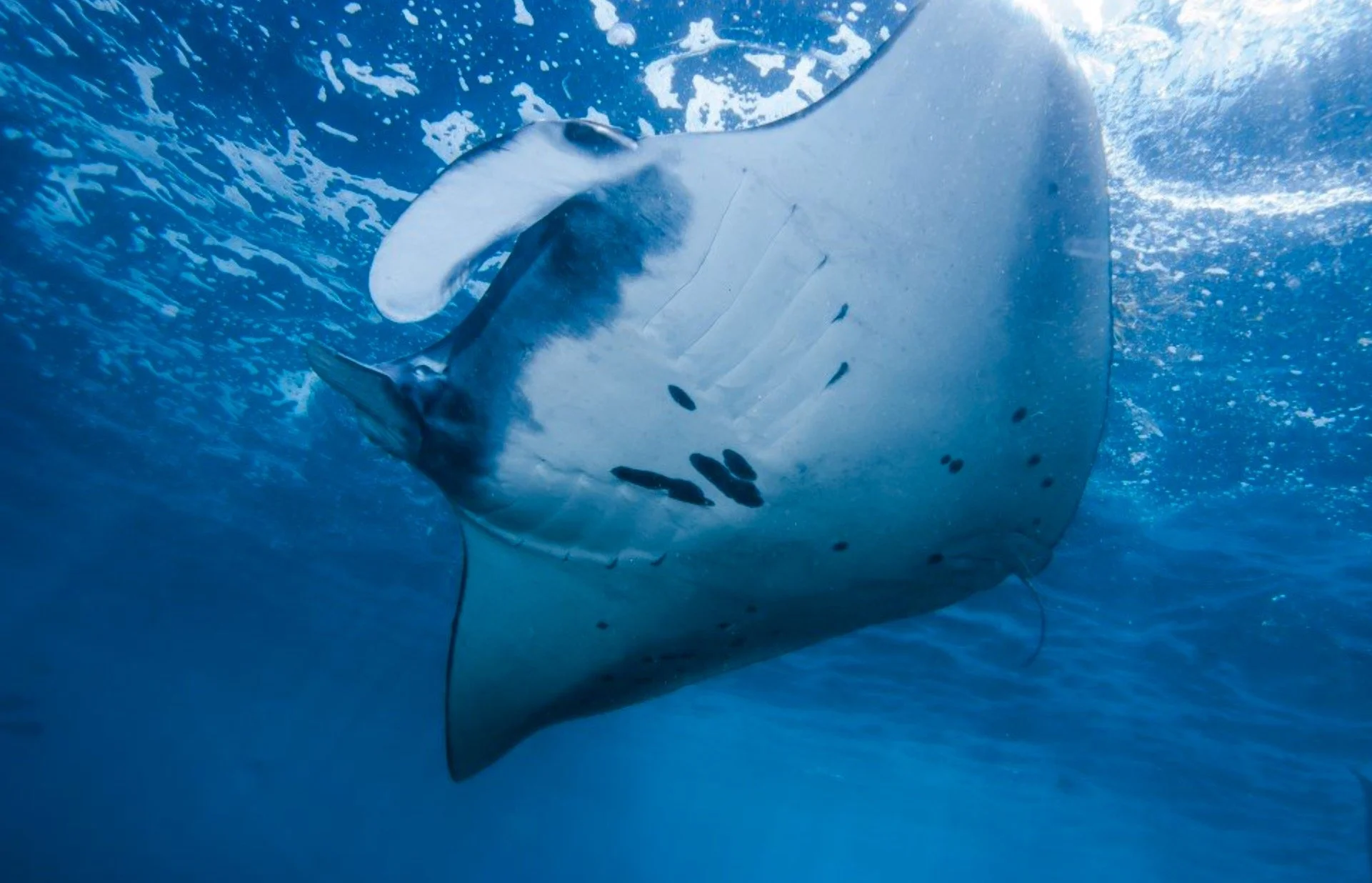
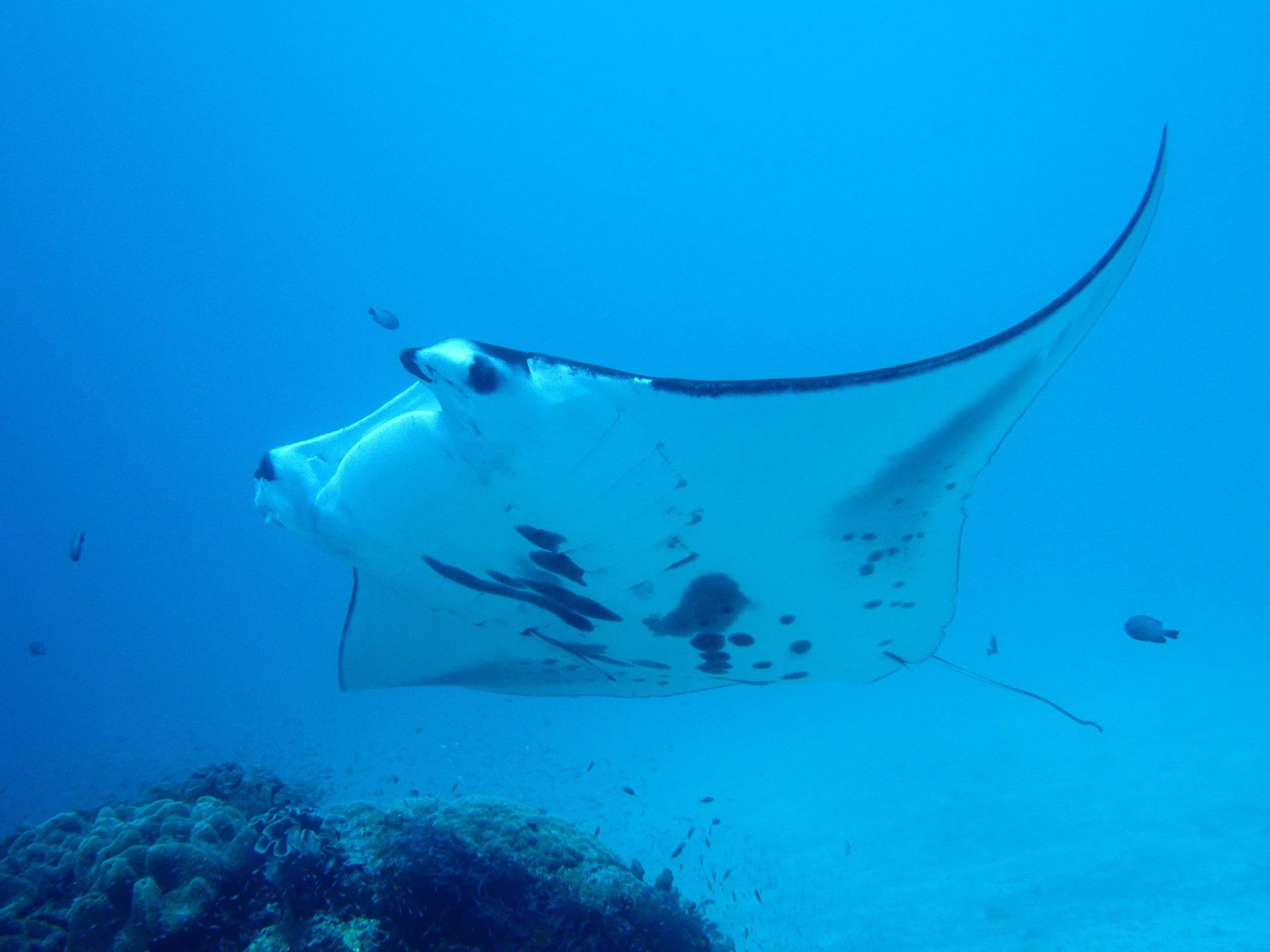
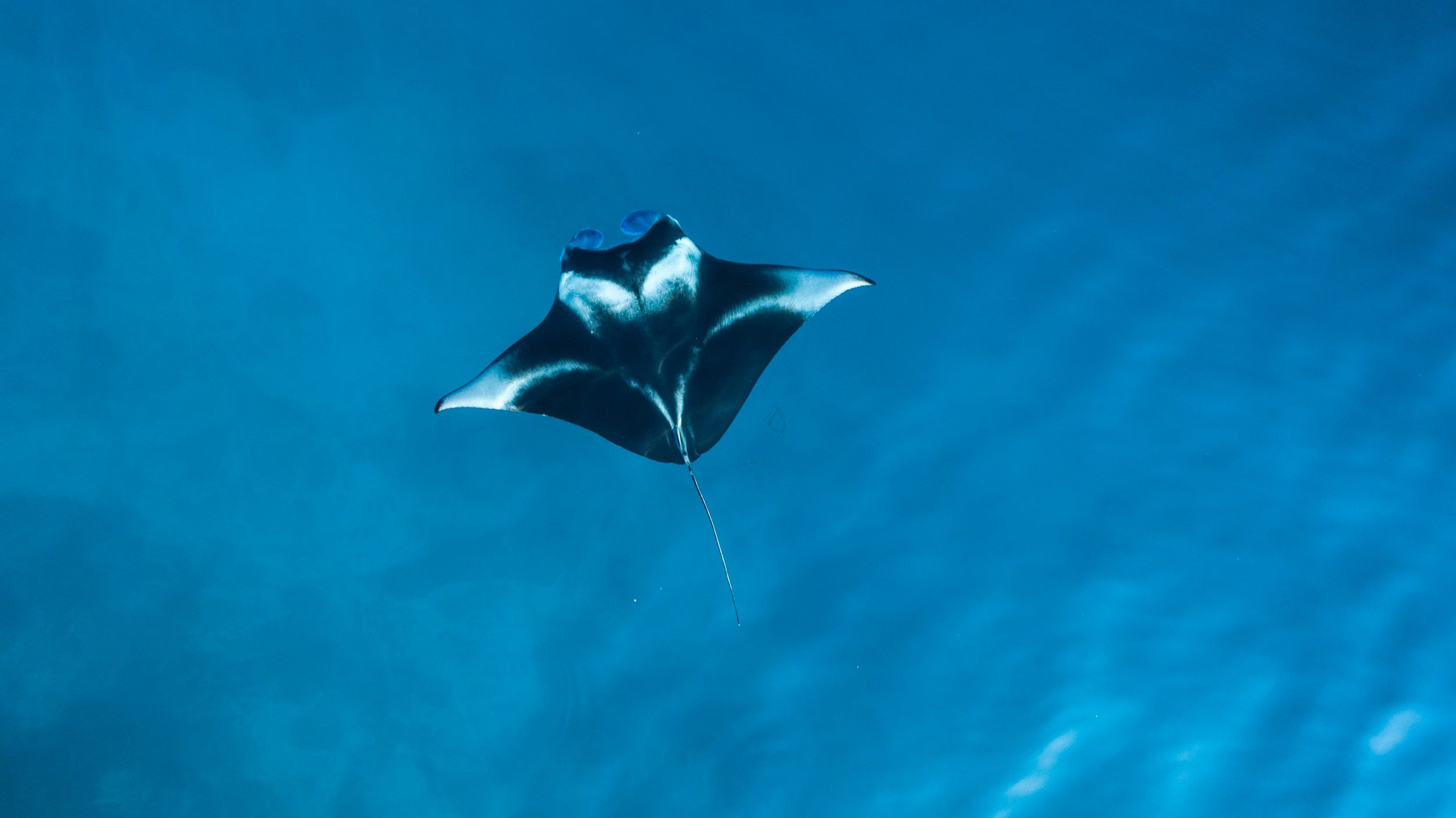
Living in Kona means I'm fortunate enough to regularly spend time with reef manta rays, but I'm incredibly excited about the potential to encounter both reef and oceanic manta rays in Raja Ampat. Watching mantas interact with one another at cleaning stations or observing their natural feeding behaviors never gets old, regardless of how many times you've encountered them.
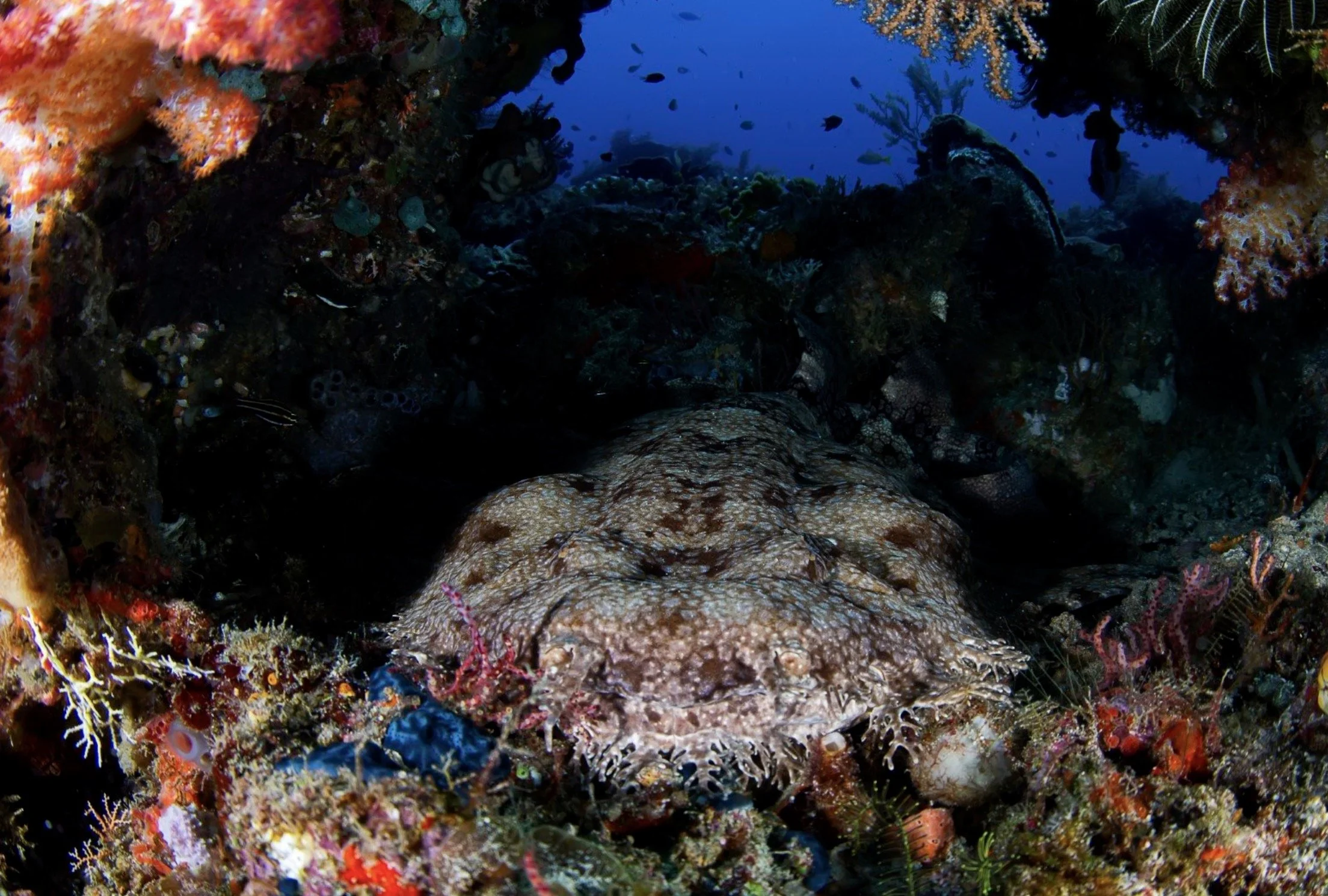
Then there are the tasselled wobbegongs. If you've never seen a photograph of one of these sharks, please do yourself a favor and look them up. Their flattened bodies, elaborate camouflage, and ridiculous little facial fringes make them look completely different from what most people imagine when they think of a shark. They're exceptionally well adapted to resting on the reef and ambushing unsuspecting prey.
Another animal I'm particularly hoping to encounter is the Raja Ampat walking shark (Hemiscyllium freycineti). These relatively small sharks use their paired fins to move across the ocean floor, navigating shallow reef environments in a rather unusual fashion. As someone who loves observing interesting marine animal behaviors, this is definitely an animal I'd love to spend some time watching.
Tiny Critters, Big Excitement
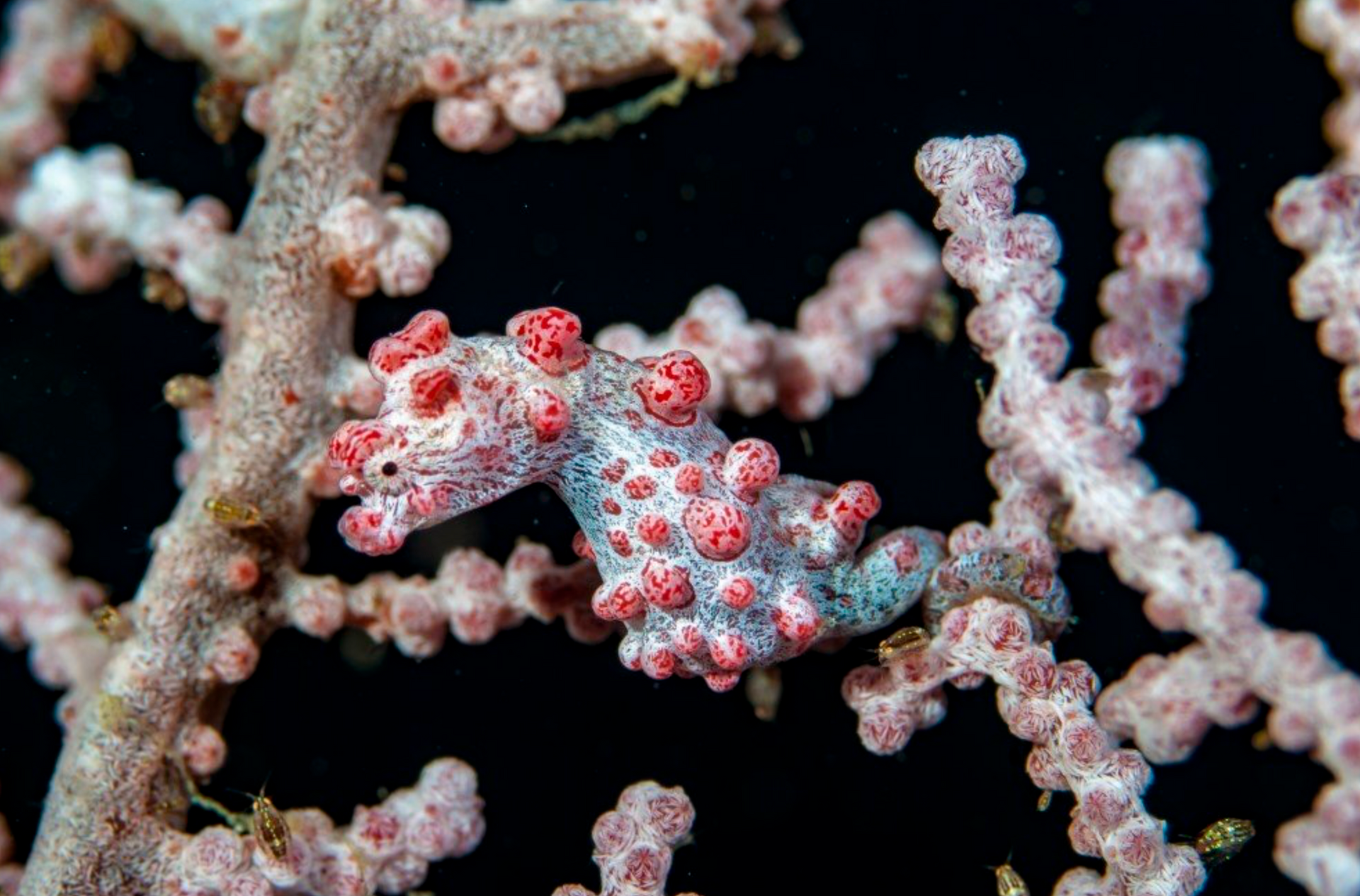
Anyone who has traveled with me knows that finding an interesting nudibranch can completely derail my dive plans. Raja Ampat has pygmy seahorses, ghost pipefish, frogfish, mantis shrimp, orangutan crabs, octopuses, and an enormous variety of other fascinating little animals.
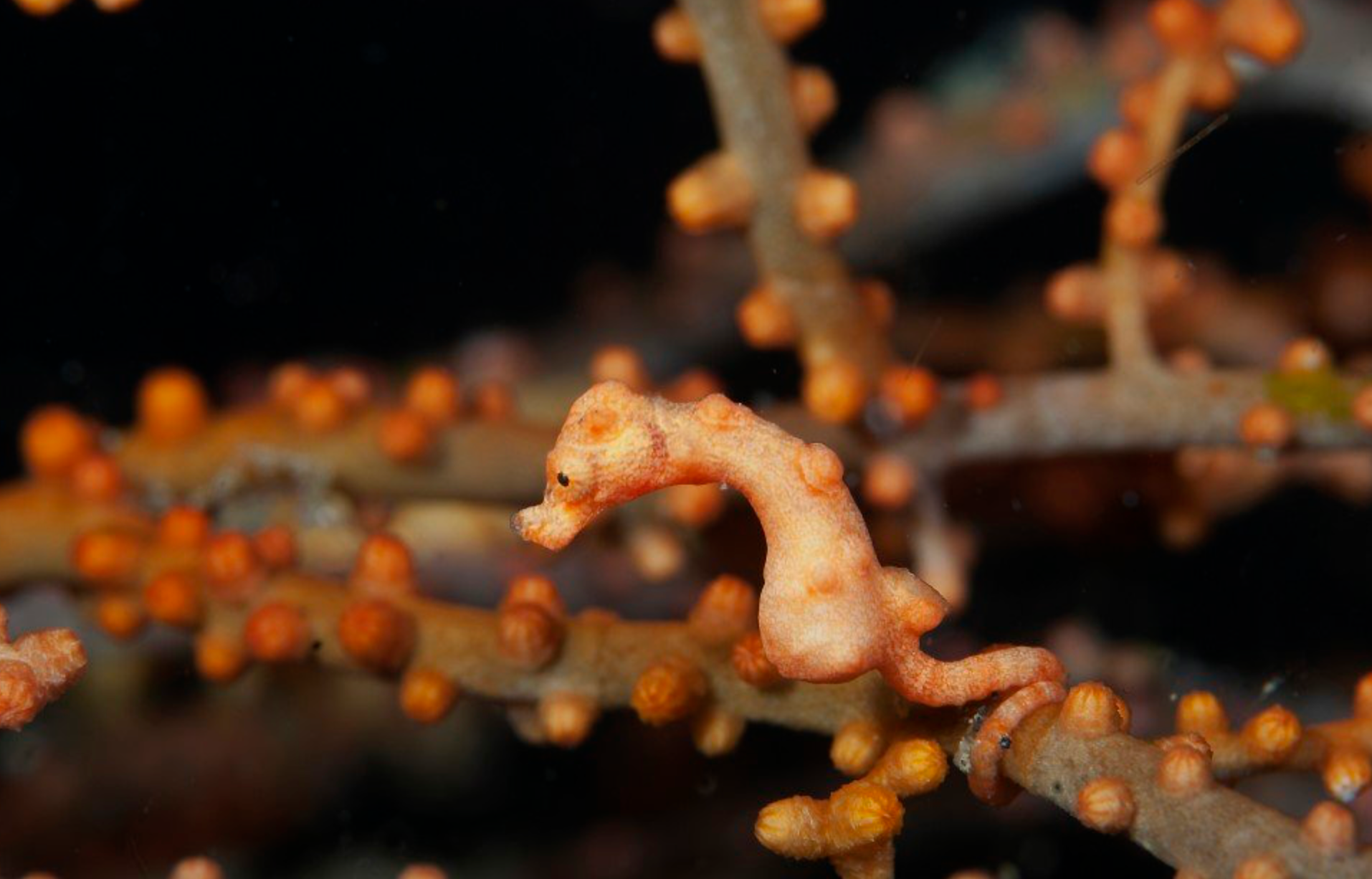
I'm particularly excited about the pygmy seahorses. Their incredible camouflage allows them to blend into their surroundings so effectively that even when a dive guide points directly at one, you can still find yourself staring at a sea fan wondering what on earth you're supposed to be looking at.
Having visited Lembeh, I already have a tremendous appreciation for Indonesia's macro life. Combining those bizarre little creatures with Raja Ampat's spectacular reef scenery is going to make selecting my camera setup each morning particularly entertaining. I suspect I'll be experiencing some serious lens regret regardless of which setup I choose.
As always, wildlife encounters are never guaranteed, but researching the possibilities is half the fun of preparing for an adventure like this.
Why New Year's Is Such a Fantastic Time to Visit
Our travel dates fall within what is generally considered one of the best periods for diving in Raja Ampat. October through April typically offers more favorable sea conditions throughout much of the region, along with exciting opportunities for manta ray encounters.
Water temperatures average around 82°F (28°C), which sounds particularly lovely for a week of repetitive diving. Raja Ampat is a tropical destination, so occasional rain showers are to be expected, and visibility and currents will vary depending on local conditions.
Beyond the diving conditions, I love the idea of spending the holidays somewhere completely different. Rather than dealing with crowded restaurants, expensive New Year's Eve events, and attempting to organize holiday plans, we'll already be on an Indonesian island with our dive buddies.
Sleep, eat, dive, celebrate New Year's, wake up, and go diving again. I'm quite happy with that arrangement!
Why I Chose Waiwo Dive Resort
I love a good liveaboard adventure, but I wanted something a little different for our Raja Ampat trip. With so much to experience above and below the surface, staying at a resort gives us considerably more flexibility to explore the destination.
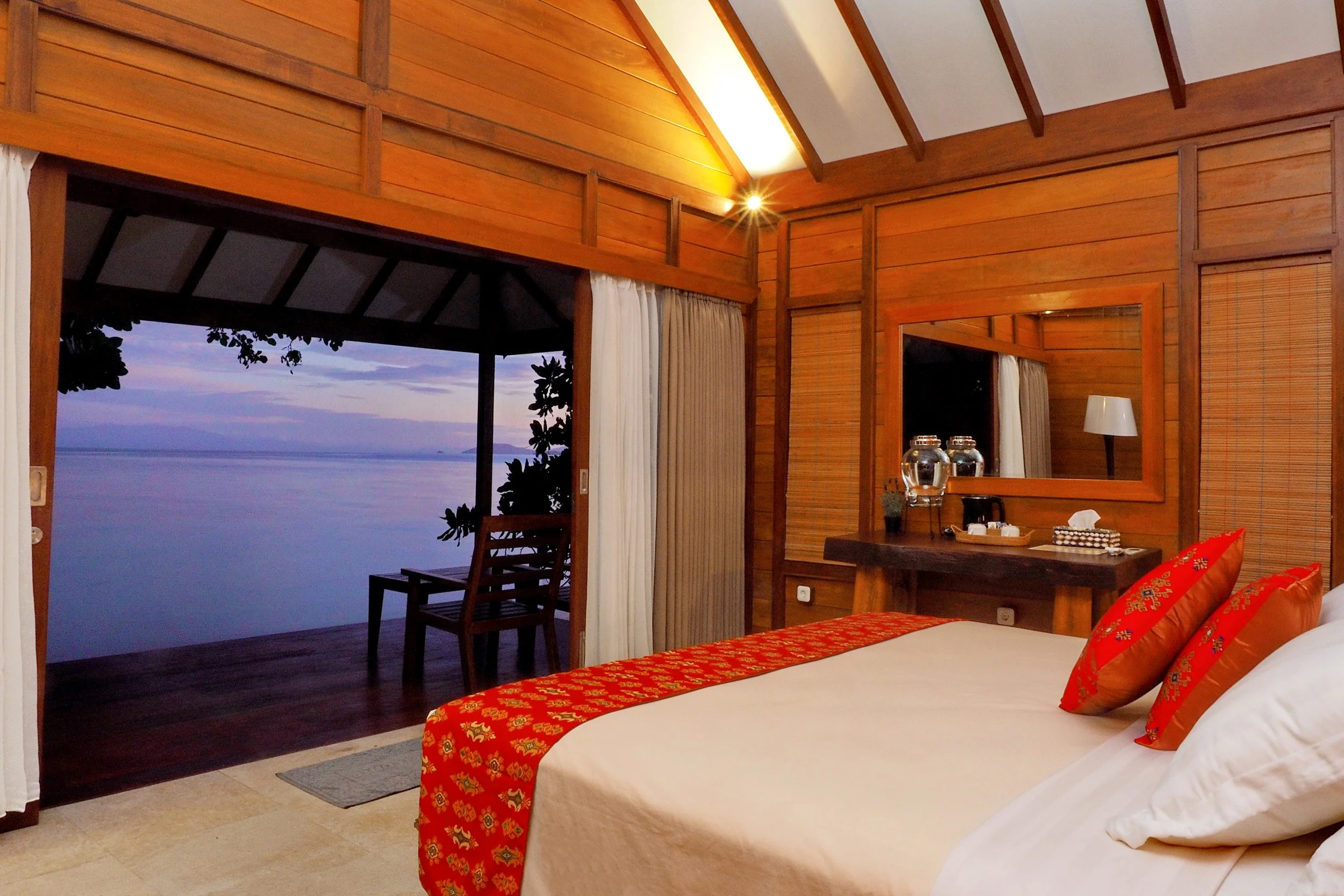
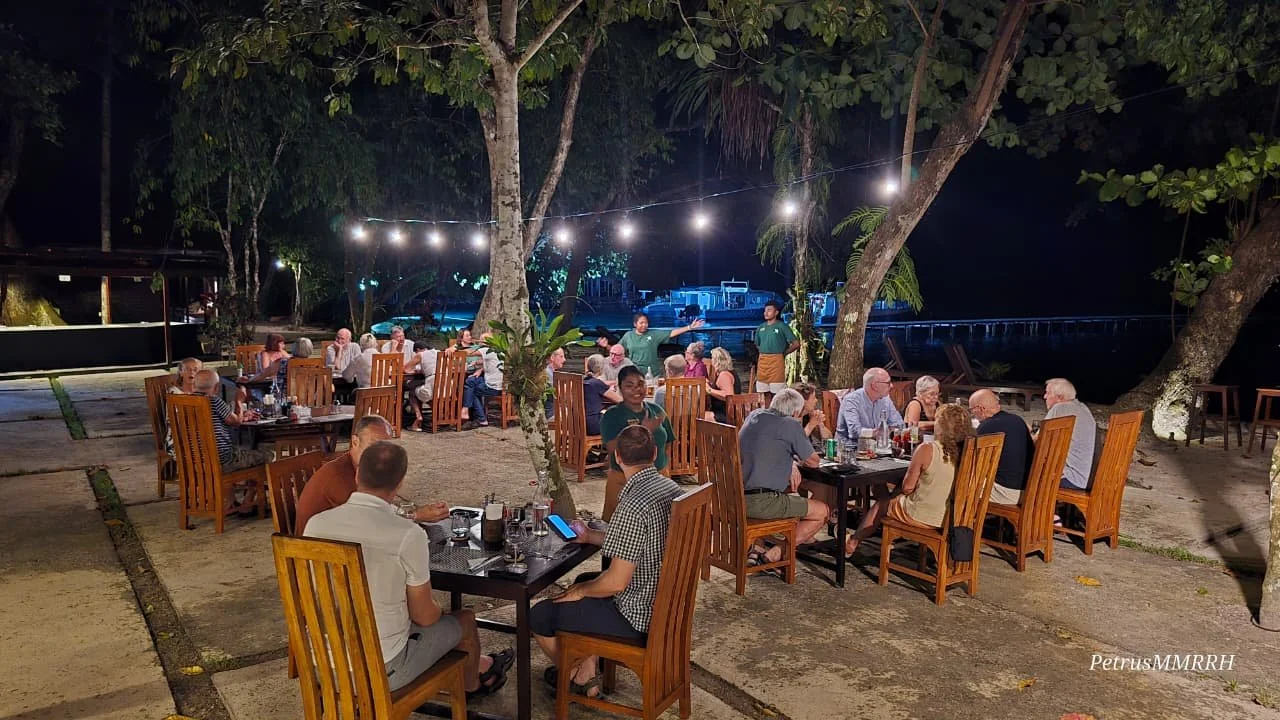
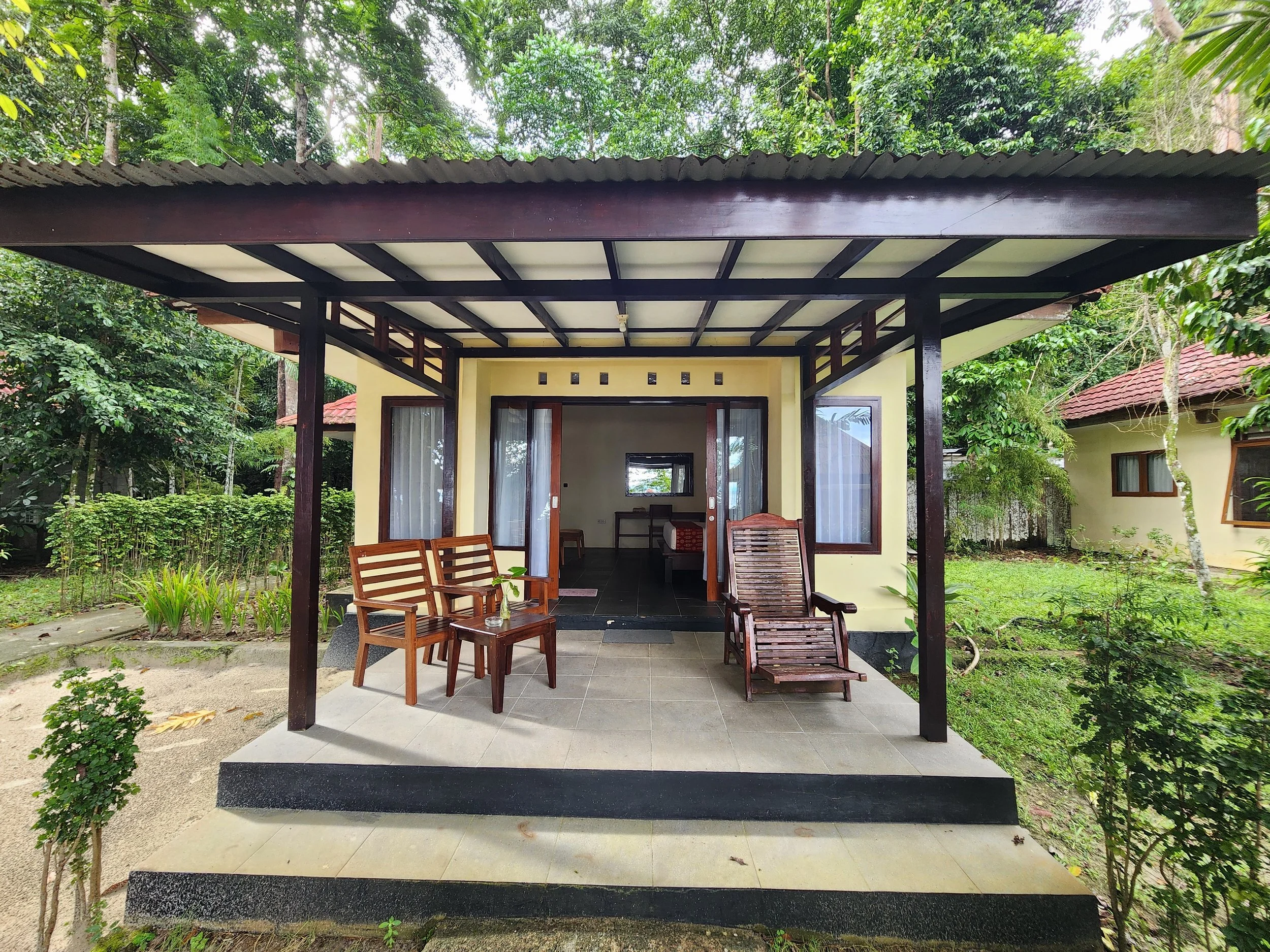
Our home for eight nights will be Waiwo Dive Resort, a beautiful beachfront property near Waisai that was developed around the existing jungle vegetation. Rather than removing large portions of the forest, the resort has maintained much of its natural canopy, meaning we'll be staying amongst the trees with opportunities to spot wildlife right around our accommodations.
We'll have a choice of waterfront villas, sea view rooms, and garden terrace rooms, all with air conditioning and private bathrooms. Breakfast, lunch, dinner, afternoon tea, water, local tea, and coffee are included, so our biggest daily decisions should revolve around diving and which wildlife we're hoping to encounter.
The resort is also home to Dive Into Raja Ampat, the sister operation to Dive Into Lembeh. The dive center has undergone a major upgrade, including improvements to the dive boats, dedicated equipment storage, and a camera room with individual workstations, charging facilities, and separate camera rinse tanks.
Underwater photographers, I know you understand my excitement about that camera room!
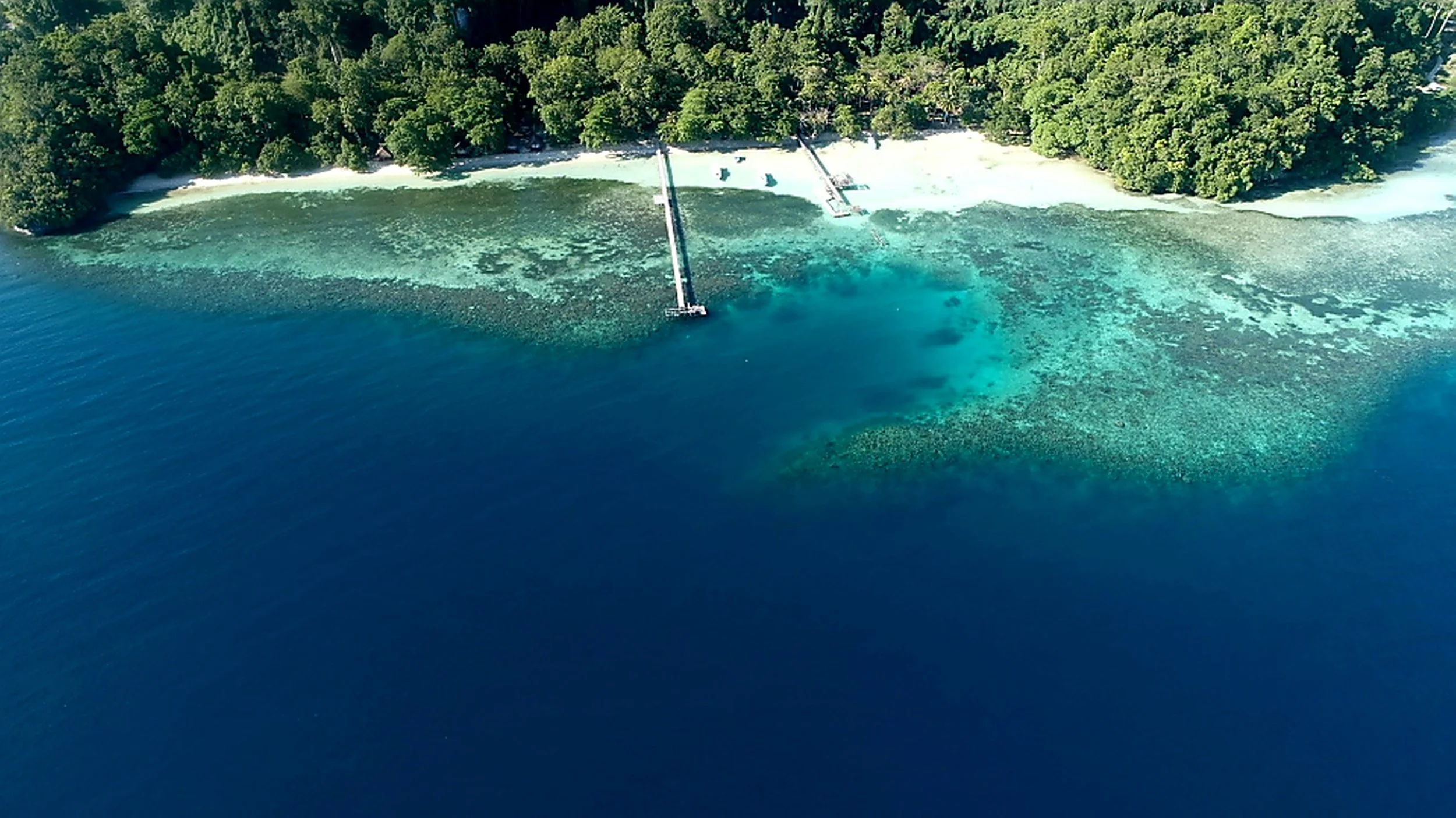
Fourteen Boat Dives AND Unlimited House Reef Diving?!
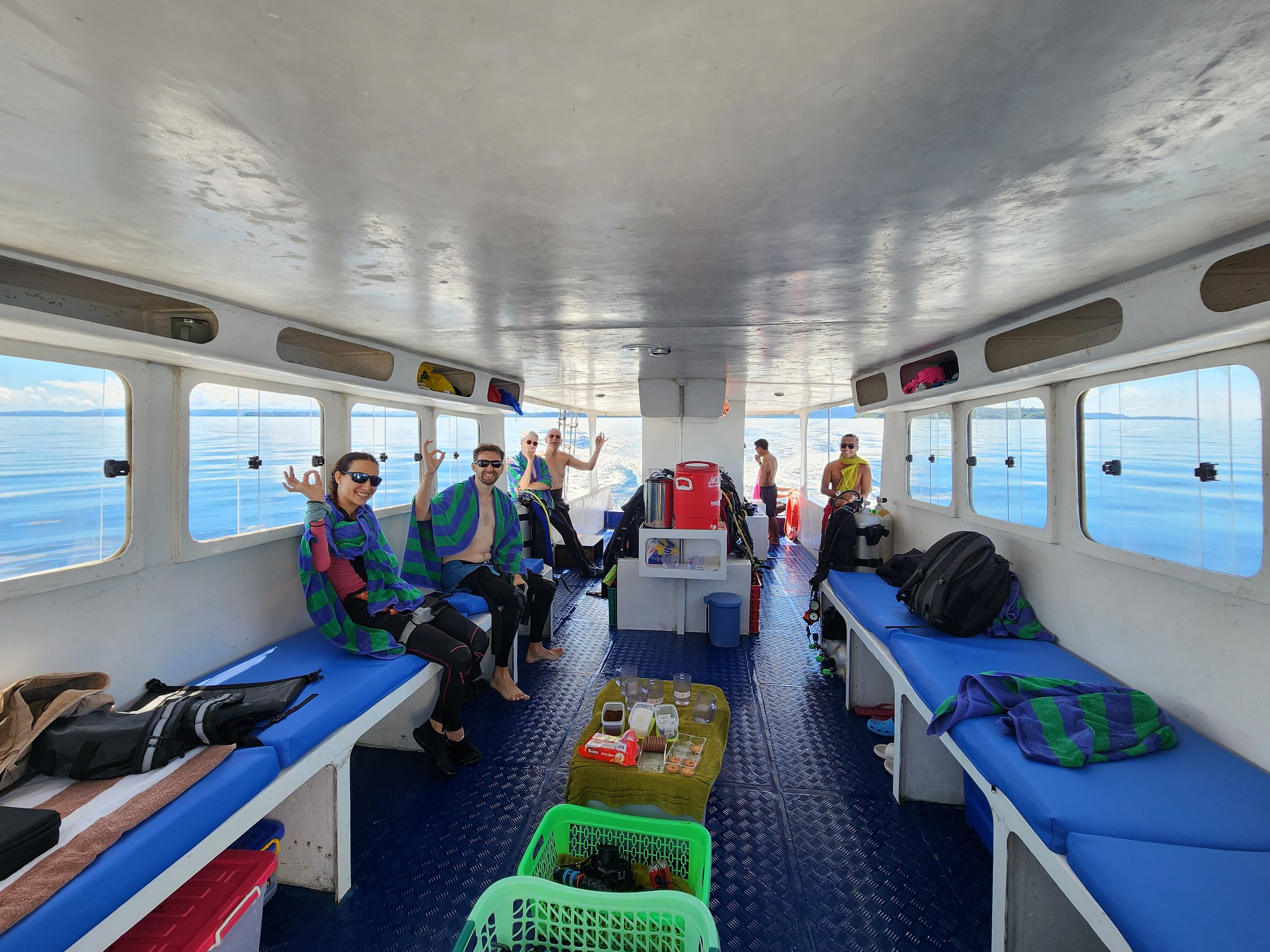
Yes, you read that correctly. Our dive package includes fourteen guided boat dives and unlimited unguided house reef diving between 8 AM and 6 PM, subject to suitable conditions.
We'll head out for our two morning boat dives before returning to the resort for lunch. From there, everyone can decide how they want to spend their afternoon. Want to grab your camera and spend another hour searching the house reef for tiny critters? Absolutely. Want to arrange another boat dive? Go for it. Want to take a nap and then head out for a jungle adventure? Also an excellent choice.
Additional boat dives are currently priced at $50 per dive, and there are options for guided house reef dives and night diving. Given Raja Ampat's fascinating nocturnal marine life, I suspect there will be some considerable interest in grabbing our dive lights and exploring after sunset.
Current optional night dive prices are $20 for an unguided house reef night dive, $35 for a guided house reef night dive, and $65 for a boat night dive. Minimum participation requirements apply.
There's also an optional Piaynemo dive excursion for a $75 surcharge per diver, with a minimum of four divers. If you've ever seen those famous photographs of Raja Ampat's little limestone islands scattered throughout brilliant turquoise water, you'll understand why Piaynemo is such an appealing excursion.
I really appreciate having the option to customize our dive days. Nobody needs to feel pressured to complete every possible dive, but those of us who have a difficult time staying out of the water will have plenty of opportunities to keep exploring.
Not a Diver? Seriously, Come With Us!
One of my favorite things about this particular Seaira Dives adventure is that you don't need to be a scuba diver to join us. I've spoken with so many divers who would love to bring their spouse, partner, family member, or friend on a trip, but finding a destination that caters to everyone's interests can be challenging.
Raja Ampat is an absolutely incredible wildlife destination, and some of the activities available above the surface are every bit as exciting as the diving. Even I'm planning to put my scuba equipment aside to experience some of these excursions.
Snorkeling Some of the Most Biodiverse Reefs on Earth
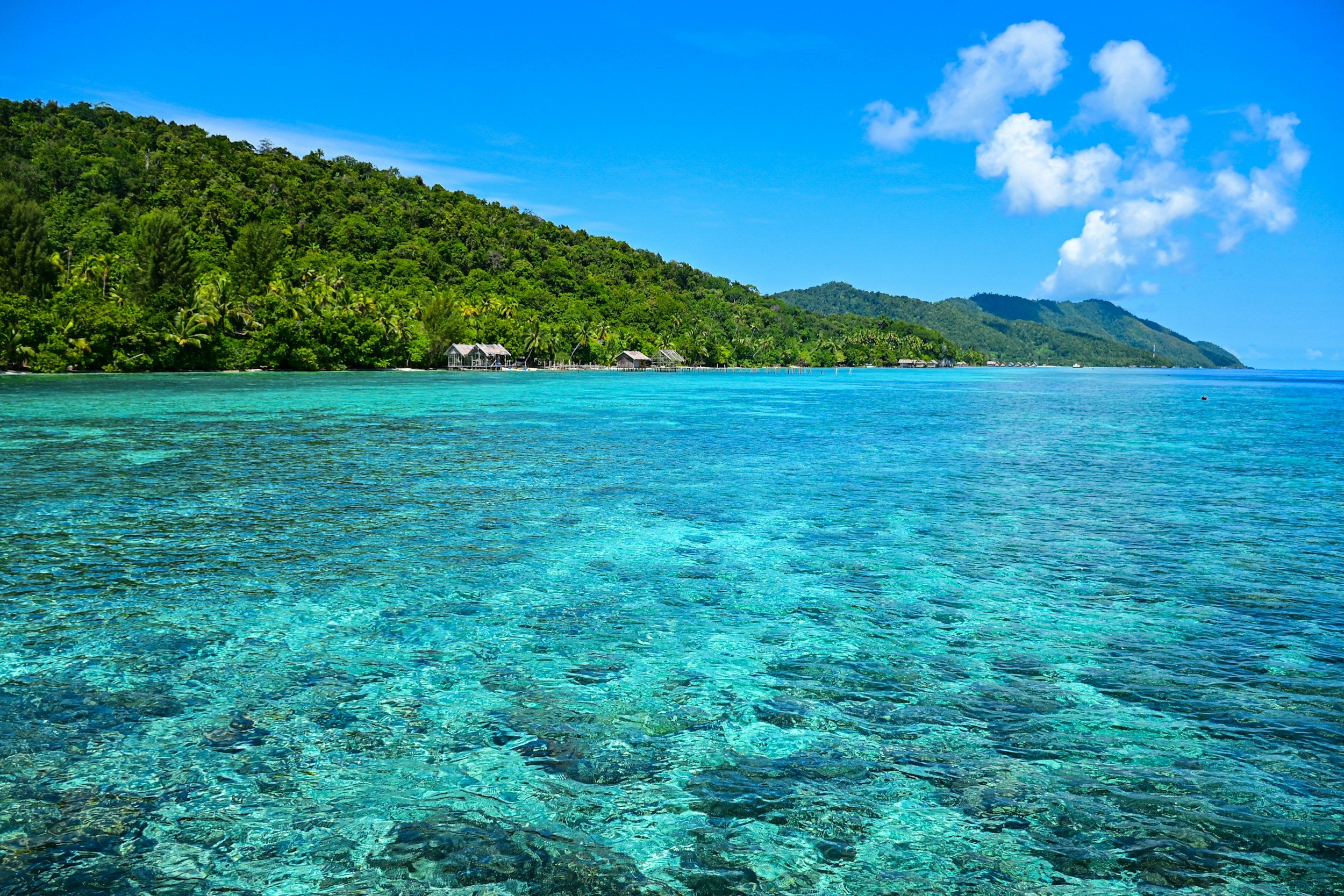
Many of Raja Ampat's spectacular coral formations are found in relatively shallow water, which means you don't need a scuba tank to appreciate the incredible marine life. Snorkelers can potentially encounter colorful reef fish, giant clams, sea turtles, anemonefish, schooling fish, and an impressive variety of hard and soft corals.
The resort also offers snorkeling excursions on the dive boat, currently priced at $35 per person, subject to availability. Nondiving guests can potentially join their dive buddies on boat excursions and explore suitable shallow areas while we're off doing our scuba thing.
Currents can be strong in Raja Ampat, so snorkeling locations and entry times will be coordinated with the local team. For anyone who loves the ocean but has no desire to carry a scuba tank around on vacation, there's plenty to get excited about.
Birds of Paradise: I'm Definitely Bringing My Camera!
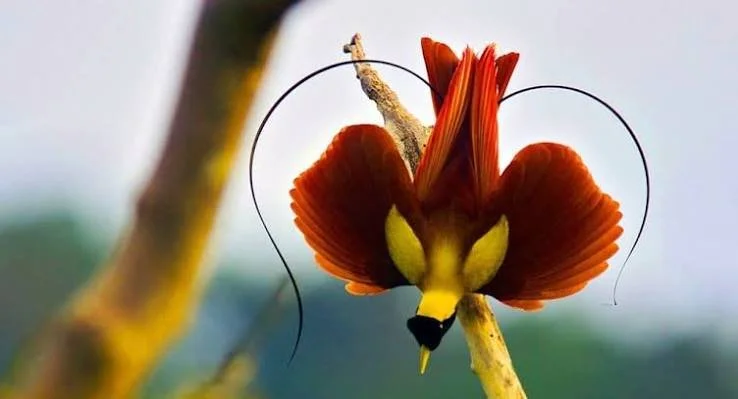
As excited as I am about the underwater photography opportunities, I'm equally fascinated by the prospect of photographing birds of paradise in their natural habitat.
Raja Ampat is home to several remarkable bird species, including two particularly famous birds of paradise with extremely limited geographical distributions.
The red bird of paradise (Paradisaea rubra) has elaborate red ornamental feathers, a brilliant green face, yellow plumage, and elongated tail feathers. Males gather in specific trees to perform elaborate courtship displays, making them particularly fascinating to observe.
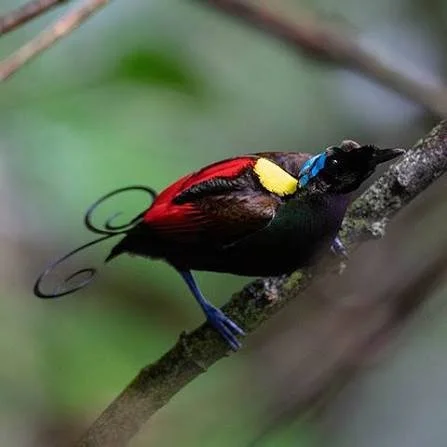
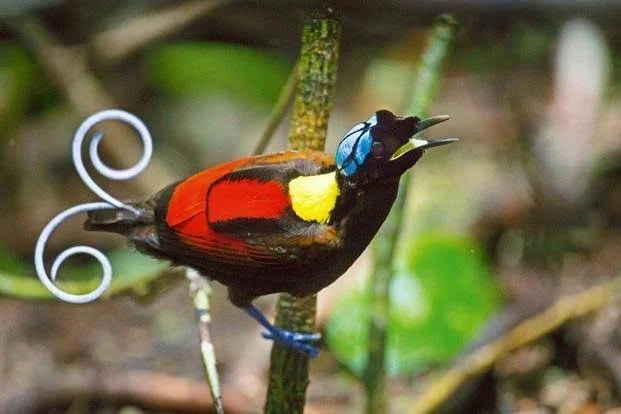
Wilson's bird of paradise (Cicinnurus respublica) might be one of the most extraordinarily colorful birds I've ever seen photographs of. Between its turquoise crown, red back, yellow neck, blue feet, and curled tail feathers, this bird looks like someone couldn't decide on a color scheme and simply went with everything. Males even clear and maintain little display areas on the forest floor for their courtship performances.
Our resort offers an early morning birds of paradise excursion, currently priced at $100 per person with a minimum of two participants. Specific species and viewing locations will depend on the excursion arrangements.
I know we're going to Raja Ampat primarily for the diving, but the opportunity to observe these birds in the wild is a bucket list experience in its own right. I highly recommend bringing binoculars, and I'm already considering which of my camera lenses will be joining us above the surface.
Swimming in Raja Ampat's Incredible Blue River
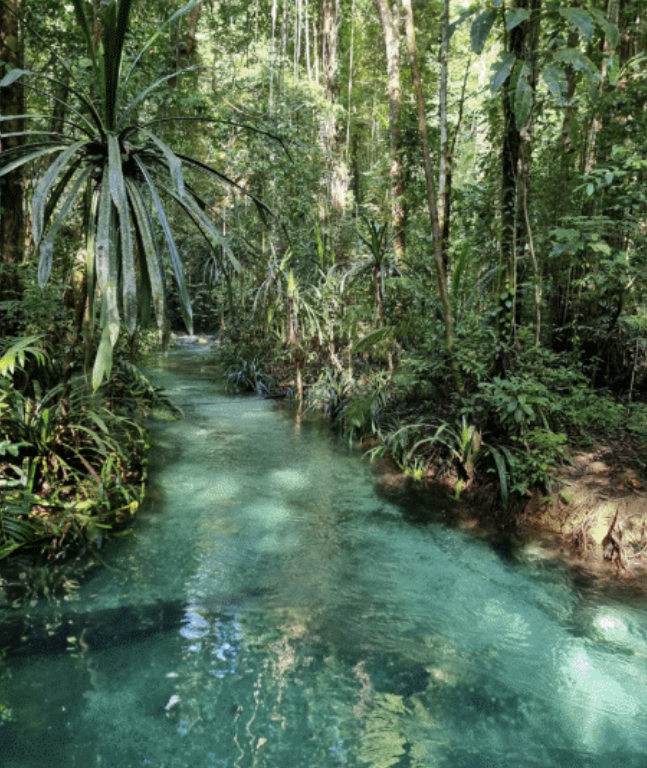
If you haven't seen photographs of Kali Biru, also known as the Blue River, add this to your list of things to look up while researching Raja Ampat.
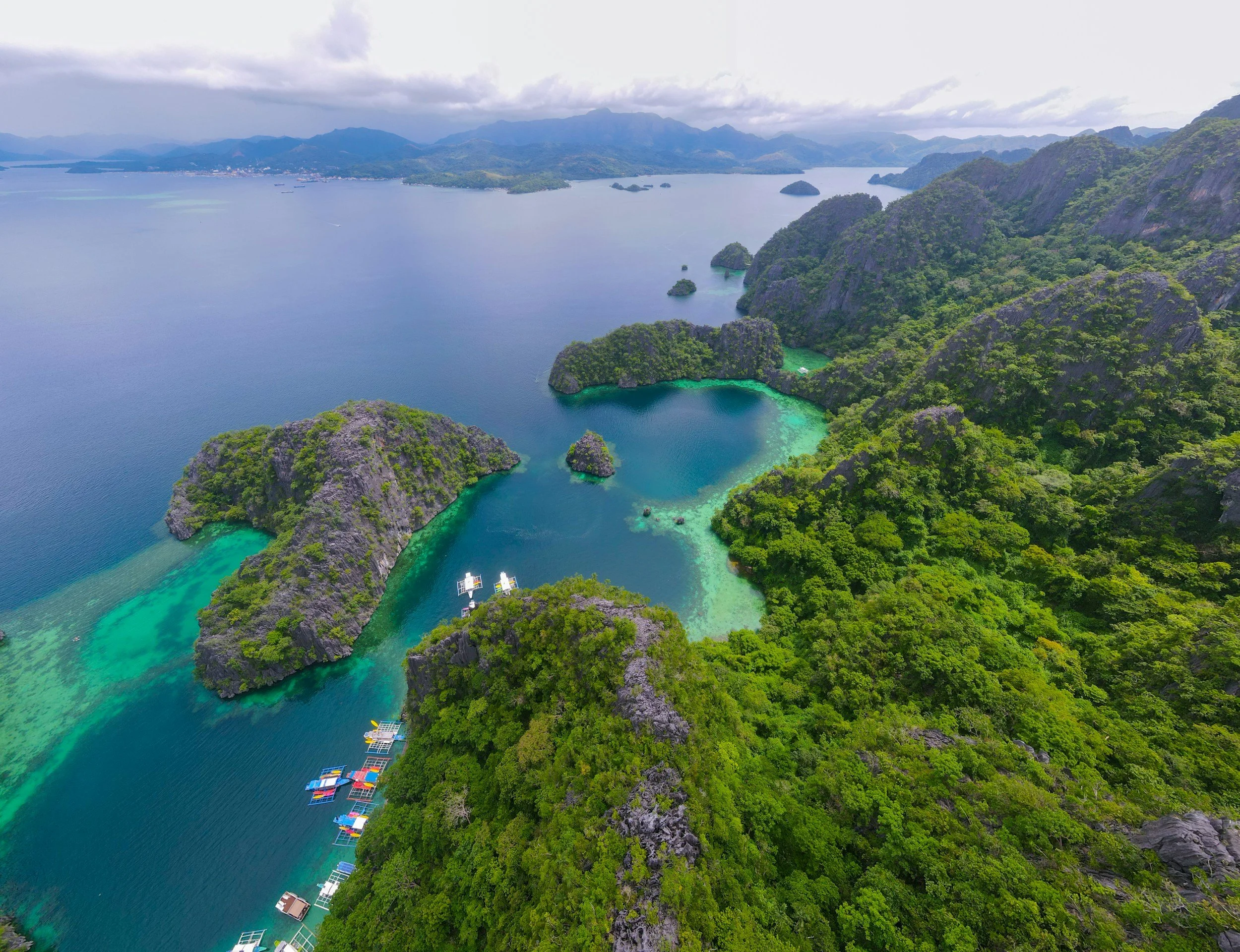
Hidden within the tropical rainforest, the Blue River is famous for its remarkably clear turquoise freshwater surrounded by dense jungle vegetation. The contrast between the brilliant blue water and the surrounding greenery is absolutely beautiful, and visitors can swim in designated areas when conditions permit.
After several days of saltwater diving, spending some time swimming in a freshwater river in the middle of an Indonesian rainforest sounds like a fantastic afternoon to me.
The Blue River excursion is currently priced at $275 per vehicle, with a maximum of four guests. Split between four people, that's less than $70 per person.
I have a feeling we'll have absolutely no difficulty finding enough people interested in this excursion!
Jungle Walks, Cuscuses, and Island Adventures
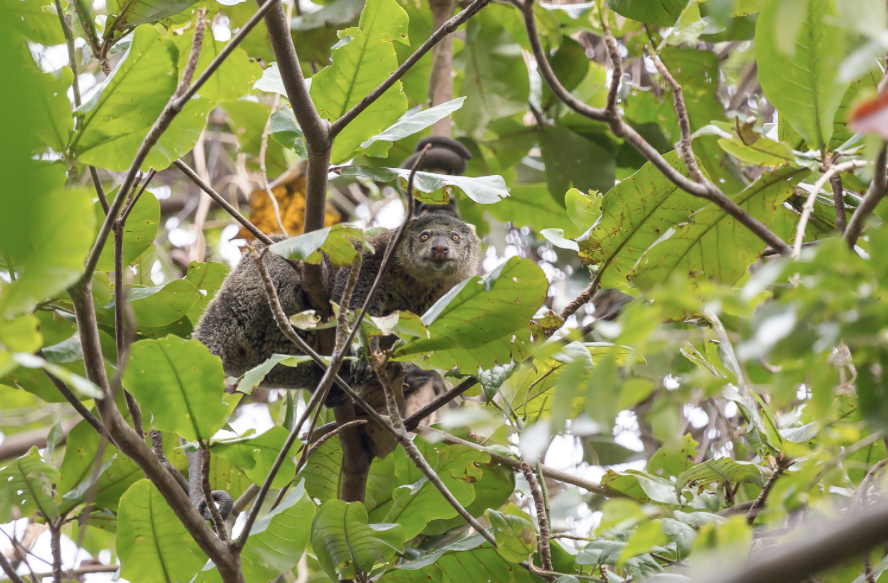
One of the benefits of staying at a resort surrounded by jungle is having opportunities to observe wildlife without necessarily organizing an excursion.
Raja Ampat is home to tropical birds, reptiles, and fascinating mammals, including cuscuses. These tree dwelling marsupials have large eyes, thick fur, and prehensile tails that help them navigate the forest canopy. They're certainly not the sort of animal I regularly encounter while walking around a dive resort!
There are also opportunities to arrange scenic boat excursions throughout Raja Ampat's limestone islands, lagoons, and remote beaches. Between the landscape photography, birdwatching, snorkeling, jungle walks, and opportunities to enjoy the beach, nondiving guests have plenty to fill their vacation.
What I particularly love is that we can all have completely different adventures during the day and come together over dinner to share our photographs and stories. Although knowing our group, we'll probably have several enthusiastic discussions about whether finding a pygmy seahorse or photographing a bird of paradise was the highlight of the day.
A Little Marine Biology With Our Diving
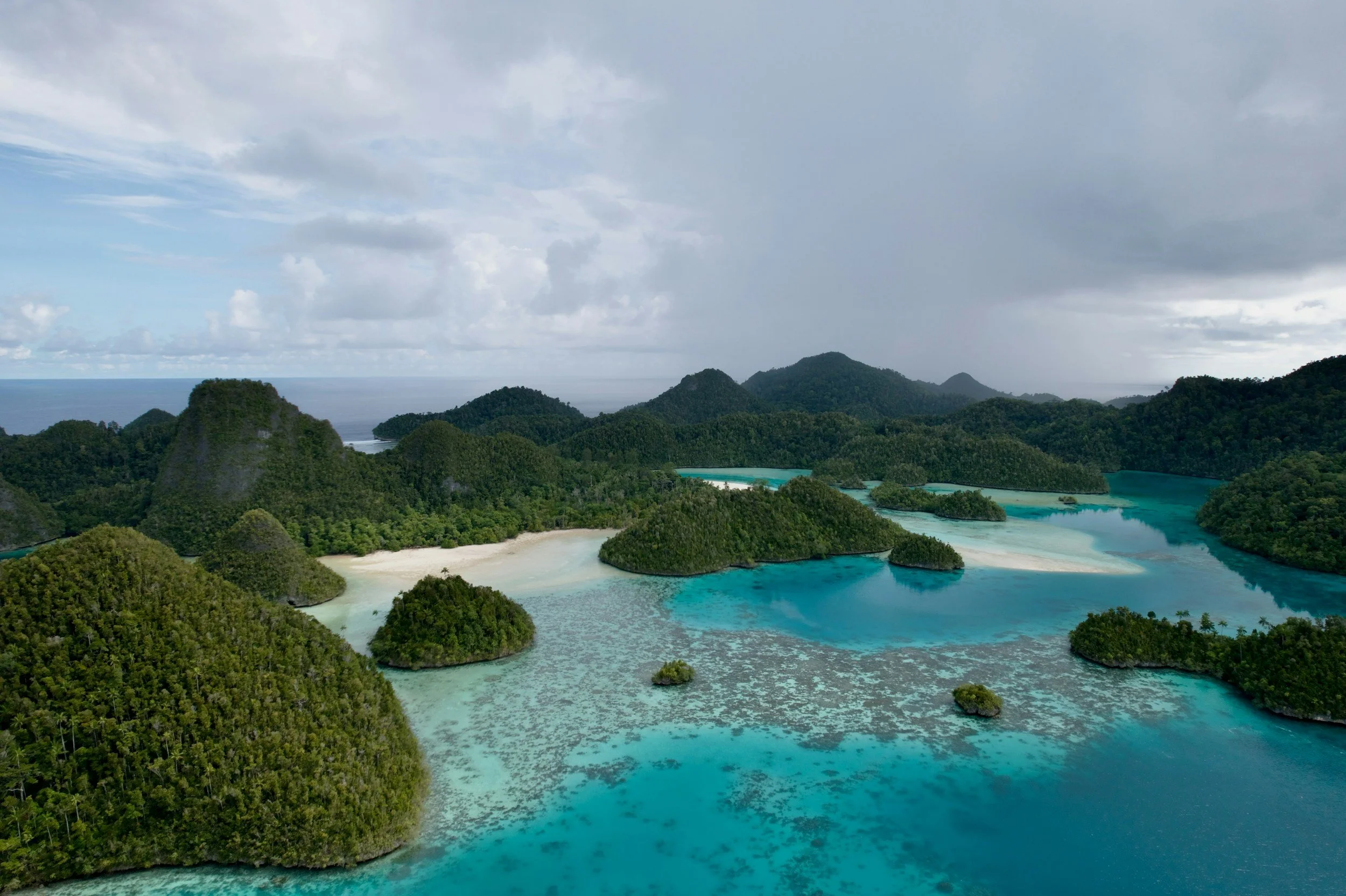
Given the extraordinary biodiversity of Raja Ampat, I couldn't think of a better destination to include the PADI Underwater Naturalist Specialty.
This specialty is included in our diving package and will give us an opportunity to learn more about marine ecosystems, different groups of marine organisms, and the relationships between the animals we're encountering underwater.
One of the things I genuinely love about diving is that the more you learn about marine life, the more interesting your dives become. Understanding why certain shrimp live with gobies, recognizing cleaning stations, or knowing why an octopus is behaving a certain way makes spending time observing these animals considerably more rewarding.
As a PADI Course Director and someone who regularly disappears down marine biology research rabbit holes, I'm particularly excited to teach this course somewhere with such an extraordinary variety of marine life.
Getting to Raja Ampat Without Losing Your Mind

Now for the part that probably intimidates more people than the actual diving: getting there.
Yes, Raja Ampat is remote, but please don't let the travel logistics be the reason you never experience this destination. Once you break down the journey into individual segments, getting there becomes much more manageable.
Regardless of whether you're traveling from the East Coast, Midwest, West Coast, or joining me from Hawaiʻi, your final airport destination is Sorong (SOQ), Indonesia.
There are two particularly useful routes to consider. You can travel through Jakarta or Bali and continue on a domestic flight to Sorong, or you can travel through Singapore and Manado, potentially incorporating a few days of diving in Lembeh before joining our group.
Traveling From the East Coast
If you're departing from the East Coast, New York, Washington, D.C., Boston, Atlanta, and Miami are all useful international gateways to explore. Depending on your preferred airline and flight prices, you might travel east through the Middle East or west across the Pacific.
Some potential routes to research include:
New York (JFK/EWR) → Singapore → Jakarta → Sorong
Washington, D.C. (IAD) → Doha → Jakarta → Sorong
Boston (BOS) → Dubai → Jakarta → Sorong
Atlanta (ATL) → Istanbul → Jakarta → Sorong
Miami (MIA) → Doha → Jakarta → Sorong
Singapore Airlines, Qatar Airways, Emirates, and Turkish Airlines are all worth researching. For preliminary planning, I would budget approximately 30 to 45 hours for flights and connections, excluding any additional overnight stays.
Traveling From the Midwest
Chicago is a particularly useful international gateway for travelers departing from the Midwest. However, depending on where you live, connecting through Seattle, Los Angeles, or another major international airport might also make sense.
Potential routes include:
Chicago (ORD) → Tokyo → Jakarta → Sorong
Chicago (ORD) → Doha → Jakarta → Sorong
Chicago (ORD) → Istanbul → Jakarta → Sorong
Detroit (DTW) → Seoul → Jakarta → Sorong
Minneapolis (MSP) → Seattle → Singapore → Jakarta → Sorong
I would also budget approximately 30 to 45 hours for flights and connections, allowing additional time for planned overnight stops.
Traveling From the West Coast
Those of you traveling from the West Coast have several particularly convenient options through Asia. Los Angeles, San Francisco, and Seattle offer connections through Singapore, Tokyo, Taipei, Seoul, and other major international hubs.
Potential routes include:
Los Angeles (LAX) → Singapore → Jakarta → Sorong
San Francisco (SFO) → Singapore → Jakarta → Sorong
Seattle (SEA) → Singapore → Jakarta → Sorong
Los Angeles (LAX) → Taipei → Jakarta → Sorong
San Francisco (SFO) → Seoul → Jakarta → Sorong
Depending on your connections, approximately 25 to 40 hours is a reasonable preliminary estimate for flights and connections.
Traveling From Hawaiʻi
My own routing will look a little different now that I'm based on the Big Island. I'll likely be researching connections through Honolulu and onward through Asia.
Potential options include:
Kona (KOA) → Honolulu → Tokyo → Jakarta → Sorong
Kona (KOA) → Honolulu → Seoul → Jakarta → Sorong
My biggest concern will probably be figuring out how to transport my dive equipment and two different types of photography equipment without my baggage fees costing more than my flights.
All of these routes are examples to help with preliminary planning. Our exact December 2027 flight options will become clearer once airlines release their schedules.
Already Flying Halfway Around the World? Make the Most of It!

One of my favorite things about planning international dive trips is figuring out what other destinations I can squeeze into the adventure. If we're already traveling to Indonesia, there are some absolutely fantastic possibilities for extending the vacation.
Lembeh: For My Fellow Macro Fanatics
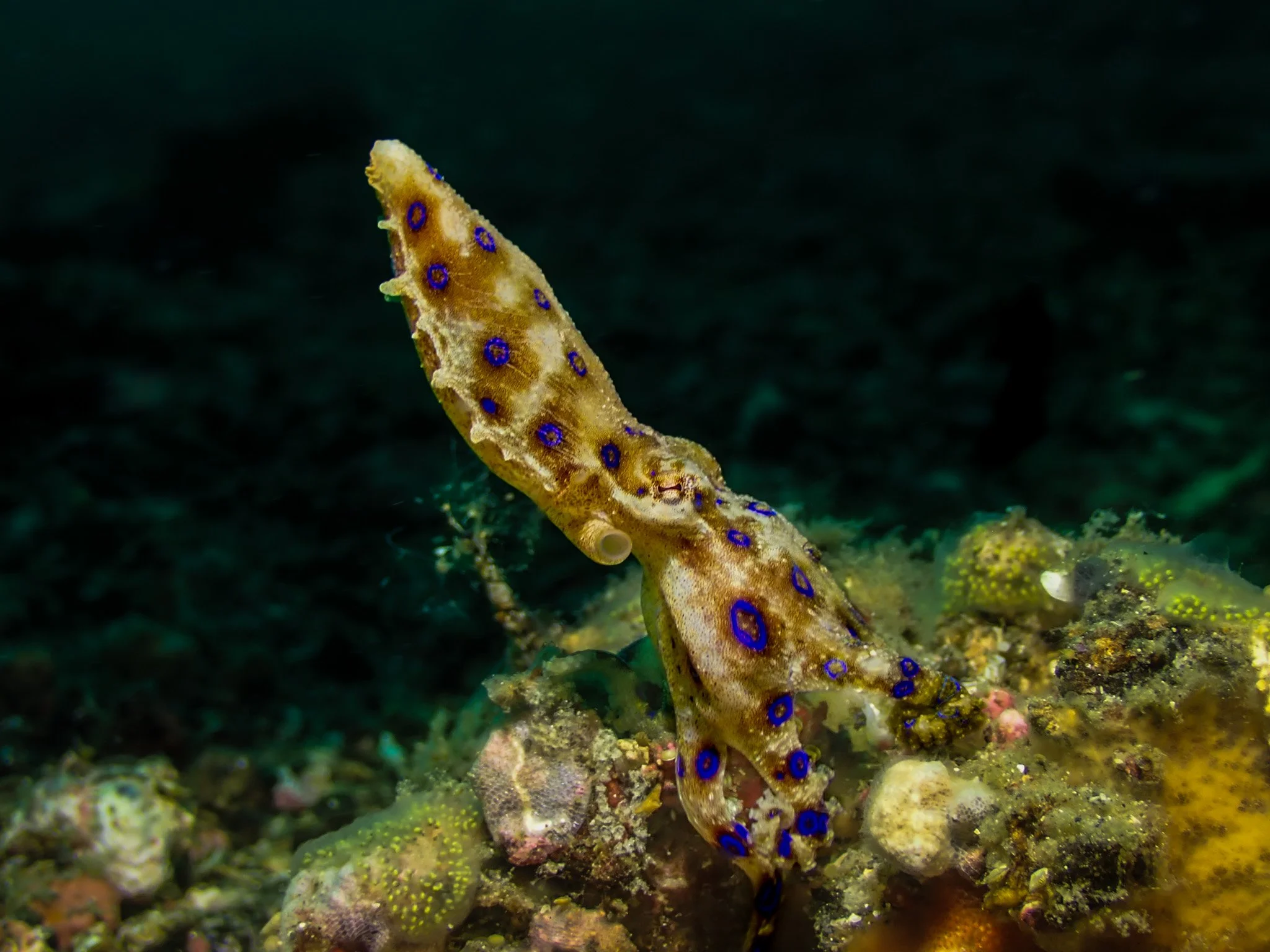
Having already experienced Lembeh, I can enthusiastically recommend considering a few additional days there. The marine life is absolutely fascinating, with opportunities to encounter hairy frogfish, mimic octopuses, flamboyant cuttlefish, rhinopias, nudibranchs, and some of the most bizarre little animals you'll ever see underwater.
Lembeh and Raja Ampat offer completely different diving experiences, which makes combining them particularly appealing. Spend a few days searching dark volcanic sand for extraordinarily weird marine life before heading to Raja Ampat for spectacular coral gardens, enormous schools of fish, and manta rays.
You could potentially fly into Singapore, continue to Manado (MDC), spend several days diving in Lembeh, and then continue to Sorong. Make sure to check domestic flight availability before committing to additional resort accommodations.
Bali: Diving, Temples, Waterfalls, and Incredible Food
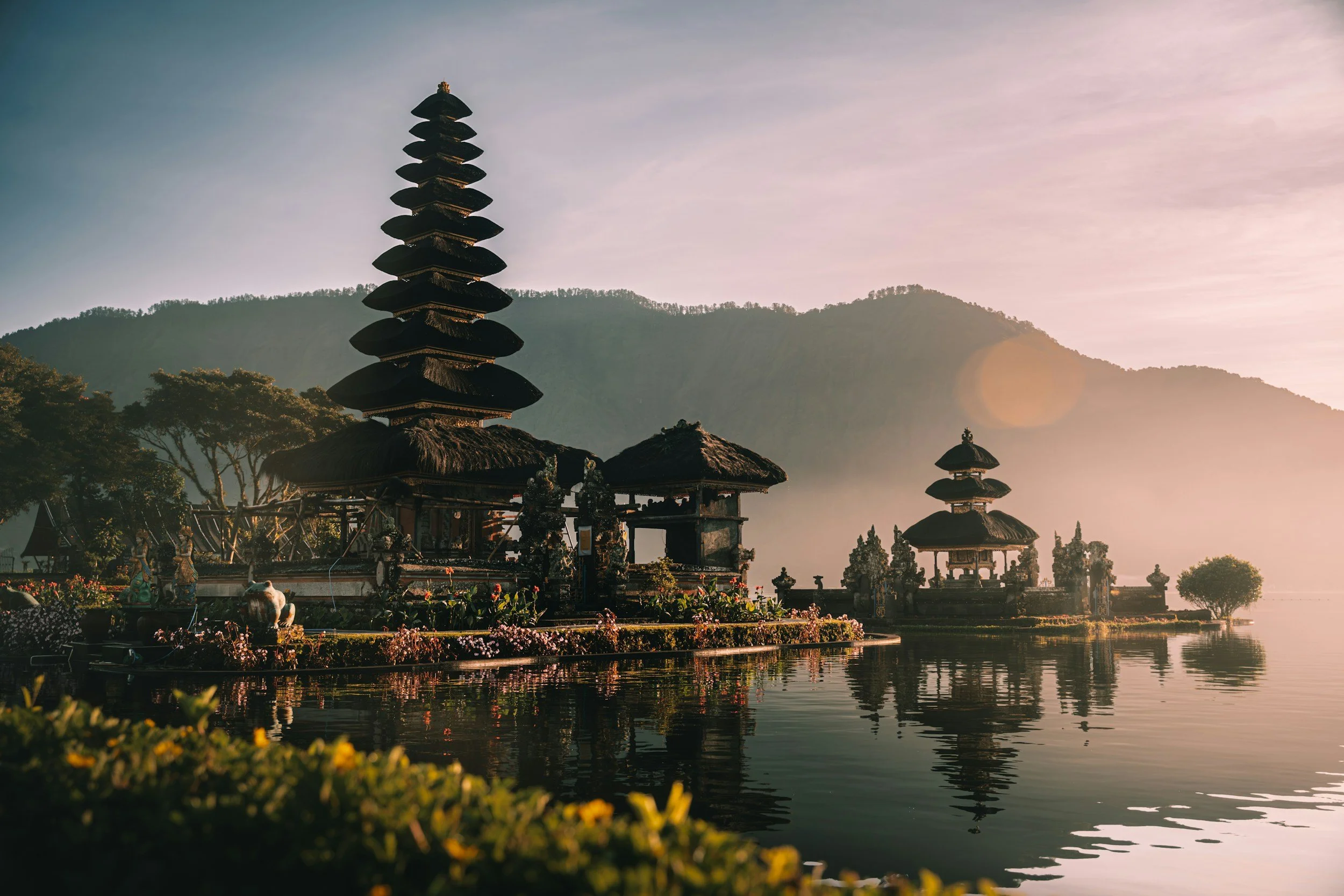
Bali is another fantastic option if you have some additional vacation time. You could explore temples, rice terraces, waterfalls, local markets, and enjoy some incredible Indonesian food before continuing to Raja Ampat.
For those wanting even more diving, Tulamben is home to the USAT Liberty wreck, while Amed offers beautiful reefs and macro photography opportunities.
Depending on the domestic flight schedules, you may need an additional connection to reach Sorong from Bali.
Singapore: An Excellent Way to Break Up the Journey
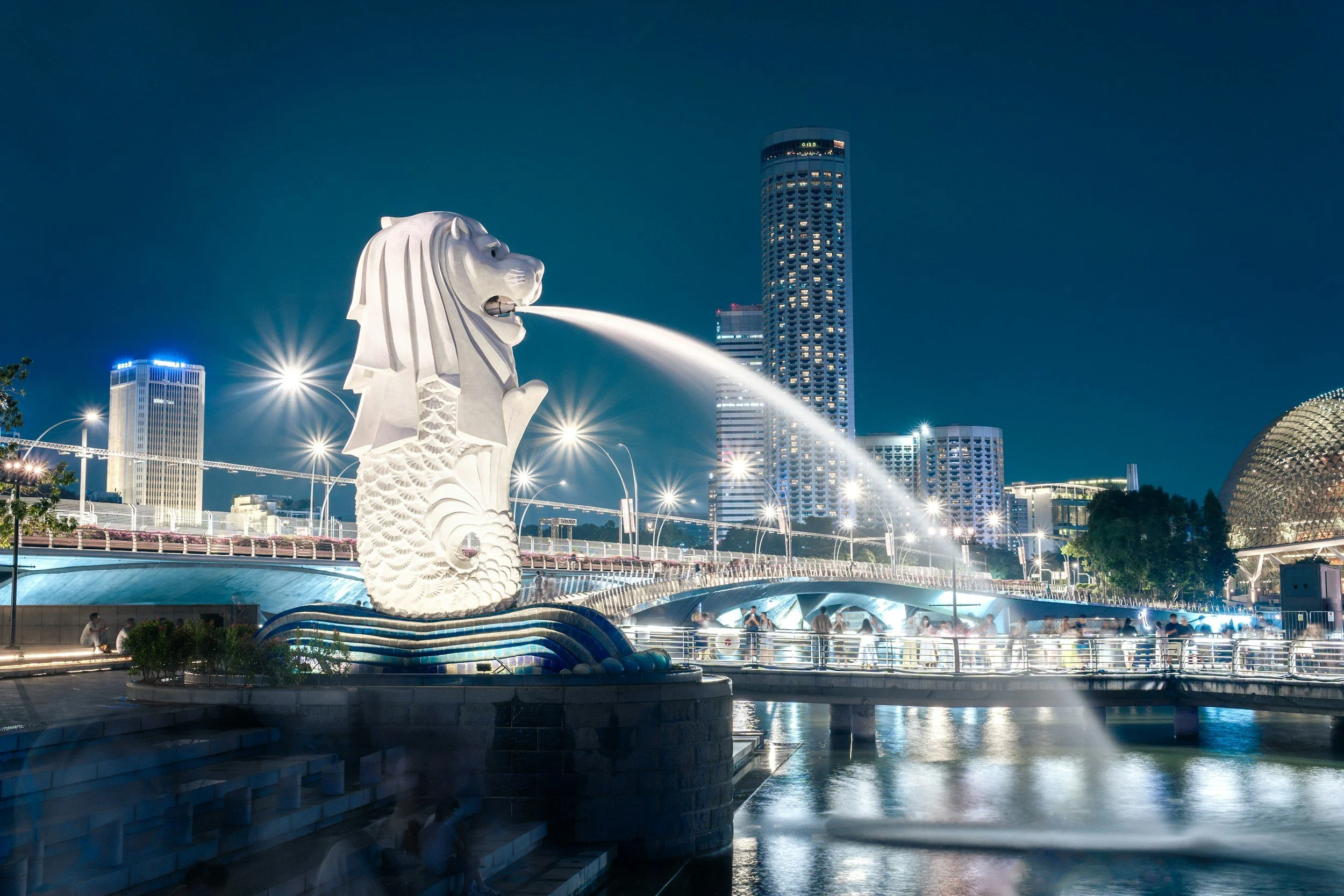
Singapore is a particularly convenient stopover destination, and there's plenty to keep you entertained for a couple of days. Between Gardens by the Bay, the Botanic Gardens, Marina Bay, and the incredible hawker centers, you can easily turn your stopover into another little adventure.
Spending a couple of days exploring Singapore also gives you an opportunity to adjust to the time difference, catch up on sleep, and enjoy a proper meal that doesn't involve an airplane tray.
From Sorong to Our Island Home
Once you arrive in Sorong, the Dive Into Raja Ampat team will assist with transportation from the airport to the ferry terminal.
We'll take the approximately two hour fast ferry from Sorong to Waisai on Waigeo Island before continuing to Waiwo Dive Resort. Ferries currently depart at 9 AM and 2 PM, with similar scheduled return departures.
Airport transfers are listed in our trip package, and I'll provide more specific instructions regarding ferry arrangements and recommended arrival times closer to departure.
Given that we're traveling during Christmas and New Year's, I strongly recommend arriving in Sorong at least one day before our resort stay begins. I'm a big fan of building extra time into international dive itineraries, particularly when we're traveling somewhere remote and relying on domestic flights and ferry schedules.
I'd much rather enjoy an extra evening in Sorong than spend my international flight calculating whether my luggage and I are going to make the last ferry.
How Much Vacation Time Should You Plan?
Who says you have to choose between spending Christmas with your family and having an epic New Year's adventure? Our trip dates give travelers the opportunity to enjoy the holidays at home before heading off to Indonesia, provided they select flights with suitable connections.
One important consideration when traveling from the United States across the Pacific is the International Date Line. When traveling westbound across the Pacific, you'll advance a calendar day. Combined with flight times and connections, this means departing the United States on December 26 could result in arriving in Indonesia on December 28. Always pay close attention to your actual arrival date and time when researching flights!
Here's what our holiday adventure could look like:
December 25: Enjoy Christmas with your family, finish packing, and get excited about Indonesia!
December 26: Depart the United States.
December 27–28: Arrive in Indonesia and continue to Sorong, accounting for the International Date Line if traveling across the Pacific.
December 28: Transfer to Waiwo Dive Resort and officially begin our Raja Ampat adventure! Last ferry is around 2pm so plan accordingly.
December 29–30: Explore some of the most biodiverse coral reefs on Earth.
December 31: Spend the final day of 2027 diving before celebrating New Year's Eve in tropical paradise.
January 1: Start 2028 with some seriously incredible diving!
January 2–4: More diving, snorkeling, birds of paradise, Blue River adventures, and jungle exploration.
January 5: Depart Waiwo Dive Resort.
January 6 onward: Travel home or continue exploring Indonesia.
When traveling home across the Pacific, you'll cross the International Date Line in the opposite direction, gaining back a calendar day. Depending on your flight itinerary, you could arrive in the United States on the same calendar date you departed Asia. Time zones certainly make international travel entertaining!
Travelers departing on December 26 will need to carefully select flights that arrive in Sorong in time for our December 28 ferry transfer. Depending on your departure airport and available connections, leaving a day earlier may provide a more comfortable travel schedule. I'll provide recommended flight options and arrival times once airline schedules become available.
We'll also need to account for appropriate surface intervals before flying home, and I recommend allowing at least 24 hours following your final dive.
Christmas with the family, New Year's in Raja Ampat, and your first dive of 2028 in the heart of the Coral Triangle? Now that's a holiday season worth getting excited about!
Two Apps That Make International Travel So Much Easier
Between international flights, domestic connections, overnight hotels, ferries, and additional excursions, there can be quite a few reservations associated with a trip like Raja Ampat. Fortunately, there are some excellent resources for keeping everything organized without having to create a color coded spreadsheet worthy of a military operation.
Hopper: Let the App Watch Flight Prices for You
Hopper is a great resource for monitoring airfare and receiving notifications when prices change. Rather than repeatedly searching the same flight routes every morning, you can set up alerts and let Hopper help monitor the prices for you.
For Raja Ampat, I recommend exploring flights from your preferred departure airport to Jakarta (CGK), Singapore (SIN), Bali (DPS), and Manado (MDC). You can also monitor domestic flights to Sorong (SOQ) once those schedules become available.
Different international gateways can result in considerably different airfare, so don't limit yourself to searching for one specific itinerary.
I recommend using Hopper as a research tool and then comparing prices directly with the airlines before booking. Booking directly can make dealing with schedule changes, cancellations, and baggage issues easier.
Given our holiday travel dates, I also wouldn't wait indefinitely for the absolute cheapest airfare. Finding a reasonable price with convenient connections and appropriate baggage allowances is often far more valuable than saving a little money on an unnecessarily complicated itinerary.
TripIt: Your Entire Vacation in One Place
Once you start booking reservations, TripIt is a fantastic way to organize everything.
Simply forward your reservation confirmation emails to plans@tripit.com, and the app will organize supported reservations into a chronological itinerary. International flights, domestic flights, overnight hotels, ferry information, resort accommodations, excursions, and reservation details can all be stored in one place.
You can manually add additional information, access your itinerary offline, and share your travel plans with family members or fellow travelers. TripIt also offers a free version, while TripIt Pro provides additional features, including flight status alerts and gate change notifications.
After thirty hours of international travel, having to search through hundreds of emails to remember which hotel you booked is not a particularly entertaining activity.
Between Hopper, TripIt, our comprehensive Seaira Dives travel guide, and our dedicated group WhatsApp chat, we'll have plenty of resources to make organizing this adventure considerably easier.
You Don't Have to Figure Everything Out Alone
One of the advantages of joining a Seaira Dives adventure is that you have support throughout the planning process. I'll be putting together a detailed travel guide with flight recommendations, accommodation suggestions, packing lists, entry requirements, and other helpful information specific to our trip.
Our group WhatsApp chat also gives everyone a chance to coordinate flights, share reservations, organize optional excursions, and potentially travel together. Several of our guests on previous adventures have coordinated their flights and turned the journey itself into part of the group experience.
When you're ready to book flights, pay particular attention to domestic baggage allowances, especially if you're transporting dive equipment and camera gear. I also strongly recommend comprehensive travel insurance, and appropriate dive accident insurance is mandatory for participating divers.
Raja Ampat might require a few more travel arrangements than your average Caribbean dive vacation, but you certainly won't be navigating the planning process alone.
Experiencing Raja Ampat Responsibly
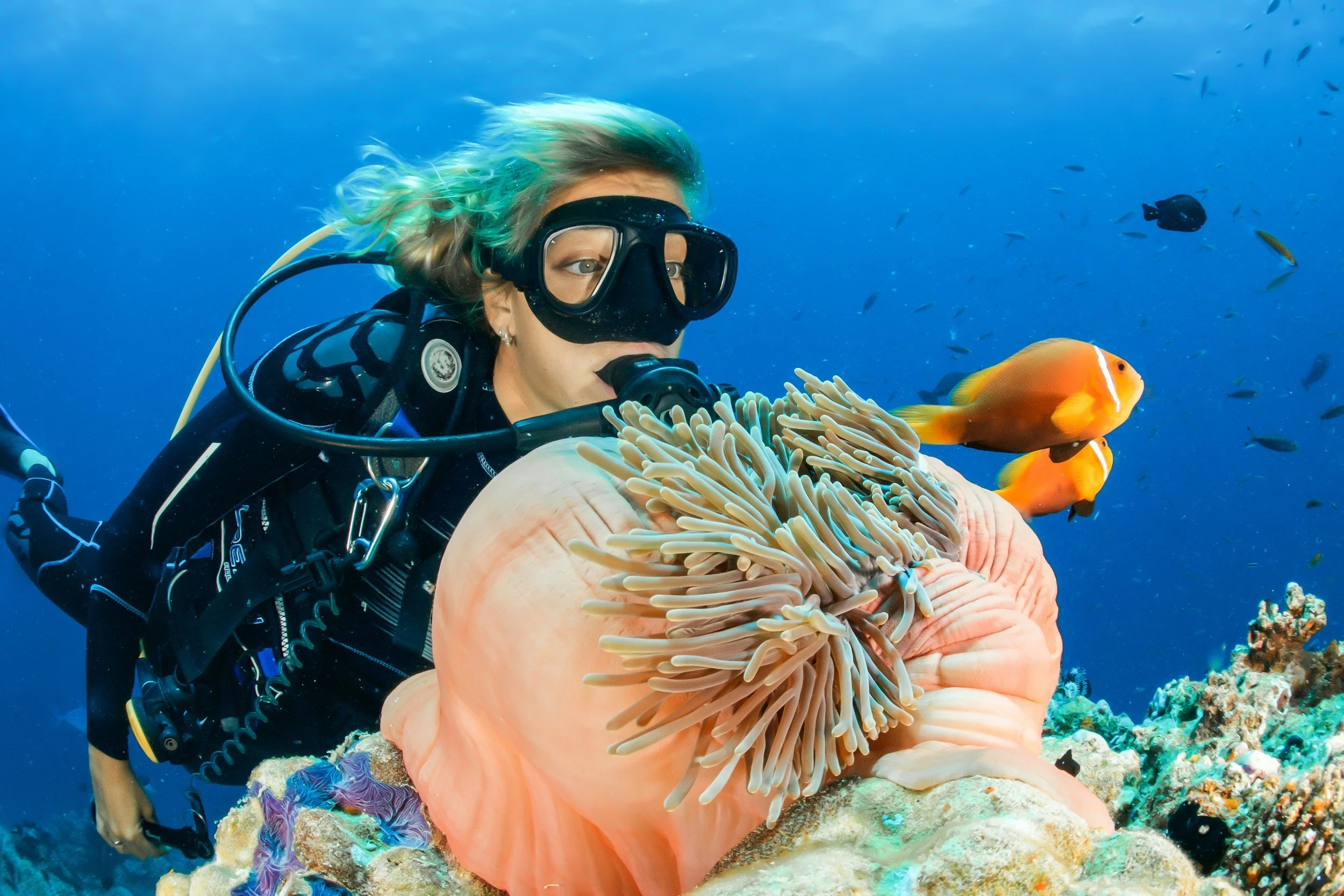
With Raja Ampat supporting such an extraordinary concentration of marine life, responsible diving and wildlife interactions are particularly important. Local communities, marine protected areas, and conservation initiatives have played significant roles in protecting the region's natural resources.
Maintaining good buoyancy, avoiding contact with coral, giving animals appropriate space, and practicing responsible underwater photography are important considerations throughout our adventure. The same applies above the surface, particularly when observing birds of paradise and other sensitive wildlife.
I want us to leave with some incredible photographs, wonderful memories, and a greater appreciation for why these extraordinary ecosystems deserve protection.
The People Are Half the Adventure
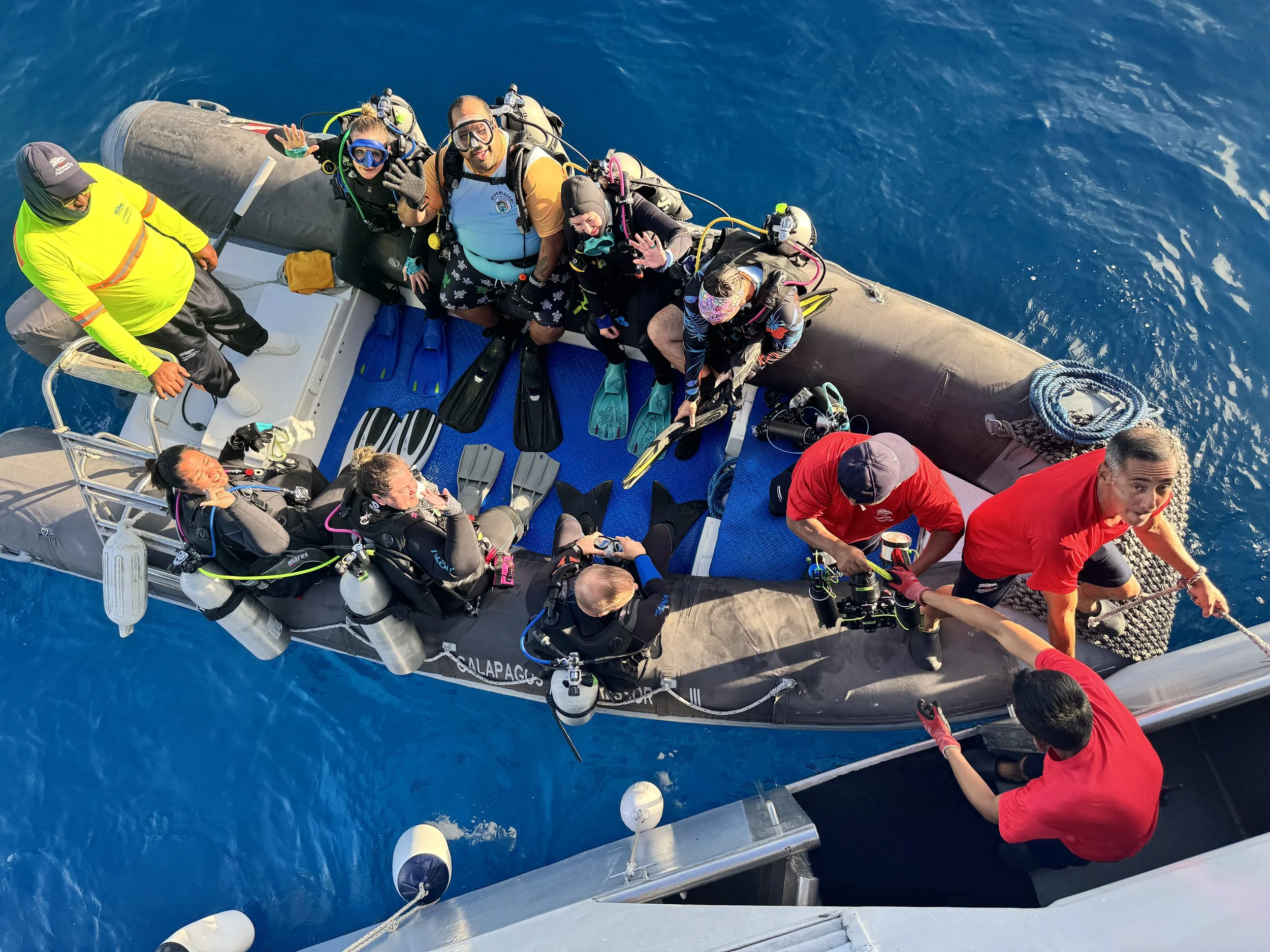
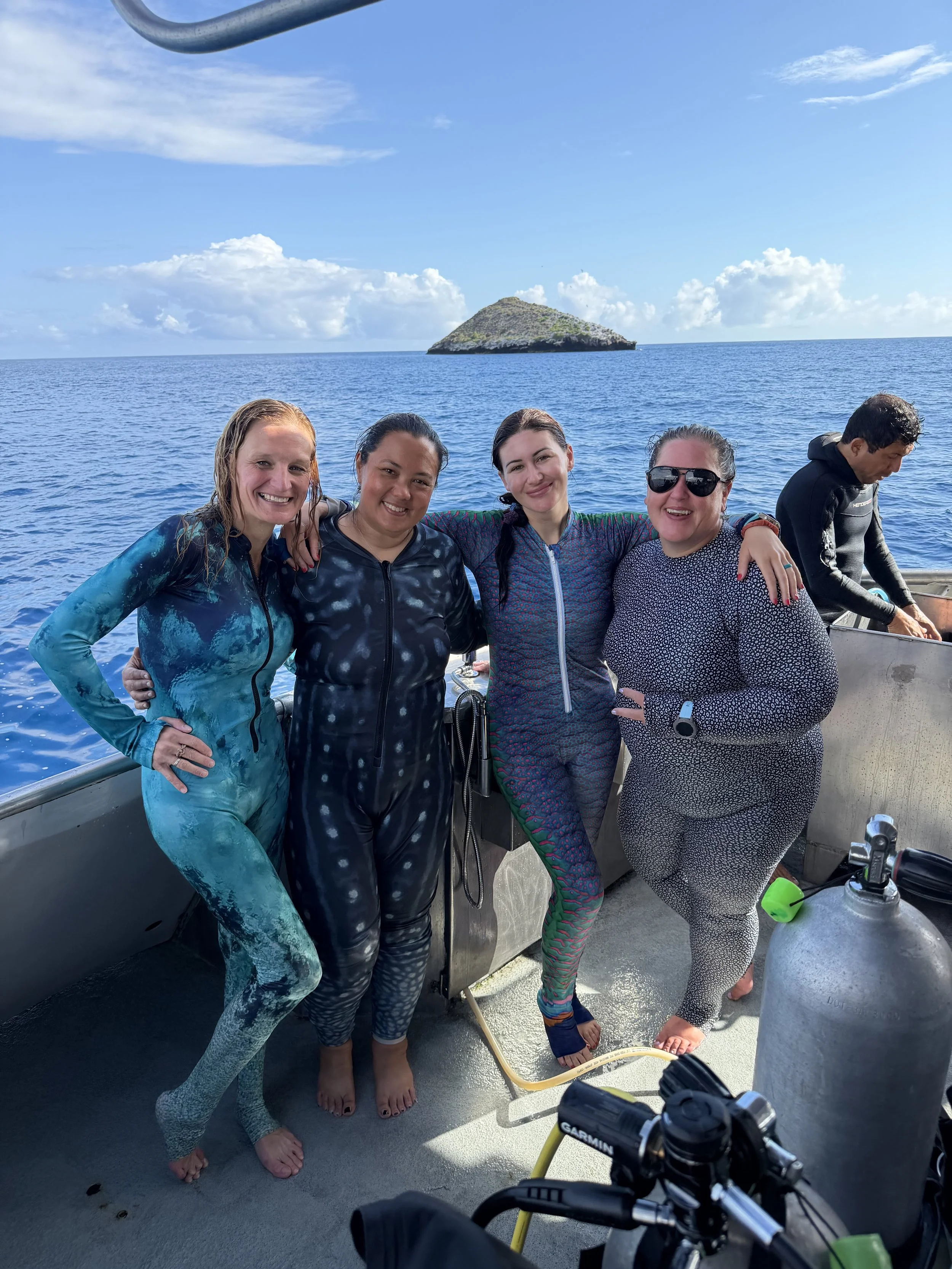
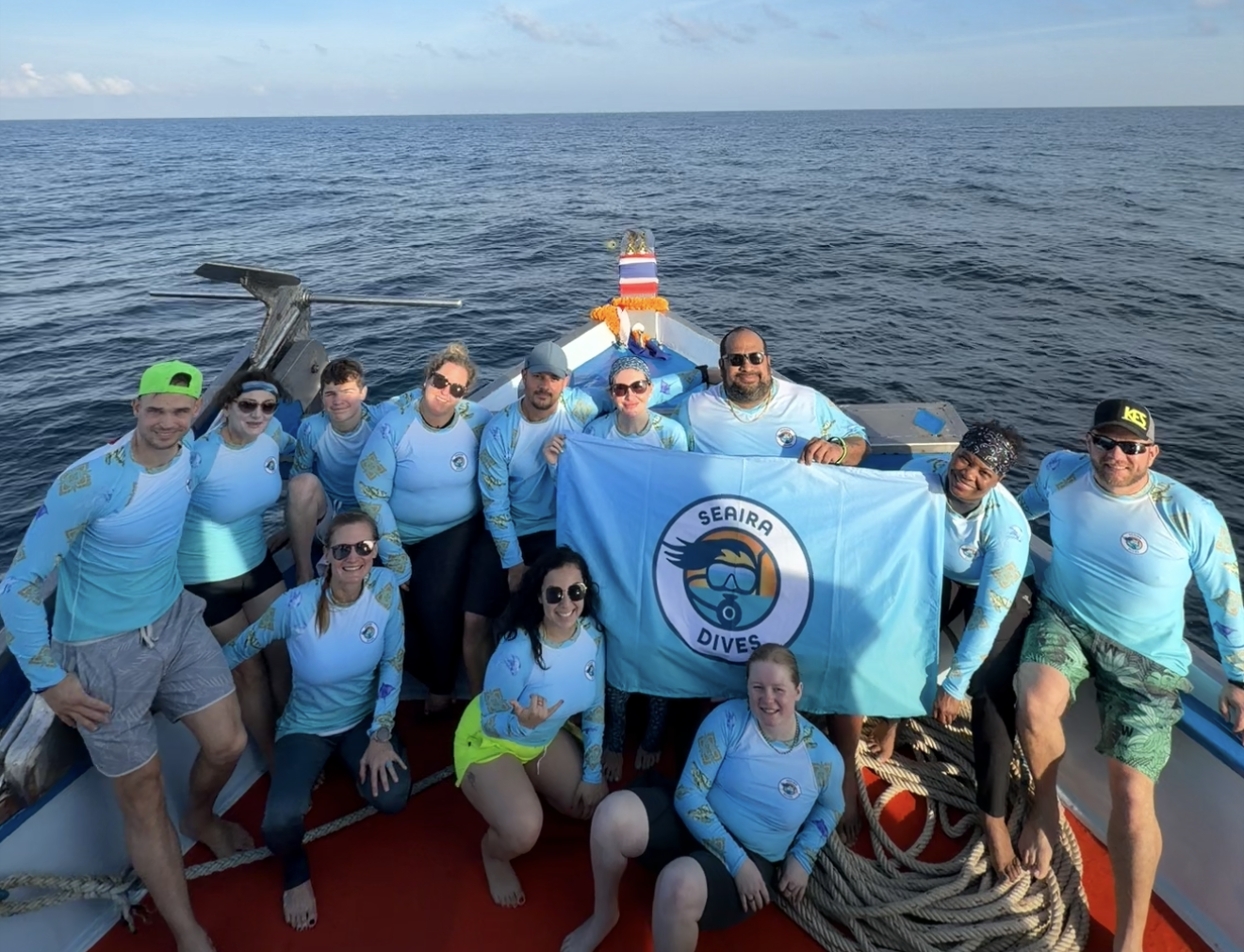
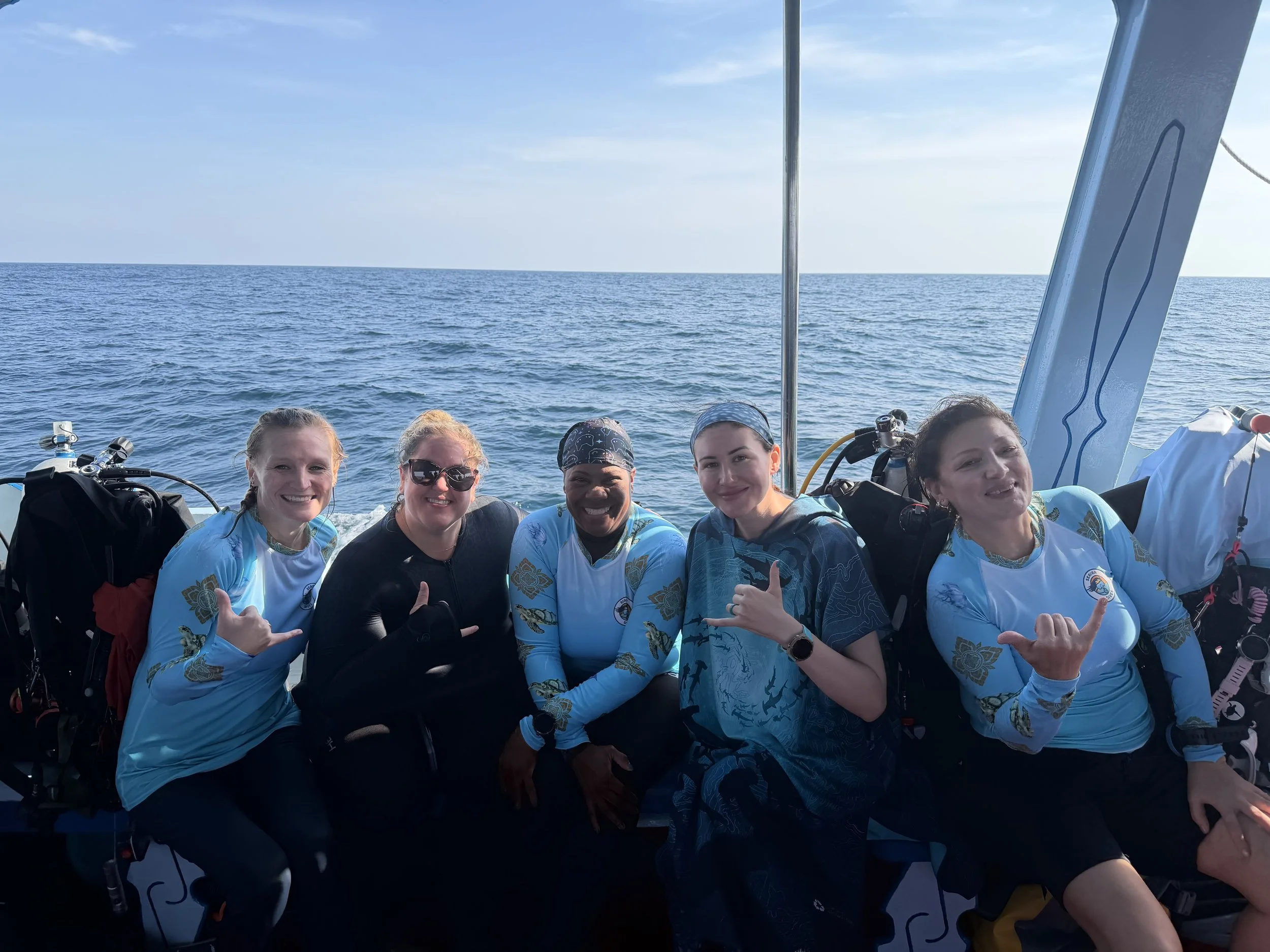
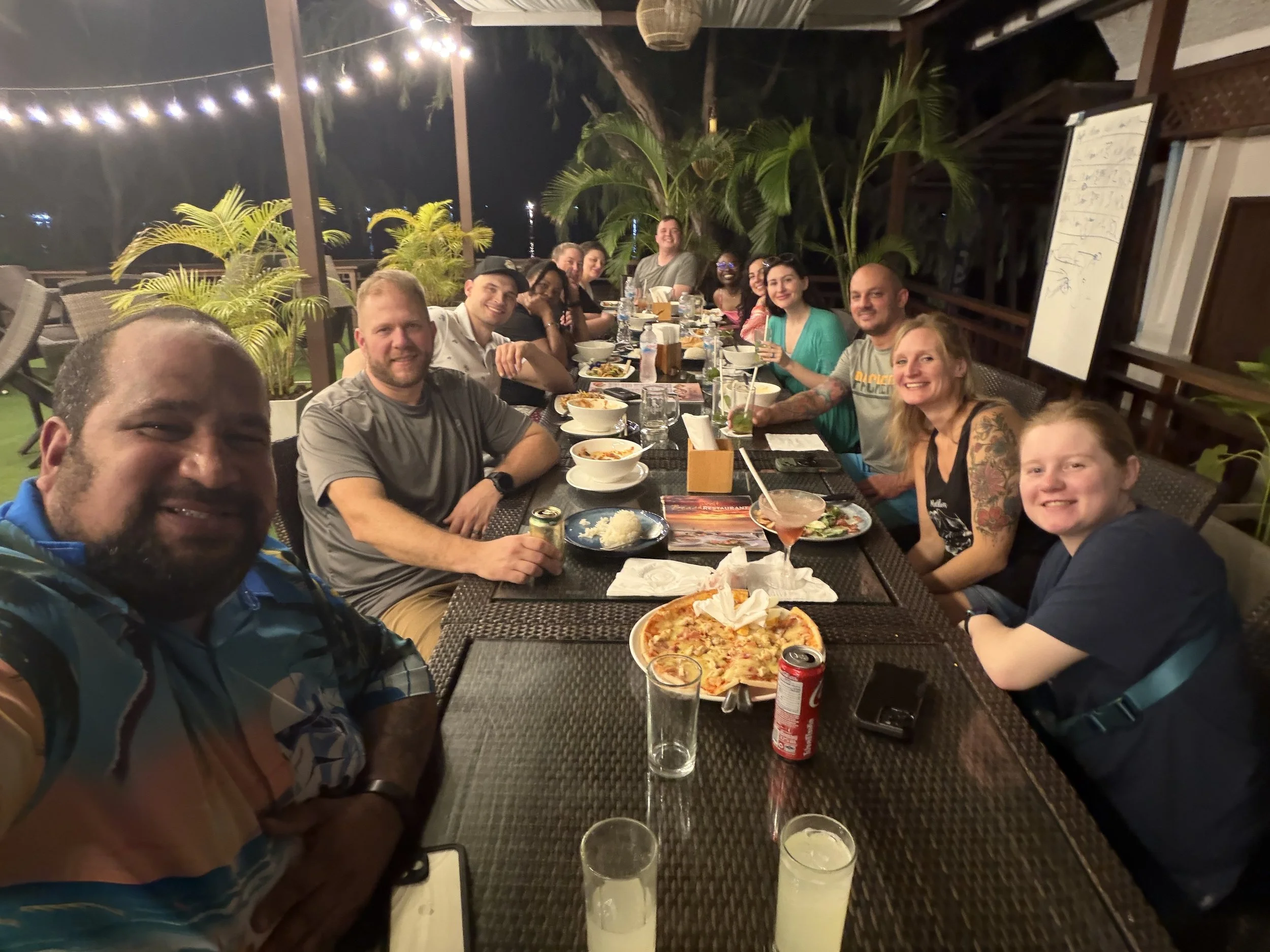
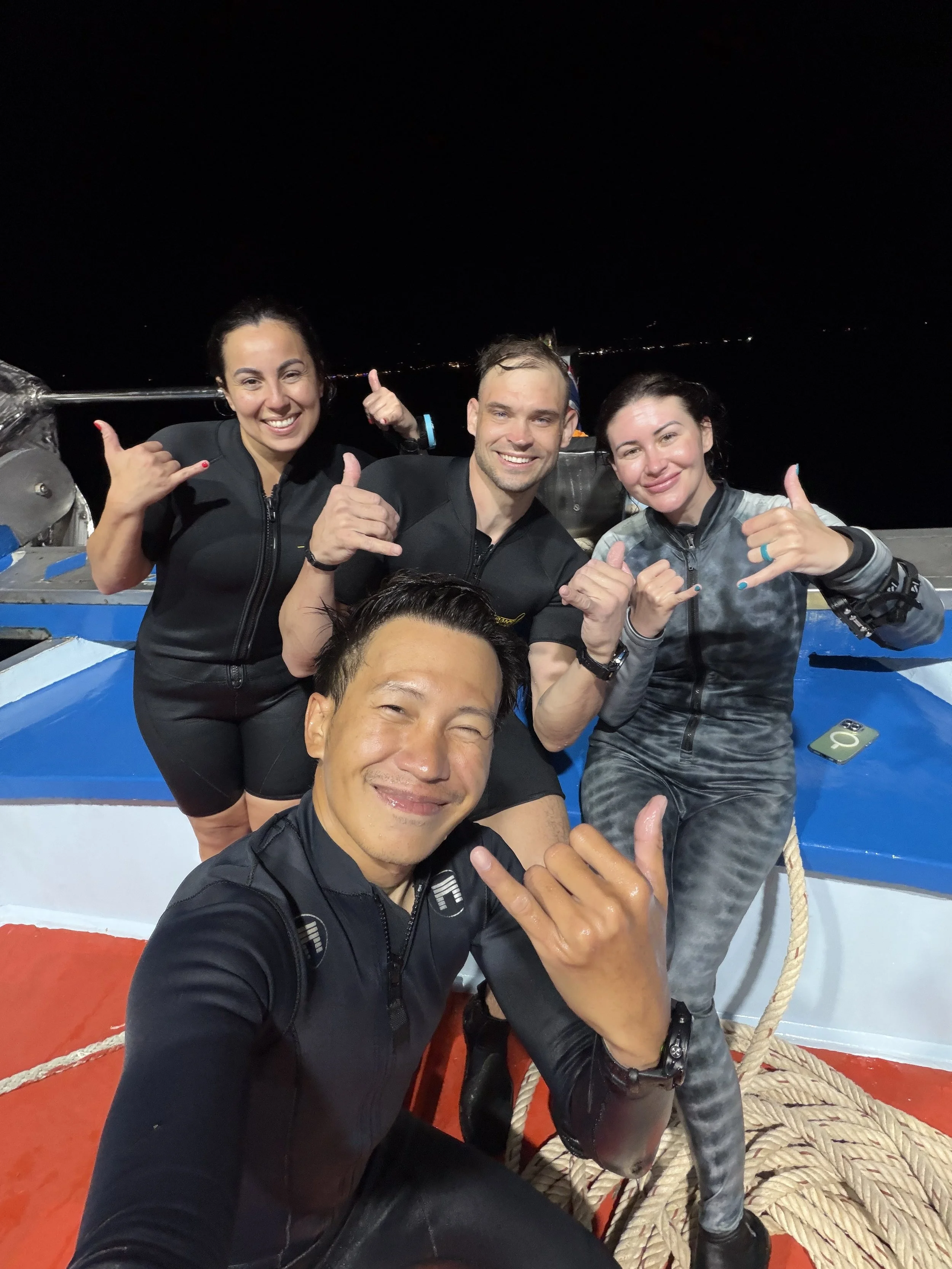
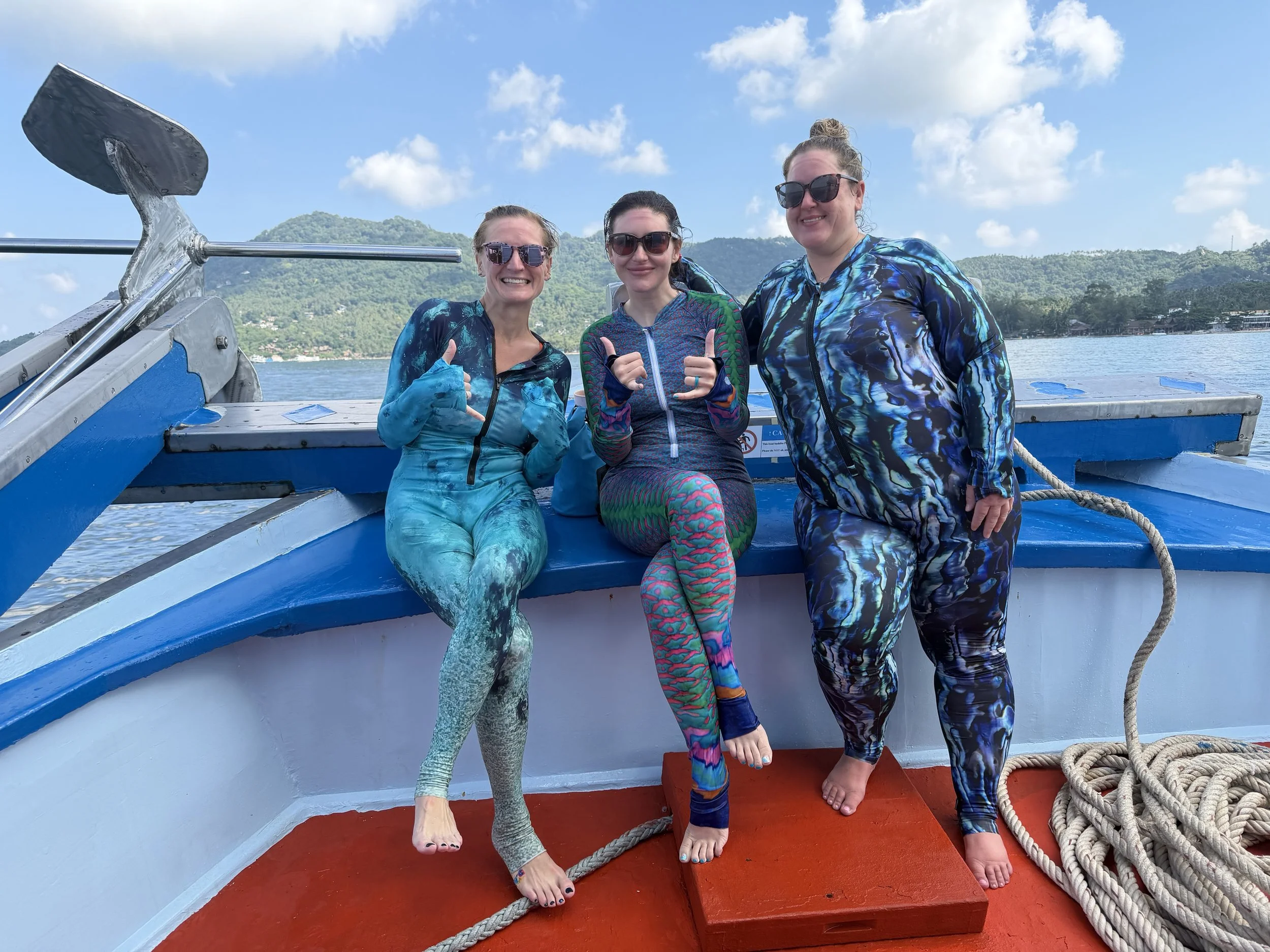
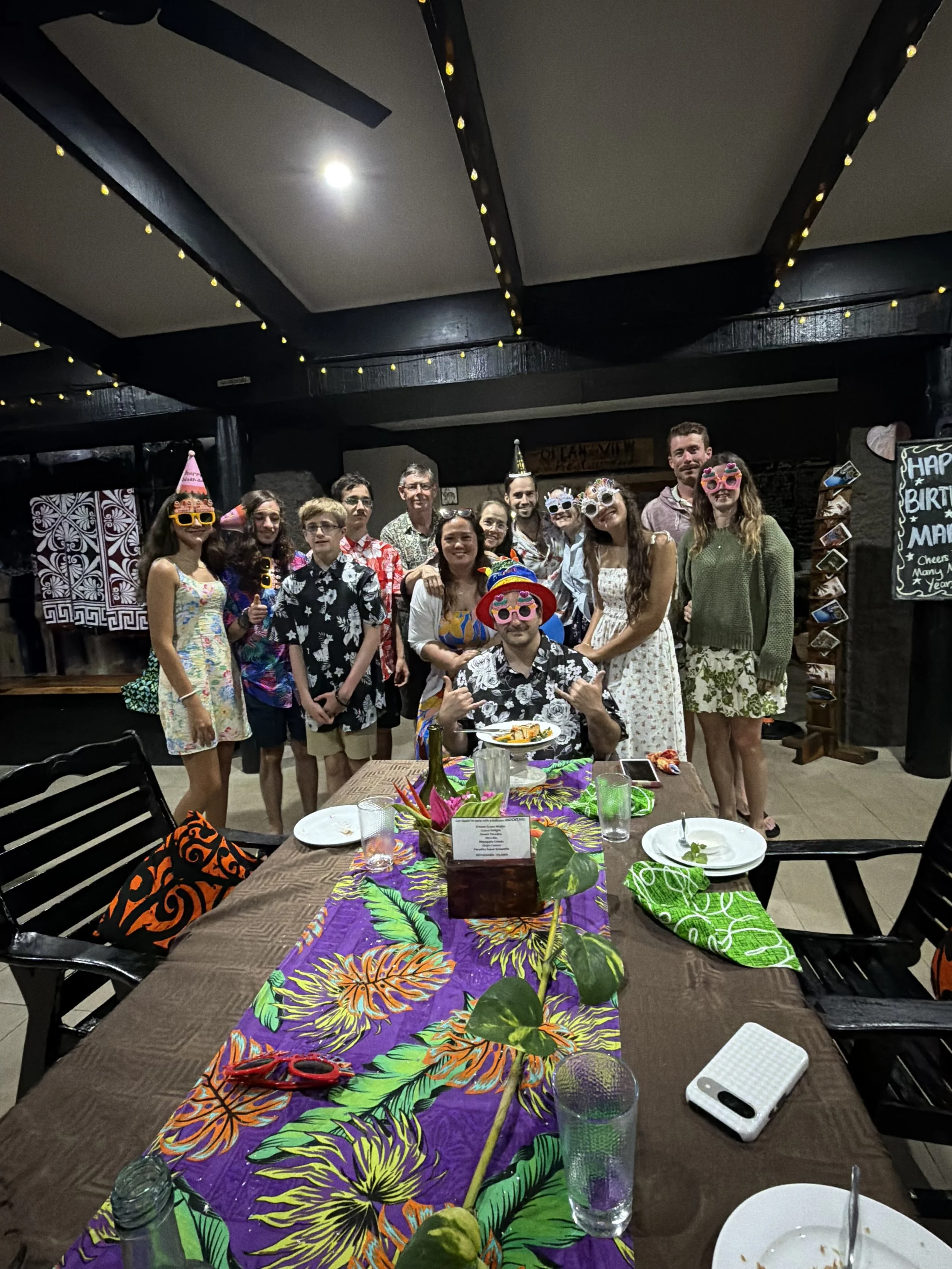
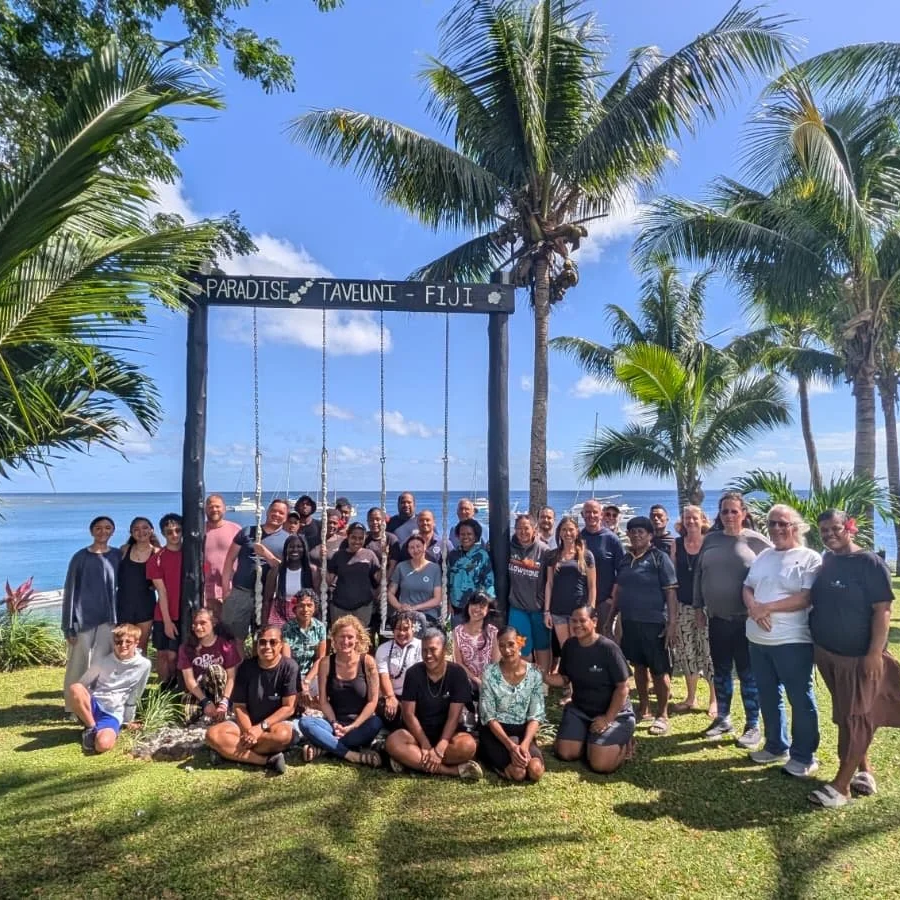
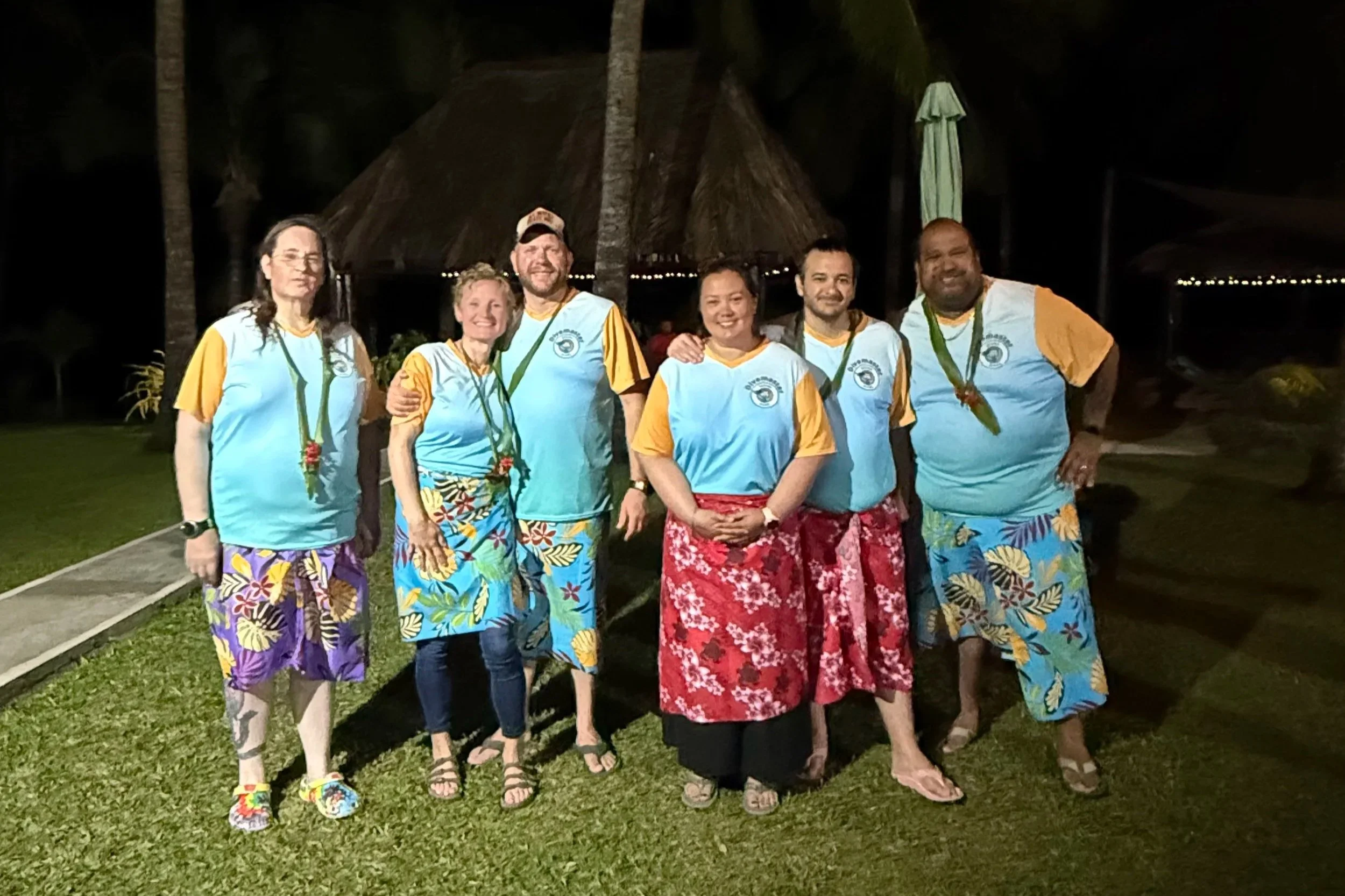
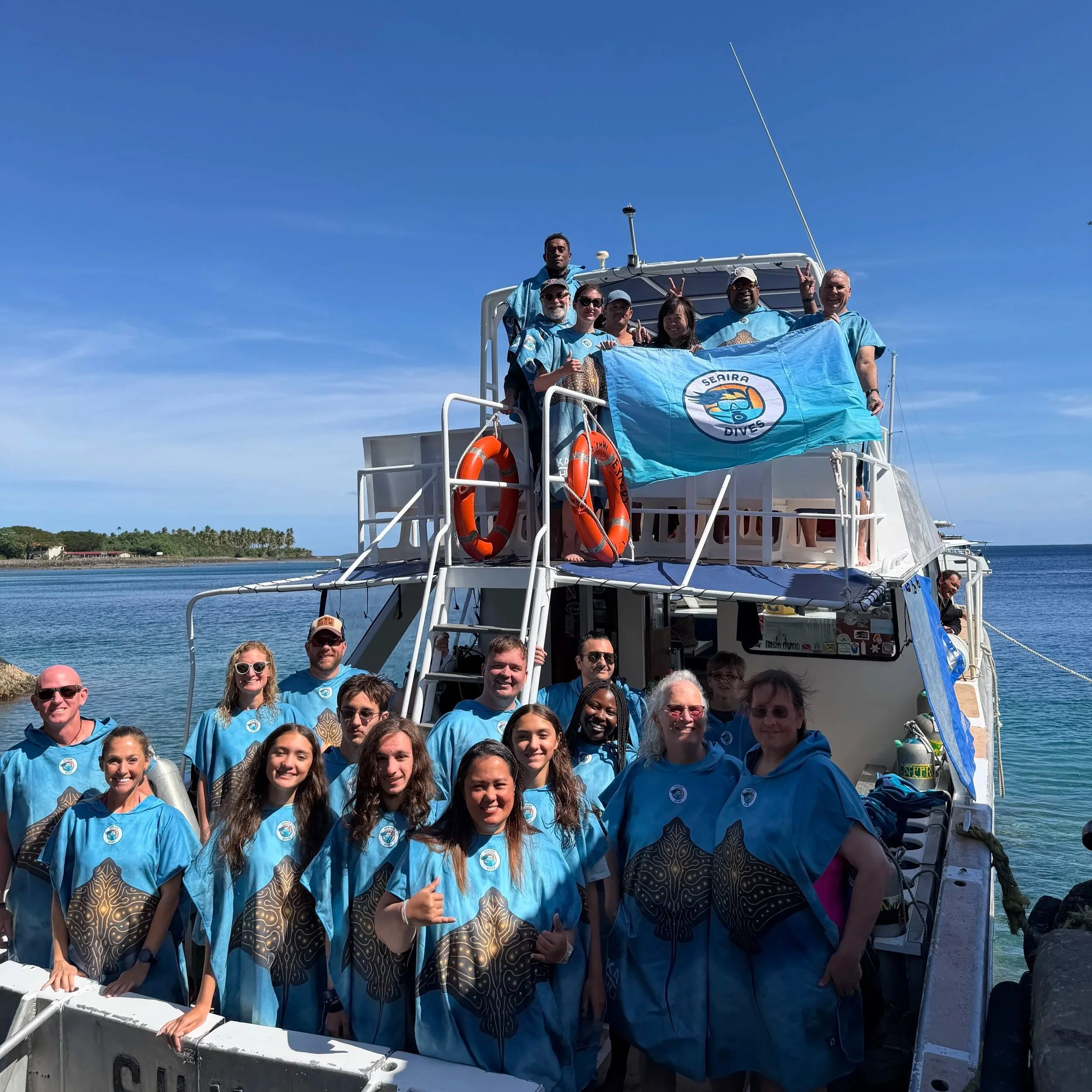
As much as I love diving, photography, and researching new destinations, the people have become one of my favorite parts of hosting Seaira Dives trips.
Some of my favorite memories have been the ridiculous conversations over dinner, the excitement of celebrating everyone's diving milestones, the completely unhinged inside jokes that develop during a trip, and watching people become genuinely excited about one another's wildlife encounters.
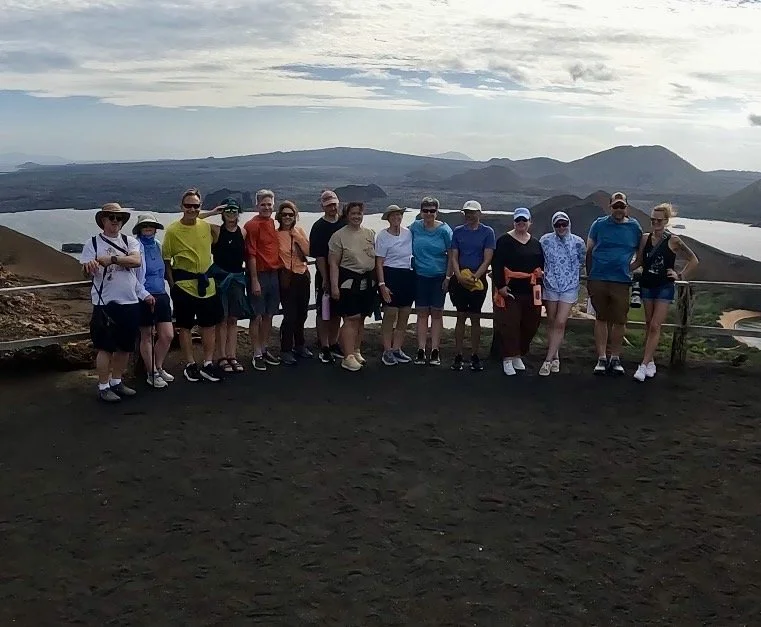
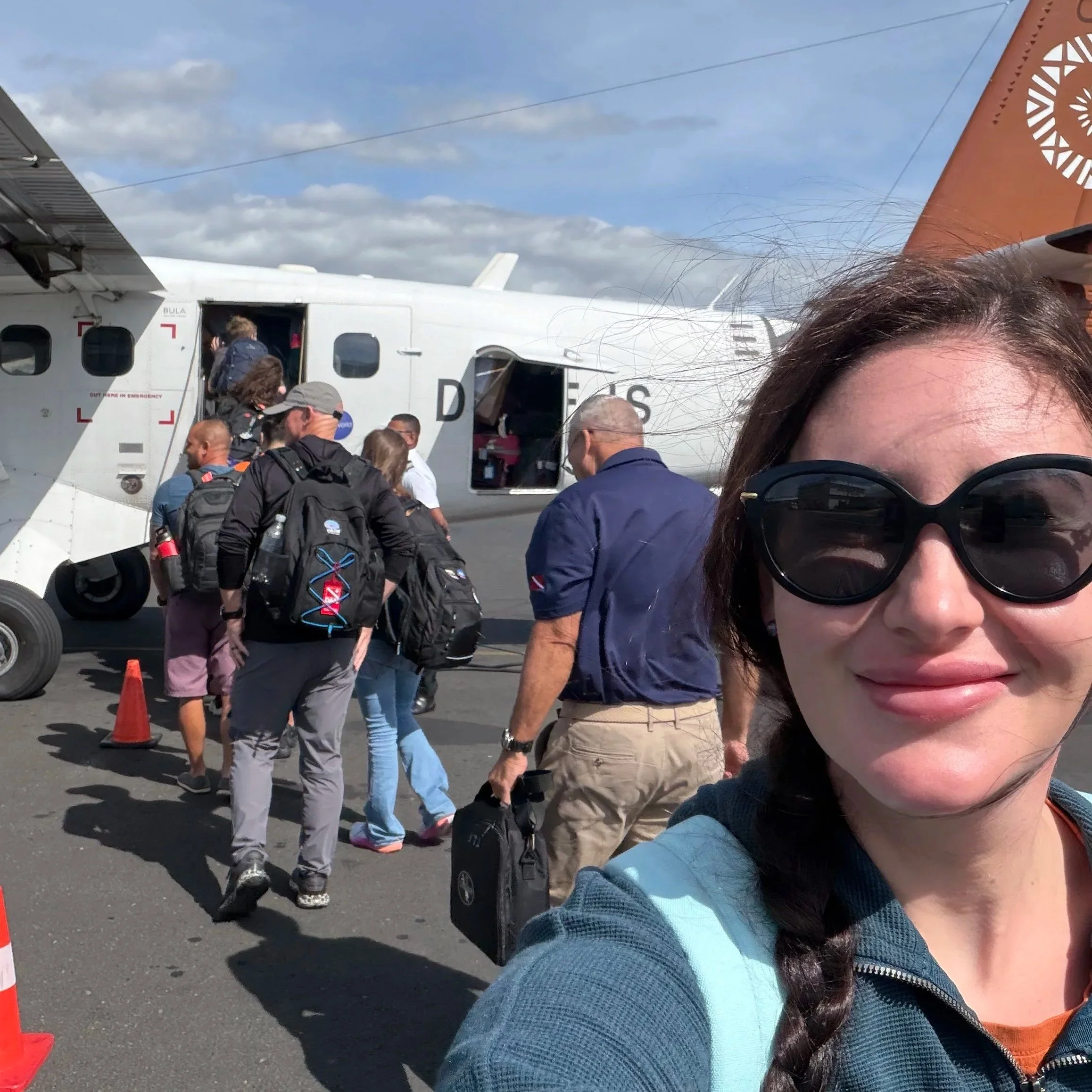
Over the years, I've loved watching strangers become friends, friends become family, and each trip become a little reunion with some wonderful new faces joining us. Some of our guests originally traveled solo, knowing absolutely nobody, and have since joined us for multiple adventures around the world.
Of course, we'll also have our end of trip video, photographs, custom trip swag, and our beloved Trippies awards. I'm already imagining the award possibilities between the divers, birdwatchers, photographers, and whoever inevitably becomes obsessed with finding a walking shark.

So, Who's Coming to Raja Ampat?!
Raja Ampat has been sitting on so many divers' bucket lists for years, and I completely understand why. Finding another destination that combines this level of marine biodiversity, incredible diving, extraordinary terrestrial wildlife, beautiful landscapes, and opportunities for both underwater and above water photography isn't particularly easy.
We've managed to put together an adventure that includes fantastic diving without sacrificing the opportunity to experience the destination itself. We can spend our mornings exploring spectacular reefs, our afternoons searching for birds of paradise or swimming in the Blue River, and our evenings enjoying dinner together and debating which animal was the highlight of the day.
I'm incredibly excited to see what this trip has in store for us, and I cannot wait to celebrate New Year's with our Seaira Dives family in one of the most extraordinary corners of the world.
We've got some epic adventures on the calendar, but Raja Ampat is going to be something particularly special.
Dive Into Raja: New Year Beneath the Surface
December 28, 2027 – January 5, 2028 | Raja Ampat, Indonesia
Here's what we've got to look forward to:
Eight nights at Waiwo Dive Resort
Fourteen guided boat dives
Unlimited unguided daytime house reef diving
Full board accommodations
Complimentary PADI Underwater Naturalist Specialty
Round trip airport transfers as outlined in our package
Custom Seaira Dives trip swag
Comprehensive travel guide and dedicated group WhatsApp chat
Optional night diving and additional boat dives
Snorkeling, birds of paradise excursions, Blue River adventures, and jungle exploration
Our end of trip video and legendary Trippies awards
Nondiving packages available
Packages start at $1,899, with a $500 nonrefundable deposit to reserve your spot. Pricing varies depending on your accommodation and diving package selection.
If you've been telling yourself for years that you'll make it to Raja Ampat someday, how does New Year's 2028 sound?
Check out the full trip details and join us in Raja Ampat!
Start researching those flights, dust off that underwater camera, and get ready for one seriously epic adventure.
Adventure is out there!
Wildlife encounters and specific dive sites cannot be guaranteed. Optional excursions are subject to additional charges, availability, and local conditions. Travel routes, airline schedules, ferry schedules, and excursion pricing are subject to change. Please refer to the official booking page for current pricing, inclusions, availability, and terms.
Dive safe, explore passionately, and remember…