Curated for the Current Continues
Zookeeper, The Family Business Building a Community Around Conservation
The lionfish don't care how hard we're trying.
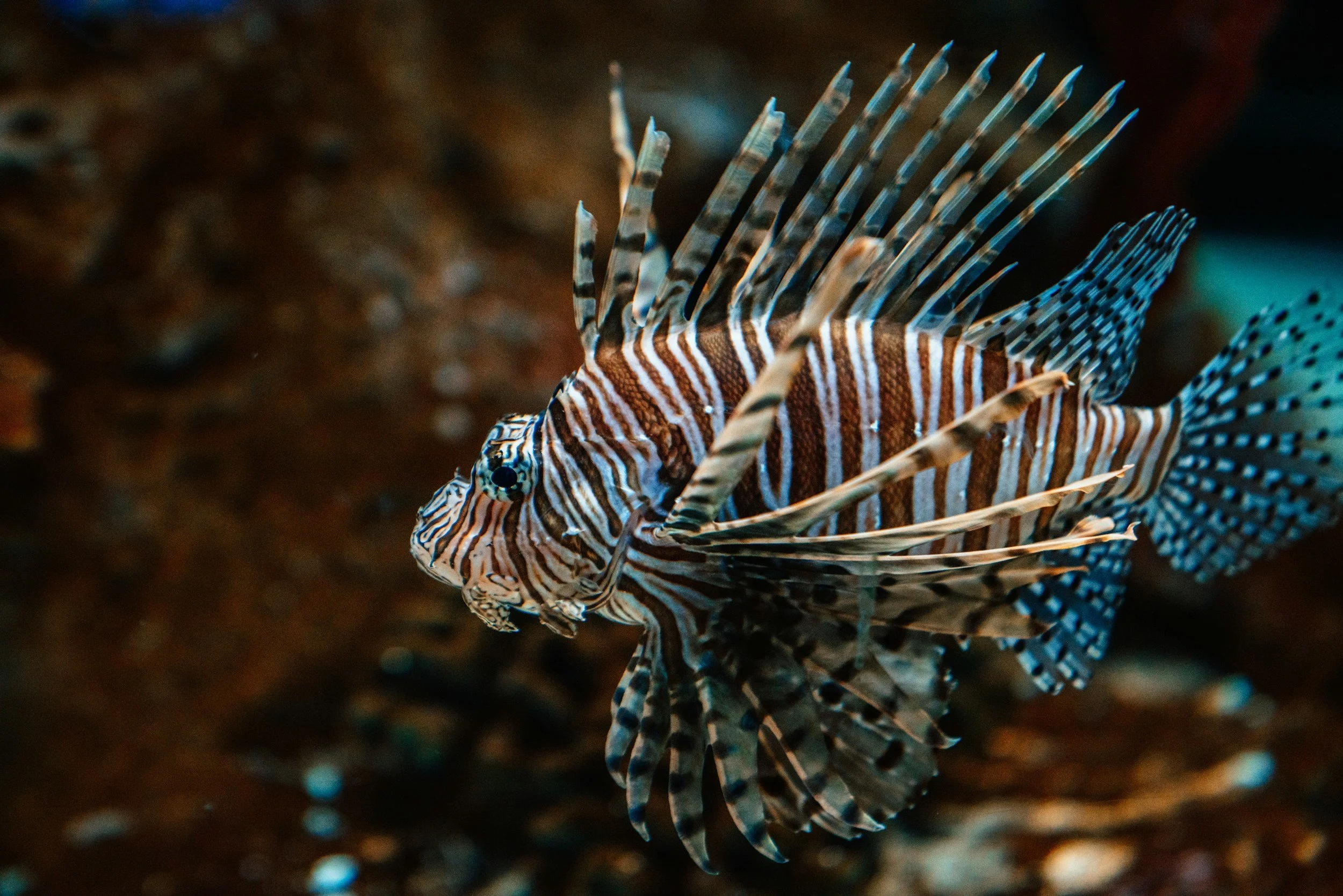
They don't care about the tournaments, the specialty courses, the restaurant menus, the researchers studying them, or the divers spending their weekends hunting them. They don't care that thousands of lionfish are removed from reefs every year throughout Florida and the Caribbean. They just keep reproducing, spreading, and expanding their range into waters where they were never meant to be.
What began with a handful of lionfish off the Florida coast in the mid-1980s has become one of the most significant marine invasions in modern history. Today, lionfish can be found throughout the Caribbean, Gulf of Mexico, and western Atlantic, consuming native reef fish, competing with local species, and putting additional pressure on reef systems already facing challenges from pollution, climate change, and habitat loss. A single female lionfish can produce millions of eggs each year, making population management a challenge that feels almost impossible to solve.
For many people, that sounds discouraging.
For Tim, it sounds like a reason to keep showing up.
A Conversation on a Dive Boat
Tim never planned to own a company.
In fact, the entire story started the way so many great dive stories do: on a boat, somewhere between gearing up and swapping stories. Sitting next to him was the original creator of the Lionfish Zookeeper. Tim already knew the product and had used it himself, but what he didn't expect was to hear that the company was about to disappear. The creator believed the market was saturated and was preparing to shut the business down.
Tim remembers looking around the boat and seeing Zookeepers everywhere.
Divers were using them. Lionfish hunters were using them. Conservationists were using them. To Tim, it didn't look like a product that had reached the end of its life. It looked like something people genuinely relied on. A few conversations eventually turned into a deal, and in 2021, Tim purchased Lionfish Zookeeper.
What he bought was a product.
What he built was something much bigger.
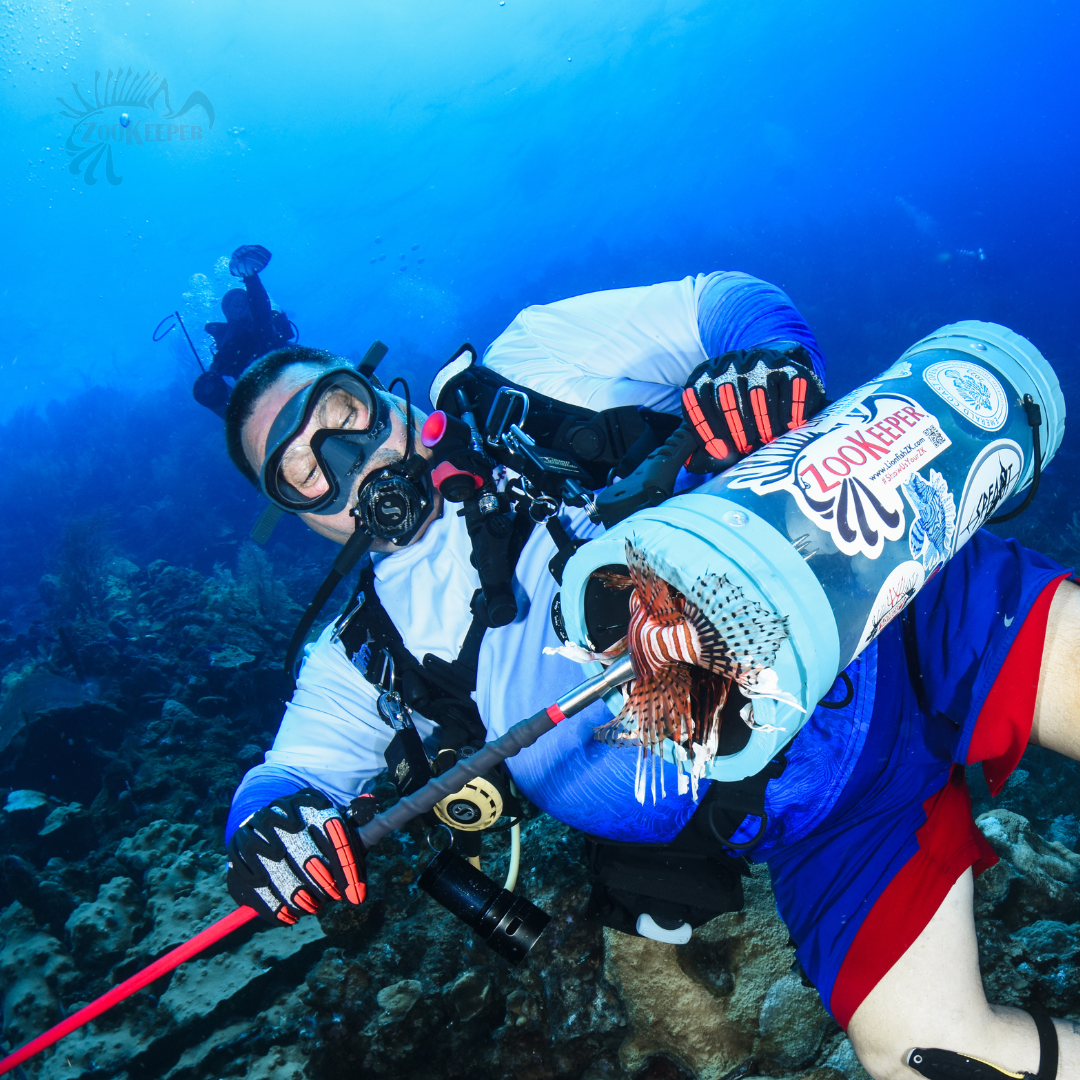
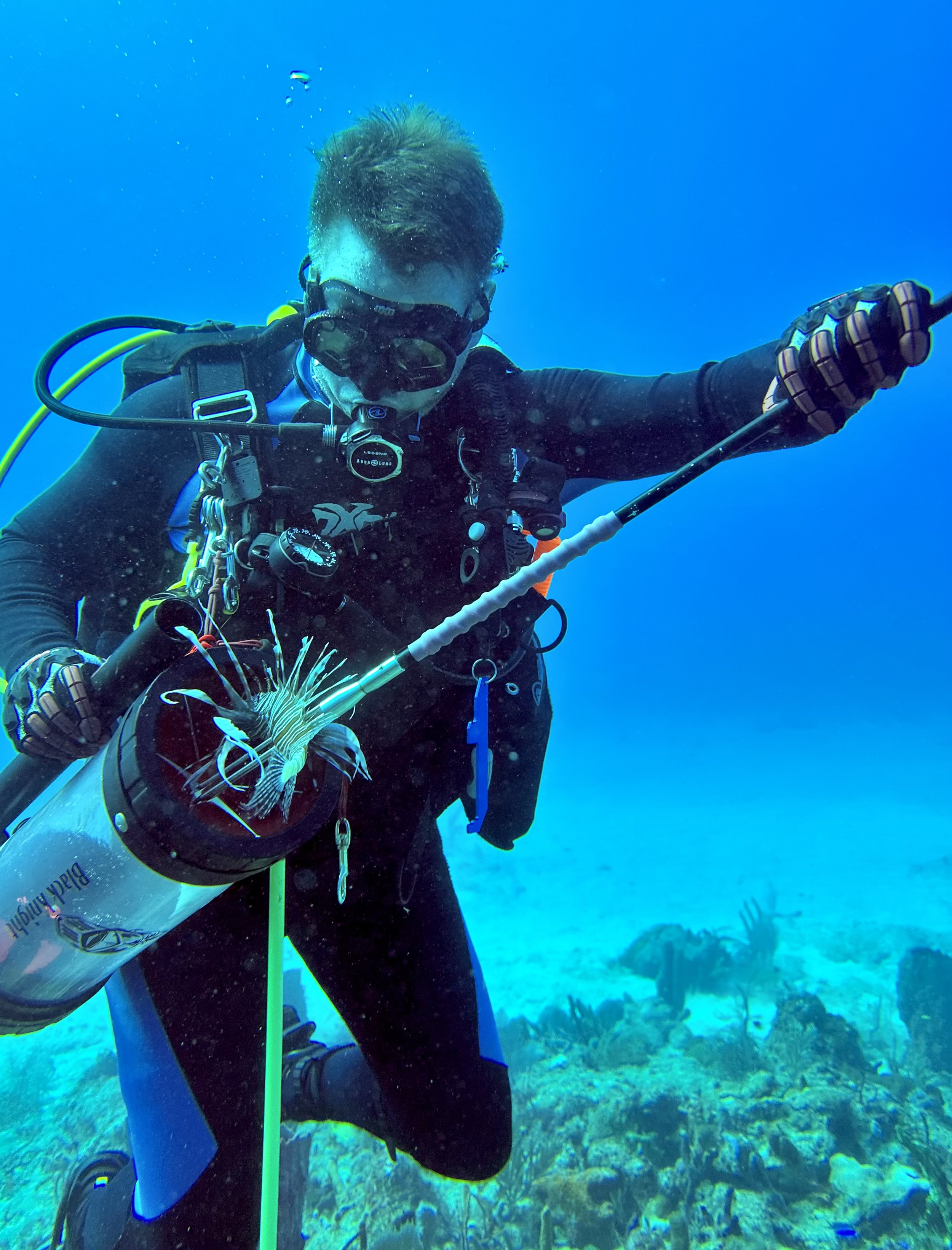
Tim using his zookeeper to safely transport a speared lionfish
Building Something Worth Passing On
One of the things that struck me most during our conversation was how often Tim talked about family.
Not growth projections. Not market share. Not sales goals.
Family.
Diving has always been part of his life, and today Lionfish Zookeeper remains very much a family business. His family loves diving, his children dive, and many of the decisions he makes are rooted in creating something meaningful that can eventually be passed on to the next generation. When he talks about the future of the company, he talks about legacy far more than profit.
That perspective influences everything the company does.
Perhaps that's why Lionfish Zookeeper feels different than many businesses in the dive industry. While the company manufactures products, the real focus has always been on people. The divers using the gear. The instructors teaching courses. The conservationists organizing events. The veterans finding healing underwater. The kids discovering the ocean for the first time.
The products are simply one way of supporting that community.
Learning the Lionfish World
When Tim purchased Lionfish Zookeeper, he readily admits there was a steep learning curve ahead.
Rather than pretending to have all the answers, he immersed himself in the conservation community. He sought out experts, researchers, educators, and longtime advocates. One of the people he connected with was Alex Fogg, widely regarded as one of the leading voices in lionfish education and management. Tim listened, learned, asked questions, and absorbed everything he could.
One phrase came up repeatedly during our conversation.
Knowledge is king.
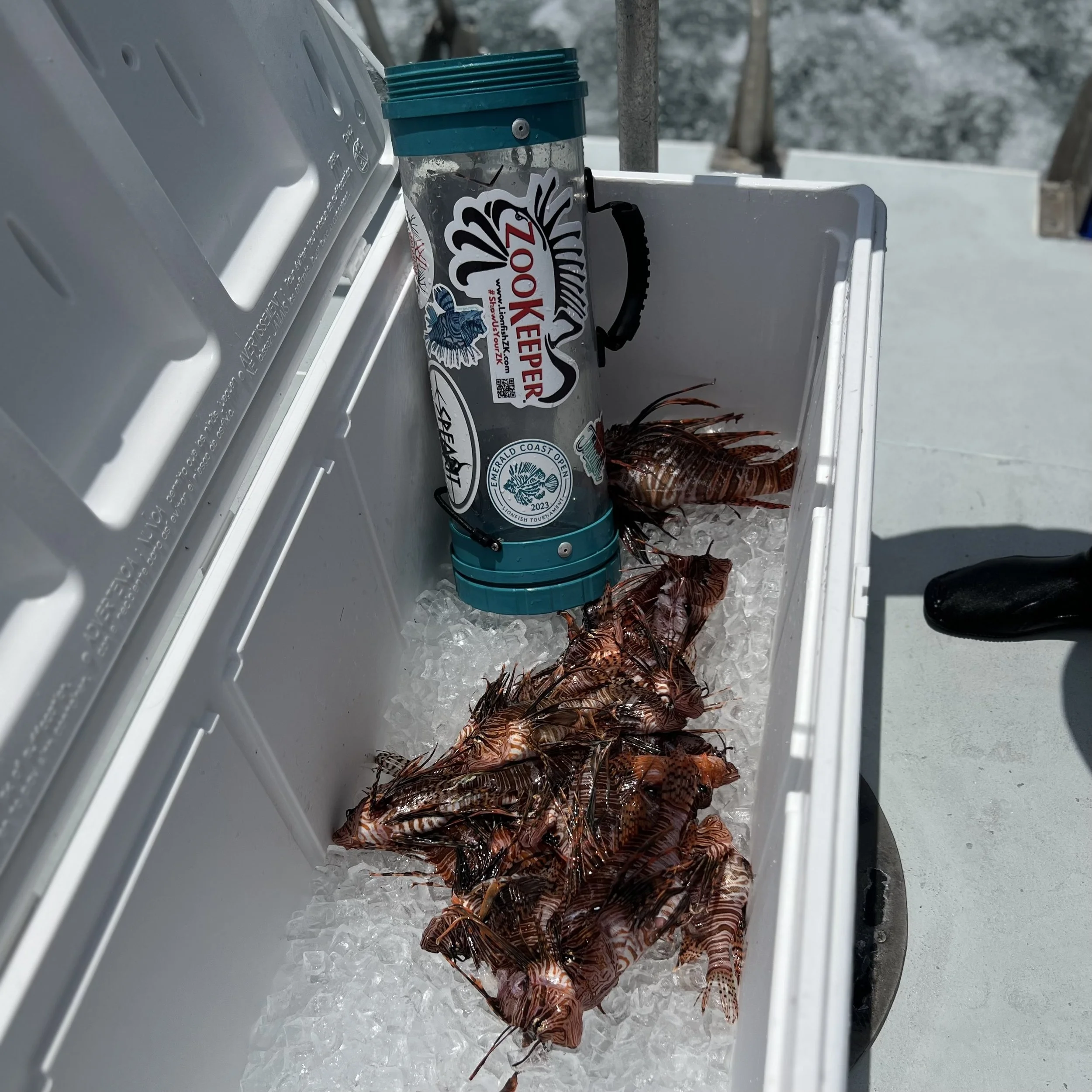
That philosophy continues to guide the company today. Tim regularly teaches the PADI Invasive Lionfish Tracker Specialty and is passionate about helping divers understand not just how to remove lionfish, but why removal matters in the first place. Because conservation is about far more than pulling a fish from a reef. It's about understanding the ecosystem you're trying to protect.
Turning Divers into Citizen Scientists
One of the things Tim emphasized throughout our conversation was that conservation starts with education.
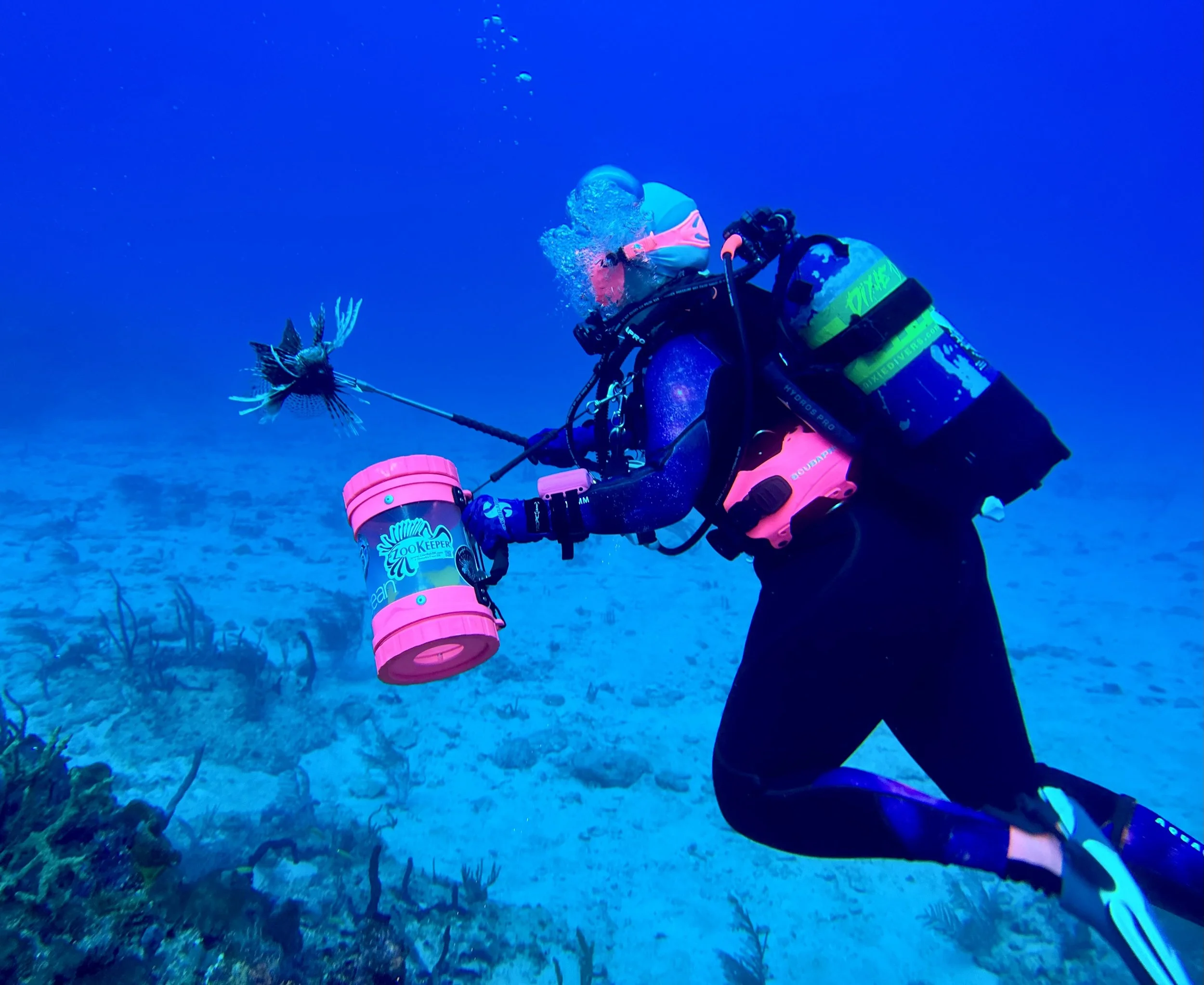
Today, he regularly teaches the PADI Invasive Lionfish Tracker Specialty, helping divers understand not only how to safely identify and remove lionfish, but why those efforts matter in the first place. The course explores the history of the invasion, the ecological impacts lionfish have on Atlantic and Caribbean reef systems, safe handling techniques, and the role recreational divers can play in ongoing management efforts. For Tim, it's about creating informed ocean advocates, not just lionfish hunters.
Education doesn't stop when class is over. Divers can also contribute valuable data to researchers and resource managers by reporting lionfish sightings and removals through programs like REEF's Lionfish Program. Every observation helps scientists better understand where lionfish populations are expanding, where removal efforts are succeeding, and where additional conservation work is needed.
It's a reminder that conservation is not reserved for scientists or professional resource managers. Every diver has the ability to contribute. Whether it's removing a lionfish, reporting a sighting, participating in a derby, or simply helping educate another diver, small actions add up to meaningful impact.
More Than a Place for Speared Fish
At first glance, a Zookeeper looks like a simple tool.
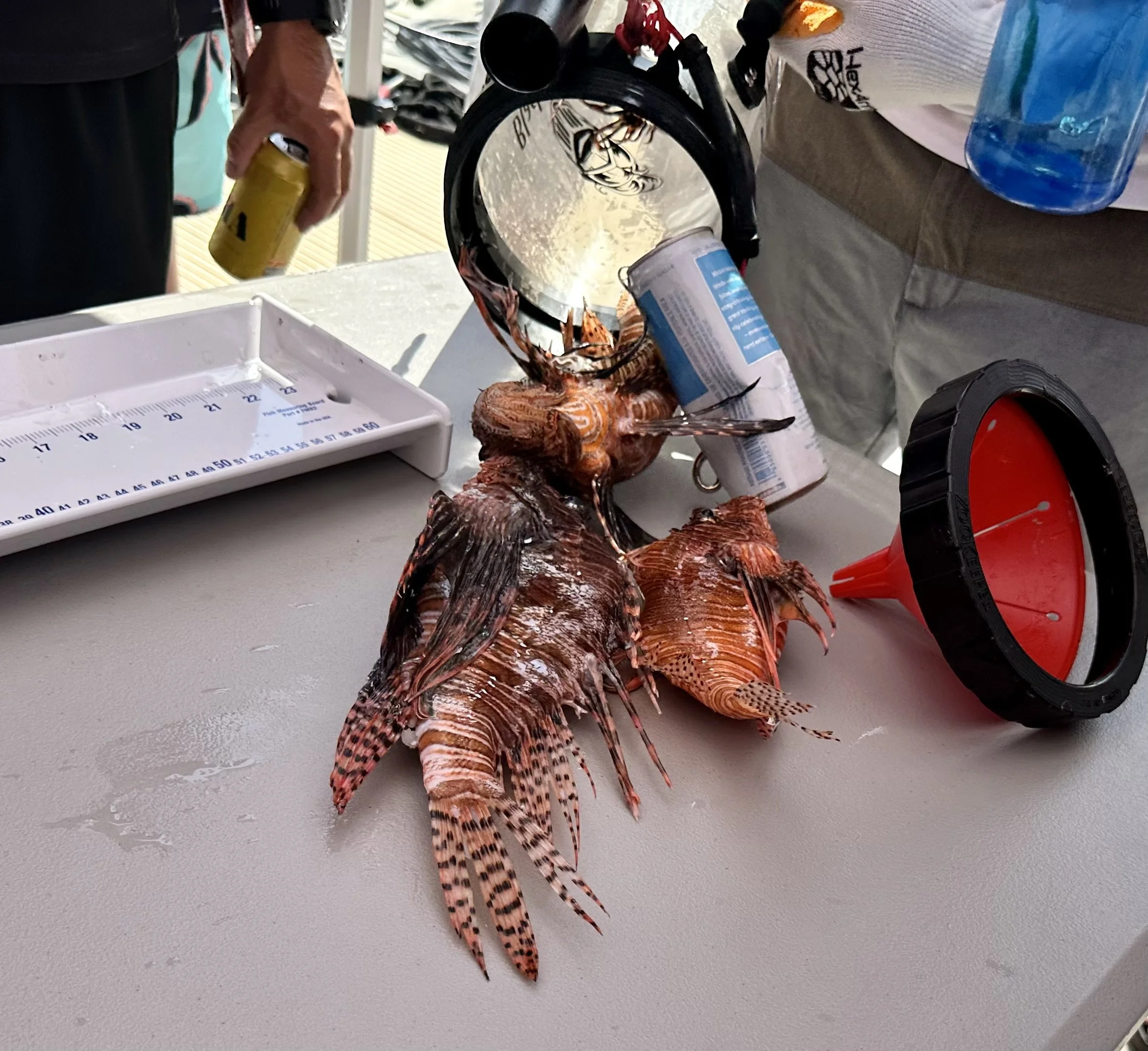
But spending time with Tim quickly revealed that it has become much more than a place to store speared lionfish.
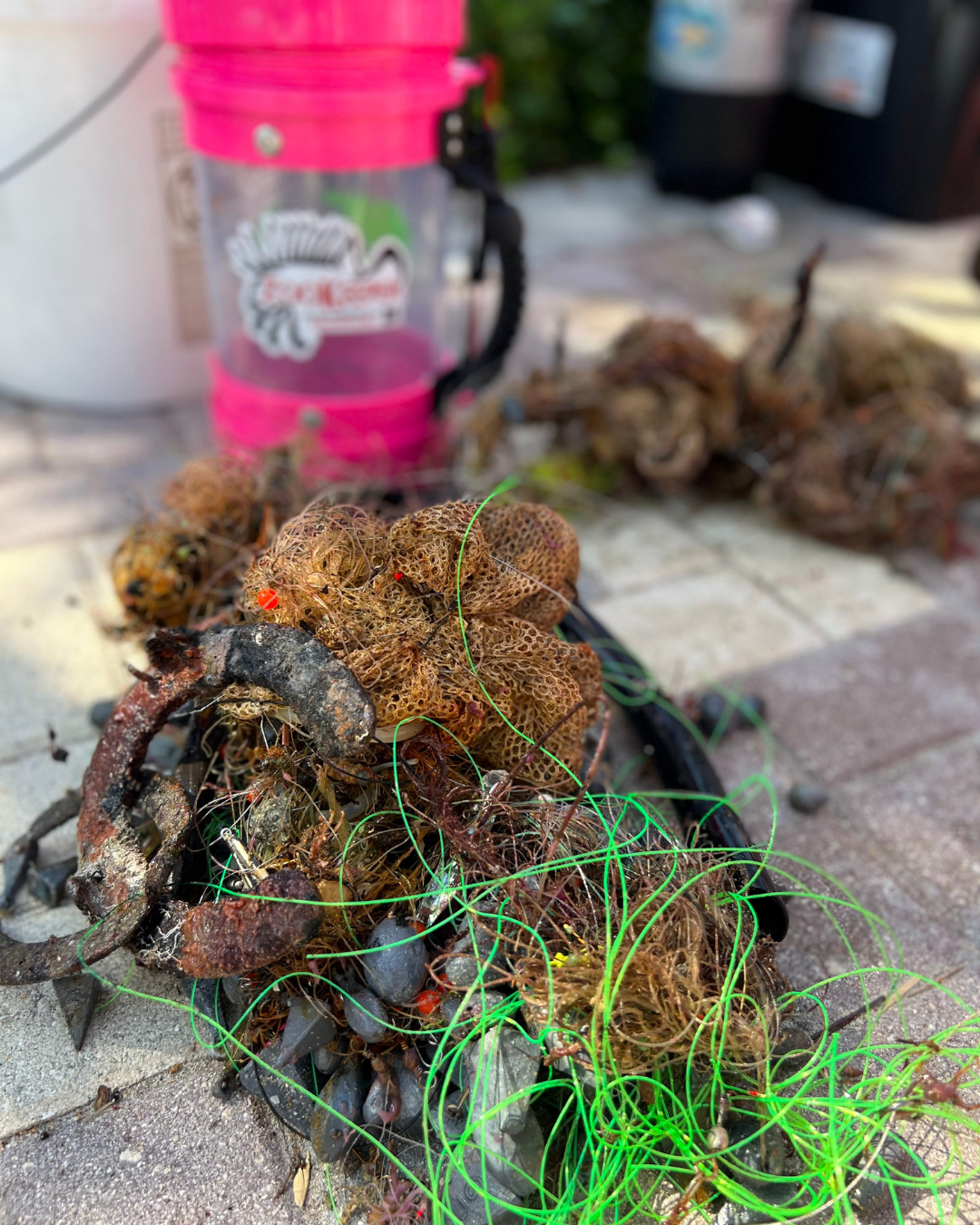
One story that stuck with me involved a cleanup beneath a fishing pier where divers removed more than 500 pounds of marine debris. Anyone who has participated in a Dive Against Debris knows how quickly fishing line, hooks, and sharp objects can create hazards underwater. Traditional mesh bags often become tangled, and hooks can easily snag equipment—or divers.
Instead of accepting the problem, the Zookeeper team looked for a solution.
The result was a specialized rubber funnel system that allows divers to use their Zookeepers for debris collection, helping contain hooks, fishing line, and sharp objects more safely during cleanups. It's a simple innovation, but it reflects something important about the company. The team isn't sitting in an office guessing what divers need. They're in the water doing the work themselves.
That hands-on approach shows up in nearly everything they do.
Debris safely cleaned up using a zookeeper
Showing Up for the Ocean
There are plenty of companies that talk about conservation.
Lionfish Zookeeper shows up for it.
Over the years, the company has supported more than thirty events, partnered with conservation organizations, donated products, contributed to fundraisers, and participated in countless lionfish removals and community initiatives. They work closely with organizations like REEF, support educational programs, and remain deeply connected to the grassroots conservation community that continues to fight the lionfish invasion every day.
What impressed me most is that they don't just sponsor events.
They participate.
Whether it's competing in lionfish derbies, helping with reef cleanups, teaching courses, or supporting local conservation efforts, Tim and his team consistently put themselves alongside the very people they are supporting. They understand that conservation isn't something you do from the sidelines.
It requires getting in the water.
Service Above Self
Long before Lionfish Zookeeper became part of his life, service was already a defining theme.
Tim spent time as a Search and Recovery diver with his local fire department, doing the kind of diving that requires patience, discipline, and a commitment to helping others. Combined with a family deeply connected to military service, those experiences helped shape the way he approaches both business and community.
That mindset is perhaps most visible through the company's support of Warfighter Scuba.
The organization works with Purple Heart recipients, using diving as a tool for healing, connection, and purpose. Lionfish Zookeeper contributes through donations, fundraising efforts, silent auctions, and event support. Last year alone, initiatives connected to the company helped raise more than $34,000 for the organization.
For Tim, supporting veterans isn't separate from conservation.
It's all part of the same philosophy.
Show up. Help people. Leave things better than you found them.
The Community Fighting Back
One thing became increasingly clear as we talked.
The lionfish battle isn't being won by products.
It's being fought by people.
It's the instructor teaching a Lionfish Tracker course. It's the volunteer spending their Saturday at a cleanup. It's the researchers studying genetics in hopes of better understanding the invasion. It's the adaptive divers participating in removals. It's the dive operators organizing local efforts. It's the families raising the next generation of ocean advocates.
Lionfish Zookeeper has become a gathering place for all of those people.
Annual trips to Curaçao bring divers together from across the community. Derby weekends turn strangers into teammates. Conservation projects create friendships that extend far beyond a single dive. What started as a product has evolved into a network of people connected by a shared desire to protect the underwater world they love.
That may be the company's greatest accomplishment.
Not the gear.
The community.
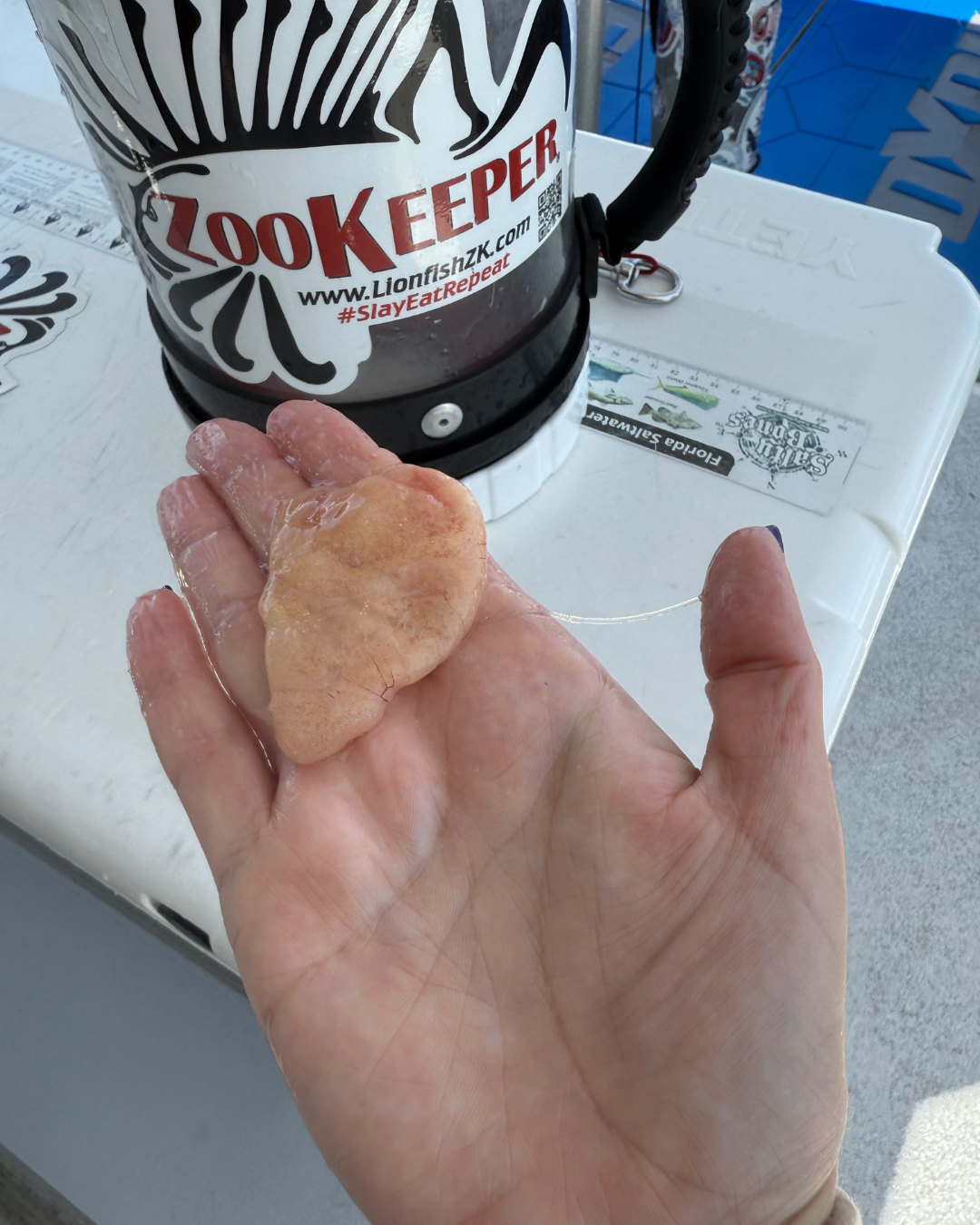
A lionfish egg mass, potentially containing up to 15,000 eggs. With females capable of spawning every few days, it's easy to understand how this invasive species has spread so rapidly throughout the Atlantic and Caribbean.
Looking Toward the Horizon
As our conversation wound down, we eventually drifted away from lionfish and started talking about diving.
Like many lifelong divers, Tim's face lights up when discussing unforgettable underwater encounters. One story stood out above the rest: a completely natural encounter with a great white shark off the Florida coast. No cage. No bait. No staged experience. Just one of those rare moments that remind you how wild and humbling the ocean can be.
It's still one of his favorite underwater memories.
That sense of wonder is probably what connects everything we've talked about.
The lionfish removals. The conservation work. The education. The veterans. The community. The family business.
At the center of it all is a deep love for the ocean.
Looking ahead, Lionfish Zookeeper continues to grow. New products are being developed. New partnerships are forming. Educational programs are expanding. Conservation efforts continue to evolve. Yet through all of it, the mission remains remarkably simple.
Keep showing up.
Because the lionfish problem isn't going away tomorrow.
But neither are the people fighting it.
In a perfect world, there would be no need for a Lionfish Zookeeper. There would be no invasive lionfish to remove, no reefs under pressure, and no reason for divers to spend their weekends hunting fish that never belonged here in the first place.
Until that day comes, Tim, his family, and the community they've helped build will keep doing what they've always done.
One dive.
One cleanup.
One lionfish.
One reef at a time
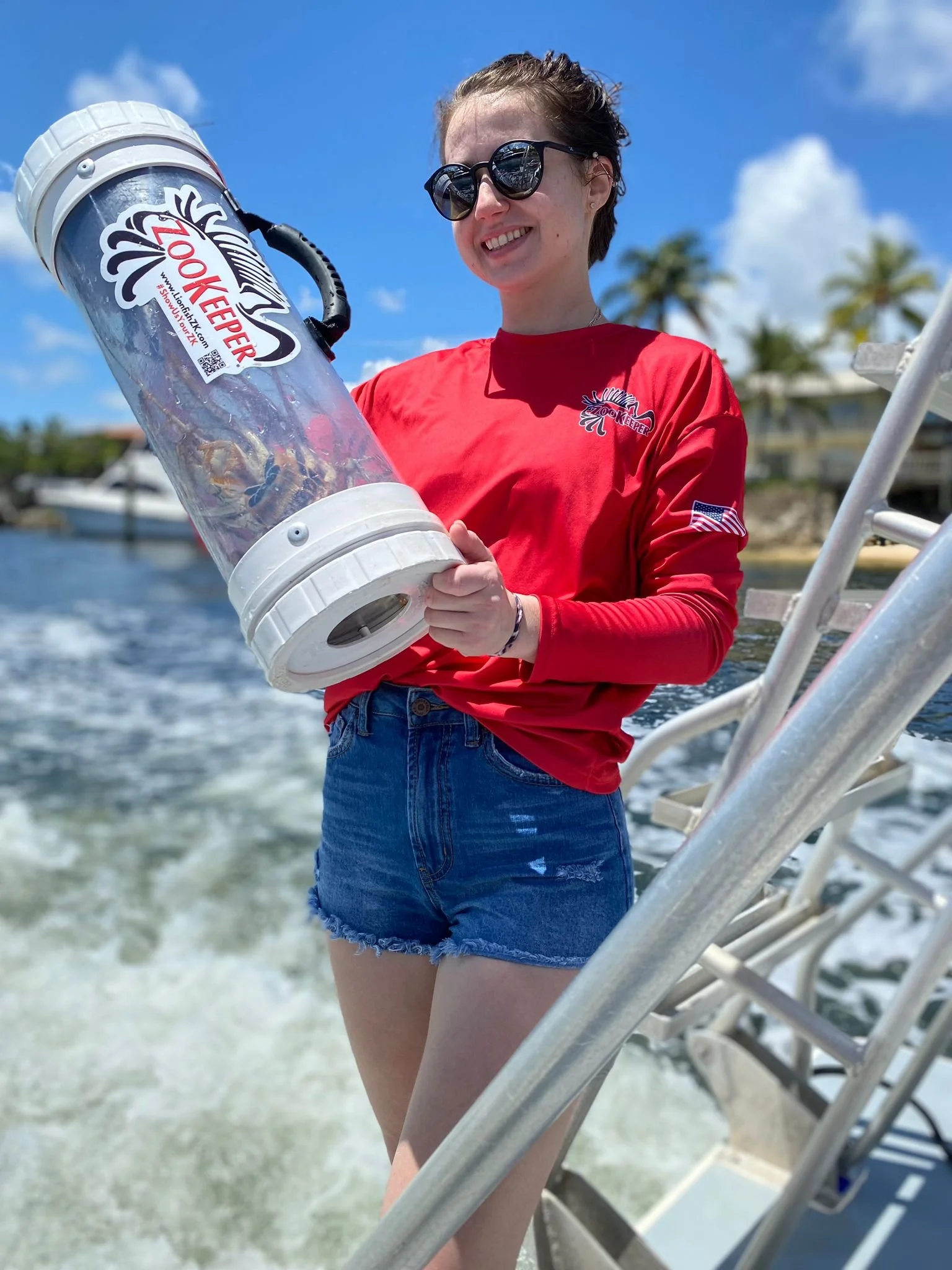
Dive safe, explore passionately, and remember…