From elusive thresher sharks and spectacular coral walls to some of the smallest and strangest creatures in the ocean, discover why our December 2028 Philippines liveaboard adventure deserves a place on your diving bucket list.
December 2–9, 2028 | Philippines Aggressor | Best of Visayas
There aren't many places in the world where you can spend your morning diving with one of the ocean's most elusive sharks and your afternoon searching for a seahorse smaller than your fingernail. The Philippines happens to be one of them, and the more I've researched our upcoming adventure, the more convinced I am that seven nights won't be nearly enough.
After photographing hammerhead sharks in the Galápagos, searching for wonderfully weird critters in Lembeh, and falling in love with the soft corals of Fiji's Rainbow Reef, I've found a destination that combines nearly everything I love about diving. The famous thresher sharks of Malapascua, the incredible biodiversity of Bohol, the remote reefs of Southern Leyte, and the possibility of encountering everything from whale sharks to tiny pygmy seahorses make this one of our most exciting upcoming adventures.
From December 2 to 9, 2028, we're heading to the Philippines for seven nights aboard the Philippines Aggressor, exploring the Best of Visayas. We'll spend our days diving some of the richest marine ecosystems on the planet, our evenings enjoying delicious food and tropical island scenery, and an unreasonable amount of time discussing which animal was the best discovery of the day.
Knowing our group, the nudibranch enthusiasts are going to give the shark lovers some serious competition.
Who needs a white Christmas when you can have a blue December?
Diving at the Center of the Center
With more than 7,600 islands, the Philippines presents a rather wonderful problem for scuba divers: there's simply too much to see.
The country lies within the Coral Triangle, a region spanning parts of Southeast Asia and the western Pacific that supports the greatest concentration of marine biodiversity on Earth. Often referred to as the Amazon of the Seas, the Coral Triangle is home to more than 600 species of reef-building corals and thousands of species of reef fish.
The central Philippines occupies a particularly fascinating position within this region. Scientists have identified its waters as one of the world's richest areas for marine shore fish diversity, earning the region recognition as the center of the center of marine biodiversity.
A combination of complex island geography, deep channels, ocean currents, sheltered coastal habitats, extensive coral reefs, and millions of years of evolutionary history has contributed to this extraordinary concentration of marine life.
For divers, that means an incredible variety of underwater experiences within relatively close proximity. We could explore a dramatic wall covered in soft corals and enormous sea fans, descend onto a sandy slope inhabited by beautifully camouflaged critters, or spend a dive watching sharks emerge from the blue.
Some destinations are famous for their large marine animals, others for their macro life, and others for their spectacular coral reefs. The Philippines has earned its reputation by offering all three.
As someone who can become equally excited about a three-meter shark and a three-millimeter sea slug, I find that combination difficult to resist.
Why We're Exploring the Best of Visayas
Choosing where to dive in the Philippines was probably the most difficult part of planning this adventure. Every island I researched seemed to give me another reason to visit, which is precisely why I've selected Aggressor's seven-night Best of Visayas itinerary.
The Visayas encompass a vast collection of islands in the central Philippines, surrounded by offshore reefs, deep ocean channels, and diverse coastal ecosystems. Rather than spending our entire vacation diving around a single island, we'll have the opportunity to explore several distinct destinations without repeatedly transporting our dive gear between hotels, ferries, and airports.
One of the advantages of this itinerary is its flexibility. Once we're aboard, the captain and dive team will select the most favorable route based on prevailing conditions, visibility, safety, local regulations, and operational considerations.
After traveling halfway around the world, I'd much rather have an experienced local crew choosing where we dive based on what's actually happening underwater than be committed to a predetermined route regardless of conditions.
Two Phenomenal Routes
Aggressor offers two sample routes for our seven-night adventure.
Route One: Threshers, Turtles & Bohol's Underwater Treasures
Malapascua, Capitancillo, Anda, Pamilacan, Balicasag, and Cabilao.
This route combines the famous shark encounters of northern Cebu with spectacular offshore reefs, dramatic coral walls, sea turtles, schooling fish, and the fascinating macro life surrounding Bohol.
Route Two: Sharks, Sea Kraits & Southern Leyte
Malapascua and Gato Island, Capitancillo, Southern Leyte, Anda, and Olango.
Our alternative route introduces us to fascinating underwater rock formations, remote coral reefs, remarkable macro life, and the possibility of naturally occurring whale shark encounters in Southern Leyte.
Both sample routes feature Malapascua, Capitancillo, and Anda, providing a fantastic combination of shark encounters, coral reef diving, and underwater treasure hunting.
Looking at both itineraries, I'd have a difficult time choosing between them myself. Fortunately, we don't have to.
Malapascua: A Shark Worth Traveling Halfway Around the World For
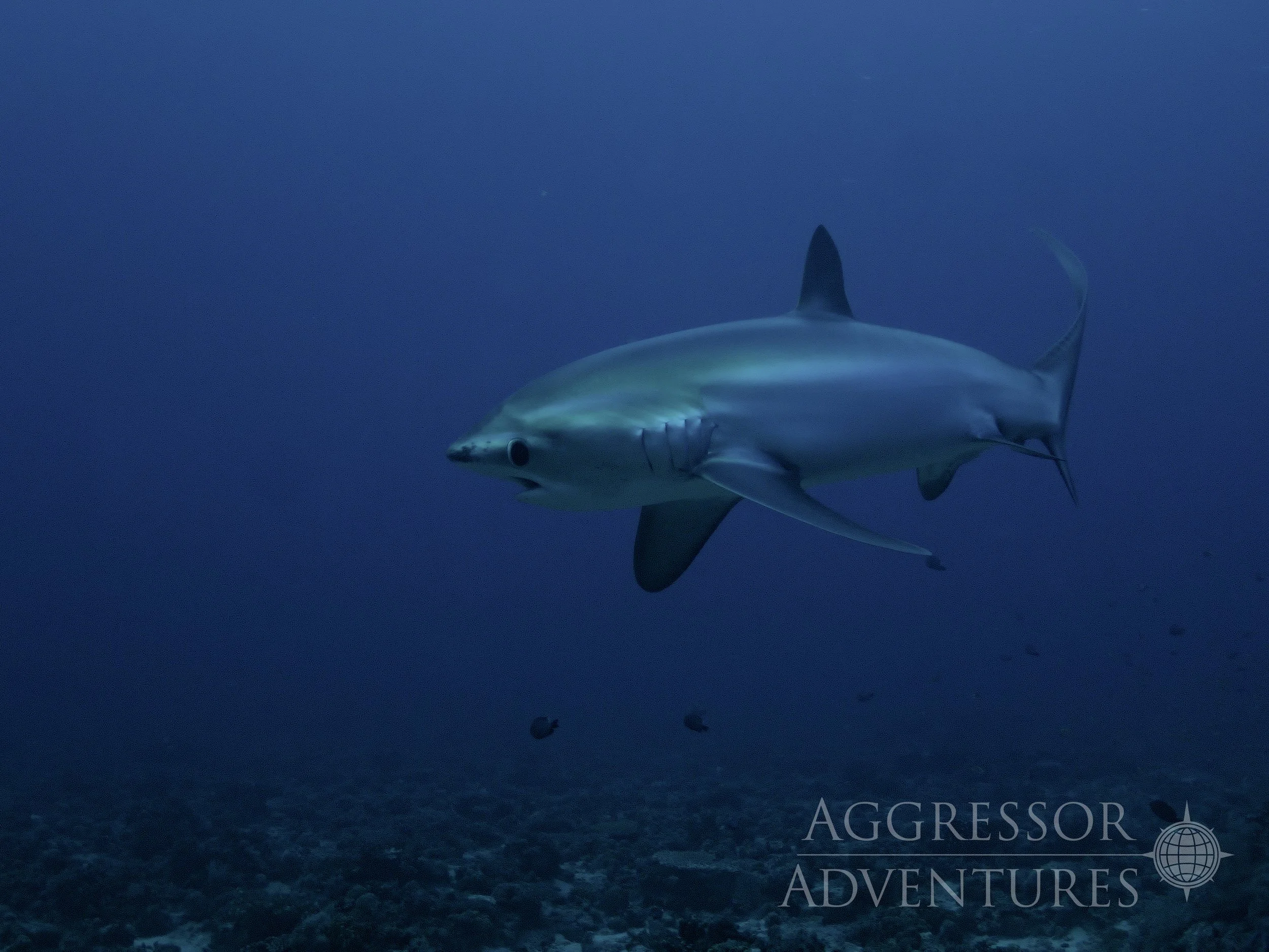
Some marine animals are so distinctive that you can identify them from their silhouette alone. Thresher sharks are certainly among them.
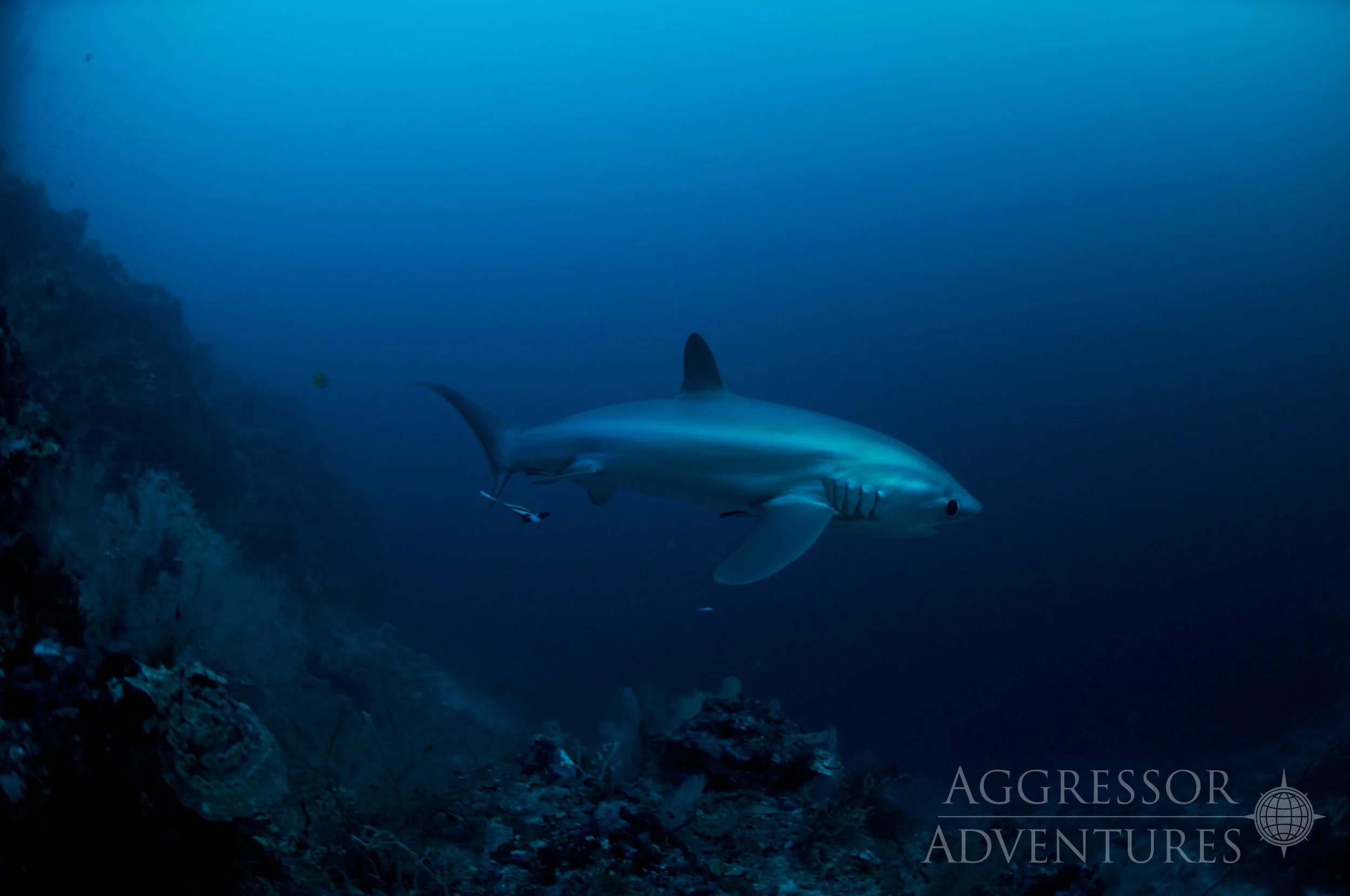
With enormous eyes, streamlined bodies, and exceptionally long upper tail lobes that can account for approximately half of their total body length, thresher sharks are among the most elegant and unusual sharks in the ocean. Their impressive tails aren't simply decorative. These sharks use them to strike and stun schooling fish, allowing them to capture prey with a remarkably specialized hunting technique.
Three species of thresher shark are recognized worldwide: the common thresher, the bigeye thresher, and the pelagic thresher. Malapascua is particularly famous for encounters with pelagic thresher sharks (Alopias pelagicus).
These sharks inhabit offshore waters and regularly spend time at depths beyond recreational diving limits. Malapascua, a small island off the northern tip of Cebu, offers divers something relatively rare: opportunities to observe pelagic thresher sharks visiting shallower reefs.
Why Do Thresher Sharks Visit Malapascua?
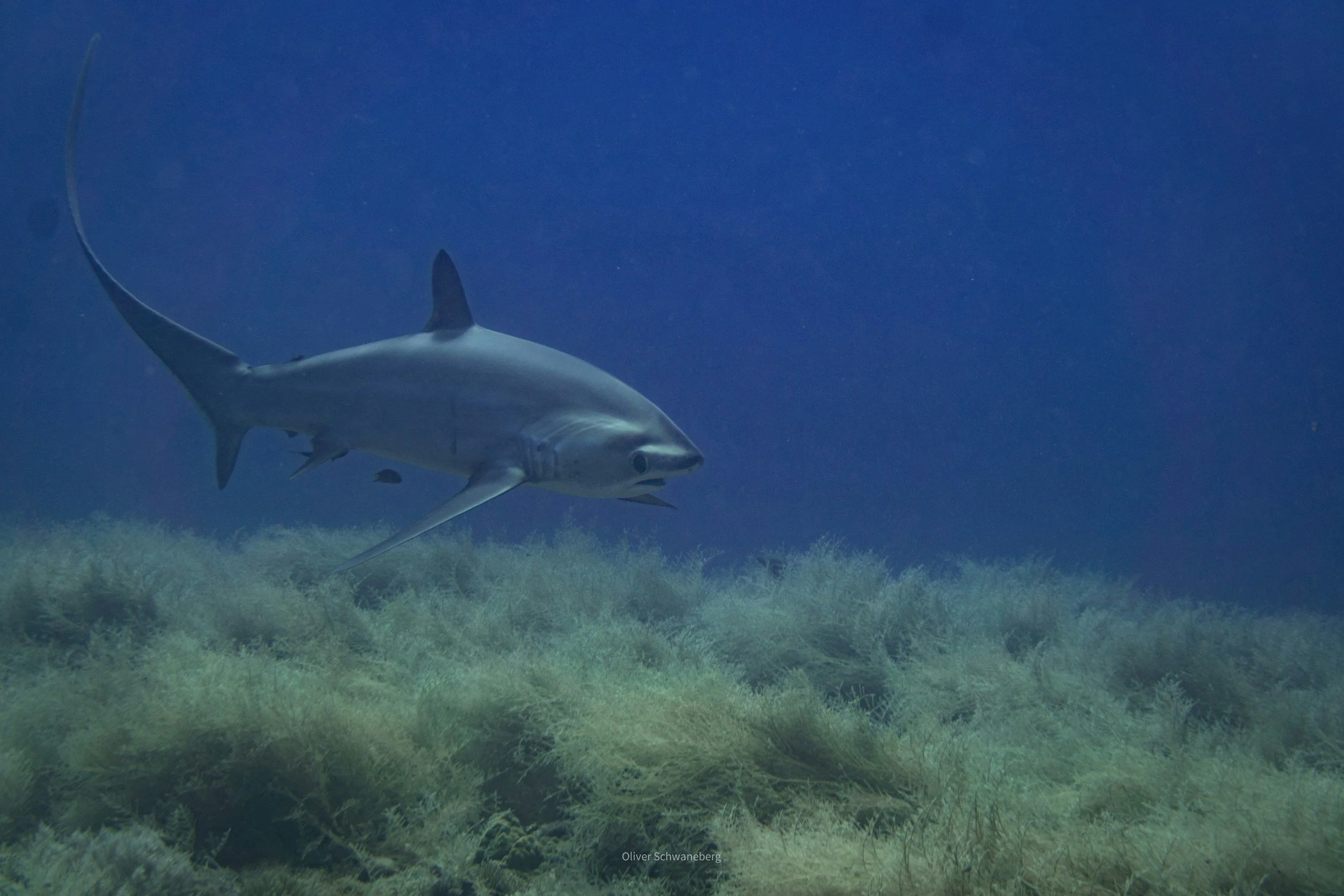
Underwater cleaning stations are among the most fascinating examples of cooperation between marine species. Smaller fish remove parasites and other material from visiting animals, receiving food in exchange for their services.
Kimud Shoal has become internationally renowned for thresher shark encounters, where divers may observe these remarkable animals visiting cleaning stations and interacting with cleaner fish.
Watching a shark engage in natural behavior rather than simply pass through the area is particularly rewarding. Encounters like these provide an opportunity to appreciate the relationships that exist within marine ecosystems and the importance of protecting the habitats that support them.
Pelagic thresher sharks are classified as Endangered by the International Union for Conservation of Nature (IUCN), highlighting the importance of responsible tourism and conservation efforts.
During our Galápagos adventure, we counted more than 30 hammerhead shark sightings on a single dive at Wolf Island. We knew the potential for an extraordinary encounter was there, but actually watching those sharks emerge from the blue was something else entirely. The excitement aboard the boat afterward was every bit as memorable as the encounter itself.
I cannot wait to see what Malapascua has in store for us.
Thresher sharks can be encountered around Malapascua throughout the year. Although wildlife never operates according to our vacation schedules, there are few destinations better known for the opportunity to observe these beautiful sharks in their natural environment.
If thresher sharks have been sitting on your diving bucket list, this is your sign.
Gato Island: Sea Kraits, Sleeping Sharks & Underwater Secrets
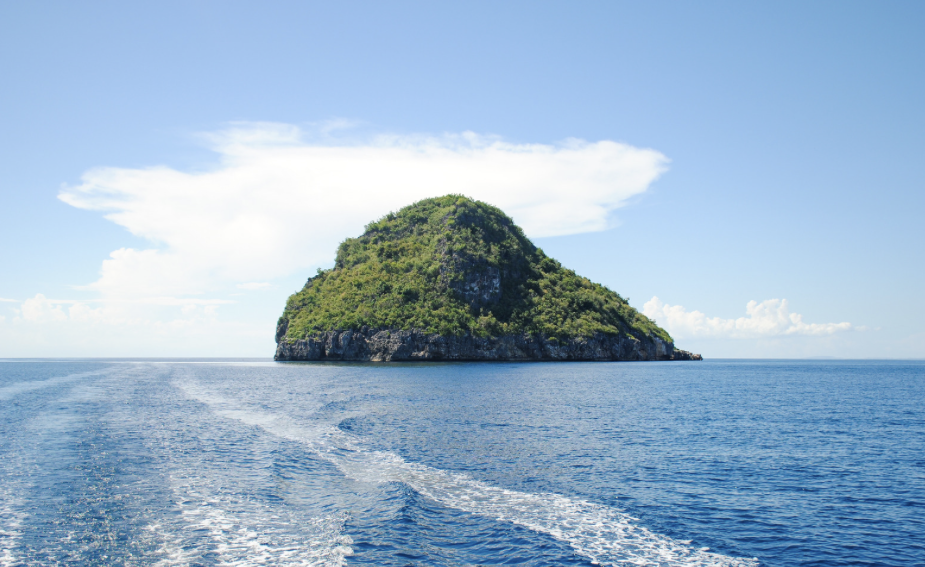
Should conditions favor our Southern Leyte route, Gato Island will introduce us to a completely different side of Philippine diving.
This small rocky island is surrounded by underwater crevices, overhangs, soft corals, and fascinating geological formations that provide shelter for an impressive collection of marine animals.
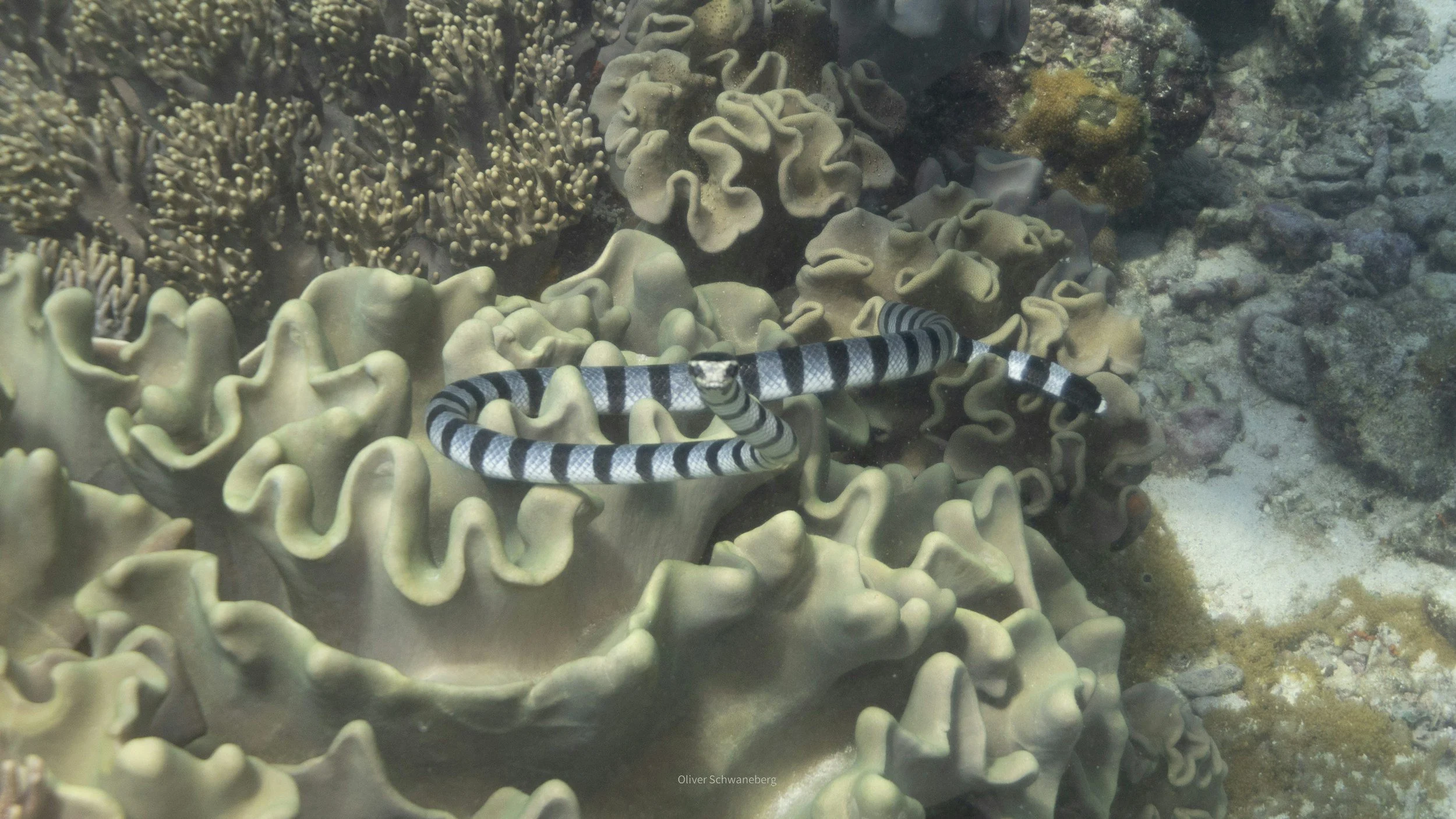
Gato is particularly well known for its banded sea kraits. Unlike fully aquatic sea snakes, sea kraits spend time both in the ocean and on land. Their flattened tails help propel them through the water as they search for prey, while their distinctive banded coloration makes them relatively easy to recognize.
Watching one weave through a reef in search of food would be a fascinating addition to our marine life encounters.
Whitetip reef sharks are another potential highlight. Unlike shark species that depend on continuous swimming to ventilate their gills, whitetip reef sharks can actively pump water over their gills while resting. Divers may find them sheltering beneath rocky ledges or within reef crevices during daylight hours.
Gato Island is also known for its underwater tunnel, although access depends on conditions, operator procedures, and appropriate diver training and experience.
Between the sharks, sea kraits, frogfish, nudibranchs, soft corals, and unusual underwater terrain, Gato Island packs an impressive amount of diversity into a relatively small area.
Capitancillo: A Tiny Island With a Rather Impressive Reef
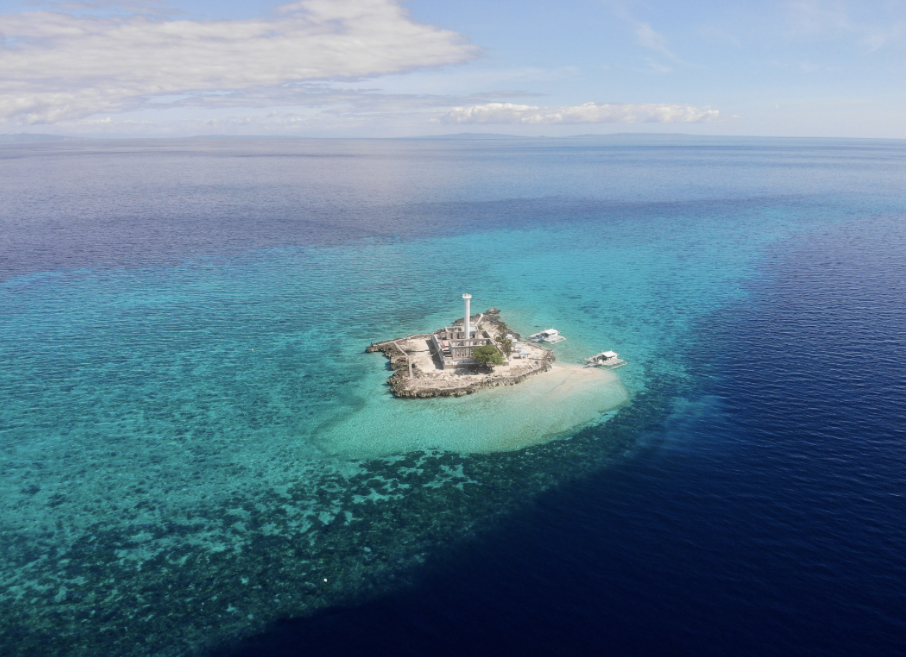
Recognizable above the surface by its lighthouse, Capitancillo is a small offshore island east of Cebu. Beneath the surface, there's considerably more to explore than the island's size might suggest.
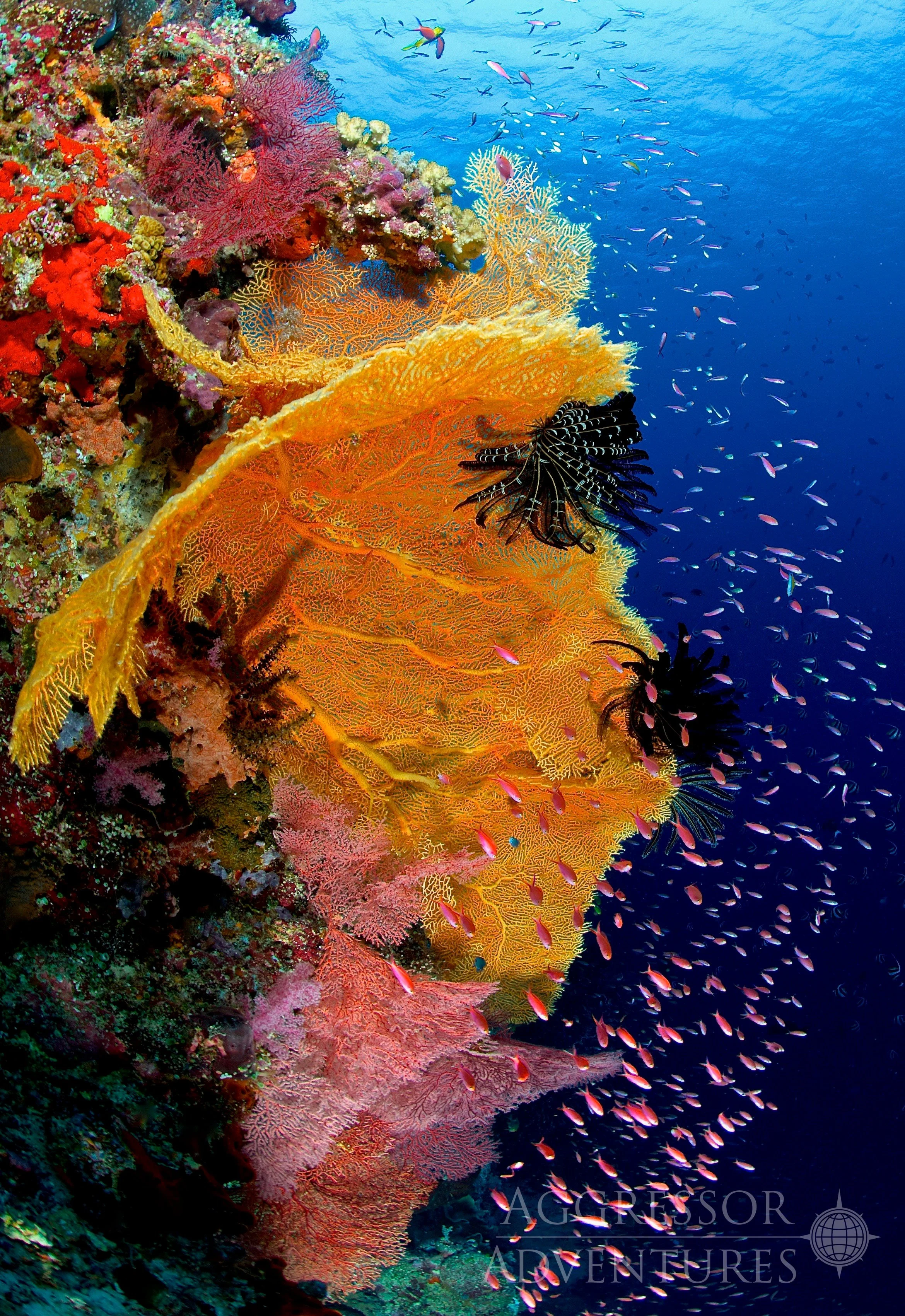
Coral-covered walls descend into deeper water, with sea fans, sponges, soft corals, and colorful reef fish occupying the slopes. Currents moving around offshore reefs transport plankton and nutrients, supporting filter-feeding organisms and attracting marine animals that feed in and around the reef.
These environments are particularly appealing to underwater photographers. Enormous sea fans, colorful reef communities, schooling fish, and dramatic underwater landscapes offer opportunities to capture the scale and complexity of healthy marine ecosystems.
Our adventures in Fiji introduced me to some spectacular soft coral environments, particularly around Rainbow Reef. Experiencing the incredible colors and diversity of those reefs reinforced how much I enjoy destinations where the reef itself is every bit as fascinating as the animals living within it.
I'm excited to see how the coral communities of the Philippines compare.
Capitancillo's inclusion in both sample itineraries gives us another excellent reason to be excited about whichever route our captain ultimately selects.
Anda: The Ultimate Underwater Treasure Hunt
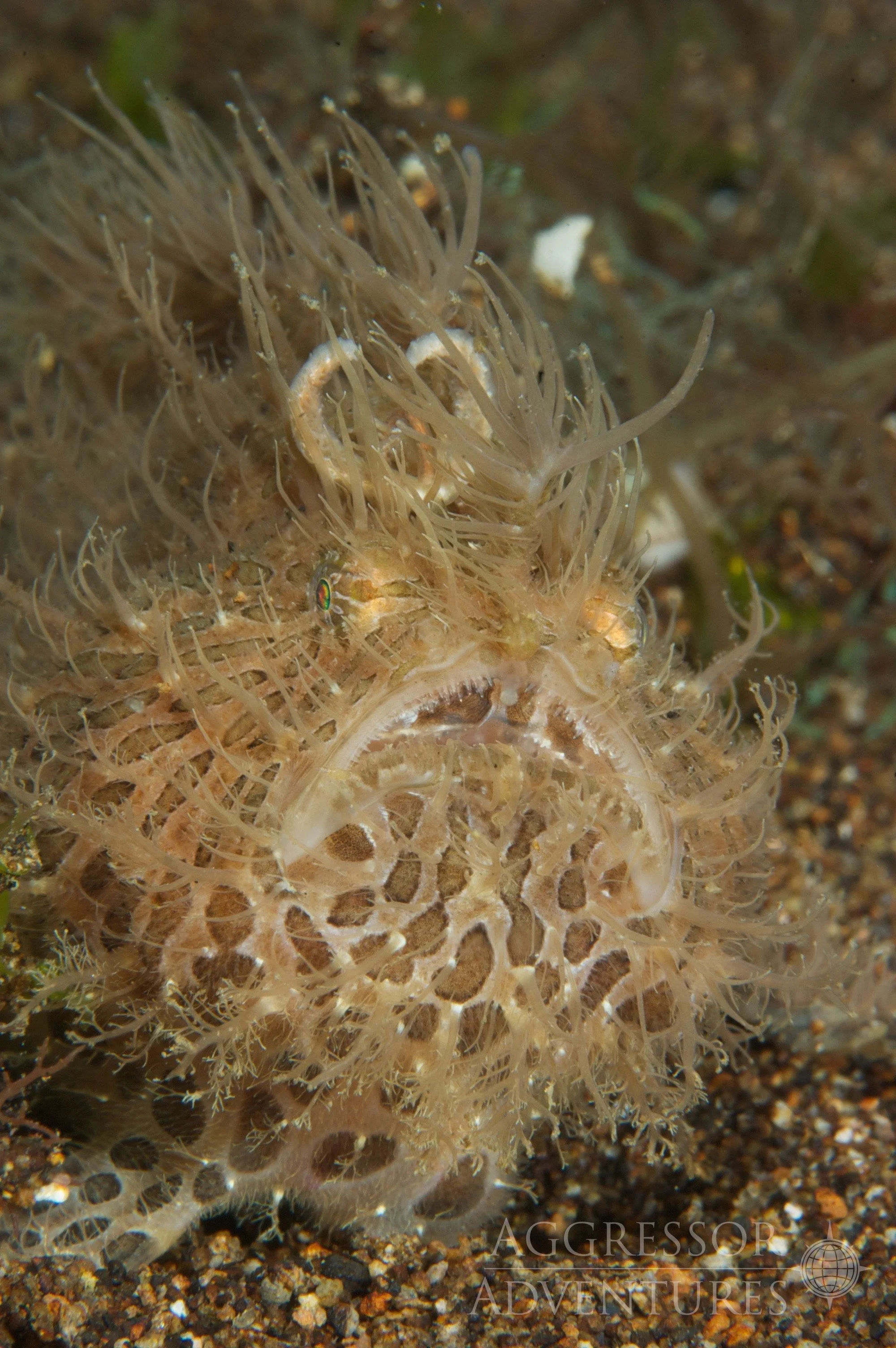
Anyone who has spent time diving with me knows that finding a frogfish is a perfectly acceptable reason to abandon whatever photography plans I had for that particular dive.
Anda, located on the eastern side of Bohol, is therefore one of the destinations I'm most excited about. Even better, it's included in both of our potential itineraries.
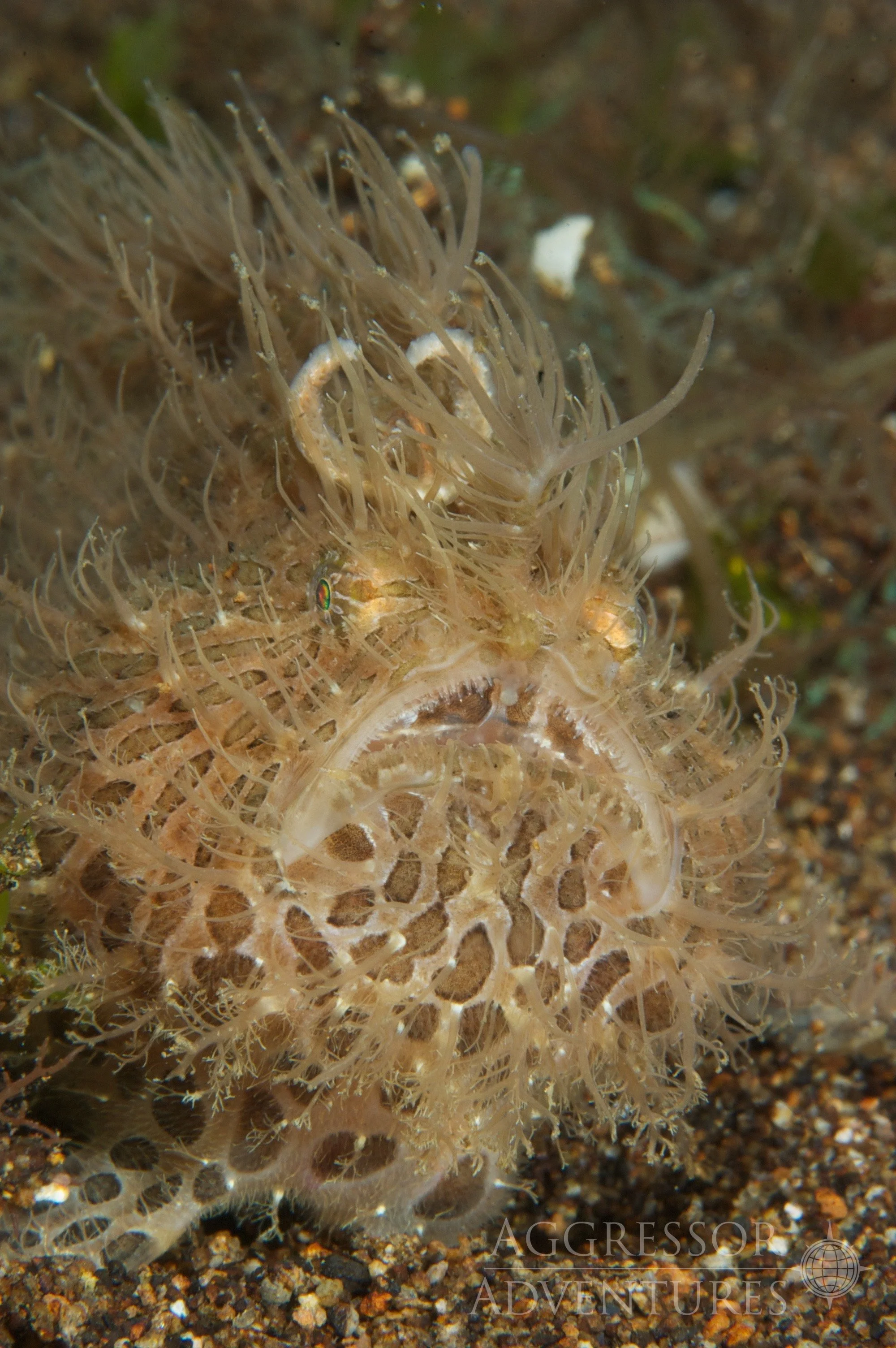
Anda offers dramatic reef walls, coral gardens, sandy habitats, and a wonderful collection of marine animals that have perfected the art of not being seen. Pygmy seahorses, ghost pipefish, frogfish, waspfish, nudibranchs, unusual shrimp, crabs, and various cephalopods are among the potential discoveries.
Having spent time diving in Lembeh, I've developed an enormous appreciation for these environments. A patch of sand that initially appears relatively uninteresting can contain some of the most fascinating animals you'll encounter throughout an entire vacation.
Muck diving requires a slightly different approach to exploring underwater. Rather than covering large distances, divers often move slowly, examining small areas of habitat and looking for unusual shapes, movements, and textures.
Once you begin recognizing the incredible camouflage techniques employed by these animals, you realize just how much marine life you've probably been swimming past.
During one of our Fiji adventures, we discovered three Shaun the Sheep sea slugs at a single muck diving site. Finding something so tiny and wonderfully ridiculous generated an impressive amount of excitement among a group of grown adults. Those are exactly the kinds of moments I love about diving.
Anda isn't exclusively a macro destination, either. Its coral walls and broader reef communities offer plenty of reasons to bring a wide-angle lens.
My luggage allowance is already becoming a concern.
Pamilacan: From Marine Hunting to Marine Conservation
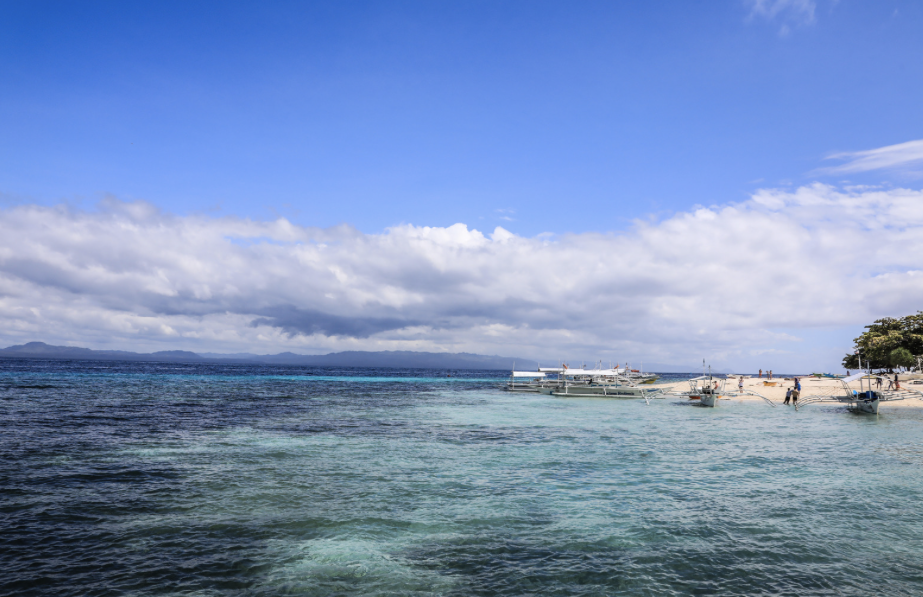
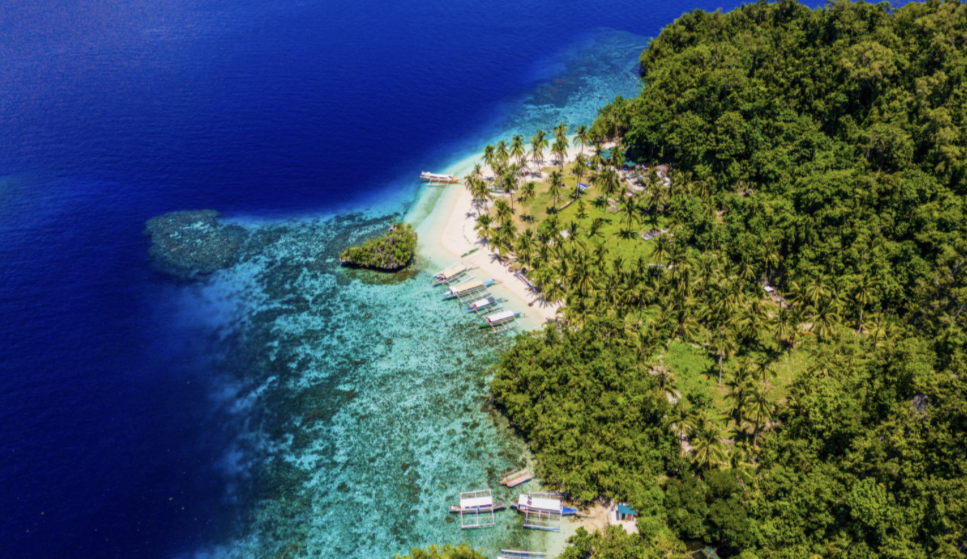
Located off the southern coast of Bohol, Pamilacan is surrounded by coral reefs, deeper channels, and waters known for their cetacean activity.
The island has a particularly interesting cultural and conservation history. Local communities historically depended on hunting large marine animals, but alternative livelihoods, including marine wildlife tourism, have become important components of the island's economy.
As divers, we often travel to destinations specifically to encounter marine animals without necessarily considering the history of the communities that live alongside them. Pamilacan offers a fascinating example of how responsibly managed tourism can create economic opportunities associated with protecting wildlife and preserving healthy marine ecosystems.
Beneath the surface, Pamilacan offers opportunities to explore colorful reefs, observe schooling fish, encounter sea turtles, and discover the marine life inhabiting the waters surrounding Bohol.
Its proximity to deeper ocean waters also makes it worth occasionally looking away from the reef and out into the blue.
Some of my most memorable wildlife encounters have happened when I was looking for something entirely different.
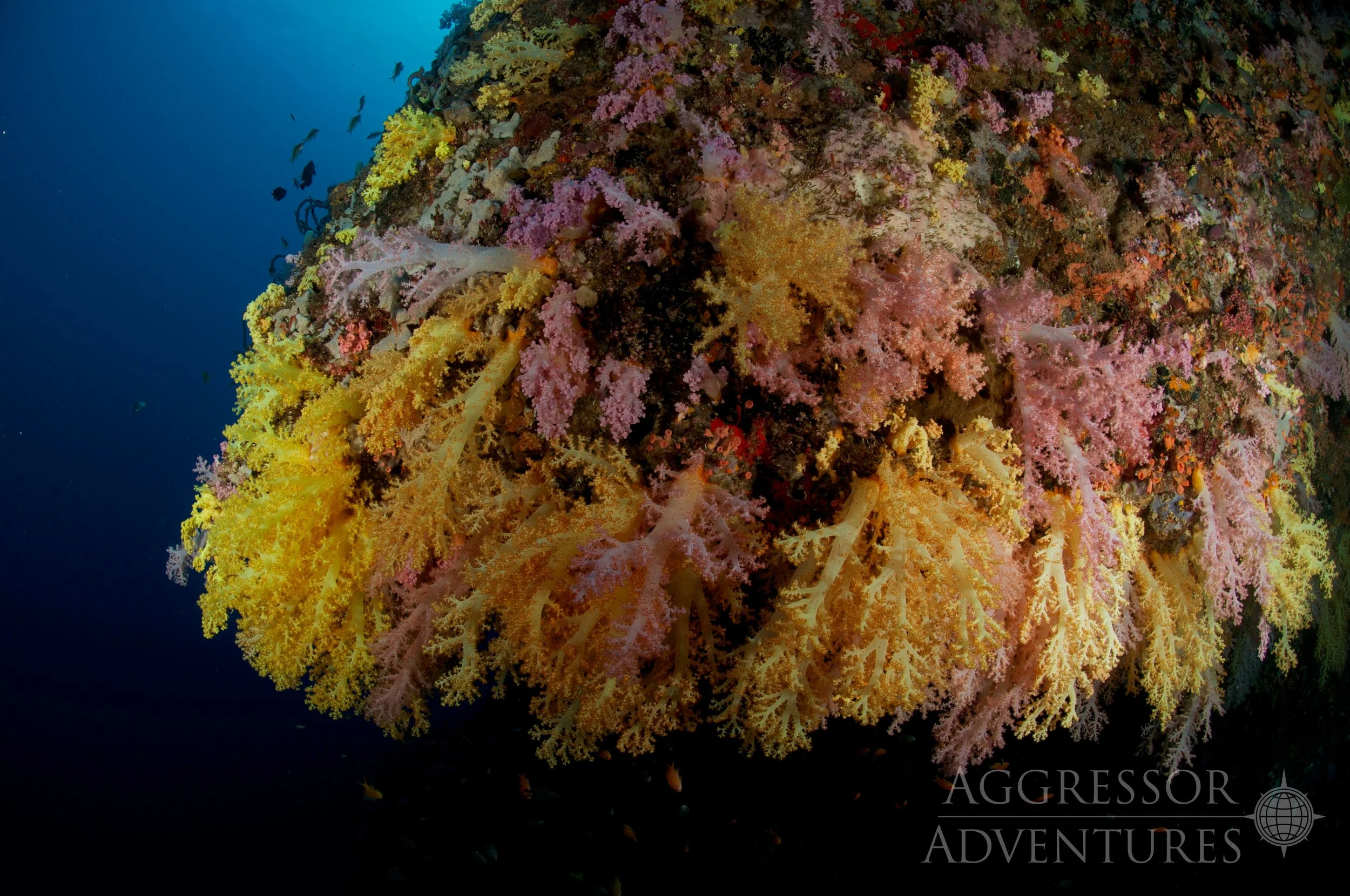
Balicasag: Sea Turtles, Towering Walls & Underwater Tornadoes
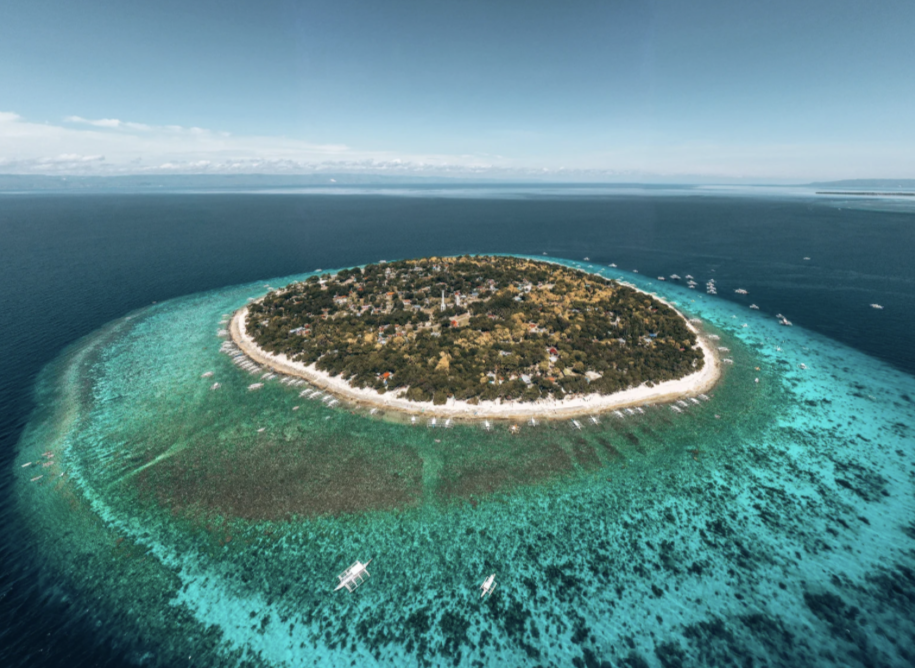
Balicasag is one of the most recognizable diving destinations surrounding Bohol, and for good reason.
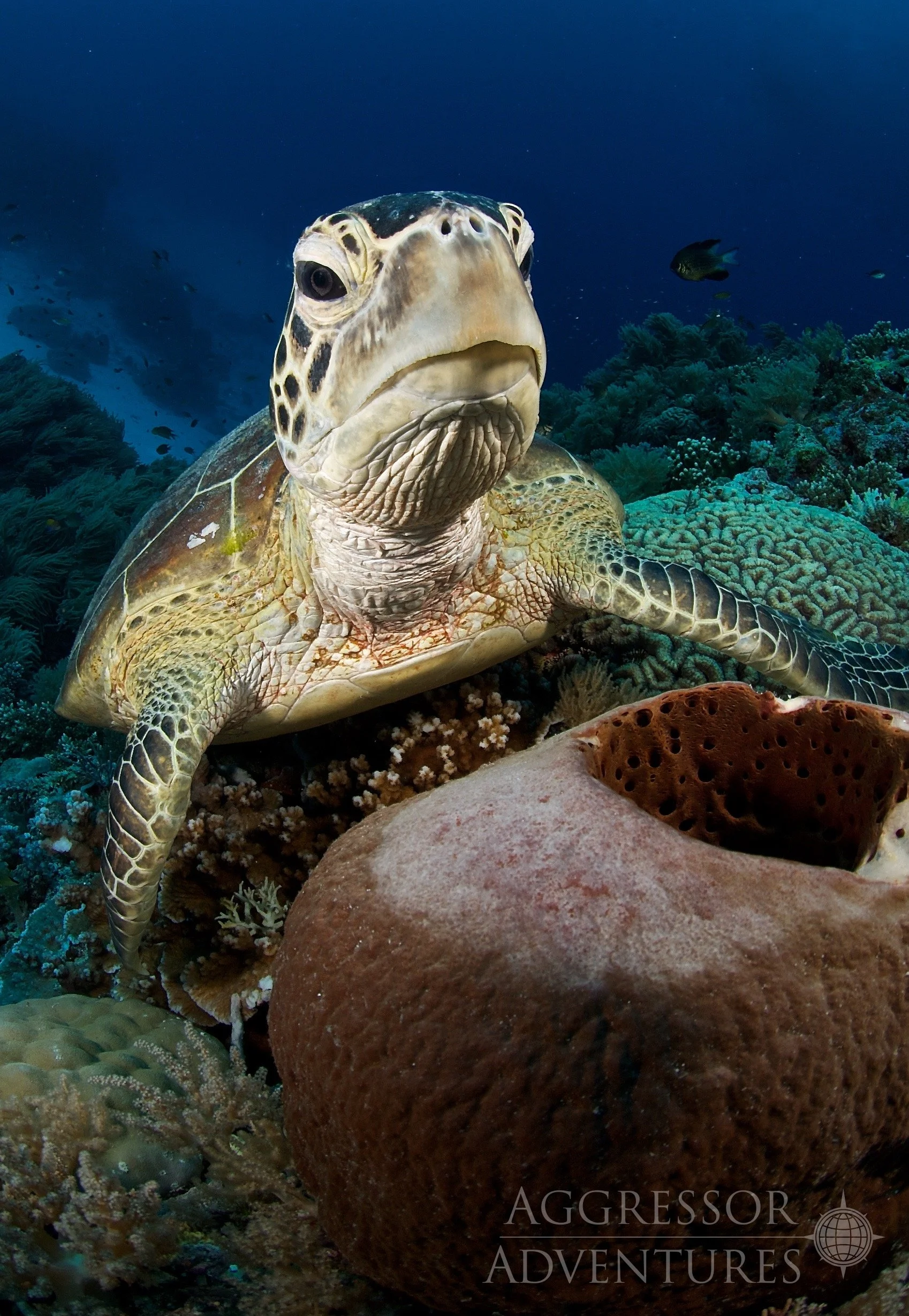
The island is surrounded by impressive reef walls, coral gardens, marine sanctuary areas, and habitats supporting an abundance of marine life. Green sea turtles are among its best-known inhabitants, while schools of jacks can create spectacular underwater scenes.
Watching hundreds of fish move together with remarkable coordination is an experience that never gets old. Their constantly shifting formations can resemble enormous underwater tornadoes, particularly when viewed against the blue water beyond the reef.
During our Galápagos adventure, we encountered so many green sea turtles that several guests completed their PADI Sea Turtle Awareness specialty. Getting to observe these animals resting, feeding, and swimming through their natural environment reminded me how much there is to appreciate about even our more familiar marine species.
Green sea turtles play an important ecological role through their feeding activities. Many adults feed predominantly on algae and seagrass, helping influence the structure and productivity of coastal ecosystems.
Balicasag also provides an opportunity to appreciate the importance of marine protected areas. Maintaining good buoyancy, respecting wildlife, following local regulations, and avoiding contact with the reef are essential to preserving the experiences we're traveling here to enjoy.
For anyone who loves turtles, spectacular schooling fish, and dramatic reef scenery, Balicasag would be a phenomenal addition to our adventure.
Cabilao: Big Reefs, Tiny Residents
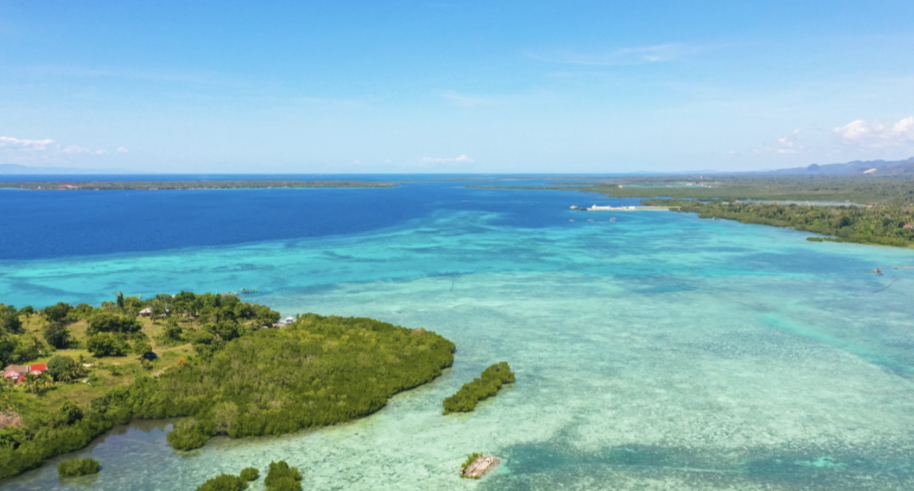
Located off the western coast of Bohol, Cabilao Island offers another wonderful combination of dramatic reef scenery and unusual macro life.
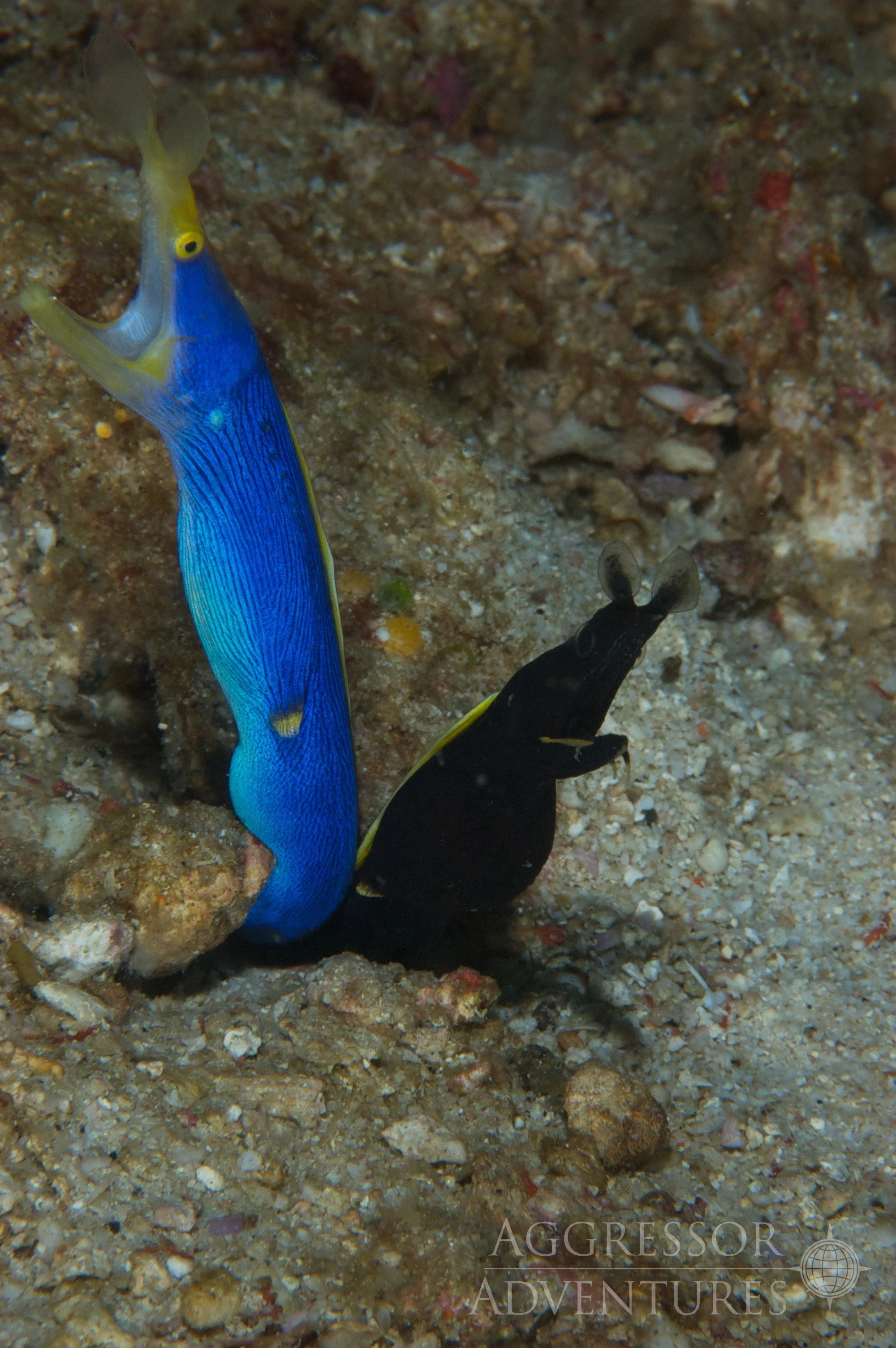
Its underwater environments include steep walls, coral-covered slopes, large sea fans, sponges, and numerous smaller habitats occupied by some fascinating animals. Pygmy seahorses, frogfish, ribbon eels, nudibranchs, orangutan crabs, cuttlefish, and sea turtles are among the potential discoveries.
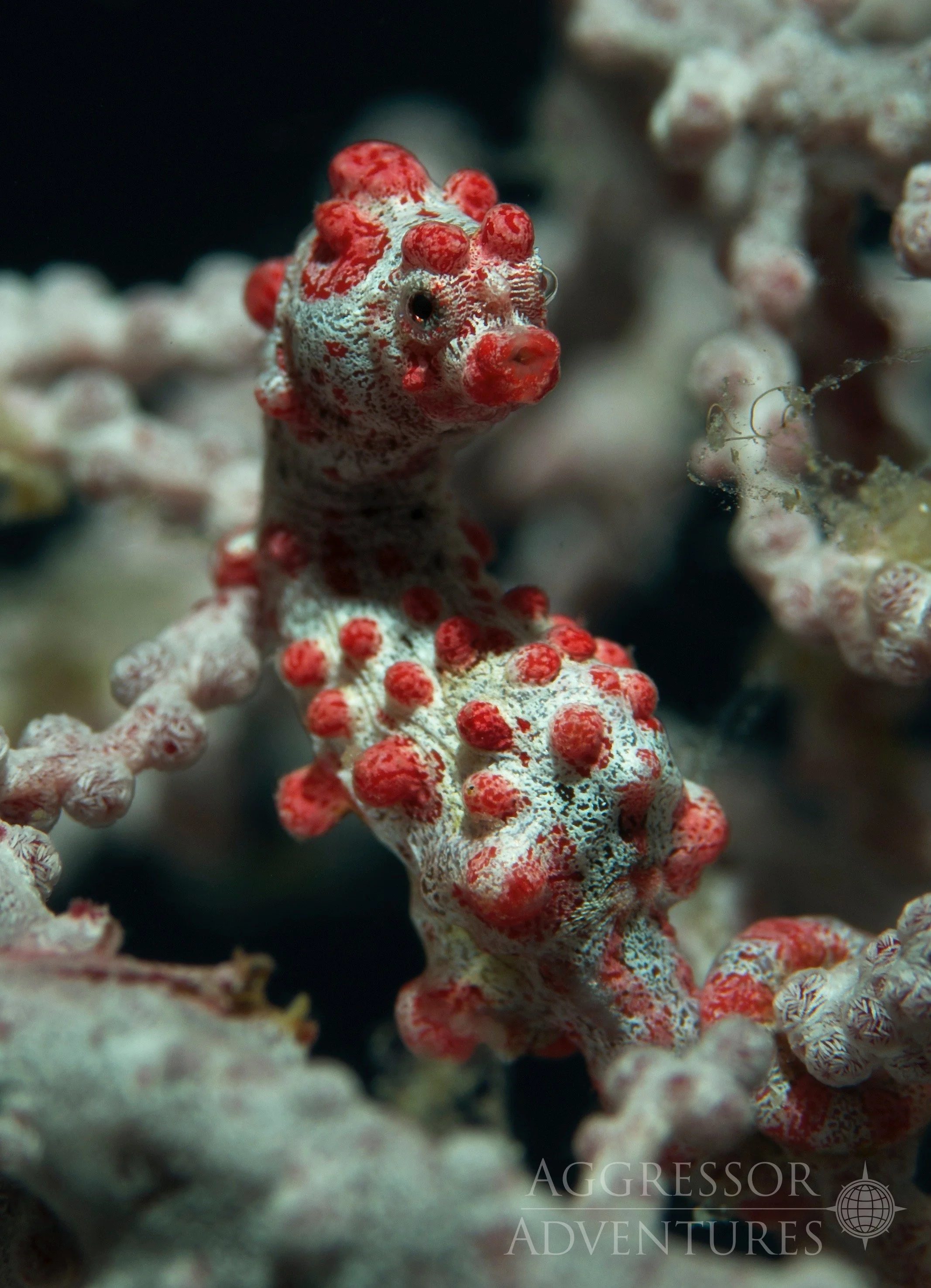
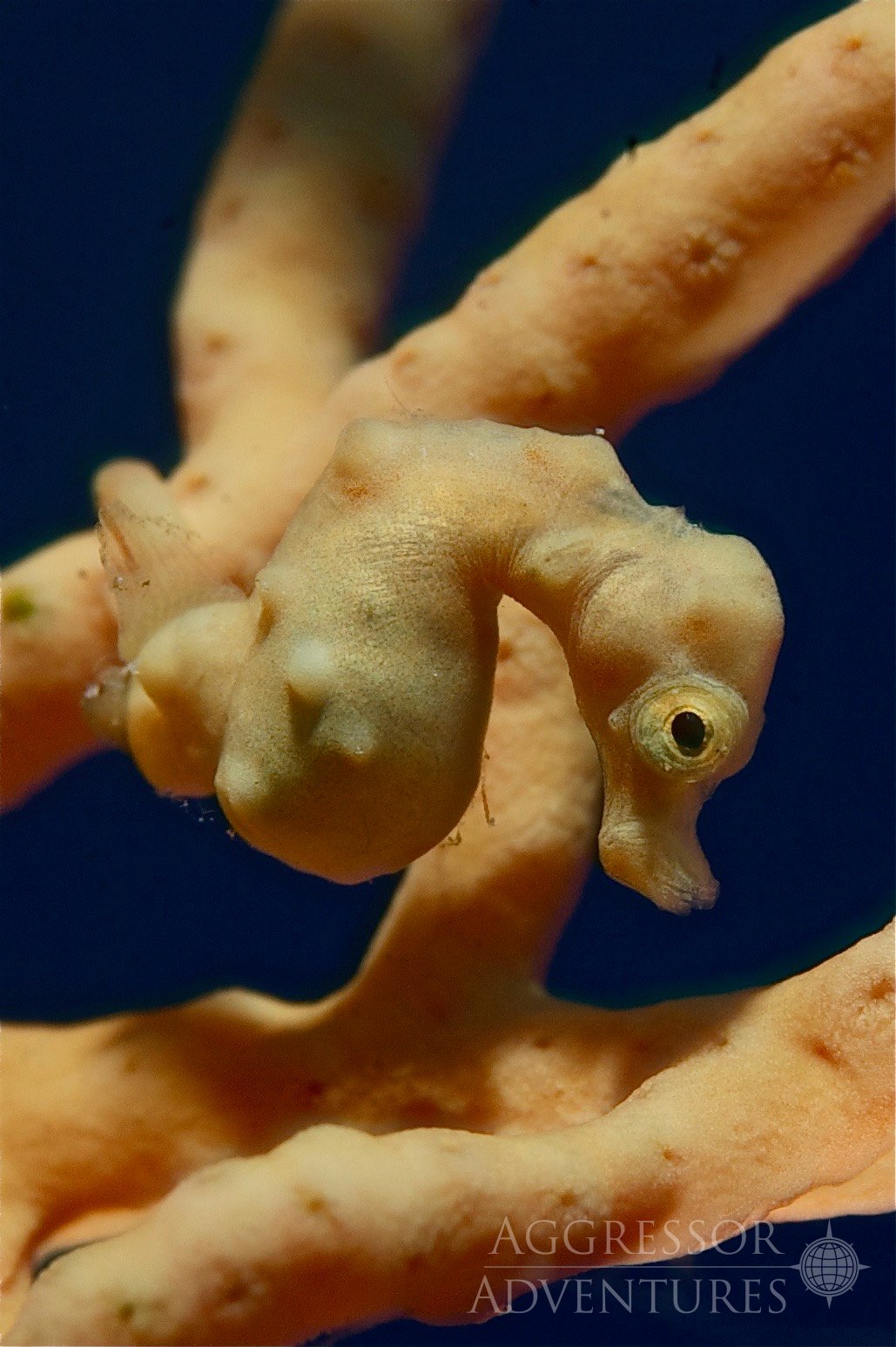
One of the things I love about destinations like Cabilao is the opportunity to appreciate the reef at completely different scales. An enormous sea fan might be the centerpiece of a beautiful wide-angle photograph, but look a little closer and that same sea fan could be home to a seahorse measuring less than an inch in length.
A coral reef isn't simply a collection of colorful organisms. Every crevice, surface, and sheltered space can provide food, protection, or somewhere to reproduce for another species.
The more time I spend photographing marine life, the more appreciation I develop for these relationships. Understanding where an animal lives and why it behaves a particular way makes finding and photographing it considerably more rewarding.
Cabilao sounds like the sort of destination where our dive guides might regularly find themselves waiting for an enthusiastic collection of photographers to finish admiring something incredibly small.
Southern Leyte: From Elusive Threshers to the Largest Fish in the Ocean
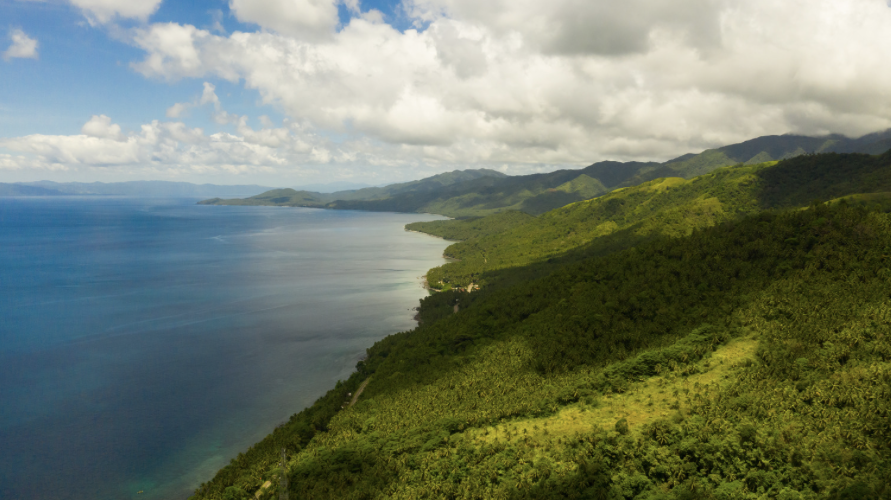
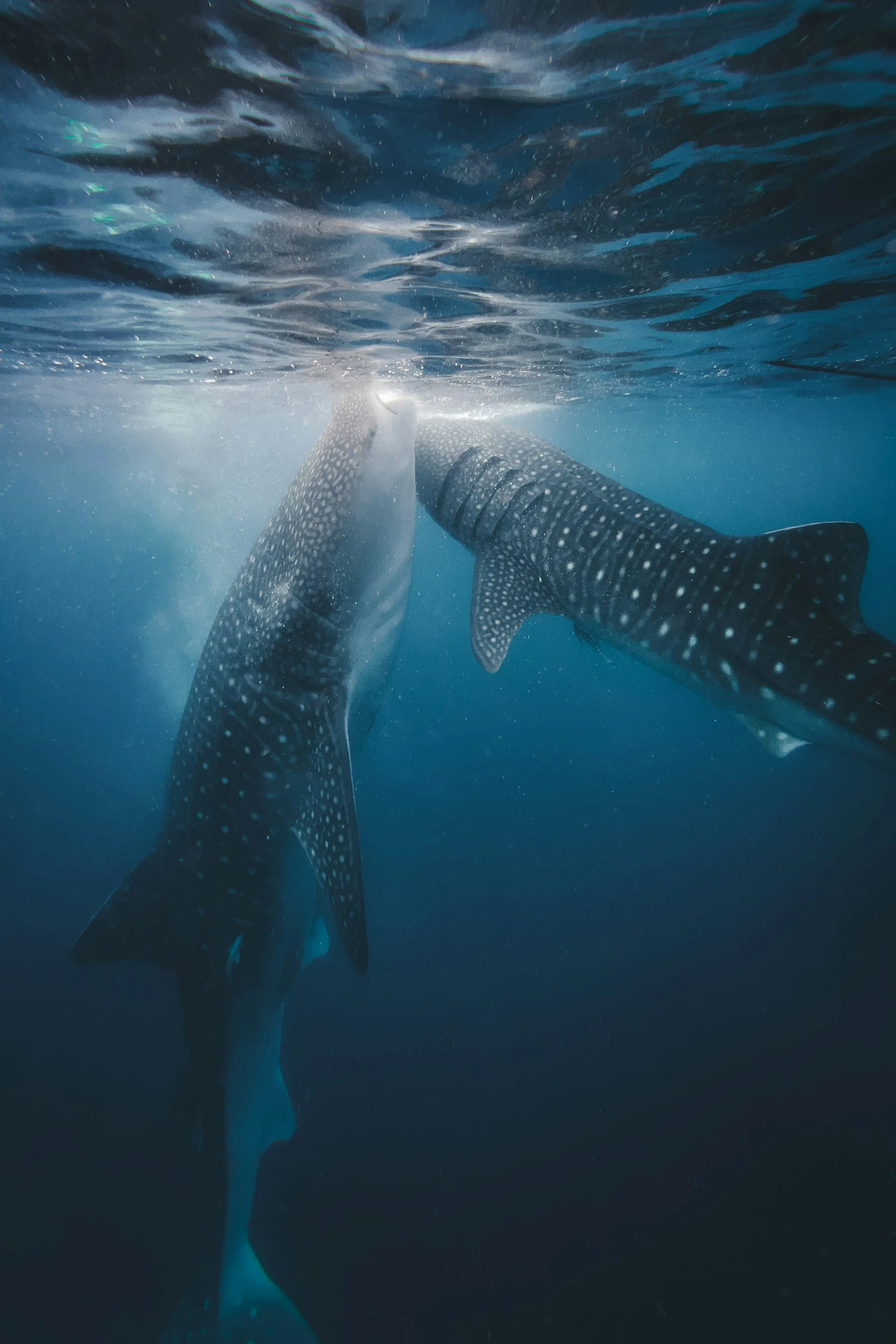
What could possibly make a trip to see thresher sharks even more exciting? The possibility of encountering whale sharks during the same adventure.
Should conditions favor our alternative route, we'll have the opportunity to explore Southern Leyte, including the marine environments surrounding Sogod Bay.
The region offers relatively remote diving locations, beautiful coral reefs, marine sanctuaries, exceptional macro life, and the possibility of naturally occurring whale shark encounters.
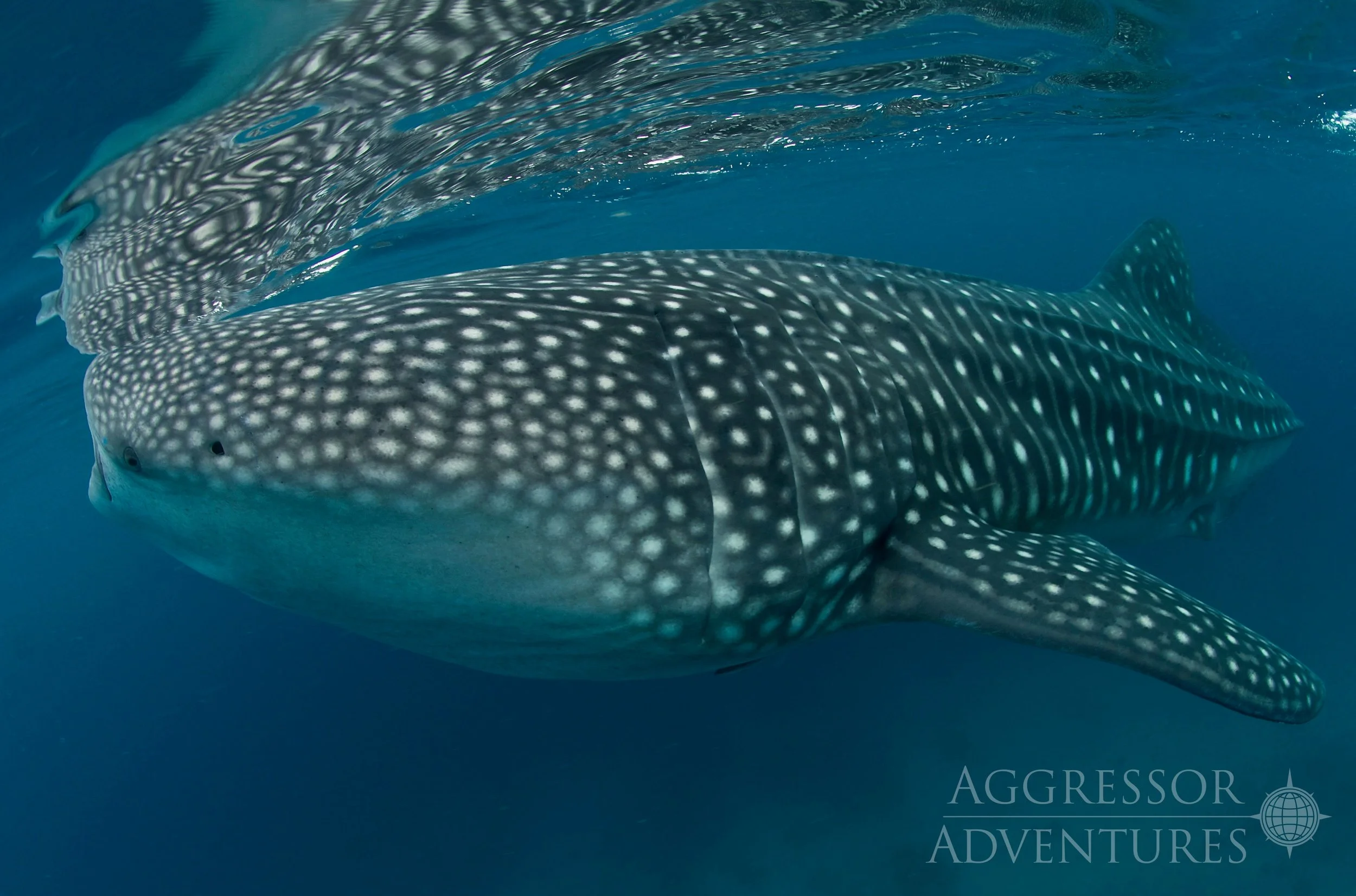
Unlike the well-known provisioning operations at Oslob, Southern Leyte offers opportunities to encounter whale sharks without intentionally feeding them to attract them to a particular location. That's an important distinction for me when considering responsible marine wildlife tourism.
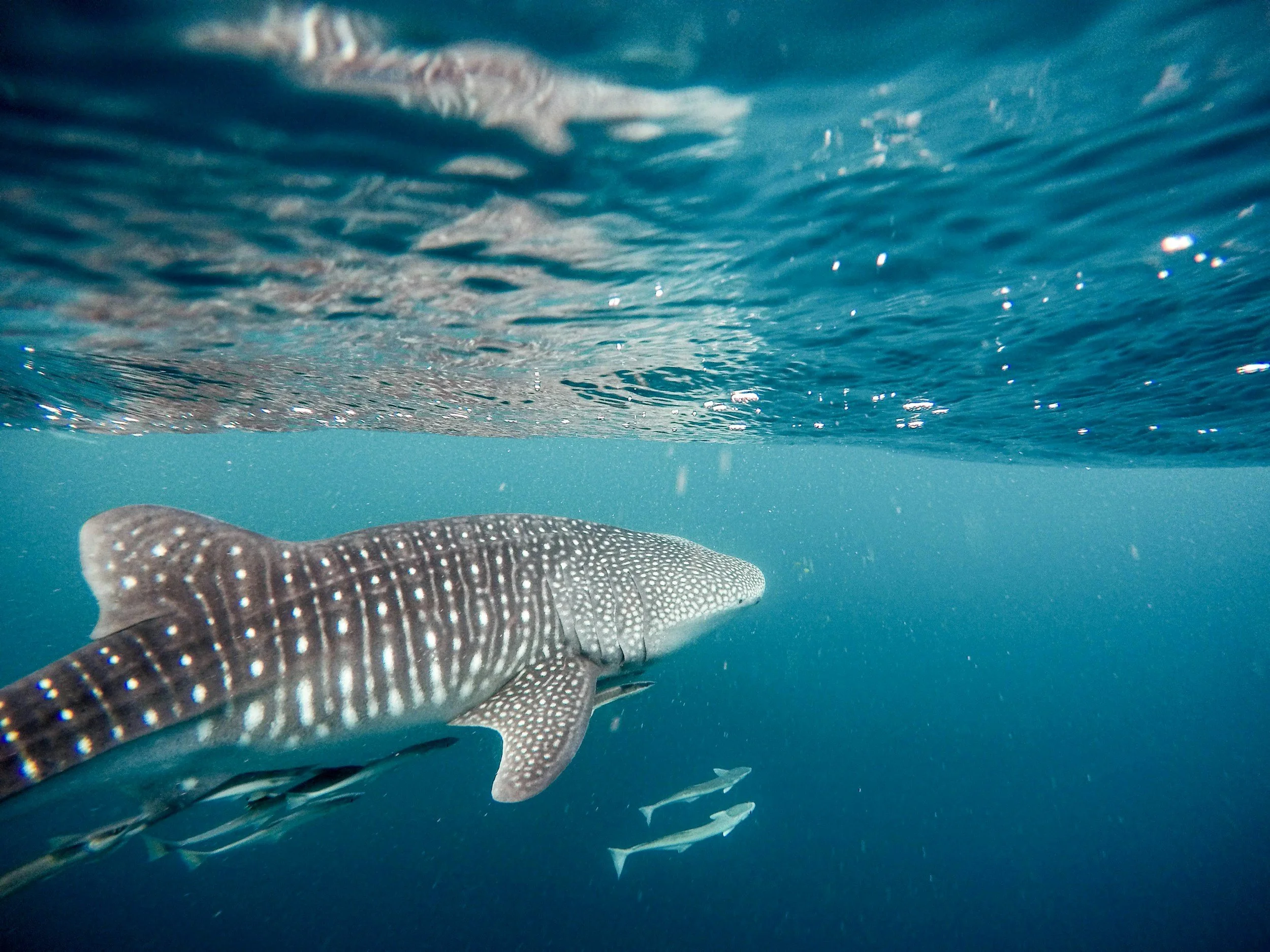
Whale sharks (Rhincodon typus) are the largest fish in the world, yet these enormous animals feed primarily on plankton and other small organisms. Each individual has a distinctive pattern of spots that researchers can use to identify and monitor animals, helping improve our understanding of their movements and populations.
During our Thailand adventure, we encountered two whale sharks across three dives. We knew whale sharks were possible, but nothing quite prepares you for actually finding yourself underwater with one. Their sheer size, combined with the excitement of everyone around you, makes these encounters incredibly memorable.
December falls within a period when whale sharks may visit Southern Leyte, although their movements naturally vary according to food availability and ocean conditions. Encounters may involve snorkeling or diving, depending on circumstances, local regulations, and operator procedures.
Even without whale sharks, Southern Leyte offers plenty of reasons to visit. Its relatively remote reefs, colorful coral communities, and fascinating macro life make it an exciting destination in its own right.
The possibility of whale sharks is a rather spectacular bonus.
Olango: Where the Ocean Meets the Sky
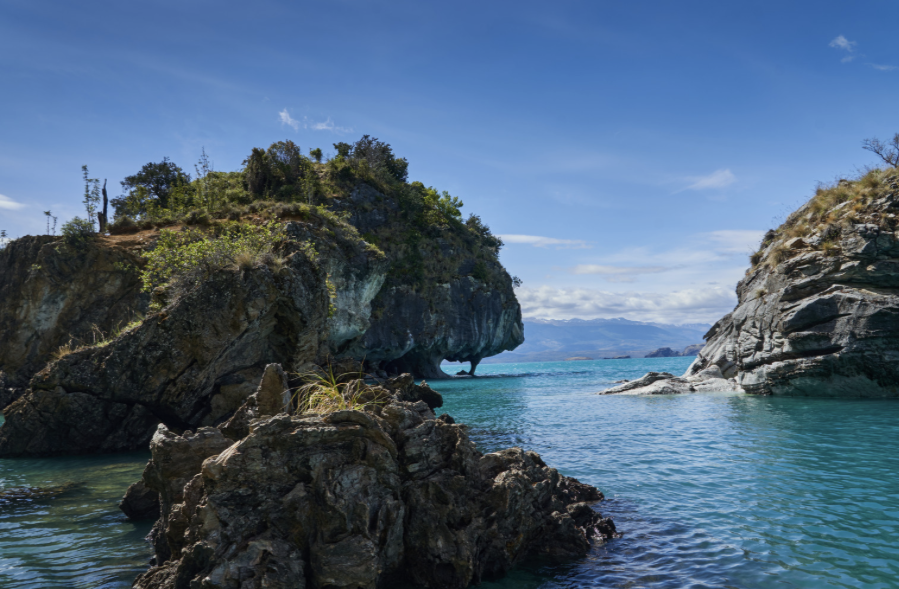
Located near Mactan, Cebu, the Olango island group offers another opportunity to appreciate the ecological diversity of the central Philippines.
The surrounding environments include coral reefs, seagrass beds, tidal habitats, and marine sanctuaries. Above the surface, the island group is internationally recognized for its importance to migratory birds, many of which depend on its coastal wetlands during their journeys.
These interconnected environments are particularly interesting from a conservation perspective. Healthy coastal ecosystems support marine animals, birds, fisheries, and local communities, often in ways that aren't immediately obvious when we're exploring a single reef.
For divers, the surrounding waters provide opportunities to encounter schooling fish, colorful reef communities, and an assortment of smaller marine animals.
Olango offers a fitting addition to an itinerary designed to showcase the diversity of Philippine diving rather than focus exclusively on a particular animal or underwater environment.
The Weird, the Wonderful & the Ridiculously Cute
As excited as I am about the sharks, I suspect some of our favorite encounters will involve animals considerably smaller than either a thresher shark or a whale shark.
The Philippines has an international reputation for macro diving, and there are some particularly fascinating animals I'm hoping we'll discover throughout our adventure.
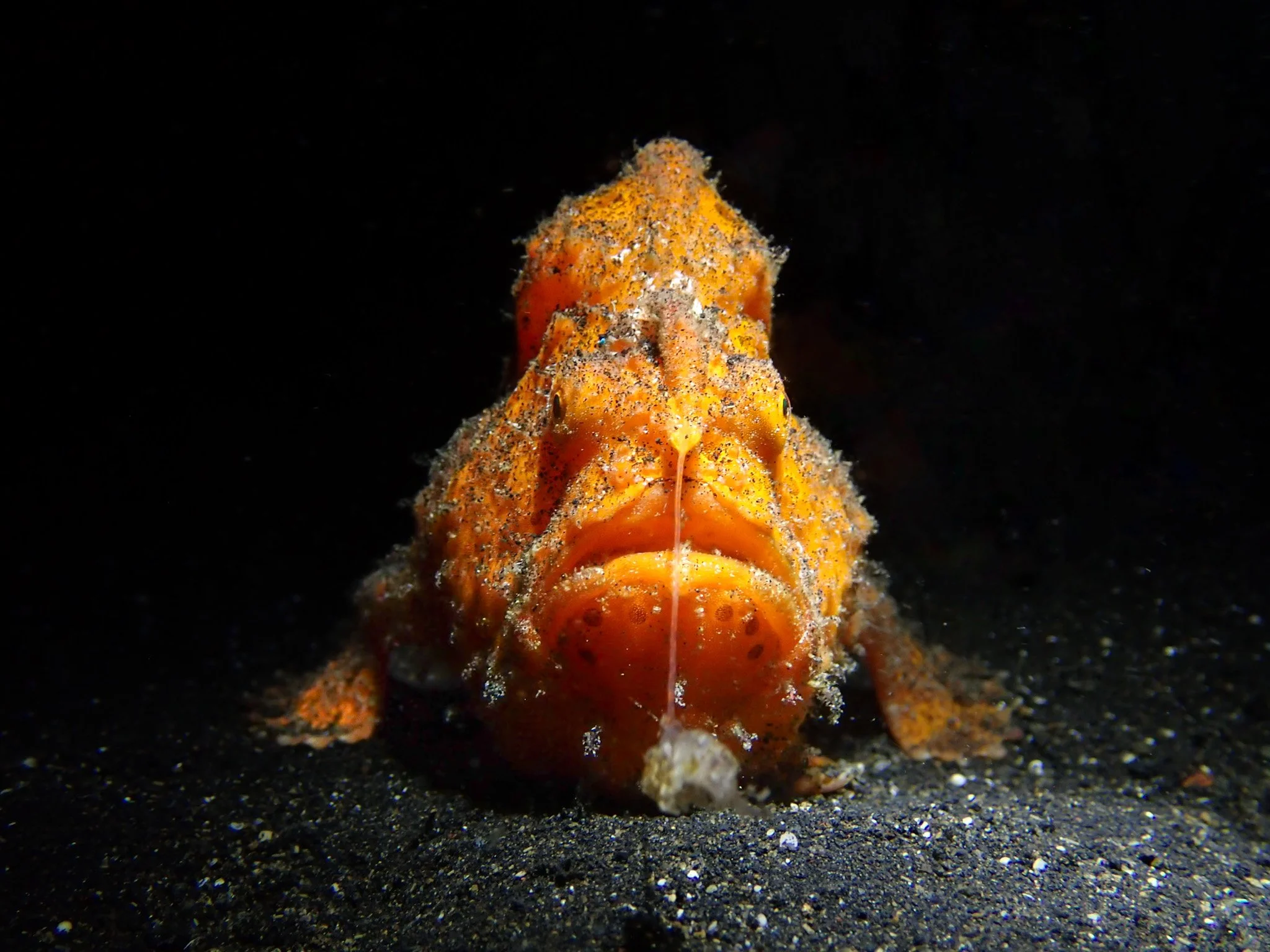
Frogfish: Between their wonderfully expressive faces, unusual body shapes, and impressive camouflage, frogfish are among my favorite underwater subjects. Many use a modified dorsal spine as a fishing lure to attract unsuspecting prey before engulfing it with an extraordinarily fast feeding strike.
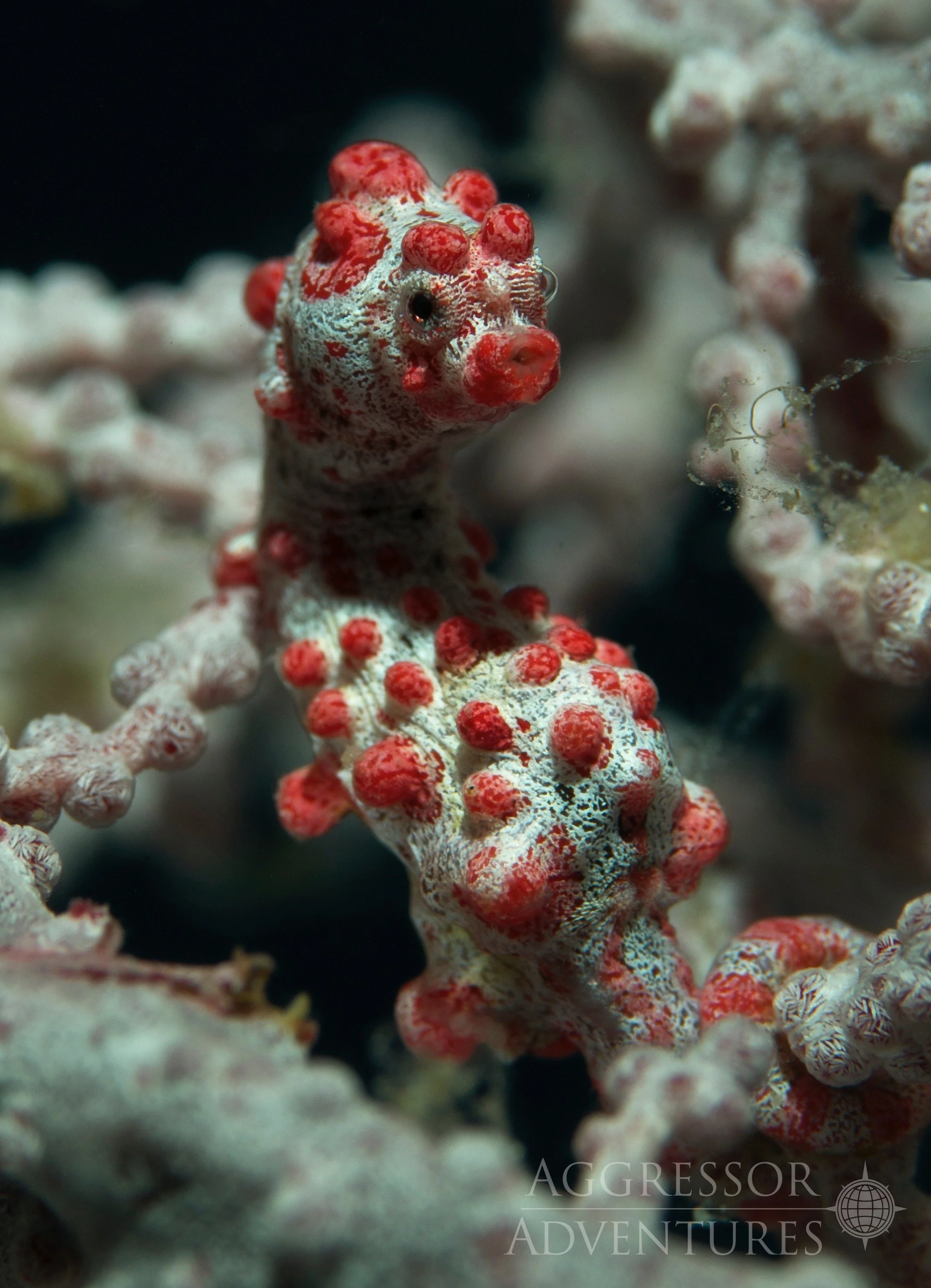
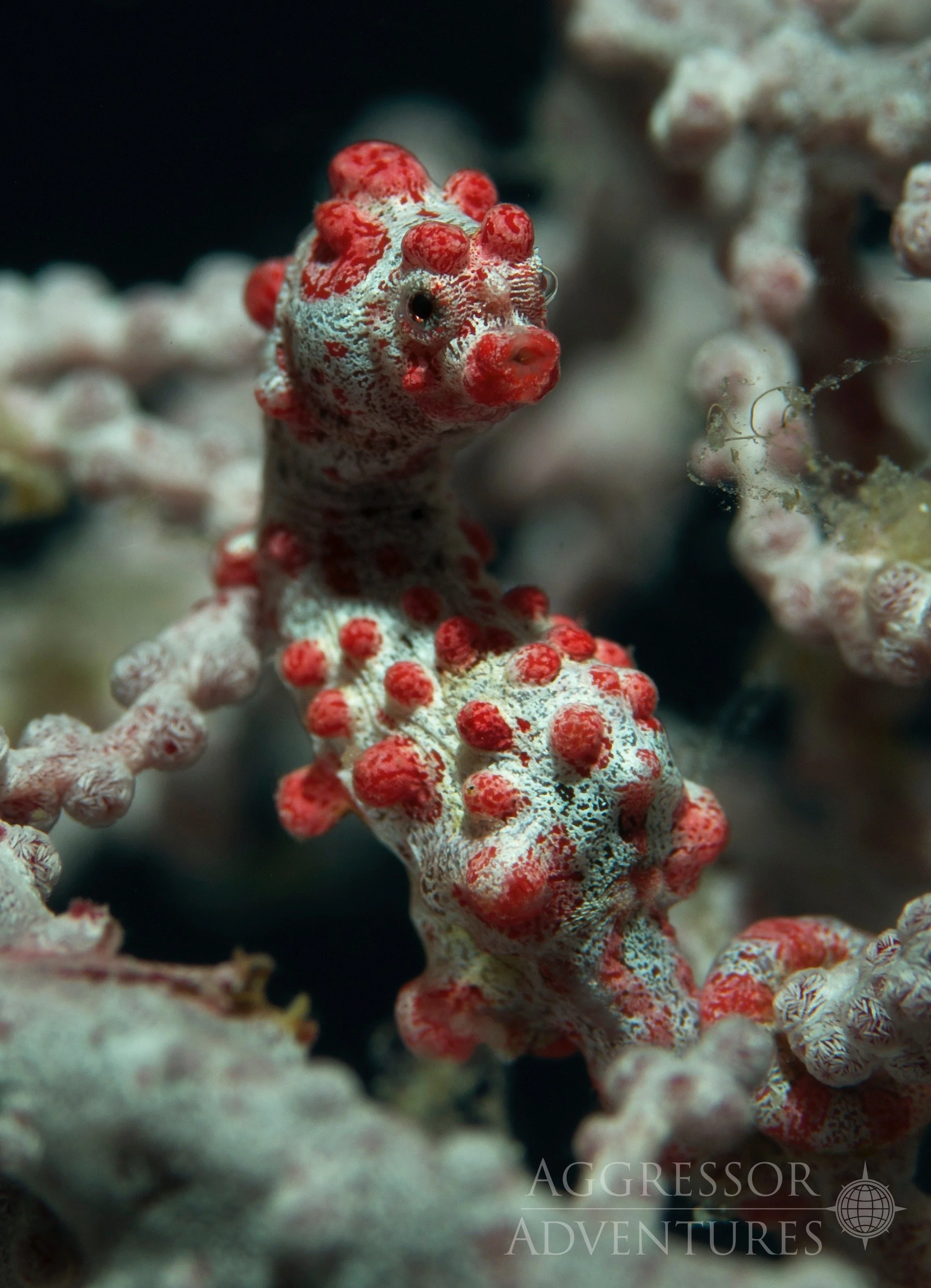
Pygmy seahorses: Some species are so closely adapted to their host sea fans that their bodies resemble individual coral polyps. Finding one requires patience, excellent observation skills, and occasionally accepting that your dive guide has considerably better eyesight than you do.
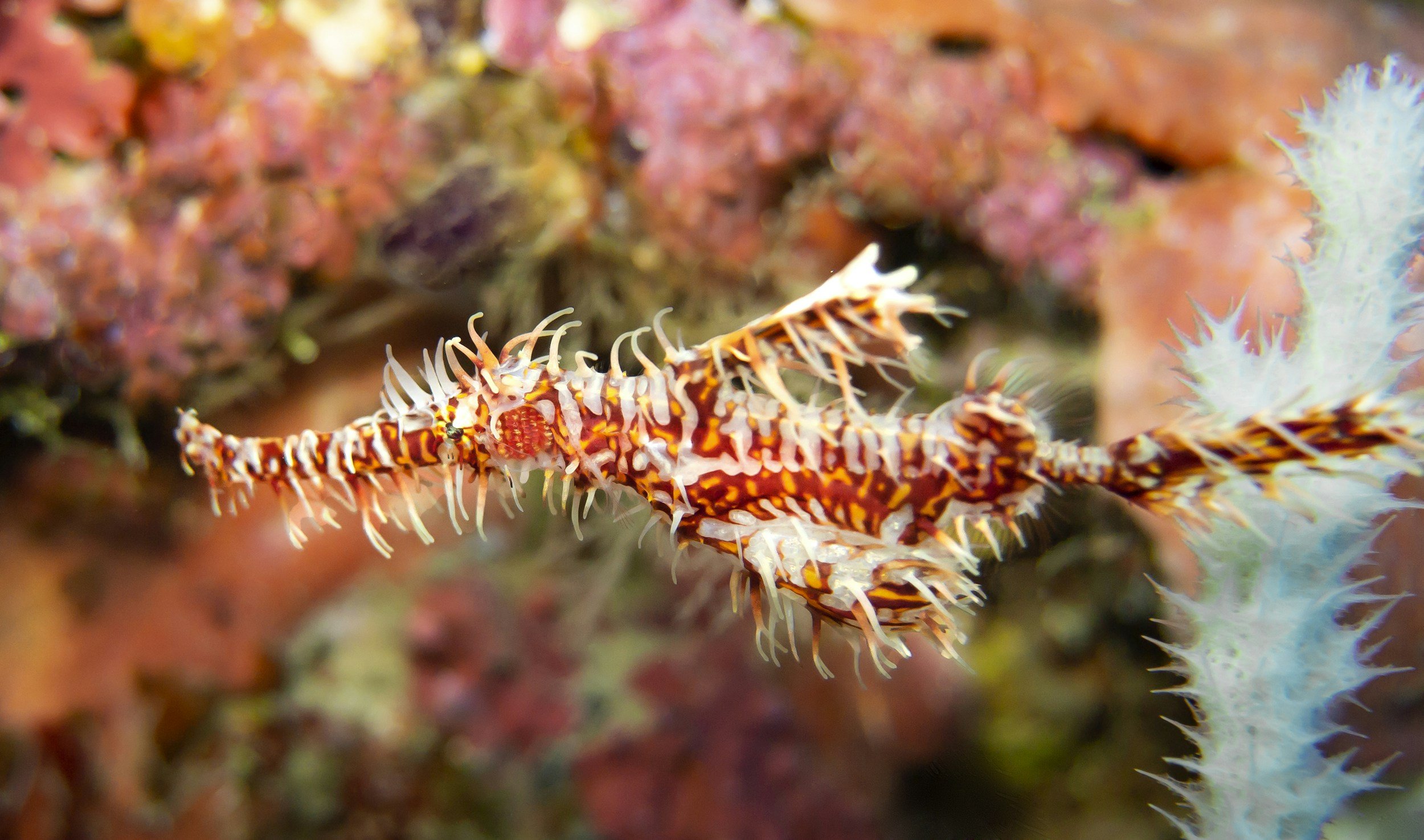
Ghost pipefish: These fascinating relatives of seahorses use elaborate body shapes and coloration to blend into their surroundings. Different species can resemble floating vegetation, seagrass, or the feathery arms of crinoids.
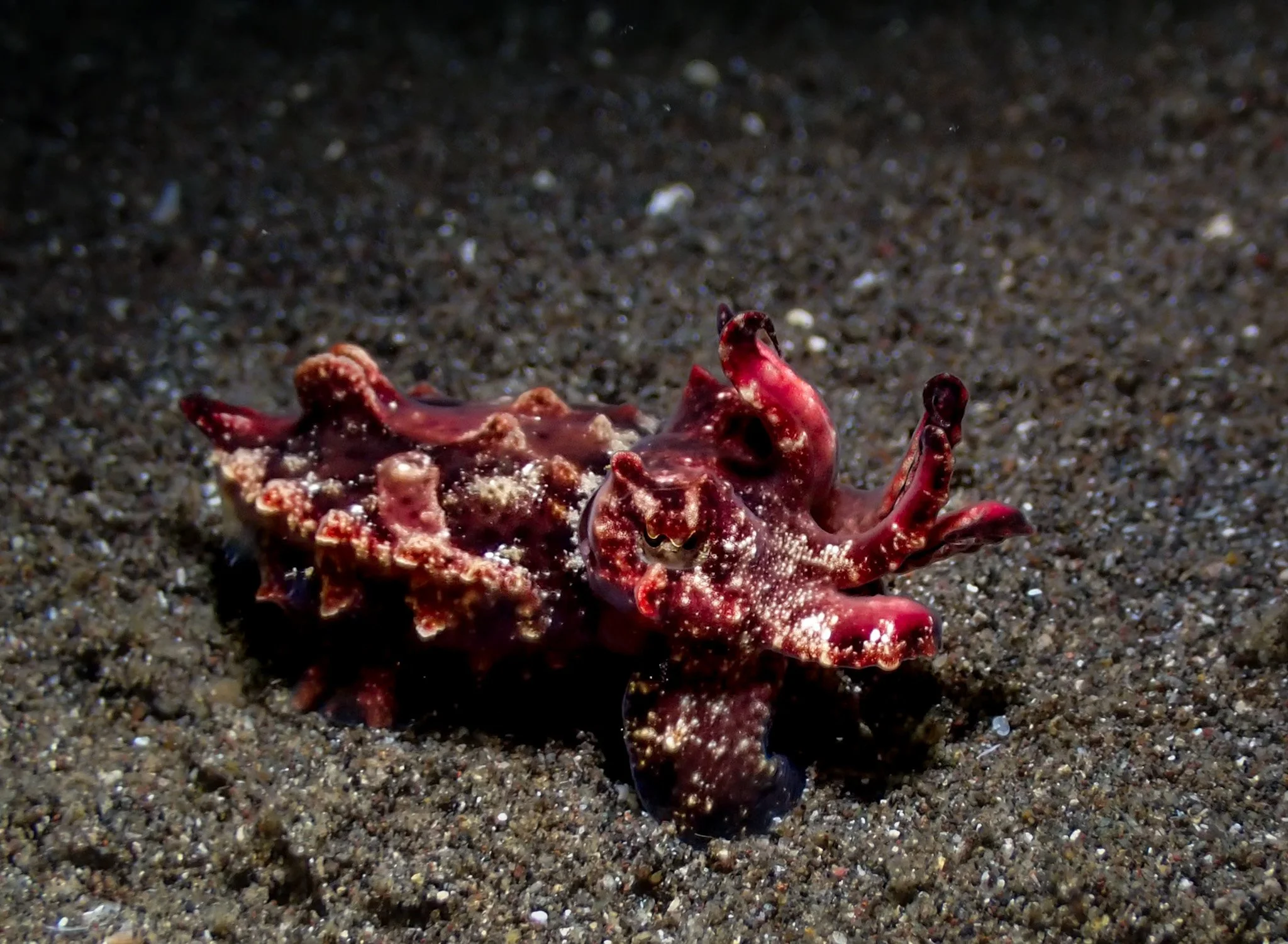
Flamboyant cuttlefish: Small, colorful, and fascinating to observe, flamboyant cuttlefish can rapidly change their appearance using specialized structures within their skin. They're frequently observed moving across the seabed, making them particularly interesting subjects for macro photography.
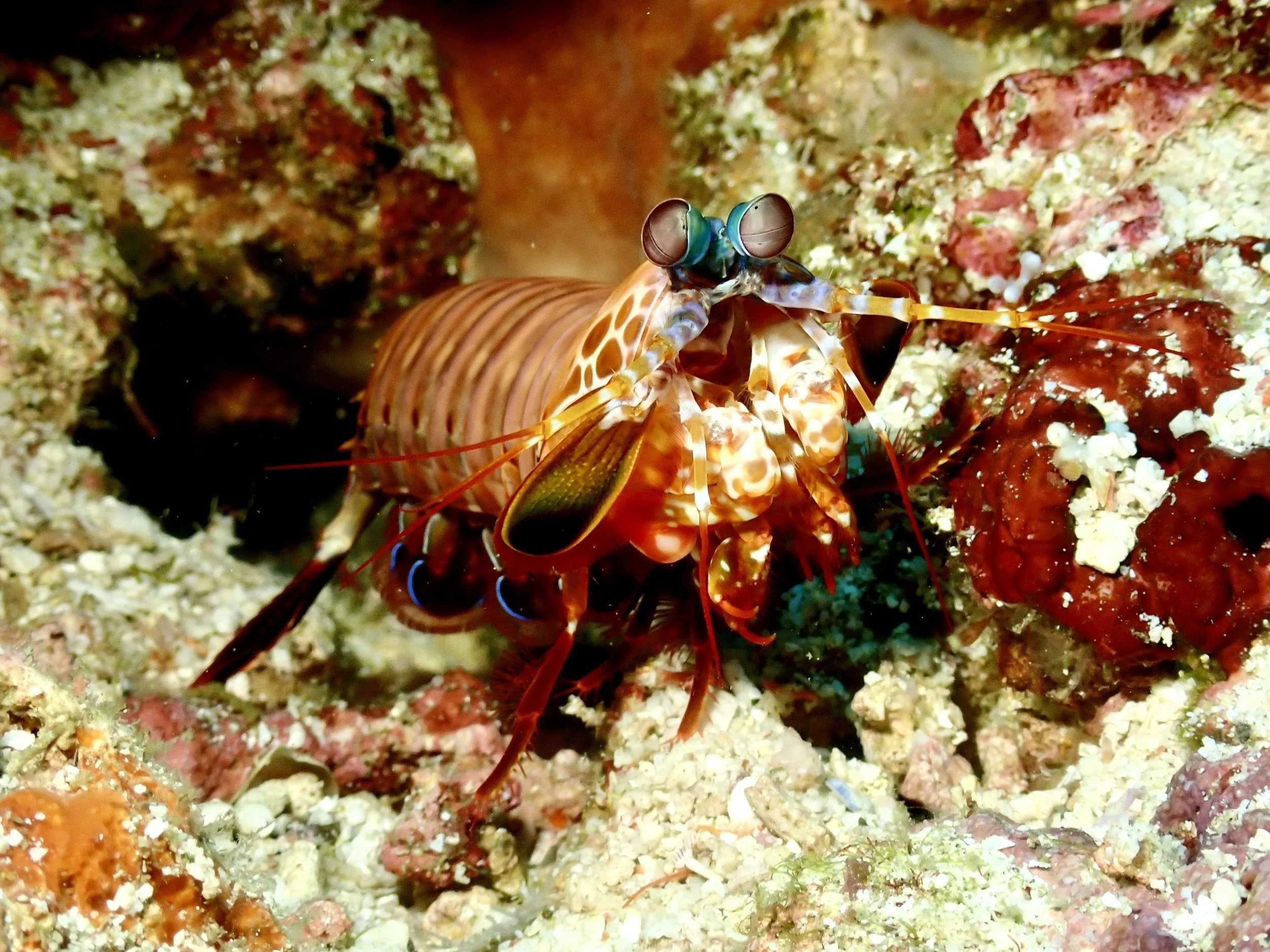
Mantis shrimp: Between their remarkable visual systems, powerful hunting appendages, and frequently spectacular coloration, mantis shrimp are among my favorite marine animals. Having photographed peacock mantis shrimp in Lembeh and beautiful golden and orange individuals in Fiji, I'm excited to see what species we might discover in the Philippines.
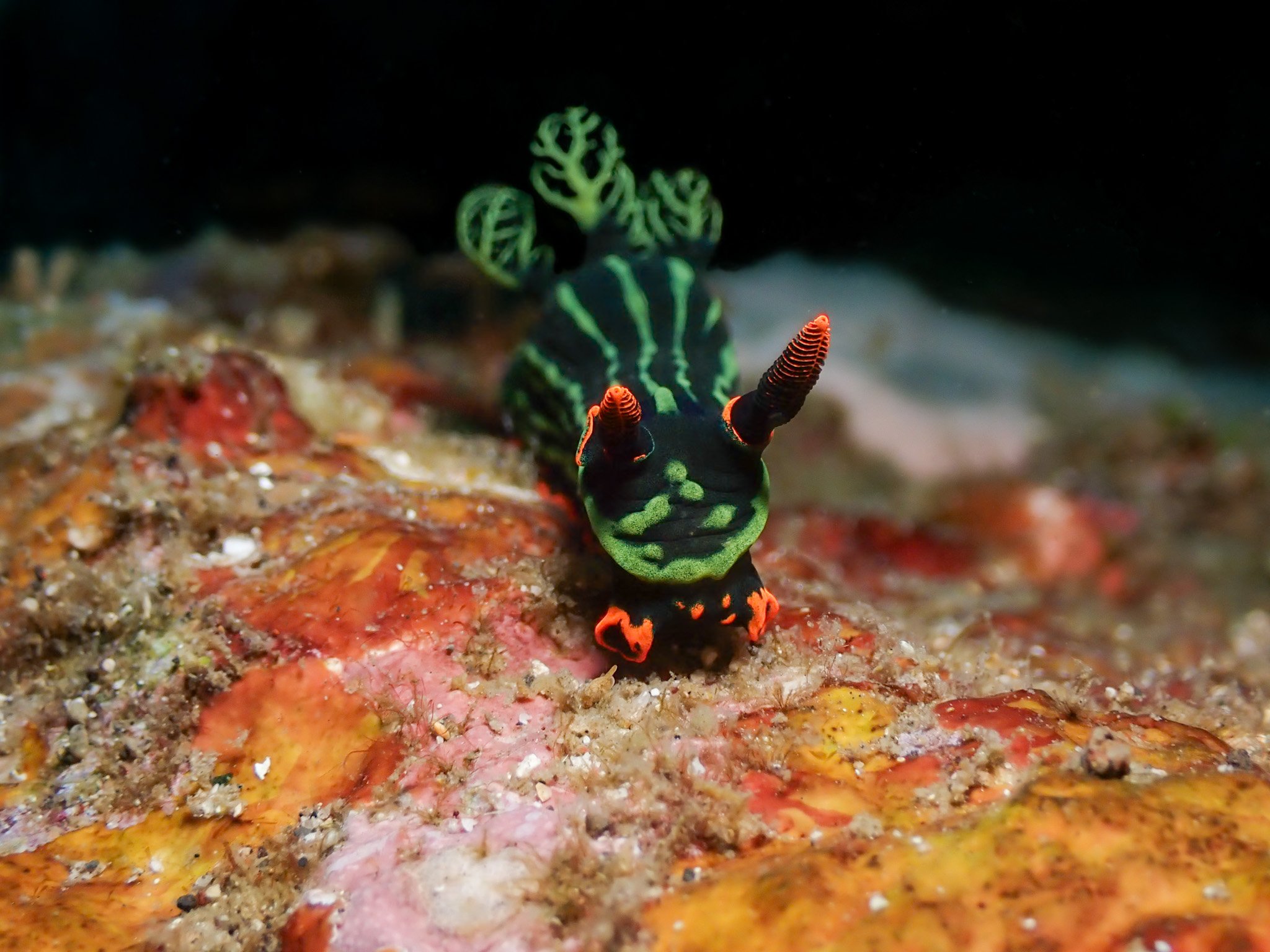
Nudibranchs: These colorful marine gastropods come in an astonishing variety of shapes, sizes, and patterns. Some species incorporate defensive chemicals from their prey, while others retain stinging cells from the animals they consume. They're an excellent reminder that beautiful animals aren't necessarily defenseless.
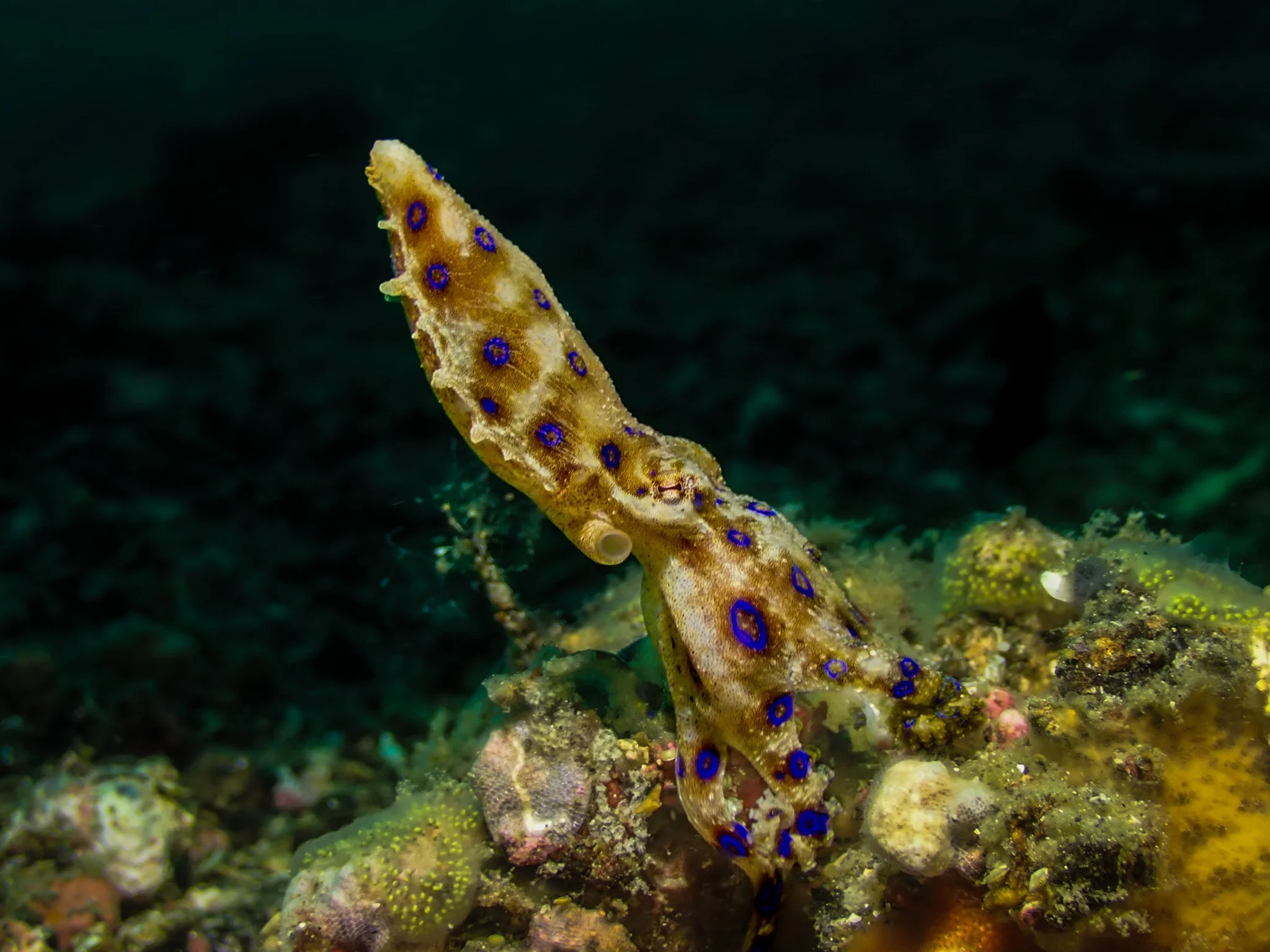
Octopuses: Curious, intelligent, and endlessly entertaining, octopuses will always be among my favorite underwater subjects. Their ability to change color, texture, and body shape makes observing their behavior particularly rewarding.
Regardless of how many dives you've completed, the ocean always has something new to teach you. The Philippines will give us an incredible opportunity to slow down, develop our observation skills, and appreciate the smaller inhabitants that make marine ecosystems so fascinating.
If you've never considered yourself a macro enthusiast, there's a reasonable chance that might change by the end of this trip.
When the Sun Goes Down, the Reef Gets Even More Interesting
Some of the most fascinating marine animals I've encountered throughout my diving adventures have appeared after sunset.
Night diving provides an opportunity to observe behaviors and species that can be difficult to find during daylight hours. Crustaceans emerge from their shelters, octopuses become more active, squid and cuttlefish search for prey, and sleeping reef fish provide a completely different perspective on familiar marine environments.
Certain parrotfish species even produce protective mucus cocoons while resting, while nocturnal predators take advantage of the darkness to hunt.
The Philippines Aggressor offers night diving opportunities as part of our liveaboard experience, giving us even more chances to explore the extraordinary biodiversity of the Visayas.
For photographers, darkness also creates opportunities to experiment with lighting, compositions, and backgrounds. For marine life enthusiasts, returning to a reef after sunset can feel like discovering an entirely different dive site.
The advantage of living aboard the yacht is that once we've finished exploring, a hot shower, delicious food, and a comfortable bed aren't far away.
An Underwater Photographer's Dream Vacation
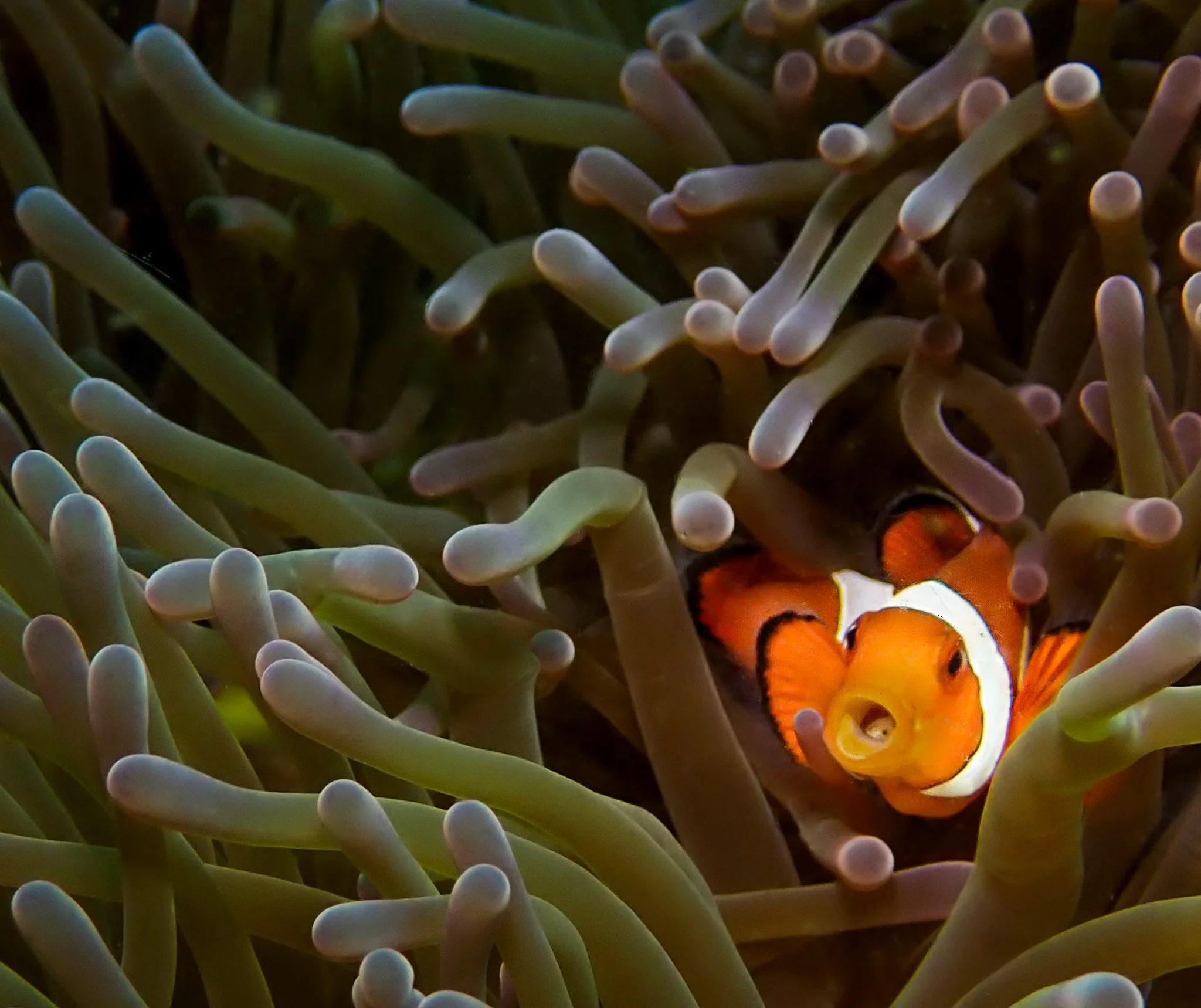
I'm fairly certain my camera equipment is going to require some serious negotiations with my luggage allowance.
As an underwater photographer, I particularly enjoy destinations that challenge me to photograph different subjects, experiment with techniques, and learn more about marine animal behavior. The Visayas offer precisely that kind of experience.
One dive might involve photographing a thresher shark against the blue, while another could be dedicated to capturing the intricate details of a nudibranch. Enormous sea fans, colorful coral walls, schools of fish, sea turtles, and beautifully camouflaged critters provide opportunities for both wide-angle and macro photography.
You certainly don't need an elaborate underwater camera system to join us. Despite traveling with my Sony camera setup, I still carry a GoPro on my dives, and some of my favorite underwater memories have been captured using that little camera.
Understanding animal behavior, improving your buoyancy, and learning how to responsibly approach underwater subjects can make an enormous difference to your photographs and videos.
Although, as someone who owns an underwater camera system, I'm probably not the best person to consult about avoiding expensive photography purchases.
Complimentary PADI GoPro Distinctive Specialty, Valued at $270
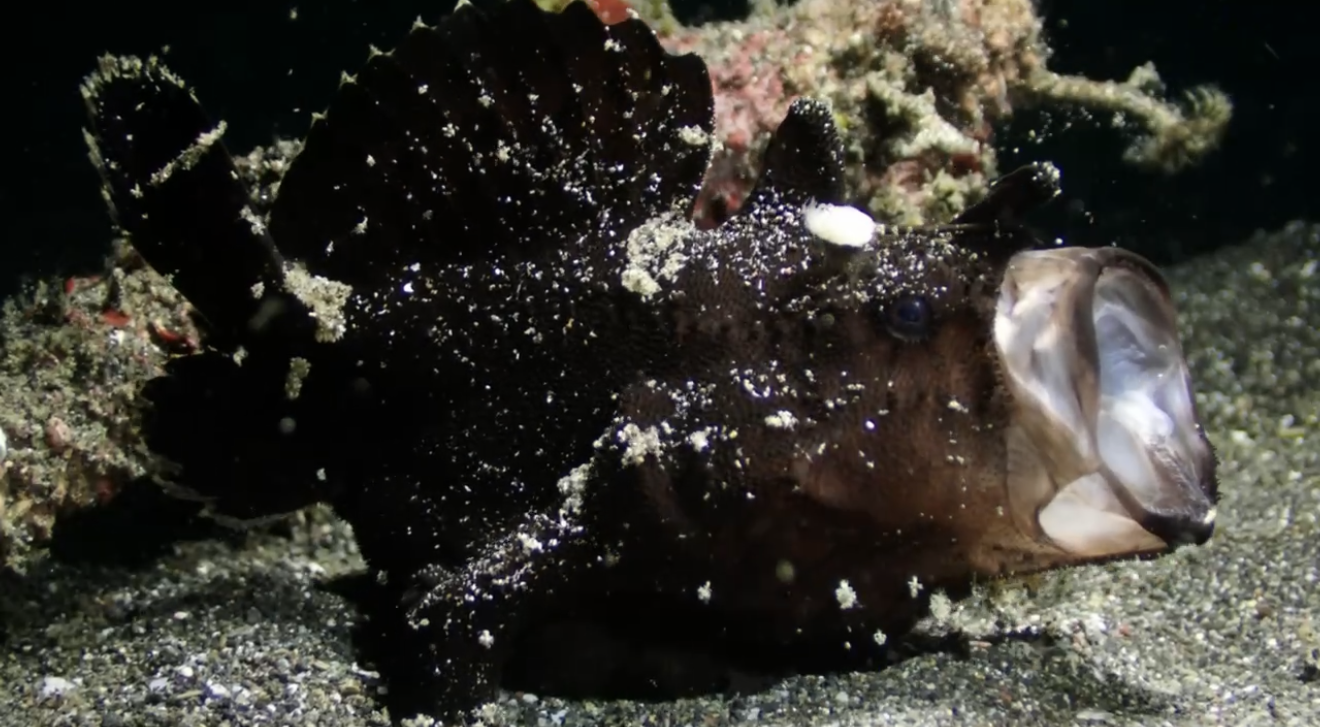
What better place to become a more confident underwater storyteller than the heart of the Coral Triangle?
As part of our Philippines adventure, I'm including my optional PADI GoPro Distinctive Specialty at no additional cost. We'll use the marine environments of the Visayas as our underwater classroom, developing practical skills that you can continue using long after our adventure ends.
During the specialty, we'll cover:
Optimizing GoPro settings for underwater photography and videography.
Understanding resolution, frame rates, and camera modes.
Improving composition and camera stability.
Managing underwater lighting and color.
Filming marine life responsibly.
Creating and editing videos using the GoPro Quik app.
Participants must have their own GoPro HERO13 Black or newer compatible model, appropriate underwater housing, and required accessories. Course instruction and certification are included upon successful completion of the applicable requirements.
Participation is entirely optional. Whether you're interested in learning how to create beautiful underwater videos or simply want to enjoy seven nights of extraordinary diving, there's absolutely no pressure to participate.
I suspect we're going to have some rather spectacular subjects to practice with.
The Only December Blues I'm Interested In
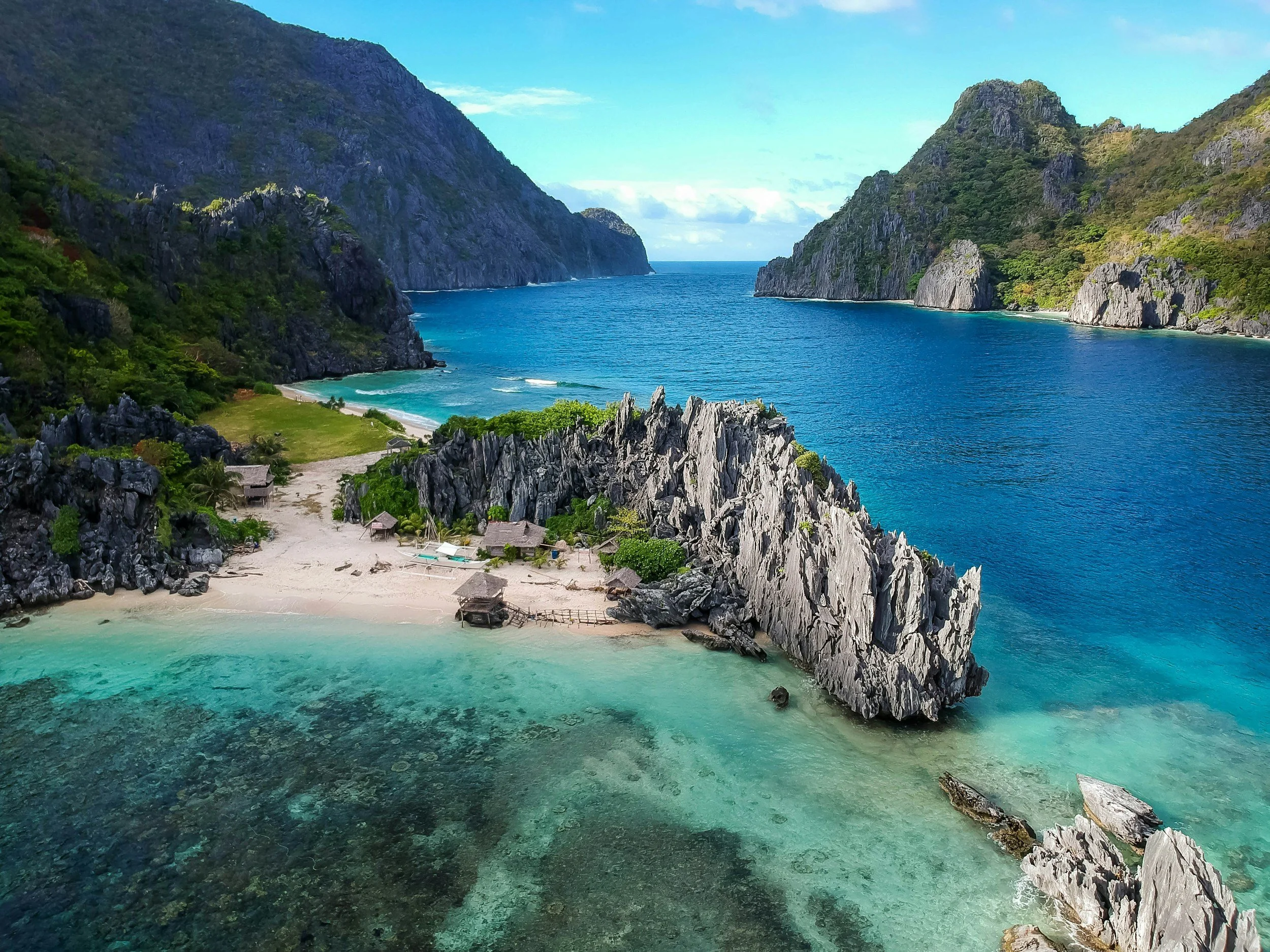
One of the biggest misconceptions about diving in the Philippines is that there's a single best time of year to visit the entire country. With thousands of islands, different geographical exposures, and two major seasonal monsoon patterns, the reality is considerably more interesting.
The Philippines experiences the southwest monsoon, known locally as Habagat, and the northeast monsoon, known as Amihan.
Our early December departure generally falls within the northeast monsoon period, when many western and sheltered areas experience relatively drier conditions. Eastern-facing coastlines can experience increased rainfall, wind, and rougher seas, making the flexibility of our liveaboard itinerary particularly valuable.
Aggressor operates its Best of Visayas itinerary from June through February, placing our December departure within its established operating season.
From a marine life perspective, thresher sharks can be encountered around Malapascua throughout the year, while Southern Leyte may experience seasonal whale shark activity during the months surrounding our departure. The reefs themselves support extraordinary communities of resident marine life regardless of the season.
We're anticipating tropical water temperatures of approximately 79–84°F (26–29°C), although local conditions can vary. A 3mm wetsuit is a good starting point for many divers, while those who tend to get cold during repetitive diving may prefer additional thermal protection.
No international diving destination comes with guaranteed weather, visibility, or wildlife encounters. However, selecting an experienced operator and an itinerary that can adapt to conditions gives us an excellent opportunity to make the most of our time in the Philippines.
December also happens to be one of the most culturally interesting times to visit.
Meet Our Floating Home: The Philippines Aggressor
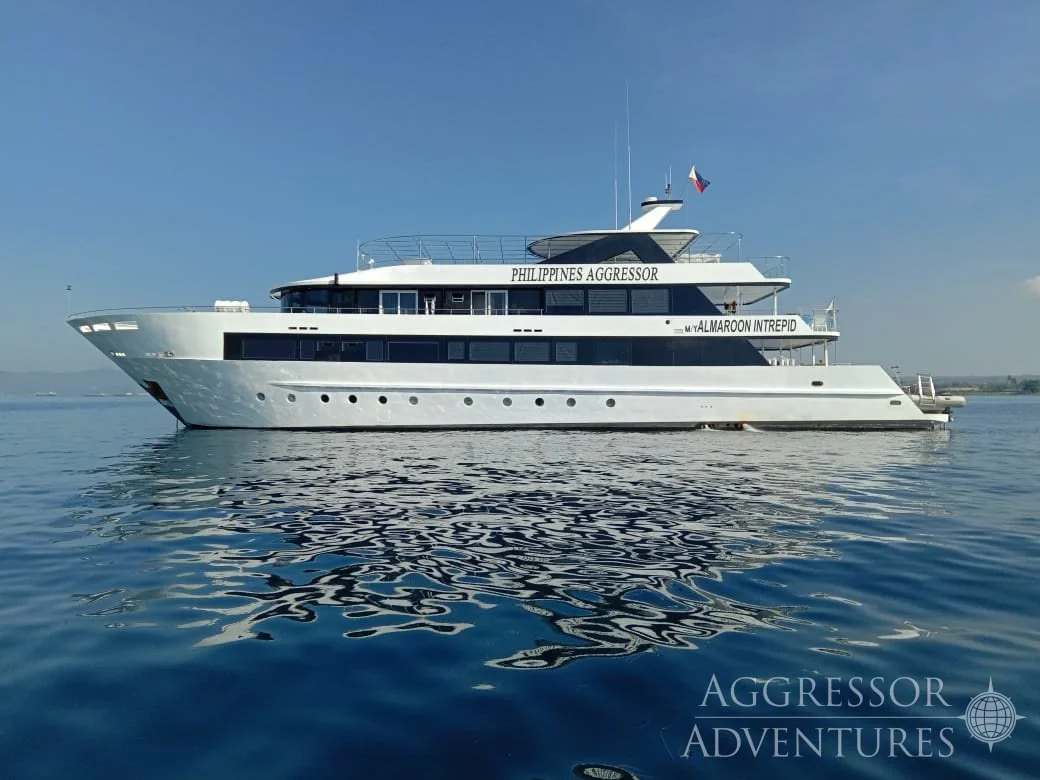
After a long international journey, there's something particularly wonderful about unpacking your dive equipment once and knowing you won't need to pack everything away again for another week.
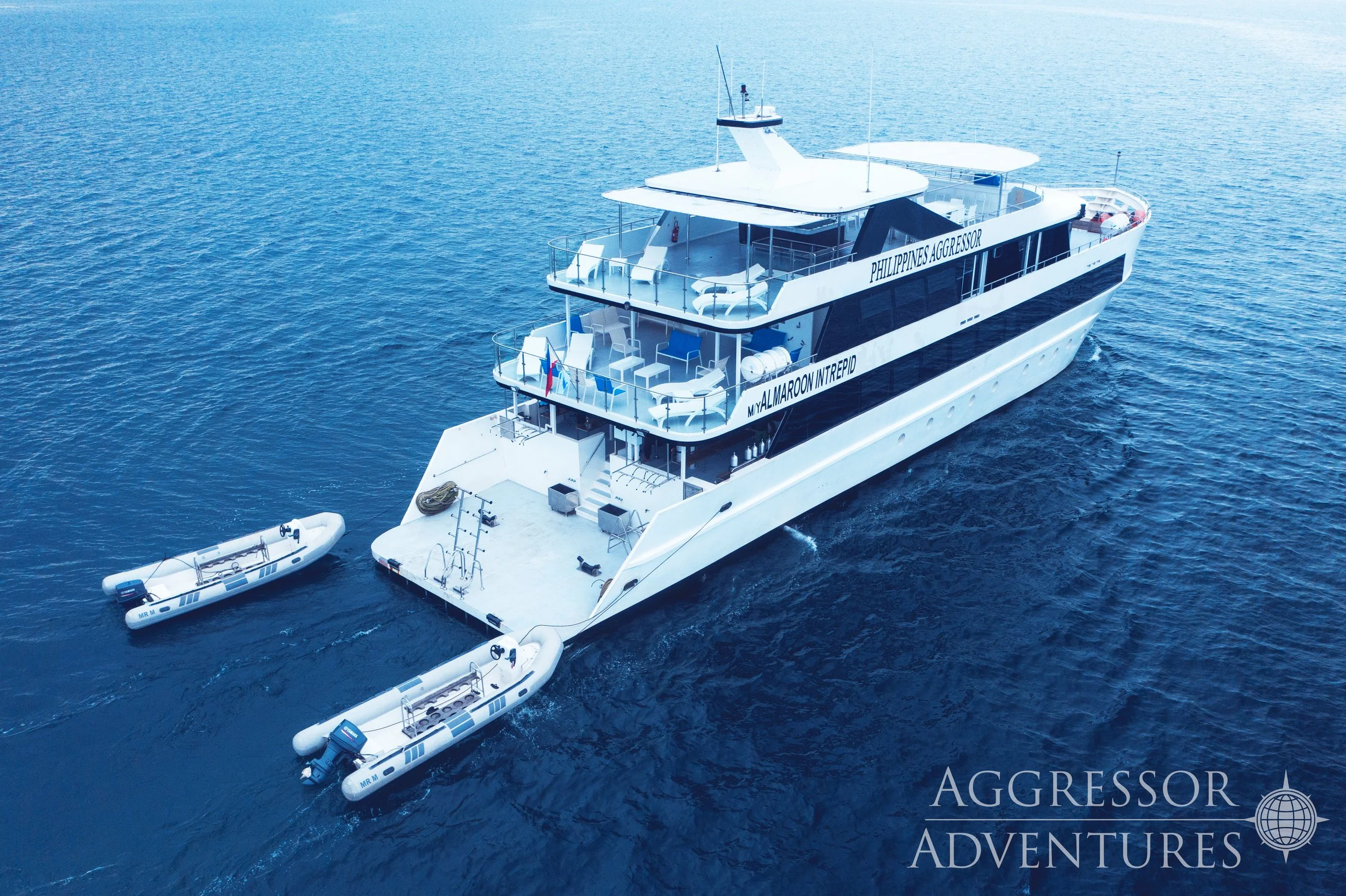
Our floating home will be the Philippines Aggressor, an impressive steel liveaboard measuring 135 feet (41 meters) in length with a beam of approximately 28.5 feet. Built with comfort and stability in mind, the yacht travels at around 10 knots and accommodates a maximum of 24 guests, supported by a dedicated team of 15 staff.
Exploring the Visayas aboard a liveaboard gives us the ability to cover considerably more of this geographically diverse region without spending valuable vacation days coordinating ferries, road transfers, and multiple accommodations.
While we're enjoying dinner, reviewing photographs, or sleeping, the crew can be transporting us toward our next destination.
By morning, we could be waking up surrounded by entirely different islands, ready to discover what the next reef has in store for us.
Choose Your Own Little Slice of Paradise
The Philippines Aggressor features 12 staterooms across three accommodation decks, including four private balcony suites.
Every cabin offers an ensuite shower and bathroom, individually adjustable air conditioning, a personal safe, space for luggage, a hair dryer, and an in-room entertainment system.
Deluxe Lower Deck Staterooms

Four cabins on the lower deck feature circular windows and comfortable sleeping arrangements. One cabin offers two separate beds, while the remaining three feature a double bed and a single bed.
Deluxe Main Deck Staterooms
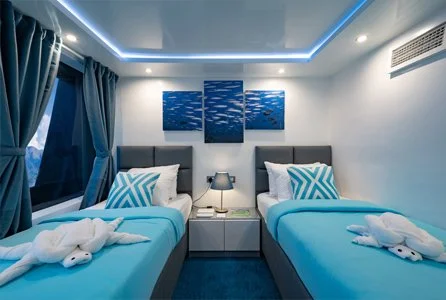
Four main deck cabins offer large panoramic windows, providing natural light and beautiful views of the surrounding islands.
Balcony Suites
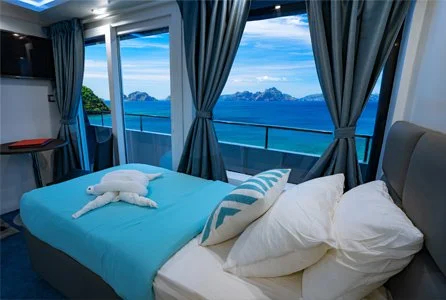
For anyone looking to add a little extra luxury to their adventure, the four upper deck suites offer configurable king or twin sleeping arrangements, expansive windows, and their own private balconies.
A morning coffee on your private balcony overlooking the Philippine islands before heading out to dive with sharks sounds like a particularly excellent way to begin the day.
All trip accommodations are based on double occupancy. Guests wishing to reserve a private cabin will need to pay the applicable single supplement.
Life Between Dives
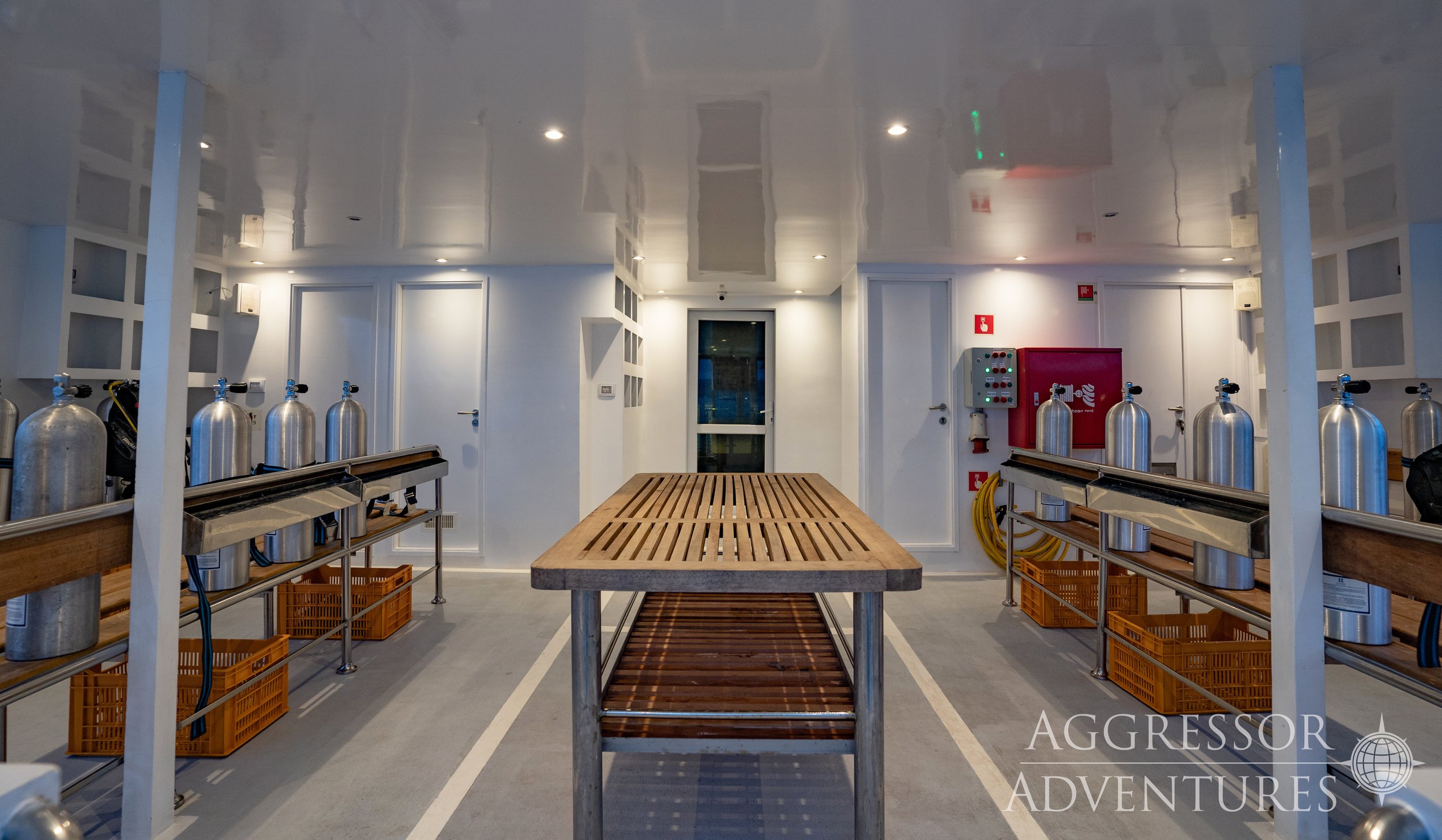
The Philippines Aggressor offers plenty of space to relax between underwater adventures. Its spacious indoor salon provides a comfortable place to review photographs, read, socialize, or enjoy a little time in the air conditioning.
Outside, the sun deck features shaded relaxation areas, loungers, chairs, a bar, and a grill. There will be plenty of opportunities to enjoy the tropical scenery, watch the sunset, and compare our underwater discoveries.
Evening entertainment may include marine life presentations, movies, games, and night diving. The yacht also maintains a small book exchange and marine life identification resources, which I suspect our group will be putting to good use.
For those traveling with cameras and other electronics, the yacht operates on 220V electricity and has predominantly universal sockets. Guests should bring appropriate adapters or voltage converters where required, as onboard converters are limited.

The Food Deserves Its Own Section

One of the great pleasures of liveaboard diving is finishing a dive and discovering that someone has already prepared something delicious for you.
Our adventure includes breakfast, lunch, dinner, snacks, desserts, and selected beverages throughout our time aboard, with the exception of our final evening's dinner ashore.
What particularly appeals to me about the Philippines Aggressor's dining experience is its combination of international favorites and local cuisine. Aggressor's published sample menu features some fantastic Filipino dishes alongside seafood, grilled meats, salads, soups, and homemade desserts.
Some of the Filipino specialties featured on the sample menu include:
Beef tapa, traditionally marinated beef often enjoyed at breakfast.
Chicken adobo, prepared with a savory combination of vinegar, soy sauce, and aromatics.
Pancit, a popular Filipino noodle dish.
Kare-kare, a rich stew known for its peanut-based sauce.
Chicken inasal, a flavorful Filipino grilled chicken dish.
Beef kaldereta, a hearty tomato-based stew.
Mango float, a delicious layered Filipino dessert.
Menus naturally vary, but I'm particularly excited about having opportunities to enjoy local flavors throughout the week.
Coffee, tea, drinking water, soft drinks, and a selection of local beer and wine are included. Alcohol is reserved for after you've finished diving for the day.
You can explore the Philippines Aggressor's sample menu here.
Between the diving, Filipino cuisine, freshly prepared snacks, and homemade desserts, I suspect nobody will be going hungry.
Seven Nights, Up to 22 Dives & Endless Reasons to Get Back in the Water
Our adventure includes opportunities for up to 22 dives, including night dives, depending on the final itinerary, weather, ocean conditions, and yacht operations.
One of my favorite things about liveaboard travel is how quickly everyone settles into the routine. Within a couple of days, nobody remembers what day of the week it is, everyone has established their favorite snack, and conversations at dinner inevitably revolve around something incredibly strange that somebody found underwater.
Having an experienced crew taking care of our meals, diving logistics, and transportation means we can spend considerably more time doing what we traveled halfway around the world to do.
Of course, you're never obligated to participate in every dive. If you would rather spend an afternoon relaxing on the sun deck, reviewing photographs, or enjoying a little extra sleep, this is your vacation.
Unpack once, settle in, and spend an entire week exploring the Philippines.
Why Seven Nights Probably Won't Be Enough
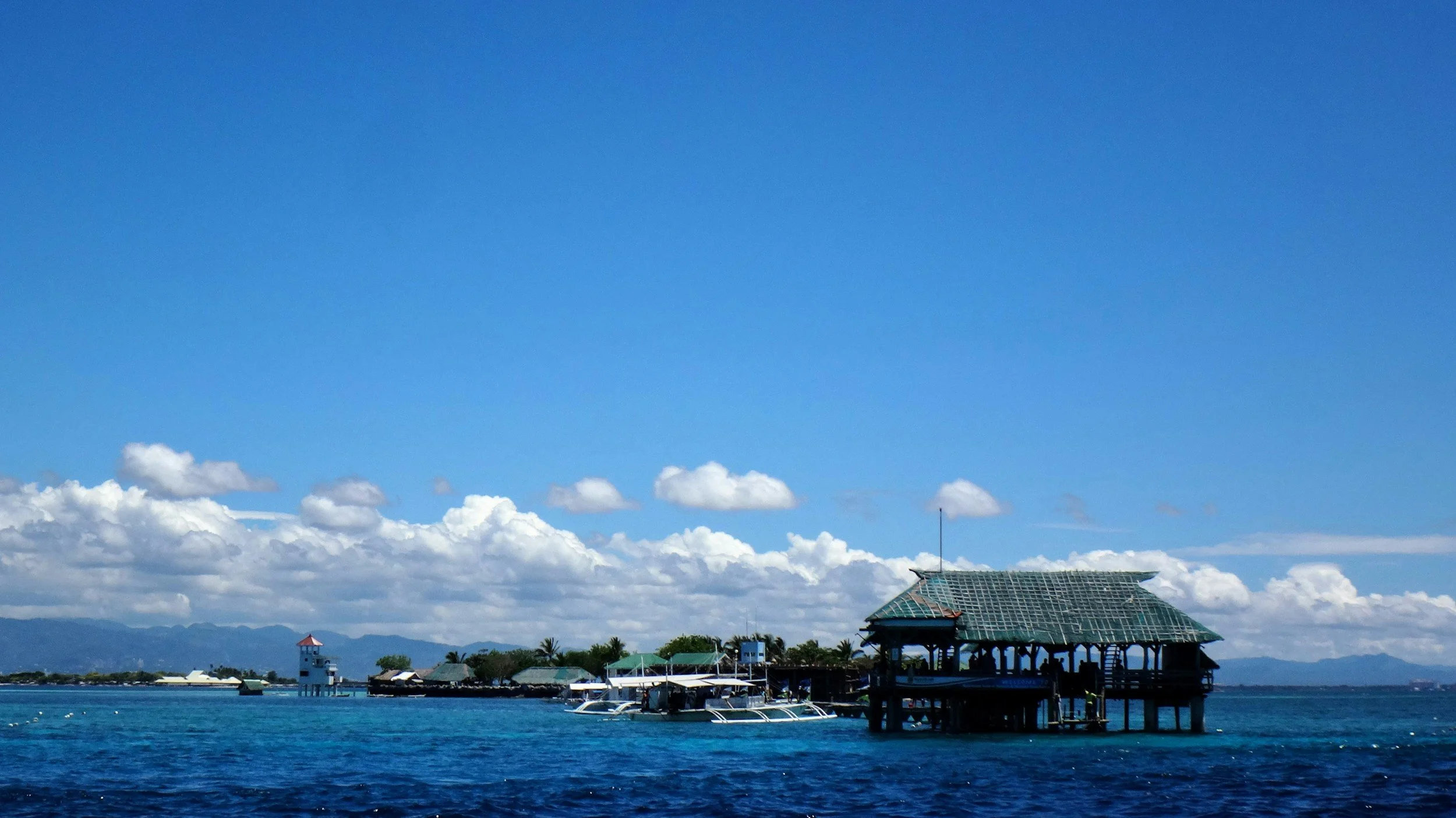
One week in the Philippines barely scratches the surface of what this remarkable country has to offer. If you have additional vacation time, I strongly encourage considering an extension before or after our liveaboard adventure.
We'll be flying into Mactan-Cebu International Airport (CEB), which provides an excellent starting point for exploring additional Philippine destinations.
I recommend arriving by November 30, 2028, giving yourself at least two days before boarding to recover from international travel, allow for potential travel delays, and enjoy a little time exploring Cebu.
For those of us traveling from the United States, approximately 11–13 days is a reasonable starting point for planning the complete journey, with additional time for anyone interested in extending their adventure.
Bohol: Chocolate Hills & Philippine Tarsiers
Bohol's Chocolate Hills are among the country's most recognizable natural landscapes, with more than a thousand rounded geological formations spread across the countryside.
During drier periods, the grass covering the hills turns brown, giving these remarkable formations their distinctive name.
Bohol is also home to the Philippine tarsier, one of the world's smallest primates. Their enormous eyes are adapted for nocturnal activity, while their specialized limbs allow them to leap between branches in search of prey.
Visiting a responsible tarsier conservation facility would provide an opportunity to appreciate another fascinating aspect of Philippine biodiversity.
Cebu: Waterfalls, Mountains & Filipino Cuisine
Beyond its coastal waters, Cebu offers turquoise waterfalls, lush forests, mountainous landscapes, historical sites, tropical beaches, and delicious local food.
Arriving early would give us plenty of opportunities to explore, adjust to the time difference, and experience a little of Cebu before boarding our liveaboard.
Moalboal: The Famous Sardine Run
For anyone interested in experiencing one of the Philippines' most recognizable underwater spectacles, Moalboal is a fantastic option for an additional diving excursion.
The destination is famous for its enormous schools of sardines, which create spectacular underwater formations relatively close to shore.
Although Moalboal isn't included in either of our sample seven-night liveaboard routes, it's an appealing extension for anyone planning additional time on Cebu.
Anilao & Dauin: Even More Underwater Treasure Hunting
Macro enthusiasts looking for additional diving will have plenty to get excited about in Anilao and Dauin.
Both destinations have earned international reputations for their unusual marine life, offering opportunities to search for frogfish, nudibranchs, cephalopods, crustaceans, and numerous other beautifully camouflaged creatures.
For anyone who finishes our liveaboard adventure feeling as though they haven't photographed nearly enough little critters, these destinations might be particularly tempting.
Palawan & Coron: Tropical Landscapes & Historic Wrecks
Palawan is renowned for its dramatic limestone cliffs, turquoise lagoons, tropical beaches, and extraordinary island scenery.
Coron is also internationally recognized for its World War II wreck diving, providing an entirely different underwater experience from our reef and marine life focused liveaboard adventure.
With so much to experience throughout the Philippines, I suspect our biggest challenge will be deciding how much additional vacation time we can justify.
Extraordinary Destinations Are Even Better With Wonderful People
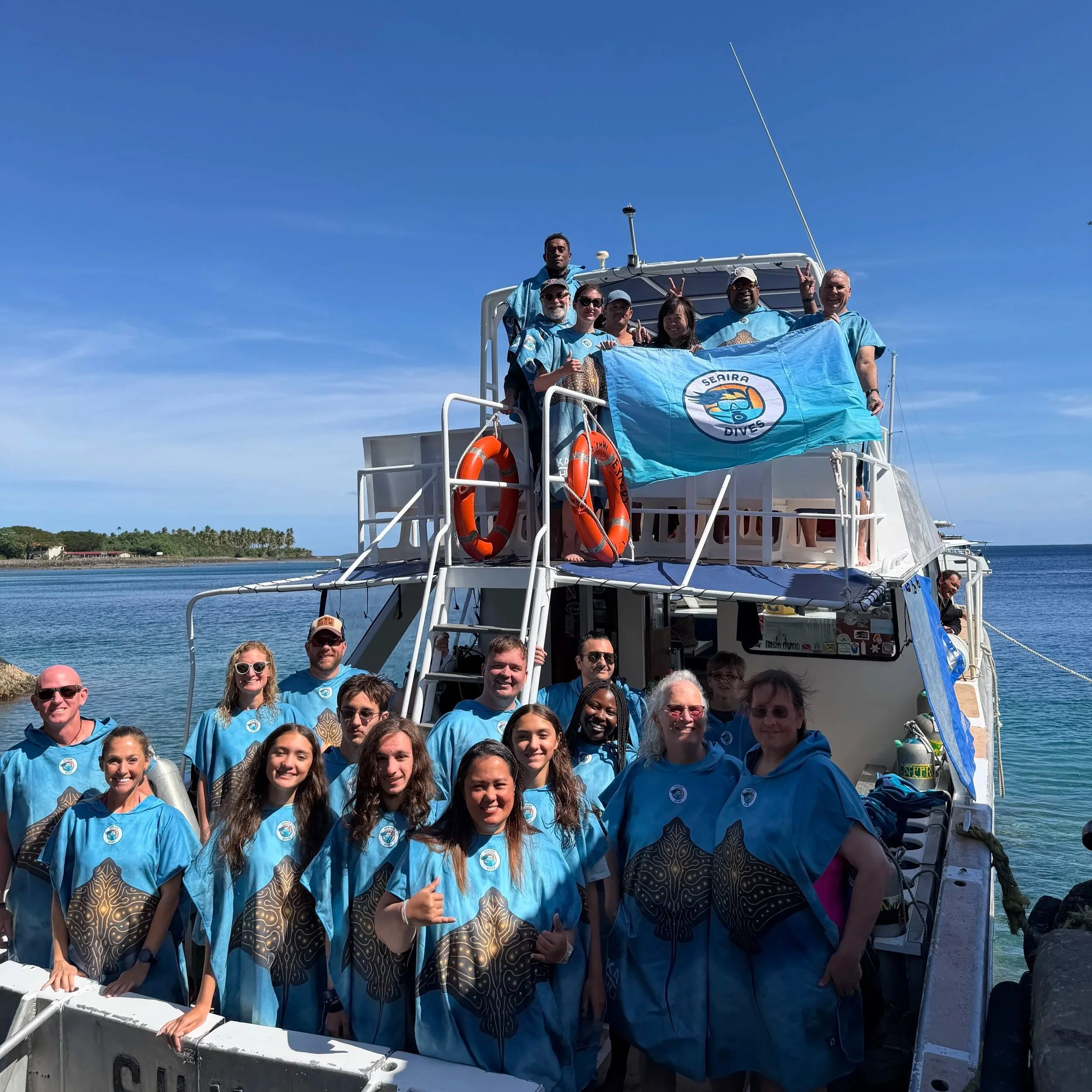
When I started Seaira Dives, I wanted to create the kind of dive community I genuinely enjoyed being part of. I wanted people to feel supported in their diving, comfortable asking questions, excited about learning, and welcome regardless of whether they arrived with a friend or traveled independently.
Over the past several years, I've watched complete strangers become close friends. Many of our adventures now feel like little reunions, with returning guests joining us in new destinations and welcoming new members into the group.
During our Galápagos adventure alone, we celebrated five divers reaching 100 dives, another reaching 200, another reaching 300, and a birthday. We shared remarkable encounters with hammerhead sharks, spent an incredible amount of time being entertained by playful sea lions, and returned home with memories that extended well beyond the diving itself.
Those experiences are a huge part of why I continue organizing these adventures. I genuinely love watching someone encounter an animal they've dreamed about seeing for years, celebrating a new certification, or discovering a passion for underwater photography.
The conversations over dinner, ridiculous jokes that develop throughout a trip, and friendships that continue long after everyone returns home are equally important to me.
You don't need to arrive knowing anyone, own an expensive camera system, or be the most experienced diver on the boat. Our adventures bring together people with different backgrounds, interests, and experience levels who share a genuine enthusiasm for exploring the underwater world.
Travel With a PADI Course Director
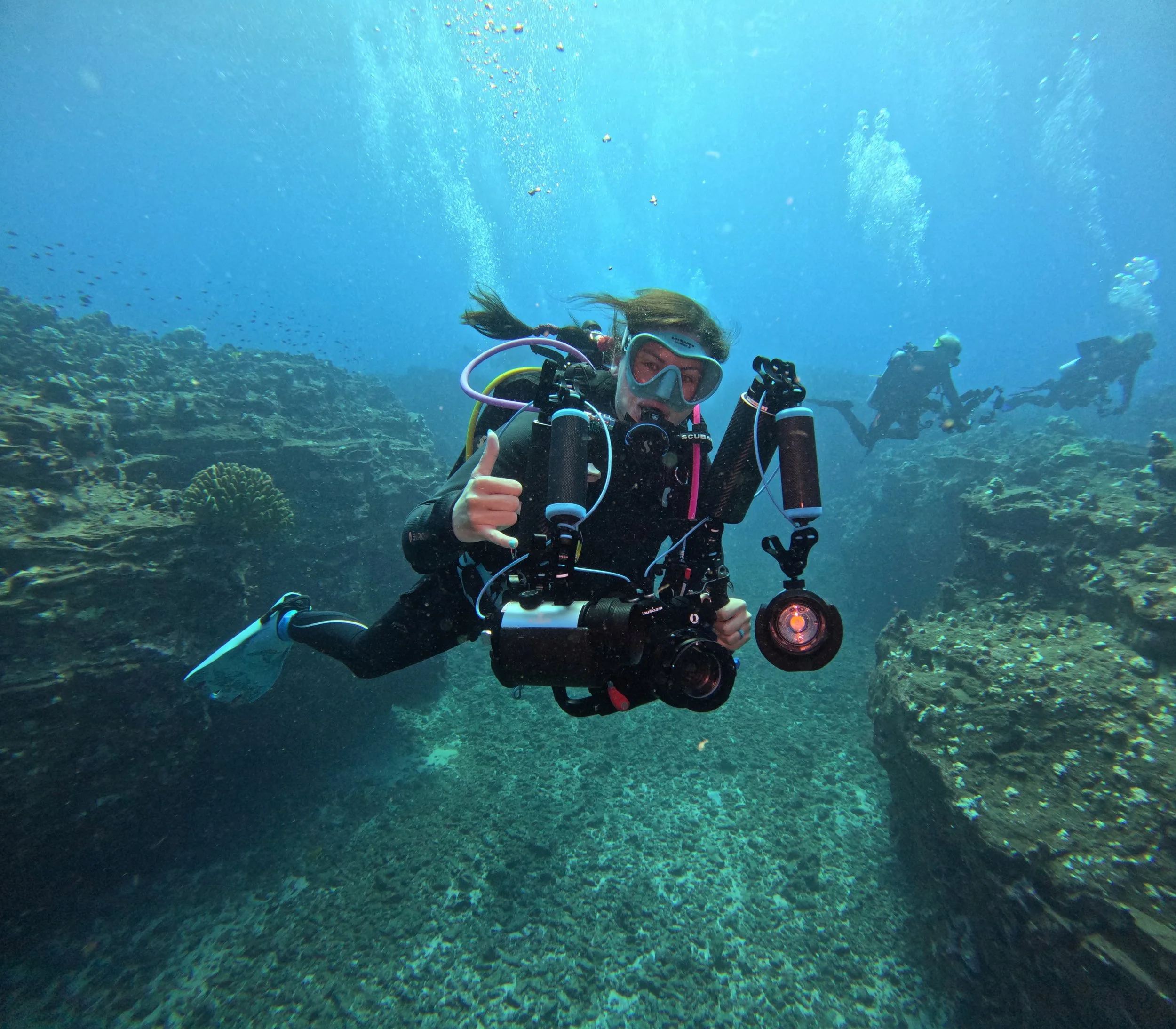
As your dedicated trip host, PADI Course Director, underwater photographer, and retired Army veteran, I put considerable time and research into selecting destinations, working with reputable operators, and preparing our guests for their adventures.
International dive travel involves a lot of moving pieces, particularly when we're traveling to destinations on the other side of the world. My goal is to make the preparation process less overwhelming and help you arrive feeling informed, comfortable, and excited.
Our Philippines adventure includes a comprehensive Seaira Dives travel guide covering arrival logistics, packing recommendations, diving conditions, and destination information. We'll also have a private trip WhatsApp group where guests can get to know one another, share travel plans, and coordinate additional adventures before departure.
Advanced Open Water and Enriched Air Nitrox certifications are strongly recommended for this adventure. Divers should be comfortable with repetitive ocean diving, boat entries and exits, and variable currents.
Final minimum certification and logged dive requirements will be communicated once confirmed with our operator. If you're unsure whether your current experience is suitable, please reach out before booking. We have plenty of time to develop a training plan to help you prepare.
Your adventure should begin with anticipation rather than uncertainty.
The Little Things That Make a Seaira Dives Adventure Special
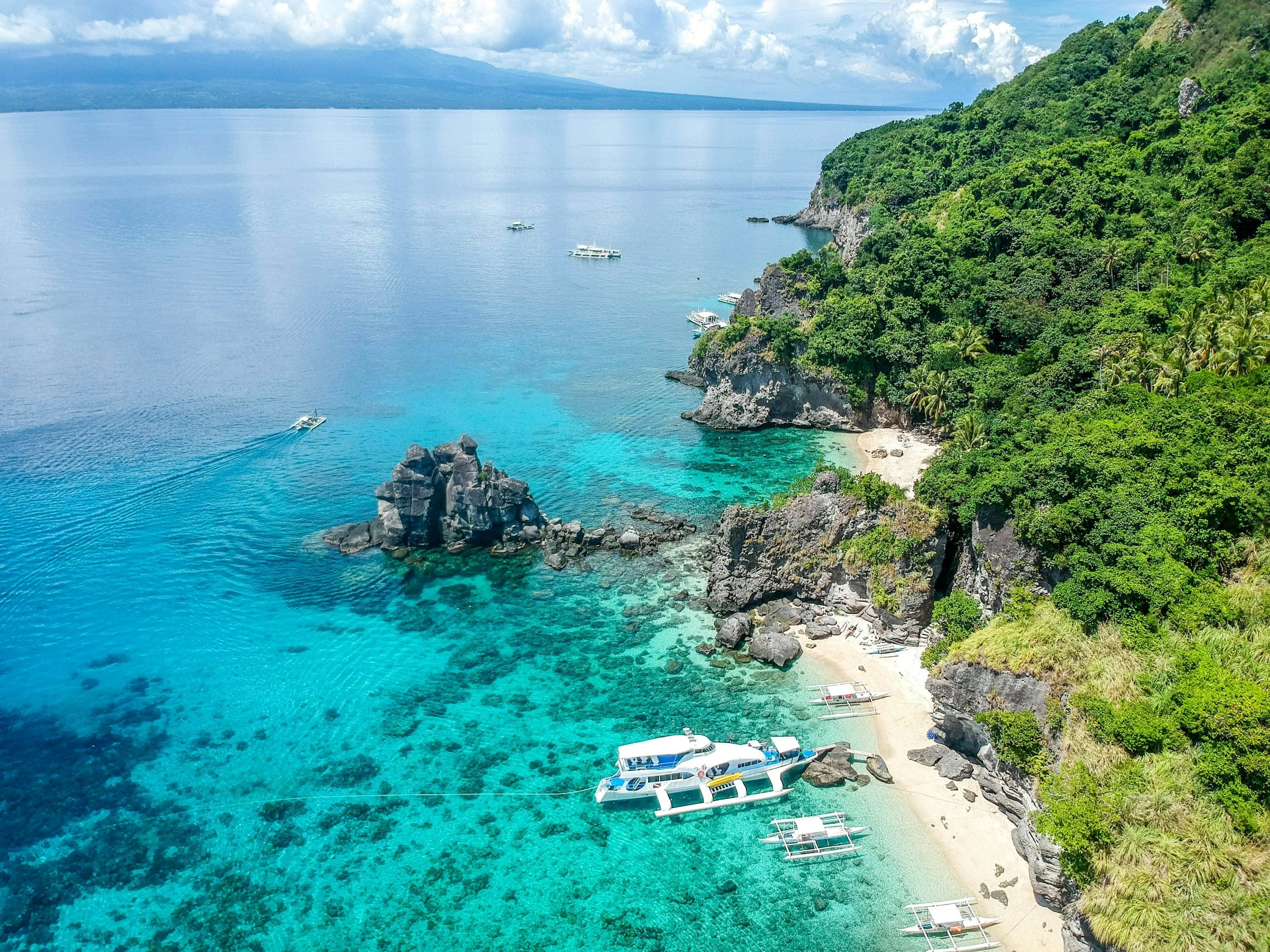
Every Seaira Dives trip has its own personality, shaped by the destination, the diving, and the wonderful people who join us.
Our Philippines adventure includes Seaira Dives trip swag, our complimentary optional GoPro specialty, an end-of-trip video capturing our favorite memories, and our signature Seaira Dives Trippies awards.
For anyone unfamiliar with the Trippies, they're our opportunity to celebrate the diving milestones, hilarious moments, memorable personalities, and unexpected adventures that make every trip particularly special.
Some of my favorite memories from our adventures have absolutely nothing to do with the animals we encounter underwater.
That's the beauty of traveling with a wonderful group of people. You might initially book the trip because you've spent years dreaming about seeing thresher sharks, but return home with friendships that take you on adventures you hadn't even considered.
Phenomenal Philippines: The Adventure at a Glance
Dates: December 2–9, 2028
Destination: Visayas, Philippines
Yacht: Philippines Aggressor
Duration: 7 nights / 8 days
Itinerary: Best of Visayas
Diving: Up to 22 dives, including night diving opportunities, conditions permitting.
Arrival airport: Mactan-Cebu International Airport (CEB)
Recommended arrival: By November 30, 2028
Embarkation: December 2, 2028, Cebu
Disembarkation: December 9, 2028, 8:00 a.m.
Water temperature: Approximately 79–84°F (26–29°C)
Seaira Dives group: Up to 14 guests
Trip pricing: Starting at $4,395 per person
Reservation deposit: $900
Complimentary specialty: Optional PADI GoPro Distinctive Specialty, valued at $270.
What's Included in Our Adventure?
Seven nights aboard the Philippines Aggressor.
Double occupancy accommodations in your selected cabin category.
Up to 22 dives, including night diving opportunities.
Full board dining, between-dive snacks, desserts, and selected beverages.
Standard scuba cylinders, compressed air fills, and weights.
Scheduled group transportation from Aggressor's designated host hotel to Cebu Yacht Club.
Farewell cocktail celebration.
Dedicated Seaira Dives trip host and PADI Course Director.
Comprehensive pre-trip travel guide.
Complimentary optional PADI GoPro Distinctive Specialty.
Seaira Dives trip swag.
End-of-trip video.
Our signature Seaira Dives Trippies awards.
Airfare, pre-trip and post-trip accommodations, applicable fees and surcharges, Nitrox, equipment rentals, insurance, gratuities, internet access, and meals ashore are separate expenses.
Dive accident insurance is mandatory, and comprehensive travel insurance is strongly recommended.
Full accommodation options, pricing, payment schedules, cancellation policies, travel requirements, and package details are available on our booking page.
All dive sites, routes, dive counts, and wildlife encounters are subject to environmental conditions, safety considerations, local regulations, and yacht operations.
Let's Make December 2028 Phenomenal
I've traveled to more than 60 countries, and my diving bucket list continues to get longer rather than shorter. Every extraordinary encounter introduces me to another animal I want to see, another reef I want to explore, or another destination I can't wait to share with our Seaira Dives community.
The Philippines combines so many of the things I love about diving. The excitement of encountering sharks, the satisfaction of discovering a beautifully camouflaged critter, the extraordinary complexity of coral reef ecosystems, and the opportunity to experience another culture make this an adventure I've been particularly excited to put together.
Whether you're coming for the thresher sharks, the wonderfully weird marine life, the tropical reefs, or simply an excuse to spend December somewhere warm with wonderful people, I suspect you'll find considerably more than you came looking for.
With our Seaira Dives group limited to 14 guests, booking early gives you the opportunity to secure your preferred accommodation, spread out your payments according to the booking schedule, plan additional adventures, and prepare for the diving.
Two years from now, we could be sitting together aboard the Philippines Aggressor, comparing photographs of thresher sharks, debating which tiny critter was the best discovery of the day, enjoying Filipino food, and discussing where we're going to dive together next.
I'd much rather have you be part of those memories than watch them unfold through everyone else's photographs.
So, give yourself something particularly exciting to look forward to this Christmas.
Phenomenal Philippines: Threshers, Treasures & Tropical Reefs
December 2–9, 2028
Starting at $4,395 | Reserve your space with a $900 deposit
Adventure is out there, and there's a whole lot of ocean left to explore!
Dive safe, explore passionately, and remember…