
Singapore: Three Nights of City Energy Before the Macro-Magic of Lembeh
Before stepping into the quiet, otherworldly world of Lembeh’s black sand muck diving, I gave myself and my jet lag the gift of a three night stay in Singapore. Traveling alongside my longtime scuba buddy Becky made the trip even more exciting. Becky is a naturally talented macro photographer with an incredible eye for detail, endless patience, and the kind of calm energy that feels perfectly suited for a destination like Lembeh. Knowing we were headed toward macro diving heaven together made the entire adventure feel electric from the very beginning.
Getting there was no small journey. I flew San Diego to Seattle, Seattle to Incheon, and finally into Singapore, stepping off the plane into that familiar wave of warm tropical humidity that instantly tells your body you have officially arrived in Southeast Asia. After long travel days and airport layovers, Singapore felt like the perfect reset before the next leg of the adventure. Clean, vibrant, multicultural, and unbelievably easy to navigate, the city gave us time to slow down, adjust to the timezone, eat incredible food, and settle into vacation mode before heading into the strange and fascinating underwater world waiting for us in Indonesia.
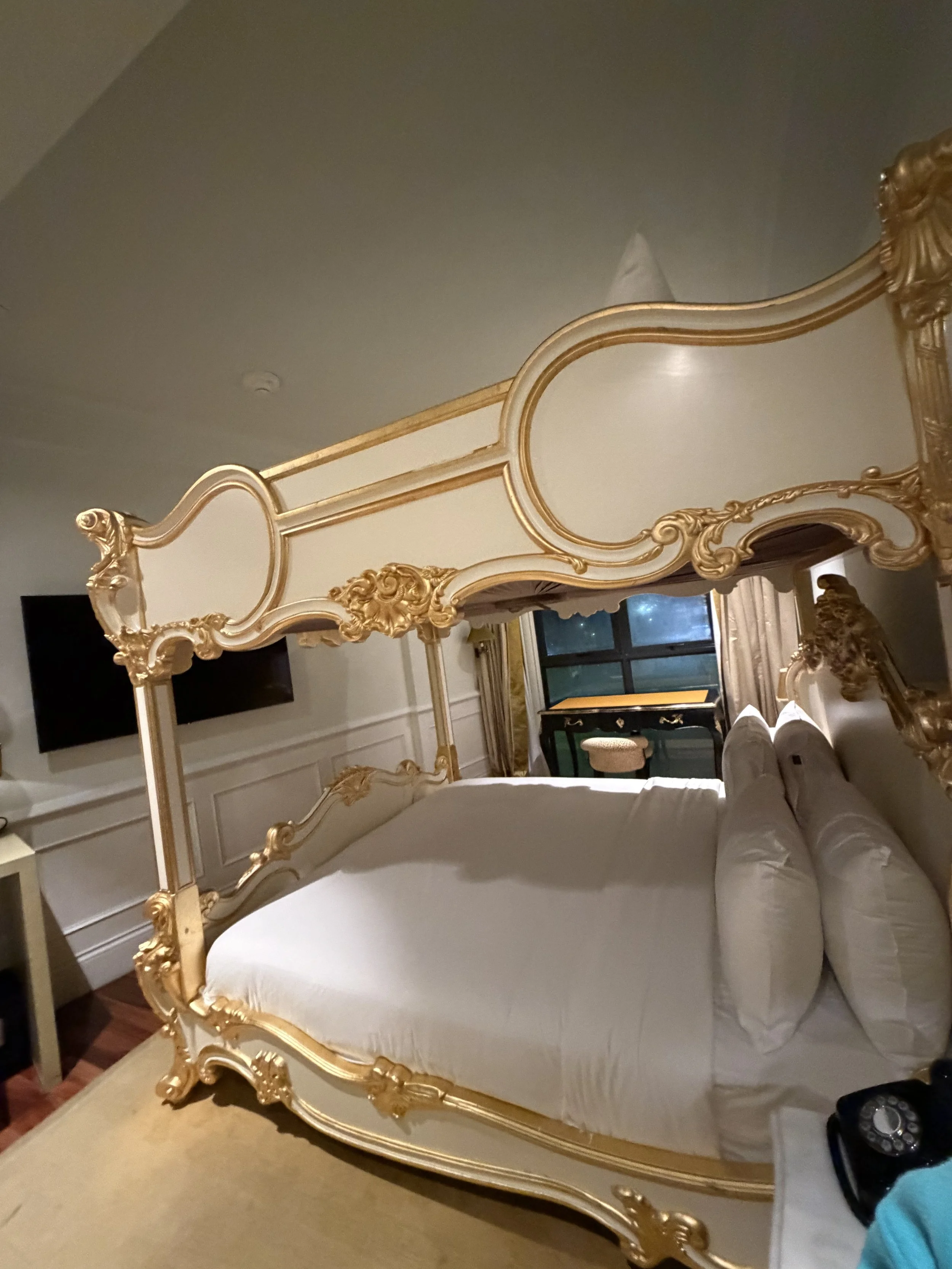
Serangoon House, Little India — Tribute Portfolio Marriott
We based ourselves at Serangoon House, a Tribute Portfolio Marriott in Little India. This hotel is soulful and character-rich — carved wooden furniture, colorful design elements, and a neighborhood that feels alive at all hours.
Little India is one of the most culturally immersive parts of Singapore, making it an excellent base for exploring the city’s depth without feeling overly touristy. Every walk outside felt like stepping into a new sensory scene: fresh flower garlands, spice shop aromas, temple bells, and markets buzzing day and night.
What Makes Singapore Special?
Singapore is a tiny island nation but one of the most culturally and architecturally impressive cities in Asia. It blends tradition with futuristic vision — temples, hawker stalls, and colonial buildings set against glowing gardens, glass conservatories, and a skyline that looks straight out of a sci-fi movie.
And the best part? Everything works. Transit, safety, cleanliness — it’s one of the easiest cities in the world for travelers.
Must-Do Experiences in Singapore
Here’s where Singapore really shines. Even with just a three day stopover, the city somehow manages to blend futuristic architecture, incredible food, rich cultural history, and peaceful escapes into one seamless experience. Every neighborhood feels different, and every day somehow balances energy and calm in a way that makes Singapore incredibly easy to love.
1. Jewel Changi Airport & The Rain Vortex Waterfall
You do not even have to leave the airport to be amazed.
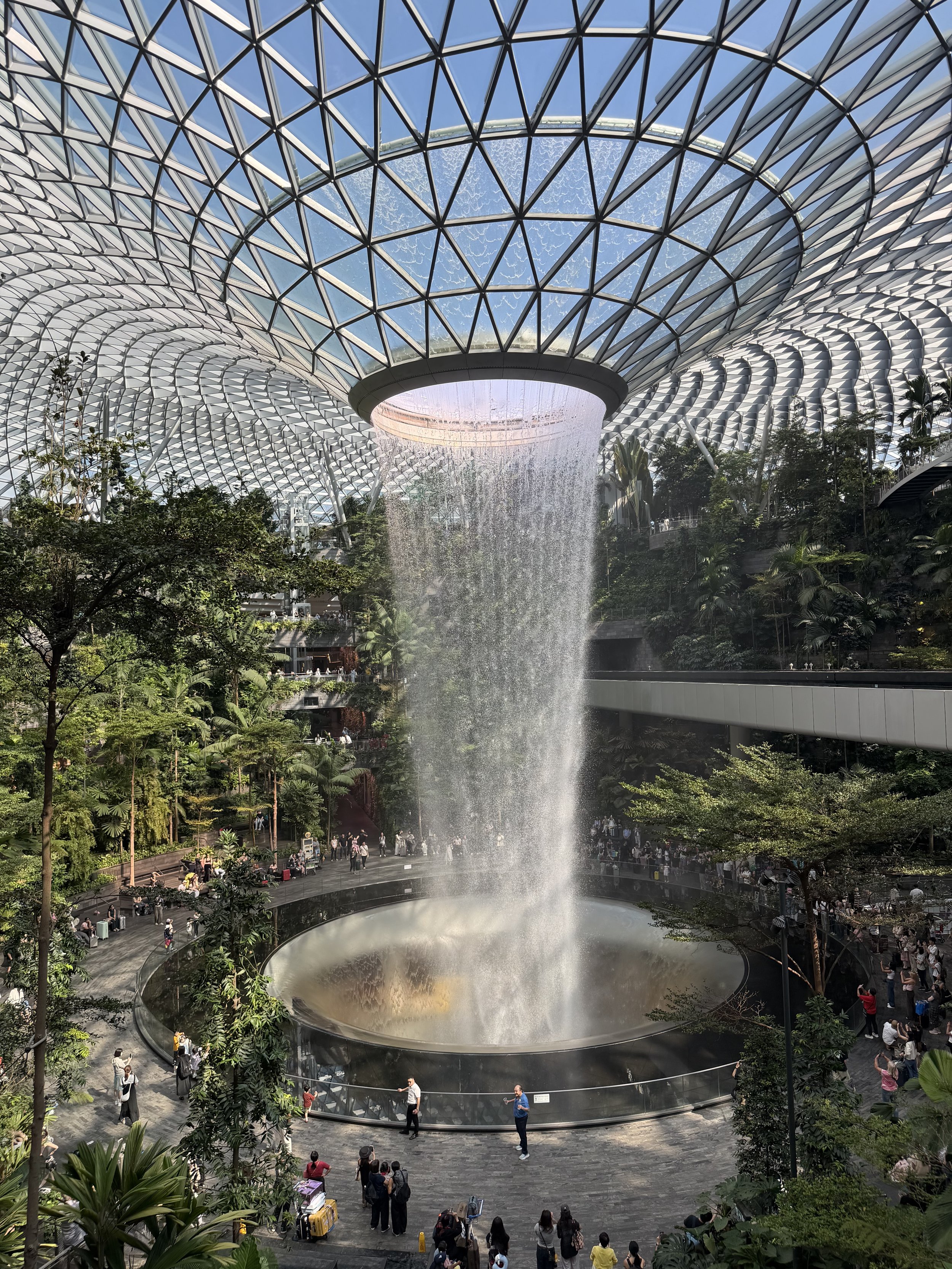
The HSBC Rain Vortex inside Jewel Changi Airport is the world’s tallest indoor waterfall, and standing beneath it feels surreal. Tropical greenery climbs upward beneath the massive glass dome while mist rises around the cascading water. After nearly an entire day of flying, that warm humid air and the sound of rushing water somehow made the jet lag feel worth it.
At night, the waterfall transforms with a choreographed light and sound show that feels dramatic, dreamy, and distinctly Singapore. Even if you arrive exhausted, make time to see it. Trust me.
2. Gardens by the Bay
One of Singapore’s most iconic attractions, Gardens by the Bay feels like stepping into a futuristic botanical world. Massive architectural structures blend seamlessly with nature, creating one of the most visually impressive spaces in the city.
The Supertree Grove
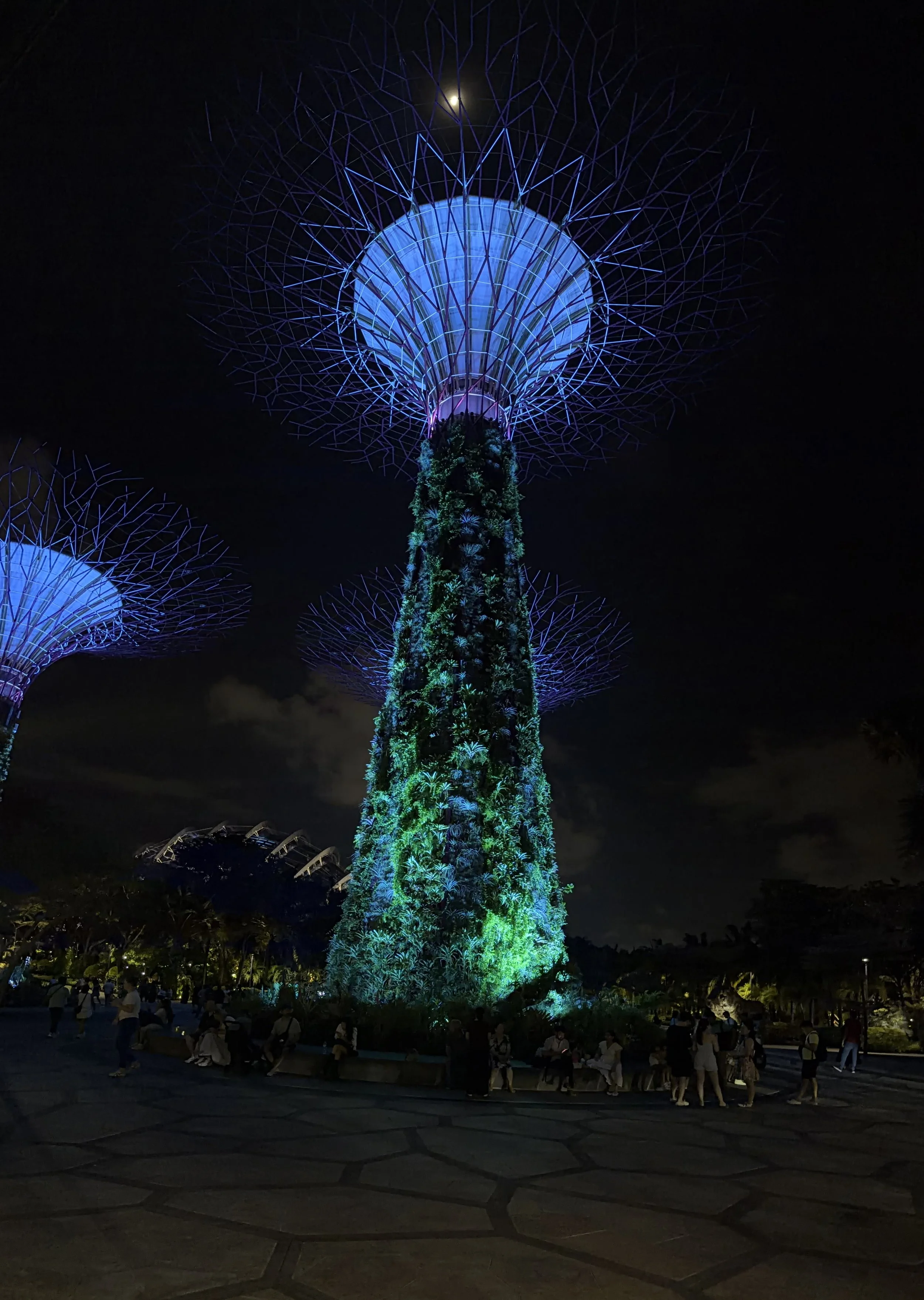
The Supertrees tower above the gardens at nearly 160 feet tall, covered in living plants and vertical gardens. During the day they are impressive, but at night they completely transform.
Garden Rhapsody Light Show
The nightly Garden Rhapsody show is an absolute must. The Supertrees glow, pulse, and dance in sync with music while crowds gather below looking upward in complete awe.
Showtimes are usually around 7:45 PM and 8:45 PM, and the show is completely free. The entire experience feels magical, cinematic, and unmistakably Singapore.
Cloud Forest Dome
The Cloud Forest ended up being one of my favorite parts of the gardens. Cool mist drifts through elevated walkways surrounded by lush tropical plants, all centered around a massive indoor waterfall. The air conditioning alone feels heavenly after a humid afternoon exploring the city.
Flower Dome
The Flower Dome showcases themed gardens and plant life from around the world inside another cooled conservatory. Wandering through both domes feels peaceful and immersive without ever feeling rushed.
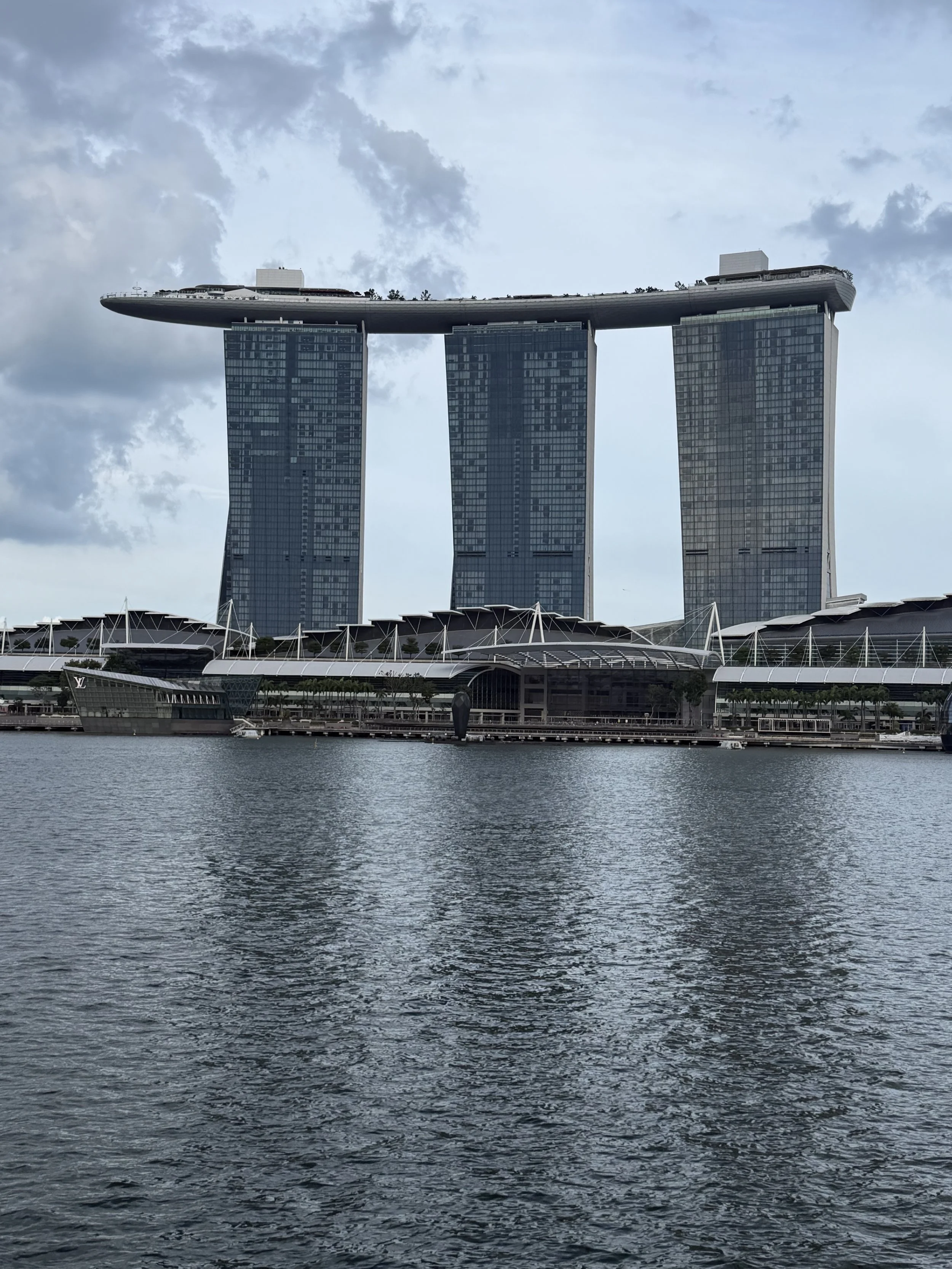
3. Marina Bay Sands Waterfront
Even if you do not stay at Marina Bay Sands, the waterfront area surrounding it is absolutely worth exploring. Singapore’s skyline truly comes alive here, especially at night when the buildings reflect across the water.
Things to do around Marina Bay include strolling the waterfront promenade, visiting the lotus shaped ArtScience Museum, grabbing dinner along the bay, or simply sitting on the steps and watching the skyline glow.
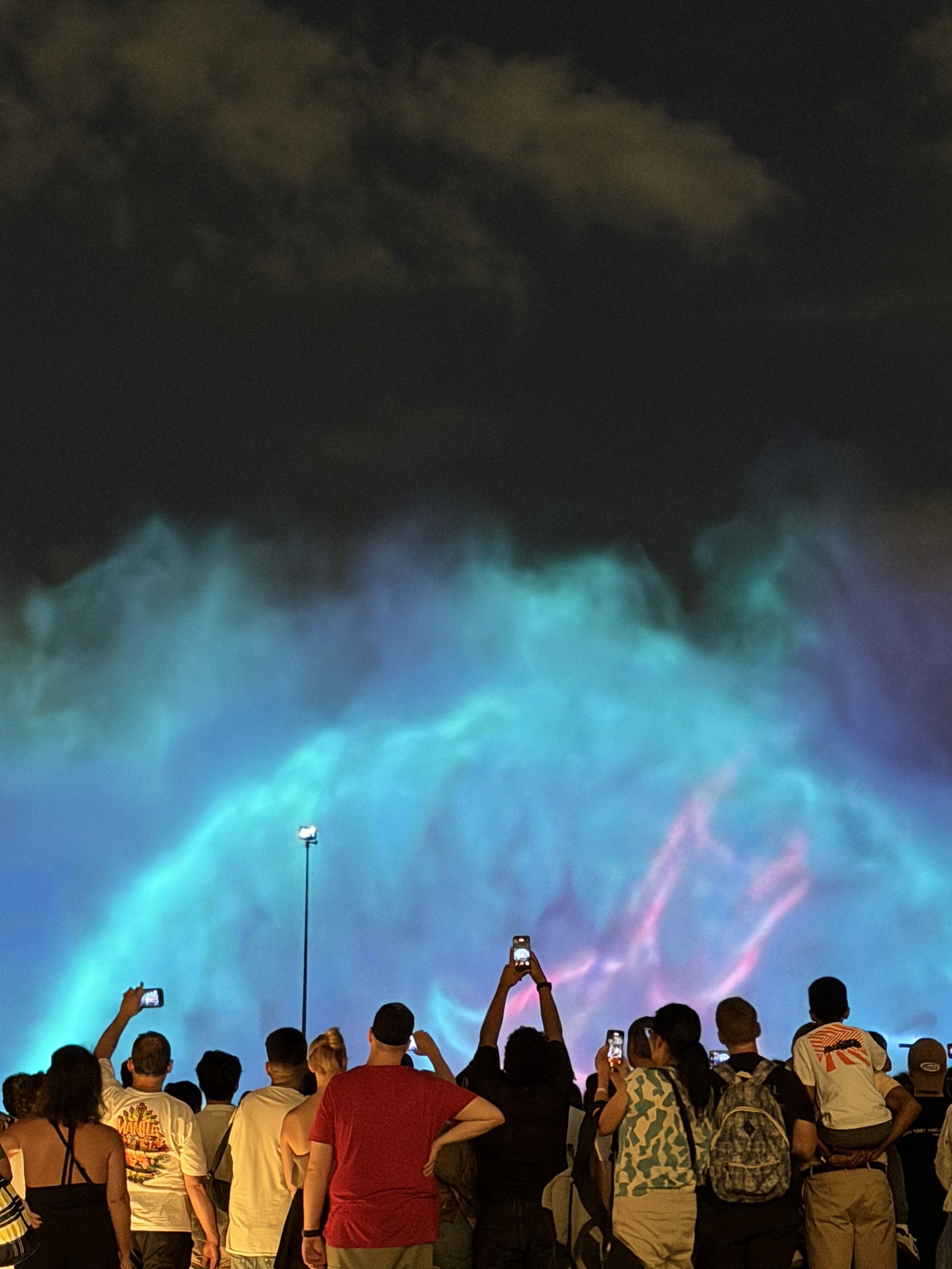
Spectra Light & Water Show
Held nightly outside the Shoppes at Marina Bay Sands, Spectra combines lasers, fountains, projections, and music into a theatrical waterfront performance that somehow feels both over the top and elegant at the same time. Best of all, it is free. If you don’t like crowds, just know that it gets absolutely packed!
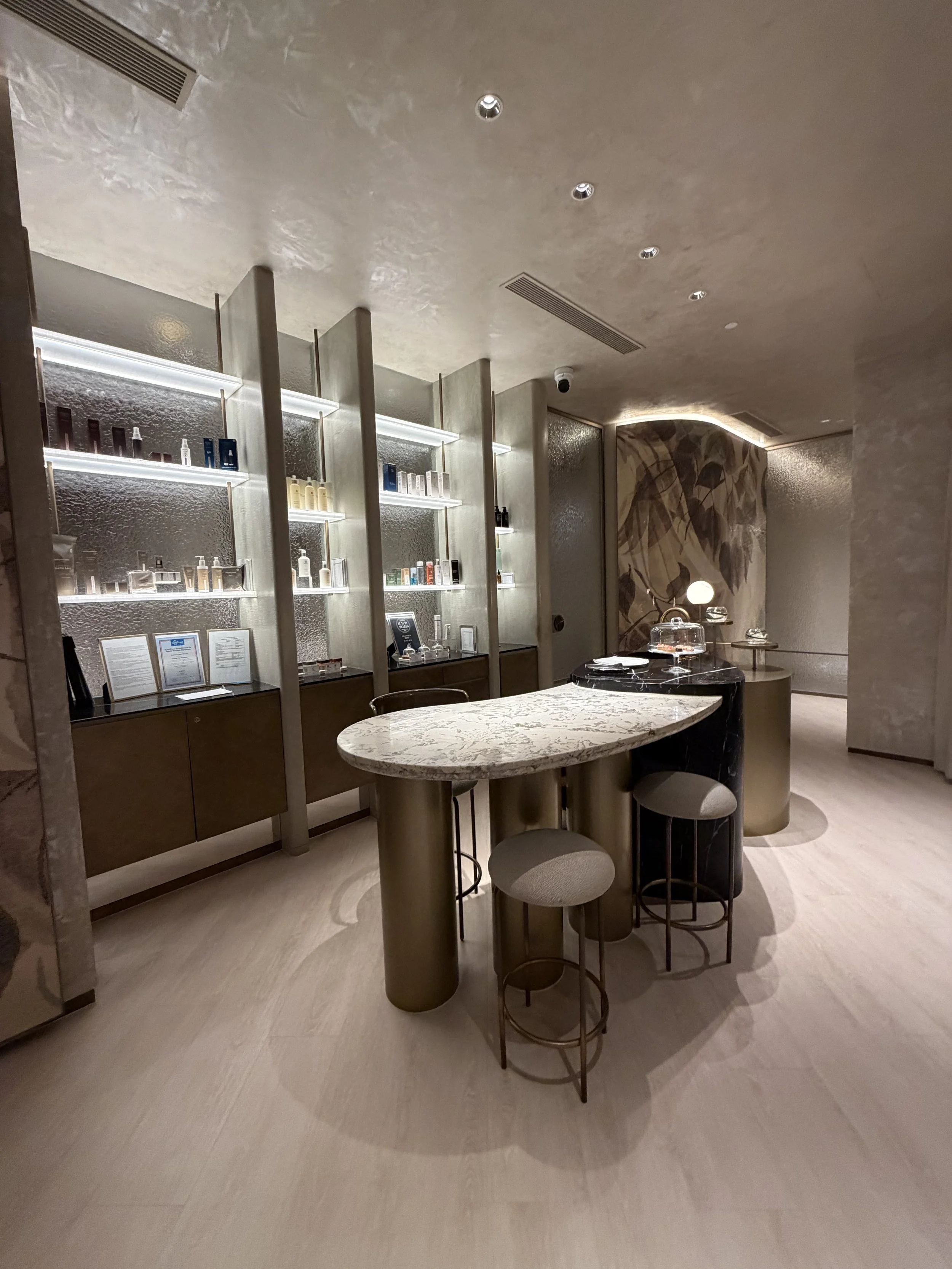
4. A Relaxing Afternoon at the Ritz-Carlton Spa
After long travel days and nonstop exploring, spending an afternoon at the spa inside The Ritz-Carlton, Millenia Singapore felt like the perfect reset before heading onward to Indonesia. Quiet relaxation rooms, calming lighting, and thoughtful service created a peaceful escape from the fast pace of the city.
The treatments and facilities struck that balance between luxury and genuine relaxation without feeling stuffy or overly formal. Singapore moves fast, so carving out a slower afternoon to recharge ended up being one of the best decisions of the trip.
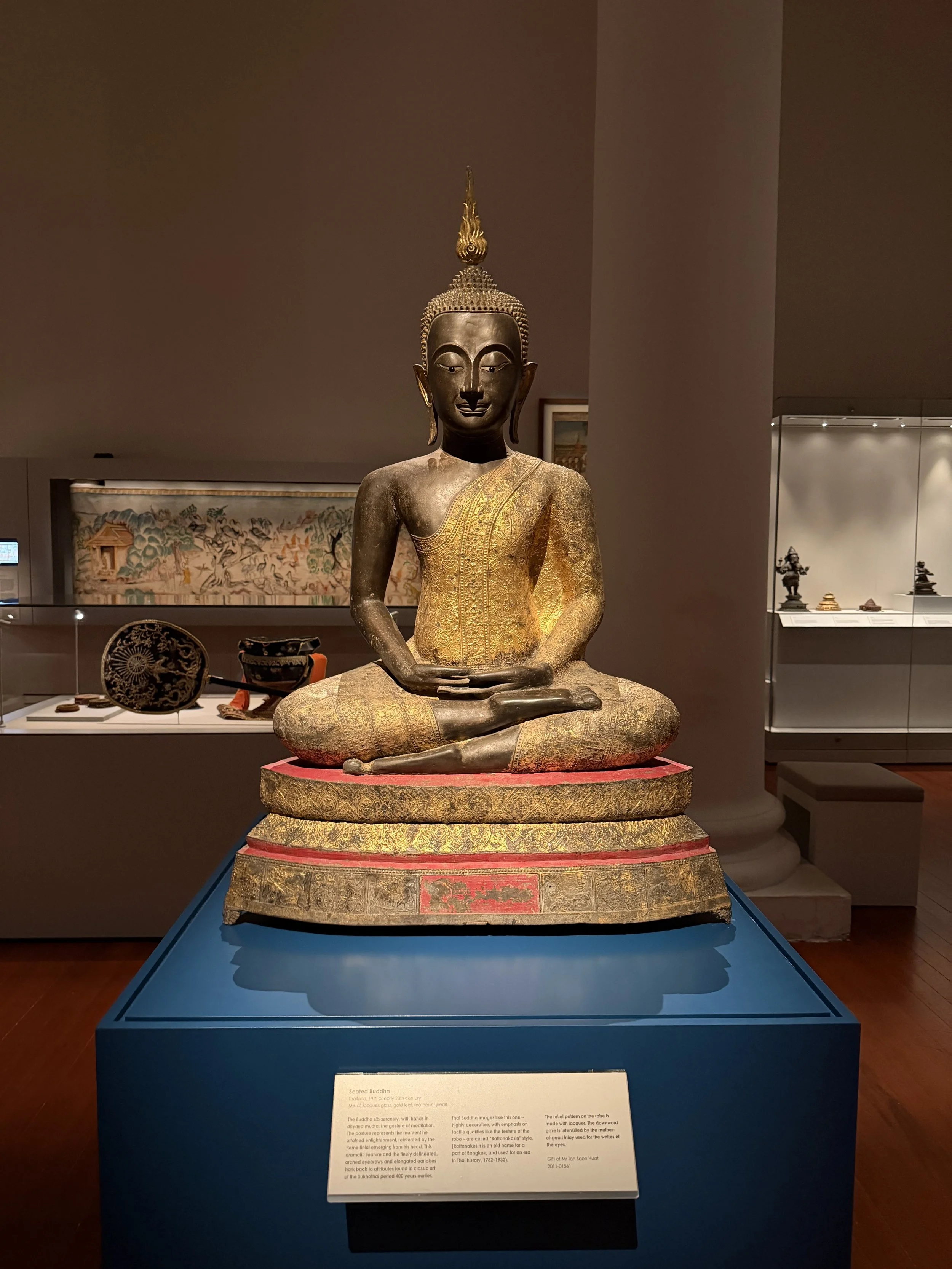
5. Asian Civilisations Museum
One of the most unexpectedly fascinating stops was the Asian Civilisations Museum. Singapore is such a blend of cultures, and the museum does an incredible job showcasing the history, trade routes, religions, and artistic influences that shaped the region over centuries.
The exhibits move through artifacts, textiles, ceramics, and maritime history from across Asia, and the museum itself is beautifully curated without feeling overwhelming. Spending a few hours there gave much deeper context to the multicultural energy you feel throughout Singapore itself.
6. Little India Exploration
Since I stayed in Little India, this neighborhood became my home base and honestly one of the highlights of the trip. Colorful streets, incredible smells drifting from restaurants, and nonstop energy made every walk feel interesting.
Must do experiences in Little India include visiting Sri Veeramakaliamman Temple, wandering through Tekka Centre, trying fresh naan and biryani, shopping for spices and sweets, and exploring the brightly painted shophouses lining the streets.
The neighborhood feels vibrant and deeply cultural without ever feeling manufactured for tourists.
7. Chinatown, Arab Street, or Orchard Road
With only a few days in Singapore, choosing neighborhoods based on your interests makes the city easy to customize.
Chinatown
Chinatown offers beautiful temples, heritage architecture, food stalls, and endless small shops filled with souvenirs and local snacks.
Arab Street & Kampong Glam
Kampong Glam and Arab Street are full of cafés, murals, boutiques, and the stunning Sultan Mosque. The area has a more artistic, laid back energy that feels completely different from the financial district.
Orchard Road
For shopping lovers, Orchard Road is endless malls, restaurants, and air conditioned comfort stretching for blocks.
Every neighborhood in Singapore feels like stepping into a slightly different world, which is part of what makes the city so fascinating to explore.
Practical Info for Travelers
Weather in Late April
Expect:
84–90°F (29–32°C)
High humidity
Intense UV
Short thunderstorms
Hydrate constantly. Wear light, breathable clothes.
Electrical Outlets
Singapore uses Type G plugs (UK style).
Voltage: 230V
Frequency: 50Hz
Bring a universal adapter for your:
Phone
Laptop
Tablet
Power bank
Hawker Centres: The Heart of Singapore’s Food Culture
If you want to understand Singapore, you have to eat at a hawker centre. These vibrant open-air food halls are the soul of the city — loud, fast, delicious, and overflowing with culture. They’re where families gather, office workers grab lunch, aunties and uncles run stalls passed down for generations, and travelers like us get to taste some of the best food in Asia for just a few dollars.
A hawker centre is essentially a community food hall, but unlike anywhere else in the world. Instead of restaurants with massive menus, each stall specializes in one or two dishes perfected over decades. The result? Food that is fast, affordable, and extraordinarily good — sometimes even Michelin-rated.
Most dishes cost SGD $4–$12 (USD $3–$9), and even premium seafood dishes rarely exceed SGD $50 unless you’re splurging on chili crab.
What to Expect at a Hawker Centre
Hawker centres are organized chaos — in the best way.
You’ll hear woks clanging, soup ladles hitting metal bowls, and stall owners shouting order numbers over the hum of fans and chatter. You’ll smell grilled satay, fried noodles, steamed dumplings, and spicy laksa filling the air all at once.
Here’s how to navigate like a local:
Find a table first — mark it with a tissue packet (“chope”)
Walk the aisles — look for long lines (locals always know best)
Order directly at the stall — most take cash, but card is becoming more common
Pick up your food when your number is called
Share dishes — hawker food is meant to be tasted and passed around
And remember: stalls close when they sell out, not when the clock says so.
Where to Go: The Best Hawker Centres to Try
Tekka Centre (Little India)
Just minutes from Serangoon House, Tekka Centre is vibrant, loud, and full of Indian and Malay flavors. Portions are generous, and everything is bold and aromatic.
What to eat: briyani, roti prata, tandoori chicken
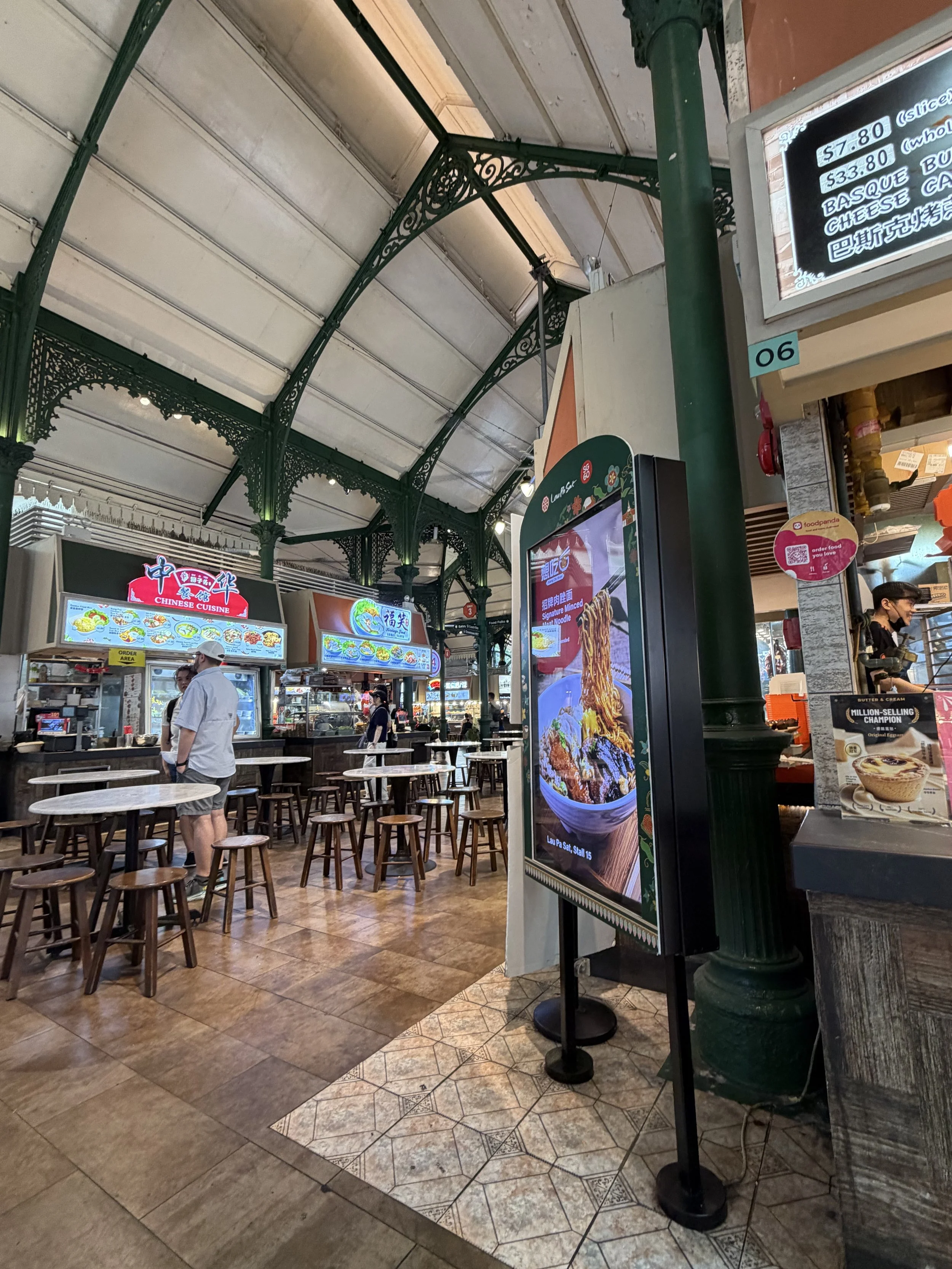
Lau Pa Sat
Right in the financial district, this historic hawker centre turns into Satay Street at night. Smoke fills the air as stall owners grill hundreds of skewers over charcoal.
What to eat: satay, fishball noodles, thunder tea rice
Maxwell Food Centre
One of Singapore’s most beloved hawker stops, known for its famous chicken rice and classic comfort dishes.
What to eat: Tian Tian chicken rice, congee, oyster cakes
Newton Food Centre
Famous from Crazy Rich Asians, Newton is tourist-friendly but still incredibly good, especially for seafood.
What to eat: carrot cake (not dessert!), barbecue stingray, chili crab
Must-Try Singapore Hawker Dishes
Hainanese Chicken Rice — silky chicken + fragrant rice
Laksa — spicy coconut noodle soup
Satay — grilled skewers with peanut sauce
Roti Prata — flaky flatbread served with curry
Char Kway Teow — smoky stir-fried rice noodles
Chili Crab — sweet, spicy, messy, iconic
Carrot Cake(savory radish omelette) — white or black version
You could eat at a hawker centre every day and still not come close to trying everything.
Michelin-Starred & Michelin-Recognized Hawker Stalls
Singapore is the only place in the world where hawker stalls have earned Michelin recognition. That means you can eat award-worthy food for the price of a latte.
⭐ Hill Street Tai Hwa Pork Noodle (1 Michelin Star)
Location: Crawford Lane (not inside a traditional hawker centre; it has its own standalone stall in a food building)
Dish: Bak chor mee (minced pork noodles with vinegar and crispy bits)
This stall consistently holds its Michelin star and often has queues up to 60 minutes — but the flavor is worth every second.
⭐ Hawker Chan (Bib Gourmand; formerly Michelin Star)
Location: Chinatown Complex Food Centre
Dish: Soya sauce chicken rice or noodles
This is the world’s most famous “cheap Michelin meal.” Even after losing the star, the quality and crowds remain.
Tian Tian Hainanese Chicken Rice (Bib Gourmand)
Location: Maxwell Food Centre (Chinatown)
Dish: Iconic silky chicken rice
This is the chicken rice stall Anthony Bourdain raved about. It’s one of the most visited stalls in Singapore — and for good reason.
Heng Carrot Cake (Bib Gourmand)
Location: Newton Food Centre
Dish: Savory radish omelette, “white” or “black” versions
This is the best place to try Singapore’s carrot cake (which doesn’t contain carrots!). Watch for the long but fast-moving line.
A Noodle Story (Bib Gourmand)
Location: Amoy Street Food Centre
Dish: Singapore-style ramen (fusion: Japanese + Singaporean flavors)
One of the more modern hawker concepts, serving a creative bowl with char siu, wontons, and perfectly springy noodles.
How Much Does It Cost?
Hawker food is famously affordable:
Noodle dishes: SGD $4–$8
Chicken rice: SGD $5–$7
Prata sets: SGD $4–$6
Satay skewers: SGD $0.80–$1.20 each
Seafood (stingray, chili crab): SGD $20–$50 depending on size
You could order multiple dishes to share for the price of one restaurant entrée.
Why You Shouldn’t Skip the Hawker Experience
Hawker centres are more than places to eat — they are cultural institutions. UNESCO even added Singapore’s hawker culture to the Intangible Cultural Heritage list in 2020 as a recognition of its importance.
Eating at a hawker centre isn’t just about the food.
It’s about community, history, accessibility, and belonging.
It’s the true Singapore experience.
Must-Try Dishes in Singapore
Singapore is a food paradise — a place where culinary traditions collide in the best possible way. Hawker centers are the beating heart of it all: sizzling woks, steaming soup pots, line cooks moving with lightning precision, and entire meals prepared right in front of you for the cost of a coffee back home. Everything is fresh, fast, flavorful, and shockingly affordable.
Some dishes you absolutely cannot miss:
Chicken Rice
Often called Singapore’s national dish for a reason. Tender poached chicken, fragrant rice cooked in chicken stock, and the holy trinity of sauces — chili, soy, and ginger. Simple, clean, and perfect.Laksa
A spicy coconut-based noodle soup loaded with prawns, fish cake, and herbs. Creamy, bold, and comforting, with just the right amount of heat.Roti Prata
A flaky, buttery flatbread cooked on a hot griddle and served with curry for dipping. You’ll find sweet versions too, but the savory classic is unbeatable.Satay
Skewers of marinated chicken or beef grilled over charcoal and served with rich peanut sauce, fresh cucumber, and onion. Smoky, juicy, and incredibly addictive.Char Kway Teow
Flat rice noodles stir-fried with egg, shrimp, bean sprouts, and dark soy sauce. It’s a perfect balance of smoky, sweet, and savory — true wok-hei magic.Chili Crab
The iconic seafood dish of Singapore. Whole crab stir-fried in a sweet-spicy tomato chili sauce, messy and absolutely worth it. Don’t skip the fried mantou buns.Carrot Cake (not dessert!)
A savory radish-and-rice flour cake chopped up and fried with egg, garlic, and soy sauce. Comes in “white” (crispy, eggy) or “black” (sweet, caramelized). Trust me, try both.
Singapore’s food scene is a highlight in itself — vibrant, diverse, and deeply tied to the city’s cultural identity. You could eat every meal at a hawker center and never repeat the same stall twice.
Why Singapore Was the Perfect Pre-Lembeh Stop
Three nights gave Becky and me time to:
Reset our sleep schedules
Hydrate and adjust to humidity
Eat well and explore
Enjoy world-class city highlights
Transition into “dive mode” slowly instead of arriving exhausted
By the time we boarded our Scoot flight to Manado, we felt rested, acclimated, and excited for Lembeh’s wild macro world.
Next Up: Part II — Lembeh Macro Photography Magic
Dive safe, explore passionately, and remember…