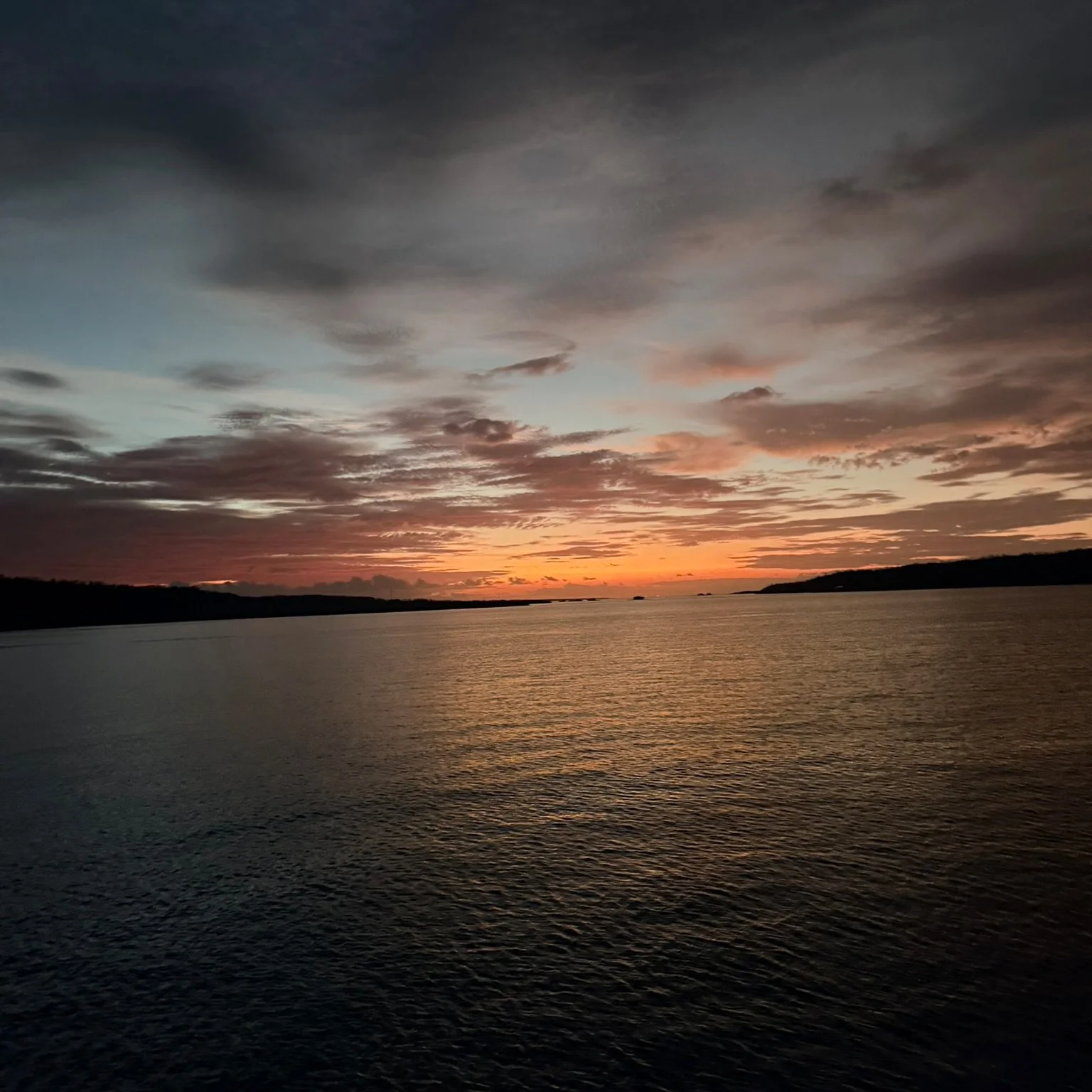
Twenty months of planning, sixteen divers from Colorado, Wisconsin, Hawaiʻi, Maryland, and Virginia, seven nights aboard the Galápagos Aggressor III, and one incredible adventure bringing people from across the country together to explore one of the most extraordinary marine environments on Earth.
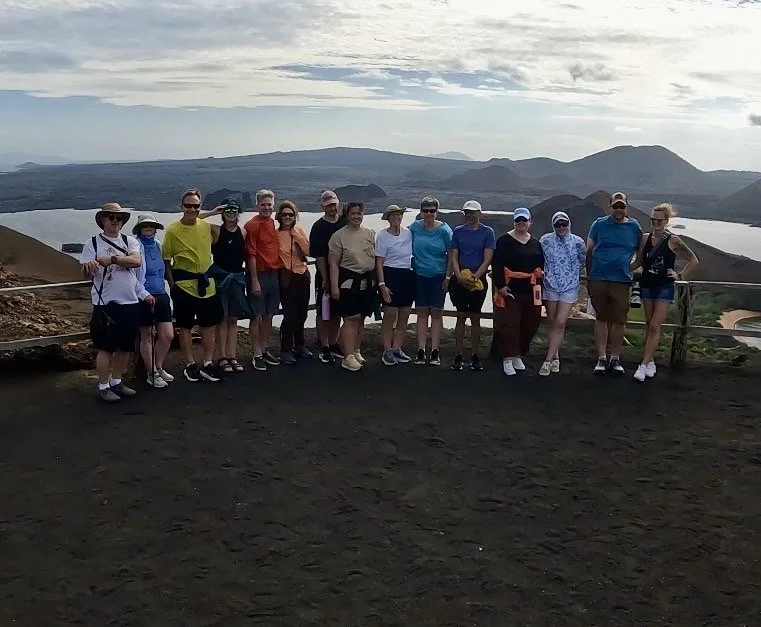
Nearly 600 miles off the coast of Ecuador, the Galápagos Islands rise from the Pacific in a dramatic landscape of volcanic cliffs, black lava fields, and rugged coastlines. Beneath the surface, powerful ocean currents support an extraordinary concentration of marine life. Scalloped hammerheads gather in schools, Galápagos sharks patrol rocky reefs, marine iguanas graze underwater, and penguins swim through waters located directly along the Equator. Few places on Earth offer such an unusual combination of marine biodiversity, evolutionary history, and challenging diving.
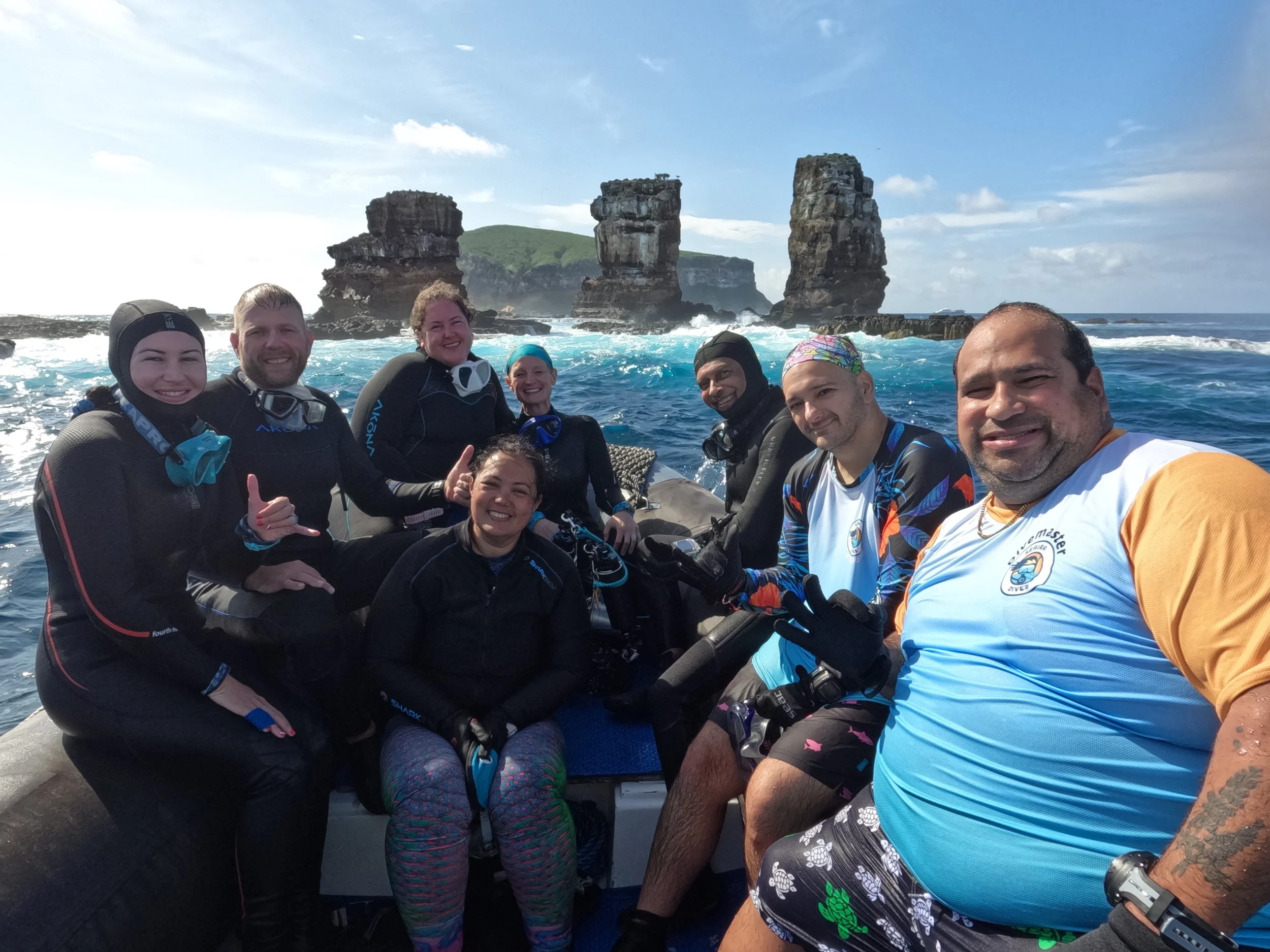
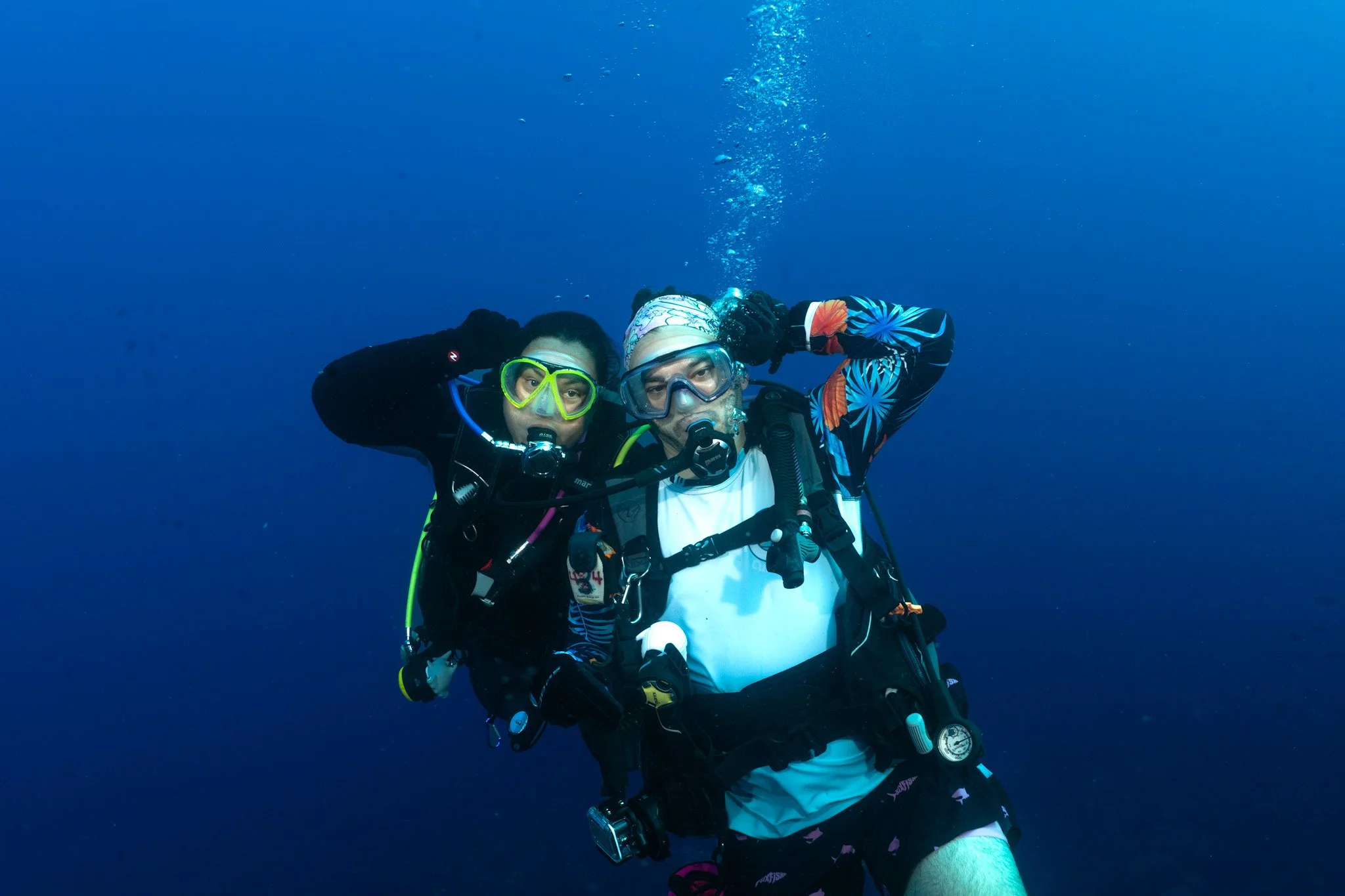
Team Hammerhead with the Darwin Pillars
Our journey to Galápagos began in March 2025, when I started planning what would become Seaira Dives' seventh international expedition. Over the following twenty months, fifteen travelers committed to spending seven nights aboard the Galápagos Aggressor III, exploring the legendary waters of Darwin, Wolf, Isabela, and Fernandina. The charter sold out more than a year before departure, bringing together longtime friends, former students, and several travelers preparing for their very first liveaboard.
The anticipation became an adventure of its own. There were new certifications, training dives, international flight arrangements, equipment discussions, and an impressive number of conversations about wetsuit thickness. Our WhatsApp group was filled with shark videos, packing questions, underwater photographs, and plenty of excitement about the wildlife we hoped to encounter. By the time November 2026 arrived, we had spent so long talking about Galápagos that actually getting there felt like an achievement.
Of course, the diving was only part of what made this expedition special. We had birthdays, milestone dives, an Equator crossing, theme nights, and a boat full of people whose friendships had developed across years of underwater adventures. The destination was extraordinary, but I was equally excited about the people coming along.
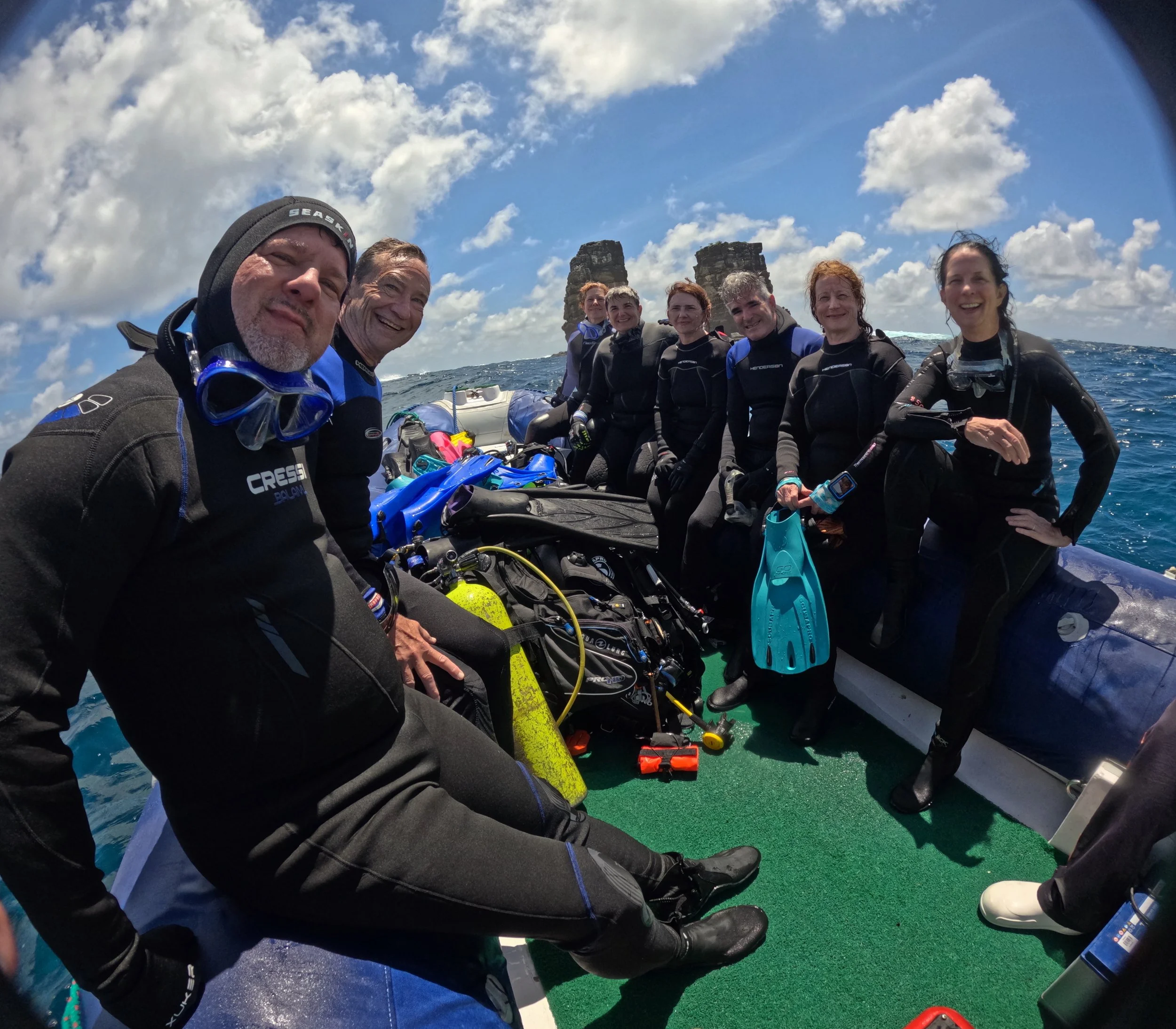
Team Sea lion with the Darwin Pillars
Twenty Months in the Making
From Open Water to the Open Pacific
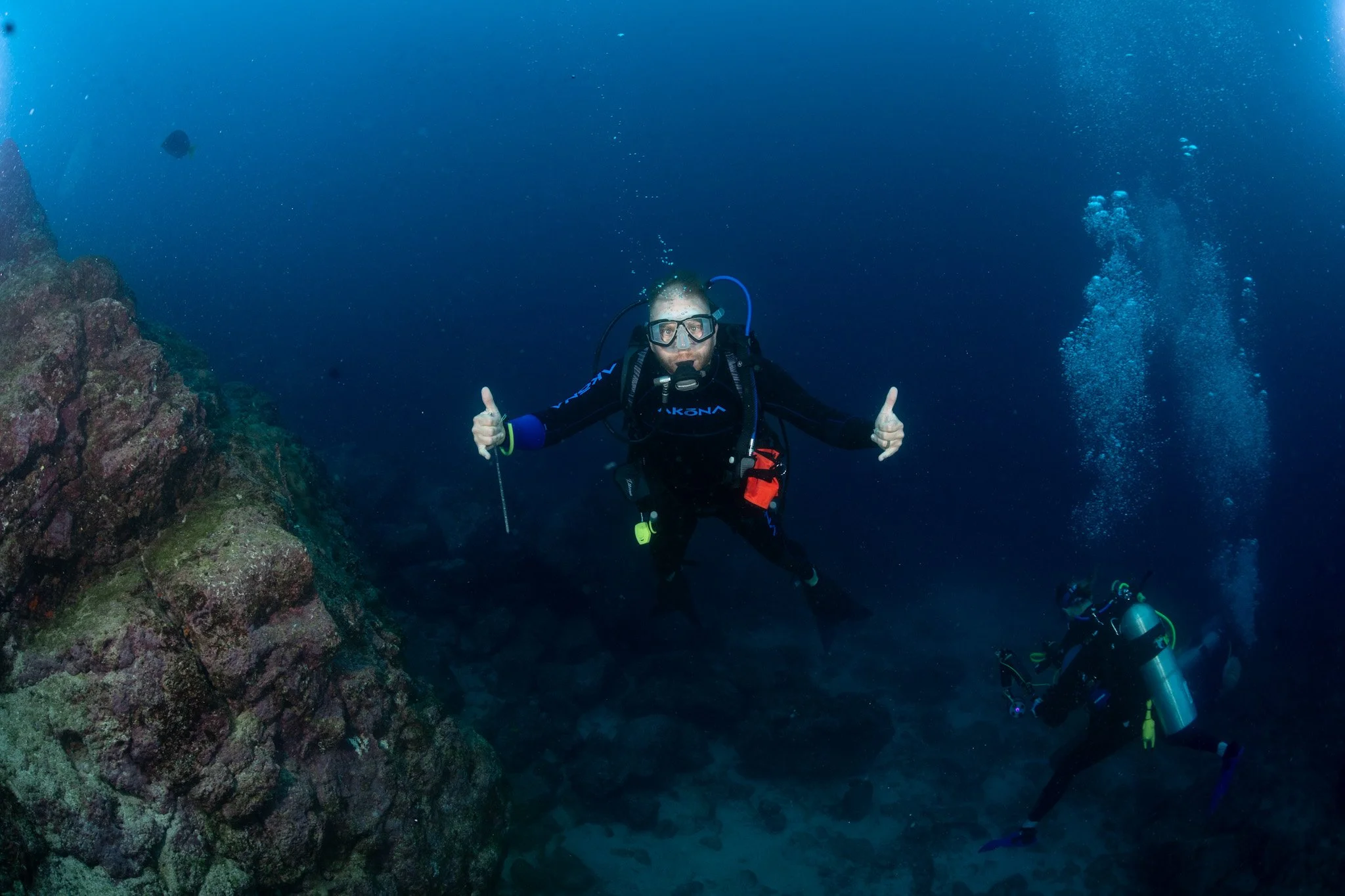
When we started planning Galápagos, several members of our group were still relatively new to diving. Some reserved their cabins while holding Open Water certifications, knowing they had more than a year to gain experience and prepare for a destination known for demanding conditions.
Galápagos is not generally considered beginner-friendly diving. Strong currents, surge, thermoclines, cooler water, and blue-water ascents can all be part of the experience. The same oceanographic forces that support its extraordinary marine life also require divers to be comfortable managing changing conditions and making conservative decisions.
Over the months leading up to departure, members of our group completed Advanced Open Water training, accumulated additional dives, and refined important skills. Buoyancy control, situational awareness, DSMB deployment, drift diving, and comfort in different underwater environments were all part of the preparation. I wanted everyone to approach the expedition with a realistic understanding of the conditions and the confidence to enjoy the experience within their individual abilities.
Preparation extended well beyond the water. I developed a comprehensive Galápagos travel guide covering equipment, logistics, travel requirements, and the unusual marine environments we would explore. Our destination-specific packing list addressed everything from exposure protection to underwater camera equipment, while our Galápagos Fishinar explored ocean currents, wildlife, and the ecology of the archipelago.
Our group chat also became an important part of the process, although not every conversation was strictly educational. Equipment recommendations, travel updates, and serious diving questions frequently shared space with shark videos, photographs, and enthusiastic speculation about what we might see. After twenty months of preparation, everyone had plenty of time to develop strong opinions about what belonged in their luggage.
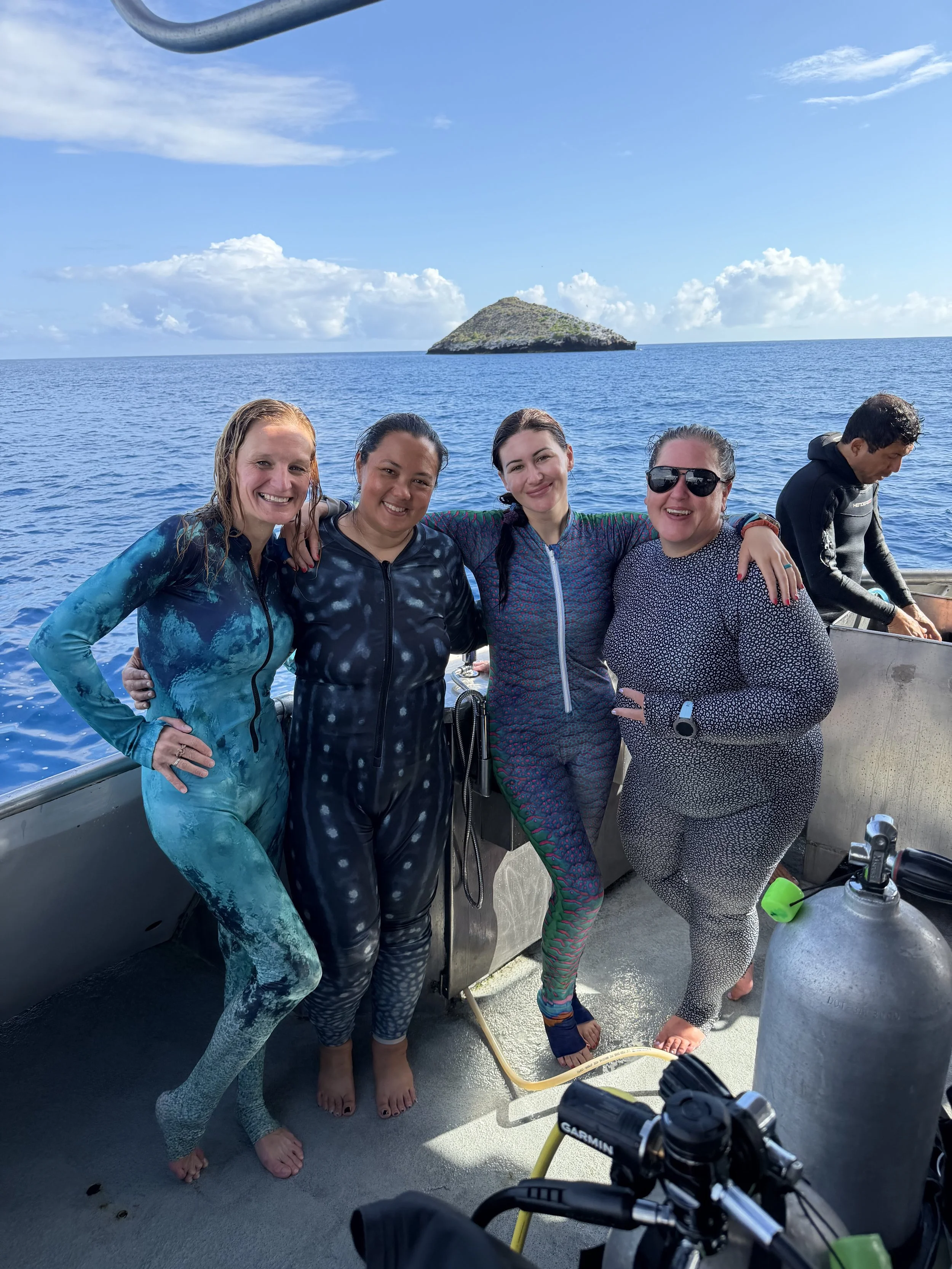
The Science Behind the Sharks
Why We Chose November
Choosing November was deliberate. Galápagos offers remarkable diving throughout the year, but seasonal ocean conditions influence water temperatures, marine productivity, and the animals divers may encounter. The cooler season, generally June through November, is associated with nutrient-rich waters and increased opportunities to encounter enormous whale sharks around Darwin Island.
The archipelago's remarkable biodiversity is closely connected to several major ocean currents. The Humboldt Current transports cooler water northward along the South American coast, while the subsurface Cromwell Current delivers cold, nutrient-rich water toward the islands. Upwelling brings nutrients closer to the surface, supporting plankton growth and the complex food webs that sustain sharks, rays, schooling fish, sea lions, penguins, and countless other species.
These processes help explain why Galápagos supports such an extraordinary concentration of marine life. They also explain why diving conditions can be considerably more demanding than those found in many tropical destinations. Water temperatures vary significantly by location and depth, thermoclines can be pronounced, and powerful currents influence everything from dive planning to wildlife encounters.
November offered an appealing combination of seasonal whale shark possibilities in the north and opportunities to explore the unusual wildlife of the western islands. We knew the itinerary would involve a wide range of environments, which made preparation and appropriate exposure protection particularly important.
El Niño Enters the Conversation
As our departure approached, changing Pacific conditions introduced another consideration. Developing El Niño conditions raised questions about water temperatures, upwelling, and the potential effects on marine productivity throughout the archipelago.
El Niño is the warm phase of the El Niño–Southern Oscillation, a climate pattern that can alter ocean temperatures, winds, and currents across the tropical Pacific. Around Galápagos, reduced upwelling can limit the nutrients reaching surface waters, affecting marine food webs and potentially influencing the distribution and behavior of wildlife.
These changes have implications far beyond recreational diving. Galápagos penguins, marine iguanas, seabirds, and other animals depend on productive ocean conditions for food. Historically, strong El Niño events have caused significant ecological disruption throughout the islands, making the relationship between climate and marine biodiversity particularly important.
For our expedition, the evolving conditions introduced uncertainty about what we might encounter, particularly around Darwin Island. Whale sharks were one of the reasons we selected November, but their presence was never guaranteed. I reminded everyone that we were visiting a wild marine environment where conditions and animal movements could change from one day to the next.
We could research seasonal patterns, prepare for challenging conditions, and select an itinerary with extraordinary potential. The wildlife, however, would remain entirely beyond our control.
Seven Nights Aboard the Galápagos Aggressor III
Our Floating Home in the Pacific
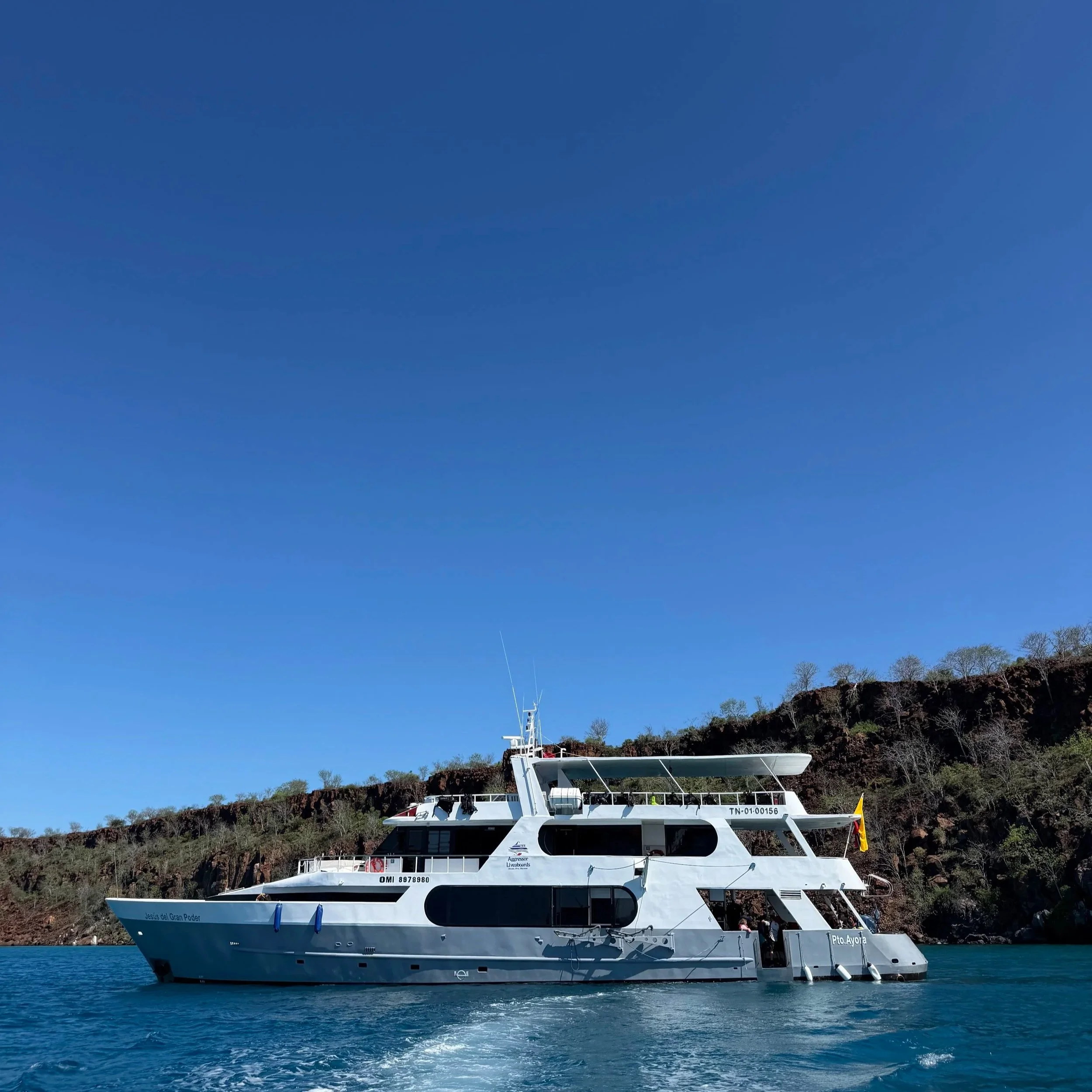
The Galápagos Aggressor III
The Galápagos Aggressor III was our home for the expedition, a 100-foot liveaboard designed to explore remote areas of the Galápagos Marine Reserve. With eight guest cabins accommodating sixteen travelers, the vessel provided access to dive sites far beyond the practical reach of conventional day boats.
The boat featured private guest bathrooms, an indoor salon, dining room, covered outdoor deck, hot tub, and dedicated areas for dive equipment and underwater cameras. For photographers, having space to organize equipment and prepare for repeated dives was particularly valuable. For those of us who get cold easily, the hot tub was another very welcome feature.
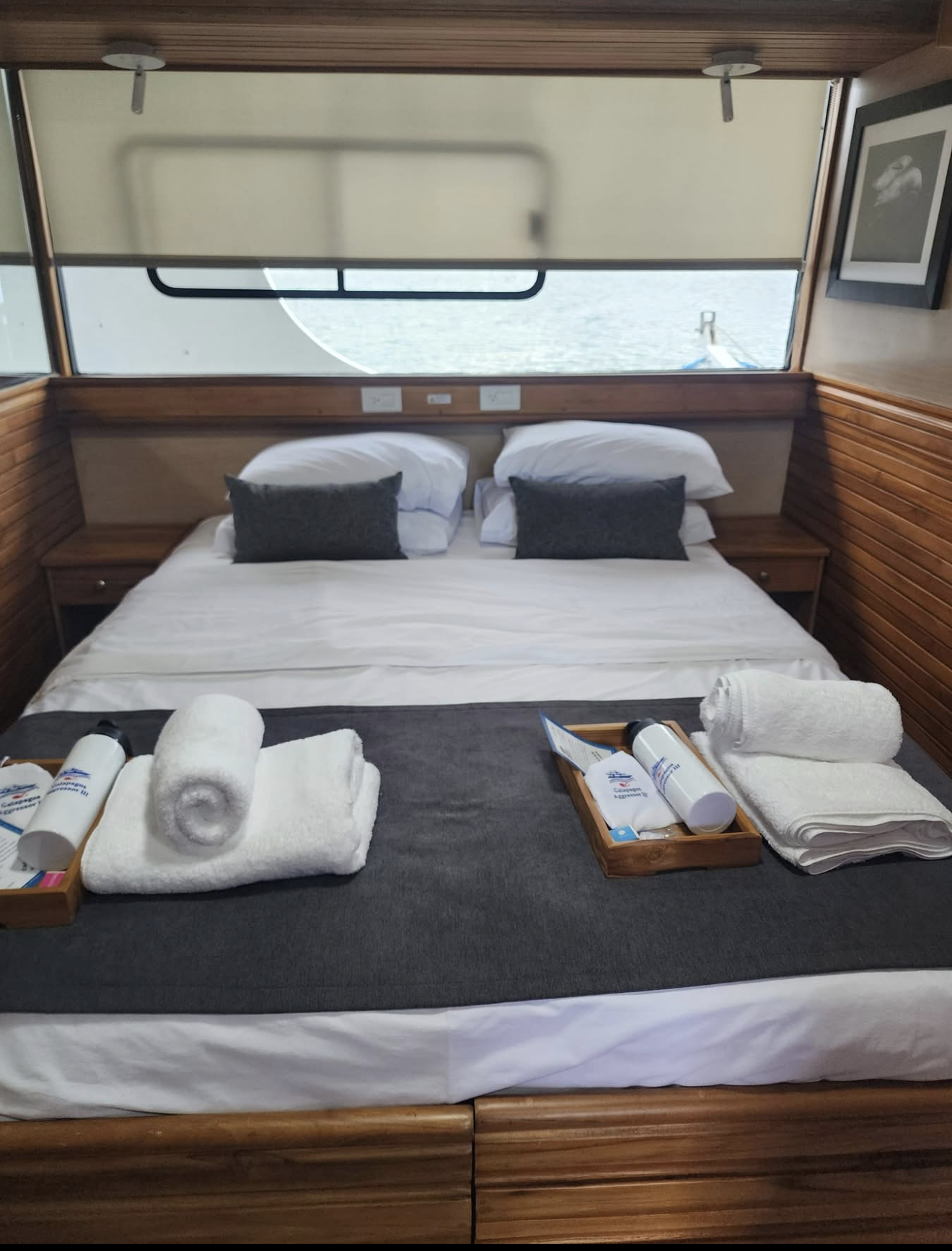
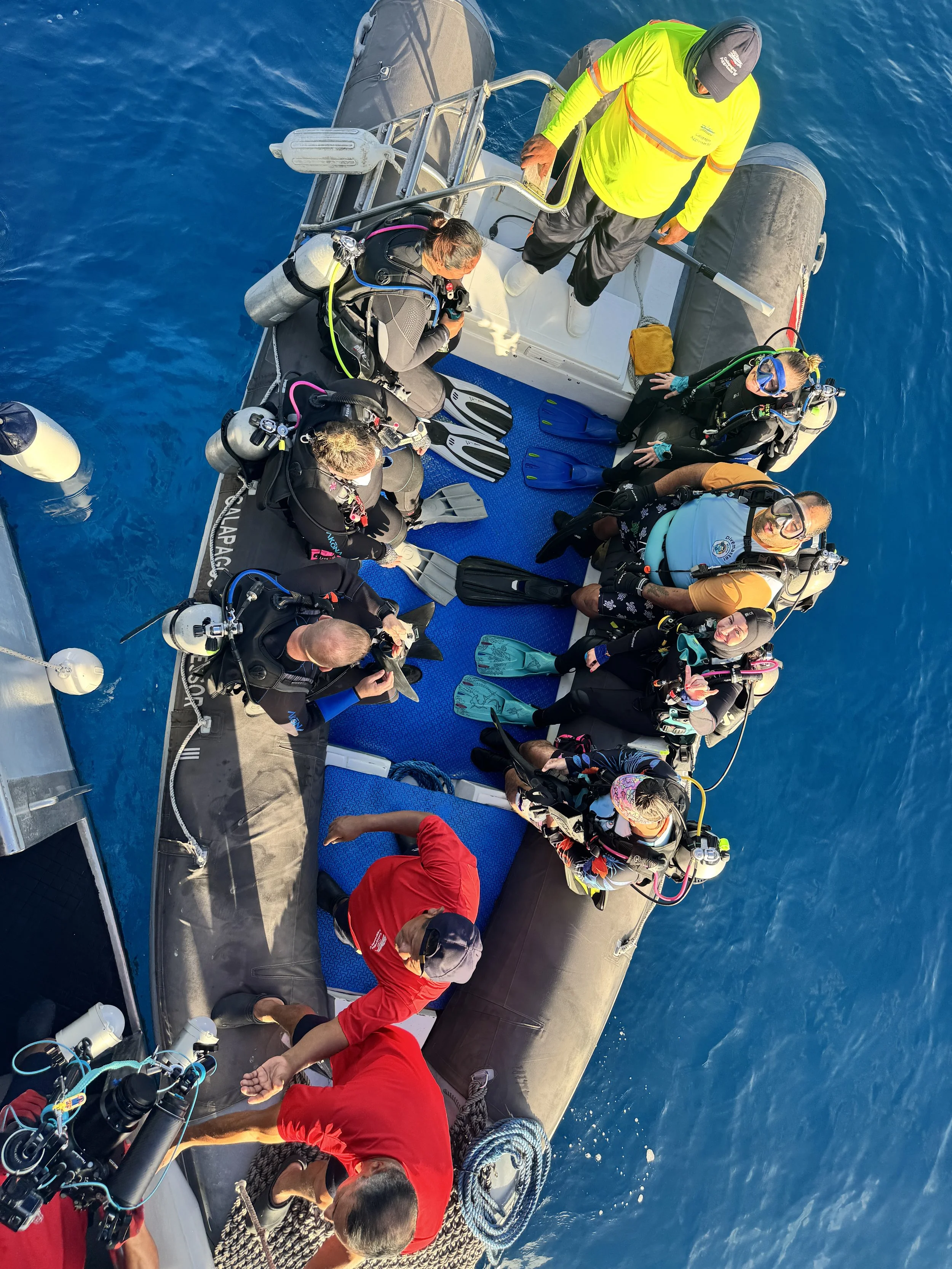
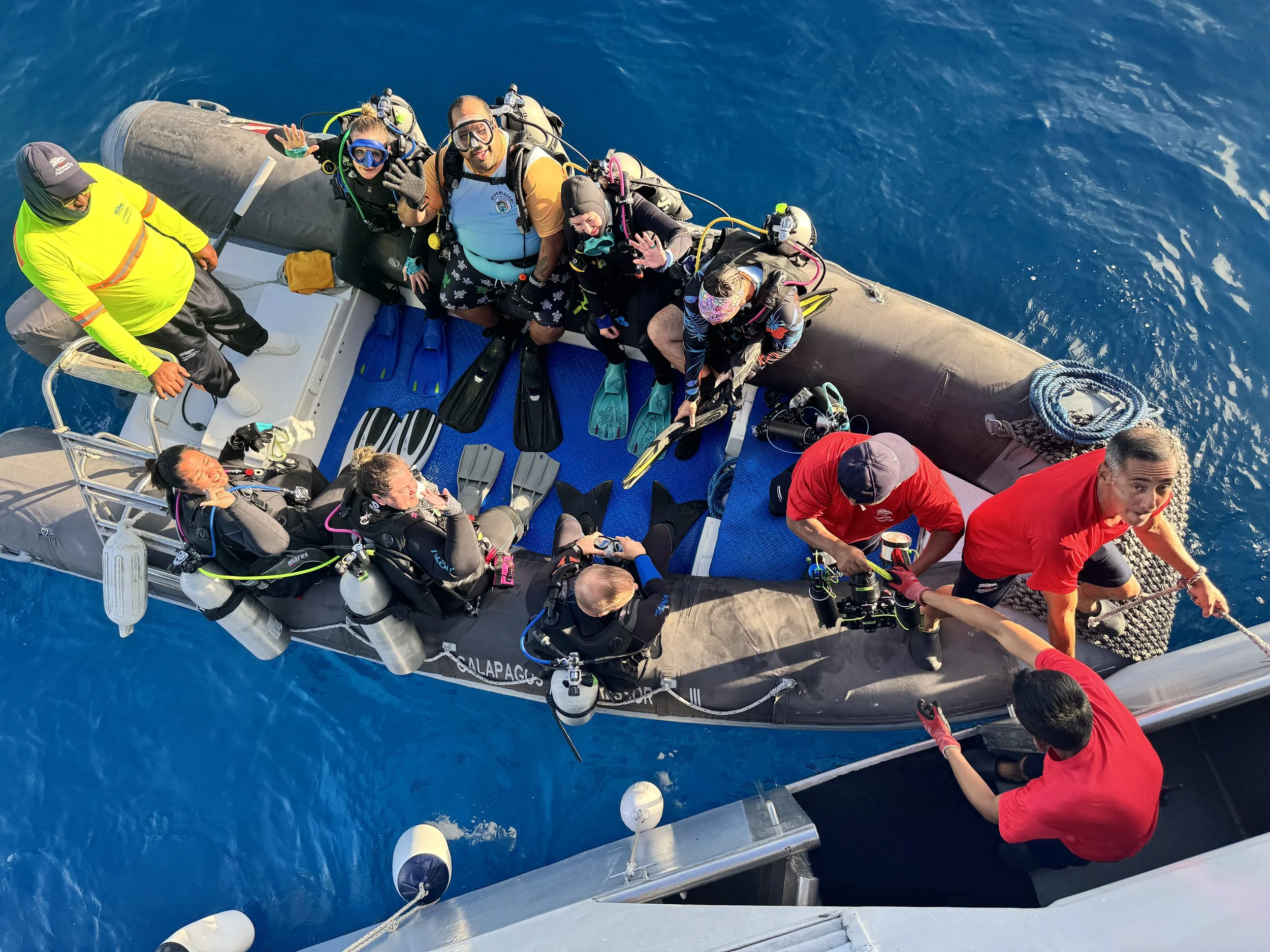
For most of our group, this was their introduction to liveaboard diving. Unlike a land-based vacation, where guests typically return to a hotel after their morning dives, life aboard a liveaboard revolves around the ocean. Briefings, tender departures, meals, surface intervals, equipment preparation, and travel between islands become part of a shared routine.
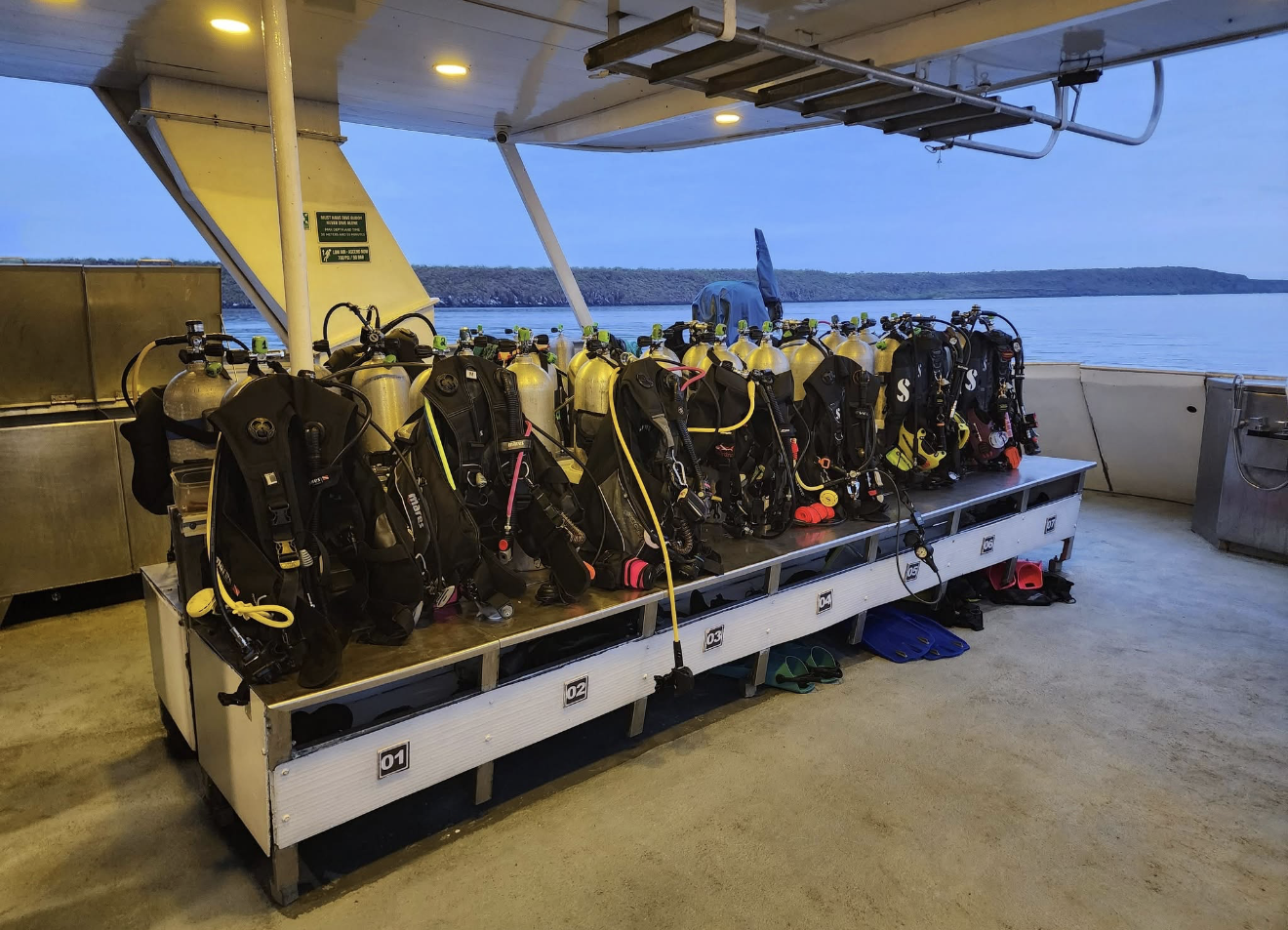
The arrangement also creates a wonderful sense of community. Everyone experiences the same changing scenery, gathers for meals, and has plenty of opportunities to compare photographs and discuss the day's diving. After a few days aboard, the vessel begins to feel less like transportation and more like a small floating neighborhood, albeit one with an unusually large collection of wetsuits and camera equipment.
The Crew Behind the Adventure
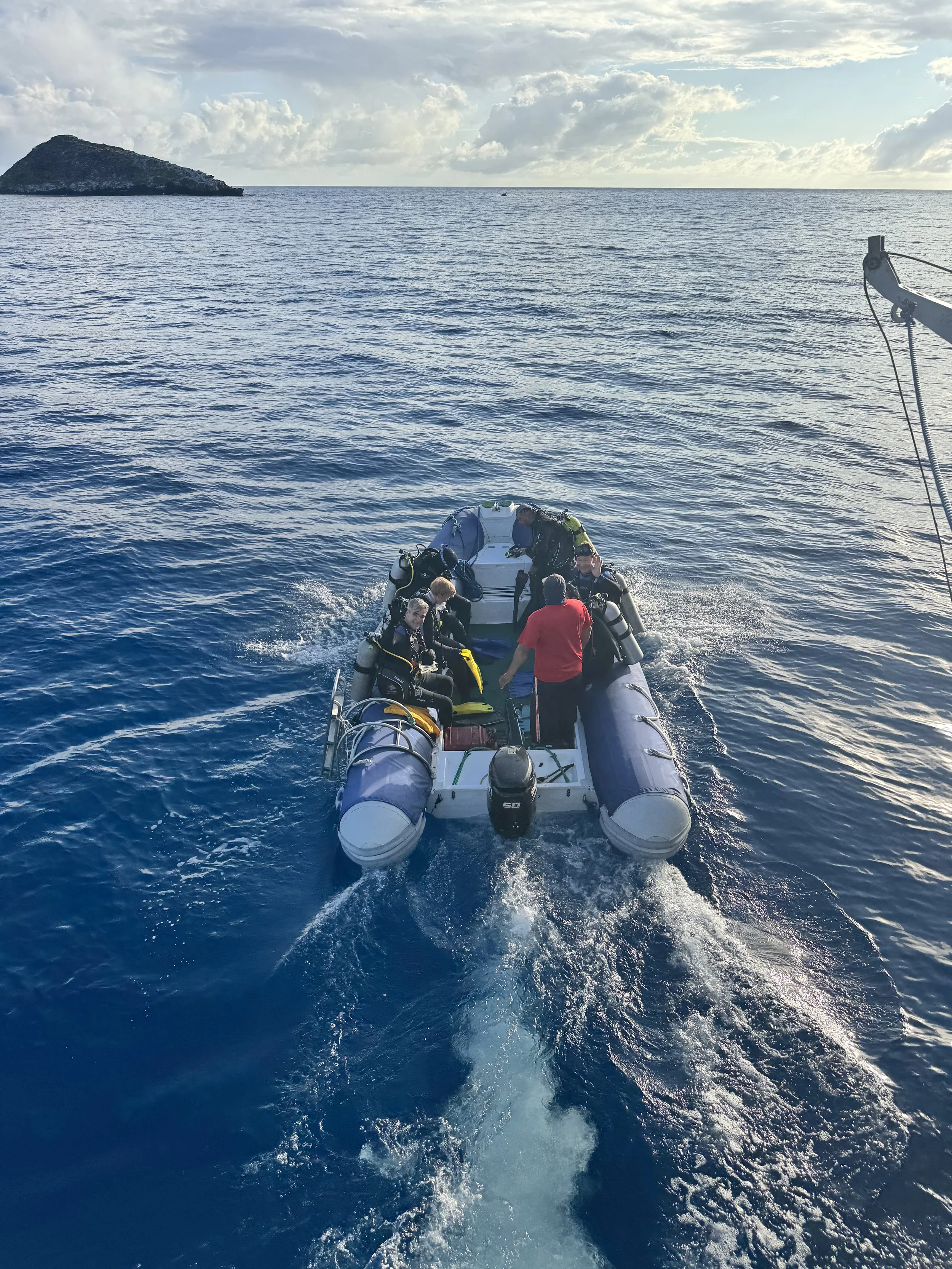
An expedition through Galápagos depends on a coordinated team responsible for navigation, diving, tender operations, hospitality, and meals. The captain and crew manage the vessel's movement between islands, while local dive guides assess conditions and lead underwater excursions through some of the region's most challenging environments.
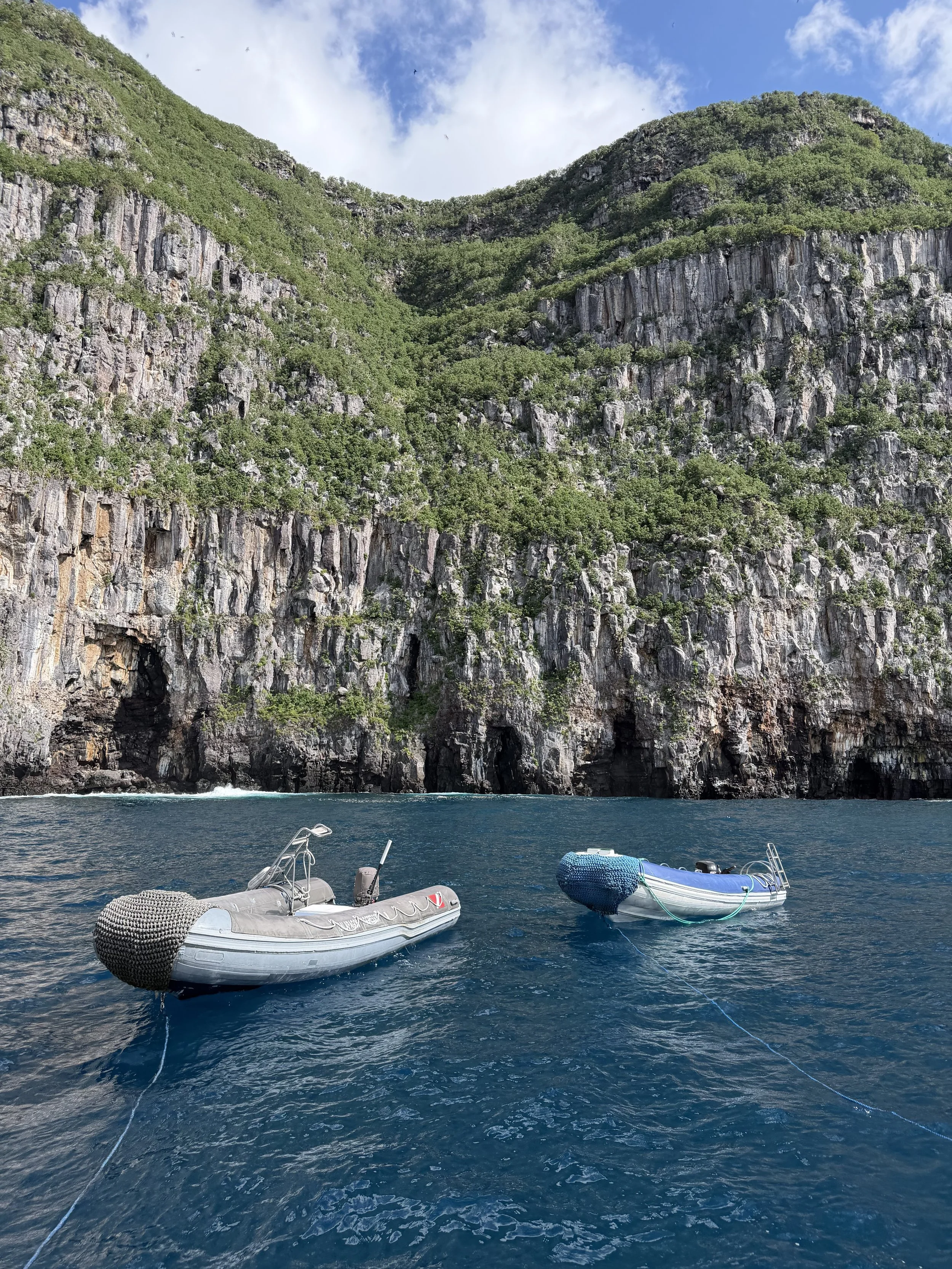
The local guides bring invaluable knowledge of the marine reserve, from understanding seasonal conditions to recognizing animal behavior and navigating complex underwater terrain. Tender drivers also play an essential role, particularly in locations where currents and surface conditions require careful coordination during entries and pickups.
Behind the scenes, equipment is prepared, meals are served, and the vessel is readied for the next destination. While guests are reviewing photographs or relaxing between dives, the crew continues the considerable work required to keep an expedition running.
As a dive professional, I have tremendous appreciation for the people whose expertise makes adventures like this possible. Their knowledge, preparation, and dedication are fundamental to the experience, and spending a week aboard provides an opportunity to get to know the individuals behind that work.
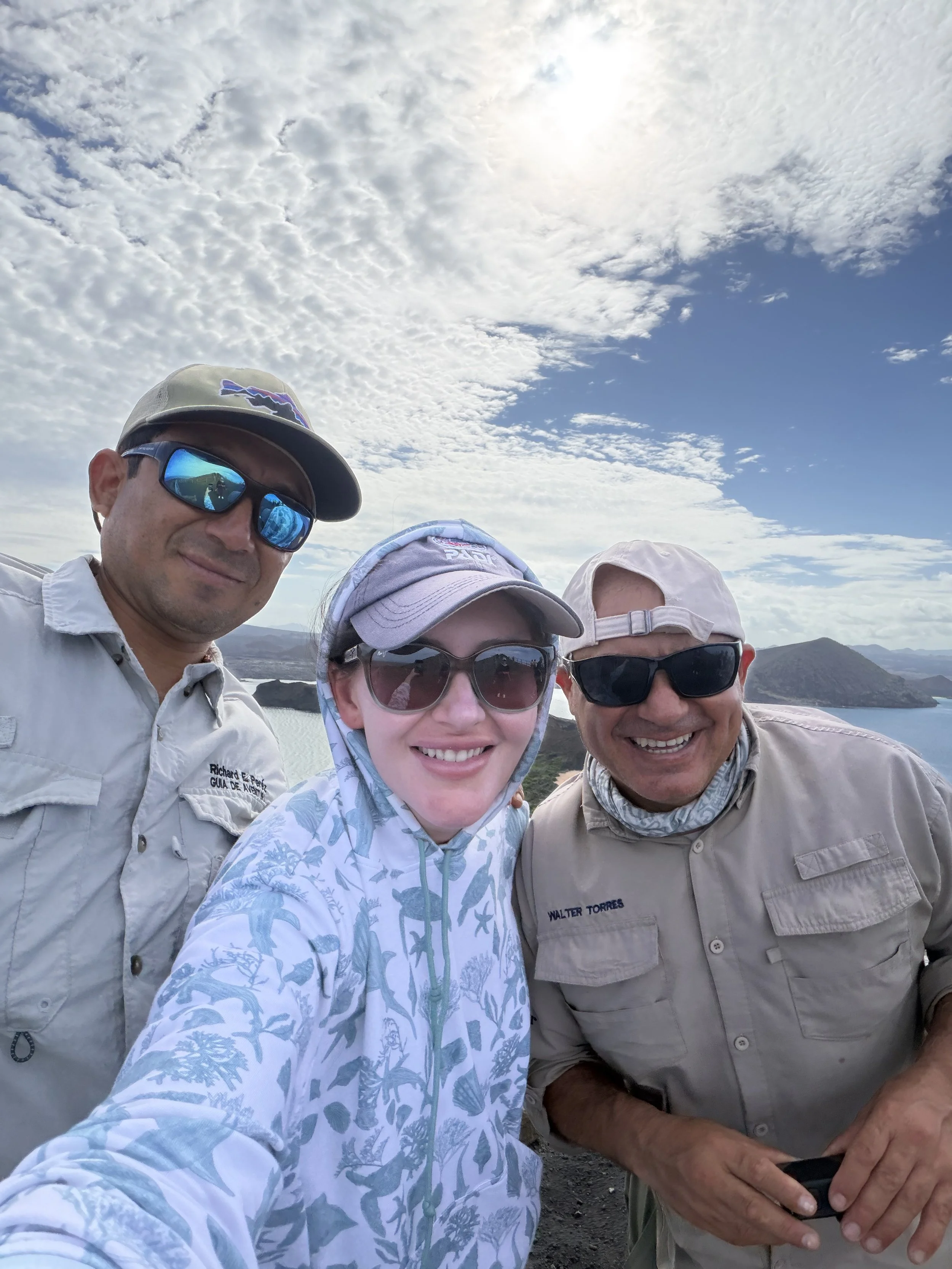
Richard and Walter, our amazing dive guides!
Darwin and Wolf: Welcome to Shark Country
Wolf Island and the Hammerhead Dream
Far north of the central Galápagos archipelago, Darwin and Wolf rise from deep Pacific waters as isolated volcanic outposts. Their underwater formations are influenced by powerful currents that concentrate marine life, creating some of the most celebrated shark diving on Earth.
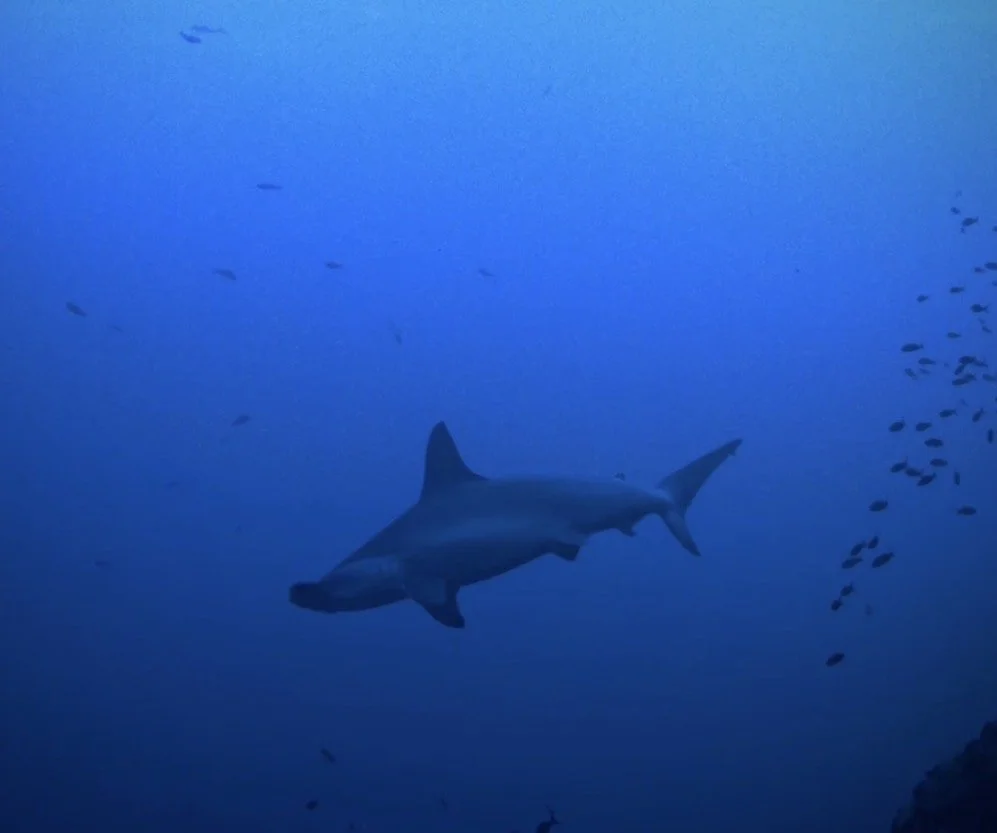
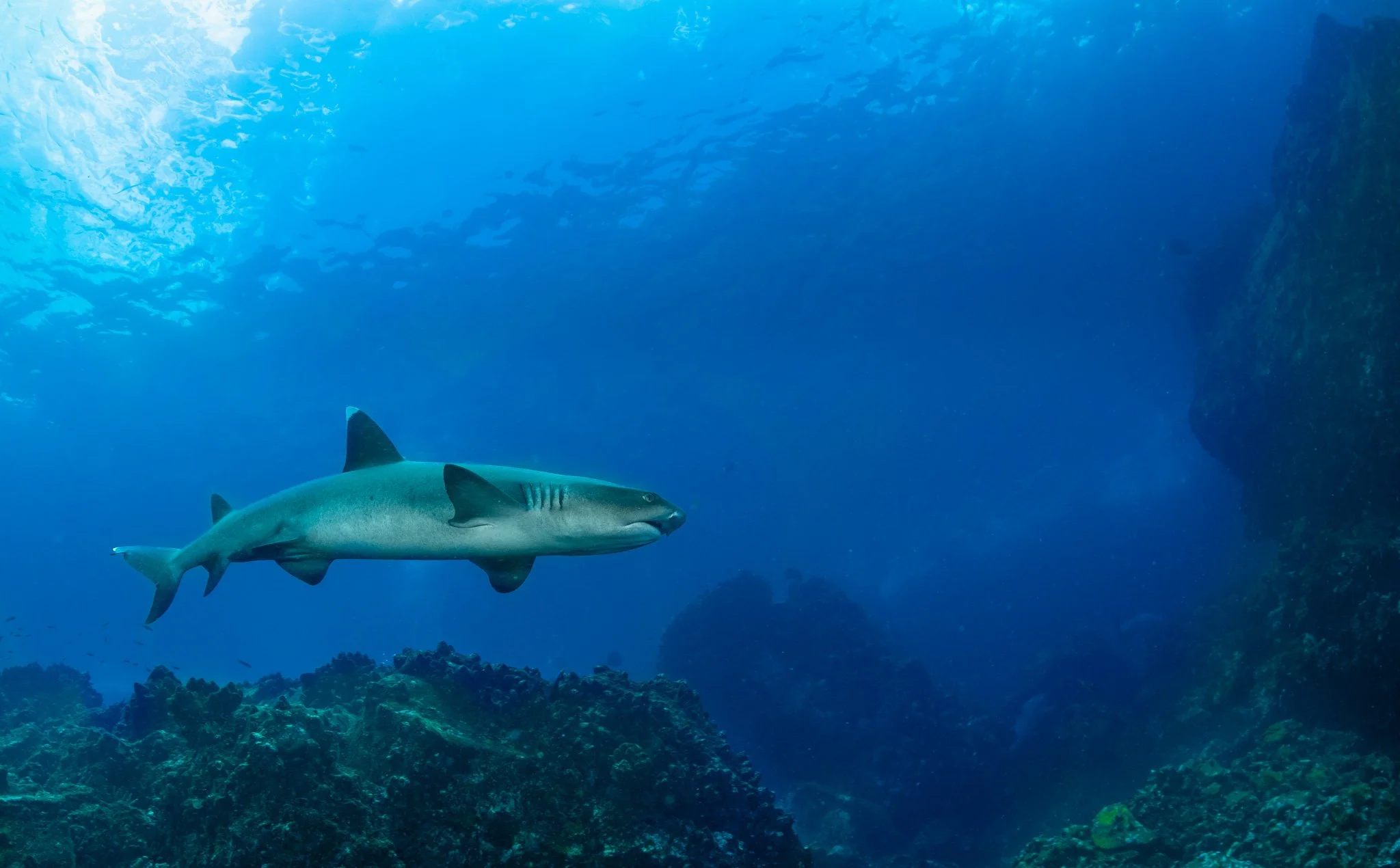
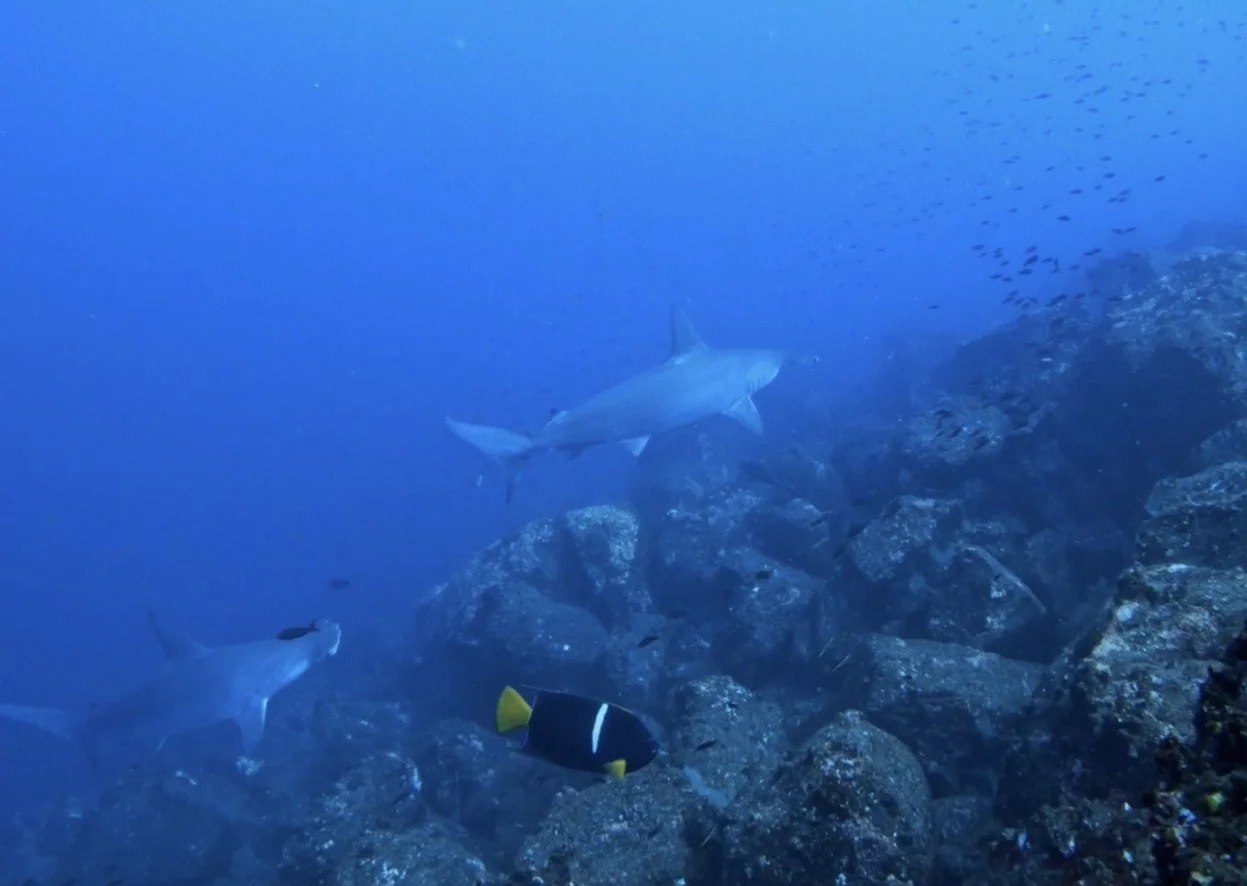
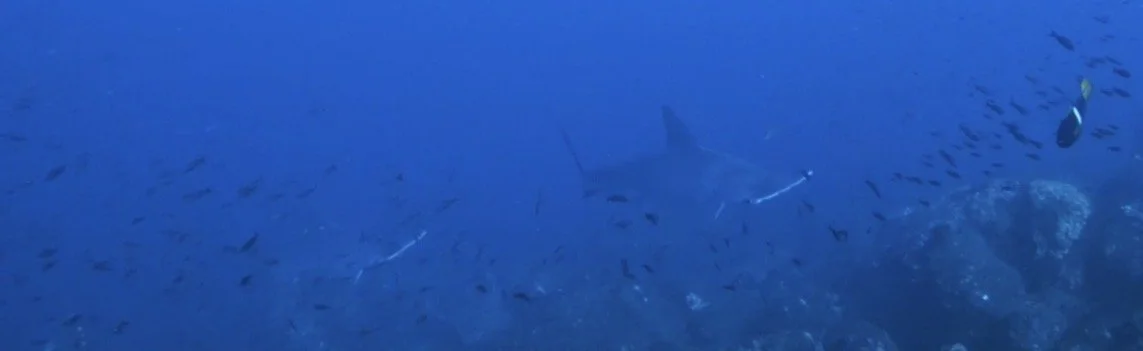
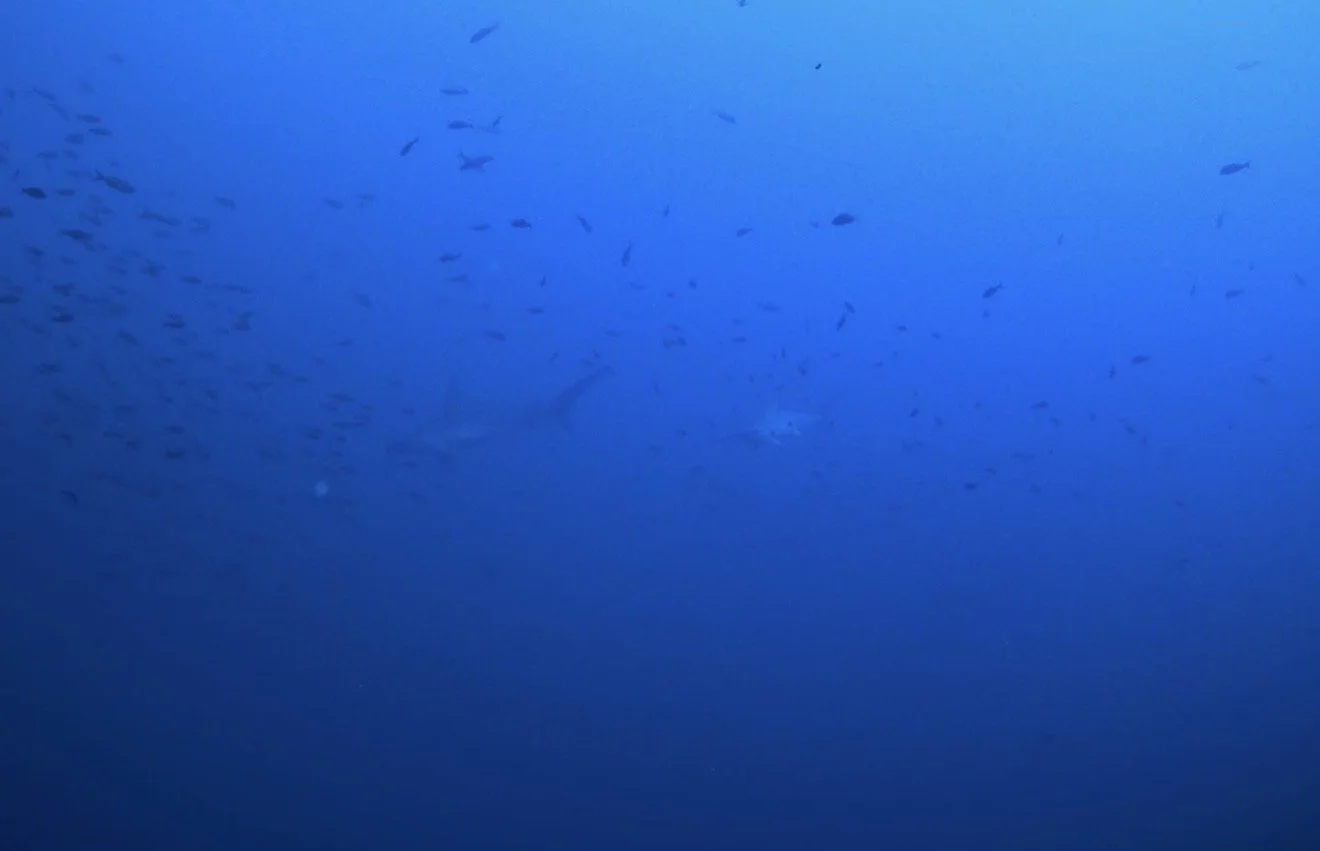
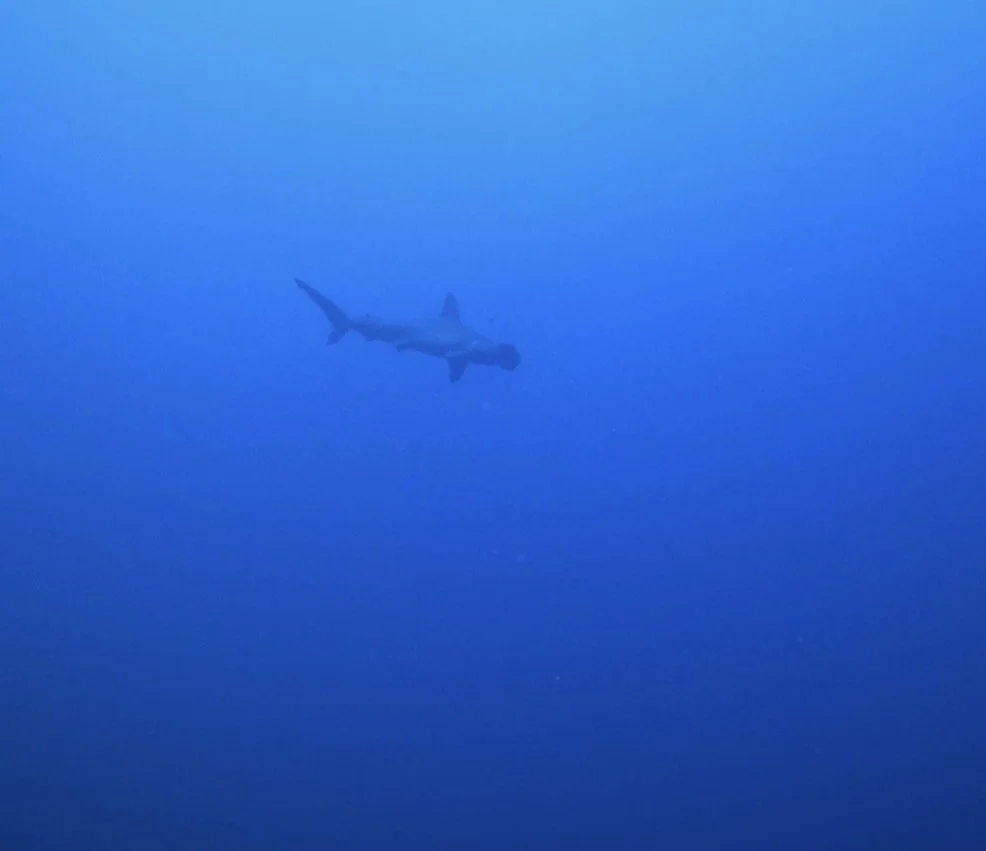
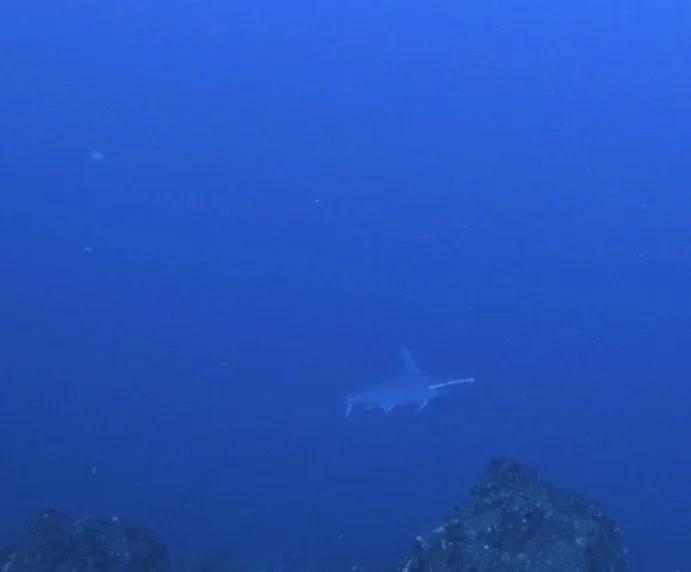
Wolf Island is particularly renowned for scalloped hammerhead aggregations. Under favorable conditions, groups of these remarkable sharks move along rocky formations or gather in the blue, sometimes accompanied by Galápagos sharks, silky sharks, eagle rays, tuna, sea turtles, and enormous schools of fish.
The diving can be demanding, and successful wildlife encounters often require patience and careful positioning. Strong currents influence where divers can safely remain, while the movement of the animals determines what opportunities develop. Chasing sharks is neither necessary nor appropriate. Allowing marine life to behave naturally creates more respectful encounters and often a far better experience.
For our group, Wolf represented the kind of big-animal diving that had inspired months of anticipation. The possibility of watching scalloped hammerheads move through the water in significant numbers was one of the expedition's greatest attractions.
Darwin Island and the Whale Shark Question
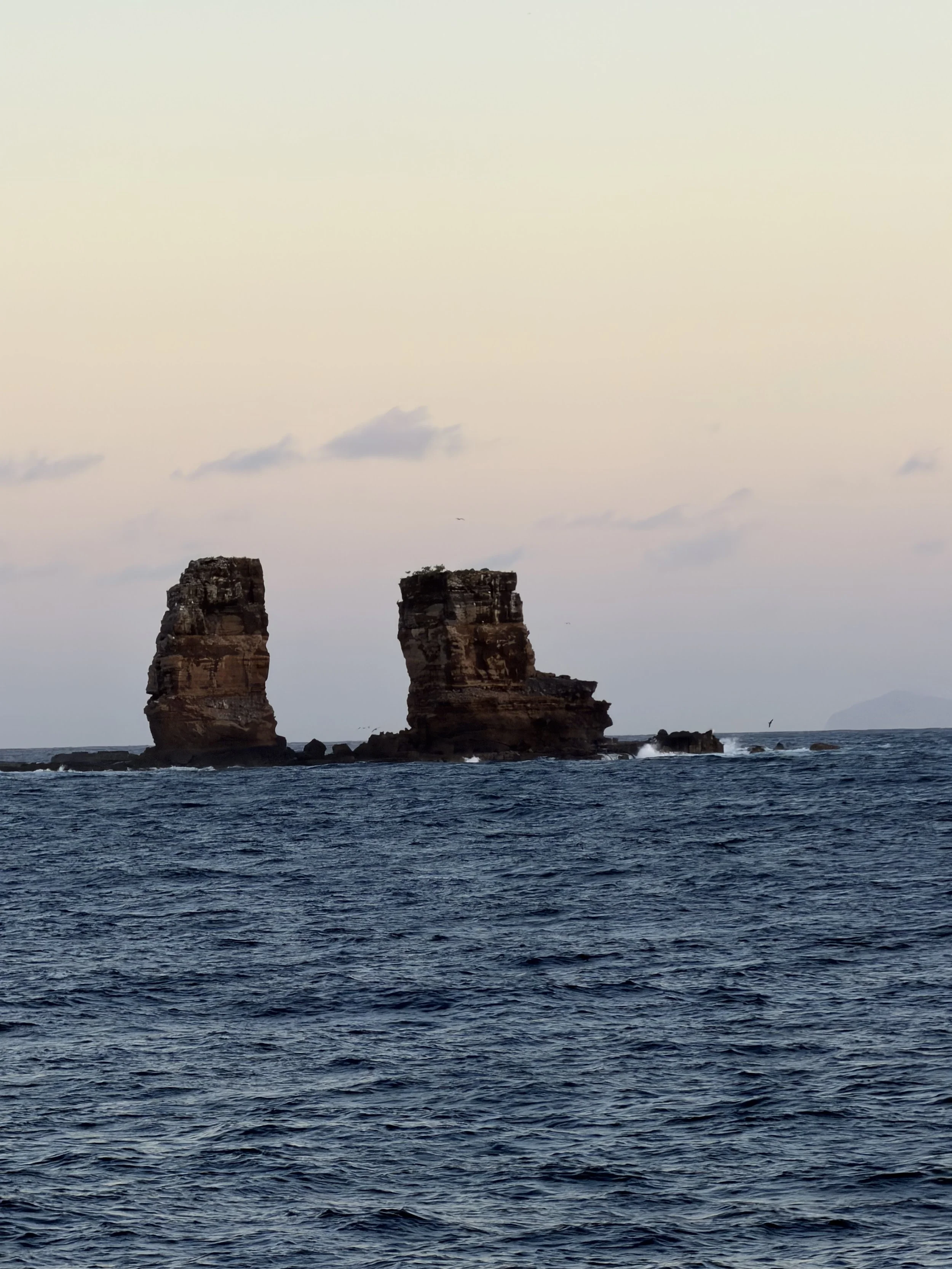
Darwin Island was easily one of the most anticipated stops on our Galápagos itinerary. The original Darwin's Arch collapsed naturally in 2021, leaving behind two dramatic pillars rising above the Pacific. The waters surrounding them are famous for encounters with enormous whale sharks, and we were certainly hoping to see one!
Unfortunately, the whale sharks didn't make an appearance during our visit. November was a big part of why I chose these dates, as it's typically toward the end of whale shark season in the northern Galápagos. With developing El Niño conditions potentially affecting water temperatures and marine life movements, we knew sightings were never guaranteed. I would have loved to see one of those enormous spotted beauties, but the ocean had plenty of other surprises waiting for us.
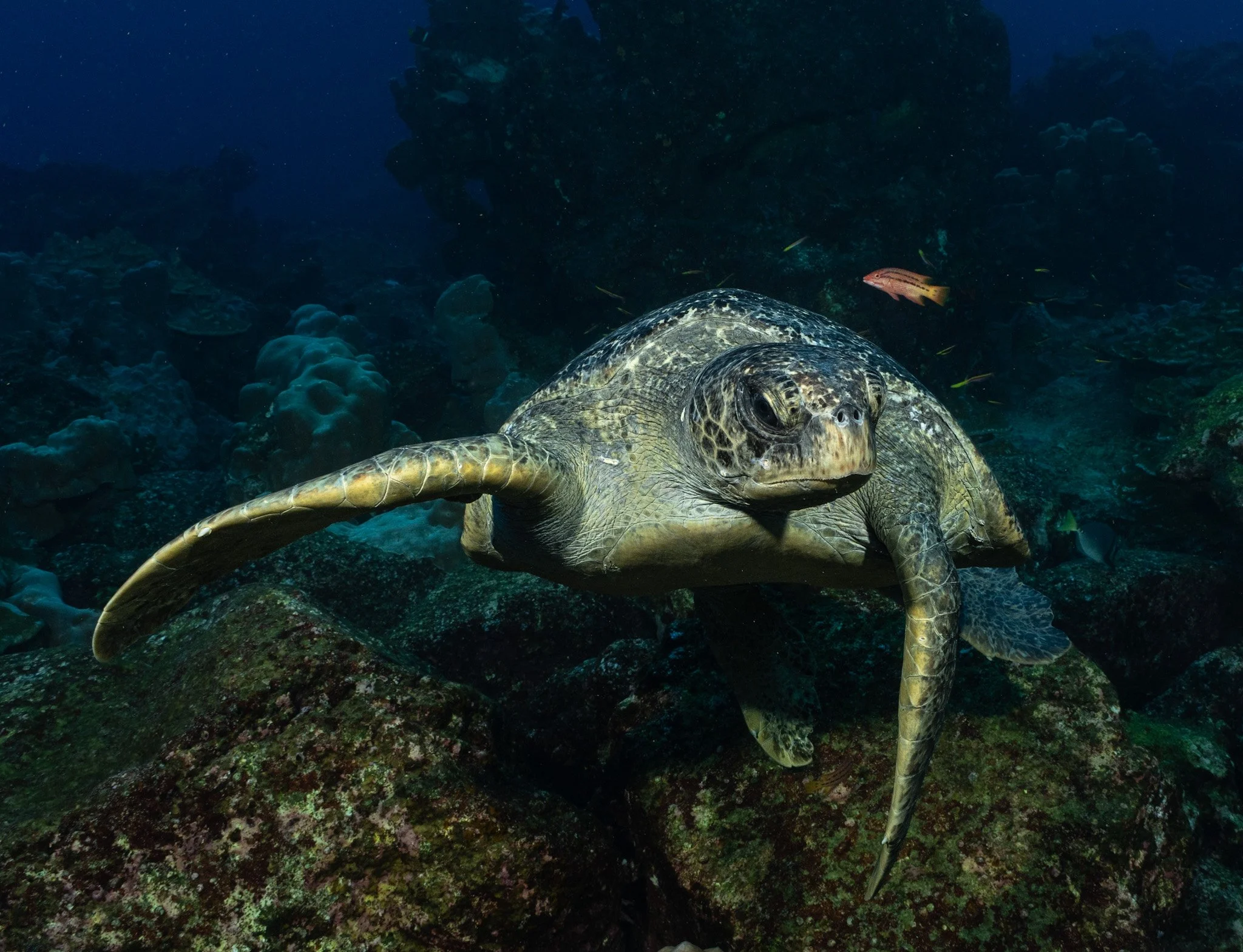
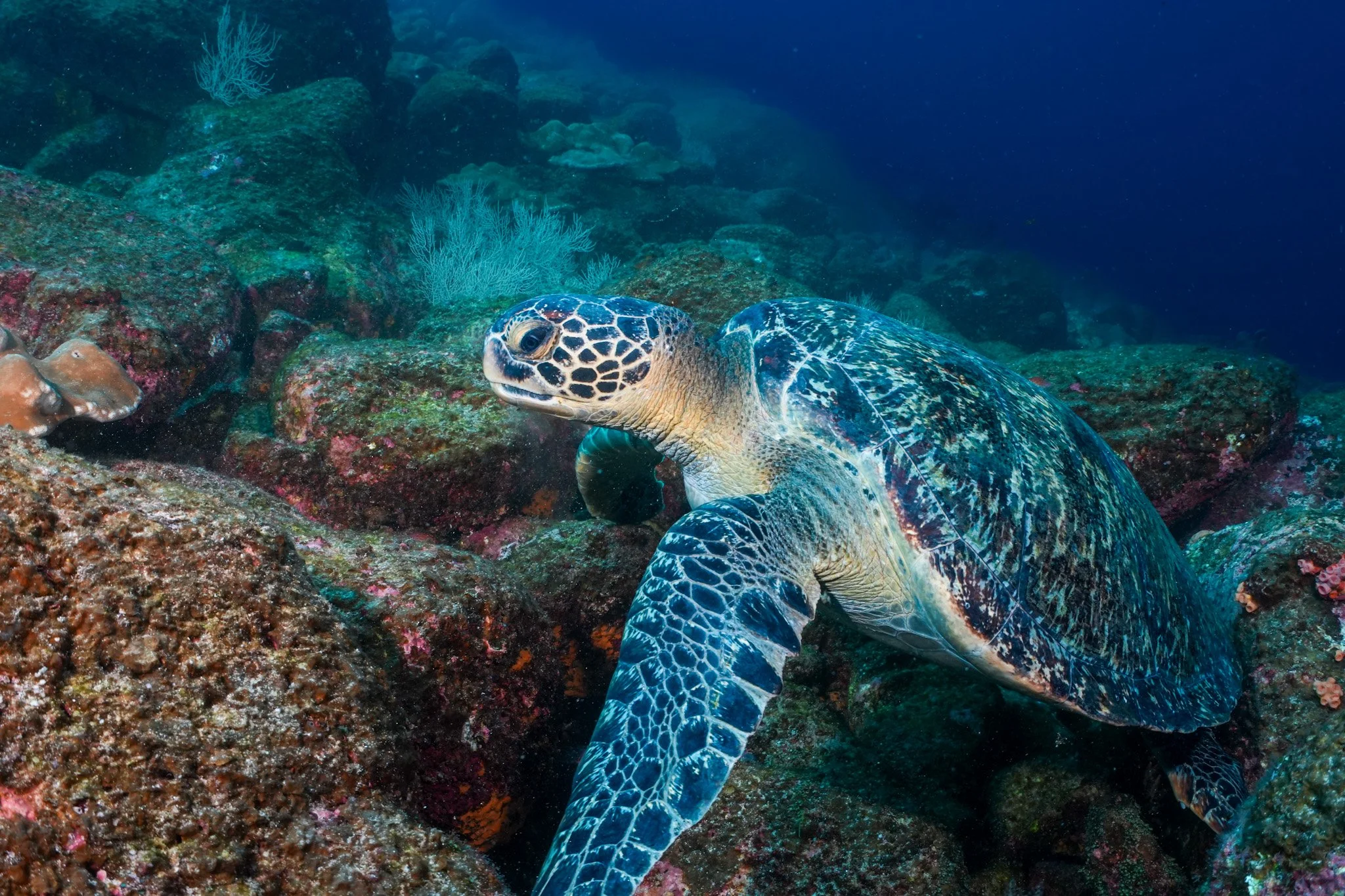
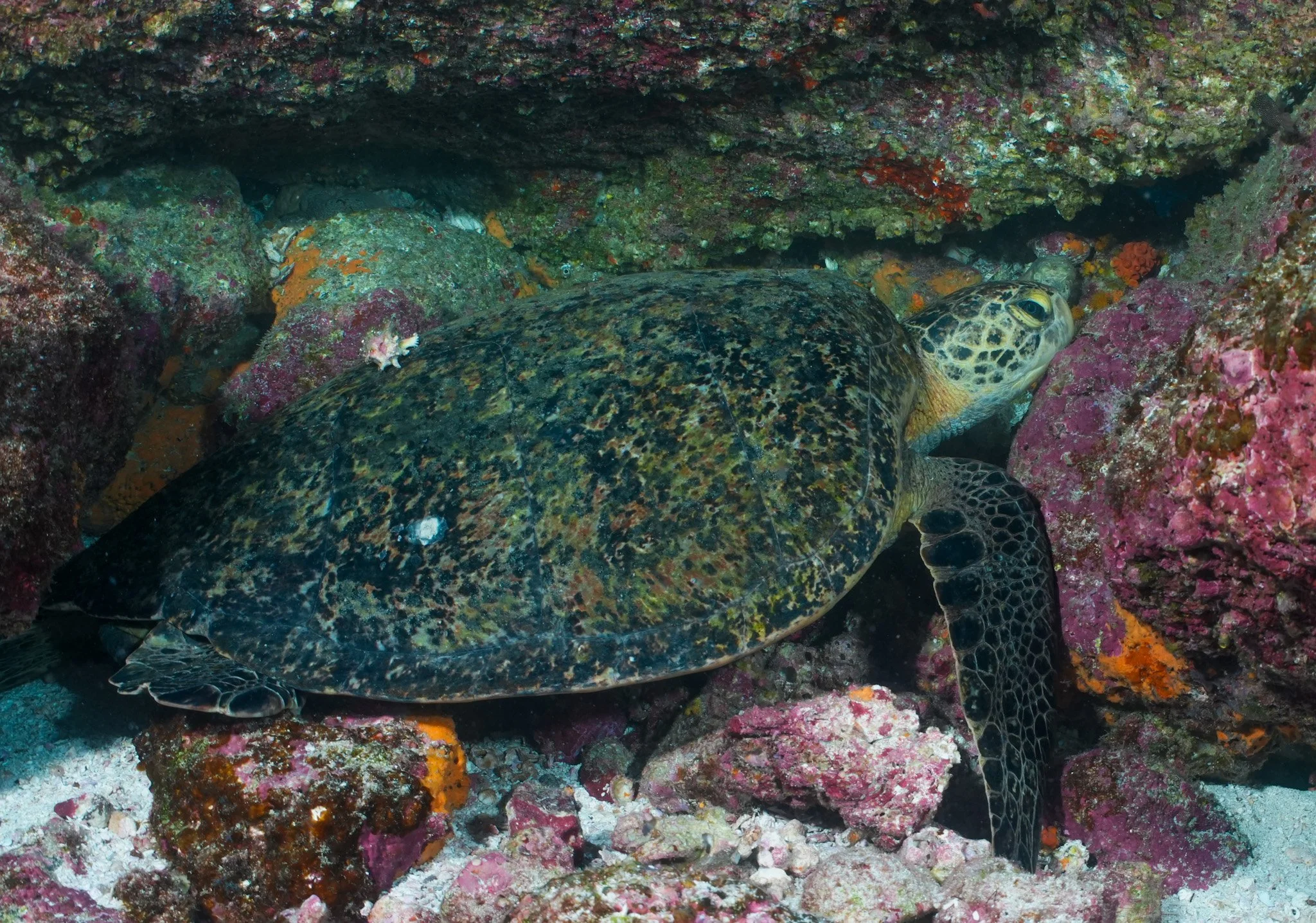
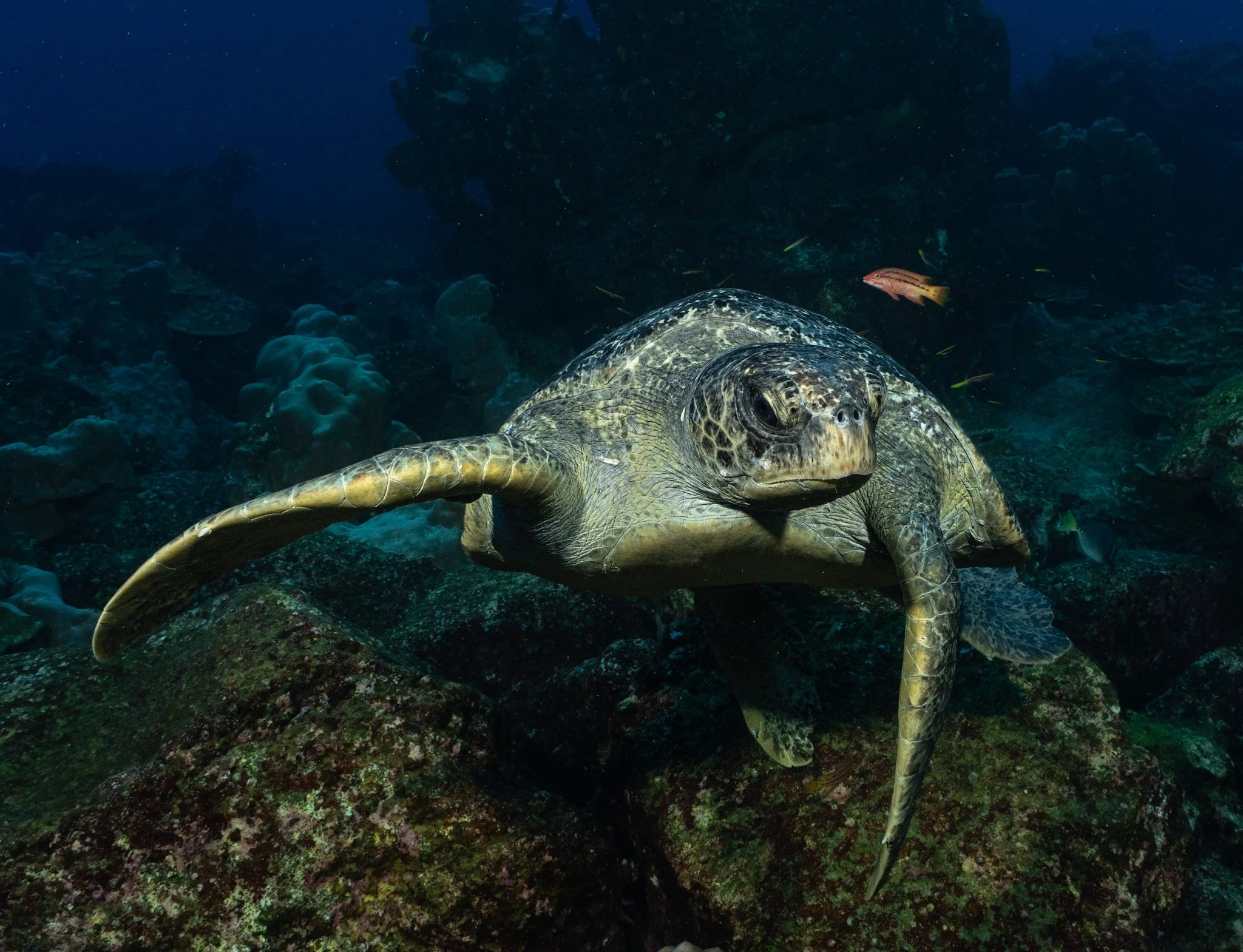
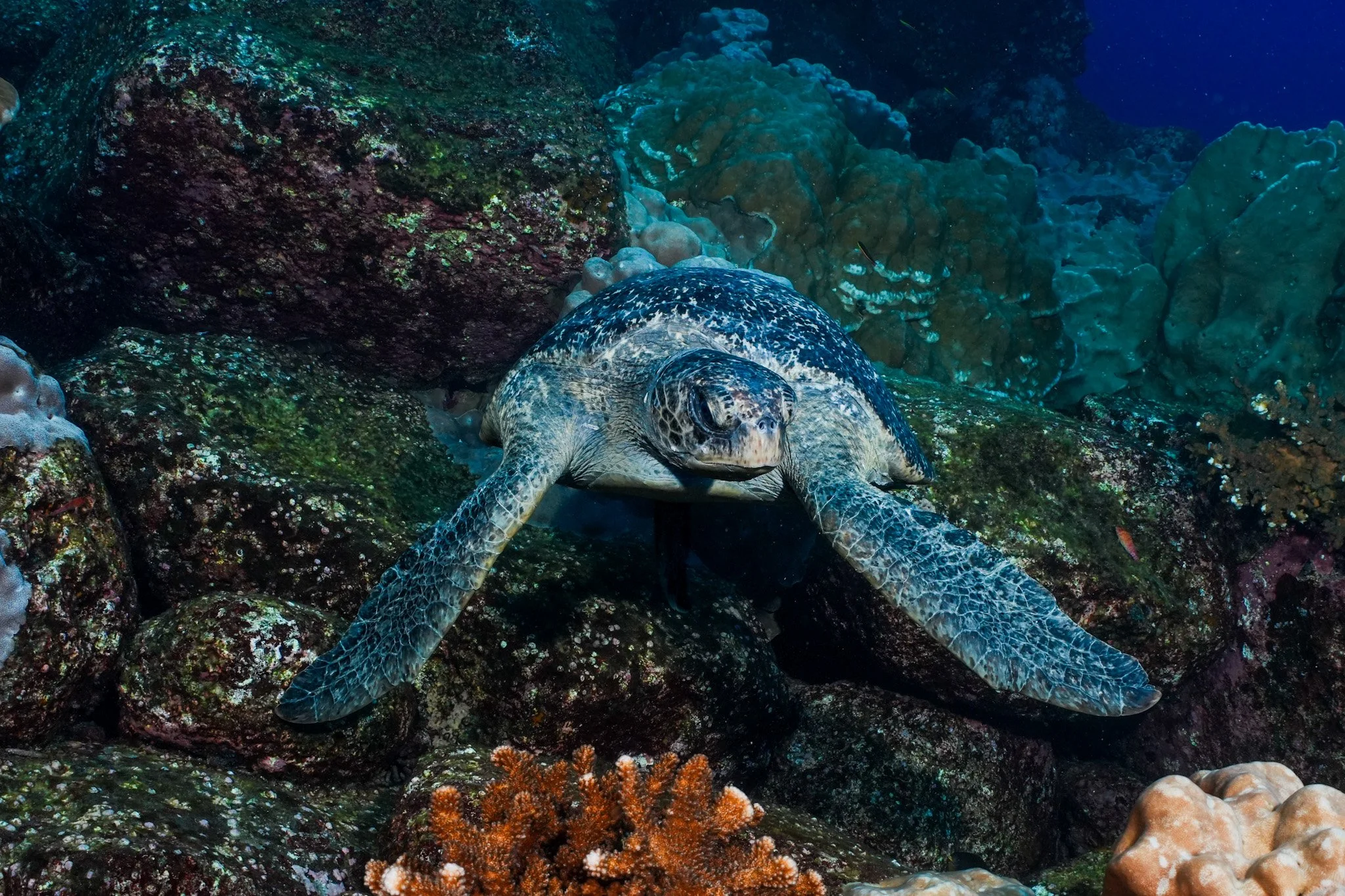
Darwin was absolutely packed with marine life! We spotted garden eels poking out of the sand, more moray eels swimming freely around the reef than we could possibly count, and an incredible number of sea turtles. The massive schools of fish were especially impressive, with so much activity happening around us that it was difficult to decide where to look. We also had some wonderfully playful sea lions that seemed quite happy to make themselves part of our dives.
While I would have loved to introduce everyone to a Galápagos whale shark, I certainly wasn't disappointed with what Darwin delivered. Seeing so many moray eels out swimming was particularly memorable, and the sheer amount of marine life made every dive exciting. Whale sharks might have been high on our wish list, but Darwin gave us plenty of reasons to love diving there without them.
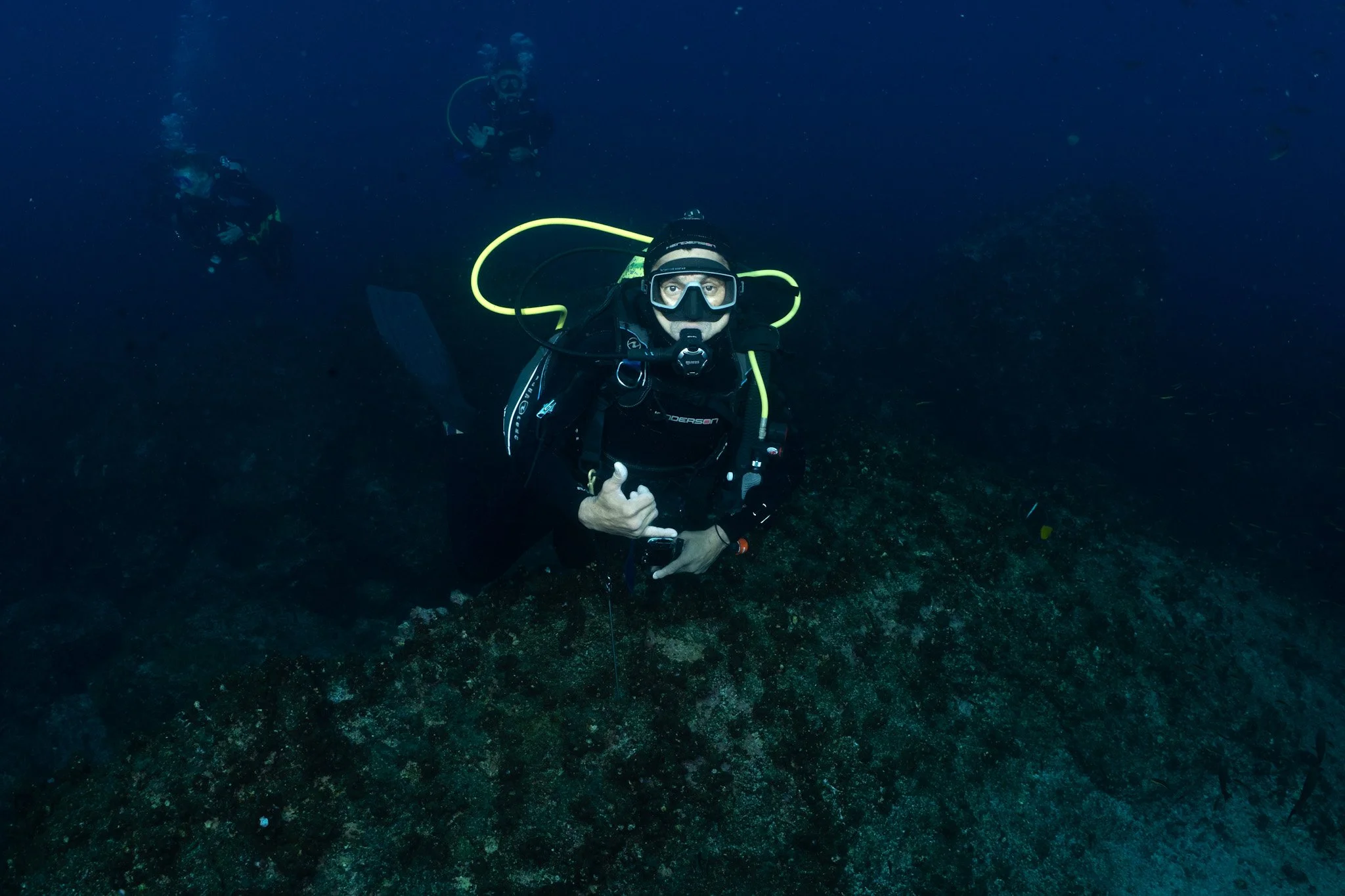
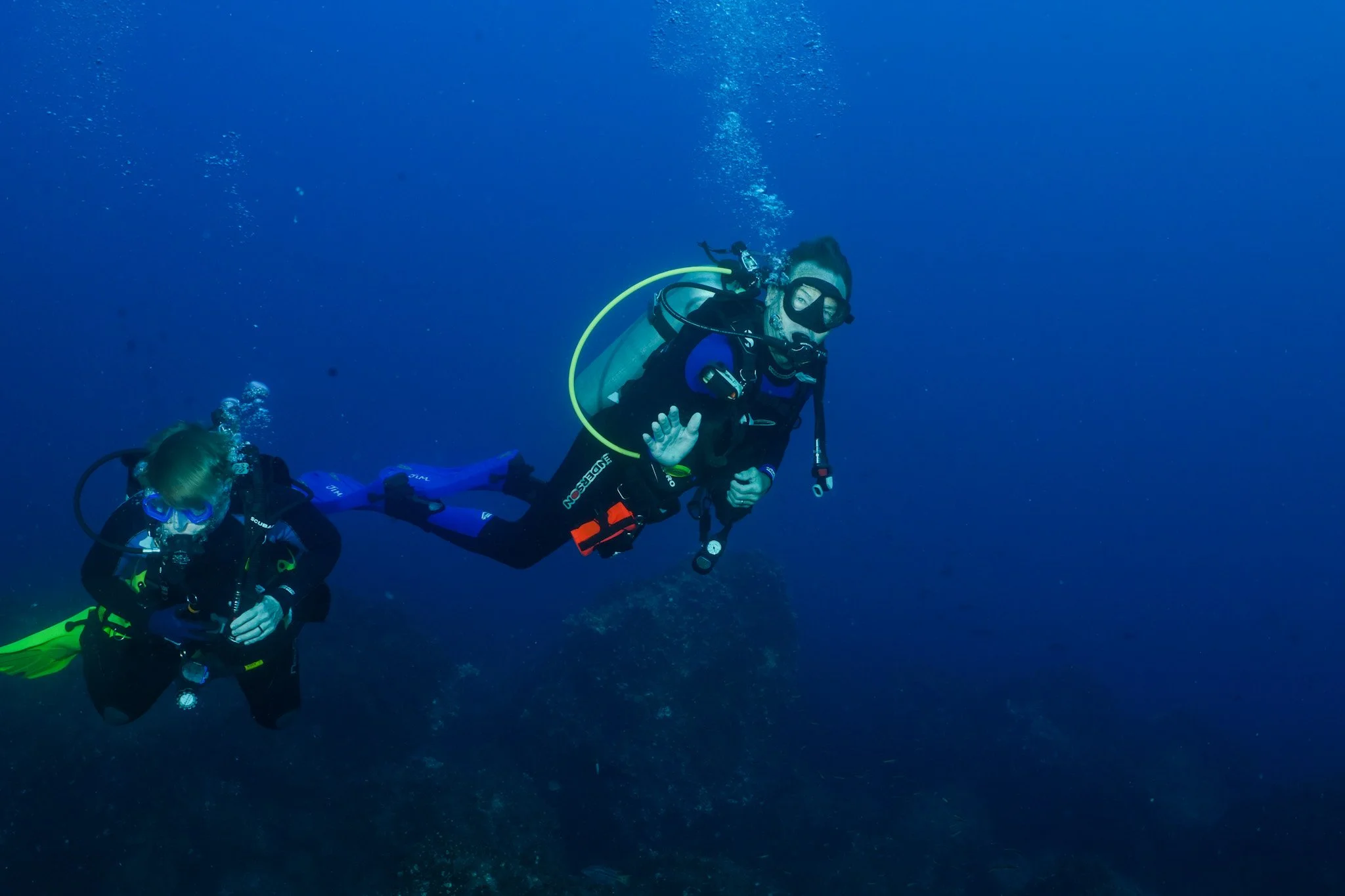
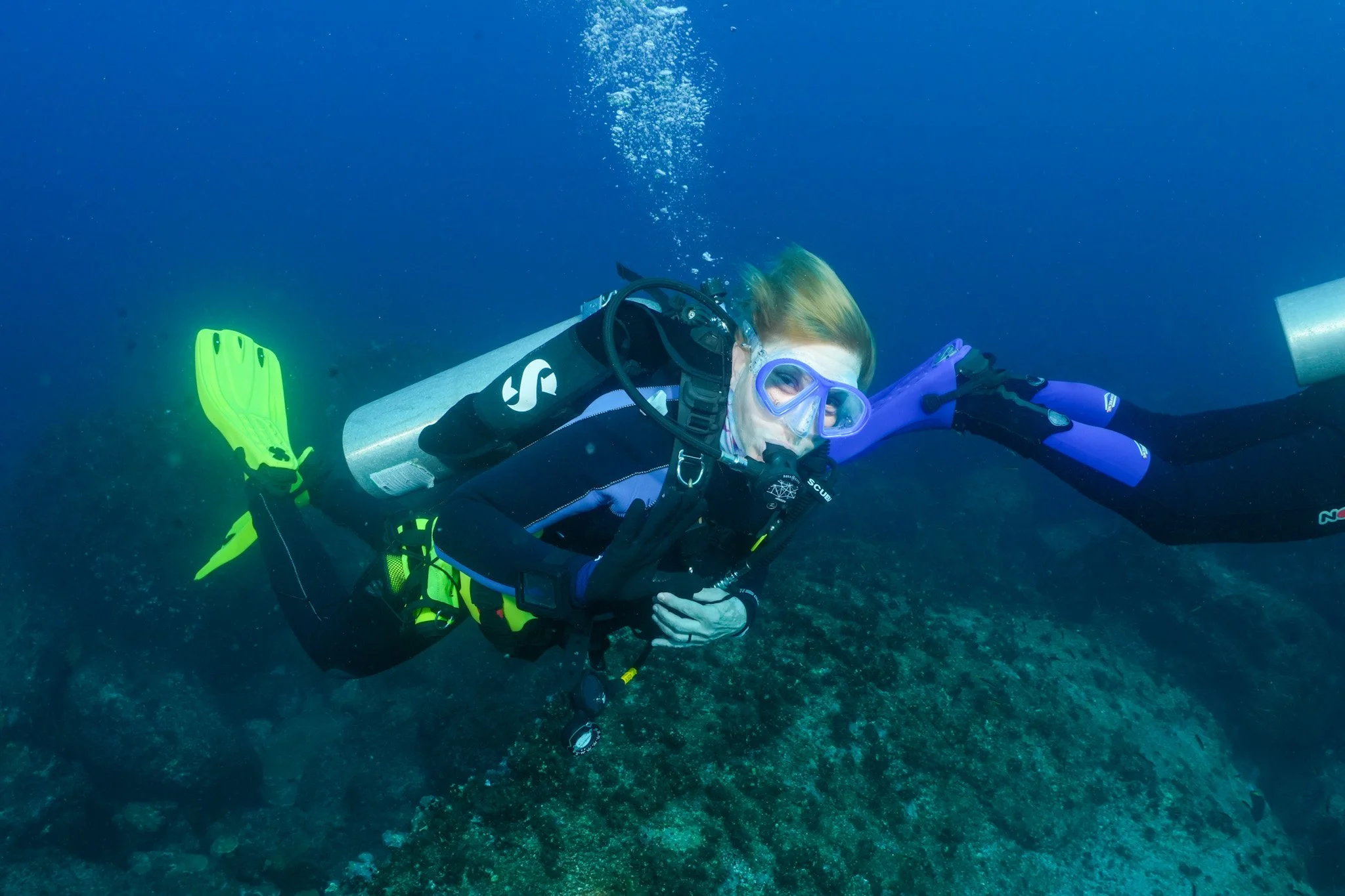
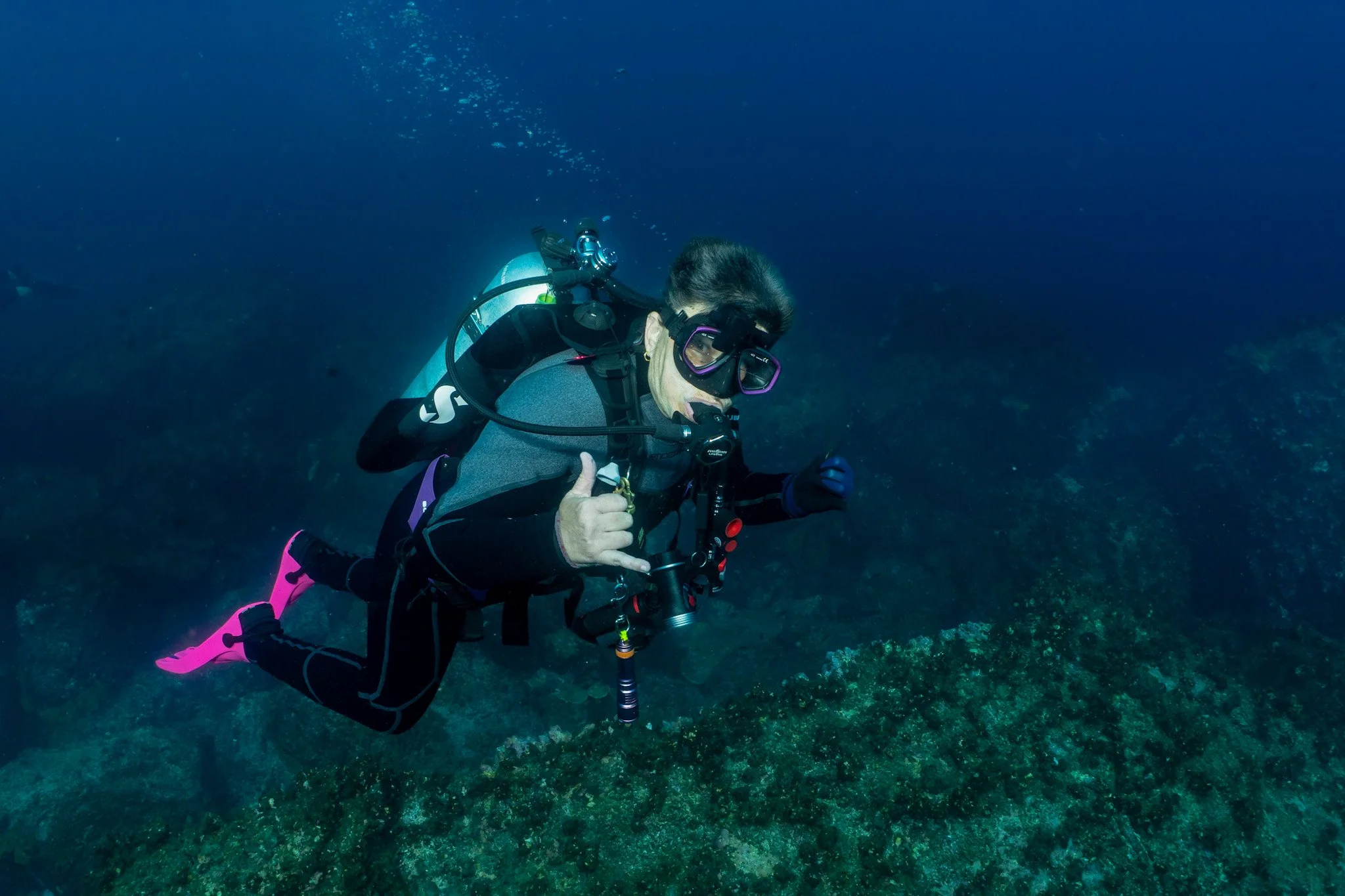
Fernandina, Isabela, and Cousins Rock: Exploring the Western Galápagos
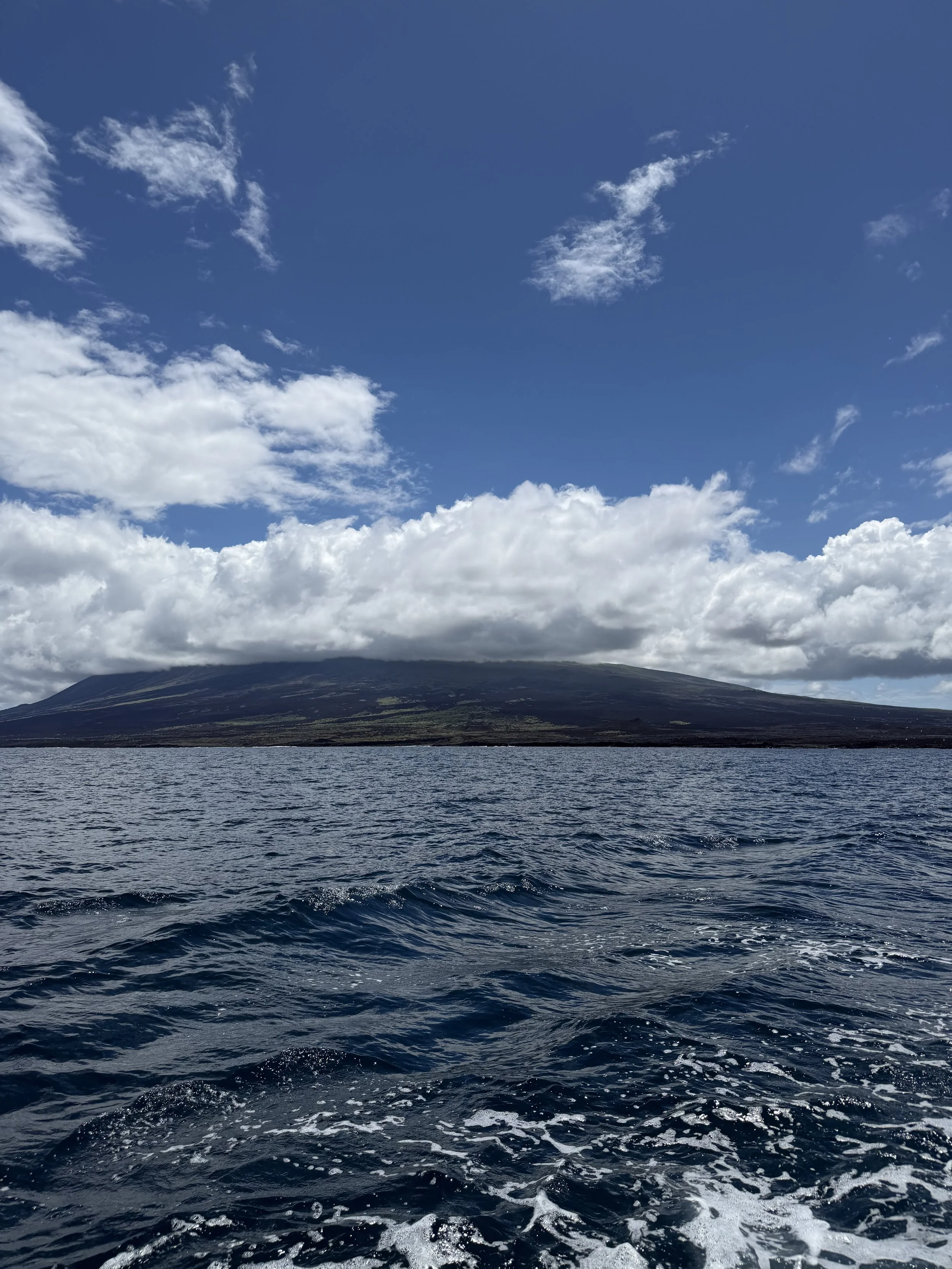
Fernadina Island
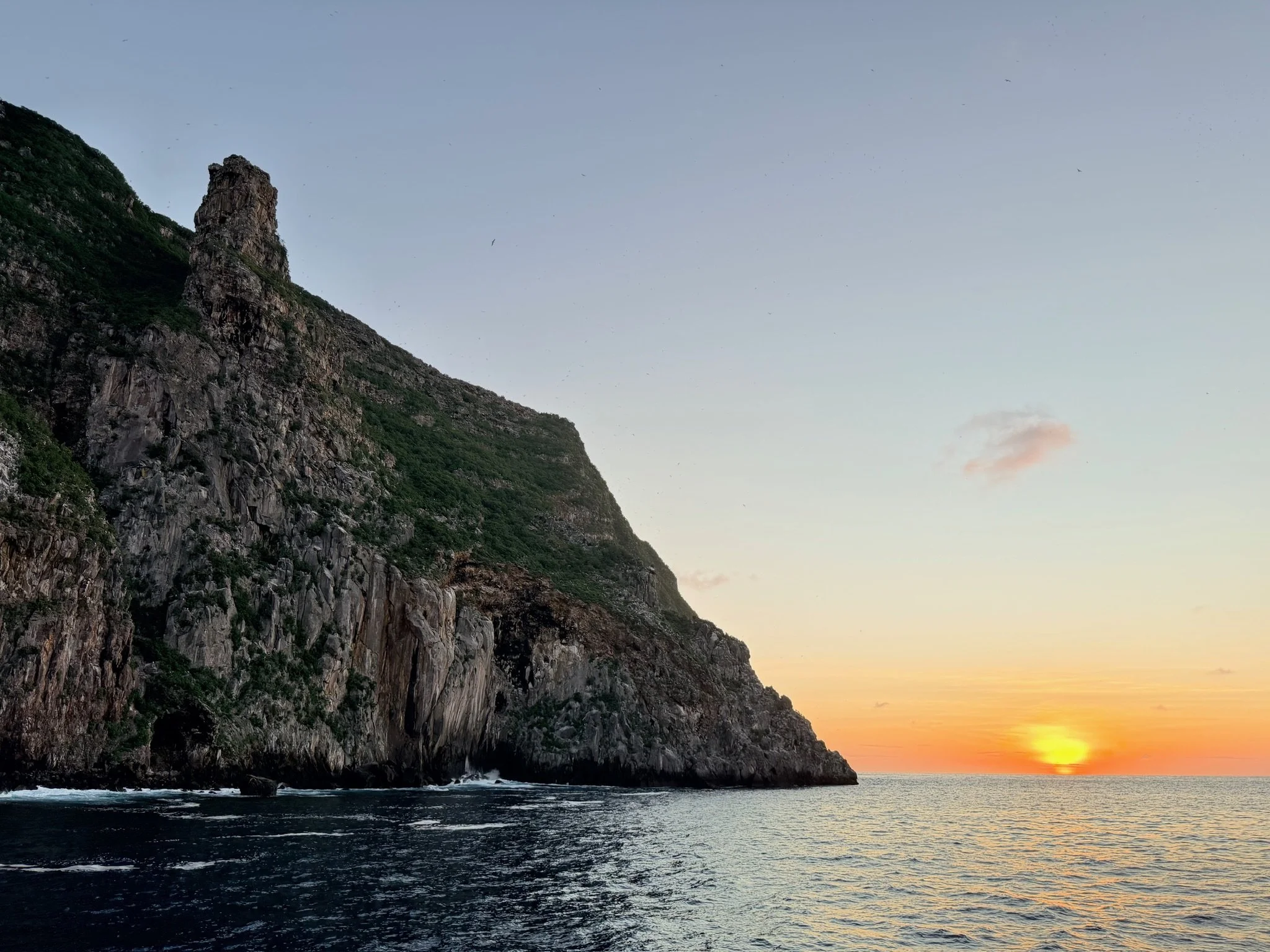
After our adventures at Wolf and Darwin, we headed south toward Fernandina and Isabela, two of the most remarkable islands in the Galápagos archipelago. While the northern islands are famous for their hammerhead sharks and seasonal whale shark encounters, the western Galápagos are known for something entirely different. This is where some of the archipelago's most unusual wildlife lives, including marine iguanas that feed underwater, flightless cormorants, Galápagos penguins, and the wonderfully bizarre red-lipped batfish.
Fernandina is the youngest and one of the most volcanically active islands in the Galápagos. Its dramatic lava fields and relatively undisturbed ecosystems make it one of the best places to appreciate the islands' volcanic origins. Neighboring Isabela is the largest island in the archipelago, formed by six major volcanoes, five of which remain active. The landscapes are absolutely spectacular, with enormous volcanic slopes rising directly from the Pacific.
The western islands are also heavily influenced by the Cromwell Current, a deep, cold-water current that brings nutrient-rich water toward the surface. This upwelling supports the algae, plankton, and other marine life that make the region so productive. Water temperatures can be dramatically colder here than at Wolf and Darwin, and the diving is often characterized by strong currents, thermoclines, and extraordinary concentrations of wildlife.
Unfortunately, the developing El Niño conditions were affecting the waters during our visit. Warmer water can suppress the nutrient-rich upwelling that supports the marine food web, with serious consequences for animals that depend on those resources. Marine iguanas are particularly vulnerable because they rely on algae for food, and prolonged warm-water events can lead to food shortages and significant population declines.
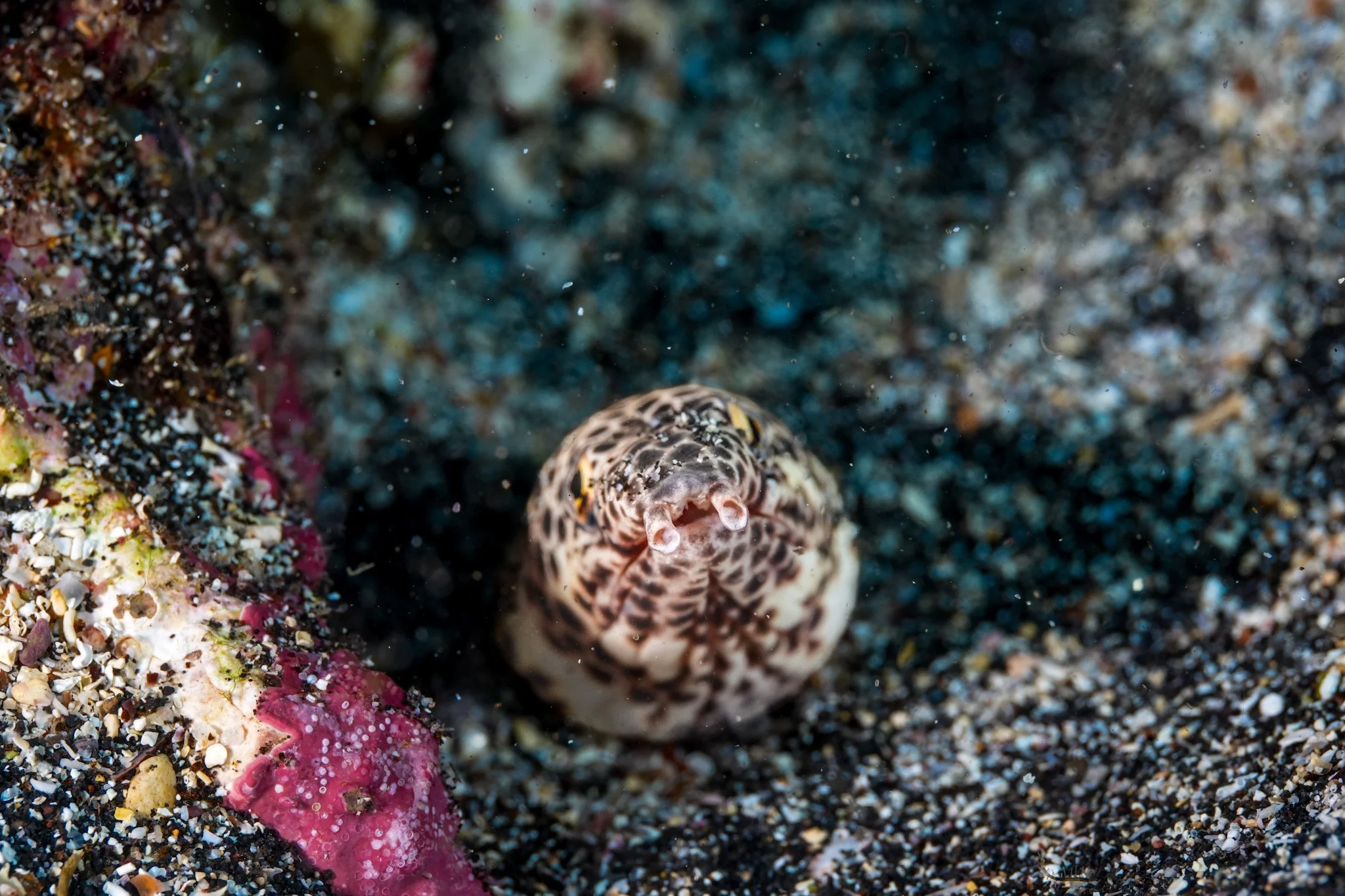
A rare Galapagos snake eel
Fernandina Island: Warm Water and Some Missing Wildlife
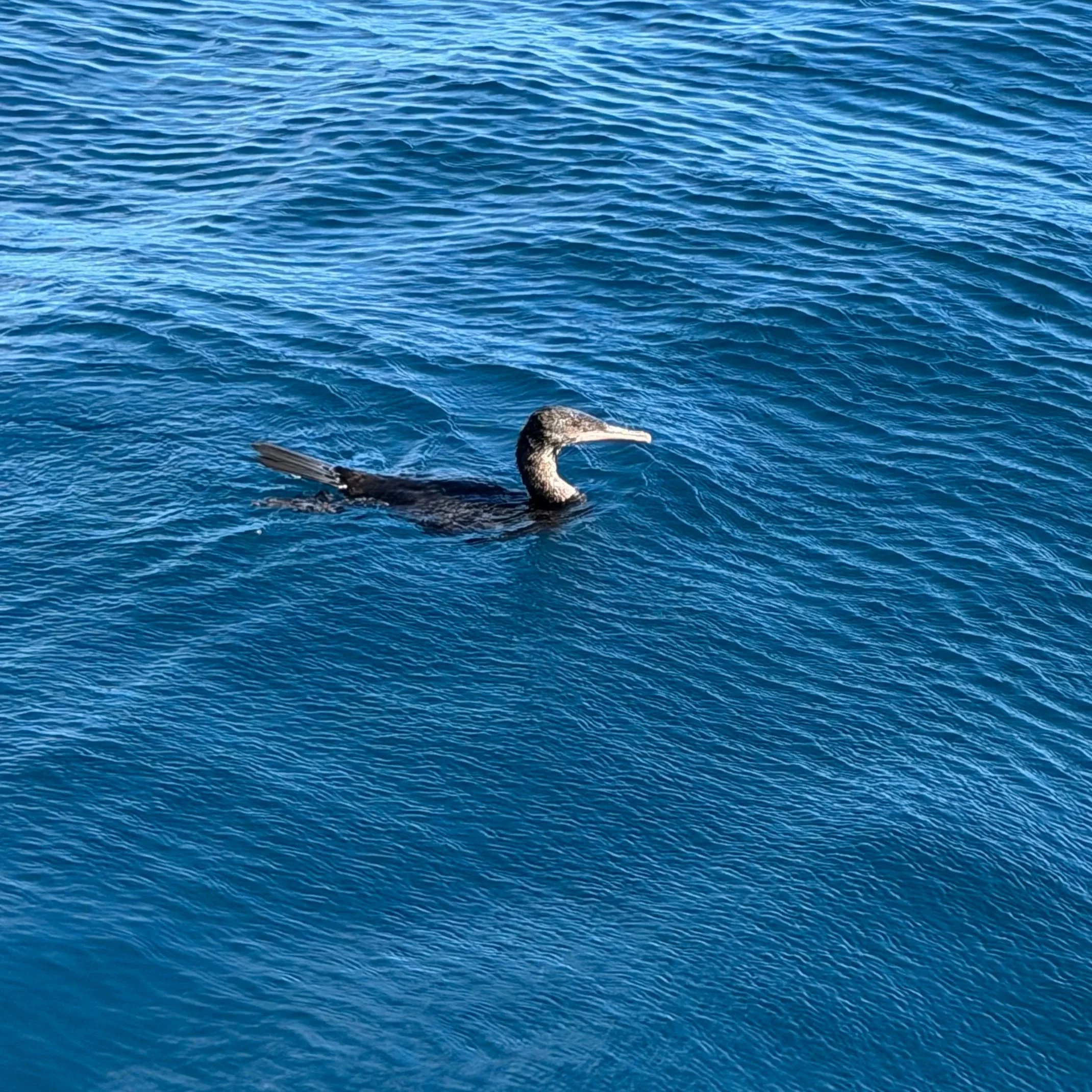
Flightless cormorant
Fernandina was one of the locations I was most excited to dive. Where else can you potentially watch marine iguanas grazing underwater, encounter flightless cormorants, and search for a fish that looks like someone painted bright red lipstick on its face?
I had also prepared myself for some seriously cold diving. Water temperatures around Fernandina can drop to approximately 57°F, so I was expecting a rather chilly experience. Instead, our computers were reading 78°F! That's an enormous difference, and while the warmer water was certainly more comfortable for us, I couldn't help thinking about what those temperatures meant for the animals that depend on this normally cold, productive ecosystem.
Unfortunately, the visibility was also quite poor, which made searching for smaller marine life difficult. We were particularly hoping to find the famous red-lipped batfish, a strange bottom-dwelling fish that uses modified fins to essentially walk along the seafloor. Despite our efforts, we never found one.
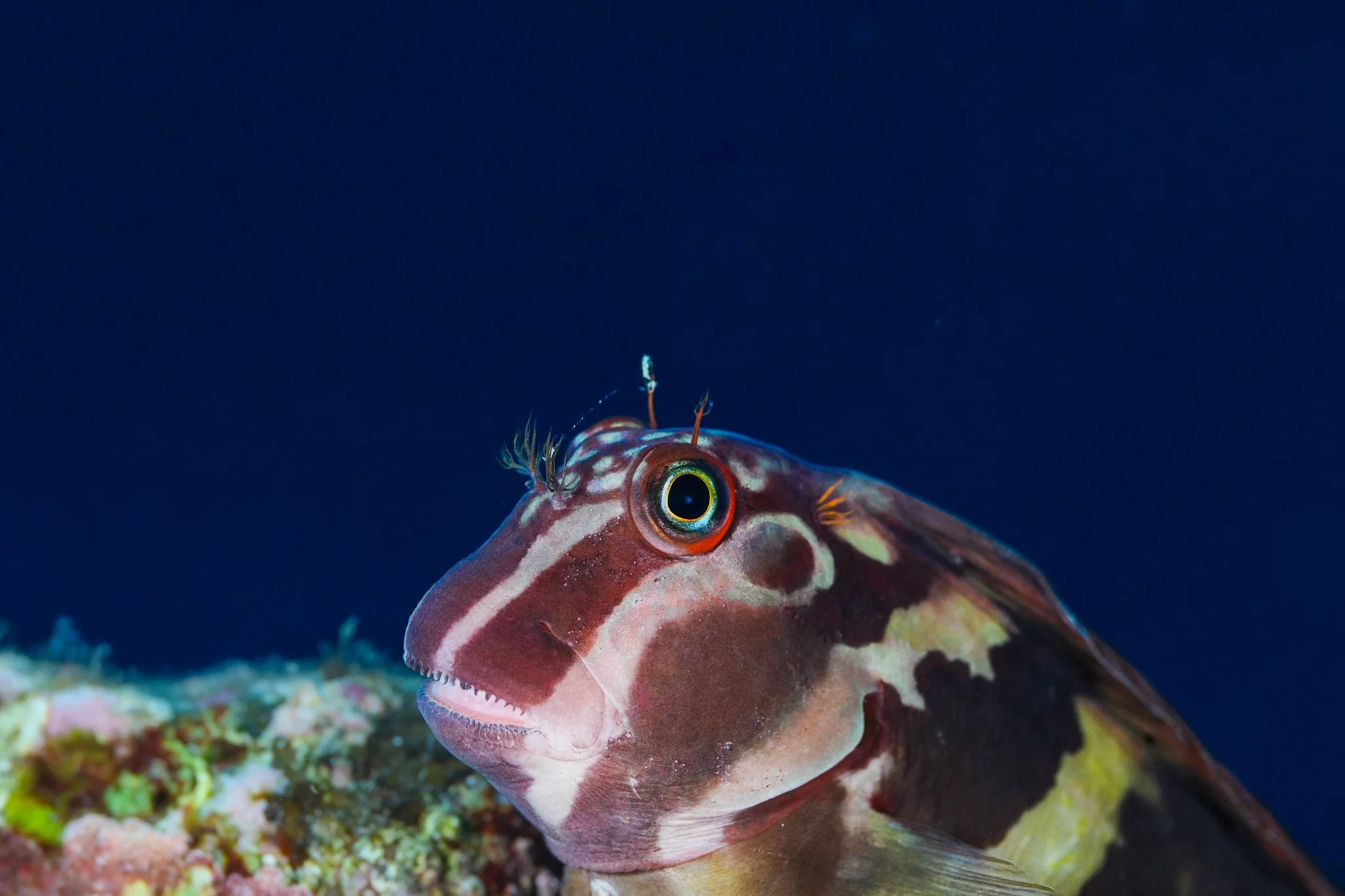
We did, however, encounter some absolutely gorgeous harlequin wrasses! These colorful fish are endemic to the Galápagos and nearby waters, and their distinctive patterns make them a real treat to photograph. I was thrilled to see them, even if the visibility wasn't cooperating with my camera.
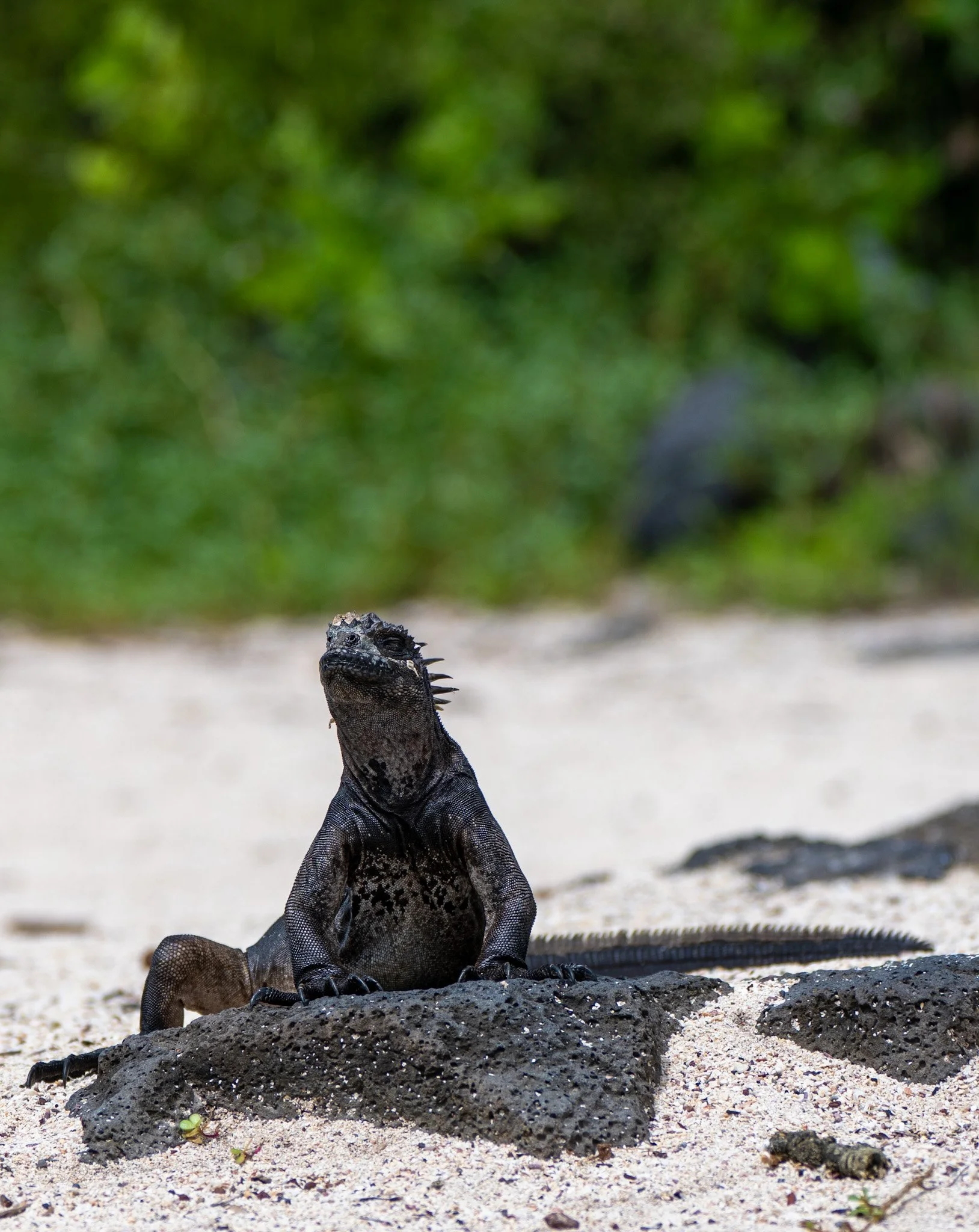
One of the biggest disappointments was not getting to see marine iguanas feeding underwater. These extraordinary reptiles are the only marine lizards in the world, and watching them graze on algae beneath the surface was something I had really hoped to experience. Their dependence on marine algae also makes them particularly susceptible to the effects of El Niño. When warm water reduces nutrient availability and algae populations decline, the iguanas can struggle to find enough food. I couldn't help feeling concerned about what the unusual conditions might mean for them.
We did get to see a flightless cormorant, which was another wildlife encounter I had been hoping for! Found only in the western Galápagos, these remarkable birds have evolved tiny, reduced wings and powerful legs that make them excellent underwater hunters. They're the only cormorant species in the world that has lost the ability to fly, and seeing one in its natural habitat was a fantastic experience.
Fernandina certainly didn't deliver everything on my wish list, but I still loved getting to explore such an unusual part of the Galápagos. Between the harlequin wrasses, the flightless cormorant, and the fascinating volcanic landscape, there was plenty to appreciate. Of course, the red-lipped batfish and feeding marine iguanas are now two very good reasons for me to return!
Isabela Island: Beautiful Scenery and an Unforgettable Sea Lion Pup
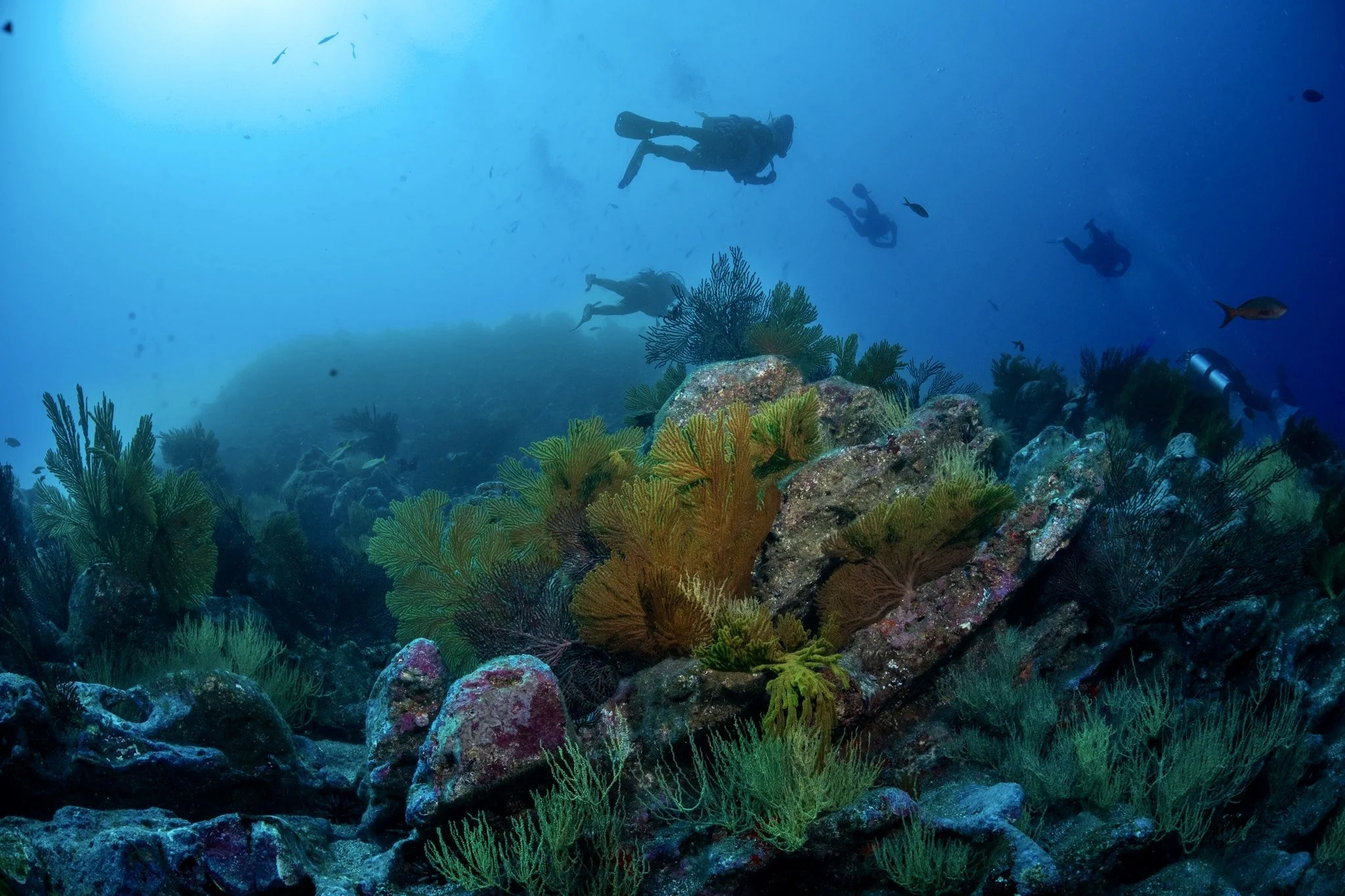
The stunning reefs of Isabela
Our next stop was Isabela, the largest island in the Galápagos and, in my opinion, one of the most beautiful. Its massive volcanic landscapes are absolutely breathtaking, especially when viewed from the water. The island is home to some of the archipelago's most distinctive wildlife, including Galápagos penguins, flightless cormorants, marine iguanas, and an incredible variety of marine life.
Thankfully, the underwater visibility around Isabela was significantly better than what we'd experienced at Fernandina! We encountered more beautiful harlequin wrasses, plenty of sea turtles, and some absolutely enormous pufferfish. I love finding unusually large examples of fish we regularly encounter elsewhere, and these puffers were impressive.
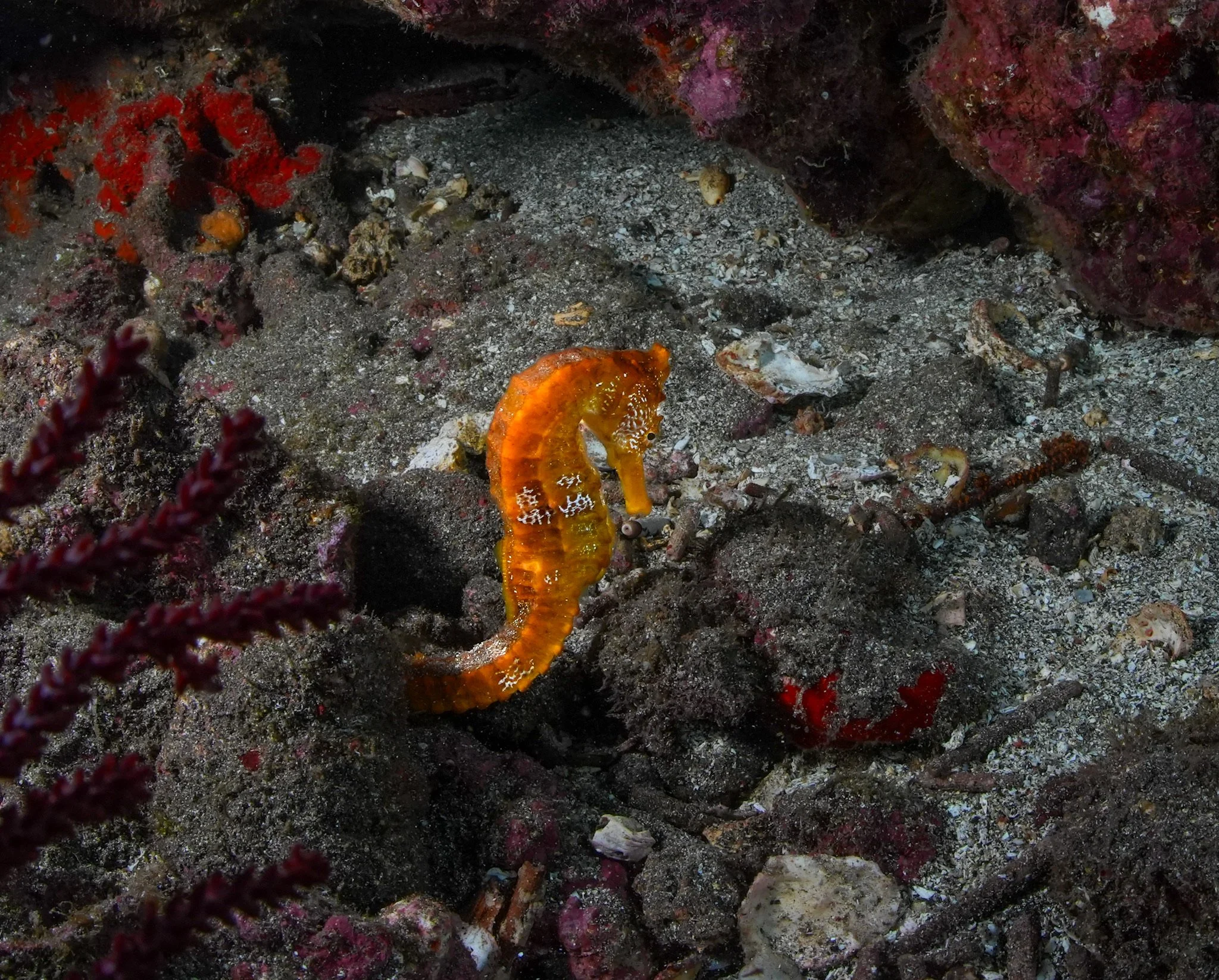
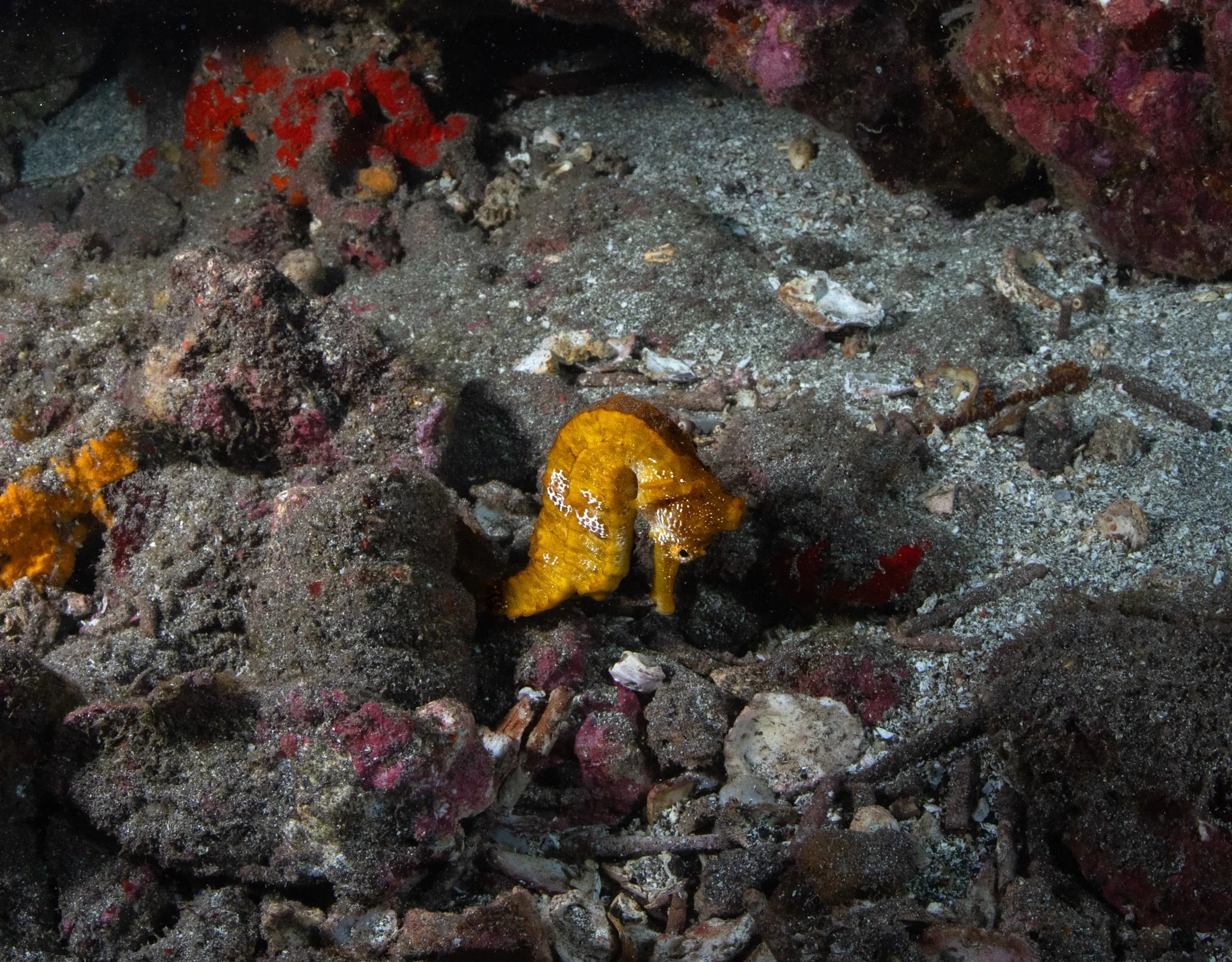
We also spotted a seahorse, which was a particularly exciting find! I've always had a soft spot for unusual marine creatures, and finding a seahorse among the beautiful sea fans was a wonderful surprise. The sea fans themselves were gorgeous, adding incredible color and texture to the underwater landscape.
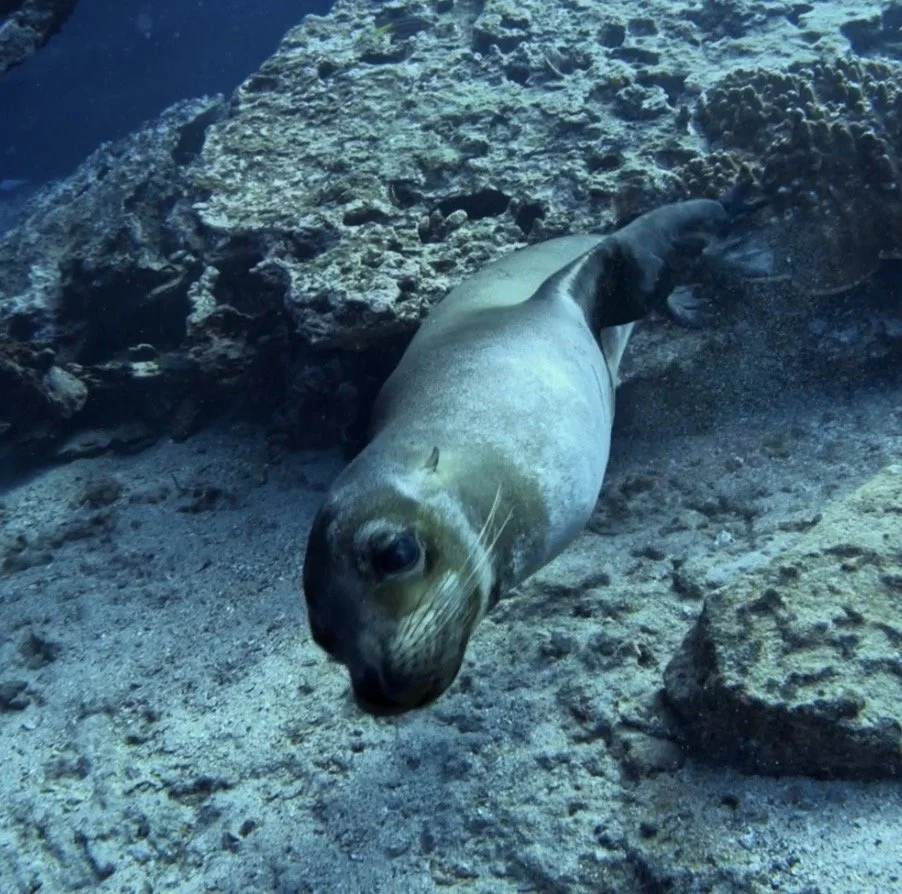
However, the real star of our Isabela diving was an unbelievably playful sea lion pup.
I've dived with sea lions before, but their curiosity and energy never get old. This little one was especially entertaining, twisting and turning through the water, swimming around us, and putting on quite the performance. Watching a young sea lion play underwater is one of my favorite wildlife experiences because you never quite know what they're going to do next.
Between the much-improved visibility, beautiful marine life, and that ridiculously entertaining sea lion pup, Isabela was one of my favorite stops on the expedition. I could have happily spent much more time exploring this gorgeous island.
Cousins Rock: One Last Incredible Dive
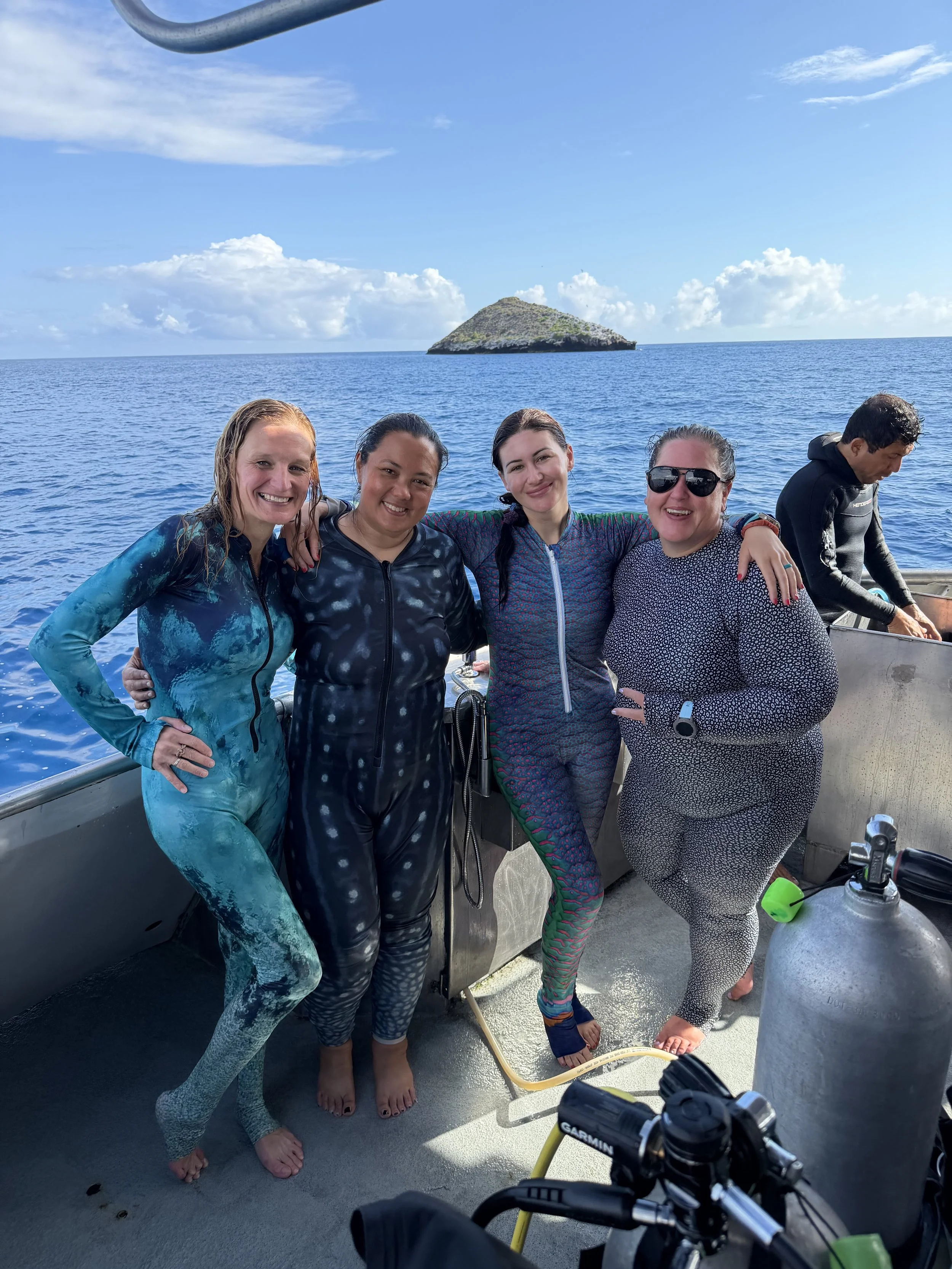
Our final dive of the expedition brought us to Cousins Rock, a small volcanic islet near Santiago Island that's famous for its underwater terraces, colorful marine life, and frequent encounters with sea lions, turtles, and rays.
After some of the challenging visibility we'd experienced elsewhere, I was thrilled that the conditions at Cousins Rock were fantastic! We had excellent visibility, which gave us beautiful views of the rocky underwater landscape and all the marine life moving around us.
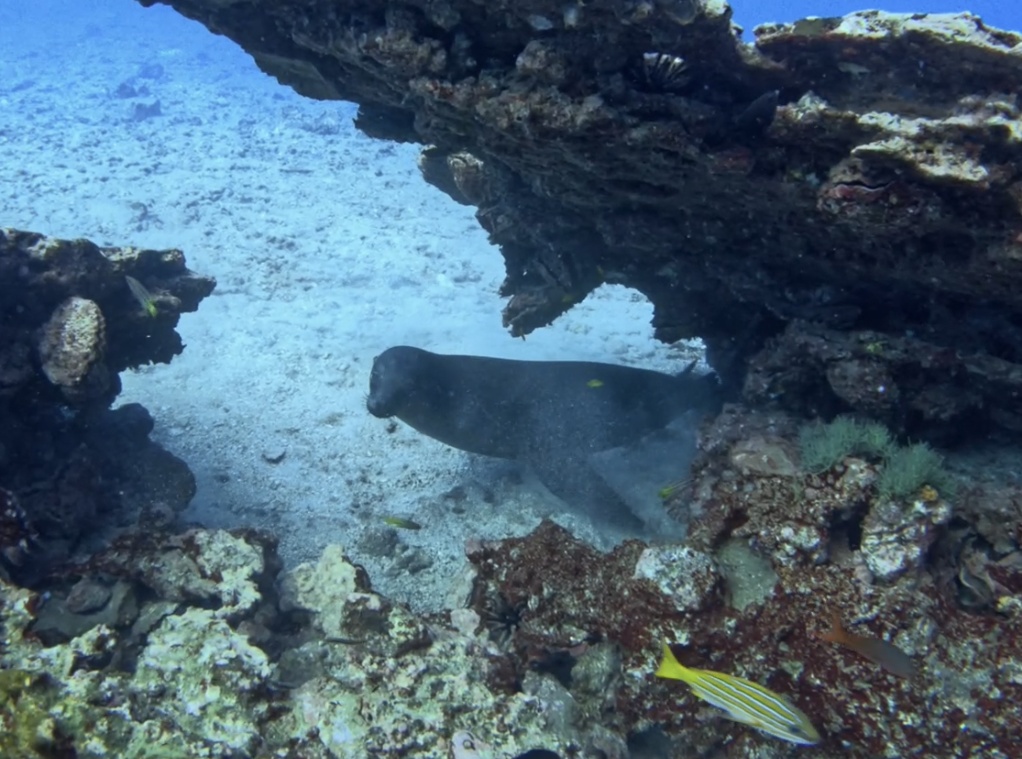
Green sea turtles were everywhere! We'd seen plenty of turtles throughout the expedition, but I certainly wasn't tired of them. We also had several playful sea lions keeping us entertained, which felt like a fitting way to end a trip where these curious animals had been such a highlight.
Tuna and barracuda cruised through the water, and then we encountered two absolutely gorgeous eagle rays. Watching eagle rays glide effortlessly through the water is always a treat, and getting to see two of them on our final dive was a wonderful surprise.
Cousins Rock was exactly the kind of dive I love. Great visibility, beautiful underwater scenery, and so much marine life that there was always something interesting to watch or photograph. After a week of extraordinary diving, I was grateful that our final dive gave us one more opportunity to enjoy the incredible biodiversity of the Galápagos.
We may have missed the whale sharks at Darwin, the red-lipped batfish at Fernandina, and the chance to watch marine iguanas feeding underwater, but we experienced an incredible variety of wildlife throughout the expedition. From schooling hammerheads and playful sea lions to tiny seahorses, colorful wrasses, and beautiful eagle rays, every destination offered something different.
I also left with a greater appreciation for just how sensitive these ecosystems are to changing ocean conditions. The unusually warm water around Fernandina was a striking reminder that conditions we might consider comfortable as divers can have very different consequences for the animals that live there.
I'm already looking forward to returning to the Galápagos. There's still so much I want to see, and I have some unfinished business with a certain red-lipped batfish!
Galápagos Gets Wild: Marine Iguanas, Penguins, and Evolutionary Oddities
Marine Iguanas: The Lizards That Learned to Dive
While Darwin and Wolf attract international attention for their sharks, the western islands reveal an entirely different side of Galápagos. Isabela and Fernandina are influenced by cold-water upwelling and support some of the most unusual marine animals found anywhere on Earth.
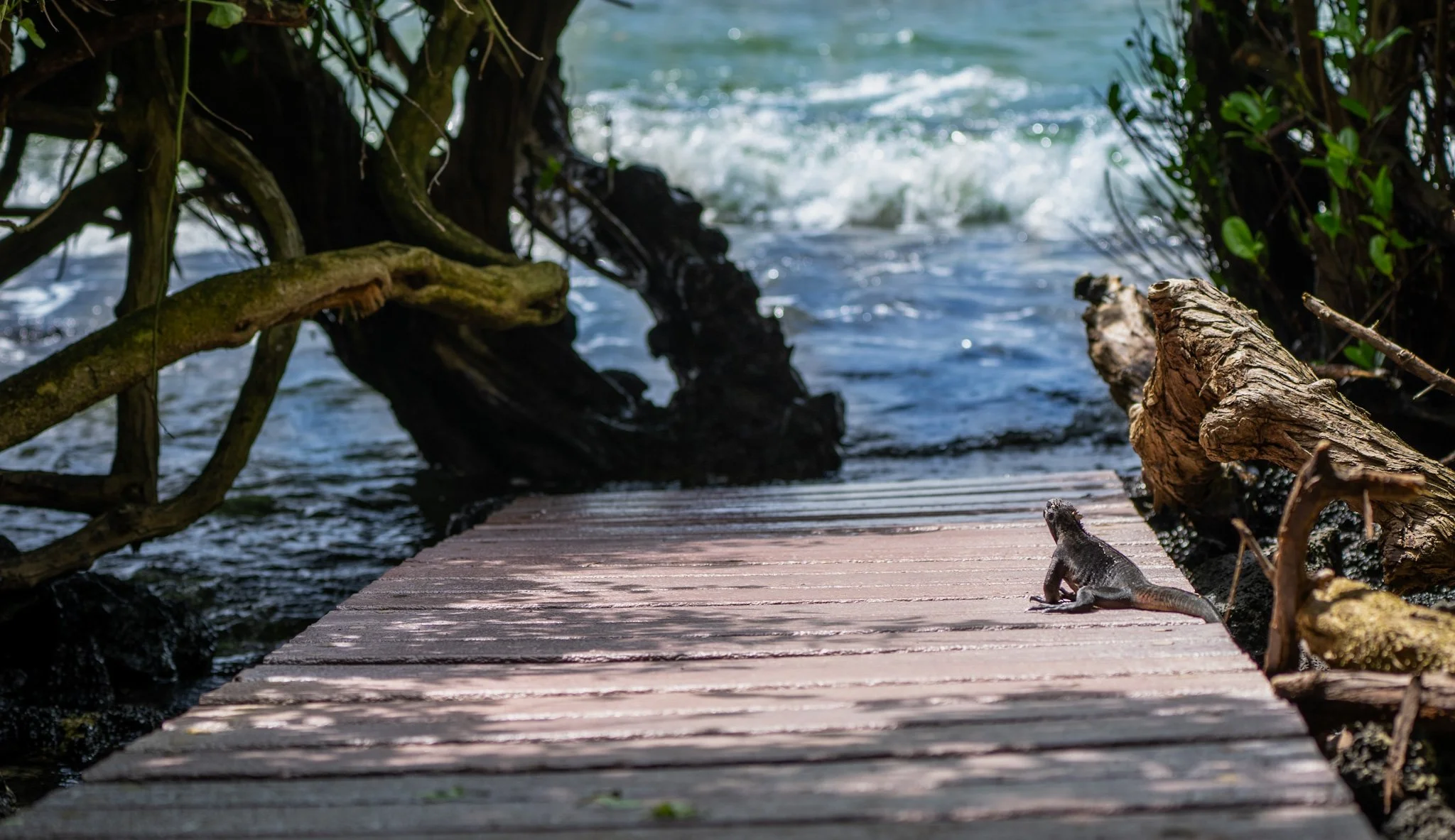
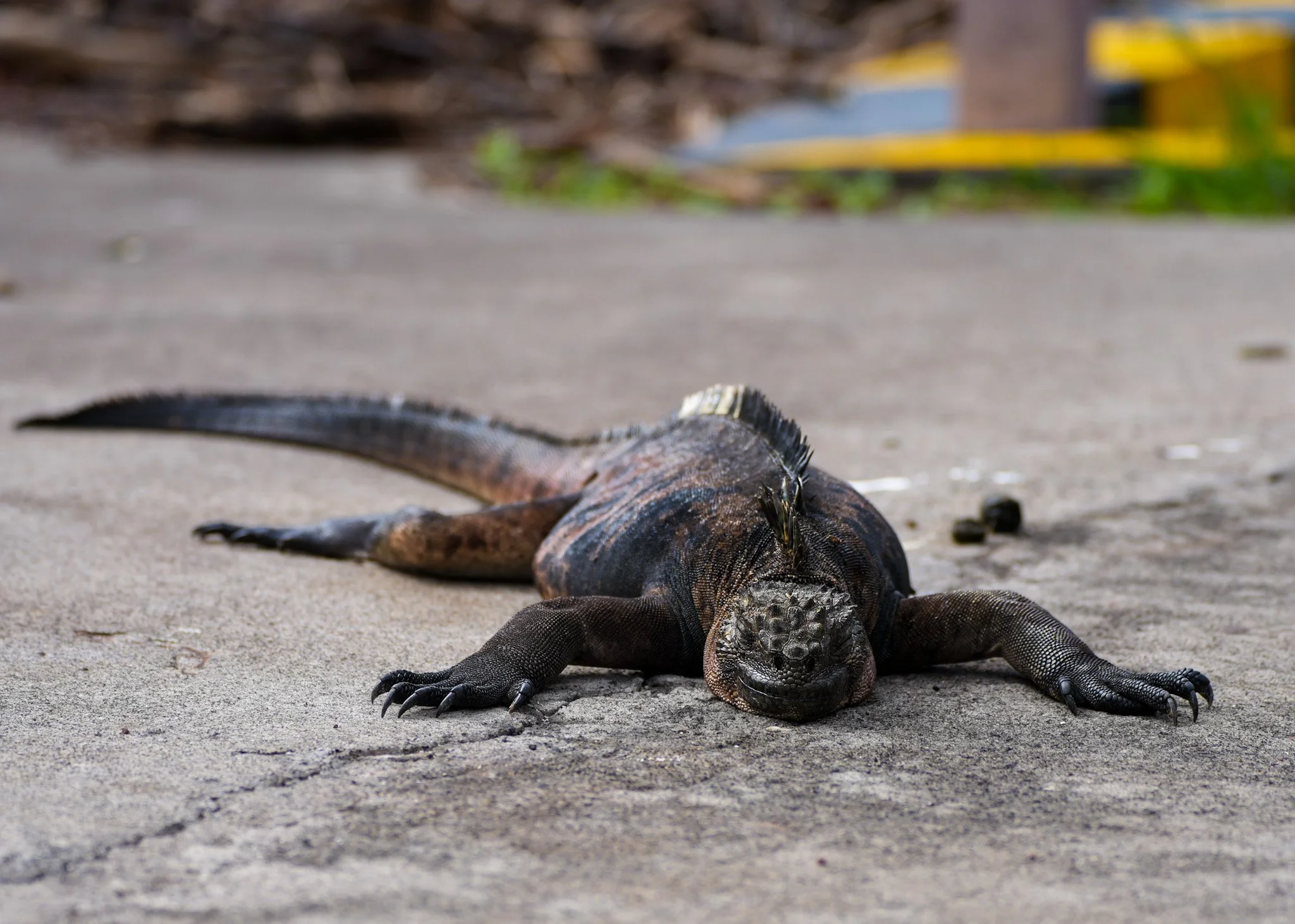
At Cabo Douglas, marine iguanas are among the principal attractions. Found nowhere else on the planet, these remarkable reptiles have adapted to forage underwater, grazing on algae growing across volcanic rocks. Their flattened tails help propel them through the water, while specialized salt glands allow them to remove excess salt absorbed during feeding.
Marine iguanas are one of my favorite examples of how unusual evolution can be in isolated environments. While most people associate lizards with warm rocks and sunshine, these animals regularly enter cold Pacific waters to feed. Watching one swim underwater or graze across volcanic rock offers a completely different perspective on what a reptile can do.
Penguins at the Equator
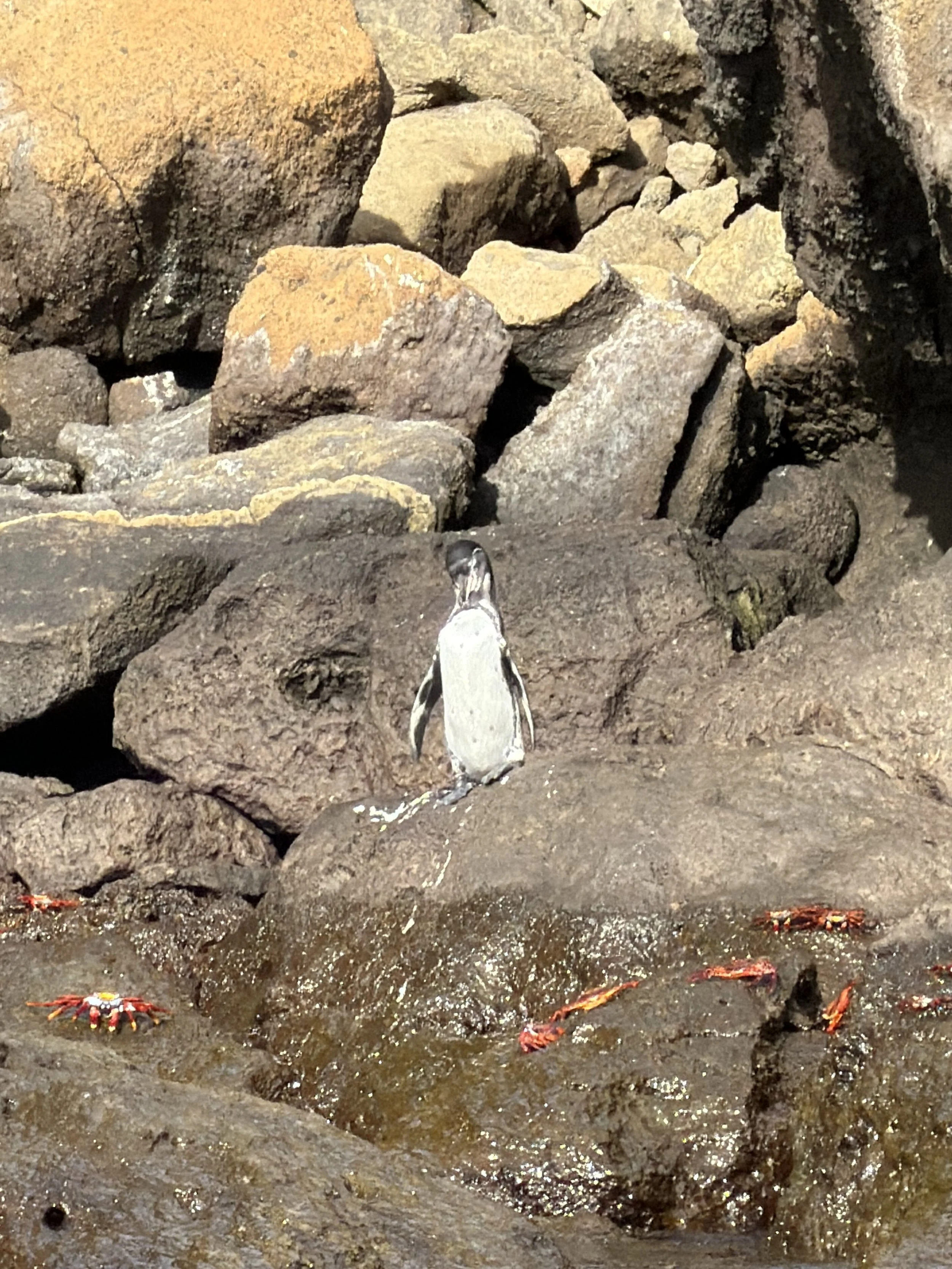
Galápagos penguins are another remarkable example of adaptation. They are the only penguin species naturally found north of the Equator, surviving in this tropical latitude thanks to the cool, productive waters surrounding the islands.
Small, agile, and remarkably fast underwater, these penguins depend on the ocean currents that make the western archipelago so productive. Their presence is a reminder that marine ecosystems are shaped by far more than latitude alone.
Flightless cormorants add another fascinating evolutionary story. Over generations, these birds lost the ability to fly and developed powerful swimming adaptations that allow them to pursue food underwater. The western islands are also home to sea lions, fur seals, sea turtles, and a remarkable variety of fish.
At Punta Vicente Roca, dramatic volcanic formations descend beneath the surface, creating opportunities to encounter marine animals in an environment that feels very different from the northern shark-diving sites. Ocean sunfish may also appear in the surrounding waters, although sightings are unpredictable.
The contrast between these regions is one of the most compelling aspects of Galápagos. Within a single expedition, divers can explore environments dominated by pelagic sharks and others supporting penguins, marine iguanas, and species adapted to unusually cold equatorial waters.
The Wildlife of the Galápagos: Beyond the Diving
The Galápagos is famous for its sharks, but some of its most remarkable wildlife lives above the surface. From playful sea lions and elusive fur seals to giant tortoises and some wonderfully strange seabirds, the islands are home to species found nowhere else on Earth. Their isolation has produced extraordinary adaptations, and understanding how these animals survive in such a unique environment makes visiting the Galápagos even more fascinating.
Galápagos Sea Lions: The Stars of the Show
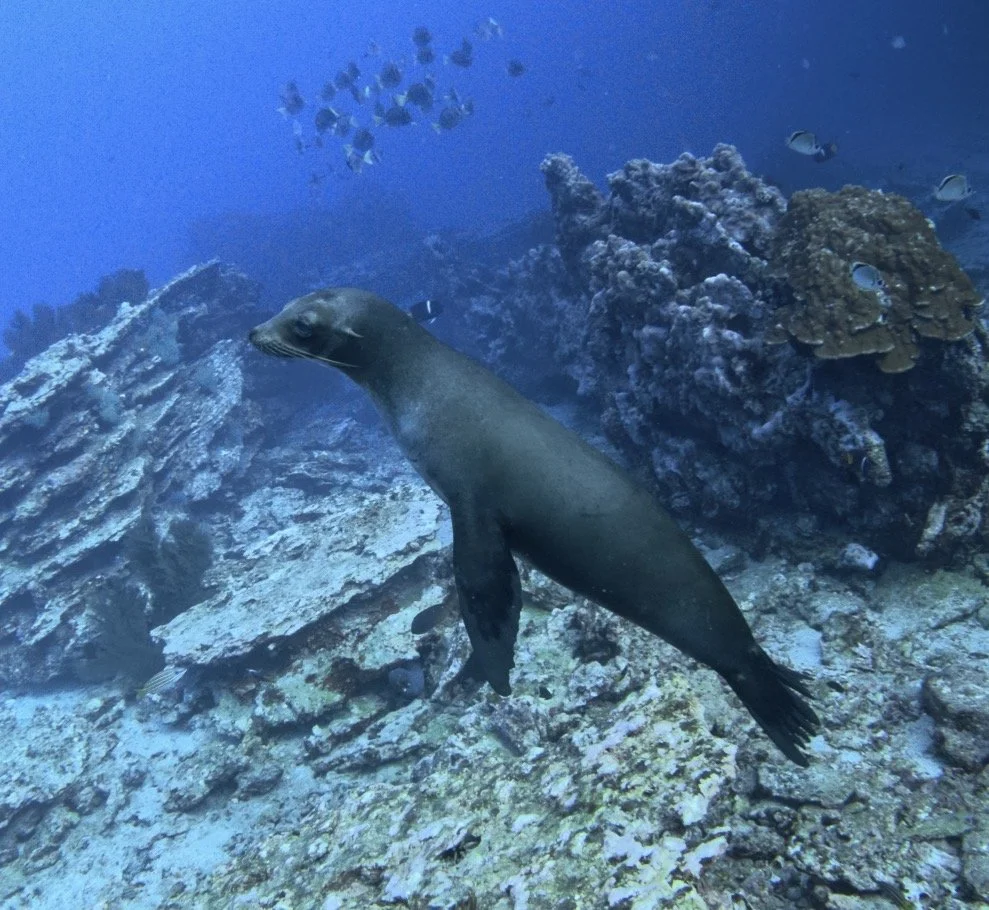
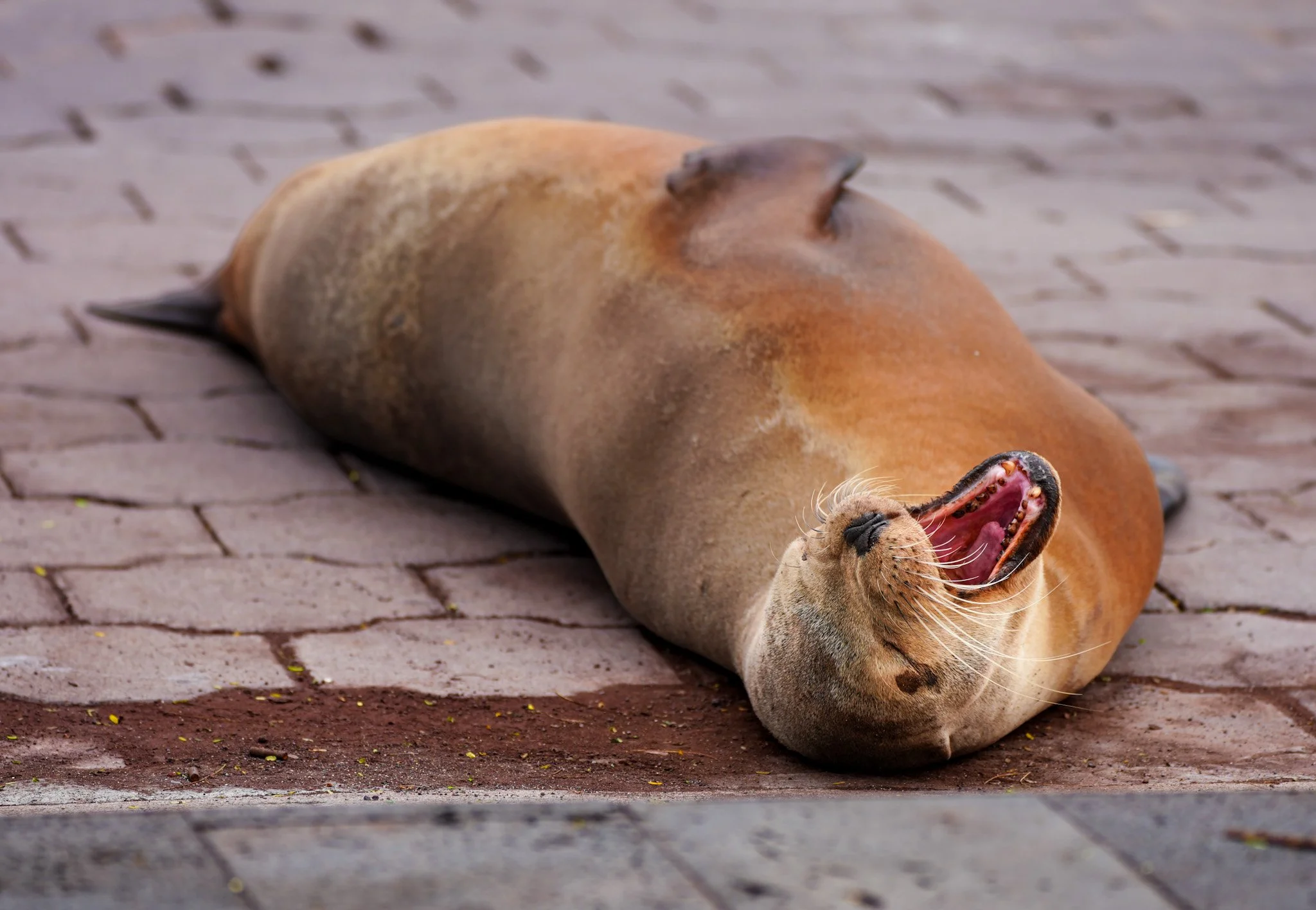
I came to the Galápagos excited about hammerheads, but the sea lions made a very strong case for being my favorite animals of the trip. We encountered them throughout the expedition, including one particularly playful pup around Isabela that I could have happily spent an entire dive watching. These curious animals twist, turn, and dart around divers with remarkable agility, making our attempts to keep up look rather pathetic.
The Galápagos sea lion (Zalophus wollebaeki) is endemic to the archipelago and is currently classified as Endangered. While their playful personalities make them a favorite among visitors, their survival depends heavily on healthy fish populations. During El Niño events, warmer water can reduce food availability, making life particularly difficult for nursing mothers and their pups. Watching these animals play was one of the highlights of our trip, but knowing the challenges they face made those encounters even more meaningful.
Galápagos Fur Seals: The Shy Cousins
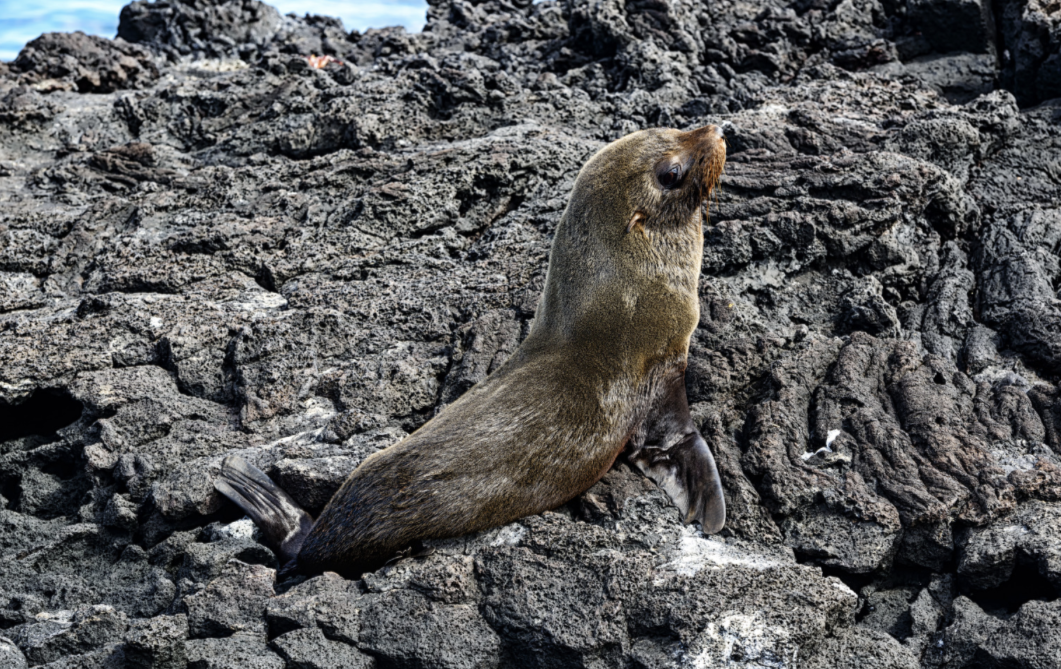
Despite their name, Galápagos fur seals (Arctocephalus galapagoensis) are closely related to sea lions. They're among the smallest fur seals in the world and can be distinguished by their shorter snouts, large eyes, and exceptionally thick coats. Unlike sea lions, which seem perfectly content sleeping wherever they please, fur seals prefer shaded lava crevices and rocky shorelines.
They're also primarily nocturnal hunters, feeding on fish and squid after dark. Their presence near the equator is unusual for fur seals, but the cold, nutrient-rich waters surrounding the Galápagos provide suitable habitat. Like their sea lion relatives, they're classified as Endangered and are particularly vulnerable to the reduced food supplies associated with El Niño.
Giant Tortoises: The Animals That Named the Islands
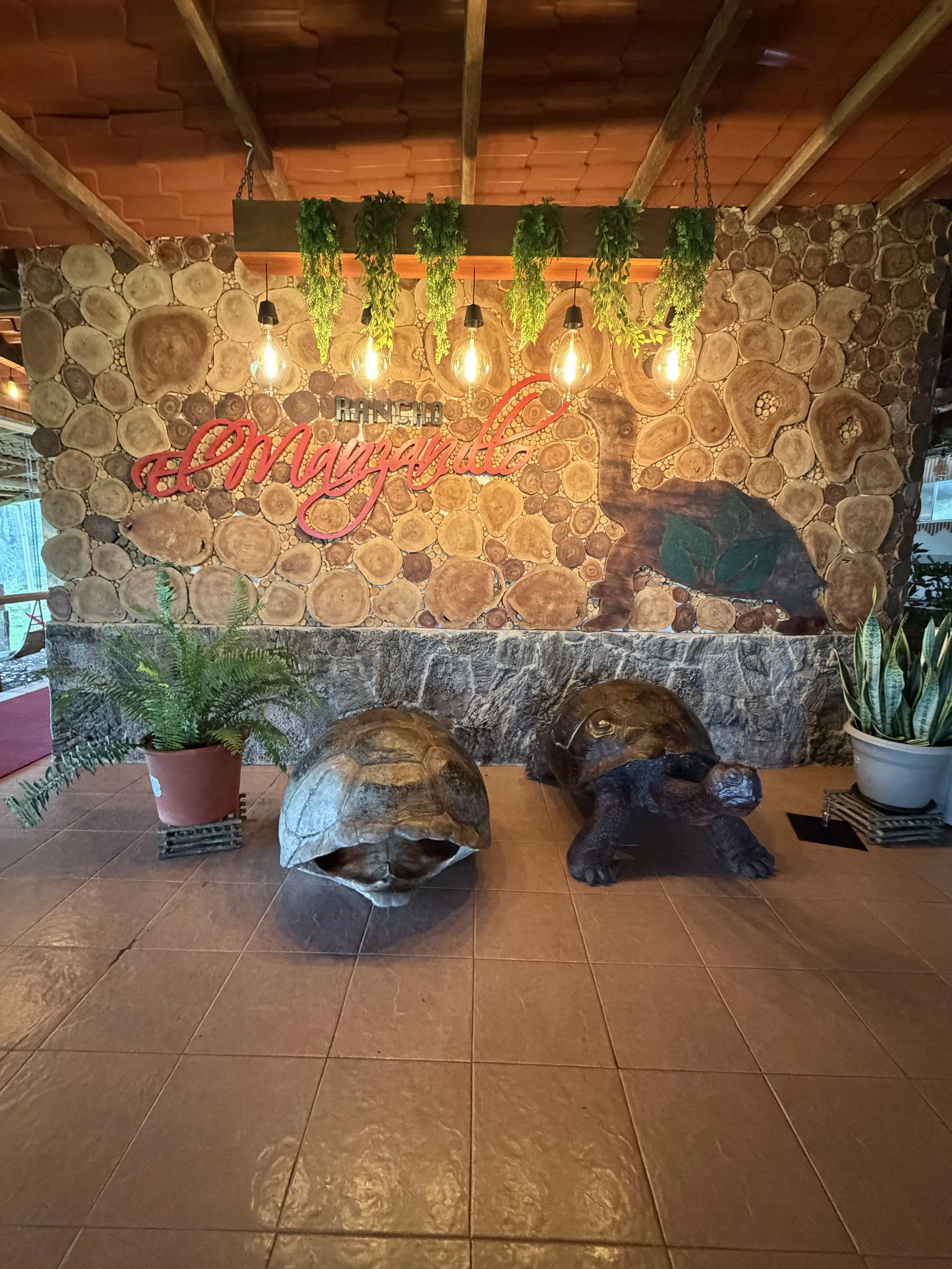
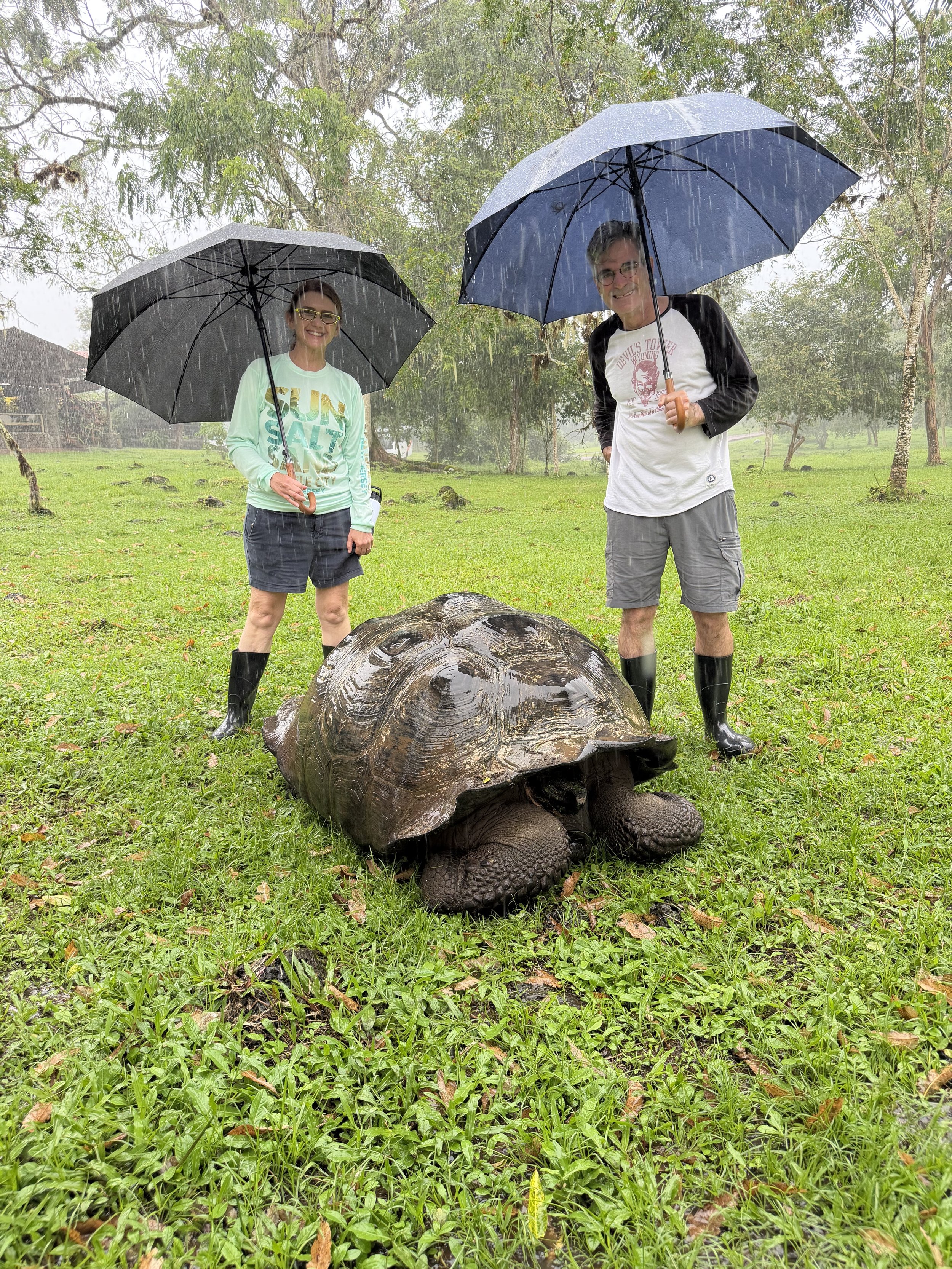
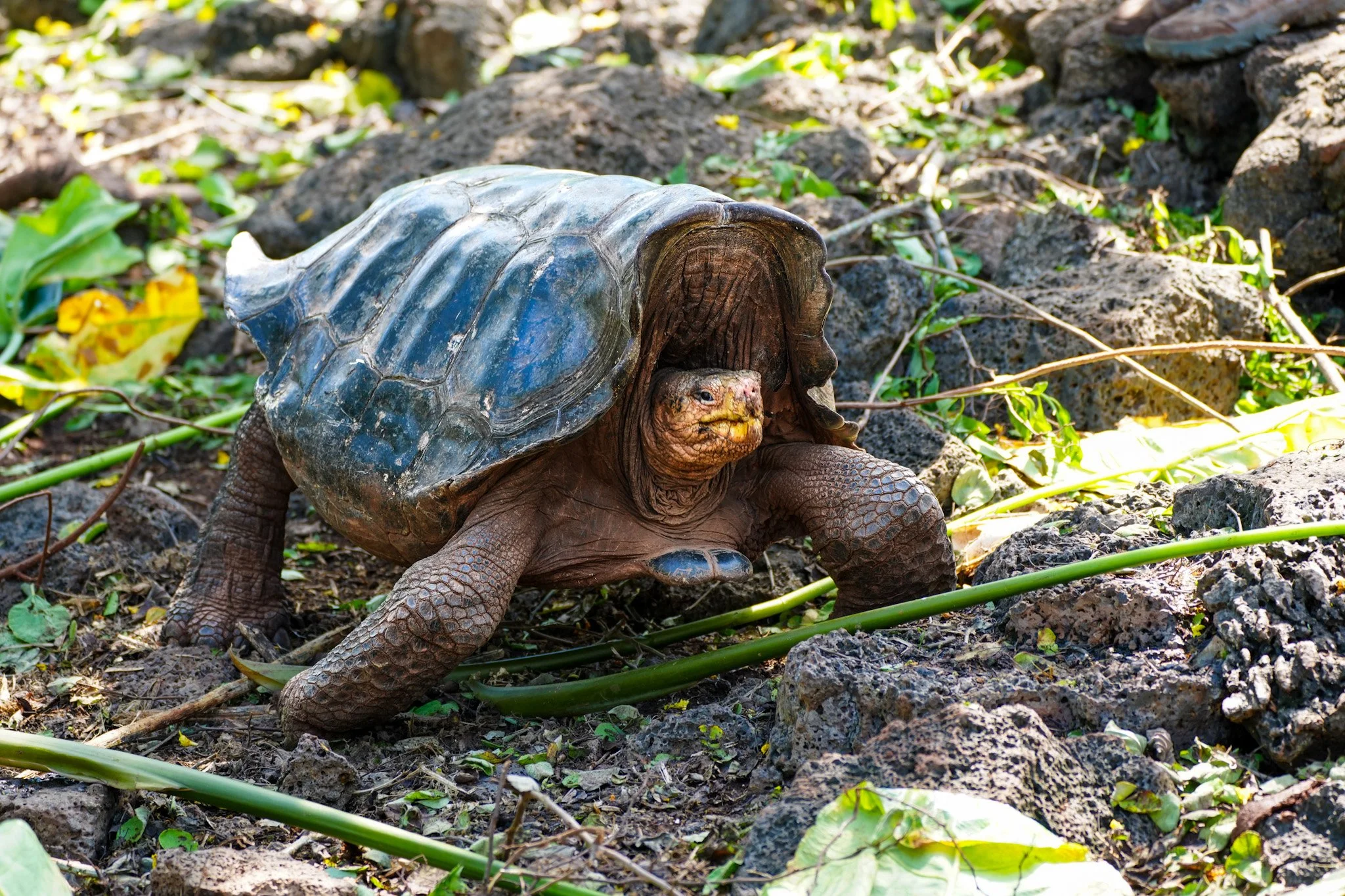
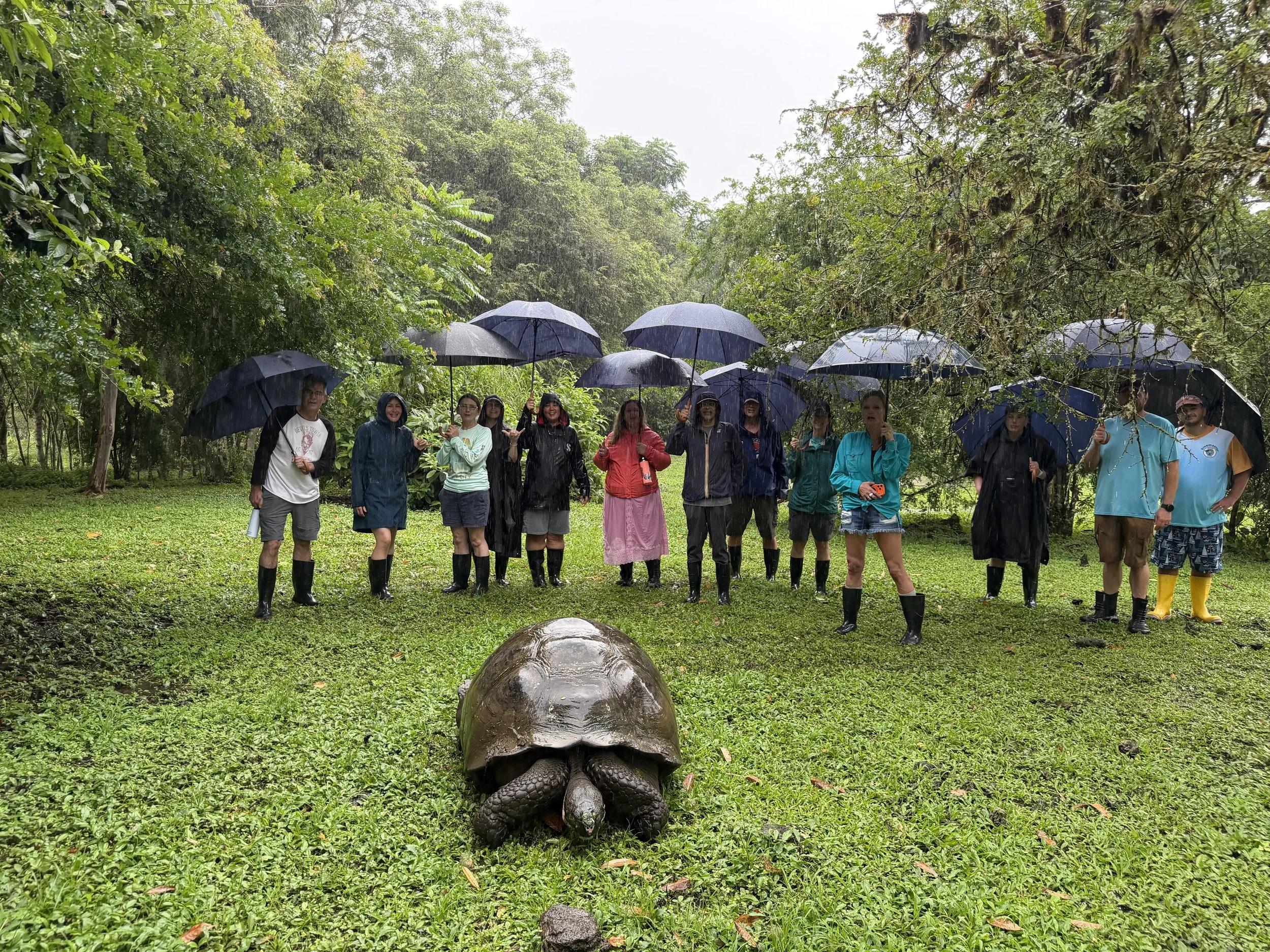
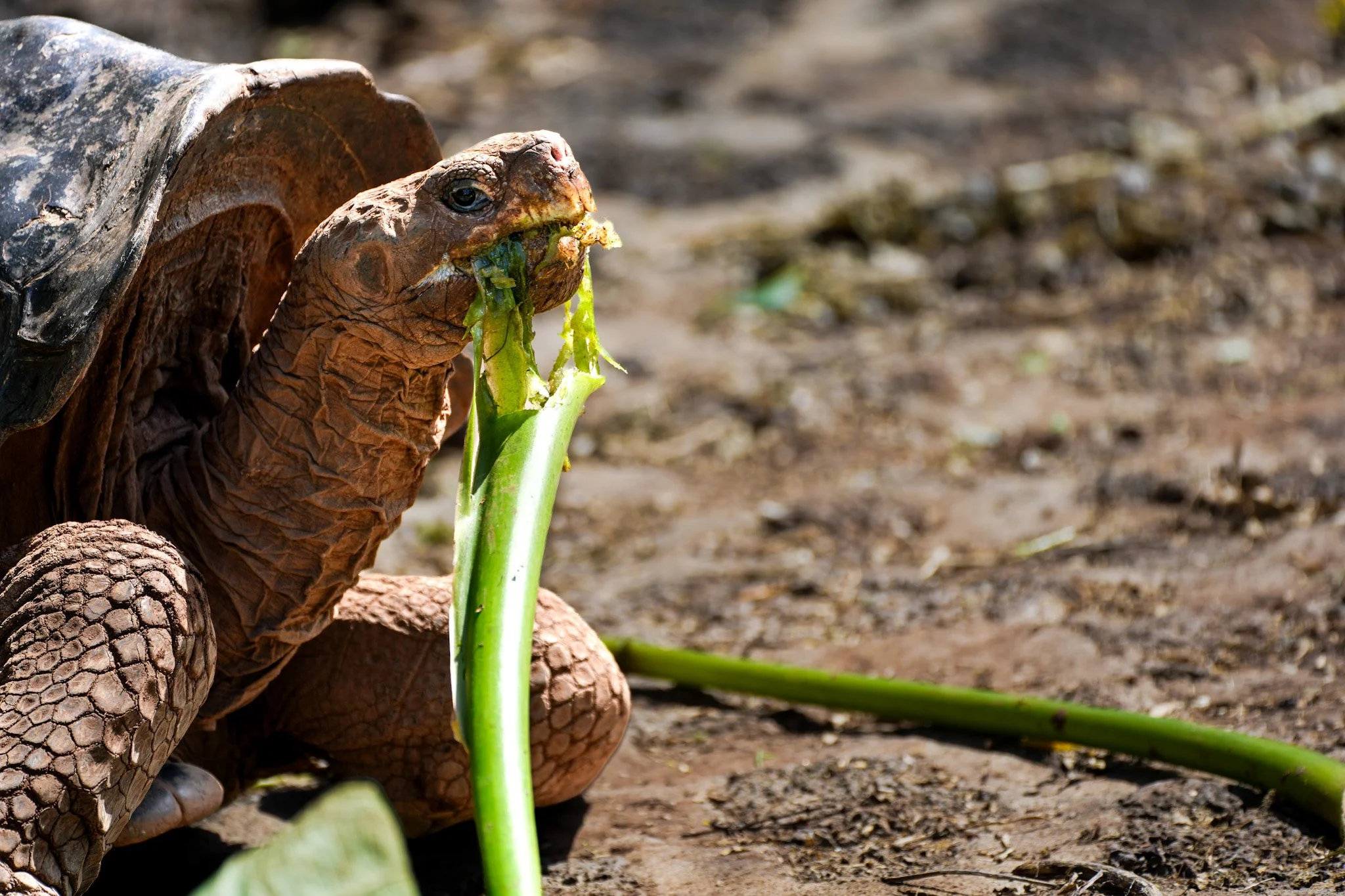
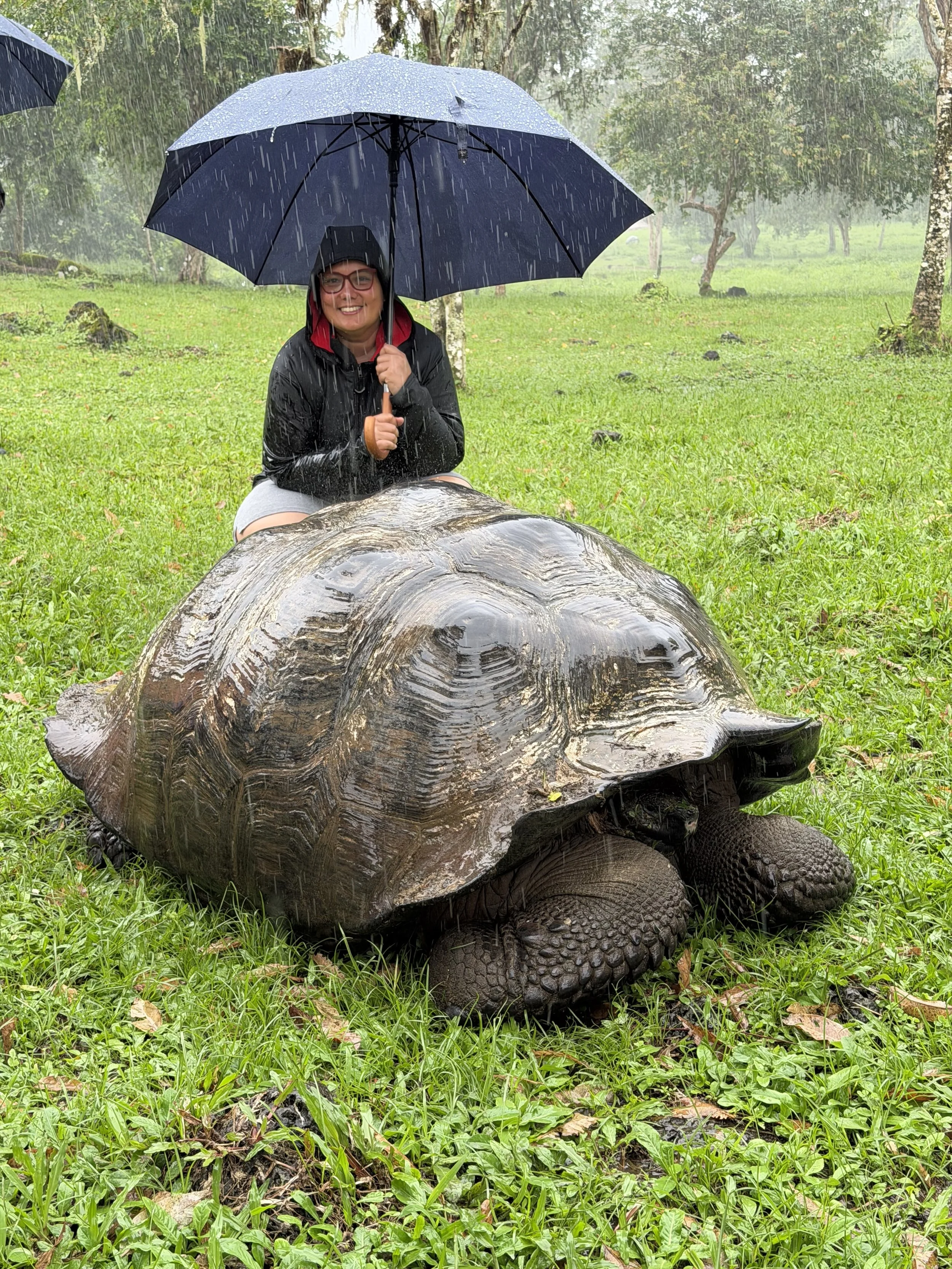
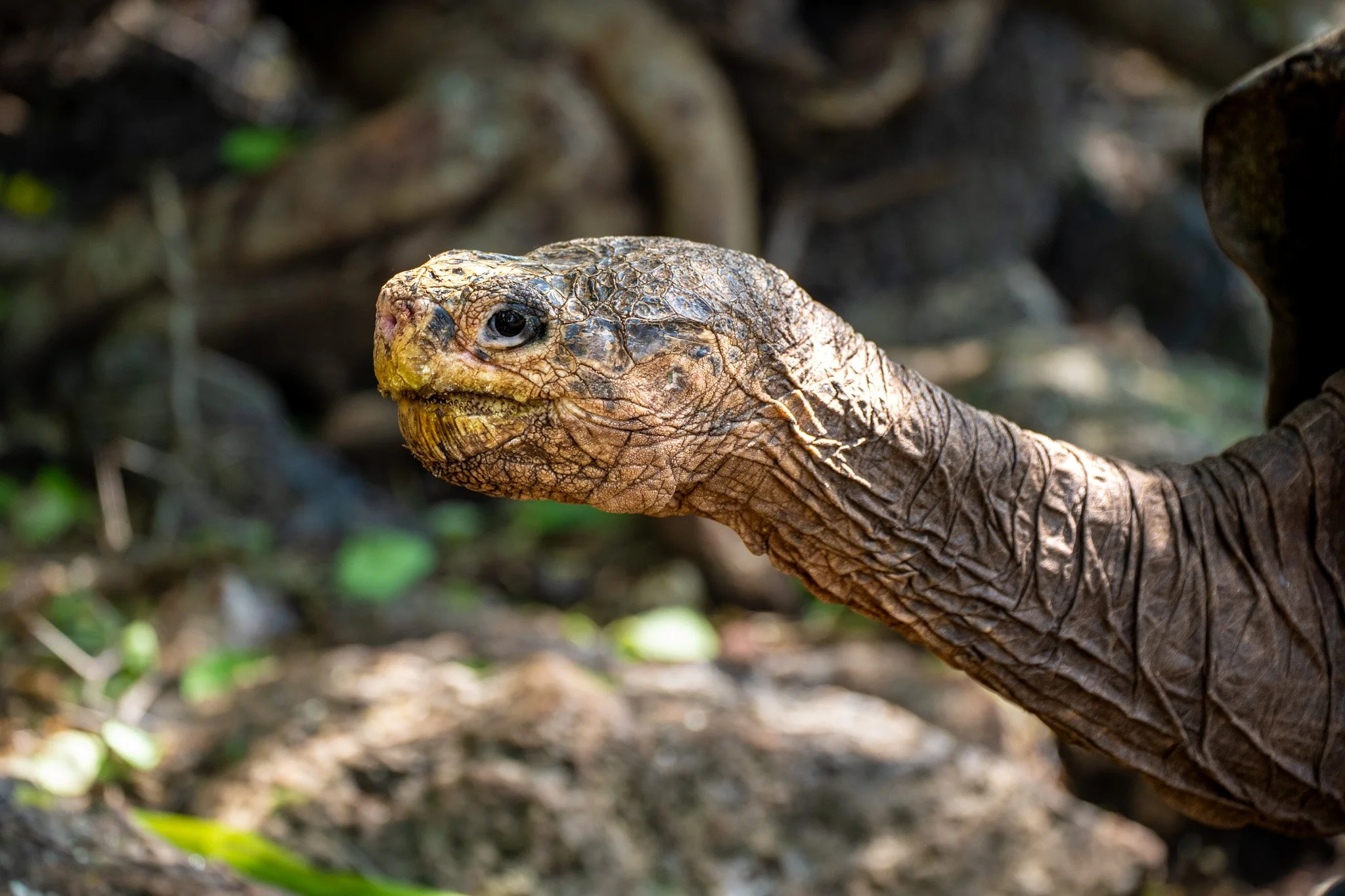
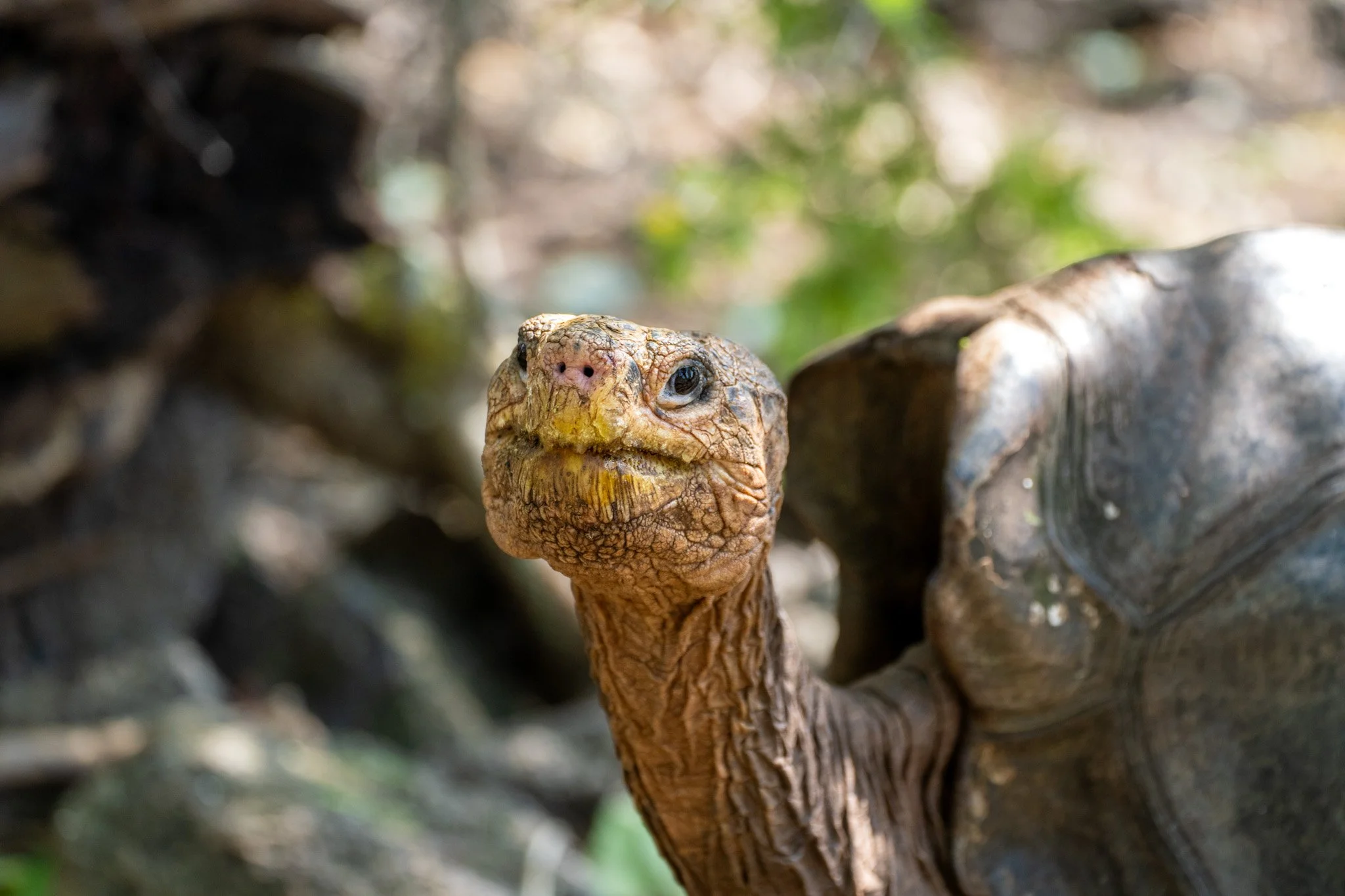
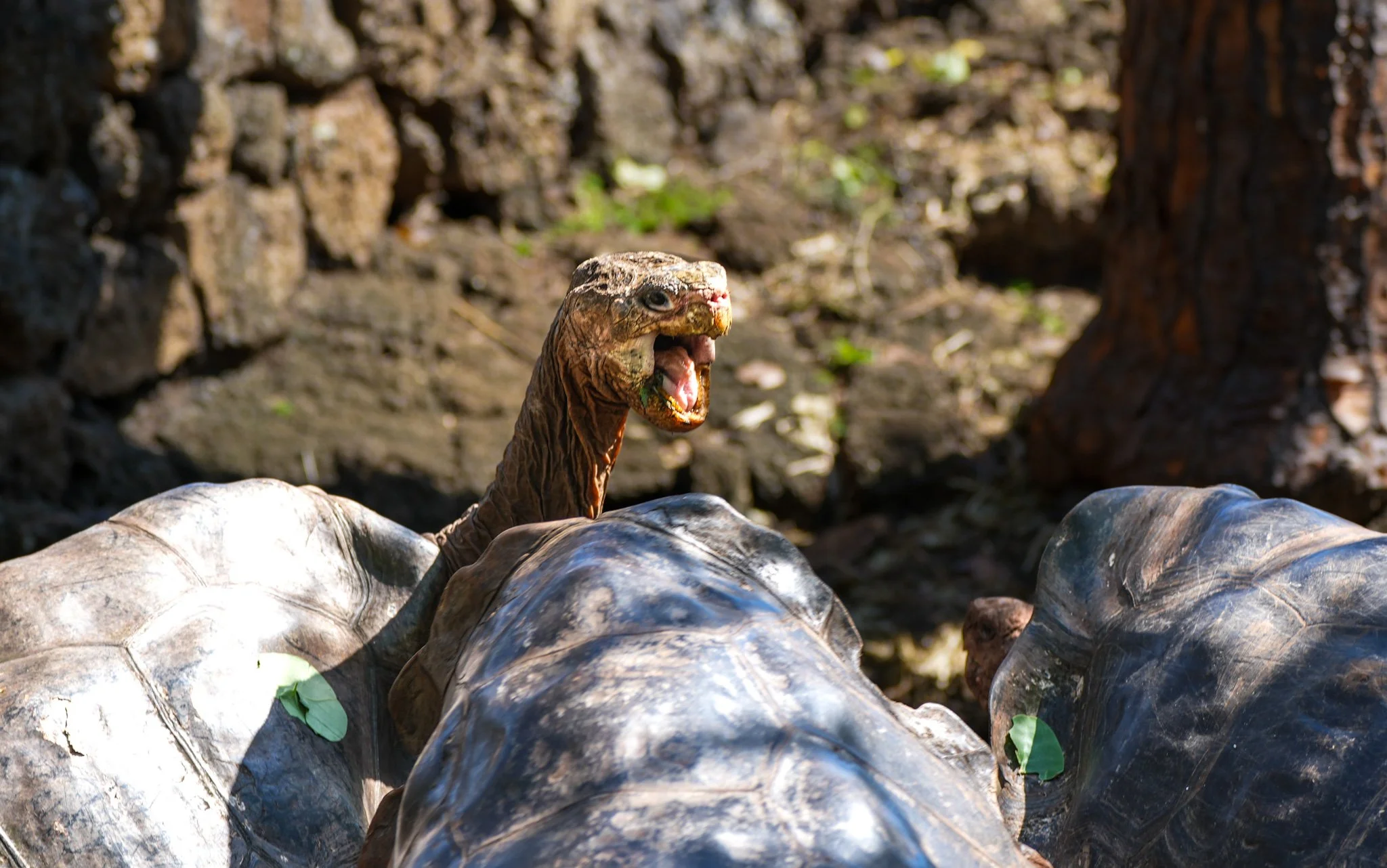
The Galápagos giant tortoises are among the largest living tortoises in the world, with some weighing more than 500 pounds and living well beyond 100 years. Scientists recognize 15 species of Galápagos giant tortoise, 12 of which survive today. Different islands developed distinct populations, with shell shapes and neck lengths reflecting the vegetation and conditions of their habitats.
These enormous reptiles are also important ecosystem engineers. As they move across the islands, they graze on vegetation, disperse seeds, and help shape the landscape. Unfortunately, centuries of hunting and the introduction of invasive species devastated their populations, driving several species to extinction.
One of the most important places to learn about their recovery is the Charles Darwin Research Station in Puerto Ayora on Santa Cruz Island. Established in 1959, the station supports scientific research and conservation throughout the archipelago. The nearby Fausto Llerena Tortoise Center, managed by the Galápagos National Park Directorate, plays an important role in tortoise conservation and education.
The center also houses the preserved remains of Lonesome George, the last known Pinta Island giant tortoise, who died in 2012. His story is a sobering reminder of how easily a species can disappear. Fortunately, conservation efforts have also produced remarkable successes, including the recovery of the Española tortoise population from just 15 known individuals and the return of 158 young tortoises with Floreana ancestry to Floreana Island in February 2026, after more than 180 years without giant tortoises.
The Boobies: Three Species, Three Very Different Personalities
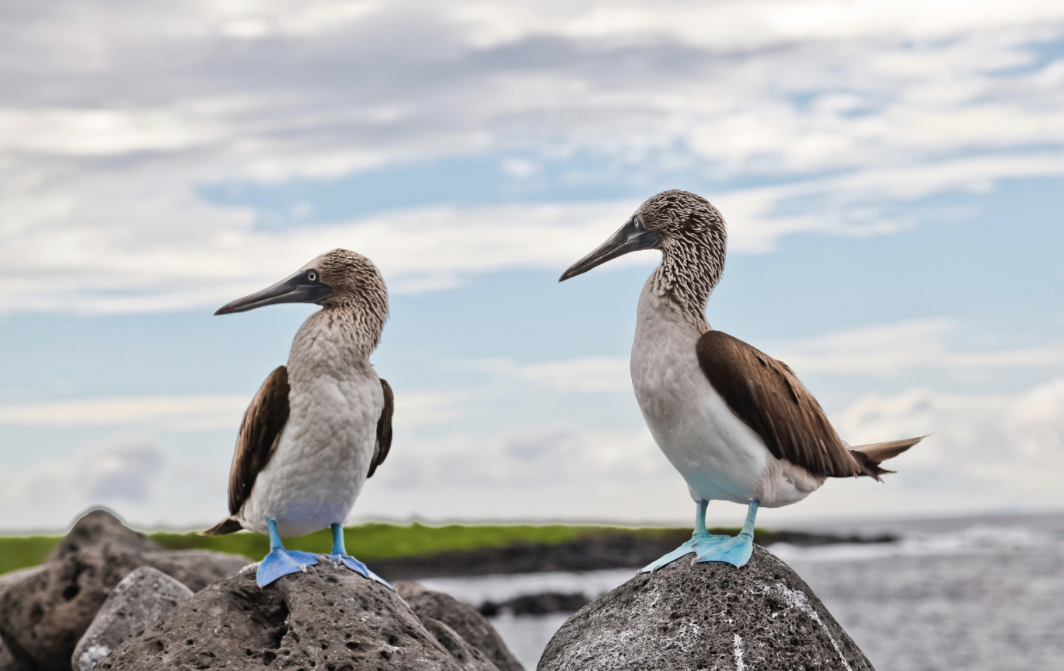
The Galápagos is home to three species of boobies: blue-footed, red-footed, and Nazca. Their name comes from the Spanish word bobo, meaning foolish or clown-like, supposedly inspired by their awkward movements on land. Considering how skilled they are at hunting, I think they deserve a little more credit!
Blue-footed boobies (Sula nebouxii) are probably the most famous, thanks to their brilliant blue feet and hilarious courtship dances. Males perform an exaggerated high-stepping walk to show off their feet, with brighter coloration generally signaling better condition. They're also spectacular hunters, plunging into the ocean at high speeds to catch schooling fish.
Red-footed boobies (Sula sula) are the smallest of the three species and the only ones that regularly nest in trees and shrubs. Their bright red feet, colorful bills, and varying brown or white plumage make them particularly distinctive. They're excellent long-distance fliers, often traveling far offshore to hunt flying fish and squid.
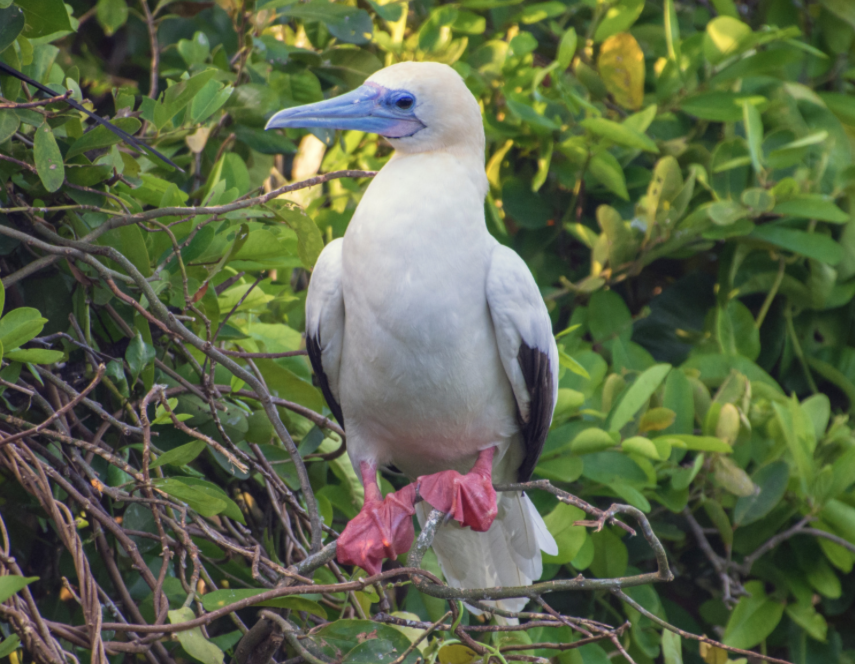
Nazca boobies (Sula granti) are the largest of the three, recognizable by their white plumage, black wing markings, and orange-yellow bills. Their reproductive behavior is particularly fascinating, although rather brutal. Females typically lay two eggs, but when both hatch, the older chick usually forces its younger sibling out of the nest. Scientists believe the second egg serves as insurance if the first fails, a reproductive strategy known as obligate siblicide.
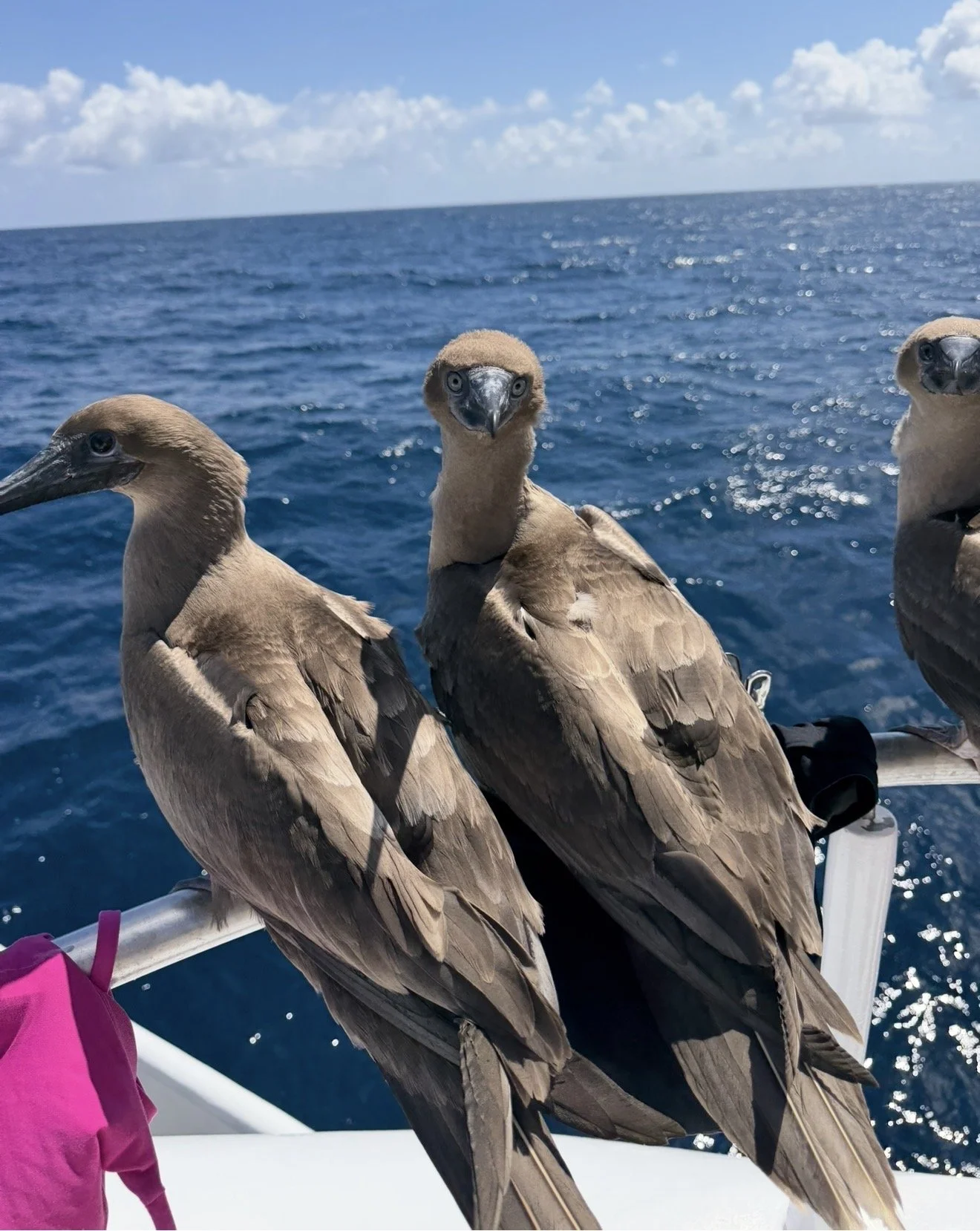
Juvenile Nazca Boobies
A Fragile Balance
One of the most striking things about our expedition was the unusually warm water. Around Fernandina, where temperatures can fall to approximately 57°F, we experienced 78°F. While that was considerably more comfortable for us as divers, the implications for the wildlife were concerning.
The Galápagos depends on cold, nutrient-rich currents to support its extraordinary marine ecosystems. El Niño can disrupt that productivity, reducing food supplies for sea lions, fur seals, seabirds, and marine iguanas. We were disappointed not to see the marine iguanas feeding underwater, especially knowing how vulnerable they are when their algae food sources decline.
The Galápagos is a remarkable example of evolution, but it's also a reminder of how interconnected and vulnerable ecosystems can be. The recovery of several giant tortoise populations shows what dedicated conservation can accomplish, while the challenges facing marine wildlife demonstrate why protecting these islands remains so important.
I left with incredible memories of hammerheads, sea turtles, and eagle rays, but those ridiculous sea lions might have stolen the entire trip. I'm certainly not complaining.
Dive, Eat, Sleep, Repeat... With a Few Shenanigans
Life Between the Dives
One of my favorite things about group dive travel is everything that happens between the actual dives. The ocean brings everyone together, but the conversations, laughter, running jokes, and unexpected moments are what turn an expedition into a collection of shared memories.
A liveaboard provides plenty of opportunities for those moments. Days revolve around briefings, diving, meals, and surface intervals, with time between dives to review photographs, recharge equipment, and relax on deck. Underwater photographers have an impressive ability to turn a brief wildlife encounter into a lengthy discussion about camera settings, lighting, and the one photograph they wish they'd captured.
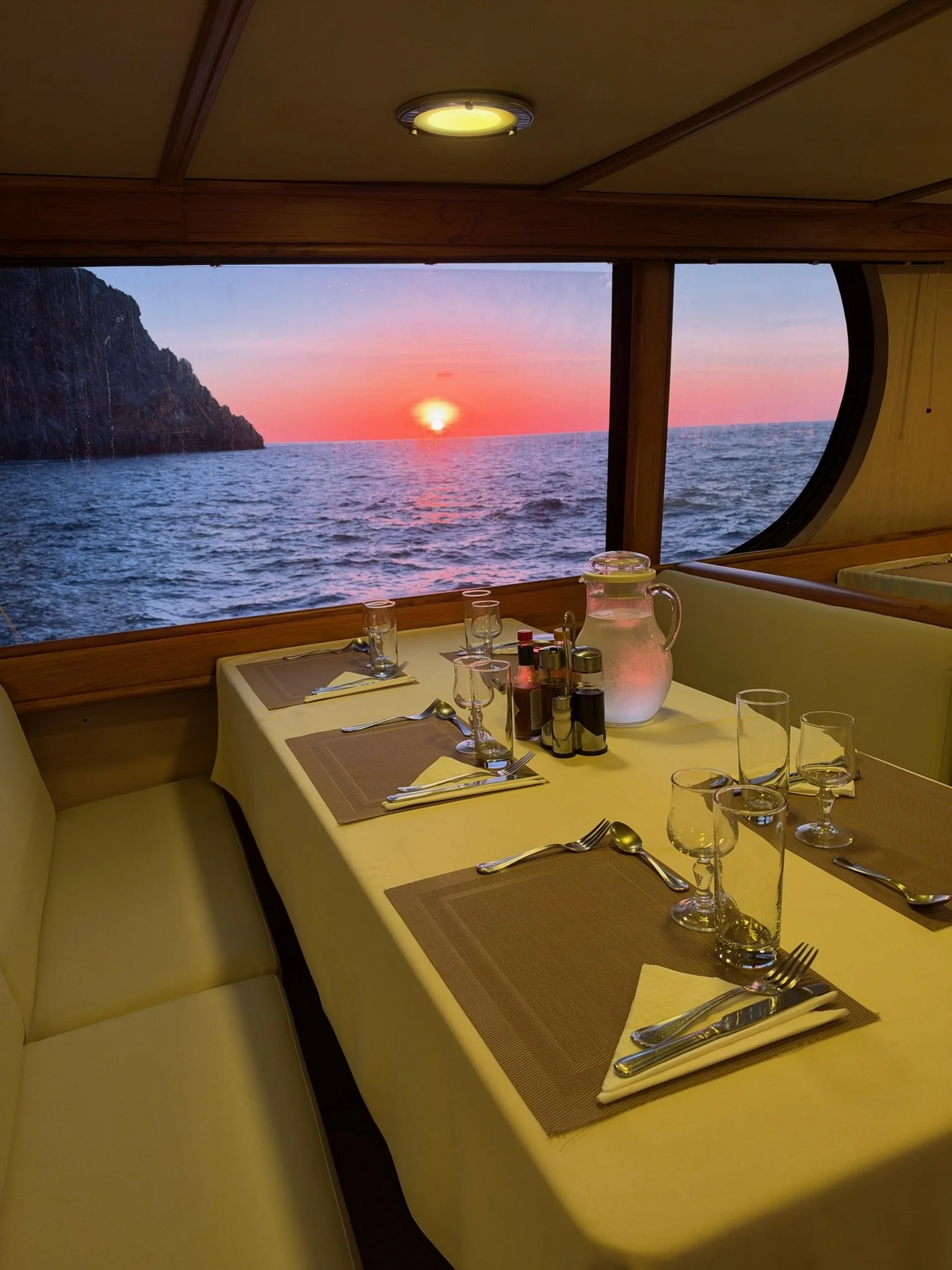
The dining room becomes an important gathering place, particularly after several dives in cooler water. There's something especially satisfying about sitting down to a freshly prepared meal and hearing everyone describe their version of the same dive. A shark sighting that lasted only a few seconds underwater can easily occupy a substantial portion of dinner conversation.
Theme Nights and a Little Seaira Dives Personality
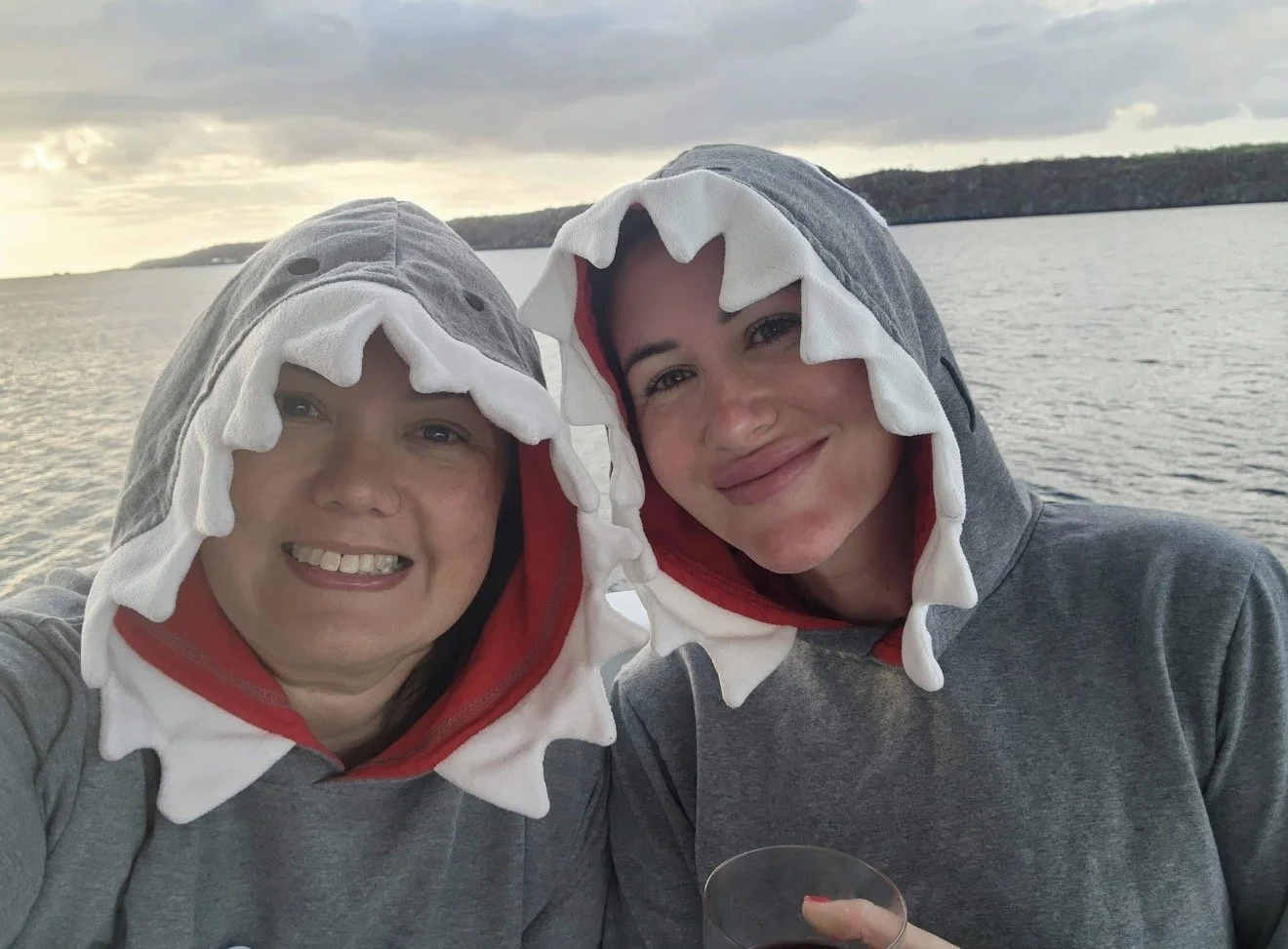
We also brought some Seaira Dives personality aboard with a collection of informal theme nights. Shark Night, Ocean PJ Night, Reef Life Night, Après-Dive Loungewear, and Blue on Blue gave everyone an opportunity to have a little fun after the day's diving.
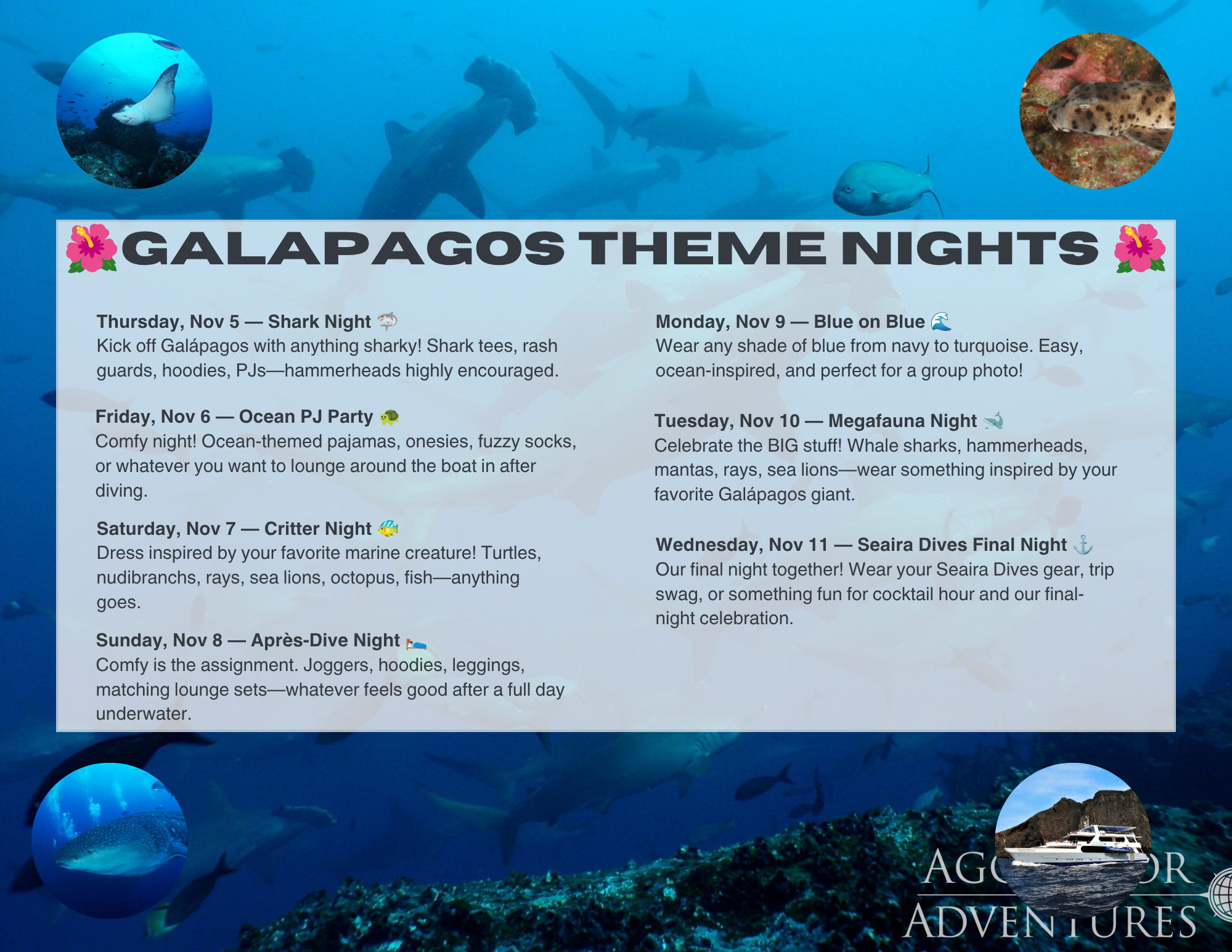
The themes were deliberately casual. Nobody needed to arrive with an elaborate costume, although creativity was certainly encouraged. After spending the day discussing currents, equipment, and challenging dive conditions, I appreciate having an excuse to relax and enjoy a few laughs with friends.
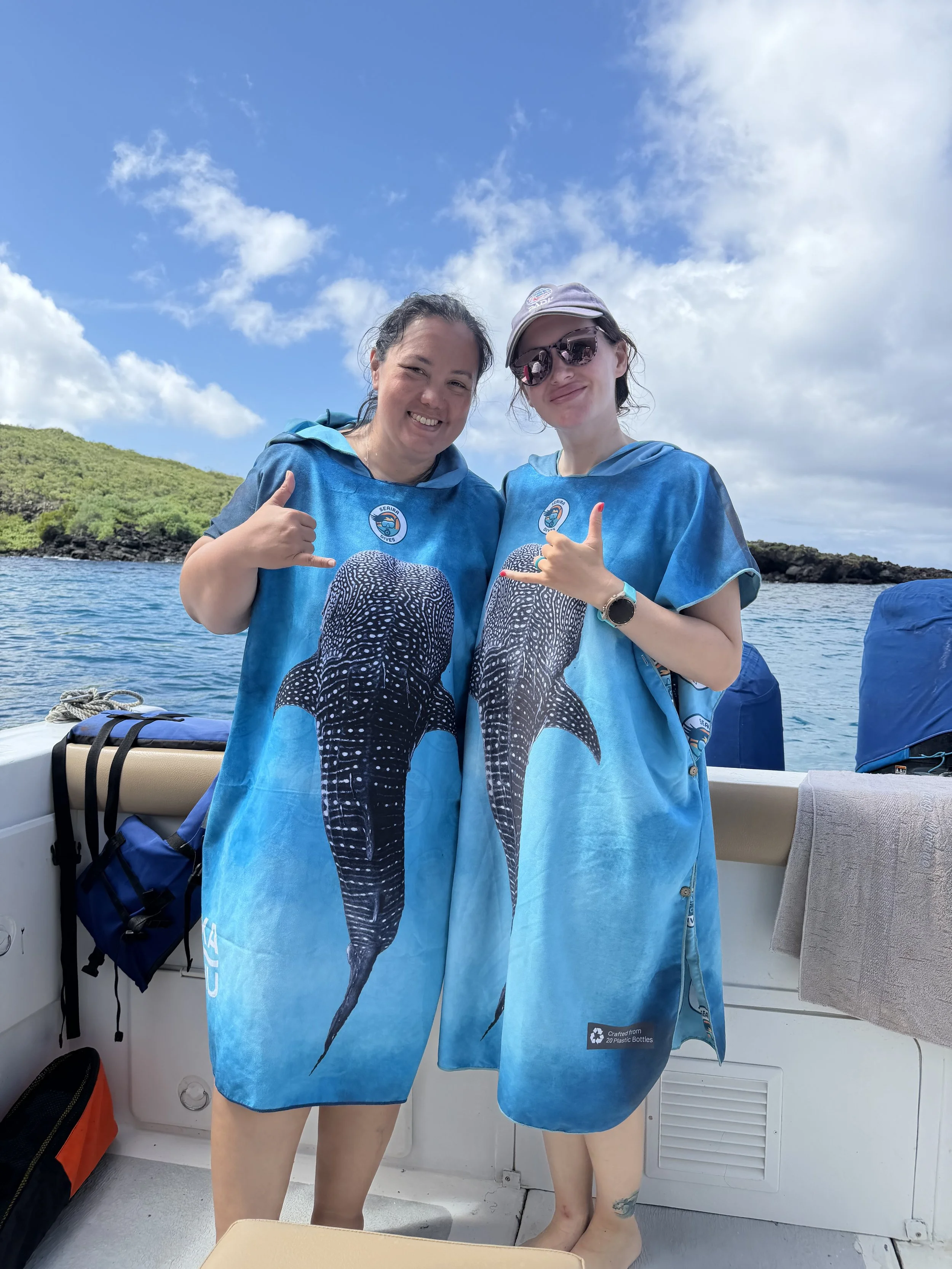
Custom KAHU whale shark poncho towels added another distinctive touch to the expedition. They were particularly appropriate for a destination associated with whale sharks and considerably cooler water than many of our previous trips.
I've always enjoyed combining serious diving with a sense of humor. Our adventures involve plenty of preparation, education, and respect for the marine environment, but there's also room for silly outfits, group photographs, and whatever running jokes develop along the way.
Birthdays, Big Milestones, and an Equator Crossing
One Hundred Dives and a Full-Circle Moment
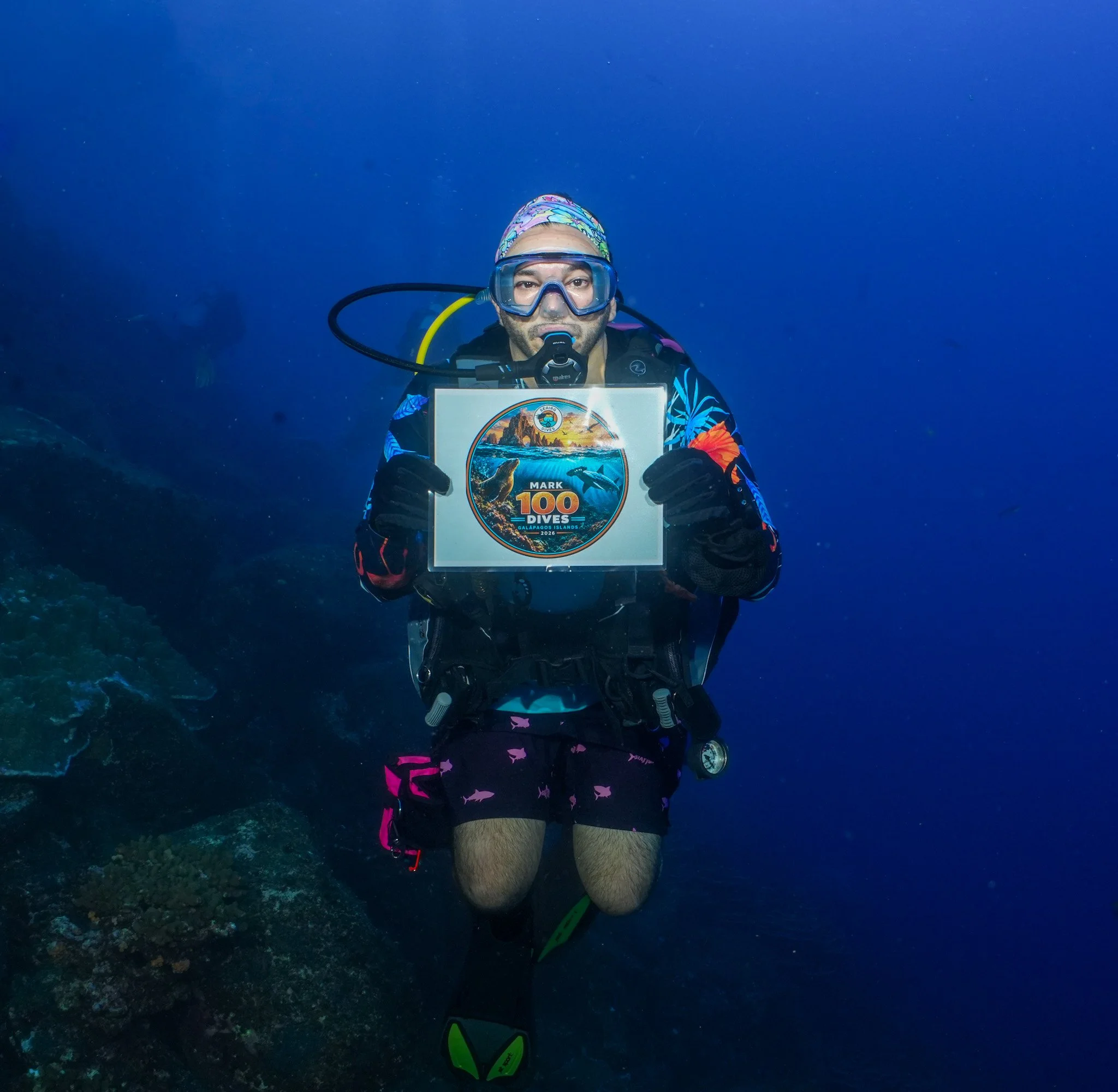
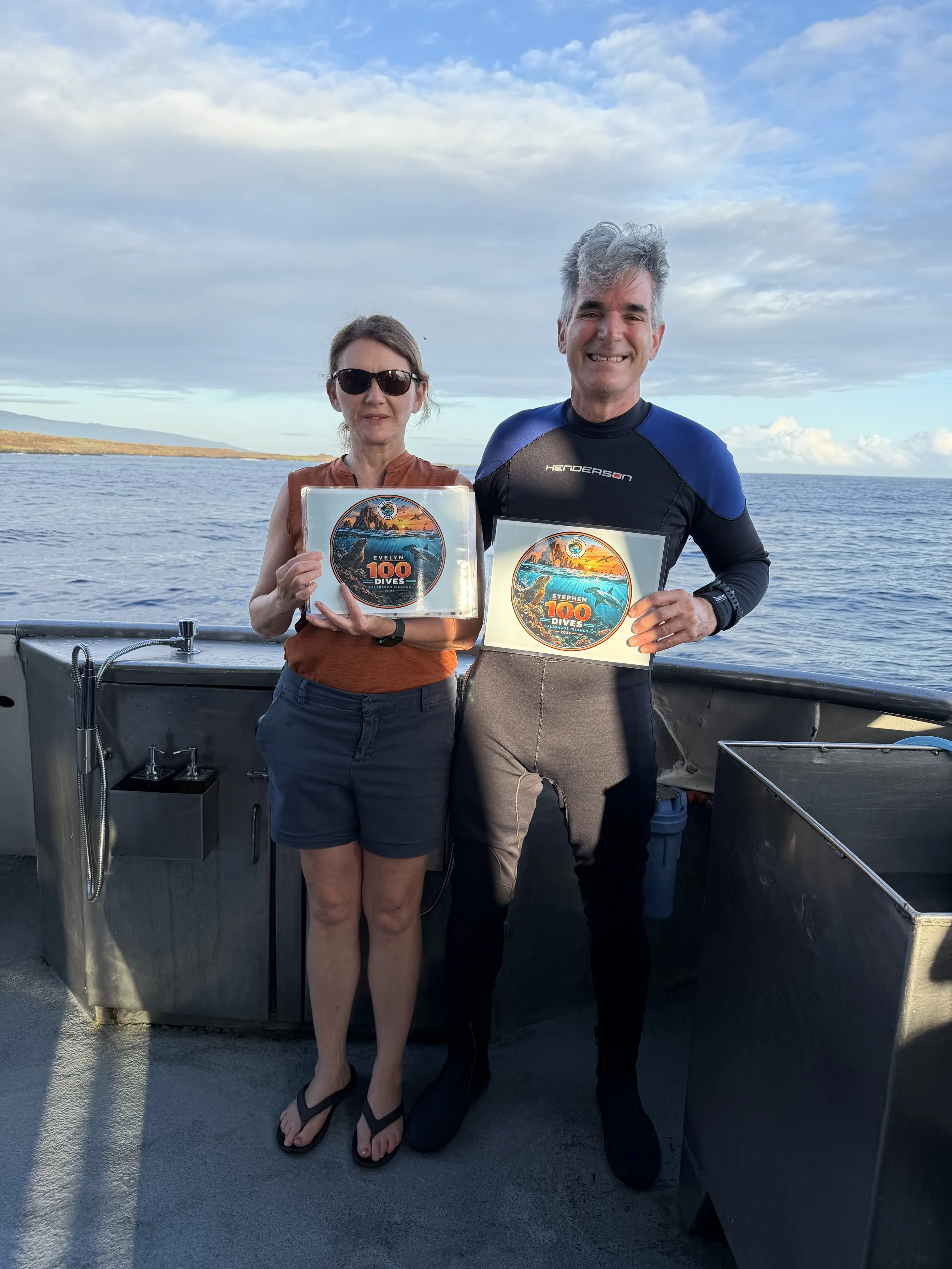
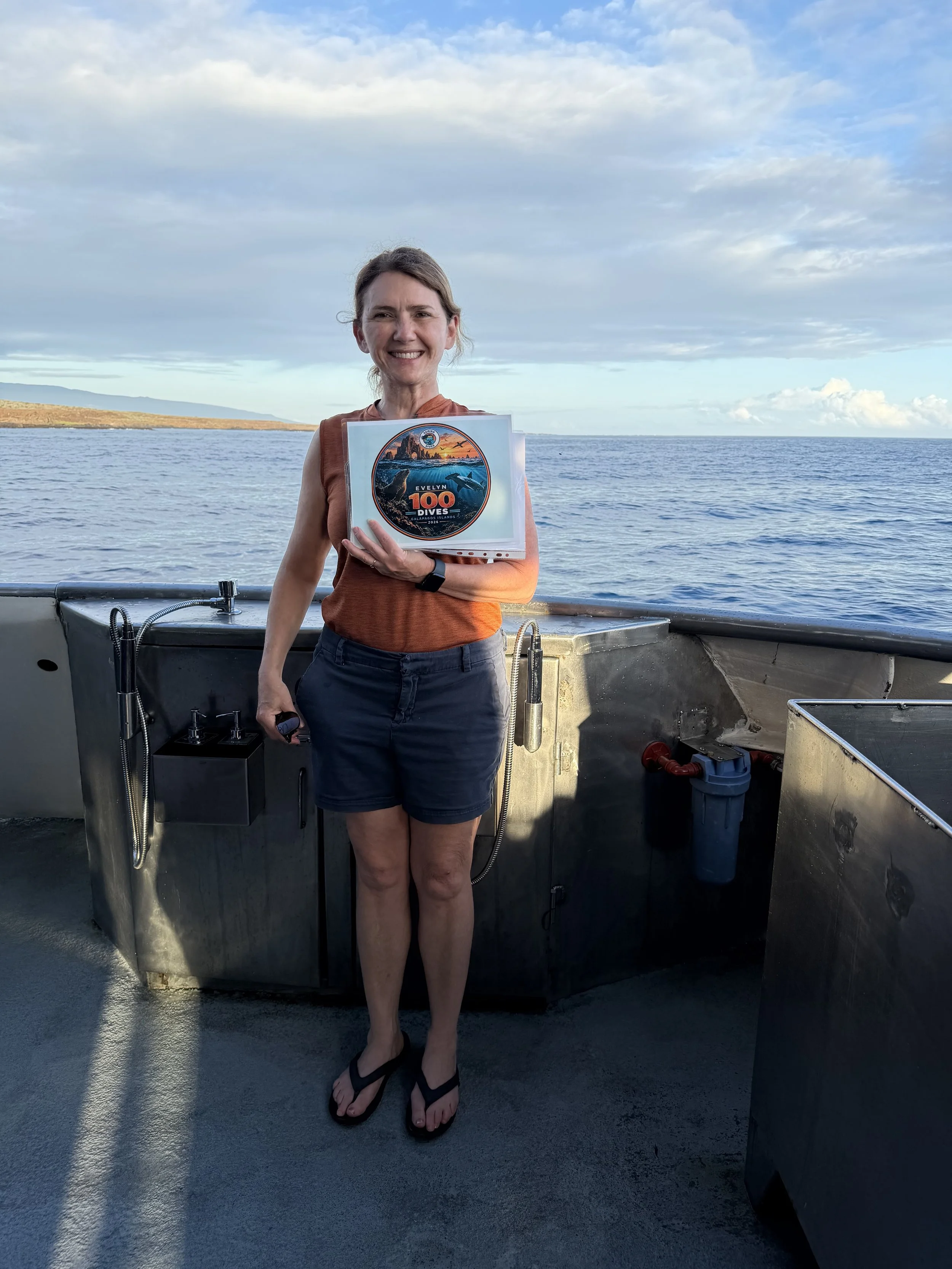
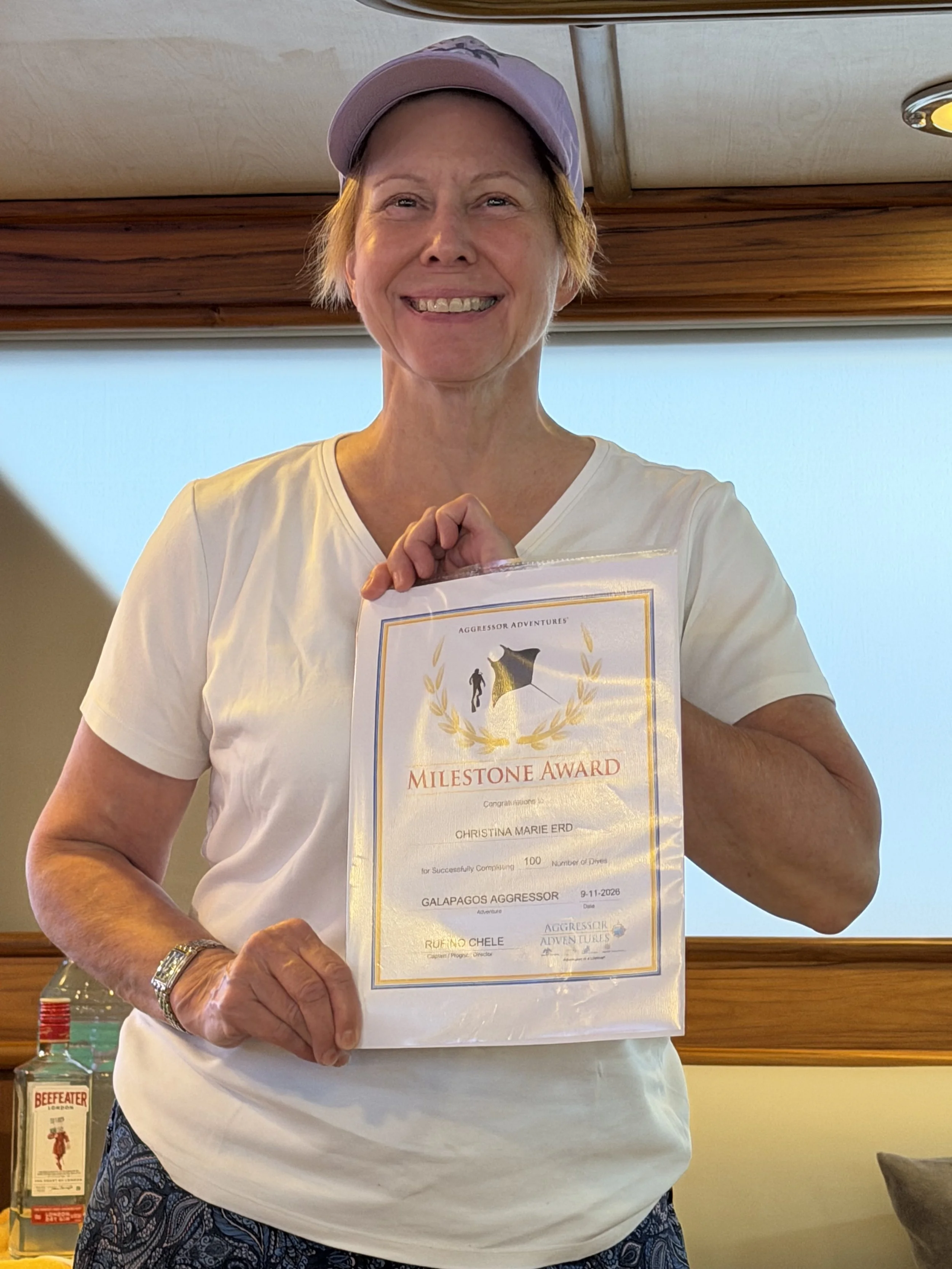
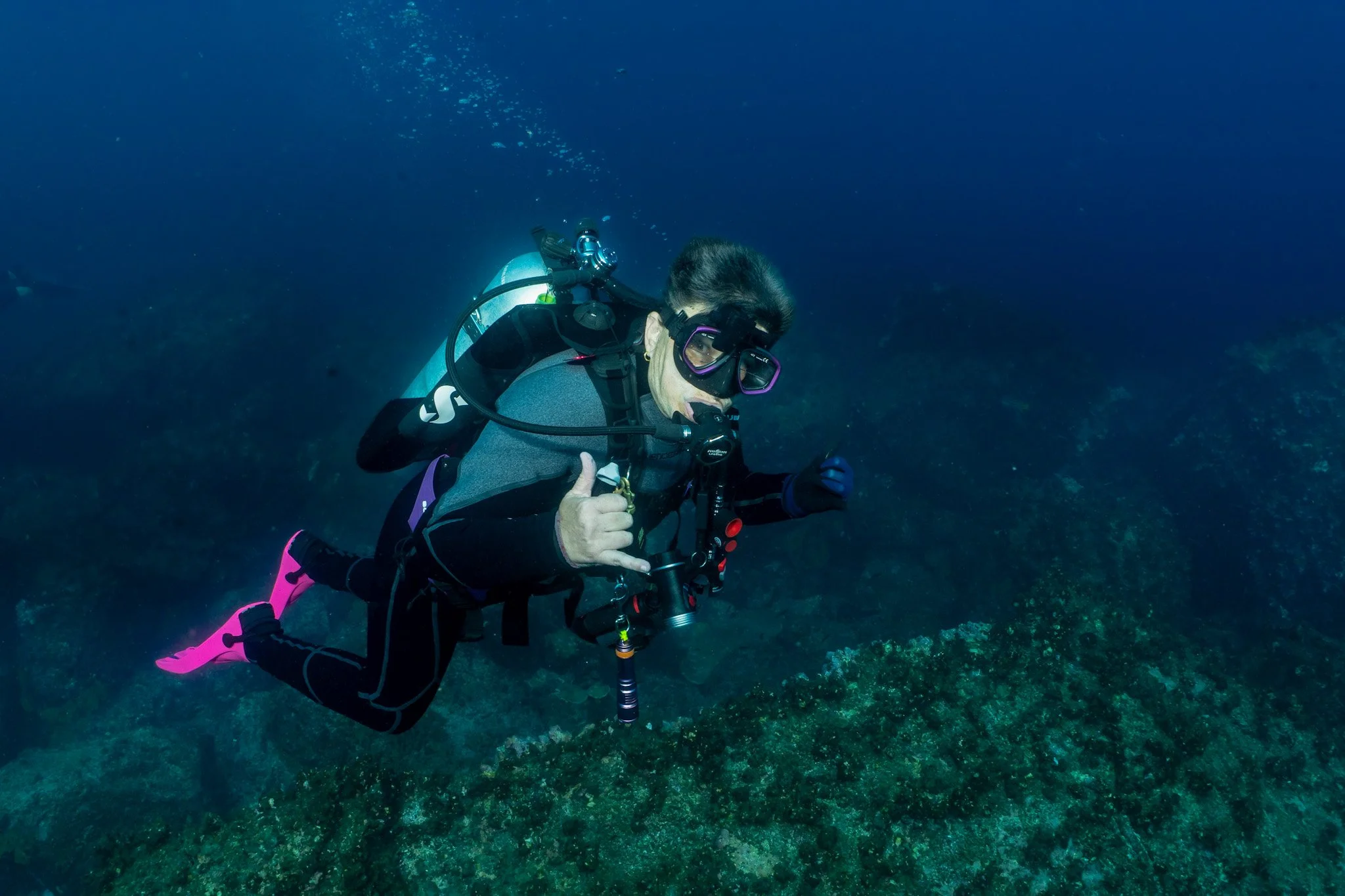
Celebrating your 100th dive is a pretty incredible milestone, but reaching triple digits in the Galápagos Islands takes that accomplishment to a whole new level! Judy, Chris, Evelyn, Stephen, and Mark all hit their 100th dives during our adventure, and I couldn't imagine a more spectacular place to celebrate. The Galápagos is one of the most extraordinary diving destinations on the planet, with its incredible marine biodiversity, powerful currents, and unforgettable encounters with some of the ocean's most iconic animals. Reaching 100 dives here is certainly something worth celebrating!
Every dive represents another adventure, another opportunity to learn, and another memory made beneath the surface. Reaching 100 dives takes time, dedication, and a genuine love for the underwater world. Watching five members of our Seaira Dives crew celebrate this milestone in a destination that so many divers dream of visiting made the trip even more special. Congratulations to Judy, Chris, Evelyn, Stephen, and Mark on this amazing achievement! Here's to the next 100 dives and all the incredible places they'll take you!
Two Hundred Dives for Elsbeth!
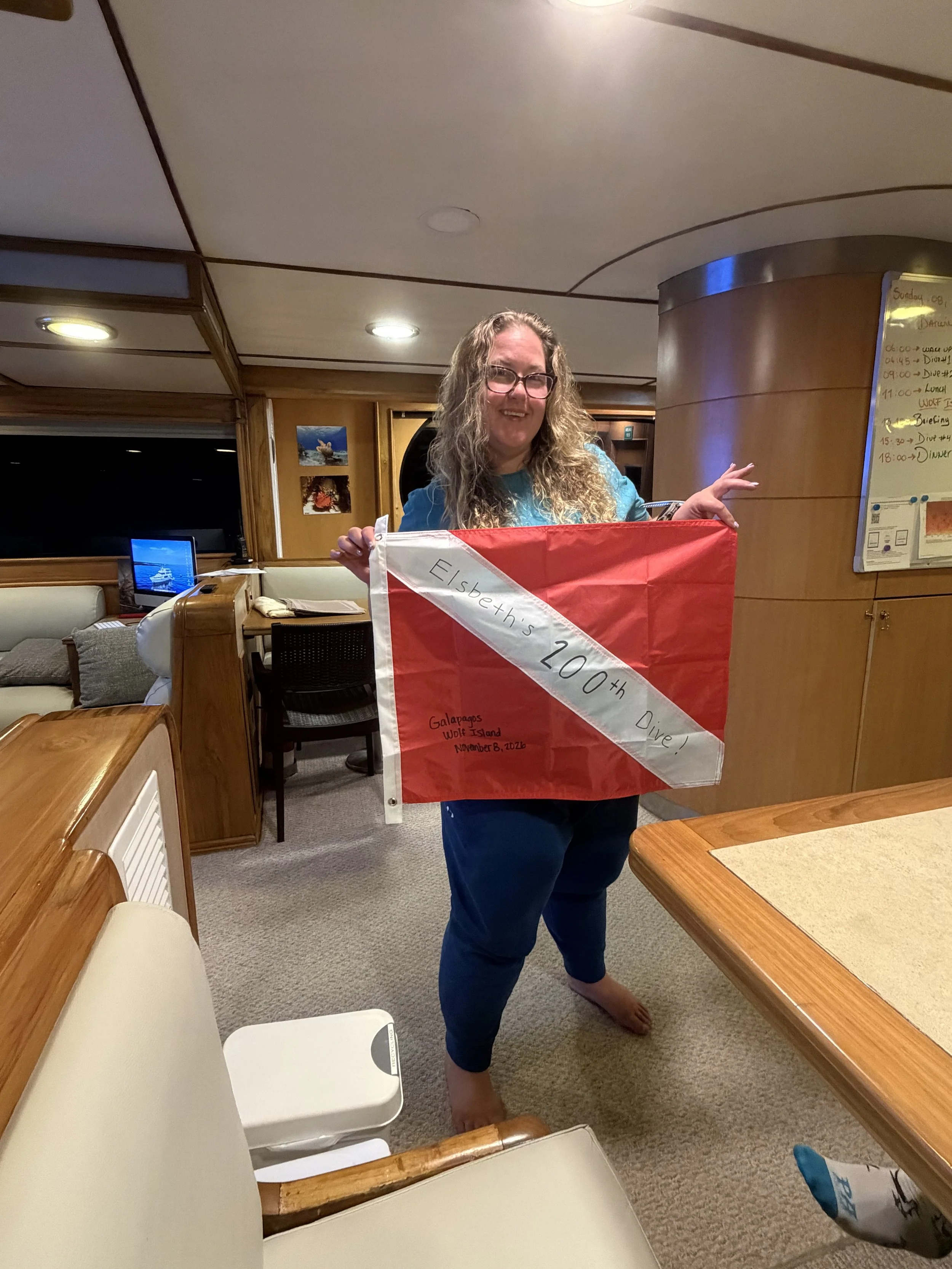
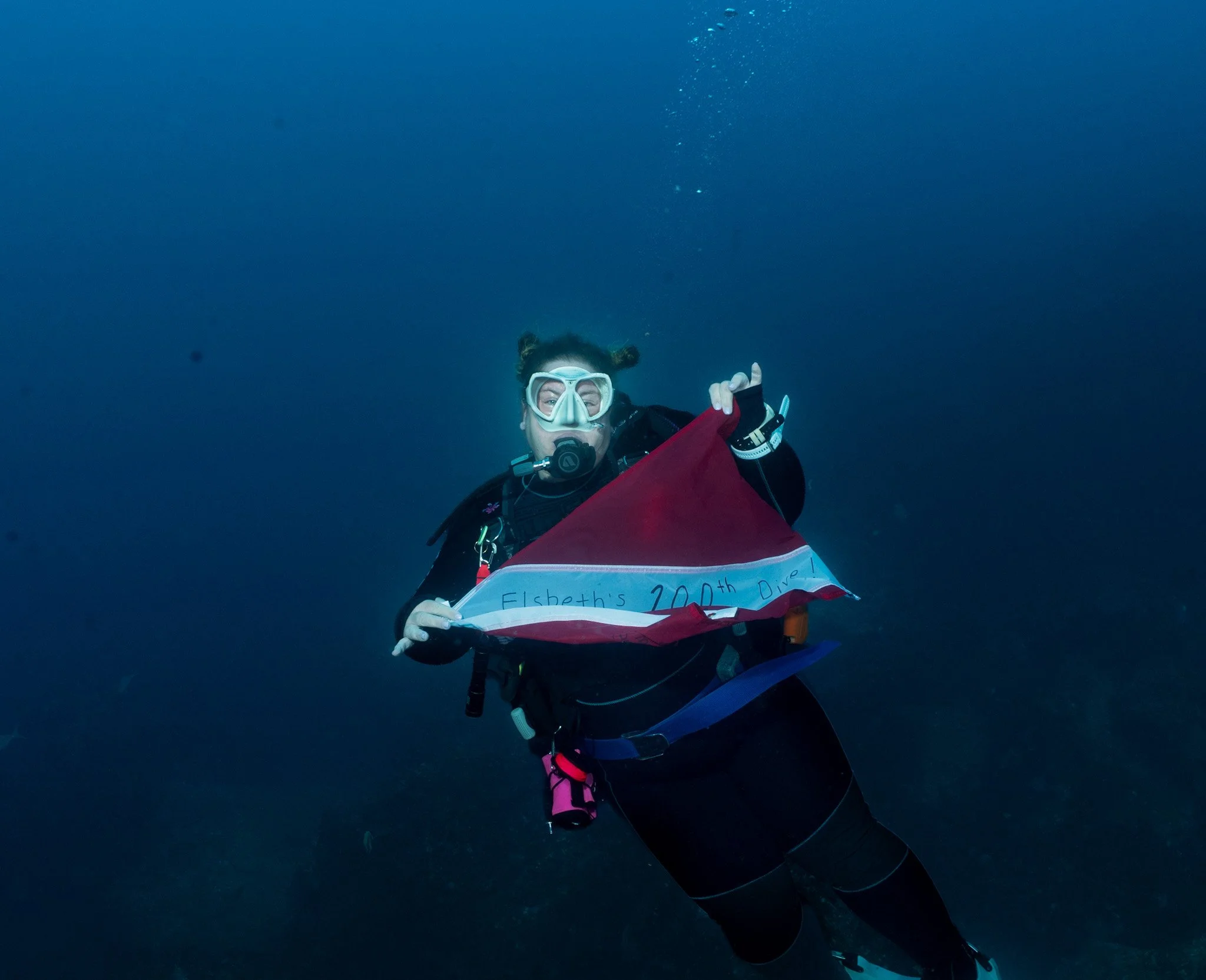
The Galápagos was an extra special adventure for Elsbeth, who celebrated her 200th dive in one of the most incredible diving destinations on the planet! Reaching 200 dives is a fantastic accomplishment, representing countless hours underwater, new experiences, and a whole lot of incredible memories. Getting to celebrate that milestone surrounded by hammerheads, sea lions, marine iguanas, and the extraordinary marine life of the Galápagos made the occasion even more memorable.
This was also Elsbeth's second adventure with Seaira Dives, and I absolutely love having divers return for another trip! There's something special about getting to share new destinations and experiences with familiar faces, especially when we get to celebrate a milestone like this together. Congratulations on 200 dives, Elsbeth! Here's to many more adventures, unforgettable encounters, and the next 100 dives!
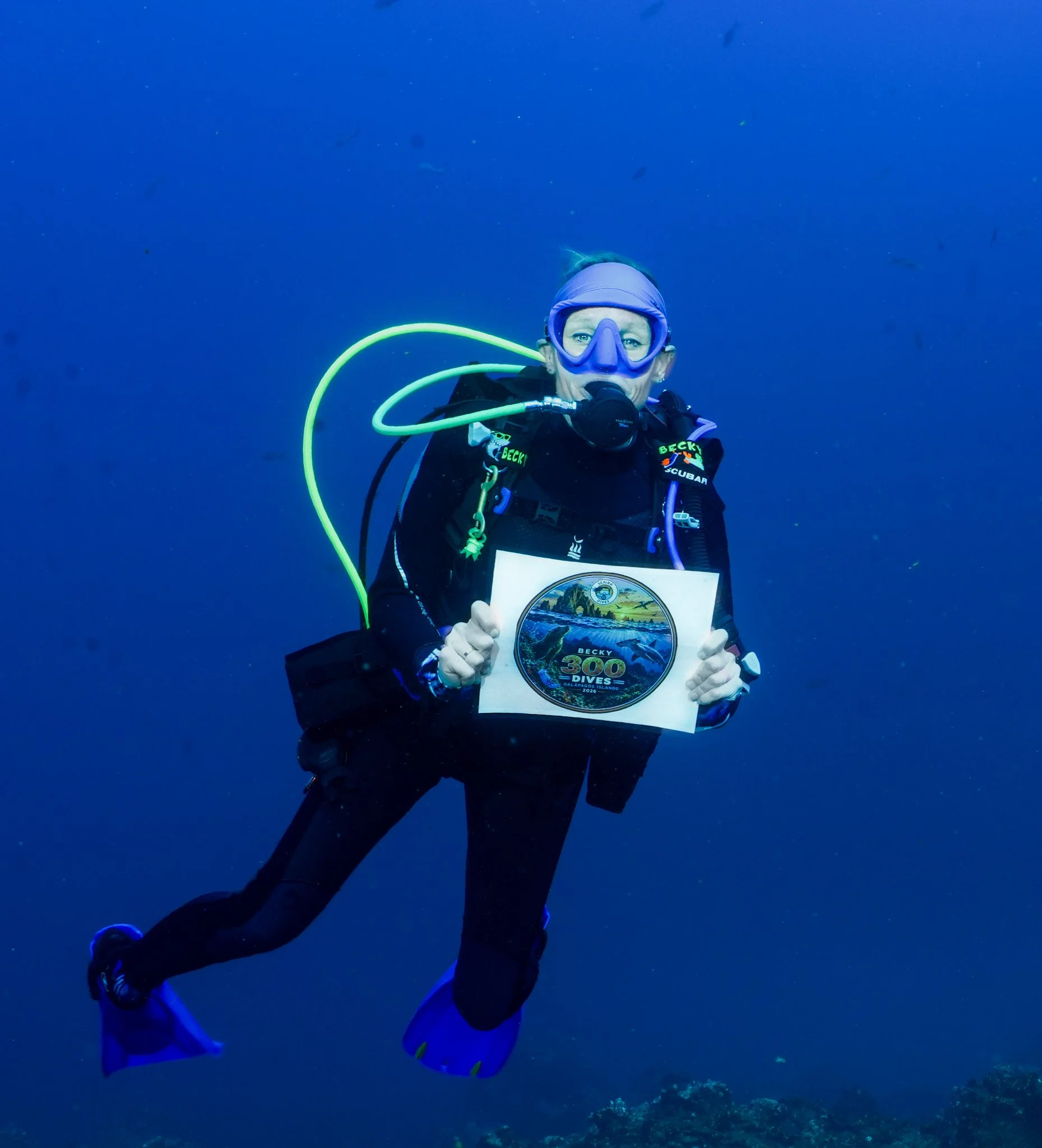
Three Hundred Dives for Becky!
As if we needed another reason to celebrate, Becky also reached an incredible milestone during our Galápagos expedition: 300 dives on her 42nd Birthday!
Becky has been traveling with Seaira Dives since our earliest days, and we've shared some fantastic underwater adventures together. Watching her reach 300 dives was especially fun because I've had the opportunity to share so many of those experiences with her. From exploring new destinations to encountering some pretty remarkable marine life, we've accumulated quite a few stories over the years!
Three hundred dives represents a lot of time underwater, plenty of adventures, and probably a few pieces of dive equipment that have needed replacing. Getting to celebrate this milestone in the Galápagos, surrounded by hammerheads, sea lions, and some of the most exciting diving in the world, made it even better. Congratulations, Becky! Here's to the next hundred!
Becky's Birthday at Sea
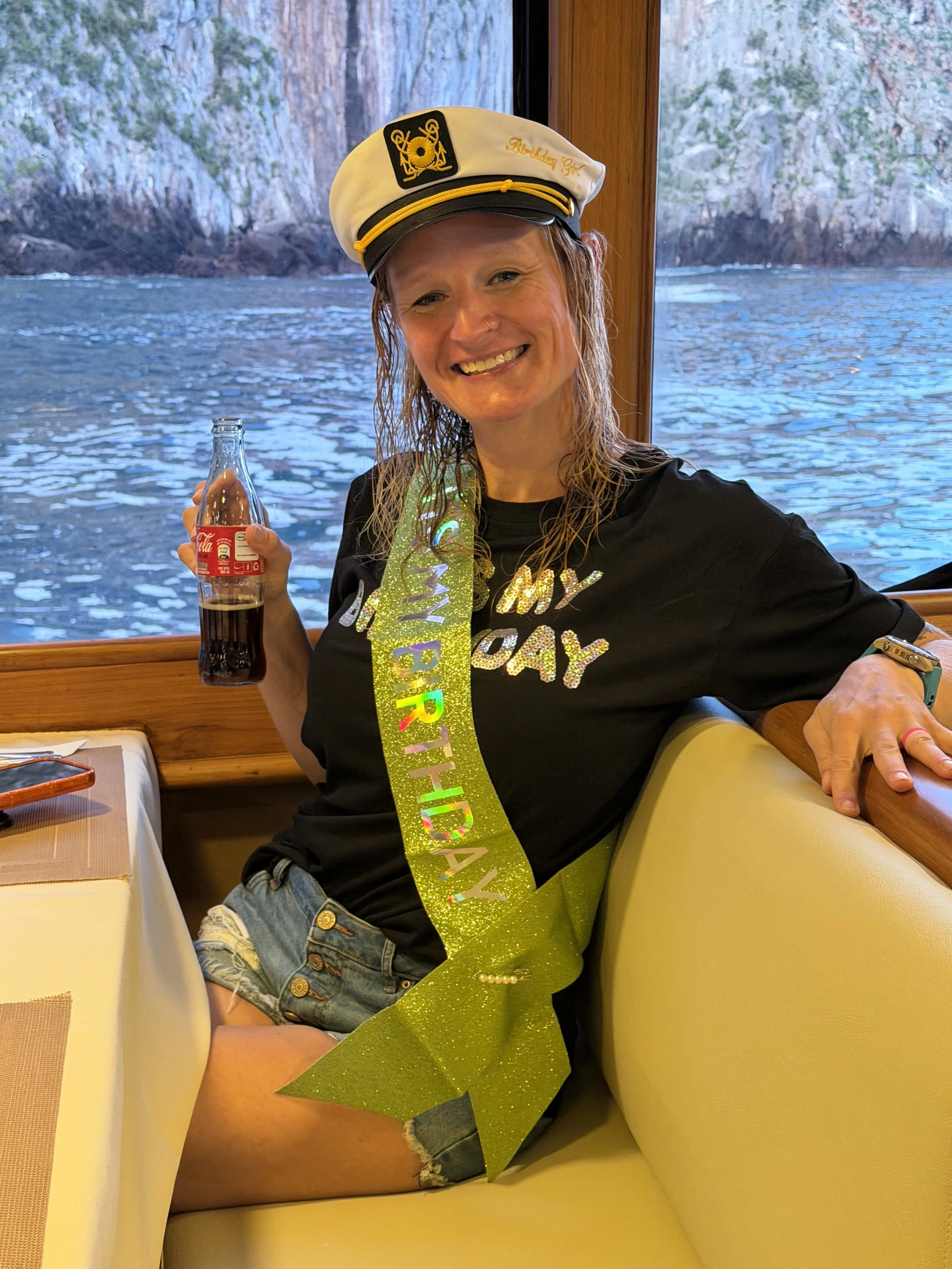
Our expedition also coincided with Becky's 42nd birthday, and I can't think of many better ways to celebrate than spending the day diving in the Galápagos! Becky has been part of the Seaira Dives community since its earliest days, and we've shared some pretty incredible adventures over the years. Getting to celebrate another trip around the sun together, this time in one of the most extraordinary marine environments on Earth, was particularly special.
The day was filled with fantastic diving, plenty of laughter, and a little extra birthday magic thanks to the wonderful crew aboard the Galápagos Aggressor III. They went out of their way to make Becky feel celebrated, and after an incredible day underwater, we continued the festivities back on the boat in true Seaira Dives fashion. Surrounded by friends, with stories from the day's dives and plenty of reasons to raise a glass, we made sure her birthday was one to remember. After all, turning 42 is a pretty good excuse to spend the day with sharks and the evening celebrating in style!
The Iron Diver Award
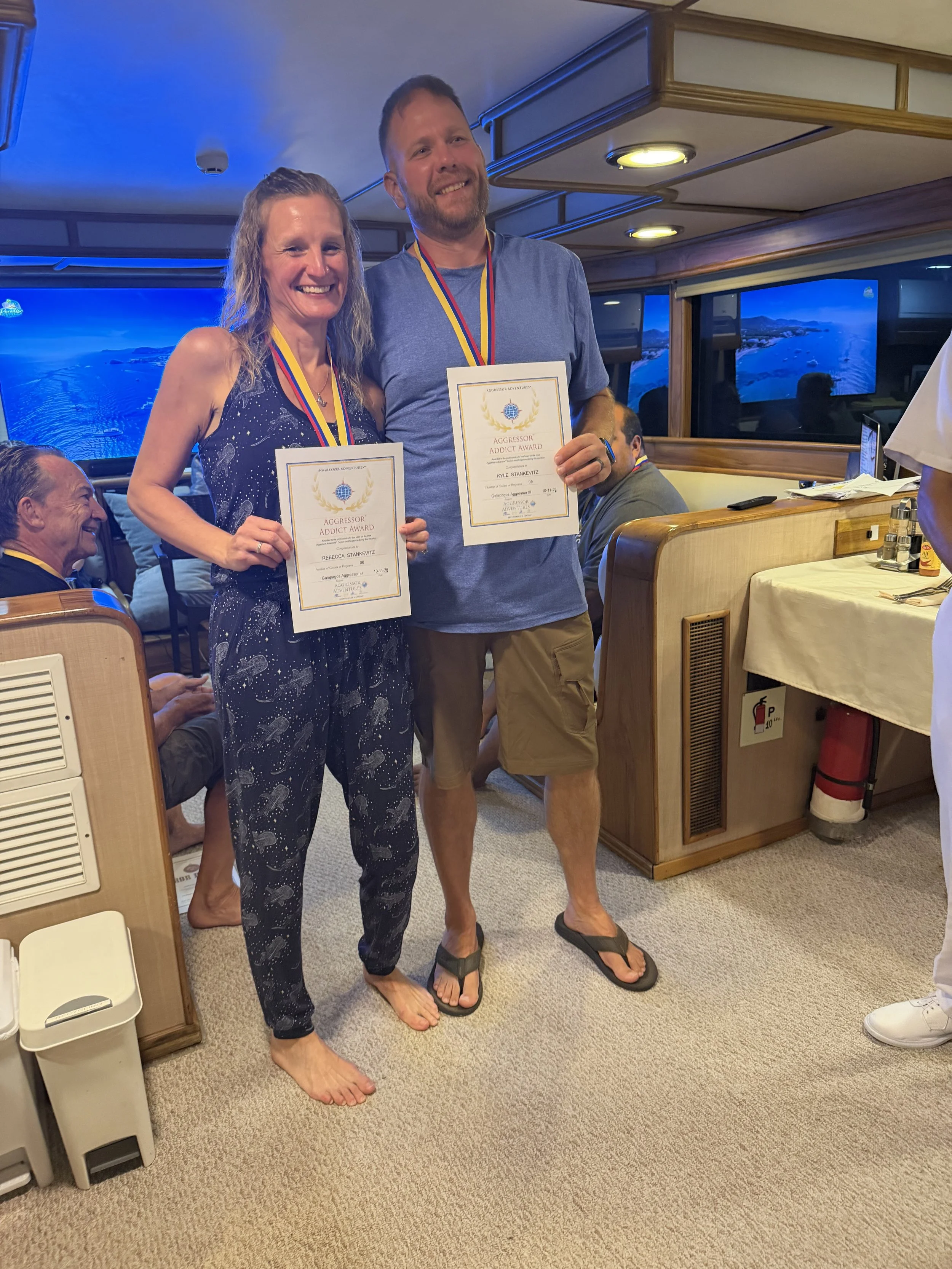
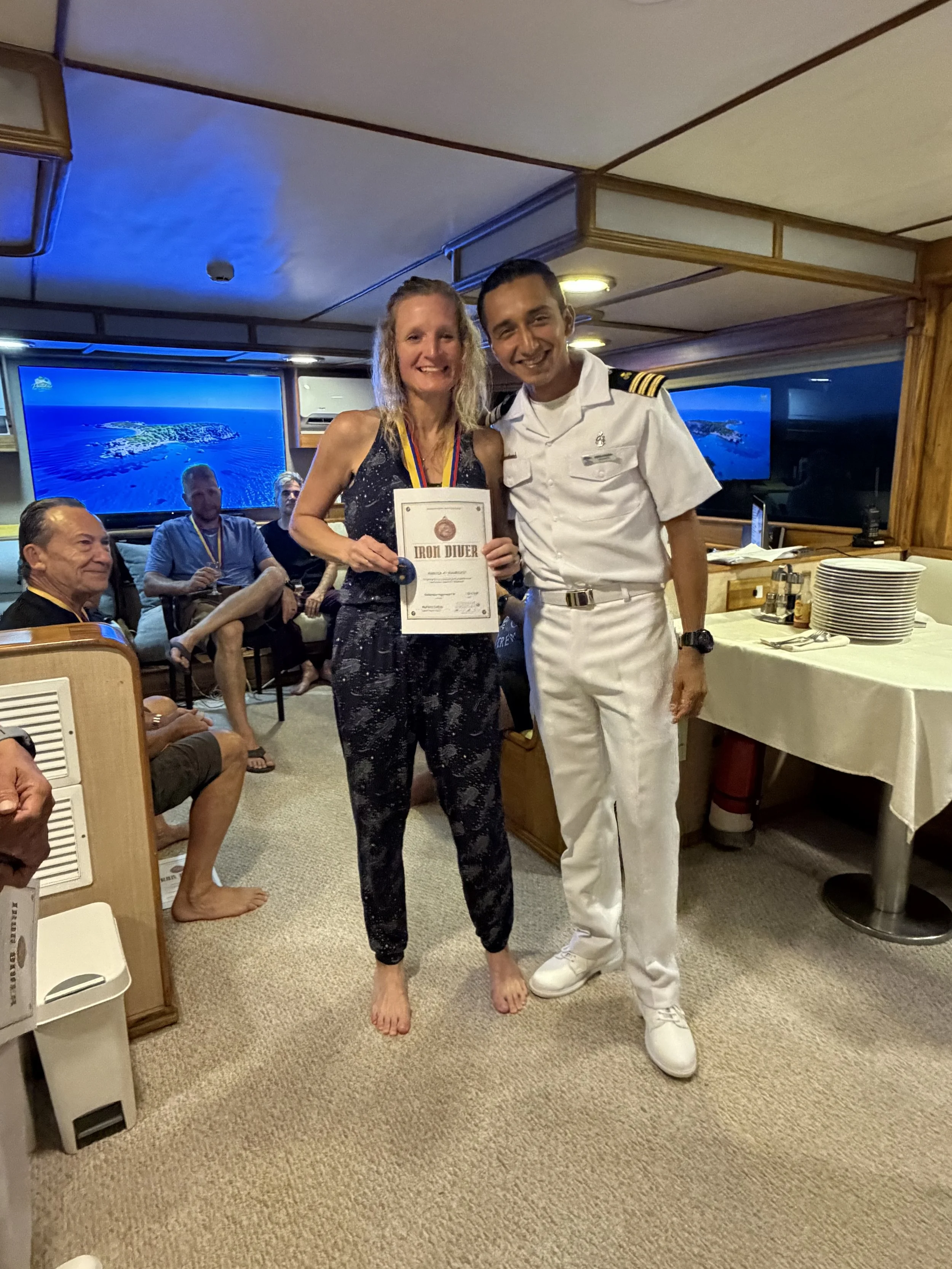
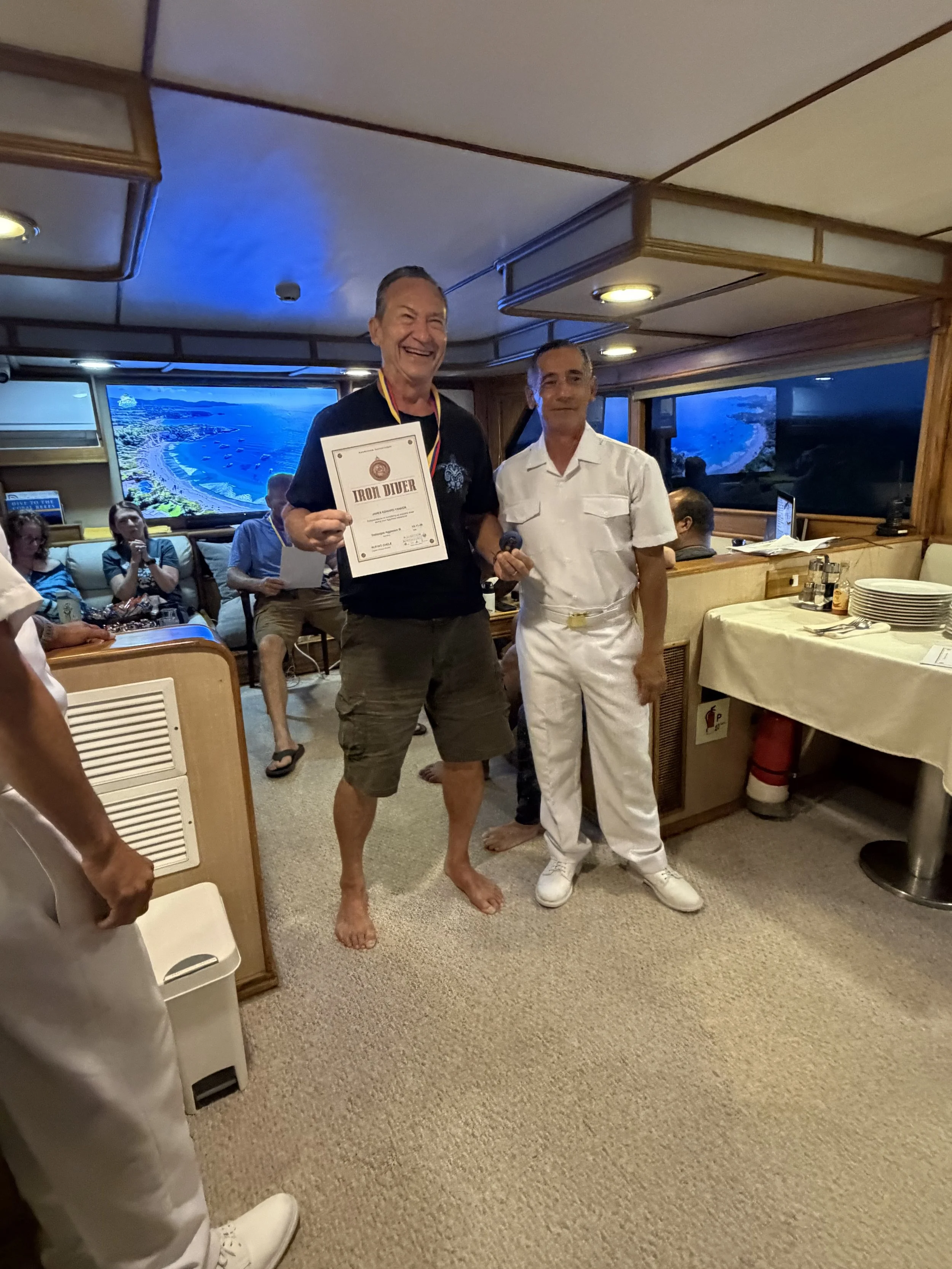
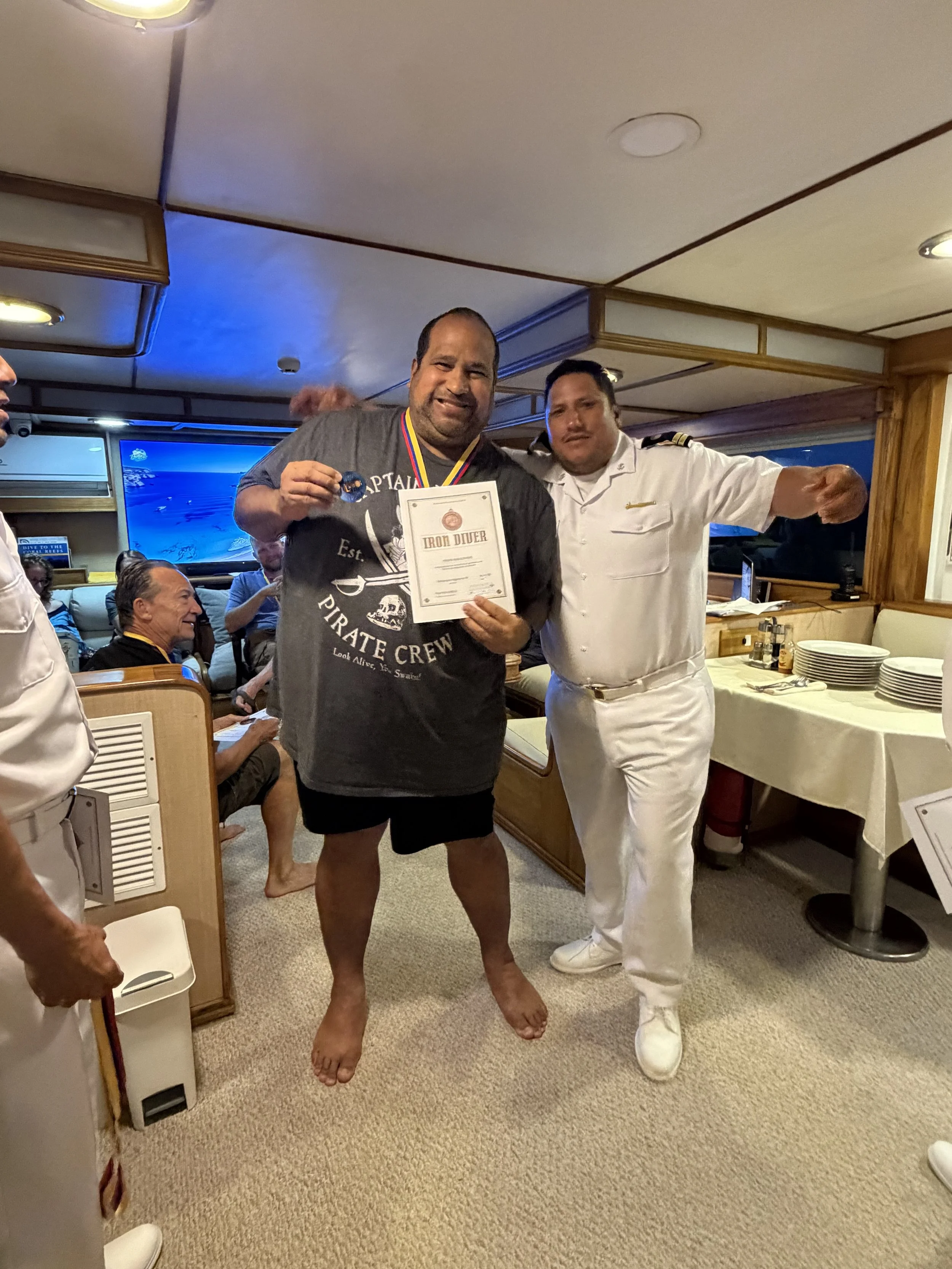
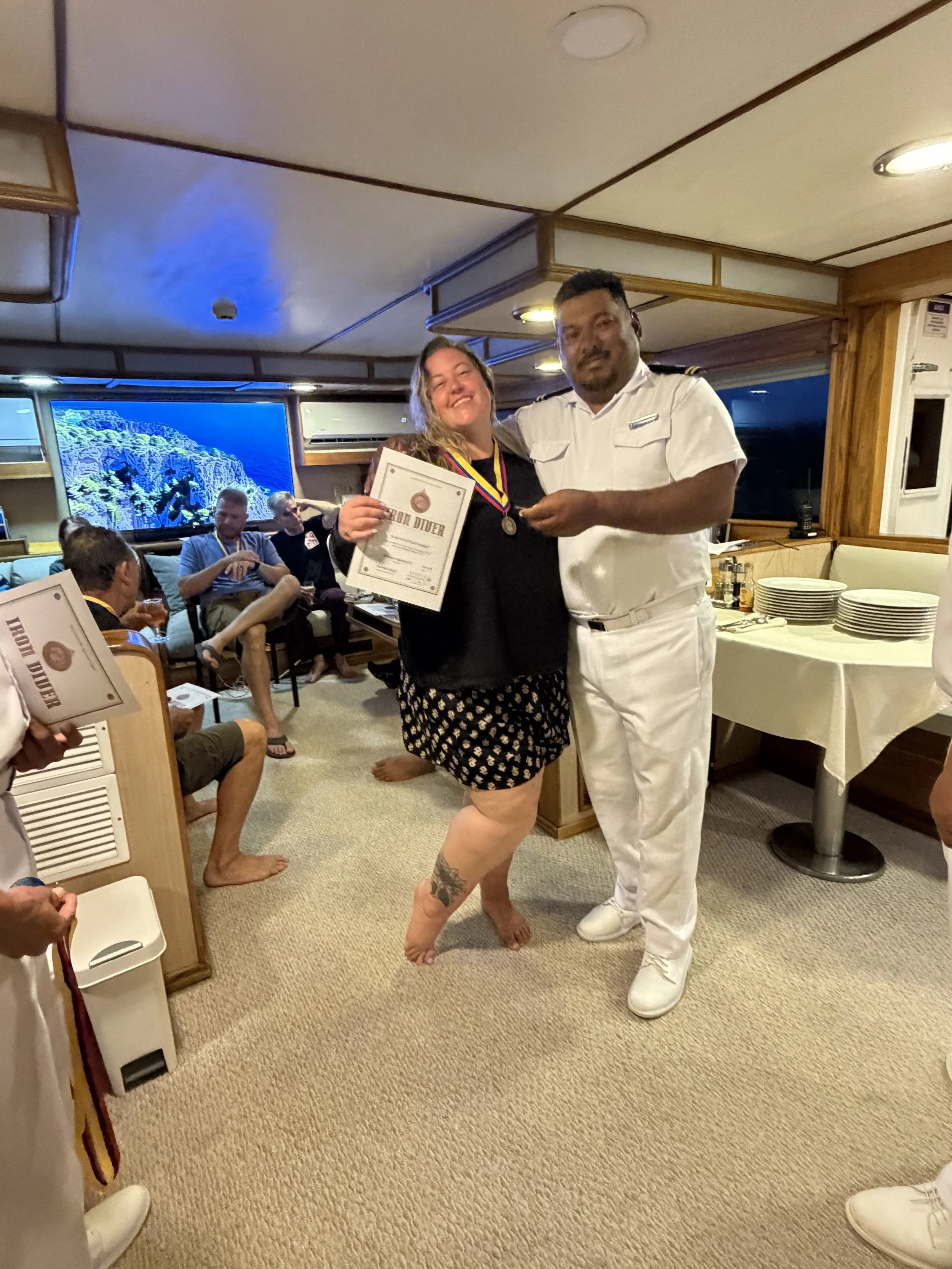
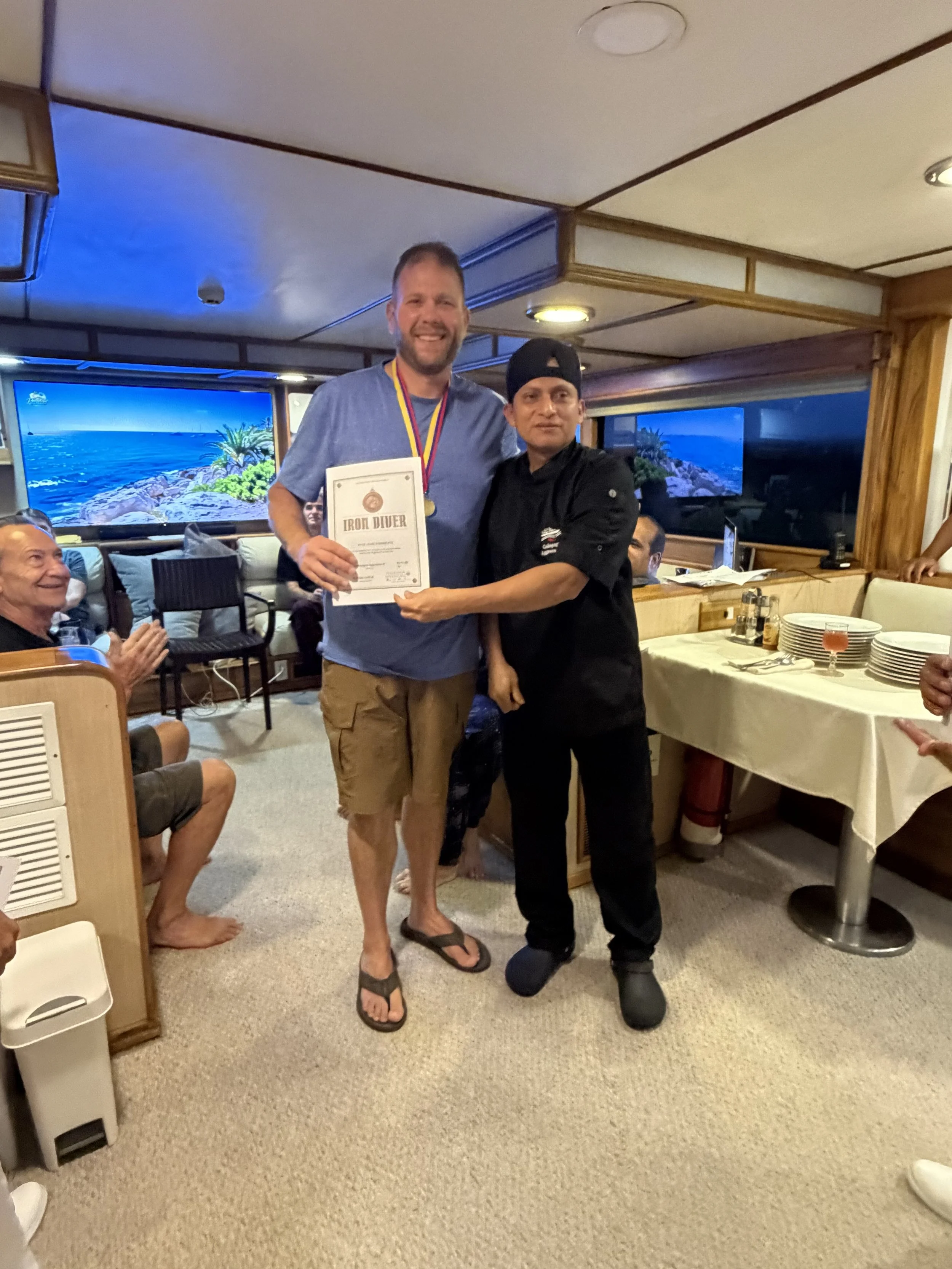
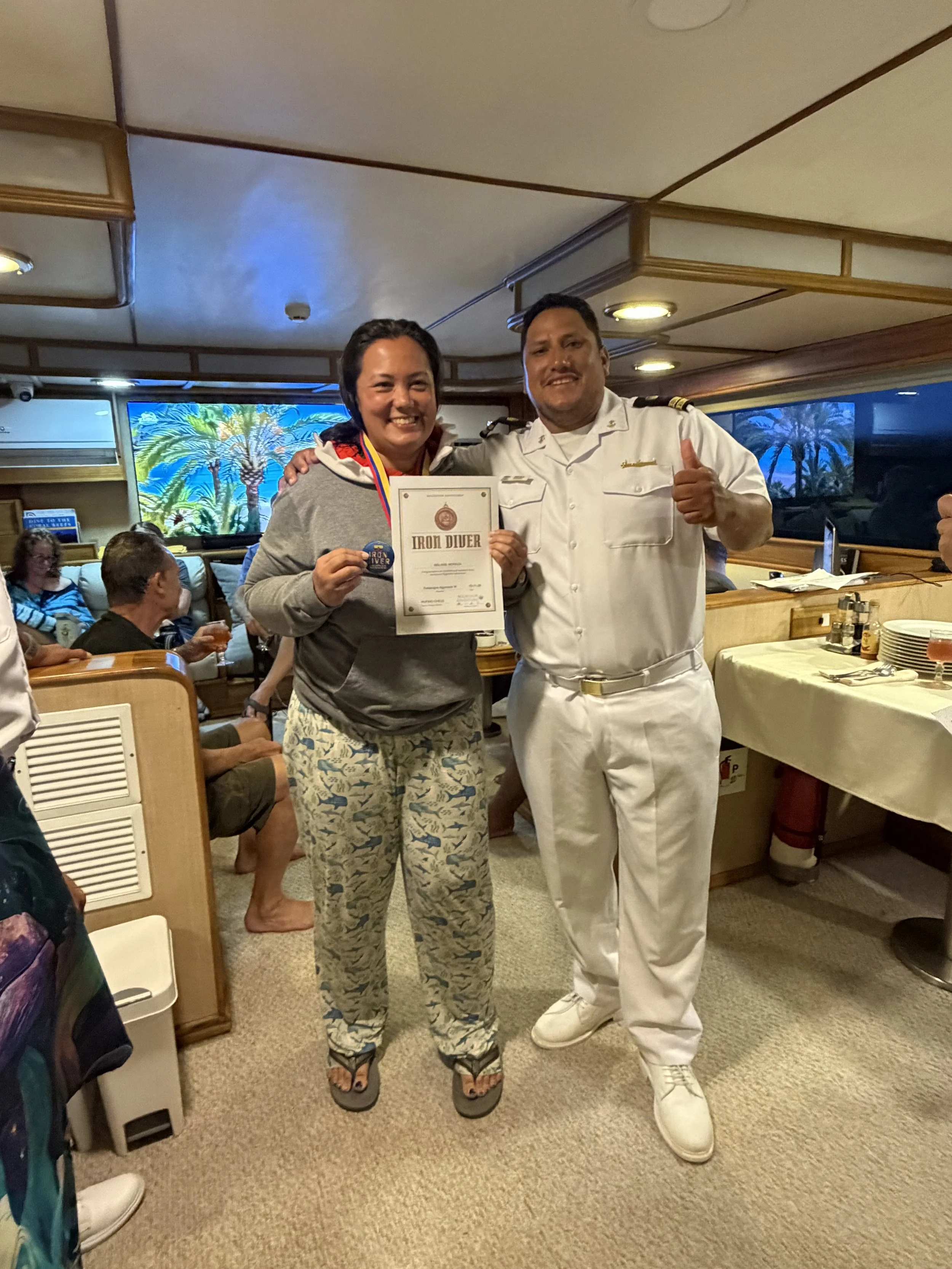
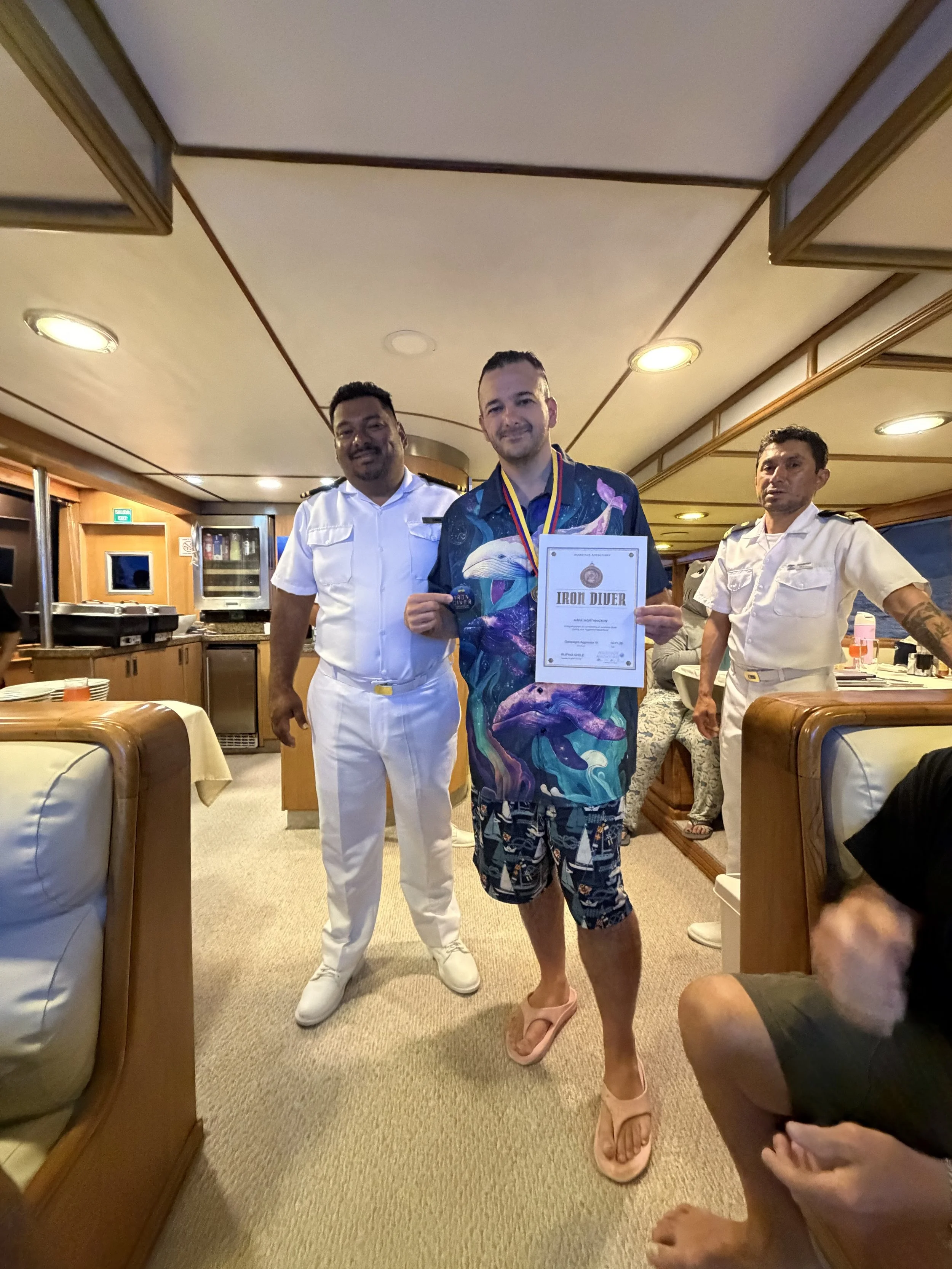
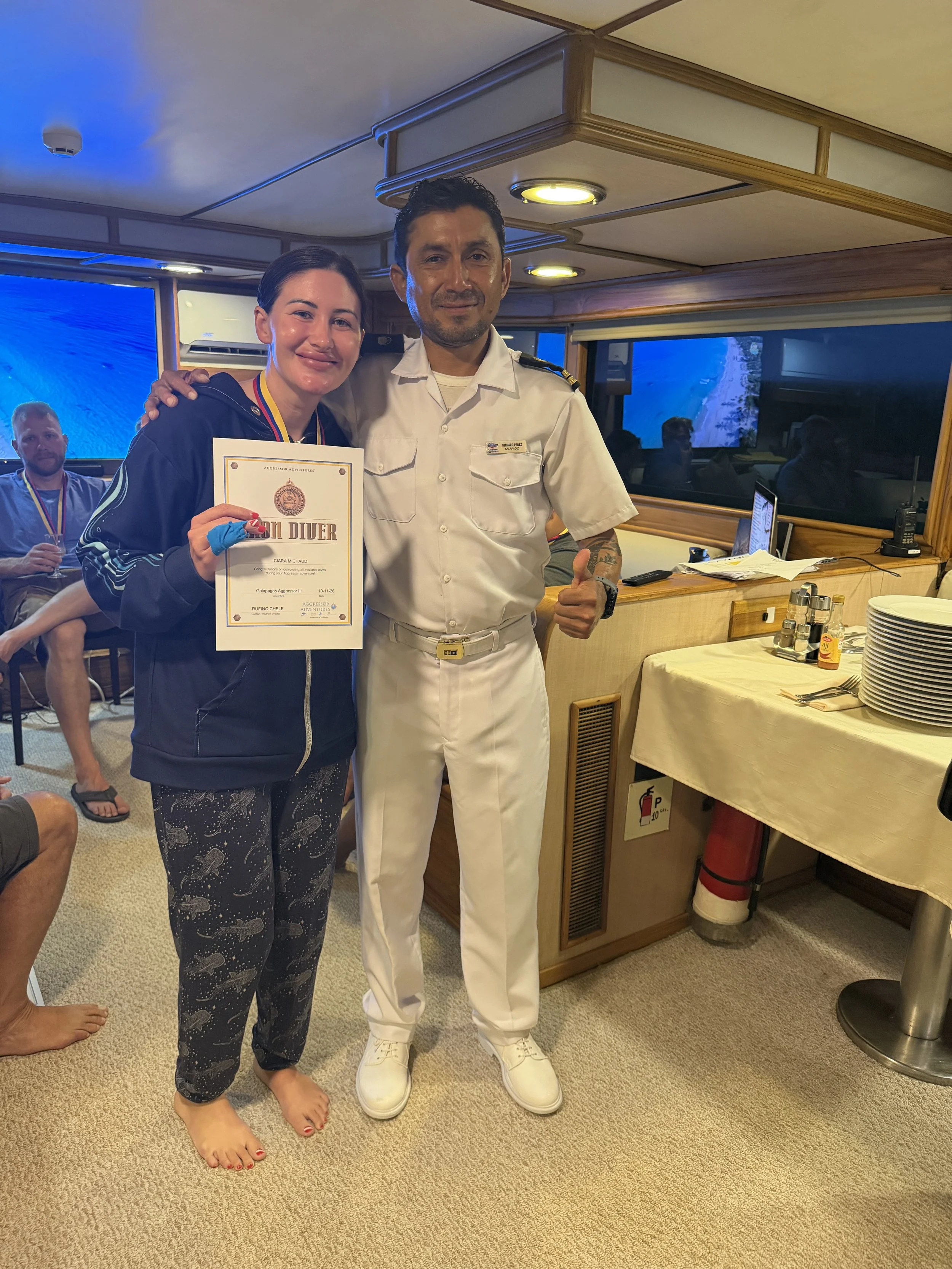
We had eight divers earn the Iron Diver Award on our Galápagos expedition! Melanie, Mark, Jim, Elsbeth, Becky, Kyle, Pedro, and I completed every scheduled dive of the trip. If you've ever dived the Galápagos, you know that can be quite a commitment. Between the early mornings, cold water, currents, and long days of diving, we definitely earned some extra sleep by the end of the week! I loved seeing so many of our group complete every dive, especially in a destination as demanding and exciting as the Galápagos. Congratulations to my fellow Iron Divers!
From Pollywogs to Shellbacks
Crossing the Equator by sea was another memorable element of our itinerary, particularly for travelers experiencing the tradition for the first time.
In maritime tradition, sailors who have never crossed the Equator aboard a vessel are known as Pollywogs. After completing an Equator-crossing ceremony, they become Shellbacks. The Aggressor incorporates its own version of this tradition into its expeditions, adding another unusual experience to the journey.
The Trippies
Between three milestone divers, Becky's 42nd birthday, an Equator crossing, and sixteen travelers spending seven nights together, there were plenty of reasons to celebrate beyond the diving.The Trippies: A Seaira Dives Tradition
Near the end of every Seaira Dives expedition comes one of my favorite traditions: the Trippies. These informal awards celebrate the memorable accomplishments, unexpected moments, personalities, and running jokes that make each group adventure unique.
Some awards recognize achievements underwater, while others are inspired by amusing incidents, unusual wildlife encounters, or something that becomes part of the group's shared history. The categories change with every expedition because the best stories are rarely the ones anyone could have predicted before departure.
What I love most about the Trippies is how personal they become. An ordinary comment over breakfast can turn into a running joke, while a moment of determination or kindness underwater can become something the entire group remembers. The awards give us a chance to celebrate those experiences and the people behind them.
With milestone dives, a birthday, first-time liveaboard travelers, and an Equator crossing on the itinerary, Galápagos certainly offered plenty of inspiration for another round of Trippies.
The People Behind the Adventure
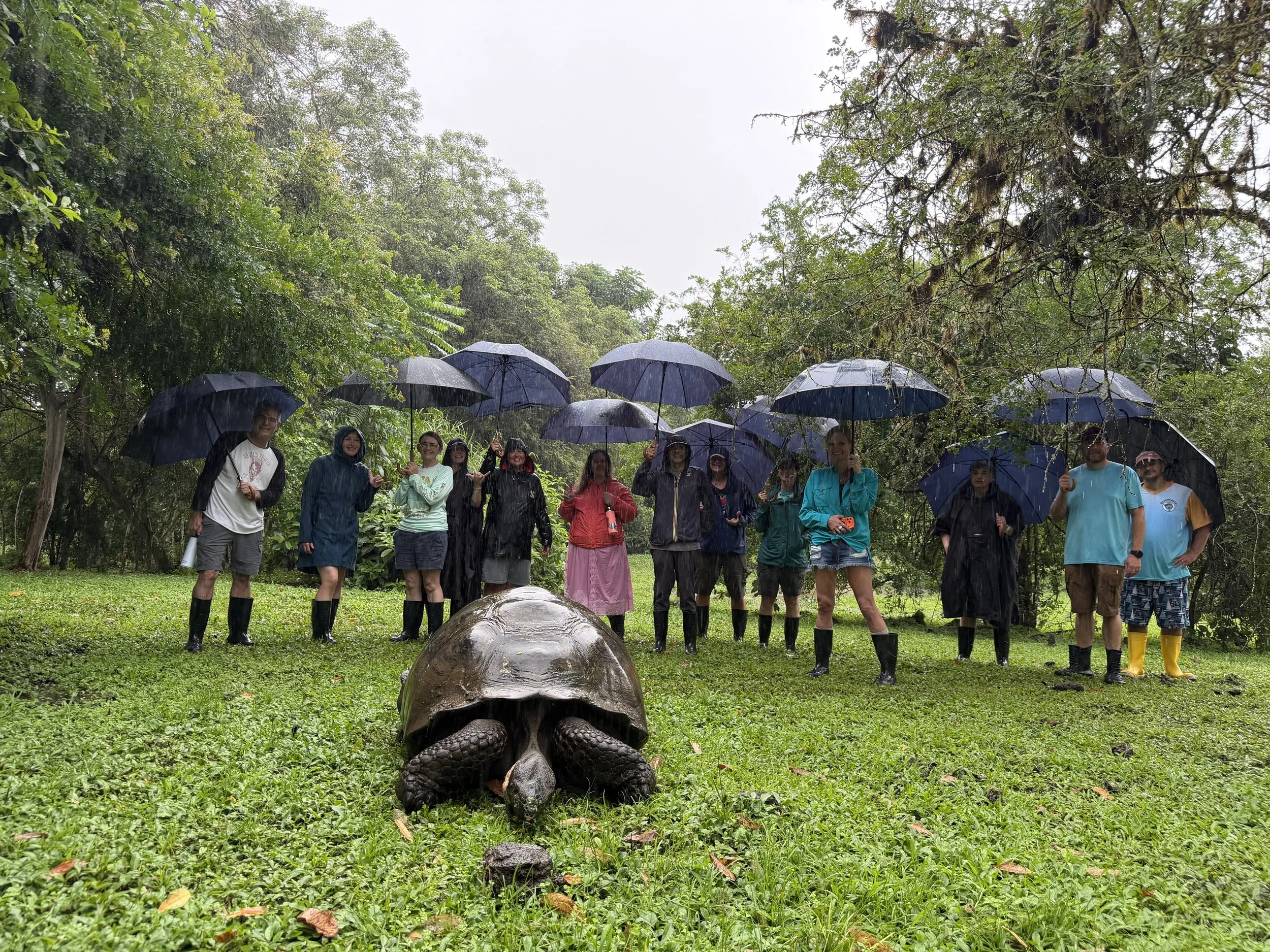
One of my favorite parts of organizing Seaira Dives trips is getting to travel with people I've known for years, while also bringing together divers who might never have met otherwise. Our Galápagos expedition included fifteen travelers, and looking around the boat, I realized just how much diving history I shared with this group.
I've had the pleasure of training many of the people on this trip, from their very first Open Water dives to becoming Divemasters. Others have traveled with me to destinations around the world, and a few have been part of my adventures since before Seaira Dives existed. I thought it would be fun to introduce everyone and share a little about how we came to know one another.
Becky & Kyle
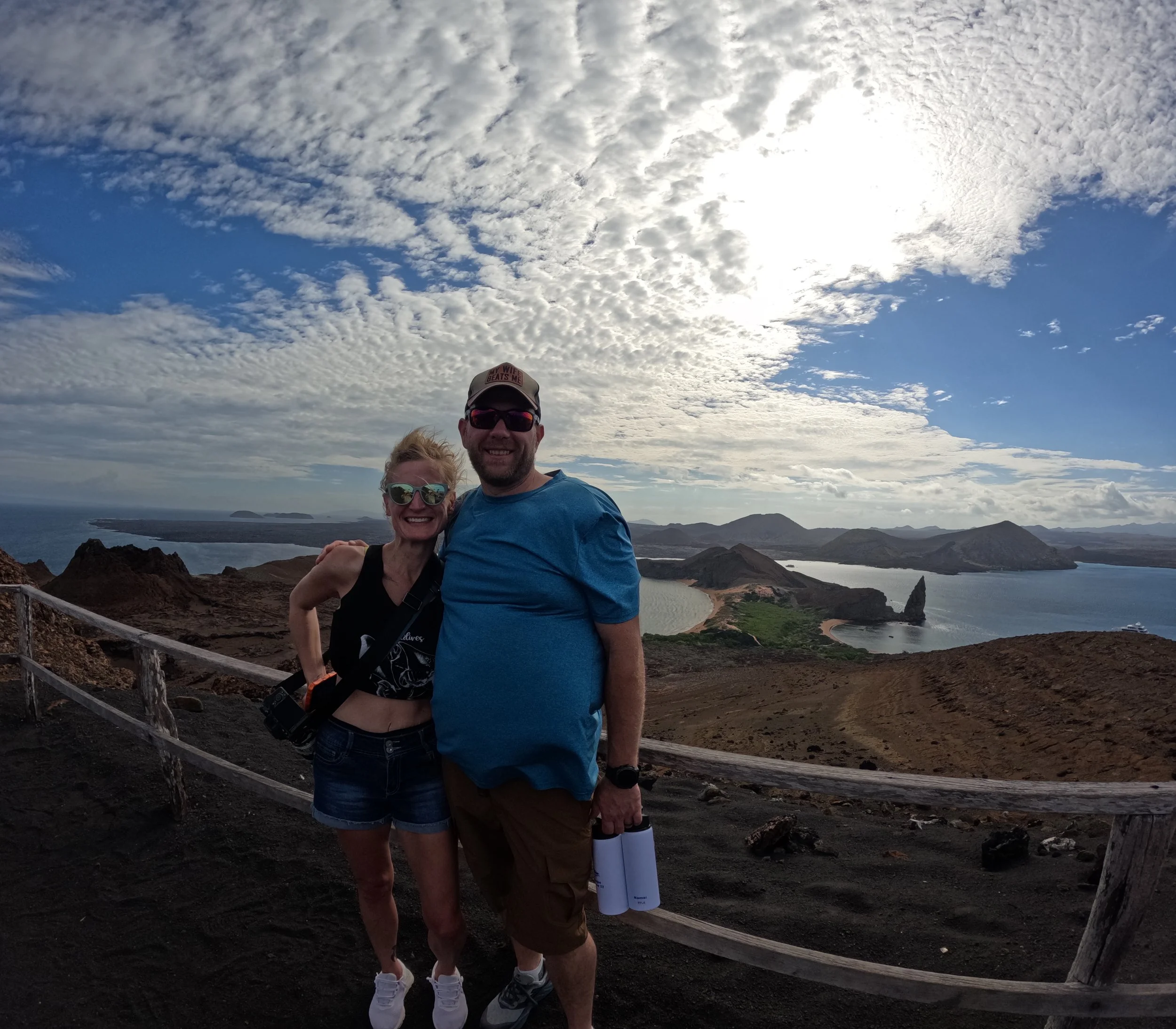
Becky and Kyle have been part of Seaira Dives since the early days, and Becky has joined nearly every trip I've organized! We've shared some fantastic adventures together, including a previous expedition where both Becky and Kyle completed their Divemaster certifications with me. Getting to be part of that accomplishment was pretty special, and I've loved seeing them continue to enjoy diving and traveling together.
Galápagos was another big trip for Becky, who celebrated her 41st birthday AND her 300th dive! I was so happy we got to celebrate both milestones together. Becky and Kyle have been such a consistent part of my adventures over the years, and their continued friendship and support mean a great deal to me. I'm already looking forward to wherever we end up next!
Deirdre & Jim
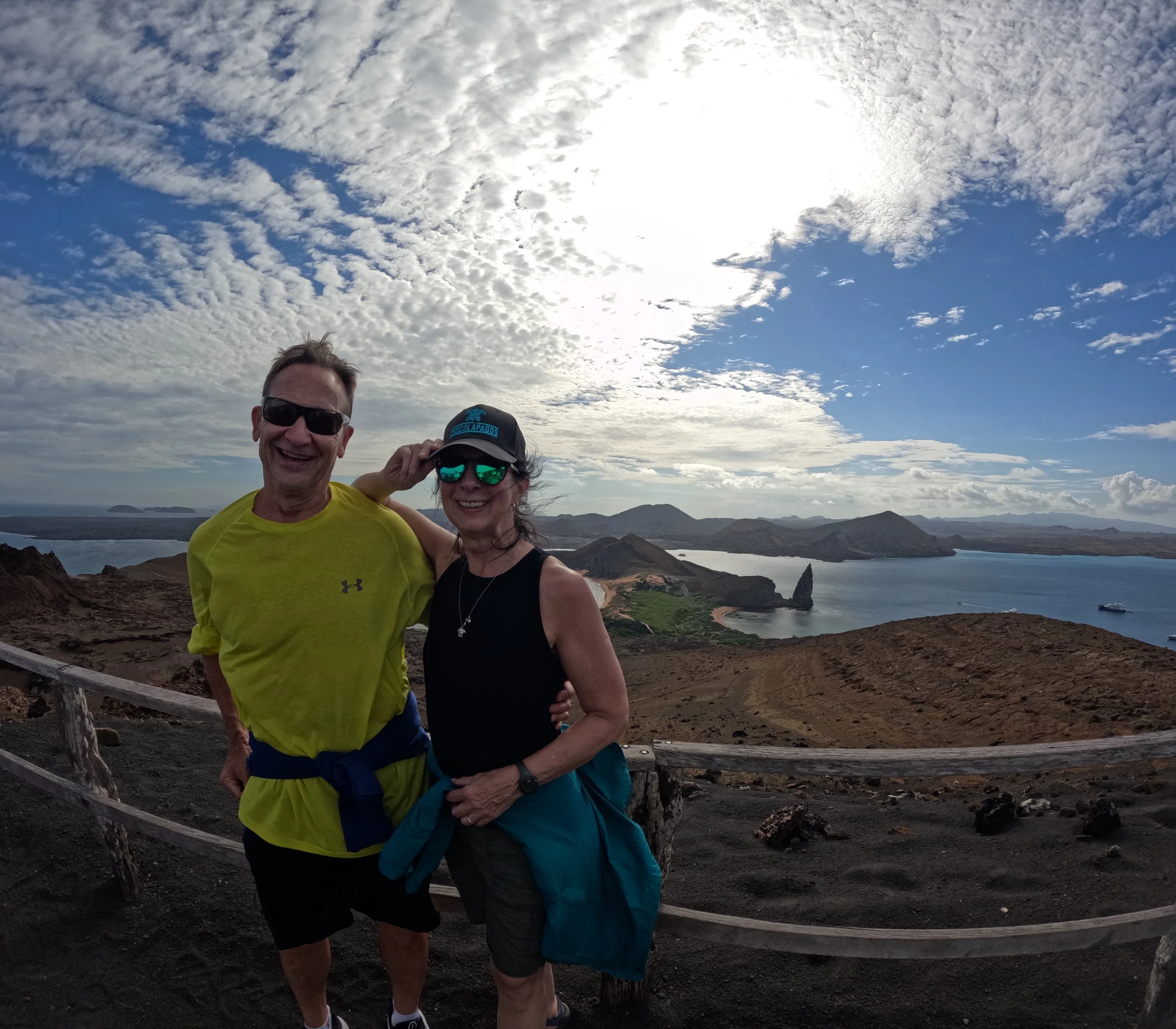
Deirdre and Jim first traveled with me to the Maldives, where we enjoyed some fantastic diving and encounters with several species of sharks and turtles. I was so excited when they decided to join us again for Galápagos!
One of the things I appreciate about returning travelers is getting to spend more time together and learn more about one another. A week aboard a liveaboard certainly gives you plenty of opportunities for that! From the warm waters of the Maldives to the very different diving conditions of Galápagos, we've now had the opportunity to experience two remarkable destinations together.
Elsbeth
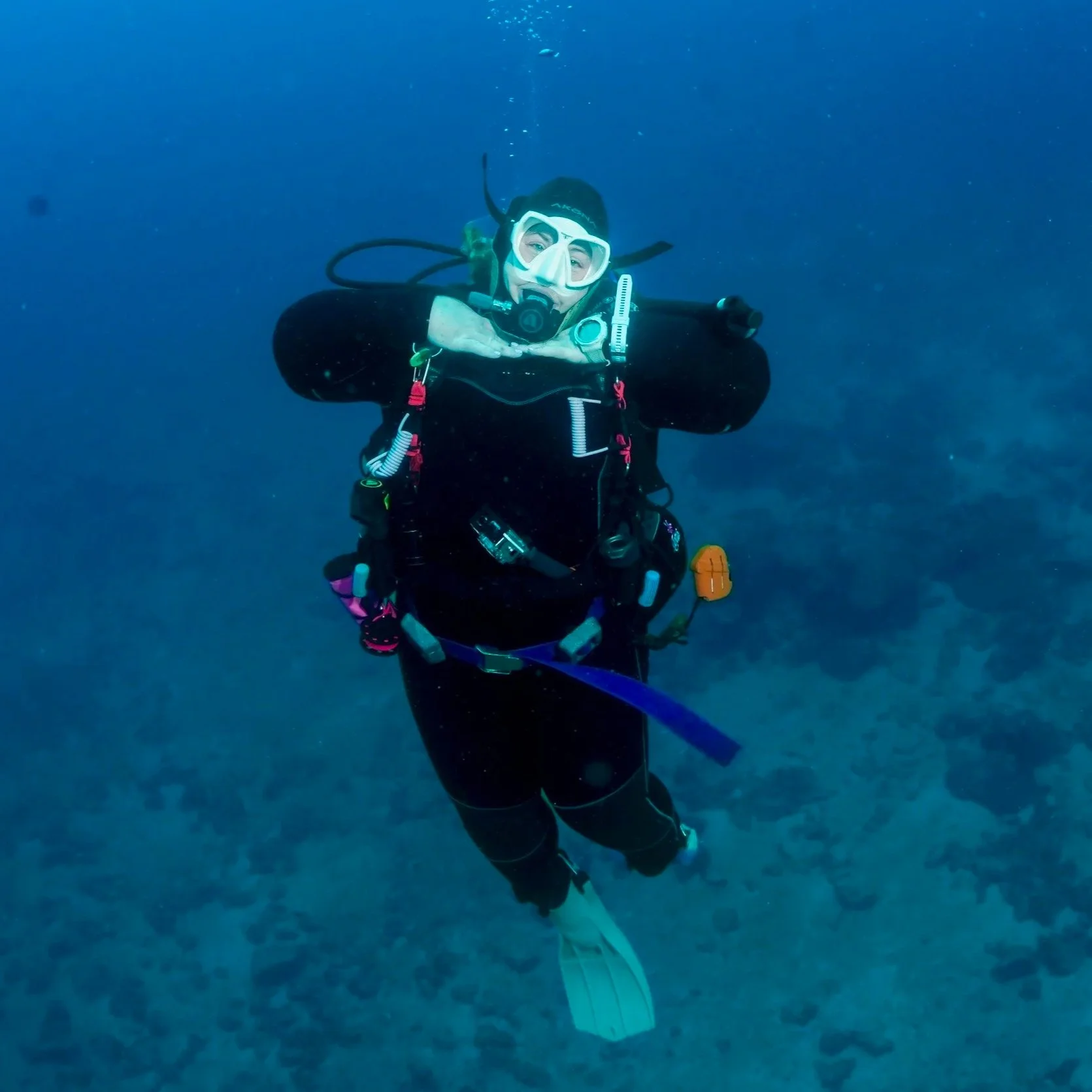
Elsbeth previously joined me for our Thailand adventure, where we had an incredible time diving around Koh Tao, including some unforgettable whale shark encounters. Thailand was such a fun trip, and I have wonderful memories of our time exploring both above and below the water.
I was thrilled when Elsbeth signed up for Galápagos. One of the things I enjoy about seeing familiar names on a trip roster is knowing we'll get to pick up where we left off and make some new memories together. Thailand and Galápagos offer completely different diving experiences, and I love that we've now had the opportunity to explore both. I'm so glad she decided to come along again!
Evelyn & Stephen
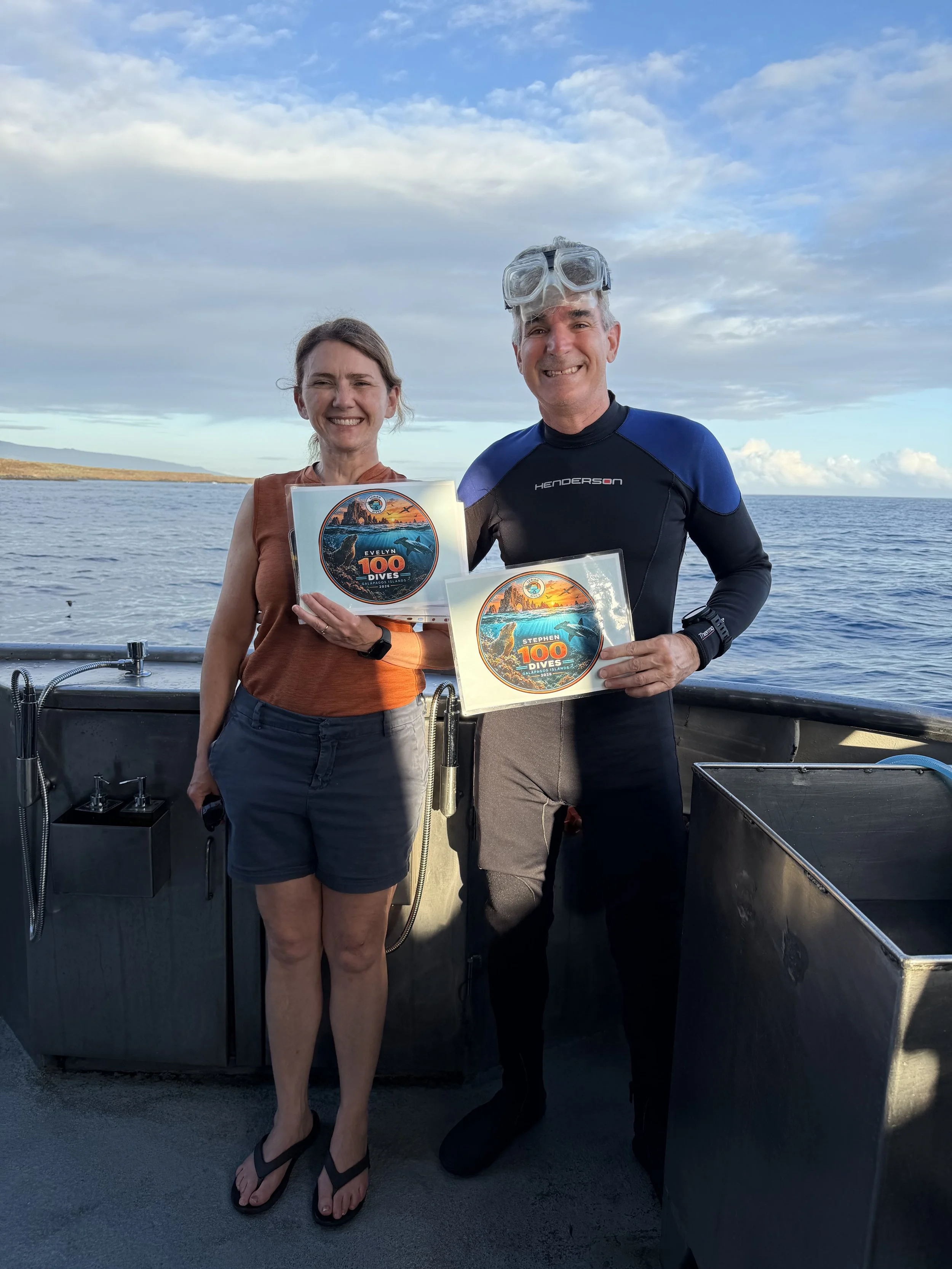
Evelyn has a particularly special place in my diving history because she joined the very first scuba trip I ever organized, years before Seaira Dives existed! Having her return for her first official Seaira Dives expedition, this time with Stephen, meant a lot to me.
Even better, both Evelyn and Stephen celebrated their 100th dives in Galápagos! I loved that we got to recognize such an exciting milestone together. Thinking back to that first organized trip and everything that's happened since makes me especially appreciative of the people who have supported my adventures over the years. I'm so happy Evelyn and I had the opportunity to travel together again, and I loved getting to share the experience with Stephen, too.
Judy & Chris
Judy and Chris first joined me for our Maldives adventure, and I also had the pleasure of training them for their Advanced Open Water certifications! We shared some wonderful diving experiences during that trip, so I was delighted when they decided to join us for Galápagos.
I really enjoy getting to travel with divers I've trained because our time together extends beyond the usual vacation experience. We've worked on skills, shared the excitement of completing certifications, and then had the opportunity to explore some incredible places together. Seeing Judy and Chris return for another expedition was such a treat, and I loved adding Galápagos to our list of shared adventures!
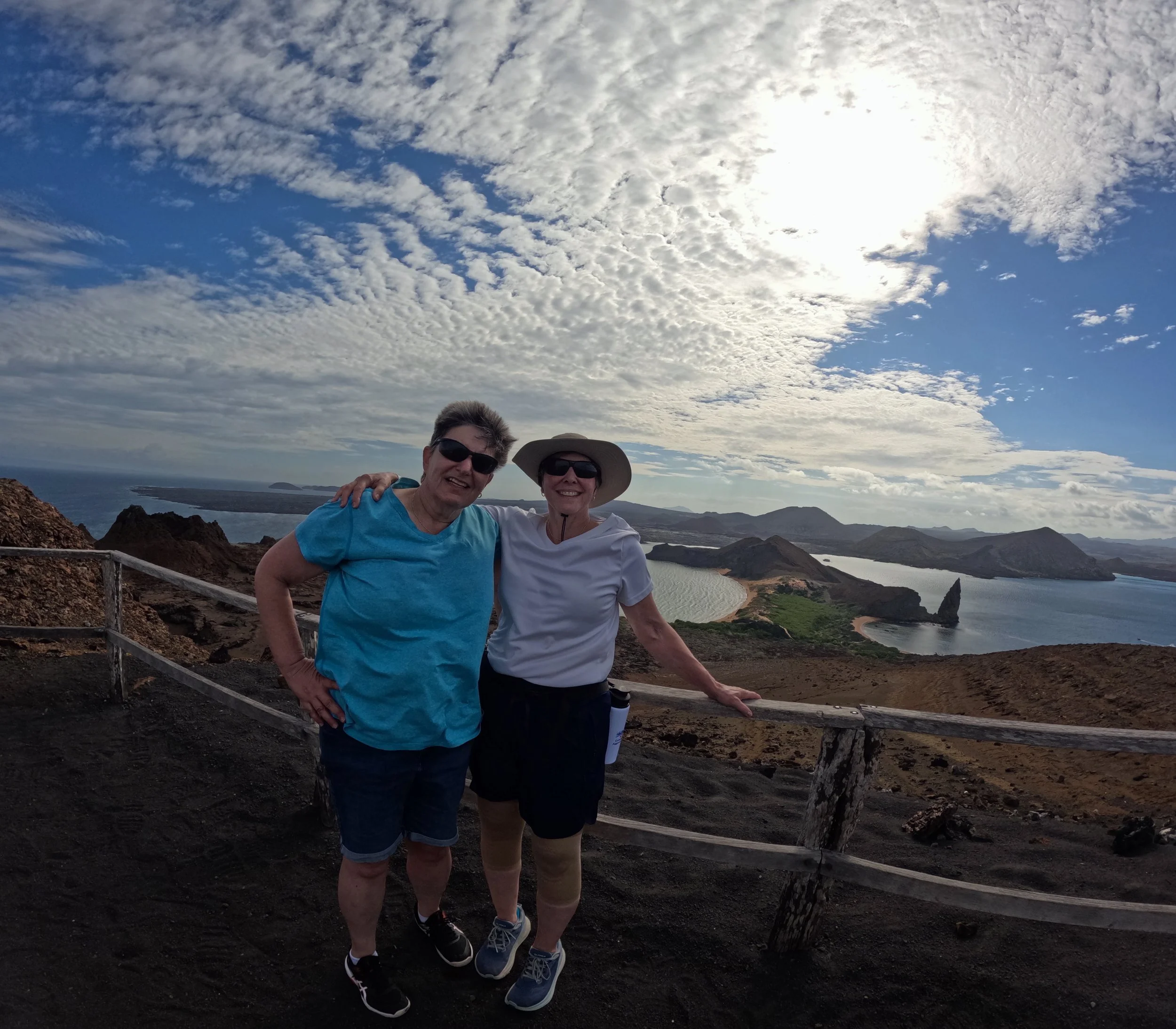
Kira & Adam
Kira and Adam started their scuba journeys with me as Open Water students, so having them join us in Galápagos was particularly meaningful. When they decided to come on this expedition, they were motivated to continue their training and earned their Advanced Open Water certifications to help them feel more comfortable and prepared for the diving we'd be doing.
As an instructor, seeing former students continue learning and challenging themselves is incredibly rewarding. I'm so glad I got to introduce Kira and Adam to scuba diving, and even happier that they've continued exploring everything the underwater world has to offer.
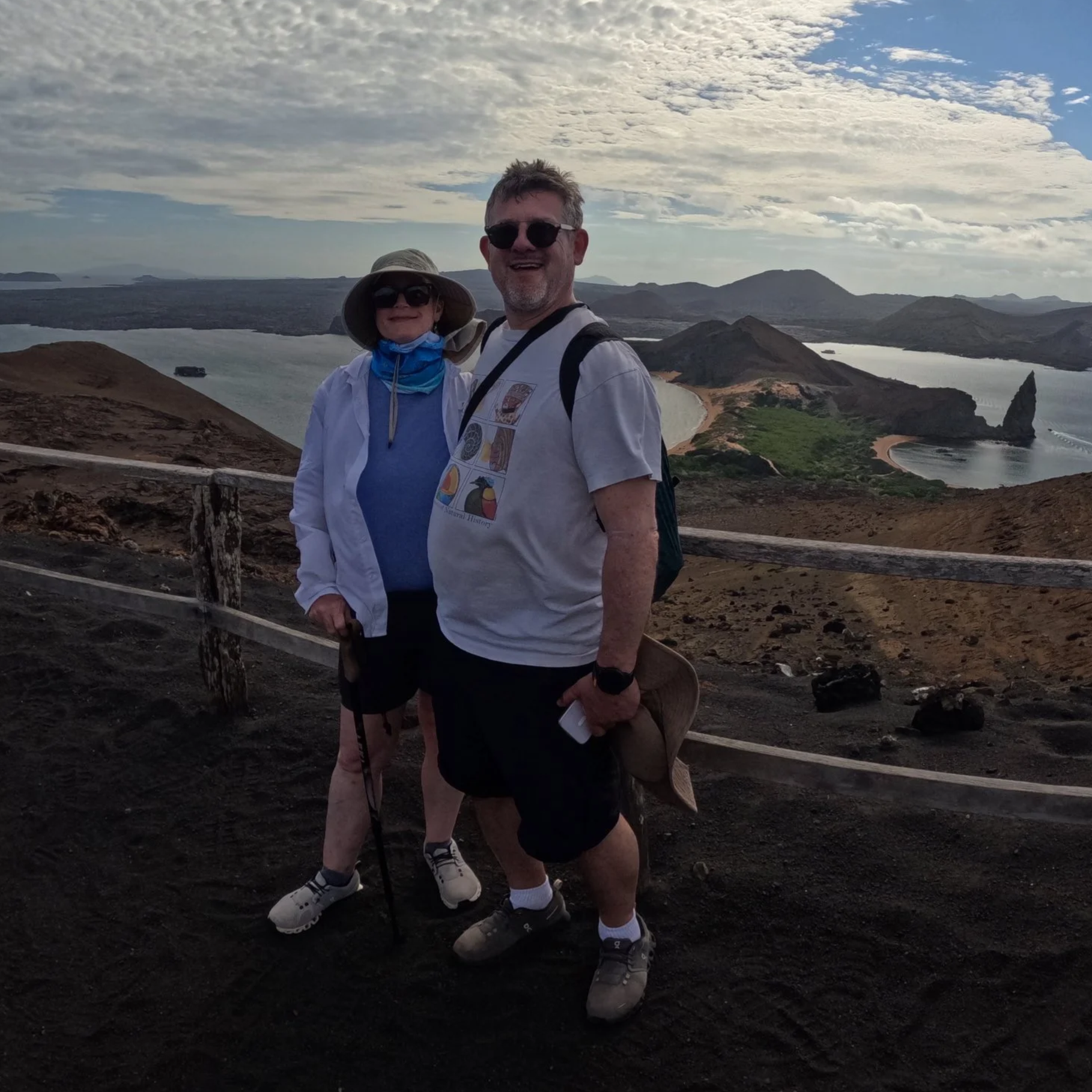
Melanie & Mark
Melanie and Mark are longtime travel companions and wonderful friends, and last summer I had the pleasure of training both of them as Divemasters! We've shared quite a few diving experiences over the years, and I've also been fortunate to be involved in their family's diving adventures.
I always enjoy having Melanie and Mark on my trips. They're enthusiastic divers who appreciate everything from an exciting shark encounter to the smallest creatures hiding on the reef, and I love sharing that curiosity with them. Having been part of their professional training makes our adventures together even more meaningful. I'm grateful for our friendship and the many experiences we've shared, and Galápagos was another wonderful addition to that history.
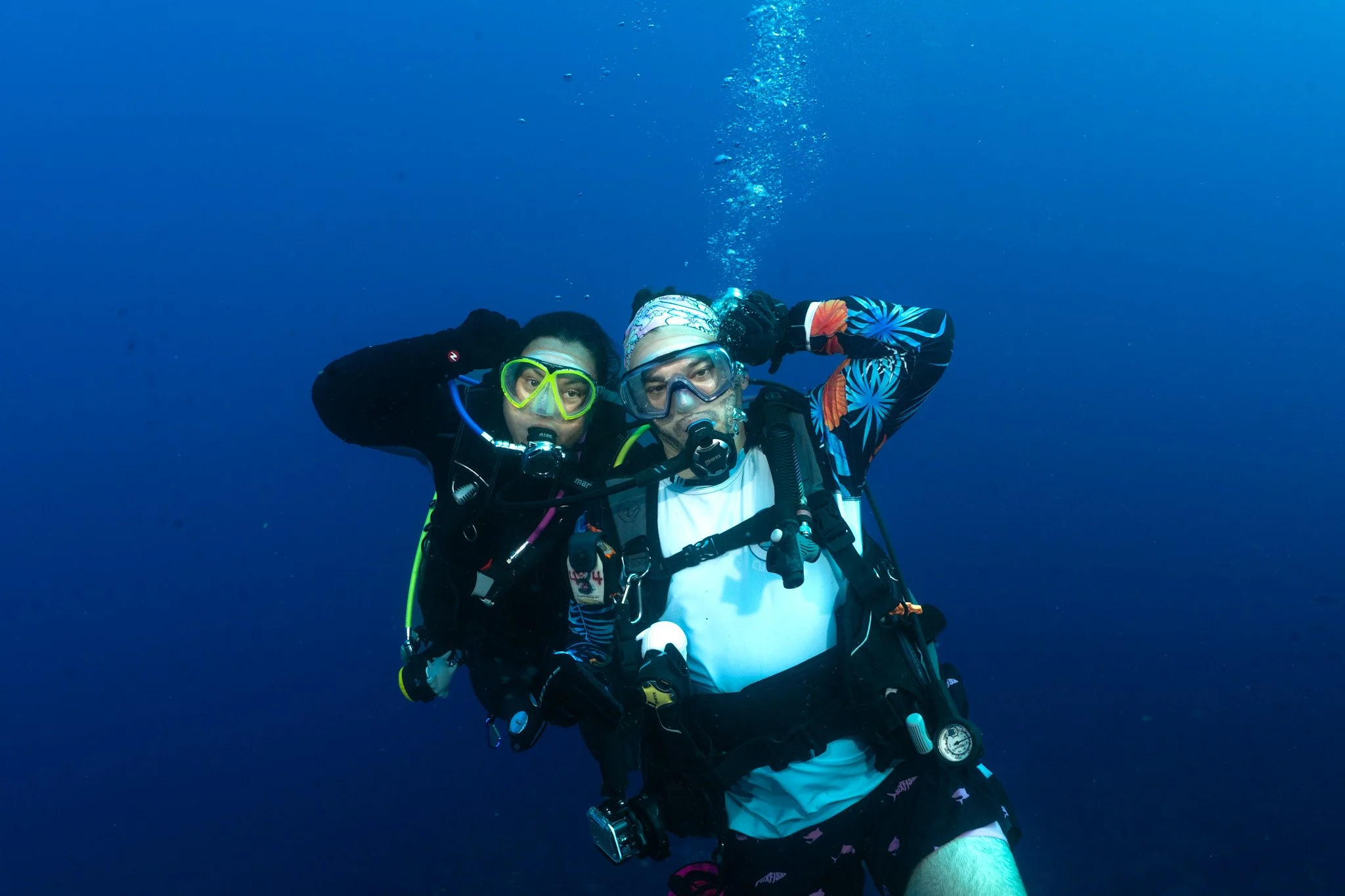
Pedro
Pedro has completed nearly all his scuba training with me, including earning his Divemaster certification last summer! Alongside Becky, he's also joined nearly every Seaira Dives expedition I've organized, which means we've spent a considerable amount of time together both underwater and traveling around the world.
I've loved watching Pedro progress through his certifications and continue developing as a diver. Getting to know someone during their early training and then having the opportunity to explore destinations like Galápagos together is one of the things I enjoy most about teaching. Pedro has been such a consistent part of Seaira Dives, and I genuinely appreciate his continued friendship and support. At this point, I think he's earned a frequent traveler rewards program!
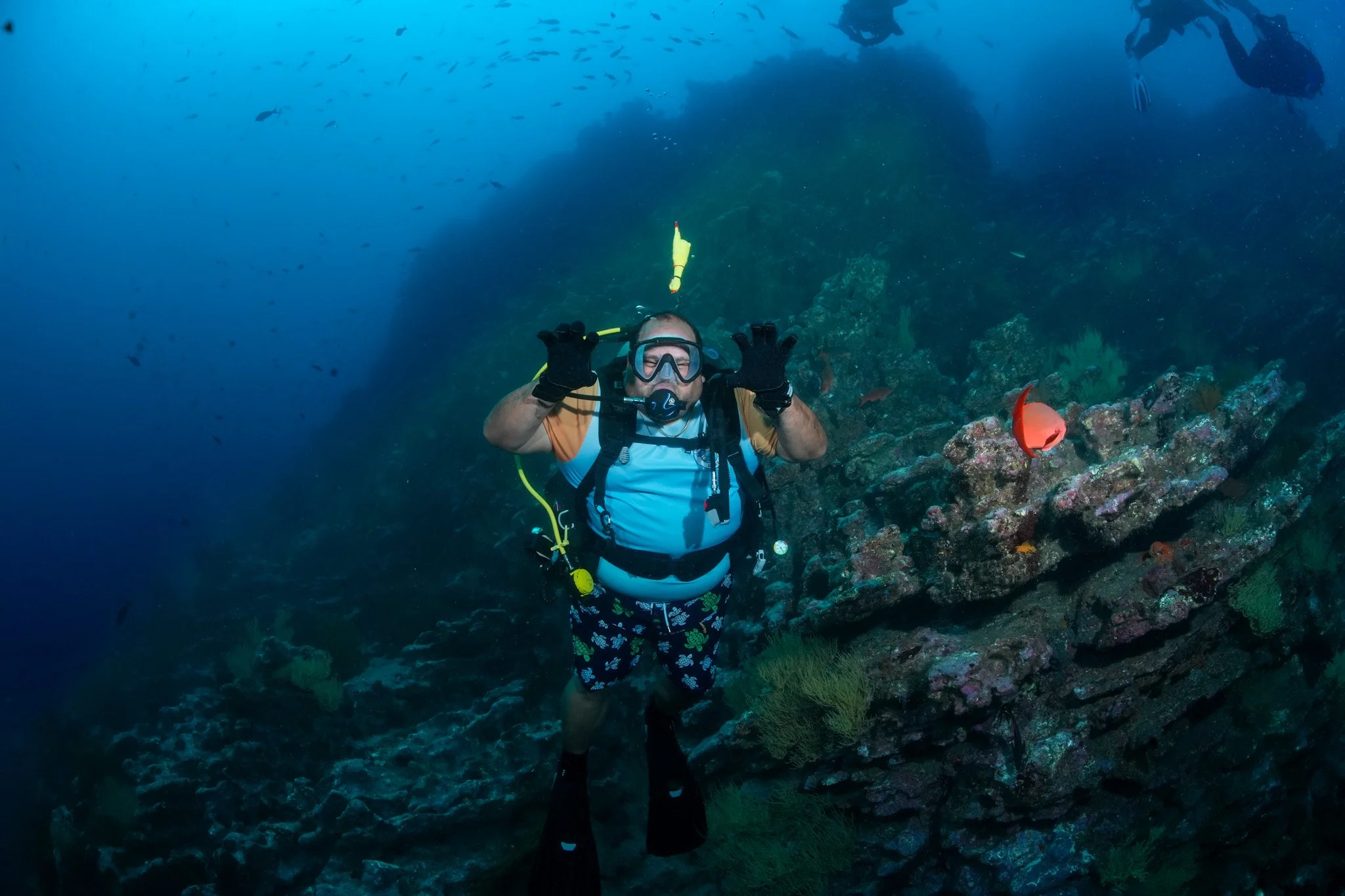
The People Make the Trip
Looking around the boat, I couldn't help but think about how many different experiences had brought everyone together. Becky, Kyle, Melanie, Mark, and Pedro had all completed their Divemaster training with me. Kira and Adam started as Open Water students, while Judy and Chris completed their Advanced Open Water certifications with me. Evelyn was part of my very first organized scuba trip, and several others had previously joined me in Thailand or the Maldives.
I love that scuba diving has given me the opportunity to get to know people in so many different ways. Some relationships begin in a classroom or swimming pool, while others start with a week aboard a liveaboard. Over time, those connections develop into friendships, and suddenly we're planning another adventure together.
I'm also incredibly appreciative of everyone who continues to travel with Seaira Dives. Planning these expeditions involves a tremendous amount of work, and seeing familiar faces return year after year is something I never take for granted. Having people trust me with their training and then choose to join me on adventures around the world is especially meaningful.
Galápagos was an extraordinary destination, and I loved sharing it with this group. Between the incredible diving, celebrating milestones, catching up with old friends, and getting to know everyone a little better, we had plenty to enjoy both above and below the surface.
Thank you all for being part of this adventure, for supporting Seaira Dives, and for giving me the opportunity to be part of your diving journeys. I'm already looking forward to seeing where we end up together next!
Twenty Months Later, We Finally Made It
Planning an international group expedition involves considerably more than choosing a destination and reserving a boat. There are countless details to coordinate, questions to answer, and unexpected changes to navigate along the way. Galápagos was particularly exciting because of its challenging conditions, unusual wildlife, and the range of experience among the travelers joining us.
From the beginning, I wanted this adventure to be something everyone could prepare for thoughtfully and look forward to with genuine excitement. The training, destination research, equipment discussions, and months of anticipation became part of the experience long before we boarded the Aggressor.
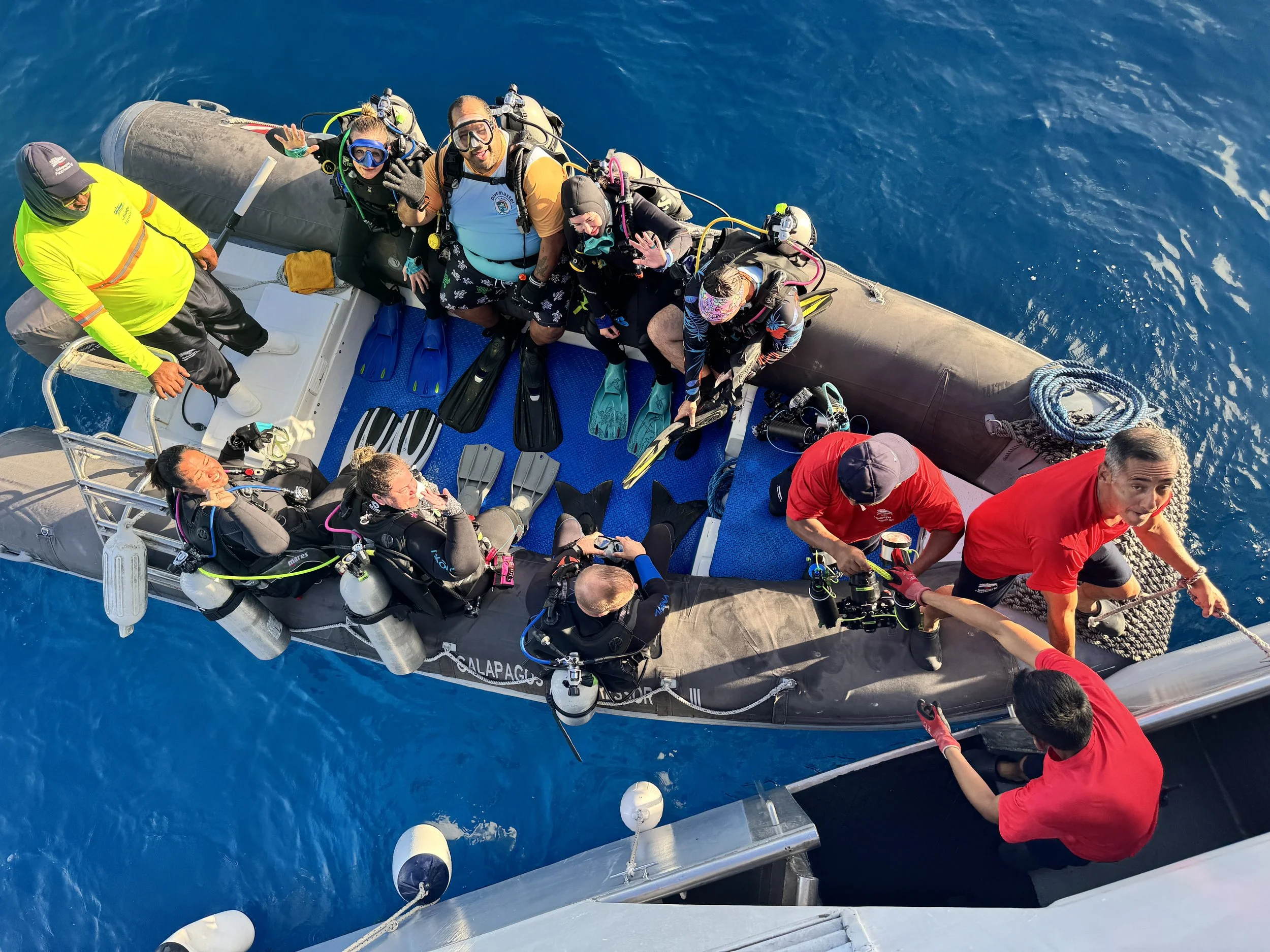
Twenty months after planning began in March 2025, our group came together for seven nights in one of the most remarkable marine environments on Earth. We had an ambitious itinerary, extraordinary wildlife to learn about, and a collection of friends whose shared experiences stretched across years and oceans.
For me, the most meaningful part of these adventures has never been simply visiting another destination. I love watching people become more confident divers, discover new marine environments, and form friendships that continue long after a trip ends.
The wildlife and landscapes of Galápagos were the reasons we chose the destination, but the people sharing the adventure were what made it a Seaira Dives expedition. After twenty months of planning and anticipation, bringing everyone together for this experience was something I had been looking forward to for a very long time.