Dive Into Lembeh: Macro Photography Adventure
After years of hearing underwater photographers rave about Lembeh’s alien-like critters, black-sand slopes, and legendary muck diving, I finally made the journey to Lembeh Strait, Indonesia and it exceeded every expectation.
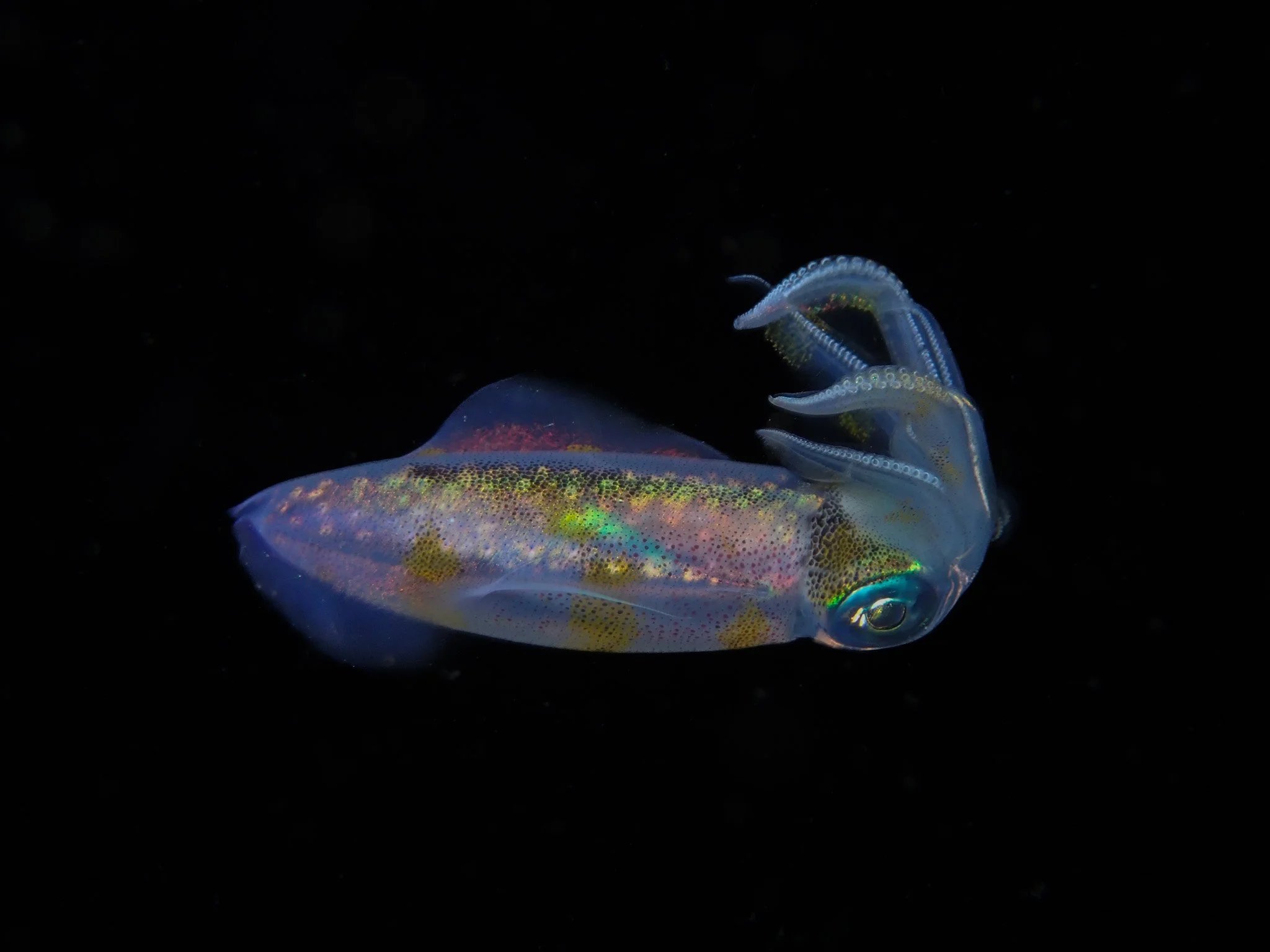
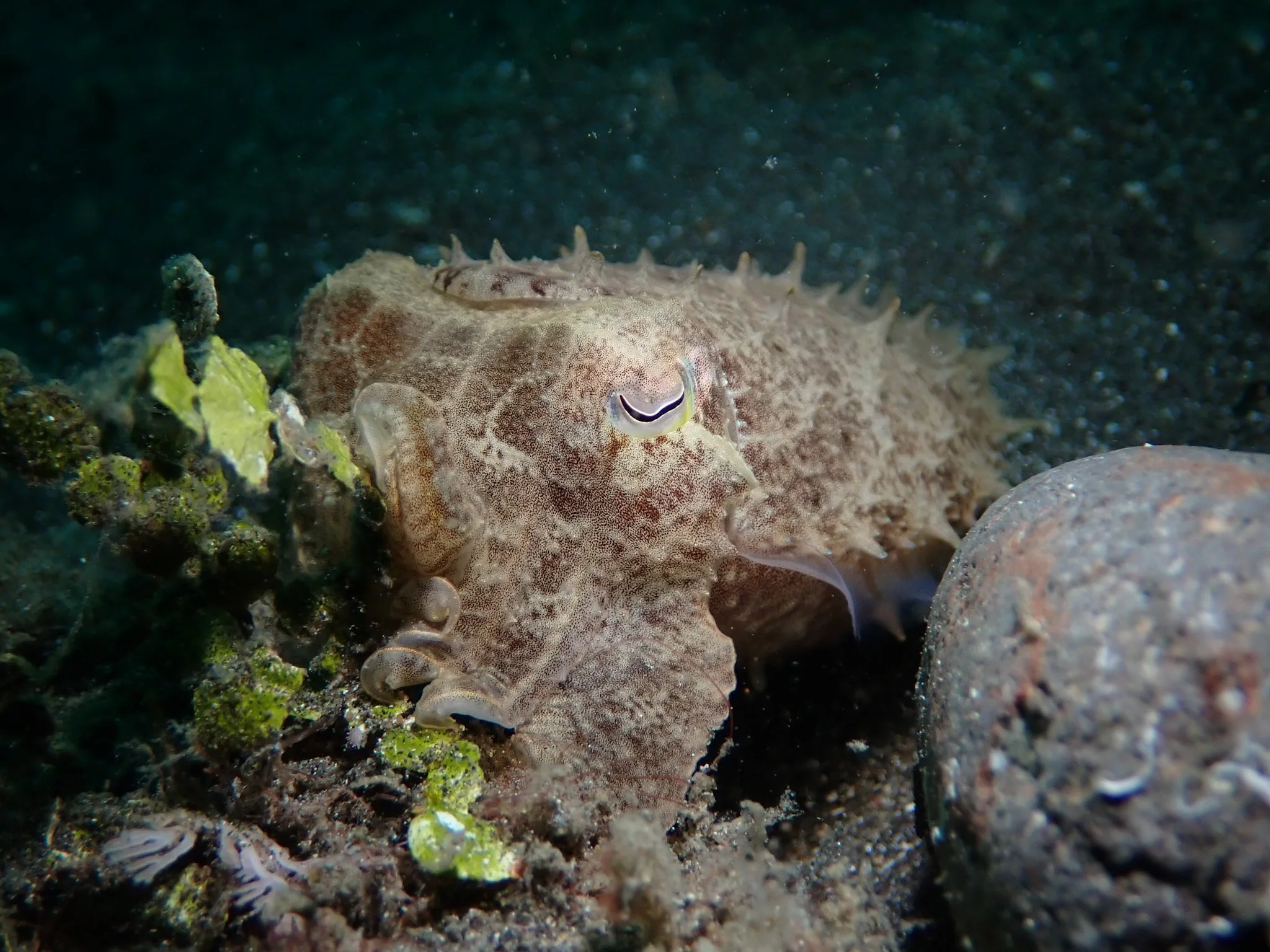
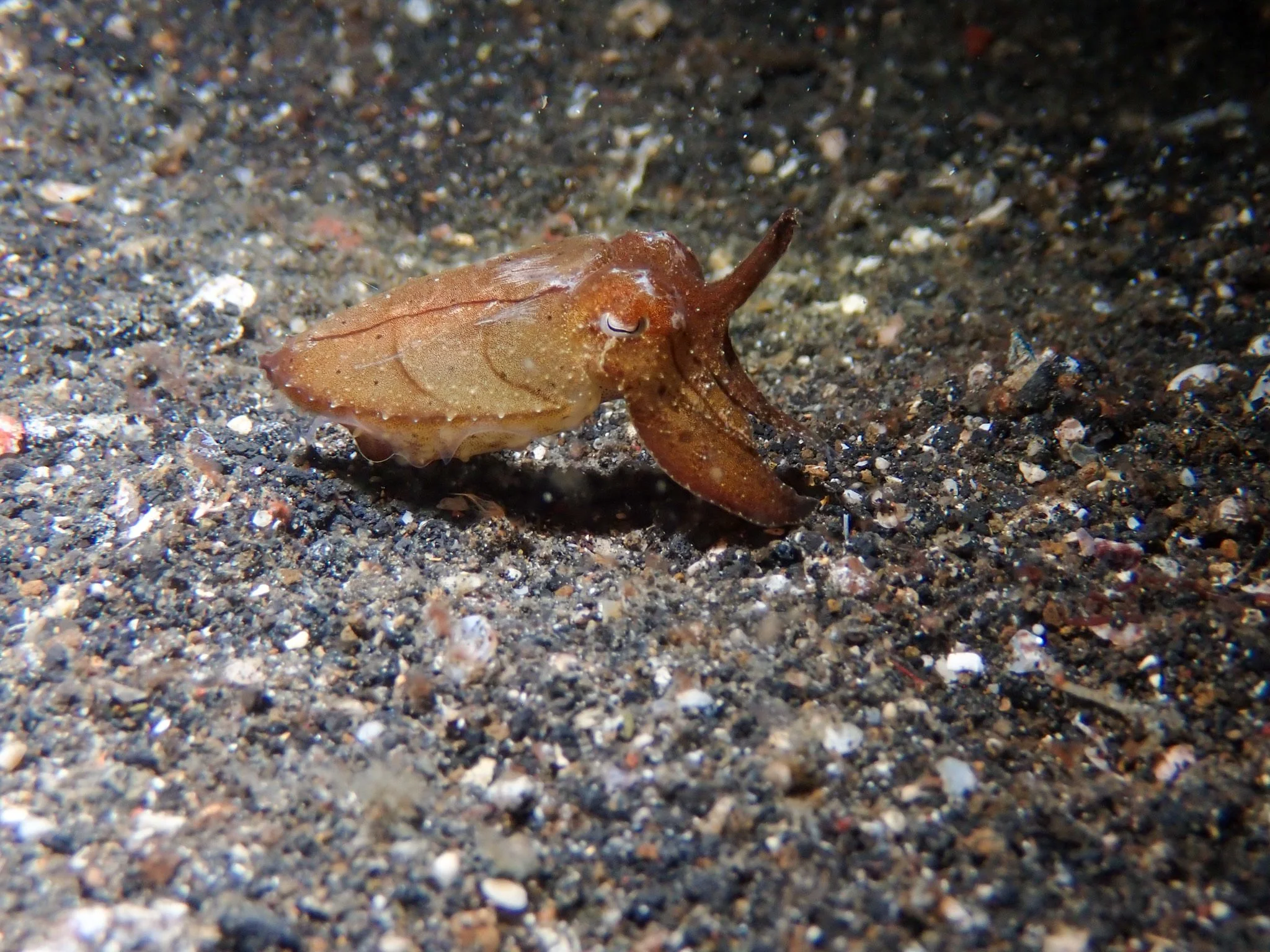
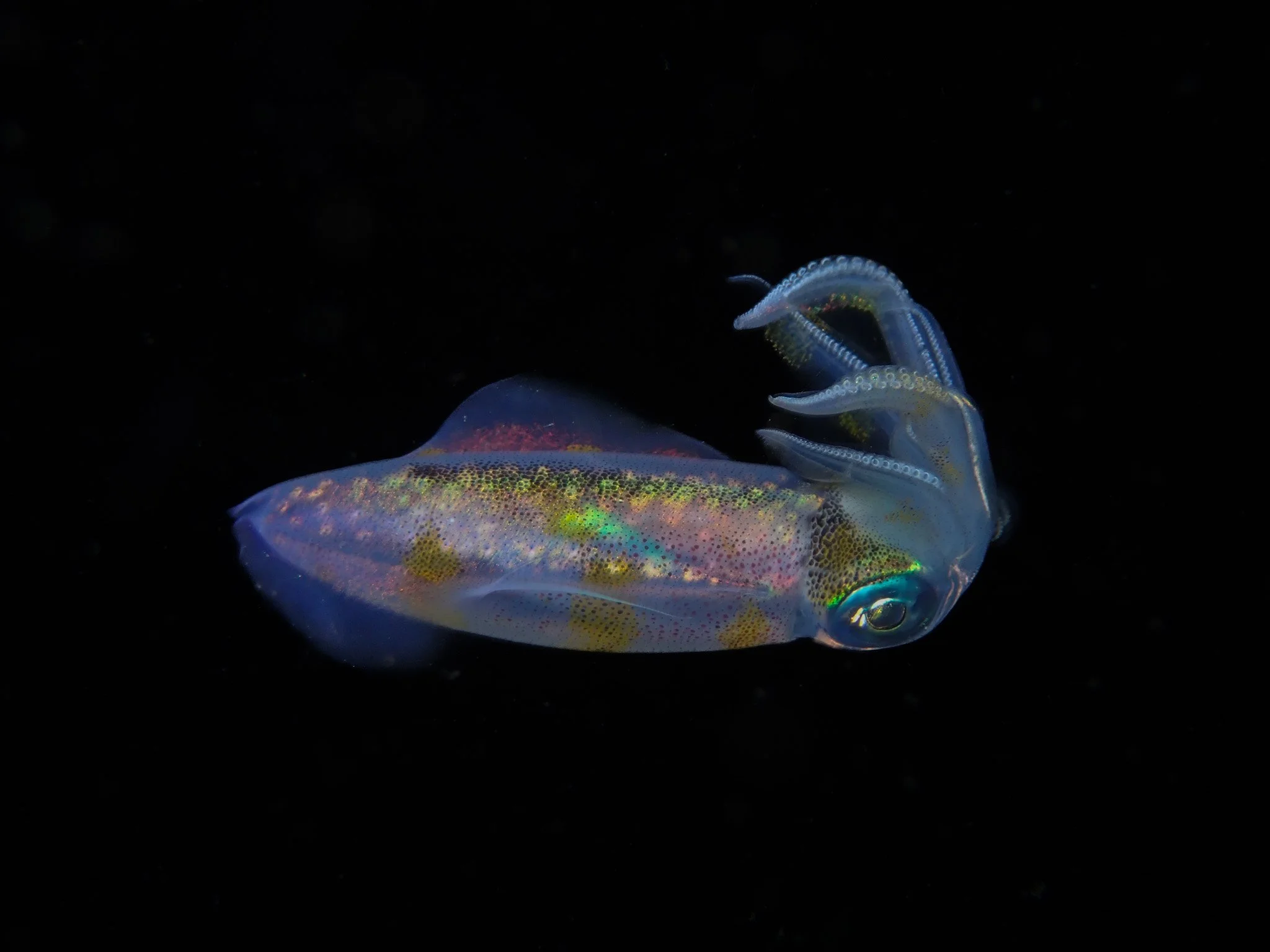
A squid on a night dive
In late April through early May 2026, I spent nine nights at Dive Into Lembeh Resort, joining a small group of passionate divers and photographers for the Byron, Matt, and Andy Inside Scuba macro photography workshop in Lembeh Strait. Between world-class muck diving, intentional photography instruction, patient dive guides, and the discipline required to slow everything down on black sand, this experience completely reshaped how I approach both diving and underwater photography.
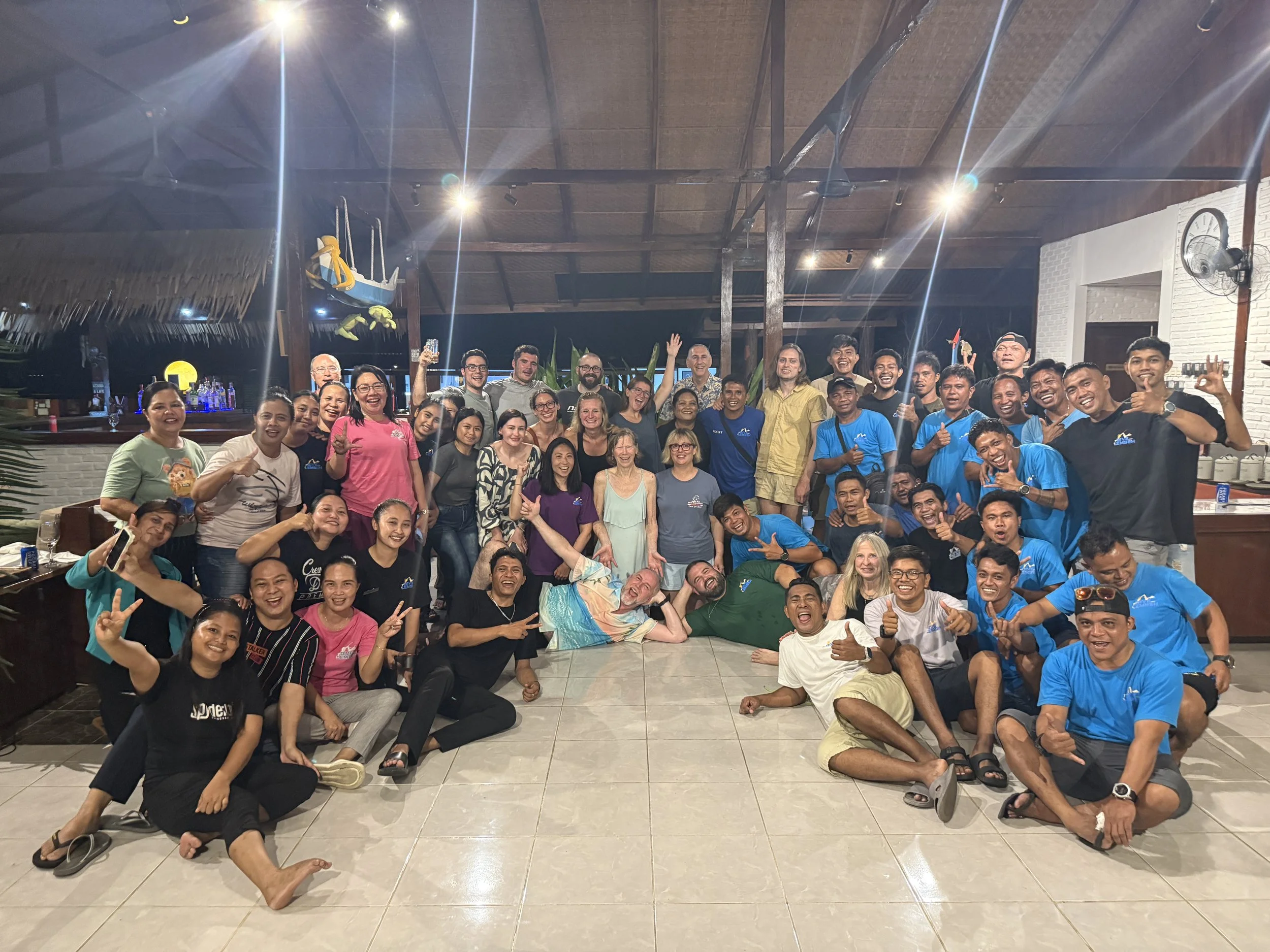
End of trip celebration
Getting to Lembeh Strait: The Long (but Worth It) Journey
Traveling to Lembeh is part of the experience, and with thoughtful planning, it’s very manageable.
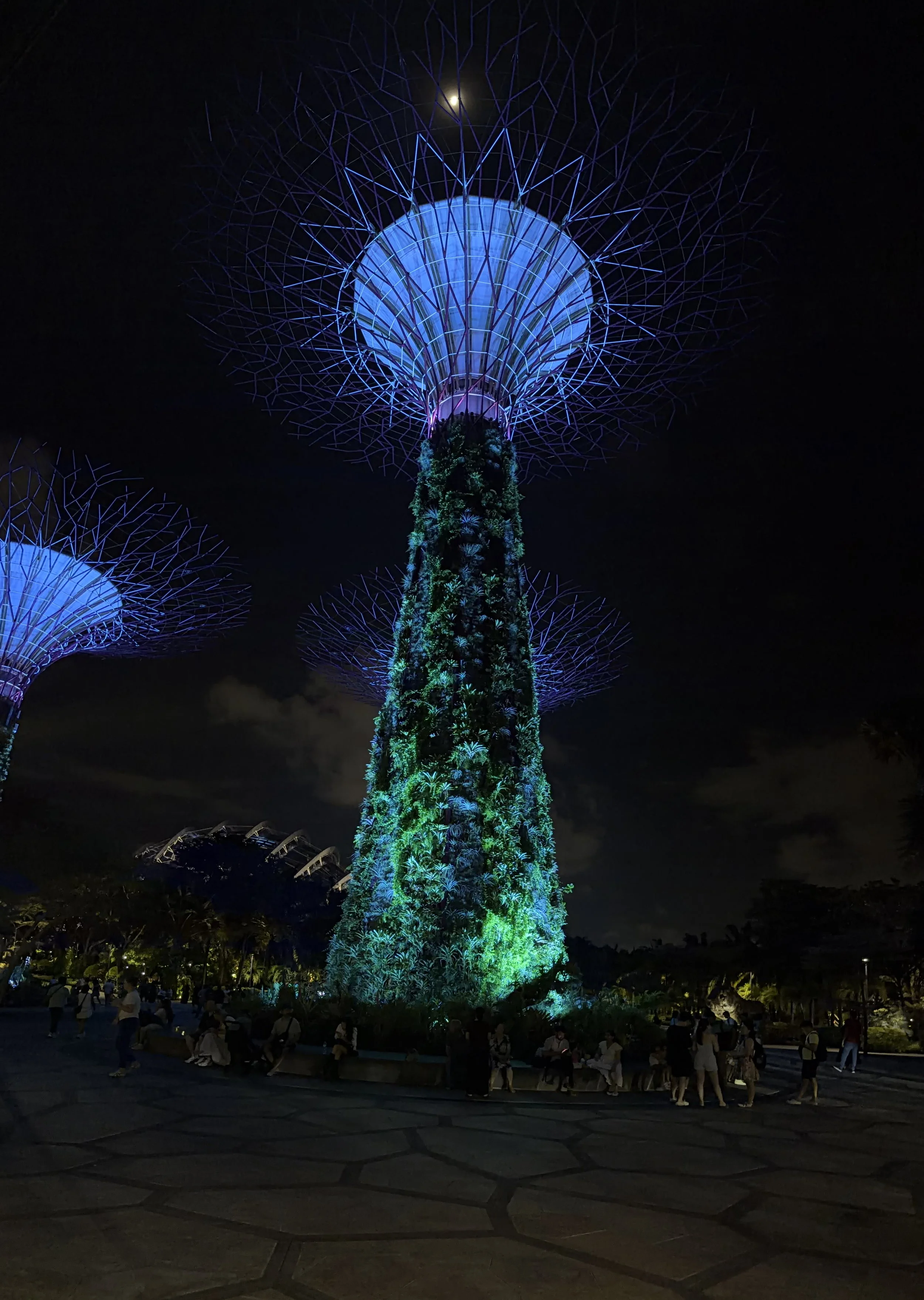
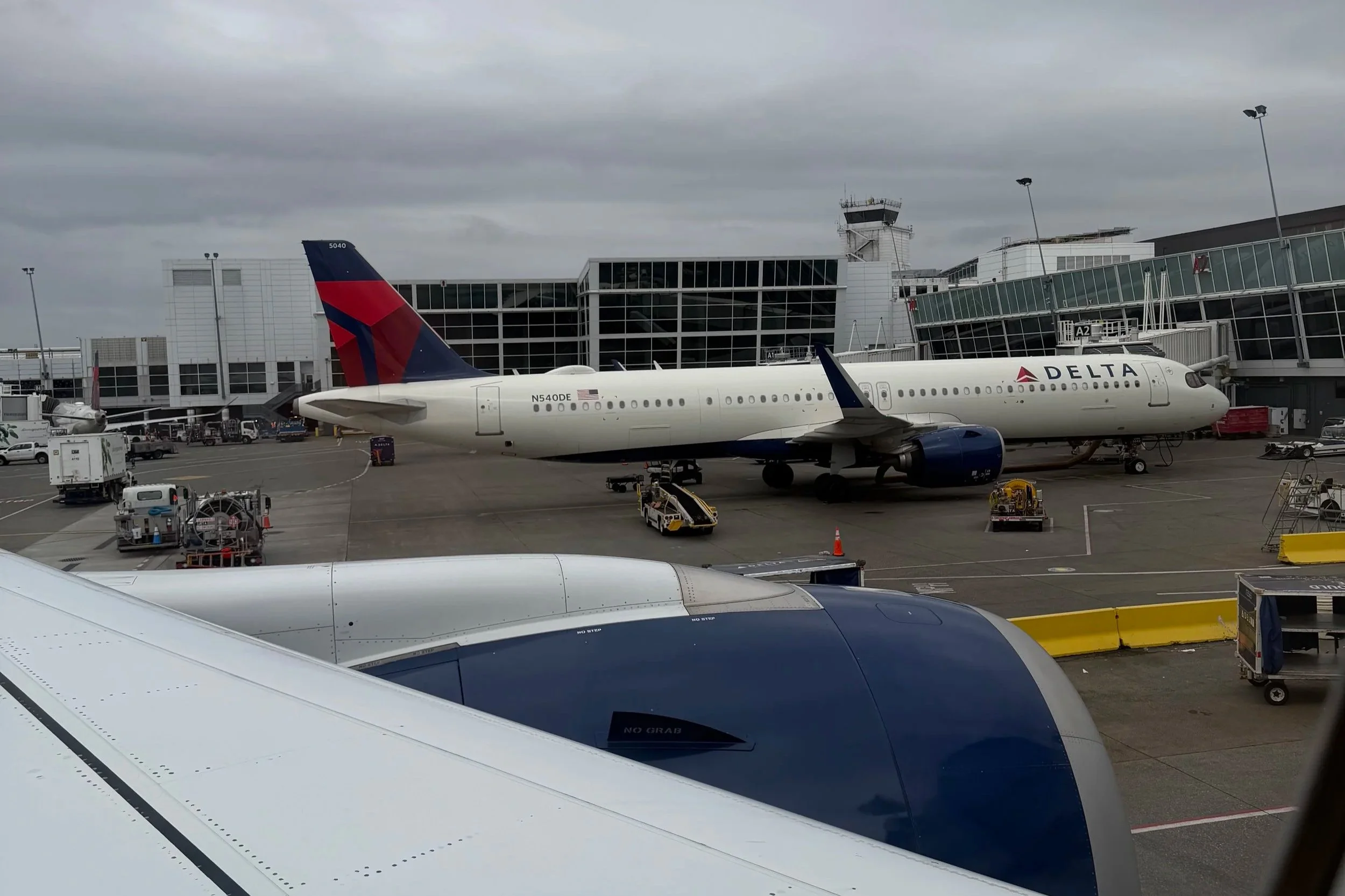
I flew San Diego → Seattle → Incheon (South Korea) → Singapore, intentionally breaking up the journey to make the transition easier. After arriving in Singapore, I stayed three nights to recover from jet lag, explore the city, and ease into Southeast Asia time. Check out my blog about my time in Singapore.
That stopover wasn’t accidental. I first met Miranda and Steve from Dive Into Lembeh at DEMA, where they shared practical advice about pacing long-haul travel, including the recommendation to spend time in Singapore before continuing on to Indonesia. That guidance made a noticeable difference in how rested and present I felt upon arrival.
From Singapore, I flew Scoot Airlines directly to Manado. From Manado Airport, it was about an hour drive to the resort. The transfer process was smooth and well organized, and after such a long travel journey, everything felt easy and thoughtfully coordinated.
On the return journey, I reversed the itinerary:
Lembeh → Singapore → Incheon → Seattle → San Diego.
It’s a long route, but broken up intentionally, it felt far more manageable than trying to power through all at once.
Diving Lembeh Strait: Dive Sites, Conditions & What to Expect
Dive Conditions (Late April–Early May)
Conditions during this time of year were exceptionally well suited for macro photography and long, slow dives.
Water temperatures hovered around 80–82°F (27–28°C). Visibility generally ranged from 15–40 feet depending on the site and conditions, and currents were typically minimal to nonexistent.
Many divers wore rash guards or 3mm wetsuits, though I was very happy to have additional exposure protection for the long bottom times. Lembeh diving is not fast paced. Success here depends on buoyancy control, patience, and the ability to slow down enough to truly observe your surroundings.
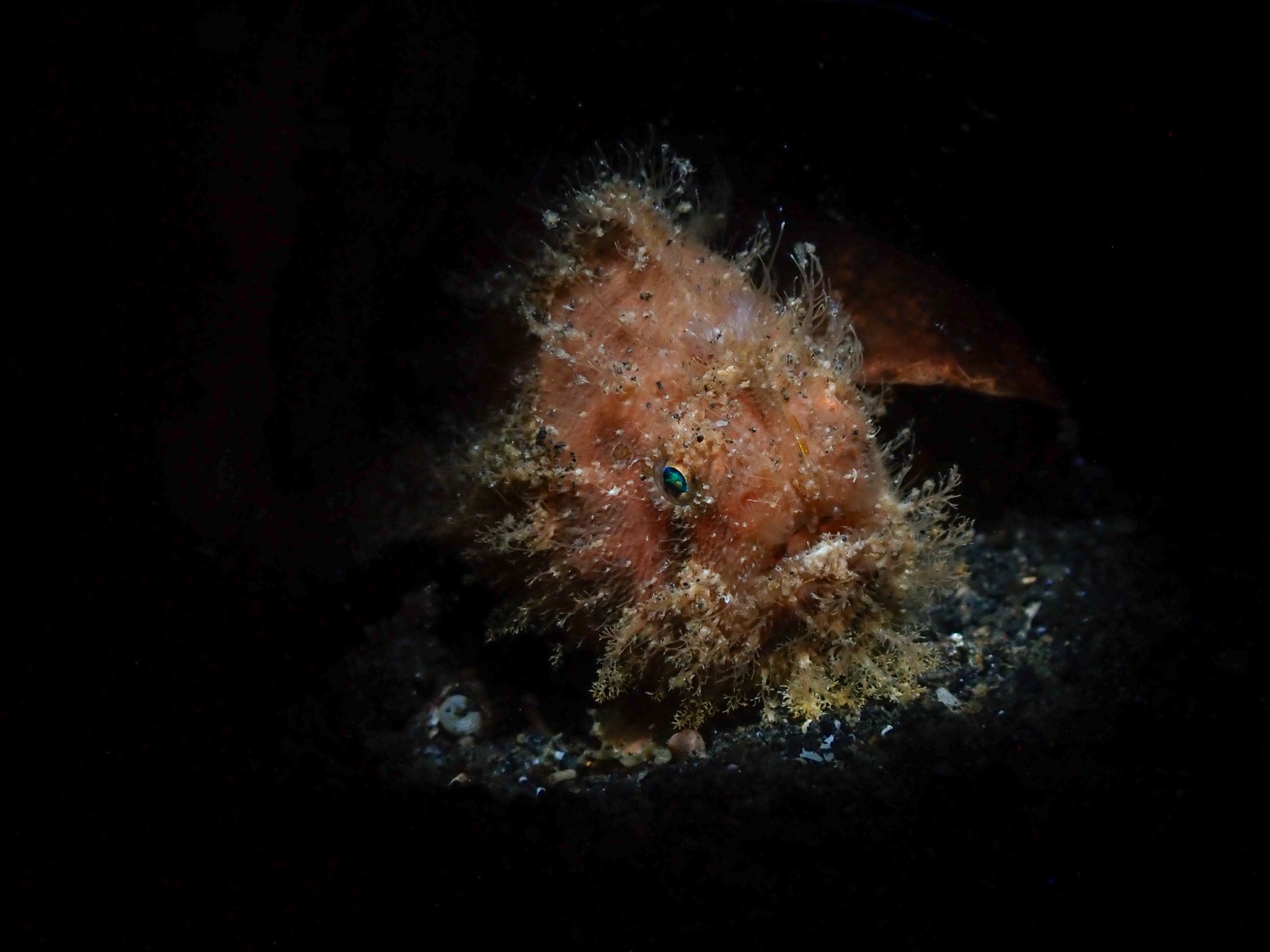
At first glance, many sites appear barren. Then suddenly your guide points out a perfectly camouflaged frogfish sitting inches away or a tiny pygmy seahorse hidden seamlessly within a sea fan.
Lembeh completely changes the way you look underwater.
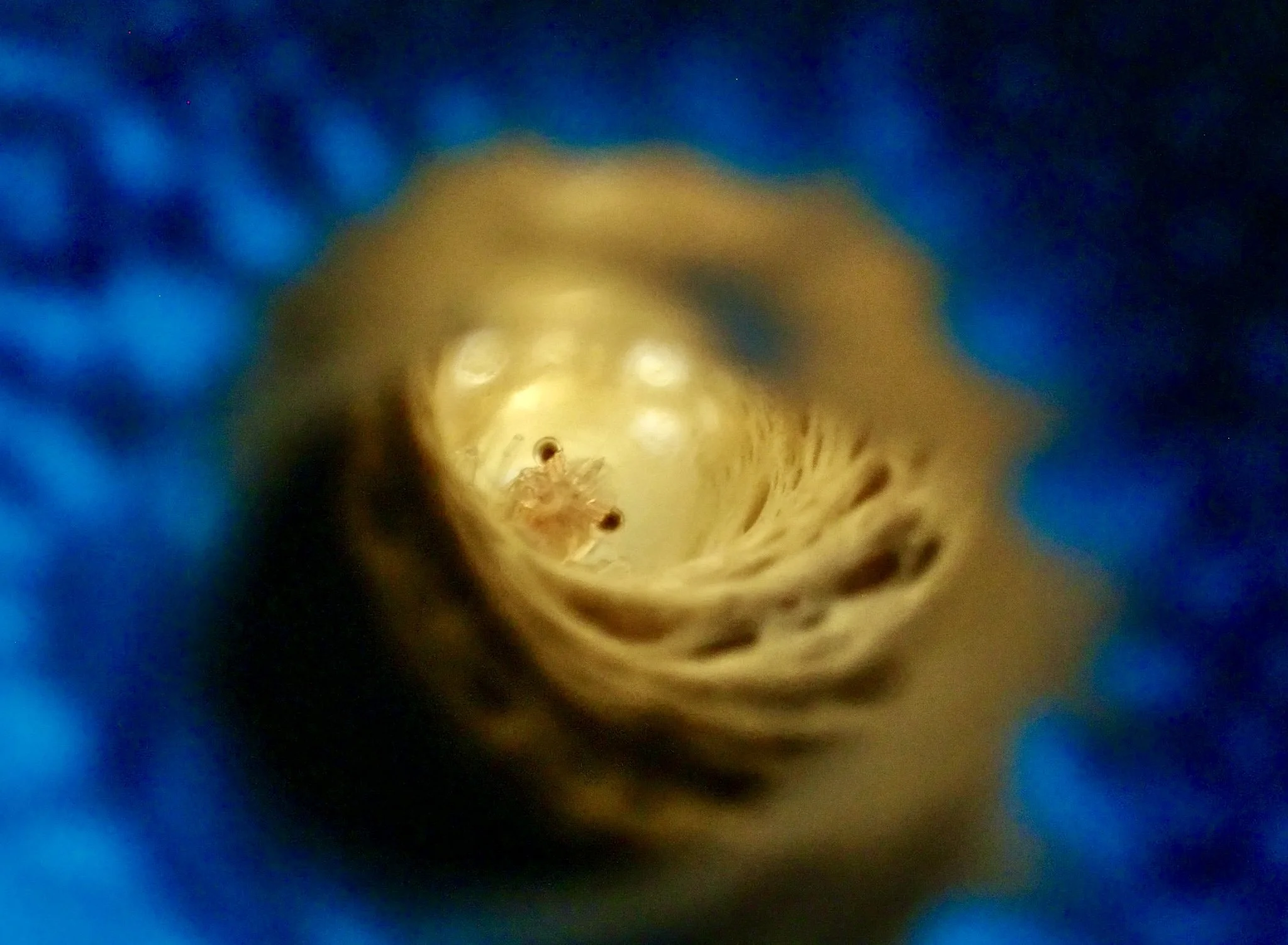
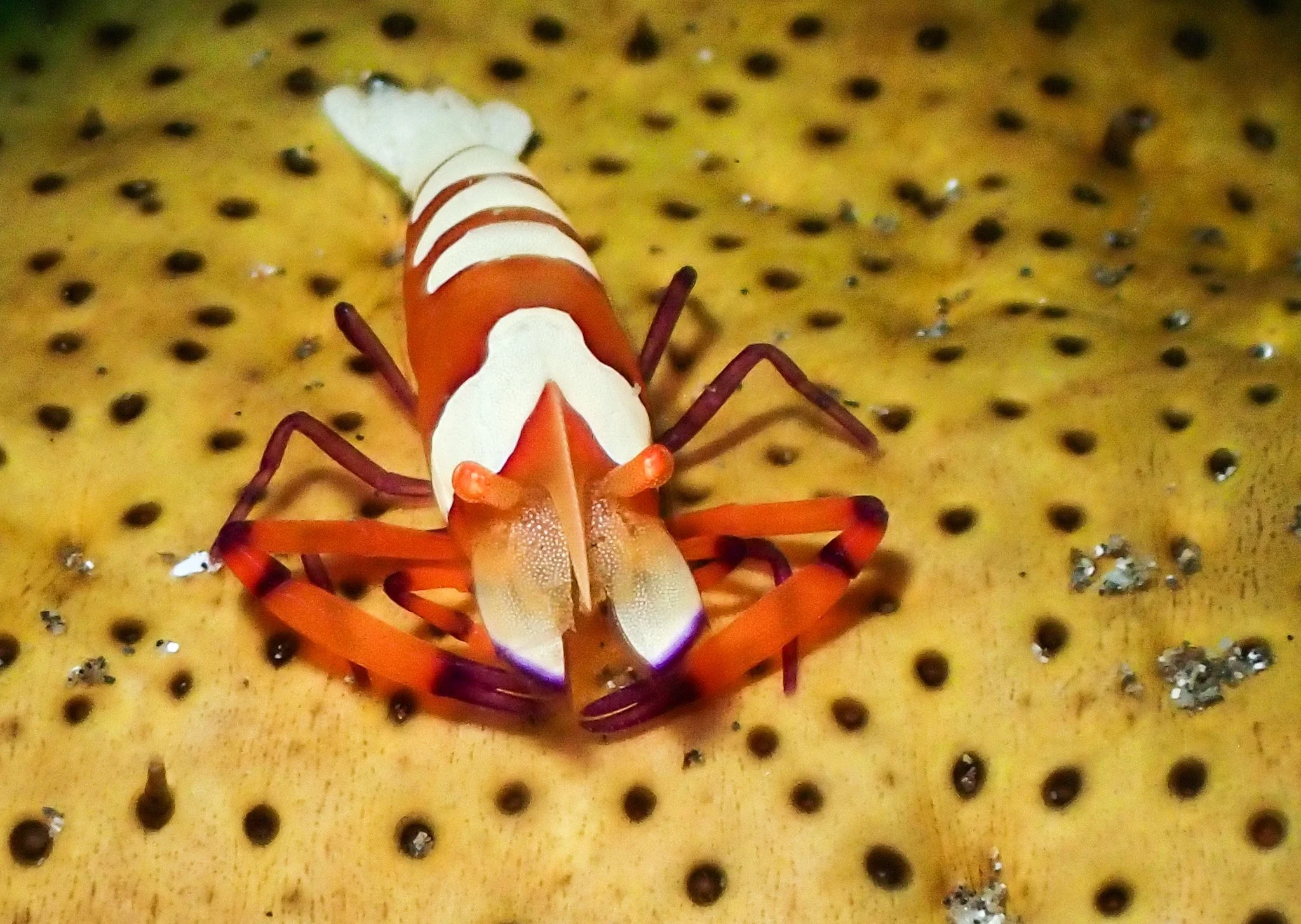
This little shrimp was hidden inside a sponge at Nudi Falls
Notable Lembeh Dive Sites
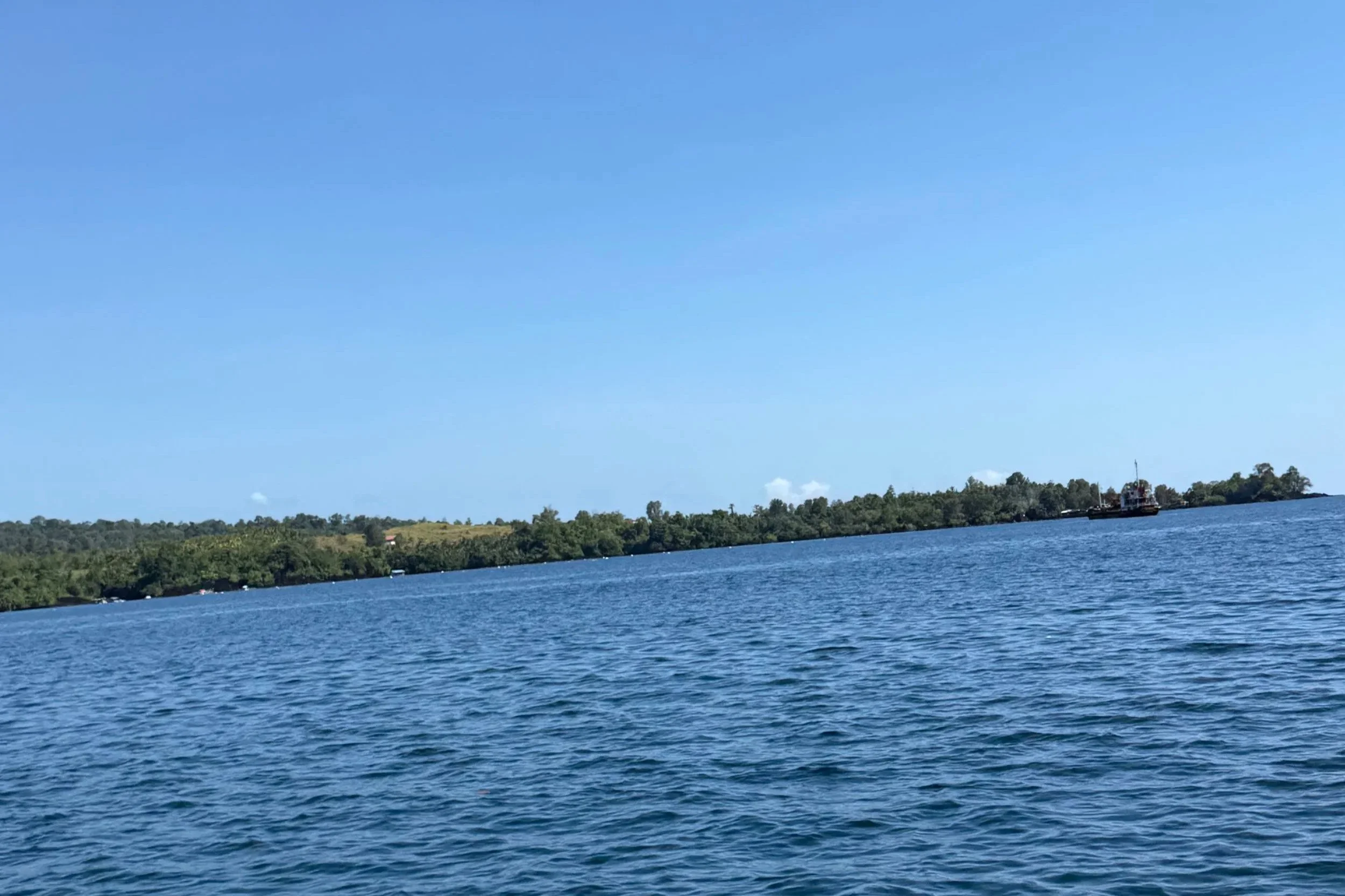
Over nine nights, we explored a variety of iconic Lembeh dive sites, each with its own personality and standout marine life encounters. One of the things I quickly realized about Lembeh is that the sites themselves are often subtle. The magic comes from slowing down, trusting your guides, and discovering just how much life exists hidden within the sand, rubble, and small patches of reef.
Nudi Falls
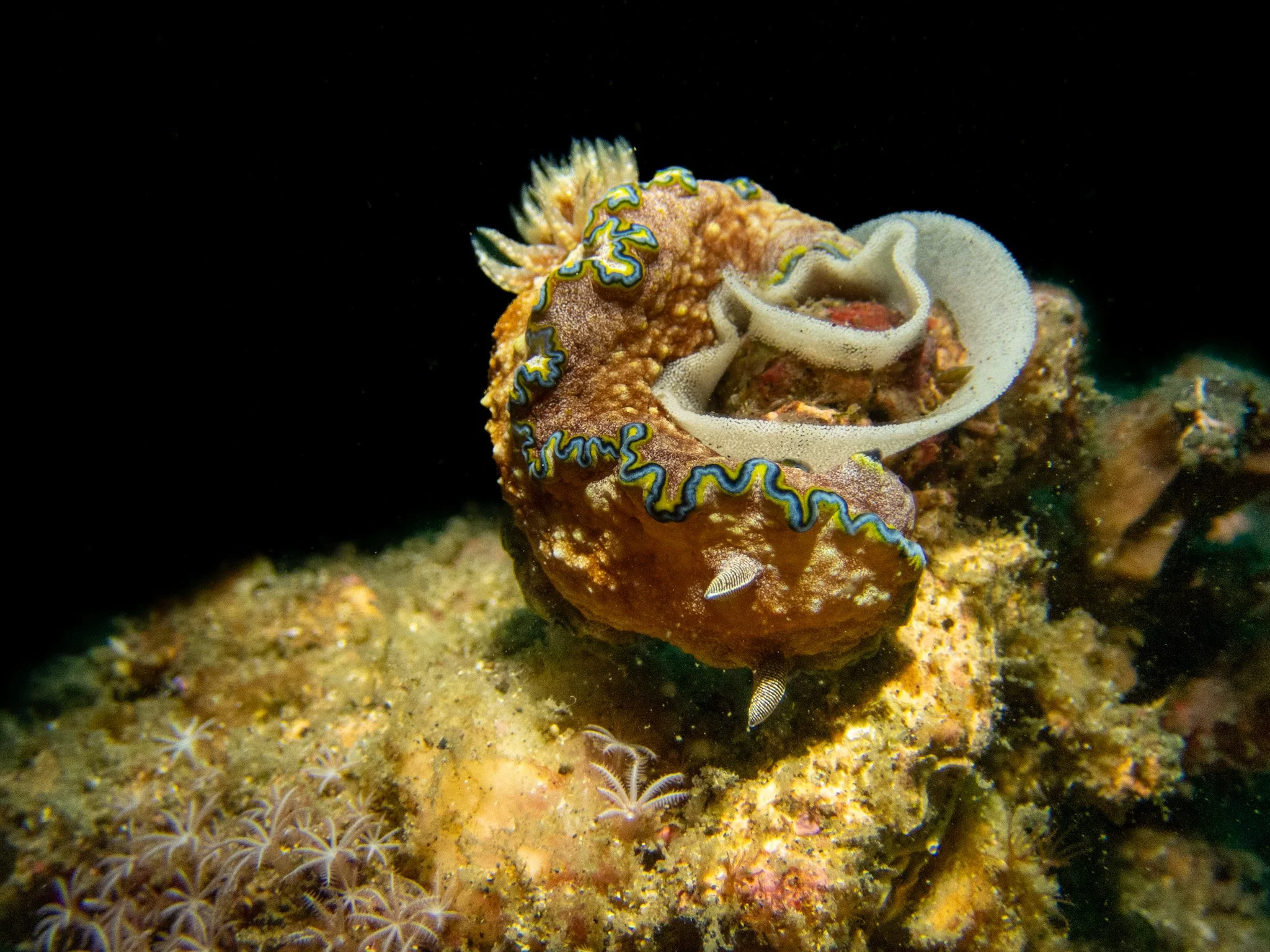
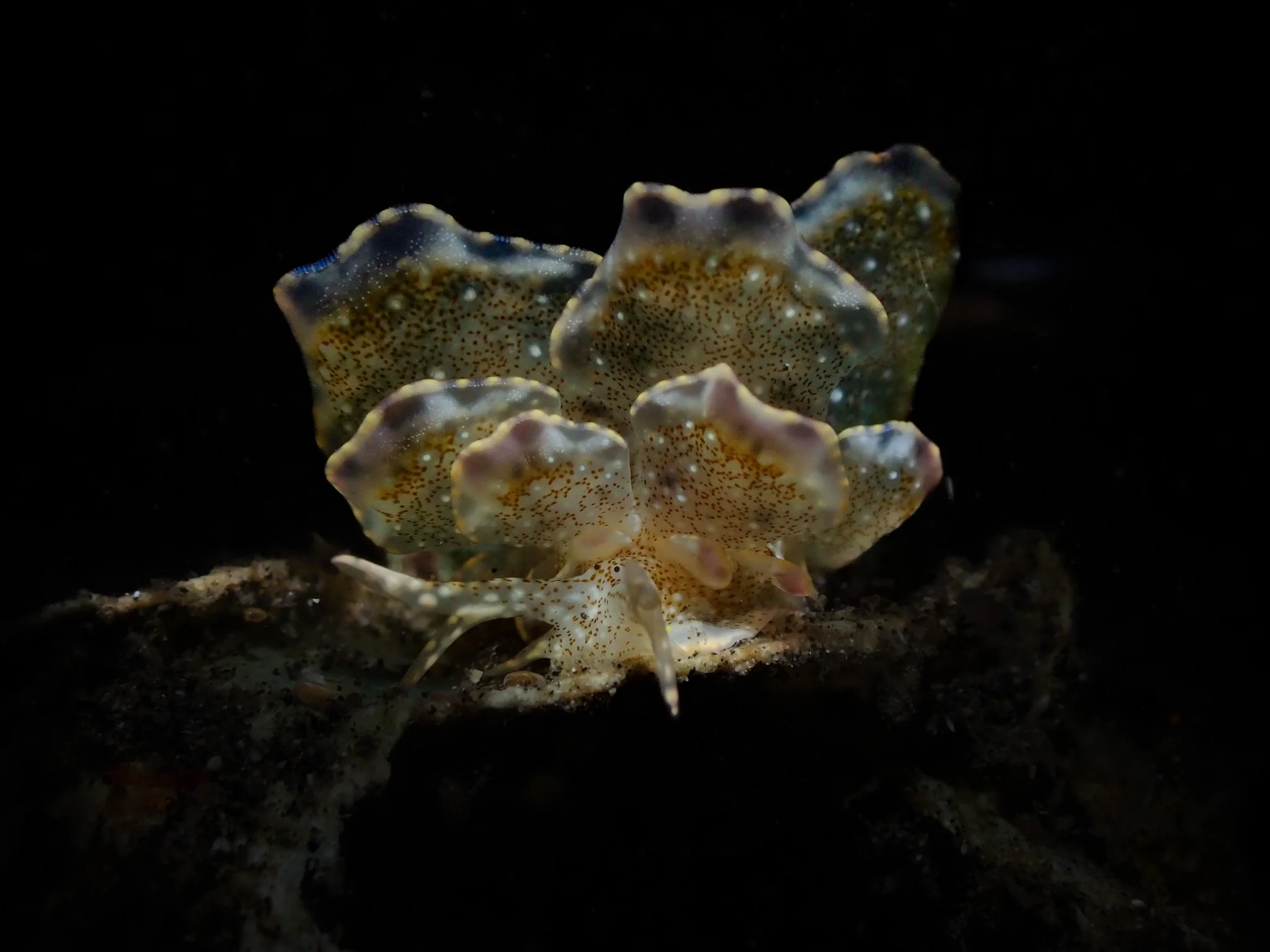
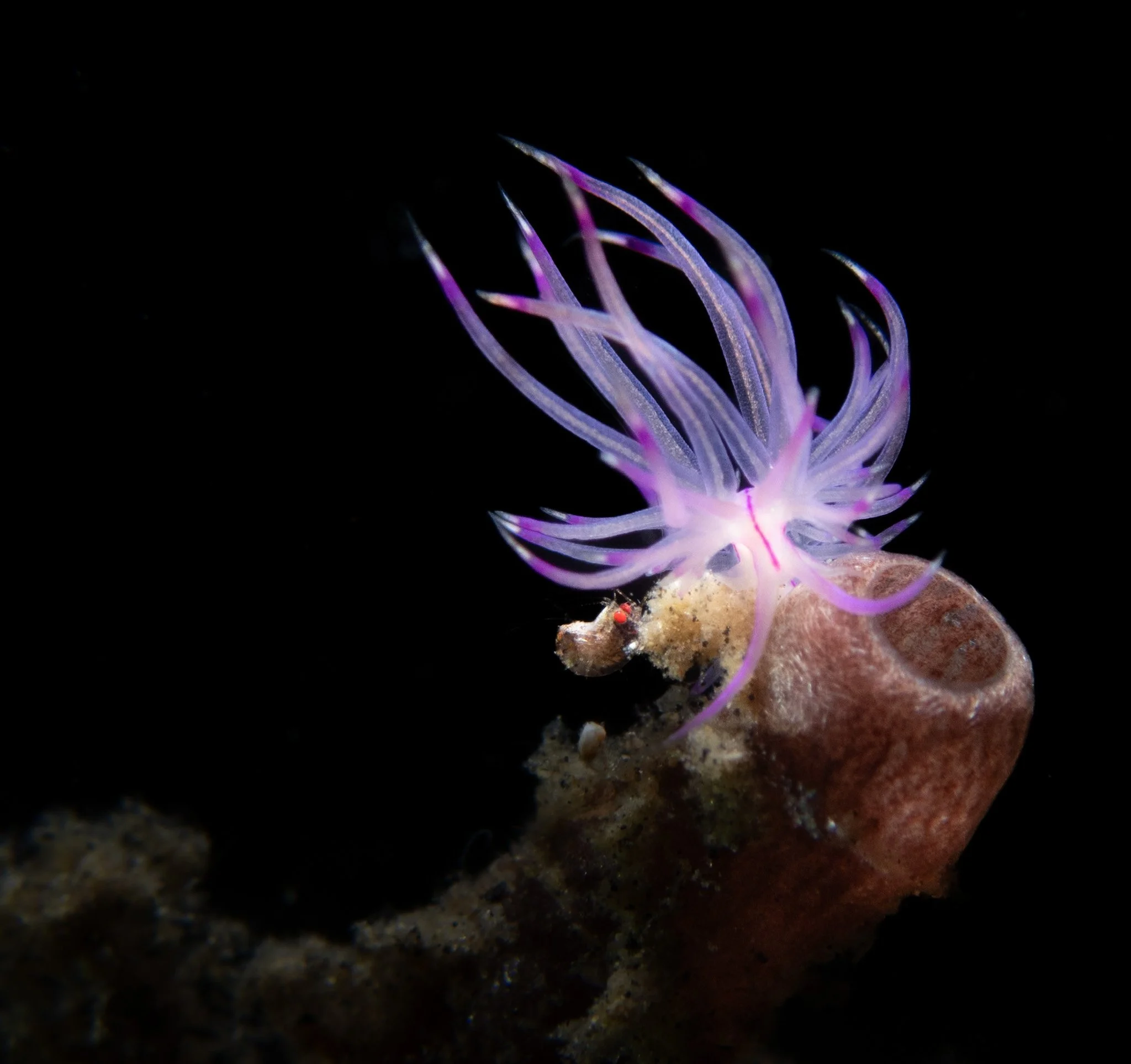
Nudi Falls absolutely lived up to its name and quickly became one of my favorite sites of the trip. The nudibranch diversity here was incredible, with vibrant colors standing out beautifully against the dark volcanic sand and reef structure.
This was by far our favorite dive site. My friend and scuba buddy, Becky, runs a fun instagram page dedicated to all the small things called Onlynudis! Check it out here!
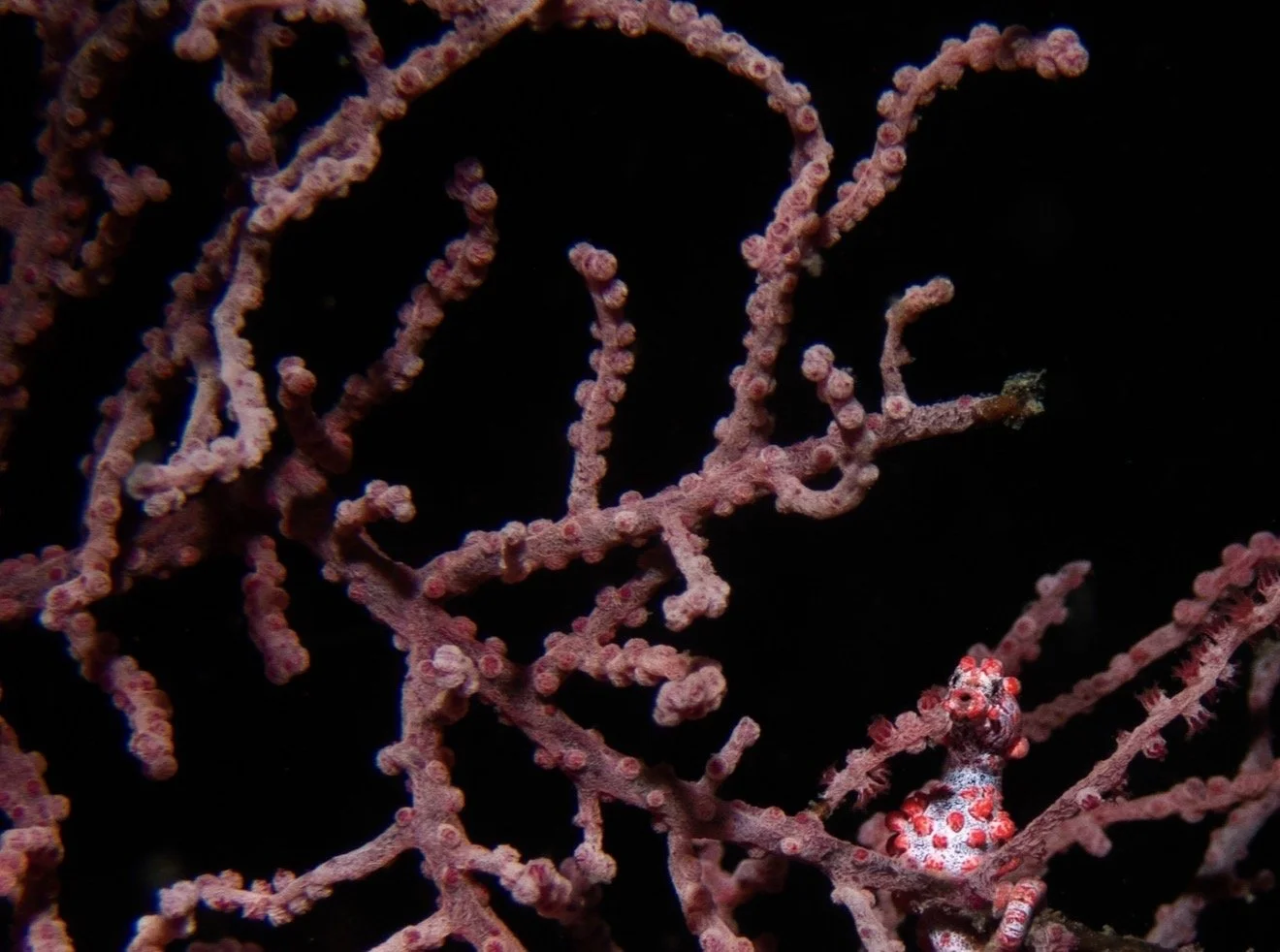
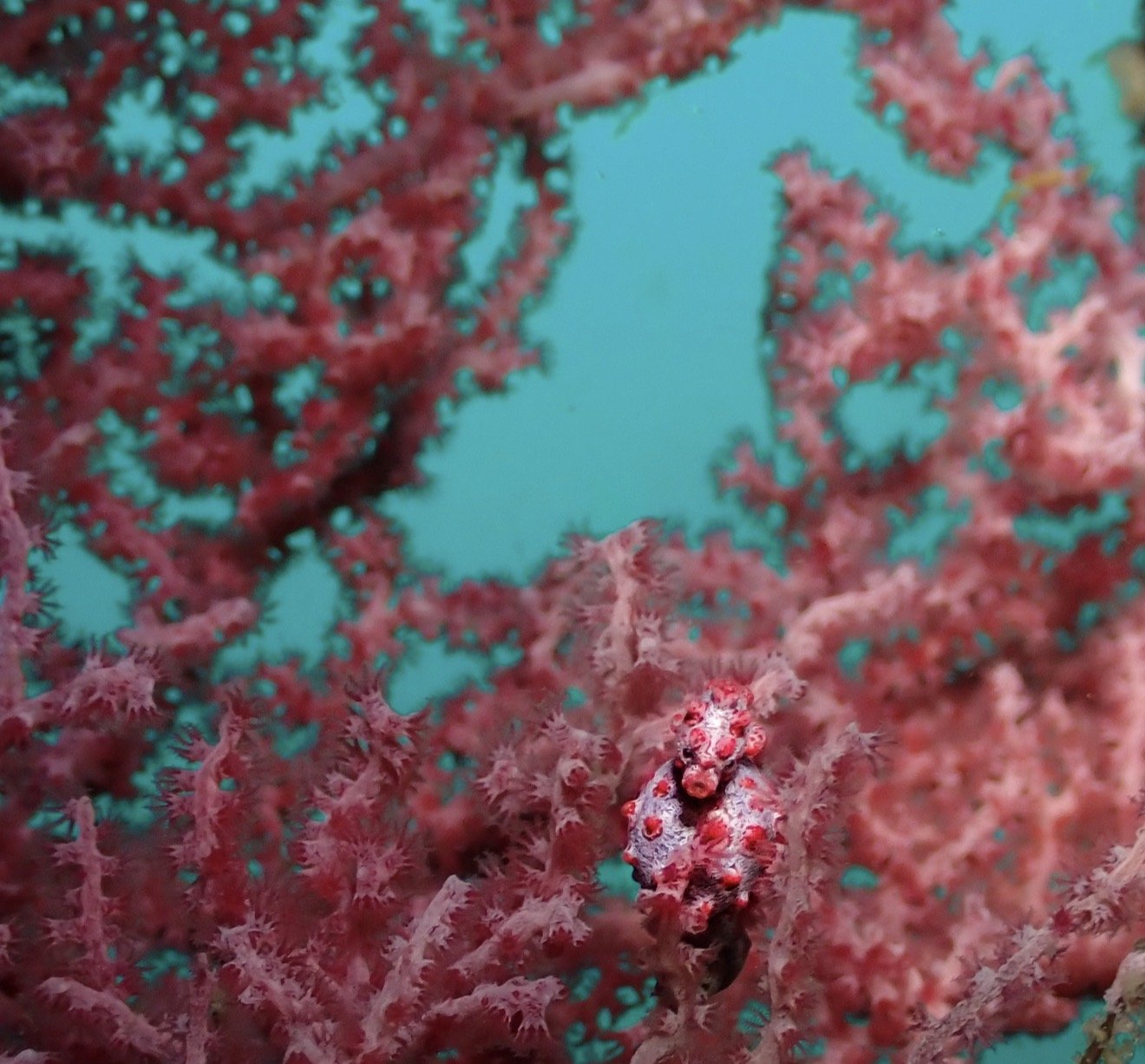
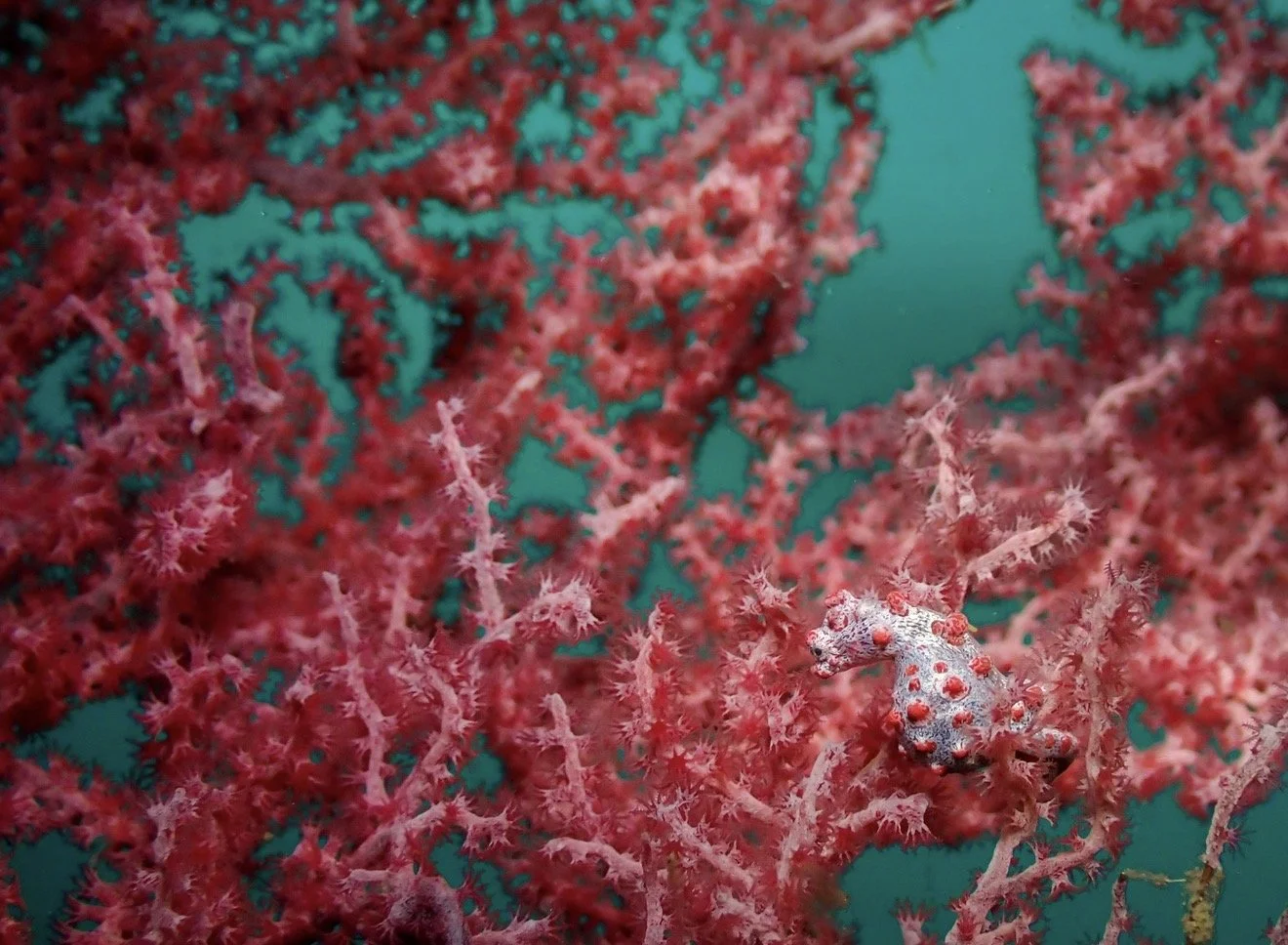
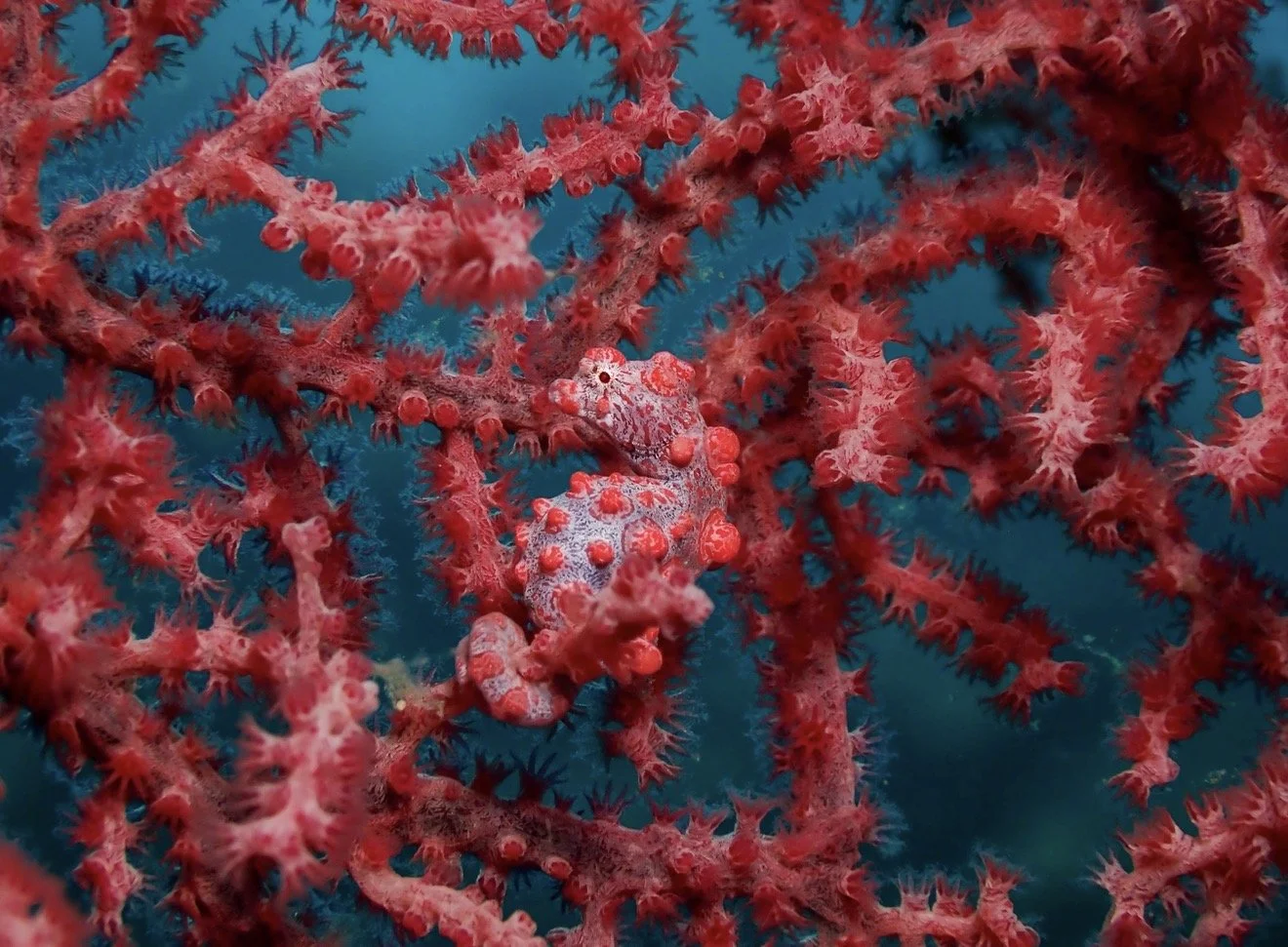
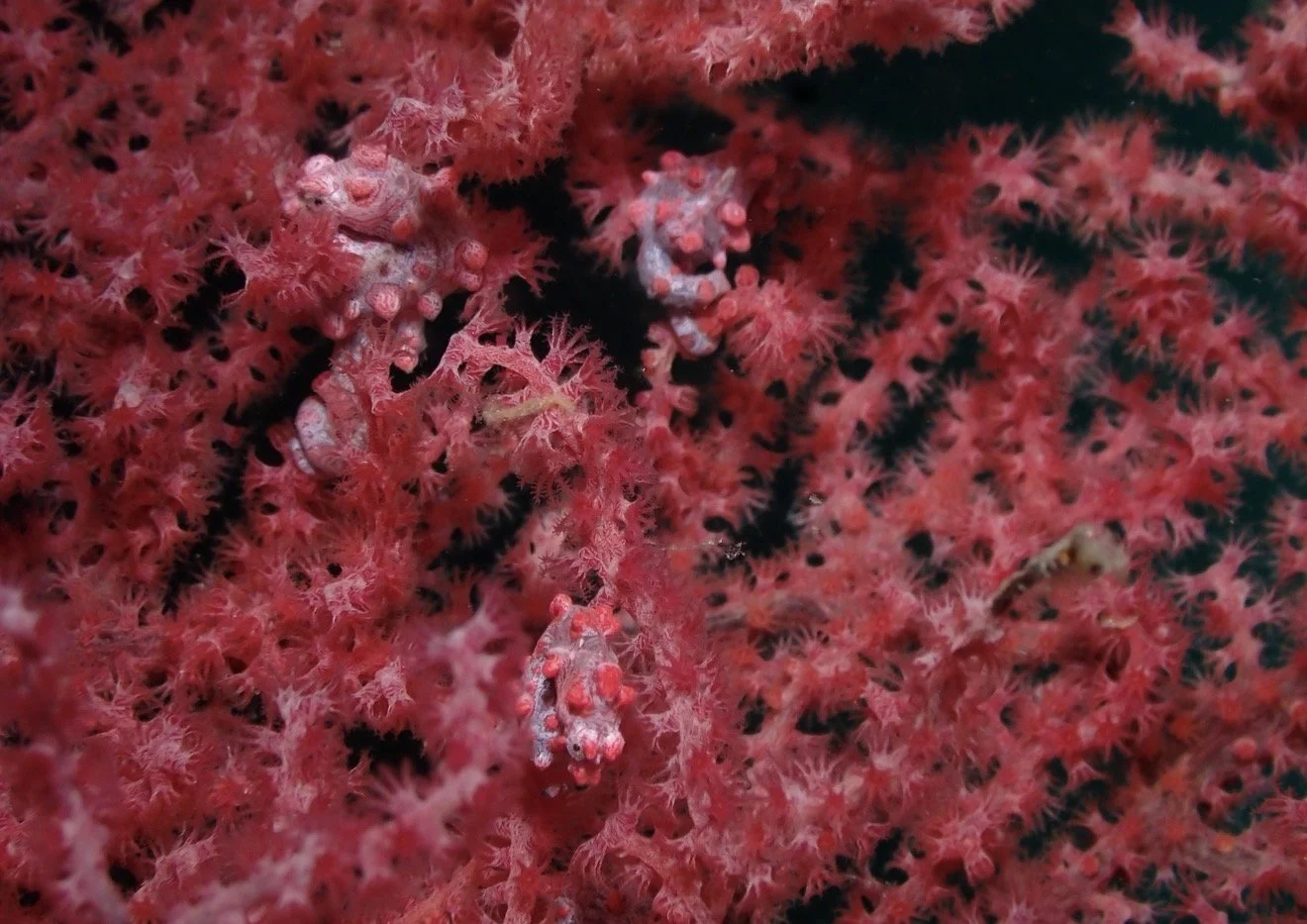
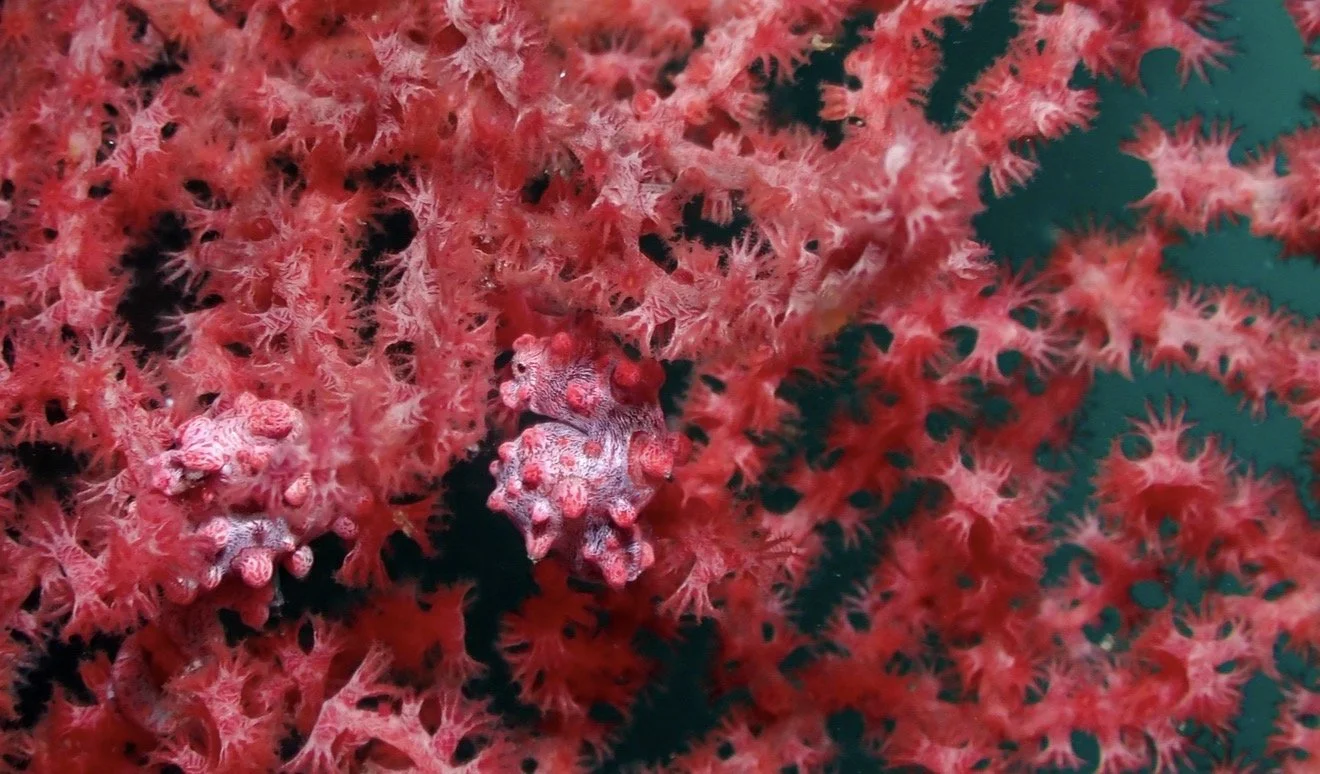
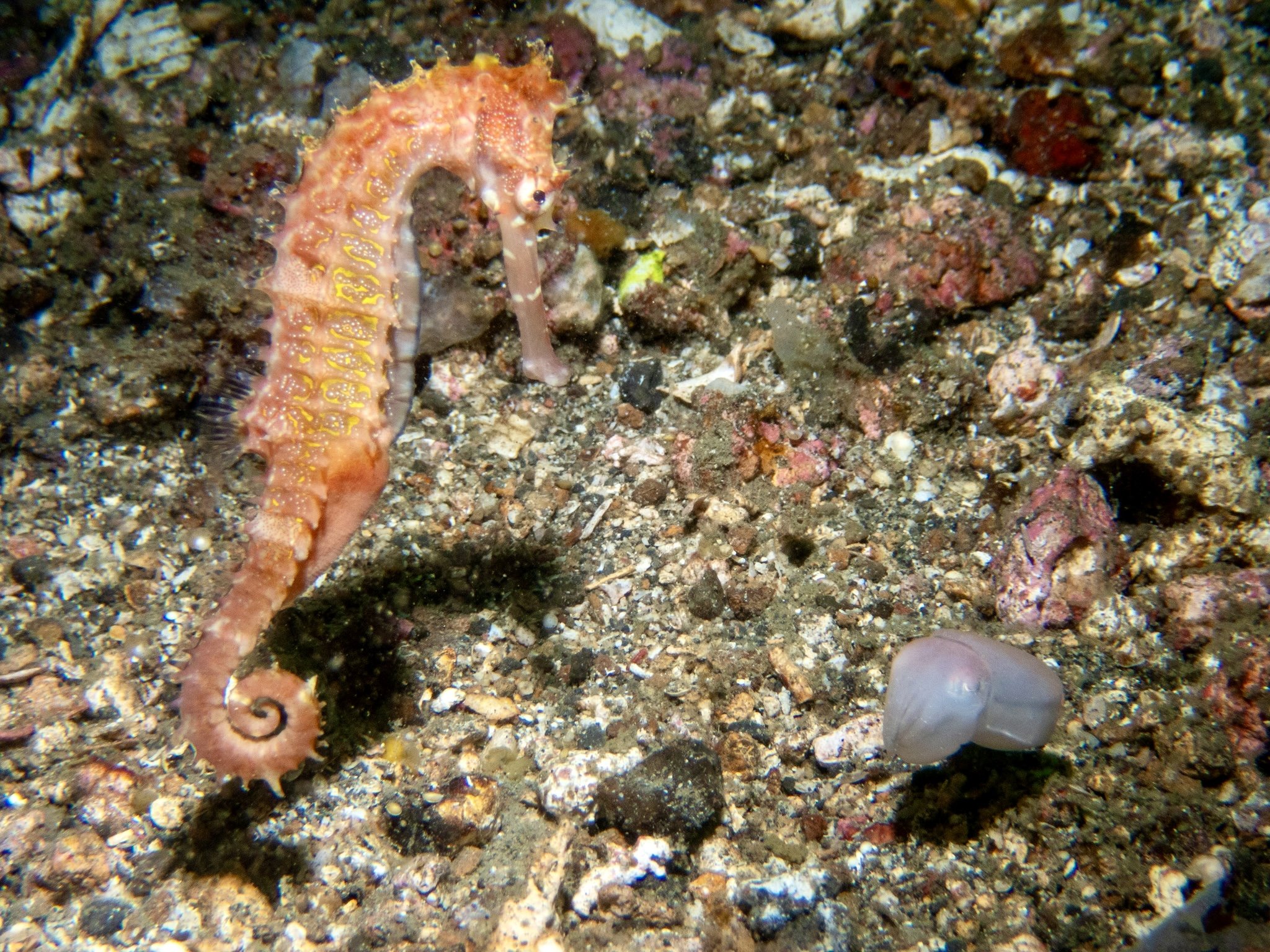
This site was also fantastic for pygmy seahorses. Spending time carefully searching sea fans for these tiny creatures became oddly addictive, and returning multiple times to photograph them really emphasized how much patience macro photography requires.
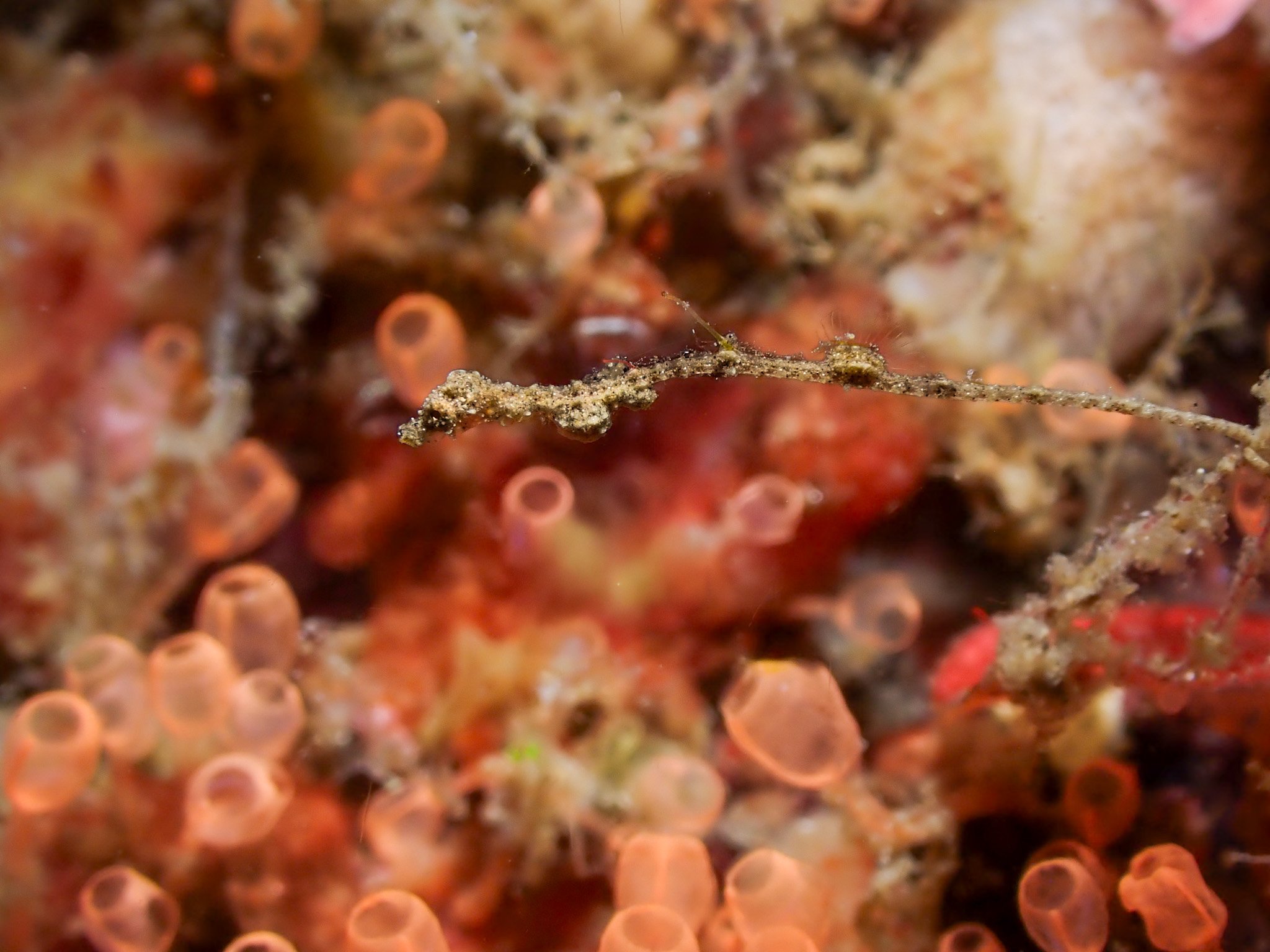
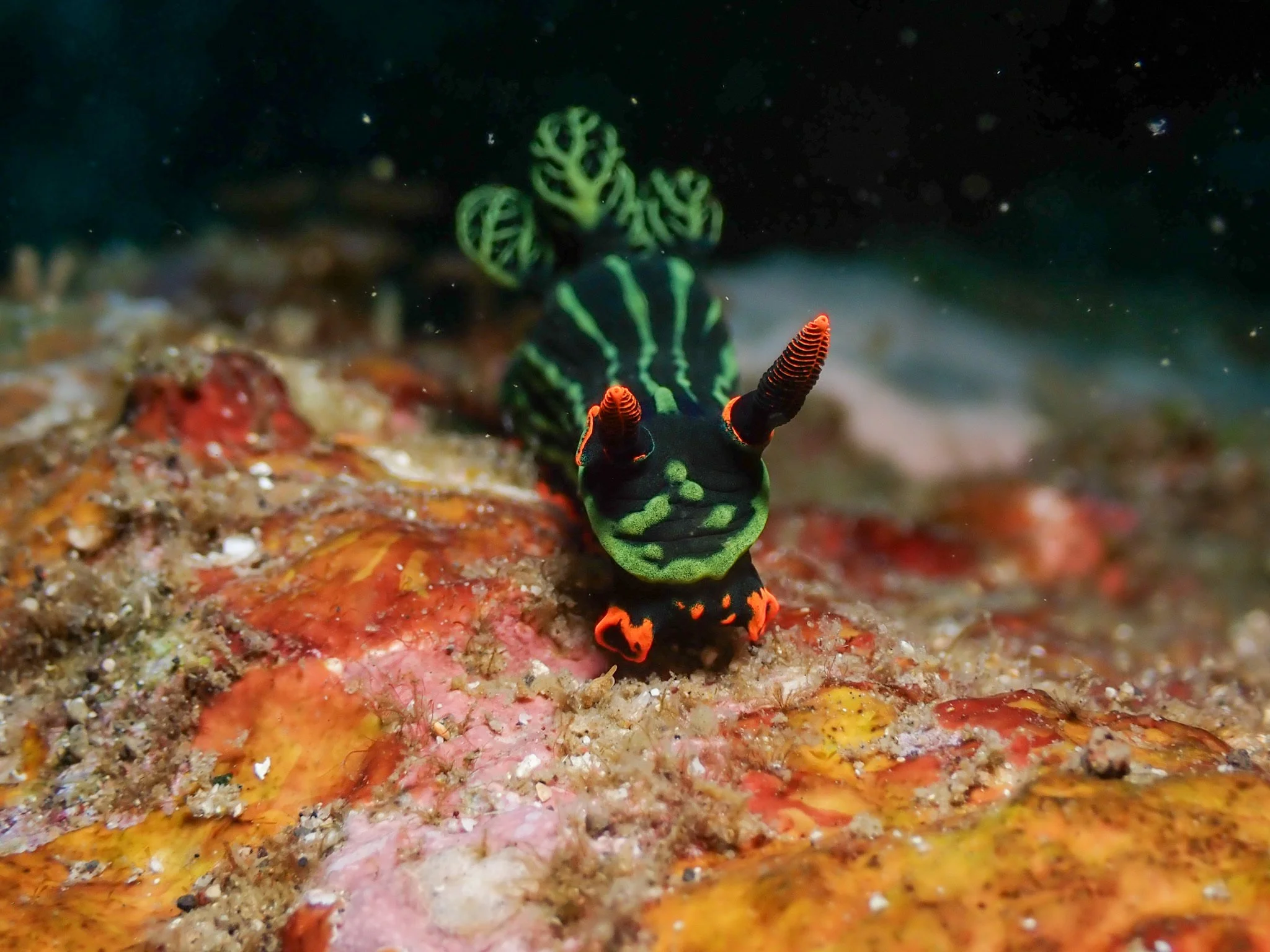
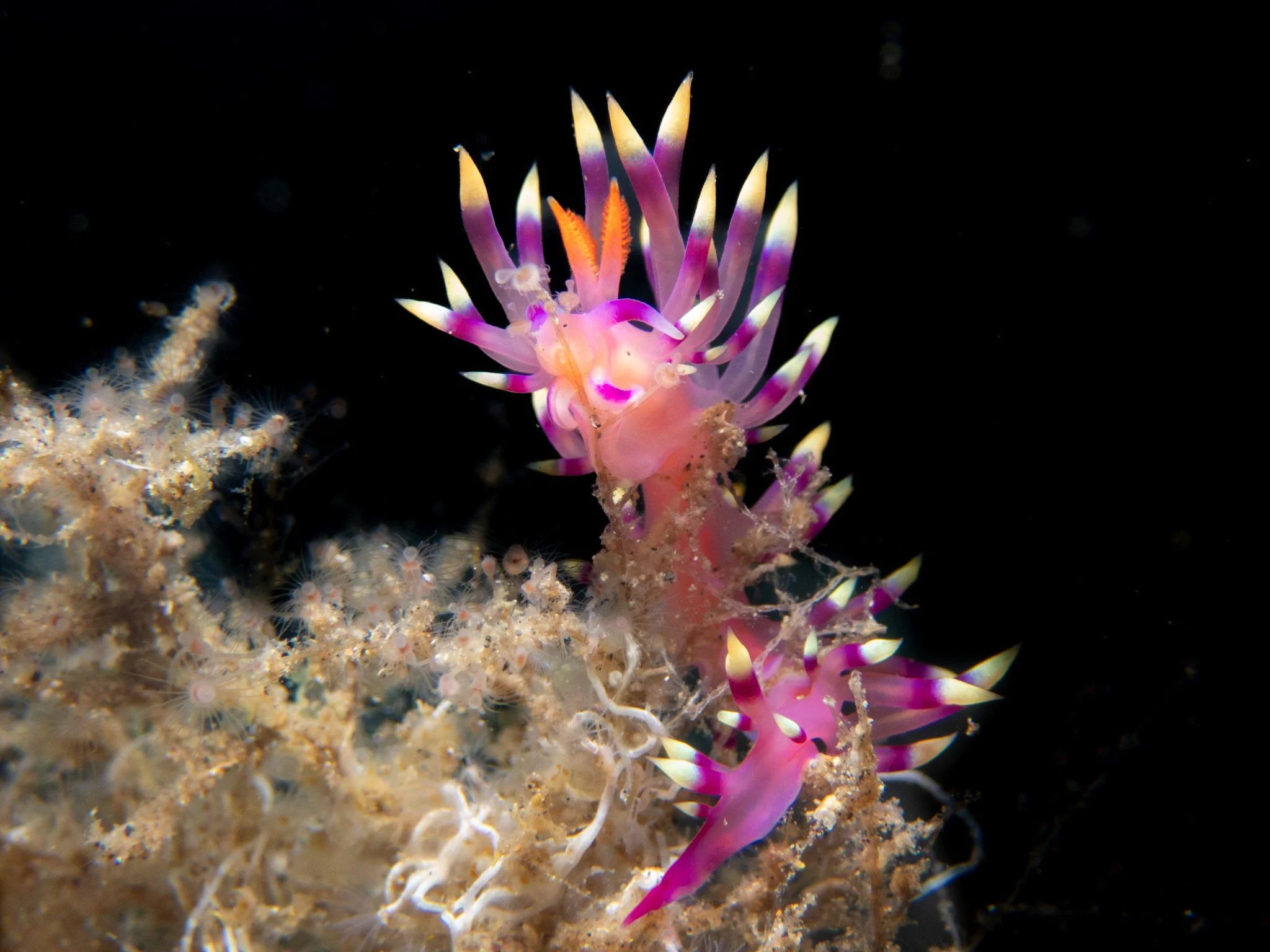
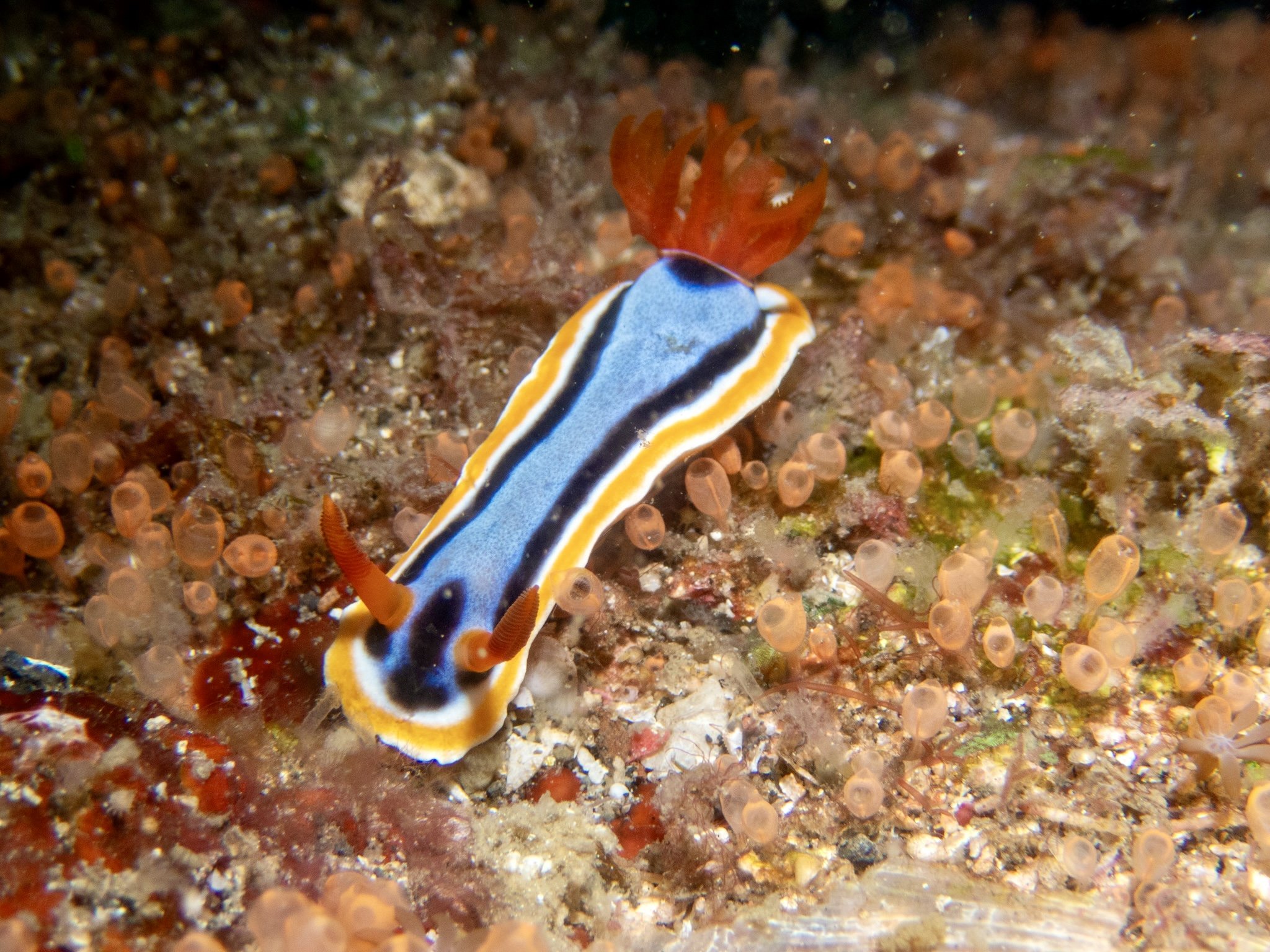
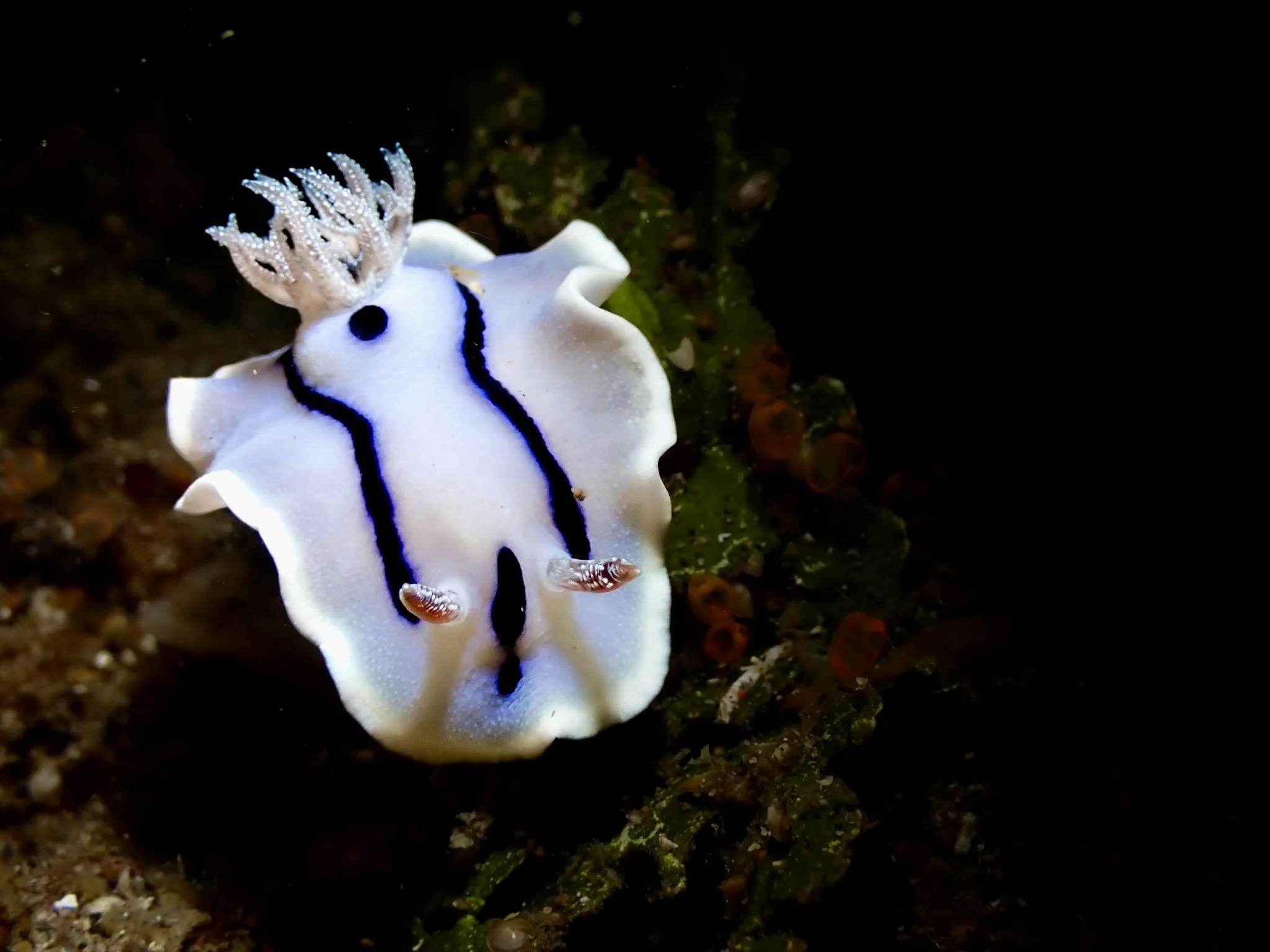
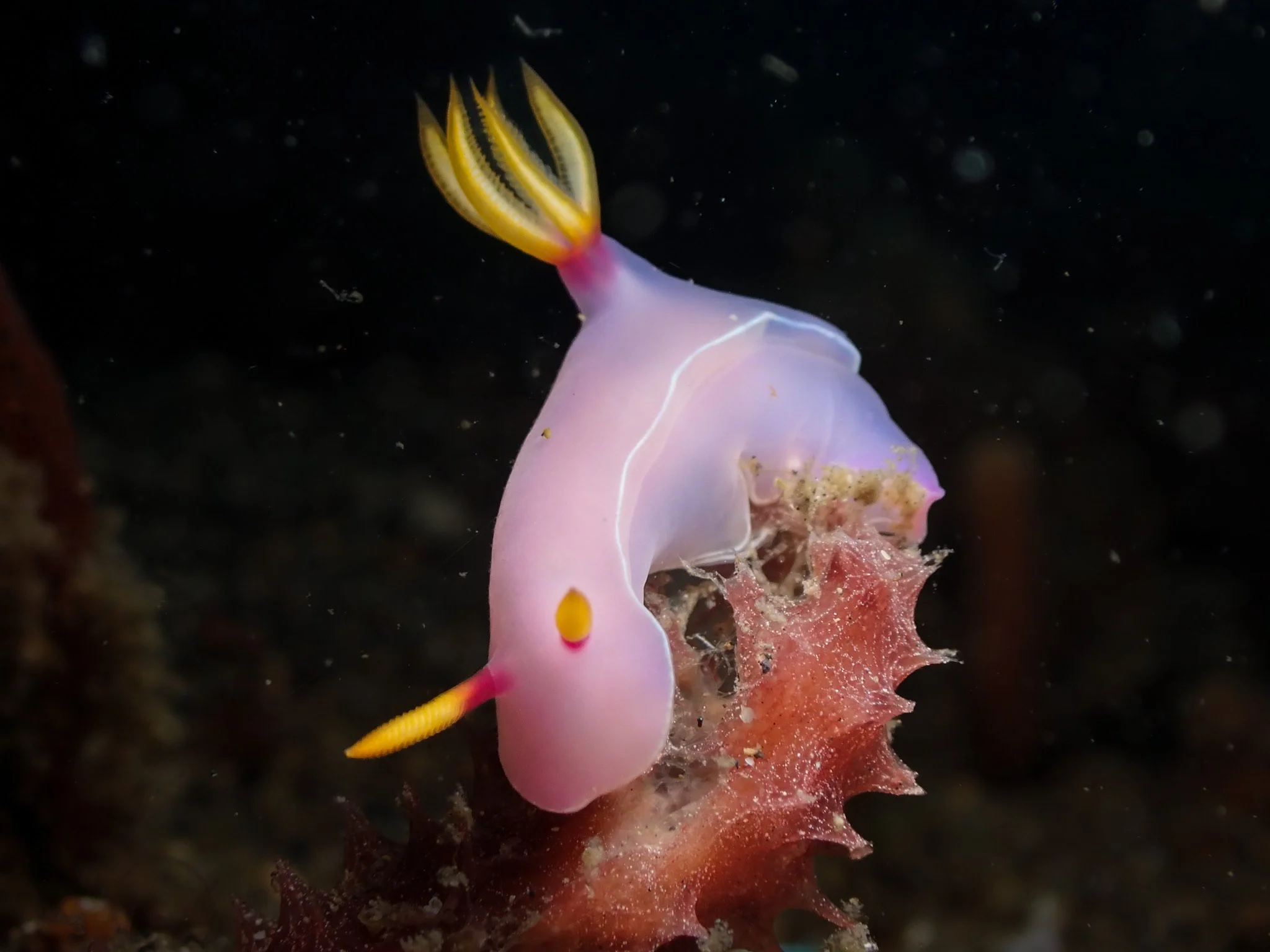
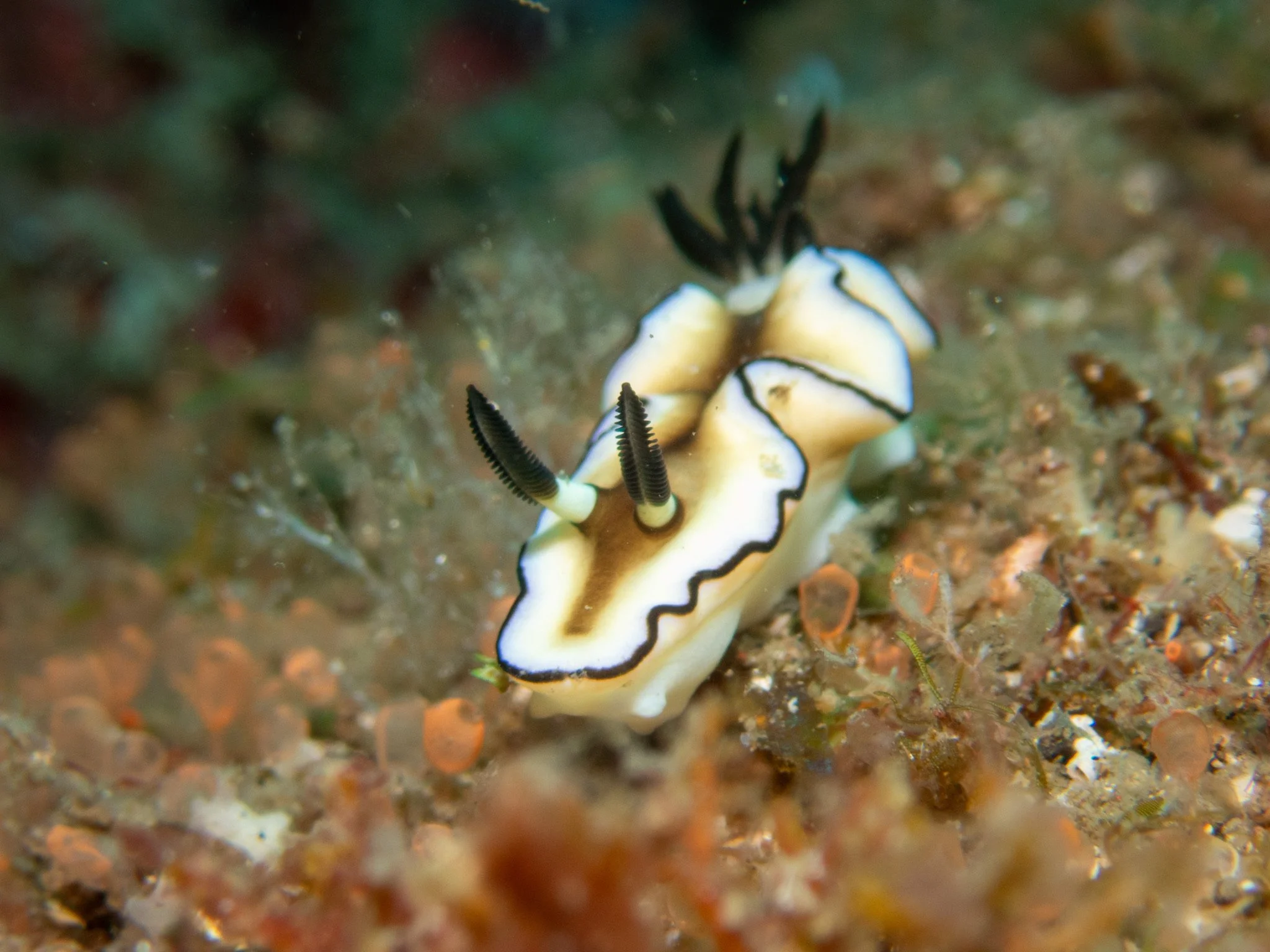
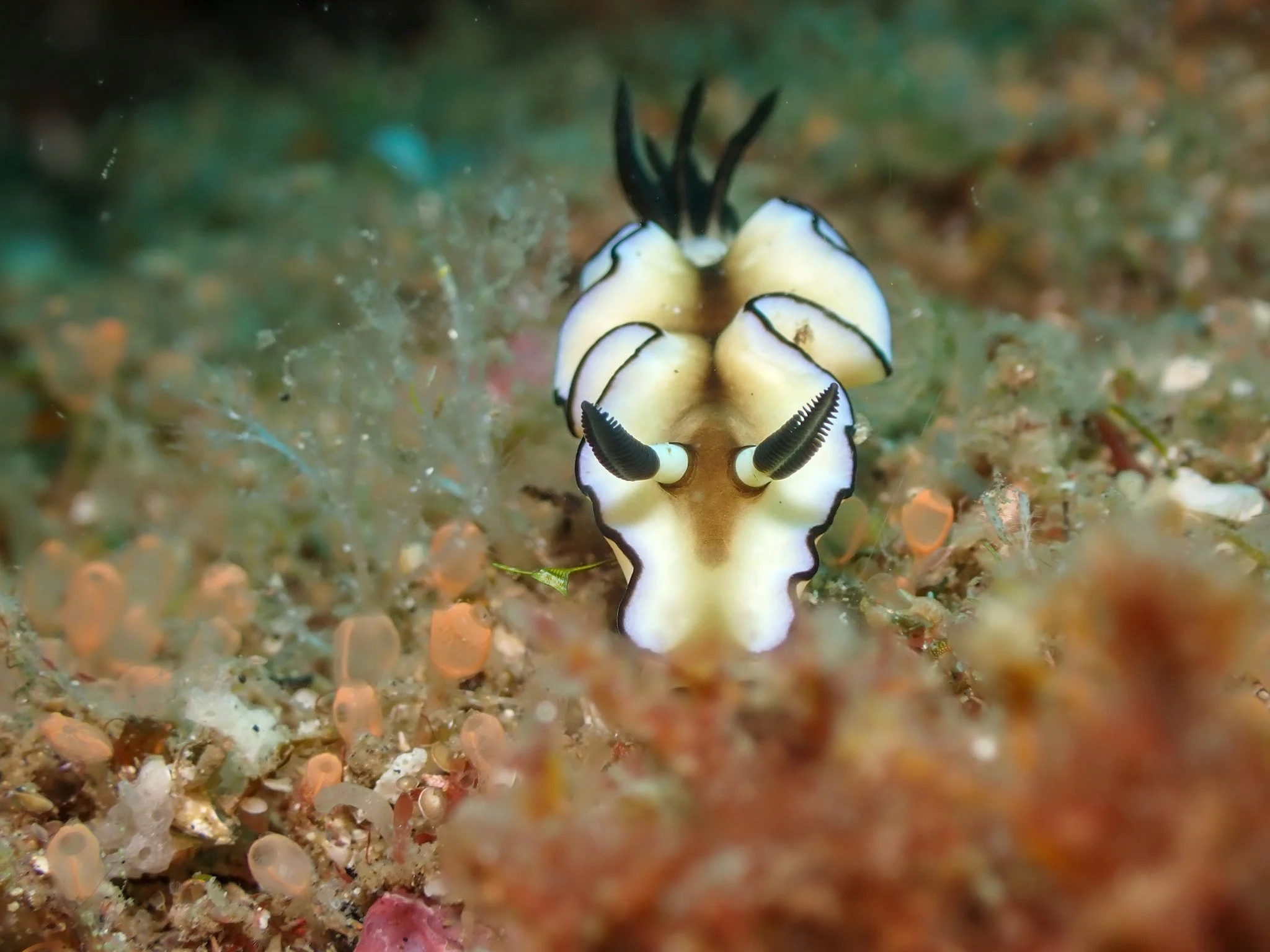
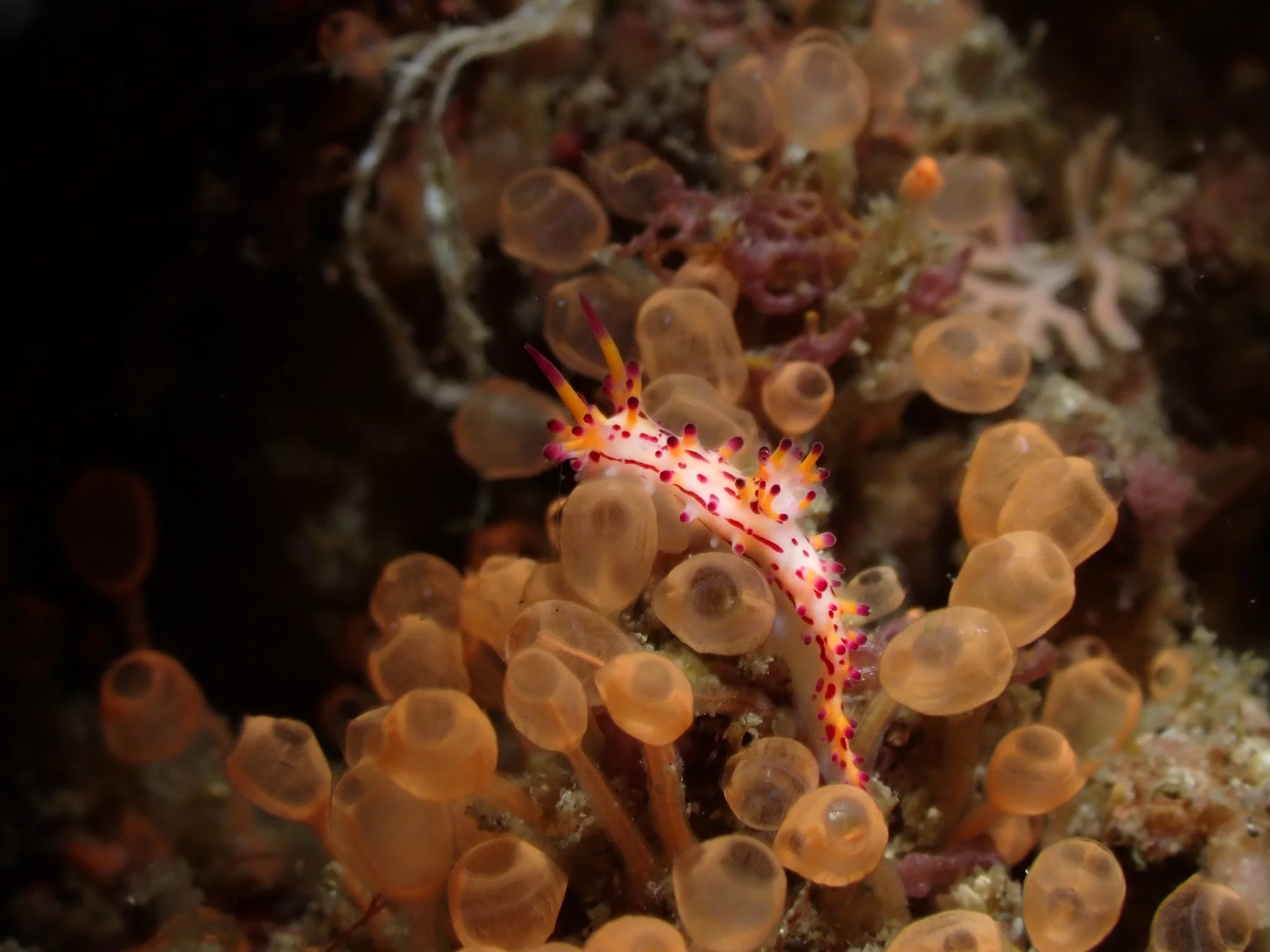
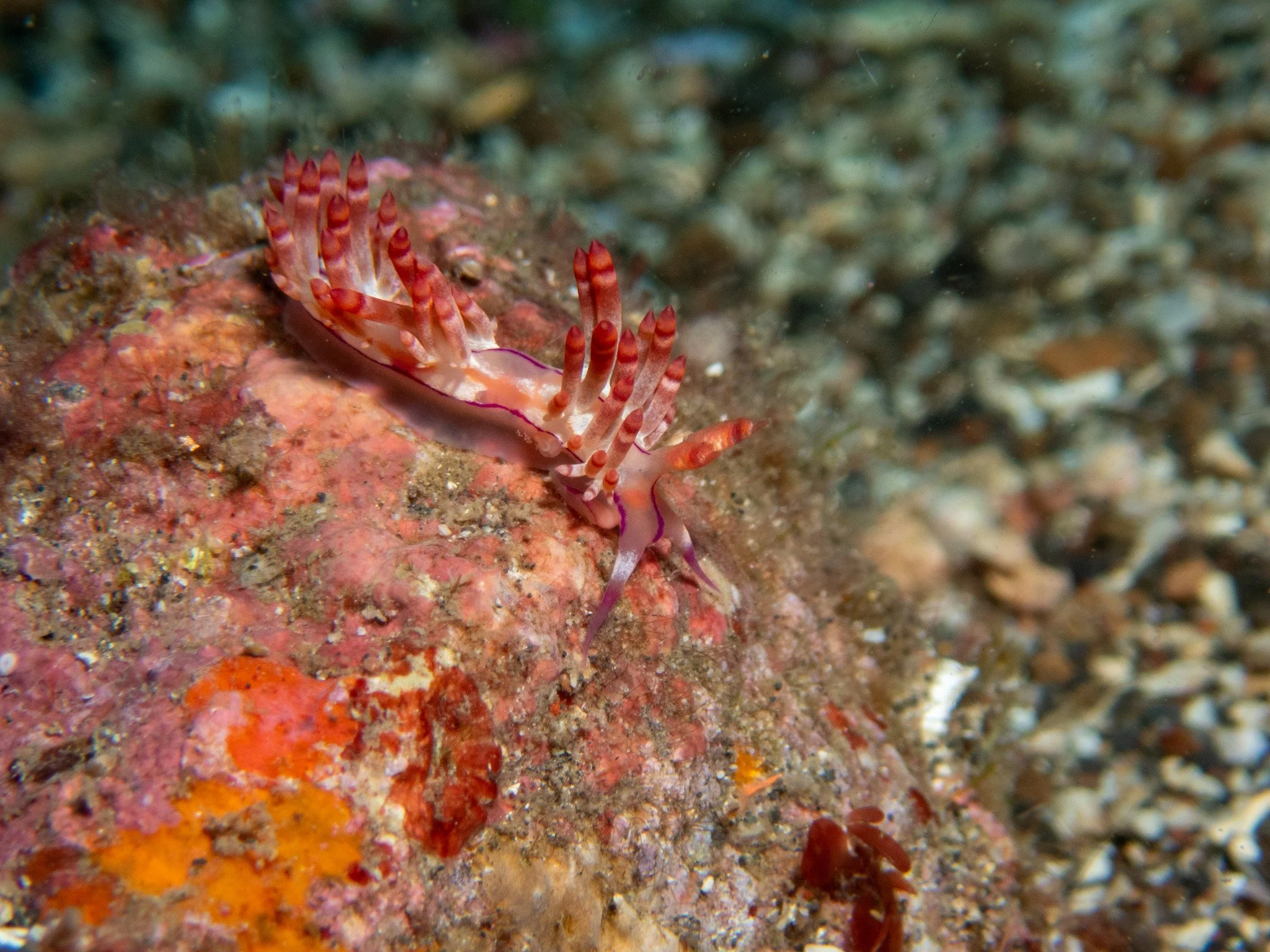
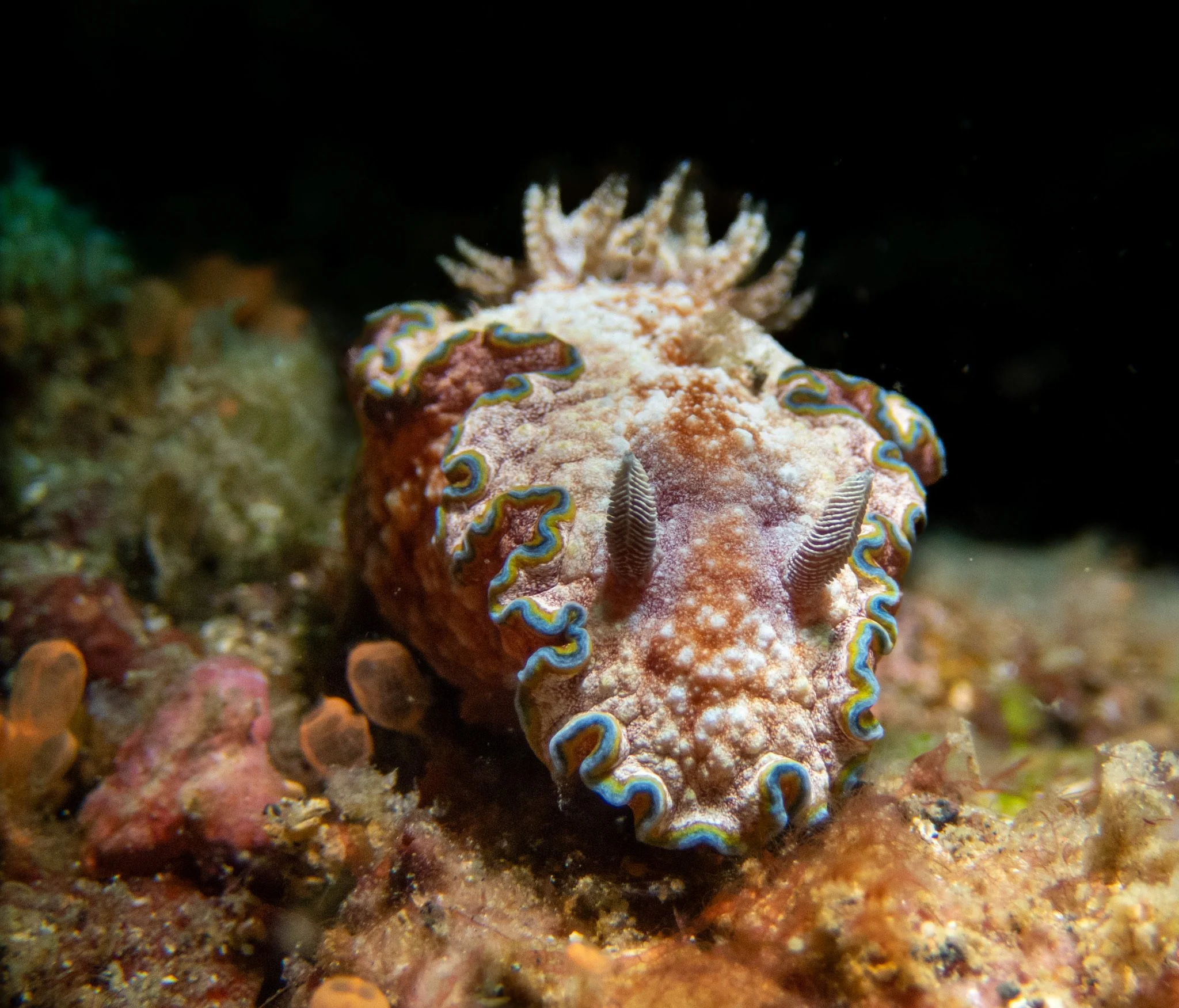
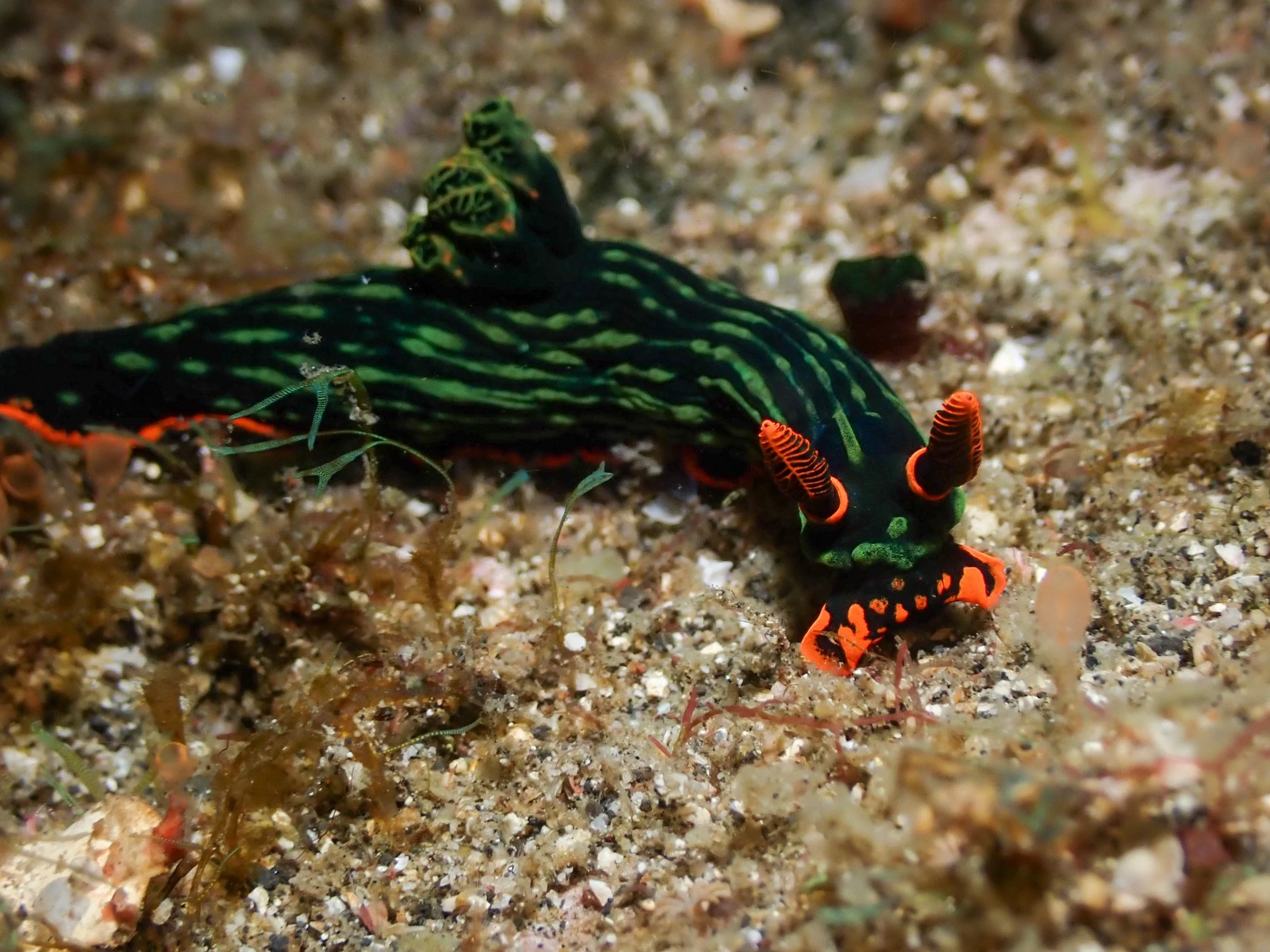
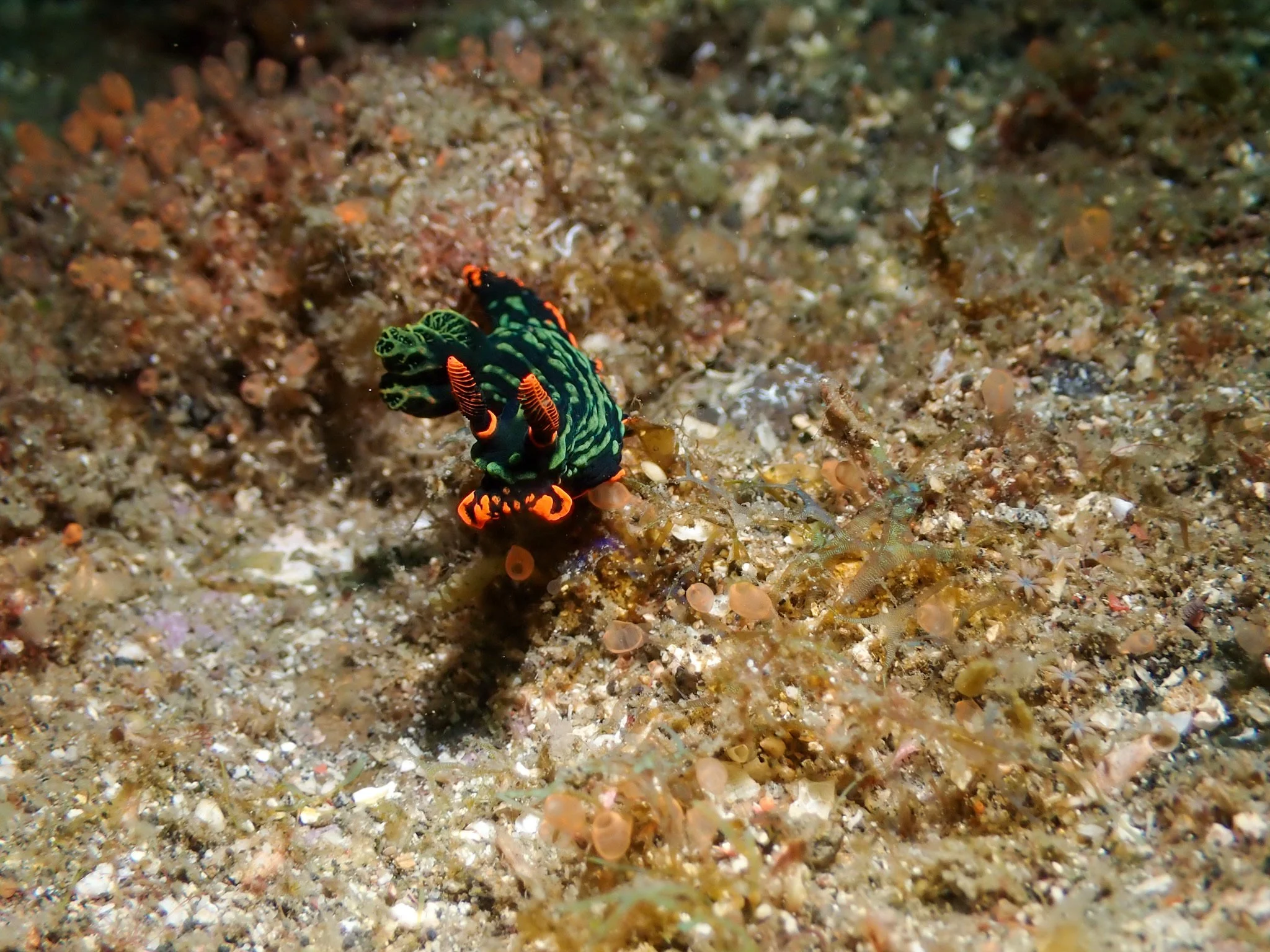
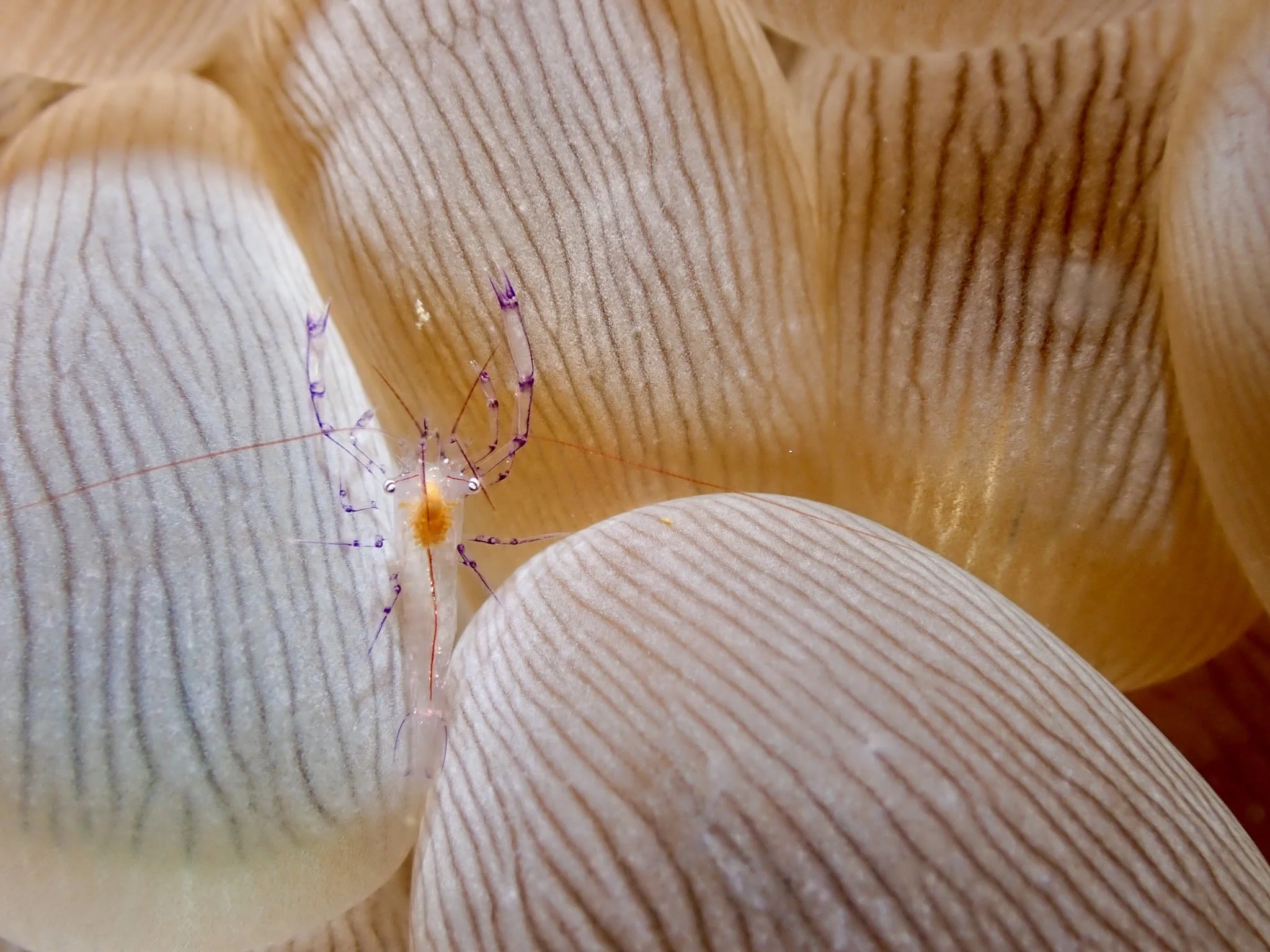
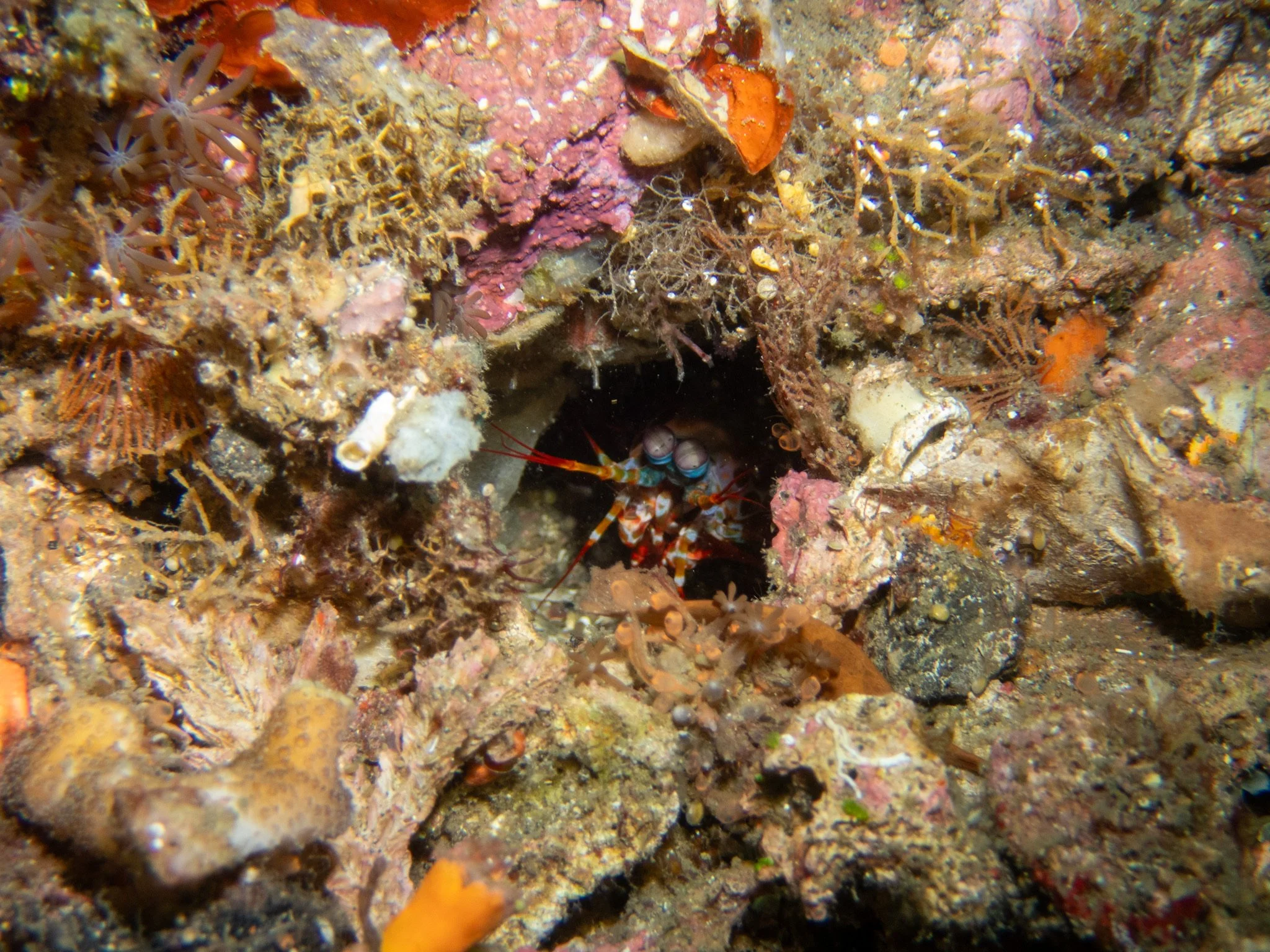
Rojos
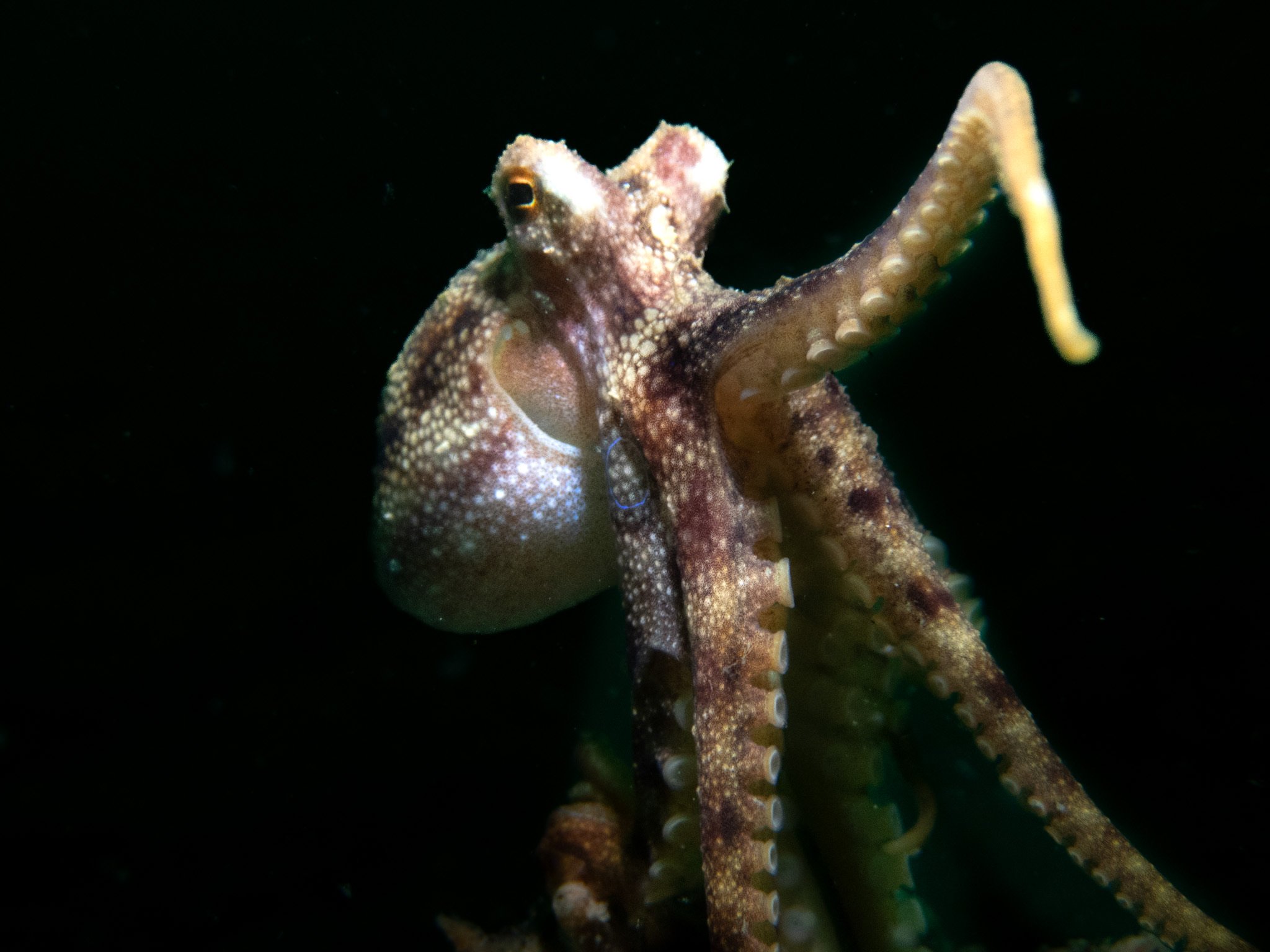
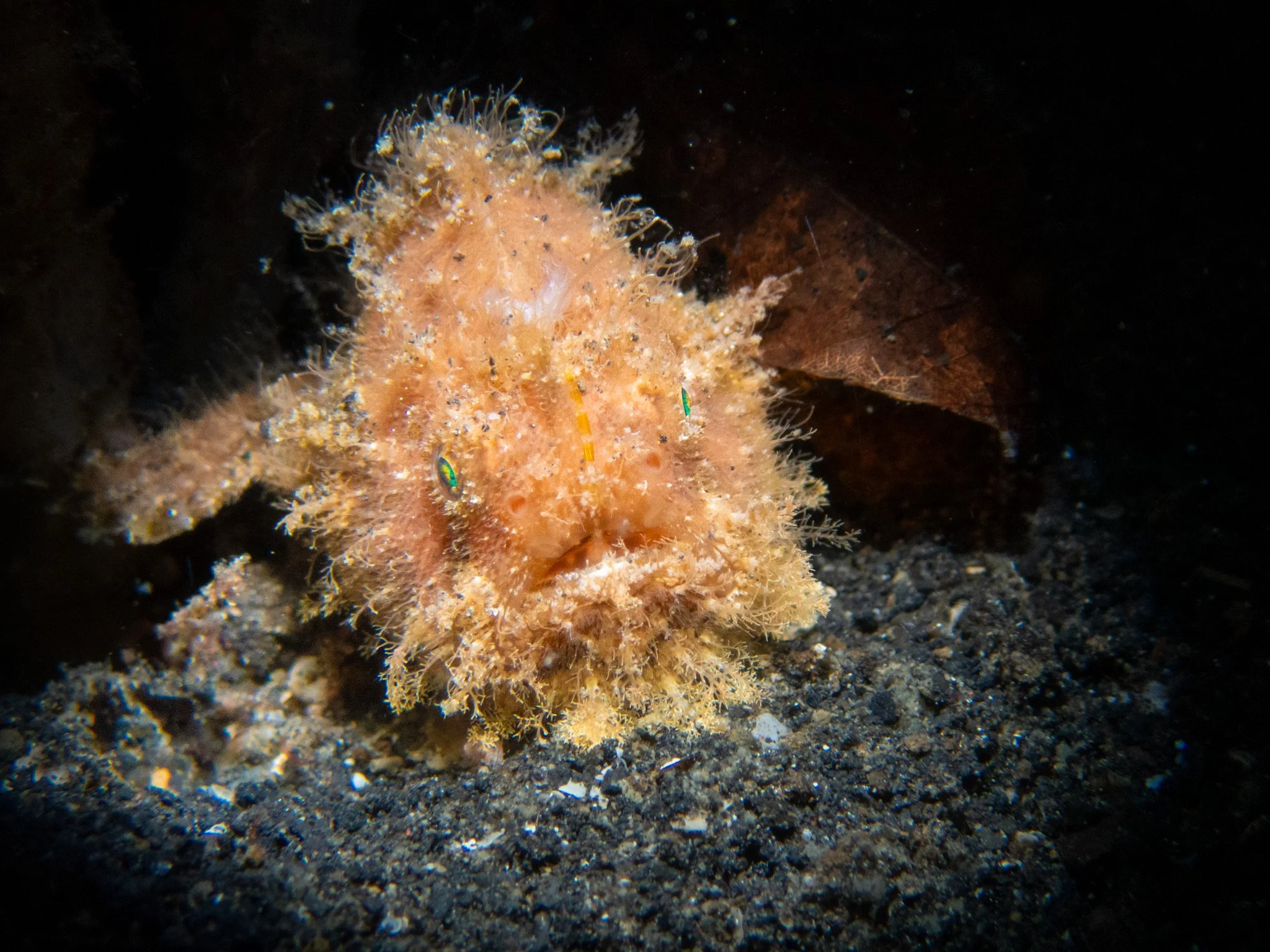
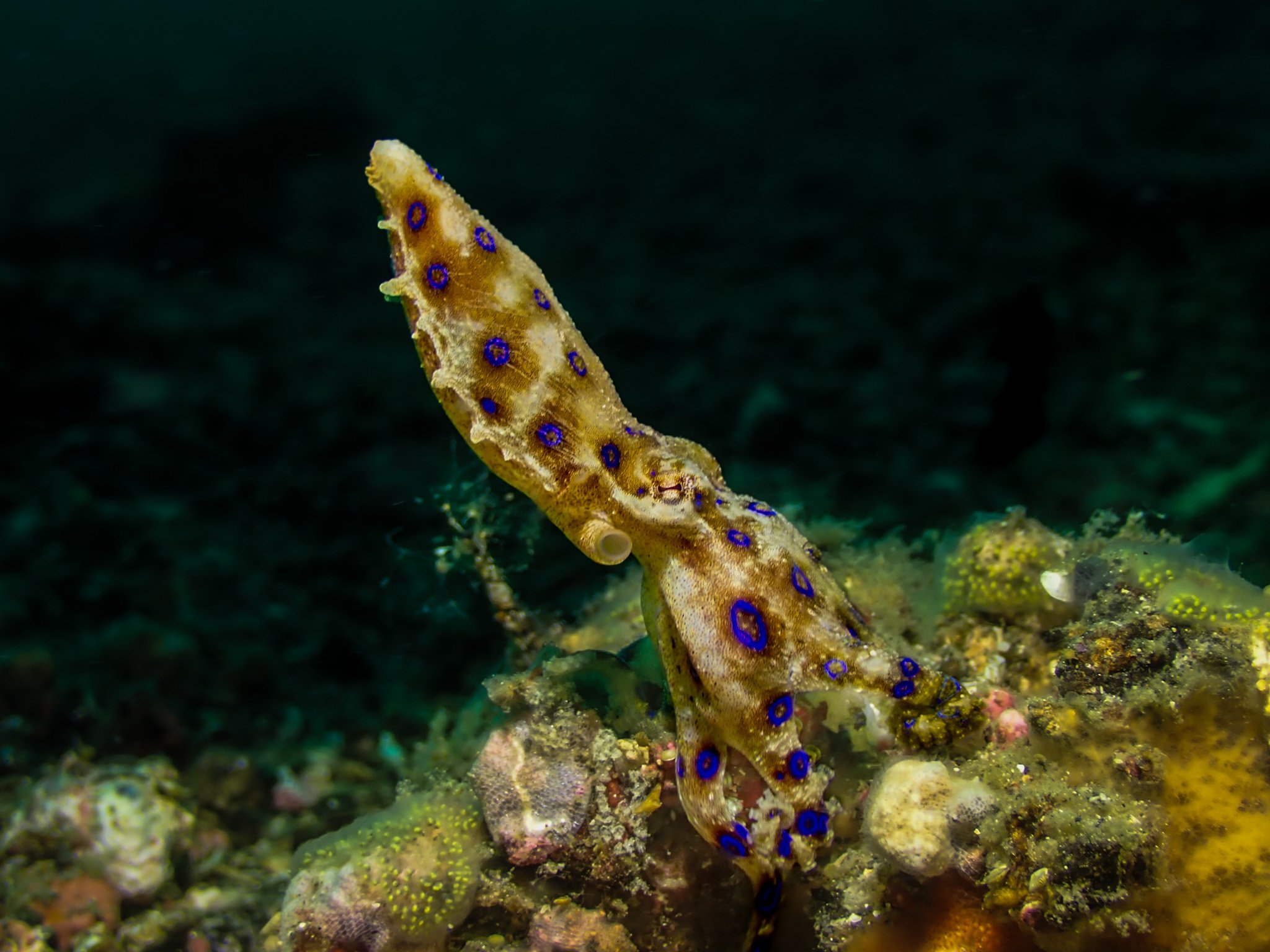
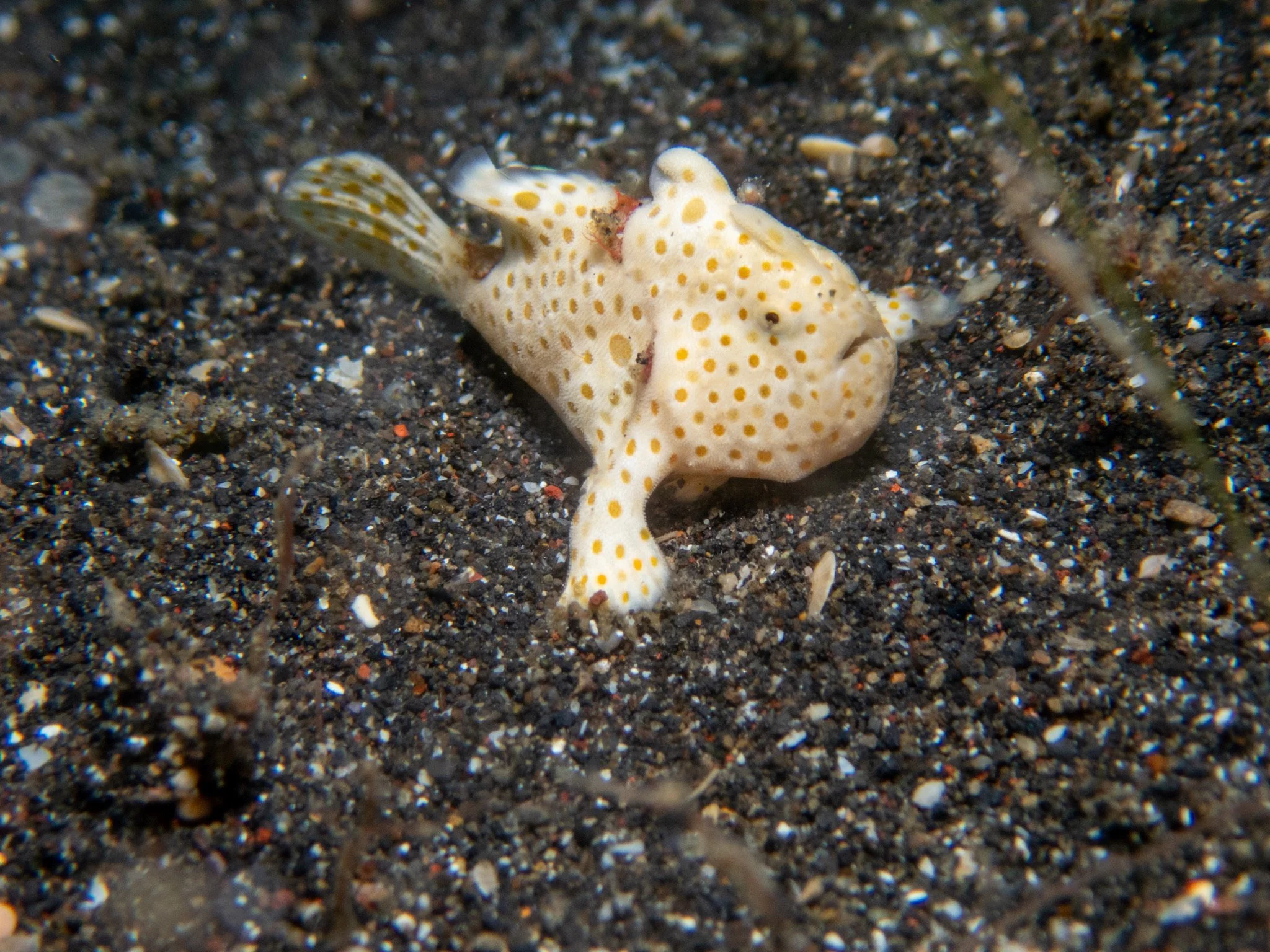
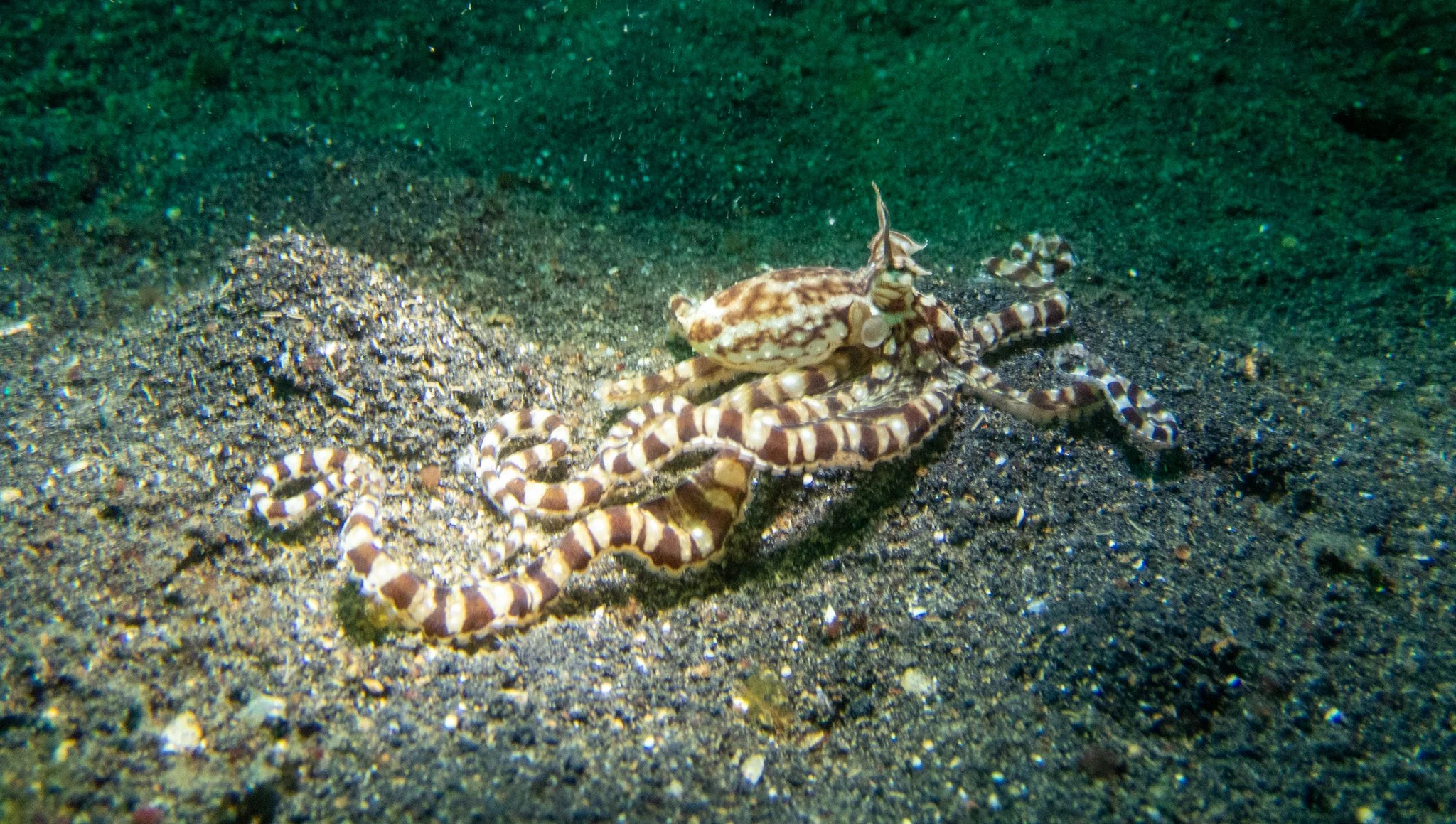
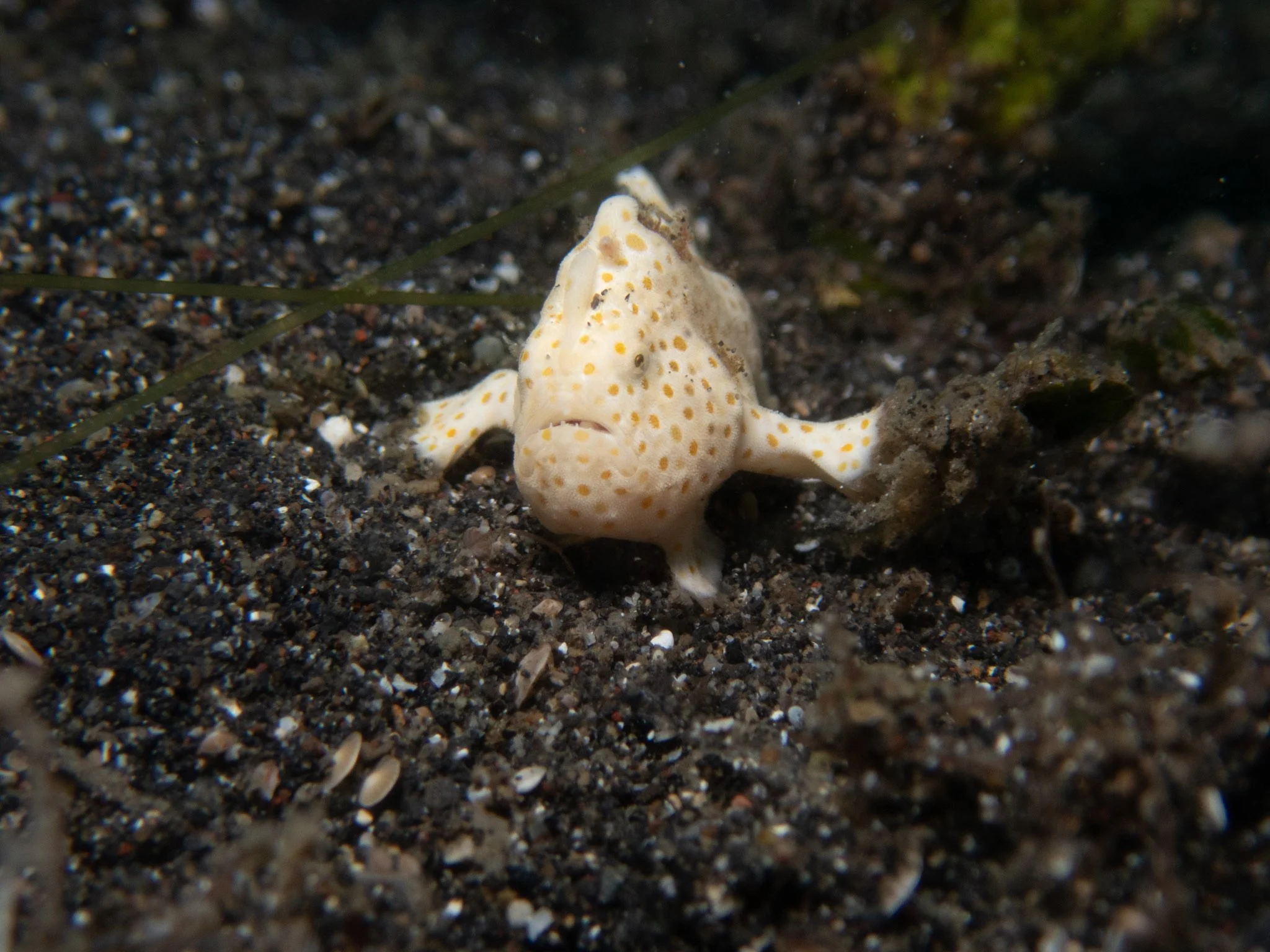
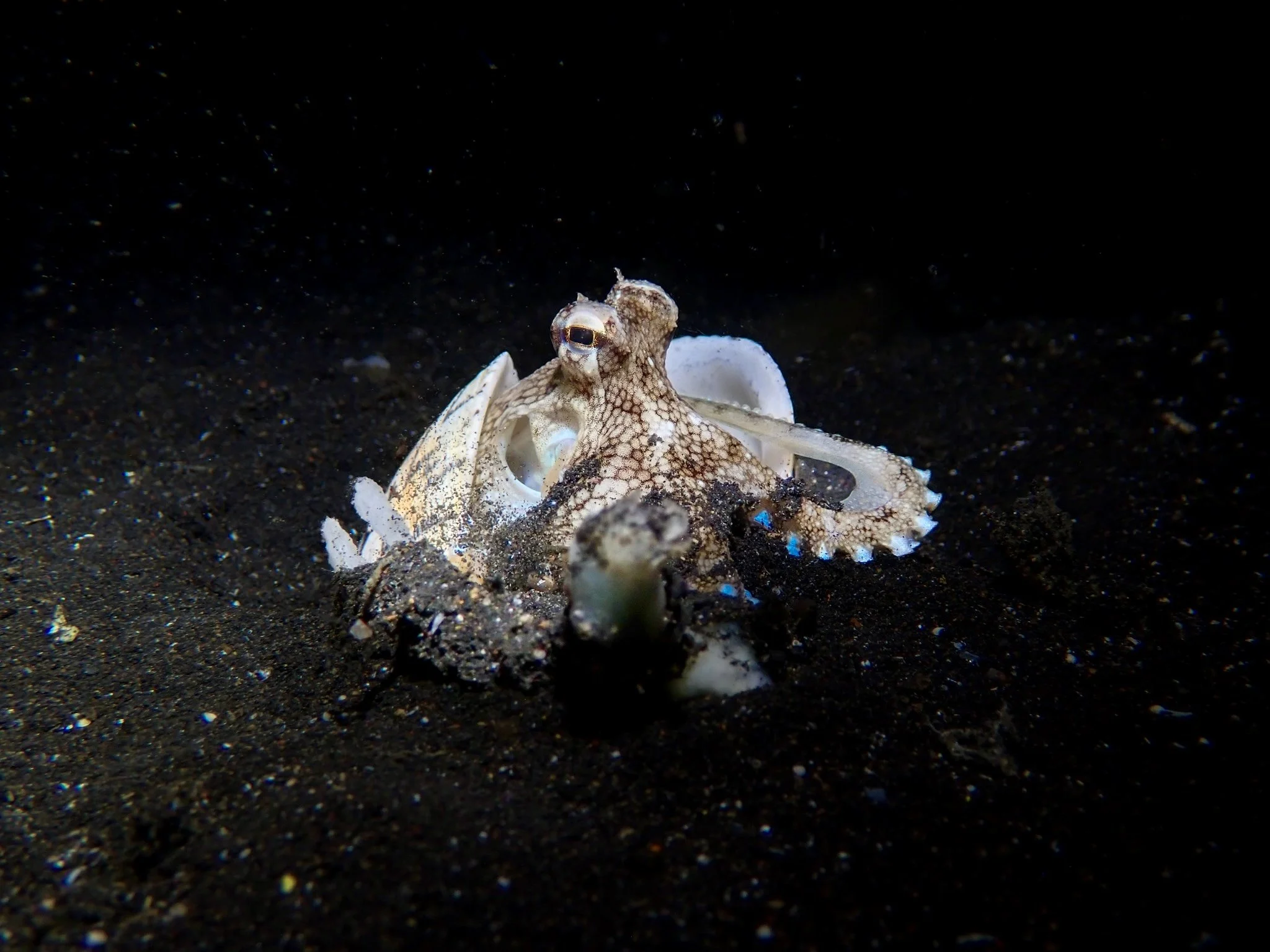
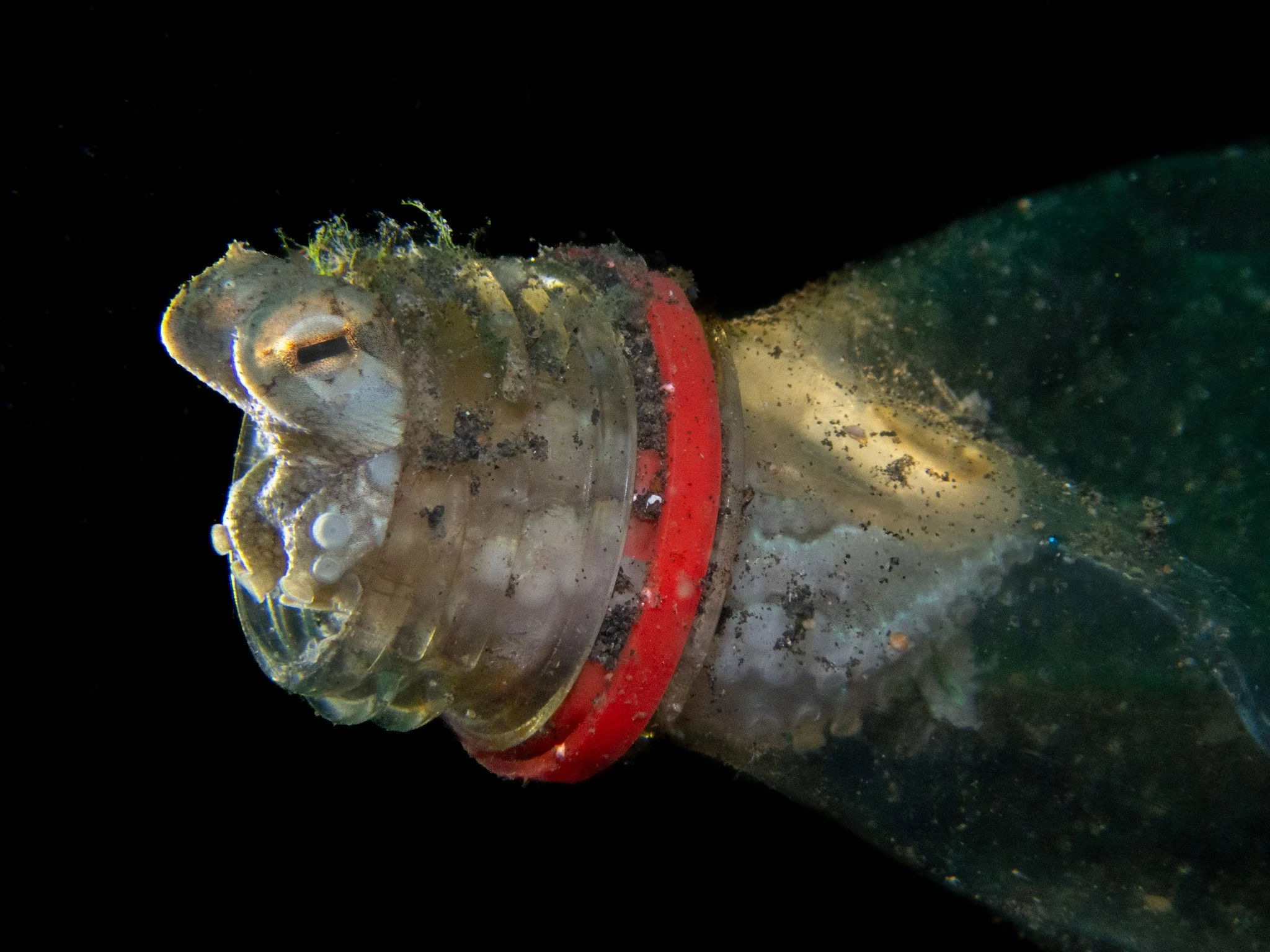
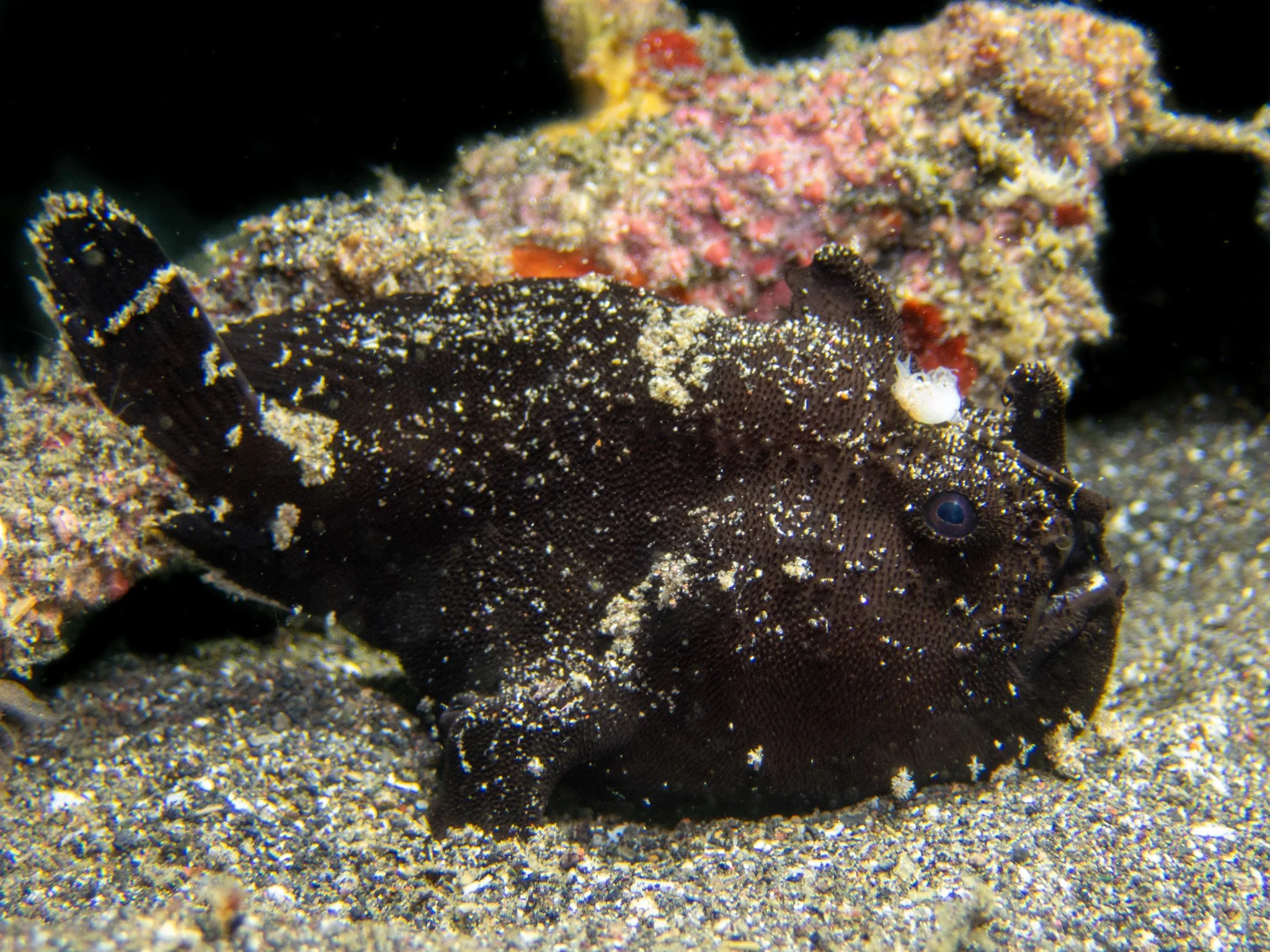
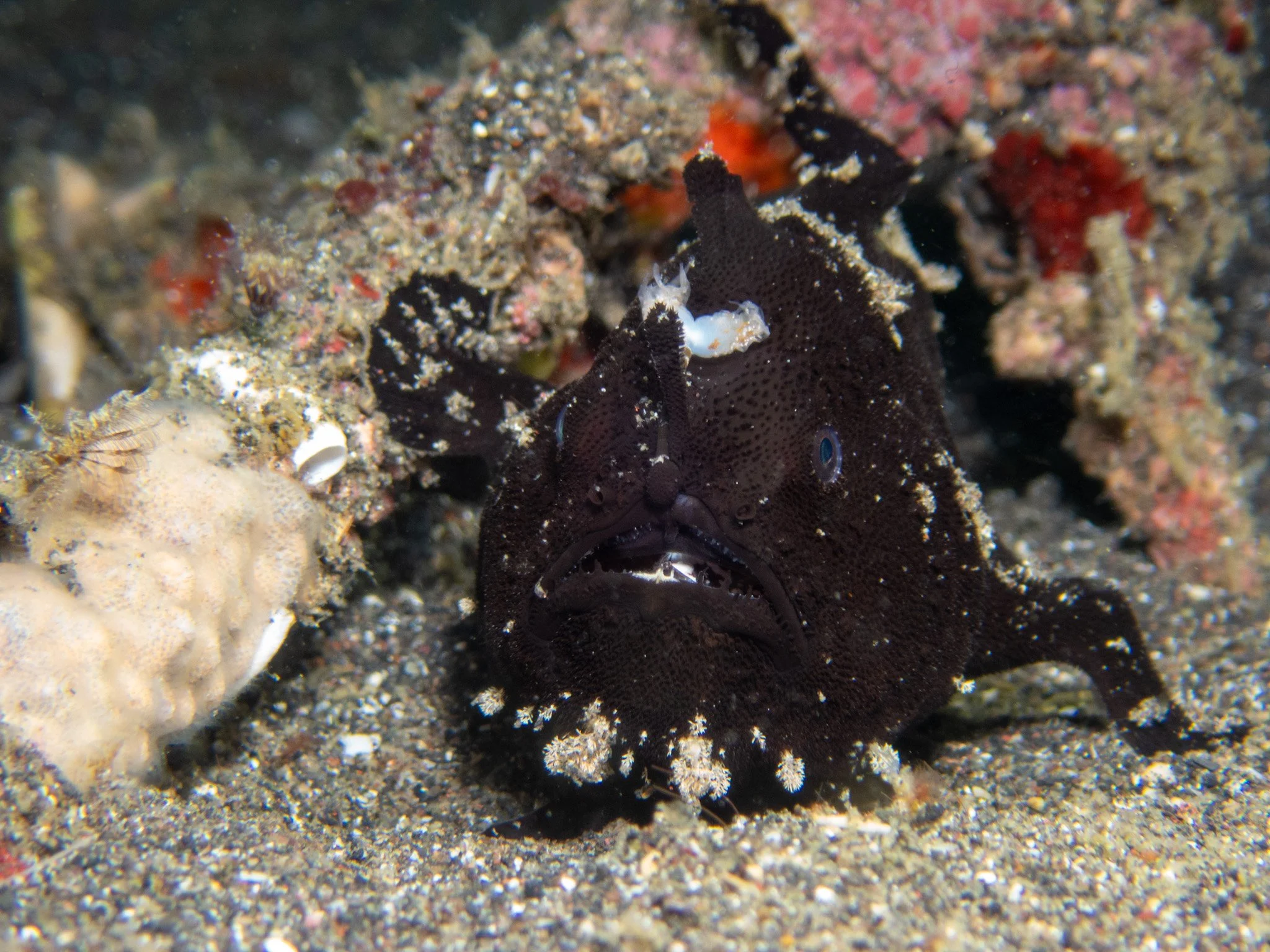
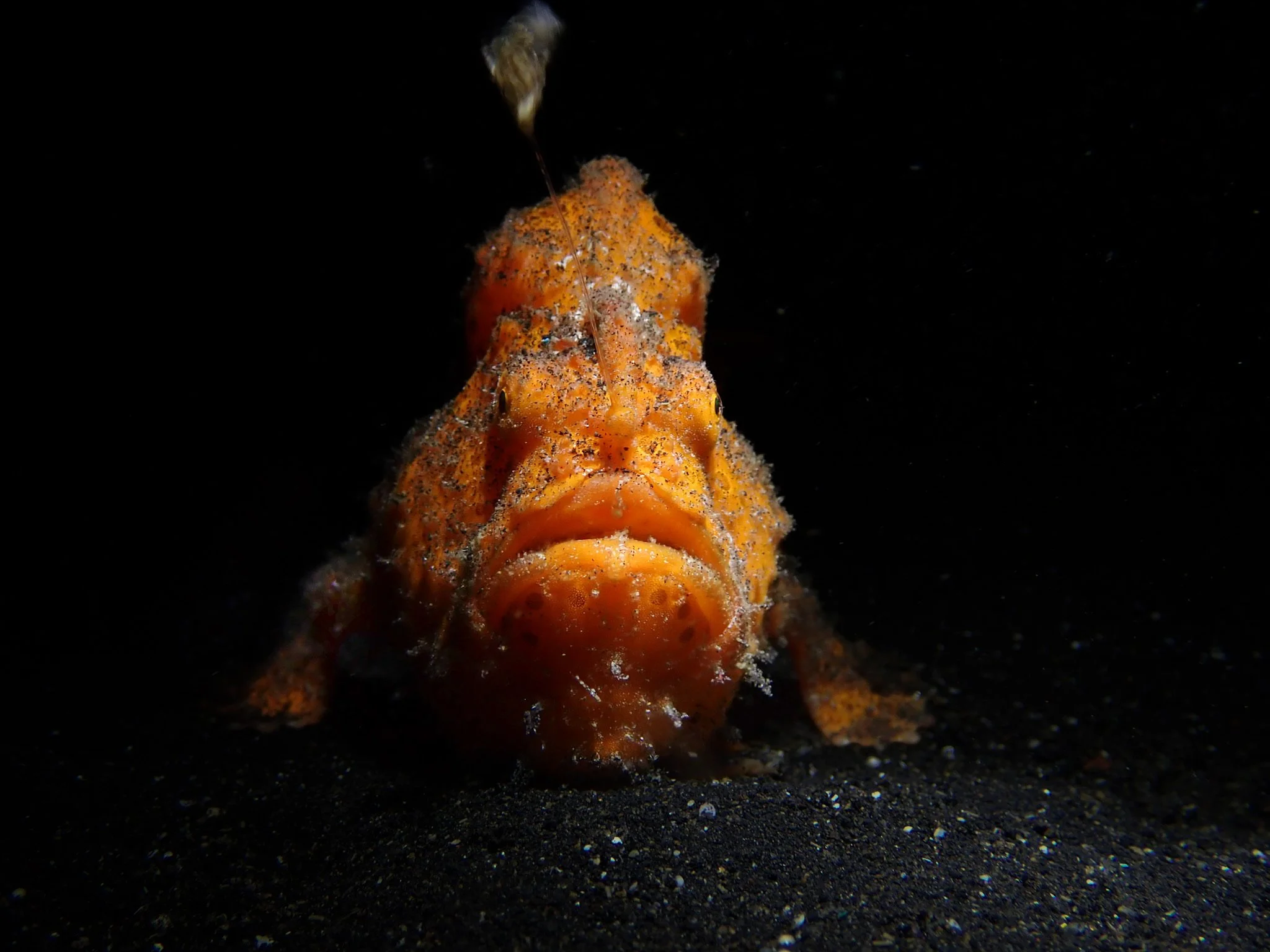
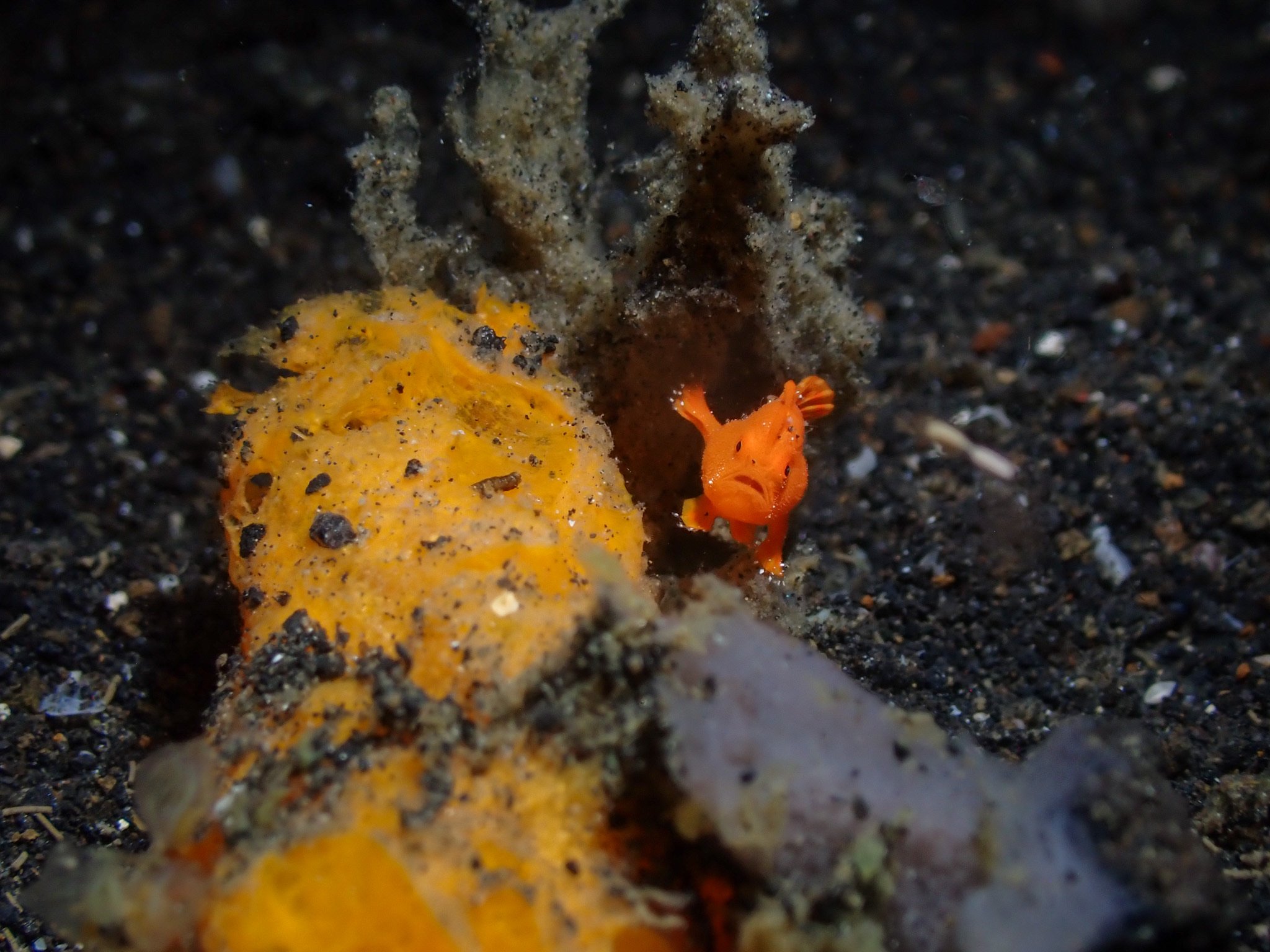
Rojos felt like octopus and frogfish heaven.
Nearly every dive there seemed to reveal another cephalopod interaction or perfectly camouflaged frogfish tucked into the rubble. Some of my favorite moments from the entire trip happened at this site simply because there was always something fascinating happening if you slowed down enough to notice it.
The amount of octopus behavior we observed throughout the week was honestly incredible! Maybe it was the full moon, maybe it was the good vibes. I think it was a combo of the two.
Kareko
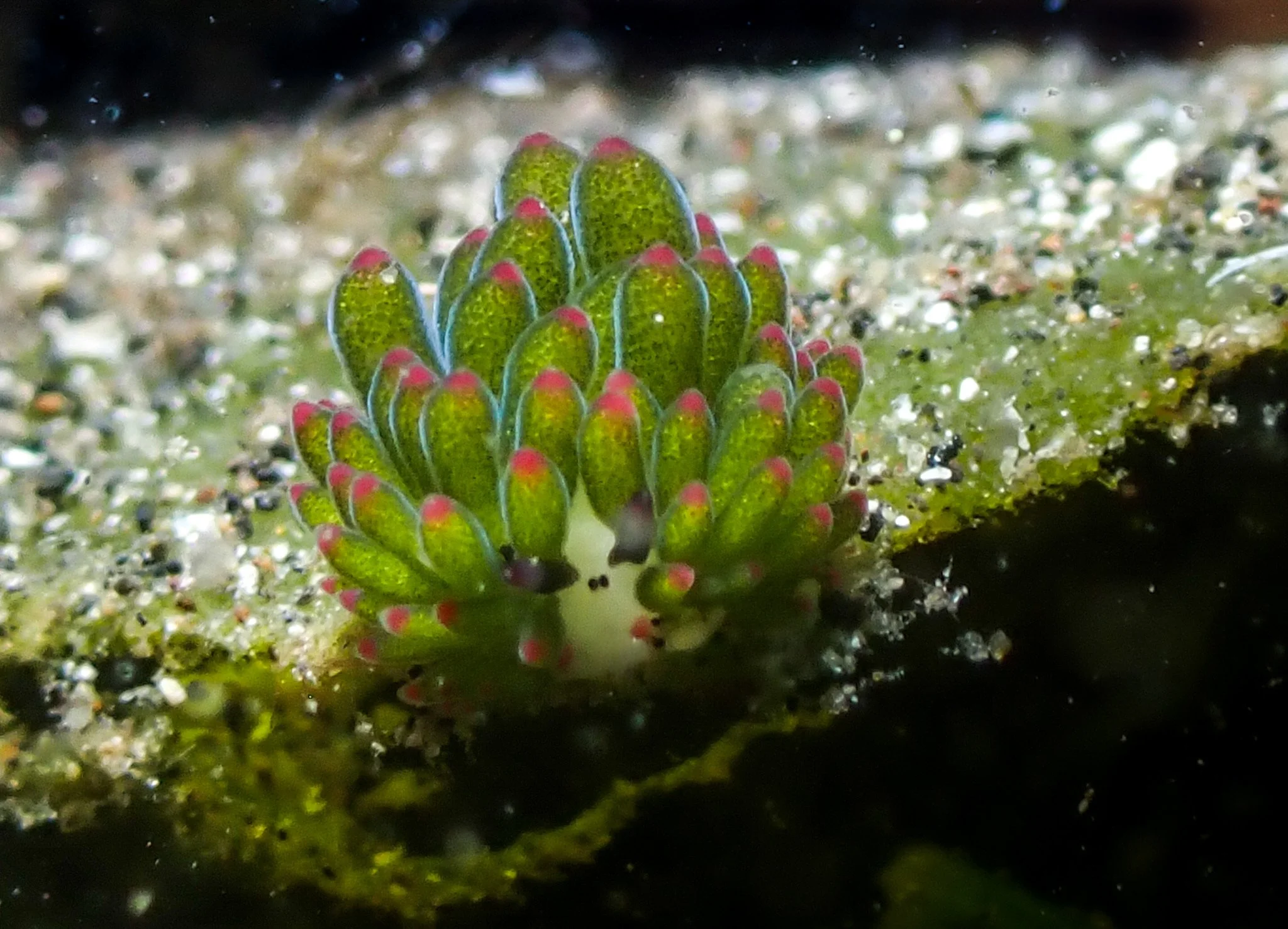
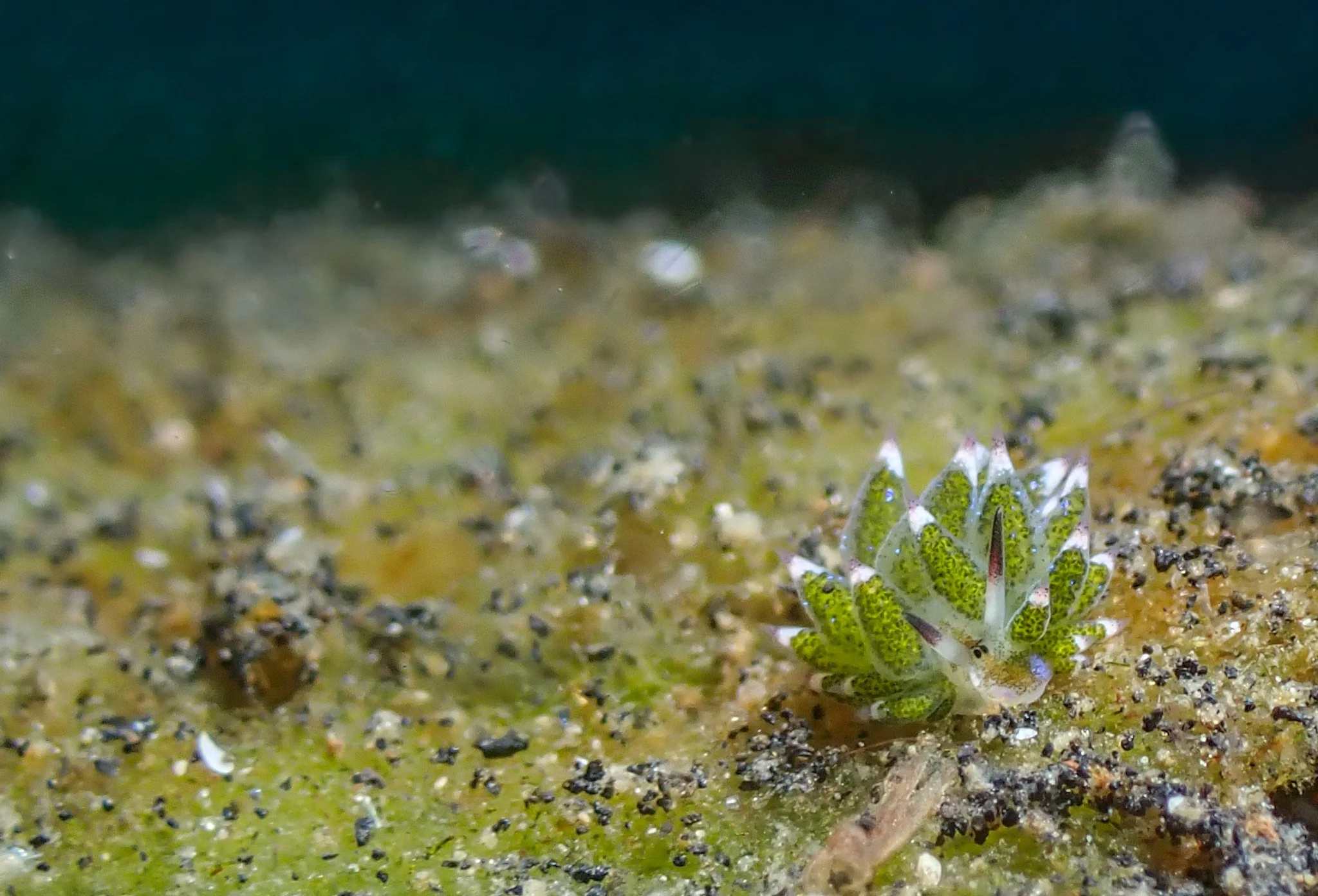
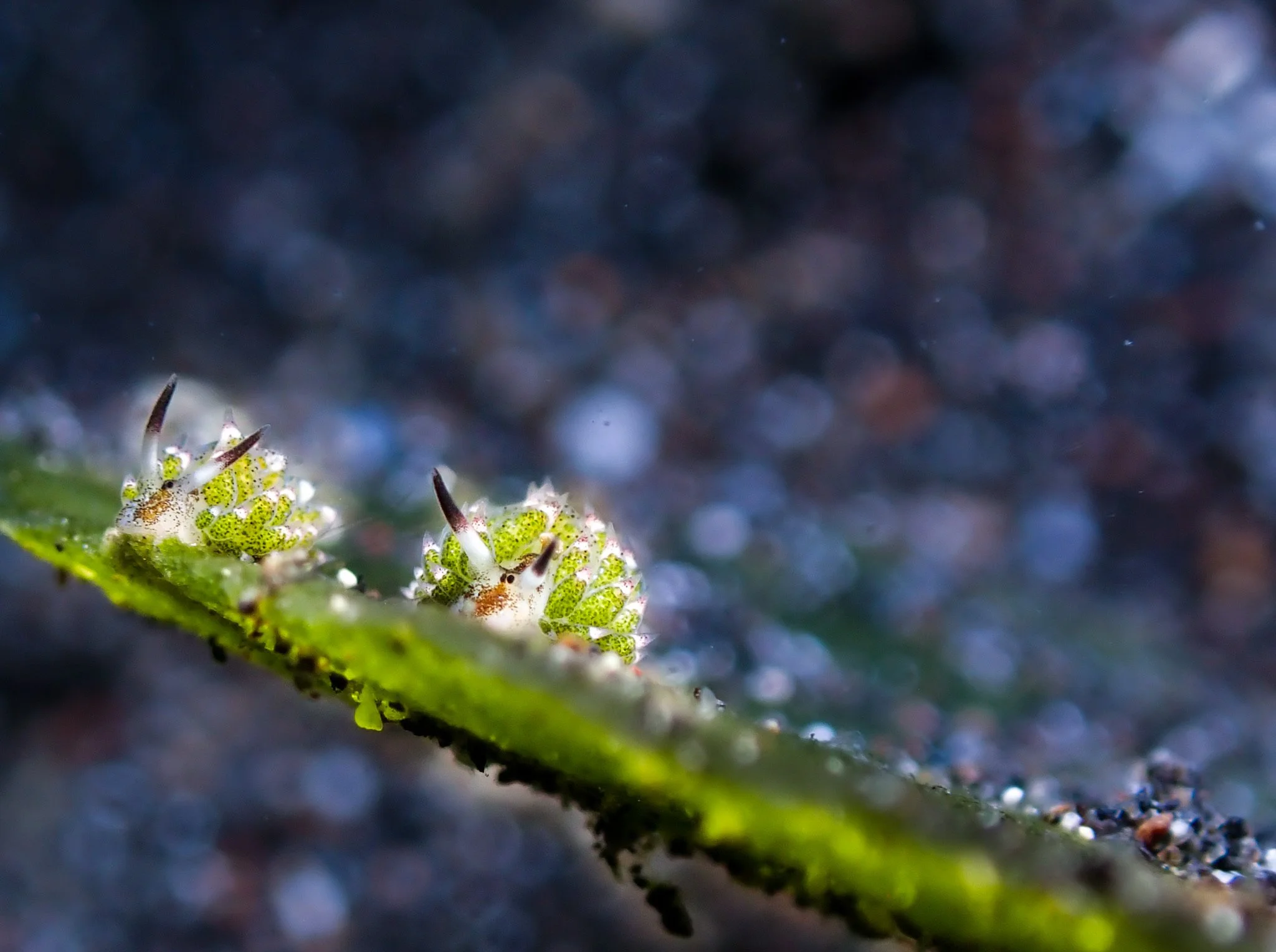
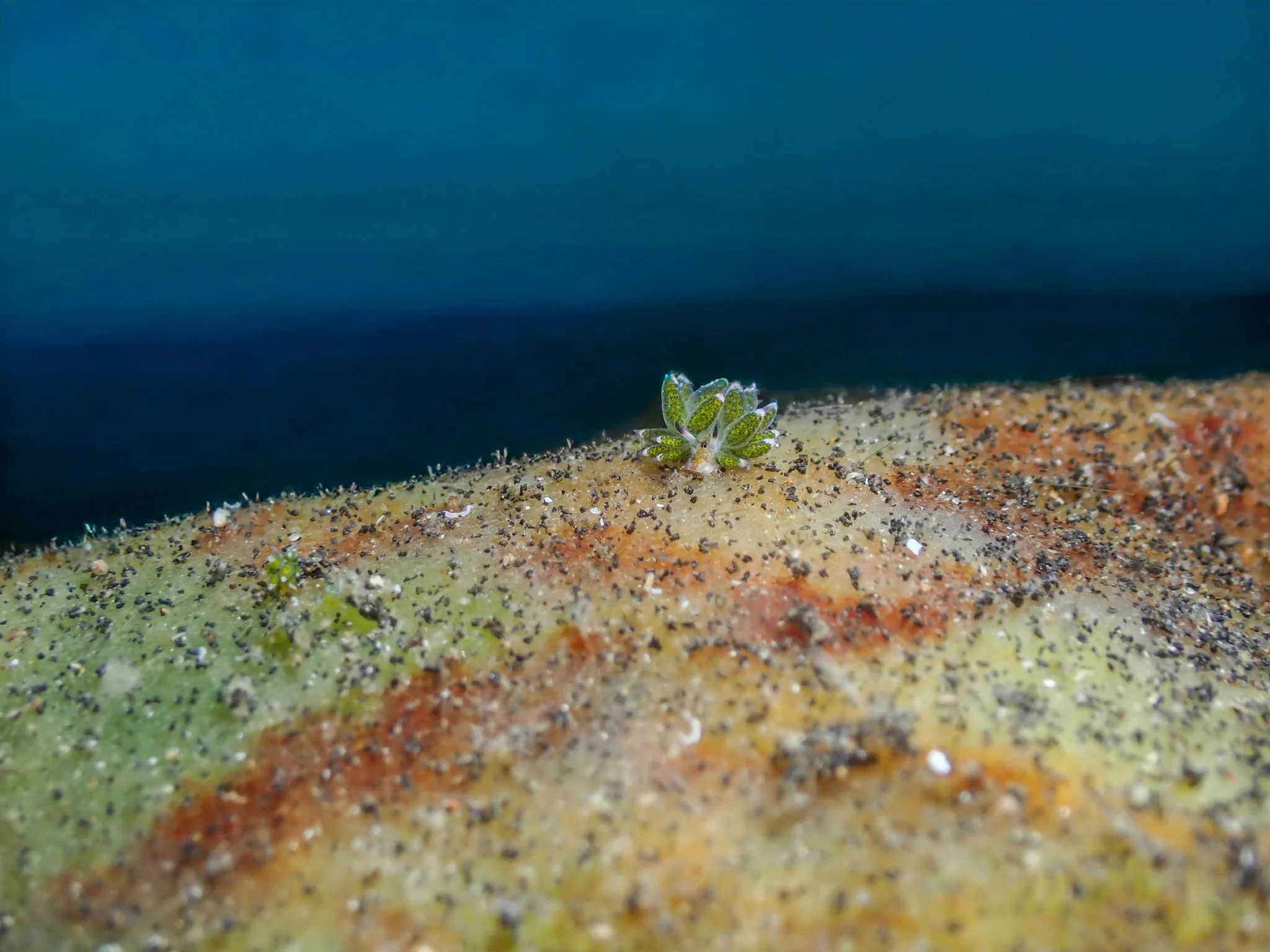
Kareko gave us one of the cutest and most exciting finds of the trip, Shawn the Sheep sea slugs.
Seeing tiny little nudibranchs in person after seeing photos of them for years felt surreal. Lembeh has a way of turning tiny critters into genuinely exciting moments, and this was definitely one of those dives where everyone surfaced smiling.
Bianca
Bianca turned into one of the most memorable dives of the entire trip.
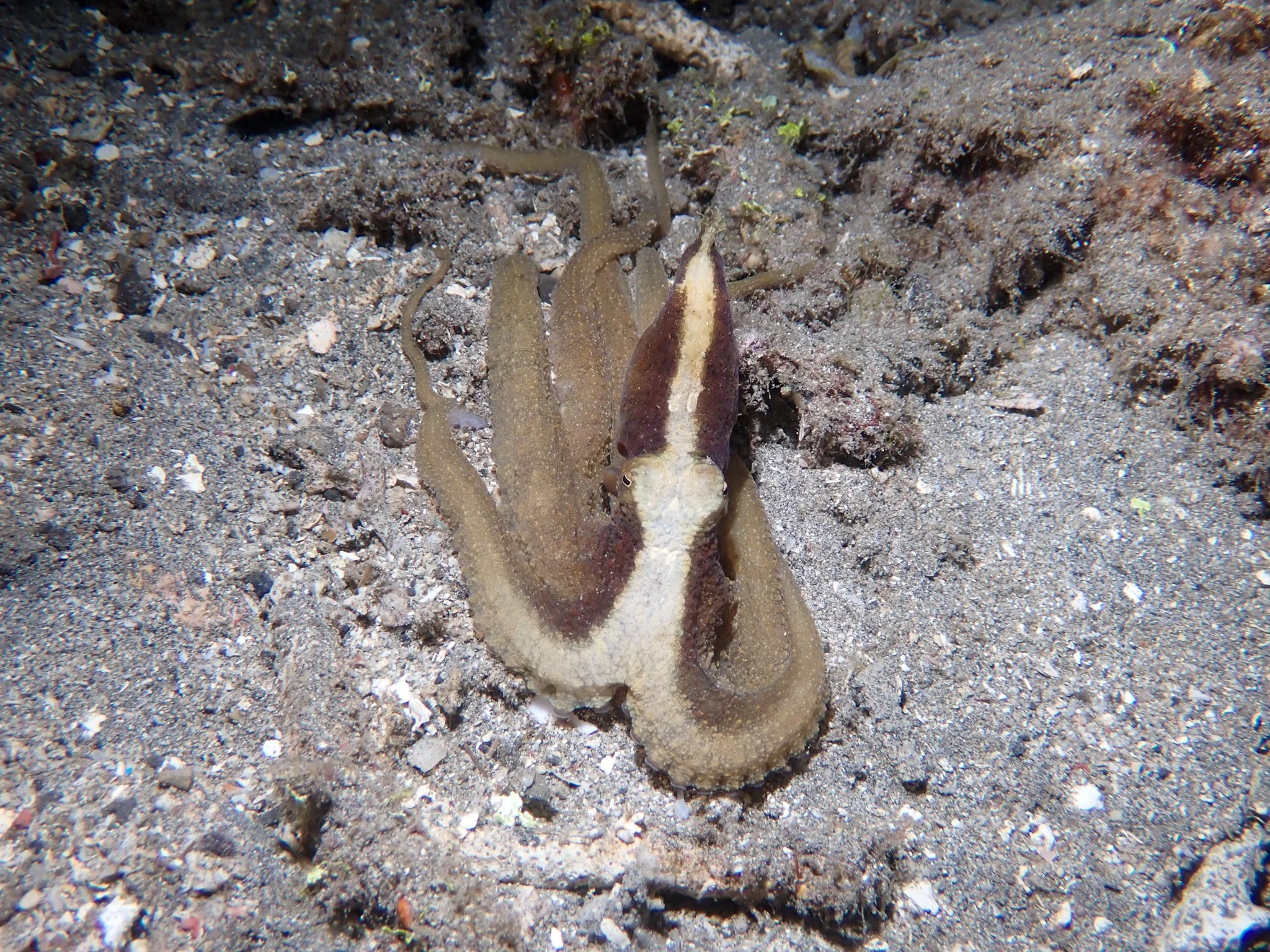
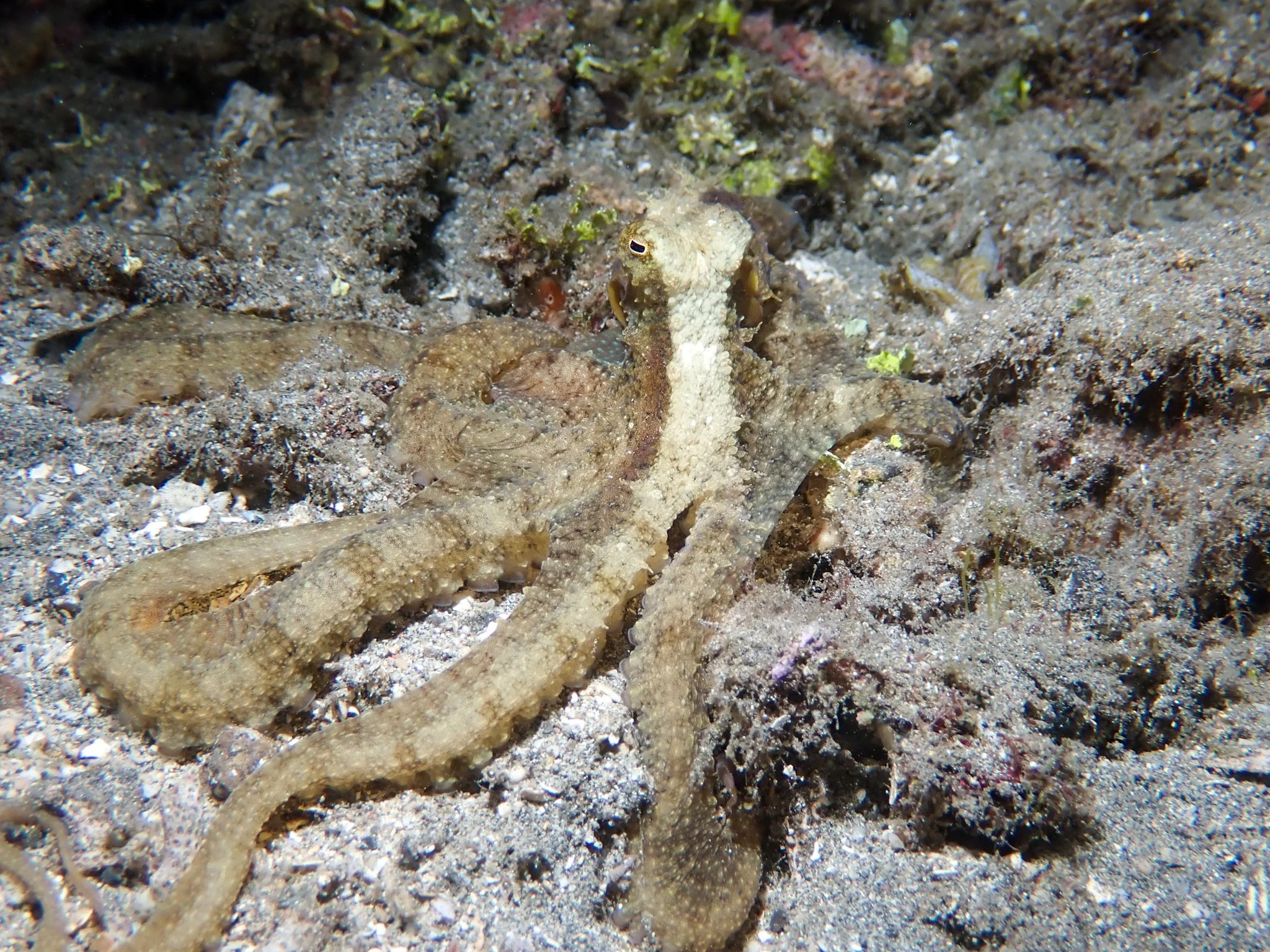
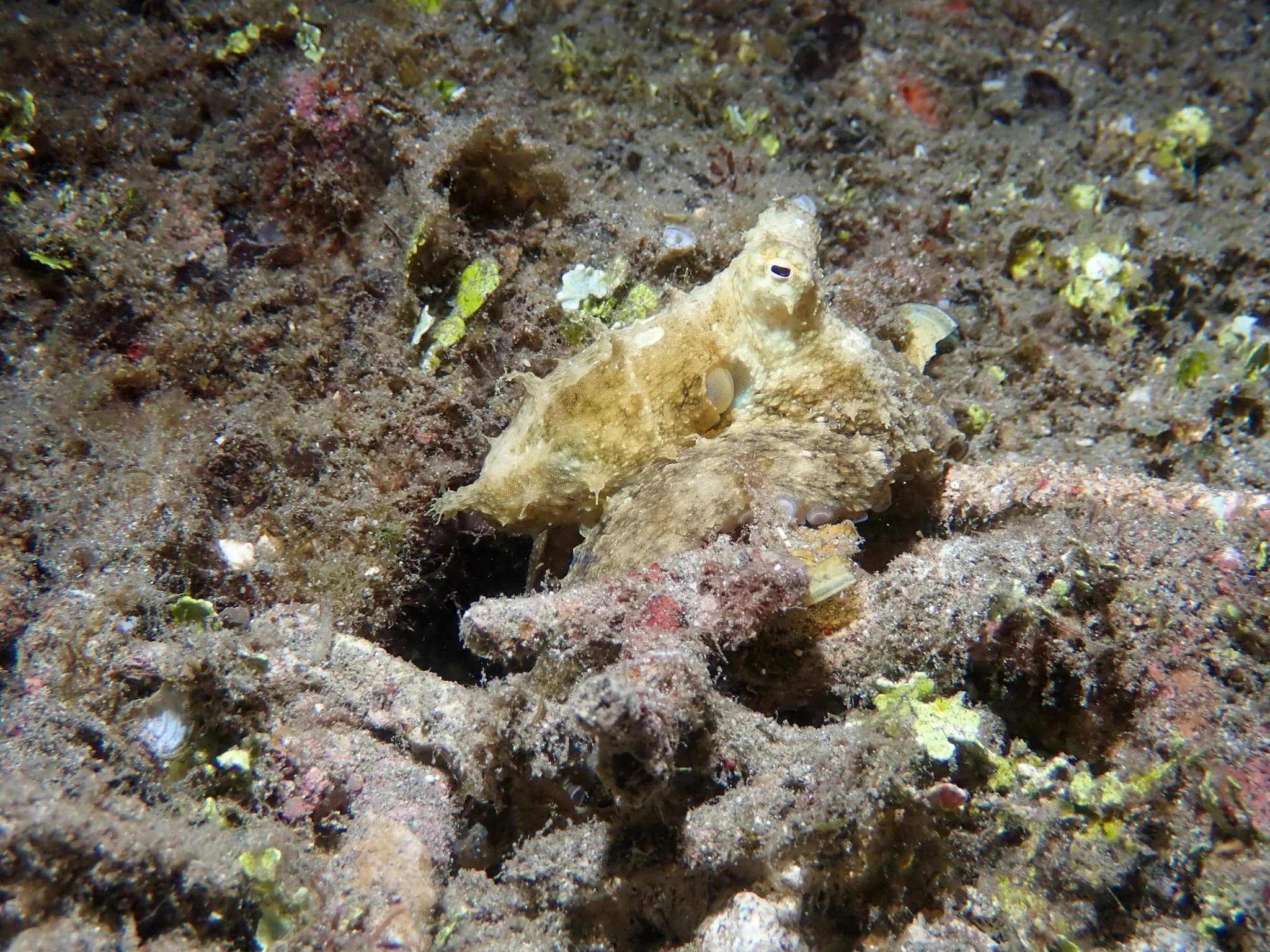
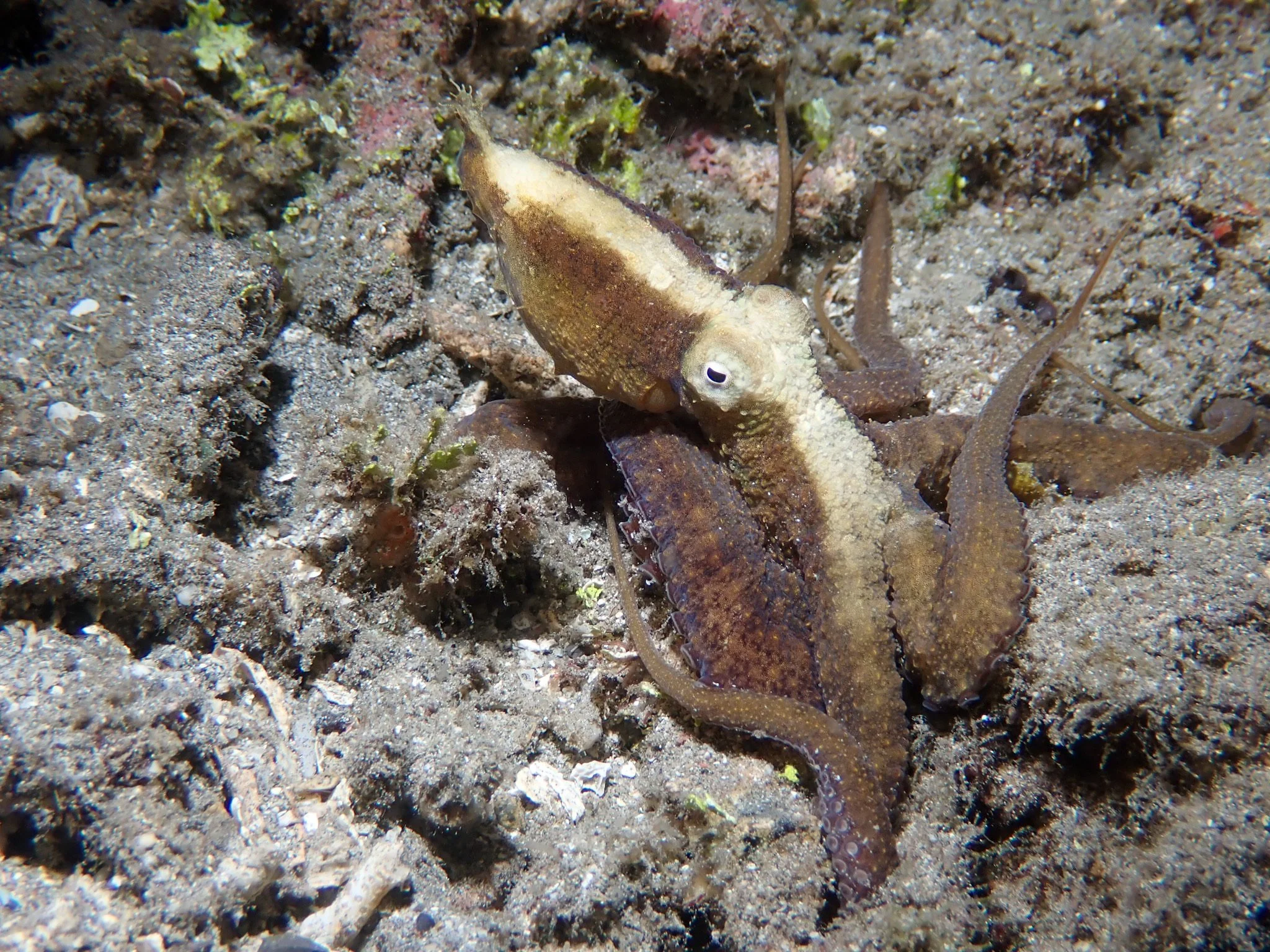
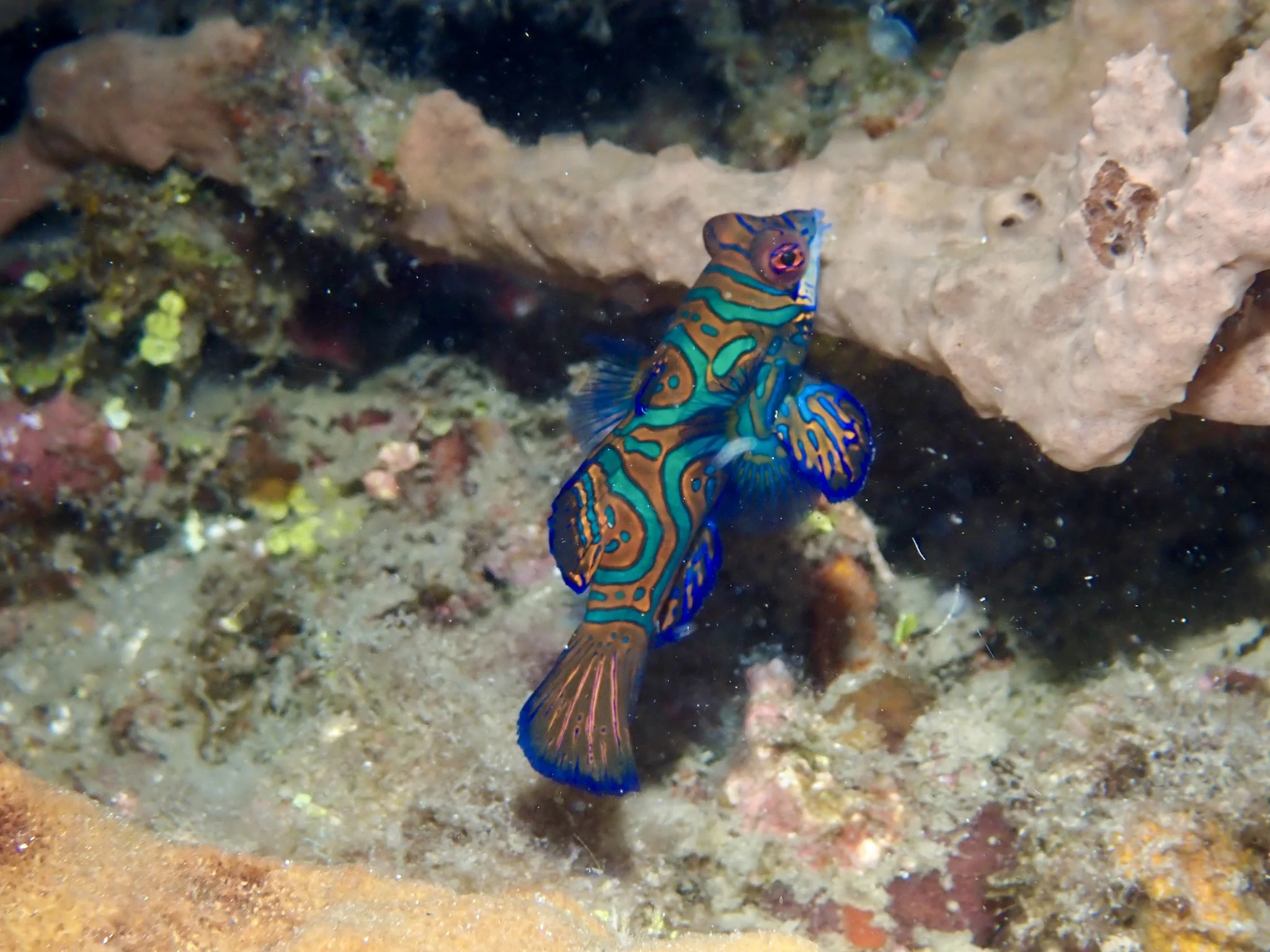
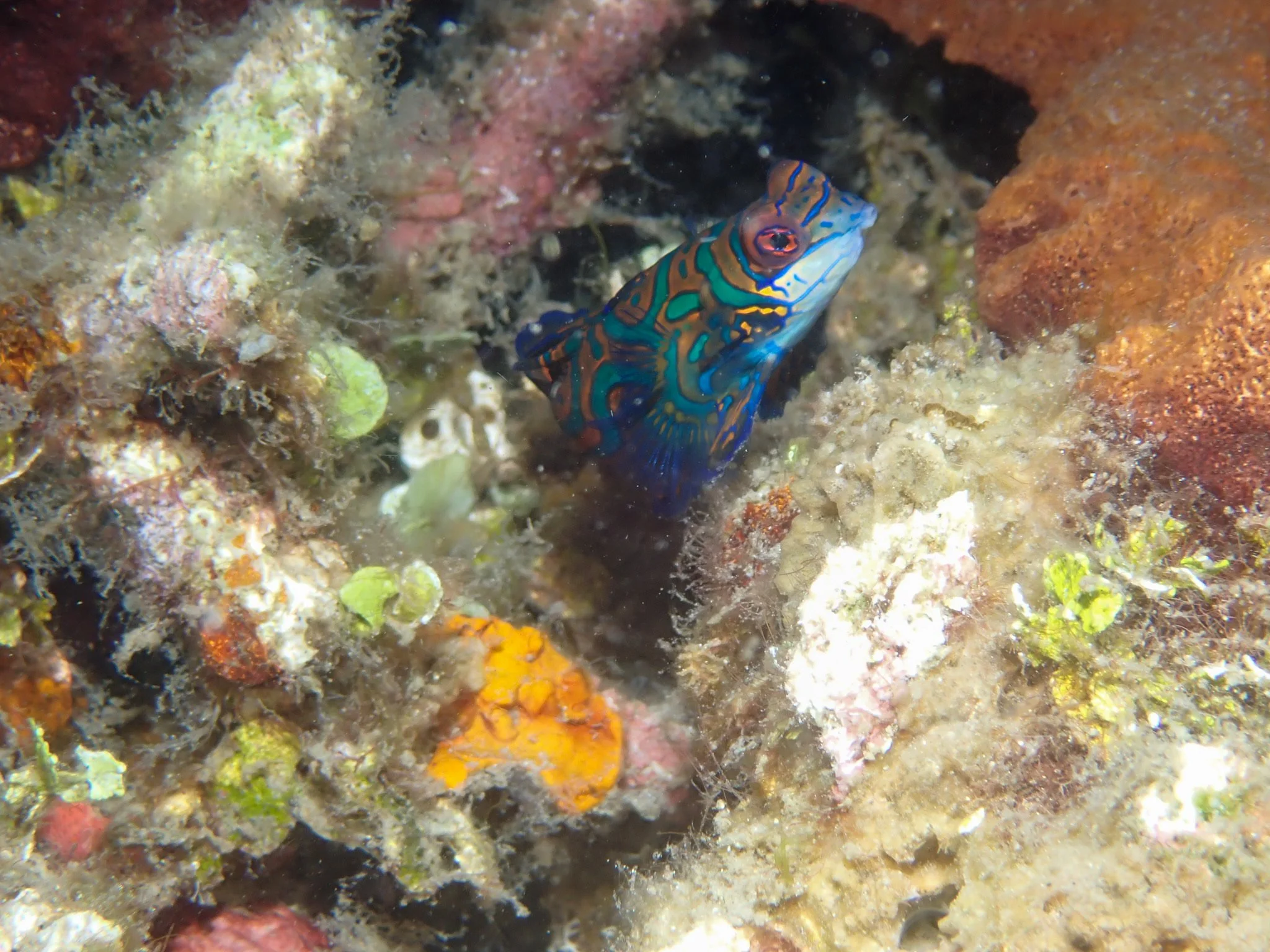
Not only did we encounter an incredibly rare algae octopus, but we also witnessed mating mandarin fish during dusk conditions. Watching mandarin fish rise together in the fading light was one of those magical underwater moments that feels almost dreamlike in person.
The algae octopus encounter was equally unforgettable. What started as searching for mandarin fish turned into spending time with one of the strangest and most fascinating octopus species I’ve ever seen.
Aer Prang 2
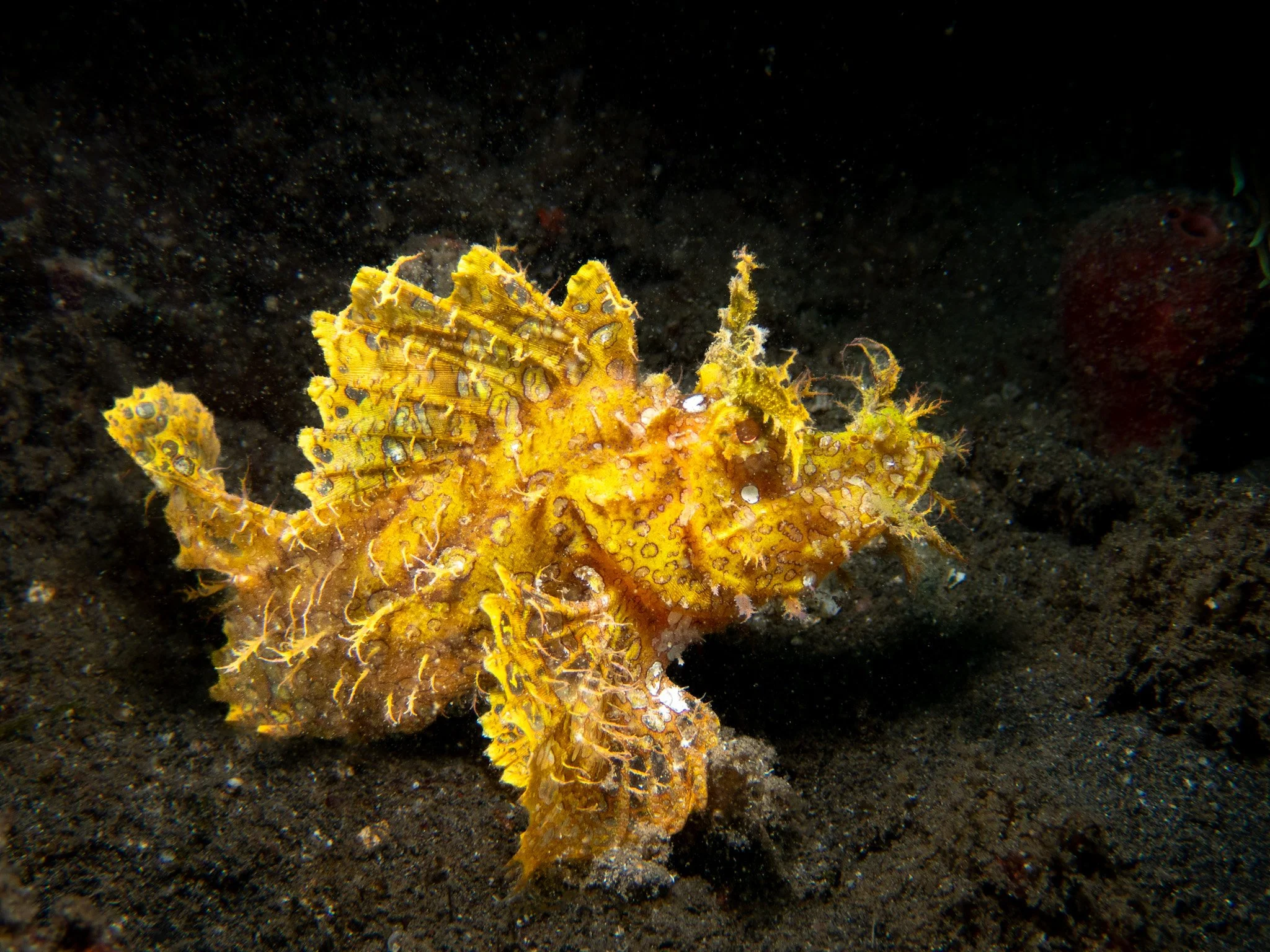
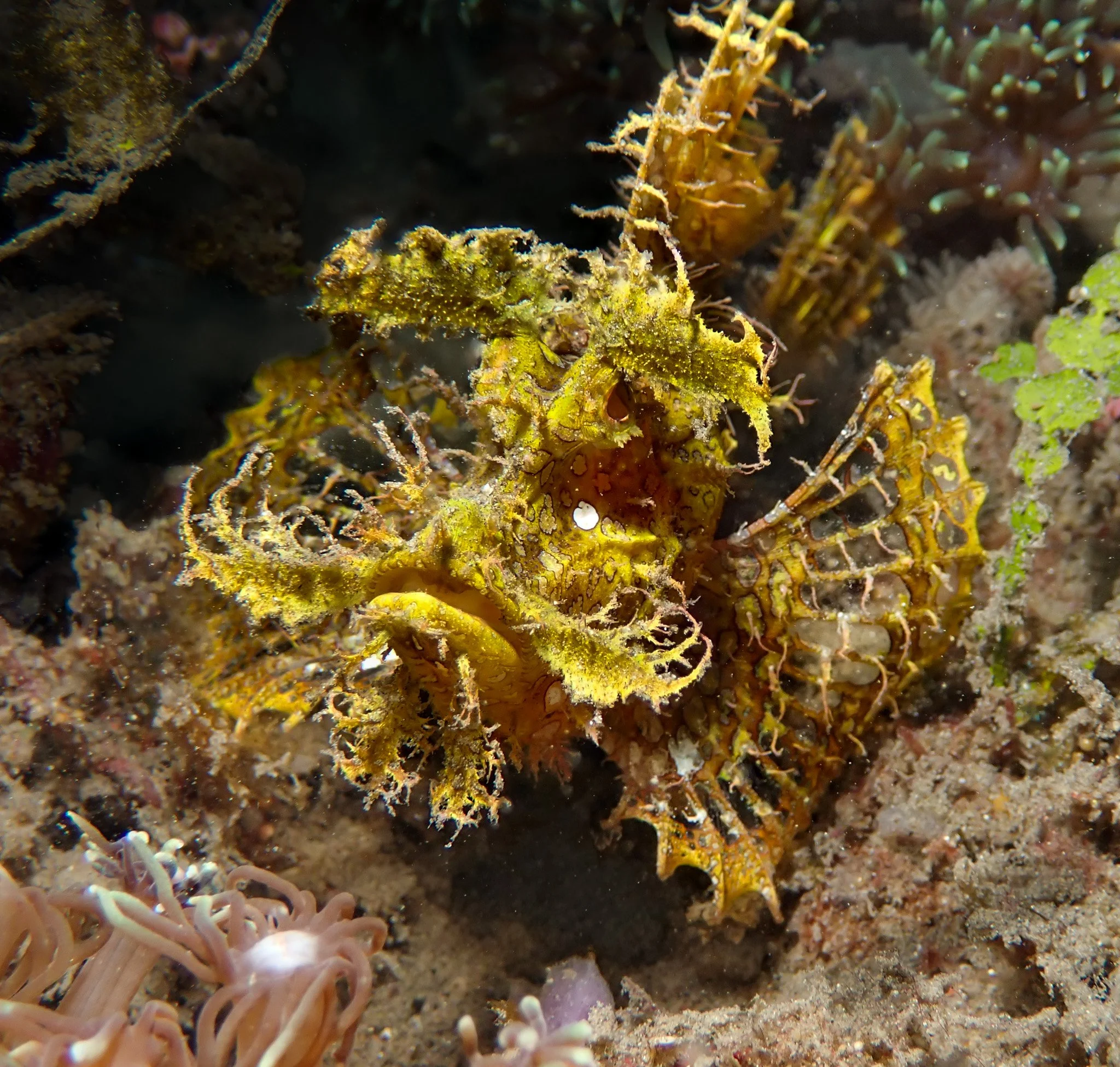
Aer Prang 2 delivered one of the rarest sightings of the trip — a yellow rhinopias scorpionfish.
Seeing a rhinopias in person felt almost unreal after hearing photographers and divers talk about them for years. Between the texture, movement, and camouflage, it genuinely looked like something designed by another planet.
That dive alone would have made the trip memorable.
Night Diving in Lembeh
I also ended up doing night dives nearly every night, and honestly, some of the most fascinating critter encounters happened after dark.
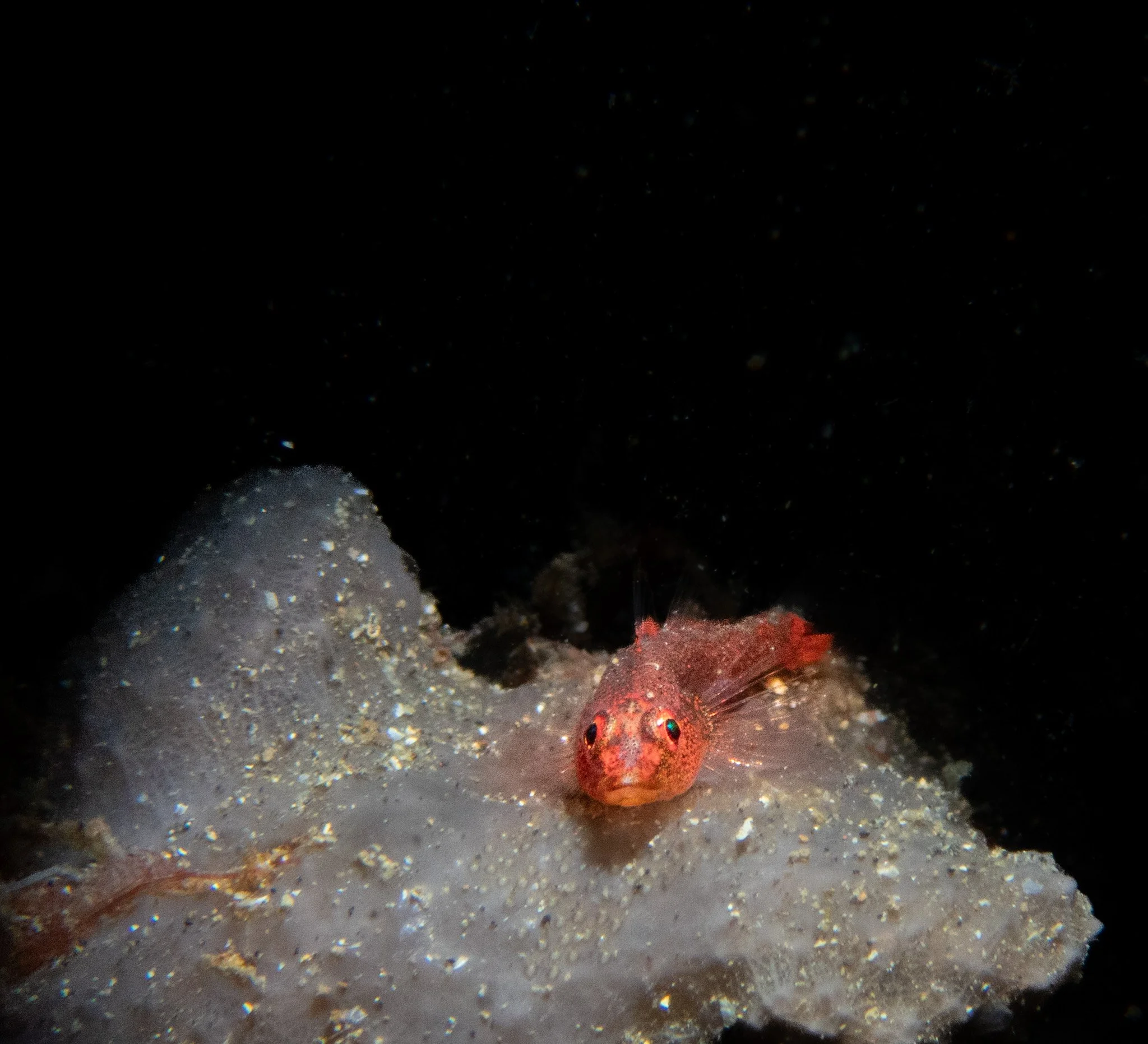
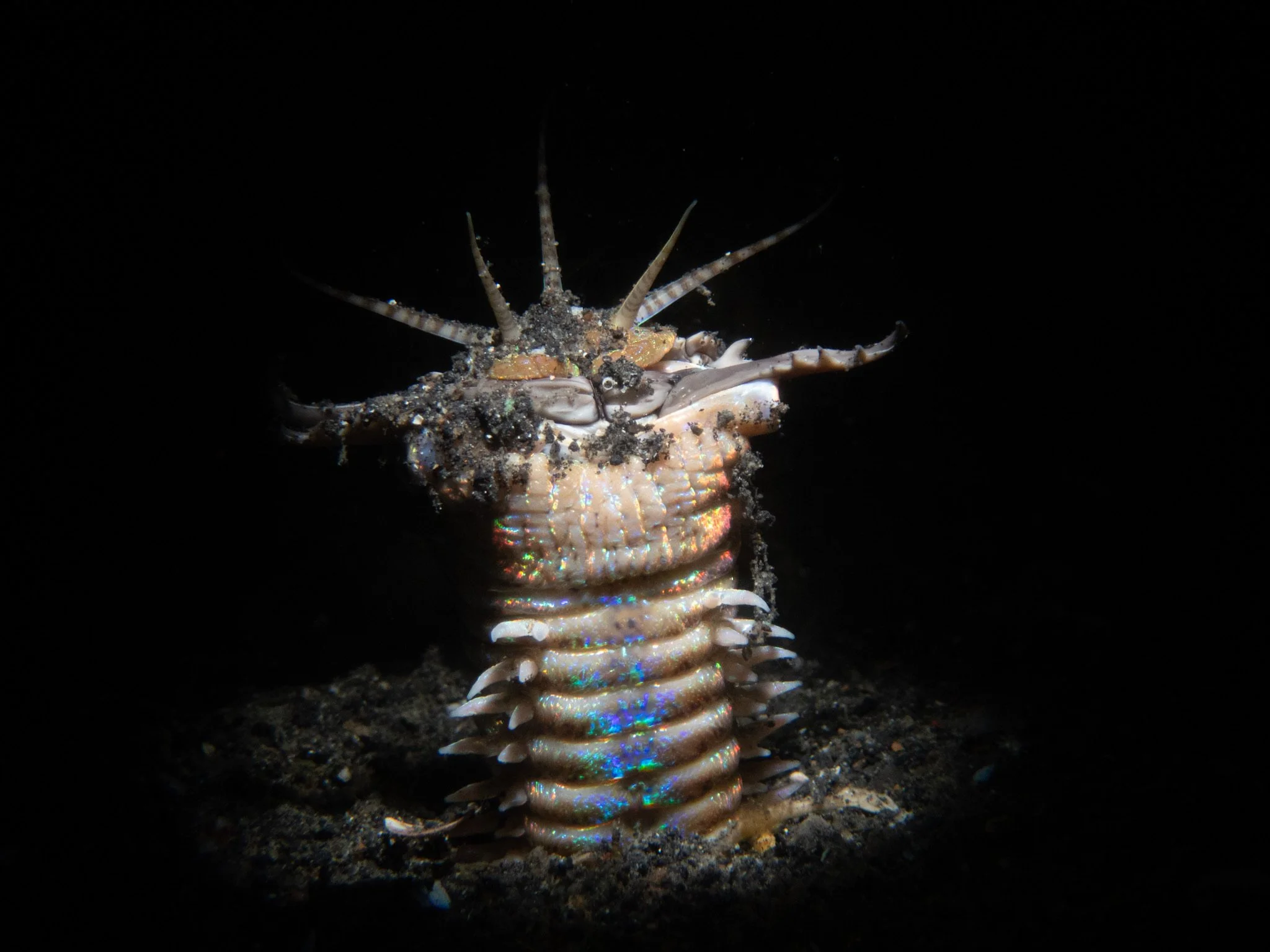
Lembeh completely transforms at night. Creatures emerge from hiding, hunting behaviors become more active, and the black sand suddenly feels alive in an entirely different way. Every night dive felt unpredictable in the best possible sense.
From hunting octopus and active shrimp to strange nocturnal behaviors and hidden critters we never would have seen during the day, the night diving added an entirely new layer to the experience.
Some of my favorite underwater moments from the trip happened under a dive light surrounded by darkness and volcanic sand.
The Critters of Lembeh Strait: What You Can Find
Lembeh Strait is considered one of the most biodiverse macro diving destinations in the world.
The nutrient-rich volcanic sand and rubble provide habitat for an extraordinary range of species, many of which are rarely encountered elsewhere. What initially looks empty quickly reveals itself as densely populated once your eye becomes trained.
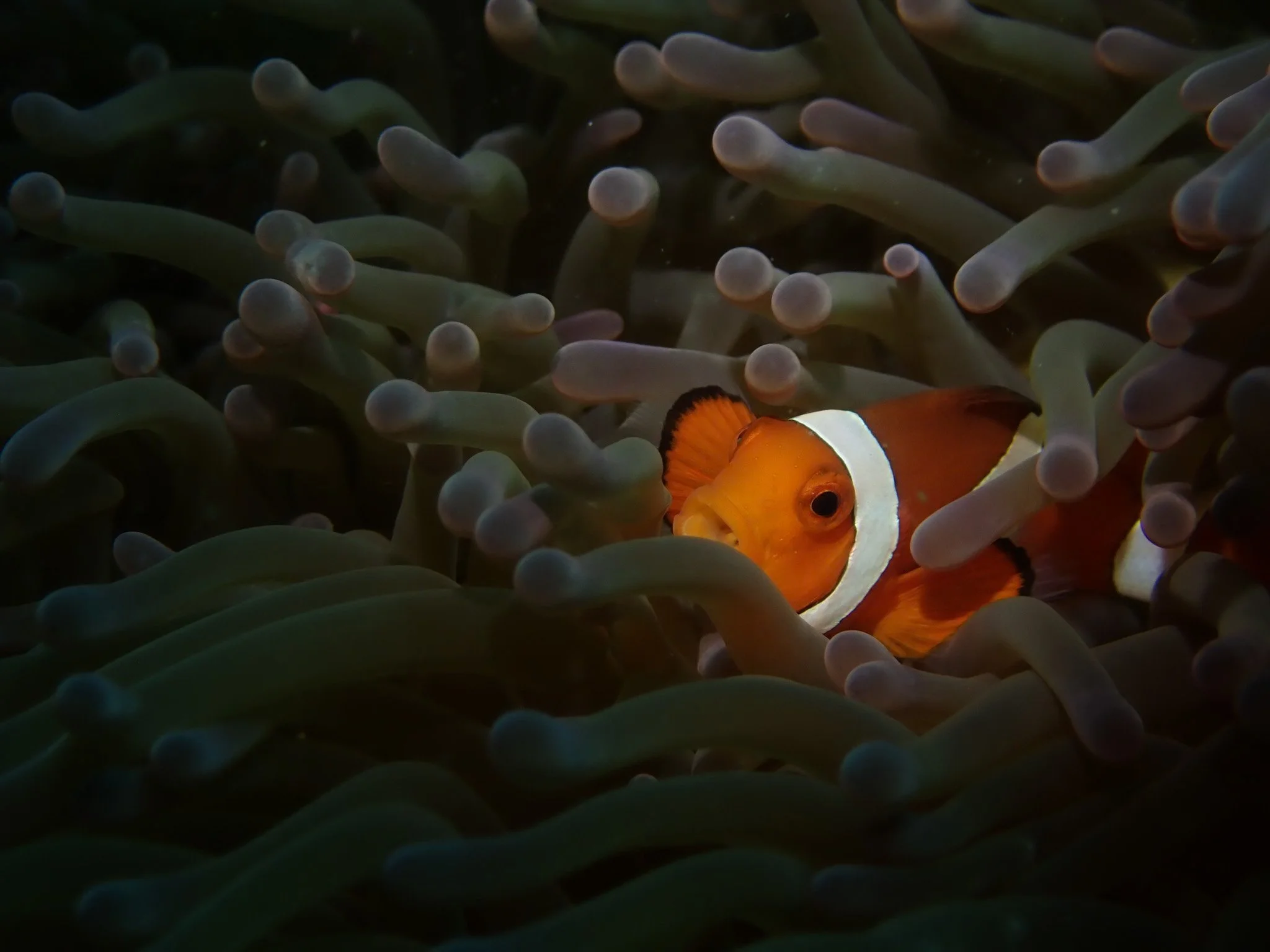
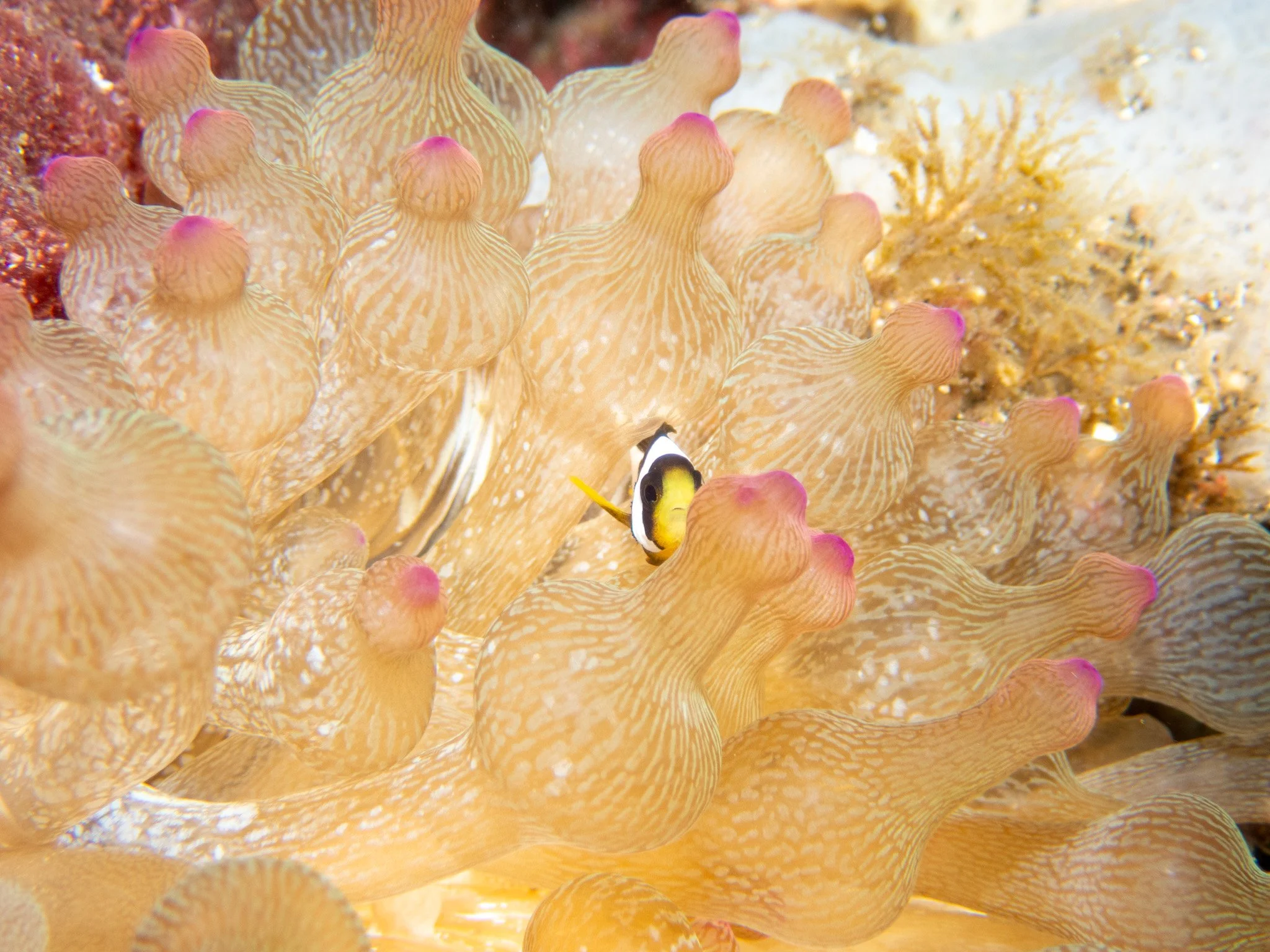
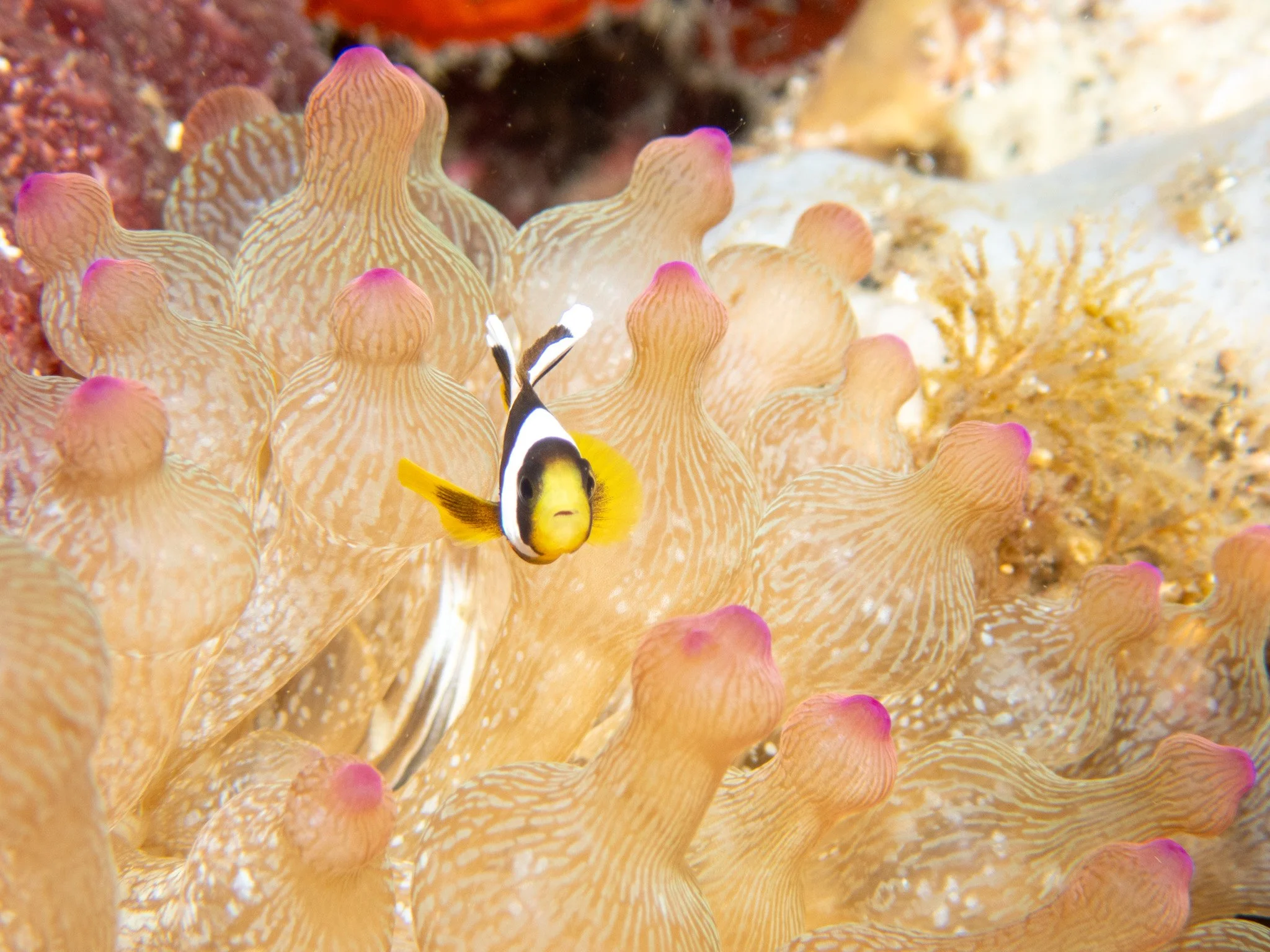
A clownfish with a parasite in its mouth
Common and sought-after sightings include:
Flamboyant cuttlefish
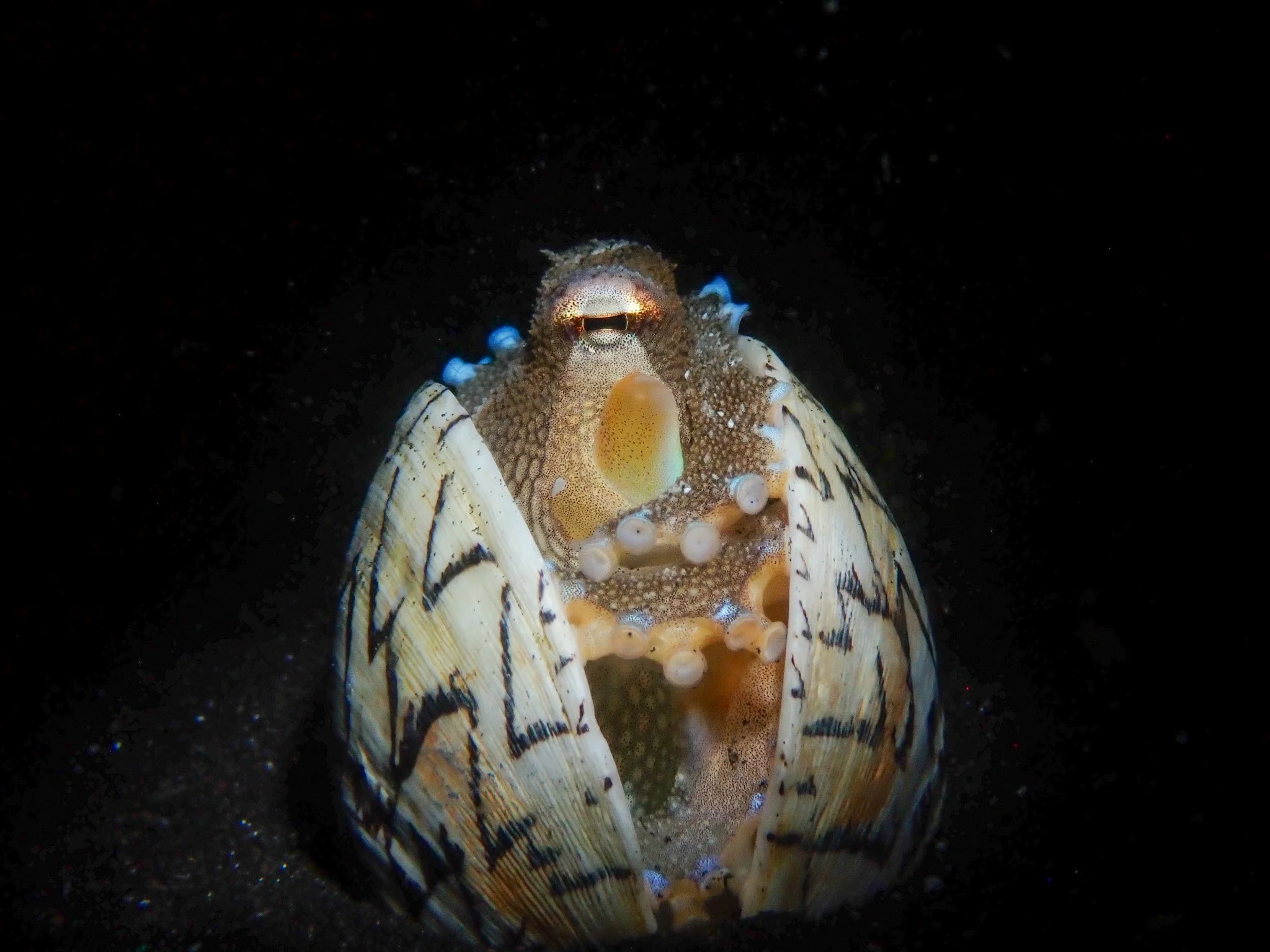
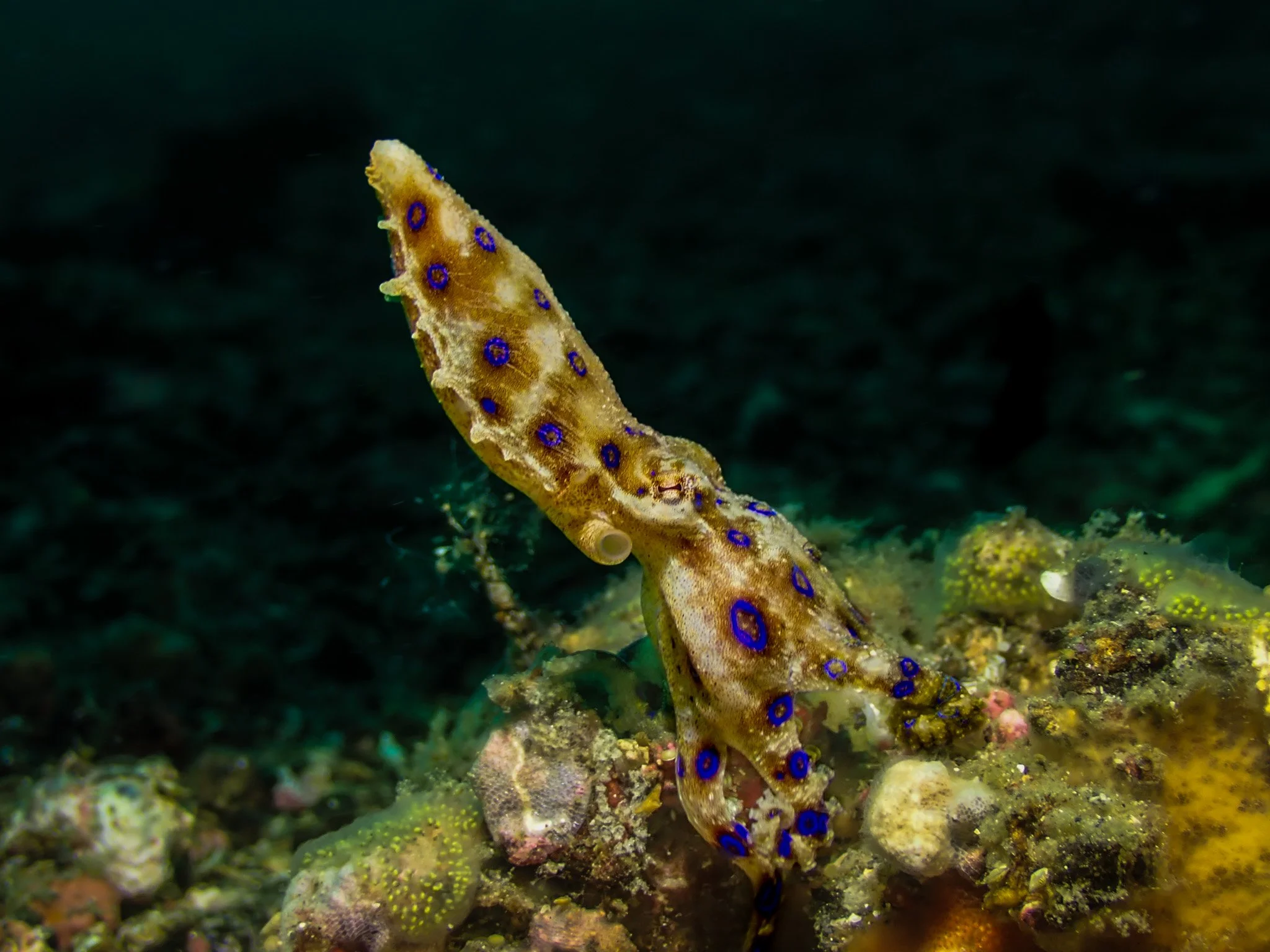
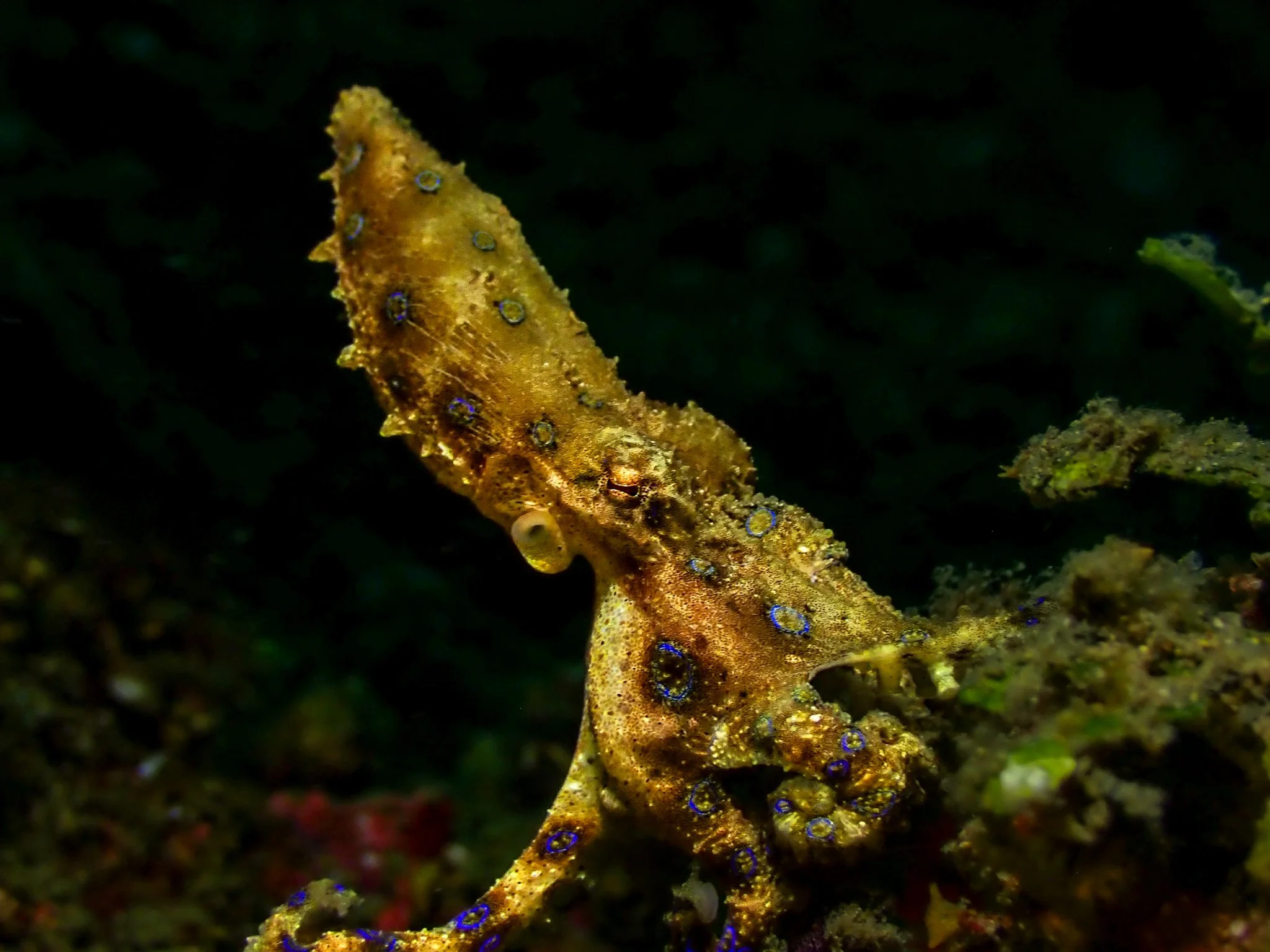
Blue-ringed, mimic, coconut, long arm, and wonderpus octopus
Hairy, painted, and giant frogfish
Rhinopias scorpionfish
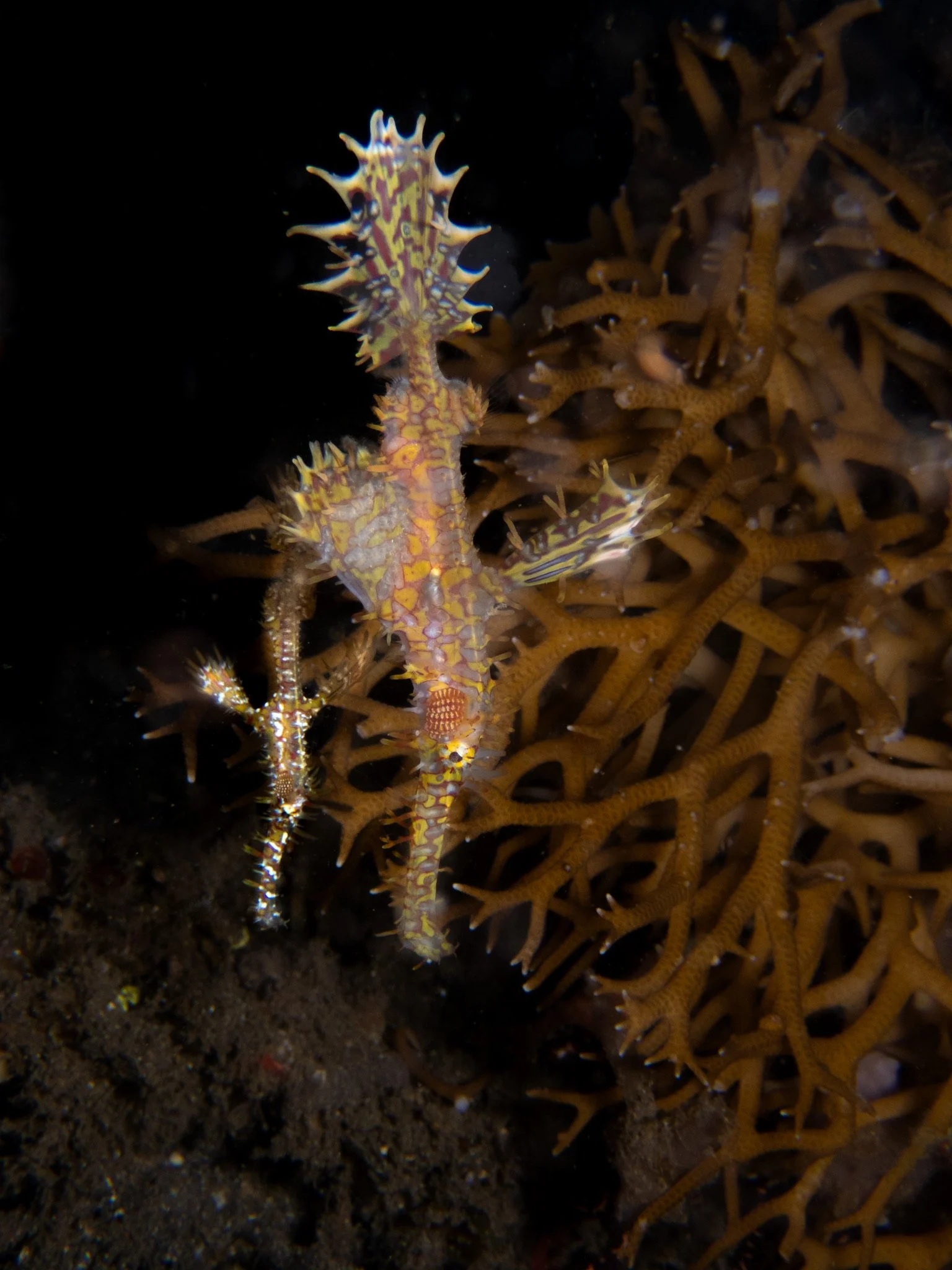
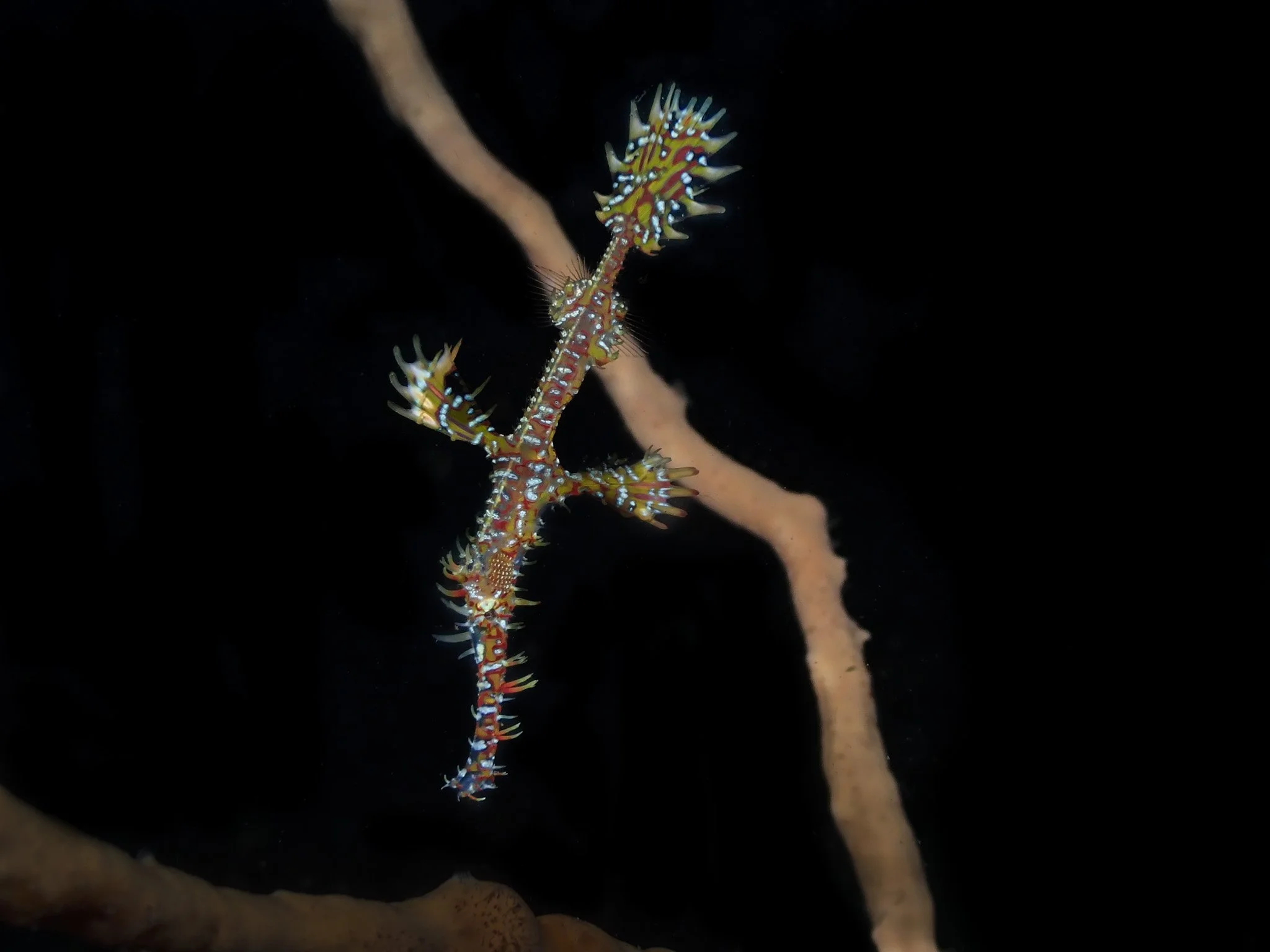
Ghost pipefish including ornate, robust, and halimeda varieties
Pygmy seahorses
Harlequin shrimp, boxer shrimp, and skeleton shrimp
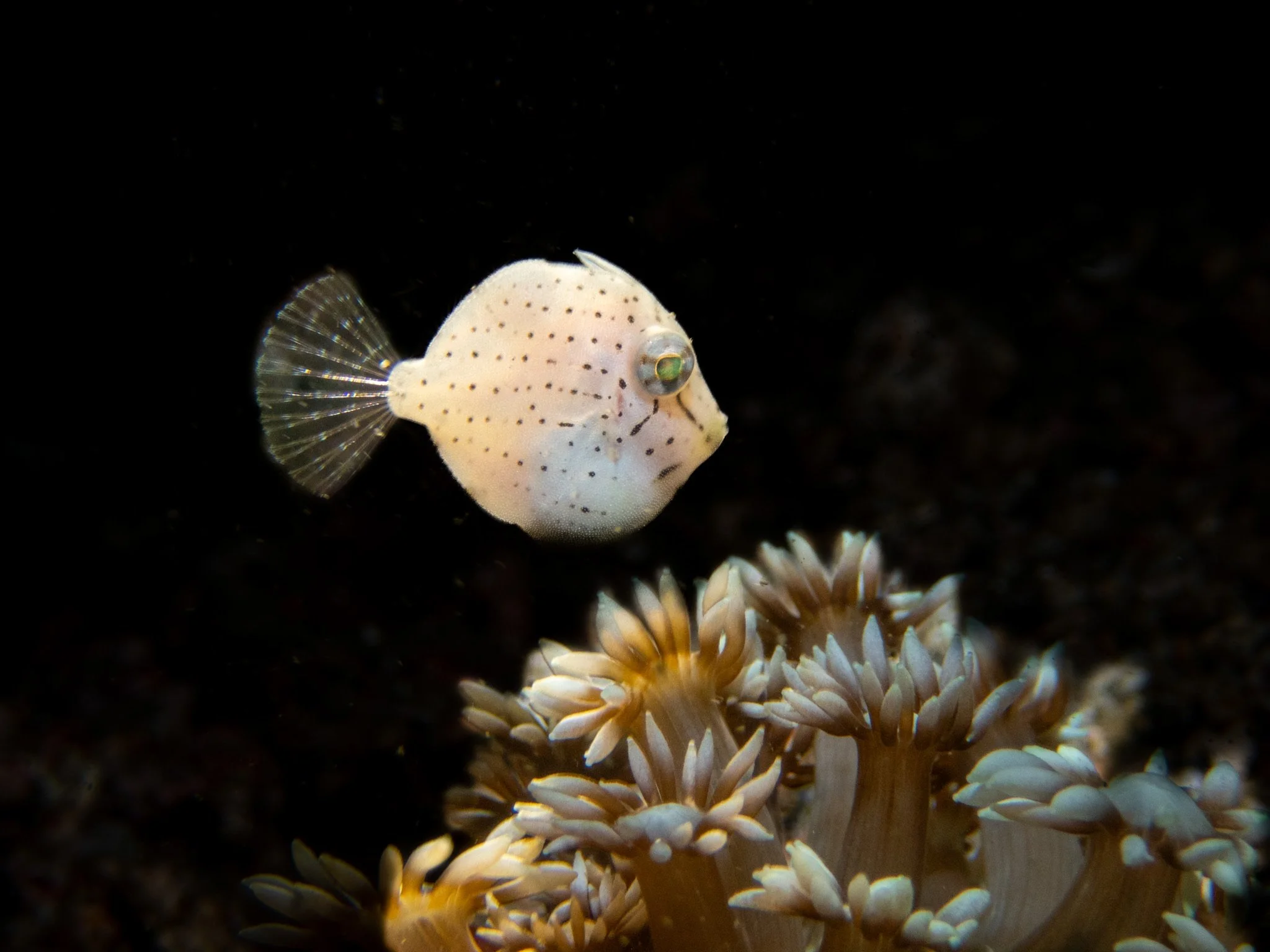
Juvenile fish in early life stages
An incredible diversity of nudibranchs
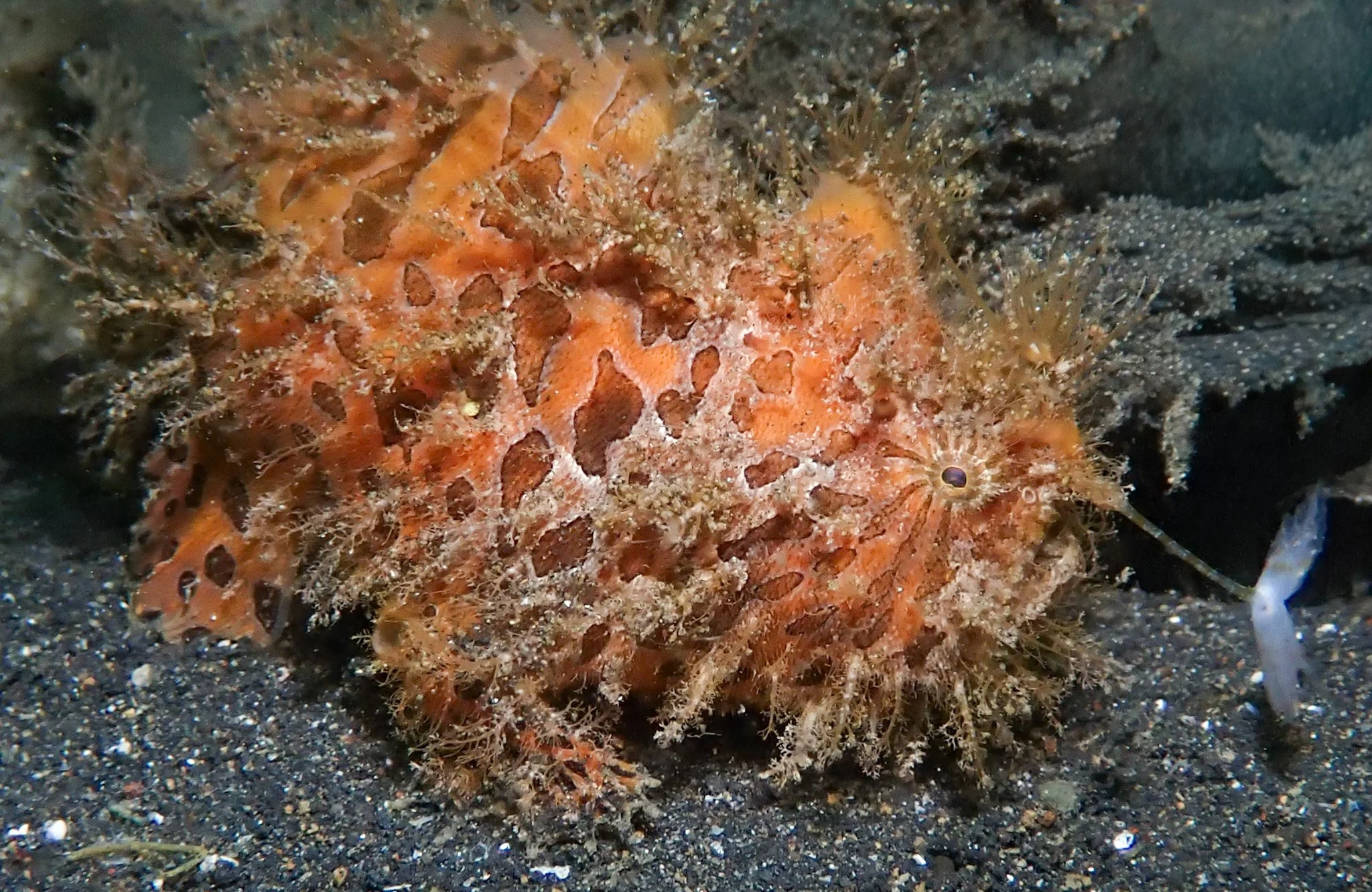
Lembeh is particularly known for behavioral encounters from hunting, camouflage shifts, mating, feeding, and predatory strikes; moments that reward patience and observation rather than rushing through a dive.
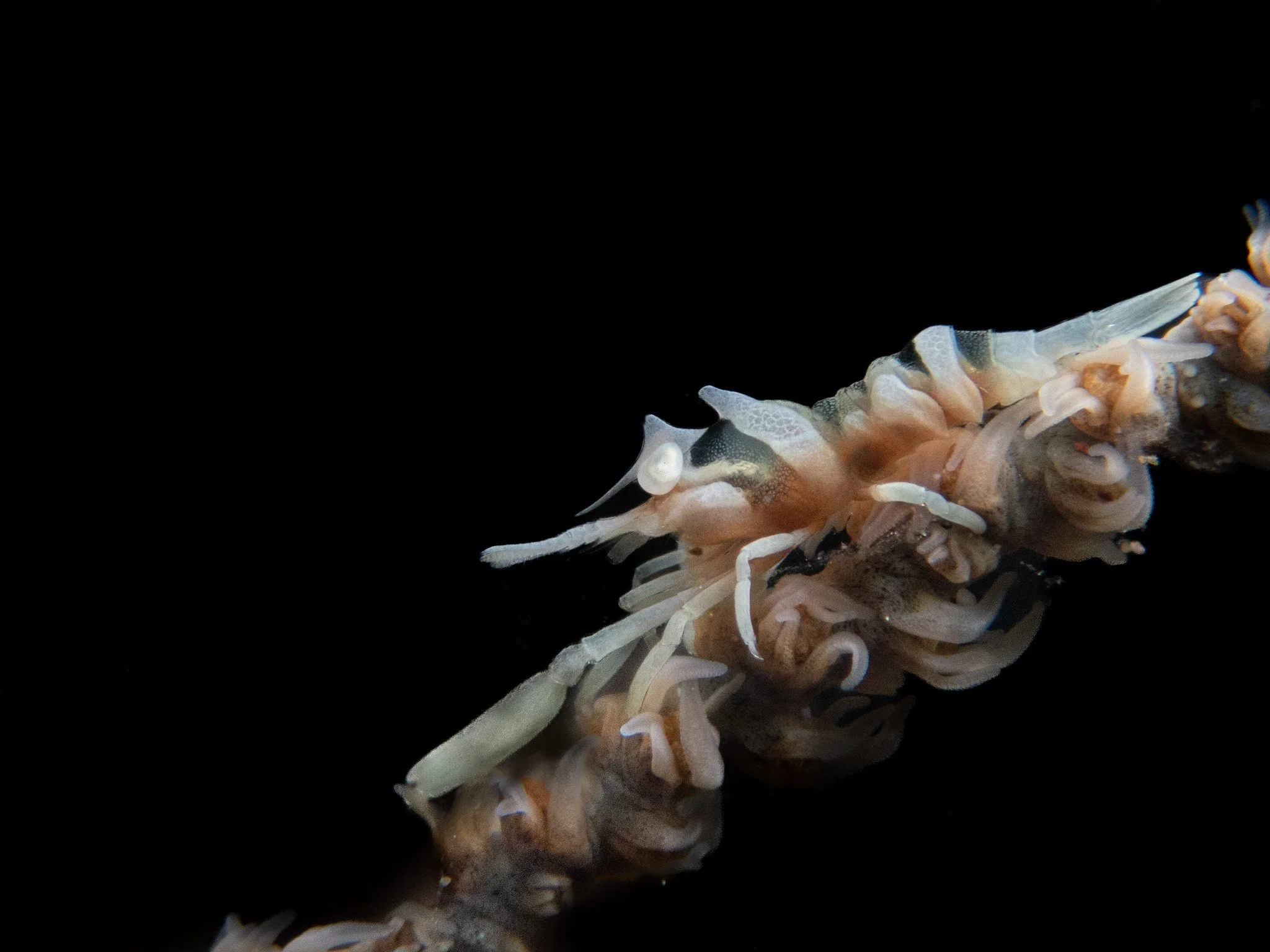
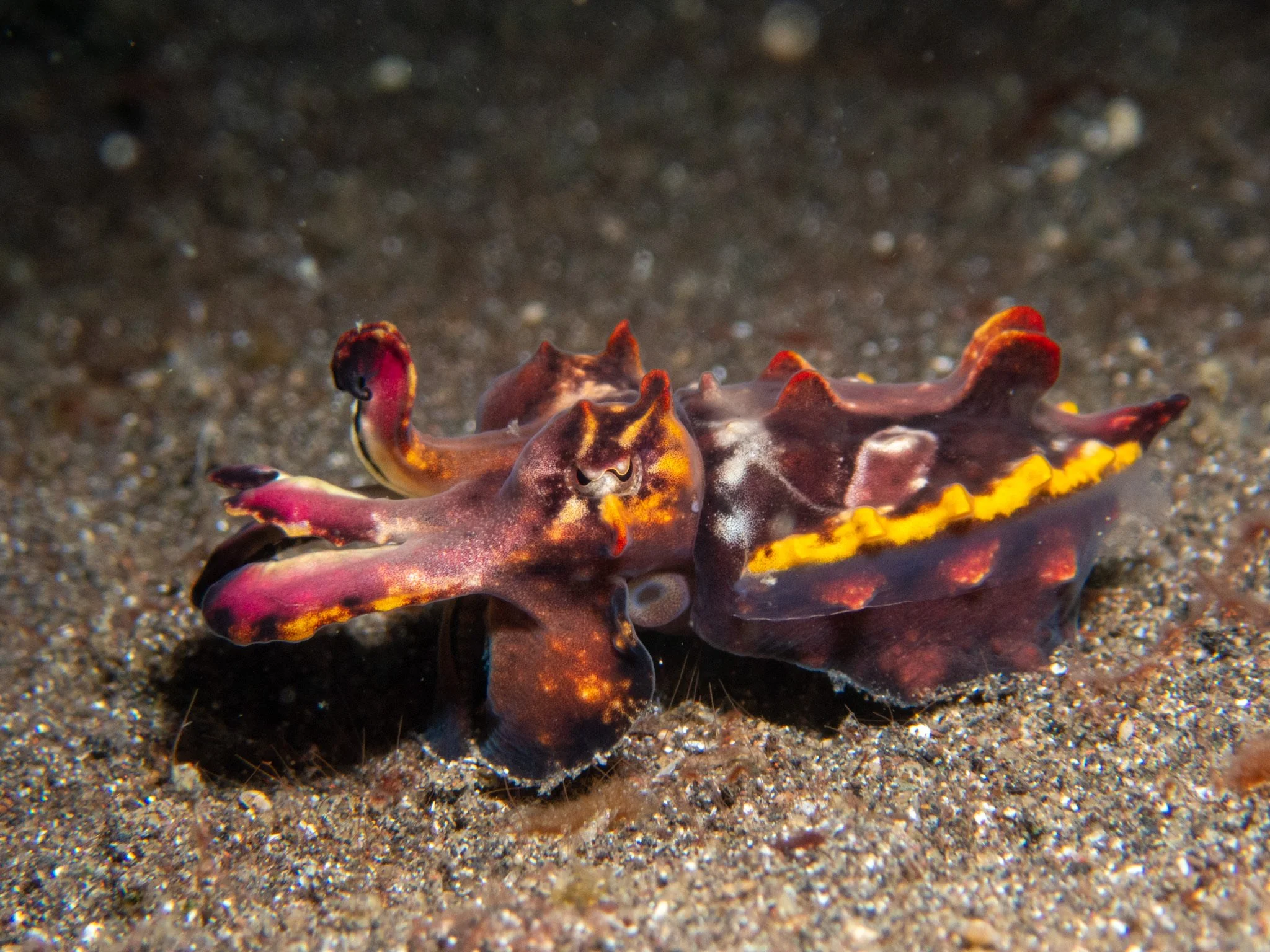
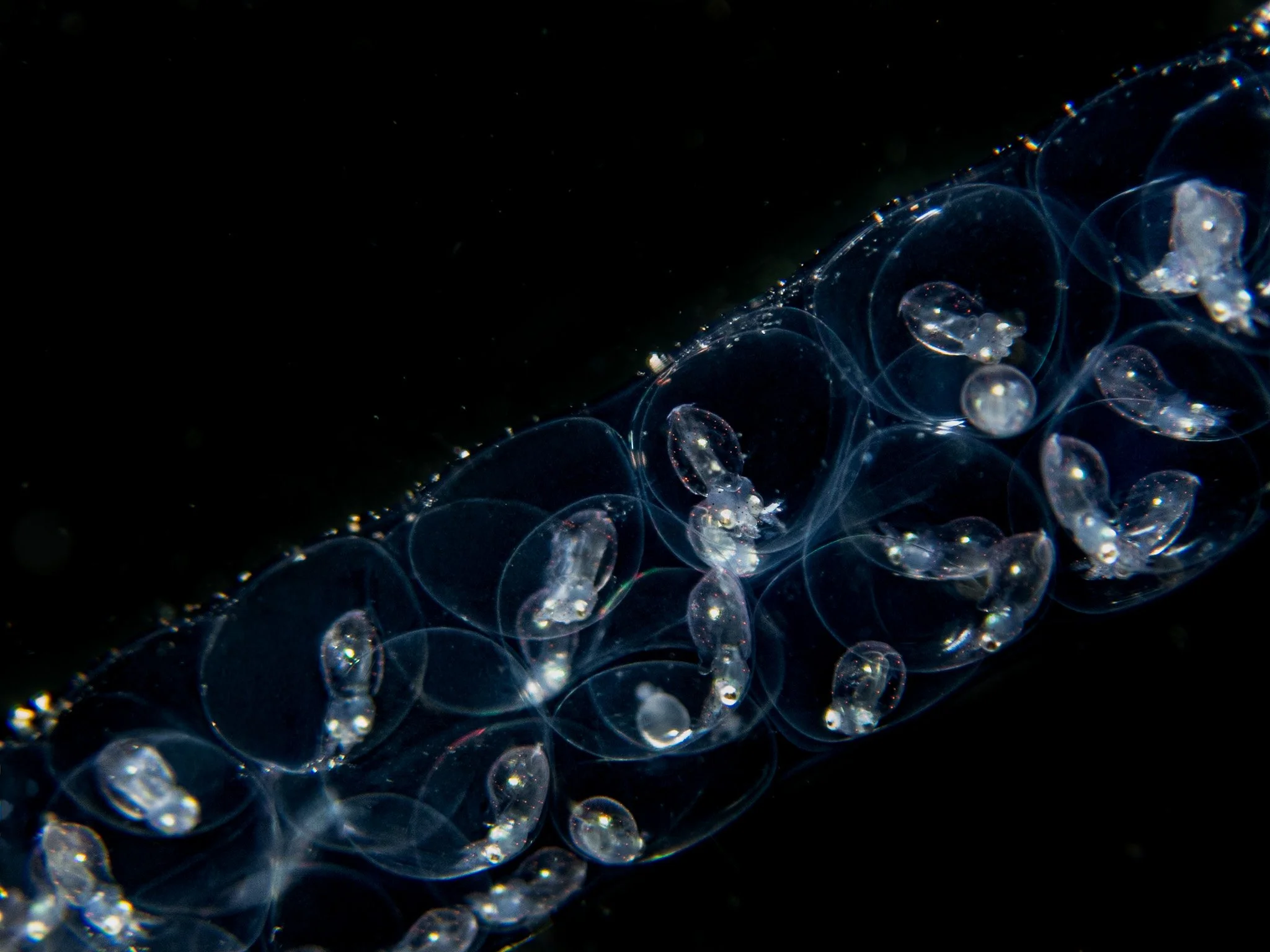
One morning dive turned into an extended interaction with a flamboyant cuttlefish slowly moving across the sand while displaying continuously. Another had us returning multiple times to photograph tiny pygmy seahorses hidden perfectly within sea fans. I also had the incredible opportunity to witness two flamboyant cuttlefish hatch and one pygmy cuttlefish hatch!
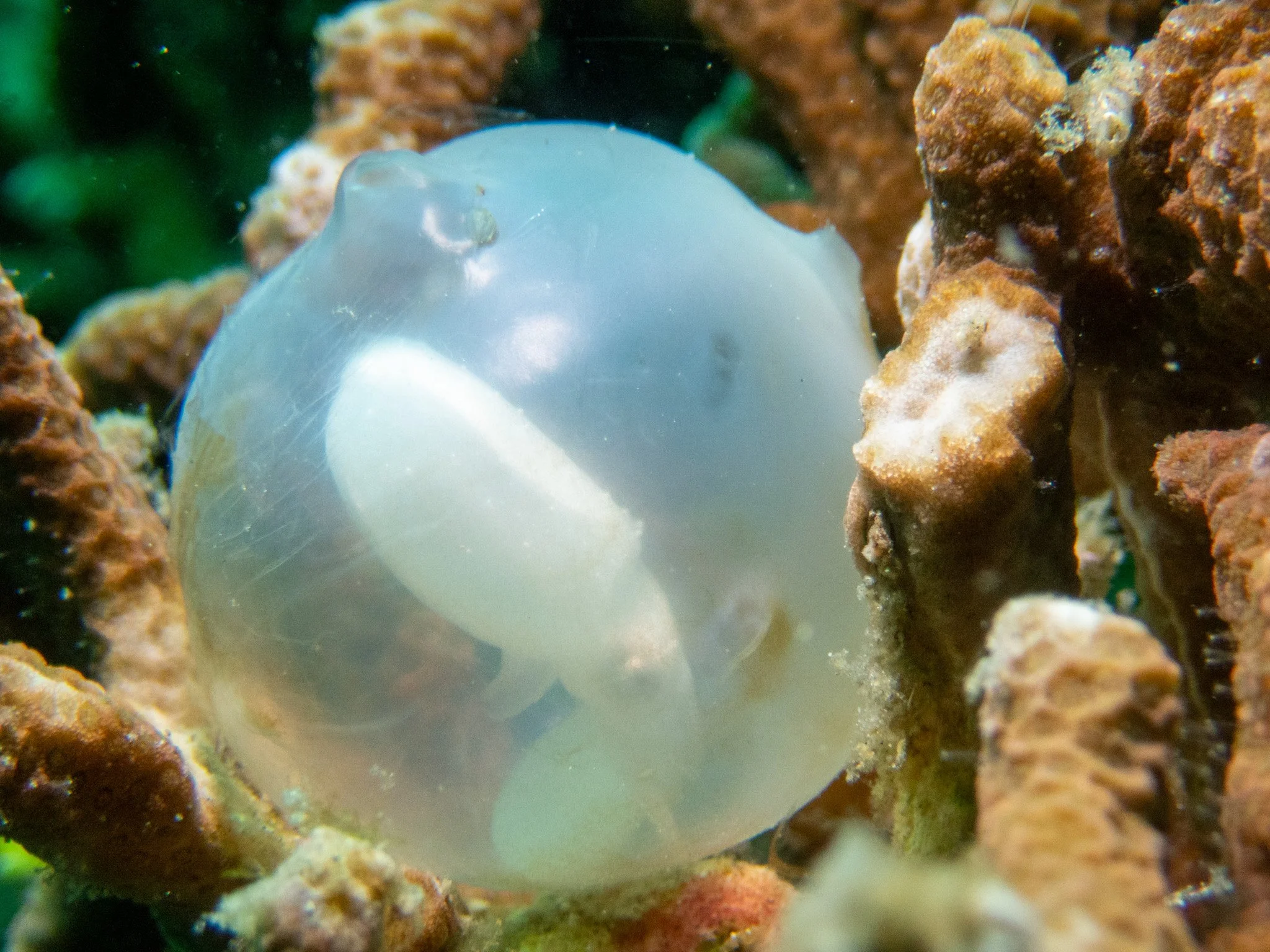
A pygmy cuttlefish getting ready to hatch
Some critters immediately stand out.
Others require guides with absolutely superhuman eyes.
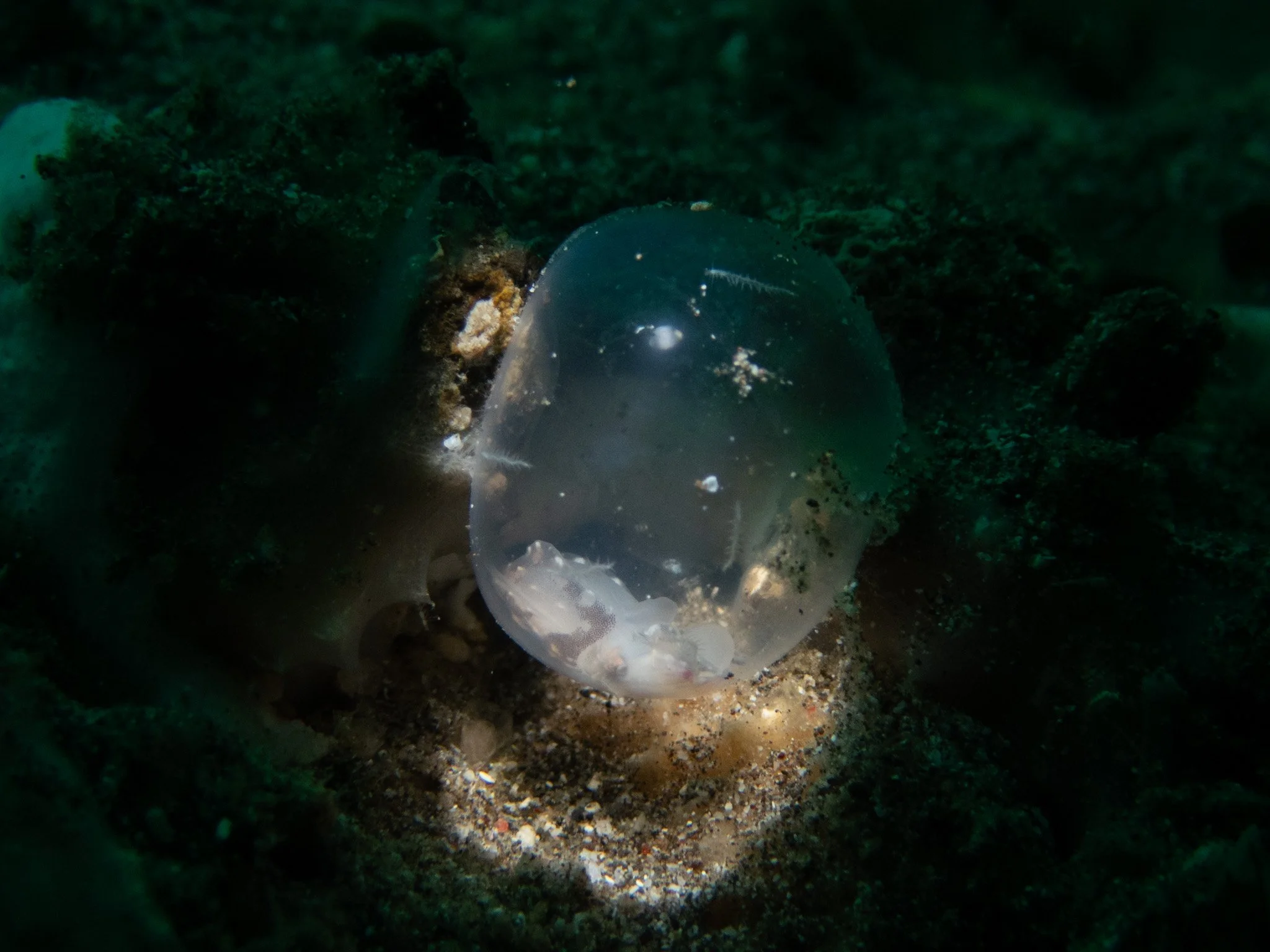
A flamboyant cuttlefish about to hatch!
Packing for Lembeh: What Worked (and Why)
Packing intentionally made a noticeable difference on a multi-flight, photography-heavy trip.
My roll-aboard carry-on held all camera gear including camera bodies, lenses, strobes, arms, batteries, chargers, and accessories. My checked luggage carried fins, clothing, exposure protection, and non-essential personal items.
I also traveled with my SCUBAPRO Hydros setup including my Hydros BCD, regulator set, mask, and weight pockets.
For exposure protection, I packed both a 3mm and 5mm wetsuit along with a hood. Even though the water temperatures were warm, the 5mm ended up being absolutely worth bringing and was what I wore the entire trip. Lembeh diving involves long, slow dives with minimal movement, and after multiple dives a day over more than a week, the extra warmth made a huge difference in overall comfort and focus underwater.
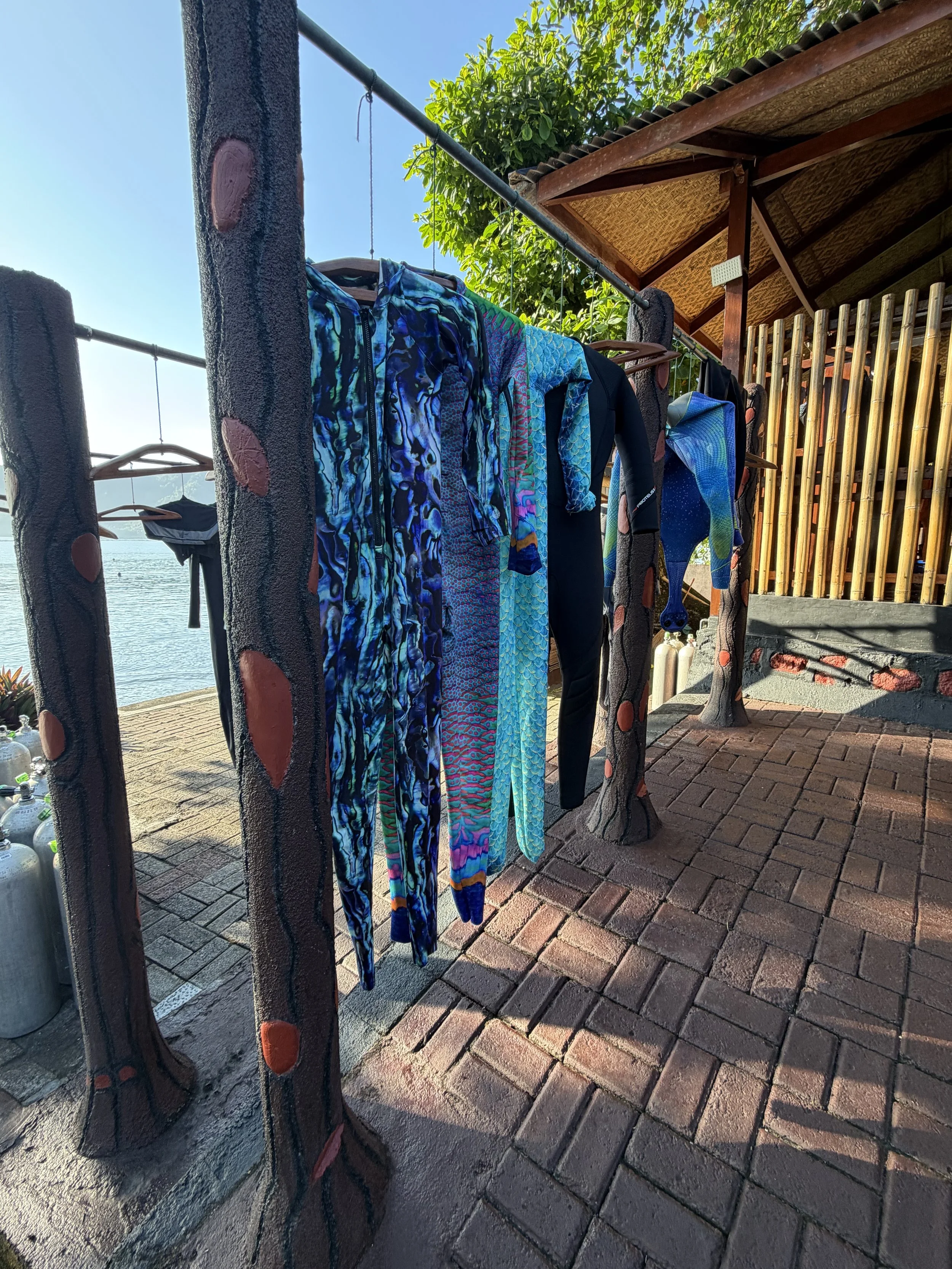
I also packed two swimsuits to alternate between dives, which made life much easier with the frequent dive schedule and tropical humidity.
One thing I was especially happy I brought was my sun suits. They were perfect for additional sun protection around the resort and between dives while still being lightweight and comfortable in the heat.
My headbands also ended up being surprisingly useful throughout the trip for keeping hair under control during long dive days and boat rides.
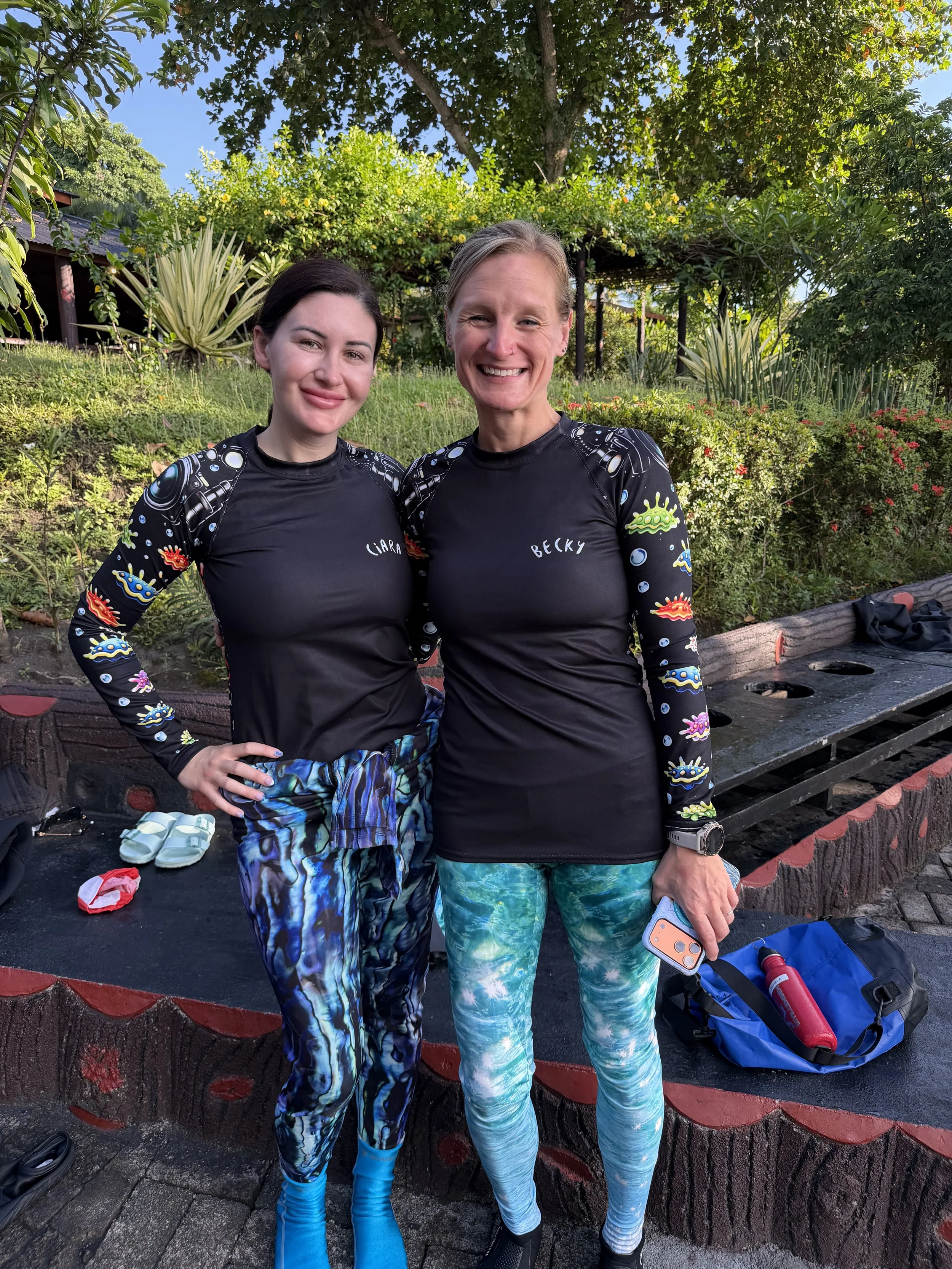
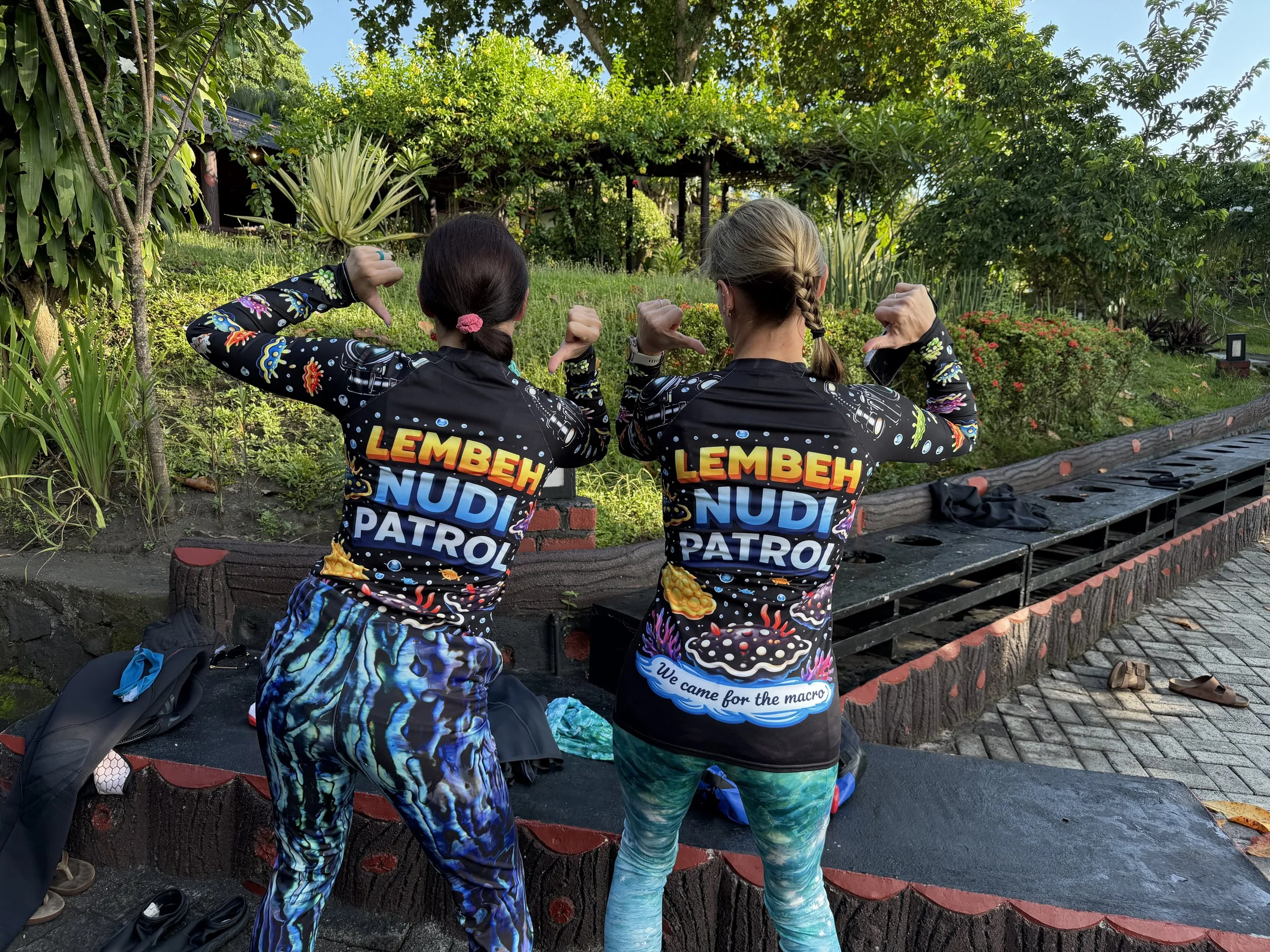
Becky and I made a fun rash guard for our adventure…Lembeh Nudi Patrol!
After diving, my poncho quickly became one of my favorite comfort items of the entire trip. Throwing it on after dives or while relaxing at the resort in the evenings was perfect after long days underwater.
Lembeh may be warm-water diving, but comfort matters more than people expect on a trip with this much diving. Packing intentionally made a noticeable difference in both energy levels and overall enjoyment throughout the week.
Learning Through the Lens: Underwater Photography in Lembeh
The structure of the workshop allowed skills to develop gradually and consistently instead of feeling rushed or overwhelming.
Time in the water focused heavily on buoyancy, lighting control, subject approach, composition, and learning how to work patiently with marine life rather than simply chasing subjects. Afternoons and evenings were spent reviewing images, editing, discussing techniques, and learning how small adjustments could dramatically improve an image.
Photography slowly shifted from simply taking pictures to understanding behavior, light, timing, and storytelling.
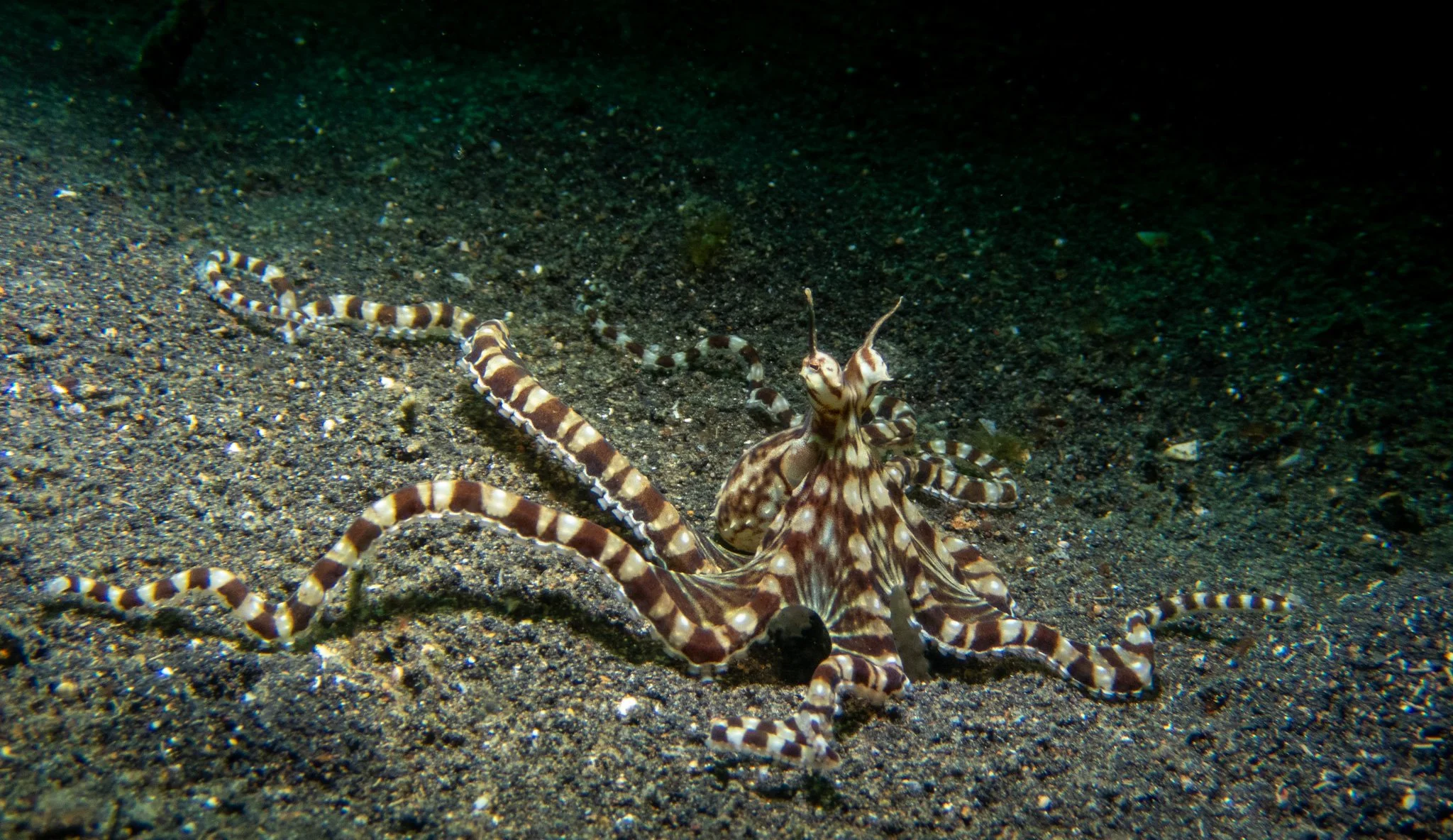
A mimic octopus
Patience quickly proved to be the most valuable skill of all.
One of the things I appreciated most was how welcoming the learning environment felt. I showed up as much of a beginner as a beginner can be when it came to underwater photography. Walking into a room filled with talented photographers and experienced shooters could have easily felt intimidating, but the workshop never felt that way.
Every question was welcomed.
Every small improvement was celebrated.
By the end of the trip, I left feeling significantly more confident not only with my camera setup and editing workflow, but with how I approached subjects underwater altogether.
More importantly, I left genuinely excited to continue learning and growing as an underwater photographer. Instead of feeling overwhelmed by how much there is to improve, I felt inspired by it.
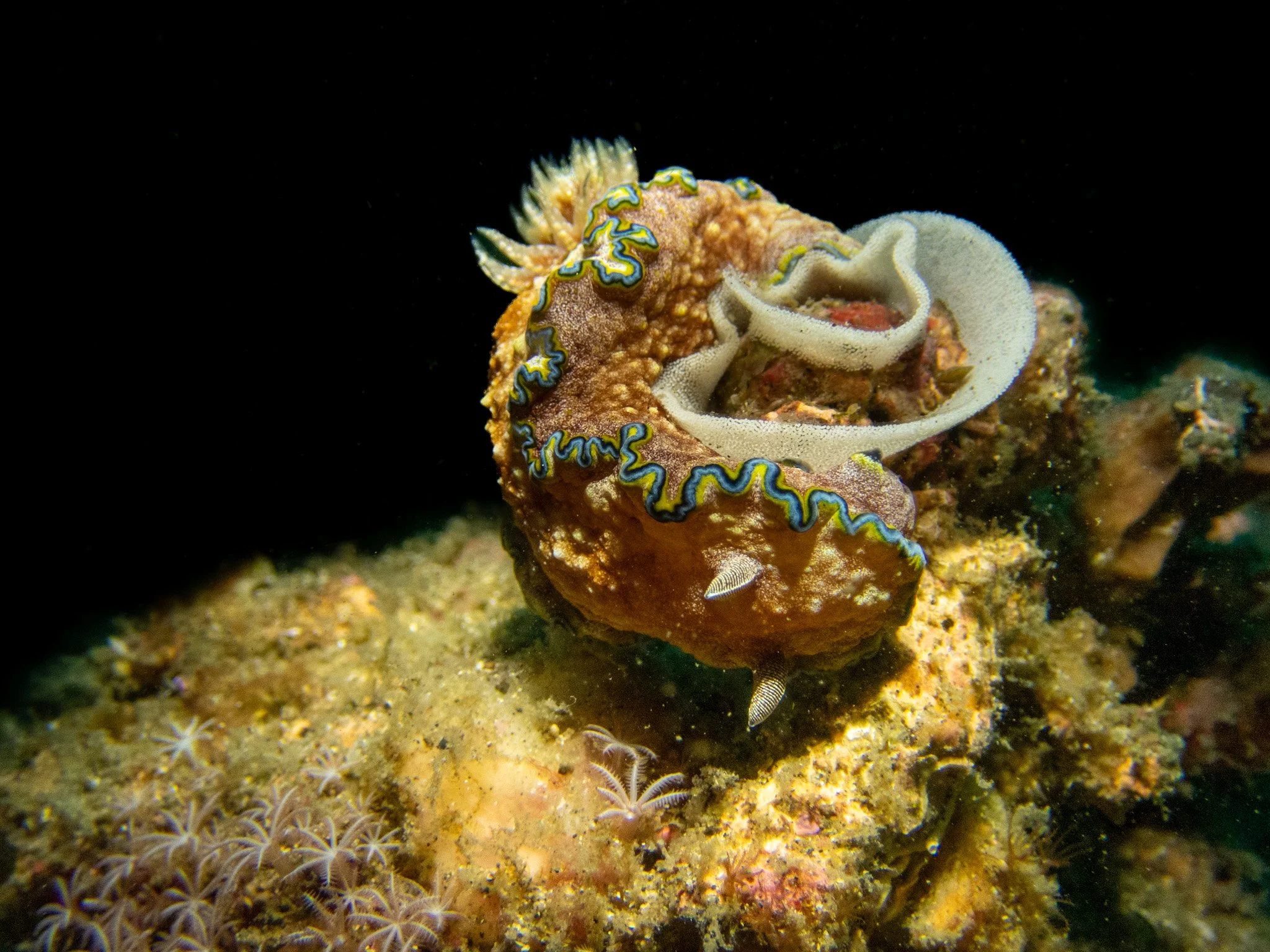
A nudi laying eggs
The Instructors: Masters Behind the Lens
This experience would not have been the same without Byron, Andy Deitz, Matt, Devid, and Ben.
I first met Byron through Instagram after sharing one of his Silfra photos while asking for advice about diving in Iceland. What started as a simple online conversation eventually turned into me running a trip to Iceland and later joining this workshop in Lembeh. Finally getting the opportunity to learn photography directly from him in person felt genuinely exciting and a bit full-circle.
Byron has a calm and thoughtful teaching style that makes underwater photography feel approachable instead of intimidating. Nothing ever felt overly technical simply for the sake of sounding technical. Every critique and lecture focused on improving intentionally and understanding why an image works.
Andy brought such a fun and encouraging energy to the workshop. Between dives and during evening sessions, he was incredibly generous with Lightroom and Photoshop tips, helping all of us better understand editing workflows without making things feel overwhelming. Small editing adjustments suddenly started making huge differences in my images, and I learned far more practical editing techniques during this trip than I expected.
Matt quickly became my fellow octopus and frogfish enthusiast throughout the workshop. Some of my favorite conversations onboard revolved around weird critters, cephalopod behavior, and getting way too excited over obscure macro finds. His presentations and photo reviews were excellent, and I really appreciated how supportive and constructive the overall learning environment felt.
I also so appreciated dive guides and photography experts Devid and Ben, who were absolutely instrumental in helping me learn hands-on underwater during the dives themselves. They constantly helped with positioning, lighting suggestions, subject awareness, buoyancy adjustments, and camera troubleshooting in real time underwater. Having that kind of patient guidance while actively diving made an enormous difference in my confidence and progression throughout the trip.
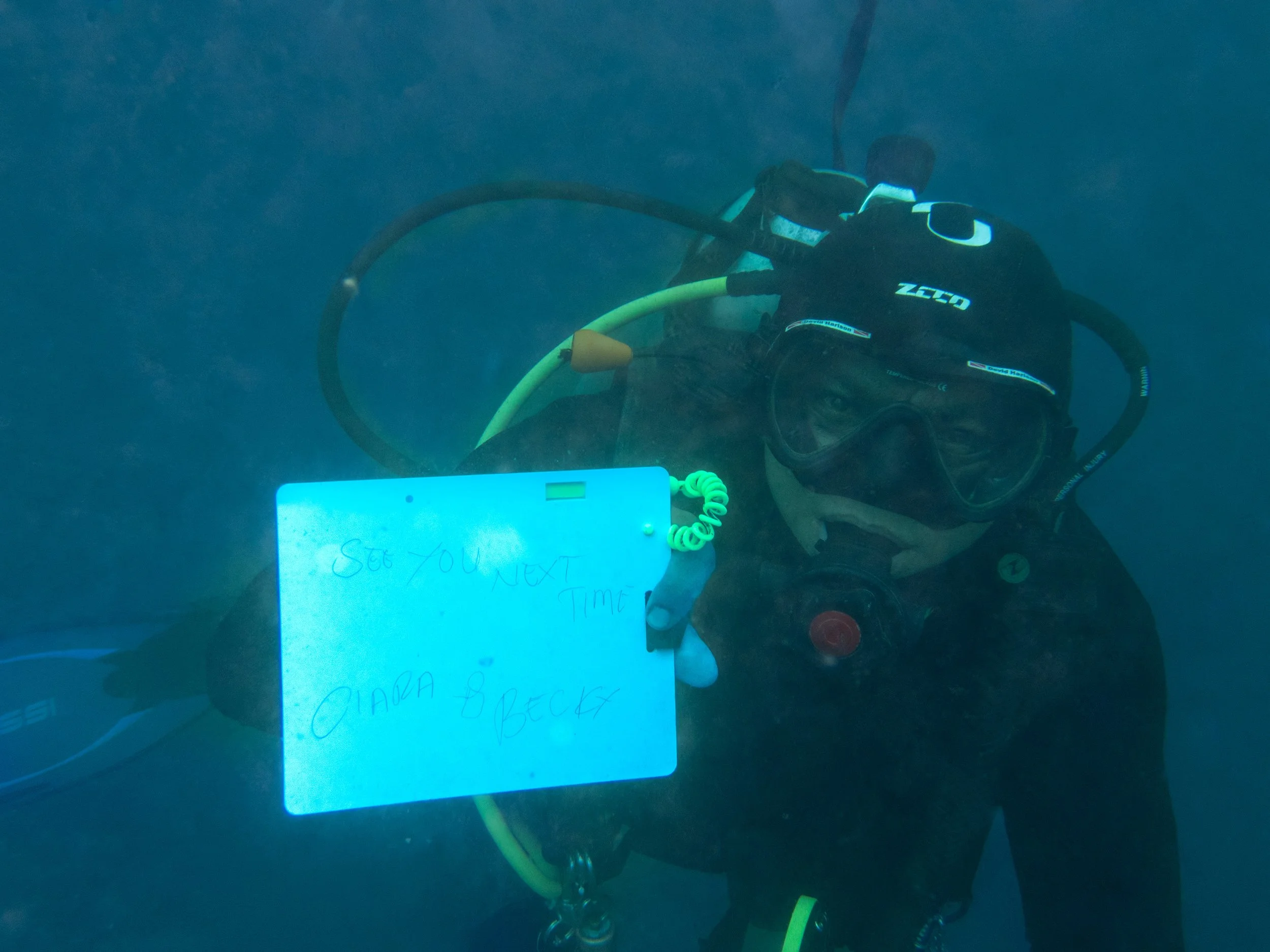
Devid, the world's best dive guide and photo expert!
The evening lectures and image reviews became one of my favorite parts of the day. Everyone gathered after diving to review photos, talk through editing decisions, laugh about missed shots, and celebrate the small wins together. The atmosphere never felt competitive. It felt collaborative, encouraging, and genuinely inspiring.
Outside the water, Byron and Andy also run a thoughtful newsletter called Inside Scuba, which I highly recommend for divers looking to stay connected with the broader dive community.
Dive Into Lembeh Resort: Built With Intention
Spending nine nights at Dive Into Lembeh allowed the experience to unfold at a steady, unhurried pace.
I first met Miranda and Steve at DEMA, and their kindness and passion for diving immediately stood out. Spending time at Dive Into Lembeh made it immediately clear that the same warmth, professionalism, and attention to detail they showed in person carries through every aspect of the resort experience.
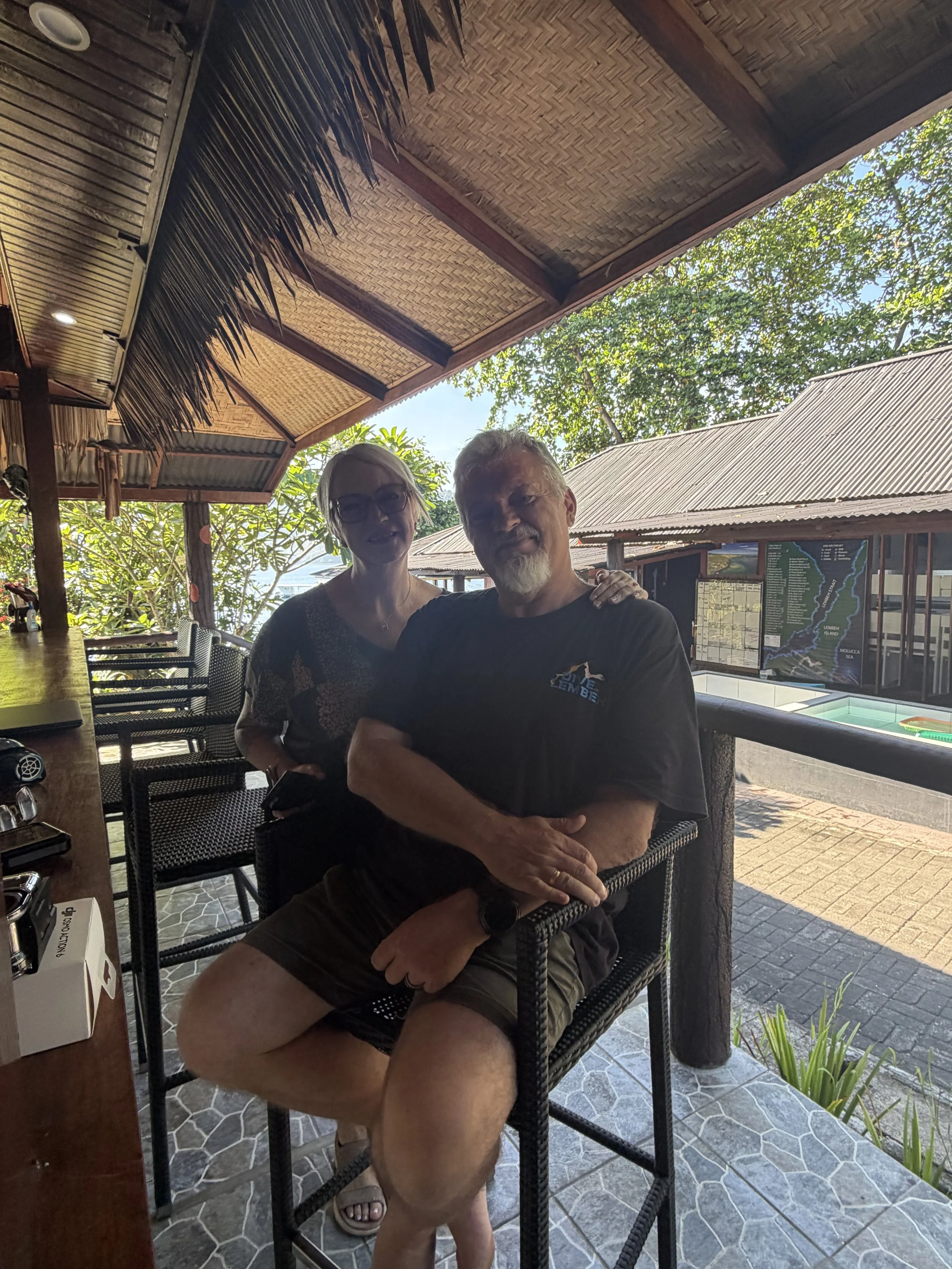
The incredible Miranda and Steve!
Every part of the property feels intentionally designed by people who truly understand divers and underwater photographers. Nothing feels accidental or overlooked. From the smooth logistics and organized dive operations to the thoughtful camera facilities and genuinely attentive hospitality, the entire experience felt polished without ever feeling impersonal.
What impressed me most was how professional, kind, and consistently attentive the entire team was throughout the stay. Staff constantly anticipated needs before anyone even had to ask, whether it was helping with camera gear, preparing dive setups, accommodating dietary requests, or simply making everyone feel comfortable and welcomed after long dive days.
There is a level of care at Dive Into Lembeh that is difficult to fake. You can genuinely feel how much Miranda, Steve, and their entire team love what they do and care about creating meaningful experiences for divers.
Honestly, by the end of the trip, it no longer felt like staying at a resort. It felt like being welcomed into a community centered around a shared love for the underwater world.
The experience was so fantastic that we are already working on planning a future Seaira Dives group trip to Dive Into Raja. Stay tuned because I already know it is going to be something incredibly special.
Accommodations
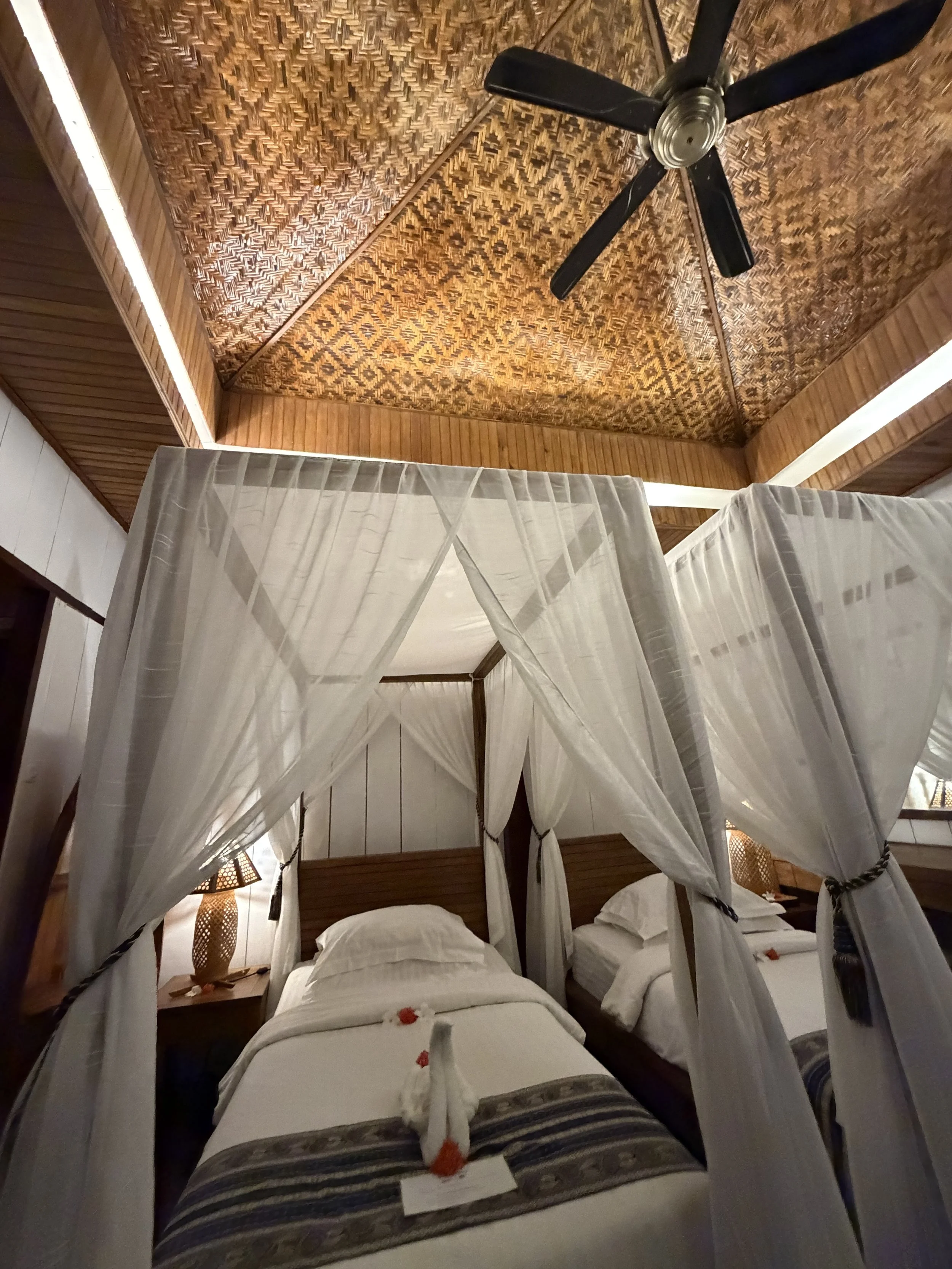
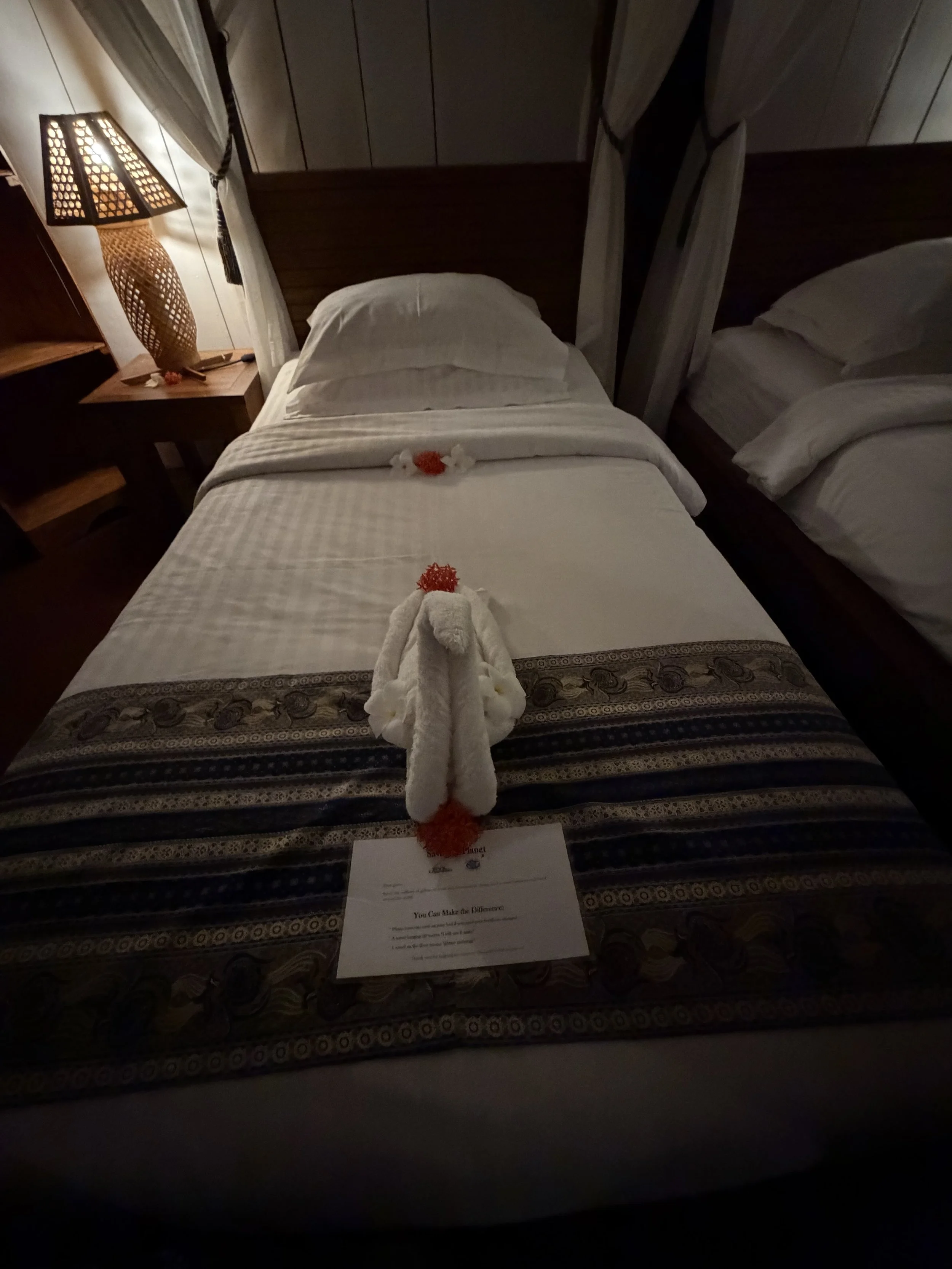
The rooms were spacious, quiet, clean, and incredibly comfortable.
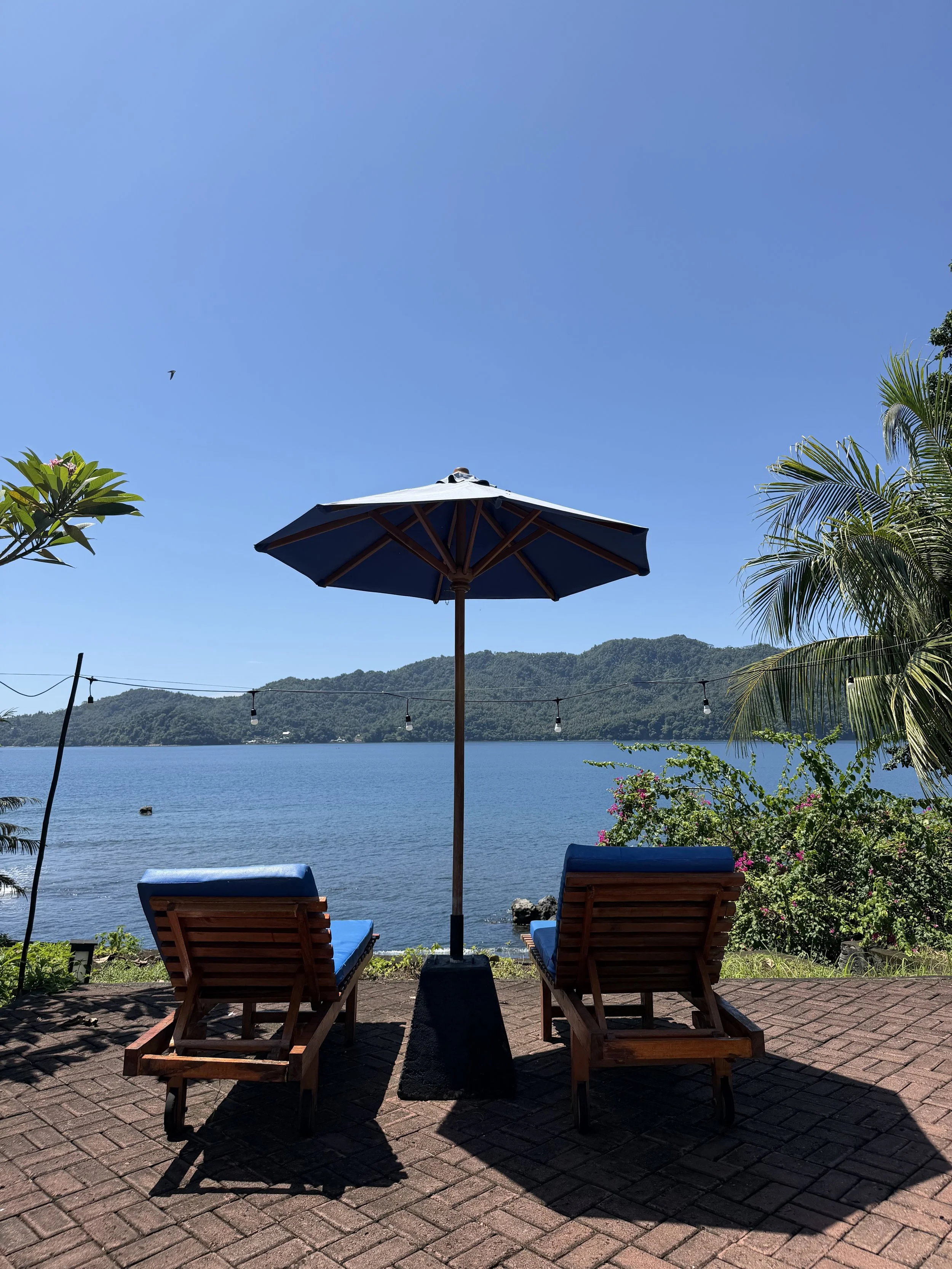
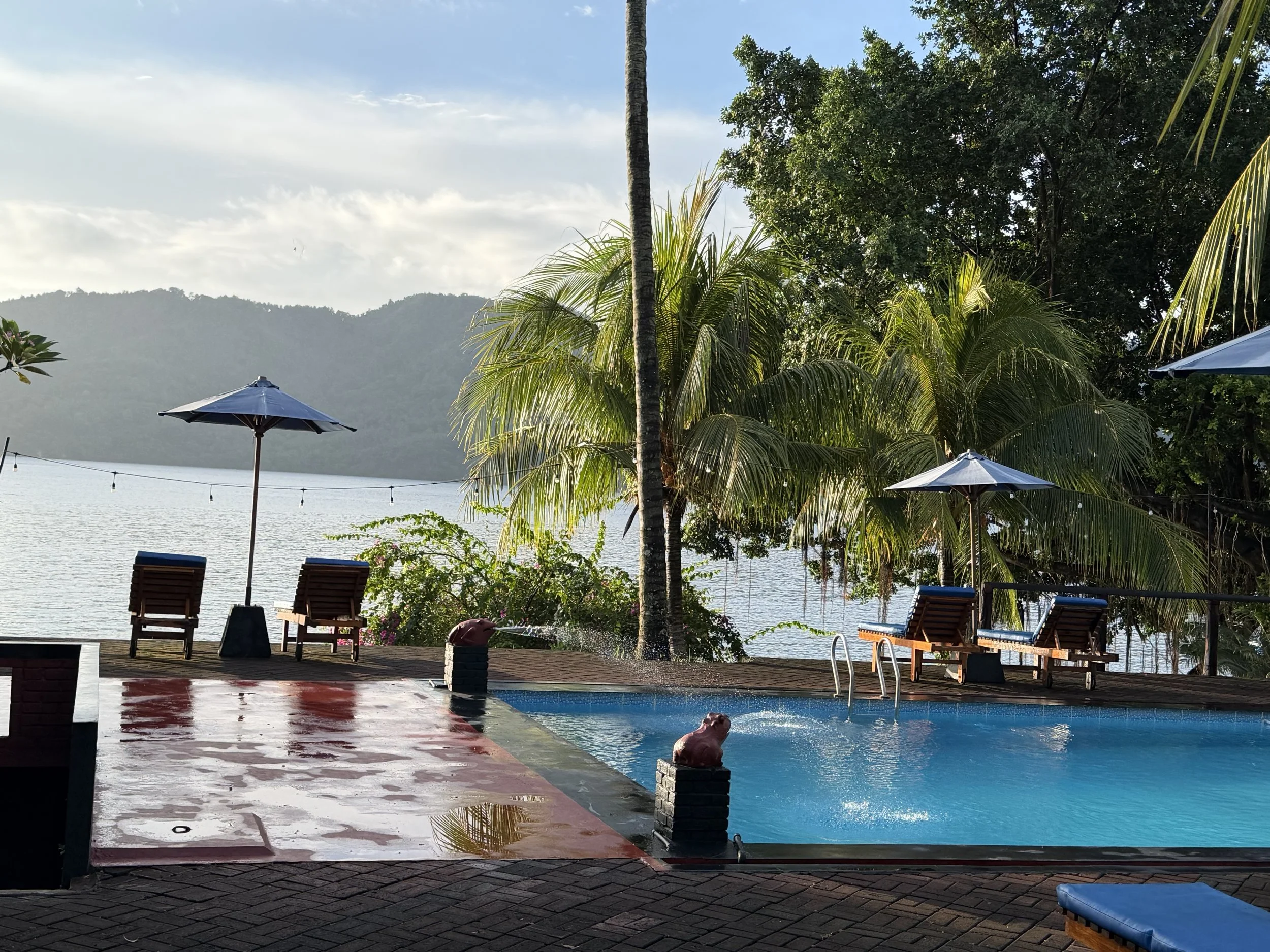
Each bungalow featured comfortable beds, air conditioning, private bathrooms with hot water, and beautiful views overlooking Lembeh Strait. There was plenty of space to unpack camera gear and settle in comfortably between dives.
One of my favorite parts of the room was the private hot tub on the porch. After long macro dives spent hovering motionless over black sand searching for tiny critters, soaking in the hot tub while overlooking the water felt absolutely perfect.
Dive & Camera Facilities
Dive Into Lembeh is exceptionally well set up for underwater photographers.
The dedicated camera room was fantastic with individual workstations, charging stations, organized layouts, and plenty of room to safely manage equipment between dives. Small details made a huge difference over the course of a photography-heavy trip.
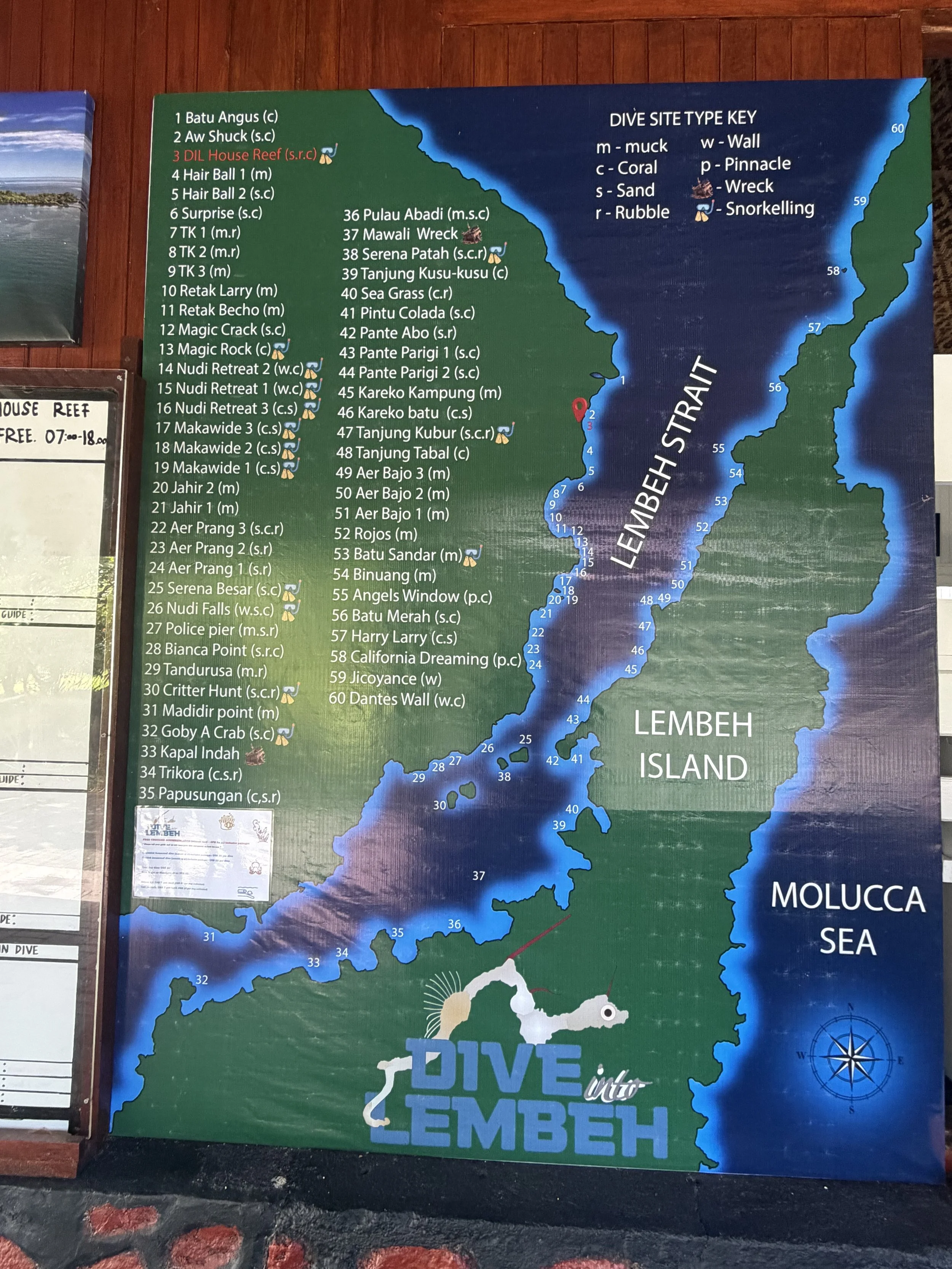
The resort also had a dedicated gear room, fresh water dunk tanks for cameras and dive gear, and an extremely organized dive operation overall. I especially appreciated the large dive briefing board where all of the daily dive information, schedules, and site details were clearly written each day.
Everything about the operation felt smooth, efficient, and intentional without ever feeling rushed.
The Dive Guides & Staff
The dive guides and staff truly stood out throughout the entire trip.
Lembeh diving depends heavily on guides with incredibly trained eyes, and these guides somehow spotted creatures I never would have seen in a million years. Tiny pygmy seahorses, hidden frogfish, rare shrimp, perfectly camouflaged octopus — the amount of life they found was honestly mind blowing.
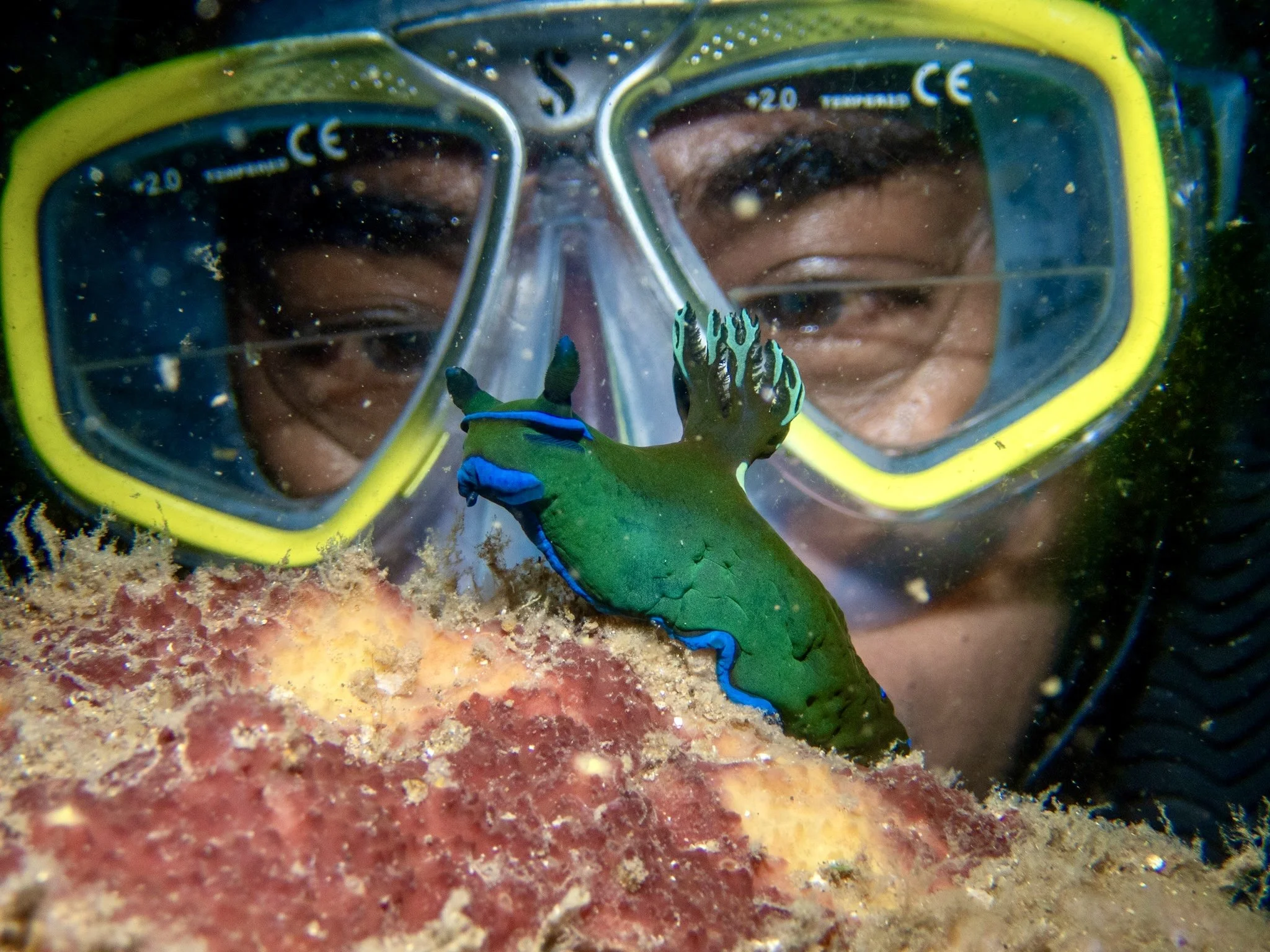
The legendary photo instructor and dive guide Ben!
Beyond simply finding critters, the entire staff created such a welcoming and relaxed environment. By the second day, everyone knew us by name, remembered camera setups, and anticipated what we needed before we even asked.
Agus, the resident marine biologist, added such an incredible depth of knowledge and passion to the experience. Learning more about the ecosystem and behaviors of the animals we were photographing made the diving even more meaningful.
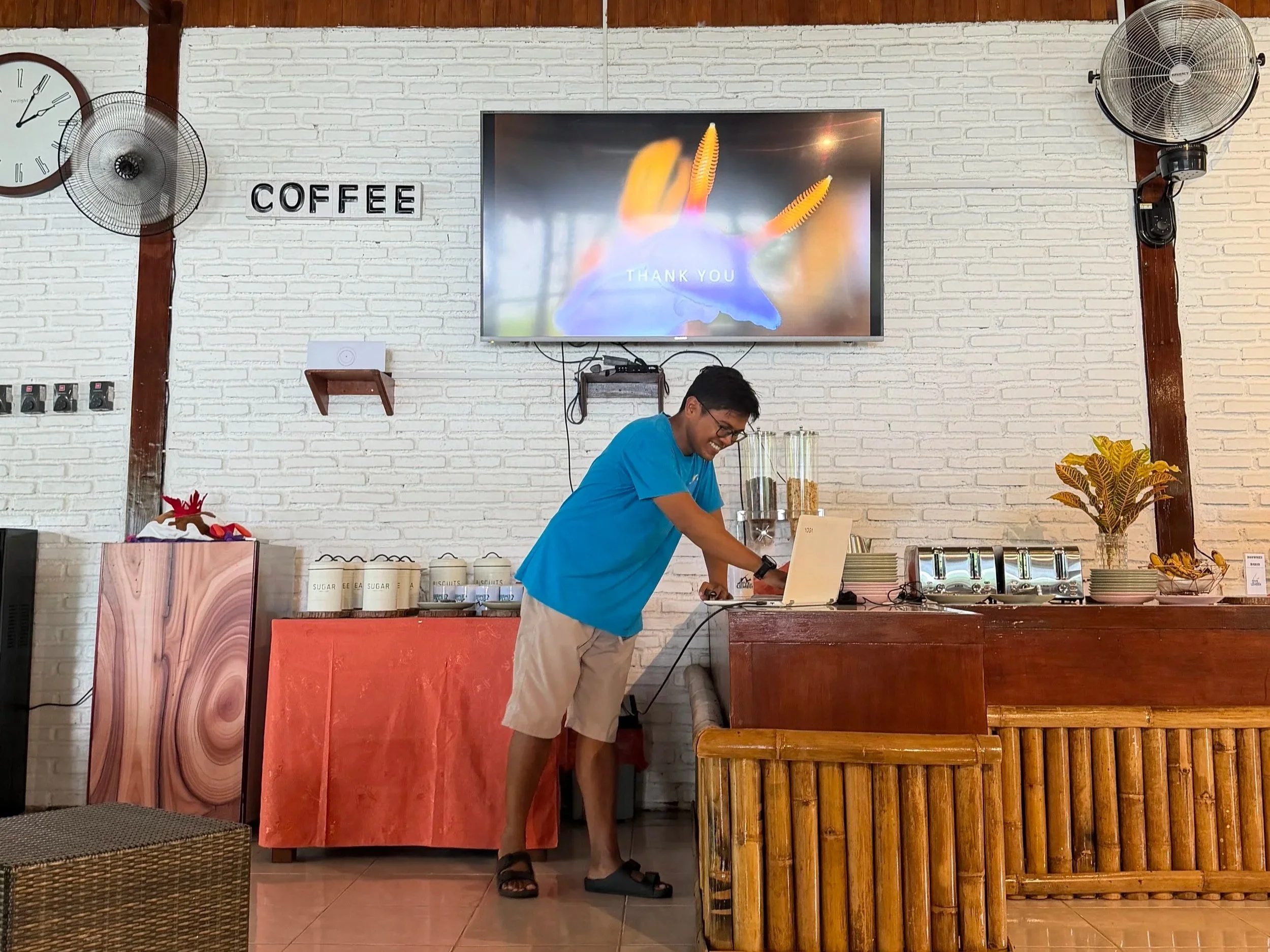
The resident marine biologist, Agus, giving an awesome presentation!
Evira, Ivan, Tila, Adel, Finki, Naya, Lio, and so many more staff members made the resort feel incredibly warm and welcoming throughout the entire stay. The level of hospitality consistently stood out every single day.
That sense of care made Dive Into Lembeh feel deeply personal rather than transactional.
Food & Community
The food every evening was top notch.
Meals were fresh, varied, flavorful, and beautifully prepared. I especially appreciated how accommodating the kitchen was with vegetarian meals. Dietary accommodations never felt like an afterthought, and every dinner still felt intentional and delicious.
Meals naturally became a time for everyone to gather, share photos, talk about critter sightings, laugh about missed shots, and relive the day’s dives together.
That sense of community became such a memorable part of the overall experience.
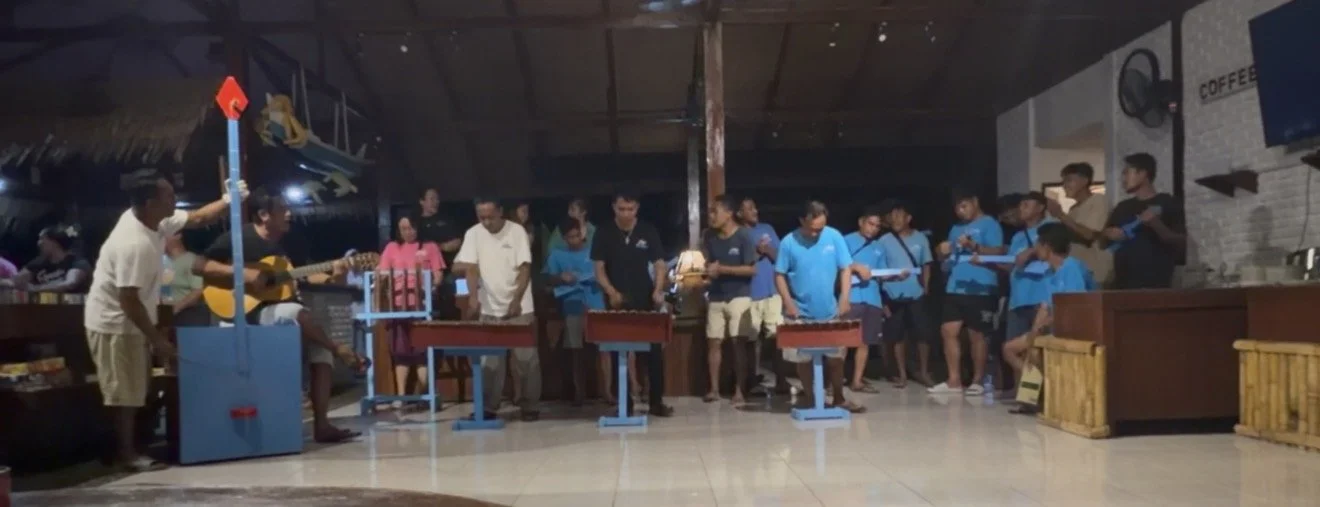
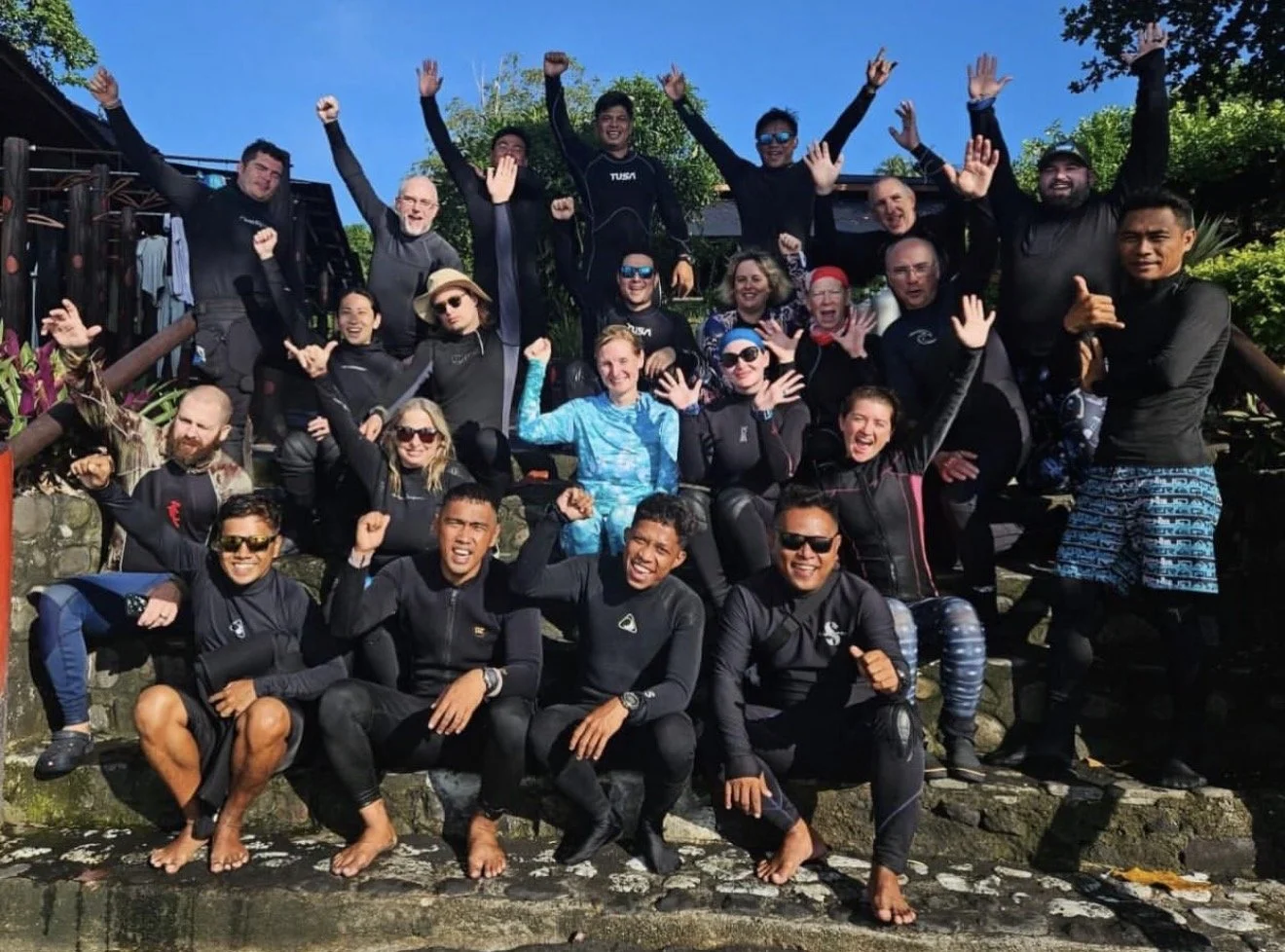
End of trip party!
The end-of-trip party was truly magical and so much fun. After spending over a week diving, learning, laughing, and sharing this experience together, the celebration felt like the perfect way to close out the trip. Between the music, conversations, stories, and overall atmosphere, it perfectly reflected the warmth and community that defined the entire workshop.
What truly makes Dive Into Lembeh special though is the atmosphere Miranda and Steve have created.
The resort feels professional while still remaining incredibly warm and welcoming. Everything runs smoothly, yet nothing feels rigid or impersonal. Dive Into Lembeh did not just feel like a place to stay while diving.
It felt like being welcomed into a community built around a shared love for the underwater world.
Highlights & Critter Encounters
Some of my favorite moments from the trip were not necessarily the rarest critters, but the interactions themselves.
Watching a flamboyant cuttlefish slowly move across the sand while constantly displaying felt mesmerizing. Spending multiple dives searching for pygmy seahorses and finally getting the shot felt incredibly rewarding. Hanging out with curious octopus, watching frogfish hunt, and witnessing tiny behavioral moments became just as exciting as checking species off a list.
Lembeh has a way of slowing you down and teaching you to appreciate details you normally would swim right past.
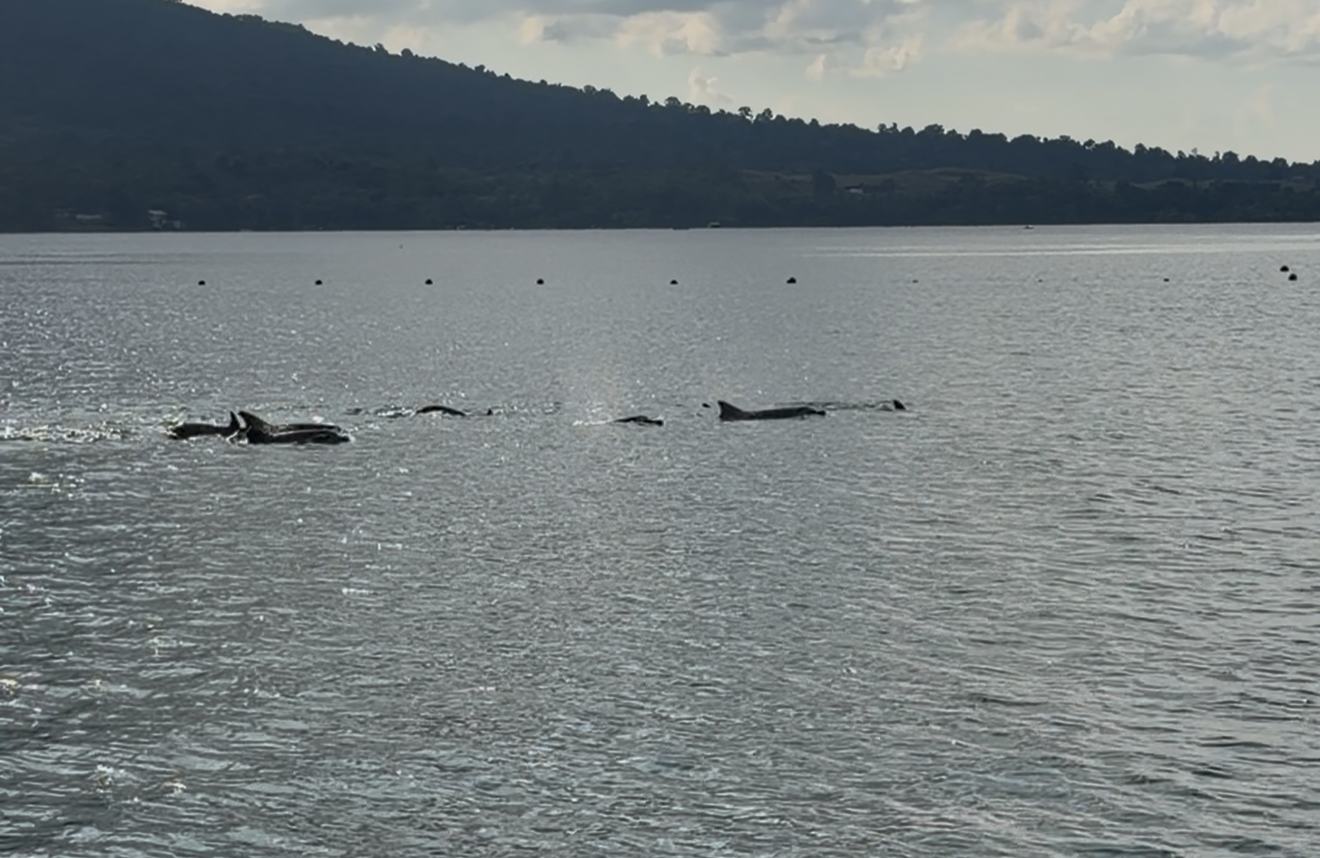
Dolphins on the last dive!
Closing Reflections
This trip was as much about learning as it was about location.
From the long travel days and intentional stop in Singapore to nine nights of slow, deliberate muck diving, the experience created space to focus — on buoyancy, observation, patience, and intention. Lembeh does not reward speed or spectacle. It rewards attention.
Over the course of the trip, photography became less about chasing rare subjects and more about understanding behavior, light, timing, and composition. Skills improved through repetition, feedback, and time in the water rather than intensity.
The combination of world-class diving, incredible hospitality at Dive Into Lembeh, intentional instruction from Byron, Andy, Matt, Devid, and Ben, and the consistency of the dive schedule all contributed to steady and meaningful growth as both a diver and photographer.
Some trips blur together over time.
This one absolutely will not.
I left Lembeh with stronger technical skills, better awareness underwater, and a much deeper appreciation for slowing down enough to truly observe the ocean.
Most importantly, I left feeling excited and motivated to continue growing as an underwater photographer. What began as showing up as a complete beginner evolved into genuine confidence and inspiration by the end of the trip.
Some places are memorable because of what you see.
Lembeh stands out for what it teaches.